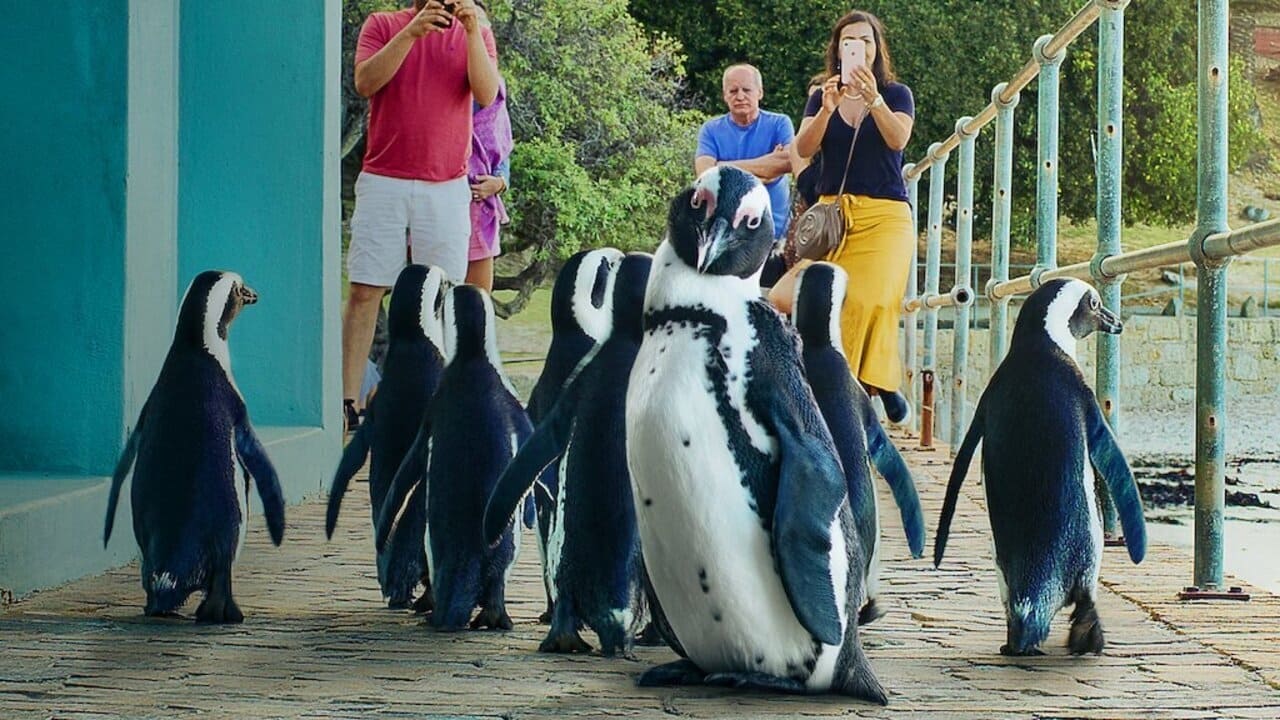
In a picturesque South African town, an eclectic group of endangered penguins flock together to find mates, raise families and mix with the locals.
Stream
Social & External
Self
Witness the epic nature of Wild Scandinavia: orca, puffins and eagles rule the fjords; wolves and lynx patrol magical forests; polar bears and musk ox survive arctic extremes. Basejumpers and reindeer herders also embrace the wilderness.
South Pacific is a British nature documentary series from the BBC Natural History Unit, which began airing on BBC Two on 10 May 2009. The six-part series surveys the natural history of the islands of the South Pacific region, including many of the coral atolls and New Zealand. It was filmed entirely in high-definition. South Pacific was co-produced by the Discovery Channel and the series producer was Huw Cordey. It is narrated by Benedict Cumberbatch. Filming took place over 18 months in a variety of remote locations around the Pacific including: Anuta, Banks Islands, French Frigate Shoals, Papua New Guinea, Palmyra, Kingman Reef, Tuvalu, Palau, Caroline Islands, Tuamotus and Tanna Island in Vanuatu. On 6 May 2009, BBC Worldwide released a short clip of big wave surfer Dylan Longbottom surfing in slow motion, high-definition footage as a preview of the series, attracting extremely positive reactions on the video sharing website YouTube. The series was released on DVD and Blu-ray Disc on 15 June 2009. At the end of each fifty-minute episode, a ten-minute featurette takes a behind-the-scenes look at the challenges of filming the series. The series was released by Discovery International in the USA under the title Wild Pacific, with narration provided by Mike Rowe.
A natural history portrait of a year in Yellowstone, following the fortunes of America's wildlife icons as they face the challenges of one of the most extraordinary wildernesses on Earth.
Bill Oddie's How to Watch Wildlife is a British BBC 2 TV programme about natural history presented by Bill Oddie and produced by Stephen Moss. A first series of eight episodes were broadcast in early 2005, and a second series of eight episodes in early 2006.
The Human Animal: A Personal View of the Human Species is a BBC nature documentary series written and presented by Desmond Morris, which focuses on the behaviour of homo sapiens, examining areas such as love and sex, baby rearing, the importance of urban habitat and the roots of our creativity.
Join wildlife & LGBTQIA+ activist Dan O'Neil as he explores the structure and internal anatomy of the biggest animals alive today. Using the latest CGI, we'll bring to life the most gigantic animals ever to have walked the planet. Dan travels the world to join the dots between the 'Giants' of the natural world, past & present.
145 million years ago an adolescent Allosaurus lay down to die in a dried up river bed. In 1991 scientists discovered his perfectly preserved body and nicknamed him Big Al. This is the story of this predatory dinosaur's life - how he grew from a tiny hatchling to the terror of the Jurassic plains, why his body was covered in so many wounds and how he ended up in the river bed. The second part tells the story of the extraordinary forensics, spectacular paleontological finds and intricate studies of Al's closest living relatives to unravel his intriguing life for the film.
Documentary series looking at the most dramatic wildlife spectacles on our planet, showing how life responds to natural events which can dramatically transform entire landscapes.
Congo is a 2001 BBC nature documentary series for television on the natural history of the Congo River of Central Africa. In three episodes, the series explores the variety of animals and habitats that are to be found along the river’s 4,700 km reach. Congo was produced for the BBC Natural History Unit and the Discovery Channel by Scorer Associates. The series writer/producer was Brian Leith and the executive producer was Neil Nightingale. Series consultants were Michael Fay, Kate Abernethy, Jonathan Kingdon and Lee White. Little filming was possible in the Democratic Republic of the Congo which encompasses the vast majority of the river's watershed. The reason for this is that the Second Congo War was underway during filming. The series forms part of the Natural History Unit's Continents strand and was preceded by Andes to Amazon in 2000 and Wild Africa later that year in 2001.
Zoologist Nigel Marvin travels back in time to visit deadly creatures of the prehistoric oceans.
Fun adventures await in the forest named Porong Porong Village where Pororo and friends live. New friends show up in the village and many exciting things happen in the forest. Our playful little gentoo penguin Pororo, naughty spinosaurus Crong, sweet and lovely American beaver Loopy, cheerful and sporty Adélie penguin girl Petty, clever fennec fox Eddy, strong minikaniko Rody, trustworthy polar bear Poby, happy-go-lucky hummingbird Harry, magical dragon wizard Tong-Tong, and a red sedan car Tu-Tu live in this snow-covered wonderland.
Eoin Warner sails a 140-year-old Galway Hooker out into the Atlantic to showcase the extraordinary wild magic of Ireland's western islands, from Basking Sharks off Inishtrahull, to White Tailed Eagle off the Cork coast.
Paz is an American television show produced by Telescreen BV, Egmont Imagination, King Rollo Films, Open Mind Productions, Discovery Kids, and DreamWorks Classics. The series runs as 80 eight-minute shows, each of which combines both a five-minute animation with live action before and after. The show integrates the live action with the animation so that the story flows and continues throughout. In the US it airs on Discovery Kids and on TLC on Ready Set Learn between shows. The title theme was composed by Art Labriola and all the incidental music was written by Lester Barnes. Children's TV producer Jonathan Meath supervised and produced numerous episodes of the show Paz the Penguin. Paz is based on the books by Mary Murphy. The show focuses on a five-year-old penguin named Paz and his mother, Big Penguin. It first aired in 2003. In Europe and many other countries, Paz runs only as a five-minute cartoon without the live action sections.
Wild In Your Garden was a live BBC television show, broadcast in 2003. Presenters Bill Oddie, Kate Humble and Simon King presented live action from a number of hidden cameras in or near nest boxes, badger setts and the like. Short, pre-filmed documentary pieces were also included. It was shown twice a day, but at different times, sometimes after midnight. A sequel, Britain Goes Wild with Bill Oddie, was broadcast in 2004 and the format eventually developed into the Springwatch series.
Birding with Bill Oddie was a British TV programme, about natural history, presented by Bill Oddie. Three series were made. Birding with Bill Oddie was only loosely scripted and a lot of Bill's dialogue was spontaneous - he would start to talk and the cameraman would film him. The reason that the viewer almost feels that they are in the hide or on the site with Bill, is that video was used rather than film.
A journey that follows the Ganges from its source deep within the Himalayas through to the fertile Bengal delta, exploring the natural and spiritual worlds of this sacred river.
Each day, the gang hatches a plan to get off the island, but is thwarted by unexpected twists and turns. They face extreme weather, challenging adventures and new creatures along the way, solving one mystery only to reveal another. The island tests Mia, Buddy, Rosie and Hamylton constantly. Only by passing these tests and going deep into the heart of darkness can our heroes find a way back home.
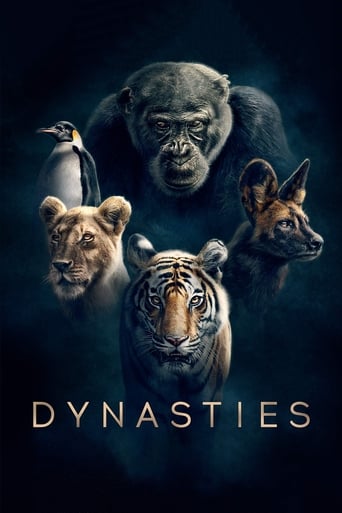
Follow the true stories of five of the world's most celebrated, yet endangered animals; penguins, chimpanzees, lions, painted wolves and tigers. Each in a heroic struggle against rivals and against the forces of nature, these families fight for their own survival and for the future of their dynasties.
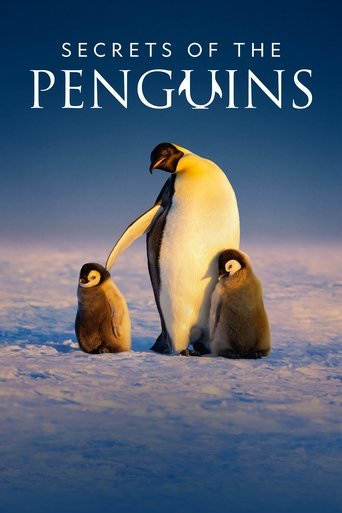
Over two extraordinary years, National Geographic Explorer Bertie Gregory discovered never-before-filmed secret traditions, surprising intelligence and close-knit societies of penguins. This astonishing series reveals they are more like us than we ever dreamed, from their powerful friendships to the courageous risk-takers using ingenuity and innovation in some of the world's most extreme places.
Natural World is a nature documentary television series broadcast annually on BBC Two and regarded by the BBC as its flagship natural history brand. It is currently the longest-running series in its genre on British television, with more than 400 episodes broadcast since its inception in 1983. Natural World is produced by the BBC Natural History Unit in Bristol, but individual programmes can be in-house productions, collaborative productions with other broadcasters or films made and distributed by independent production companies and purchased by the BBC. Natural World programmes are often broadcast as PBS Nature episodes in the USA. Since 2008, most Natural World programmes have been shot and broadcast in high definition.
Filmed across six continents, this docuseries uses cutting-edge camera technology to capture animals' nocturnal lives, revealing new behaviours filmed in full color like never before.
Journeying to the far reaches of our planet, this eight part series follows some of the world's most amazing species, telling extraordinary stories that are dramatic, thrilling, funny and sometimes heart-breaking, but always full of hope.
Consistently stunning documentaries transport viewers to far-flung locations ranging from the torrid African plains to the chilly splendours of icy Antarctica. The show's primary focus is on animals and ecosystems around the world. A comic book based on the show, meant to be used an as educational tool for kids, was briefly distributed to museums and schools at no cost in the mid-2000s.
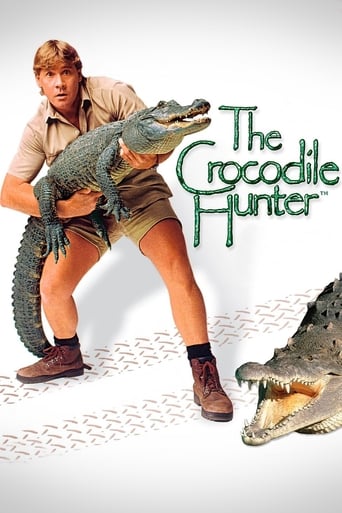
Australian host Steve Irwin and his wife Terri run a wildlife refuge. Their shared passion is educating the world about wildlife, including the much feared crocodile and numerous venomous snakes. Steve's specialty is the capture and relocation of crocodiles. No animal appears too threatening to Steve, his true respect for animals is the foundation for everything he does.
Millions of years ago, incredible forces ripped apart the Earth’s crust creating seven extraordinary continents. This documentary series reveals how each distinct continent has shaped the unique animal life found there.
David Attenborough travels to the end of the earth, taking viewers on an extraordinary journey across the polar regions of our planet.
David Attenborough presents a documentary series exploring how animals meet the challenges of surviving in the most iconic habitats on earth.
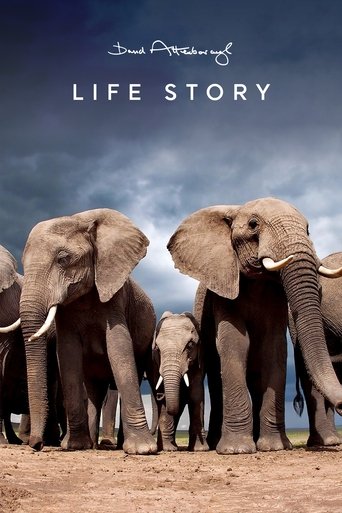
David Attenborough celebrates the amazing variety of the natural world in this epic documentary series, filmed over four years across 64 different countries.
30 for 30 is the title for a series of documentary films airing on ESPN, its sister networks, and online highlighting interesting people and events in sports history. This currently includes four "volumes" of 30 episodes each, a 13-episode series under the ESPN Films Presents title in 2011–2012, and a series of 30 for 30 Shorts shown through the ESPN.com website. The series has also expanded to include Soccer Stories, which aired in advance of the 2014 FIFA World Cup, and audio podcasts. This entry refers to the main Volumes of the series presented by ESPN
Biography is a documentary television series. It was originally a half-hour filmed series produced for CBS by David Wolper from 1961 to 1964 and hosted by Mike Wallace. The A&E Network later re-ran it and has produced new episodes since 1987. The older version featured historical figures such as Helen Keller and Mark Twain, or long-dead entertainment figures such as Will Rogers or John Barrymore. The A&E series has placed the emphasis on such people as Marilyn Monroe, Elvis Presley, Plácido Domingo, Freddie Mercury, Jacqueline Kennedy Onassis, Eric Clapton, Pope John Paul II, Gene Tierney, Selena, Diego Rivera, Mao Zedong and Queen Elizabeth II, and fictional characters like The Phantom, Superman, Hamlet, Betty Boop, and Santa Claus. The program ended up profiling enough figures that in 1999, A&E spun it off into an entire network, The Biography Channel.
Shot from land and air, in trees and cliff-blinds, on ice floes and underwater, this documentary tells the powerful stories of many of the planet's species and their movements, while revealing new scientific insights with breathtaking high-definition clarity and emotional impact. The beauty of these stories is underscored by a new focus into these species; fragile existence and their life-and-death quest for survival in an ever-changing world.
This docuseries showcases nature's lesser-known tiny heroes. Spotlighting small creatures and the extraordinary things they do to survive, each episode is filled with surprising stories and spectacular cinematography.
In the documentary series produced by the BBC, The Life of Birds, Sir David Attenborough unveils a new investigation into the behaviour of birds, perfectly adapted animals that conquer the air. This ten-part series reveals the secret of the birds' great success, their remarkable strategies for finding food, their complex social systems, and their ingenious and often bizarre ways of mating and breeding. From the high speed of large airborne hunters to long distance migrations or the bright colors of nectar feeding hummingbirds, this is the ultimate bird series that every ornithologist should not miss.
Experience our planet's natural beauty and examine how climate change impacts all living creatures in this ambitious documentary of spectacular scope.
Horizon tells amazing science stories, unravels mysteries and reveals worlds you've never seen before.
Experience the wonders of our world like never before in this epic series from Jon Favreau and the producers of Planet Earth. Travel back 66 million years to when majestic dinosaurs and extraordinary creatures roamed the lands, seas, and skies.
Sir David shines the spotlight on some of nature’s evolutionary anomalies and reveals how these curious animals continue to baffle and fascinate.