Social & External
The people behind it
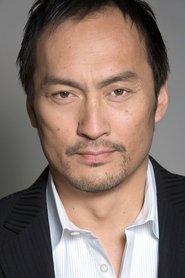
Ken Watanabe
Yūko Natori
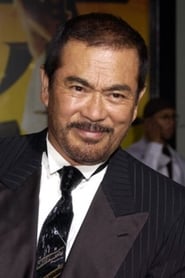
Sonny Chiba
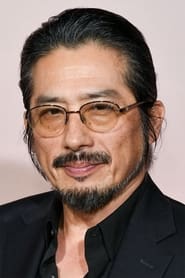
Hiroyuki Sanada
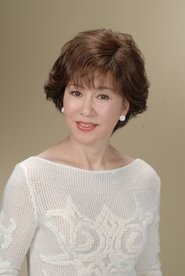
Yukiyo Toake
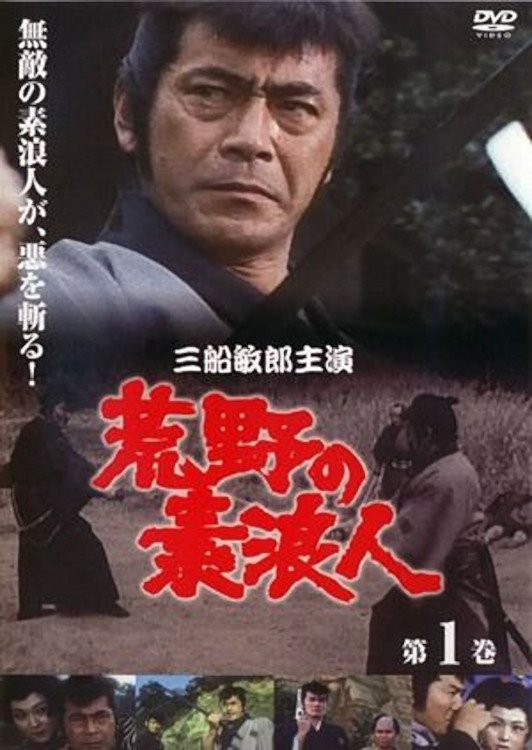
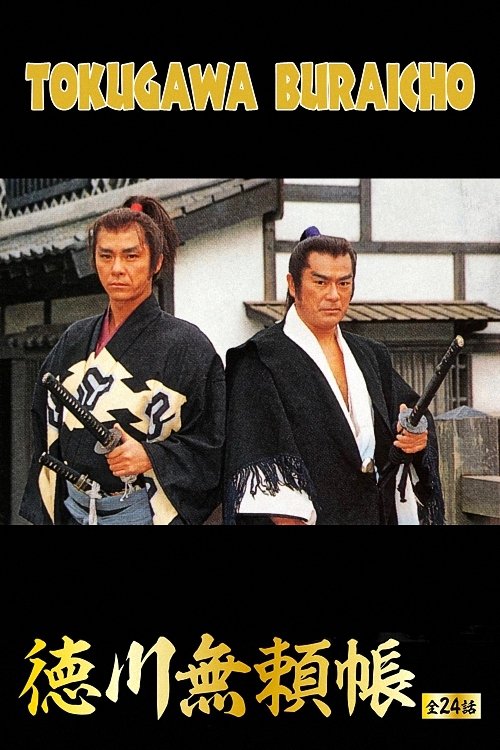
Continuing the tradition of the Yojimbo movies, Mifune Toshiro stars as Toge Kujuro, a wandering ronin searching for his own fame and happiness. With a sense of justice, he travels the countryside, with his motley collection of outcasts - a pistol-carrying ronin, a two-bit con artist and woman seeking revenge, following close behind, unwittingly righting wrongs and protecting the common man.
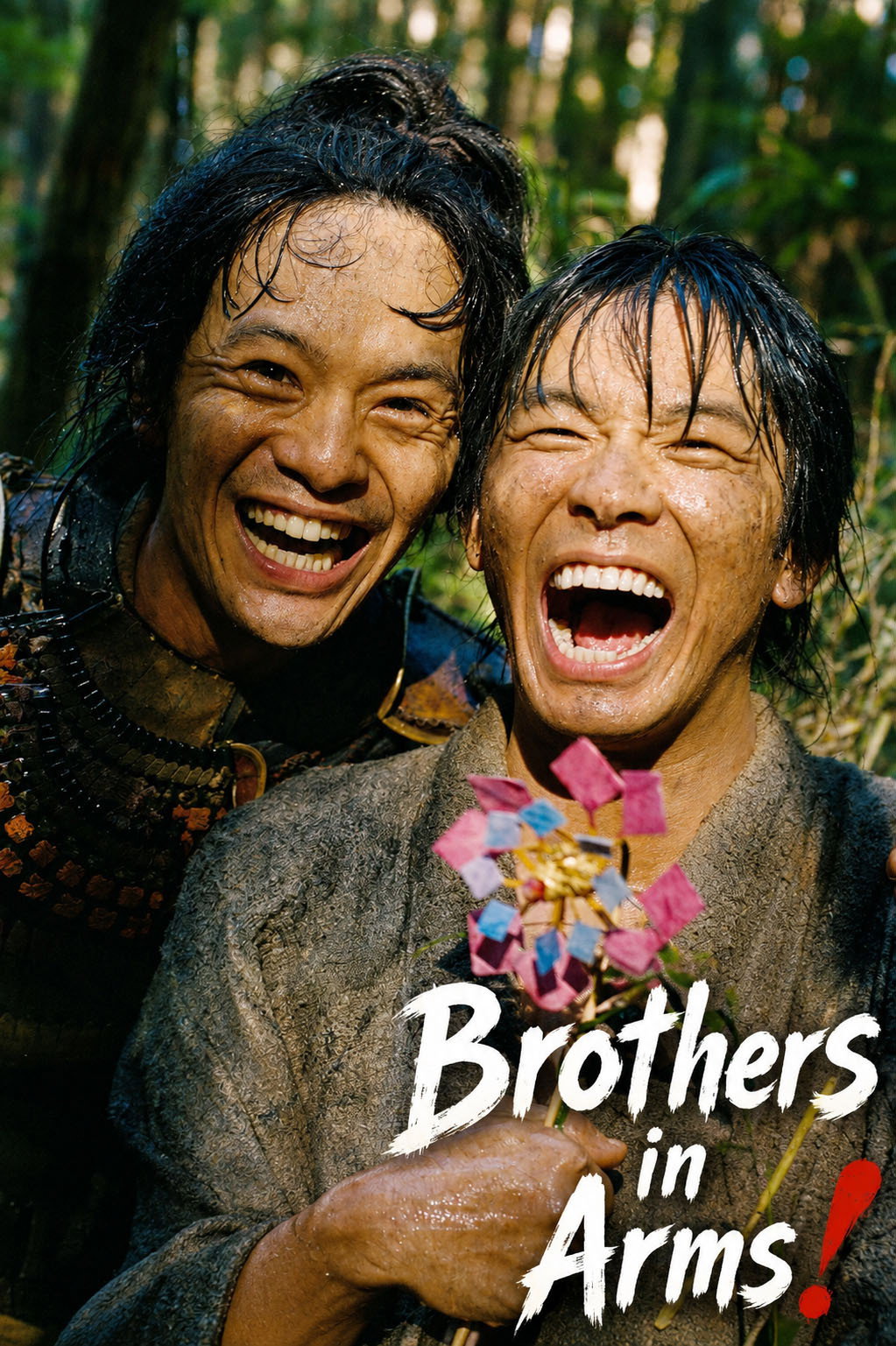
Set in the Sengoku period, this story follows the Toyotomi brothers—Hidenaga and Hideyoshi—and their unbreakable bond as they rise to unify Japan.
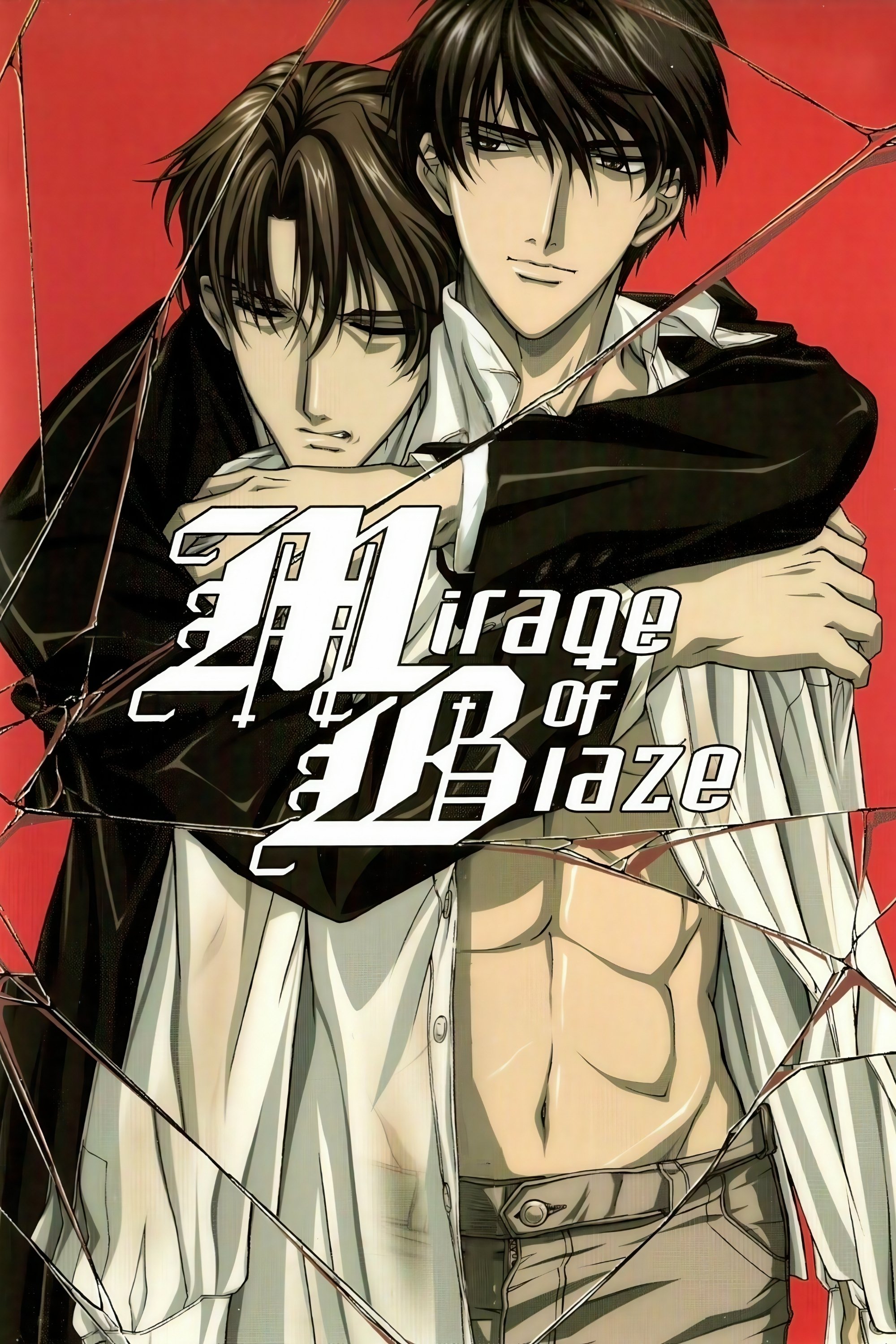
Takaya, an ordinary high school boy, gets drawn into an ancient war of darkness and tragedy when he discovers that he is the reincarnation of a feudal lord from Japan's Warring States Period
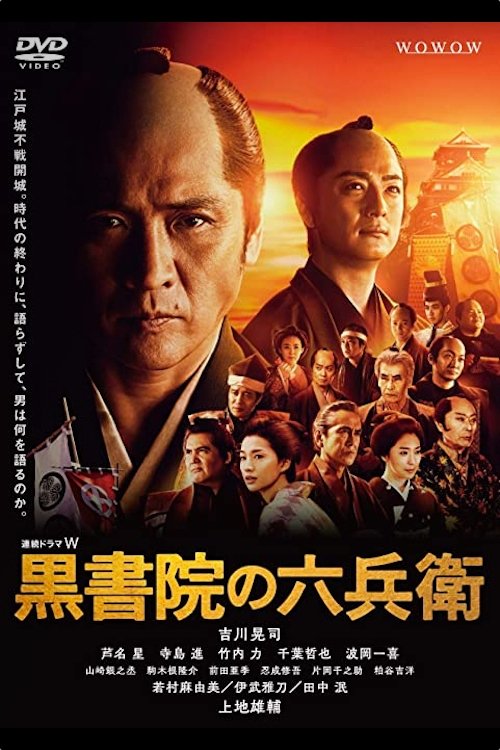
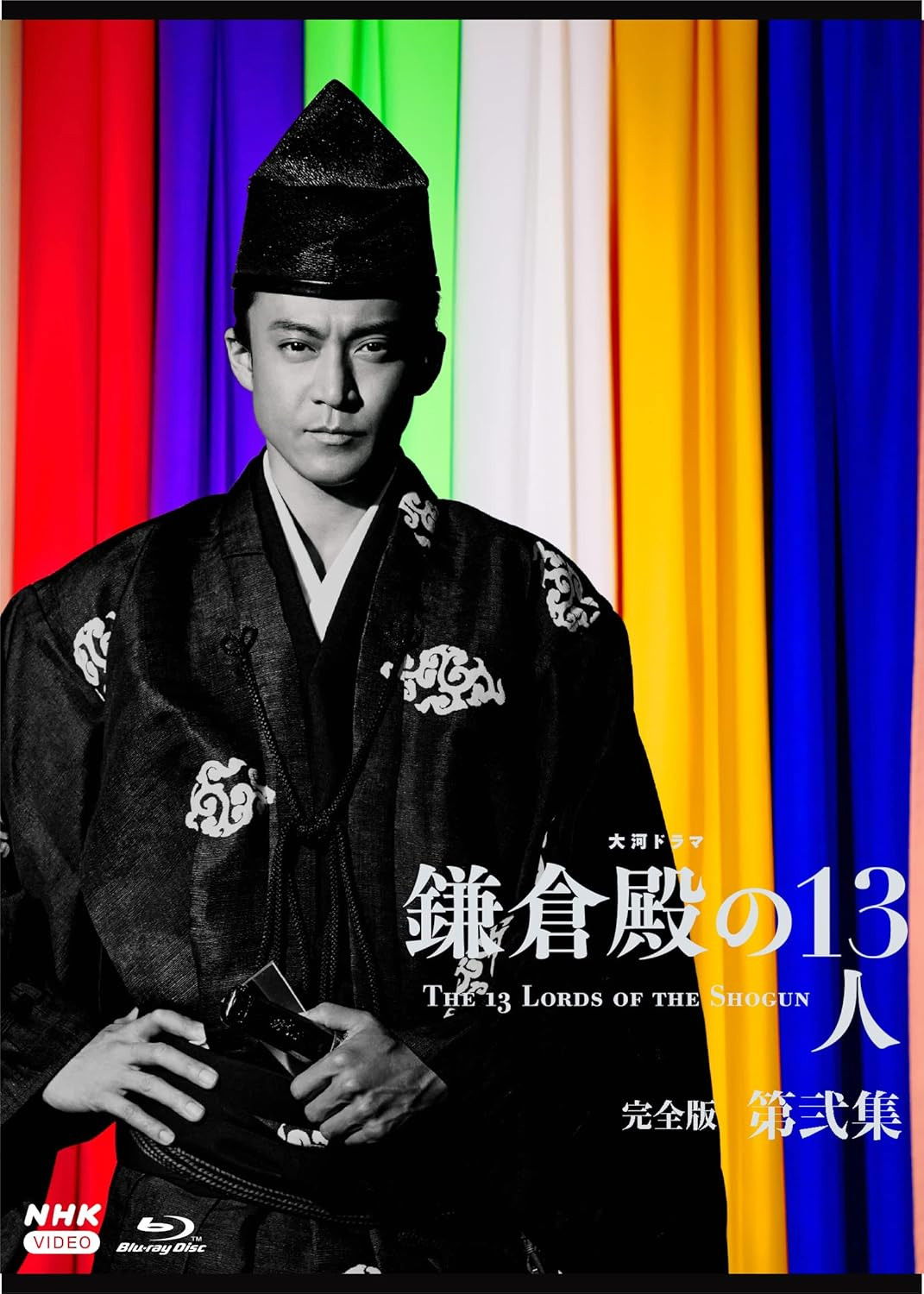
Following the ascension to power of Taira no Kiyomori, the Minamoto clan is exiled. Minamoto no Yoritomo meets Masako, the sister of Hōjō Yoshitoki and later marries her. Following this marriage, the gears of Yoshitoki's destiny begin to turn.
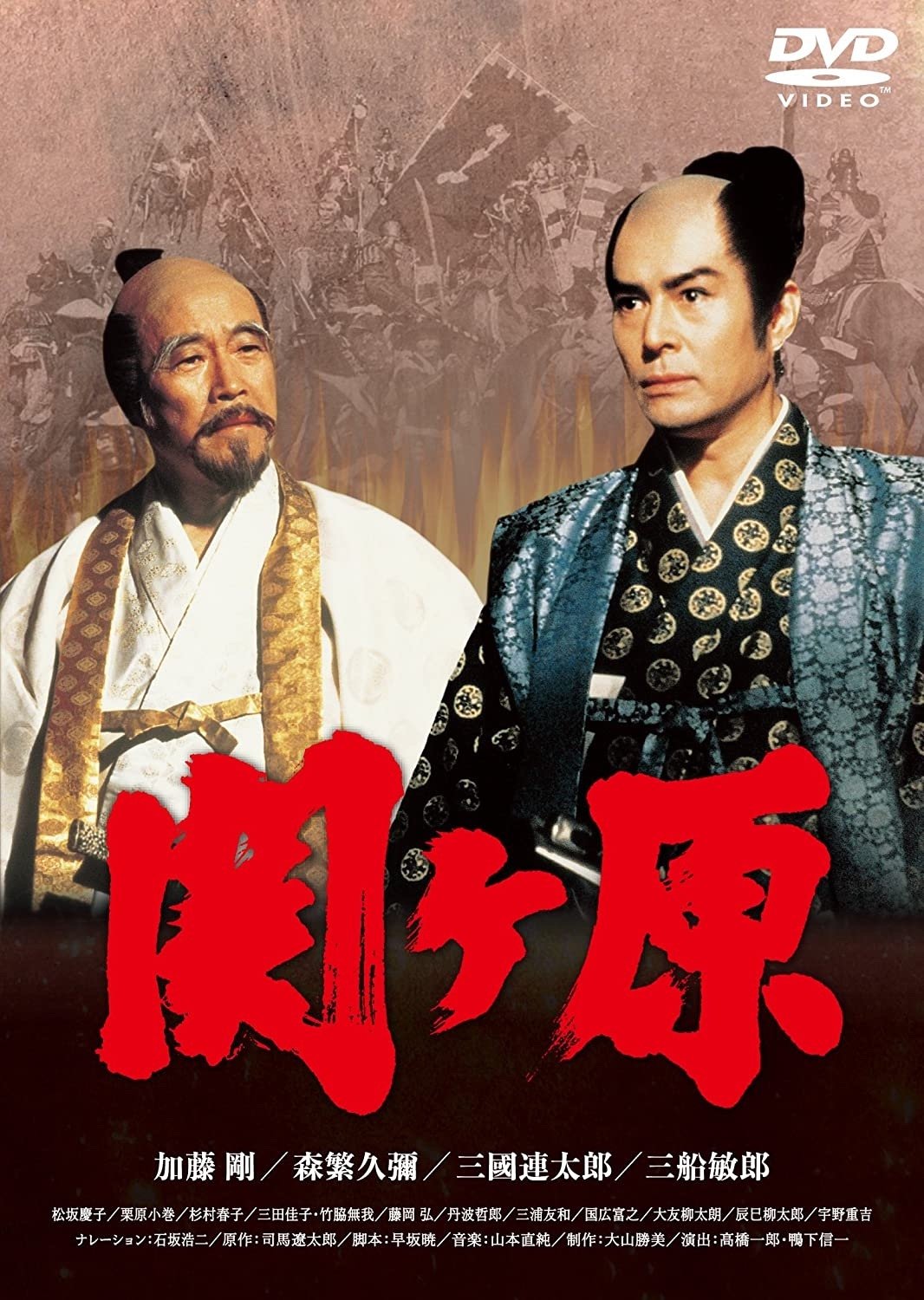
Blockbuster drama based on the novel Sekigahara by Ryotaro Shiba, a program dedicated to the 30th anniversary of TBS. A total of 120 actors, 3,500 extras and about 500 horses recreated the largest battle in history, the Battle of Sekigahara, in which 200,000 warriors clashed from east and west. The battle, which can be called a turning point in the history of Japan, depicts the conflict, love and hate between people on a grand scale and with a great cast.
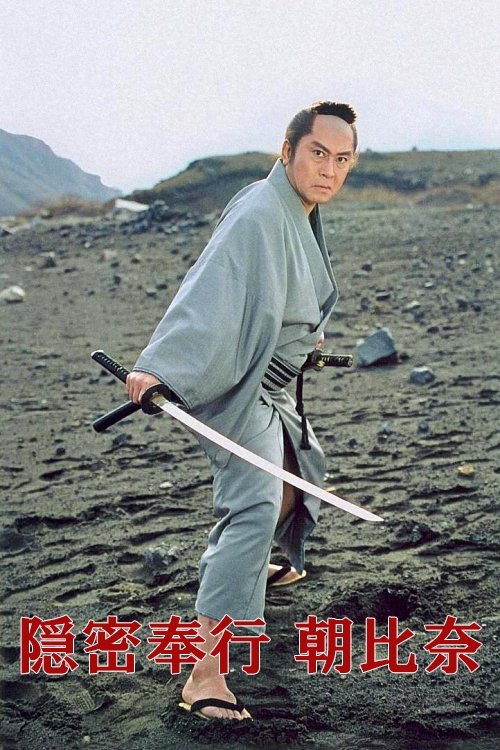
Ometsuke Asahina Kawachinokami Masakiyo - holds the position of inspector overseeing the daimyo on behalf of the shogun and the council of elders. When signs of rebellion appear in various areas across Japan, while receiving a secret order from Elder Tsuchiya Sagaminokami, Asahina hides her identity and heads to the area as a secret magistrate and crushes the evil that is plaguing the world with her ruthless hand.
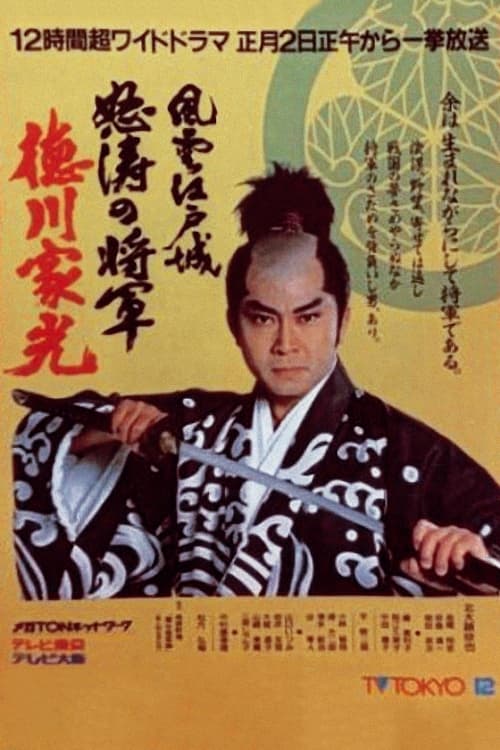
After the end of the reign of the second Shogun Hidetada, the country was still in turmoil. Meanwhile, Iemitsu, who took the place of the third shogun, is carrying out a number of political reforms. However, Yui Shosetsu, plans to overthrow the Tokugawa family...
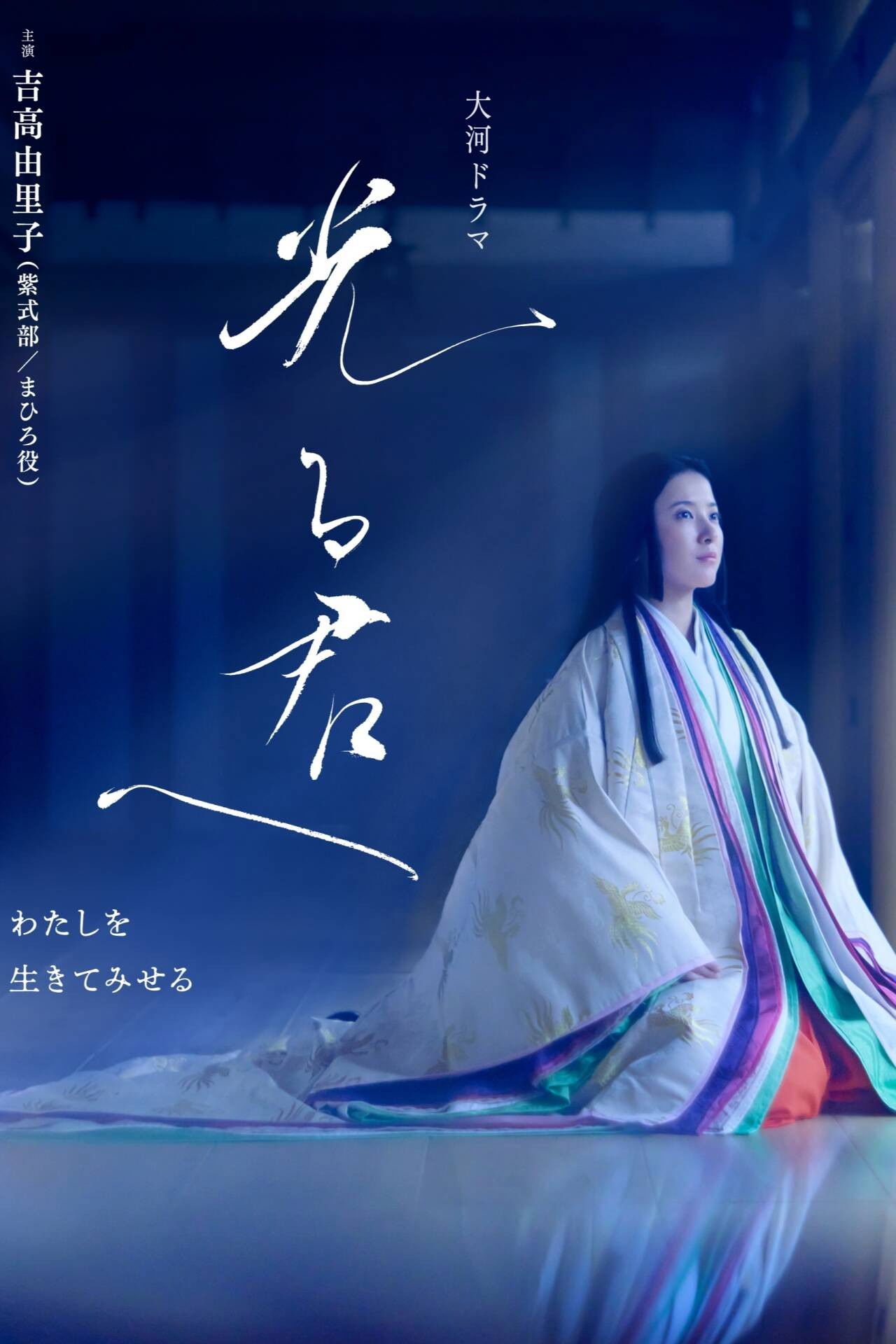
Murasaki Shikibu (Yoshitaka Yuriko), the heroine of this story, wrote the bestseller 'The Tale of Genji,' transcending a thousand years during the Heian period. She weaves the story of Hikaru Genji, fueled by her love for Fujiwara no Michinaga (Emoto Tasuku), with her hidden passion and incomparable imagination. It is a tale of a woman who lived with unchanging love in an ever-changing world. (From TV JAPAN)
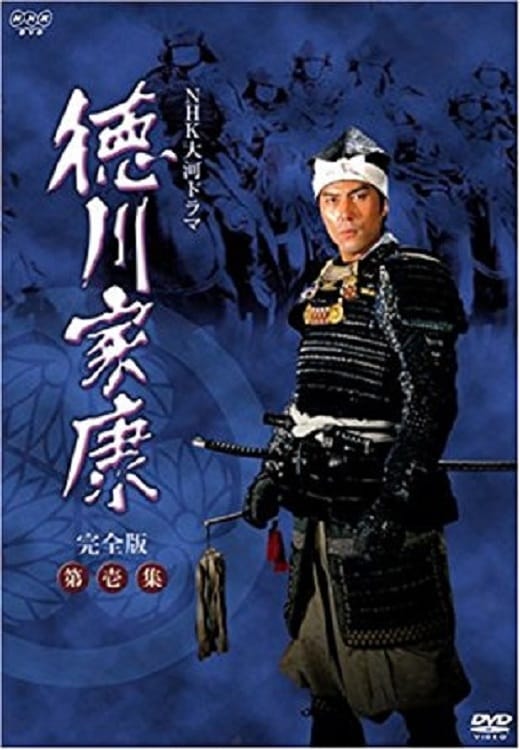
The story chronicles the life of Tokugawa Ieyasu.
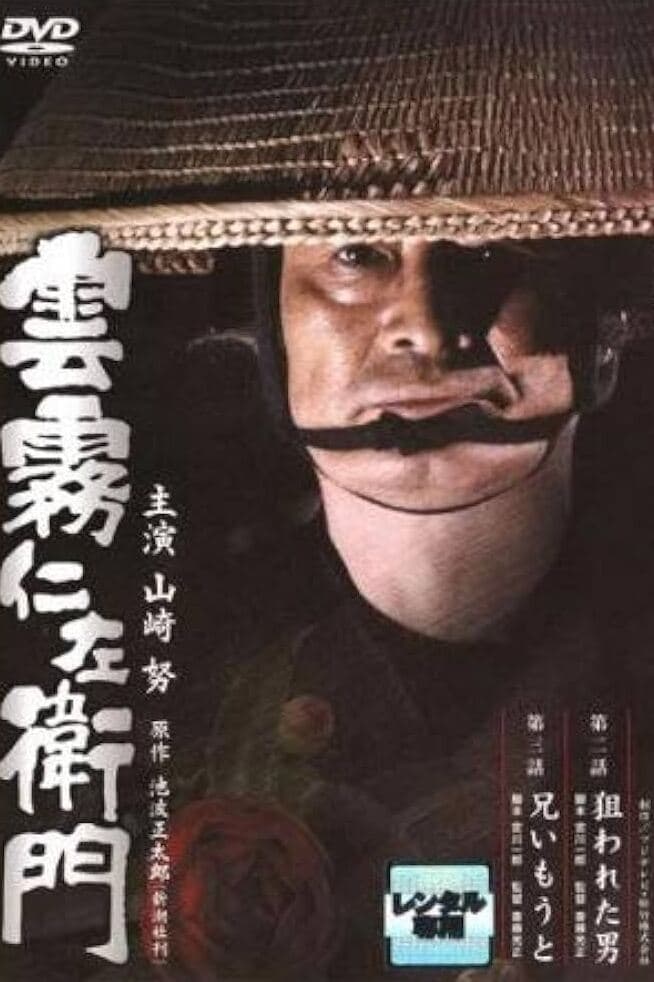
A Japanese television jidaigeki that was broadcast in prime-time in 1995 on Fuji TV. It is based on Shōtarō Ikenami's novel of the same title and stars Tsutomu Yamazaki. In the Kyōhō period, there was a group of bandits called Kumokiri from the people of Edo. Tokugawa shogunate appoints Abe Shikibu a head post of the Hitsuke Tōzoku Aratamegata to arrest Kumokiri clan.
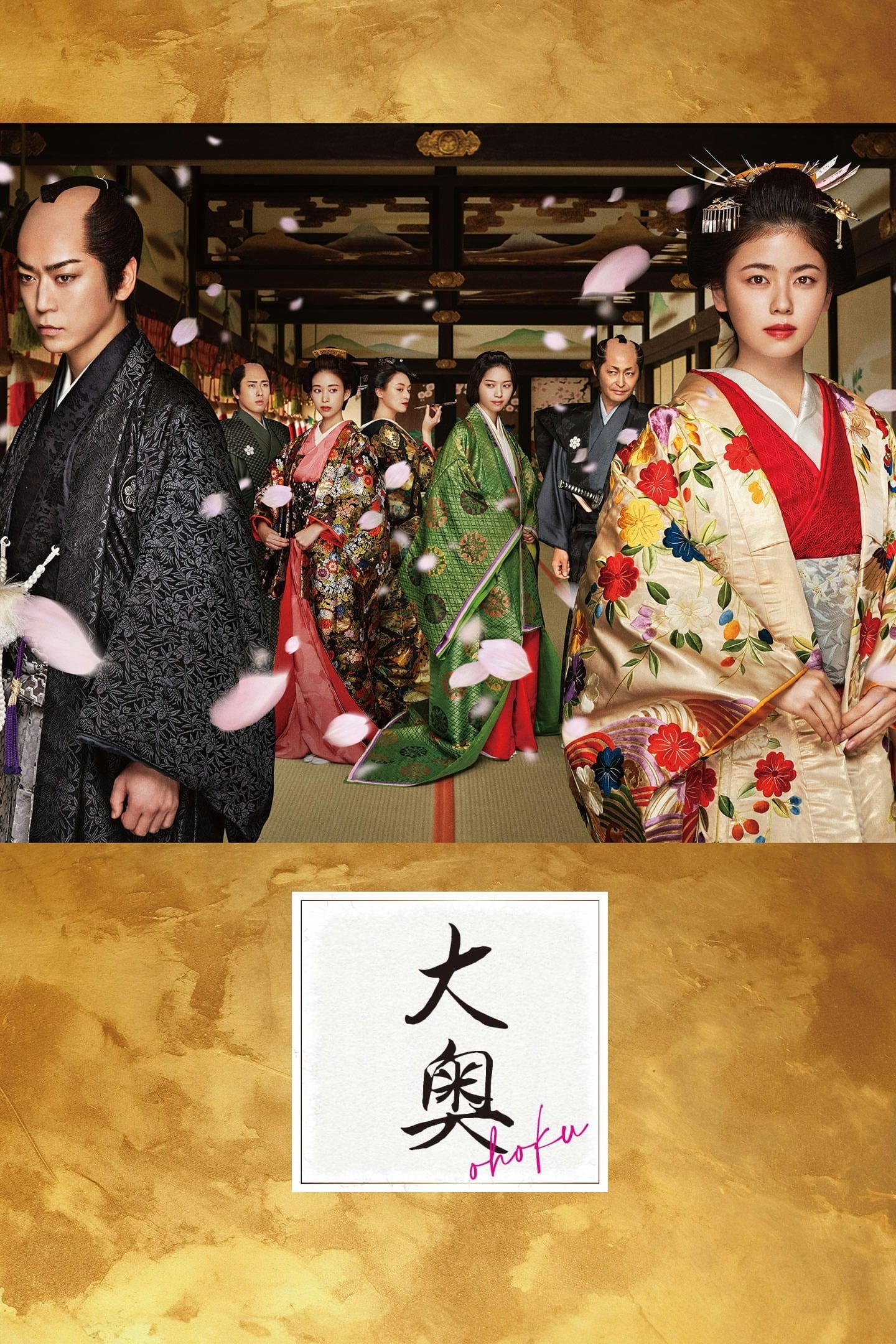
The Ooku of Edo Castle was a mysterious existence that could not be seen from the outside for 300 years in Tokugawa. Love and hate, and fierce power struggles were fought among the women day and night.
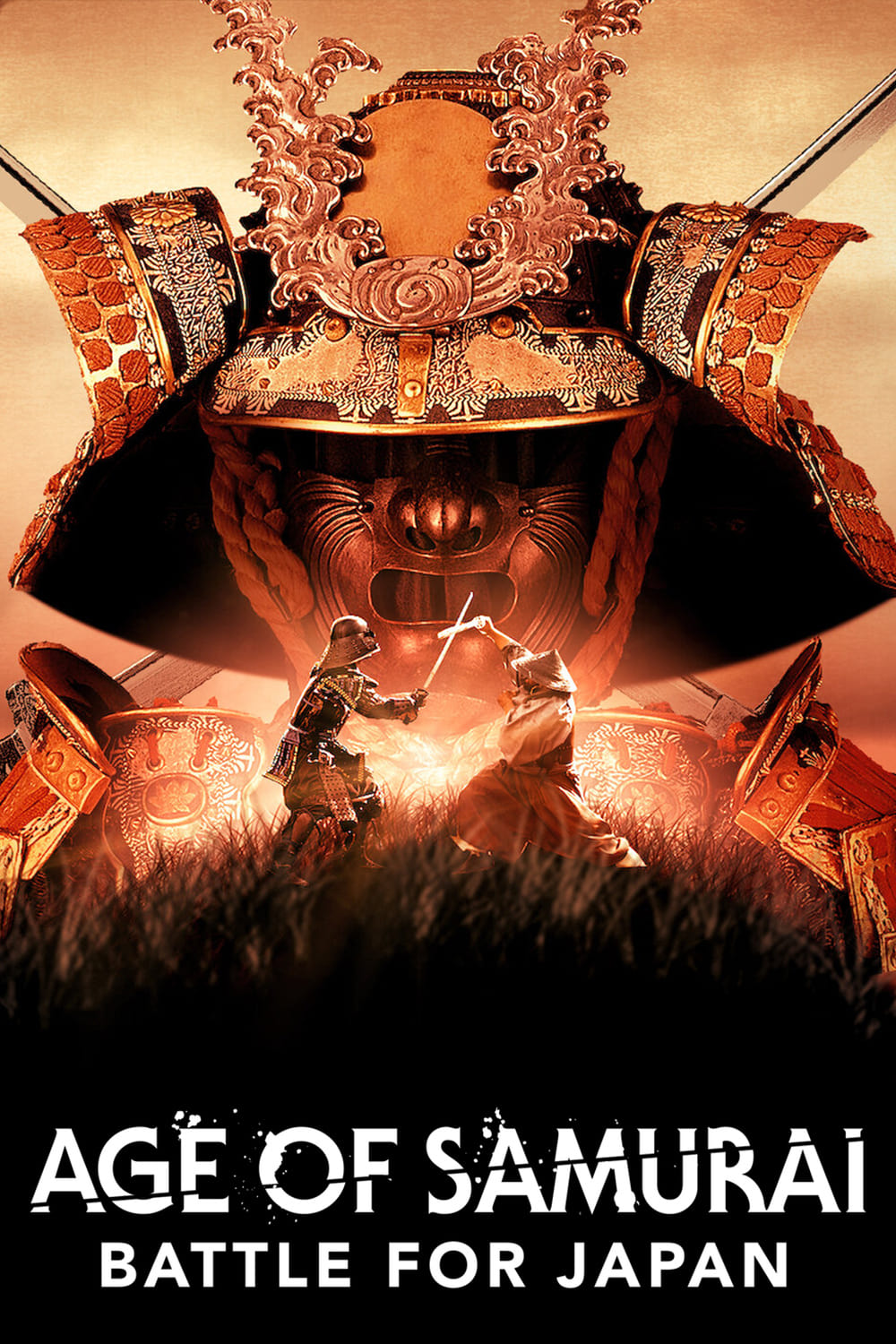
Dynamic reenactments and expert commentaries bring to life the tumultuous history and power struggles of a warring 16th-century feudal Japan.
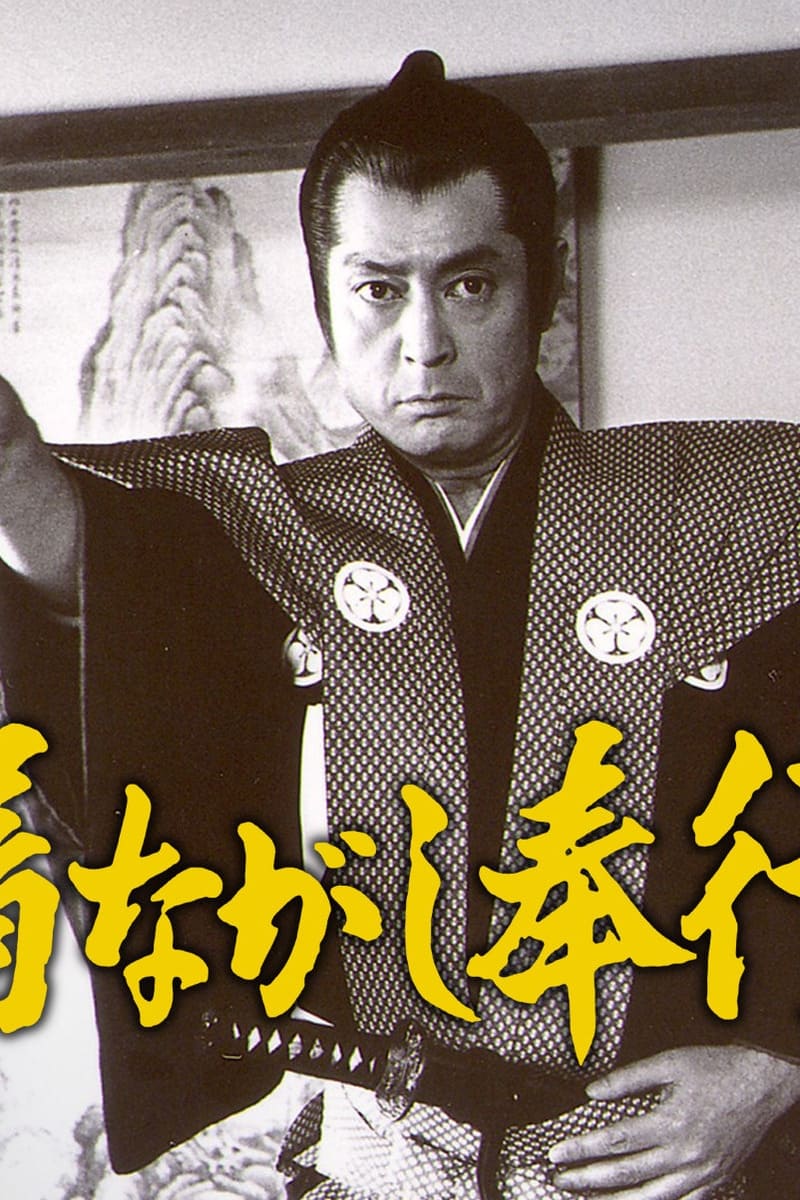
Koheita, a newly appointed magistrate, never shows his face in the magistrate's office, instead spending his time in the 'Horisoto', a den of evil where anything goes, from theft to prostitution to murder. However, this man is about to clean up the city in an unconventional way!
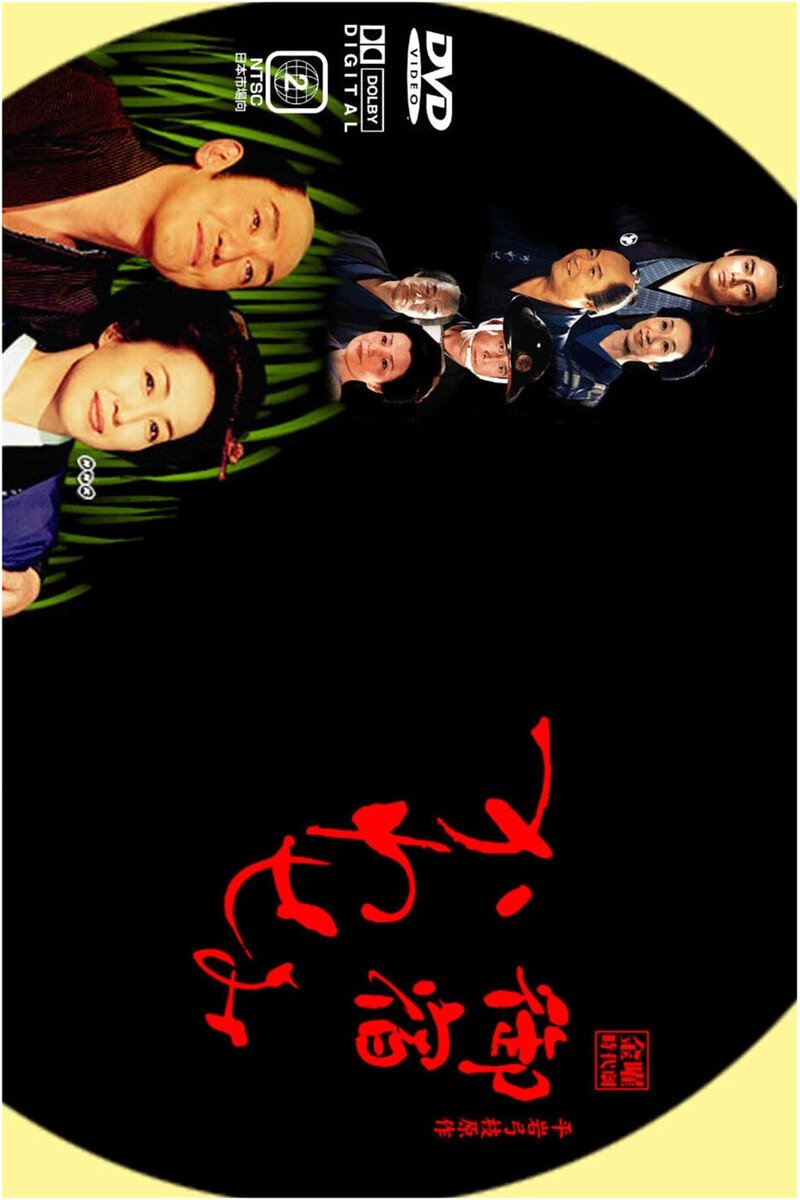
Humanistic detective stories that took place in an inn called 'Kawasemi'.
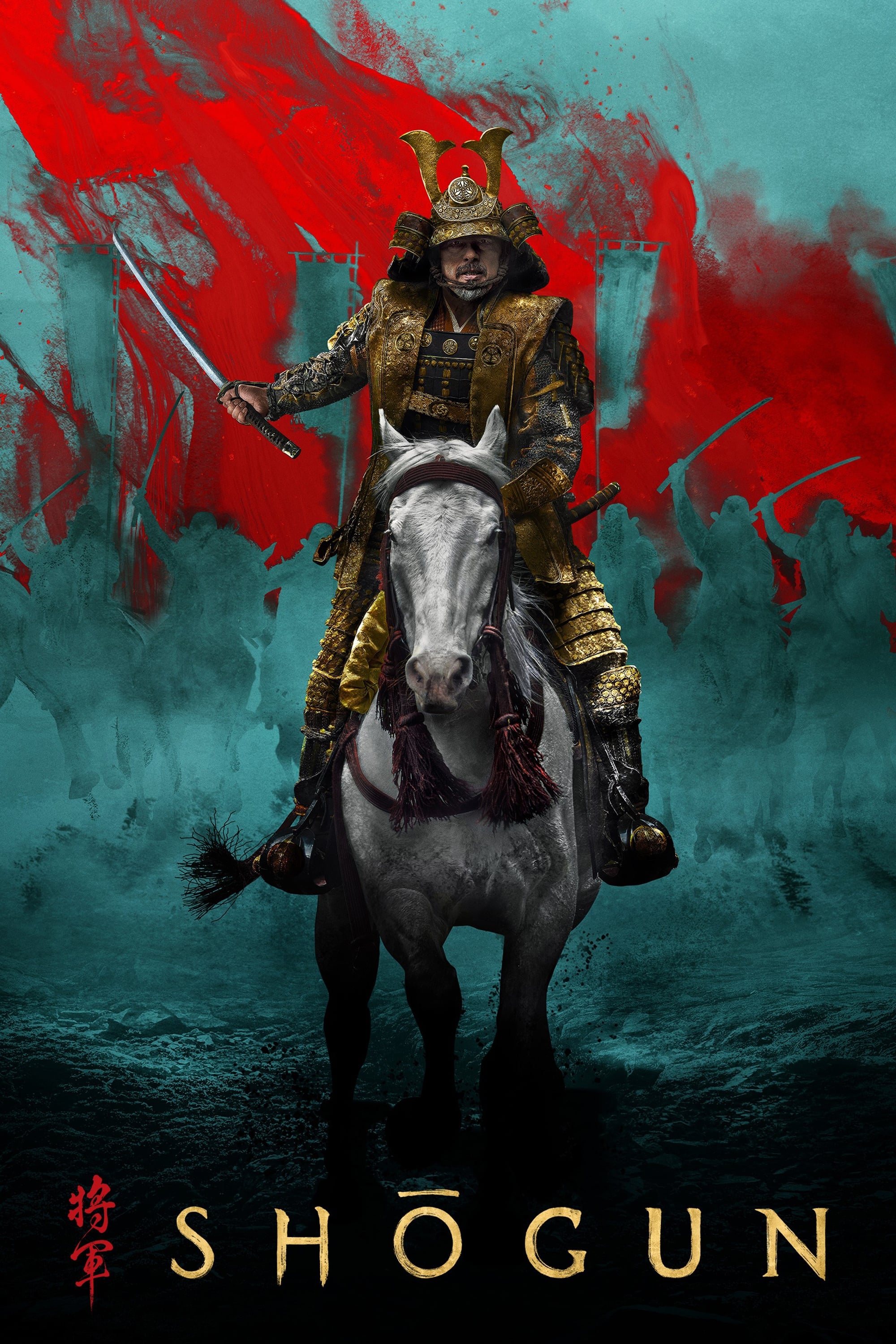
In Japan in the year 1600, at the dawn of a century-defining civil war, Lord Yoshii Toranaga is fighting for his life as his enemies on the Council of Regents unite against him, when a mysterious European ship is found marooned in a nearby fishing village.
The newest installment in Fuji TV's "Ooku" series is about the women linked to the Tokugawa shogun line. This time, the focus is on Isonomiya Tomoko and her political marriage to the 10th shogun, Tokugawa Ieharu.
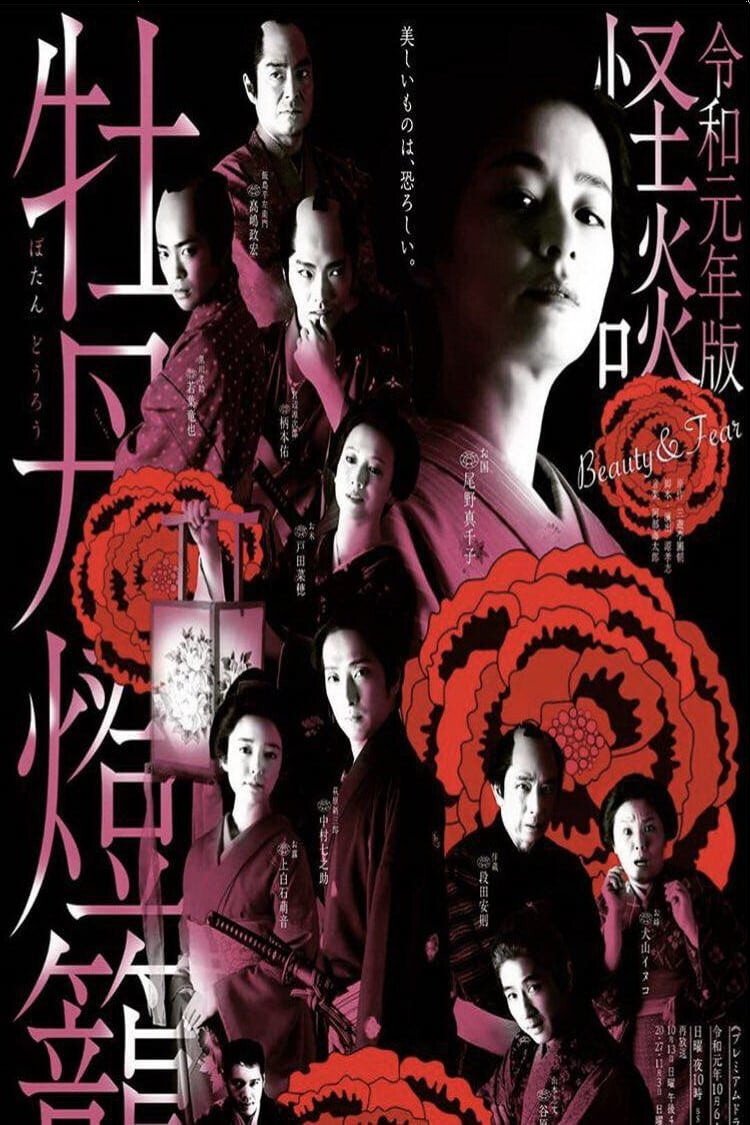
Botan Dōrō is a Japanese ghost story that is both romantic and horrific; it is one of the most famous kaidan in Japan. The plot involves sex with the dead and the consequences of loving a ghost.
Matsudaira Tadateru (Shin'ichi Chiba) the sixth son of Tokugawa Ieyasu that was stripped of his title and began life under an assumed name in the Red Light district of Edo. He solves crimes, heals the sick, saves the Geisha from evil Samurai and along the way he teams up with Yagyu Jubei (a role played numerous times by Chiba himself). Awesome Samurai Action.
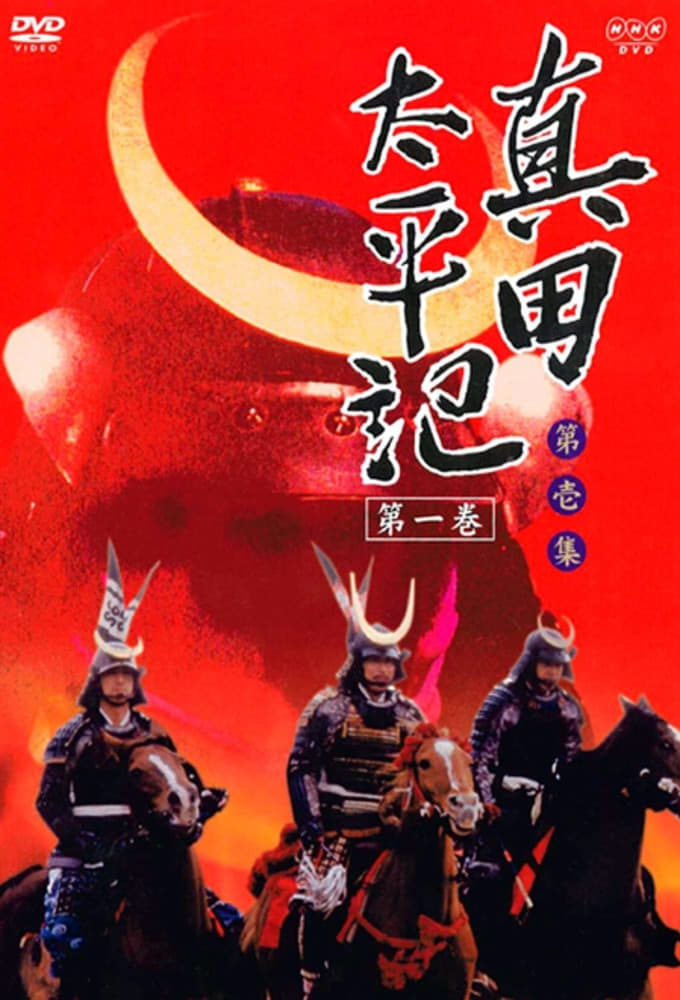
The drama tells the story of the Sanada family. Originally serving the Takeda Clan they ruled the northern district of Shinano. The story begins right after the death of Takeda Shingen, continues through the rise of Tokugawa Ieyasu who founded the Tokugawa shogunate and covers roughly the period 1580-1610.
Saburo is a high school student good in sports, but not very good with his studies. One day, Saburo travels back in time and arrives in the Sengoku period of 1549. There, Saburo meets Nobunaga Oda who looks and sounds just like Saburo. Nobunaga Oda is the son of a warlord and magistrate of the lower Owari Province. Nobunaga Oda though is physically weak and he asks Saburo to take his place. Then, Saburo as Nobunaga Oda attempts to unify the country of Japan.
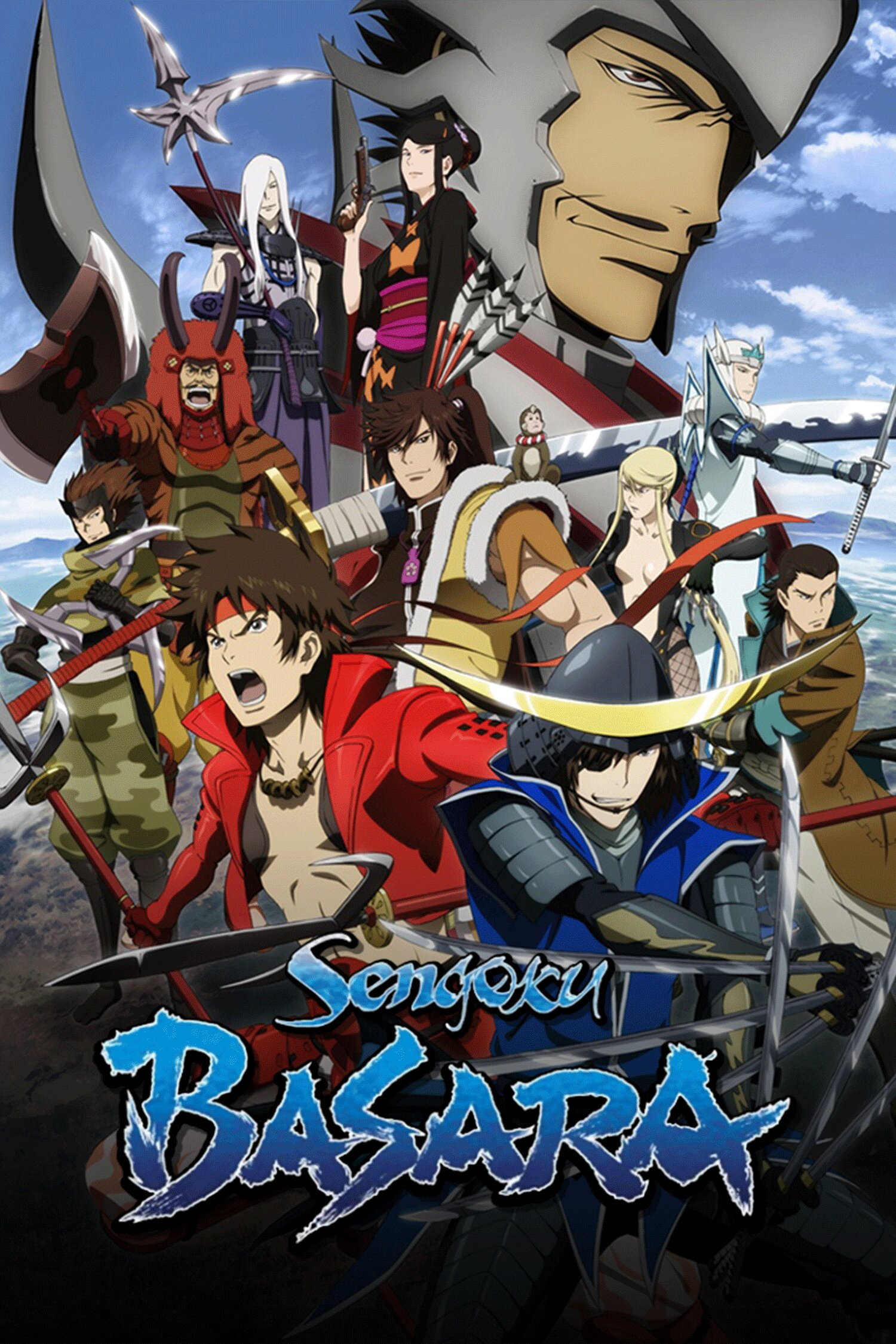
During the Sengoku period, there are many factions constantly at war. One of these is led by a one-eyed man named Date Masamune and another by the imposing Takeda Shingen. The latter has a fiercely loyal subordinate named Sanada Yukimura who goes head to head against Date Masamune multiple times, but the battles between them tend to get interrupted. One such battle occurs when both men try to go after another leader named Imagawa, and they’re forced to break off their heated duel when Imagawa attempts to flee the scene with his body doubles. Yukimura and Masamune go after separate Imagawas, but all of the doubles are killed by a third party, and when their paths cross again, they are in front of the menacing Oda Nobunaga and his army. It was Nobunaga’s subordinates that killed those body doubles, and Nobunaga himself proceeds to kill the real Imagawa with a shotgun blast to the head.
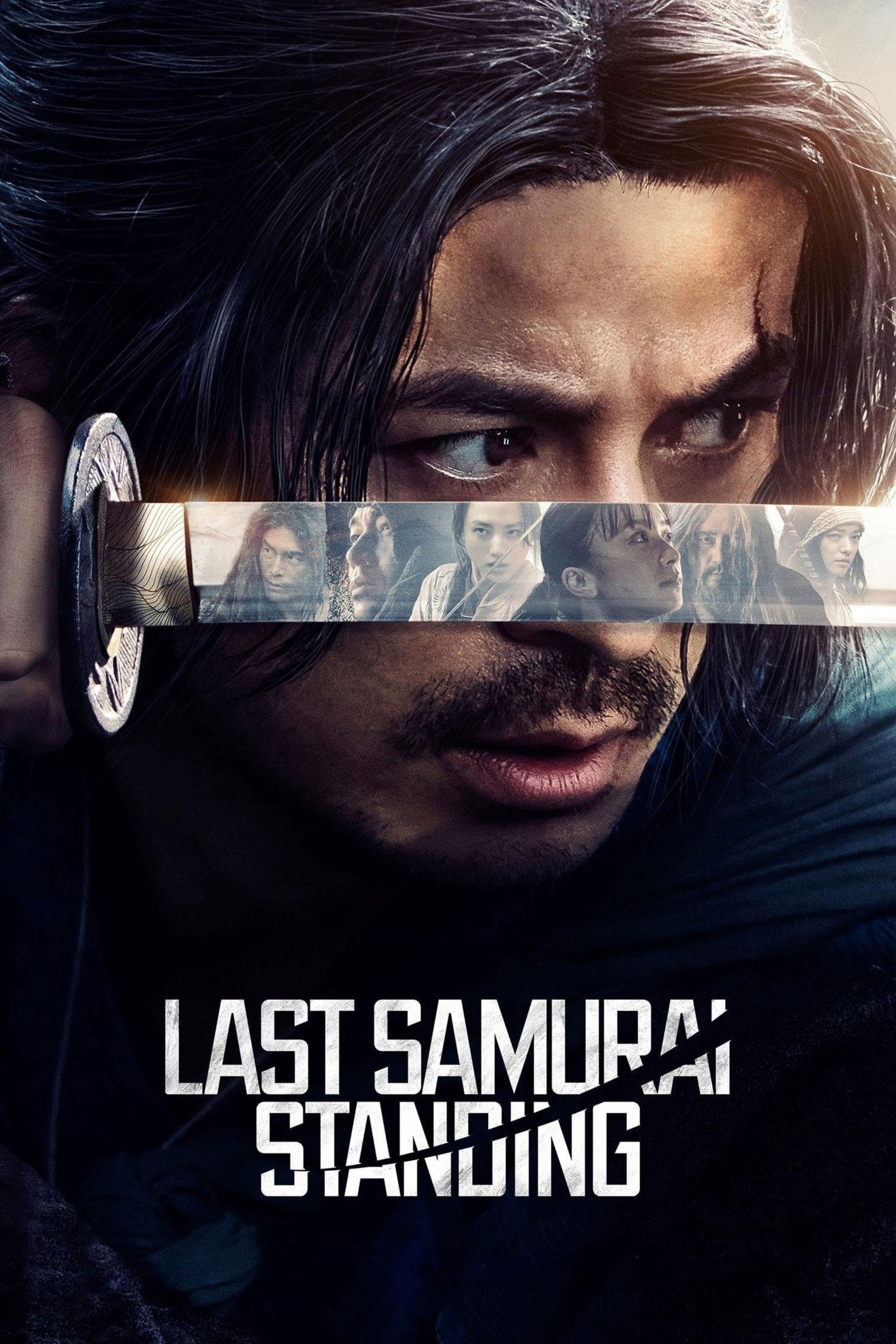
In the early Meiji era, Shujiro, once known as an undefeated samurai, decides to participate in a deadly survival game to save his family and villagers.
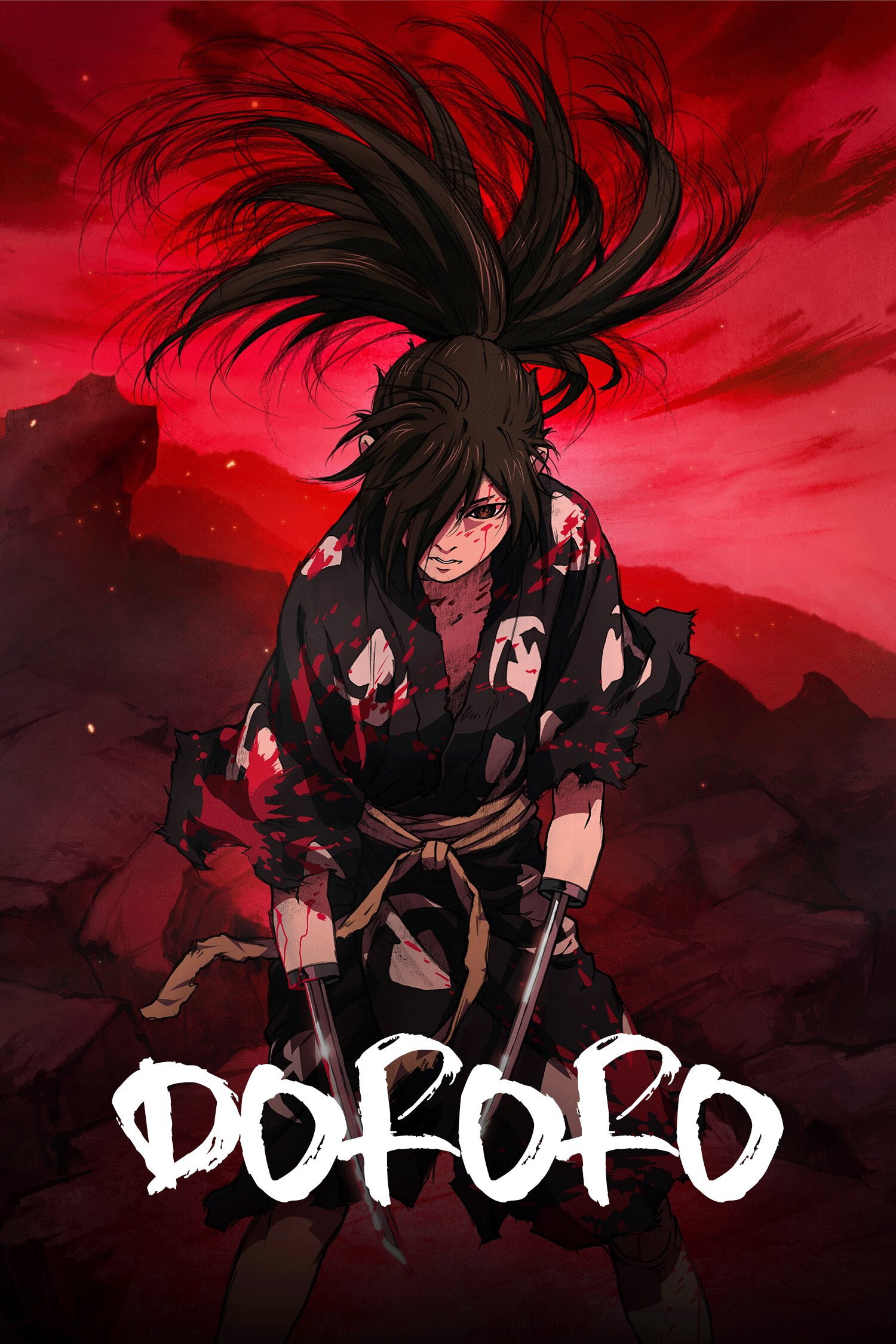
During the Warring States period, the young thief Dororo encounters Hyakkimaru, a strange, sightless boy who wields fearsome prosthetics in place of his missing limbs. Parts of Hyakkimaru’s body were traded to a group of 12 demons by his father in exchange for power, but thanks to a kindly medicine man, Hyakkimaru survived his horrifying ordeal. Now he roams the land in search of his missing body, and together he and Dororo will fight to survive in an unforgiving, demon-plagued world.
An English navigator becomes both a player and pawn in complex political games in feudal Japan.
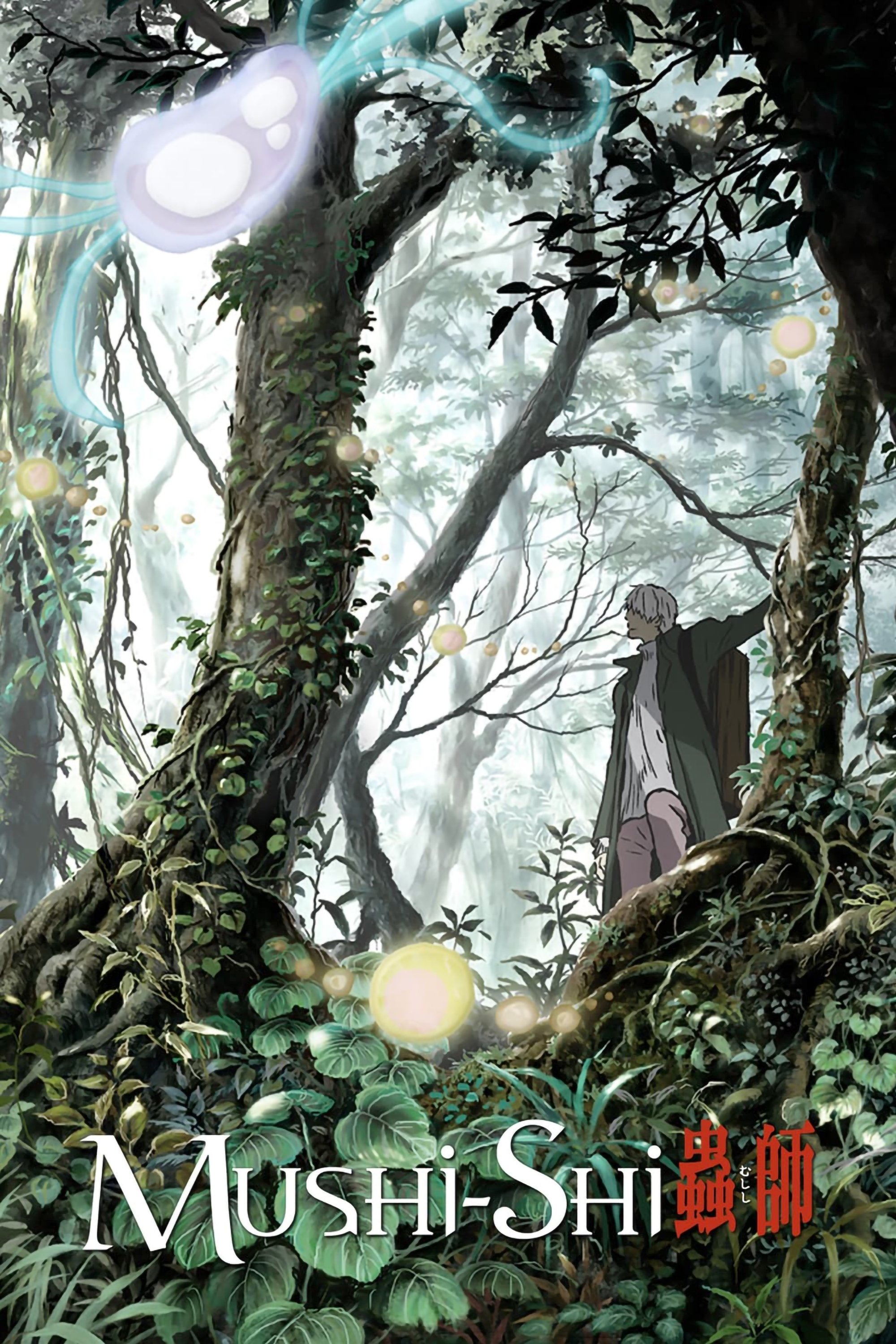
Ginko, a Mushi master, travels from place to place researching the Mushi and helping people who are suffering because of it.
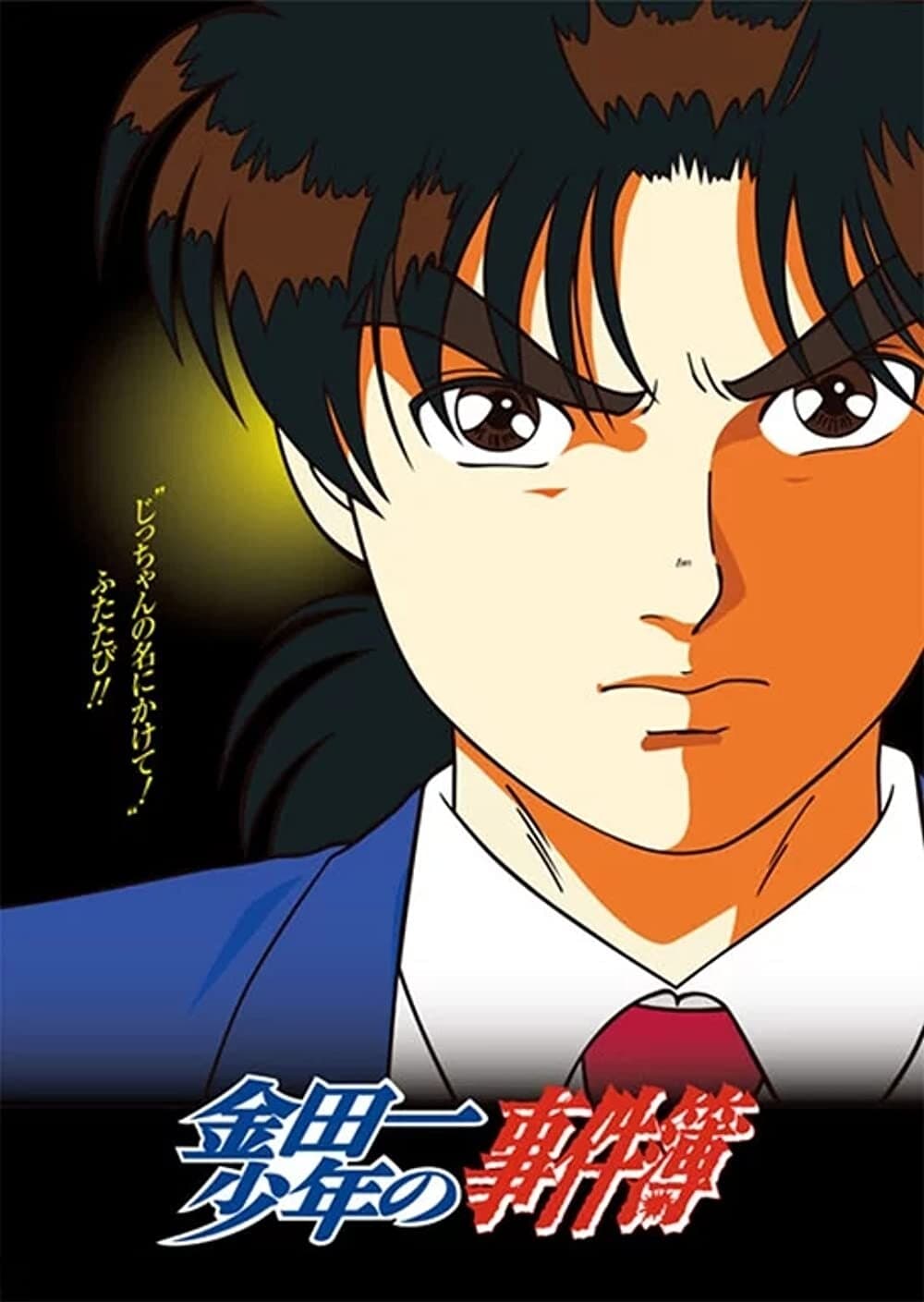
Kindaichi Hajime may look dumb, but he is one of the smartest you will ever see. He encounters mysteries after mysteries with his good friend, Miyuki, and he swears to solve them in the name of his grandfather, which was a great detective.
Ten years have passed since the end of Bakumatsu, an era of war that saw the uprising of citizens against the Tokugawa shogunate. The revolutionaries wanted to create a time of peace, and a thriving country free from oppression. The new age of Meiji has come, but peace has not yet been achieved. Swords are banned but people are still murdered in the streets. Orphans of war veterans are left with nowhere to go, while the government seems content to just line their pockets with money.
The year is 1931. Prince Tokugawa Yoshinobu holds absolute control over Japan. Remnants of the Meiji era’s culture can be seen around the city, but scientific technology and Japanese esoteric cosmology Onmyodo are also developing. Yet lurking behind the glitz is Kuchinawa, a dissident group planning the assassination of the prince. Tasked to extinguish these dissidents is Nue, the government’s secret executioner group. Sawa Yukimura, who works for this organization, suffered at the hands of the Kuchinawa boss. Her entire family was murdered and she dedicated her life to avenging their death.
In the Taiheimeji era, the Tokugawa shogunate values breasts highly, equating them with wealth and status. The Manyu Clan, government allies, know secret techniques for breast enhancement, detailed in a scroll. Chifusa, the clan's heir, flees with this scroll, rebelling against the oppressive norms set by her clan.
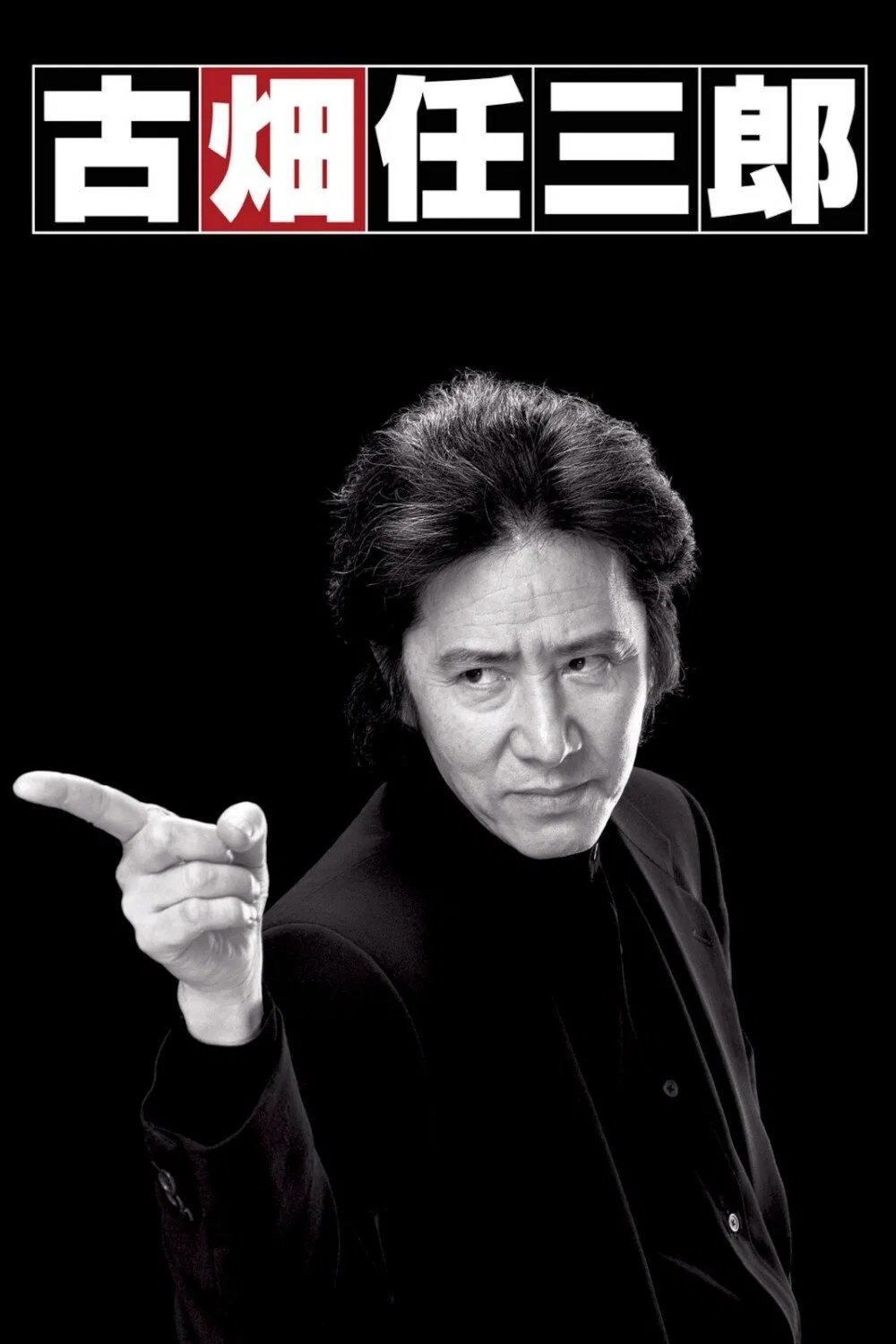
Furuhata Ninzaburō is a Japanese television series that ran periodically on Fuji Television from 1994 until its final episodes in 2006. It was written by Japanese playwright Kōki Mitani and is often referred to as the Japanese version of Columbo. The series is a police detective drama starring actor Masakazu Tamura as Furuhata Ninzaburo and Masahiko Nishimura as his stereotypically bumbling sidekick, Shintaro Imaizumi. The program aired weekly and featured a guest villain each time, usually a famous talent in Japan. Pop-stars like SMAP, television hosts like Sanma Akashiya and even sports figures like Ichiro Suzuki have been featured on this program. It was one of the most popular television dramas in the history of Japanese television, having spawned several seasons and TV specials.
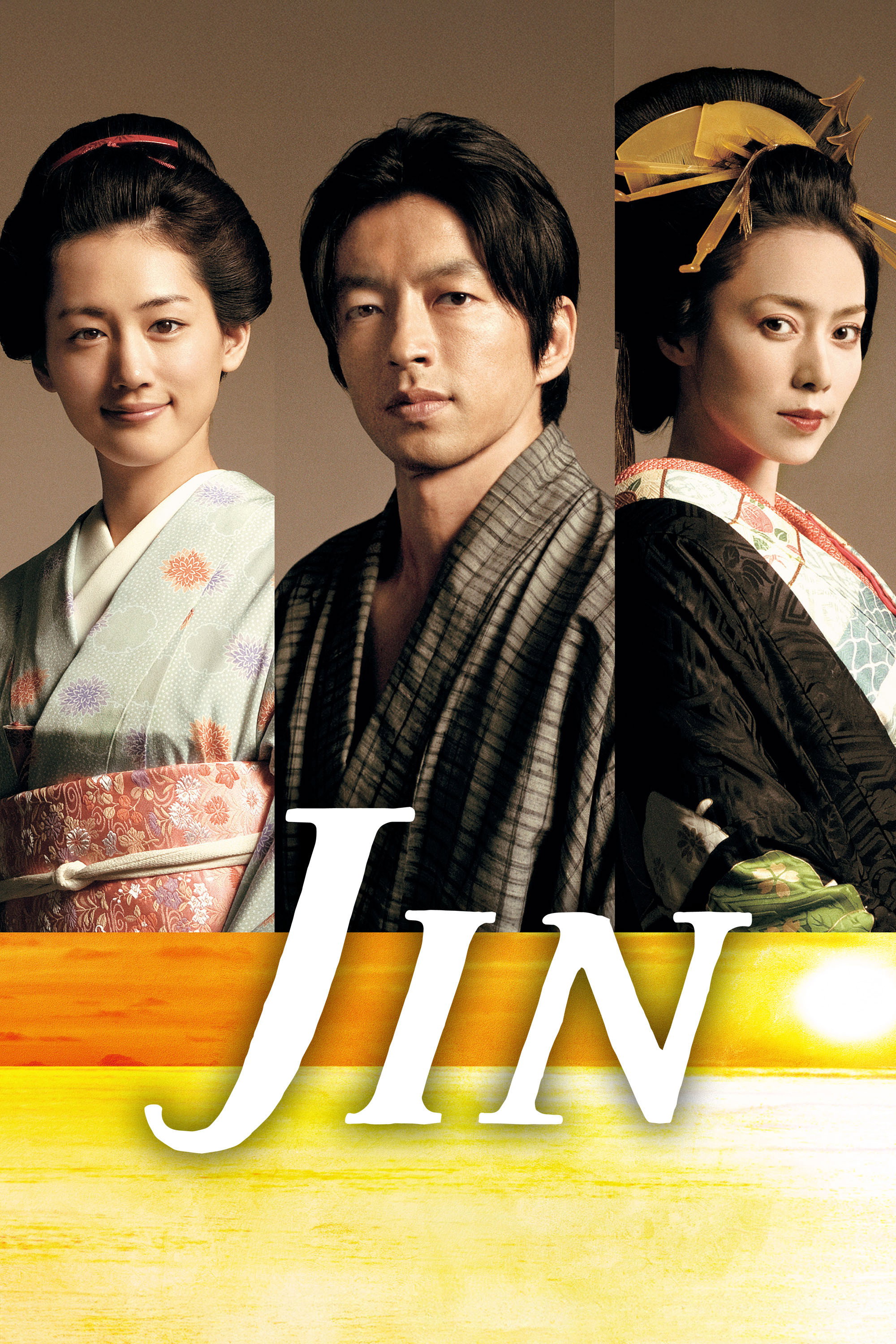
After awakening in the Edo era, a neurosurgeon uses his medical knowledge to help those around him while searching for a way back to the present day.
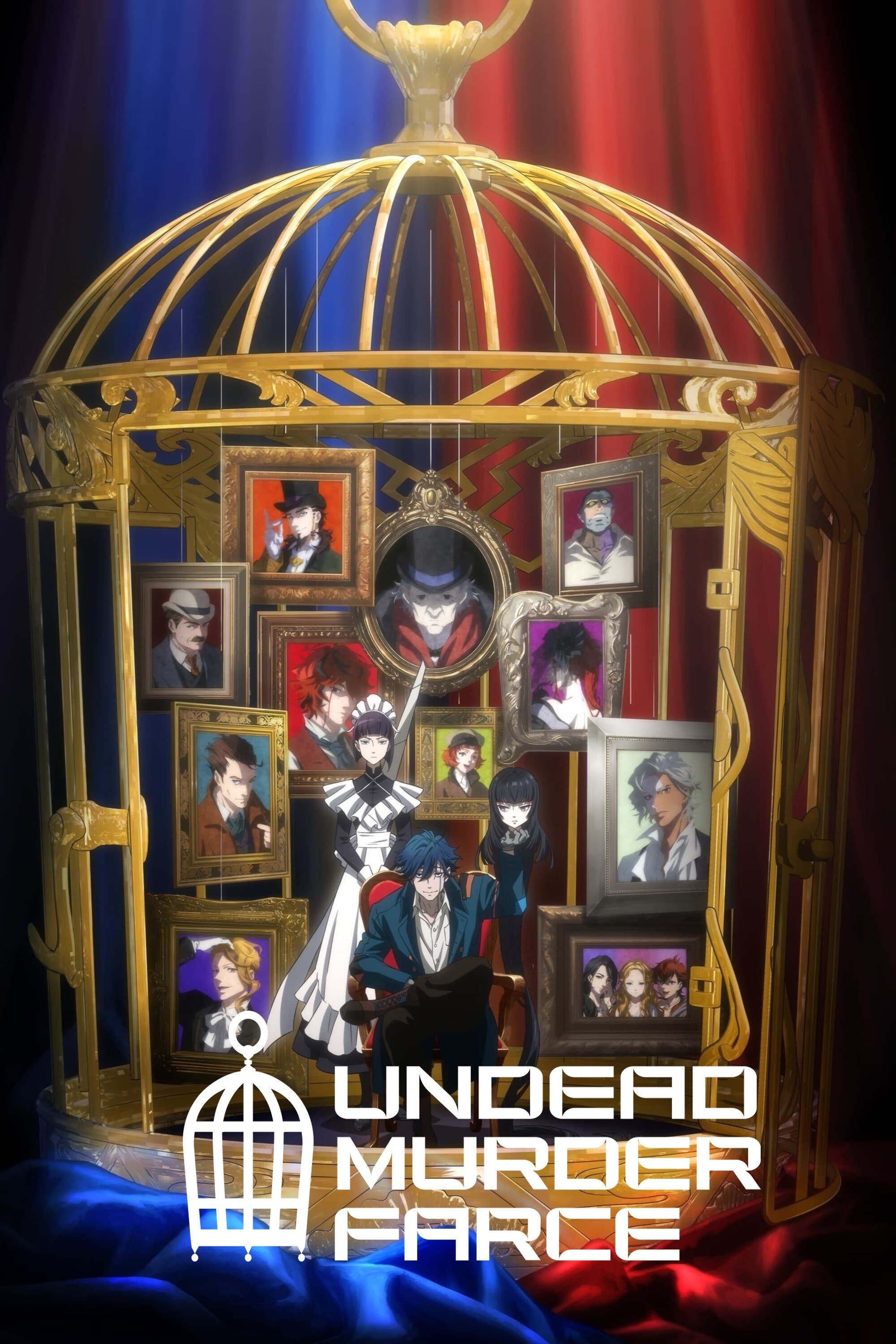
In this world, creatures like vampires and werewolves still walk about, but Aya Rindo can’t say the same for herself. This beautiful disembodied head, carried by her maid Shizuku Hasei, is a detective in search of her stolen body. One evening, they meet half-human Oni Slayer Tsugaru Shunichi, who offers a lending hand. Now, the trio is traveling through Europe, solving mysteries along the way.
Kagome Higurashi is a modern day young girl who lives with her family by the old Higure shrine. Unbeknownst to Kagome, she is the reincarnation of priestess Kikyo and posseses the "Jewel of Four Souls" (the Shikon jewel). One ill-fated day, Kagome locates an ancient well near her home and is abruptly transported through the well and into a feudal Japan, inhabited by demons. There, she encounters Inuyasha, son of a powerful demon father and a human mother, who is pinned to a tree by an enchanted arrow.
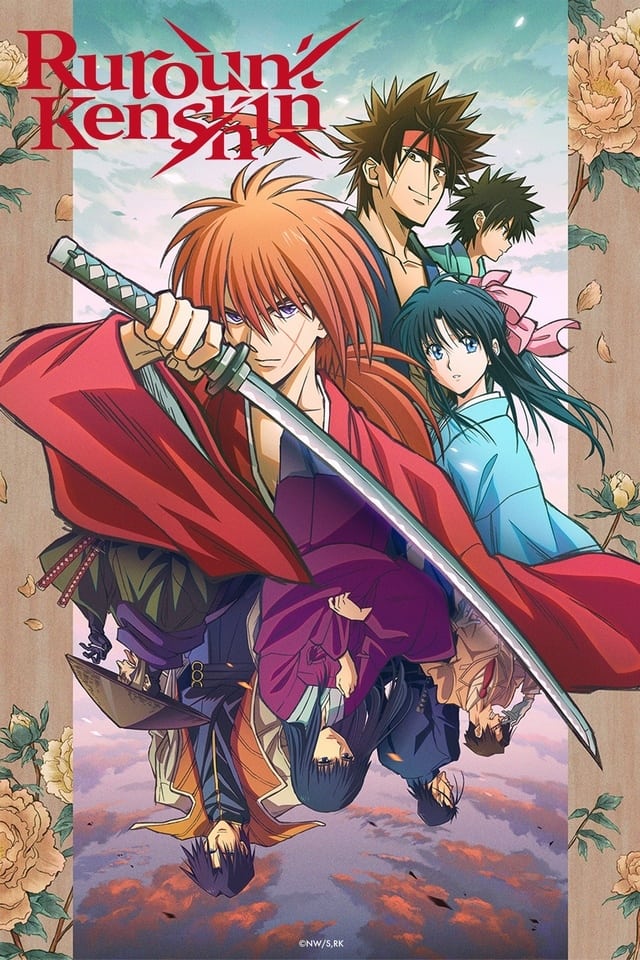
The Meiji Era was one of great renewal for Japan, where swords and killing were outlawed. However, many survivors from the time of Revolution still live, lurking in the shadows and waiting for a chance to use their killing blades again. Only Kenshin Himura, formerly one of the most brutal of killers, hopes to keep his swordsman's honor and still live in the new era.
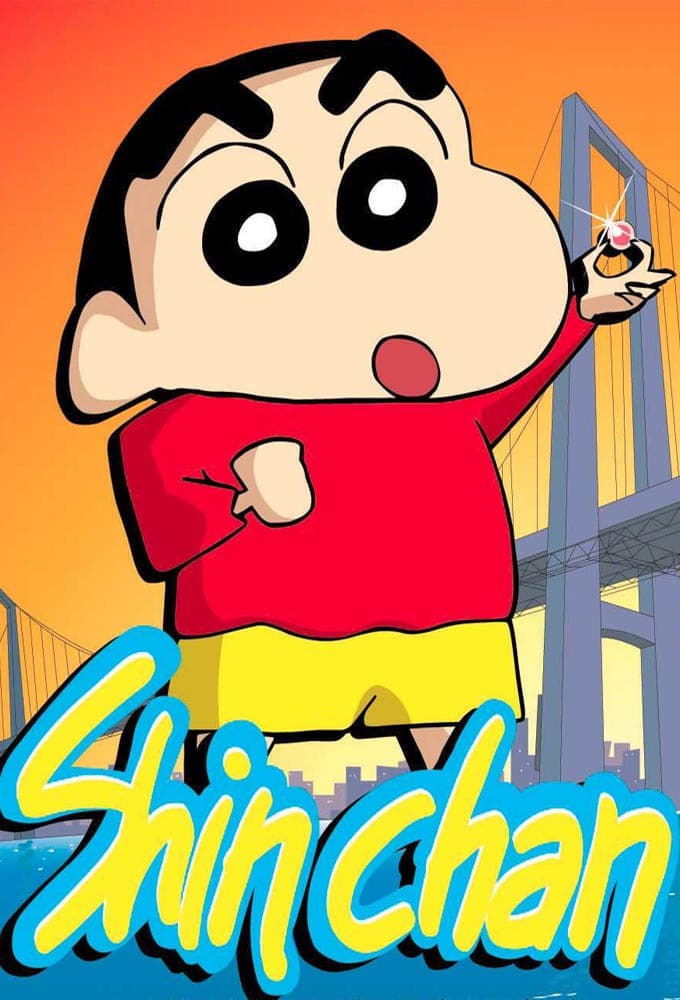
Shin-chan, the boy next door, is a walking disaster, creating chaos wherever he goes. With the body of a child and the mind of an adult, Shinchan is wreaking more havoc than any child before. Shin-chan is carefree, optimistic and gets excited about everything. This 5 year-old likes to do things his way.
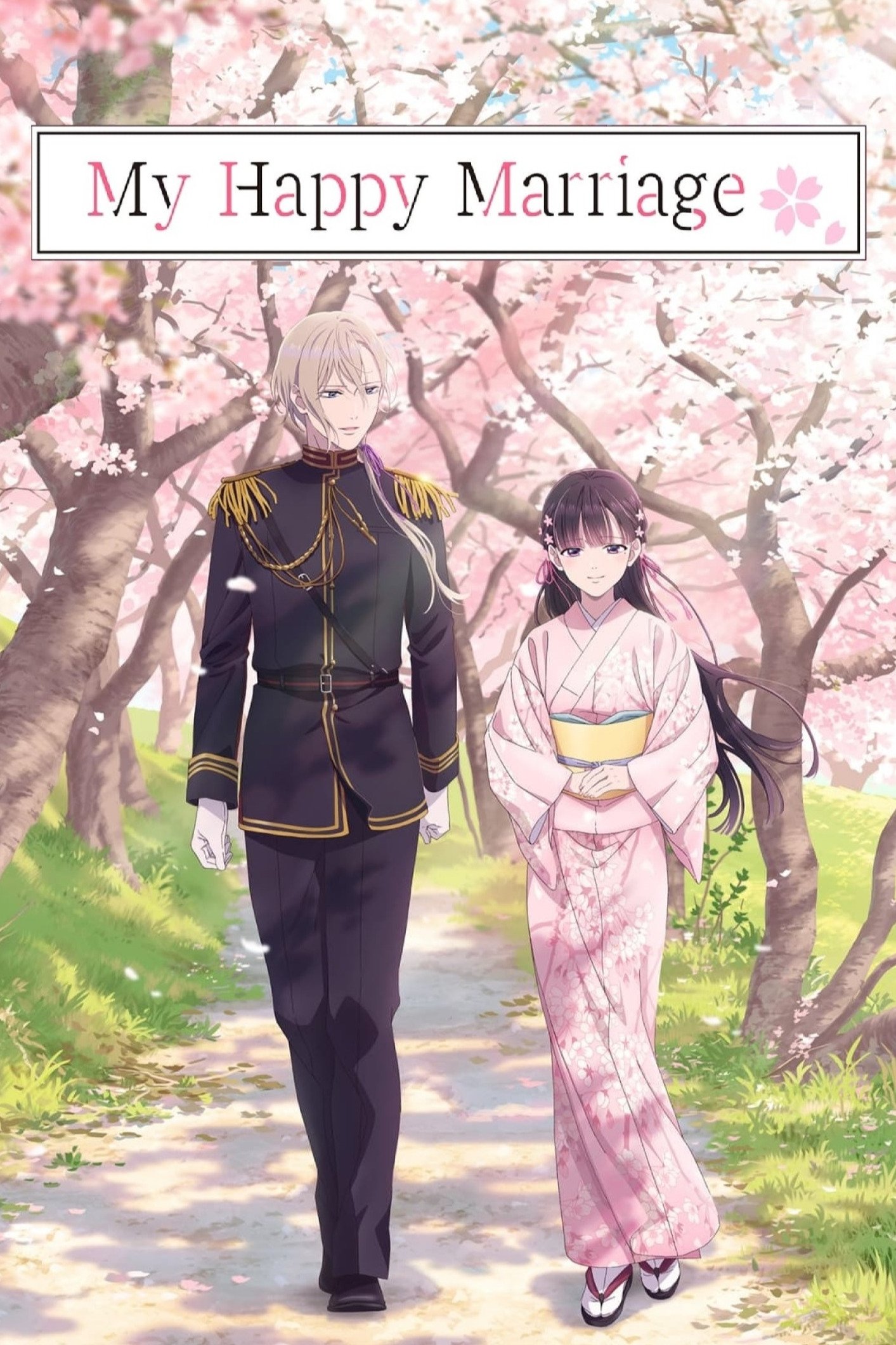
Miyo's abusive family deems her worthless – but together with her powerful husband-to-be, her true self and hidden powers slowly begin to shine.
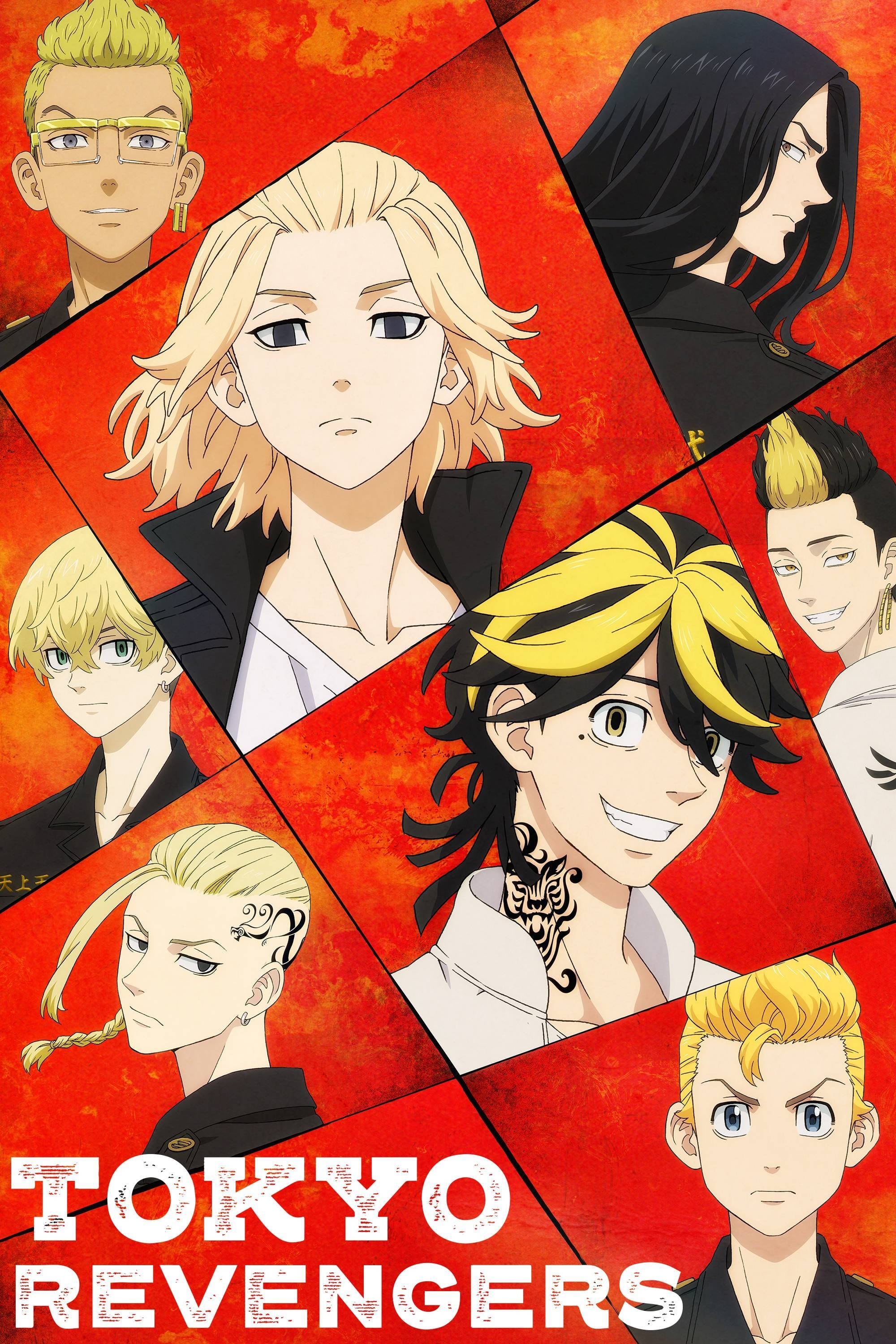
Takemichi Hanagaki is a freelancer that’s reached the absolute pits of despair in his life. He finds out that the only girlfriend he ever had, in middle school, Hinata Tachibana, had been killed by the ruthless Tokyo Manji Gang. The day after hearing about her death, he’s standing on the station platform and ends up being pushed over onto the tracks by a herd of people. He closes his eyes thinking he’s about to die, but when he opens his eyes back up, he somehow had gone back in time 12 years. Now that he’s back living the best days of his life, Takemichi decides to get revenge on his life.
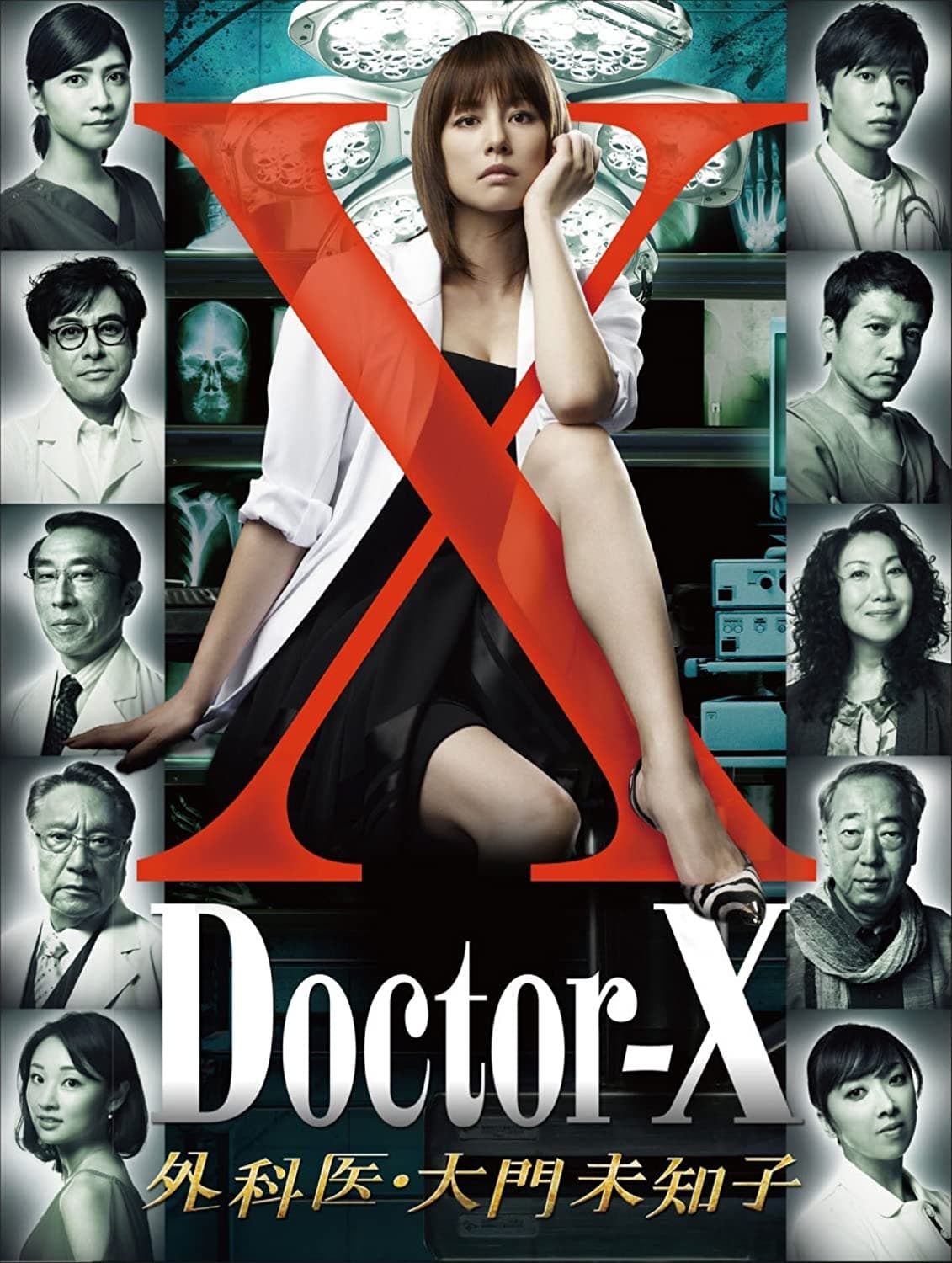
Daimon Michiko is a 37-year-old freelance surgeon who is part of a questionable “doctor placement service” that has her wander from hospital to hospital. The harsh environment at the hospitals led many doctors to retire from their positions, forcing hospitals to make use of said program to fill the empty spots at least temporary. However, Michiko doesn’t look like a doctor at all with her flashy clothes and eccentric attitude. In the first episode she raises objections to a certain operation which is planned to be done by the head of a hospital who hasn’t performed an operation for a very long time. This causes Michiko to incur odium at the hospital, however, everyone becomes frozen when Michiko points out the outdated skills of the director. She also holds a scrupulous compliance when it comes to her working hours, never does any unnecessary chores that don’t require a medical license, and couldn’t care less about the power struggles within the hospitals. Nobody knows how she acquired such a top-level skill that allows her to claim exorbitant sums as reward, but her private life is an even greater mystery to everyone around her. Tanaka plays a rookie surgeon, Uchida an anesthetist, Kishibe the head of the placement service, and Ito the head of the surgical department of this institution.