Social & External
Between 1914 and 1945, two major conflicts engulfed the planet. Among the combatants of the First World War, eight men would play a decisive role in the next one.
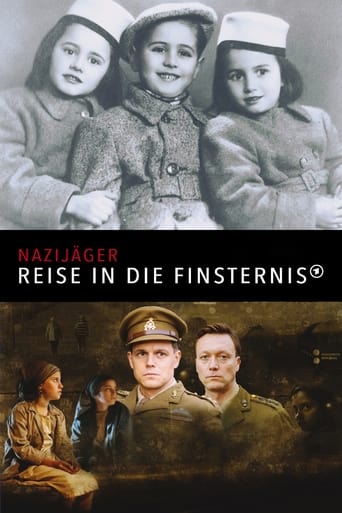
Shortly after the end of the Second World War: In 1945 and 1946, the men of the British "War Crimes Investigation Unit" drove through northern Germany on the hunt for Nazi criminals. One of them is Captain Anton Walter Freud, the grandson of Sigmund Freud, the founder of psychoanalysis. Anton Walter Freud fled to London with his family from the Nazis in 1938. Now an intelligence officer, he's back to track down killers on Allied wanted lists: hitmen in pinstripes, brutal SS henchmen, and ruthless doctors who conducted medical experiments even on children. The soldiers who witnessed the liberation of the Bergen-Belsen concentration camp months earlier are not squeamish about it. 24-year-old Freud is a free spirit known for his unorthodox methods. He knows how to make war criminals talk. So he comes across a crime that has hardly been known before, the murder of 20 children in Hamburg in the last days of the war.
In the turbulent formative centuries of early Europe, power-hungry family dynasties fought for domination of the continent.
This documentary series delves into the unseen histories of the 2000s decade, revealing dark secrets and personal insights from the people who witnessed all the train wrecks and triumphs first-hand.
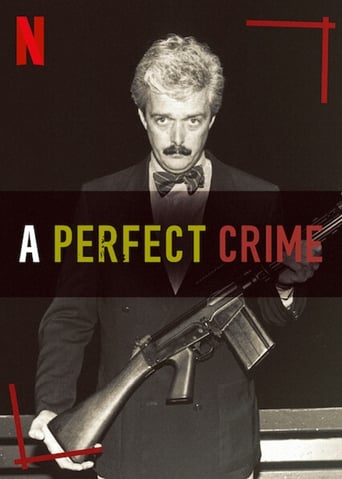
In April 1991, Detlev Rohwedder, the head of Treuhand, the East German Privatization and Restructuring Agency, was assassinated in Dusseldorf. This documentary details the strange evidence recovered.
A docudrama telling the story of the events that unfolded when a Scottish army led by Robert Bruce tried to drive the English out of Ireland 700 years ago.
Great Britain has always been the centre of paranormal activity with more ghost stories per mile than any other country. A team of paranormal investigators use modern techniques and advanced technology looking into some of most famous ghost stories in and around Great Britain.
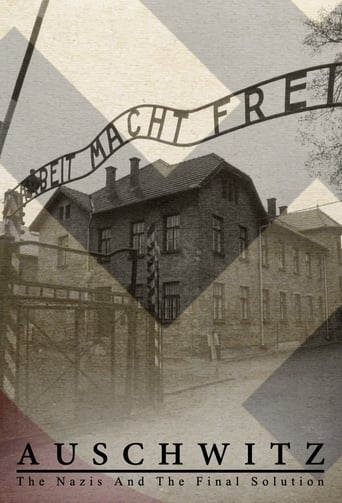
This documentary series tackles one of history's most horrifying subjects: the Holocaust and the infamous Auschwitz-Birkenau concentration camp.
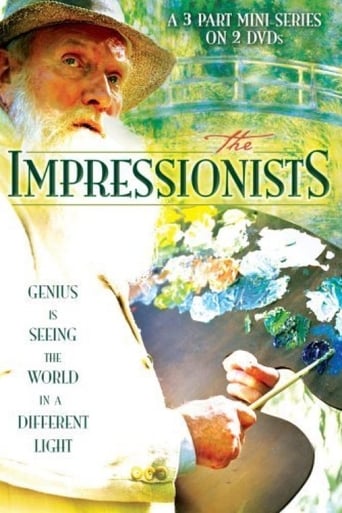
The Impressionists is a three-part factual docudrama from the BBC, which reconstructs the origins of the Impressionist art movement.
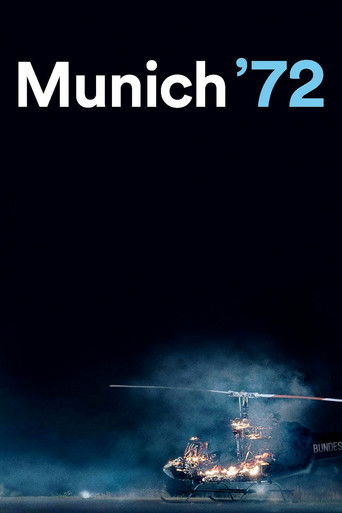
Chronicle of the attack perpetrated by the Palestinian terrorist group Black September in the Olympic Village during the 1972 Munich Summer Games.
At the age of 26, when his reign began, Sultan Süleyman sought to build an empire more powerful than Alexander the Great and to render the Ottomans invincible. Throughout his 46-year reign, his fame as the greatest warrior and ruler of his age spreads both to the East and West. With his companion Pargalı İbrahim, Süleyman achieves great victories, and makes his name known in the Muslim World. Süleyman called İbrahim his brother, friend and advisor. The television series shows Süleyman's consolidation of his power: Pargalı İbrahim being grand minister of state, reinforcing the rule of law throughout the empire, meeting foreign diplomats, and preparing for military campaigns, all set against the backdrop of the tension between Christian Europe and the Ottoman Empire.
In 1856, the emperor Dom Pedro II lived a marriage of appearances with Teresa Cristina, with whom he was forced to marry at a young age by his parents' political alliance, having two daughters with her: Isabel and Leopoldina. He truly loves Countess Luisa, a cultured and time-ahead woman who fights for the abolitionist cause and women's rights, married to Eugenio, the emperor Napoleon's cousin. At the same time there are sisters Pilar and Dolores: the first went to a convent after her mother's death in childhood, growing up among books and dreaming of studying medicine - inspired by the story of Elizabeth Blackwell, the first doctor in the world -, while the second stayed at home to take care of her father, Colonel Eudoro, growing up repressed, illiterate and without vanity.
A group of young men and women in Dublin in 1916 are embroiled in a fight for independence during the Easter Rising. The story begins with the outbreak of World War I. As expectations of a short and glorious campaign are dashed, social stability is eroded and Irish nationalism comes to the fore. The tumultuous events that follow are seen through the eyes of a group of friends from Dublin, Belfast and London as they play vital and conflicting roles in the narrative of Ireland's independence.