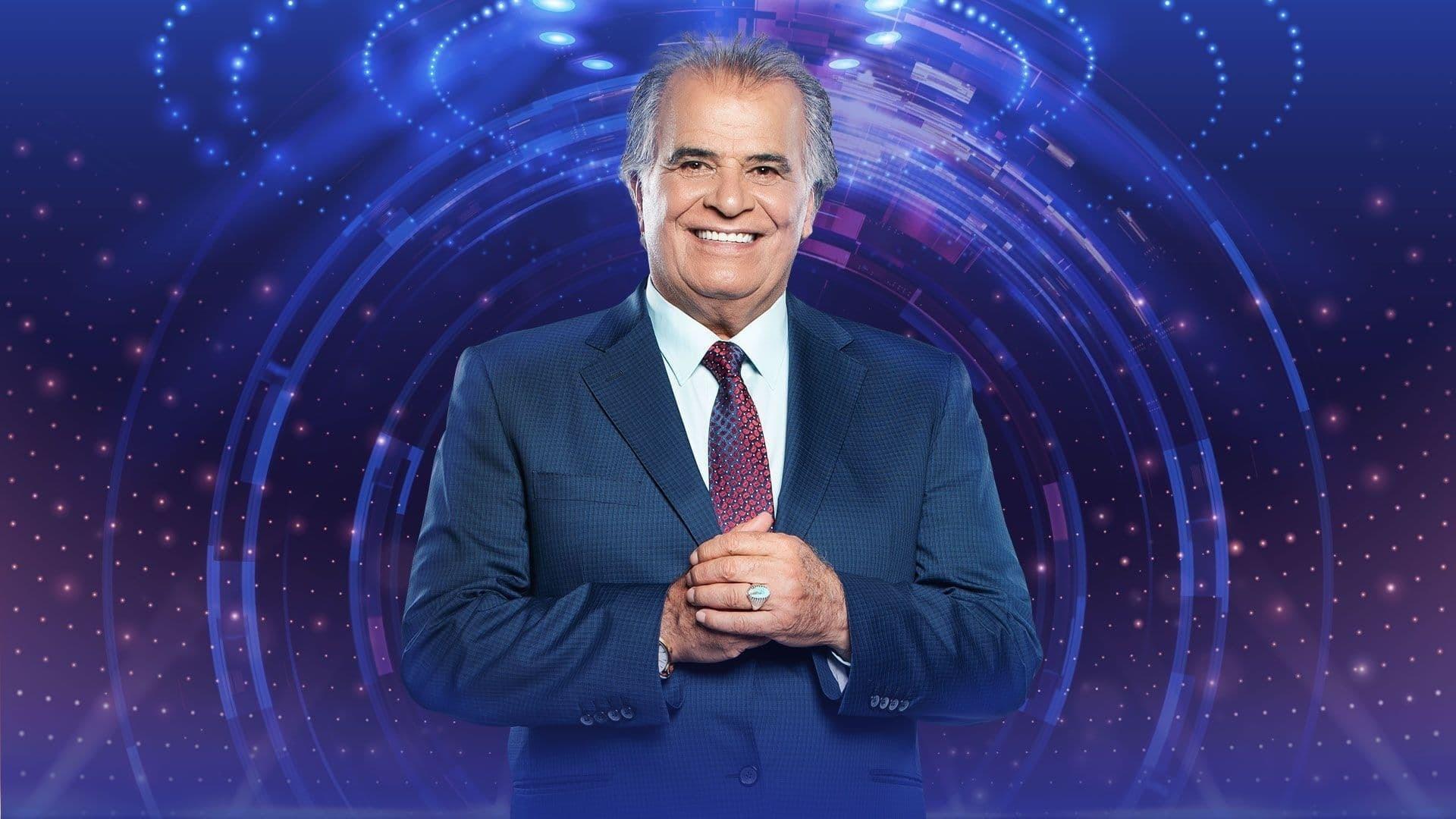
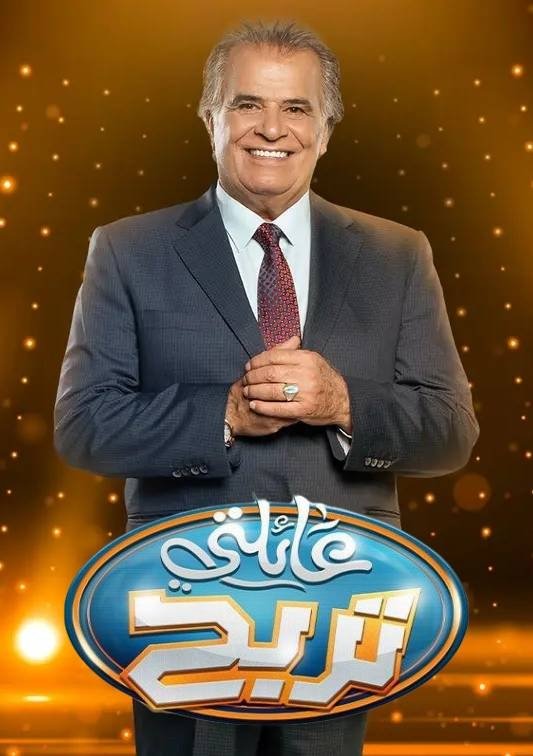
Two families face off by answering a series of general knowledge question for a chance to win the ten million Iraqi Dinar prize.
Social & External
Jawad Al Shakarchi
Best of the Worst was a British panel game, which was broadcast on Channel 4 in 2006. The show was created by Giles Pilbrow and Colin Swash. Hosted by Alexander Armstrong, it featured two teams of two players, one captained by David Mitchell and the other by Johnny Vaughan. The other panellists were either comedians or well known television personalities. The show looked at the worst things ever to happen in the world, such as the person with the worst luck, the worst diet, or the worst inventions.
Eight members of the public are transformed into the world's most famous celebrities by donning giant heads, competing against each other in a series of massive celebrity-inspired challenges.
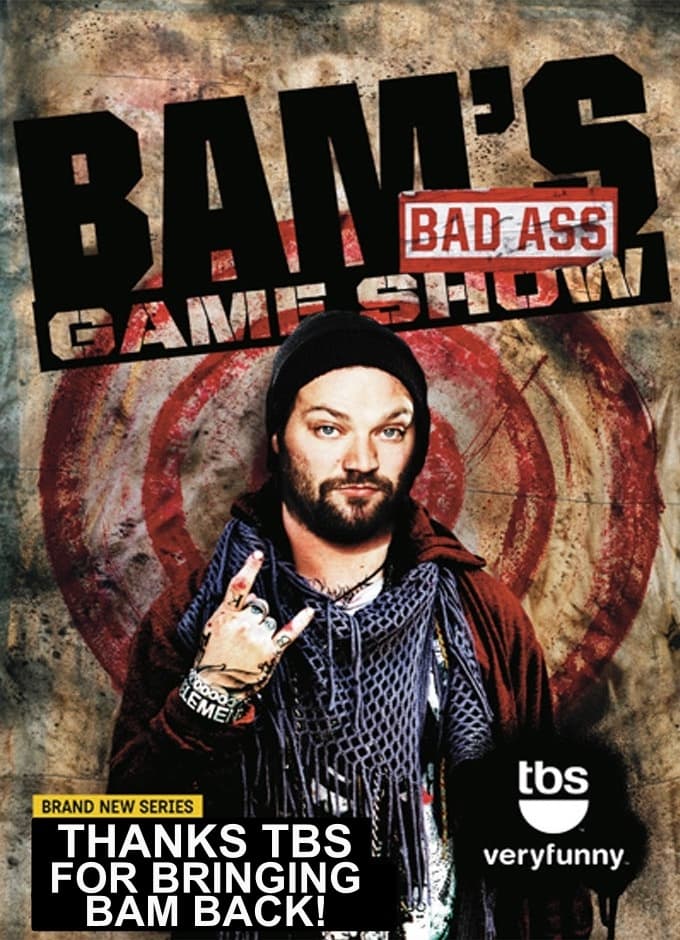
Each week on Bam's Bad Ass Game Show, competitors vie for $10,000 by facing off against each other in incredibly demented, potentially dangerous and occasionally painful challenges.
A water-based action game show in which 24 hardy contestants take on a series of inflatable games and obstacles.
Well-educated, well-known Swedes compete for a pot of money that goes to charity. Mikael Tornving provides the answers and the contestants ask the questions.
Two teams composed of a known personality and a contestant chosen from the public battle to guess the outcomes of astonishing scientific experiments.
A professional make-up artist explores what it means to feel beautiful.
Game for a Laugh is a British light entertainment programme which ran for 56 editions and four specials between 26 September 1981 and 23 November 1985, made by London Weekend Television for the ITV network.
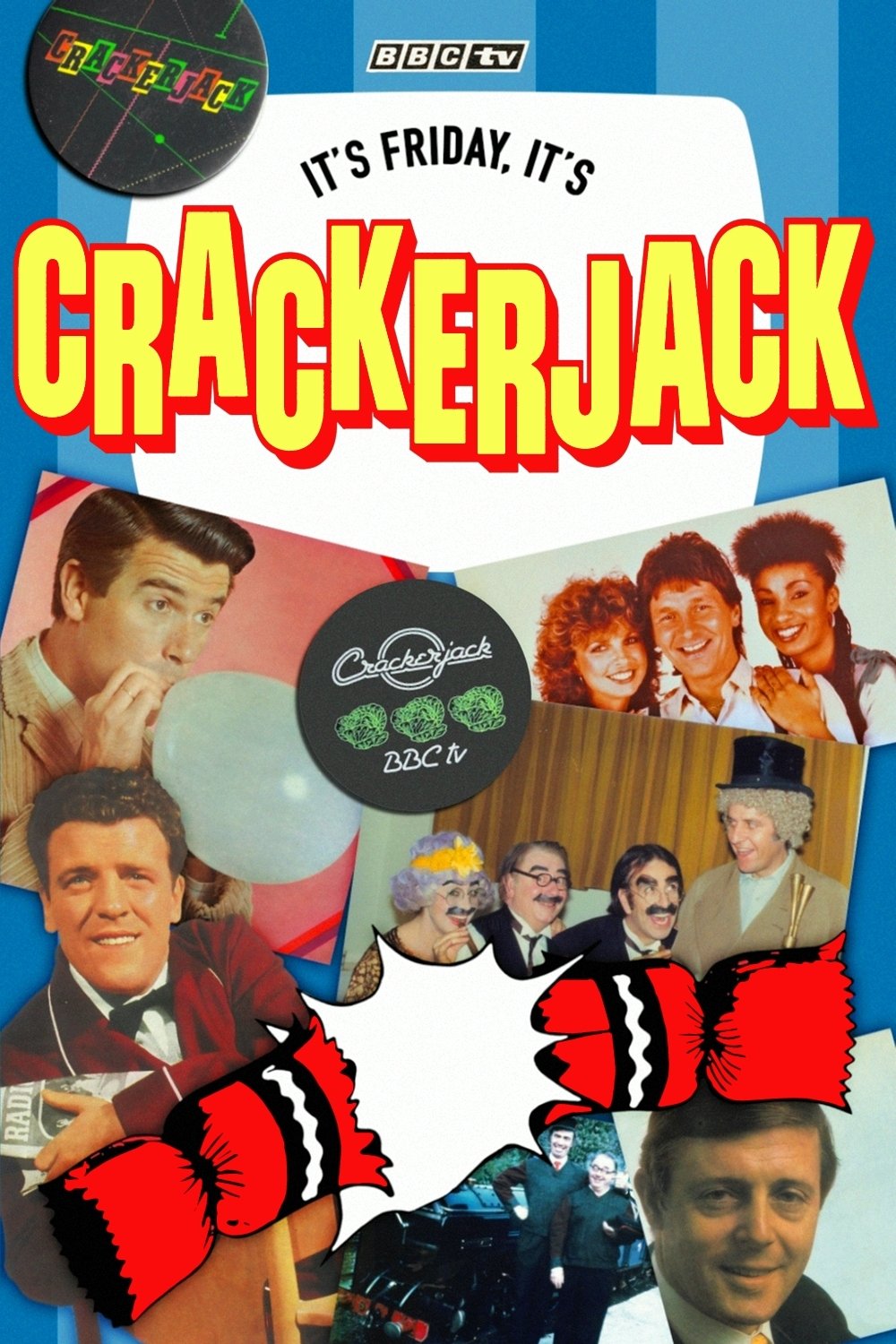
Crackerjack was a British children's comedy/variety BBC television series. It started on 14 September 1955 and ran for over 400 shows, first in black and white and later in colour, until 21 December 1984. It was revived in 2020 on CBBC.
Host Tom Gleeson sets out to find Australia's hardest quiz champion, pitting four contestants against each other in a battle of attrition.
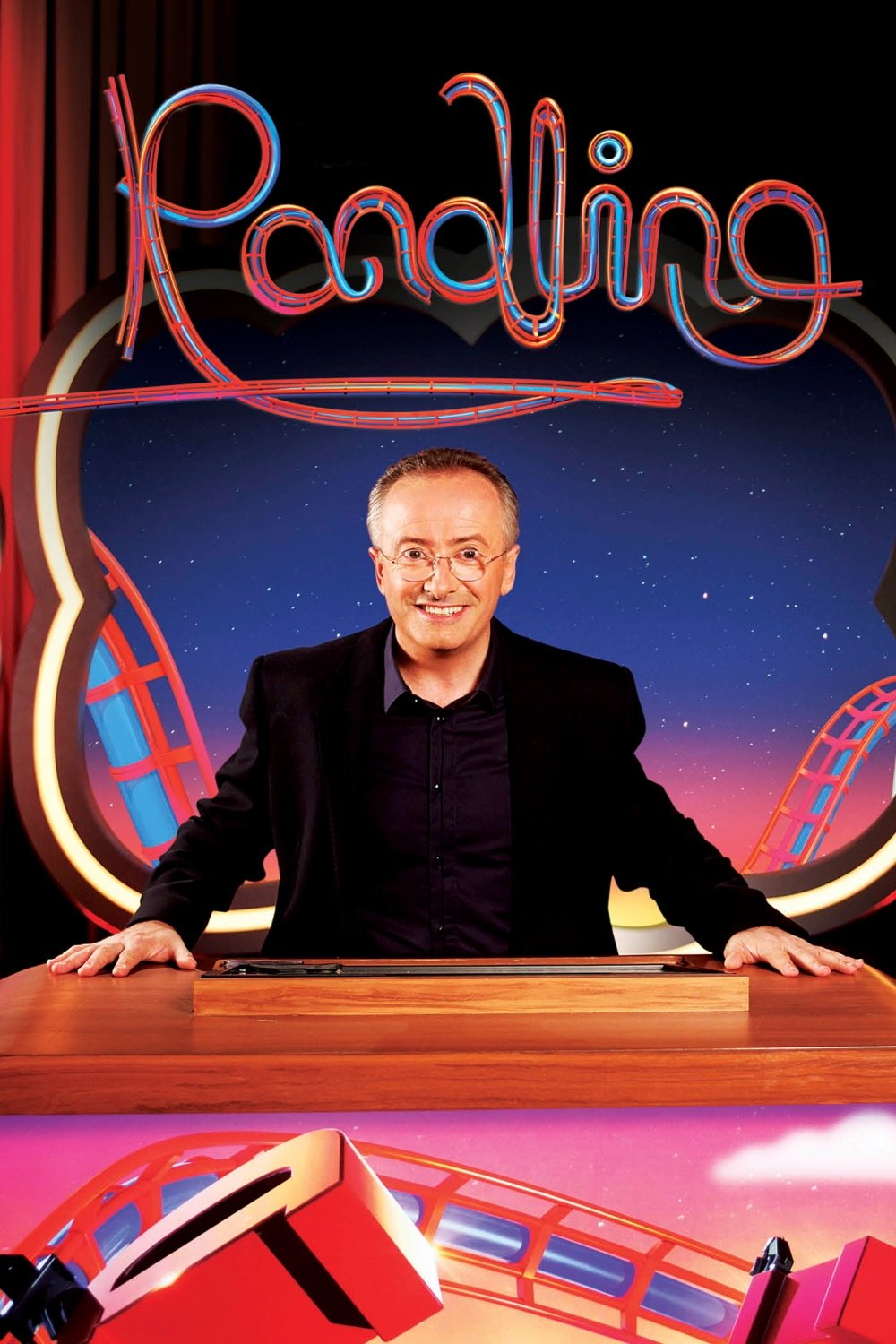
Randling is a game show that hearkens back to the good old days when a point was a point and a team was something worth barracking for. Using sporting competition as inspiration and framework, Randling pits ten amazing teams against each other over 27 rounds of bone-crunching combat. White-water rafting for the brain, Randling is a show where smart people can be funny and funny people can be smart, where actual knowledge may help you, but just as likely won’t. It’s a cheeky, surprising show that allows Mr. Denton to live up to his hosting motto: "I’m Andrew and I’m not here to help". Mostly, Randling is a show where brilliant performers can come to play. And that’s play for fun as well as play to win. It’s a half hour filled with insight and insults, brilliance and bullshit. We guarantee every episode of will leave you at least 1% smarter and 100% happier.
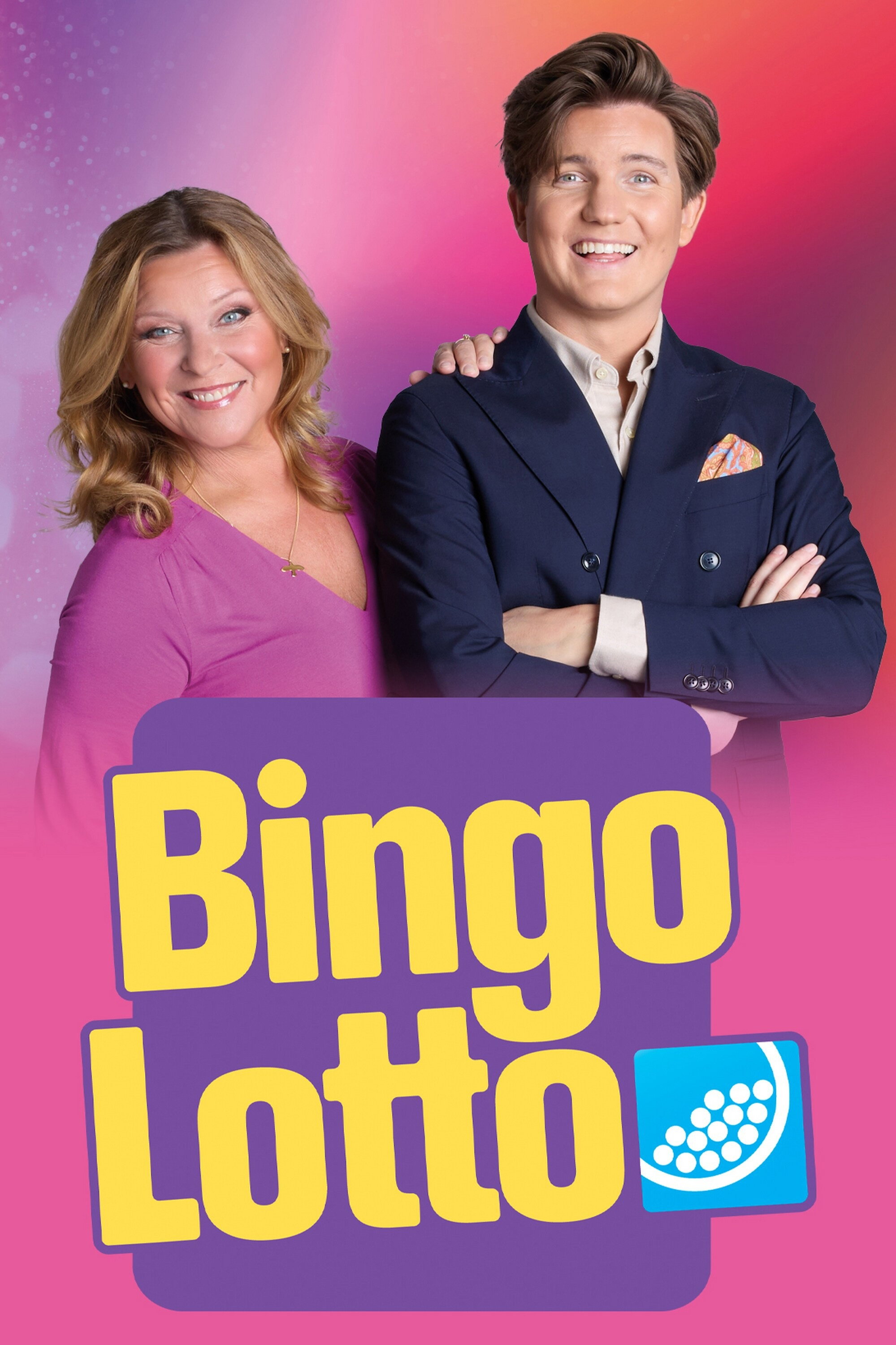
Bingolotto is a Swedish highly popular primetime television game show lottery that was first broadcast 1989 on local TV and since 1991 nationwide on the Swedish network TV4. The show is a collaboration work between Swedish TV channel TV4, the Swedish lottery game company Folkspel and the Swedish sports life. The show premiered on 16 January 1989 on the local TV channel Kållevisionen with the highly popular Leif "Loket" Olsson as show host. Since the beginning, the show has give 14.25 billion Swedish crowns to the Swedish sports life centre.
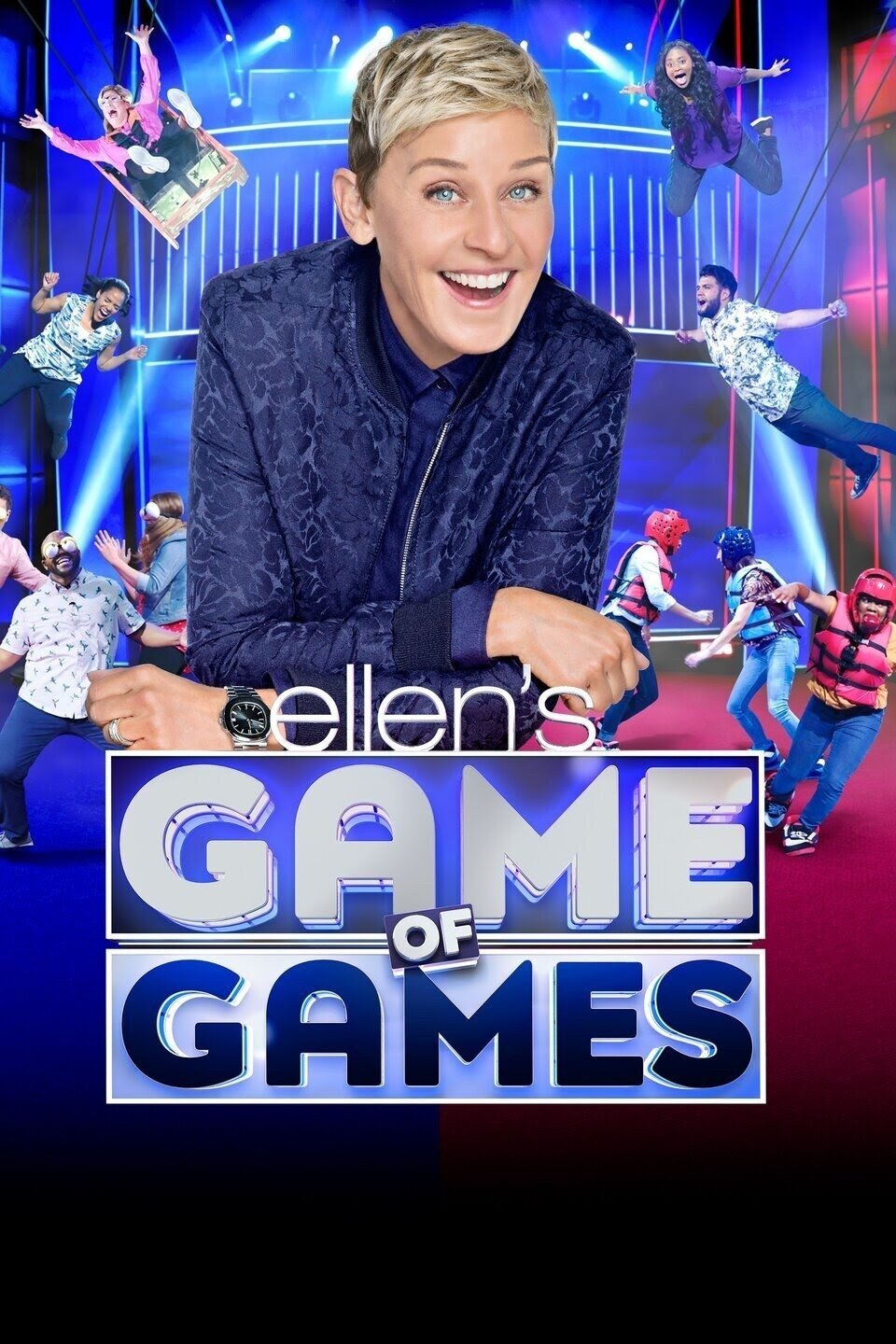
An hour of supersized versions of the most popular and hilariously fun games from The Ellen DeGeneres Show. Contestants, pulled right from the audience, will have to maneuver massive obstacles, answer questions under immense pressure and face a gigantic plunge into the unknown.
Hip Hop Squares is an American television game show hosted by New York radio personality Peter Rosenberg, which debuted on MTV2 on May 22, 2012. The show's format is similar to Hollywood Squares, but with a more "urban" theme. The show is taped in Brooklyn, New York.
Contestants are asked to answer 10 questions correctly to earn the top prize of $200,000. If they answer incorrectly, they have a chance to be saved by a group of five children who have been asked the same question.
Game of Teens is a game reality show. Thai teen stars, actors and singers participate in games and win prize's.
Each week a group of four famous faces go toe to toe in testing their general knowledge skills in a variety of entertaining games.
Get 100 was a British television children's quiz programme that was broadcast by CBBC between 16 April 2007 and 26 February 2009. It was originally hosted by Reggie Yates for Series 1, then Hardeep Singh Kohli took over as host for Series 2.
Footage from the popular game show, Takeshi's Castle has been re-edited, re-written and re-voiced into a hilarious, intentionally over-produced, modern "action/X-treme" sports show.
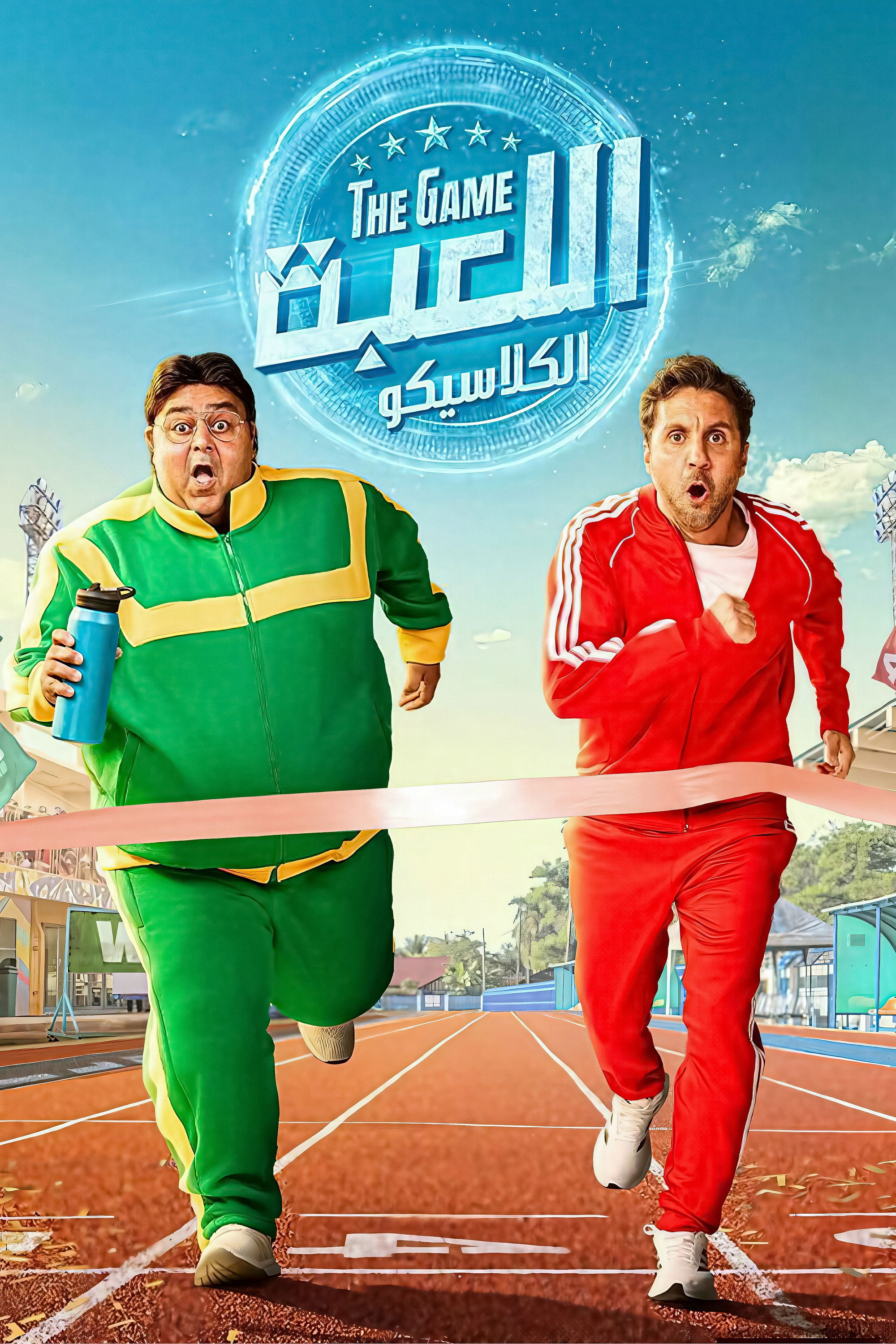
The Game is a slapstick comedy following two childhood friends, Waseem and Mazo, who along with their families are unwittingly pulled into a game of pranks and challenges orchestrated by a mysterious stranger. Starring fan favourites Hesham Maged, Chico, Moataz El Tony, and Bayoumi Fouad, the series delivers non-stop laughs as the rivalry escalates across five seasons of outrageous schemes, family chaos, and hilarious confrontations.
An inquisitive and often naïve boy, Theodore 'The Beaver' Cleaver, has adventures at home, in school, and around his suburban neighborhood. The show also starred Barbara Billingsley and Hugh Beaumont as Beaver's parents, June and Ward Cleaver, and Tony Dow as Beaver's brother Wally. The show has attained an iconic status in the US, with the Cleavers exemplifying the idealized suburban family of the mid-20th century.
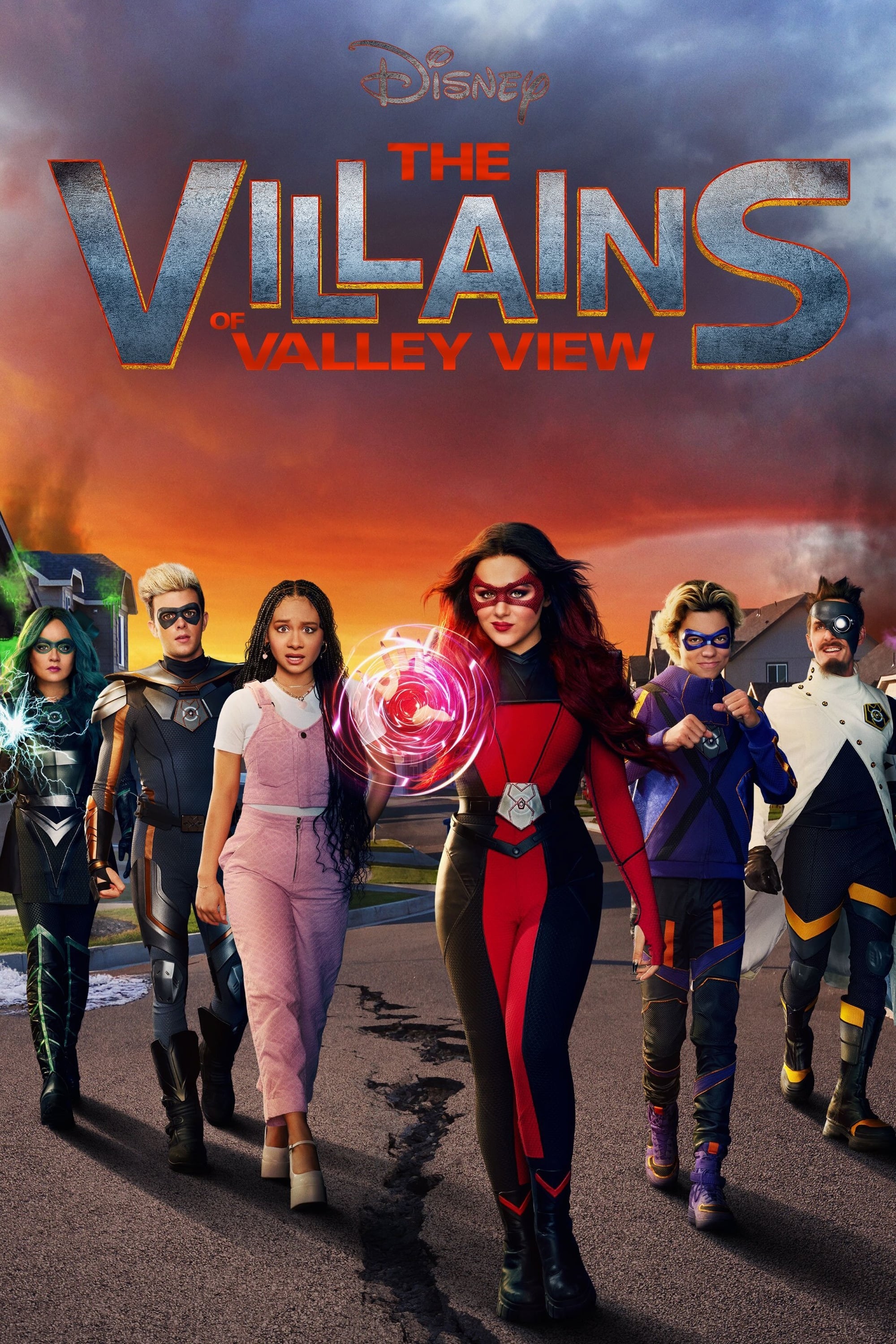
A family of raucous supervillains who recently ran afoul of the League of Villains and now must somehow beat a path to normalcy in a small Texas town.
Presenter Jimmy Carr oversees a panel of top-name celebrities in this year end quiz show where they compete to see who can answer the most questions correctly.
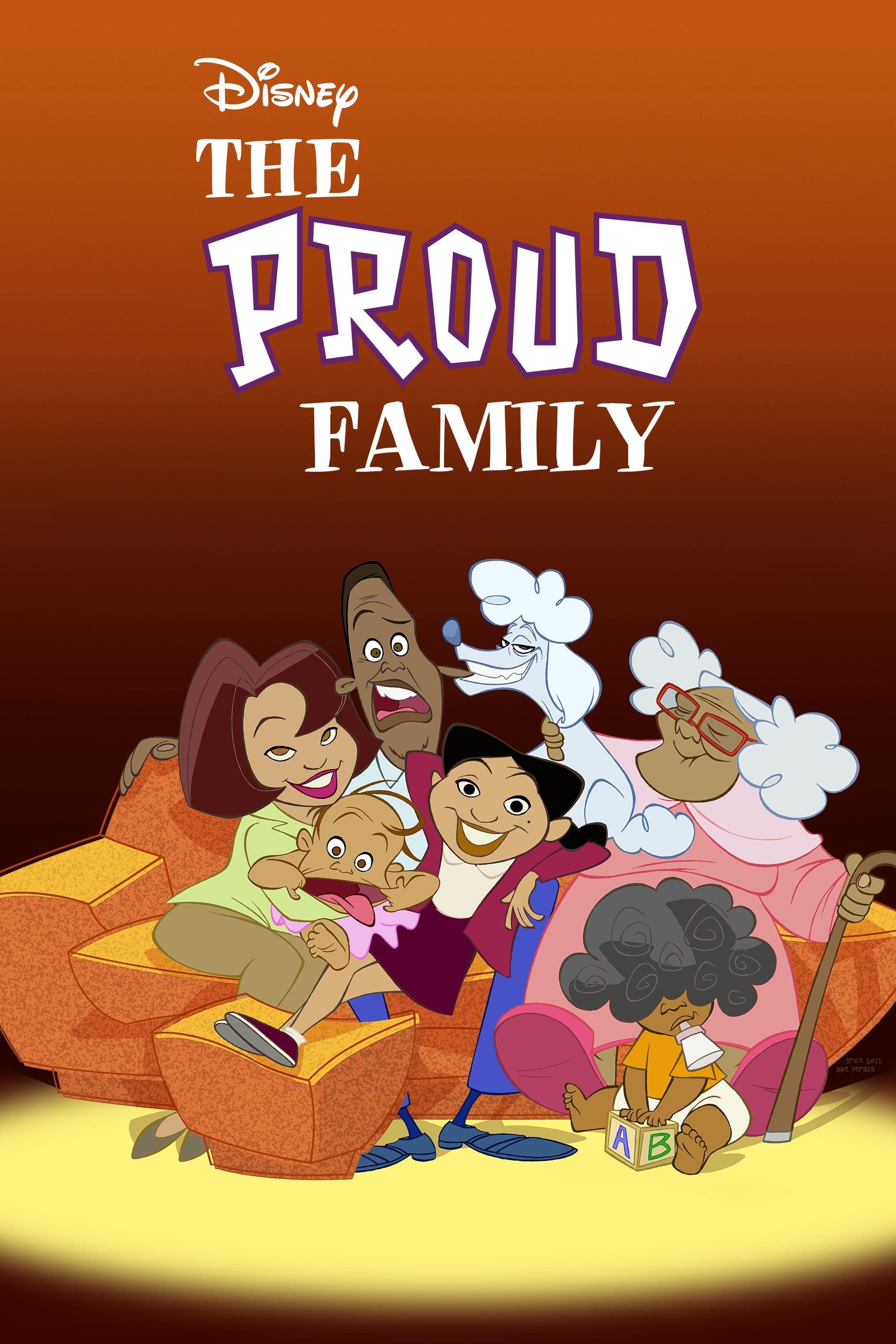
Follow the adventures and misadventures of Penny, a 14-year-old African American girl who's doing her best to navigate through the early years of teen-dom. Penny's every encounter inevitably spirals into bigger than life situations filled with hi-jinks, hilarity and heart. Her quest to balance her home, school and social lives are further complicated by friends like the sassy Dijonay, Penny's nemesis LaCienega Boulevardez, her loving, if not over-protective parents and her hip-to-the-groove-granny, Suga Mama.
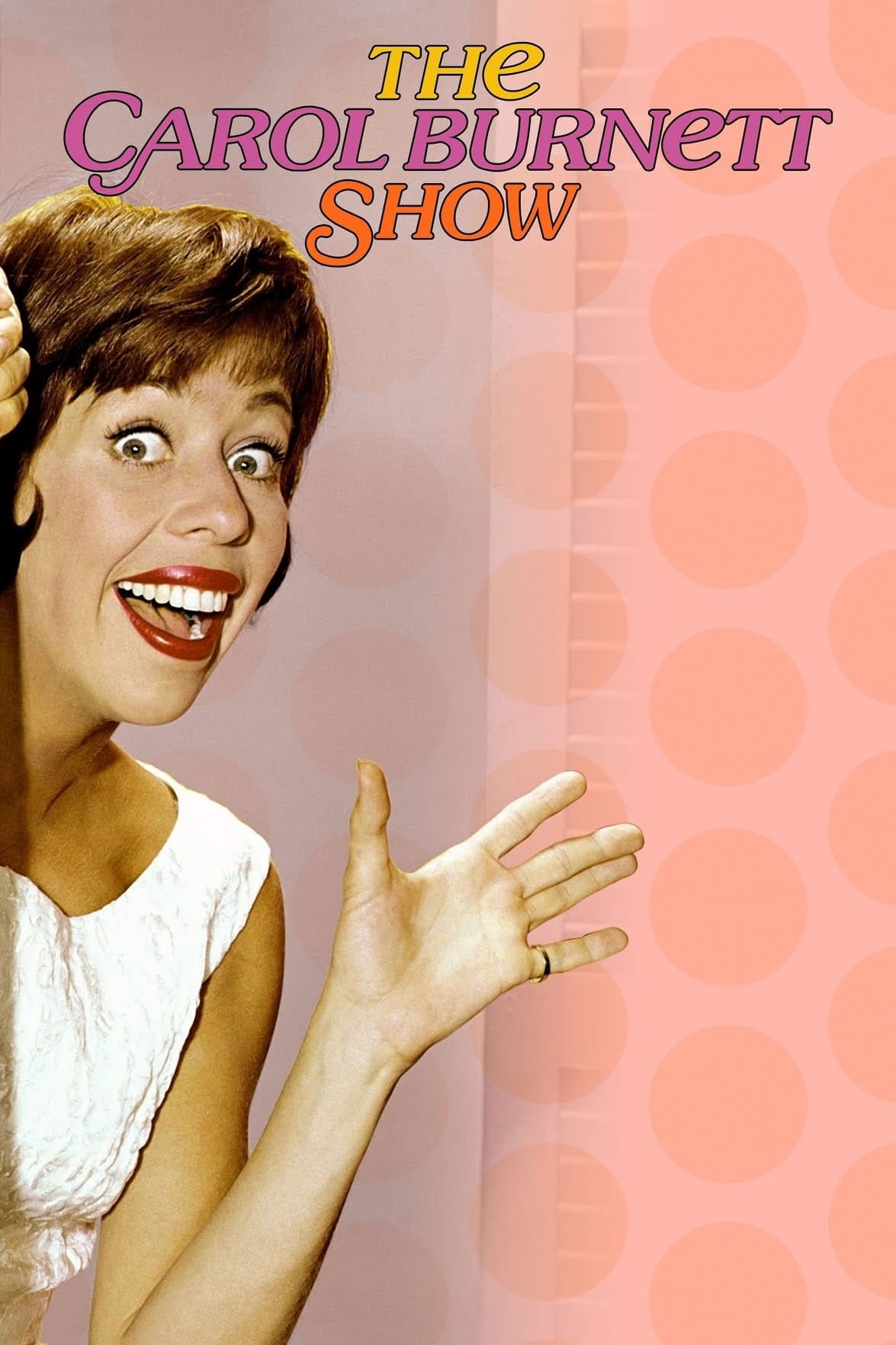
The Carol Burnett Show is an American variety/sketch comedy television show starring Carol Burnett, Harvey Korman, Vicki Lawrence, Lyle Waggoner, and Tim Conway. It originally ran on CBS from September 11, 1967, to March 29, 1978, for 278 episodes and originated from CBS Television City's Studio 33. The series won 25 prime time Emmy Awards, was ranked No. 16 on TV Guide's 50 Greatest TV Shows of All Time in 2002 and in 2007 was listed as one of Time magazine's "100 Best TV Shows of All Time."
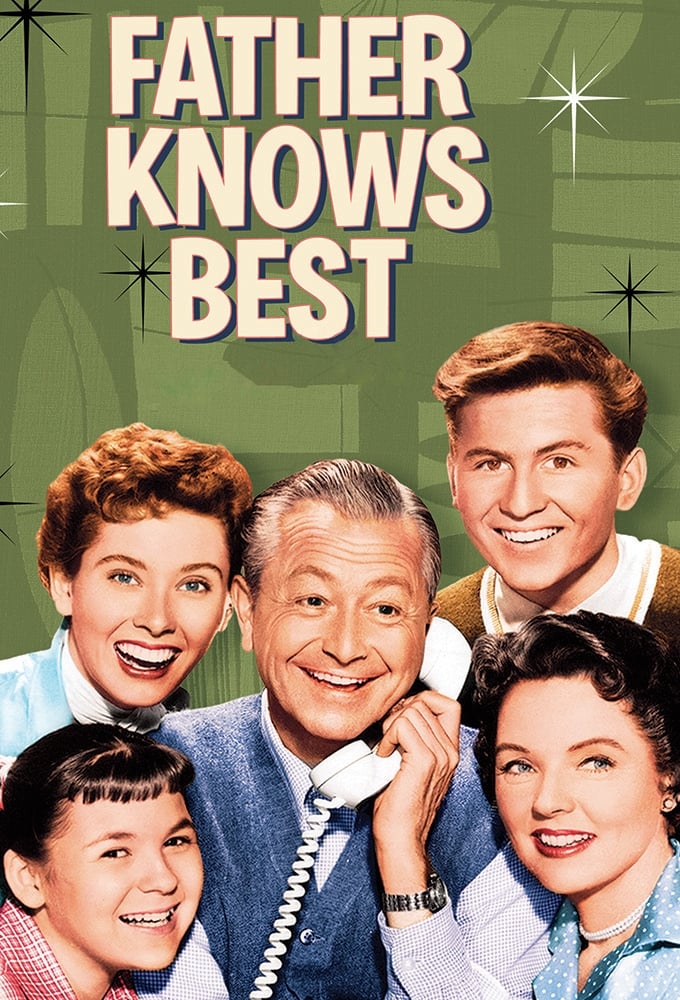
Family man Jim Anderson copes with the everyday problems among his wife Margaret and their three children as they experience day-to-day changes.
The Mighty B! is an American animated television series co-created by Amy Poehler, Cynthia True and Erik Wiese for Nickelodeon. The series centers on Bessie Higgenbottom, an ambitious Honeybee girl scout who believes she will become The Mighty B if she collects every Honeybee badge. Bessie lives in San Francisco with her single mother Hilary, brother Ben and dog Happy. Poehler provides the voice of Bessie, who is loosely based on a character Poehler played on the improvisational comedy troupes Second City and Upright Citizens Brigade.
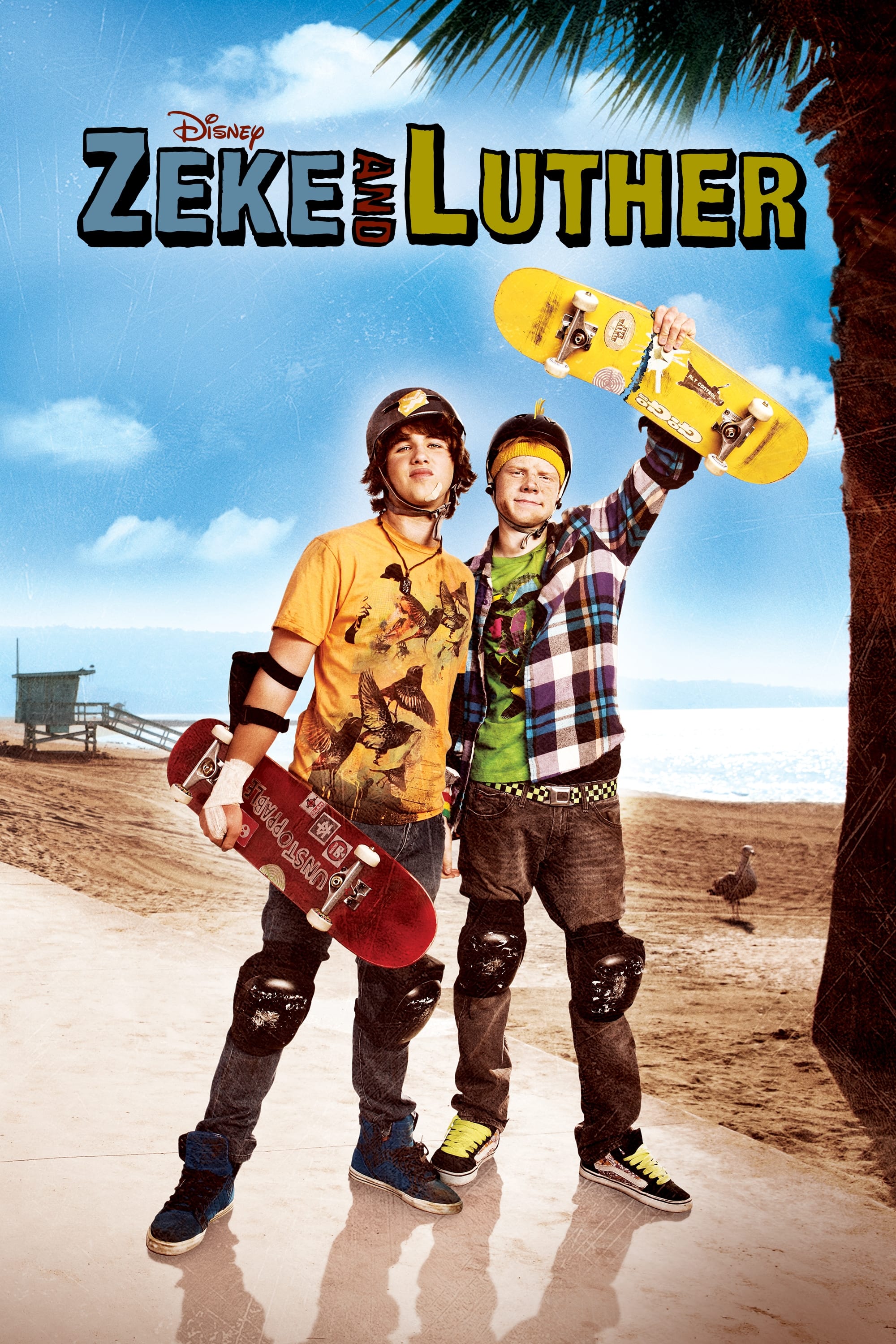
Zeke and Luther want nothing more in the world than to become world-famous skateboarders. Together with their friends, skating rivals, and family, Zeke & Luther find themselves always busy getting into mischief.
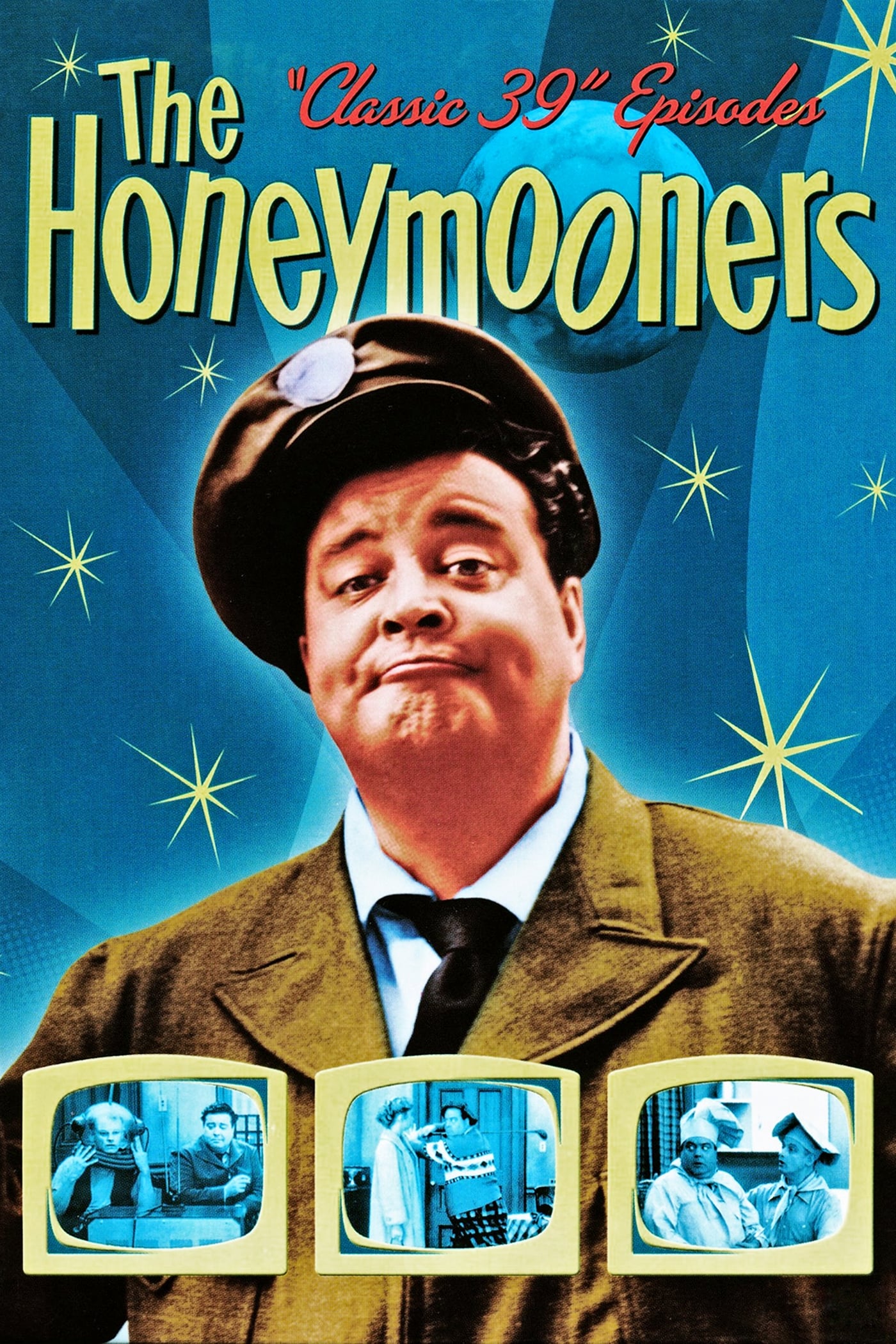
A bus driver and his sewer worker friend struggle to strike it rich while their wives look on with weary patience. One of the most influential situation comedy television series in American history.
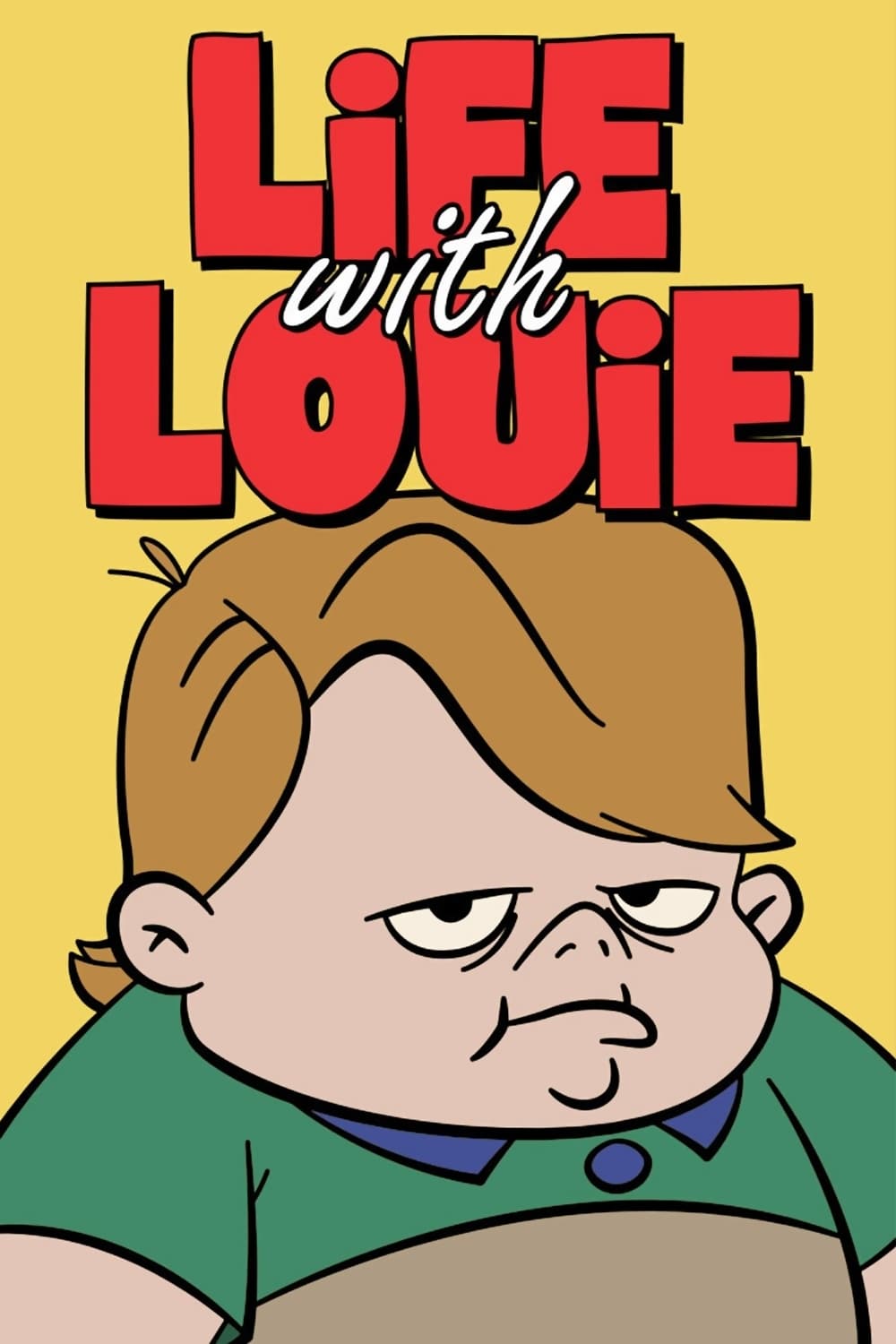
The 8-year-old Louie is doing his best to grow up and cope with a large family, a doting mother, a pesky little brother, and a by-the-book, military veteran dad. Add to that a slew of holiday family squabbles, a flood, an old Rambler and a huge goldfish, and you have the background for Life with Louie. Each episode is a portrait of humor and warmth drawn from Louie Anderson's real-life experience as a child in the Midwest.
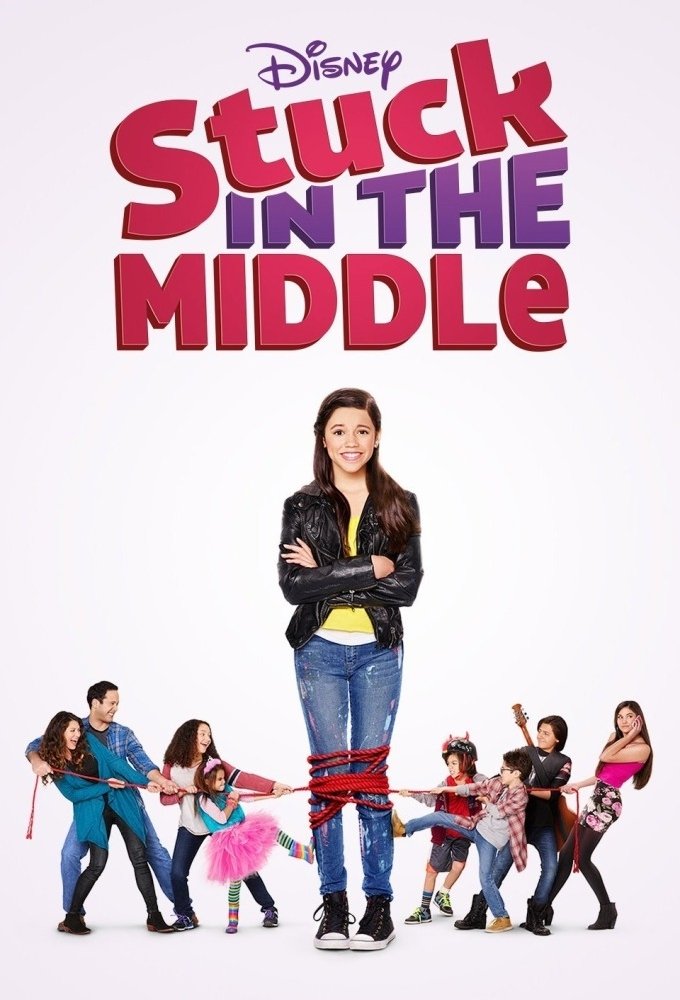
Harley is an engineering whiz who uses her inventions to navigate life as the middle child in a large family of seven kids.
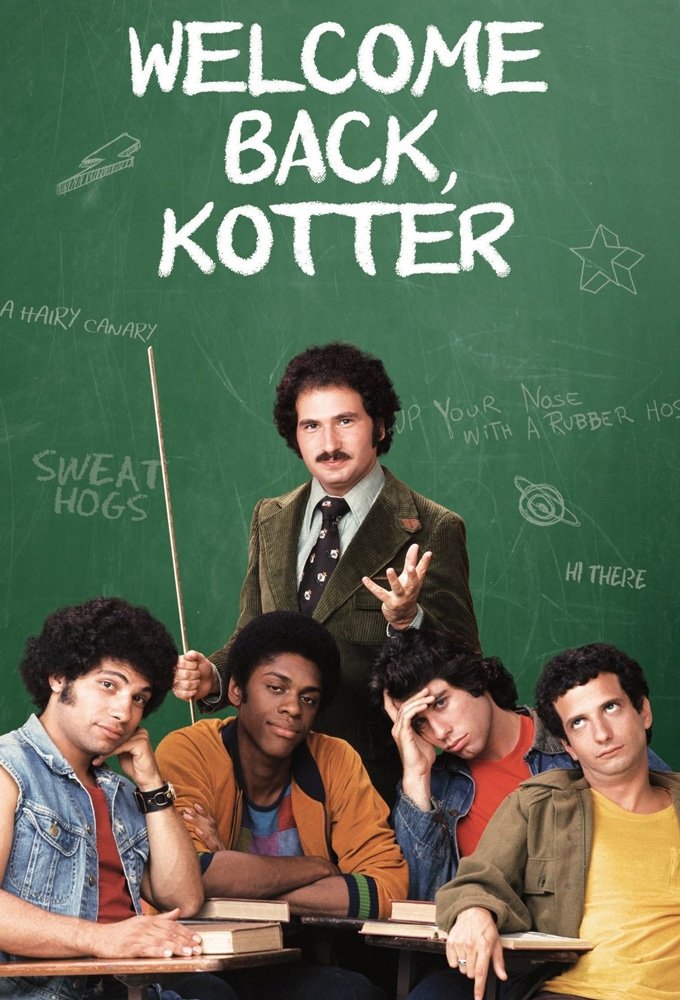
Welcome Back, Kotter is an American television sitcom starring Gabe Kaplan and featuring a young John Travolta. Videotaped in front of a live studio audience, it originally aired on the ABC network from September 9, 1975, to June 8, 1979.
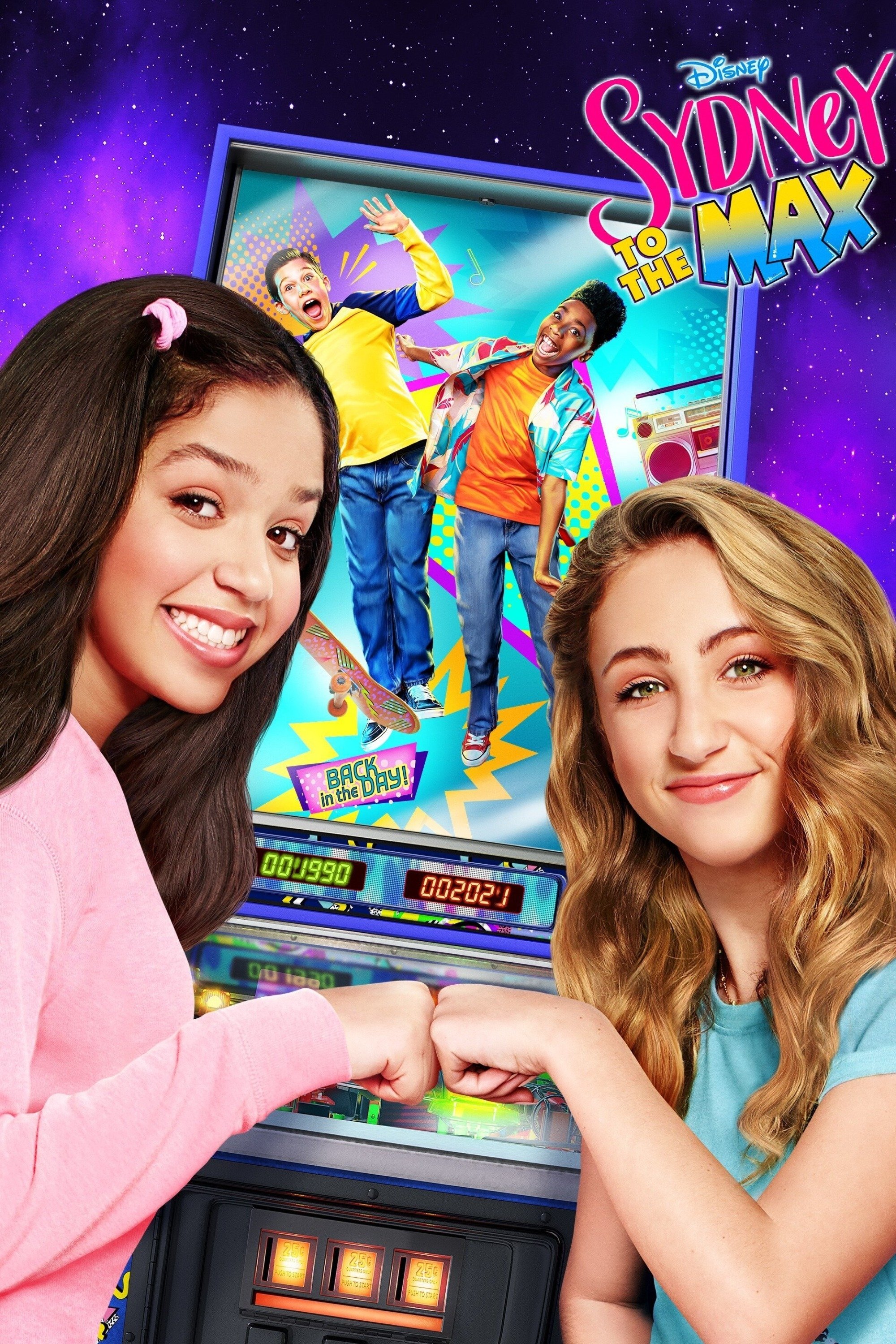
Outgoing 13-year-old Sydney is on the fast track to growing up, despite the goodhearted efforts of her protective father, Max. As Sydney attempts to spread her wings and make more decisions for herself, Max does everything he can to rein her in and keep her his little girl. But in so doing, his mother, Judy, is reminded of his own antics at Sydney's age, and the parallels -- illustrated by comical flashback sequences starring a young Max -- are both amusing and enlightening.
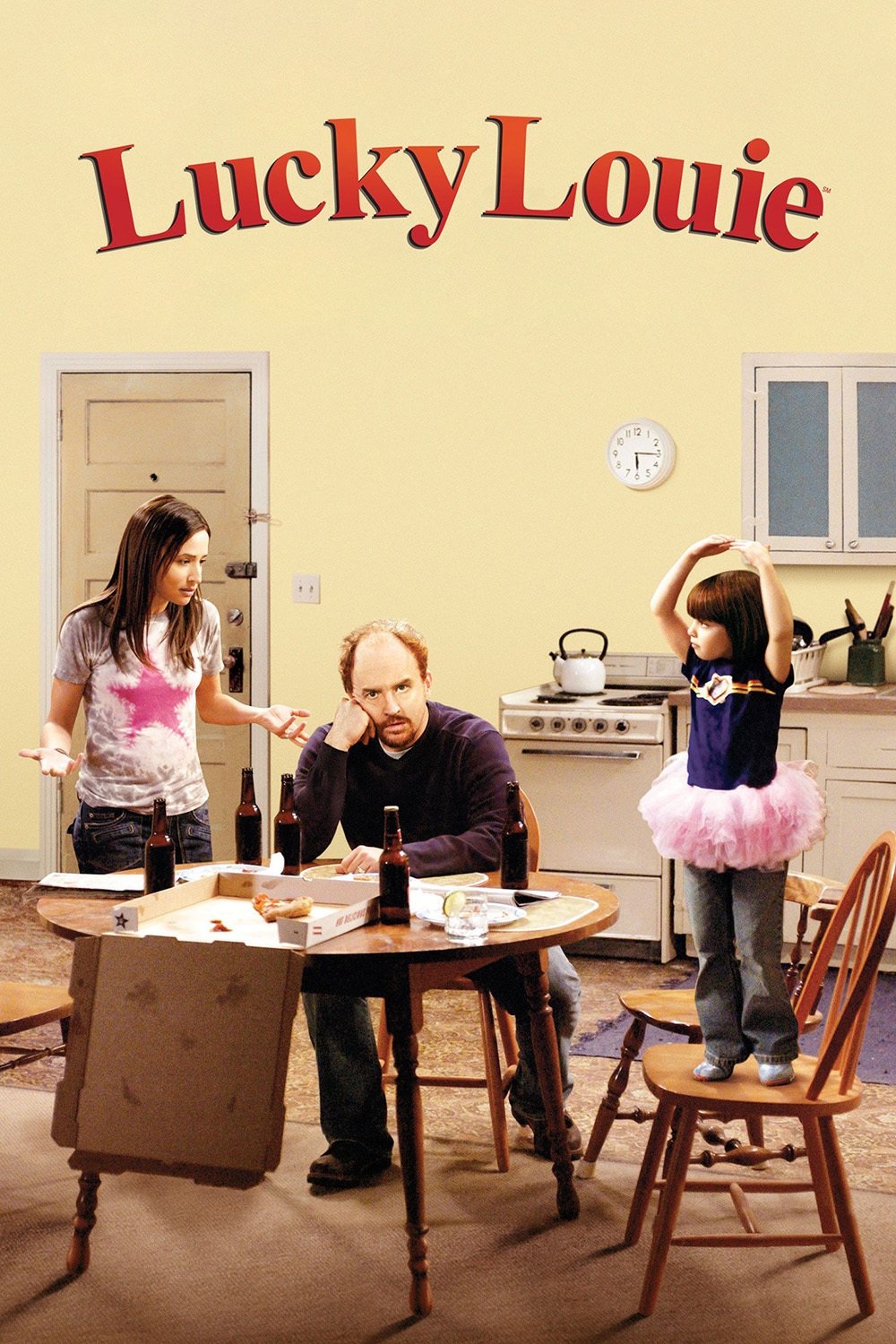
A blue-collar family man grapples with life's challenges while trying to maintain his marriage, raise his young daughter, and deal with the eccentricities of his friends and neighbors.
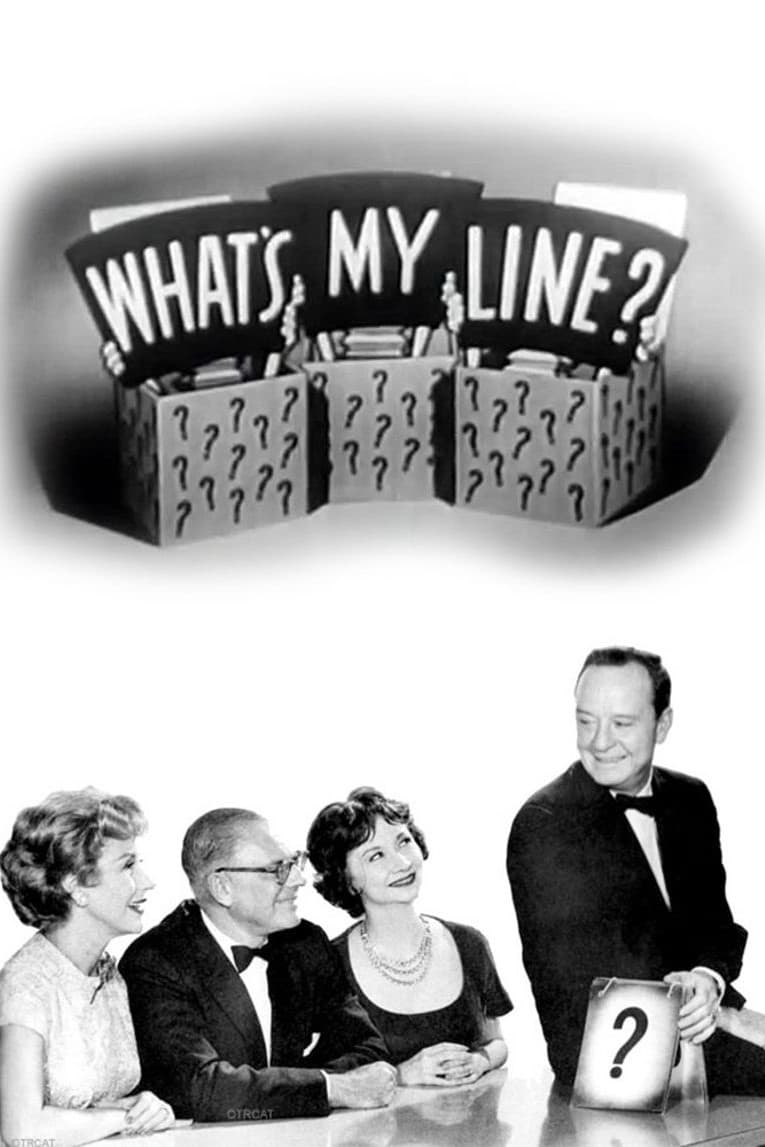
Four panelists must determine guests' occupations - and, in the case of famous guests, while blindfolded, their identity - by asking only "yes" or "no" questions.
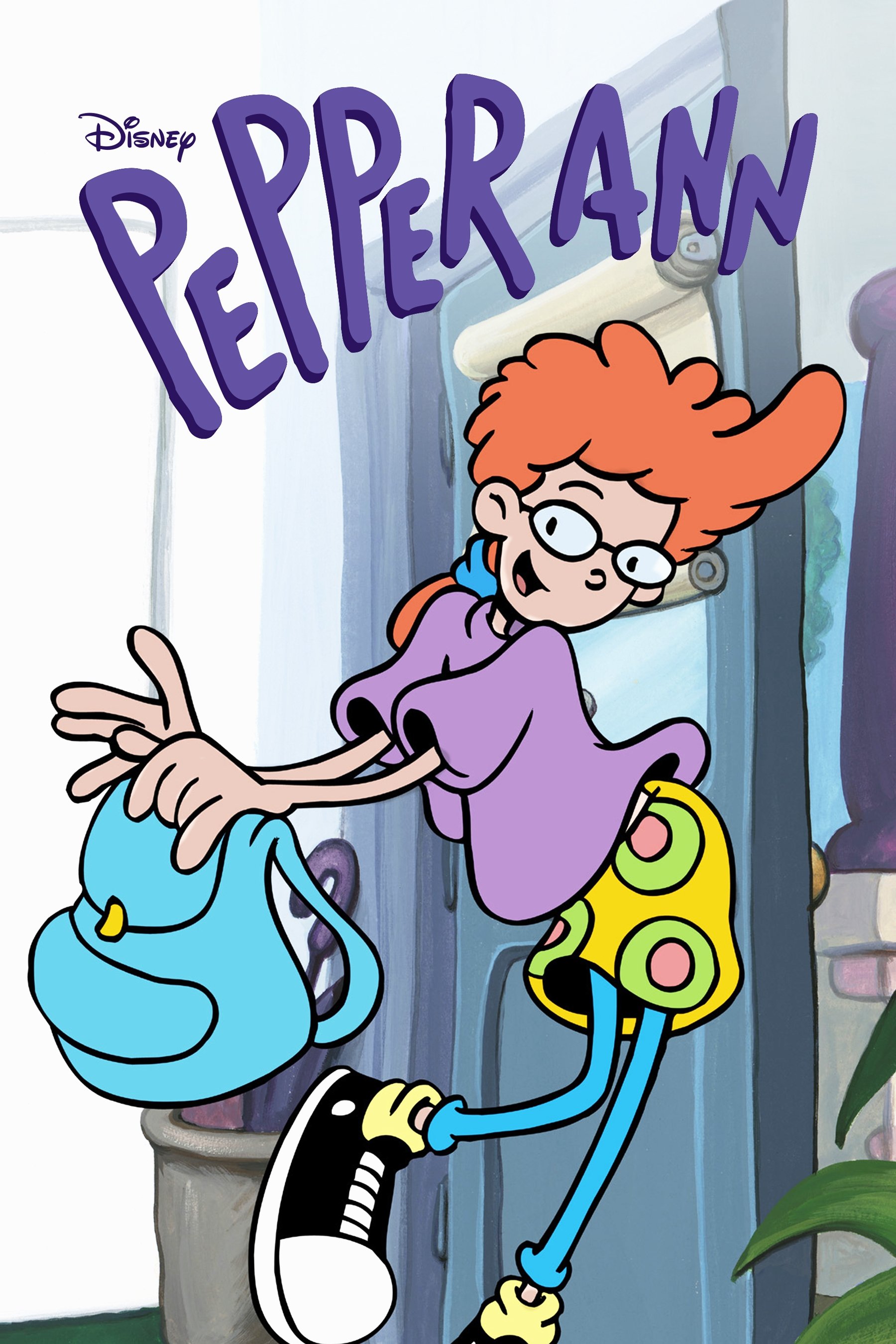
The quirky adventures of Pepper Ann, a 12-year-old girl trying to get through life with her family and friends.
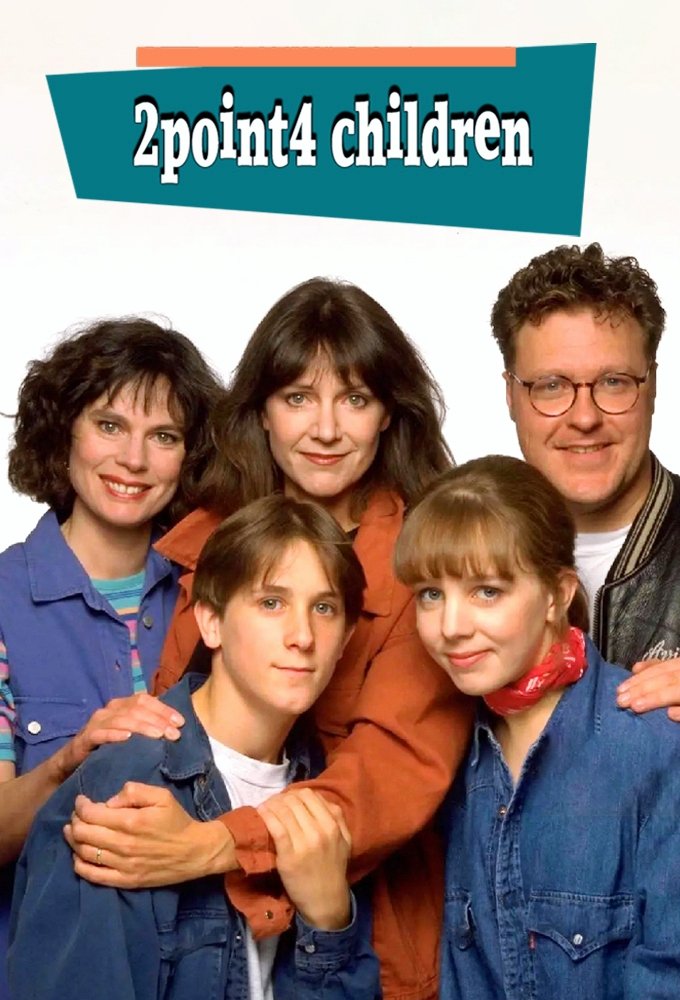
They're just your average family. Stressed mum Bill, daft dad Ben, and two troublesome teens. Plus just a few crazy ideas, escapades and mishaps. The classic 90s sitcom.
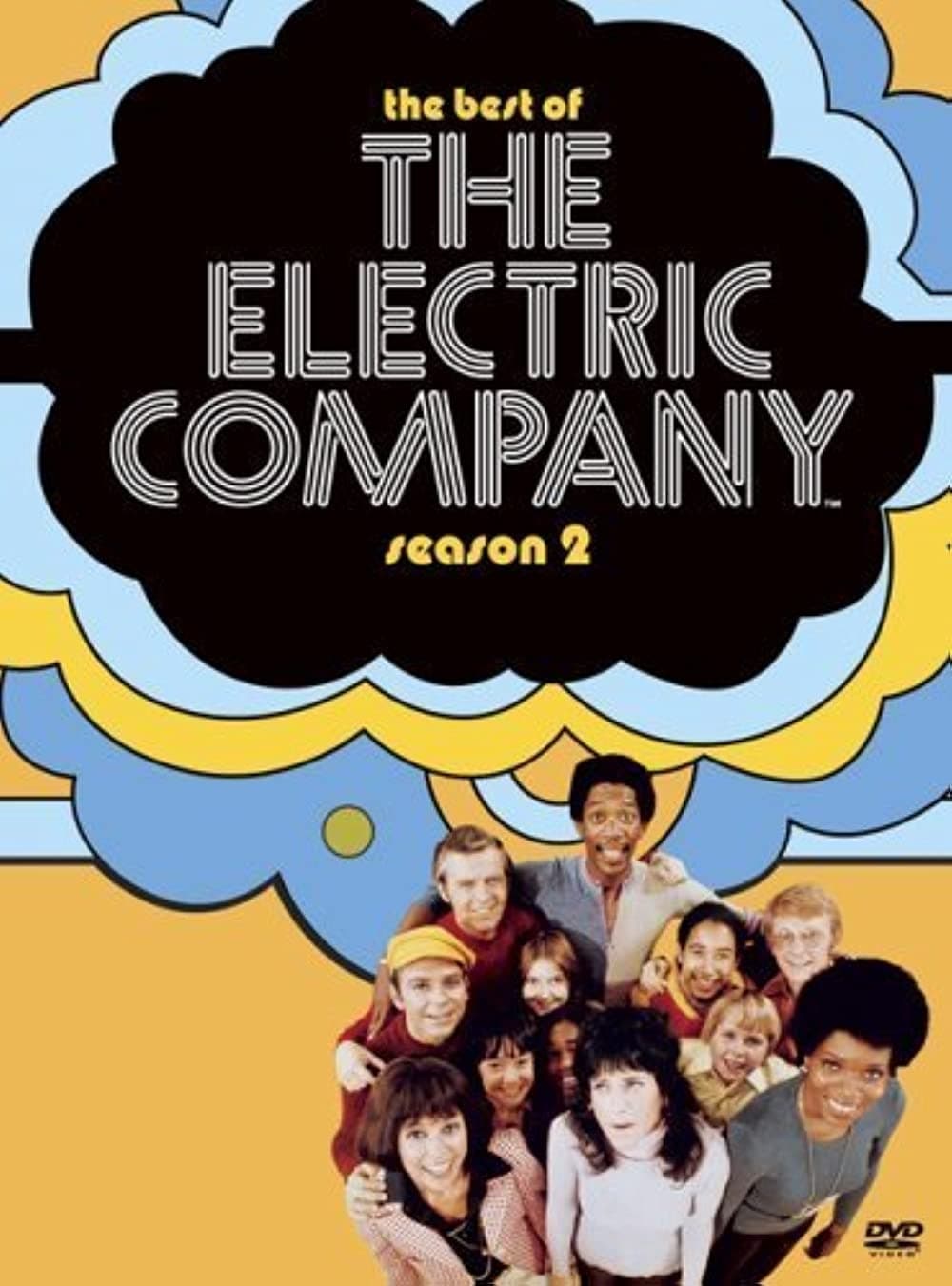
The Electric Company is an educational American children's television series that was produced by the Children's Television Workshop for PBS in the United States. PBS broadcast 780 episodes over the course of its six seasons from October 25, 1971 to April 15, 1977. After it ceased production that year, the program continued in reruns from 1977 to 1985, the result of a decision made in 1975 to produce two final seasons for perpetual use. CTW produced the show at Teletape Studios Second Stage in Manhattan, the first home of Sesame Street. The Electric Company employed sketch comedy and other devices to provide an entertaining program to help elementary school children develop their grammar and reading skills. It was intended for children who had graduated from CTW's flagship program, Sesame Street. Appropriately, the humor was more mature than what was seen there.