Social & External
The people behind it
Karel Veselý
Self
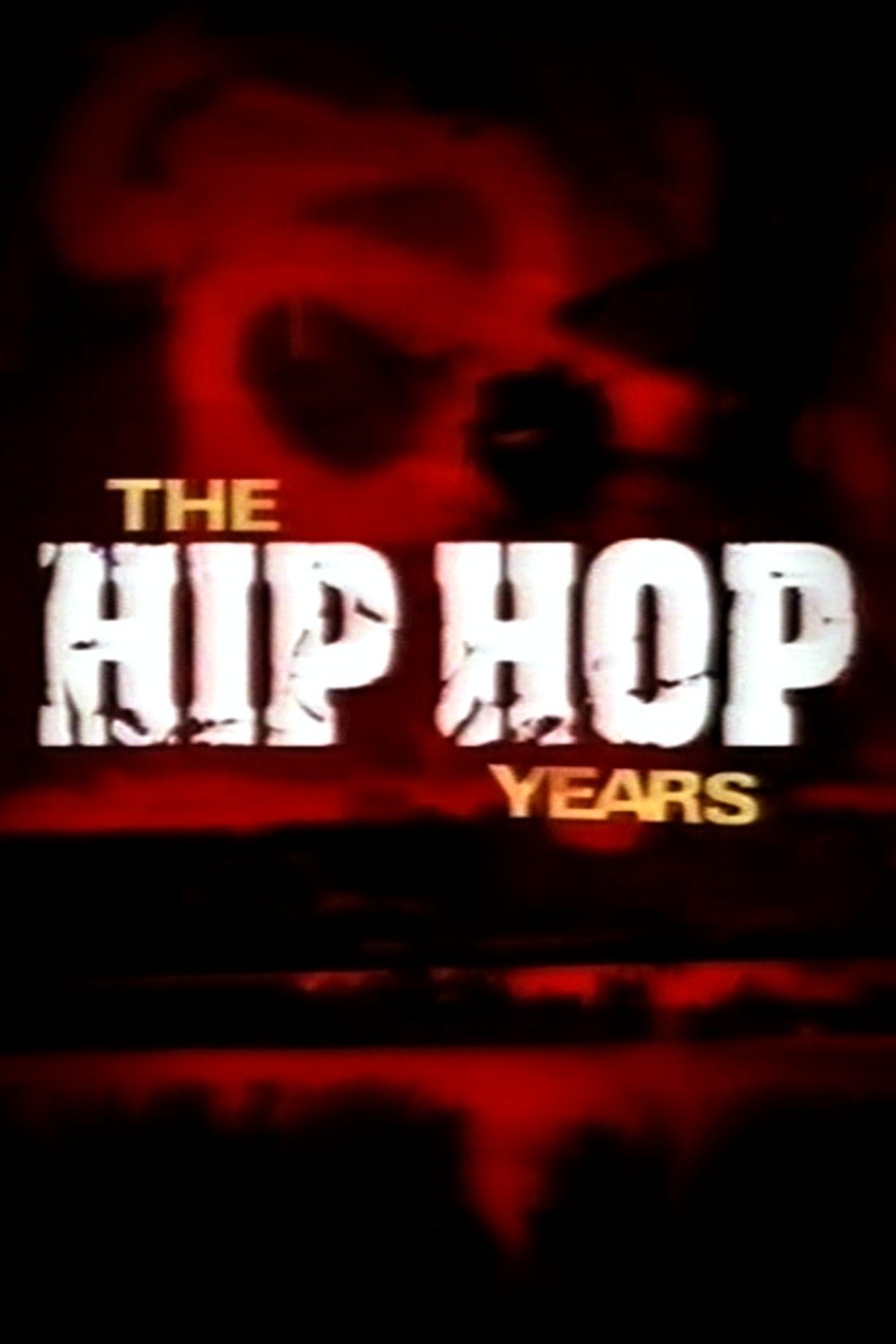
The Hip Hop Years is a three part series of one hour television documentaries, made for Channel 4 in 1999. The series was devised by David Upshal who produced, directed and narrated the series. He also produced the 33-track compilation CD which accompanied the series and co-wrote the book with Alex Ogg, also titled The Hip Hop Years. The series charts the definitive story of Hip Hop, rising from the streets of the Bronx to become, what Upshal calls, "the new Rock'n'Roll". The programmes combine archive clips and performance from TV, movies and music videos with specially shot material and interviews with key players.
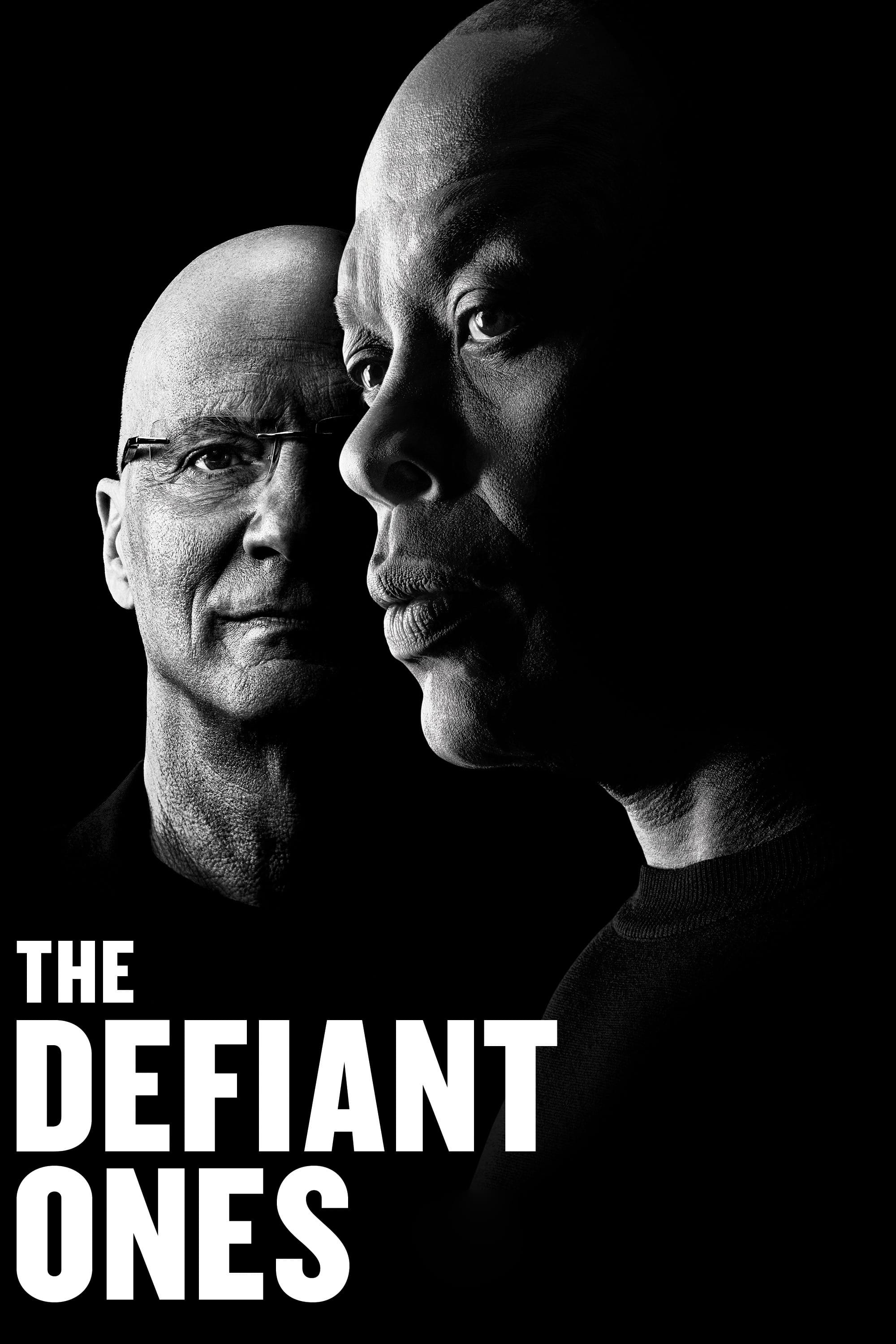
A four-part documentary series that tells the stories of Jimmy Iovine and Dr. Dre -- one the son of a Brooklyn longshoreman, the other straight out of Compton - -- and their improbable partnership and surprising leading roles in a series of transformative events in contemporary culture.
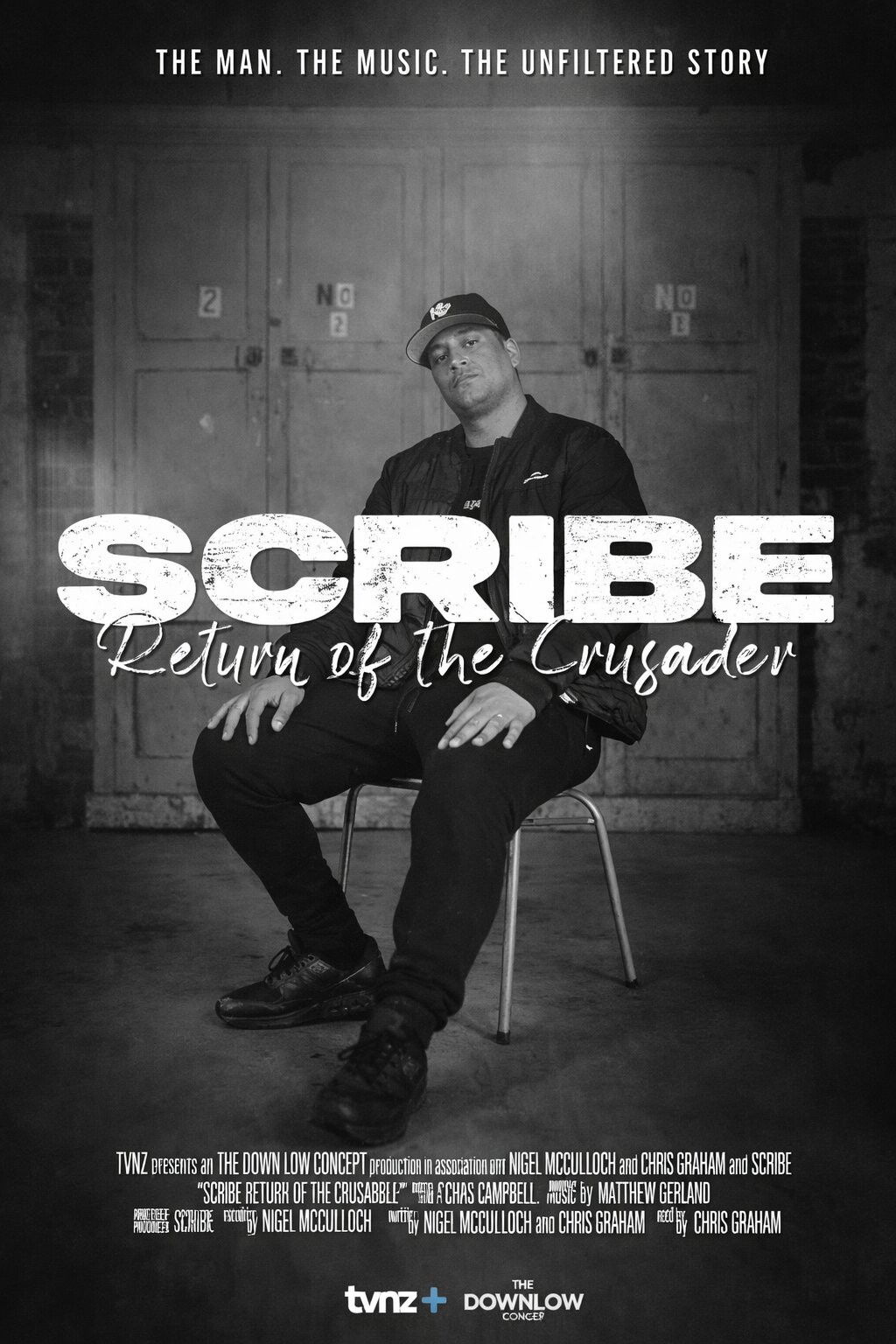
Scribe is laid bare as he shares everything that has brought him to this moment. The Crusader returns clean, working on new music, and ready to stand up.
Together We Rise is a new 4-part documentary that takes a no-holds barred look at GRM Daily and its historical highs and lows.
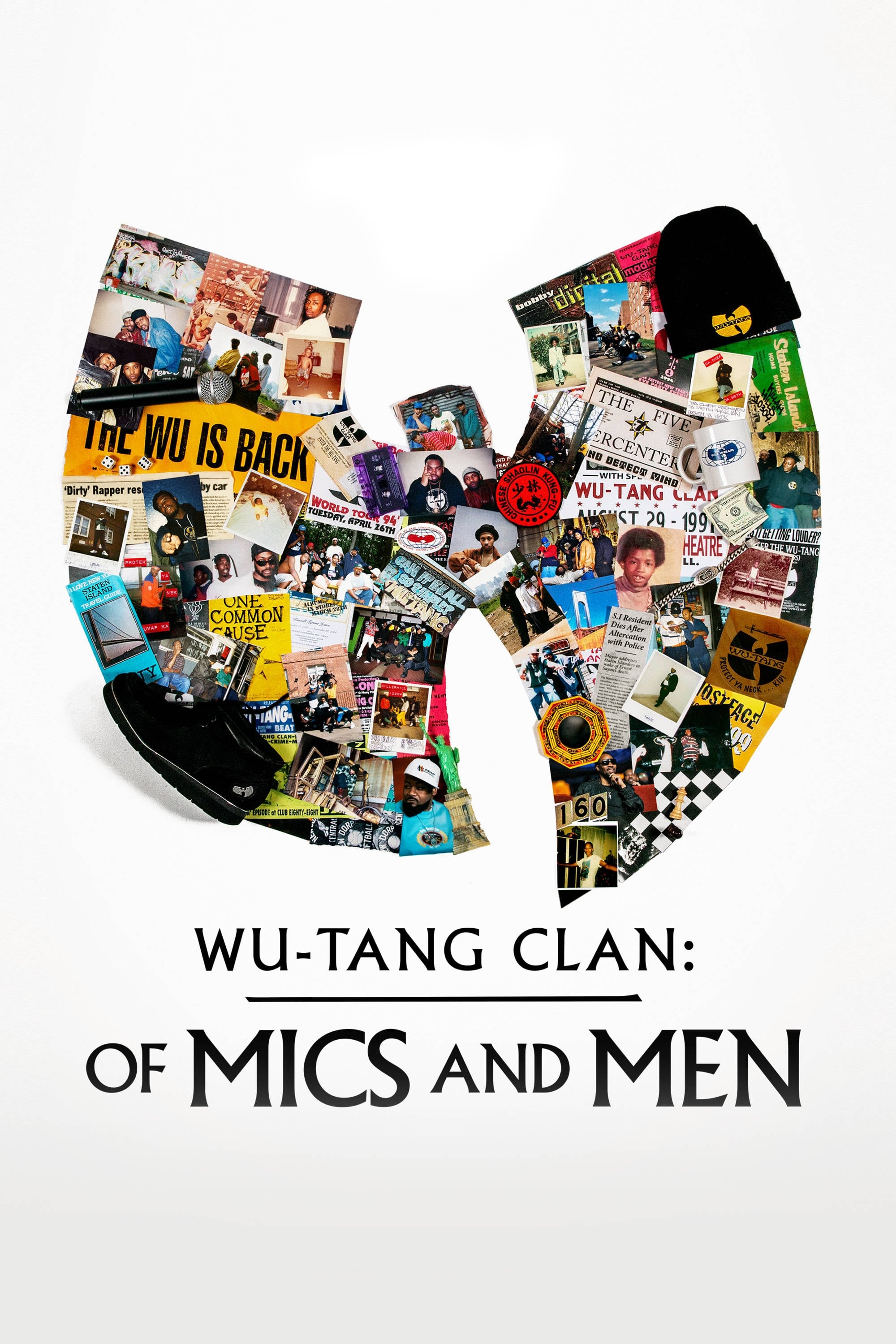
Transcending the music documentary genre by creating a new lane that merges music, socio-cultural commentary and and intimate family portrait of the Wu-Tang Clan.
Concrete Feeling tells the story of French hip-hop. It’s about rap as social comment and how French hip-hop climbed the charts to become the most popular music in France.
Estranged and out-of-touch, four women in their 40s reunite for a chance to recapture their fame and regain the swagger they had as the Nasty Bitches—their ‘90s group that made them legends in the hip-hop world.
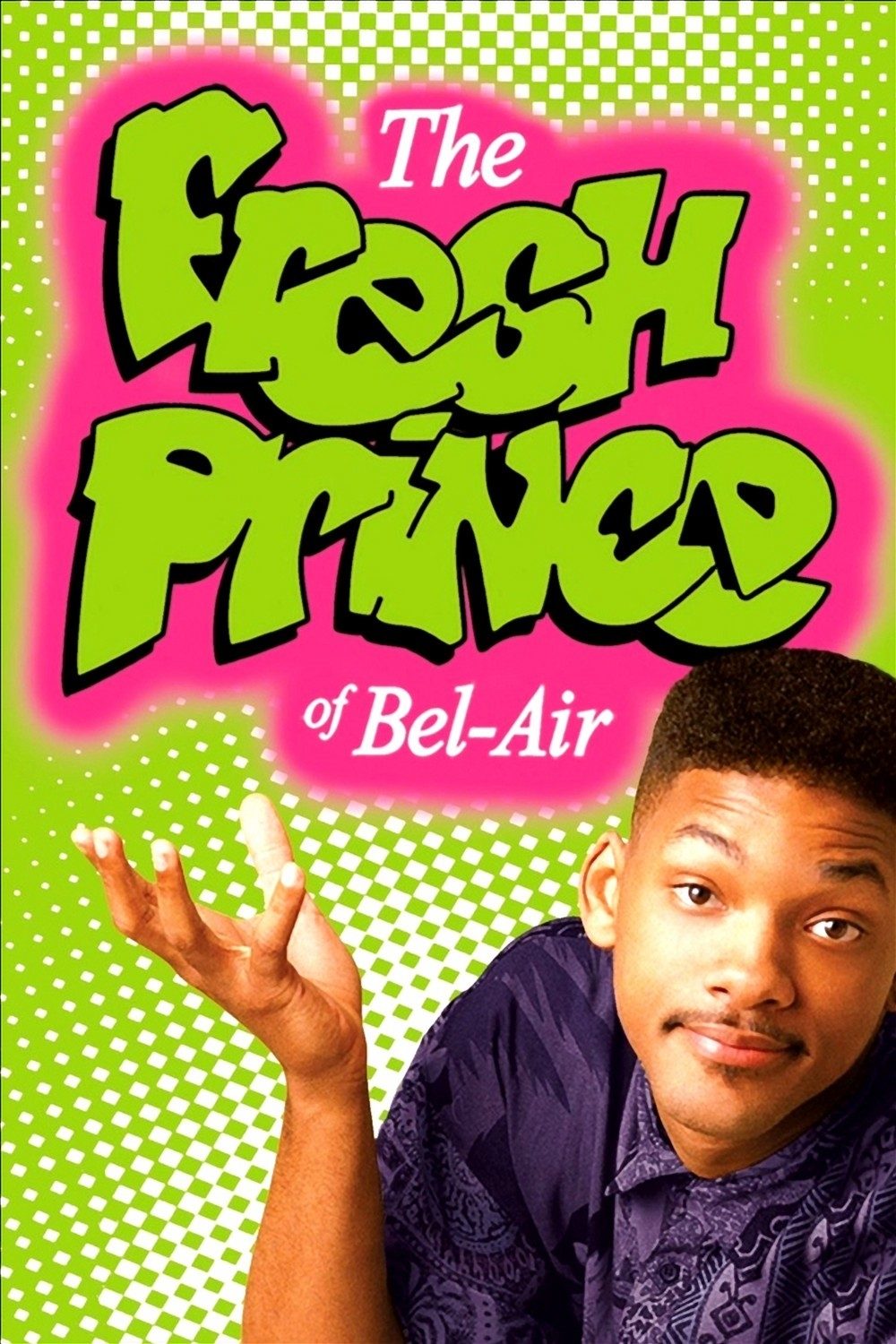
Will, a street-smart teenager, moves from the tough streets of West Philly to posh Bel-Air to live with his Uncle Philip, Aunt Vivian, his cousins — spoiled Hilary, preppy Carlton and young Ashley — and their sophisticated British butler, Geoffrey. Though Will’s antics and upbringing contrast greatly with the upper-class lifestyle of his extended relatives, he soon finds himself right at home as a loved part of the family.
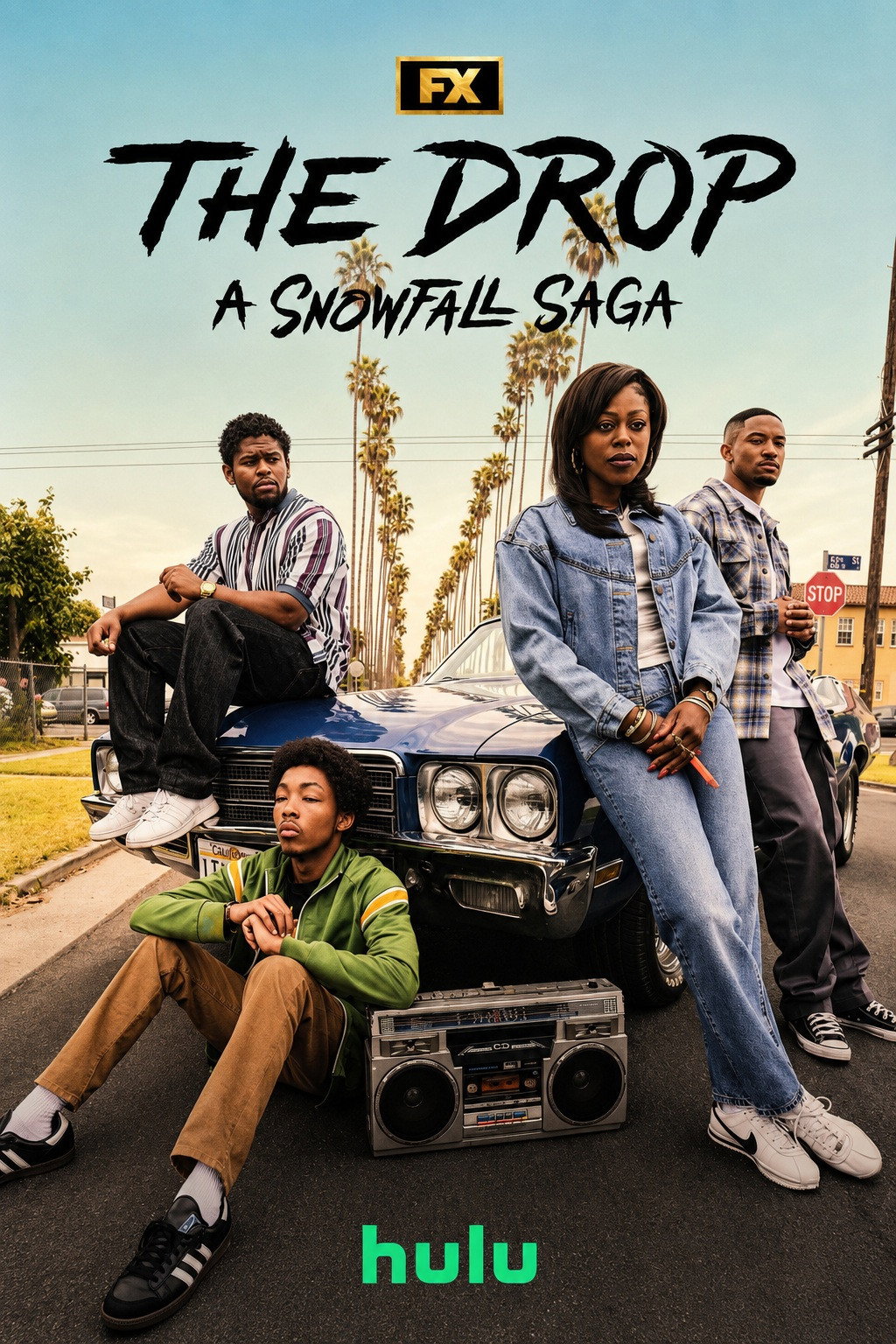
In 1990s Los Angeles, Wanda and Leon fight to take West Coast rap mainstream while gang wars erupt and record labels move to exploit hip hop culture for their own gain.
Graffiti Rock was a hip-hop based television program, originally screened June 29, 1984. Intended as an on-going series, the show only received one pilot episode and aired on WPIX channel 11 in New York City and 88 markets around the country, to good Nielsen ratings. Graffiti Rock resembled a hip hop version of the popular television dance shows at the time such as Soul Train and American Bandstand. The show was created and hosted by Michael Holman, who was the manager of the popular break-dancing crew, the New York City Breakers. The episode features Run D.M.C., Shannon, The New York City Breakers, DJ Jimmie Jazz and Kool Moe Dee and Special K of the Treacherous Three. The New York City Breakers, who were fresh off of their success from the movie, Beat Street, made a showcase appearance. The episode also features television and film actress, Debi Mazar and actor/director Vincent Gallo as dancers on the show. A segment of the show was sampled on The Beastie Boys' LP Ill Communication. "[...] alright, you're scratchin it right now, cut the record back and forth against the needle, back and forth, back and forth, make it scratch, but let me tell you something don't try this at home on your dad's stereo only under hiphop supervision, alright ?" The show has since become an important 'must-see' for hip-hop enthusiasts, alongside such titles as Wild Style and Beat Street.
Legendary rap group The Dirty Dawg could have taken Japan by storm, but then they broke up. Now each member fights in one of the four rival groups. Battles for turf are fought with rap and the Hypnosis Mic, a microphone that can affect the human spirit.
A suburban neurotic man in his late 20s has convinced himself that he’s destined to be one of the best rappers of all time. Now he must convince his closest friends, because with their help, he might actually convince the world.
Set in Atlanta’s hip hop scene, The Rap Game follow five young hip hop artists, ages 12 to 16 years old, as they work with Dupri and special guests such as Usher, Ludacris, Da Brat, T.I. and Silentó, to become the next big, young rap star.
From newcomers to rappers already loved by many fans, all gather to compete against each other in order to pick the best Hip hop entertainer. The one that receives the most votes from the audience takes it all.
Do You Know Hip Hop will feature rappers who actively promoted from the late 1990s to the early 2000s and pioneered the hip hop genre in Korea. The contestants who once captivated fans of the hip hop genre will once again showcase their unique charms and swag that aren't limited by their age.
A talented young rapper, supported by his two childhood friends, finds himself overnight "validated" by one of the stars in the business. Only, this alliance quickly turns into a dangerous rivalry ...
A legendary rapper manages the budding career of her niece in order to save her own while also managing massive debt.
Infographics and archival footage deliver bite-size history lessons on scientific breakthroughs, social movements and world-changing discoveries.
American Masters is a PBS television series which produces biographies on enduring writers, musicians, visual and performing artists, dramatists, filmmakers, and others who have left an indelible impression on the cultural landscape of the United States.
A look at the life of Australian pop star Kylie Minogue, who opens her personal archives and reflects on a career in which she has sold 80 million records and reinvented herself, and by extension pop, several times. Home movies, personal photographs and new interviews reveal the picture, as Kylie addresses how she’s faced public scrutiny, personal loss and illness.
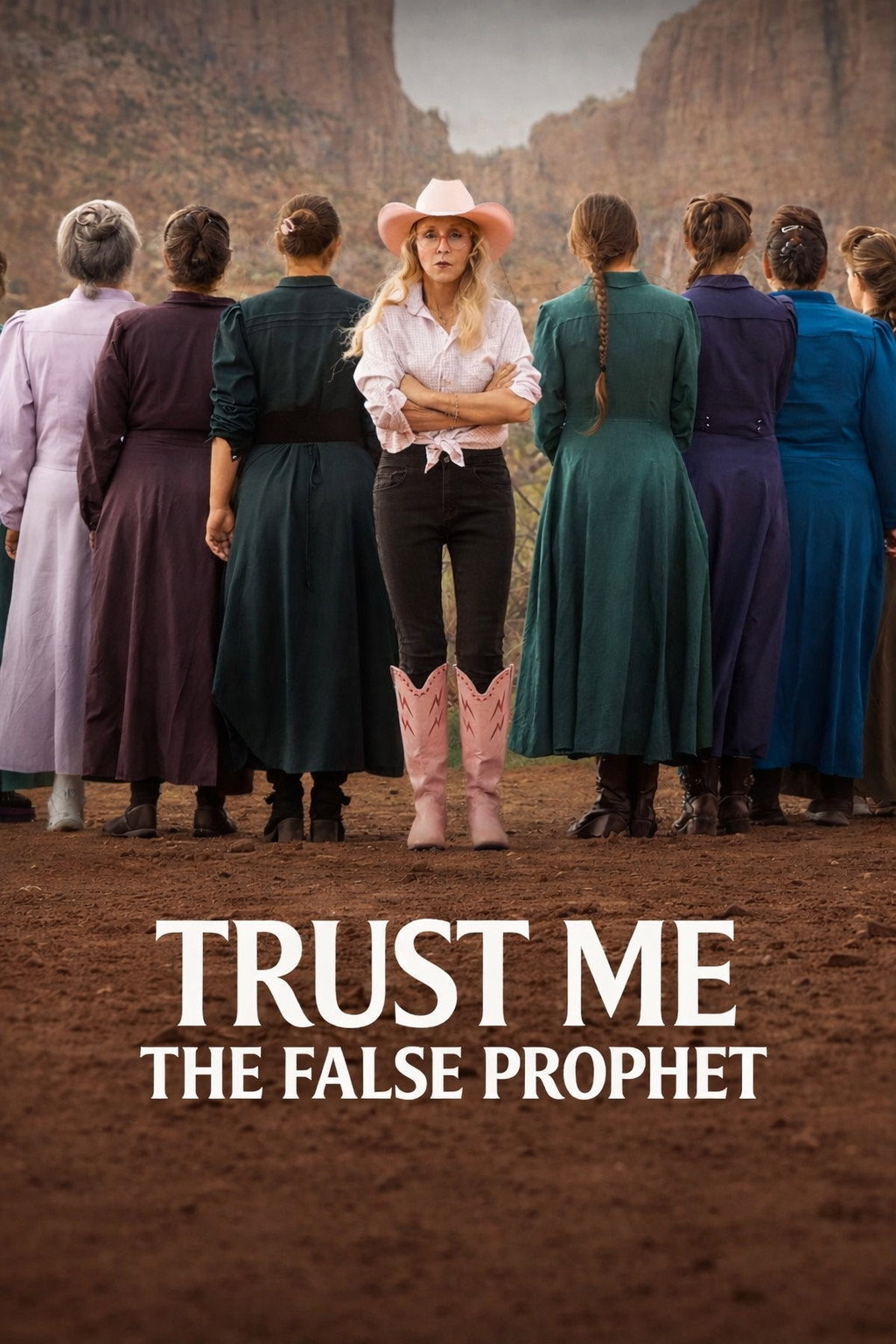
In this true-crime documentary, a cult expert and filmmaker infiltrate a polygamist sect to expose a self-proclaimed prophet and bring him to justice.
Doctor Who Confidential is a documentary to complement the revival of the long-running British science fiction television series Doctor Who. Each episode was broadcast on BBC Three on Saturdays, immediately after the broadcast of the weekly television episode on BBC One. The running time of the first two series was 30 minutes, being extended to 45 minutes in the third. BBC Three also broadcast a cut-down edition of the programme, lasting 15 minutes, shown after the repeats on Sundays and Fridays and after the weekday evening repeats of earlier seasons.
Motoring programme featuring reviews of and reports about cars of all types.
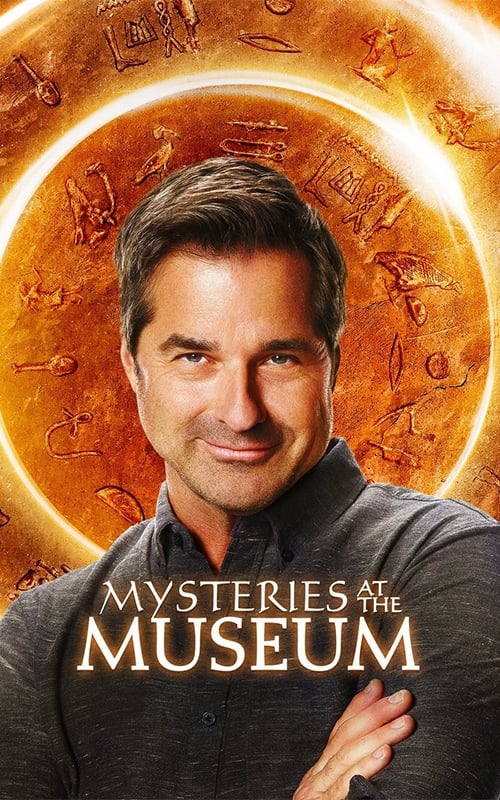
Don Wildman unearths relics from the world's greatest institutions to reveal secrets from the past. He examines each artifact to illuminate history's most incredible triumphs, sensational crimes and bizarre encounters.
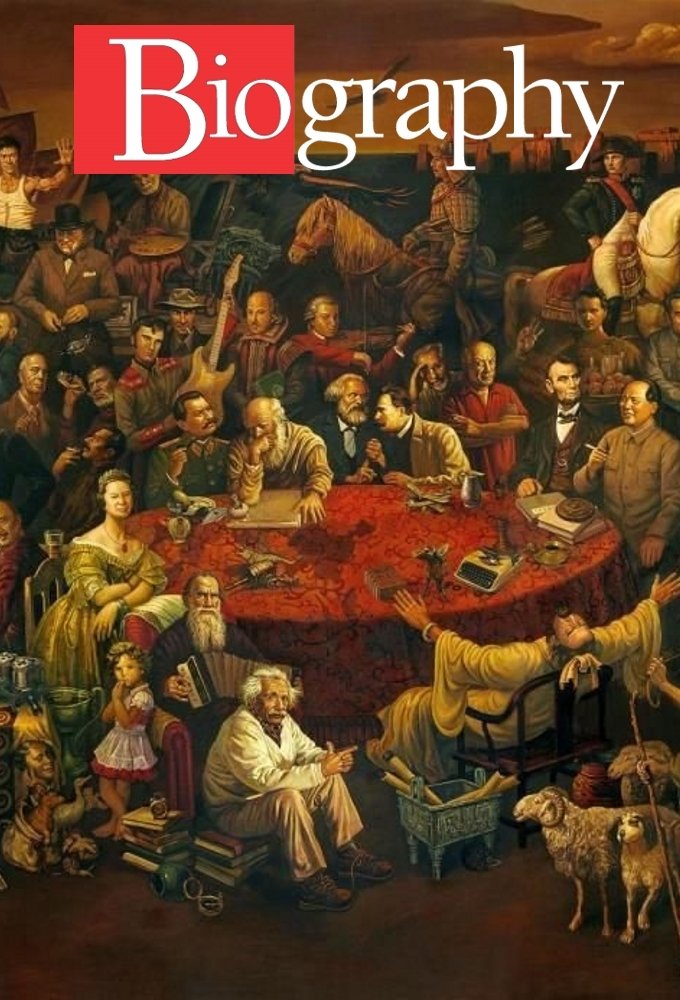
Biography is a documentary television series. It was originally a half-hour filmed series produced for CBS by David Wolper from 1961 to 1964 and hosted by Mike Wallace. The A&E Network later re-ran it and has produced new episodes since 1987. The older version featured historical figures such as Helen Keller and Mark Twain, or long-dead entertainment figures such as Will Rogers or John Barrymore. The A&E series has placed the emphasis on such people as Marilyn Monroe, Elvis Presley, Plácido Domingo, Freddie Mercury, Jacqueline Kennedy Onassis, Eric Clapton, Pope John Paul II, Gene Tierney, Selena, Diego Rivera, Mao Zedong and Queen Elizabeth II, and fictional characters like The Phantom, Superman, Hamlet, Betty Boop, and Santa Claus. The program ended up profiling enough figures that in 1999, A&E spun it off into an entire network, The Biography Channel.
MegaStructures is a documentary television series appearing on the National Geographic Channel in the United States and the United Kingdom, Channel 5 in the United Kingdom, France 5 in France, and 7mate in Australia. Each episode is an educational look of varying depth into the construction, operation, and staffing of various structures or construction projects, but not ordinary construction products. Generally containing interviews with designers and project managers, it presents the problems of construction and the methodology or techniques used to overcome obstacles. In some cases this involved the development of new materials or products that are now in general use within the construction industry. MegaStructures focuses on constructions that are extreme; in the sense that they are the biggest, tallest, longest, or deepest in the world. Alternatively, a project may appear if it had an element of novelty or are a world first. This type of project is known as a Megaproject.
TV's most-watched history series brings to life the compelling stories from our past that inform our understanding of the world today.
The history of the sport of baseball in America, told through archival photos, film footage, and the words of those who contributed to the game in each era. Writers, historians, players, baseball personnel, and fans review key events and the significance of the game in America's history.
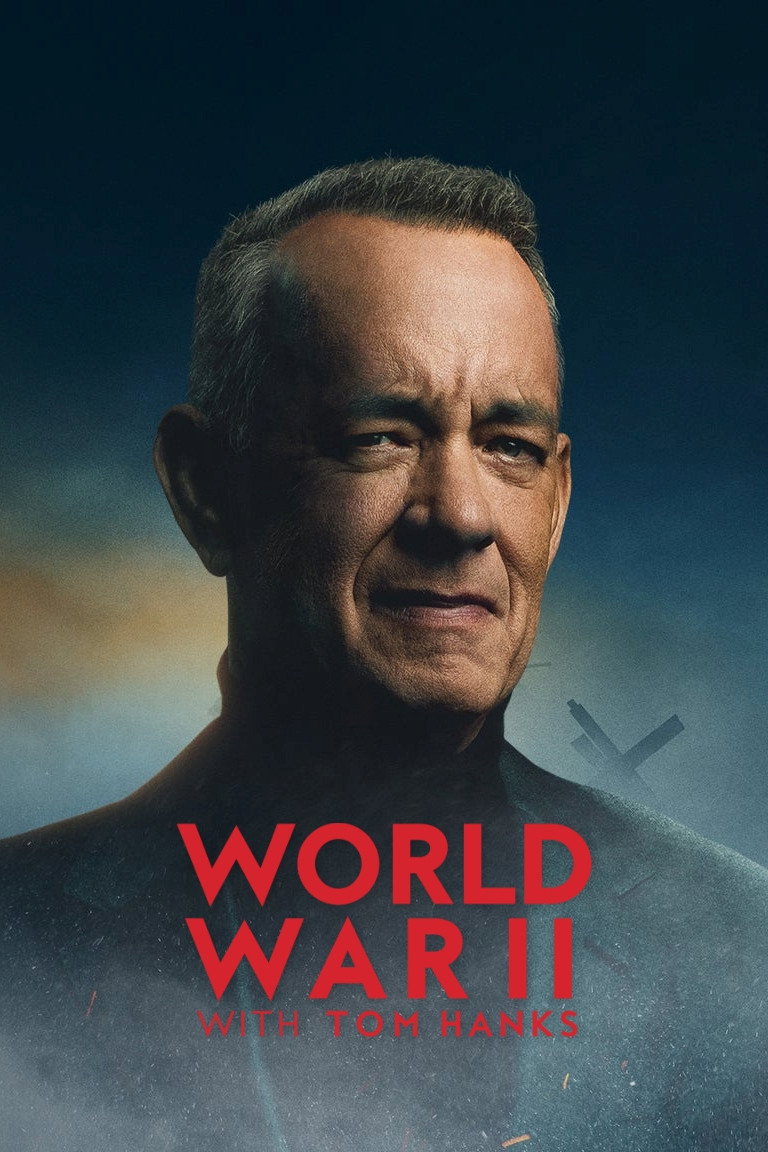
Explores WWII from Germany's invasion of Poland through the atomic age, examining pivotal battles, wartime leaders like Churchill and Roosevelt, and the human cost of total war.
An insider's look at the engineering and scientific miracles behind the things that form the modern world.
This trophy-packed, insider-fuelled documentary charts José Mourinho's iconic rise as one of the world's top footballing managers of the most elite clubs.
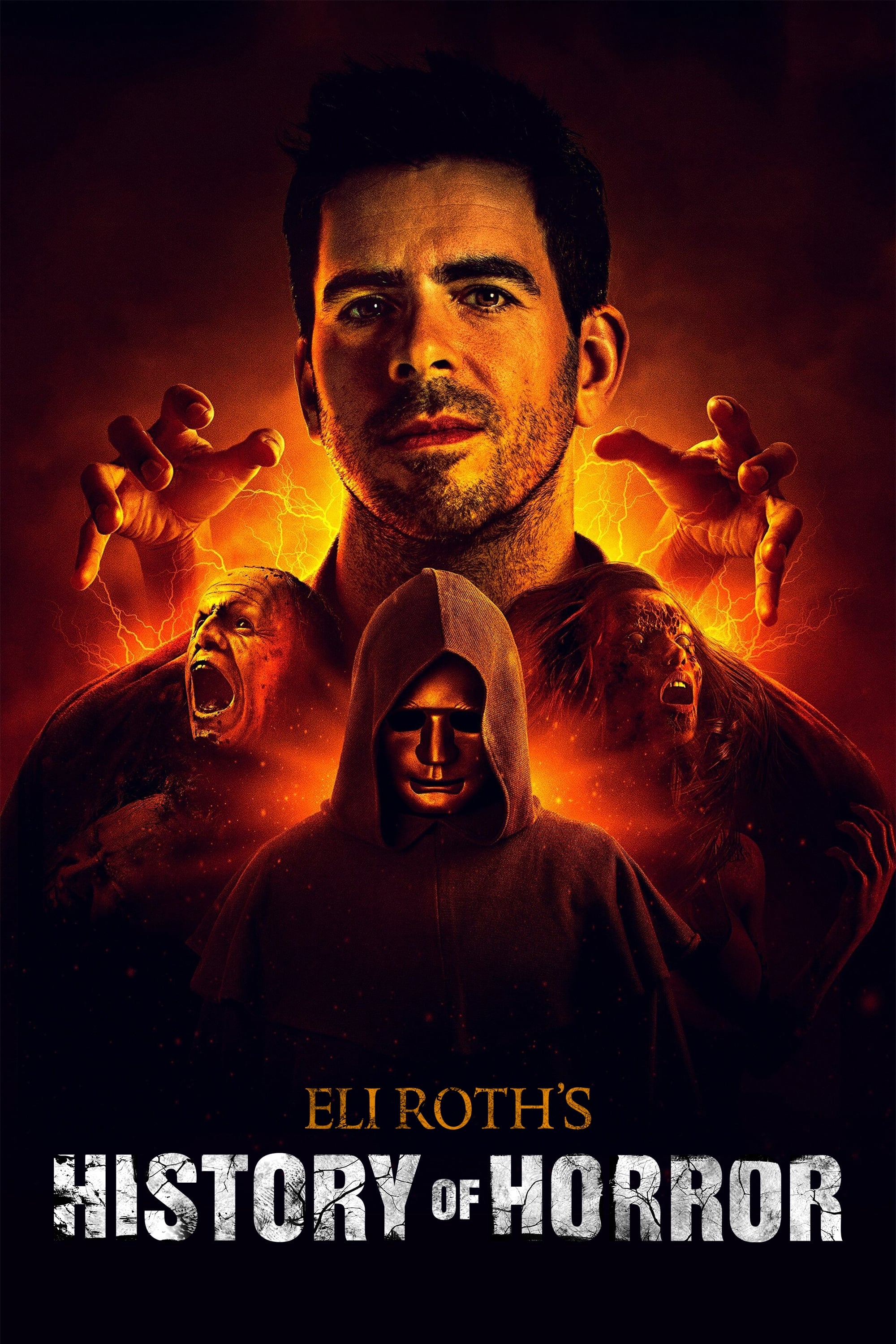
An in-depth look at the history and pop cultural significance of horror films.
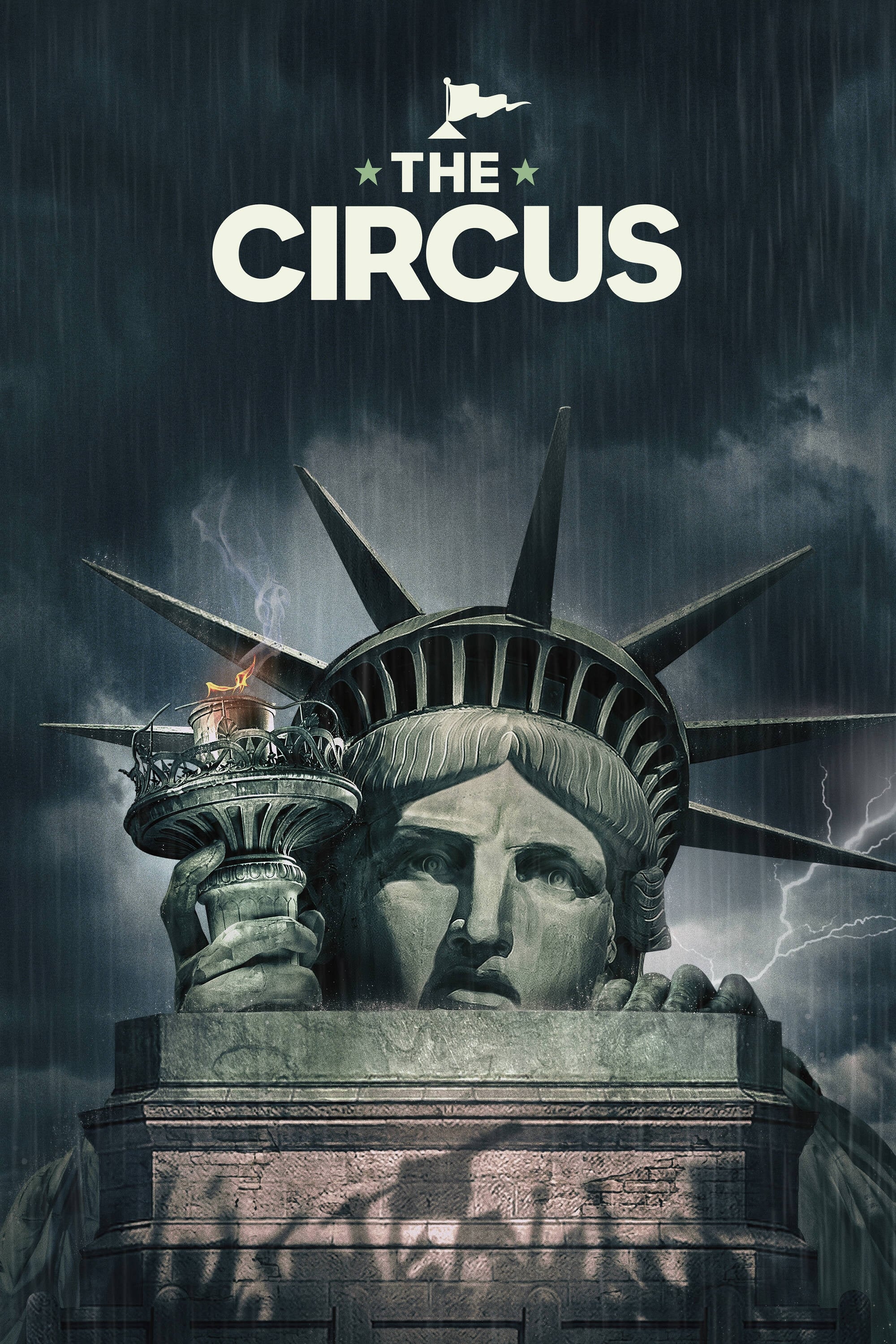
Come one, come all to The Circus. This real-time documentary series pulls back the curtain on the current political stories, revealing the intense, inspiring and infuriating stories behind the headlines. Key characters and events are presented in real time, as they are happening.
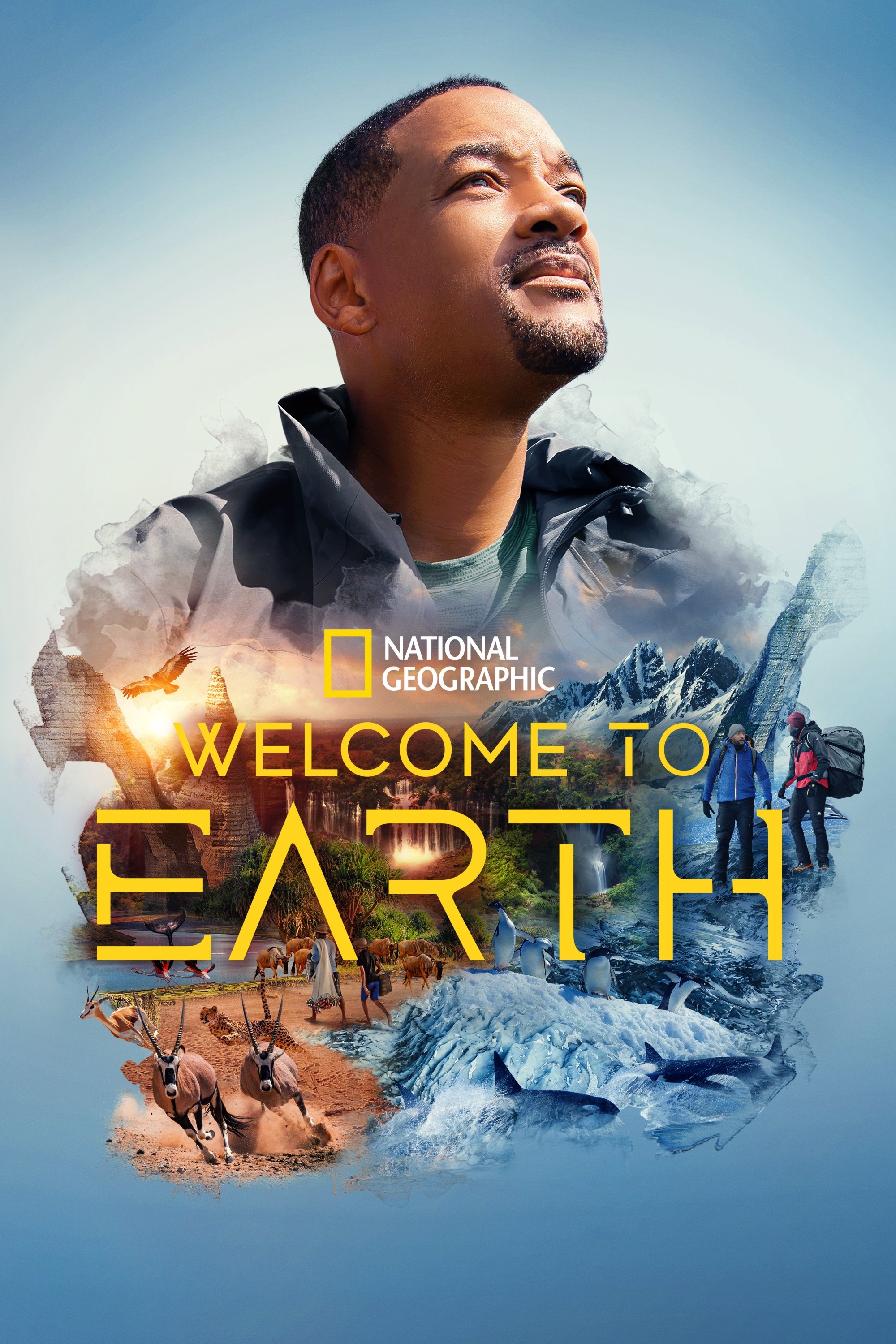
Will Smith whose curiosity and wonder is positively infectious—is guided by National Geographic Explorers traveling to different corners of the world to get up close and personal with the weirdest, most unusual, dangerous and thrilling spectacles of the planet.
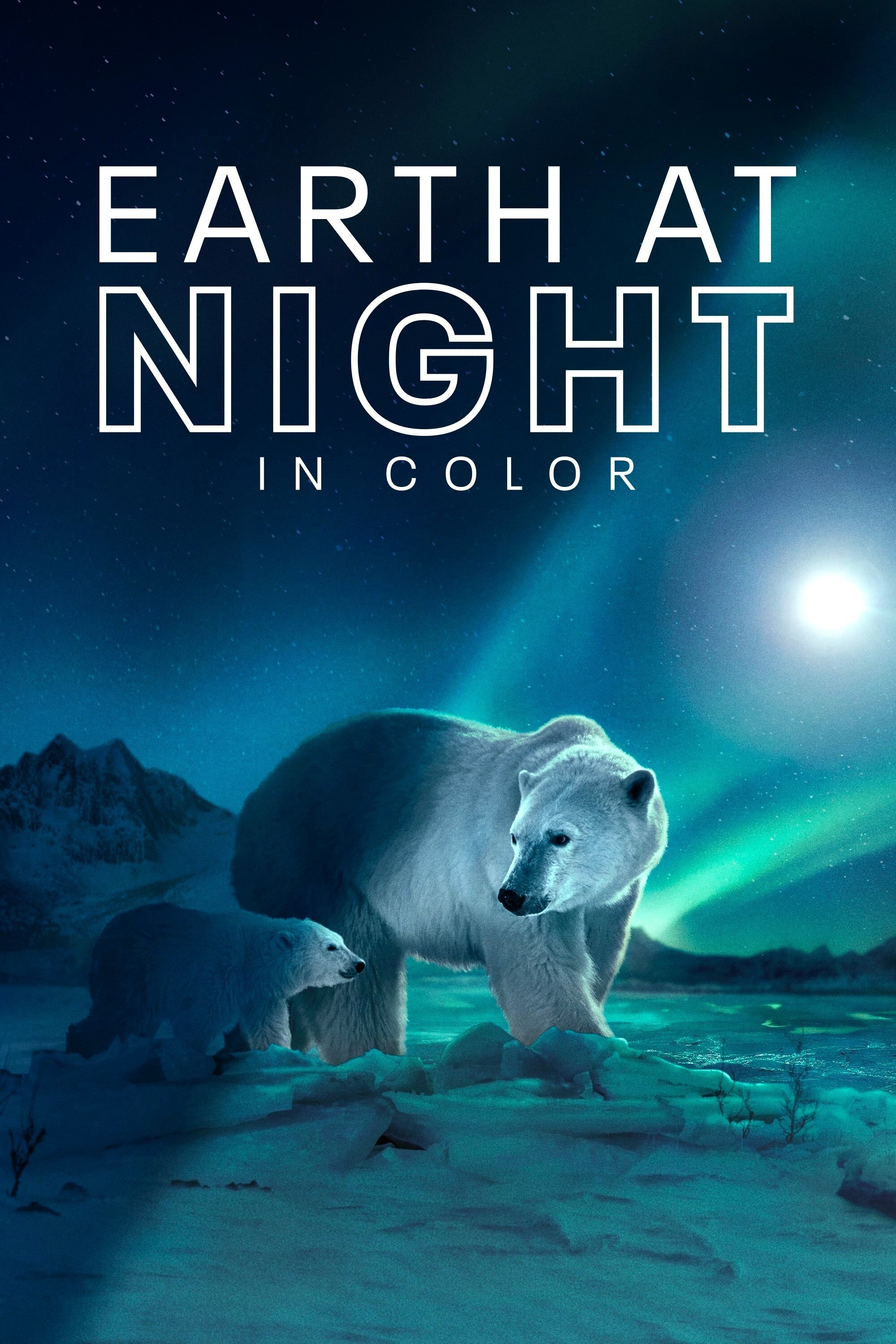
Filmed across six continents, this docuseries uses cutting-edge camera technology to capture animals' nocturnal lives, revealing new behaviours filmed in full color like never before.
Explore American cinema through the decades and the cultural, societal and political shifts that framed its evolution.