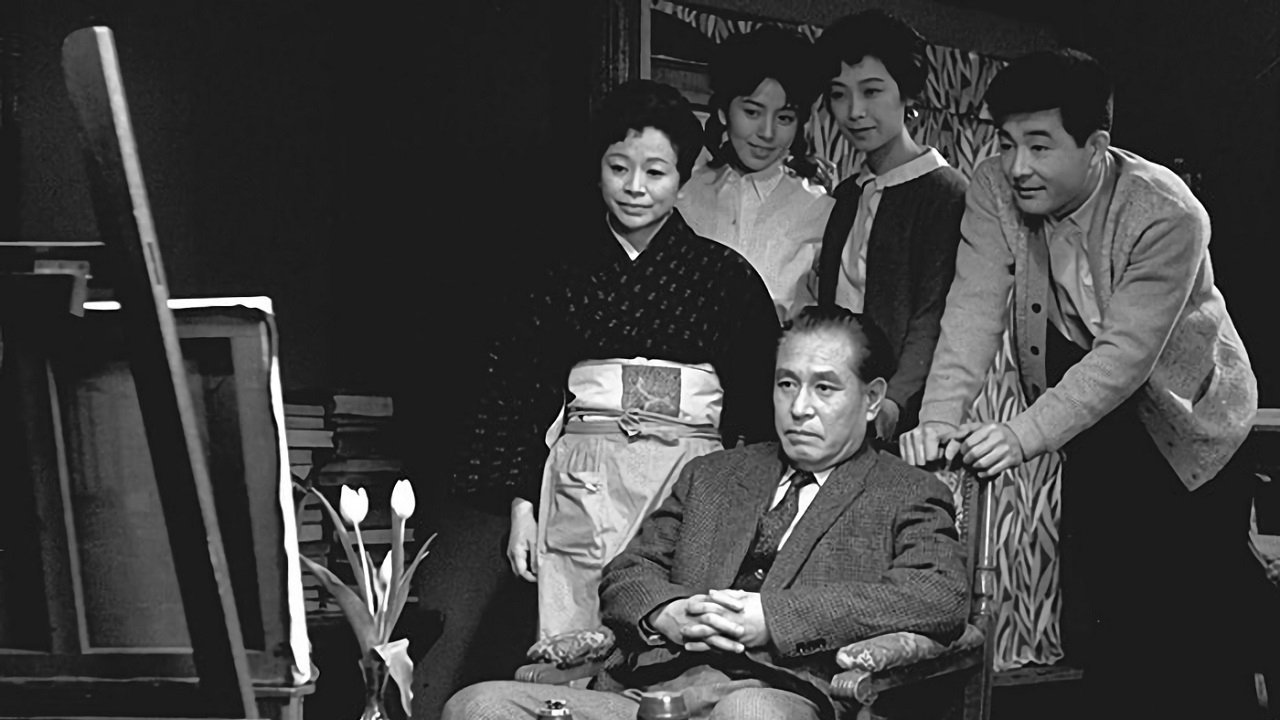
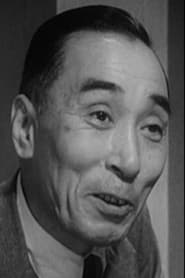
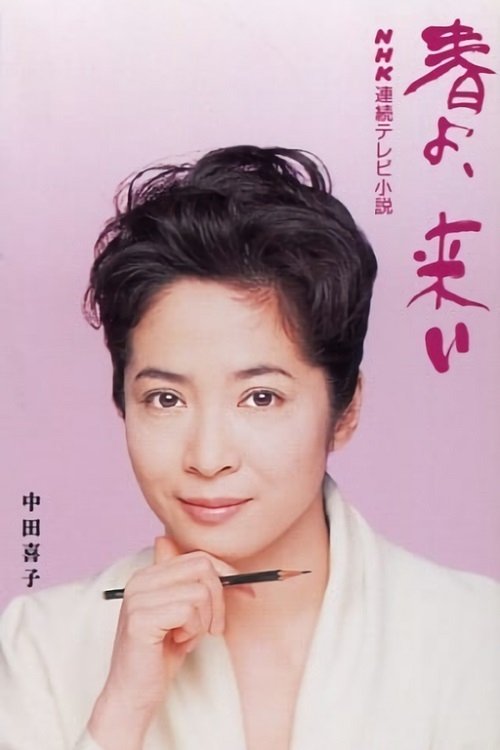
The 3rd NHK Asadora. Starring Shin Saburi as a professor who quits the university to become a painter.
Social & External
The people behind it
Shin Saburi
佐田正之助
Michiko Araki
佐田敏子
Hisano Yamaoka
秋子
Kyuzo Kawabe
野島
Ayako Hosho
館長夫人
Minako Osanai
久子
Minosuke Yamada
兼吉
Iwakura Mai lives with her parents Kota and Megumi and older brother Haruto. Her father Kota runs a small factory in Higashi Osaka, a district that is known for its craftsmen. Mai is shy and withdrawn. But when she visits her grandmother Shoko who lives on Nagasaki’s Goto Islands which has a rich natural environment, she is entranced by the Baramon kites that catch the wind and soar high in the sky. Wanting to fly high in the sky like these kites, Mai’s longing swells into a dream to become a pilot. Even though she works hard, the path to getting there is tougher than she had imagined. As Mai deepens her ties with the people living in her two hometowns of Higashi Osaka and Goto, her dream eventually takes a new form. She gathers enthusiastic friends to build a small electric plane that can fly to and from the islands. Her dream becomes a wing that carries everyone’s dreams and takes off.
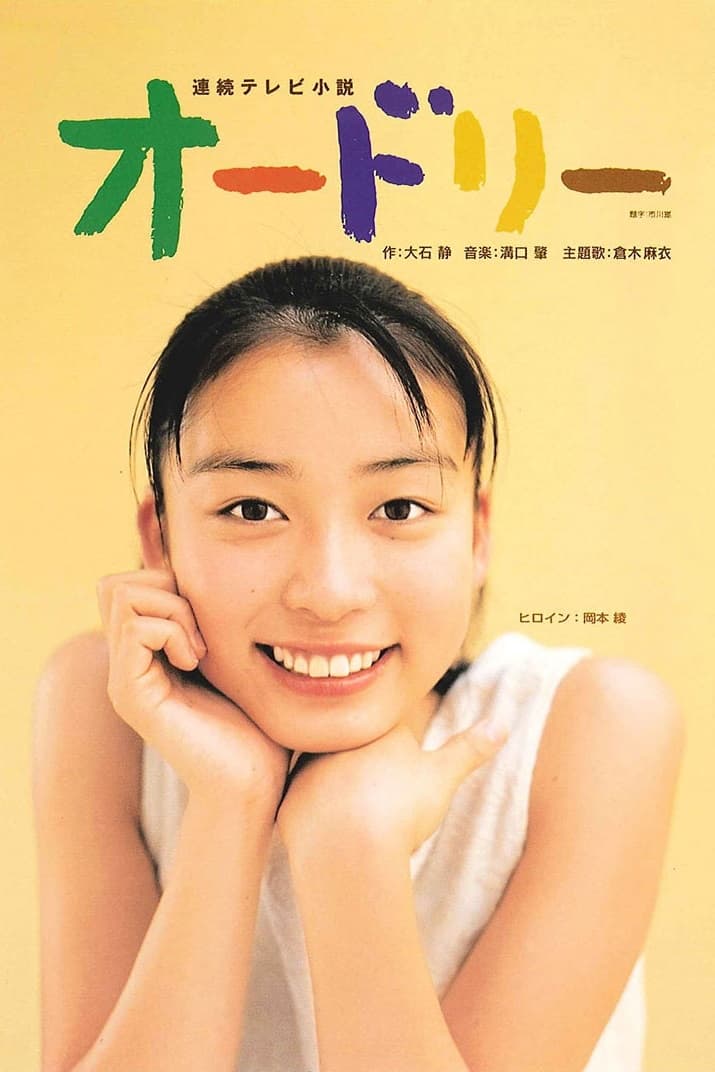
Mizuki is a would-be actress who has yet to attain her goal, struggles to keep the dream in her heart alive while dealing with the reality of her normal life, far away from lights, cameras, and action she longs for. Despite words of warnings from her family, which includes her birth and step mothers, intended to keep her from reaching her destiny, she actually makes it onto a set of one of the film companies in Tokyo. She experiences the peaks and valleys of a starting actress, but receives a blow when news of the company collapses and eventually closes. Mizuki returns home, but, the fire once lit, still burns.
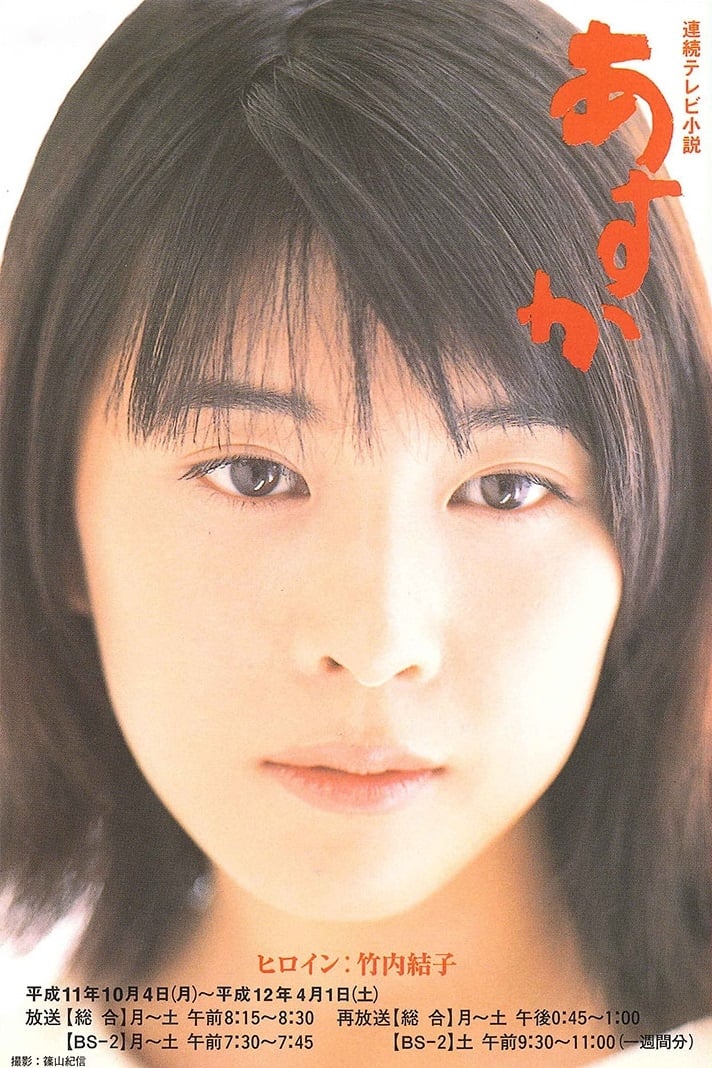
The 61st NHK Asadora Drama is Asuka. Set in Kyoto in the home of a traditional Japanese candy-maker, Asuka is the story of one young girl's dream to one day walk in her father's shoes and become a top candy-maker in the male-dominated world of wagashi (Japanese confectionery). Asuka grows to be a healthy, adventurous young girl with a deep curiosity and, a desire to become a candy-maker like her father. This NHK drama is one of the best in years with an excellent cast, a well-developed story based on extensive research into the traditional worlds of candy making and the tea ceremony in Kyoto, and beautiful scenery and settings in Kyoto and the surrounding areas.
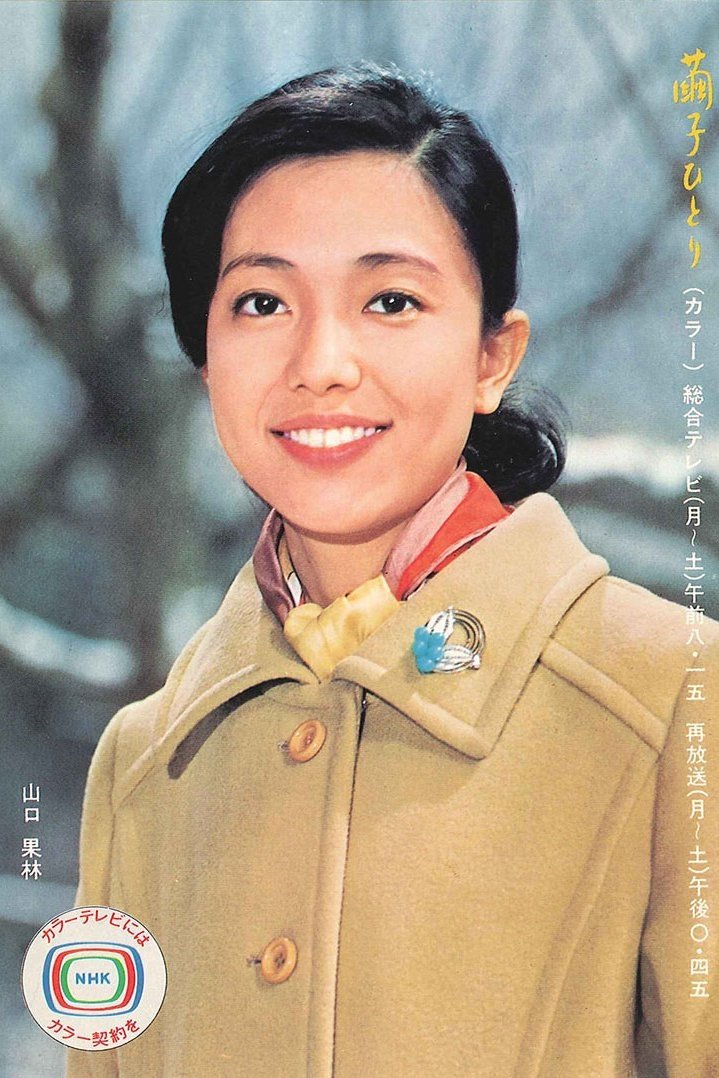
A woman who lost her memory after experiencing the atomic bombing of Hiroshima.
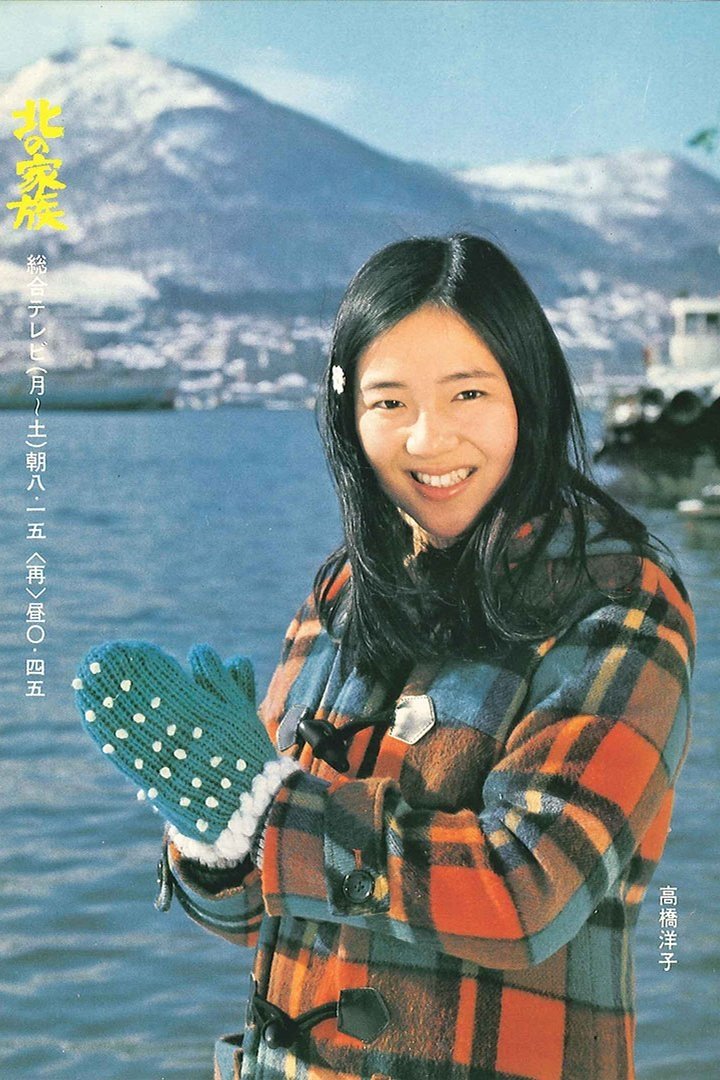
The 13th NHK Asadora. Starring Youko Takahashi in a story about a brother and sister coming of age in Hakodate and Kanazawa.
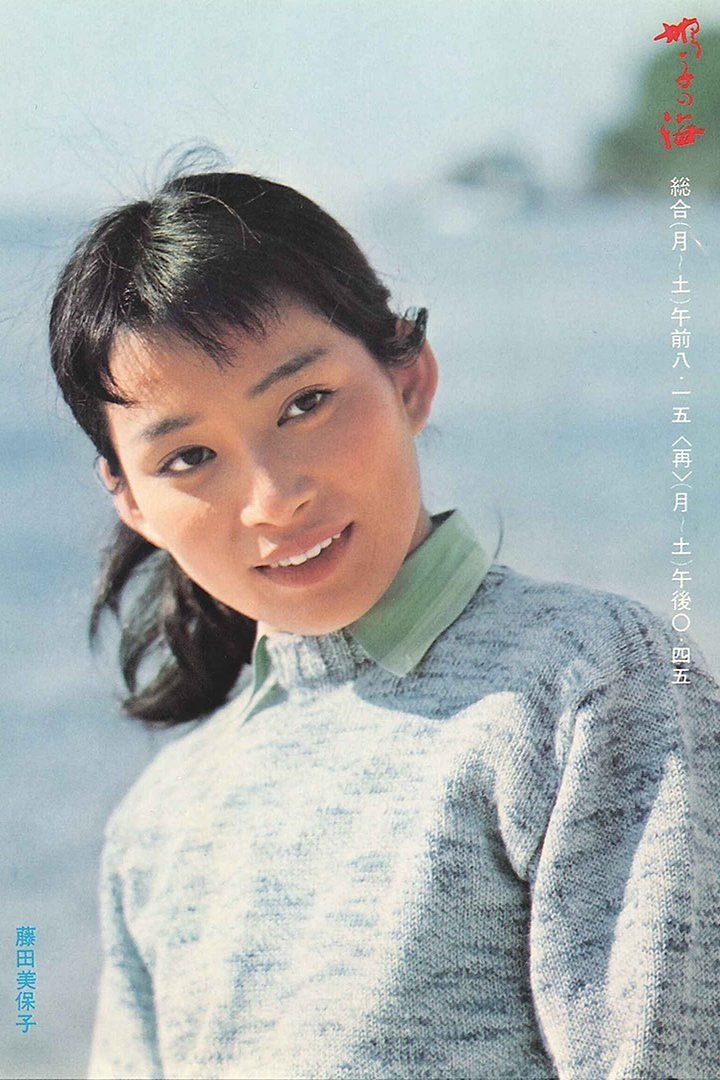
The 12th NHK Asadora. Set in Amakusa, Kumamoto Prefecture, at the end of the Pacific War. Maki is the heroine, married to Shuichi who must go to war. She stays home and takes on the role of other war widows, managing business and a Chinese restaurant.
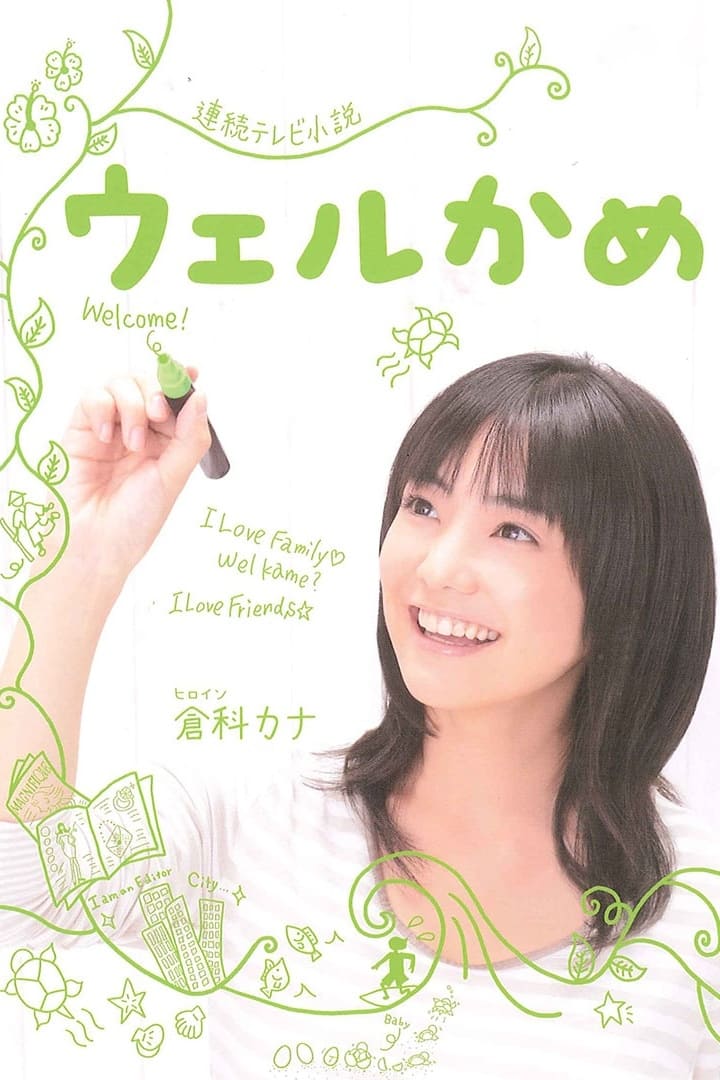
Kano is known as a "cocoon child" whose father is an agriculturist. Her mother disappeared when she was little and since then Kano has been wondering why her mother left her thus changing the shape of her life.
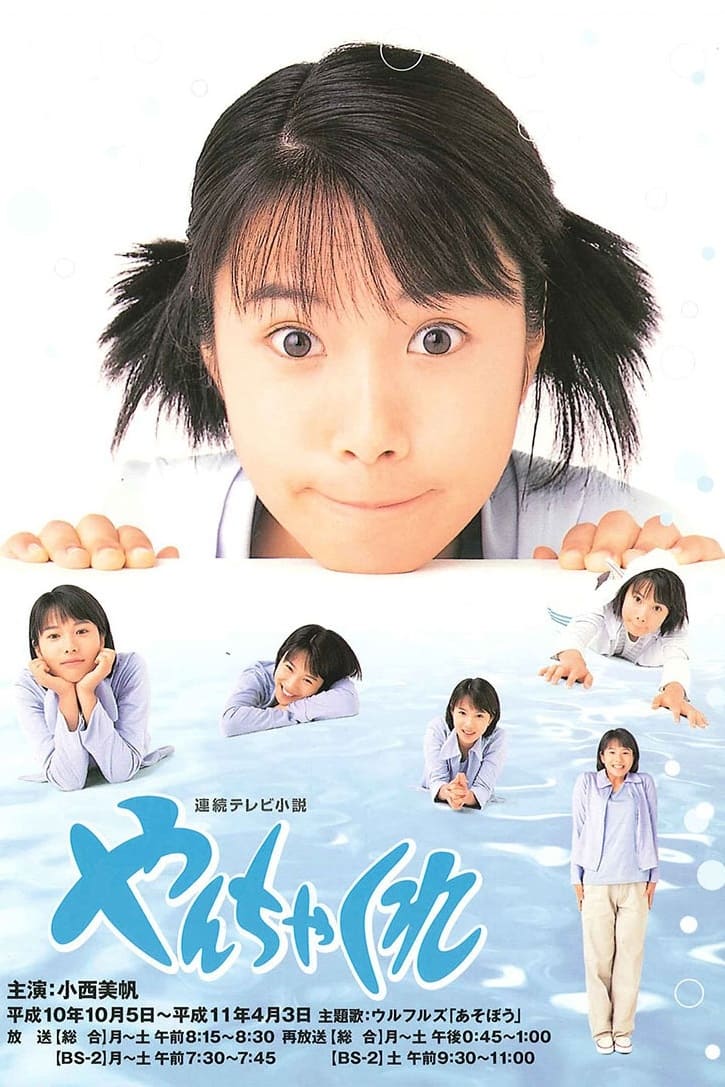
The 59th NHK Asadora Drama is Yanchakure. Location includes Osaka. In Osaka, "yanchakure" is a bit of an old word which is used to describe tomboyish or mischievous young girls. Mizushima Nagisa happens to be such a girl, that, no matter how well-intentioned her motives nor how hard she tries, Nagisa just seems to end up failing. In fact, she has failed at different things in her life so many times that she has come to see it as a source of personal strength, her philosophy being one of, "It's natural for a human being to fail many times in the course of their life and thanks to those failures we can become adults."
This drama is the tale of one high spirited, strong-willed young woman and her struggle to fulfill her lifelong ambition of becoming a carpenter and building homes. The story takes place from the later part of the Showa era to present day Heisei rule. The heroine of the story, Kawashima Urara, lost her father at the tender age of seven and this drama depicts her life as she grows from a young school girl, through puberty and adolescence and on into her adult years as an independent woman who owns her own carpentry business. As Urara grows into a beautiful and strong woman and a talented carpenter, her family around her goes through many difficult and trying times. This story of becoming an independent businesswoman in the male-dominated world of carpentry accurately reflects the lives and struggles of the young women in present day Japan who are trying to make a career for themselves in addition to balancing the demands of family obligations, friends, and lovers.
The 57th NHK Asadora Renzoku Drama. Story's settings include Kobe and Sasayama. It is a story about the conflicts between generations and the relationships within families. A strong mother-daughter theme and a sister-brother theme exist.
A woman works hard to become a good doctor even though she is separated from her husband.
The 48th NHK Asadora Renzoku Drama is Hirari. Story's settings includes Tokyo. Hirari is a young and energetic girl. She loves the sports, sumo, very much and would like to find a career. However, there isn't any suitable career for a female in this area. Nevertheless, she still works hard towards her dream, and at last, she gets a chance to become a sumo stable's nutrition consultant.in this field. However, there isn't any suitable career for a female in this area. Nevertheless, she still works hard towards her dream, and at last, she gets a chance to become a sumo stable's nutrition consultant.
The 47th NHK Asadora chronicles the conflicts between a woman and her step-daughter in a hot springs town.
A story of a man and a woman who meet amid the Great Tokyo Air Raid in 1945.
The 45th NHK Asadora. Set in an old Kyoto tsukemono (Japanese preserved vegetables) store, this series depicted the conflicts between a woman, her daughter and her father-in-law. It is a story about the relationships of three generation of women in the Nakahide family.
The 44th NHK Asadora about a man who developed an early television system.
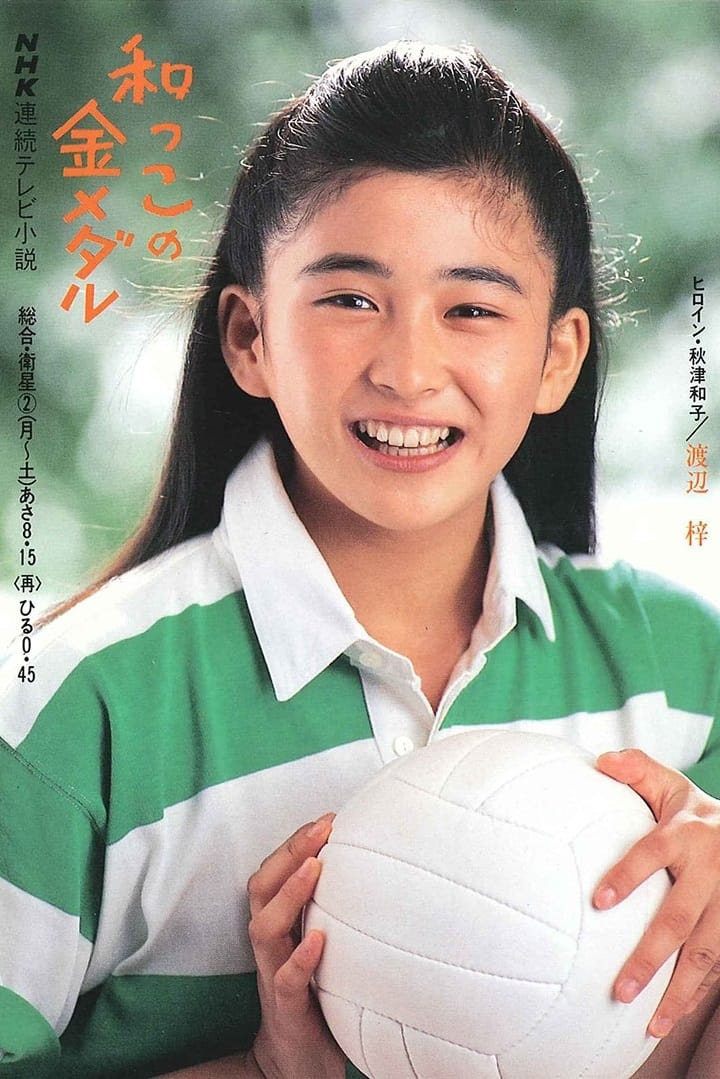
The 43th NHK Asadora about a female volleyball player who helps out the local community. Starring Azusa Watanabe.
Set in Hakata, the series is about a young man who wants to play rock music even though his father expects him to follow him in making Hakata ningyou (a traditional Japanese clay doll). One of the few Asadora starring a male character.
A successful screenwriter looks back on her life when she learns her husband has cancer. A year-long series, starring Narumi Yasuda.
A seemingly perfect interracial first family becomes the White House's newest residents. But behind closed doors they unleash a torrent of lies, cheating and corruption.
Rhyme and her friends - known by their 'ship name, "The Chicken Girls" - have been dancing together forever. But this year, everything's changing.
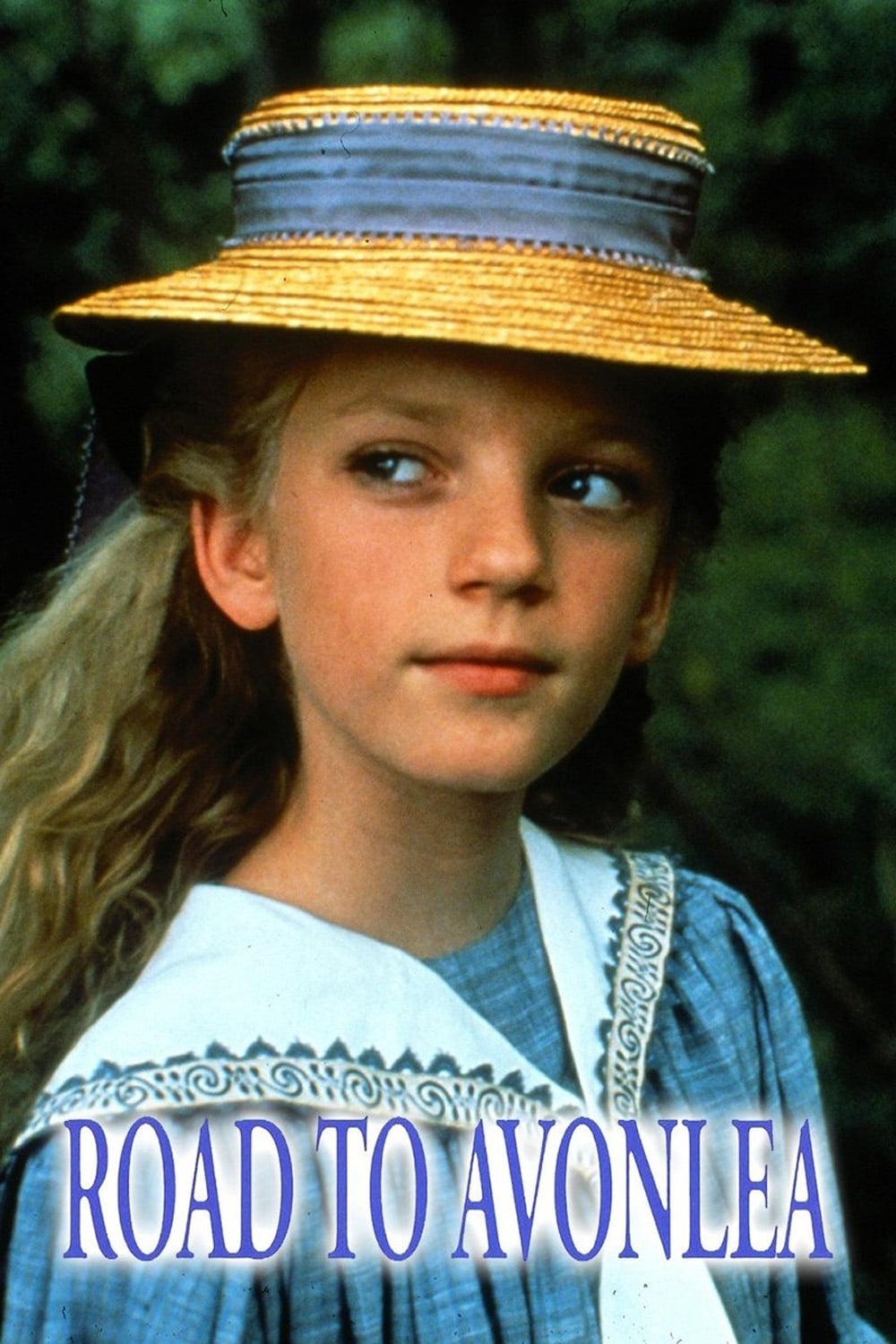
In the fictional small town of Avonlea, Prince Edward Island, in the early 20th century, 10-year-old Montreal heiress Sara Stanley is sent by her wealthy father to live with her two maiden aunts, Hetty and Olivia King, to be near her late mother's side of the family.
When Lucy Albright and Stephen DeMarco meet at college, they are at that formative age when seemingly mundane choices lead the way to irrevocable consequences. They quickly fall into an addictive entanglement that will permanently alter not only their lives, but the lives of everyone around them.
Fresh out of law school, Rudy Baylor goes head to head with courtroom lion Leo Drummond as well as his law school girlfriend, Sarah. Rudy, along with his boss, Bruiser, and her disheveled paralegal, Deck, uncovers two connected conspiracies surrounding the mysterious death of their client's son.
R. L. Stine's The Haunting Hour is a Canadian/American original anthology horror-fantasy series, with episodes each half an hour long. The series is based on The Haunting Hour: Don't Think About It Movie, and the books The Haunting Hour and Nightmare Hour anthology by R. L. Stine.
When a romantic getaway to Paris takes a dark turn with the sudden disappearance of her boyfriend Tom aboard a train to the south of France, Alice is plunged into a web of intrigue and danger, uncovering shocking secrets about the man she thought she knew.
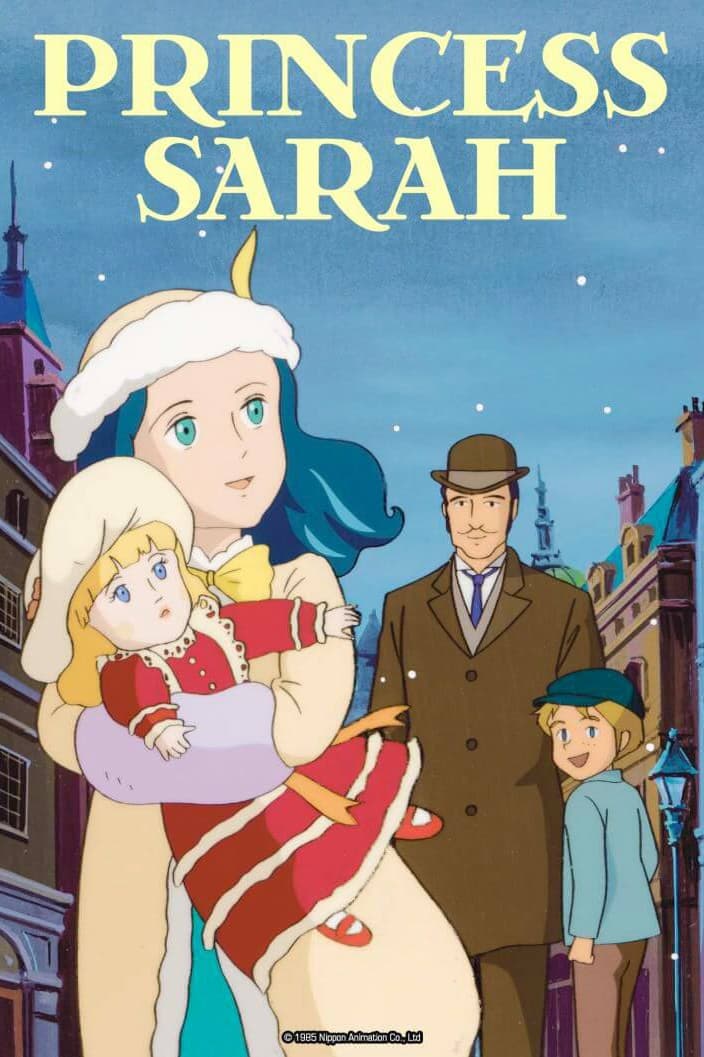
Sarah Crewe, the young daughter of a wealthy Englishman in India, starts attending a prestigious boarding school in London. However after a series of unexpected tragic events, she is forced to become a maid at the school.
Sherlock Holmes faces a sinister case risking friends' lives. American Amelia joins, seeking her father after her mother's murder. Despite differences, they solve a conspiracy and her mother's case.
Follow the lives of an elite group of young dancers who train at The Next Step Studio.
Holly's a 13-year-old singer-songwriter who's got her best friends and close-knit family by her side, but she's dreaming of ways to save the world - even if it's starting in her own backyard.
A typical day at Lochmill Capital is upended when armed thieves burst in and force Zara and her best friend Luke to execute their demands. In the aftermath, conflicted detective Rhys races against time to find out who stole £4 billion pounds of people's pensions and why.
The trials and tribulations of the very large, colorful and imperfect Braverman family.
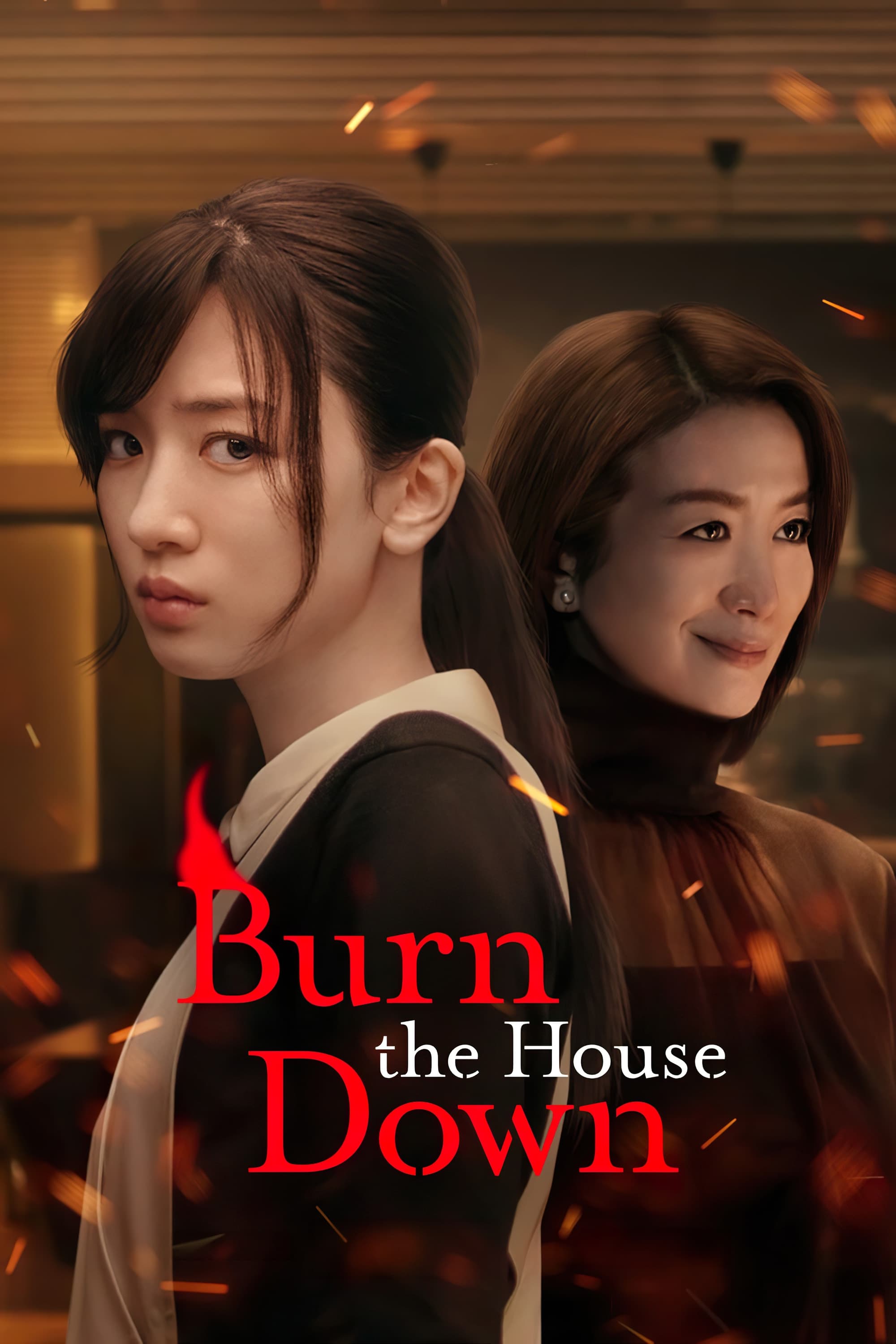
After her mother took the blame for a tragic fire 13 years ago, Anzu plots revenge by working as a housekeeper under a pseudonym for her icy stepmother.
When Frank and Joe Hardy arrive in Bridgeport, they set out to uncover the truth behind the recent tragedy that has changed their lives. In doing so, they stumble upon something much more sinister - something only the Hardy Boys can stop.
Set in a dystopian America ruled by a totalitarian political party, the series follows several seemingly unrelated characters living in a small city. Tying them all together is a mysterious savior who’s impeccably equipped for everything the night throws at them. As the clock winds down with their fates hanging in the balance, each character is forced to reckon with their pasts as they discover how far they will go to survive the night.
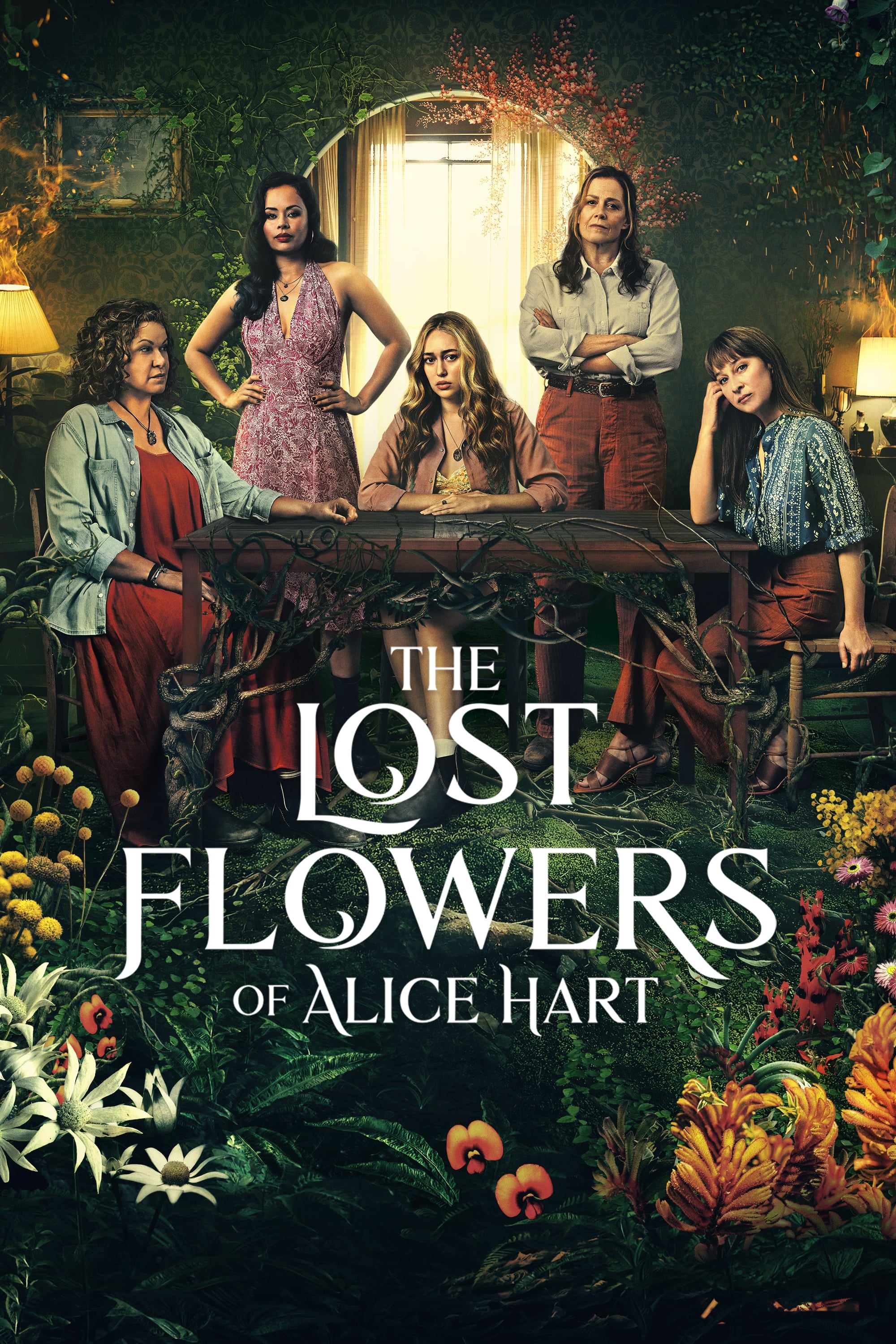
After losing her parents in a mysterious fire, nine-year-old Alice Hart is raised by her grandmother June on a flower farm where she learns there are secrets within secrets. But years on, an unearthed betrayal sees Alice forced to face her past.
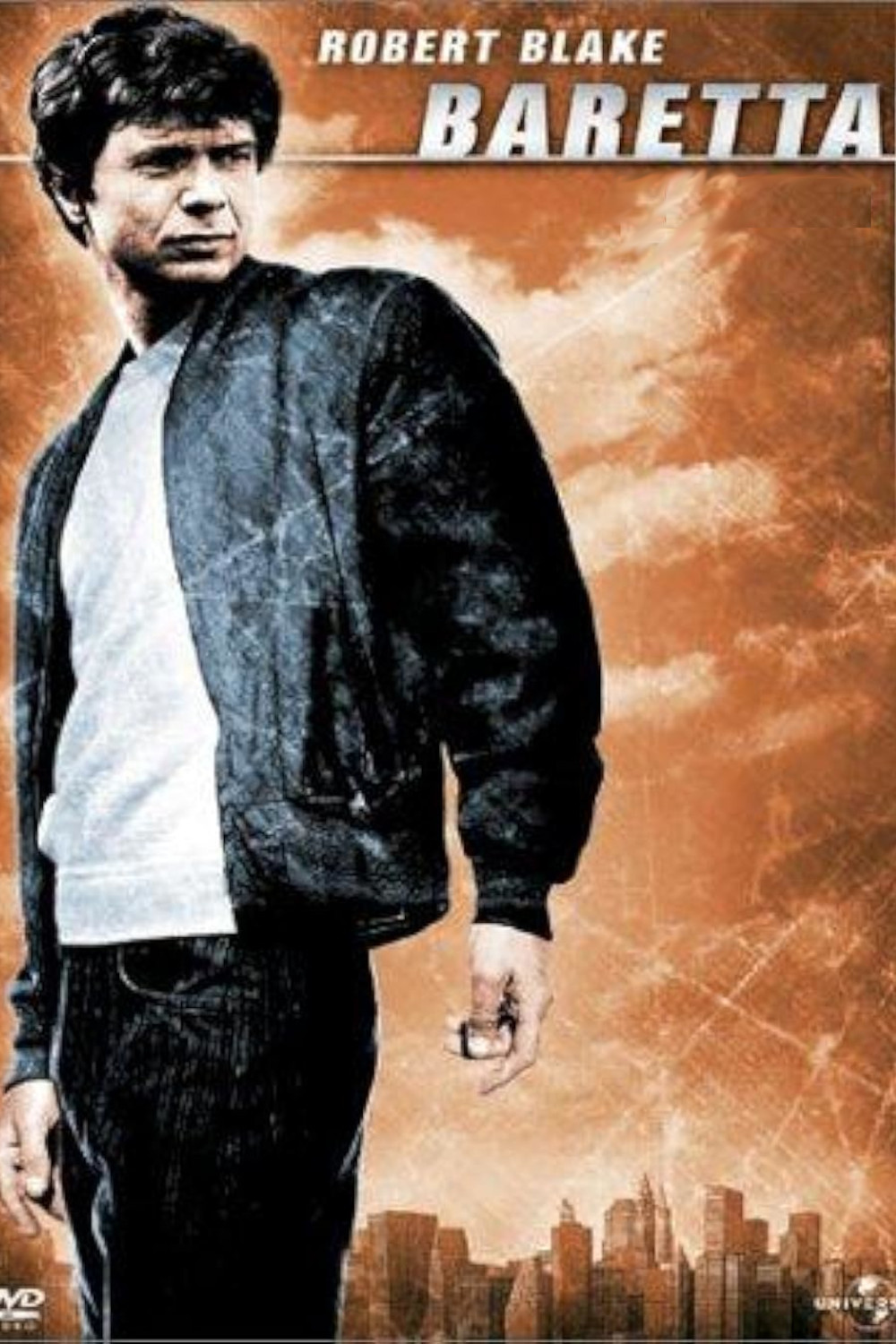
Baretta is an American detective television series which ran on ABC from 1975 to 1978. The show was a milder version of a successful 1973–74 ABC series, Toma, starring Tony Musante as chameleon-like, real-life New Jersey police officer David Toma. While popular, Toma received intense criticism at the time for its realistic and frequent depiction of police and criminal violence. When Musante left the series after a single season, the concept was retooled as Baretta, with Robert Blake in the title role.
Narrates the events and cases encountered by Kaoru Utsumi, a rookie detective, and Manabu Yukawa, a university associate professor, while the two pair up to solve many mysterious cases.
A prisoner on death row in the US, a vicar in a quiet English town, and a maths teacher trapped in a cellar cross paths in the most unexpected way.