
"Survival is in our nature."
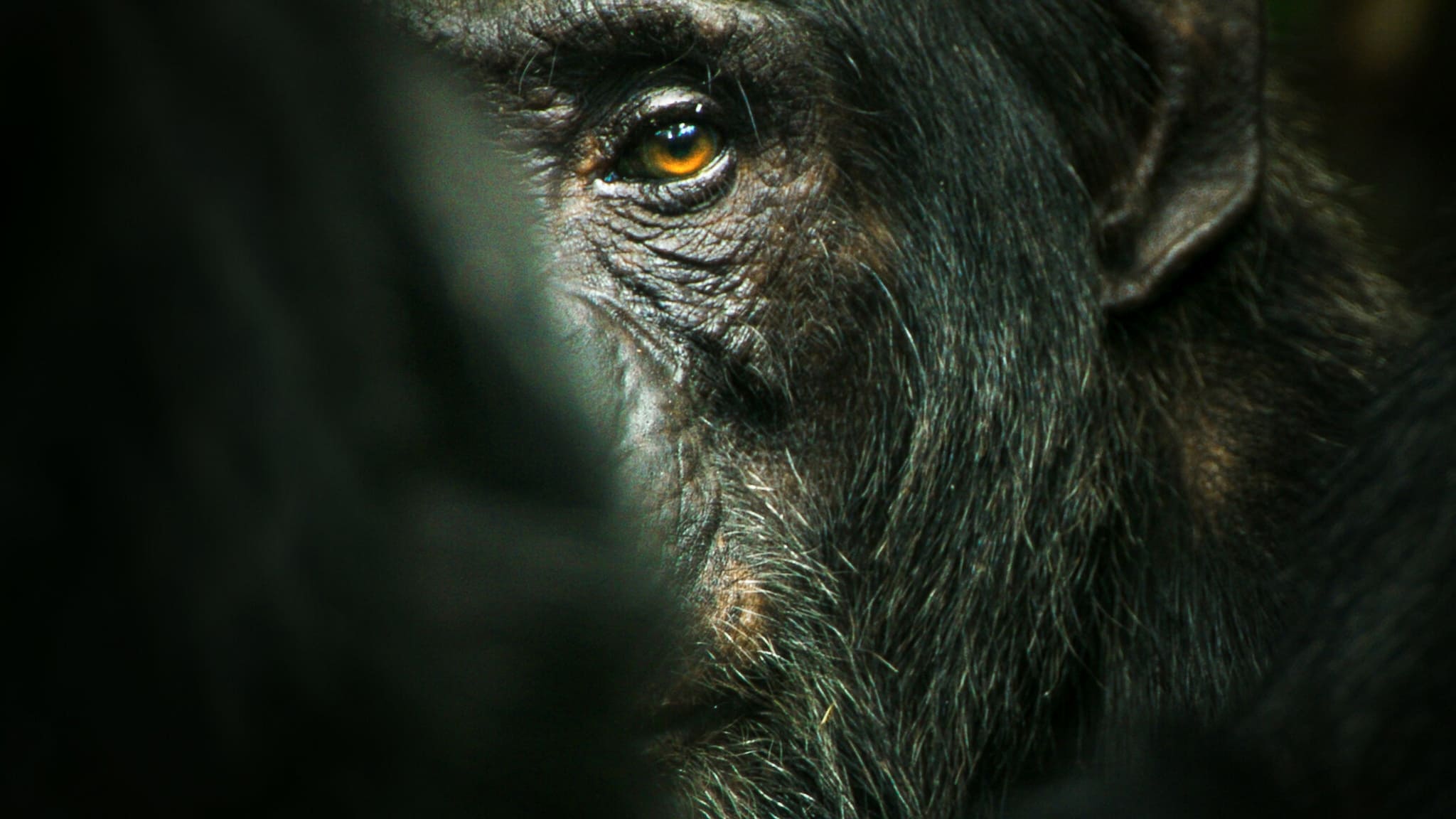
A vast community of chimpanzees thrives in a forest in Uganda, navigating complex social politics, family dynamics and dangerous territory disputes.
Stream
Social & External
The people behind it
Mahershala Ali
Self - Narrator (voice)
Cattle - with horns - are the focus of this documentary series by the French filmmakers, who decided to bring us closer to the most famous horned domesticated creatures on the planet. Their ancestors lived on Earth 18 million years ago. It was a small, forest-dwelling mammal - and in the course of evolution, this little antelope became the direct ancestor of the now-extinct turo. The human hunter who pursued these ungulates became the herder - and eventually evolved the ox, zebu, buffalo or whatever... Follow in the footsteps of the horned ungulates without which man could not exist today.
Jaakko Keso travels through Middle America to find out why the country is so polarized.
Sky One introduces the start of a new ongoing documentary series that highlights the potential extinction of some of the world's most famous species. Working with Tiger Aspect Productions, the series follows a team of experts assisted by a wellknown personality. Each documentary will highlight the plight of the world's most endangered animals including the tigers of India, Aye-Ayes and Gorillas. Presenters include Sanjeev Bhaskar, Bill Bailey, Miranda Richardson and Joe Simpson. Each of the presenters will draw on the expertise of local teams campaigning to save the endangered species and work with conservationists to develop and implement strategies to help in their fight for survival.
TV documentary filmmaker Nicholas Fraser investigates the threat of race hatred by talking to French fascists, Italian supporters of Mussolini, neo-Nazis in Germany, and those who deny the existence of the Holocaust.
Bees are disappearing fast, with 46% of species having declined in the past 10 years; Jimmy Doherty looks at the reasons why, and rallies the people of Peterborough to bring back the bees.
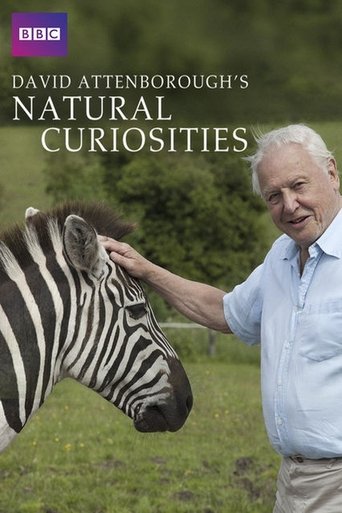
Sir David shines the spotlight on some of nature’s evolutionary anomalies and reveals how these curious animals continue to baffle and fascinate.
Three hour-long programs about the history of the Royal Canadian Navy. Filmed archives from Ottawa, the CBC and newsreels provide the bulk of the visuals.
The Pantanal is the world's largest tropical wetland, a lush environment where a tangled web of lives comes together. Tree-dwelling capuchin monkeys, gravity-defying Piraputanga fish that leap out of the water to pluck fruit from trees, and over 650 species of birds call this ecosystem home. Wade into this wonderland of biodiversity and uncover its natural rhythms.
Bill Bailey travels to Vietnam on the 50th anniversary of the withdrawal of US forces from Saigon. Immersing himself in its rich culture, stunning landscapes and complex history, he uncovers what makes this fascinating country tick.
This delightful new series gets under the sometimes leathery skin of our animal friends, exploring how we live with them, care for them and also rely on them to protect and defend as well as comfort us in our time of need. The series also takes a look at the individual personalities of our beloved pets, including the way in which they communicate and how they cope with domestication, as well as exploring some of their quirkier moments.
Explores the Third Reich from a contemporary perspective to investigate how the Nazis managed to conquer Germany and then half of Europe in the wake of World War I.
The life and legacy of Ted Turner is told in his own words in this six-part documentary series.
In this docuseries, the U.S. women's national soccer team pursues their third consecutive title amid trials and triumphs at the 2023 FIFA World Cup.
Michael Palin attempts to copy the exploits of fictional character Phileas Fogg, by trying to travel around the world (without flying) in 80 days.
Michael Palin undertakes an epic journey of 23,000 miles, traveling from the North to the South Pole across 17 countries with a minimum of air travel, all on a tight deadline.
Michael Palin's Hemingway Adventure is a 1999 BBC television documentary presented by Michael Palin. It records Palin's travels as he visited many sites where Ernest Hemingway had been. The sites include Spain, Chicago, Paris, Italy, Africa, Key West, Cuba, and Idaho. After the trip was over Michael Palin wrote a book about the journey and his experiences. This book contains both Palin's text and many pictures by Basil Pao, the stills photographer who was on the team.
A celebration of the natural wonder and power of nature in our backyard. From iconic places to secret gems, this series will open the gateways for all to explore the breadth of the beauty and tranquility
The untold true story behind the Cold War race to put man into space.
Long-running travel programme
Geologist Iain Stewart explain in three stages of natural history the crucial interaction of our very planet's physiology and its unique wildlife. Biological evolution is largely driven bu adaptation to conditions such as climate, soil and irrigation, but biotopes were also shaped by wildlife changing earth's surface and climate significantly, even disregarding human activity.
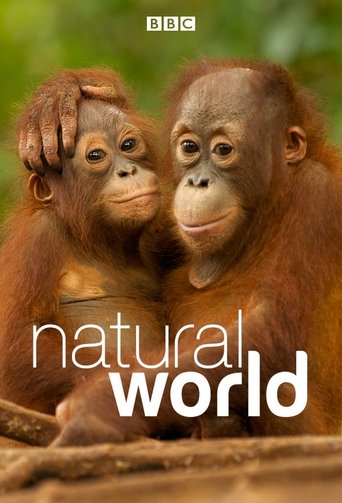
Natural World is a nature documentary television series broadcast annually on BBC Two and regarded by the BBC as its flagship natural history brand. It is currently the longest-running series in its genre on British television, with more than 400 episodes broadcast since its inception in 1983. Natural World is produced by the BBC Natural History Unit in Bristol, but individual programmes can be in-house productions, collaborative productions with other broadcasters or films made and distributed by independent production companies and purchased by the BBC. Natural World programmes are often broadcast as PBS Nature episodes in the USA. Since 2008, most Natural World programmes have been shot and broadcast in high definition.
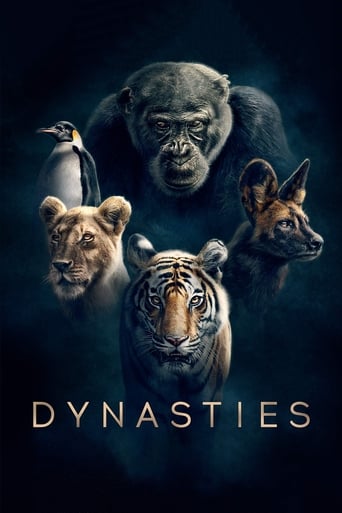
Follow the true stories of five of the world's most celebrated, yet endangered animals; penguins, chimpanzees, lions, painted wolves and tigers. Each in a heroic struggle against rivals and against the forces of nature, these families fight for their own survival and for the future of their dynasties.
Filmed across six continents, this docuseries uses cutting-edge camera technology to capture animals' nocturnal lives, revealing new behaviours filmed in full color like never before.
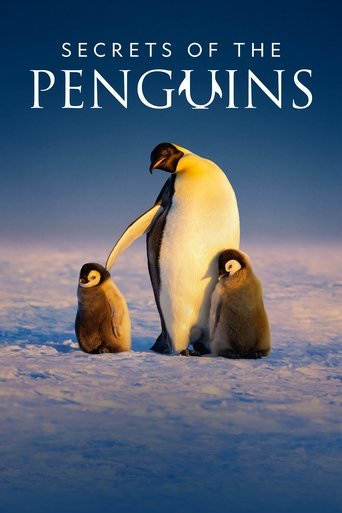
Over two extraordinary years, National Geographic Explorer Bertie Gregory discovered never-before-filmed secret traditions, surprising intelligence and close-knit societies of penguins. This astonishing series reveals they are more like us than we ever dreamed, from their powerful friendships to the courageous risk-takers using ingenuity and innovation in some of the world's most extreme places.
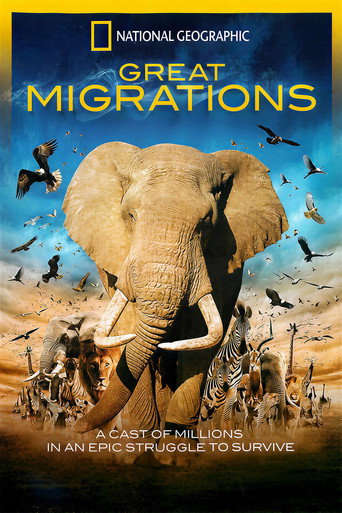
Shot from land and air, in trees and cliff-blinds, on ice floes and underwater, this documentary tells the powerful stories of many of the planet's species and their movements, while revealing new scientific insights with breathtaking high-definition clarity and emotional impact. The beauty of these stories is underscored by a new focus into these species; fragile existence and their life-and-death quest for survival in an ever-changing world.
David Attenborough celebrates the amazing variety of the natural world in this epic documentary series, filmed over four years across 64 different countries.
Former nurse-turned-exotic animal broker Tonia Haddix, who refers to herself as the “Dolly Parton of chimps”, spends her days caring for animals in captivity. However, her limitless love for one chimpanzee in particular spins into a wild cat-and-mouse game with authorities and an animal rights group.
David Attenborough looks at the extraordinary ends to which animals and plants go in order to survive. Featuring epic spectacles, amazing TV firsts and examples of new wildlife behaviour.
Consistently stunning documentaries transport viewers to far-flung locations ranging from the torrid African plains to the chilly splendours of icy Antarctica. The show's primary focus is on animals and ecosystems around the world. A comic book based on the show, meant to be used an as educational tool for kids, was briefly distributed to museums and schools at no cost in the mid-2000s.
David Attenborough presents a documentary series exploring how animals meet the challenges of surviving in the most iconic habitats on earth.
Journeying to the far reaches of our planet, this eight part series follows some of the world's most amazing species, telling extraordinary stories that are dramatic, thrilling, funny and sometimes heart-breaking, but always full of hope.
Life's extraordinary journey to conquer, adapt and survive on Earth across billions of years comes alive in this groundbreaking nature docuseries.
Enter an unseen micro-verse where miniature heroes use amazing superpowers to survive in a series of spellbinding dramas.
This immersive series follows the world's most magnificent creatures, capturing never-before-seen moments from the heartwarming to the outrageous.
A cinematic experience bringing you the most amazing human stories in the world. Humans and wildlife surviving in the most extreme environments on Earth.
PBS' premier science series helps viewers of all ages explore the science behind the headlines. Along the way, NOVA demystifies science and technology, and highlights the people involved in scientific pursuits.
This docuseries showcases nature's lesser-known tiny heroes. Spotlighting small creatures and the extraordinary things they do to survive, each episode is filled with surprising stories and spectacular cinematography.
Travel around the world with author Dan Buettner to discover five unique communities where people live extraordinarily long and vibrant lives.
Millions of years ago, incredible forces ripped apart the Earth’s crust creating seven extraordinary continents. This documentary series reveals how each distinct continent has shaped the unique animal life found there.
Sir David Attenborough narrates this critically acclaimed series that dives deep into the marine environment of Planet Earth. Although two-thirds of the world's surface is covered with water, scientists know less about the oceans than they do about the surface of the moon. This limited series travels from various coasts to the poles to examine watery denizens ranging from the gigantic blue whale to microscopic coral polyps.