Social & External
Keep an eye on the daily routines, quirky habits and cozy habitats of several baby animals at Cleveland Metroparks.
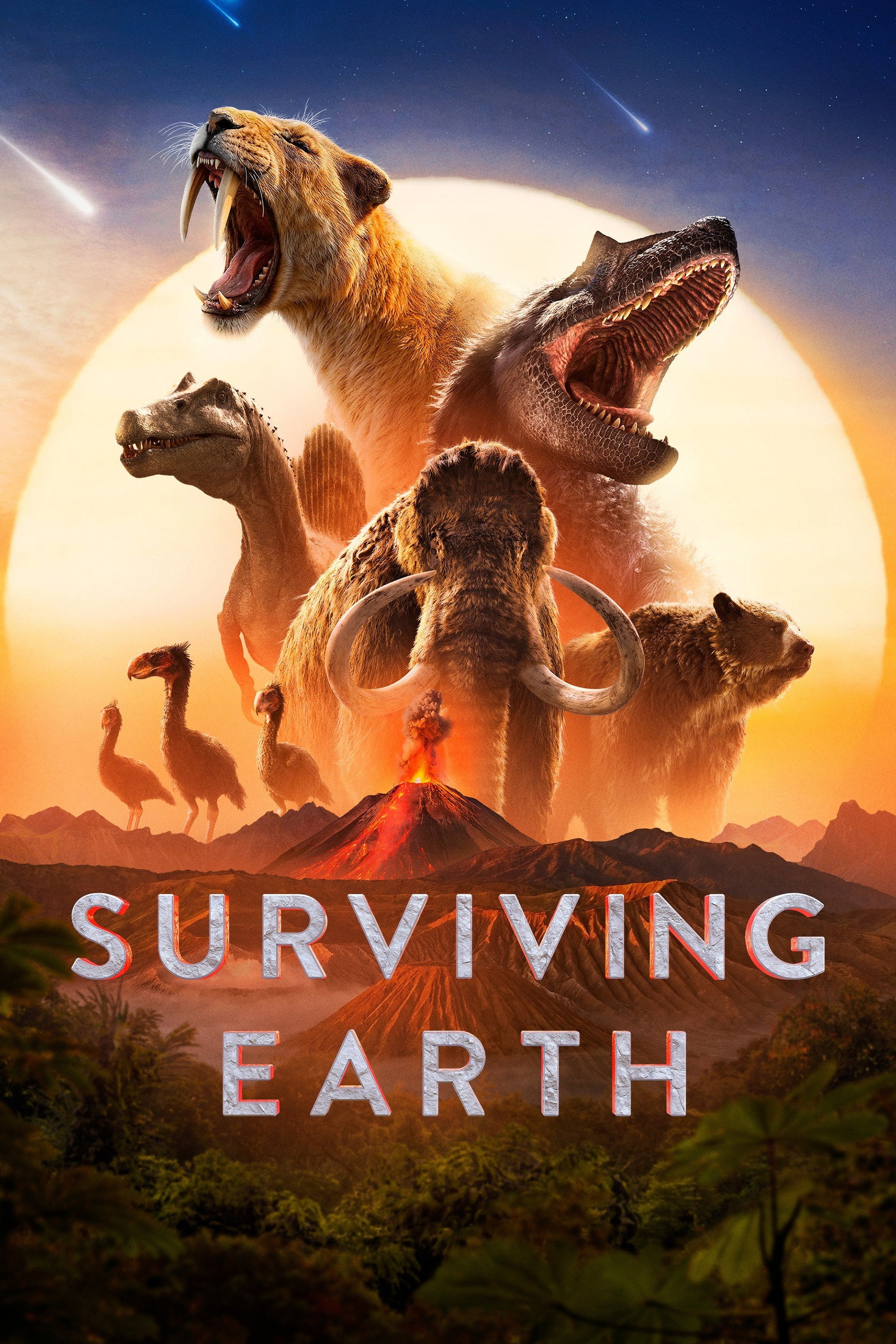
Meet the bizarre, amazing and breathtaking creatures and landscapes of a vibrant lost world; and discover how life not only survived during the cataclysmic events of this prehistoric era, but thrived.
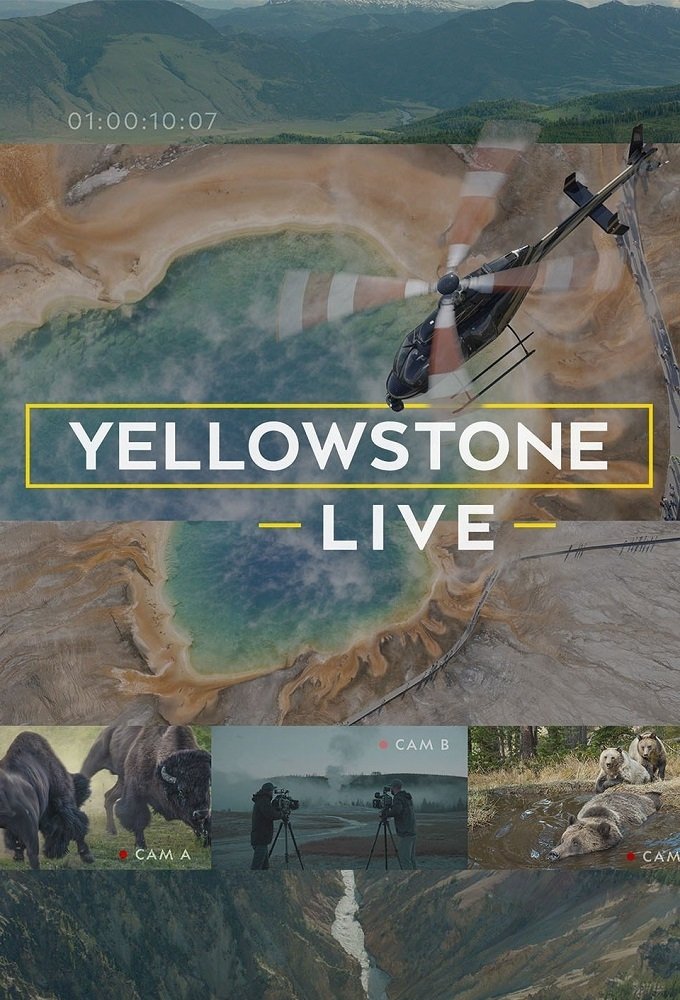
Sitting on top of one of the world’s largest super-volcanos are 3,500 square miles of the most spectacular American wilderness. This summer, National Geographic Channel opens this world to you LIVE with a four-night special event. The action reaches boiling point in the world’s first National Park, Yellowstone.
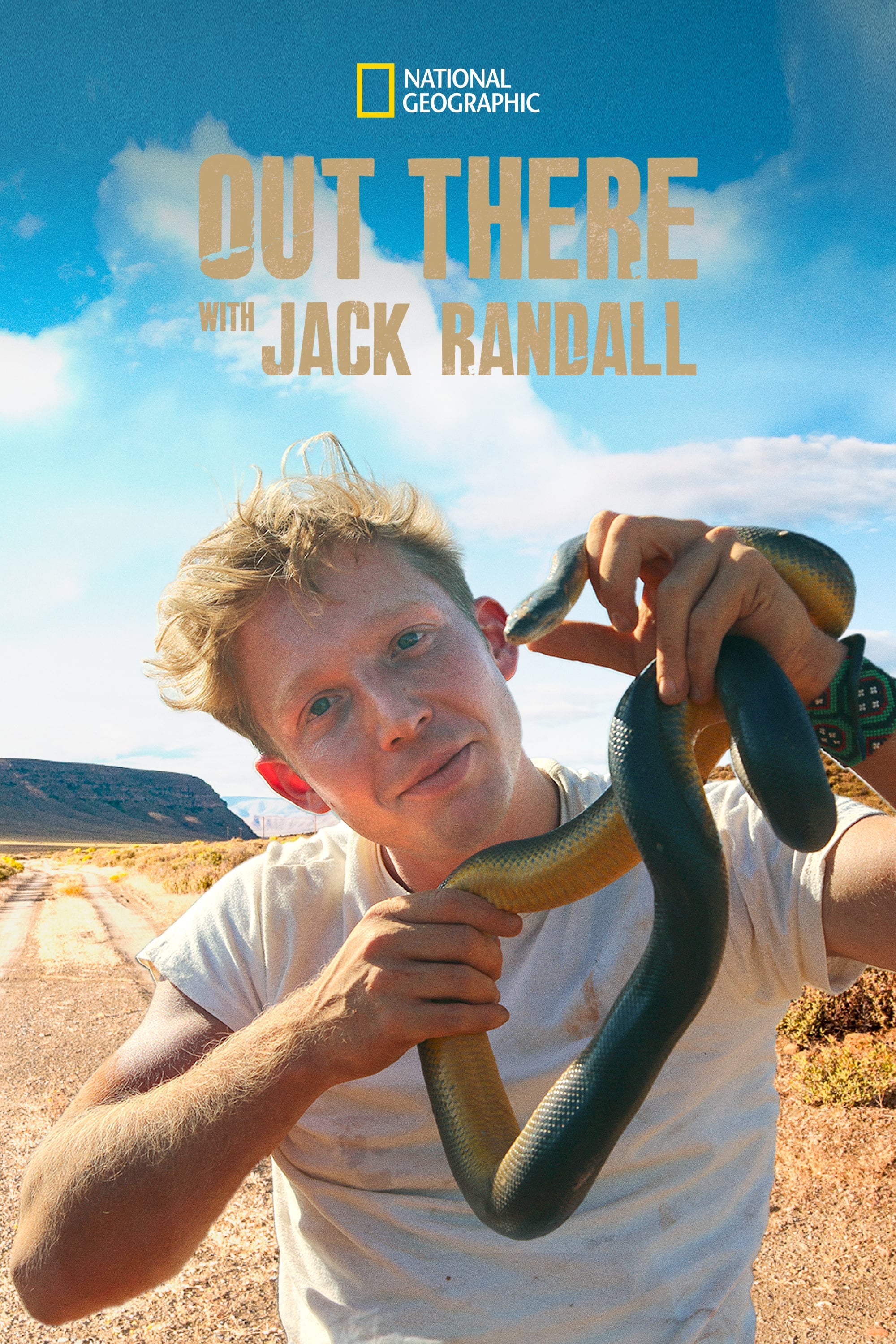
Zoologist Jack Randall journeys into Australia's Outback to encounter extraordinary wildlife.
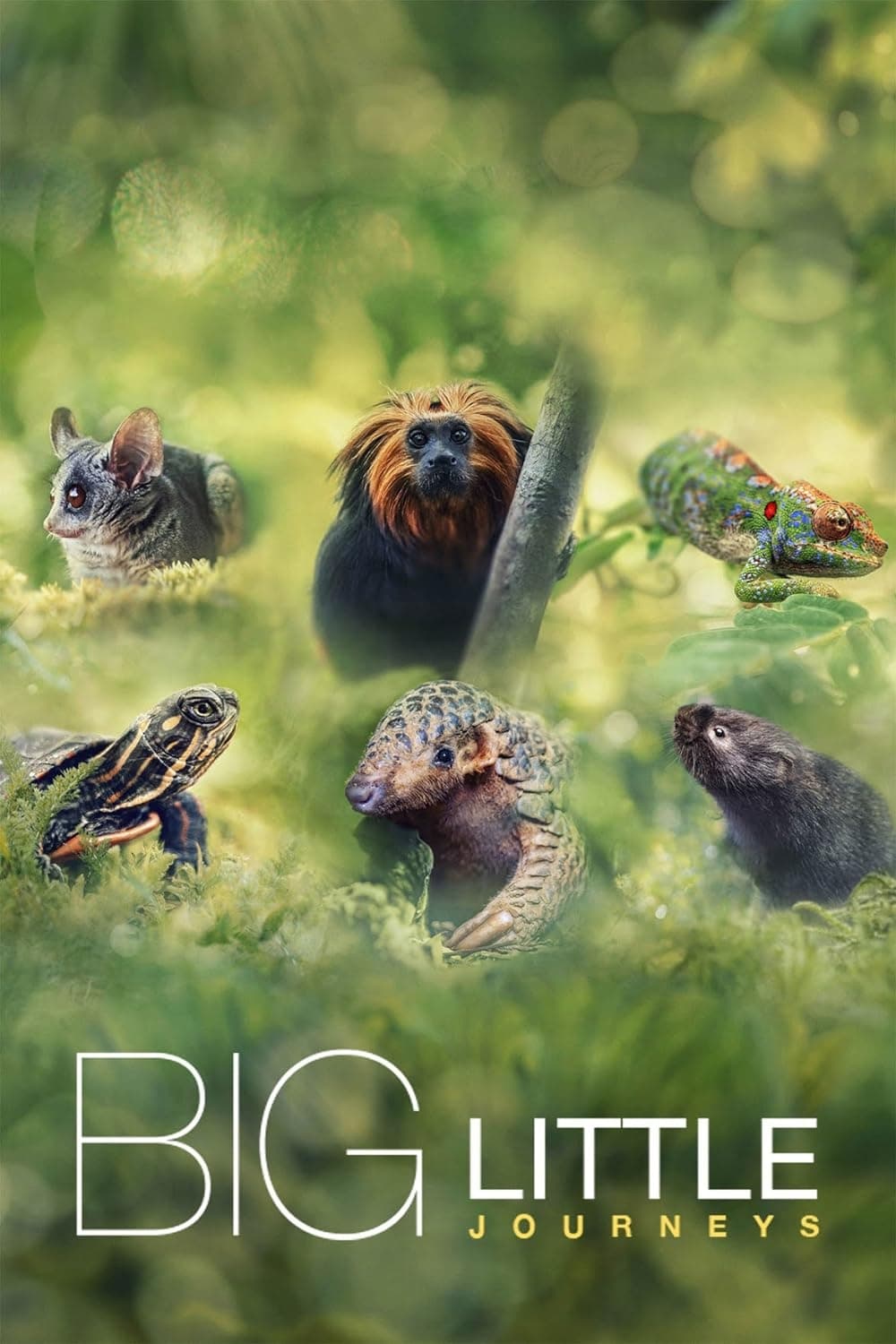
Dive into the extraordinary worlds of six tiny animals as they embark on the biggest journeys of their lives.
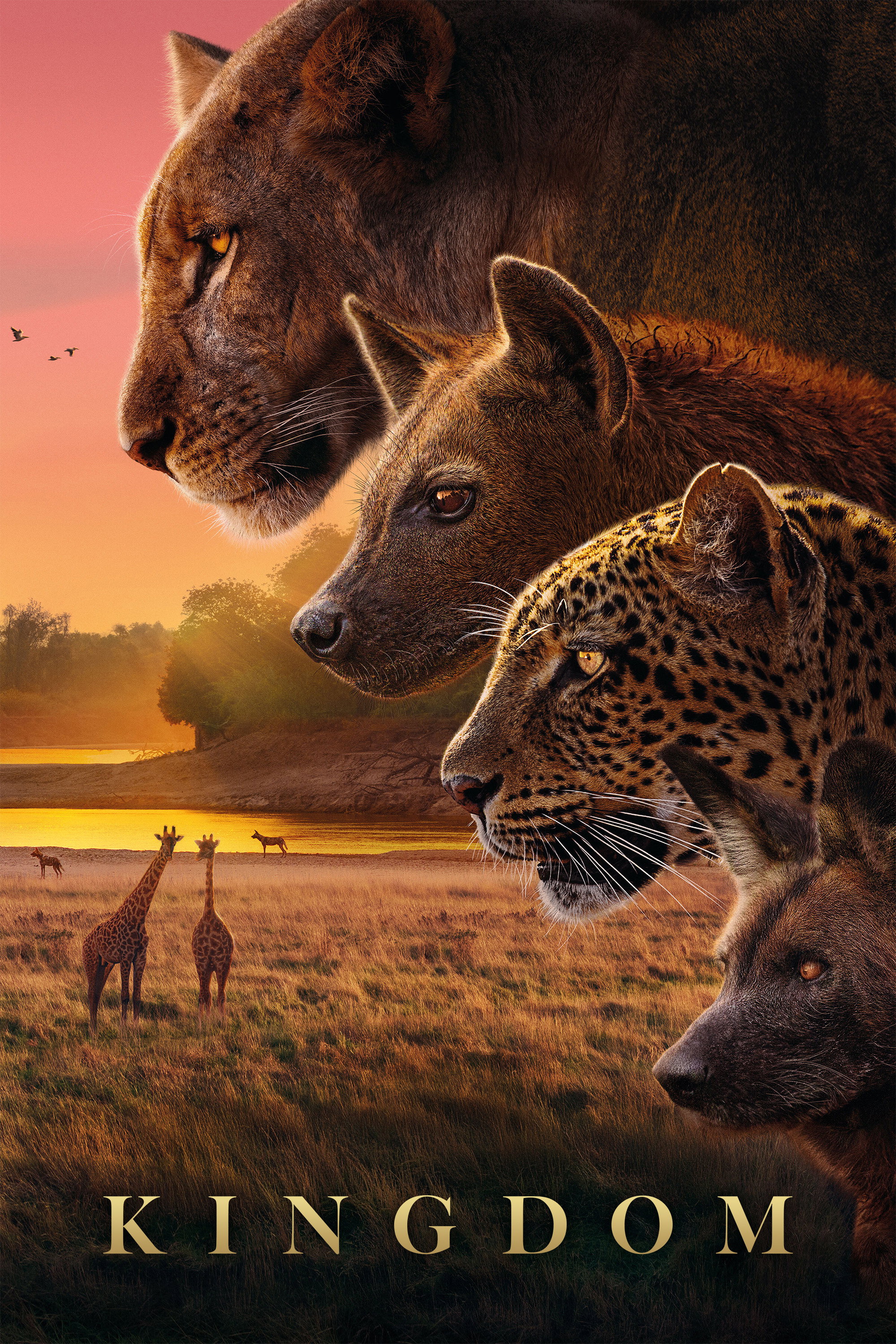
Filmed across five years in a single spectacular location, the lives and fates of our four families - leopards, hyenas, wild dogs, and lions - are inextricably linked as they strive for a foothold in a remote and fertile river valley in Zambia.
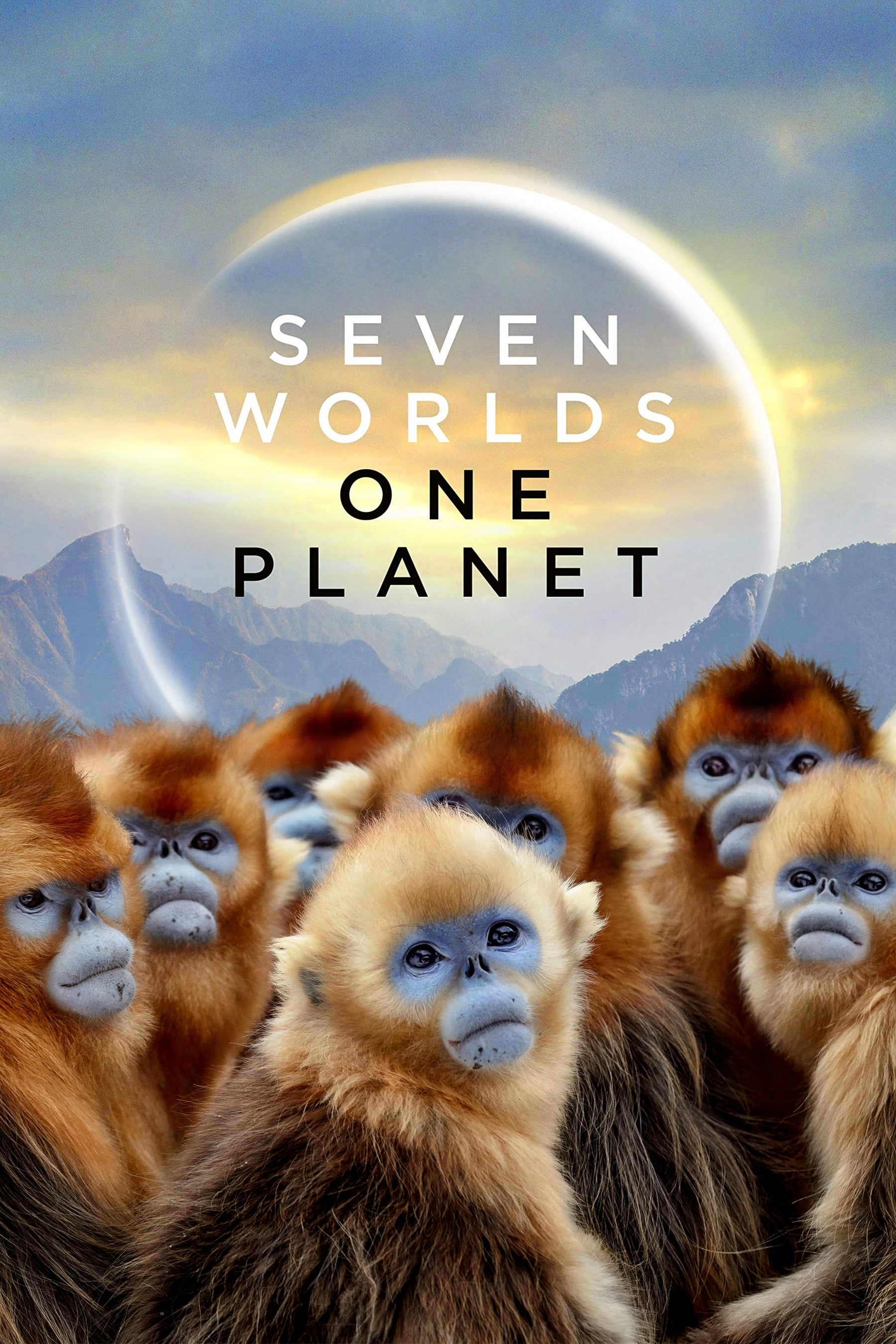
Millions of years ago, incredible forces ripped apart the Earth’s crust creating seven extraordinary continents. This documentary series reveals how each distinct continent has shaped the unique animal life found there.
Capturing the high drama of the Serengeti’s distinctive wildlife up close.
Michael Palin undertakes an epic journey of 23,000 miles, traveling from the North to the South Pole across 17 countries with a minimum of air travel, all on a tight deadline.
The law of the wild is kill or be killed; learning how animals kill.
In six remote and beautiful places on our planet are queendoms run by the most powerful leaders in the animal world. These queens are sisters, single mothers, grandmothers. This documentary series tells their stories of resilience, strength, love and loss for the first time.
Sir David shines the spotlight on some of nature’s evolutionary anomalies and reveals how these curious animals continue to baffle and fascinate.
Sir David discovers a microscopic world that’s invisible to the naked eye, where insects feed and breed, where flowers fluoresce and where plants communicate with each other and with animals using scent and sound.
David Attenborough reveals the surprising truth about the cold-blooded lives of reptiles and amphibians. These animals are as dramatic, as colourful and as tender as any other animals.
Series showcasing Scotland's wildlife, habitats and scenery. Scotland is moving into a new age of the Wild. Driven by the passion of youth and a spirit of innovation, the re-wilding of the Nation has become a flagship issue for the 21st Century. With a new appreciation of the wild and its wildlife the future of Scotland’s most iconic habitats may be wilder than we could ever imagine …..
From the Taiga to the Tundra to the Arctic Ocean, this series immerses the viewer in the nature of the northern extremities of Europe, beyond the Arctic Circle and into a land of ice and fire. Wildest Arctic captures the awesome cinematic range of the Arctic region, from the creaks, crashes of vast glaciers, to the howls of the wildest wolves and the haunting remoteness of this true wilderness.
Southeast Asia is the most diverse region on our planet. Nature’s most powerful forces have combined to create islands of fire, a water world driven by the sway of the moon and rich forests fuelled by the tropical sun. An extraordinary array of plants and animals live here; many of which are found nowhere else on Earth.
Filmed across six continents, this docuseries uses cutting-edge camera technology to capture animals' nocturnal lives, revealing new behaviours filmed in full color like never before.
David Attenborough celebrates the amazing variety of the natural world in this epic documentary series, filmed over four years across 64 different countries.
Consistently stunning documentaries transport viewers to far-flung locations ranging from the torrid African plains to the chilly splendours of icy Antarctica. The show's primary focus is on animals and ecosystems around the world. A comic book based on the show, meant to be used an as educational tool for kids, was briefly distributed to museums and schools at no cost in the mid-2000s.
Experience the wonders of our world like never before in this epic series from Jon Favreau and the producers of Planet Earth. Travel back 66 million years to when majestic dinosaurs and extraordinary creatures roamed the lands, seas, and skies.
Infographics and archival footage deliver bite-size history lessons on scientific breakthroughs, social movements and world-changing discoveries.
Will Smith whose curiosity and wonder is positively infectious—is guided by National Geographic Explorers traveling to different corners of the world to get up close and personal with the weirdest, most unusual, dangerous and thrilling spectacles of the planet.
David Attenborough presents a documentary series exploring how animals meet the challenges of surviving in the most iconic habitats on earth.
Experience our planet's natural beauty and examine how climate change impacts all living creatures in this ambitious documentary of spectacular scope.
Journeying to the far reaches of our planet, this eight part series follows some of the world's most amazing species, telling extraordinary stories that are dramatic, thrilling, funny and sometimes heart-breaking, but always full of hope.
Witness the remarkable story of our universe over billions of years and its inextricable link to life on Earth in this sweeping documentary series.
PBS' premier science series helps viewers of all ages explore the science behind the headlines. Along the way, NOVA demystifies science and technology, and highlights the people involved in scientific pursuits.
Explore the surprising things we know (and don’t know) about why people are the way they are through expert interviews, rare footage from historical experiments, and brand-new, ground-breaking demonstrations of human nature at work.
Shot from land and air, in trees and cliff-blinds, on ice floes and underwater, this documentary tells the powerful stories of many of the planet's species and their movements, while revealing new scientific insights with breathtaking high-definition clarity and emotional impact. The beauty of these stories is underscored by a new focus into these species; fragile existence and their life-and-death quest for survival in an ever-changing world.
Investigates a wide range of historically compelling topics and the mysteries surrounding each including the Titanic, D.B. Cooper, Roswell, John Wilkes Booth, and more. Fresh, new evidence and perspectives will be showcased, such as never-before-released documents, personal diaries and DNA evidence.
MegaStructures is a documentary television series appearing on the National Geographic Channel in the United States and the United Kingdom, Channel 5 in the United Kingdom, France 5 in France, and 7mate in Australia. Each episode is an educational look of varying depth into the construction, operation, and staffing of various structures or construction projects, but not ordinary construction products. Generally containing interviews with designers and project managers, it presents the problems of construction and the methodology or techniques used to overcome obstacles. In some cases this involved the development of new materials or products that are now in general use within the construction industry. MegaStructures focuses on constructions that are extreme; in the sense that they are the biggest, tallest, longest, or deepest in the world. Alternatively, a project may appear if it had an element of novelty or are a world first. This type of project is known as a Megaproject.
Australian host Steve Irwin and his wife Terri run a wildlife refuge. Their shared passion is educating the world about wildlife, including the much feared crocodile and numerous venomous snakes. Steve's specialty is the capture and relocation of crocodiles. No animal appears too threatening to Steve, his true respect for animals is the foundation for everything he does.
Award-winning actor and nervous explorer Eugene Levy steps out of his comfort zone for a whirlwind tour of the world's most beautiful and intriguing destinations.
Life's extraordinary journey to conquer, adapt and survive on Earth across billions of years comes alive in this groundbreaking nature docuseries.
The documentary takes viewers through Janet Jackson's life and career, contain never-before-seen footage, and feature home videos from the legendary artist. Jackson discusses her controversial 2004 Super Bowl halftime show performance with Justin Timberlake, her father Joe Jackson, the death of her brother Michael Jackson, and more.