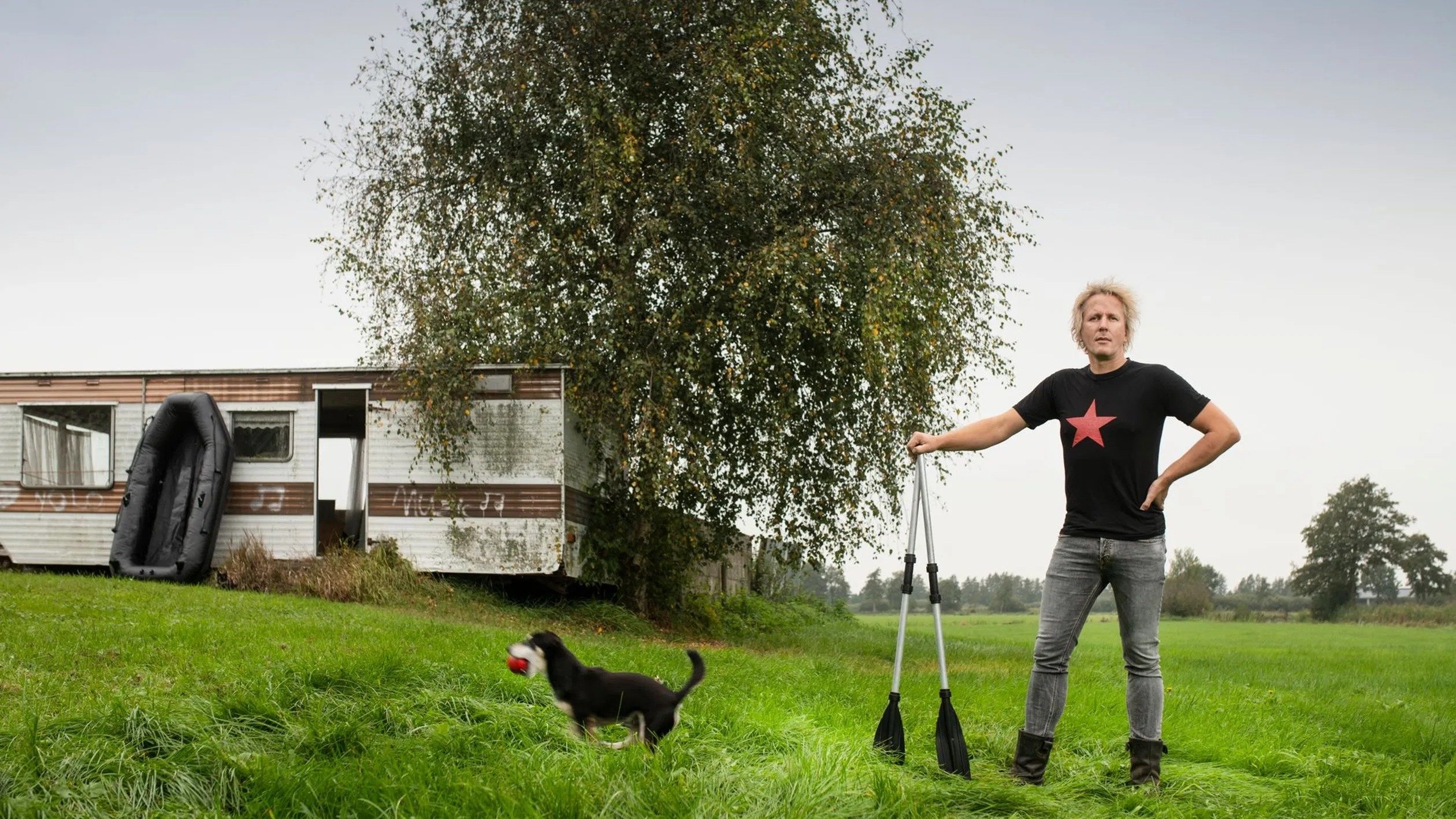
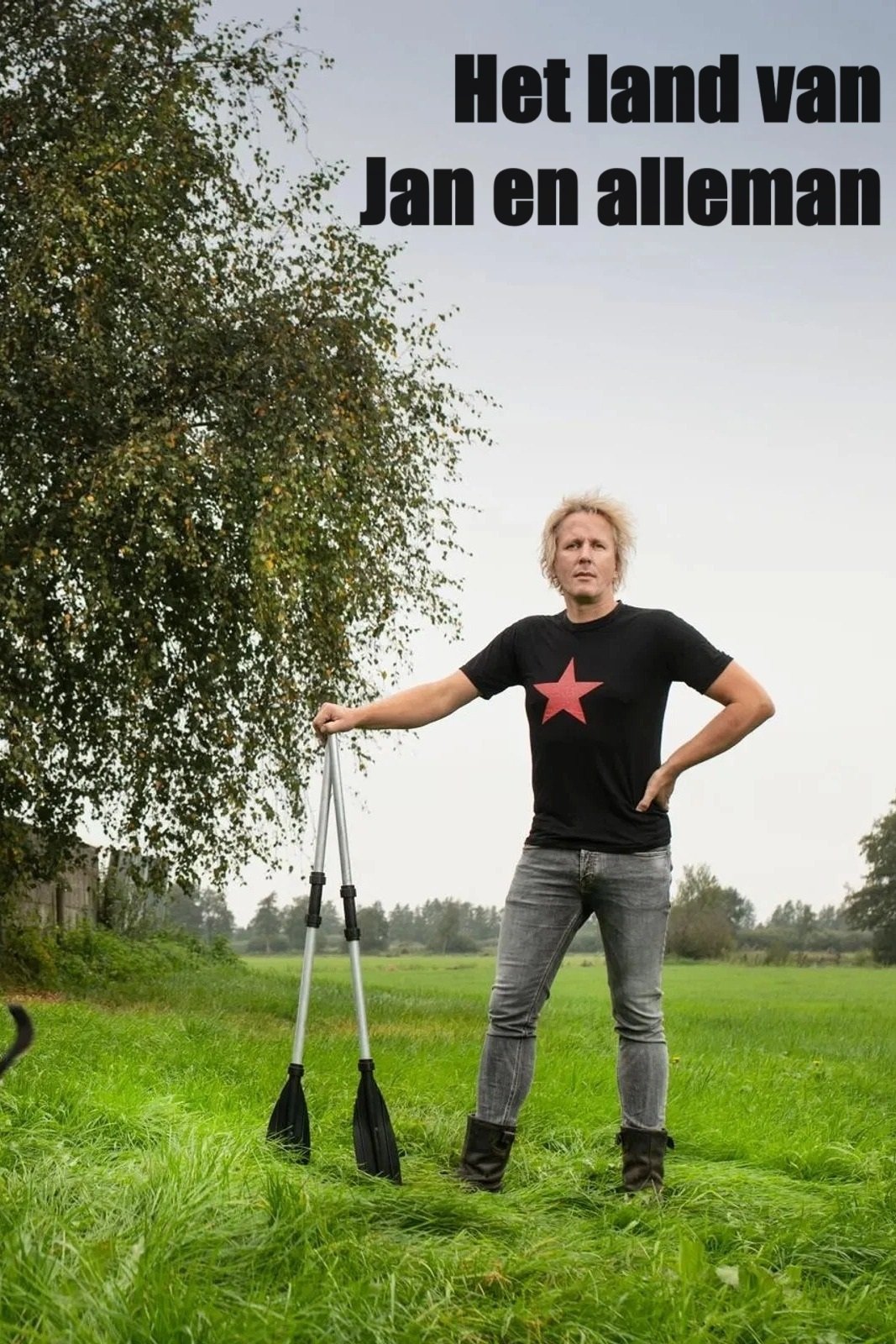
Filmmaker Geertjan Lassche focuses his camera on the region in this new EO program. What regional diversity does the Netherlands harbor?
Social & External
Interviewer
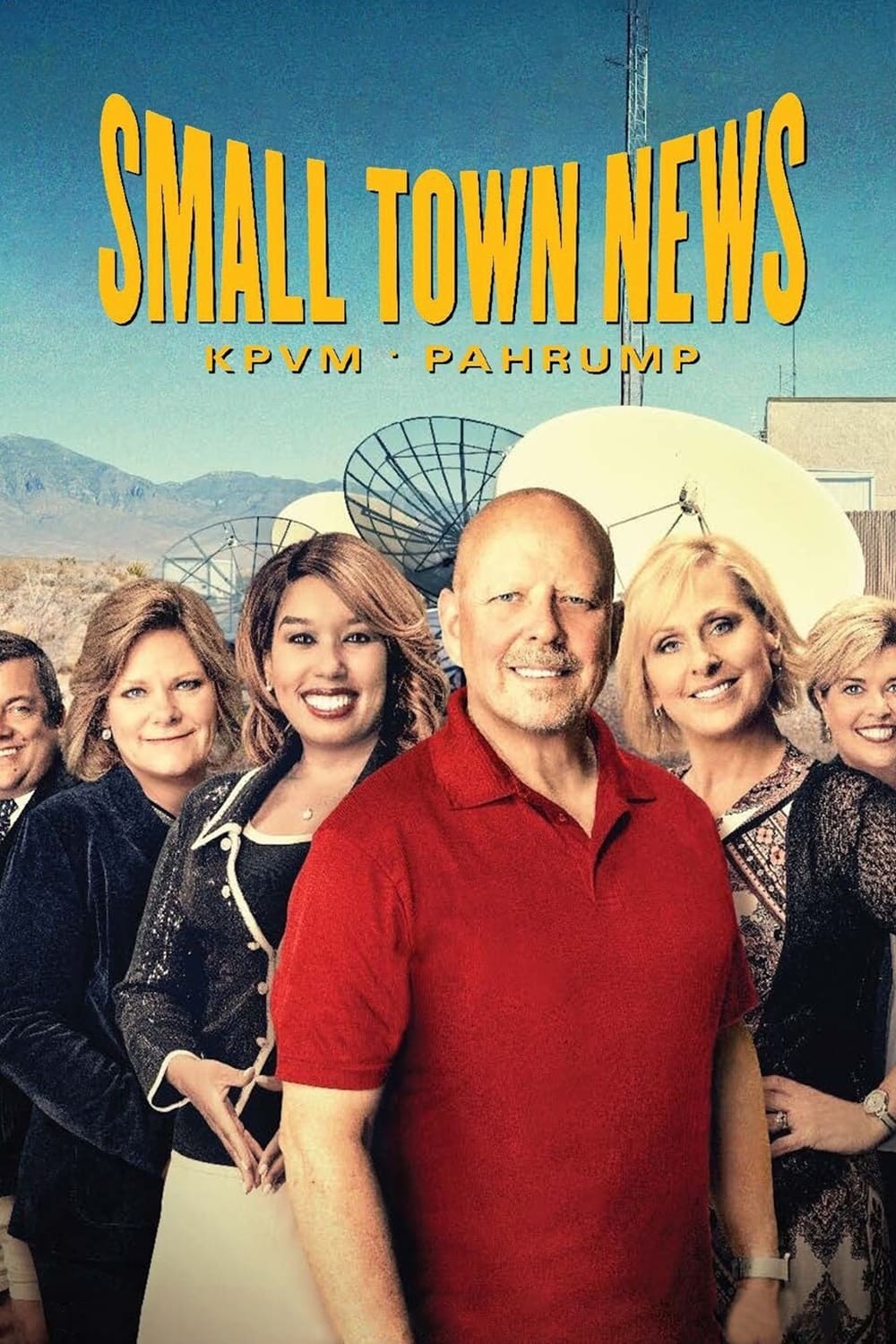
Pulling back the curtain on life at a privately owned TV station in the small desert town of Pahrump, Nevada, revealing a colorful cast of characters in front of and behind the cameras.
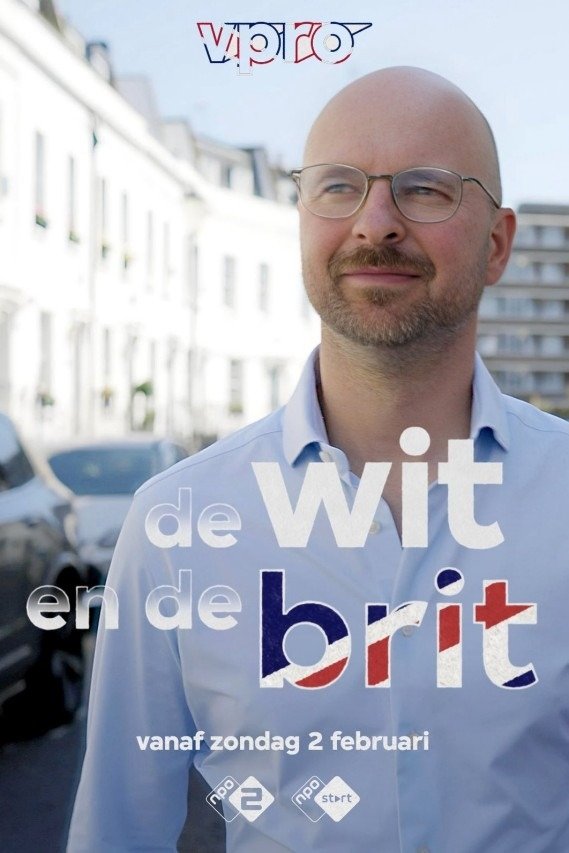
Who are the winners and losers of Brexit? Former United Kingdom correspondent Tim de Wit returns to reflect on his own role as a journalist and to investigate what became of the Brexit promises. Has migration decreased? Has healthcare improved?

Different presenters and their teams tackled a neighborhood dispute in each episode with the intention of resolving it. Presenters John Williams and Natasja Froger, then Jochem van Gelder and Patty Brard & later Dennis van der Geest and Leontine Borsato each individually committed themselves to one of the two parties. They listened to the story from both sides and then proposed a solution.

The Binnenhof (Dutch Houses of Parliament) is being renovated. It will be closed off from the outside world for five years. During the years of renovation, Splinter Chabot closely follows developments.
Mariloup Wolfe meets up with families who moved to remote areas to improve their quality of life. She reveals the questions, doubts and decisions behind these moves, as she profiles one family per episode.
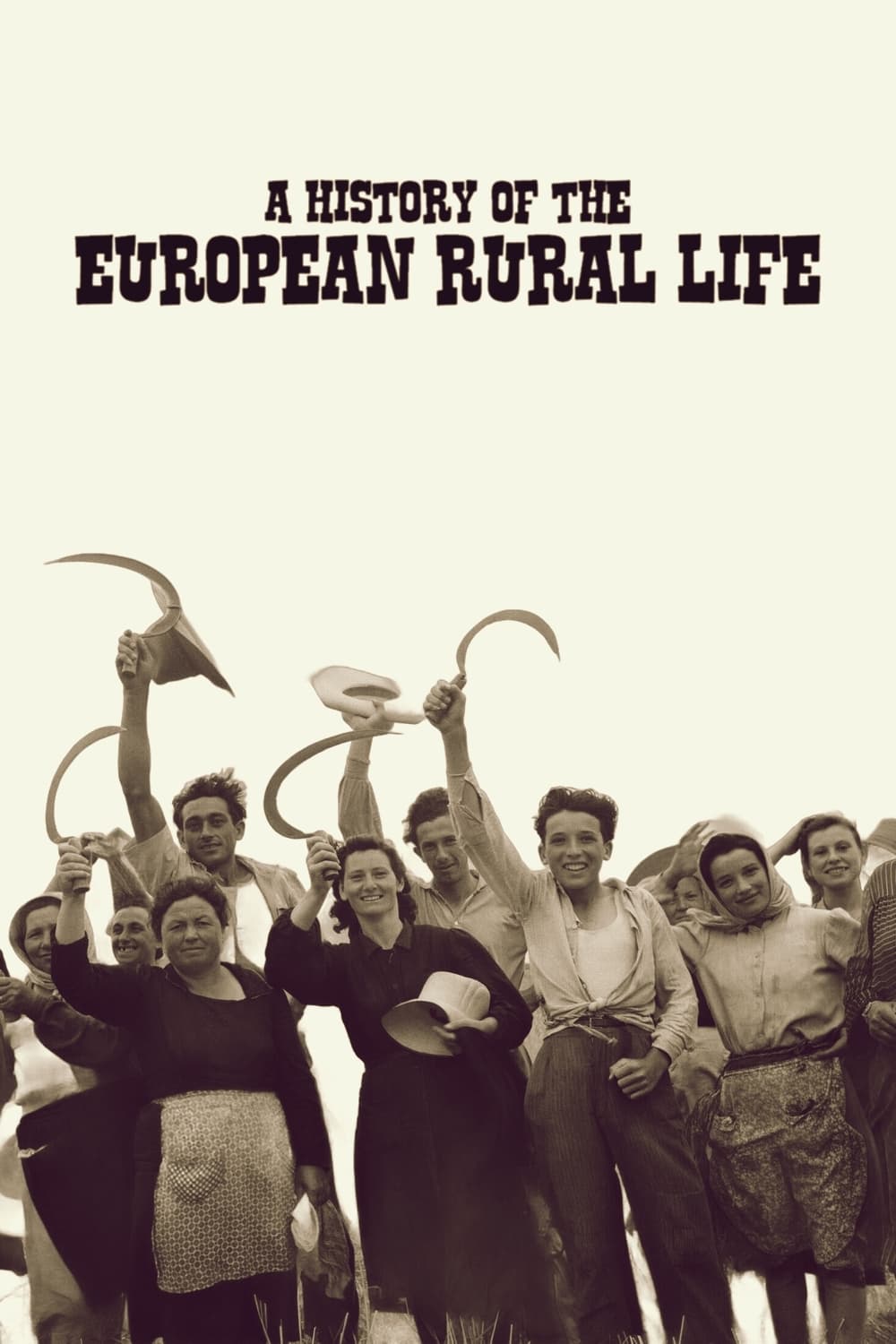
The history of the European peasantry, which has undergone many upheavals over the centuries: from its rise in the Middle Ages after the fall of the Roman Empire, through the oppression of the nobility and the Church, to the struggles for freedom and modernization in the present era.
In picturesque rural Nebraska, the husband and wife veterinary team of Drs. Ben and Erin Schroeder cares for the region's many animals in need.
The twin brothers Peter Anema and Erik Hulsegge did not know about each other's existence for 17 years. Why were they separated upon adoption?
Theo Maassen grew up in Germany and was the only boy in his class in '74 not to become World Champion. With the European Championship approaching and football as a starting point, Theo gives an adventurous tour to get to know the real Germany. Are the Germans smarter, faster, stronger and better than us?
The street dance 'breaking', which originated in the 1970s, is becoming an Olympic sport for the first time. The Dutch breakers are among the top in the world. Can they qualify for the Olympic Games in Paris? And can breaking maintain its bravado in the strictly defined world of top sport?
Danish documentary in two parts about Danish right wing politician Inger Støjberg and her fans
This documentary series follows emergency services from various fire stations in the Ruhr area up close and portrays the people in their grueling everyday working life.
Joost Engelberts investigates how a conspiracy about satanic ritual abuse can escalate into a socially explosive story. Who are the people involved? What exactly is being alleged? And how can a local event grow into a national phenomenon?
After the holidays, do you sometimes get the feeling that you would like to change course? For example, spend more time in nature, live more sustainably, grow your own food and care more about each other? A group of people from all corners of the Netherlands didn't think about it, but decided to do it. Their ideal village had to be built in the Oosterwold district of Almere. Documentary series 'Droomdorp' followed the group for four years and shows how the residents try to uphold their ideals and dreams together.
What drives people to start a new life thousands of kilometers from their homeland? Some follow their dreams, others came out of necessity. They have one thing in common: they all leave their homeland. What does that do to a person? Various immigrants tell their stories.
Hans Faber spends a year in a TBS clinic. The death of his niece, Anne Faber, in 2017 marked a turning point in forensic care. What has changed since then? And what actually goes on within the walls of a TBS clinic? What dilemmas do employees face?
A girls' handball team from Mostar fled the war in the former Yugoslavia in the early 1990s, thanks to their coach. After a perilous bus journey, they arrived in Oosterblokker; without their parents, living in fear and uncertainty. Searching for answers, the women returned 33 years later, by bus to Mostar.