Social & External
Bubber
Julie
Hugo
Georg
Michael
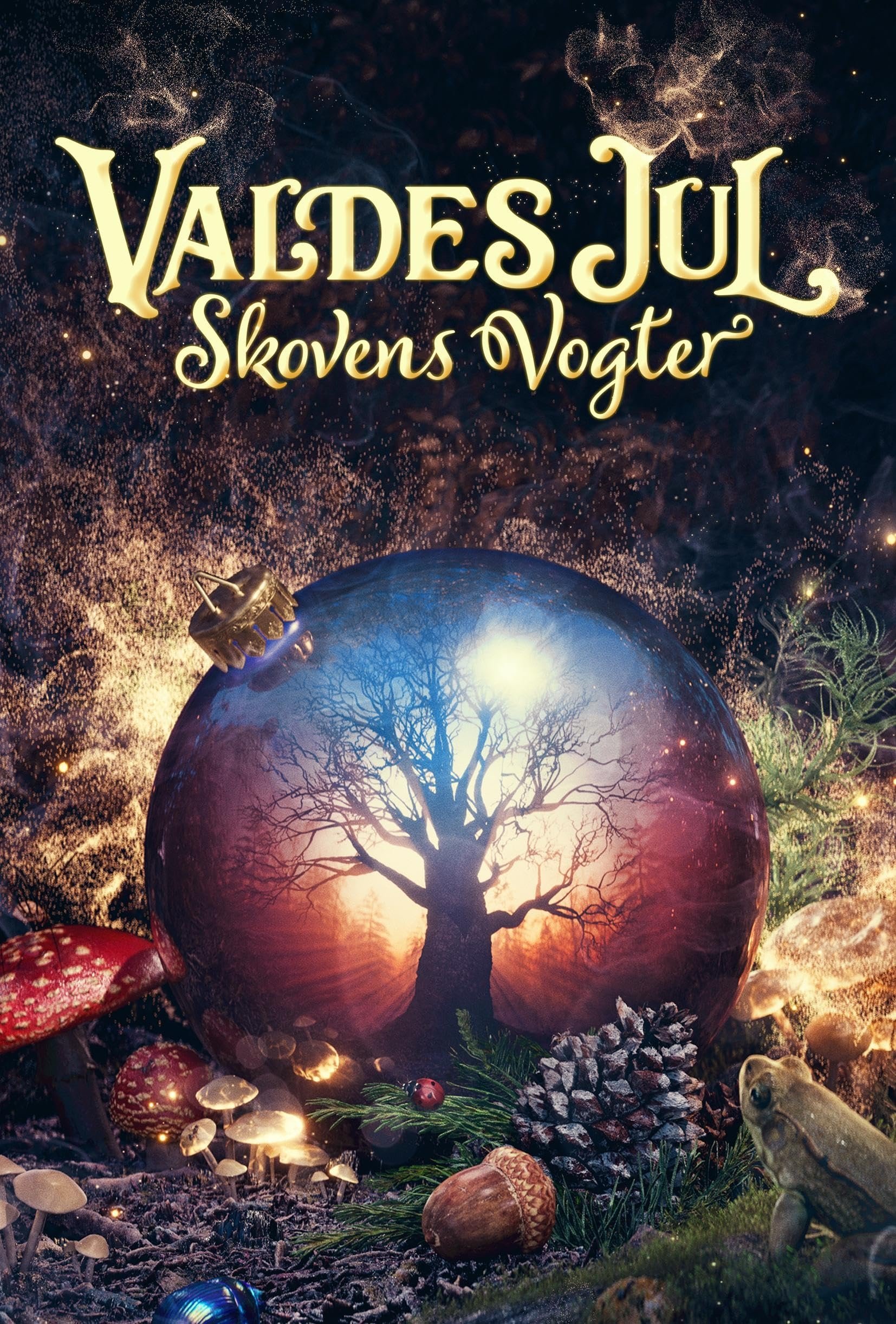
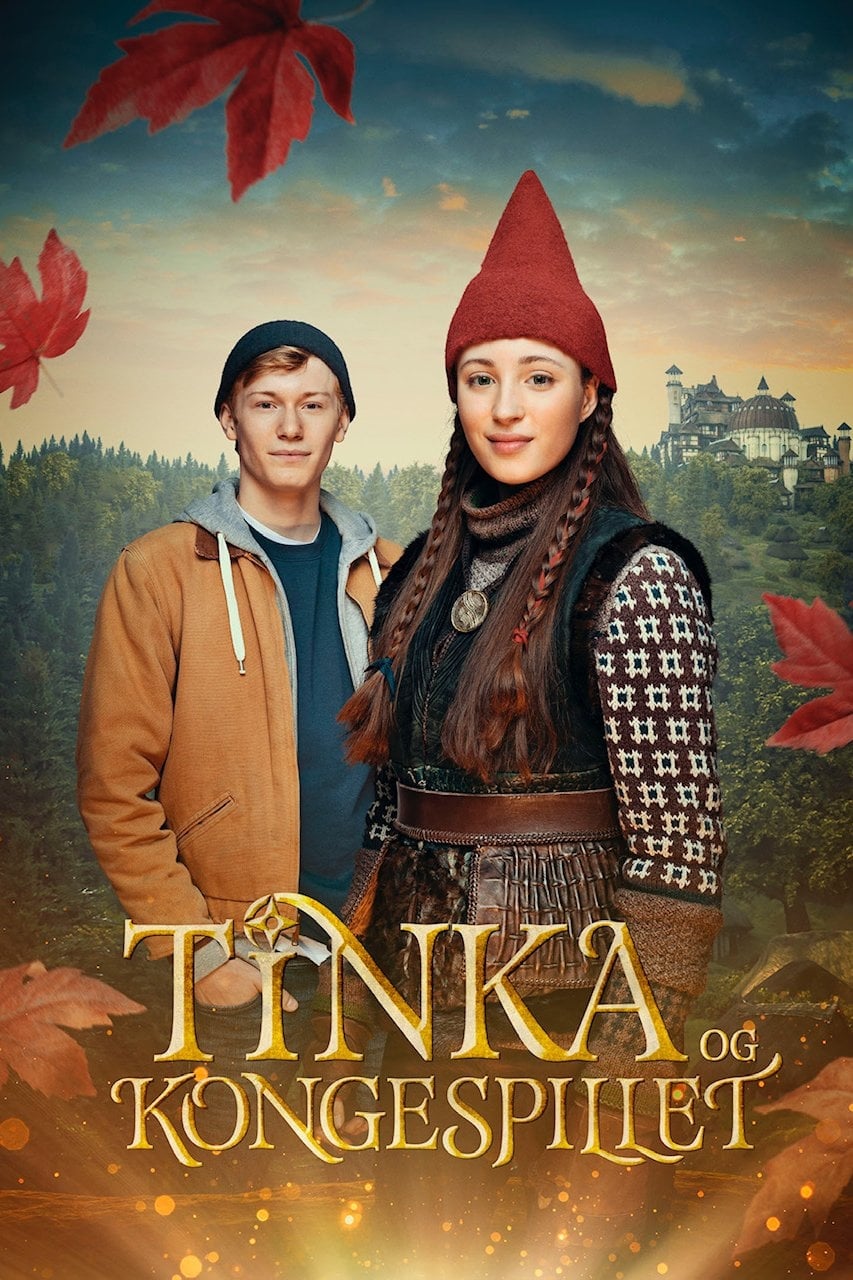
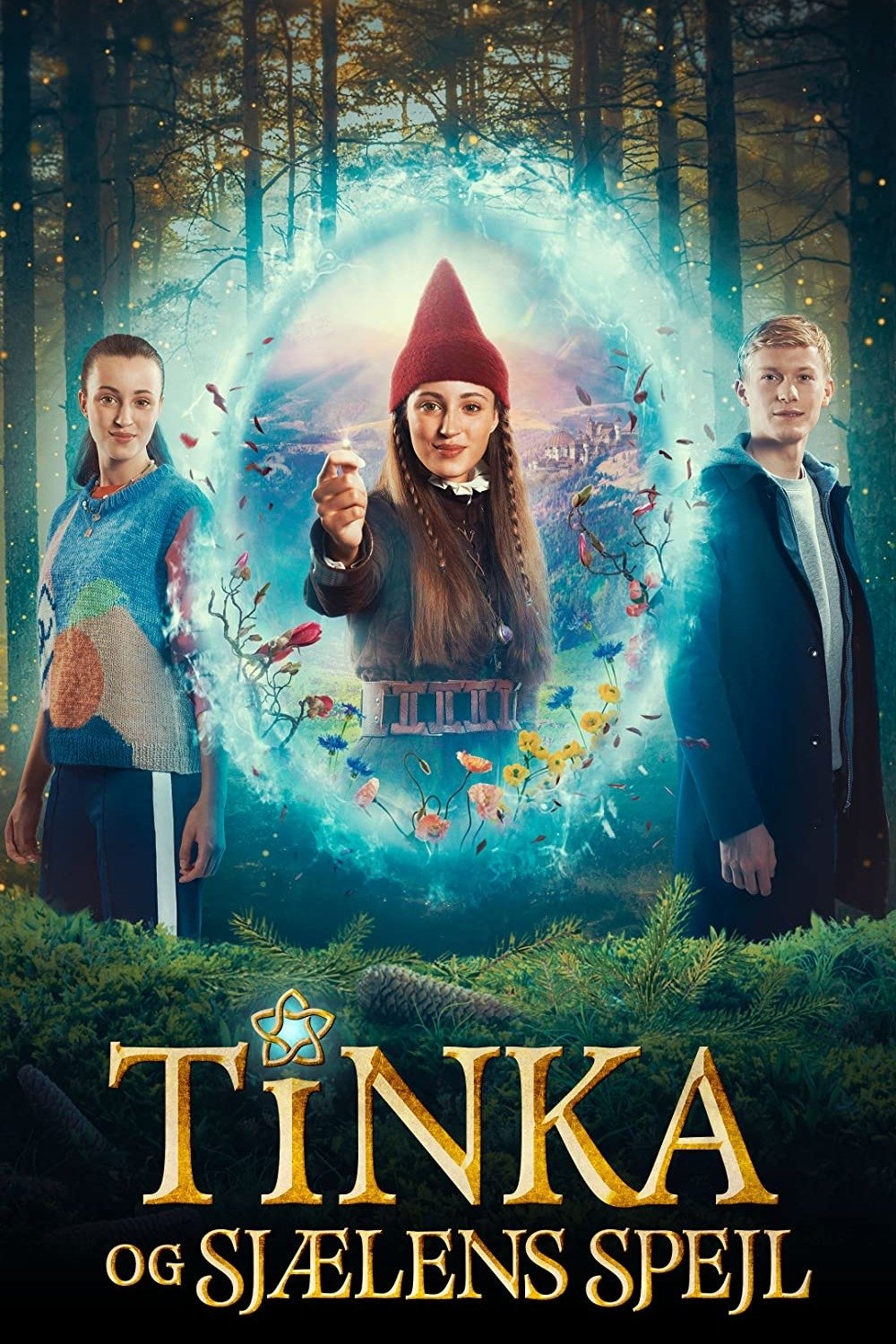
The last time we met Tinka, she introduced the Collection, where representatives from the four regions of the Kingdom of the Gnomes and a single person together ruled and decided. However, the new form of government does not work as Tinka had hoped, and she has therefore begun to doubt her abilities as the leader of the elves. When Ingi puts Tinka on the trail of a family secret, she and Lasse search for answers in the human world, and here Tinka awaits a surprise that puts the entire existence of the Kingdom of the Elves at risk.
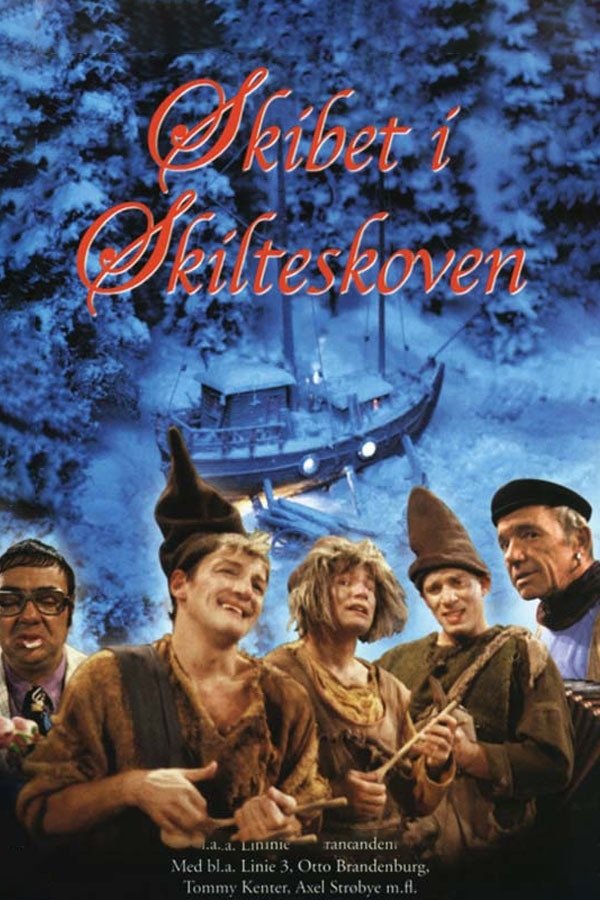
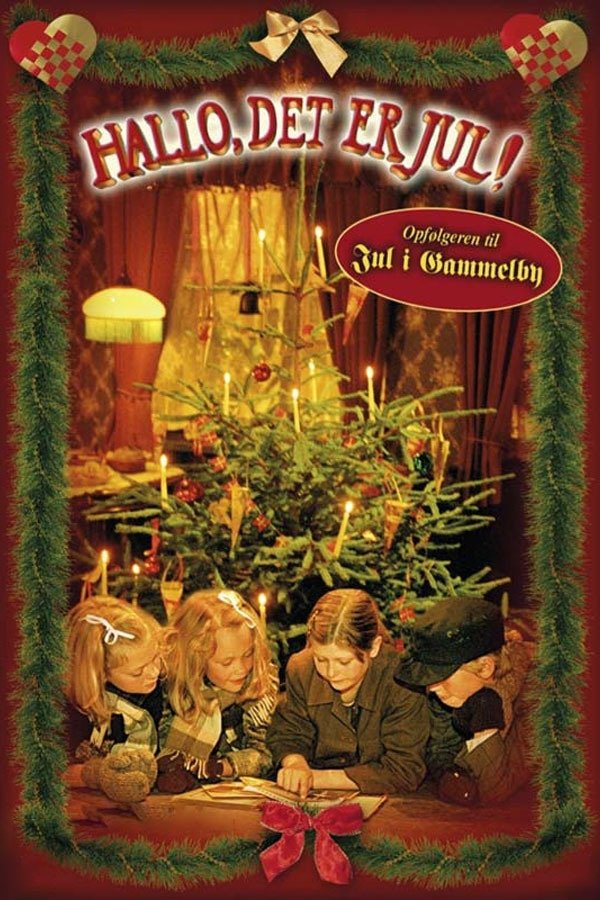
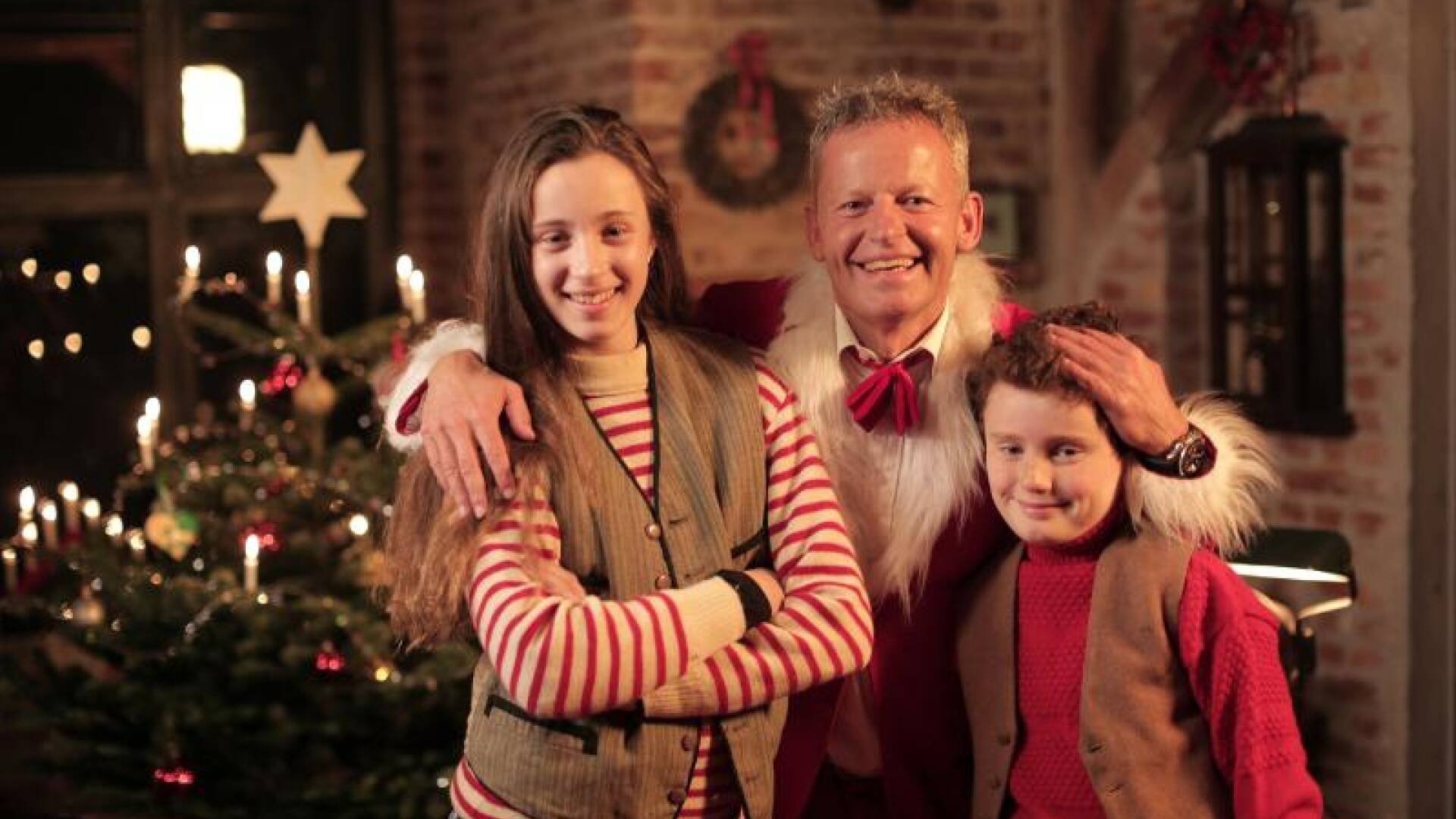
The sequel to the mega-hit "Jul i Gammelby." The story takes place in the early 20th century, when more and more women are becoming independent of men, and machines are making their mark. The baron outcompetes the clog maker with his new factory, much to the dismay of the town's children—so with the help of the elves, they do everything they can to tease the baron. Meanwhile, at the telephone exchange, the switchboard operator listens in on the conversations so that she is the first to know everything.

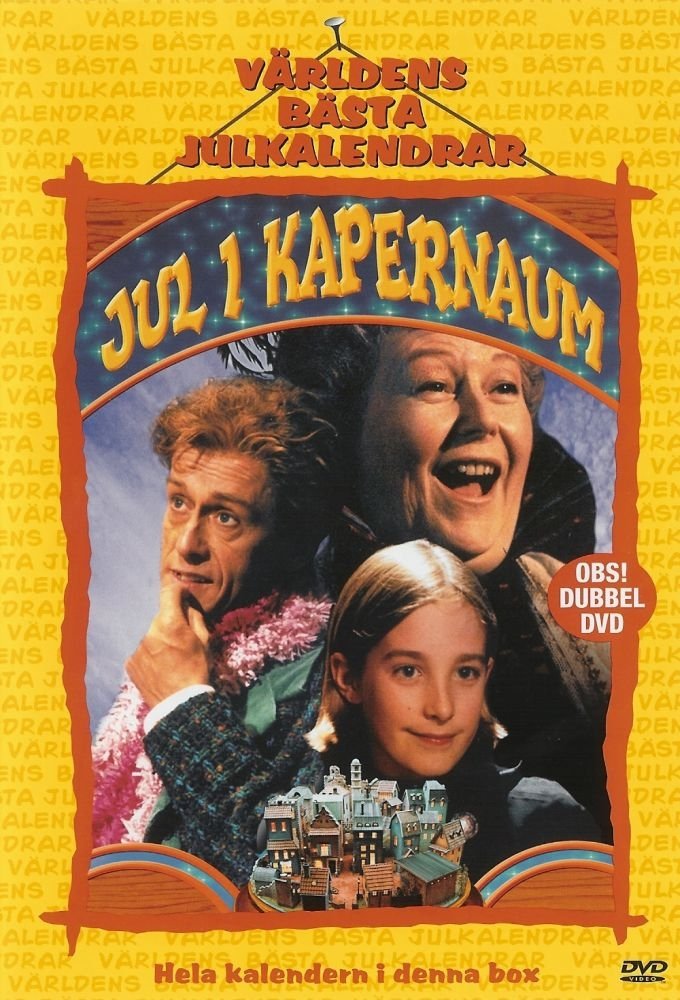
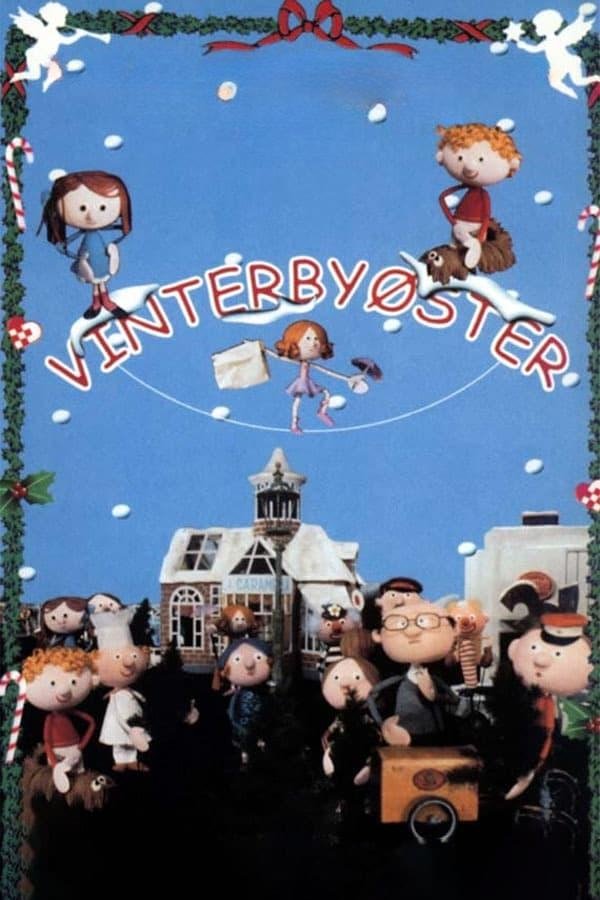
Selma, a 9 year old girl who lost her parents in an accident, is now living with Ruth, a quite strict neighbour who was just supposed to temporarily look after Selma and her dog Casper.
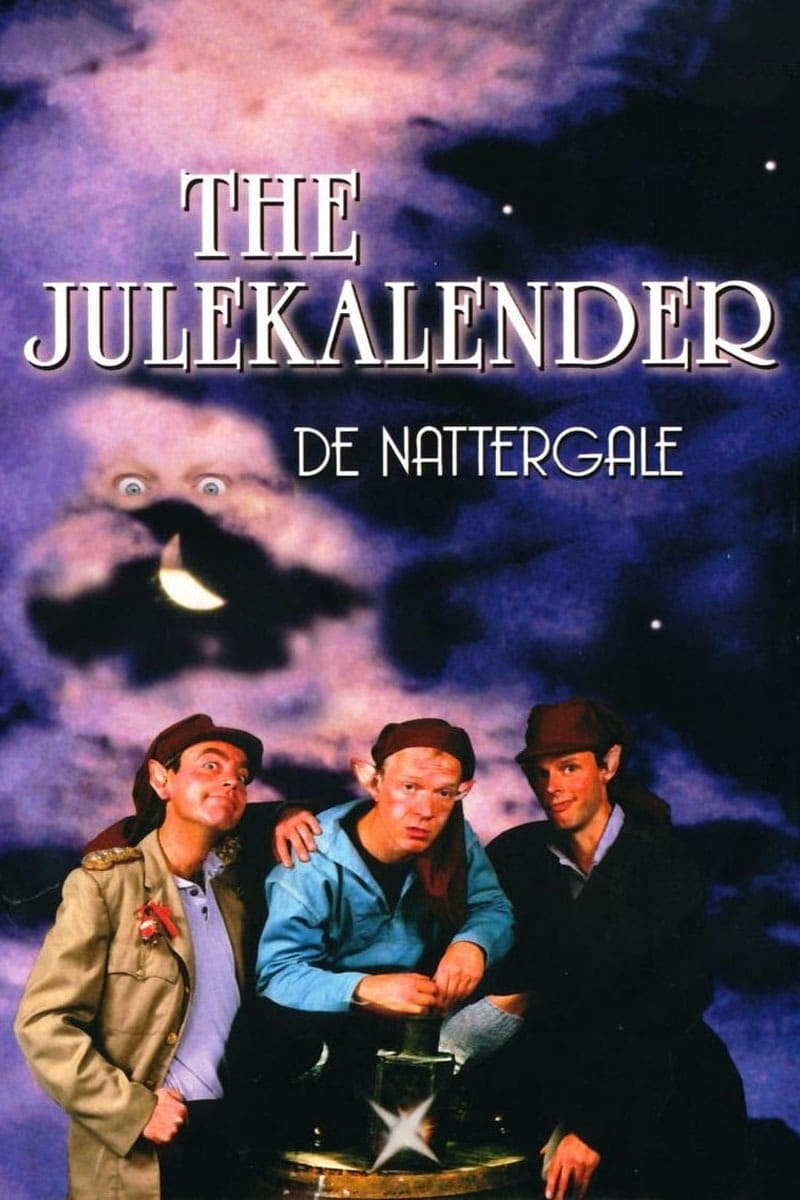
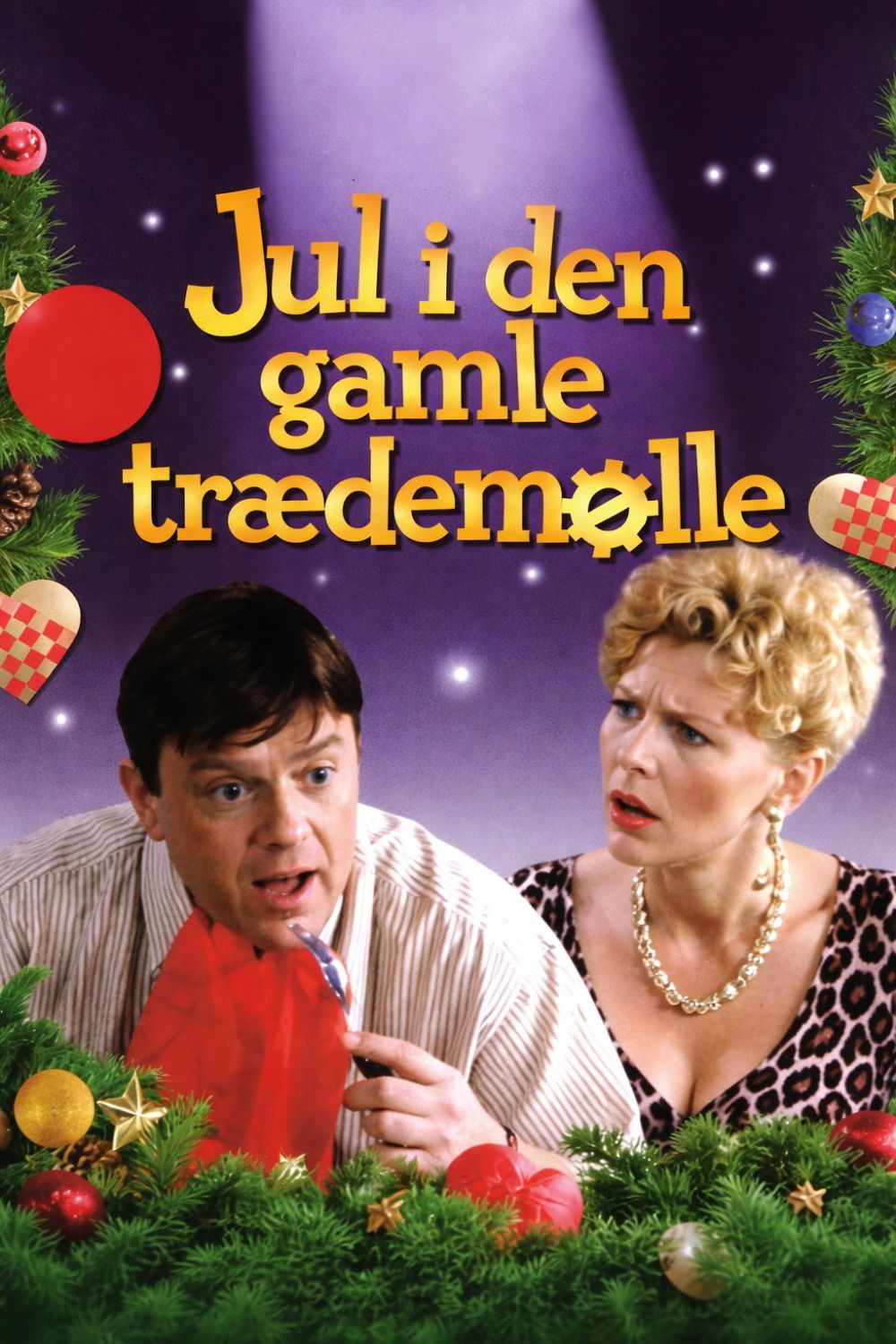
The Julekalender was a Danish TV series that ran at Christmas 1991. It was written and performed almost entirely by a trio of Danish comedy musicians called De Nattergale with financial and technical assistance from TV2, a Danish television company. It was hugely successful at the time, causing many invented phrases from the series to enter popular culture and was later released on VHS, and recently, DVD. It had 24 episodes, as has been typical of other TV "calendars" before and since The Julekalender.