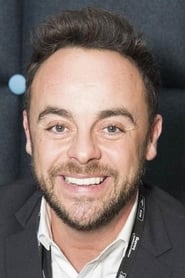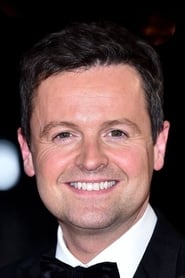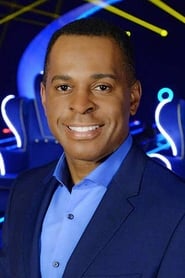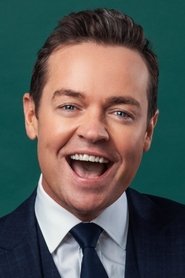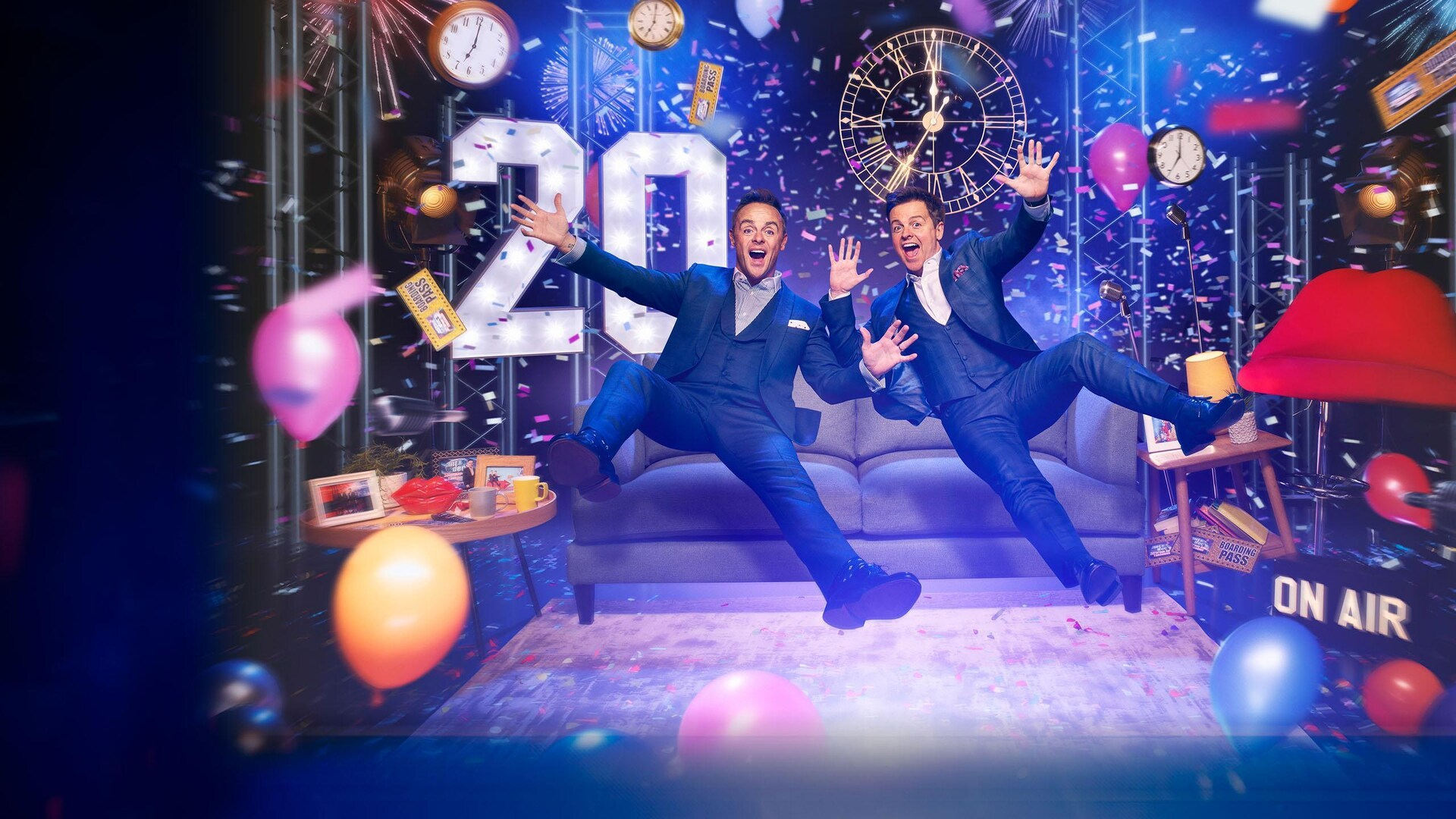
A gameshow hosted by Ant and Dec filled with stunts, sketches, and special guest appearances.
Social & External
Self - Host
Self
America's favorite quiz show where contestants are presented with general knowledge clues in the form of answers, and must phrase their responses in question form.
Footage from the popular game show, Takeshi's Castle has been re-edited, re-written and re-voiced into a hilarious, intentionally over-produced, modern "action/X-treme" sports show.
The Generation Game was a British game show produced by the BBC in which four teams of two competed to win prizes. The programme was first broadcast in 1971 under the title Bruce Forsyth and the Generation Game and ran until 1982, and again from 1990 until 2002. The show was based on the Dutch TV show Een van de acht, "One of the Eight", the format devised in 1969 by Theo Uittenbogaard for VARA Television. Mrs. Mies Bouwman - a popular Dutch talk show host and presenter of the show - came up with the idea of the conveyor belt. She had seen it on a German programme and wanted to incorporate it into the show. Another antecedent for the gameshow was 'Sunday Night at the London Palladium' on ATV, which had a game called Beat the Clock, taken from an American gameshow. It featured married couples playing silly games within a certain time to win prize money. This was hosted by Bruce Forsyth from 1958, and he took the idea with him when he went over to the BBC.
A Philippine gag show with a cast completely made up of child actors. The program presents the talented kids playing adult roles, doing gags, sketches and segments.
A Canadian reality television show in which a group of contestants, known as "house guests", are sequestered in the Big Brother House, under the surveillance of cameras and microphones, for the chance to win a grand prize of $100,000 by being the last remaining house guest. Each week, the house guests vote to evict one of their own until two house guests remain on finale night. The winner is decided by the last seven evicted house guests, known as the Big Brother Jury.
A general knowledge quiz show that brings together a group of 100 very smart high-school students. At every stage of the competition, the Geniuses play together, compete against one another, and also help each other out.
Hosted by Meredith Vieira, two teams of celebrities and civilians face off in a fast paced word game with a top prize of $10,000.
The top 1% of students from five prestigious universities in Korea (Seoul National University, KAIST, Pohang University of Science and Technology, Yonsei University, Korea University) participate, and only utilize brain power (mental calculations, calculations, reasoning, games, memorization, etc.) without politics, betrayal, alliances, or deception.
French adaptation of the British game show Don't Forget Your Toothbrush hosted bu Nagui.
Two teams, each with one contestant and two Impractical Jokers, will compete against each other by attempting to rate hilarious and miserable real-life events on a scale of 1-100 based on the “Misery Index,” a ranking system created by a team of therapists.
The Lawrence Welk Show is an American televised musical variety show hosted by big band leader Lawrence Welk. The series aired locally in Los Angeles for four years, then nationally for another 27½ years via the ABC network and first-run syndication. In the years since first-run syndication ended, The Lawrence Welk Show has continued to reach new audiences through repeat episodes, broadcast in the United States by Public Broadcasting Service stations. These airings incorporate an original program—usually, a color broadcast from 1965 through 1982—in its entirety. In place of the commercials, newer performance and interview clips from the original stars and/or a family member of the performers are included; these clips are occasionally updated.
Behind elaborate costumes that conceal their faces, voices, and every clue to who they are, celebrities perform while a panel of detectives tries to deduce the identity hidden beneath each mask.
Third Culture Kid (TCK) is a term used to refer to people who grew up in more than one cultural background during their growing years. In this show, TCKs based in South Korea have gathered to discuss their experiences and cultures.
"Bilibili Rush Forward" is a water reality program. Each episode gathers at least 12 players to participate in the program and play sports games. Contestants not only have to use their personal abilities to break through many game levels, but they must also compete and cooperate in multiple challenges to reach the high platform at the end. Between the relaxed atmosphere of joy and fun along with the tense and heated atmosphere of the competition, the show will pass on the optimistic, upward, happy and healthy youth style to everyone.
Chase and beat you on behalf of peace? Smudge your cheeks for love? India, a country that is unequal in the eyes of others, has a wild and joyful "Festival of Colors". Tony will take you to Jaisalmer, the ancient desert city in the westernmost part of India, to participate in local religious ceremonies, to understand the origin of the Festival of Colors, and to visit local families to learn how to cook authentic special snacks and snacks. drinks. Ready to go, the festival of colors is about to start, but Tony and the entire film crew have killed each other beforehand and threw paintballs at each other. Will this reduce the risk of them being "attacked"?
The sweetest vacation in the world is a trip after work! Irene's professional daily life is shown in a unique way and new aspects of her travels. 'Work & Holiday' shows the raw Irene that has never been shown before.
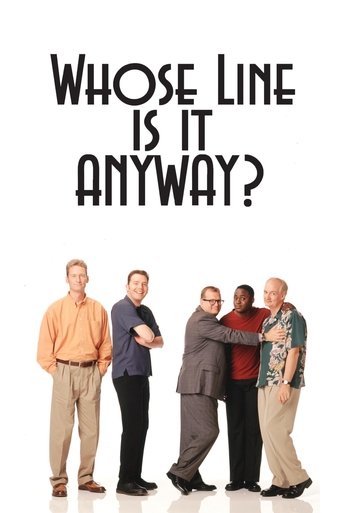
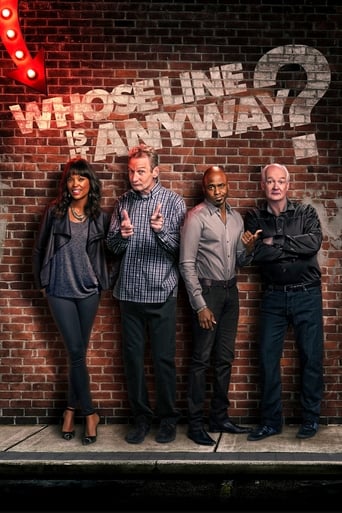
The show where everything's made up and the points don't matter. Not a talk show, not a sitcom, not a game show, Whose Line Is It Anyway? is a completely unique concept to network television. Four talented actors perform completely unrehearsed skits and games in front of a studio audience. Host Drew Carey sets the scene, with contributions from the audience, but the actors rely completely on their quick wit and improvisational skills. It's genuinely improvised, so anything can happen - and often does.
Takeshi's Castle was a Japanese game show that aired between 1986 and 1990 on the Tokyo Broadcasting System. It featured the Japanese actor Takeshi Kitano as a count who owns a castle and sets up difficult challenges for players to get to him. Contestants throw themselves into daunting physical challenges as they attempt to storm Takeshi's Castle and win the grand prize of one million yen. The show has become a cult television hit around the world. A special live "revival" was broadcast on April 2, 2005, for TBS's 50th anniversary celebrations.
Two families compete against each other in a contest to name the most popular responses to a survey question posed to 100 people.
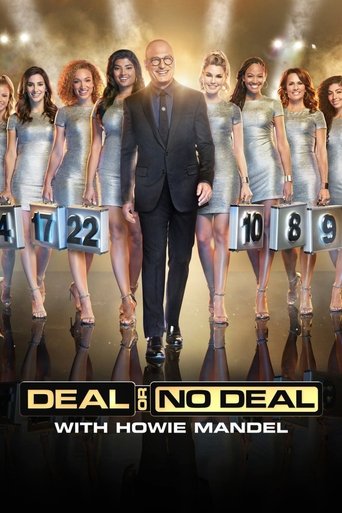
A contestant must choose from 26 sealed briefcases containing a marker for various amounts of cash from one penny to $1 million. The player then eliminates the remaining 25 cases one by one. The chosen ones are opened and the amount of money inside revealed. After several cases are opened, the player is tempted by the Banker to accept an offer of cash in exchange for not continuing the game and possibly winning a larger sum of money.
This game show sees contestants solve word puzzles, similar to those used in Hangman, to win cash and prizes determined by spinning a giant carnival wheel.
The Carol Burnett Show is an American variety/sketch comedy television show starring Carol Burnett, Harvey Korman, Vicki Lawrence, Lyle Waggoner, and Tim Conway. It originally ran on CBS from September 11, 1967, to March 29, 1978, for 278 episodes and originated from CBS Television City's Studio 33. The series won 25 prime time Emmy Awards, was ranked No. 16 on TV Guide's 50 Greatest TV Shows of All Time in 2002 and in 2007 was listed as one of Time magazine's "100 Best TV Shows of All Time."
Four panelists must determine guests' occupations - and, in the case of famous guests, while blindfolded, their identity - by asking only "yes" or "no" questions.
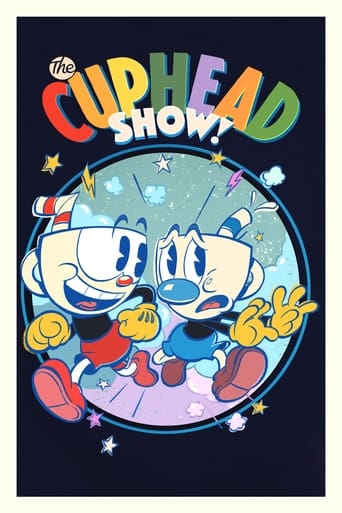
Follow the misadventures of the impulsive Cuphead and his cautious but persuadable brother Mugman in this animated series based on the hit video game.
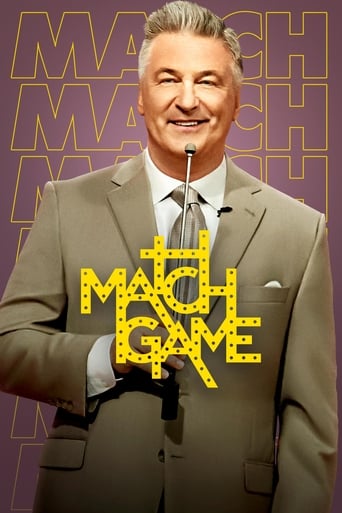
A modern reboot of the classic 70s game show that features two contestants attempting to match the answers of six celebrities in a game of fill-in-the-blank.
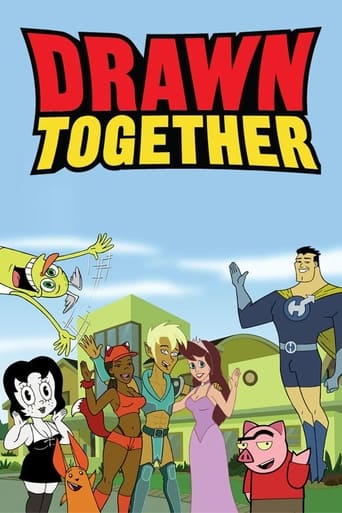
The world's first animated reality series gathers icons from all corners of the cartoon universe and lets them loose, with plenty of cameras to catch their exploits. Here's what happens when eight cartoon characters stop being polite and start getting real.
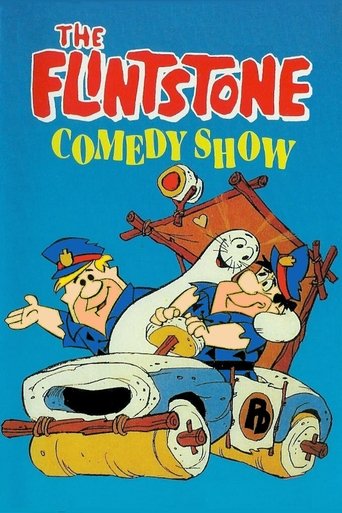
The Flintstone Comedy Show is a 90-minute Saturday morning animated series revival of The Flintstones produced by Hanna-Barbera and aired from November 22, 1980 to September 11, 1982 on NBC. Outside North America, the show was released under title of Flintstone Frolics. The show contained six segments: The Flintstone Family Adventures, Bedrock Cops, Pebbles, Dino and Bamm-Bamm, Captain Caveman, Dino and Cavemouse, and The Frankenstones.
Comedian Aisha Tyler hosts this improv comedy show where the actors on the show - Wayne Brady, Colin Mochrie, Ryan Stiles along with a special guest each episode -must put their comedic skills to the test through a series of spontaneous improv games, prompted only by random ideas supplied by the studio audience.
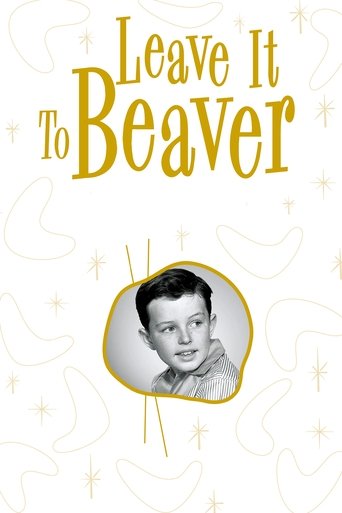
An inquisitive and often naïve boy, Theodore 'The Beaver' Cleaver, has adventures at home, in school, and around his suburban neighborhood. The show also starred Barbara Billingsley and Hugh Beaumont as Beaver's parents, June and Ward Cleaver, and Tony Dow as Beaver's brother Wally. The show has attained an iconic status in the US, with the Cleavers exemplifying the idealized suburban family of the mid-20th century.
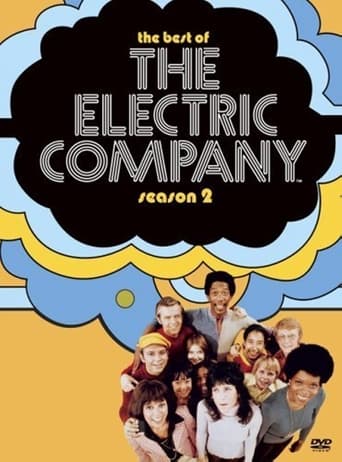
The Electric Company is an educational American children's television series that was produced by the Children's Television Workshop for PBS in the United States. PBS broadcast 780 episodes over the course of its six seasons from October 25, 1971 to April 15, 1977. After it ceased production that year, the program continued in reruns from 1977 to 1985, the result of a decision made in 1975 to produce two final seasons for perpetual use. CTW produced the show at Teletape Studios Second Stage in Manhattan, the first home of Sesame Street. The Electric Company employed sketch comedy and other devices to provide an entertaining program to help elementary school children develop their grammar and reading skills. It was intended for children who had graduated from CTW's flagship program, Sesame Street. Appropriately, the humor was more mature than what was seen there.
Host and everyman Mike Rowe gets the grimy scoop on downright nasty occupations.
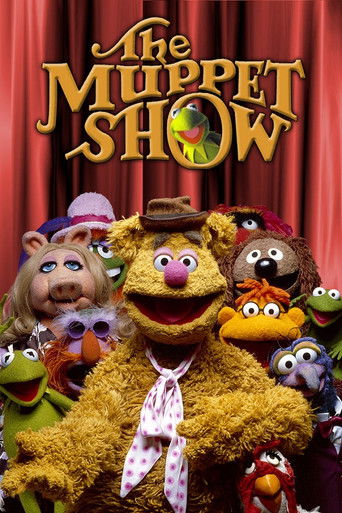
Go behind the curtains as Kermit the Frog and his muppet friends struggle to put on a weekly variety show.
AJ is an 8-year-old techie who drives monster-truck Blaze, the top racer in Axle City. The two go on adventures that have them taking on problems involving science and math. Many predicaments they face are caused by Blaze's rival, Crusher, a tractor-trailer that will do anything to beat other vehicles to the finish line. The animated series is billed as the first TV show for preschoolers to comprehensively cover areas of science, technology, engineering and math. Each episode introduces different STEM concepts, including buoyancy and trajectory.
The two Warner Brothers Yakko and Wakko and their Warner sister Dot had been (supposedly) created in the 1930's, but their cartoons were too screwy for the general public to handle. The three Warners were locked up in the studio water tower until they escaped in the 90's. There, they run wild, causing chaos everywhere!