Social & External
The people behind it
Michael Lott
Narrateur
Russian land has always been famous for its treasures - unique natural and man-made monuments. However, few people have seen them with my own eyes, because they are often located in difficult and remote corners of our country. However, this project gives viewers an unprecedented opportunity to explore the most beautiful and significant sites of the motherland!
The cameras follow the lives of human and animal families living in Kenya’s Samburu National Reserve. They also follow the story of a safari camp run by wildlife expert Saba Douglas-Hamilton and an elephant conservation charity run by her husband Frank Pope.
On his toughest journeys yet, Simon Reeve travels through some of the most remote landscapes on Earth in search of the people and the wildlife of the planet’s greatest wildernesses.
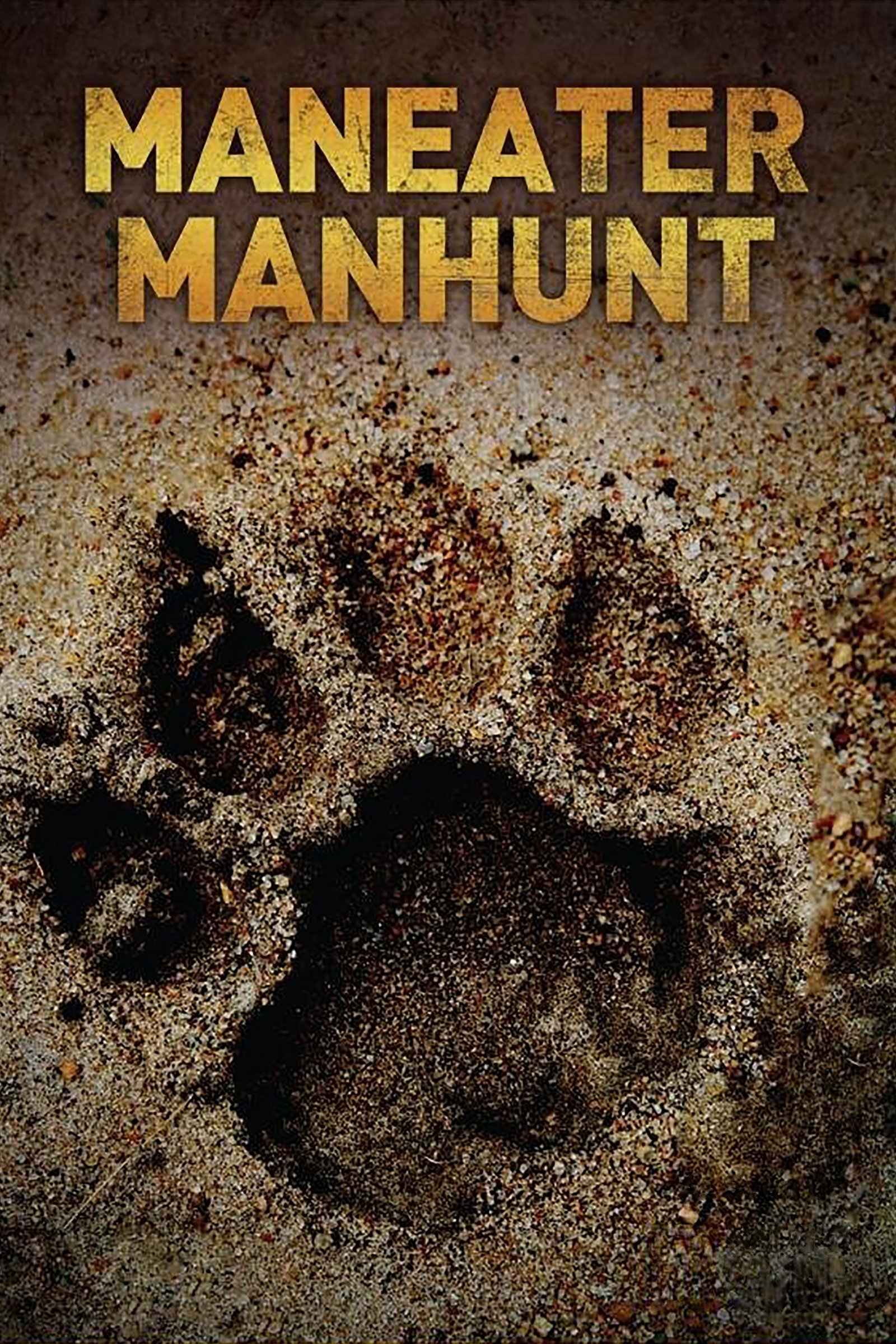
In each and every one of these action packed hours, Gordon Buchanan is on a personal and dangerous mission to really KNOW a MANEATER -an animal that has killed or even eaten a human. But as populations of the planet's apex predators decrease, the number of attacks on humans increases. Buchanan wants to go to the places where man still battles beast and put himself 'directly in the path' of a predator to find out.
Documentary following young animals as they take their first steps and face their earliest challenges.
Kate Humble and Simon King follow the animals living along Zambia's Luangwa River, from the last days of the longest dry season in memory to the arrival of the rains that will change everything.
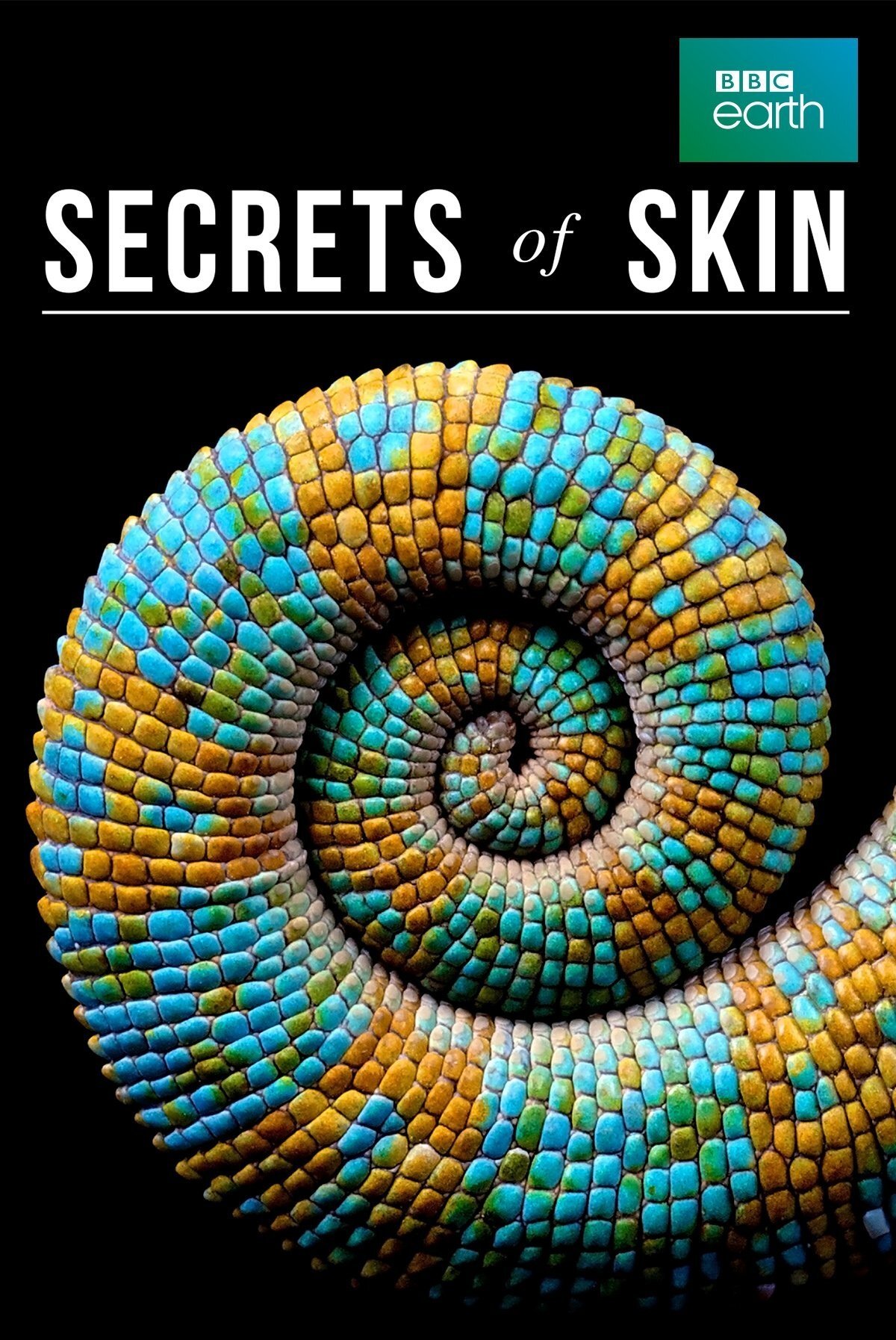
Featuring groundbreaking new science, experiments and leading scientists from a variety of disciplines, the series unravels the natural history of the body's largest organ.
The stories of iconic Australian animals and the biological and evolutionary factors that link them.
Ground-breaking documentary granting a unique and privileged access into the magical world of whales and dolphins, uncovering the secrets of their intimate lives as never before.
Immerse yourself in the lives of extraordinary characters that stand a few inches tall. From chipmunks to mice, be entertained and spellbound by the creatures that call the Hidden Kingdoms home.
Following his visit to the Great Barrier Reef in 1957, naturalist and broadcaster David Attenborough returns and uses the latest filming techniques to unlock the secrets of the natural wonder.
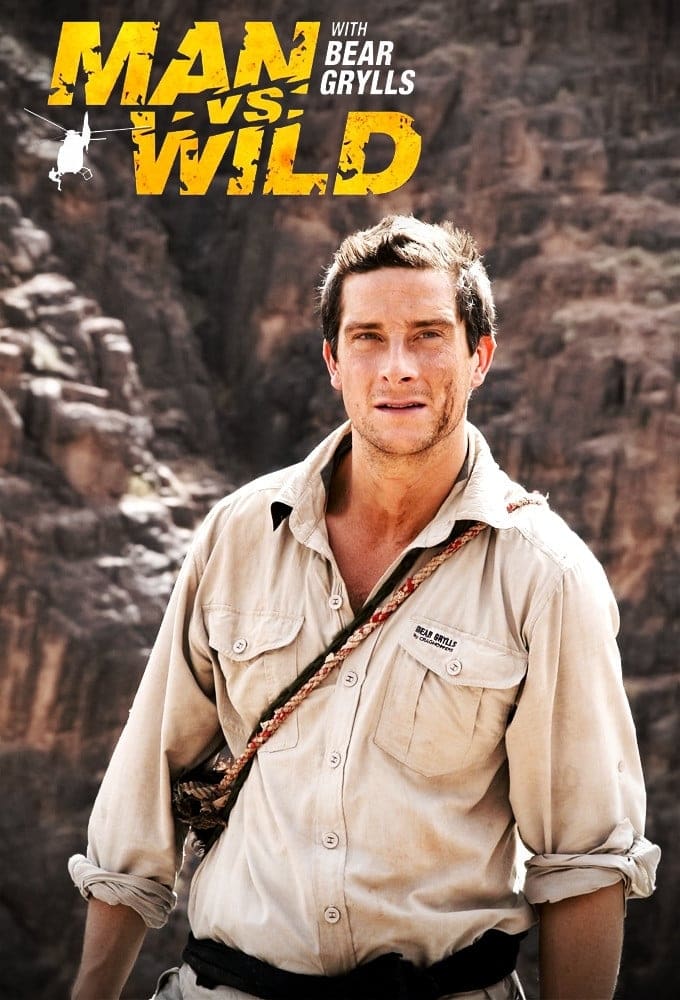
Bear strands himself in popular wilderness destinations where tourists often find themselves lost or in danger.
Far From being passive or boring, Plants have evolved a host of tricks to beat the elements, predators and other plants
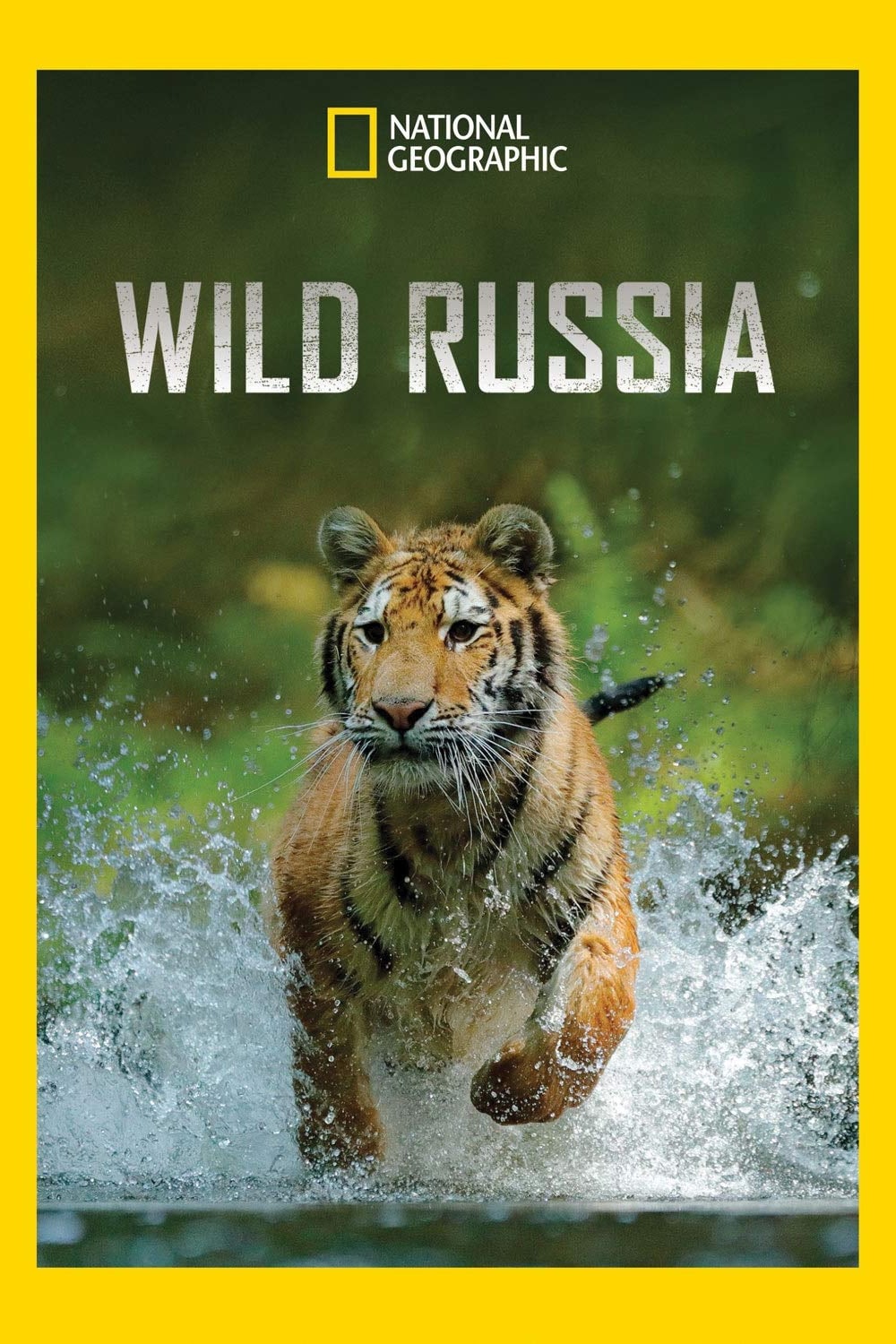
Through unprecedented access we showcase the spectacle that is Wild Russia. From east to west, via mountains, volcanoes, deserts, lakes and Arctic ice, this breathtaking six-part series uses stunning cinematography to chart the dazzling natural wonders of this vast country.
In this new season, Simon D’Amours hits the road to the Yukon aboard his trailer-towing schoolbus. His objective is to meet people who can help him fulfill his quest for a life off the grid.
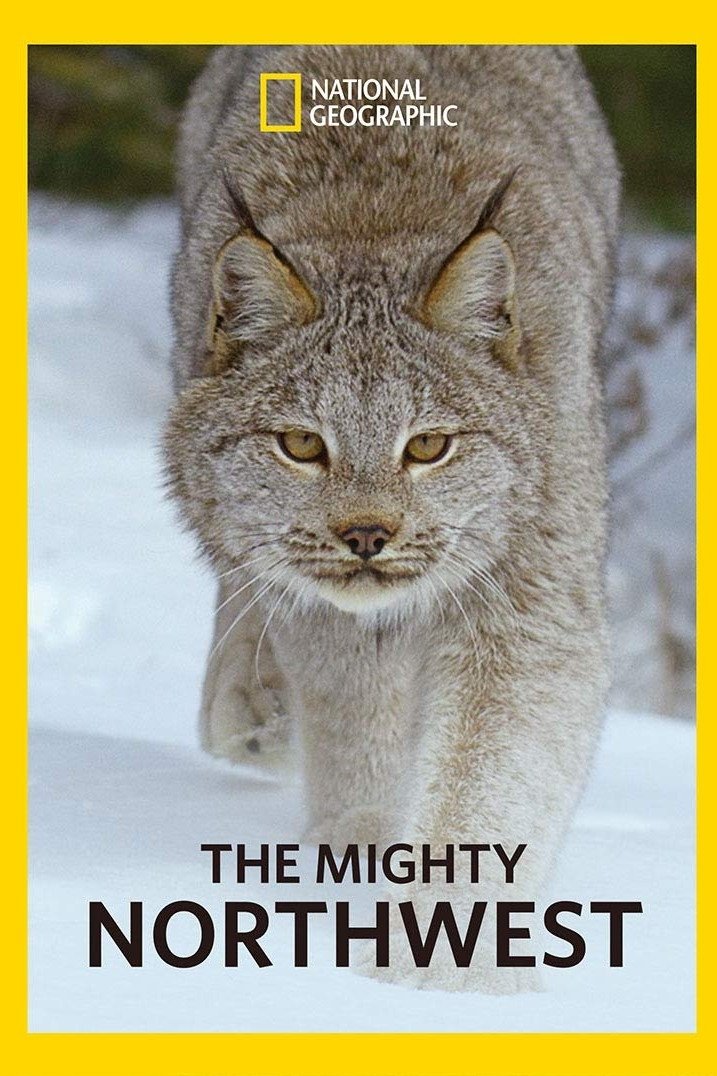
Welcome to The Mighty Northwest – a land of giants. Here you’ll find the tallest trees on earth, the last of America’s big glaciers, the most active volcanoes in the lower 48, and an epic meeting of land and sea that attracts some of the biggest marine life on the planet. From the redwoods to the Rockies, The Mighty Northwest supports animal protagonists with big personalities and enormous life-and-death challenges.
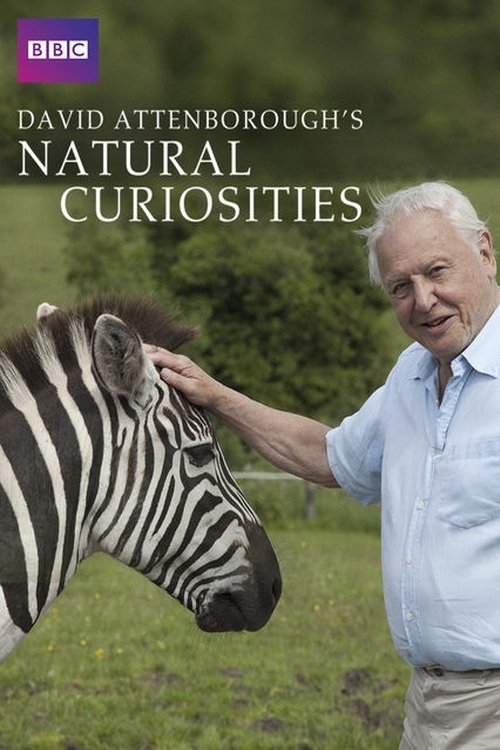
Sir David shines the spotlight on some of nature’s evolutionary anomalies and reveals how these curious animals continue to baffle and fascinate.
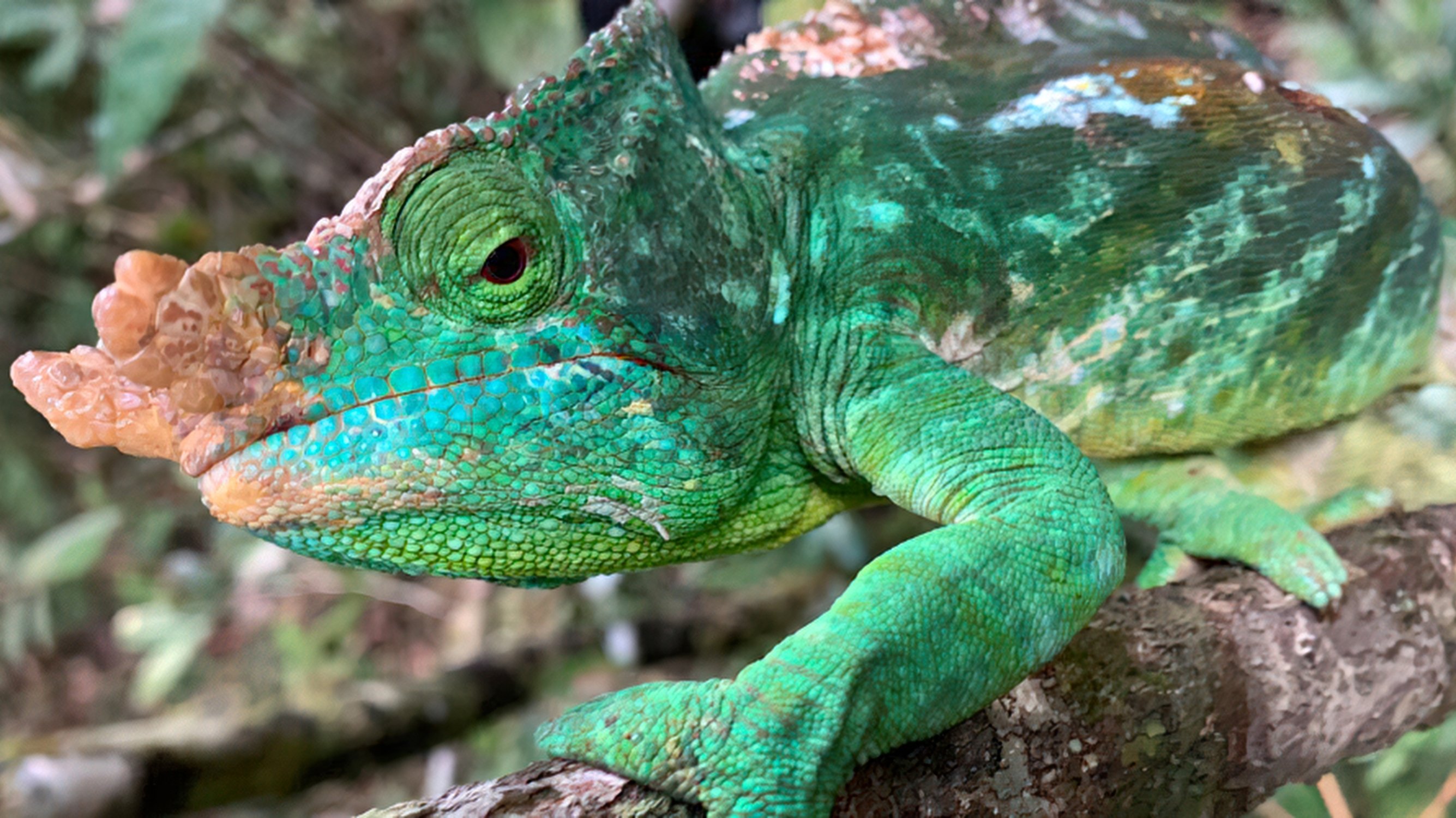
Over 80 per cent of Madagascar's animals and plants are found nowhere else on Earth. Discover what made Madagascar so different from the rest of the world, and how evolution ran wild here.
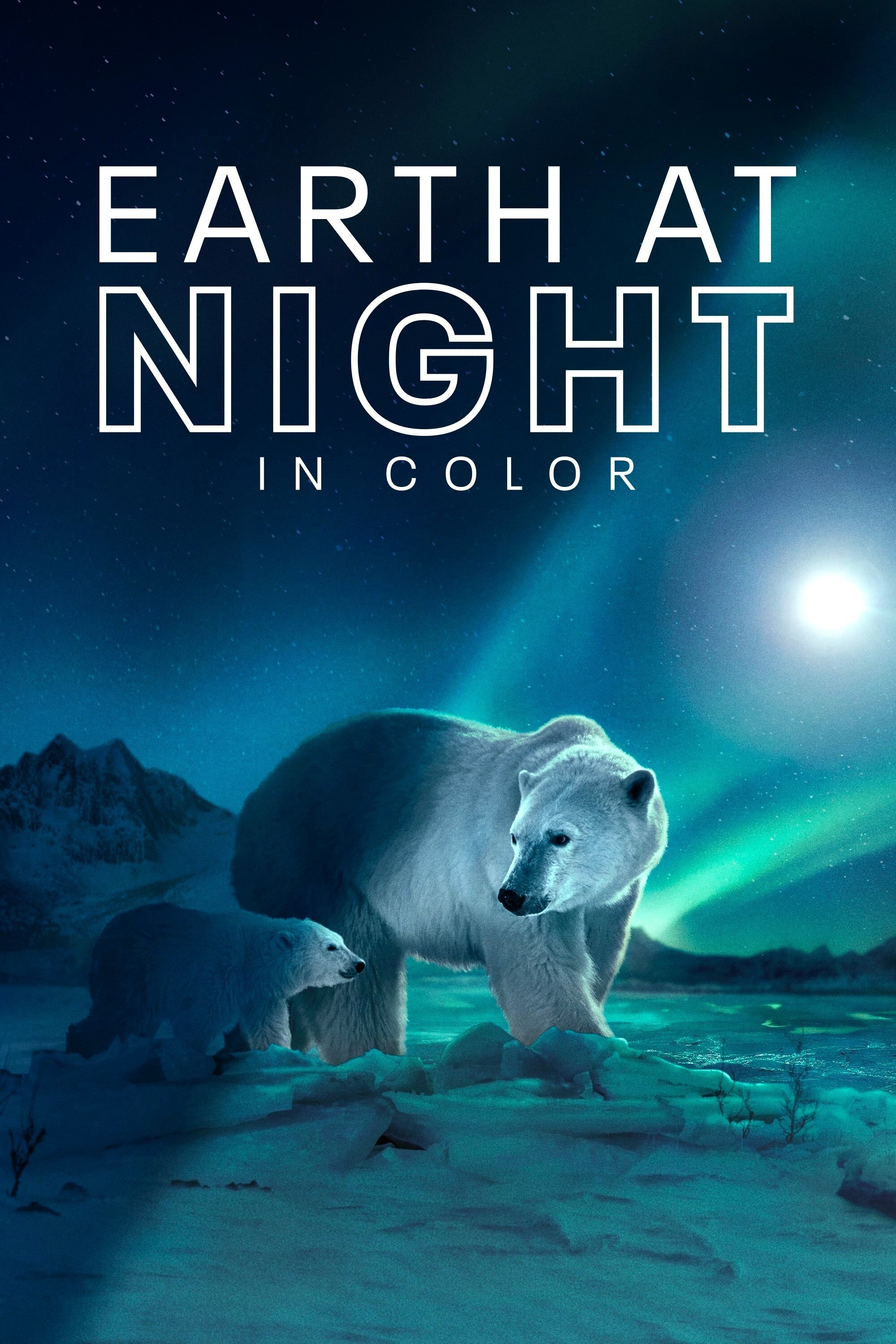
Filmed across six continents, this docuseries uses cutting-edge camera technology to capture animals' nocturnal lives, revealing new behaviours filmed in full color like never before.
Natural World is a nature documentary television series broadcast annually on BBC Two and regarded by the BBC as its flagship natural history brand. It is currently the longest-running series in its genre on British television, with more than 400 episodes broadcast since its inception in 1983. Natural World is produced by the BBC Natural History Unit in Bristol, but individual programmes can be in-house productions, collaborative productions with other broadcasters or films made and distributed by independent production companies and purchased by the BBC. Natural World programmes are often broadcast as PBS Nature episodes in the USA. Since 2008, most Natural World programmes have been shot and broadcast in high definition.
David Attenborough presents a documentary series exploring how animals meet the challenges of surviving in the most iconic habitats on earth.
This immersive series follows the world's most magnificent creatures, capturing never-before-seen moments from the heartwarming to the outrageous.
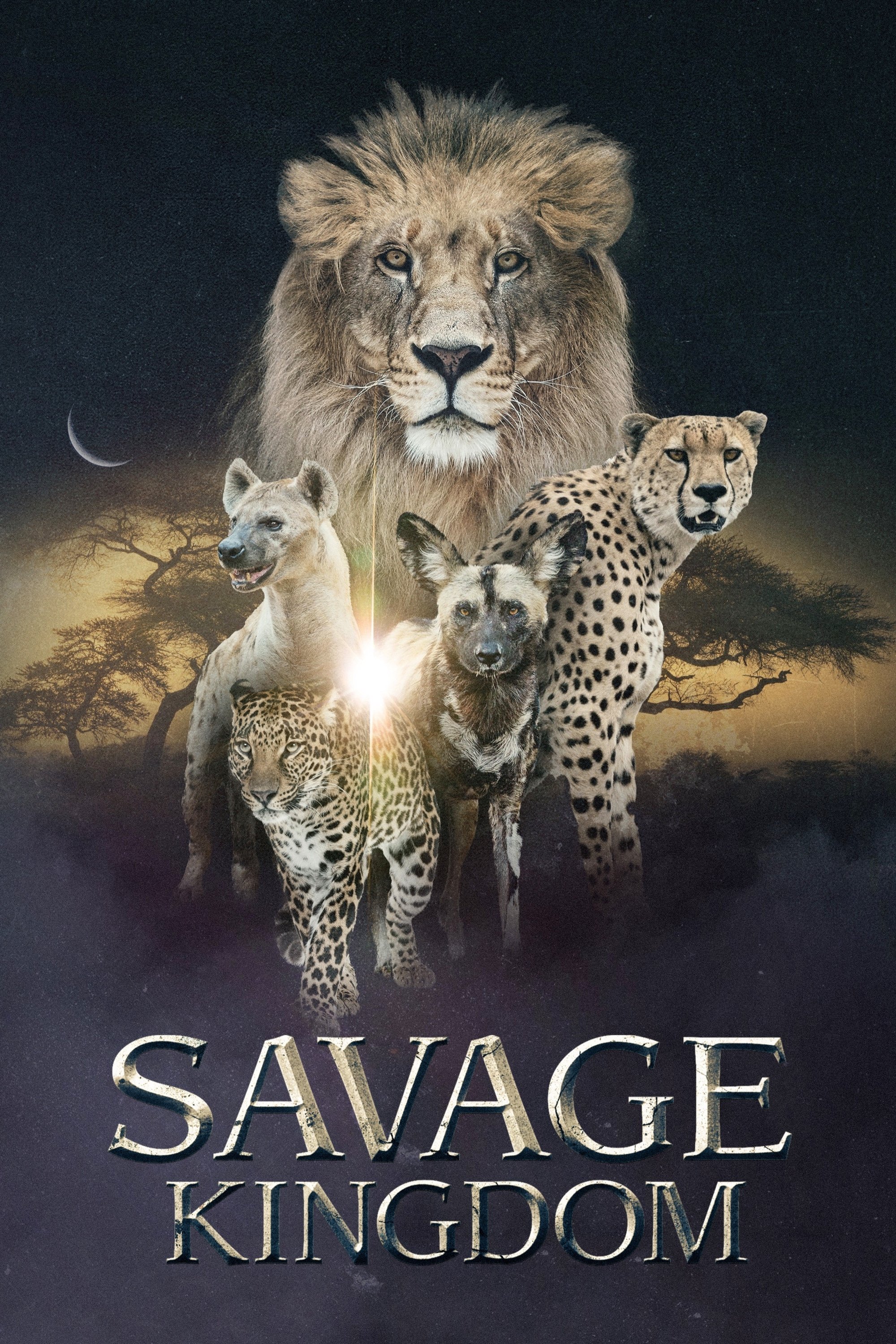
A rare look at warring animal clans battling for survival in a remote region of Africa, which is drying up after years of flood-soaked abundance.
David Attenborough celebrates the amazing variety of the natural world in this epic documentary series, filmed over four years across 64 different countries.
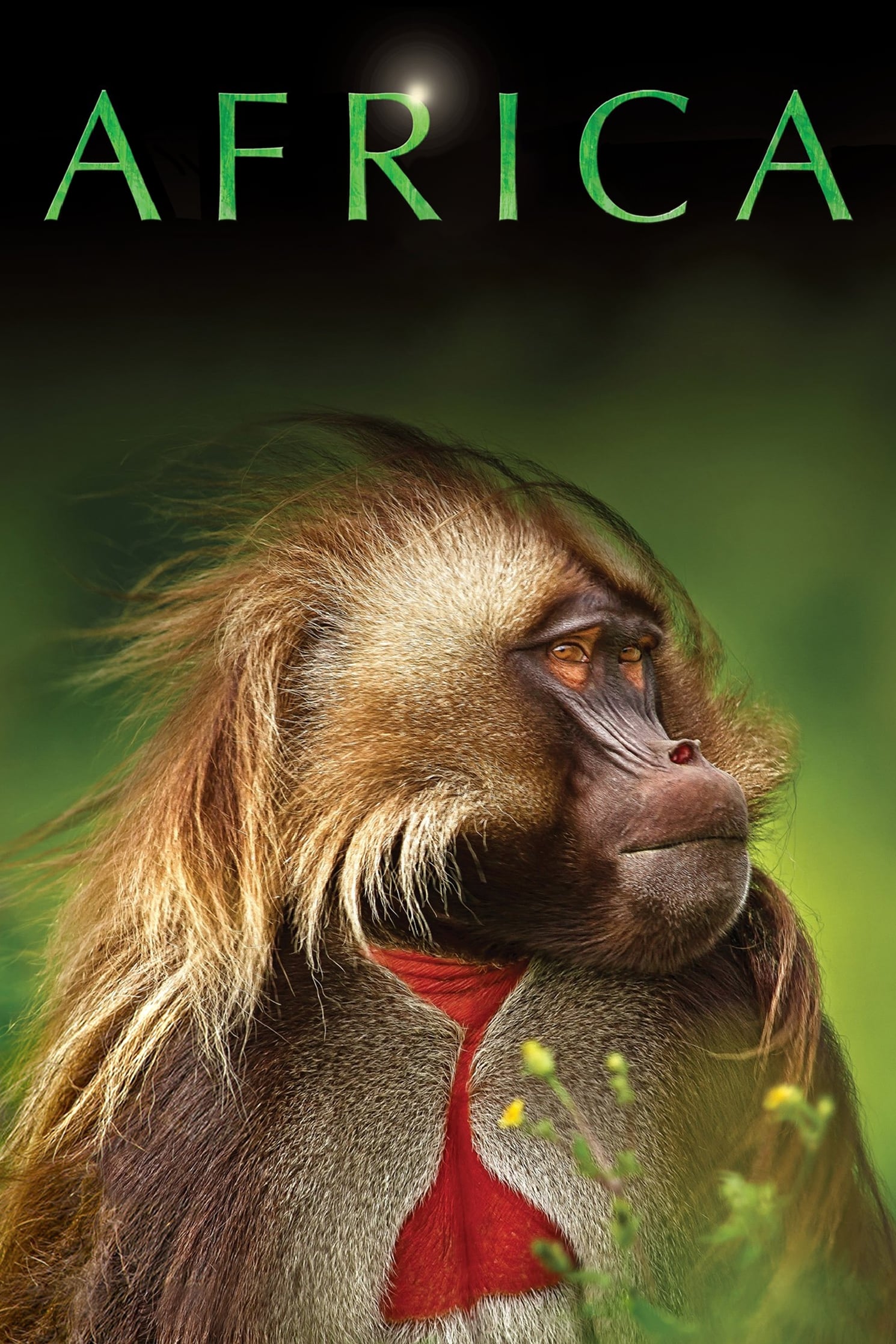
Africa, the world's wildest continent. David Attenborough takes us on an awe-inspiring journey through one of the most diverse places in the world. We visit deserts, savannas, and jungles and meet up with some of Africa's amazing wildlife.
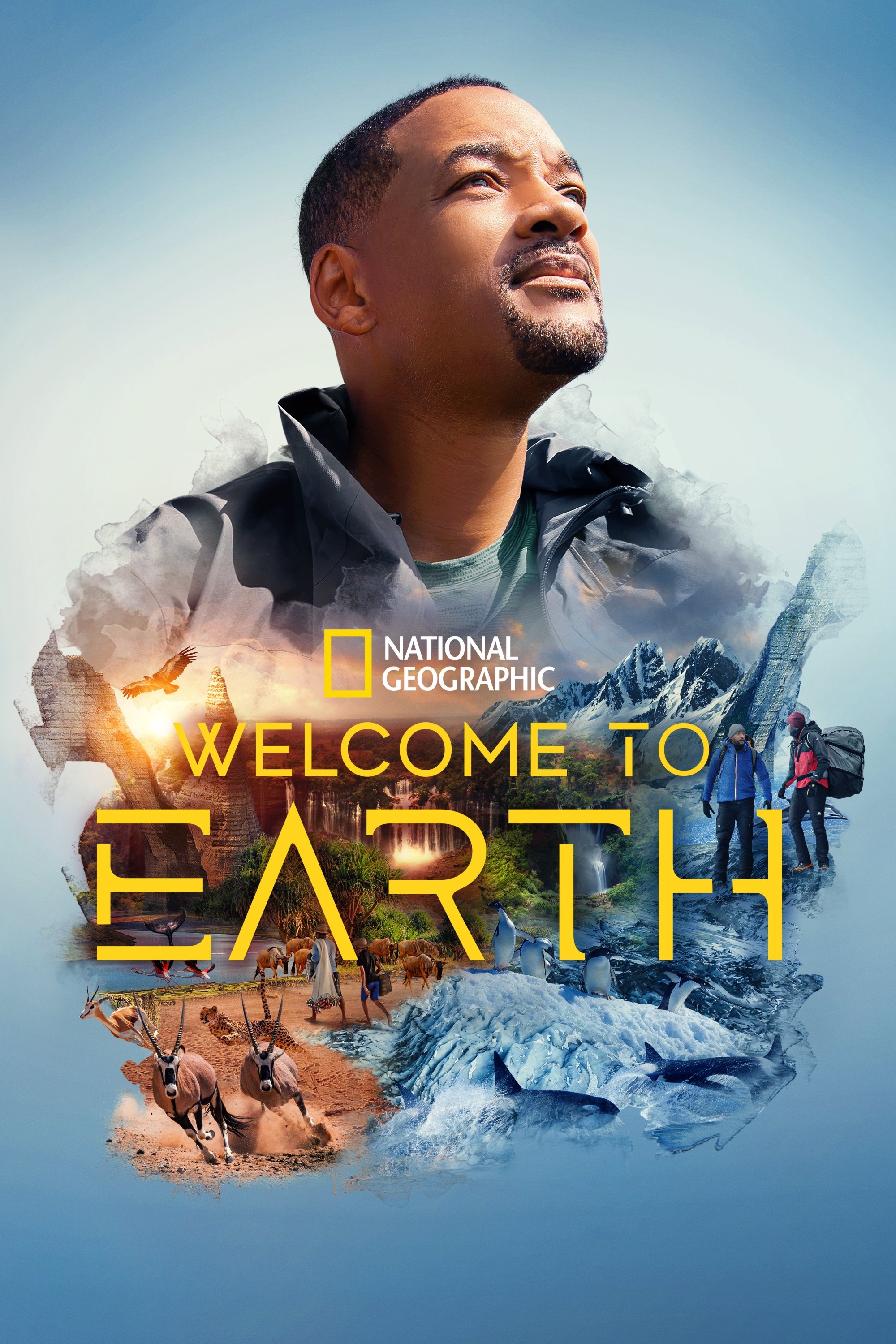
Will Smith whose curiosity and wonder is positively infectious—is guided by National Geographic Explorers traveling to different corners of the world to get up close and personal with the weirdest, most unusual, dangerous and thrilling spectacles of the planet.
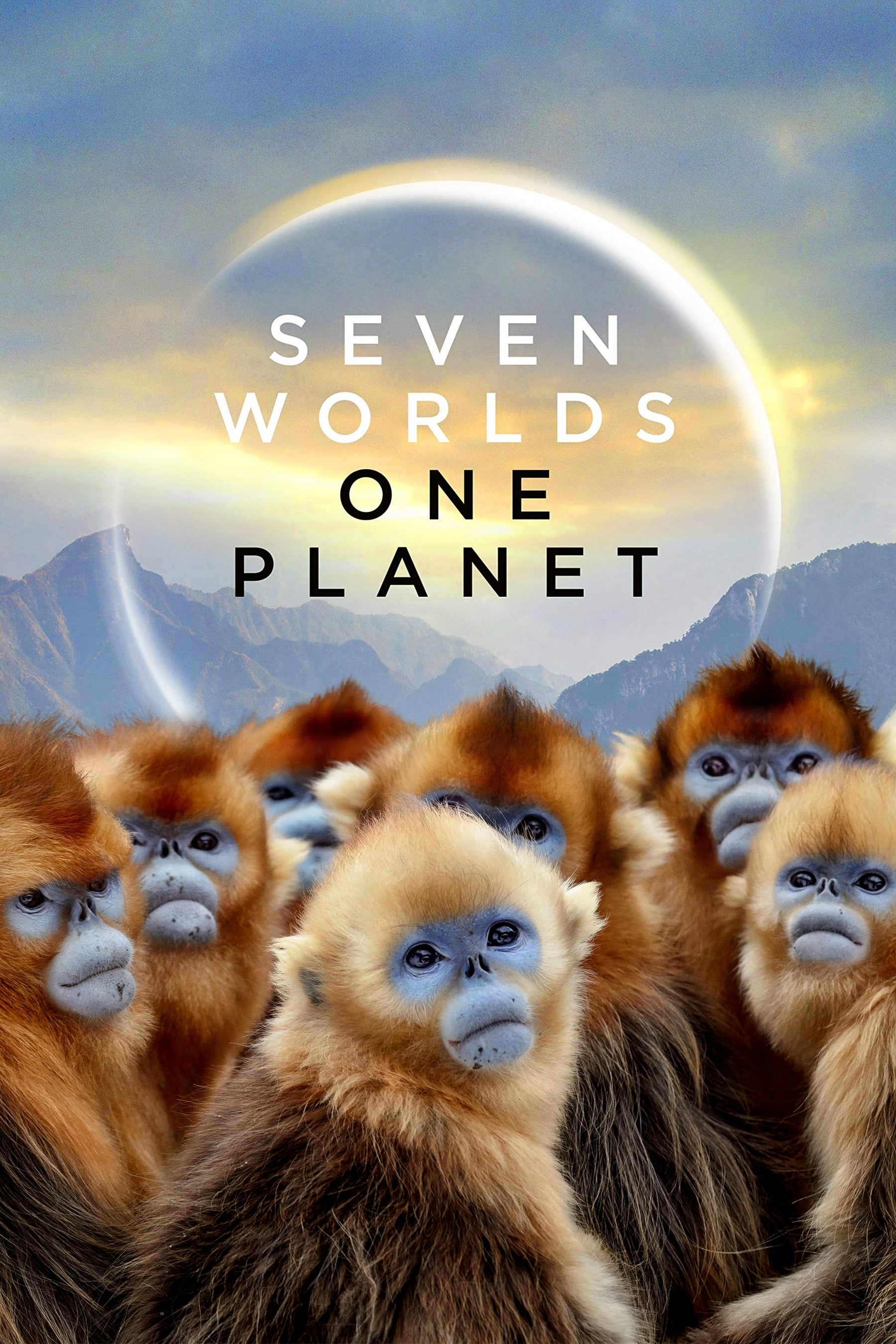
Millions of years ago, incredible forces ripped apart the Earth’s crust creating seven extraordinary continents. This documentary series reveals how each distinct continent has shaped the unique animal life found there.
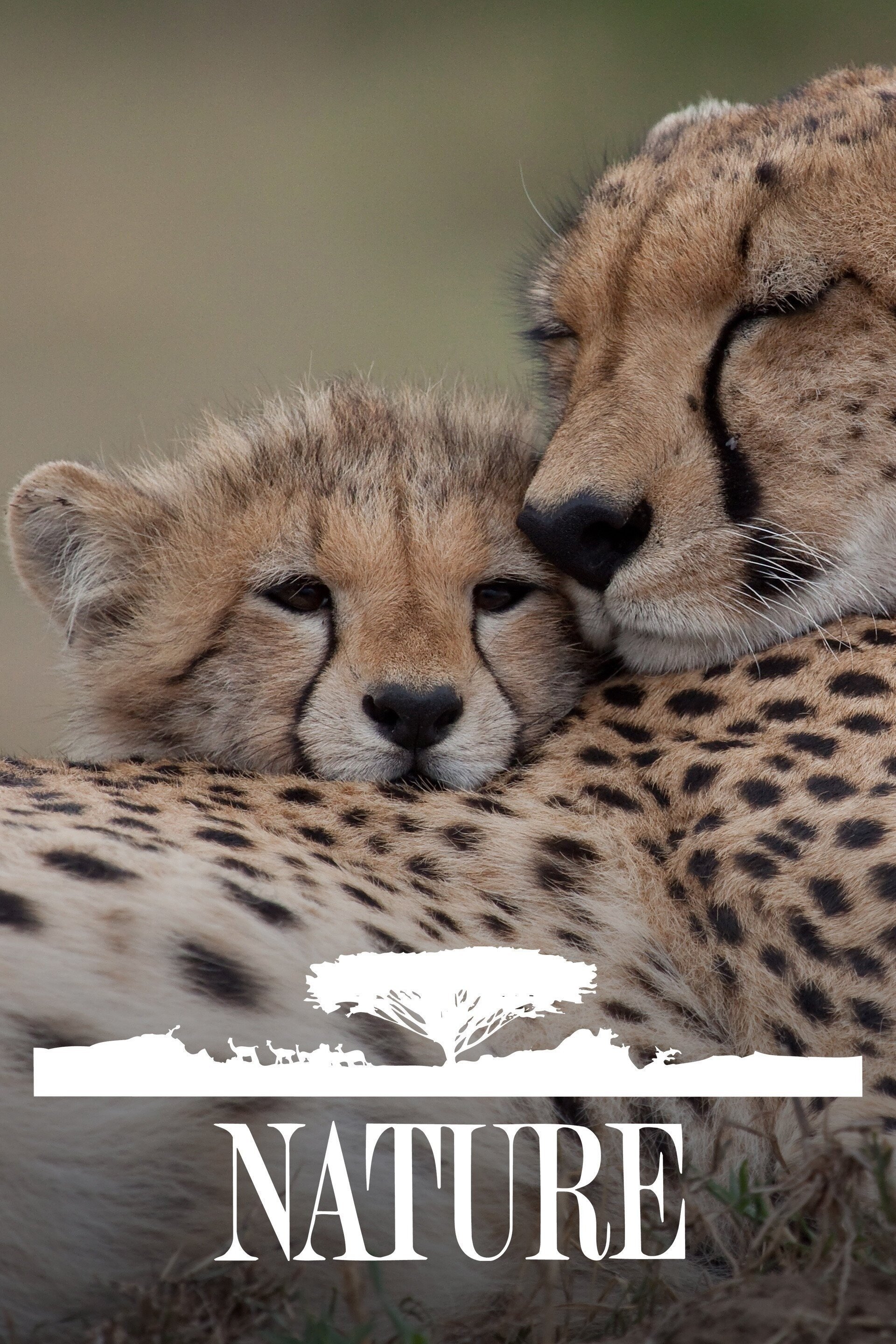
Consistently stunning documentaries transport viewers to far-flung locations ranging from the torrid African plains to the chilly splendours of icy Antarctica. The show's primary focus is on animals and ecosystems around the world. A comic book based on the show, meant to be used an as educational tool for kids, was briefly distributed to museums and schools at no cost in the mid-2000s.
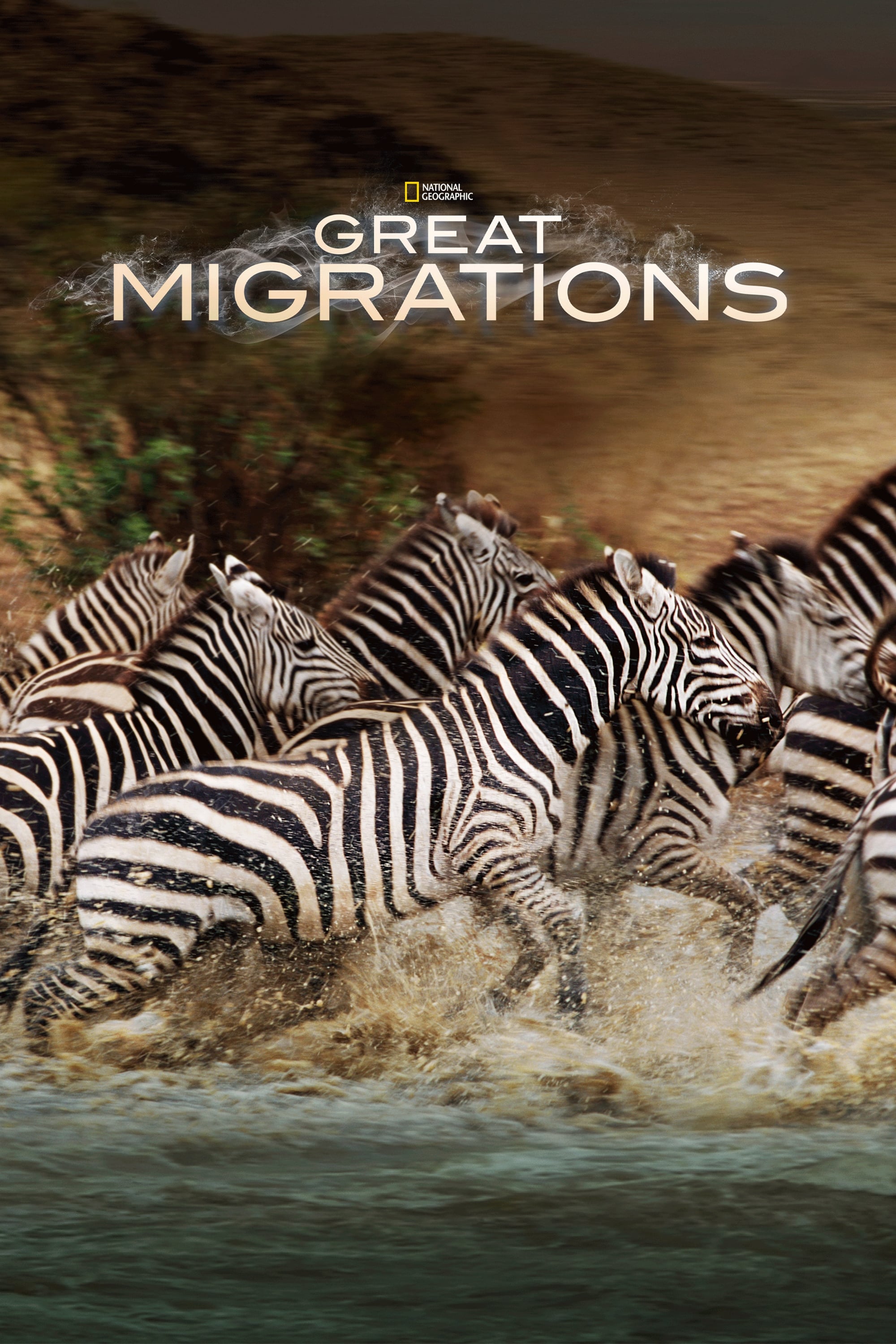
Shot from land and air, in trees and cliff-blinds, on ice floes and underwater, this documentary tells the powerful stories of many of the planet's species and their movements, while revealing new scientific insights with breathtaking high-definition clarity and emotional impact. The beauty of these stories is underscored by a new focus into these species; fragile existence and their life-and-death quest for survival in an ever-changing world.
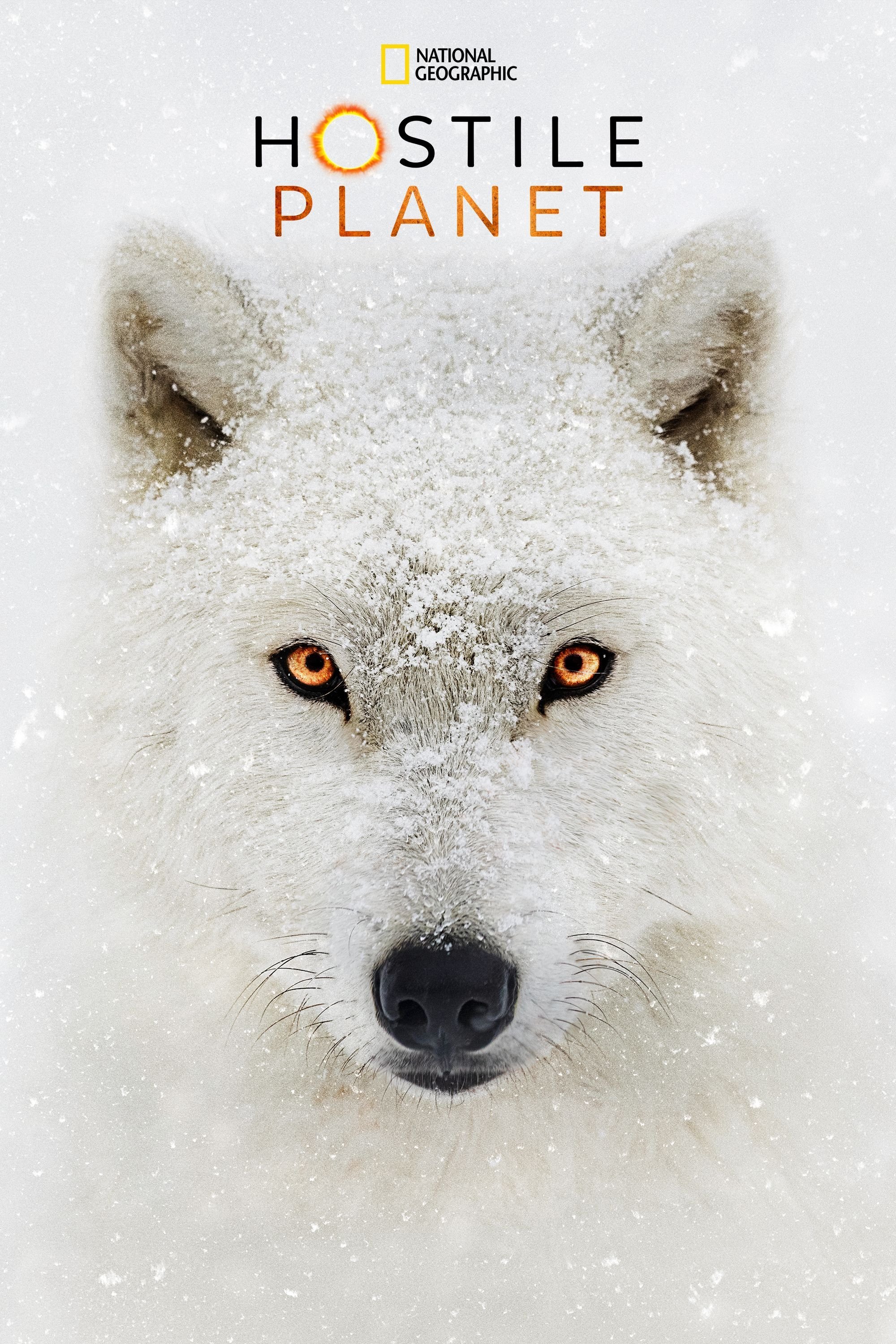
This six part documentary draws attention to the most extraordinary — almost supernatural — accounts of animals that have adapted to the cruelest evolutionary curveballs.
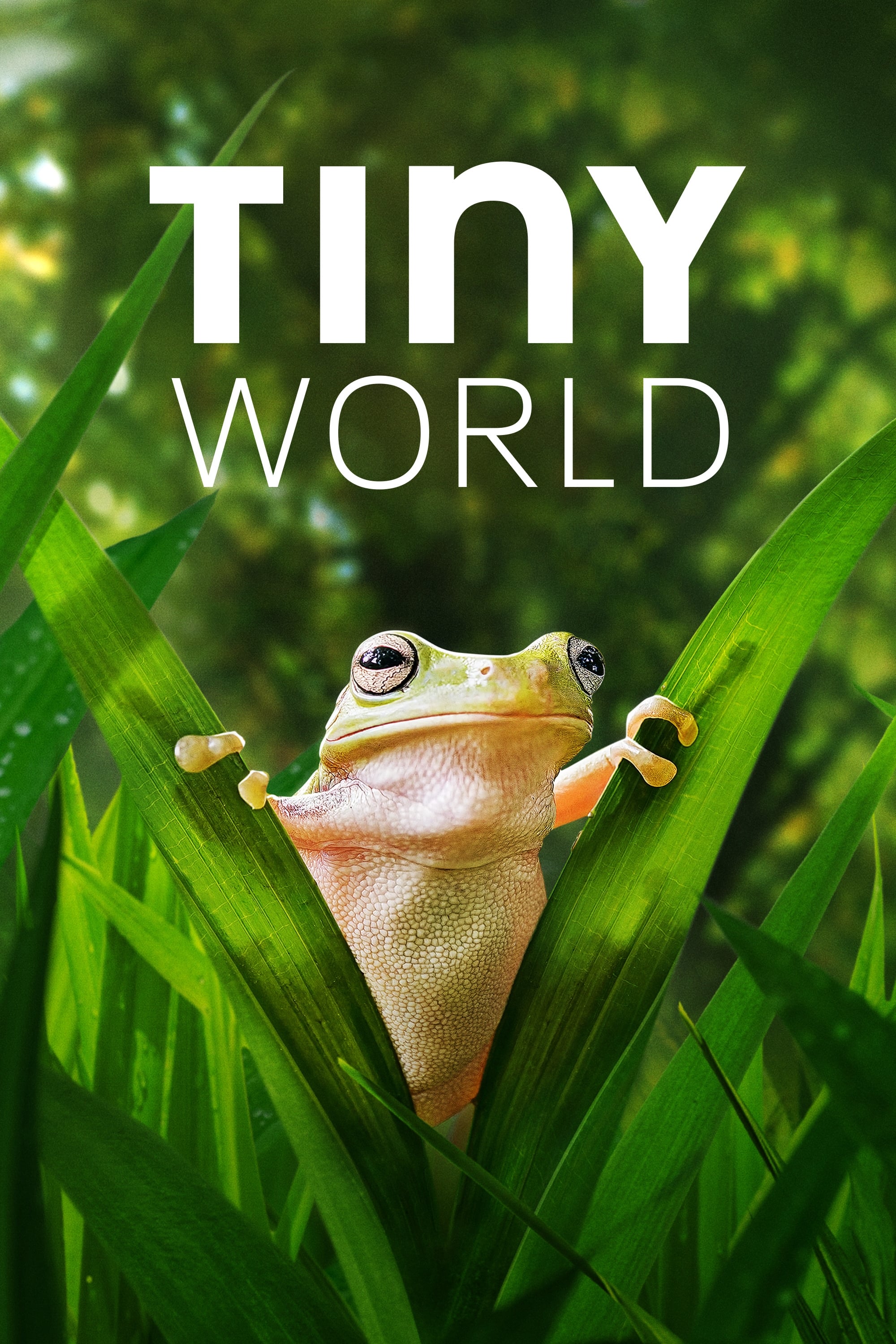
This docuseries showcases nature's lesser-known tiny heroes. Spotlighting small creatures and the extraordinary things they do to survive, each episode is filled with surprising stories and spectacular cinematography.
Australian host Steve Irwin and his wife Terri run a wildlife refuge. Their shared passion is educating the world about wildlife, including the much feared crocodile and numerous venomous snakes. Steve's specialty is the capture and relocation of crocodiles. No animal appears too threatening to Steve, his true respect for animals is the foundation for everything he does.
Follow the true stories of five of the world's most celebrated, yet endangered animals; penguins, chimpanzees, lions, painted wolves and tigers. Each in a heroic struggle against rivals and against the forces of nature, these families fight for their own survival and for the future of their dynasties.
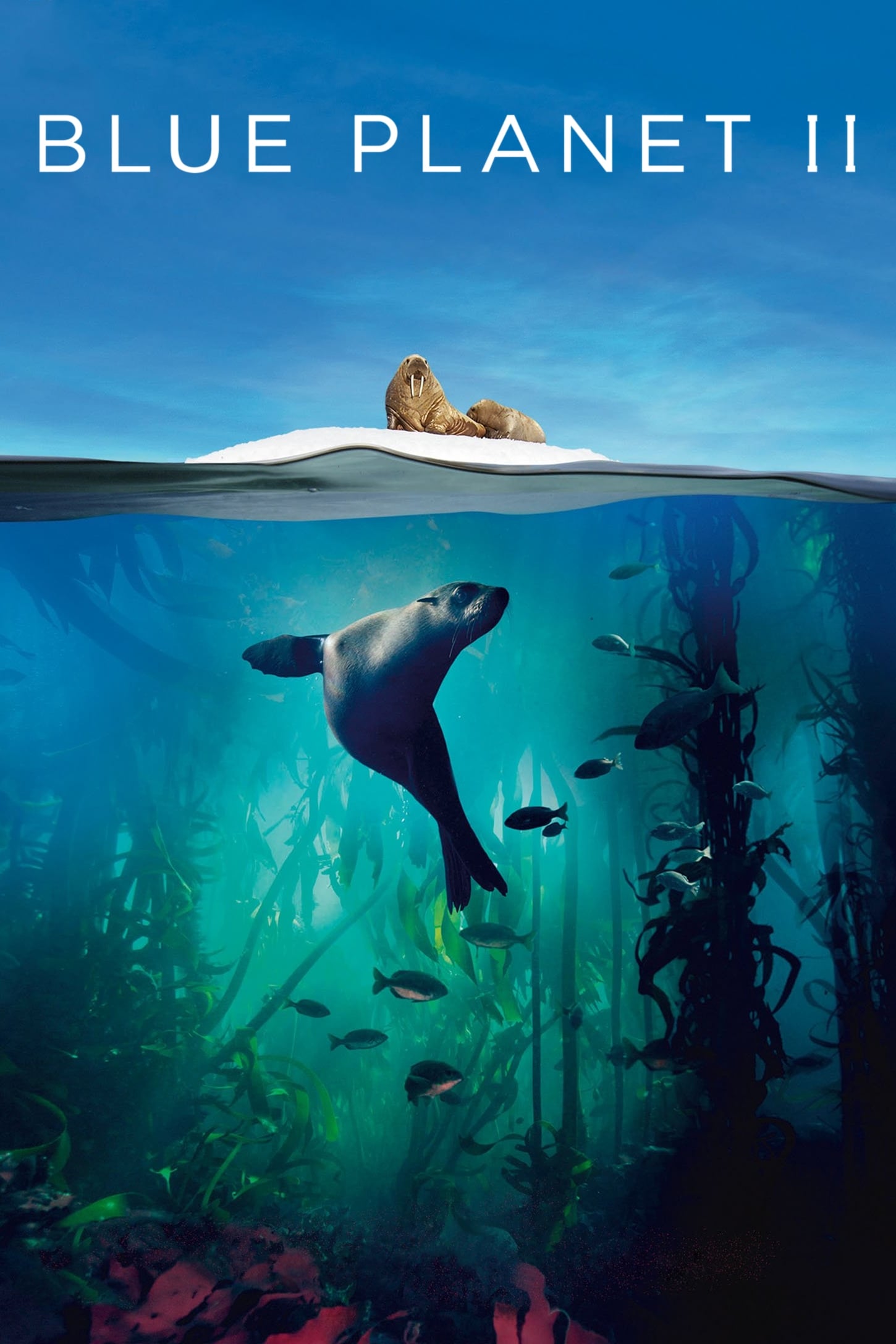
There is nowhere more powerful and unforgiving yet more beautiful and compelling than the ocean. Join us and explore the greatest yet least known parts of our planet.
Don Wildman unearths relics from the world's greatest institutions to reveal secrets from the past. He examines each artifact to illuminate history's most incredible triumphs, sensational crimes and bizarre encounters.
Maritime mysteries—old and new—come to life in this series, combining scientific data and digital re-creations to reveal shipwrecks, treasures, and sunken cities on the bottom of lakes, seas and oceans around the world.