Social & External
Dr. Evan Antin travels around the world to chase after his wildlife bucket list. From swimming with whales in Tahiti to wrestling crocs in the Yucatan, he brings his passion for wildlife to each adventure and lends a helping hand to animals in need.
Follows powerful matriarchs of the animal kingdom, spotlighting the universality of motherhood and exploring what mothers of any species will do to protect their young.
India's biodiverse landscapes range from vast deserts and dense forests to towering mountains, each contributing to the country's rich tapestry of life. The Himalayas, standing tall in the north, shelter rare and iconic species such as the elusive snow leopards and Himalayan brown bears. Among the dense canopies of the Western Ghats in the south, endangered lion-tailed macaques scour the trees for jackfruit. And lying in the heart of southern India, one of its largest protected woodlands harbours Indian elephants and Bengal tigers. Then finally transitioning to the west, the Thar Desert unfolds, challenging life to adapt to extreme arid conditions. Here, blackbuck antelope and Asiatic lions navigate the vast, sandy expanses in search of food. A tapestry of ecosystems, all within one country.
Discover the remarkable ways animals of all shapes and sizes are adapting to make the most of opportunities in the newest and fastest changing habitat on the planet - our cities.
For several thousand years the moose have walked the same path to get to the rich pastures of summer. Follow the walk live from Kullberg in the north of Sweden.
Rats, squirrels, skunks, groundhogs… Our cities are full of little critters! Wildlife expert Louis Larose comes to the rescue by relocating nuisance species from backyards and gardens.
Australia's biodiversity thrives in the diverse terrestrial and marine habitats that span the country. Lush rainforests offer a refuge for countless plants and animals, while the vast dry eucalyptus woodland is home to numerous specially adapted species. Kangaroos, wallabies and platypuses are just a few of the iconic animals that call Australia home, showcasing the country's evolutionary distinctiveness. Meanwhile, the waters surrounding the country support some of the most spectacular marine biodiversity on the planet. Vibrant coral reefs, seagrass meadows and rocky shorelines contribute to the country's rich marine tapestry. This is a unique world filled with stunning natural beauty, inhabited by some of the most extraordinary and deadly animals on the planet.
The breathtaking beauty of some natural sites should not obscure their role as unique ecosystems. Within them, animal species and nature live in harmony. Sadly, their wealth makes them a prime target for men’s greed. The fight to protect them is a relentless one, and the people who lead it have become true heroes of our time.
Dive into the secret and surprising lives of some of Australia's signature wildlife. From mini marsupials to flying foxes, join these extraordinary creatures thriving in the otherworldly landscapes of this astonishing island-continent.
A series of four documentaries filmed behind the scenes at London Zoo as it fights for its future.
For 30 years Oxford Scientific Films has concentrated on animals that are difficult to film and action that is often impossible to appreciate with the naked eye. In Secret Nature, we open the treasure trove of world class images that includes stunning timelapse, slow motion, high speed and macro sequences.
Leif G.W. Persson is a seasoned hunter, while Lotta Lundgren has never held a weapon before. He wants to teach her to be a good hunter and she wants to understand what the hunt, the weapon and the hunting culture say about our time. The program is about, among other things, learning to shoot, skin, cut, store and cook game. It also covers hunting dogs, weapon handling and equipment. In between there will be meal breaks.
Through unprecedented access we showcase the spectacle that is Wild Russia. From east to west, via mountains, volcanoes, deserts, lakes and Arctic ice, this breathtaking six-part series uses stunning cinematography to chart the dazzling natural wonders of this vast country.
David Attenborough celebrates the amazing variety of the natural world in this epic documentary series, filmed over four years across 64 different countries.
From the jungles of Singapore to the coral reefs of Indonesia, from the ornaments of Australian budgies to the deceptive traps of carnivorous plants, this film explores a world where light becomes language. Seduction, camouflage, overexploitation, reproduction: fluorescence directs behavior, often without us noticing. A light phenomenon that science is just beginning to decipher.
Southeast Asia is the most diverse region on our planet. Nature’s most powerful forces have combined to create islands of fire, a water world driven by the sway of the moon and rich forests fuelled by the tropical sun. An extraordinary array of plants and animals live here; many of which are found nowhere else on Earth.
The Pantanal is the world's largest tropical wetland, a lush environment where a tangled web of lives comes together. Tree-dwelling capuchin monkeys, gravity-defying Piraputanga fish that leap out of the water to pluck fruit from trees, and over 650 species of birds call this ecosystem home. Wade into this wonderland of biodiversity and uncover its natural rhythms.
Expert duck hunters, Jase and Jep Robertson are hunting something new – buried treasure! With the help of their quick-witted Uncle Si and expert treasure hunter, Murry Crowe, Jase and Jep are ready to uncover some incredible historical
Natural World is a nature documentary television series broadcast annually on BBC Two and regarded by the BBC as its flagship natural history brand. It is currently the longest-running series in its genre on British television, with more than 400 episodes broadcast since its inception in 1983. Natural World is produced by the BBC Natural History Unit in Bristol, but individual programmes can be in-house productions, collaborative productions with other broadcasters or films made and distributed by independent production companies and purchased by the BBC. Natural World programmes are often broadcast as PBS Nature episodes in the USA. Since 2008, most Natural World programmes have been shot and broadcast in high definition.
This major landmark series looks in detail at the fascinating relationship between predators and their prey. Rather than concentrating on ‘the blood and guts’ of predation, the series looks in unprecedented detail at the strategies predators use to catch their food and prey use to escape death. Sir David Attenborough narrates.
Journeying to the far reaches of our planet, this eight part series follows some of the world's most amazing species, telling extraordinary stories that are dramatic, thrilling, funny and sometimes heart-breaking, but always full of hope.
Consistently stunning documentaries transport viewers to far-flung locations ranging from the torrid African plains to the chilly splendours of icy Antarctica. The show's primary focus is on animals and ecosystems around the world. A comic book based on the show, meant to be used an as educational tool for kids, was briefly distributed to museums and schools at no cost in the mid-2000s.
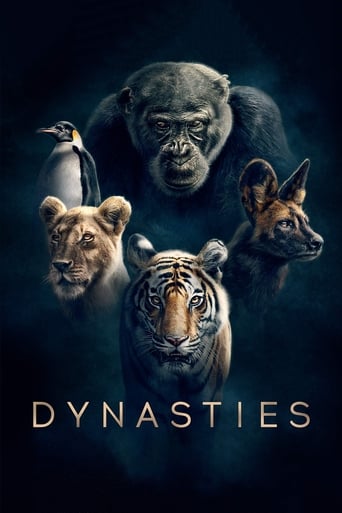
Follow the true stories of five of the world's most celebrated, yet endangered animals; penguins, chimpanzees, lions, painted wolves and tigers. Each in a heroic struggle against rivals and against the forces of nature, these families fight for their own survival and for the future of their dynasties.
A rare look at warring animal clans battling for survival in a remote region of Africa, which is drying up after years of flood-soaked abundance.
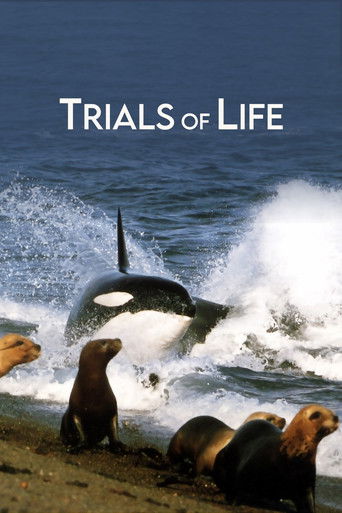
Each of the twelve 50-minute episodes features a different aspect of the journey through life, from birth to adulthood and continuation of the species through reproduction.
David Attenborough looks at the extraordinary ends to which animals and plants go in order to survive. Featuring epic spectacles, amazing TV firsts and examples of new wildlife behaviour.
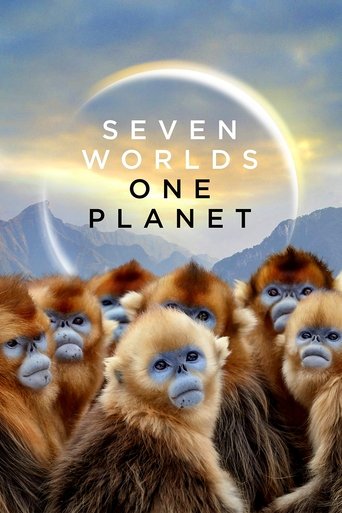
Millions of years ago, incredible forces ripped apart the Earth’s crust creating seven extraordinary continents. This documentary series reveals how each distinct continent has shaped the unique animal life found there.
Filmed across six continents, this docuseries uses cutting-edge camera technology to capture animals' nocturnal lives, revealing new behaviours filmed in full color like never before.
A caveman forms a bond with a dinosaur as they struggle to survive in a hostile world.
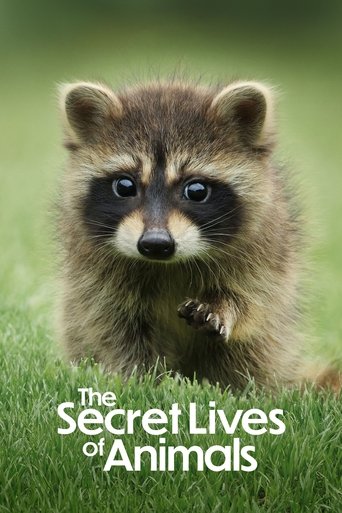
This immersive series follows the world's most magnificent creatures, capturing never-before-seen moments from the heartwarming to the outrageous.
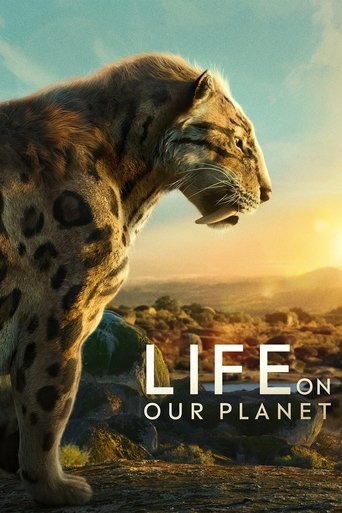
Life's extraordinary journey to conquer, adapt and survive on Earth across billions of years comes alive in this groundbreaking nature docuseries.
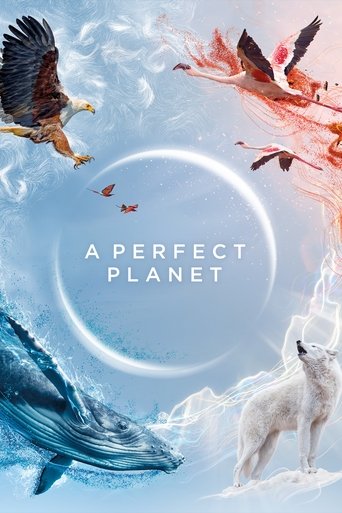
A unique fusion of blue chip natural history and earth science that explains how our living planet operates. This five-part series shows how the forces of nature drive, shape and support Earth’s great diversity of wildlife.
Documentary series looking at the most dramatic wildlife spectacles on our planet, showing how life responds to natural events which can dramatically transform entire landscapes.
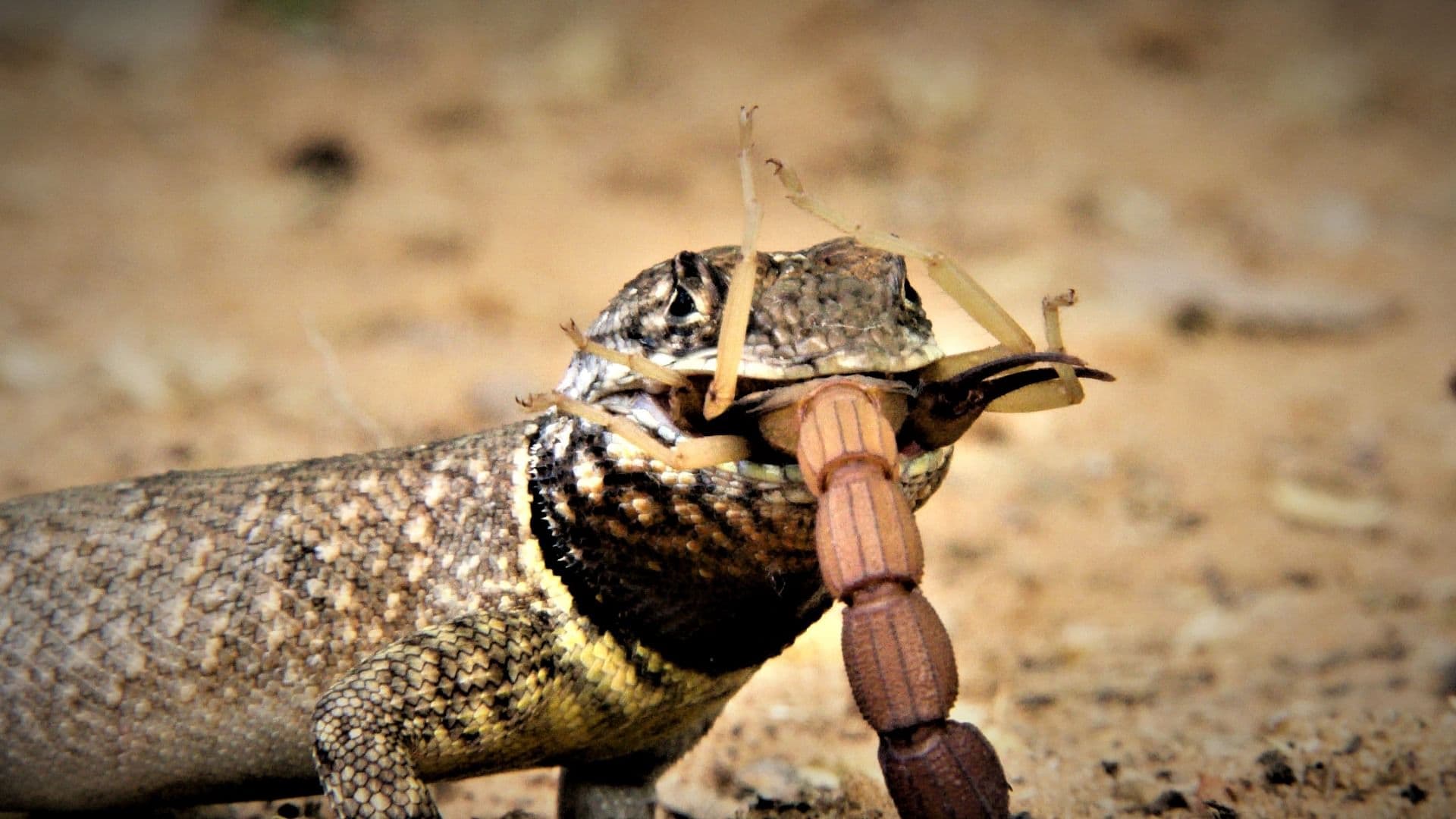
This docuseries showcases nature's lesser-known tiny heroes. Spotlighting small creatures and the extraordinary things they do to survive, each episode is filled with surprising stories and spectacular cinematography.
Shot from land and air, in trees and cliff-blinds, on ice floes and underwater, this documentary tells the powerful stories of many of the planet's species and their movements, while revealing new scientific insights with breathtaking high-definition clarity and emotional impact. The beauty of these stories is underscored by a new focus into these species; fragile existence and their life-and-death quest for survival in an ever-changing world.
This six part documentary draws attention to the most extraordinary — almost supernatural — accounts of animals that have adapted to the cruelest evolutionary curveballs.
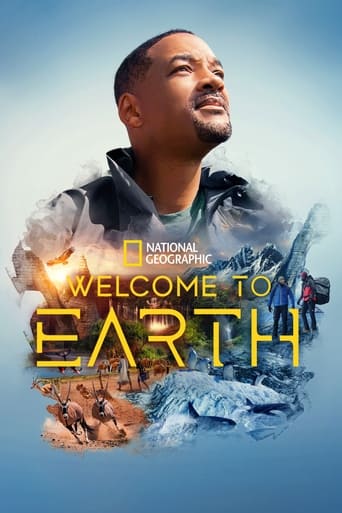
Will Smith whose curiosity and wonder is positively infectious—is guided by National Geographic Explorers traveling to different corners of the world to get up close and personal with the weirdest, most unusual, dangerous and thrilling spectacles of the planet.