
"Resistance through the ages"
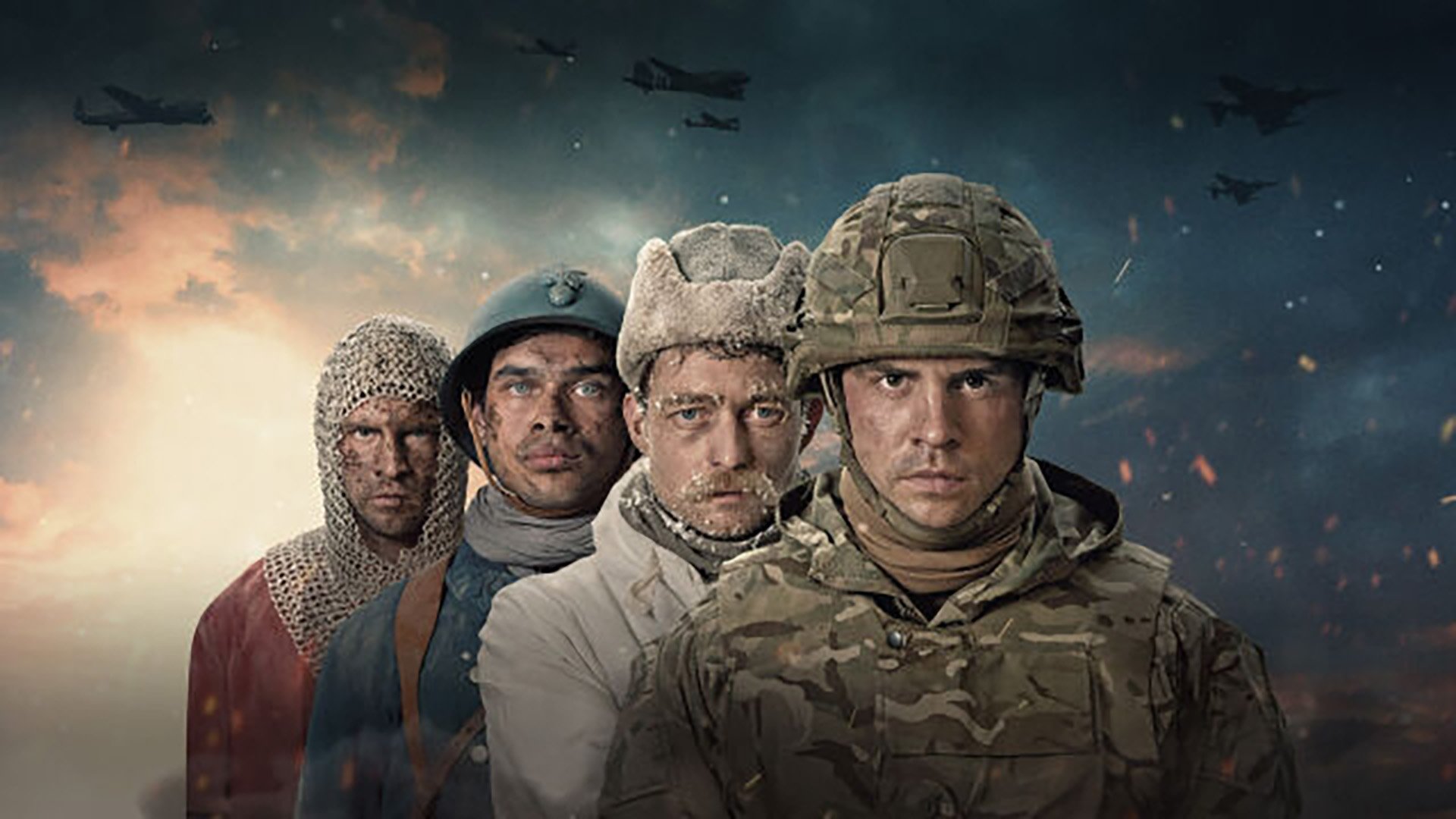
Exploring defensive strategies, weapons and structures used across Europe over 2,000 years, shedding light on forgotten histories that shaped modern borders.
Social & External
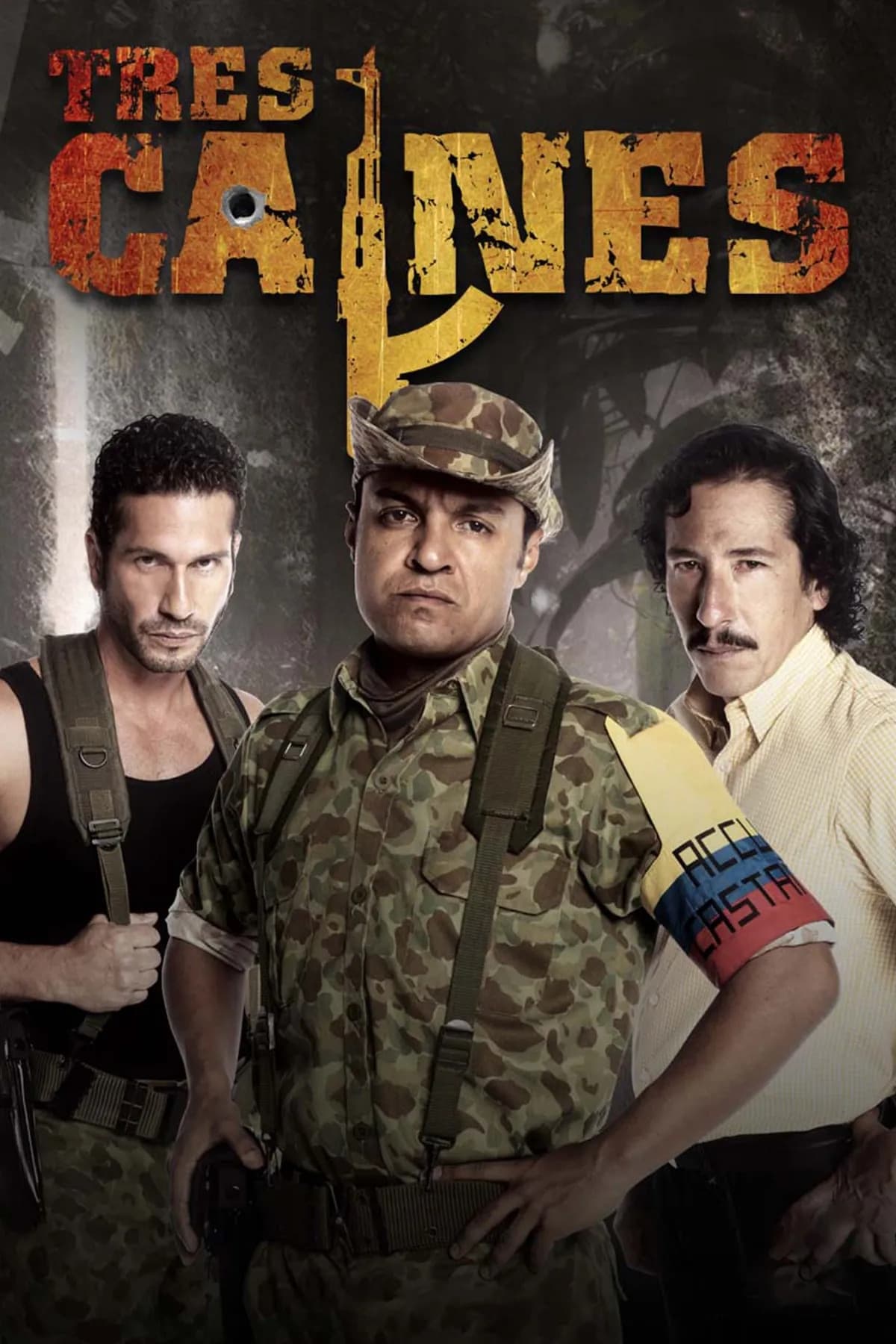
The story follows the Castaño Gil family, a prosperous cattle ranching family marked by the kidnapping and murder of patriarch José Castaño by the guerrilla. This event triggers the decision of brothers Fidel, Vicente, and Carlos to form a self-defense army to fight the guerrillas, intensifying the armed conflict in Colombia. However, what seemed like a unified struggle is threatened by betrayal.
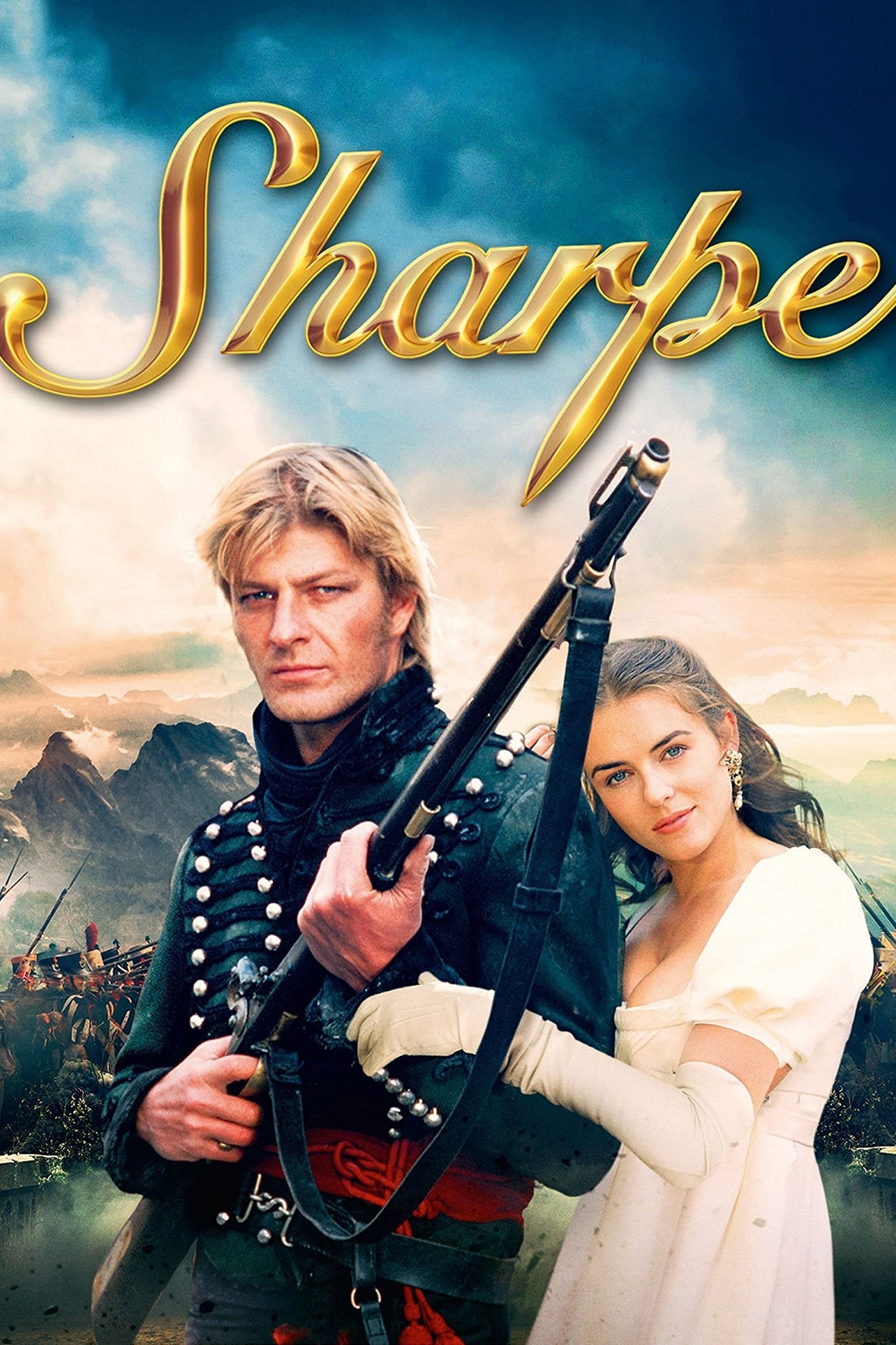
Sharpe is a British series of television dramas starring Sean Bean as Richard Sharpe, a fictional British soldier in the Napoleonic Wars. Sharpe is the hero of a number of novels by Bernard Cornwell; most, though not all, of the episodes are based on the books. Produced by Celtic Films and Picture Palace Films for the ITV network, the series was shot mainly in Turkey and the Crimea, although some filming was also done in England, Spain and Portugal. The series originally ran from 1993 to 1997. In 2004, as part of ITV's new set of drama, ITV announced that it intended to produce new episodes of Sharpe, in co-production with BBC America, loosely based on his time in India, with Sean Bean continuing his role as Sharpe. Sharpe's Challenge is a two-part adventure; part one premiered on ITV on 23 April 2006, with part two being shown the following night. With more gore than earlier episodes, the show was broadcast by BBC America in September 2006.
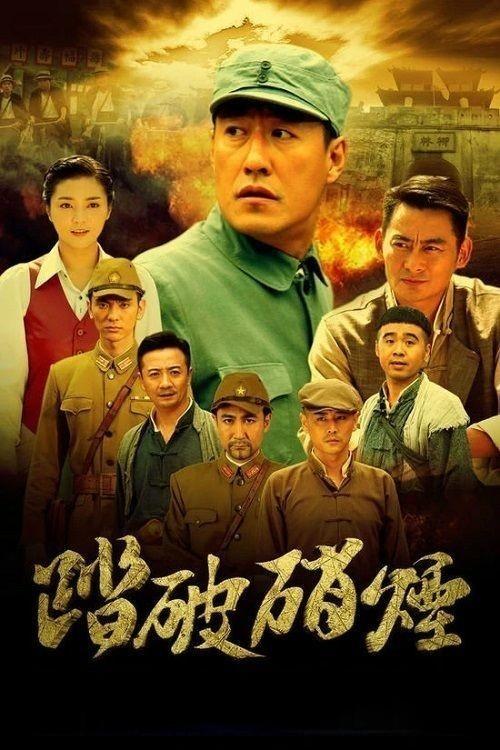
A love-story between a noblewoman and a mysterious man who shows up in her hometown set in the 1600s during the Qing invasion.
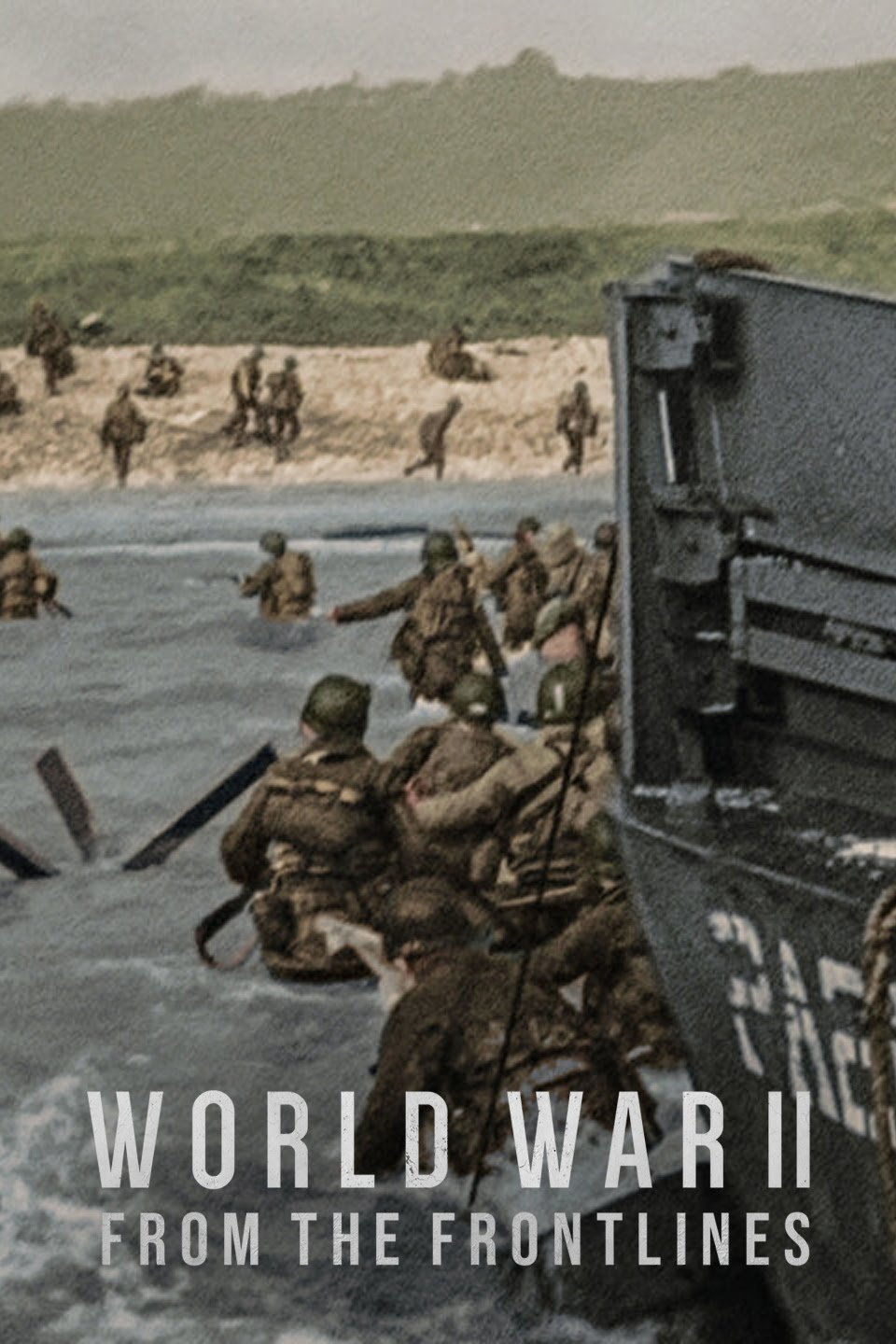
A documentary series that gives a historical account of the events of World War II, from its roots in the 1920s to the aftermath and the lives it profoundly influenced.
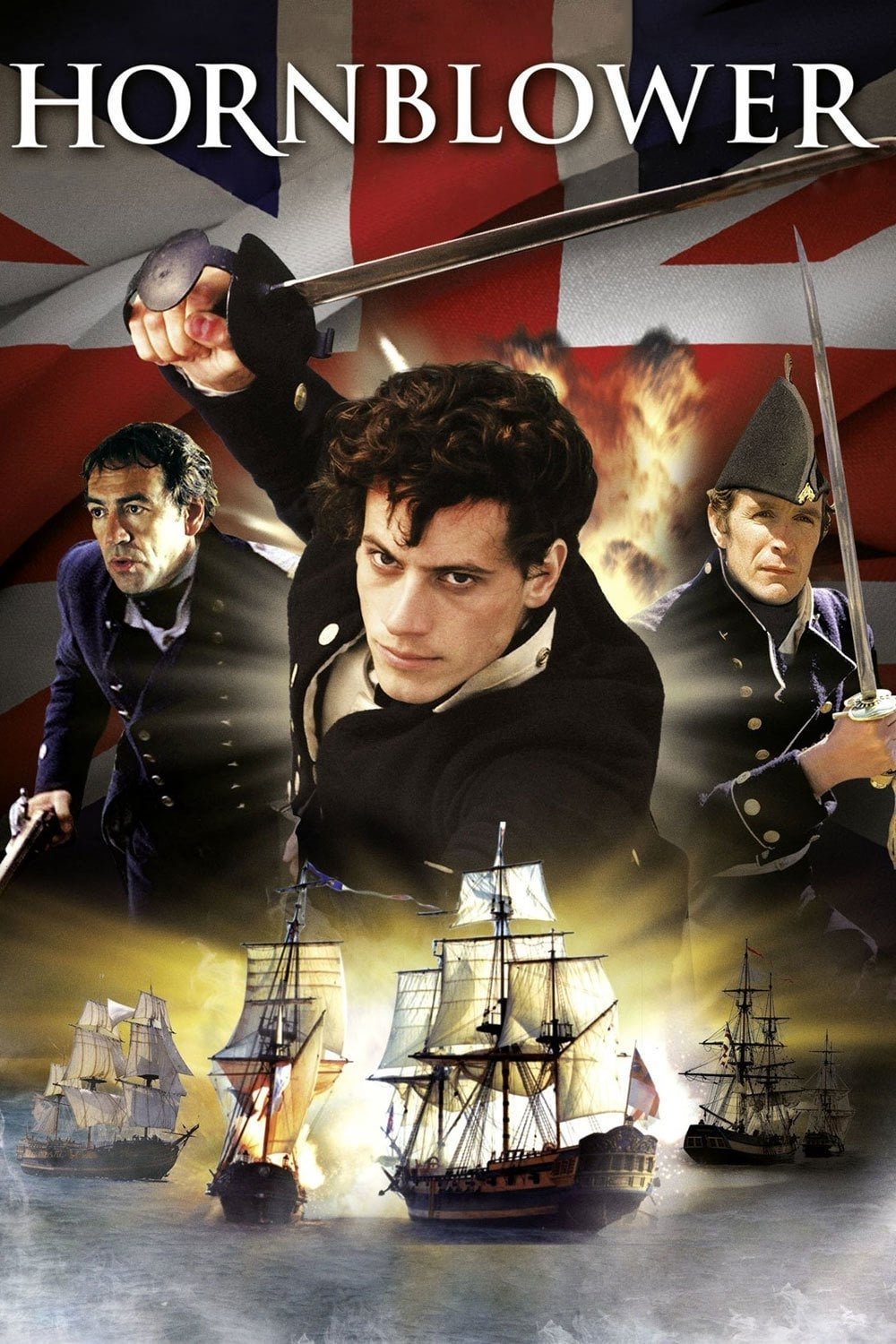
Set during the 18th century Napoleonic Wars, Horatio Hornblower, a young and shy midshipman, rises through the ranks to become an admiral.
During the 22nd Century, science and technology had advanced beyond ethical bounds, so most of mankind reversed course. Eventually, global dictatorships violated the United Nation's Bioethics Treaty, secretly stockpiling arms. As a result, an oblivious America was attacked. Retaliation with augmented nuclear weaponry had unforeseen effects, affecting most survivors in the Western Hemisphere and altering the rest. Those infected became ravenous beasts, feeding off the remaining population. But pockets of humanity remain.
Michael Portillo travels on the great train routes of Europe, as he retraces the journeys featured in George Bradshaw's 1913 Continental Railway Guide.
TV documentary filmmaker Nicholas Fraser investigates the threat of race hatred by talking to French fascists, Italian supporters of Mussolini, neo-Nazis in Germany, and those who deny the existence of the Holocaust.
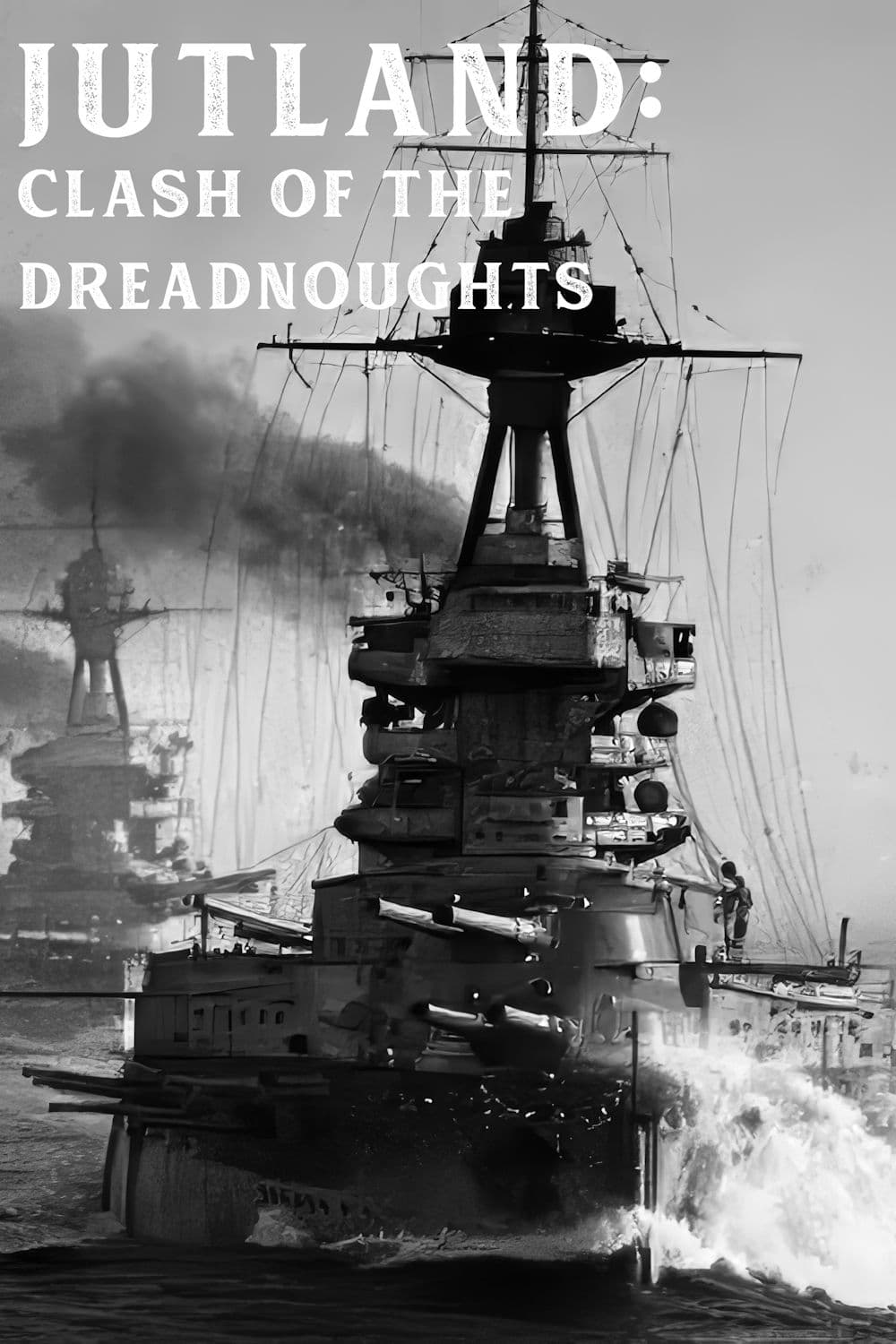
The only major fleet engagement of World War I, the Battle of Jutland has been surrounded by controversy ever since. The British public felt Admiral Jellicoe had failed – a reaction rooted in a hundred years of the 'Nelson cult', a conviction that anything short of a Trafalgar-style annihilation was letting the side down. On the 31st of May 1916 – 251 British and German battleships set out to annihilate one another in the North Sea. In a vicious engagement that lasted over 12 hours – 25 ships were sunk and 8,600 lives were lost. The German Fleet had sunk more ships and suffered fewer casualties, but the British had forced them to disengage and run for port. This two-hour special tells the true story of the battle. An international team of marine divers and historians set out to explore the wrecks of the great Dreadnoughts that lie 100 miles from shore and up to 60 metres deep. The dives will at last reveal why the British navy failed to score a decisive victory.
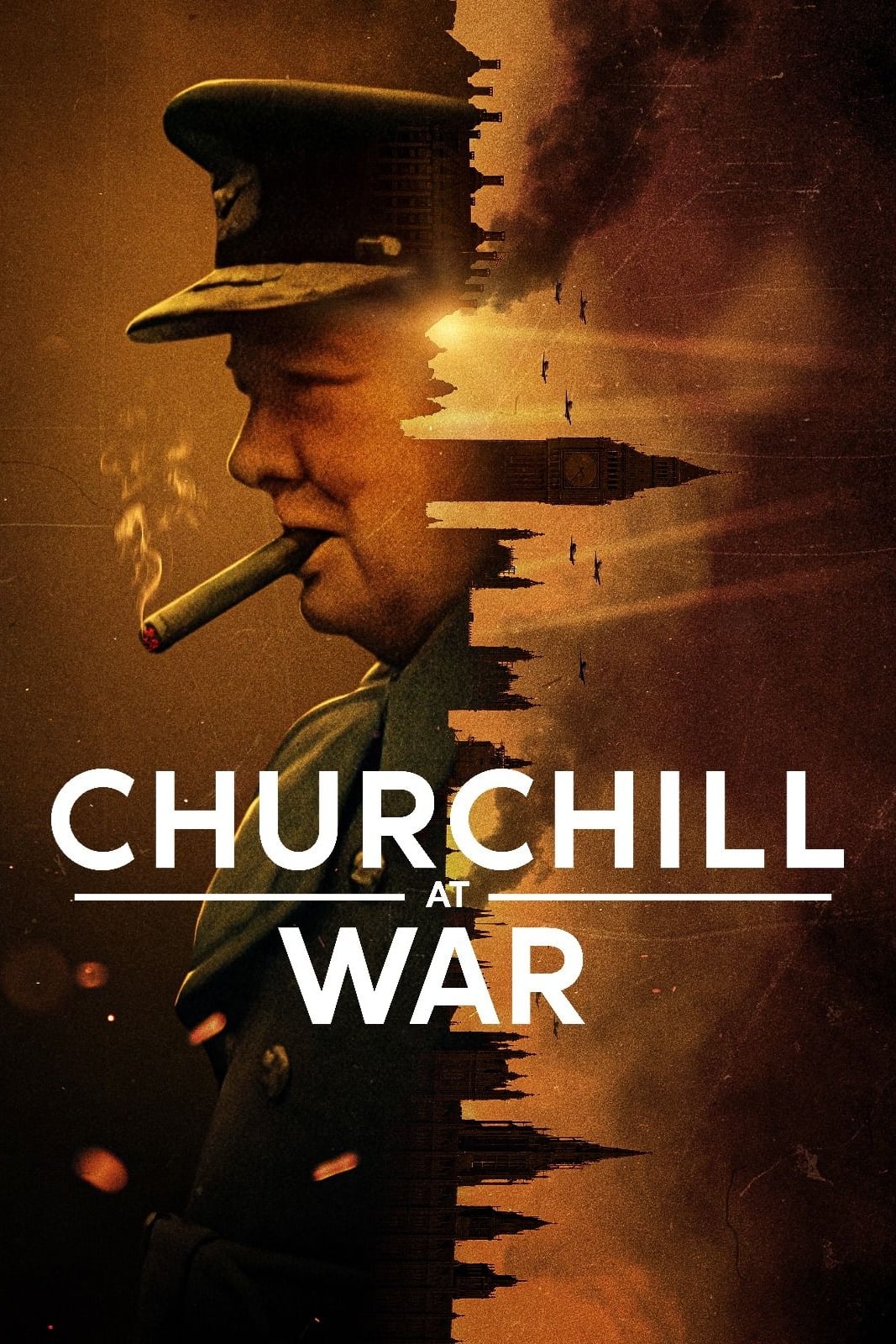
This captivating docuseries examines Winston Churchill's pivotal role in World War II and the formative events that made him an ideal leader for the era.
Track the main events of World War II with the help of remarkable archive footage and see exactly what happened, and when. Learn about Pearl Harbor, The Battle of Britain, D-Day, the dropping of the atomic bomb and more. From the early battles right through to the complexities of the endgame, this extensive 24 episode series shines a spotlight on a period of history that should never be forgotten.
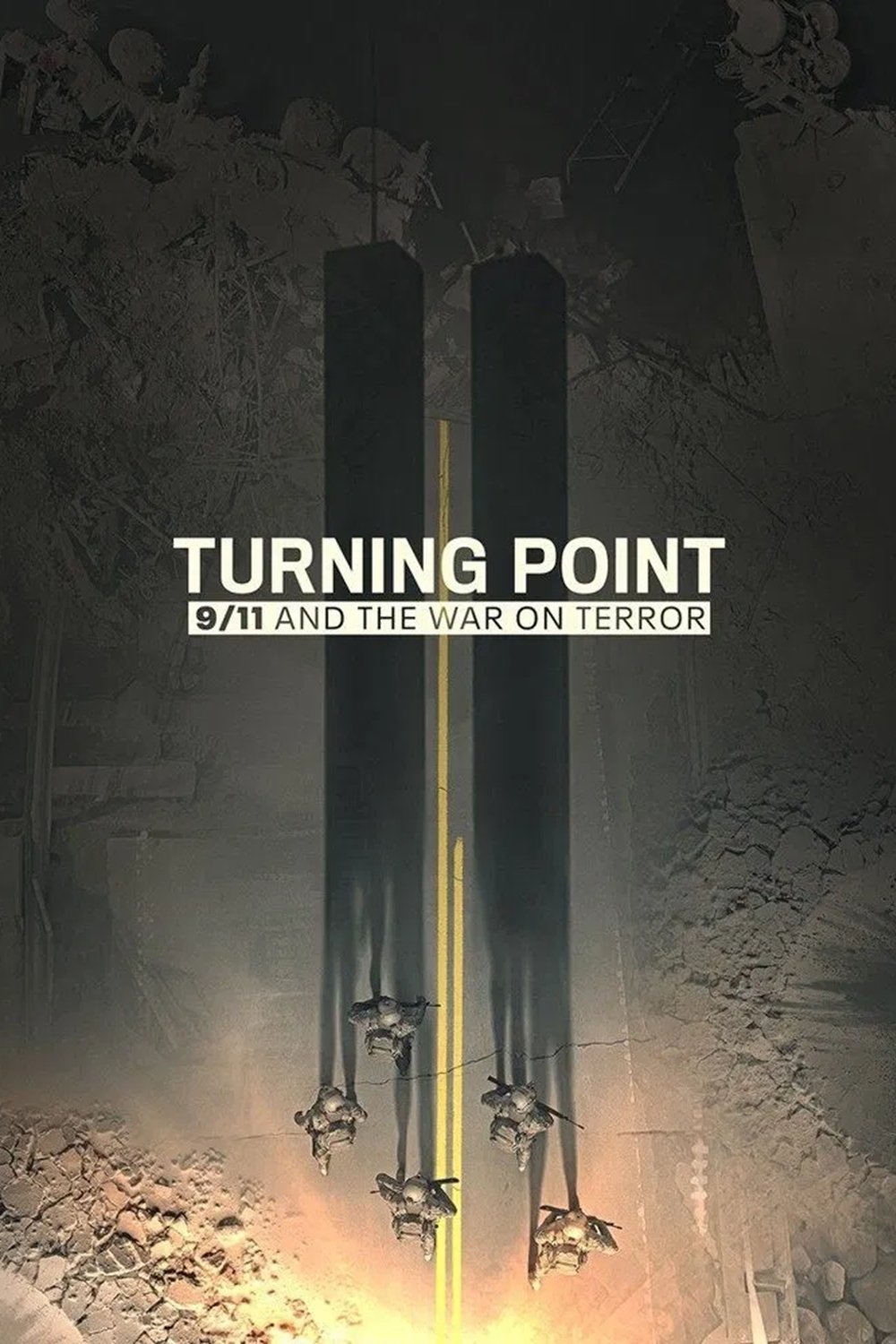
Modern history can be divided into two time frames: before 9/11 and after 9/11. This five-part docuseries is a cohesive chronicle of the September 11, 2001 attacks on the U.S., offering illuminating perspectives and personal stories of how the catastrophic events of that day changed the course of the nation.
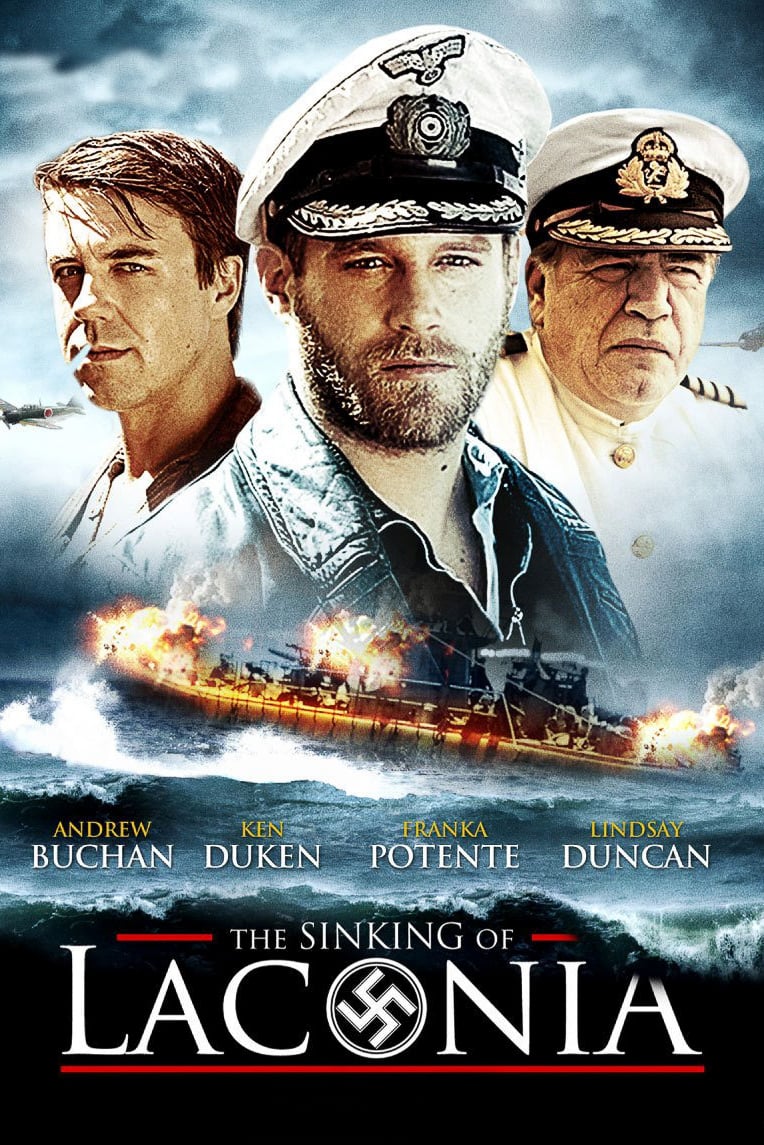
The true story of the Allied ship Laconia, sunk in WWII by a German U-Boat, which then surfaced against orders to rescue the civilian crew
The 3-part documentary series The Irish Civil War tells the epic and often challenging story of the origins, conflict and legacy of the civil war that took place in Ireland in 1922 and 1923. Narrated by Brendan Gleeson, produced in partnership with University College Cork by RTÉ Cork as part of the Decade of Centenary commemorations and based on UCC’s “mammoth and magnificent” Atlas of the Irish Revolution, this documentary series features extensive archive film footage, photographs and materials, interviews with leading academics, archive interviews with contemporary participants and witnesses, firsthand witness accounts read by actors, detailed and dynamic graphic maps based on those featured in the Atlas of the Irish Revolution, and stunning cinematography of the very locations where events took place.
The Russian army has no shortage of weapons despite sanctions: With an arsenal mixing old Soviet stocks and modern hypersonic weapons, the country could strike Europe in minutes. An opaque network of spies, shell companies and oligarchs ensures its war capacity through the arms trade, technology theft and state-organized policy of terror.
World War II In Colour is a 13-episode television documentary miniseries recounting the events of World War II narrated by Robert Powell. The show covers the Western Front, Eastern Front, and the Pacific War. It is on syndication in America on the Military Channel. This series is in full color, combining both original and colorized footage.
Using highly advanced colourisation techniques, critical moments from World War II, from Stalingrad to The Battle of Britain, are shown in a whole new light.
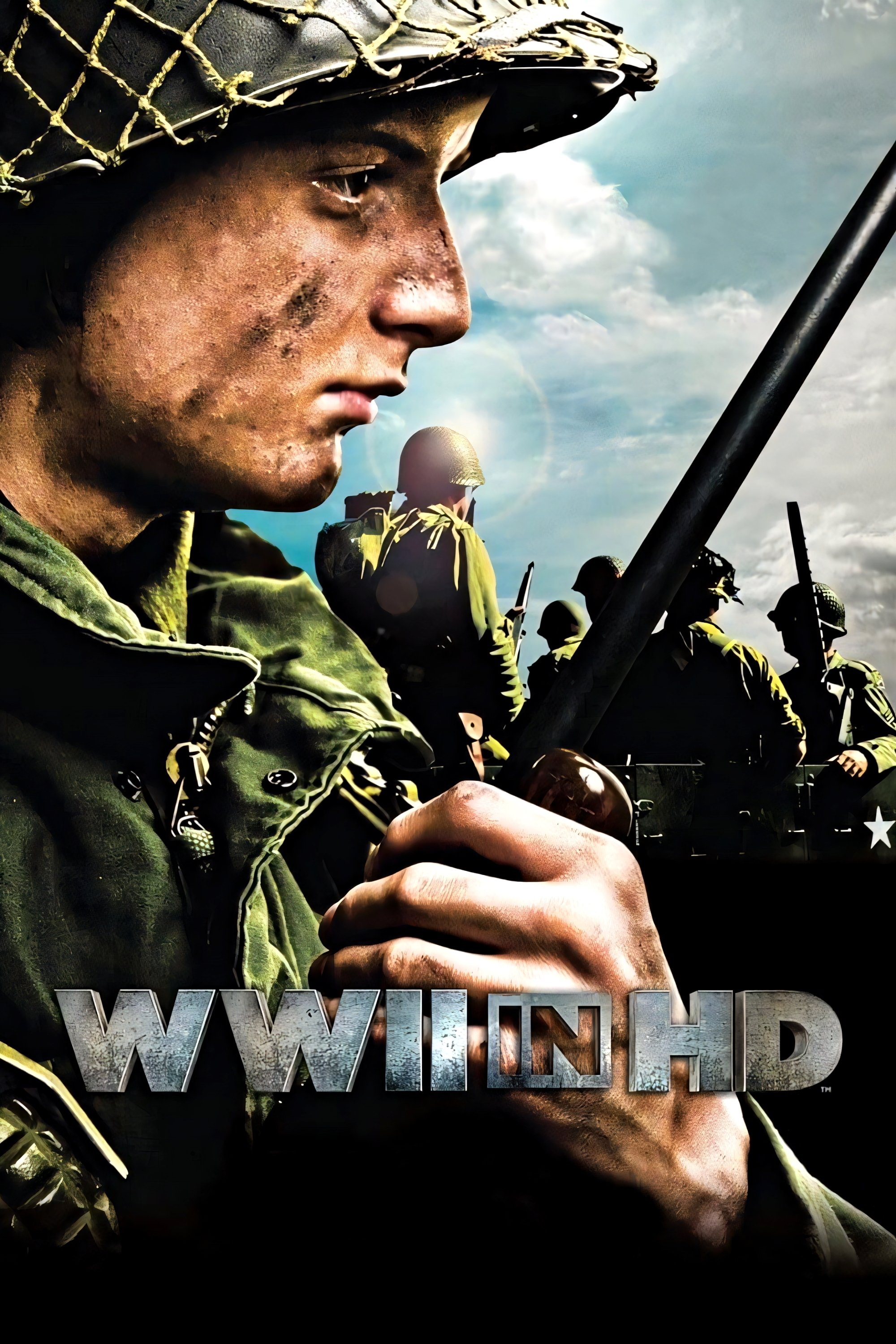
WWII in HD is a 10-part American documentary television miniseries that originally aired from November 15 to November 19, 2009 on the History Channel. The program focuses on the firsthand experiences of twelve American service members during World War II, including an Army nurse, a member of the Tuskegee Airmen, a second generation Japanese American and prisoner of war, and an Austrian Jewish immigrant. The twelve members recorded their time in both theaters and some had later interviews; found footage from the battlefield was paired with the stories of the twelve service members. The episodes premiered on five consecutive days, with two episodes per day. The series is narrated by Gary Sinise and was produced by Lou Reda Productions in Easton, Pennsylvania, United States.
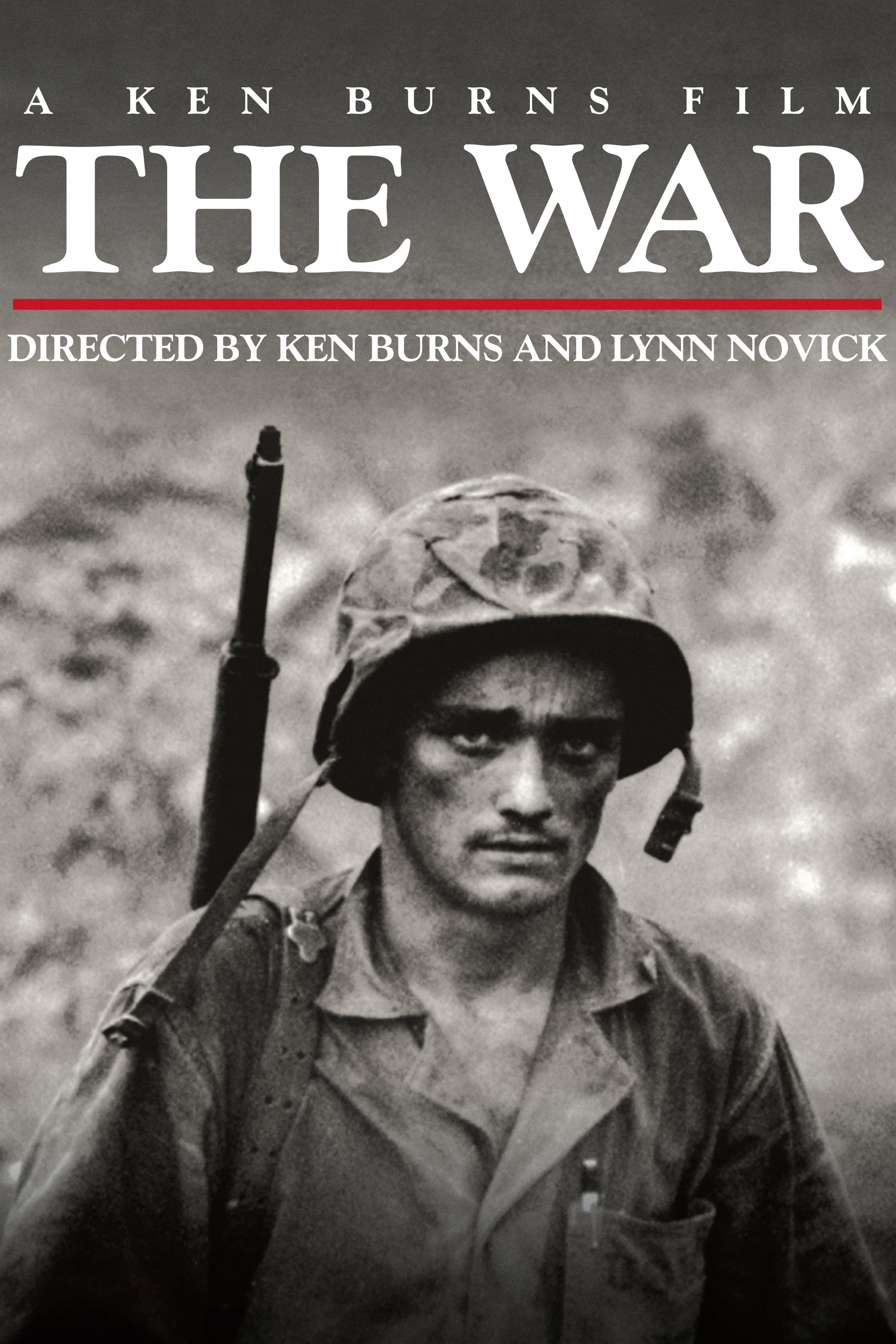
The story of the Second World War through the personal accounts of a handful of men and women from four American towns. The war touched the lives of every family on every street in every town in America and demonstrated that in extraordinary times, there are no ordinary lives.
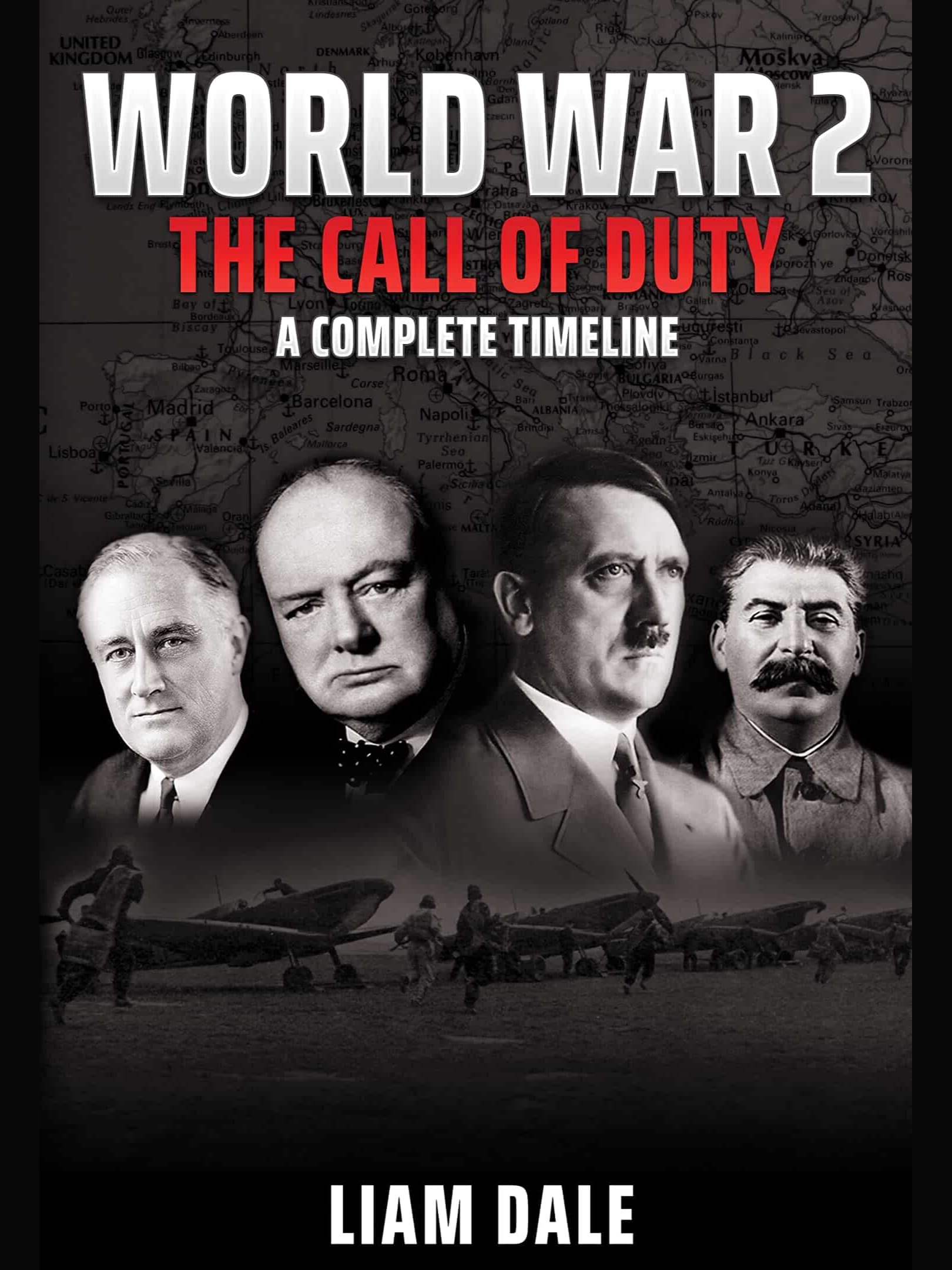
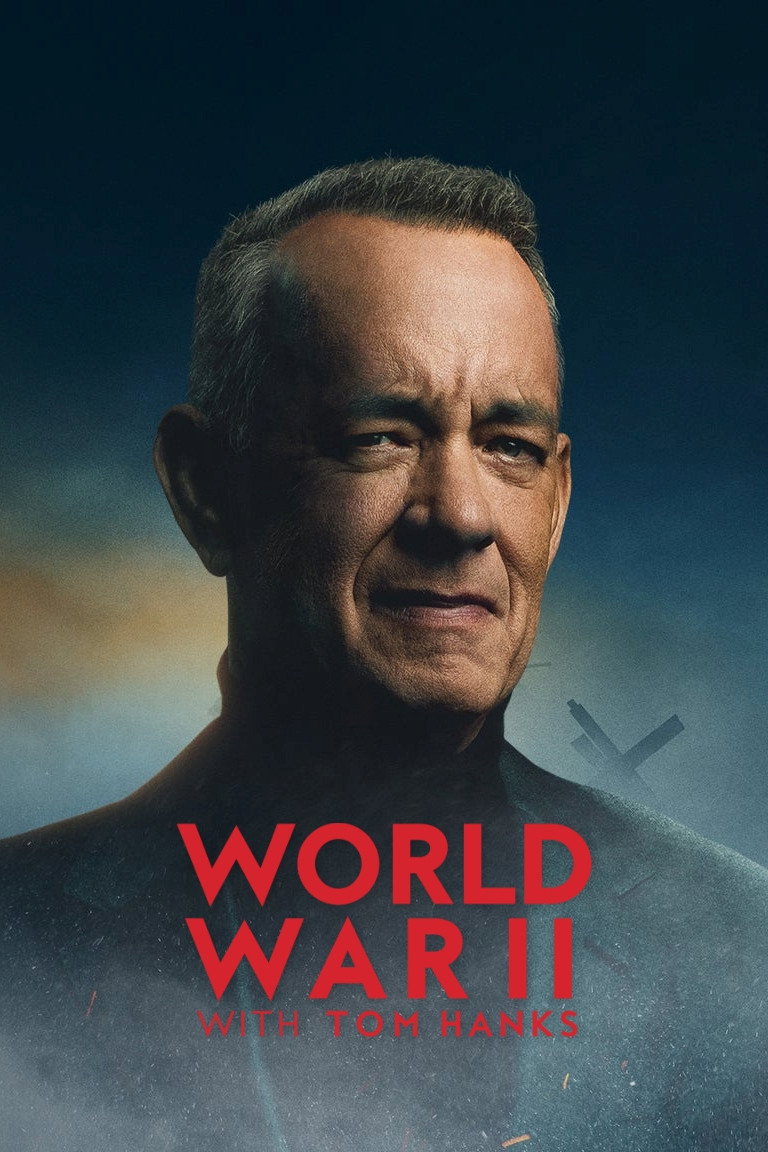
Explores WWII from Germany's invasion of Poland through the atomic age, examining pivotal battles, wartime leaders like Churchill and Roosevelt, and the human cost of total war.
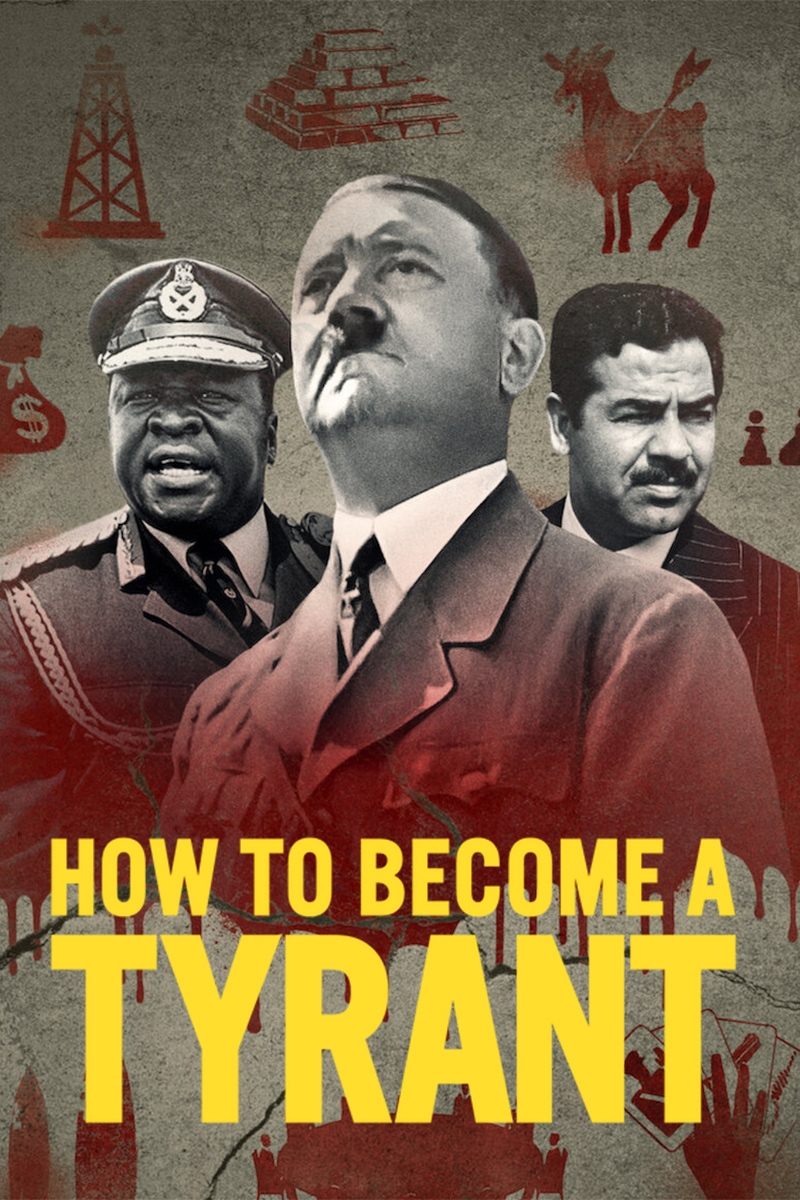
The documentary series explores different political figures throughout history.
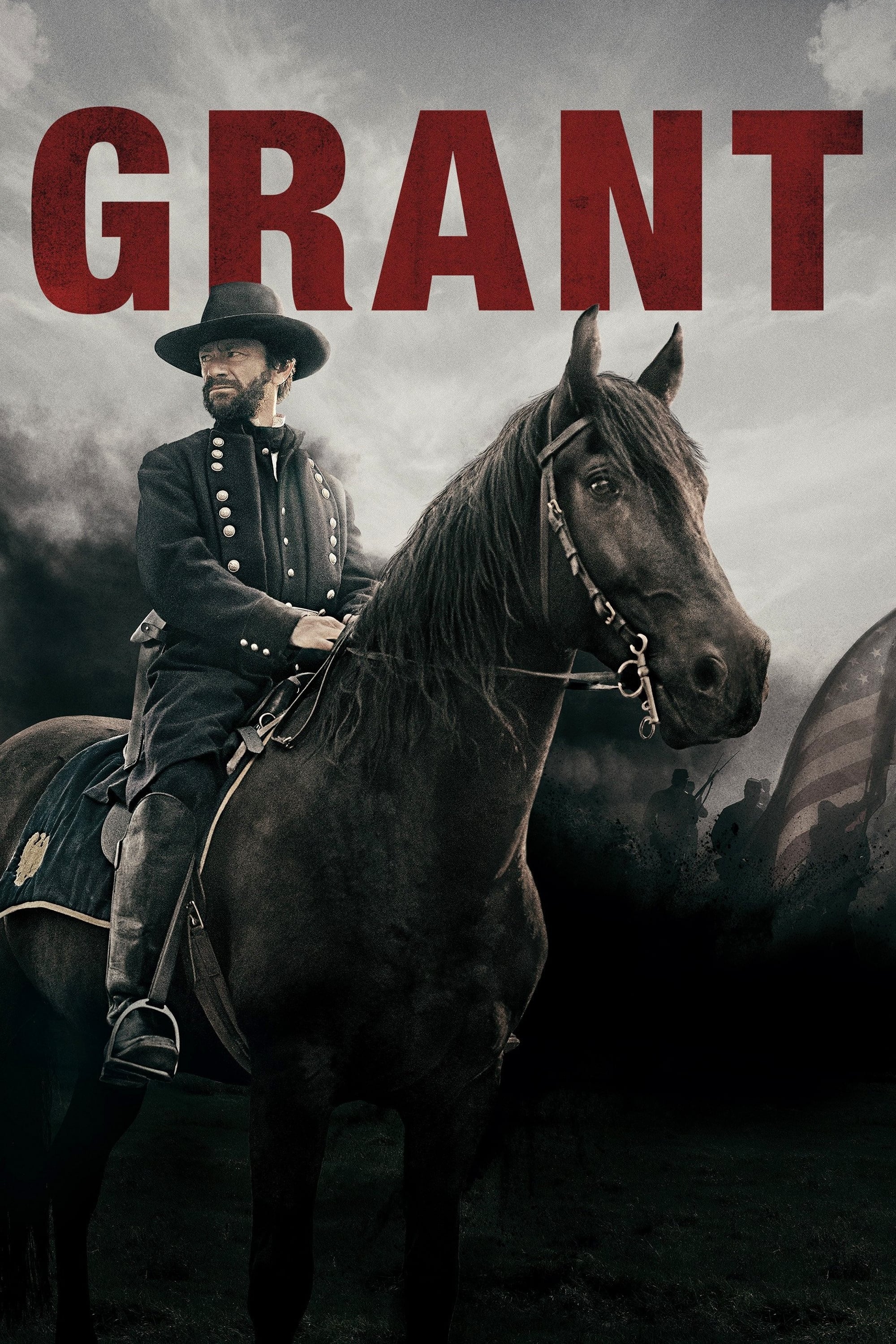
This documentary-series examines Grant's life story using his perspective and experiences to explore a turbulent time in history: the Civil War and Reconstruction.
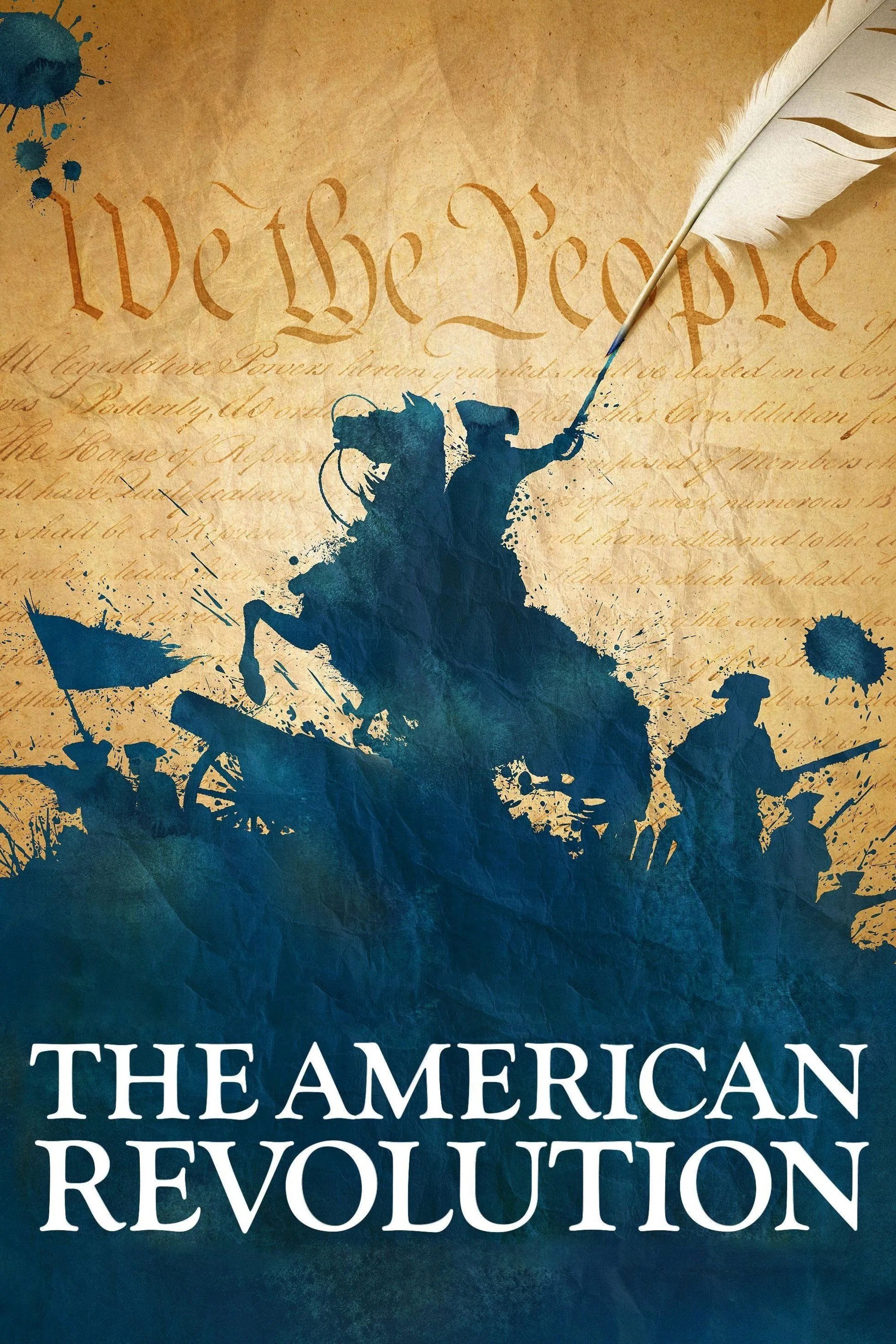
The American Revolution was at once a war for independence, a war of conquest, a civil war, and a world war, fought by neighbors on American farms and between global powers an ocean or more away. It impacted millions from Vermont’s Green Mountains to the swamps of South Carolina, from Indian Country to the Iberian Peninsula. In defeating the British Empire and giving birth to a new nation, the American Revolution turned the world upside-down. Thirteen colonies on the Atlantic Coast united in rebellion, won their independence, and established a republic that still endures. The American Revolution will present the story of the men and women of the Revolutionary generation, their humanity in victory and defeat, and the crisis that they lived through.
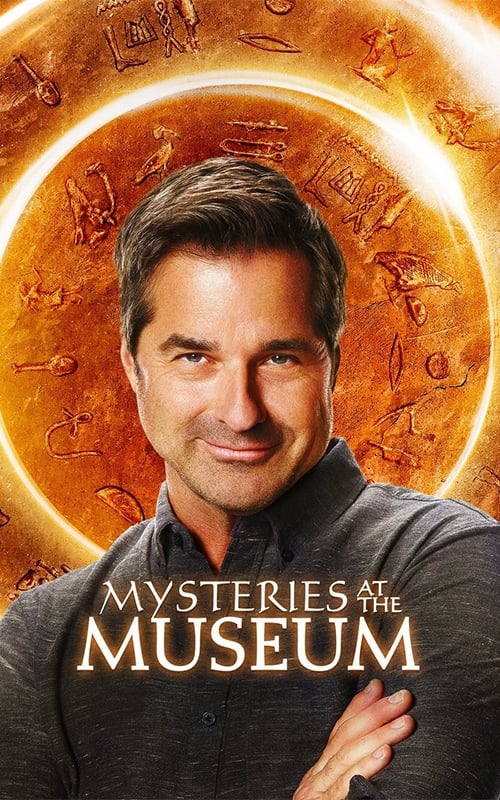
Don Wildman unearths relics from the world's greatest institutions to reveal secrets from the past. He examines each artifact to illuminate history's most incredible triumphs, sensational crimes and bizarre encounters.
TV's most-watched history series brings to life the compelling stories from our past that inform our understanding of the world today.
Through vividly enhanced archival footage and voices from all sides of the conflict, this docuseries brings WWII to life like never before.
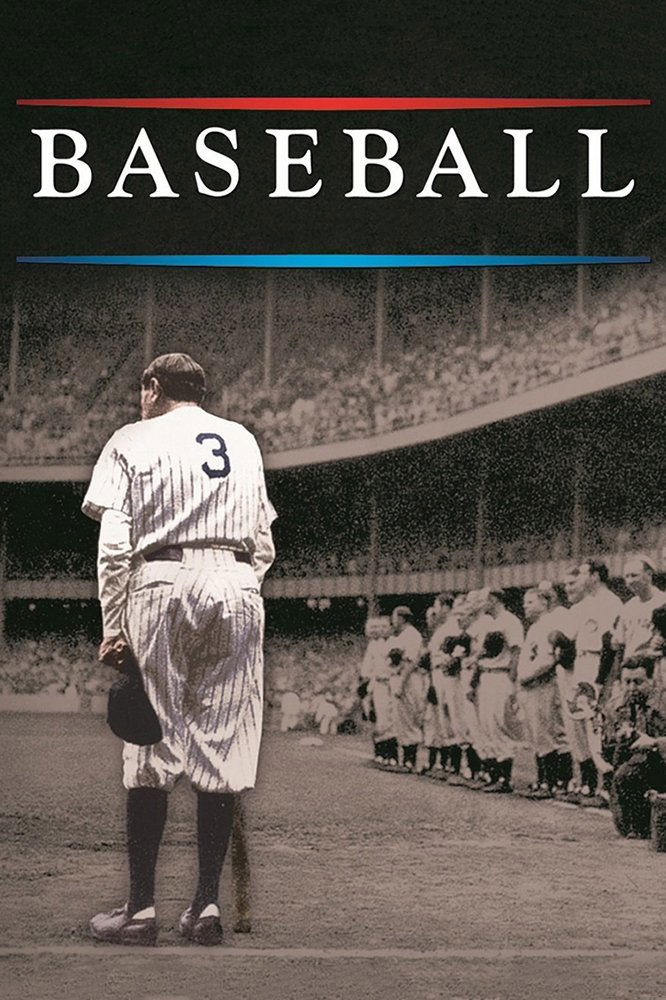
The history of the sport of baseball in America, told through archival photos, film footage, and the words of those who contributed to the game in each era. Writers, historians, players, baseball personnel, and fans review key events and the significance of the game in America's history.
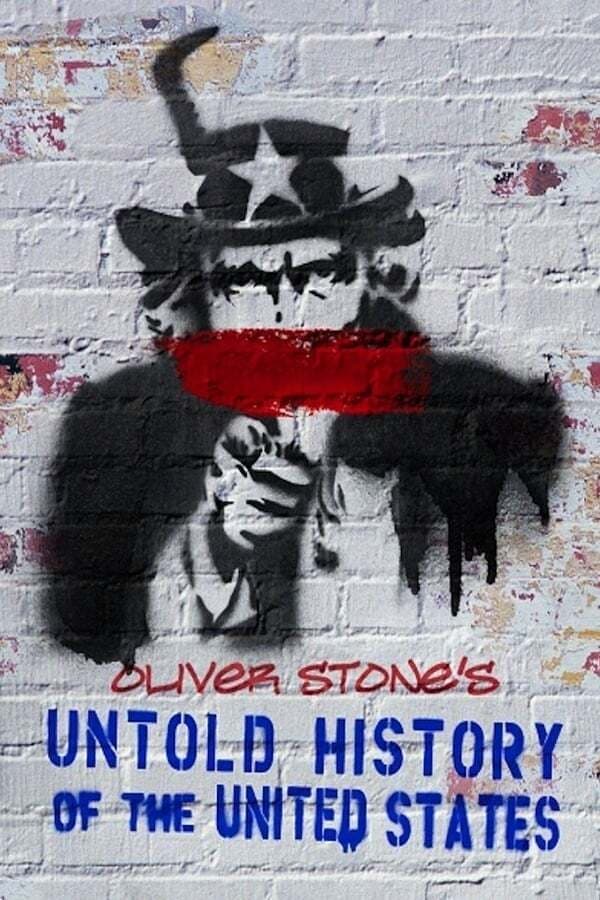
Oliver Stone's re-examination of under-reported events in American history.
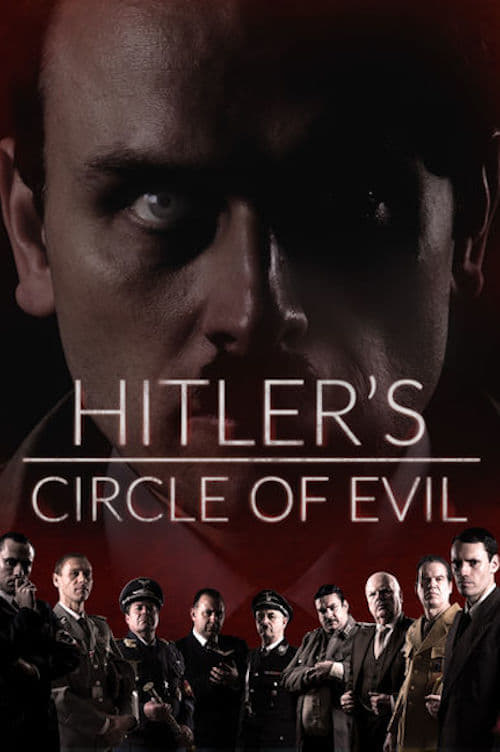
Surviving power struggles, betrayals and plots, Hitler's inner circle of Nazi leaders seizes control of Germany and designs its disastrous future.
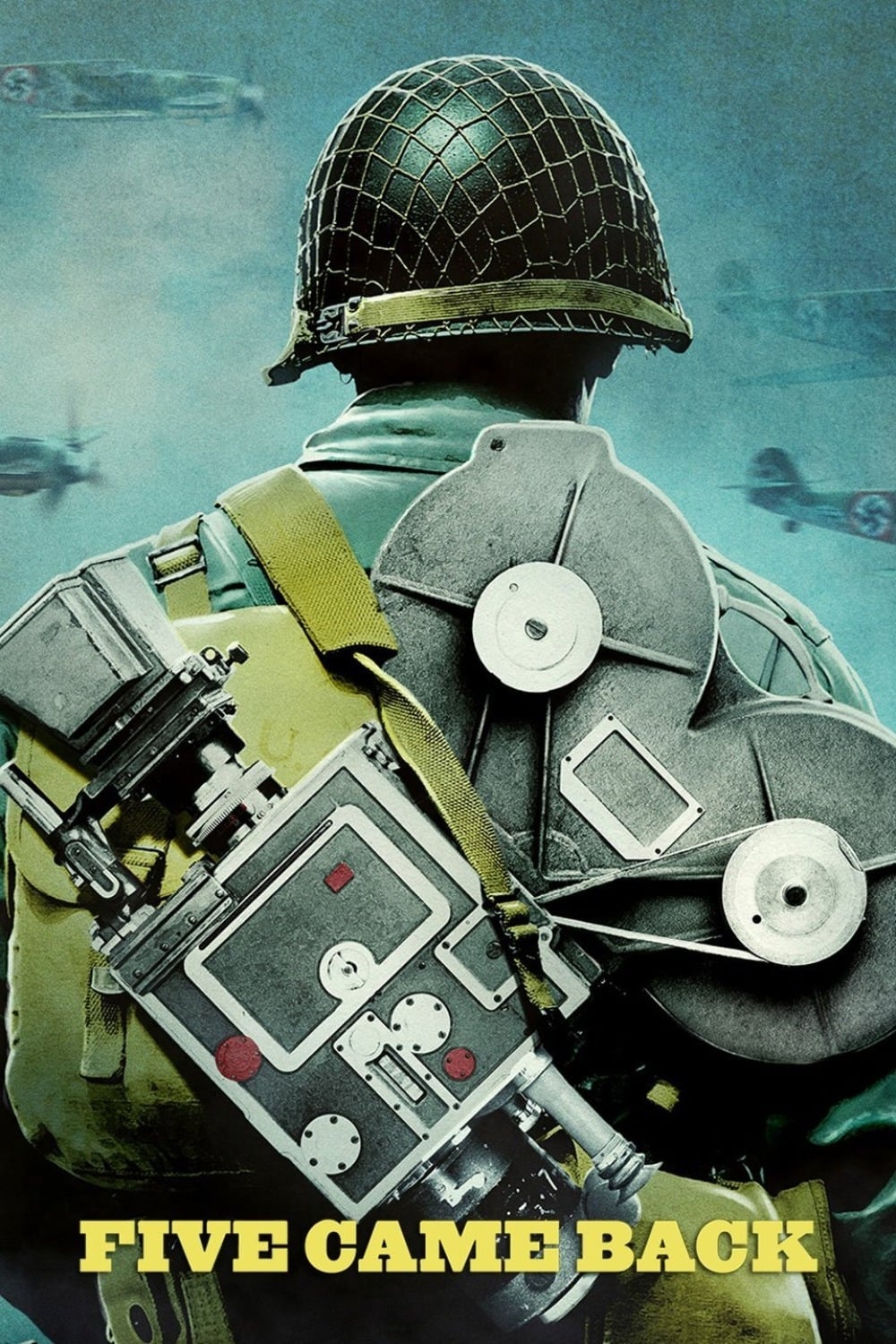
Five acclaimed contemporary directors tell the story of five legendary Hollywood filmmakers who enlisted in the armed forces to document World War II.
Doctor Who Confidential is a documentary to complement the revival of the long-running British science fiction television series Doctor Who. Each episode was broadcast on BBC Three on Saturdays, immediately after the broadcast of the weekly television episode on BBC One. The running time of the first two series was 30 minutes, being extended to 45 minutes in the third. BBC Three also broadcast a cut-down edition of the programme, lasting 15 minutes, shown after the repeats on Sundays and Fridays and after the weekday evening repeats of earlier seasons.
An in-depth look at the history and pop cultural significance of horror films.