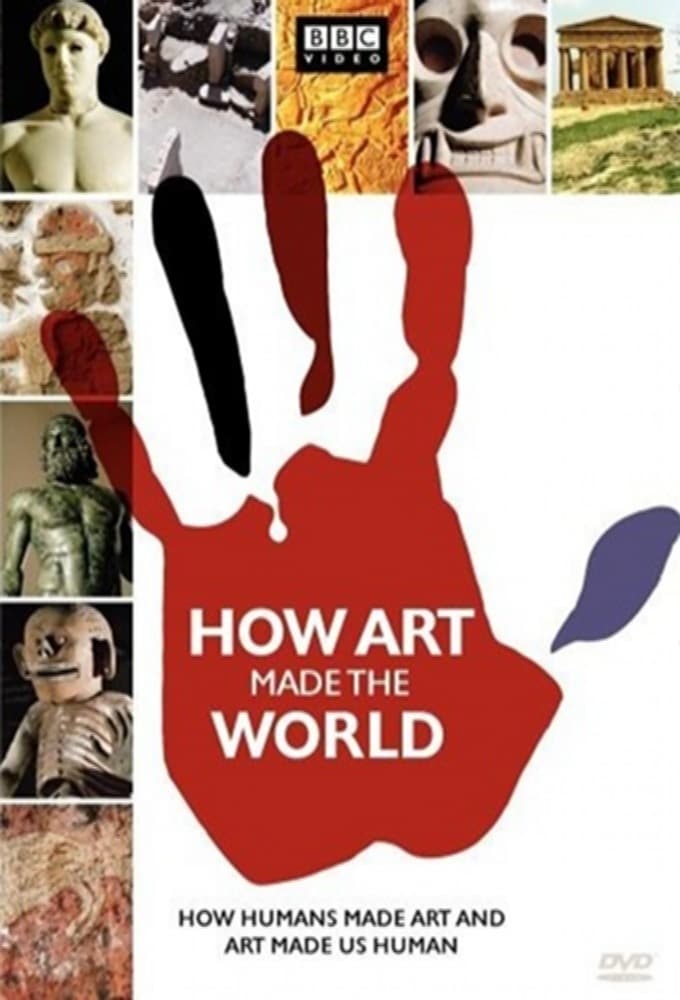
Nigel Spivey reveals how the images which surround us today come from the ancient world. It's an epic journey spanning five continents and a hundred thousand years of history.
Social & External
Himself
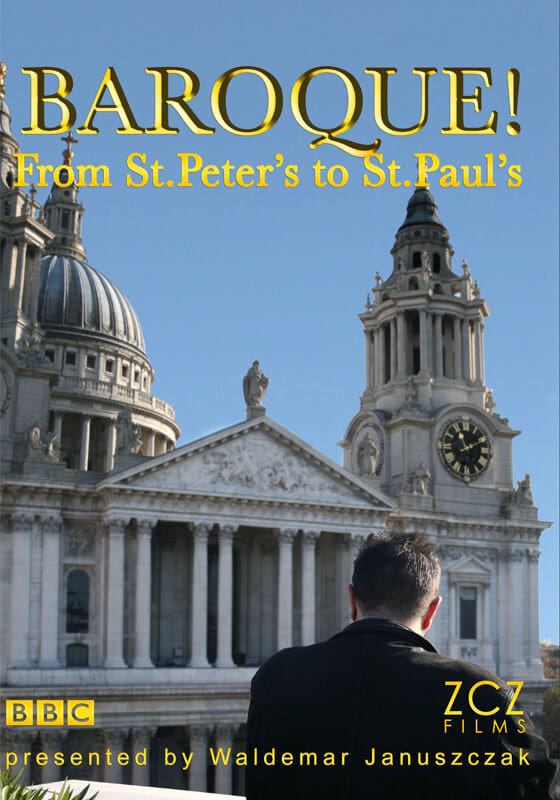
In this three-part documentary series Waldemar Januszczak discovers paintings, sculptures and architecture of the Baroque period. Starting from the square of Saint Peter's Basilica in Italy to St Paul's Cathedral in England.
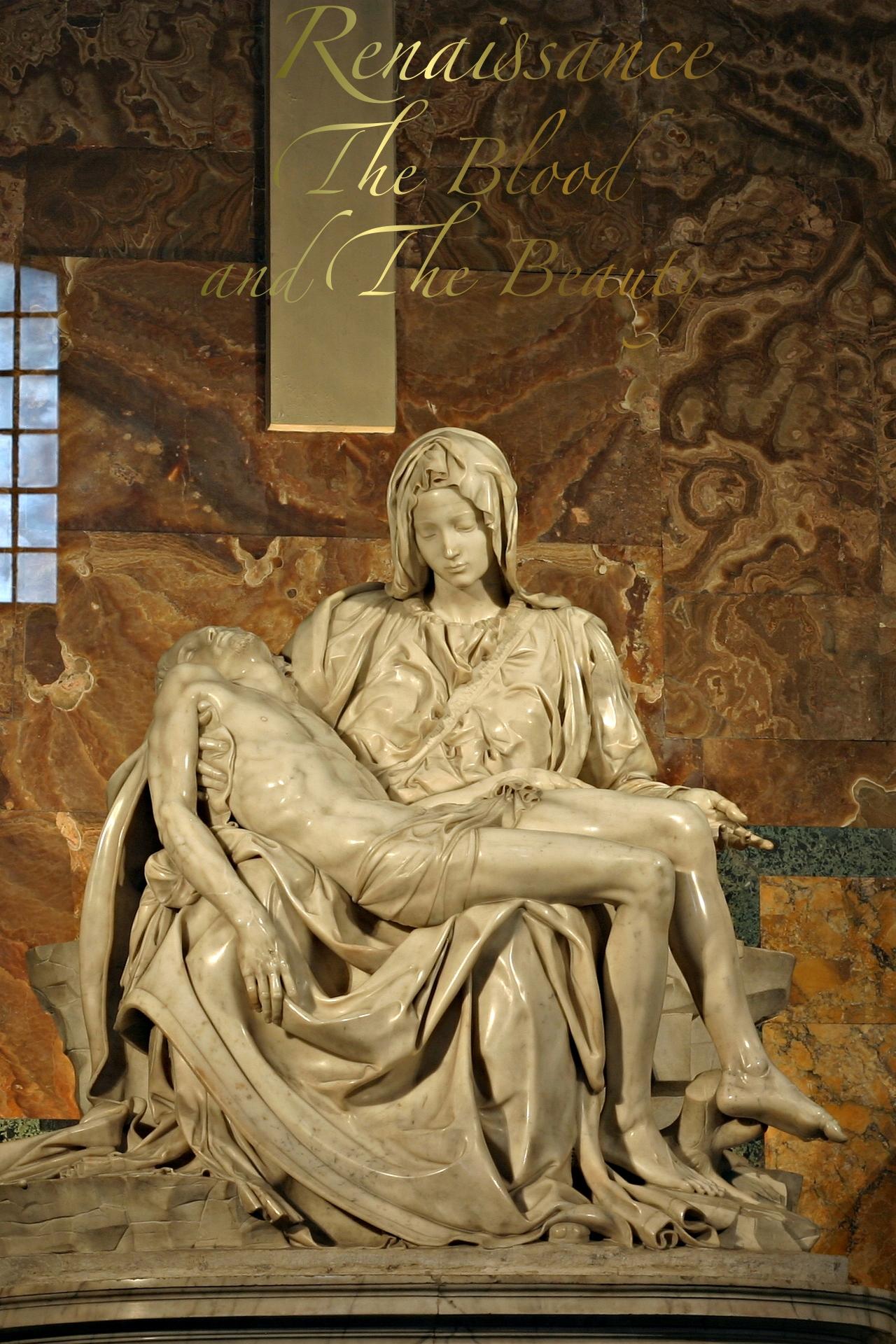
The greatest art works of all time - born of war and bloodshed - as rival artists Michelangelo, Leonardo and Raphael compete to craft beauty from chaos. Starring Charles Dance.
In his most personal project to date, Simon Schama looks back at the dramatic history that has played out in his lifetime. Best known for writing history, he has lived a fair bit of it too. Born in 1945, on the night of the bombing of Dresden, Simon grew up as part of a generation determined to rebuild the world from the ashes of war. In this film, he reveals the stories of artists and writers who have been at the forefront of the fight for truth and democracy, often at great personal cost.
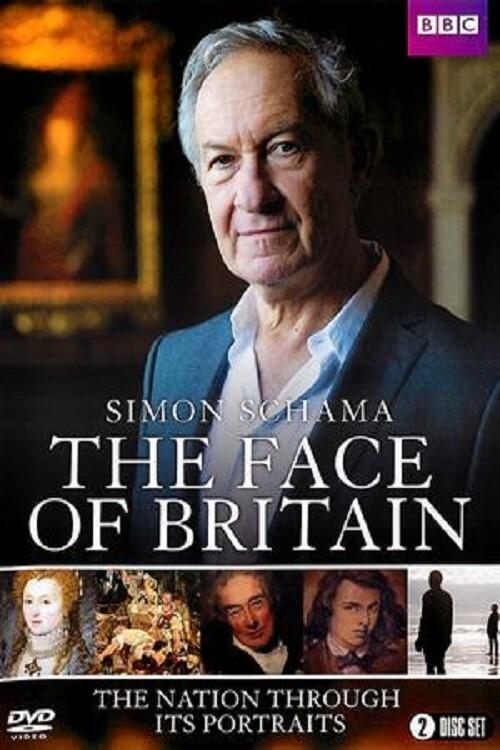
Simon Schama explores the history of British portraiture, revealing the stories behind the most compelling images in British art and examining the ways portraiture is used to make a statement.
During the turbulent 19th century, a number of brilliant French artists developed the Romantic movement in Paris: writers Victor Hugo, Alexandre Dumas, George Sand, Honoré de Balzac and Charles Baudelaire, painter Eugène Delacroix and composer Hector Berlioz, among others, changed the way of looking at art and created enduring works that have inspired the world to this day.
Women write art history – but in turn are systematically ignored by it. LOST WOMEN ART tells the story of the suppressed female avant-garde and by doing so introduces a new art history.
Documentary series in which historian Simon Schama recounts the story of eight moments of high drama in the making of eight artistic masterpieces.
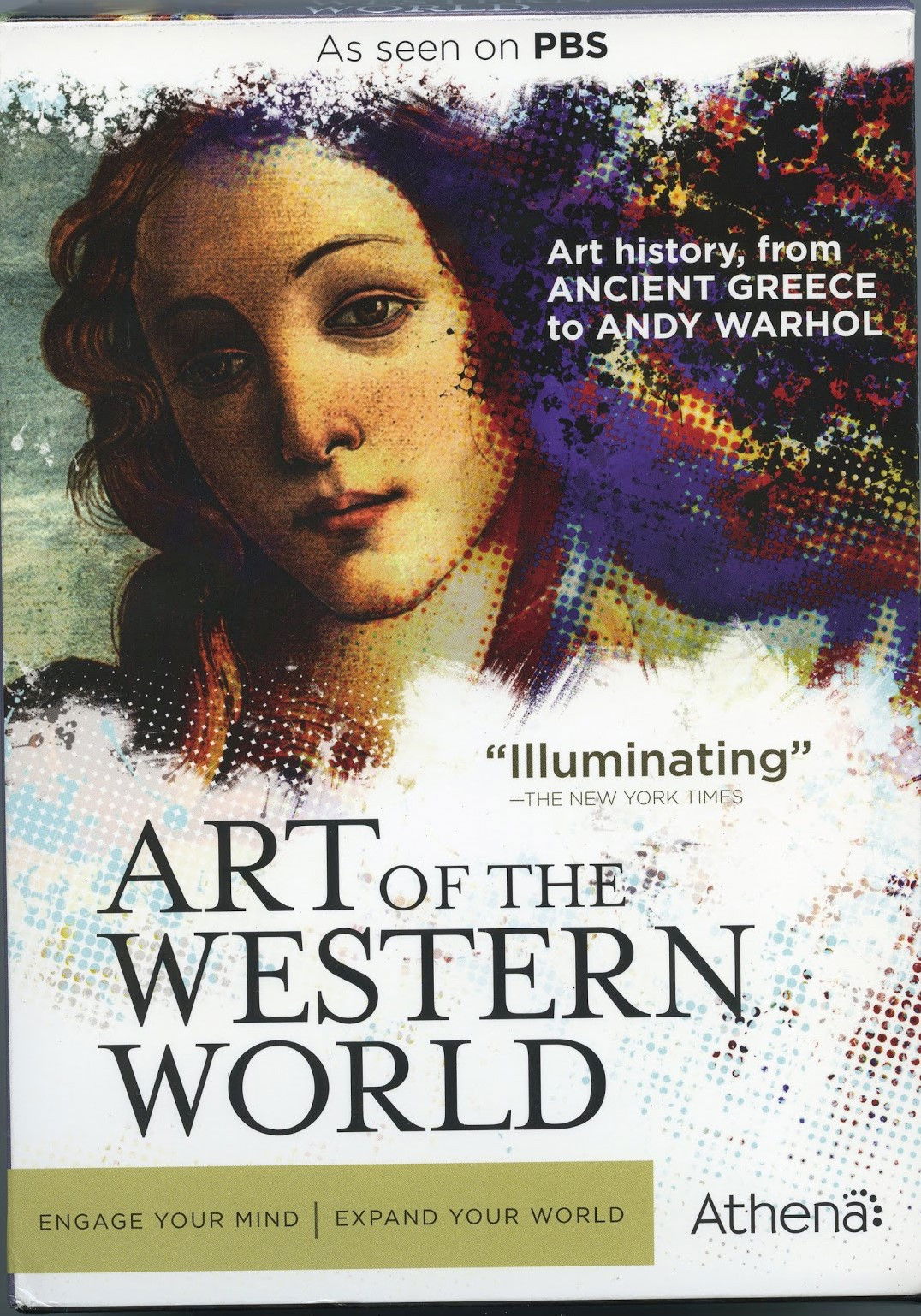
First broadcast on October 2, 1989, these 18 original 30-minute episodes provide a panorama of 2000 years of architecture, painting and sculpture, and studies the art masterpieces as reflections of the Western culture that produced them.
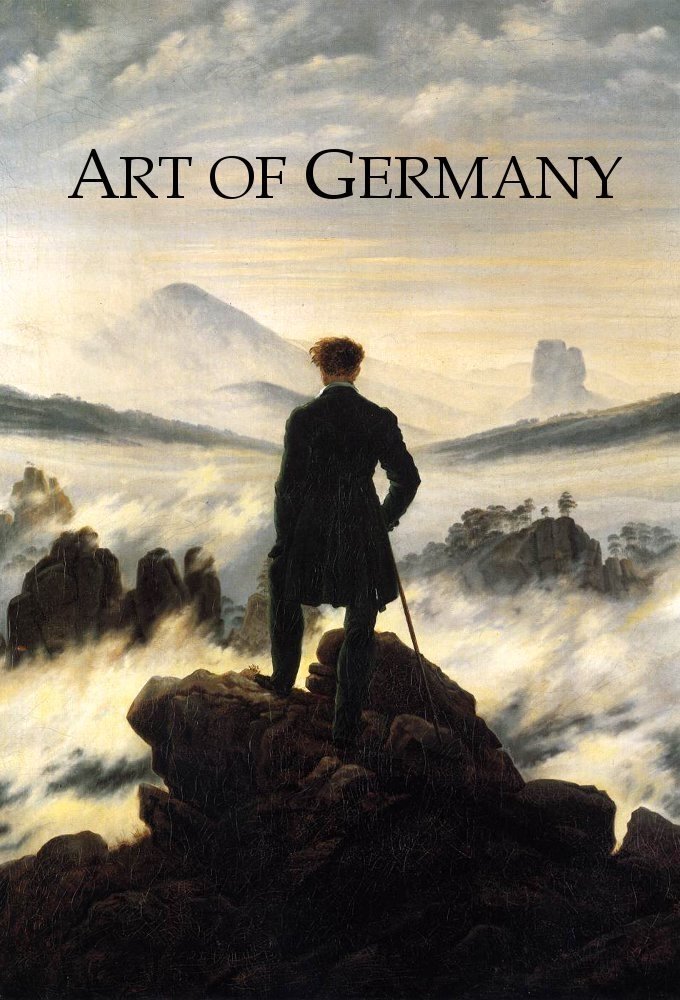
In an absorbing study, Andrew Graham-Dixon tells the story of a national art that conveys passion, precision, hope and renewal. He juxtaposes escapism with control and a deep affinity with nature against love for the machine. The fascinating story takes us from the towering cathedral of Cologne, the woodcuts of Albrecht Dürer and paintings of Grünewald to the gothic fairytale Neuschwanstein Castle, the Baltic landscapes of Caspar David Friedrich and the industrialisation lent expression of Adolph Menzel and Käthe Kollwitz. As the series progresses, it presents a rare focus on the cultural impact of Hitler's obsession with visual art, reveals how art became an arena for the Cold War and examines the redemptive work of the "visionary" Joseph Beuys – the most influential artist of modern times.
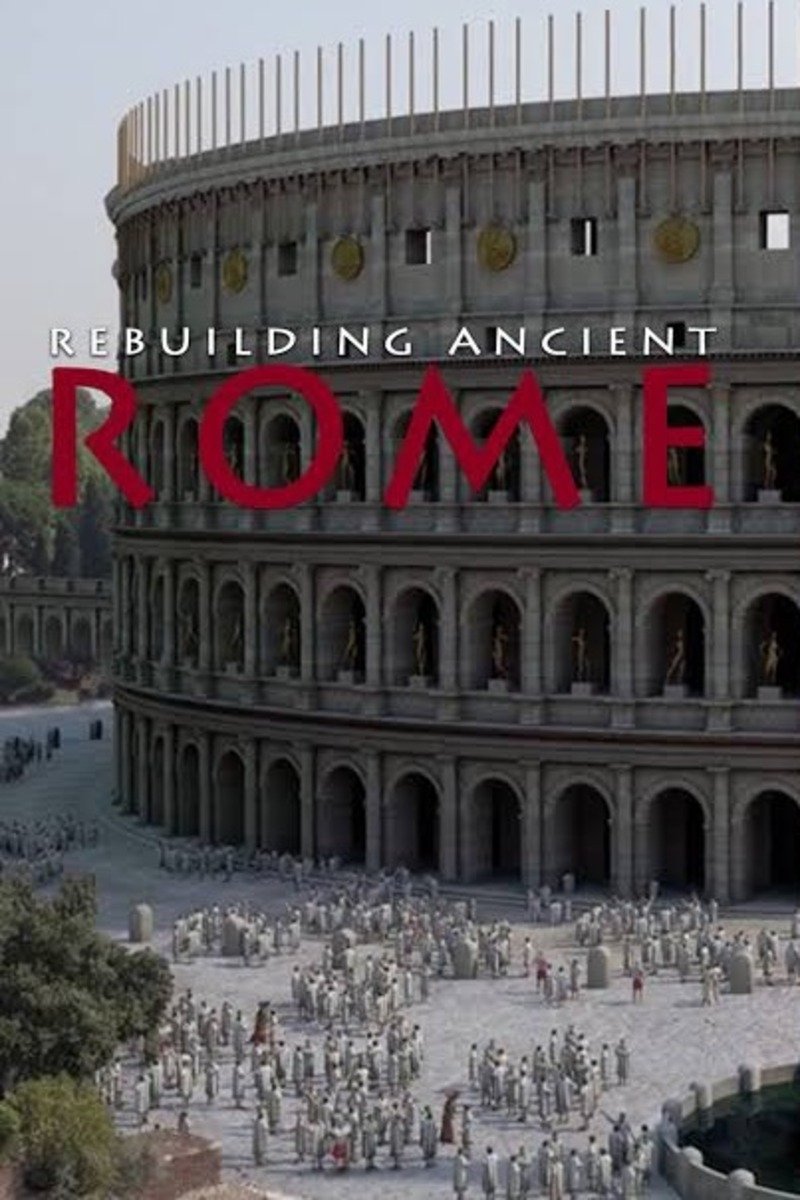
Supported by stunning 3D graphics, Dr. Darius Arya explains the purpose and architectural significance of ancient Roman buildings.
Sister Wendy Beckett takes a journey through the history of art in this ten-part series.
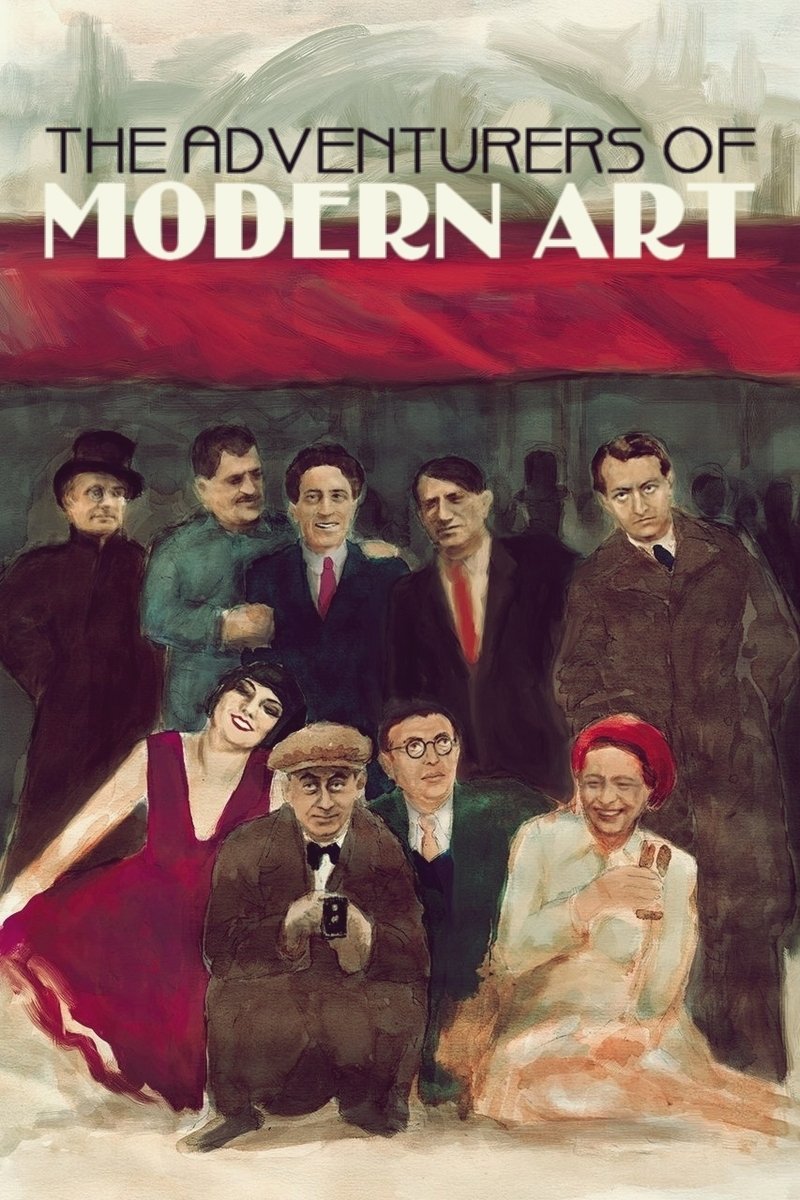
An intimate portrait of the lives of the artists, founders of modern art, who lived in Montmartre from 1900 until the liberation of France from the German yoke in 1944, near the end of World War II.
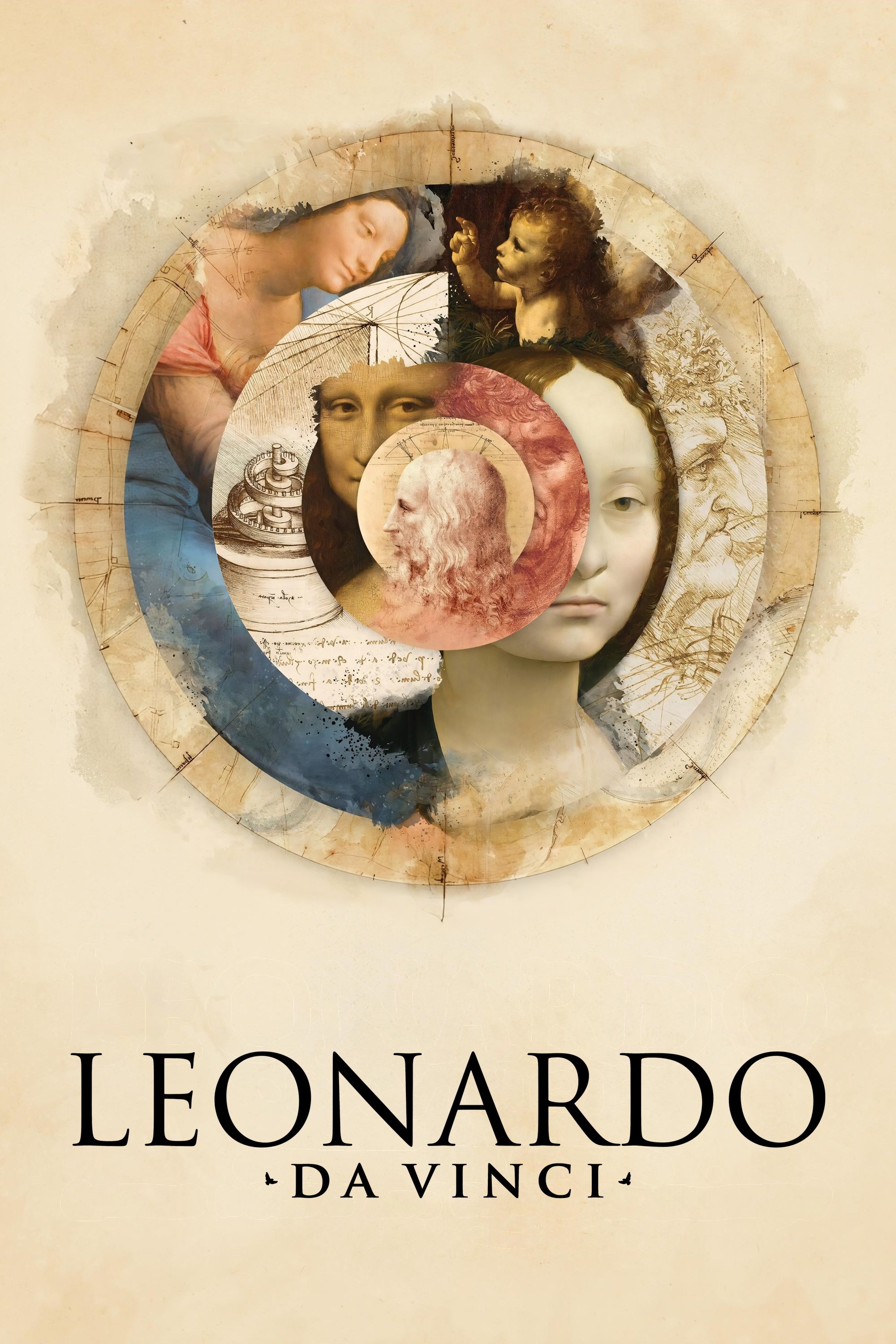
This two-part, four-hour documentary delves into the world of a 15th-century art titan and unravels his journey while shedding light on his lasting impact on future generations.
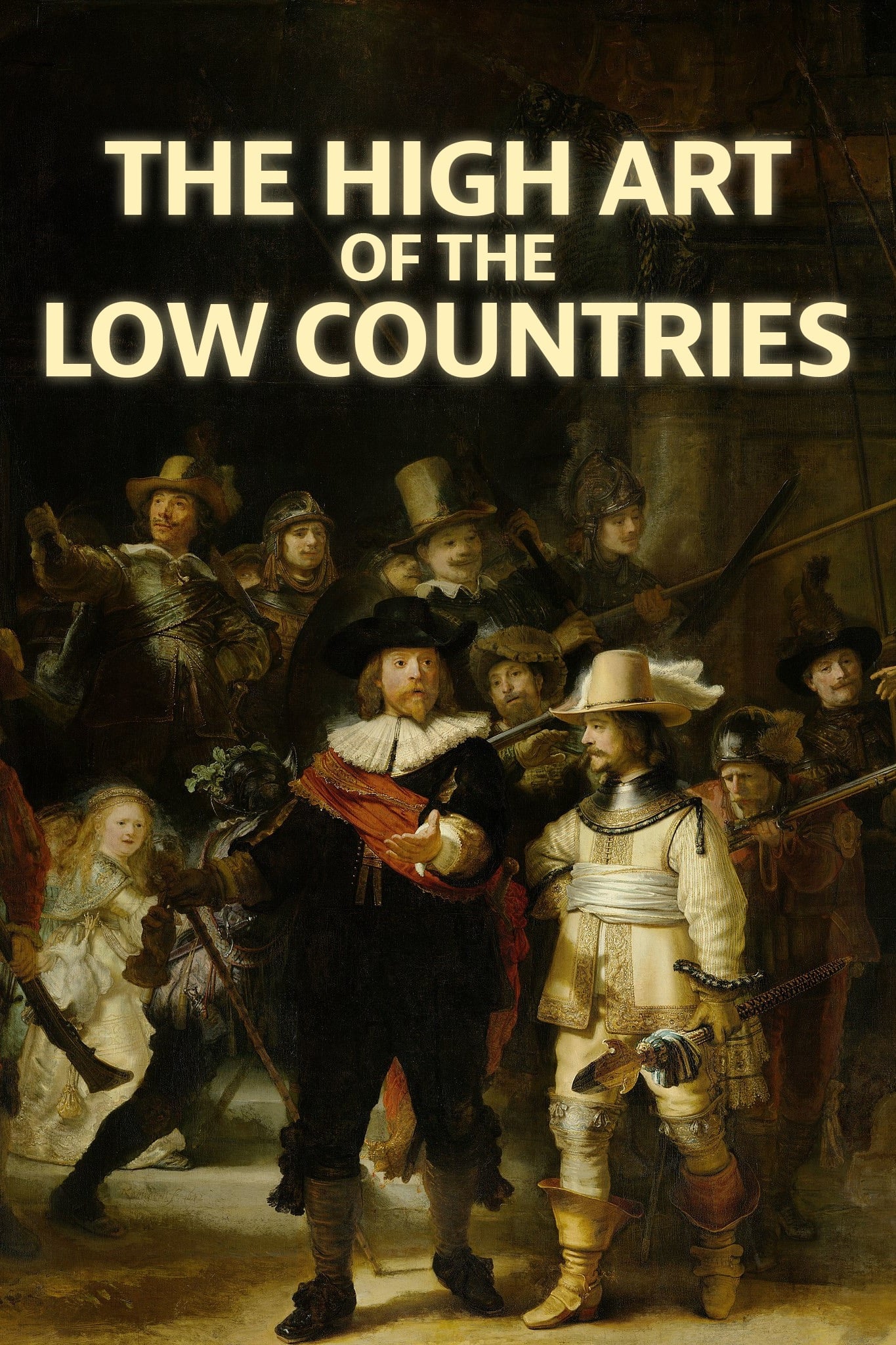
This 3 part series is presented by the British Art Critic, Andrew Graham-Dixon. He explores the Low Countries of the Netherlands and Belgium and how history has influenced the area's art, architecture and culture. Cloth was used in the area's first expression of art in the making of tapestries going back to the 14 th century. They were the No. 1 luxury item of the day. The Low Countries were well placed geographically for markets for their art.
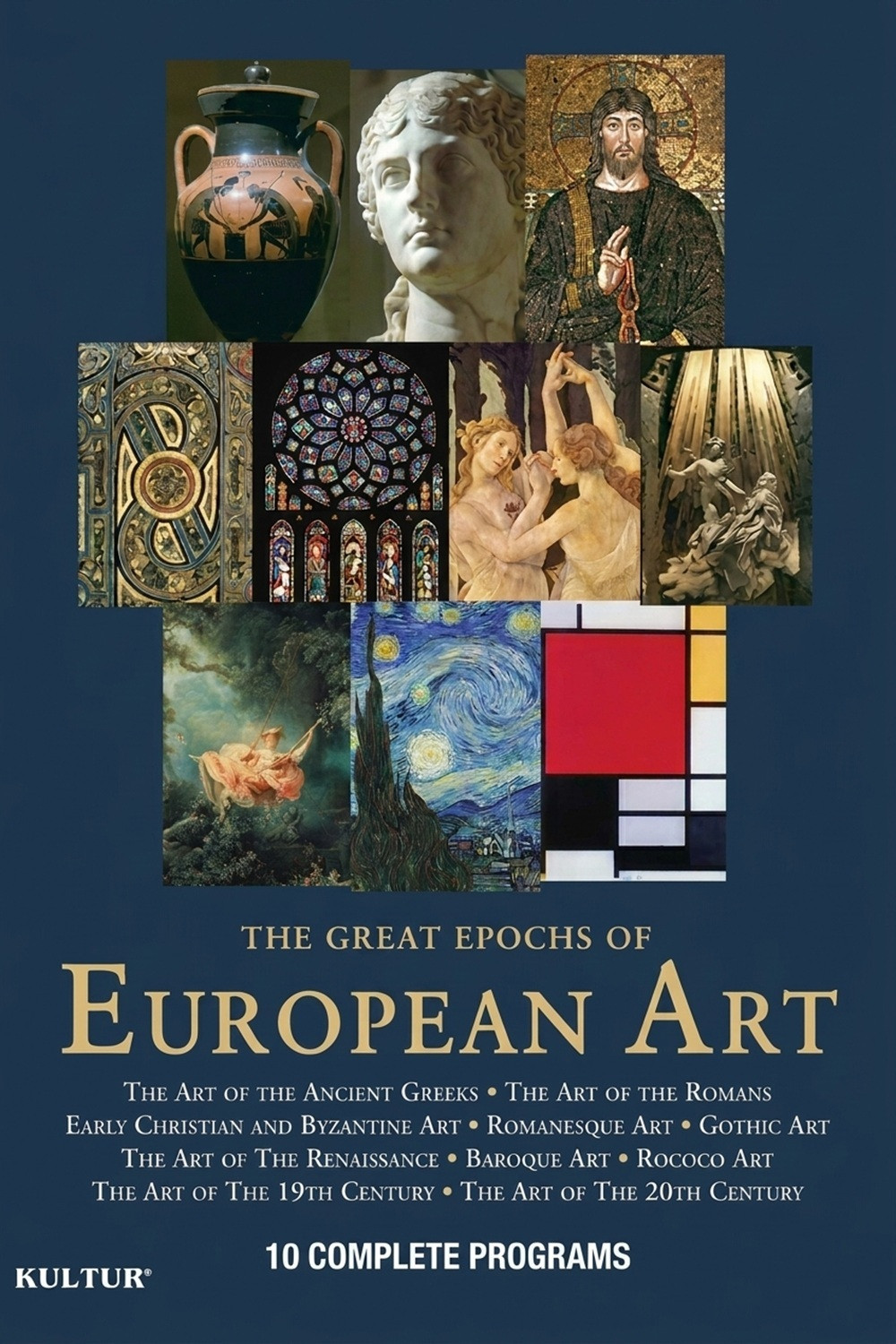
Ten programs filmed across Europe explore the history of European art through masterpieces of architecture, sculpture, and painting. The series spans from Greek and Roman art to Christian, Byzantine, and Gothic styles, followed by the Baroque, Rococo, and the artistic movements of the 19th and 20th centuries.
In the show, selected applicants each present a curiosity, rarity or antique they have brought with them. Once they have received their expertise, they will have the opportunity on site to offer their exhibit to a changing five-person podium for sale and, ideally, to sell it to the highest bidder for „Bares“ ("cash").
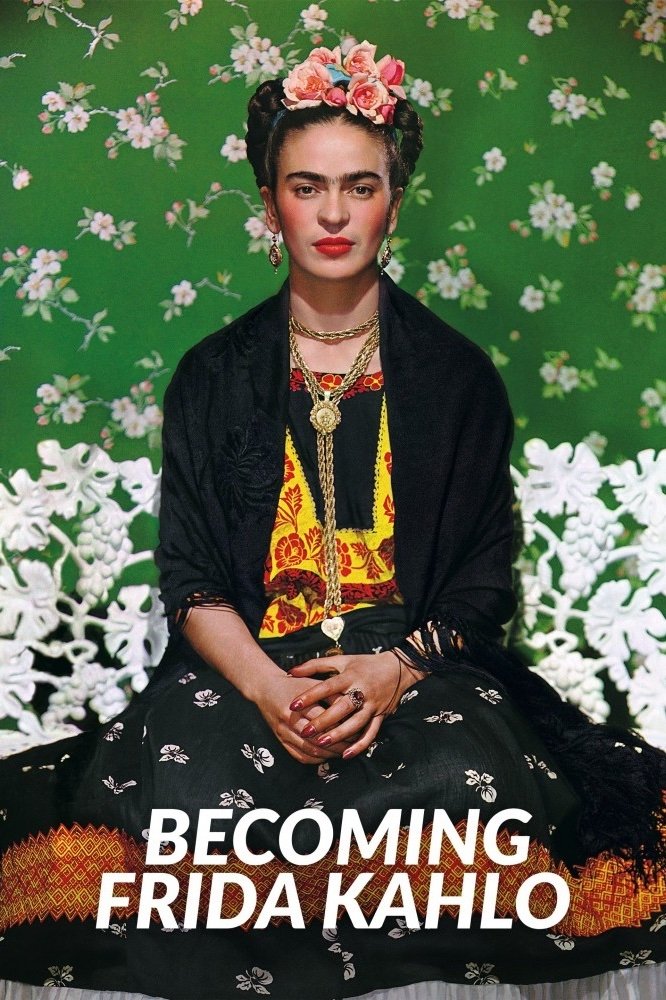
A look into Frida Kahlo's world, revealing an artist driven by politics, power, sex and identity, with her epic love affair with Diego Rivera at the heart of it all.
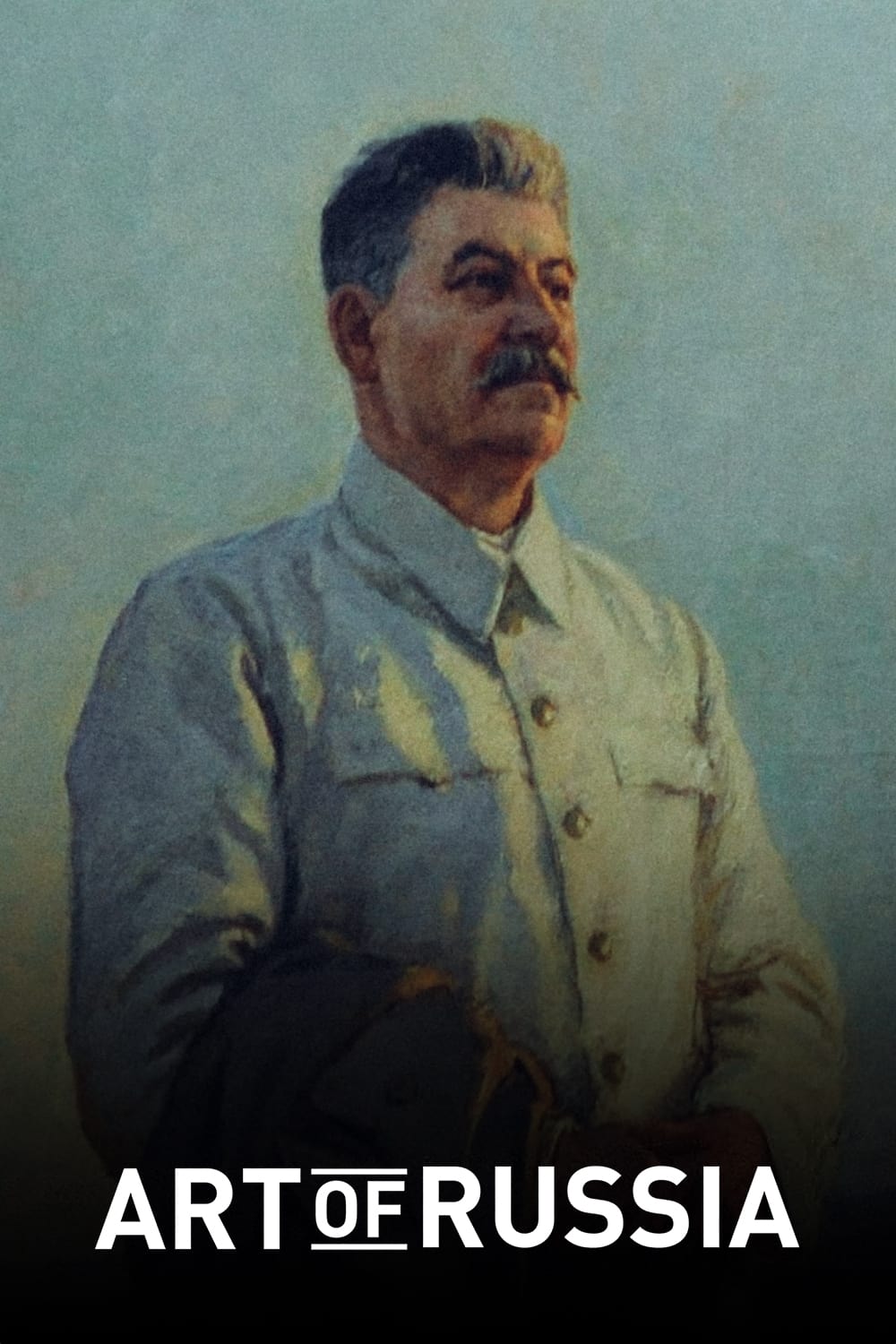
Art historian Andrew Graham-Dixon travels through time to unlock the world of Russian art.
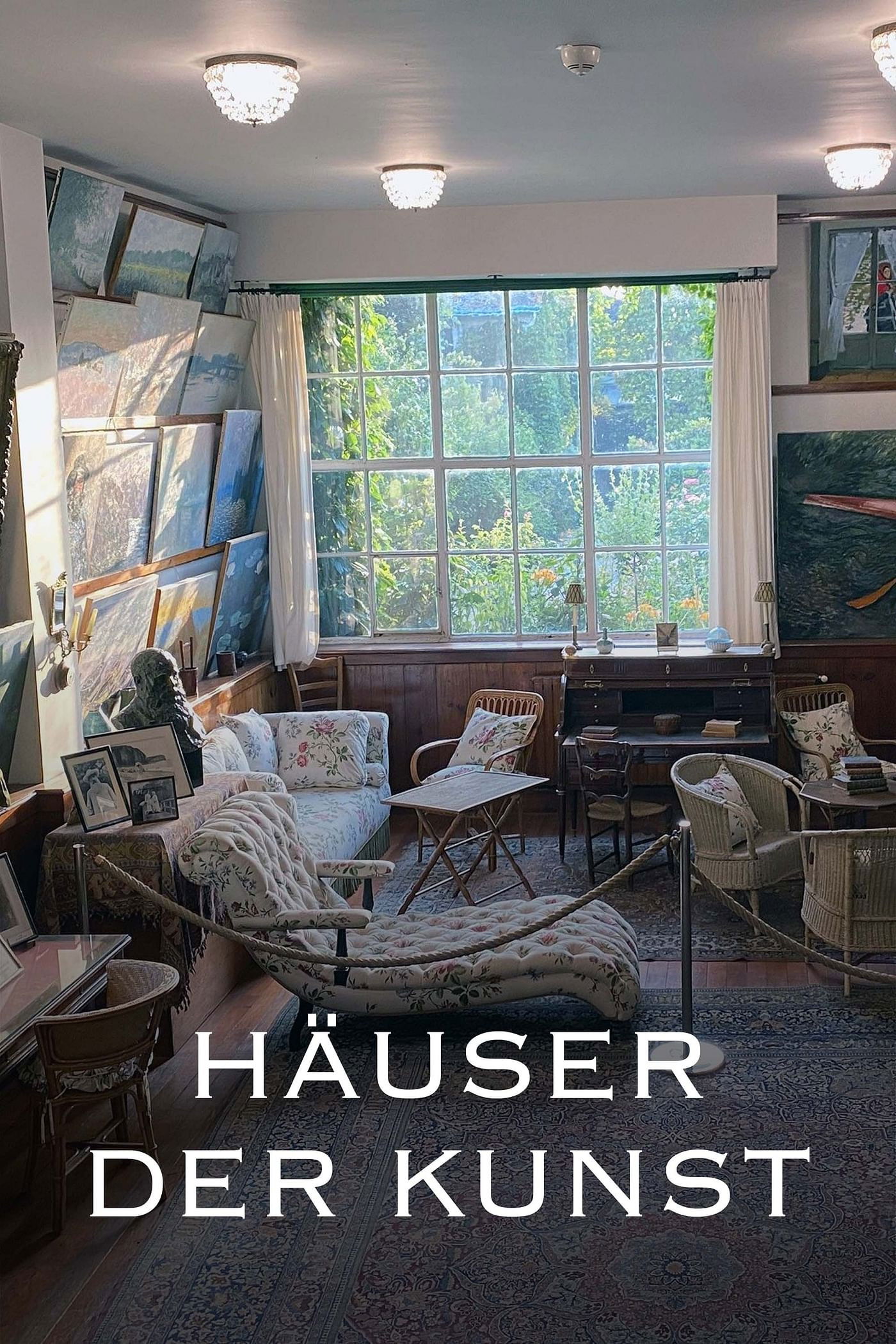
The series Houses of Art takes viewers to places where great artists lived, worked, and found inspiration. It is in these settings that masterpieces were created and personal dramas unfolded—offering a cinematic journey of discovery through the landmarks of European art history. Far from the bustle of the world, artists found creative momentum in homes that still bear the imprint of their genius today, attracting visitors from all corners of the globe.
Don Wildman unearths relics from the world's greatest institutions to reveal secrets from the past. He examines each artifact to illuminate history's most incredible triumphs, sensational crimes and bizarre encounters.
Award-winning actor and nervous explorer Eugene Levy steps out of his comfort zone for a whirlwind tour of the world's most beautiful and intriguing destinations.
Infographics and archival footage deliver bite-size history lessons on scientific breakthroughs, social movements and world-changing discoveries.

TV's most-watched history series brings to life the compelling stories from our past that inform our understanding of the world today.
An insider's look at the engineering and scientific miracles behind the things that form the modern world.
American Masters is a PBS television series which produces biographies on enduring writers, musicians, visual and performing artists, dramatists, filmmakers, and others who have left an indelible impression on the cultural landscape of the United States.
Motoring programme featuring reviews of and reports about cars of all types.
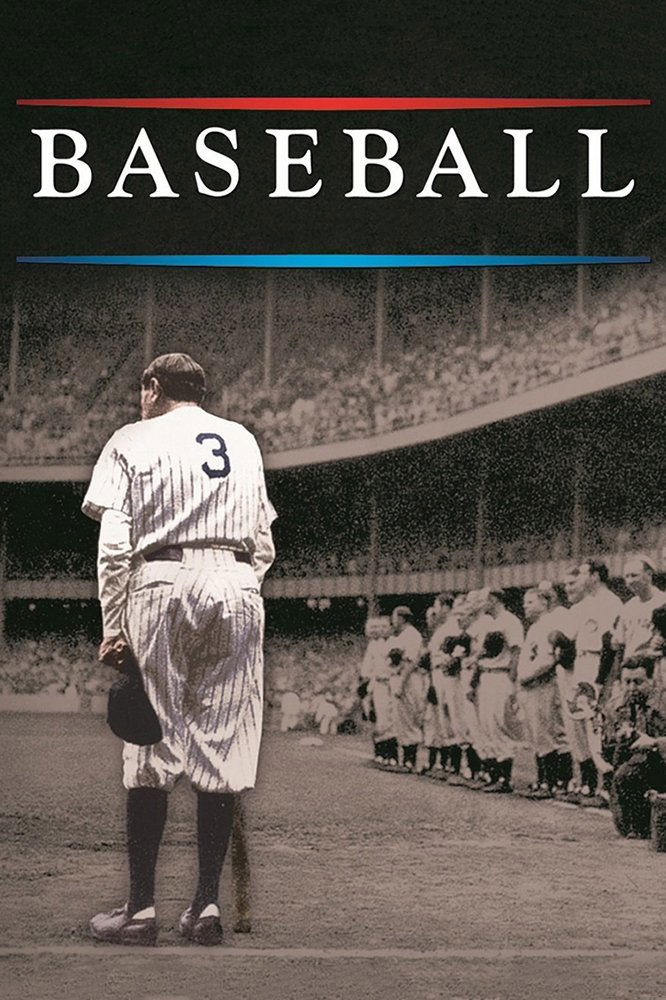
The history of the sport of baseball in America, told through archival photos, film footage, and the words of those who contributed to the game in each era. Writers, historians, players, baseball personnel, and fans review key events and the significance of the game in America's history.
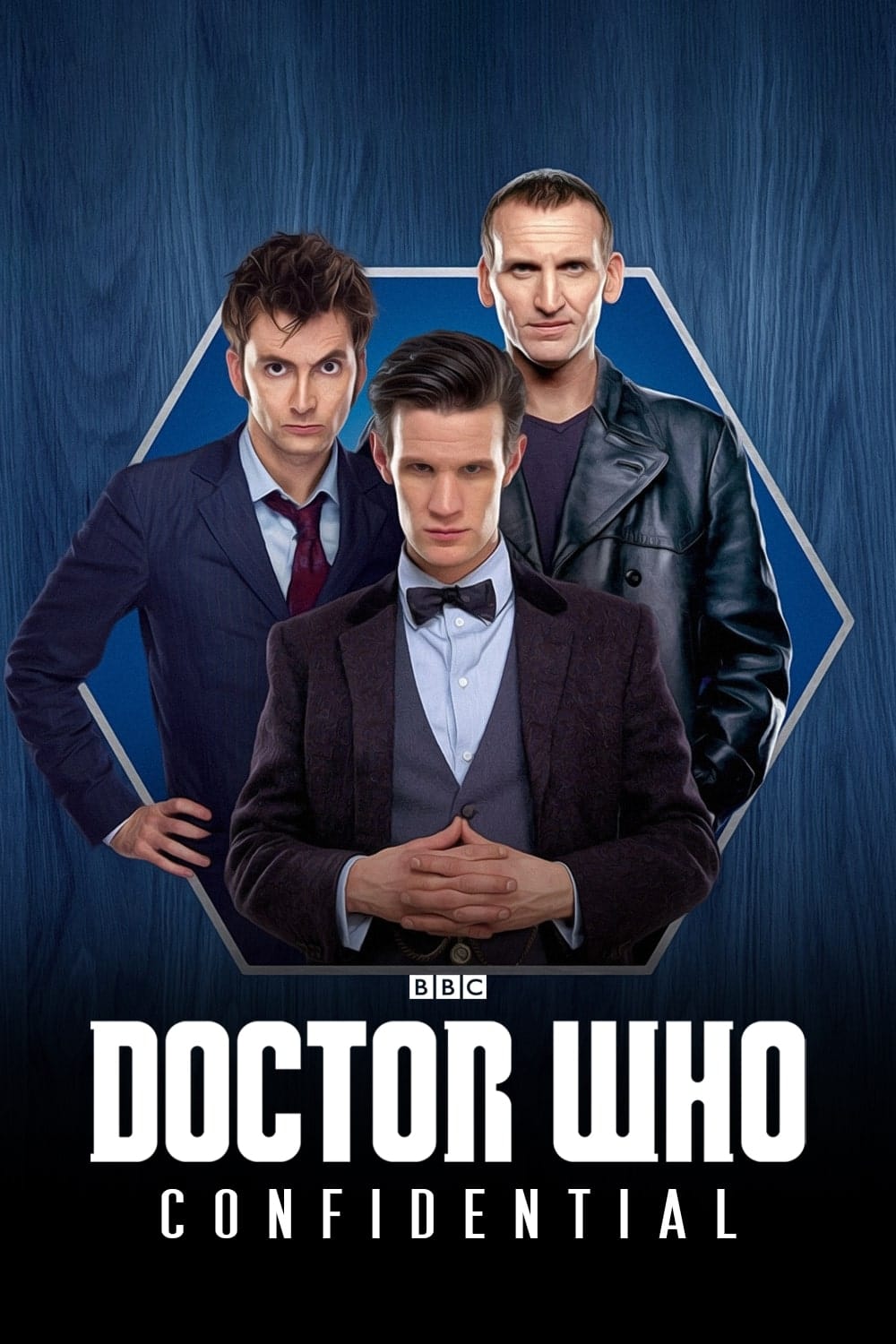
Doctor Who Confidential is a documentary to complement the revival of the long-running British science fiction television series Doctor Who. Each episode was broadcast on BBC Three on Saturdays, immediately after the broadcast of the weekly television episode on BBC One. The running time of the first two series was 30 minutes, being extended to 45 minutes in the third. BBC Three also broadcast a cut-down edition of the programme, lasting 15 minutes, shown after the repeats on Sundays and Fridays and after the weekday evening repeats of earlier seasons.
Experience the wonders of our world like never before in this epic series from Jon Favreau and the producers of Planet Earth. Travel back 66 million years to when majestic dinosaurs and extraordinary creatures roamed the lands, seas, and skies.
An in-depth look at the history and pop cultural significance of horror films.
Based on the popular BBC series running since 1979, the PBS Antiques Roadshow combines history with discovery. Each year, the show visits a handful of cities to appraise items brought in by viewers. Are these items worth a lot of money, more than the visitors expect?
Biography is a documentary television series. It was originally a half-hour filmed series produced for CBS by David Wolper from 1961 to 1964 and hosted by Mike Wallace. The A&E Network later re-ran it and has produced new episodes since 1987. The older version featured historical figures such as Helen Keller and Mark Twain, or long-dead entertainment figures such as Will Rogers or John Barrymore. The A&E series has placed the emphasis on such people as Marilyn Monroe, Elvis Presley, Plácido Domingo, Freddie Mercury, Jacqueline Kennedy Onassis, Eric Clapton, Pope John Paul II, Gene Tierney, Selena, Diego Rivera, Mao Zedong and Queen Elizabeth II, and fictional characters like The Phantom, Superman, Hamlet, Betty Boop, and Santa Claus. The program ended up profiling enough figures that in 1999, A&E spun it off into an entire network, The Biography Channel.
Horizon tells amazing science stories, unravels mysteries and reveals worlds you've never seen before.
MegaStructures is a documentary television series appearing on the National Geographic Channel in the United States and the United Kingdom, Channel 5 in the United Kingdom, France 5 in France, and 7mate in Australia. Each episode is an educational look of varying depth into the construction, operation, and staffing of various structures or construction projects, but not ordinary construction products. Generally containing interviews with designers and project managers, it presents the problems of construction and the methodology or techniques used to overcome obstacles. In some cases this involved the development of new materials or products that are now in general use within the construction industry. MegaStructures focuses on constructions that are extreme; in the sense that they are the biggest, tallest, longest, or deepest in the world. Alternatively, a project may appear if it had an element of novelty or are a world first. This type of project is known as a Megaproject.
Natural World is a nature documentary television series broadcast annually on BBC Two and regarded by the BBC as its flagship natural history brand. It is currently the longest-running series in its genre on British television, with more than 400 episodes broadcast since its inception in 1983. Natural World is produced by the BBC Natural History Unit in Bristol, but individual programmes can be in-house productions, collaborative productions with other broadcasters or films made and distributed by independent production companies and purchased by the BBC. Natural World programmes are often broadcast as PBS Nature episodes in the USA. Since 2008, most Natural World programmes have been shot and broadcast in high definition.
Have you ever wondered how the products you use every day are made? How It's Made leads you through the process of how everyday products, such as apple juice, skateboards, engines, contact lenses, and many more objects are manufactured.
Part detective story, part true-life drama, long-running series explores some of the most iconic moments in history to debunk myths and shed new light on past events. Using the latest investigative techniques, forensic science and historical examination, it shatters accepted wisdom, challenges prevailing ideas, overturns existing hypotheses, spotlights forgotten mysteries, and ultimately rewrites history.
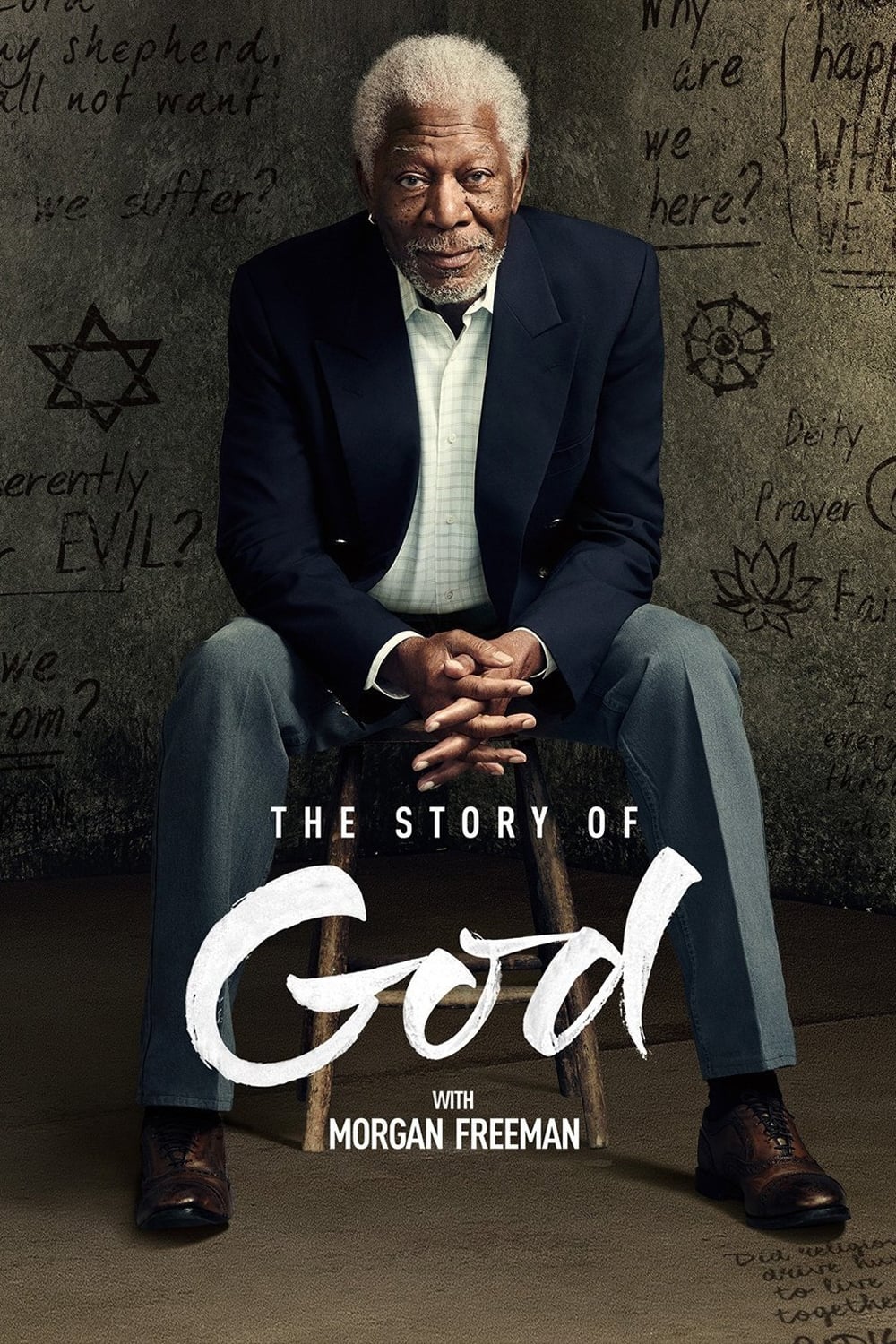
Morgan Freeman presents his quest in order to find how most religions perceive life after death, what different civilizations thought about the act of creation and other big questions that mankind has continuously asked.
This compelling series investigates the motives and m.o. of female murderers. While males are often driven by anger, impulse and destruction, women usually have more complex, long-term reasons to kill.