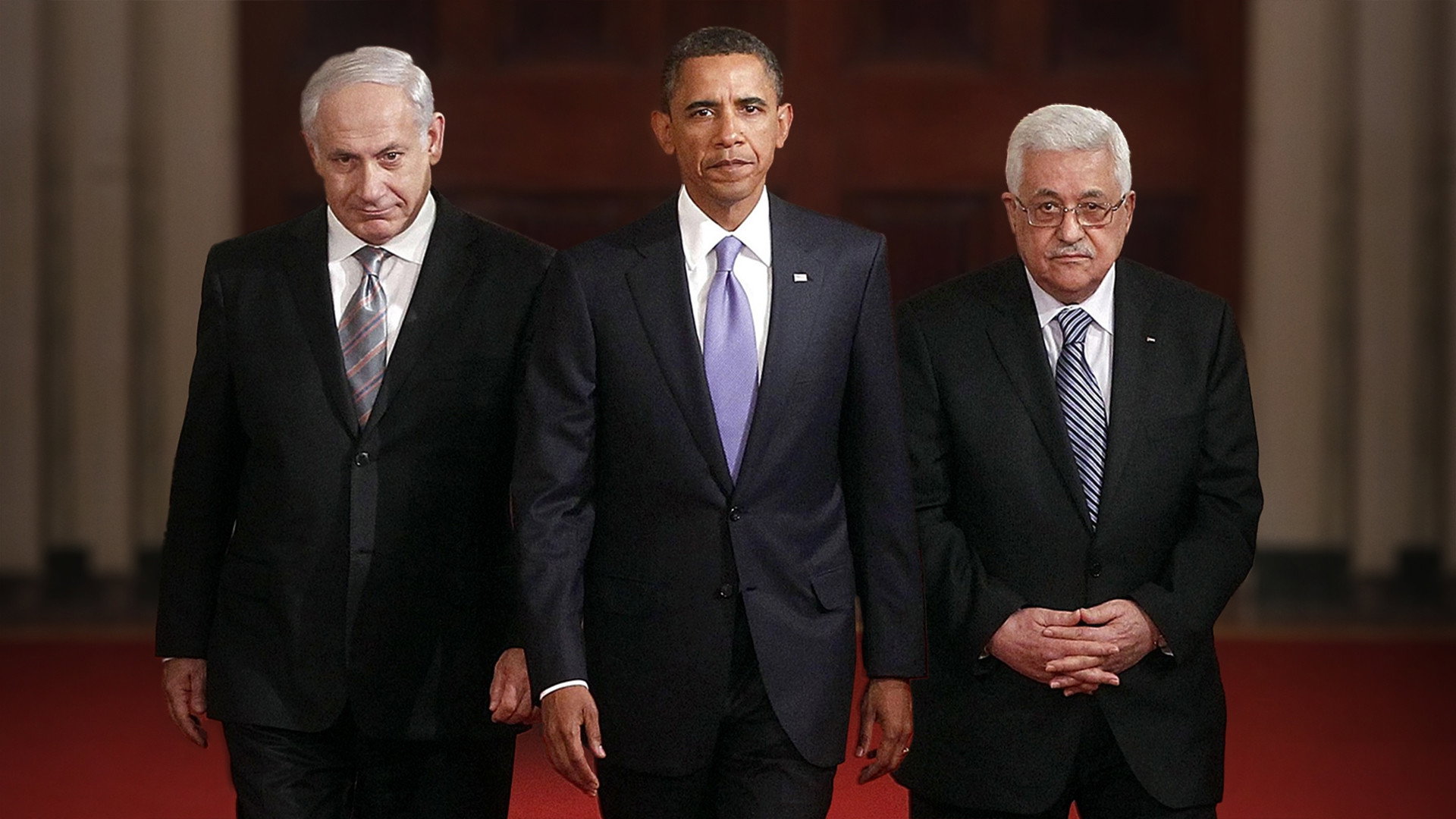
A new documentary series chronicling the decisions that have shaped Israeli-Palestinian conflict over the past two decades.
Social & External
A searing indictment of Big Pharma and the political operatives and government regulations that enable over-production, reckless distribution and abuse of synthetic opiates.
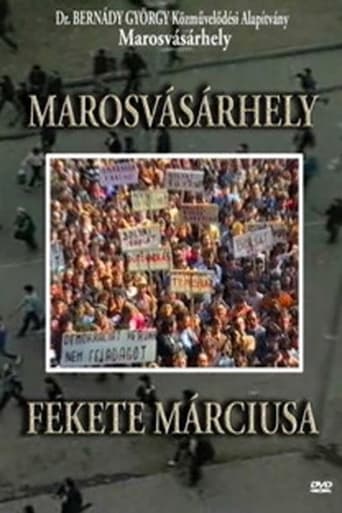
The series covers the events of the ethnic clashes in Târgu Mures after the fall of the communist regime. The author has arranged the written and film material collected by the Dr. Bernády György Foundation in chronological order. The archival photos showing the important events of the five days, the moments that created the revolutionary atmosphere, are complemented by the recollections of Hungarians and Romanians, and official statements.
Five-part adaptation of Anne Frank's famous wartime diaries in which a young teenager and her family go into hiding from the Nazis in wartime Amsterdam.
New interviews and an up-to-date analysis of evidence shed light on the 1992 murders of three girls in Spain and their profound impact on the nation.
The Islamic Revolutionary Guard Corps or IRGC is the protector of the Islamic Republic of Iran and the military arm of the Supreme Leader. Also known as the Pasdaran, this deep-state mafia comprising 120,000 men has extensive powers, ensuring bloody repression of the people. No strangers to smuggling and trafficking, the IRGC’s economic empire is worth hundreds of billions of dollars. The Supreme Leader Khomeini has allowed the organization to infiltrate the state and its members are now mayors, members of parliament and ministers, cultivating their networks at the highest levels. The IRGC is responsible for Iran's nuclear and ballistic missile programs, and cultivates not only the art of deterrence, but also a strategy of asymmetrical warfare via the militias and terrorist organizations they finance, arm, and control across the Middle East.
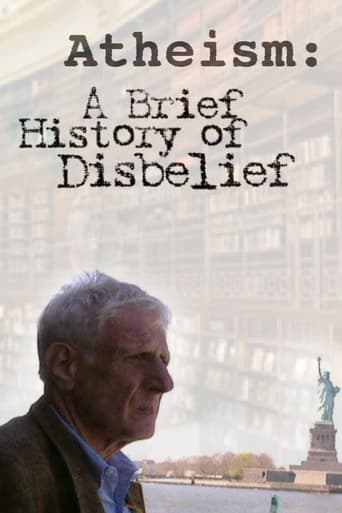
Atheism: A Rough History of Disbelief – known in the United States as A Brief History of Disbelief – is a 2004 television documentary series written and presented by Jonathan Miller for the BBC and tracing the history of atheism.
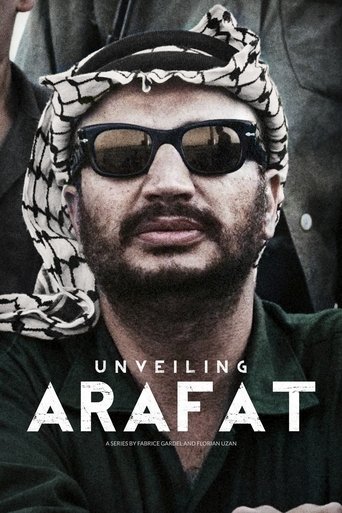
A portrait of Palestinian political leader Yasser Arafat (1929-2004).
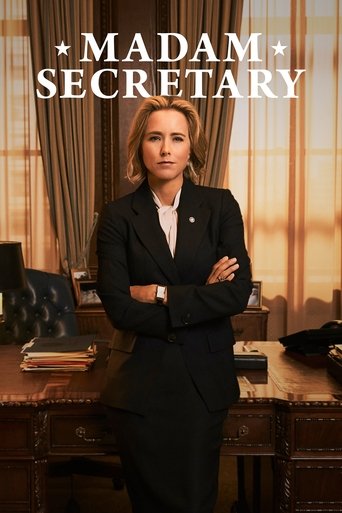
After years away from the CIA, Elizabeth McCord is pulled back into the political arena. The newly appointed Secretary of State is tough, fair, and smart, driving international diplomacy, wrangling office politics, and circumventing protocol as she negotiates global and domestic issues, both at the White House and at home.
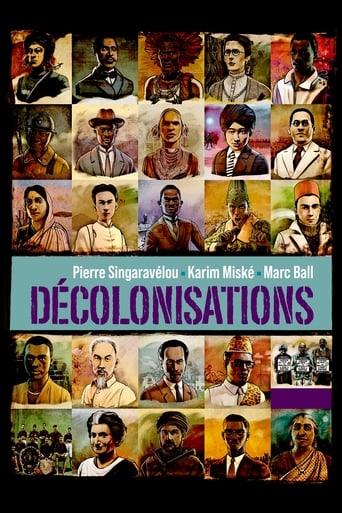
The history of decolonization from the point of view of colonized peoples, an epic story that still resonates and reverberates to this day.
An anthology series exploring the aftermath of the October 7 attacks in Israel, where Hamas militants killed and took hostages. It portrays stories of love, bravery, endurance, and grief arising from the senseless violence.
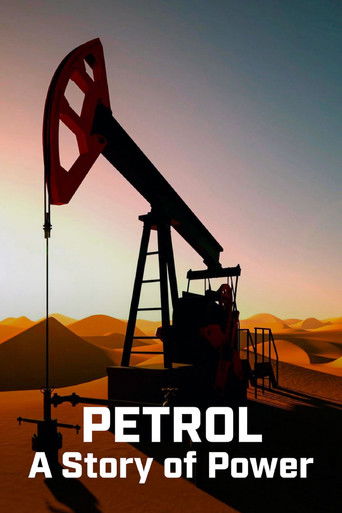
The discovery of oil brought unprecedented economic growth to humanity. Initially, oil was available in large quantities and cheap – but in 1973, a consequential oil price crisis hit, and the sticky commodity became part of a geopolitical poker game. The struggle for global resources is more relevant than ever.
Experts explore ethical dilemmas, promoting constructive dialogue about polarizing issues.
To coincide with COP28, the two-part arte documentary (originally from PBS Frontline/BBC under the title "Big Oil vs. The World" / "The Power of Big Oil") shows how oil companies and politicians have, for decades, sowed doubt about the causes of climate change and obstructed necessary countermeasures. In light of the growing threat of natural disasters, heat waves, and floods, the film examines the precise reasons for this long-standing obstruction and questions the responsibility of powerful oil companies like ExxonMobil.
Between 1914 and 1945, two major conflicts engulfed the planet. Among the combatants of the First World War, eight men would play a decisive role in the next one.
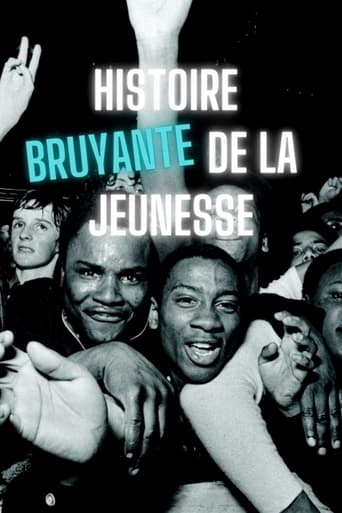
A look back at the social movements, revolts and youth subcultures from the post-war period to the present day: after the World War II, the left-bank of Paris became a mecca for jazz and alternative living, youth culture was born with trailblazing American movies, and rock became the soundtrack to a generation that wanted to change everything.
Dony De Nuccio will present every week a theme of great international impact through a dynamic, innovative and content-rich format.
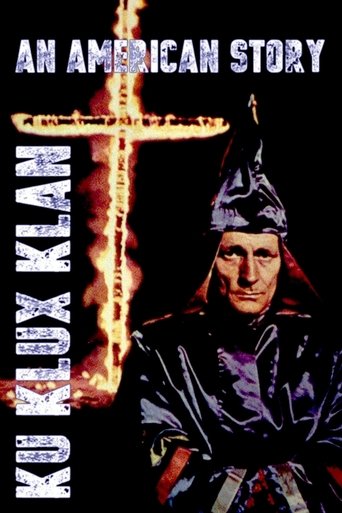
Since its birth in 1865, in the wake of the American Civil War, the history of the Ku Klux Klan has been inseparable from that of the United States. The debates over slavery, the populism in the roaring twenties, the struggle for civil rights in the sixties, the rise of the far-right in the early 21st century; the Klan seems to have always embodied the dark side of the nation, with its gray areas and blind spots.
Jérôme Kerviel – the trader who hid €50 billion in trades at a major international bank – and his former superiors reveal all sides of the scandal.
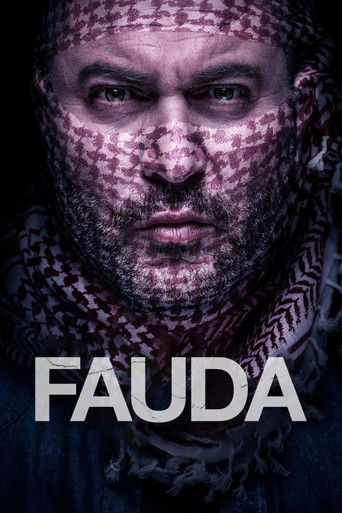
A top Israeli agent comes out of retirement to hunt for a Palestinian militant he thought he'd killed, setting a chaotic chain of events into motion.
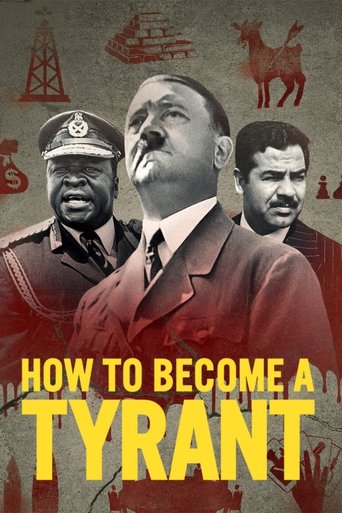
The documentary series explores different political figures throughout history.
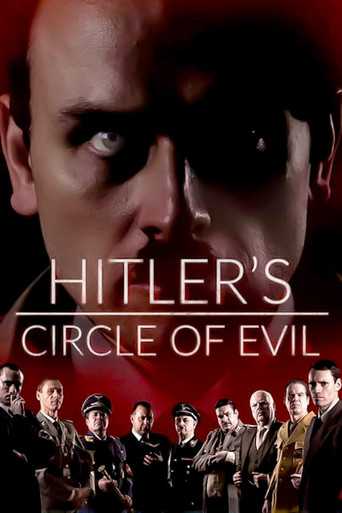
Surviving power struggles, betrayals and plots, Hitler's inner circle of Nazi leaders seizes control of Germany and designs its disastrous future.
WWII in HD is a 10-part American documentary television miniseries that originally aired from November 15 to November 19, 2009 on the History Channel. The program focuses on the firsthand experiences of twelve American service members during World War II, including an Army nurse, a member of the Tuskegee Airmen, a second generation Japanese American and prisoner of war, and an Austrian Jewish immigrant. The twelve members recorded their time in both theaters and some had later interviews; found footage from the battlefield was paired with the stories of the twelve service members. The episodes premiered on five consecutive days, with two episodes per day. The series is narrated by Gary Sinise and was produced by Lou Reda Productions in Easton, Pennsylvania, United States.
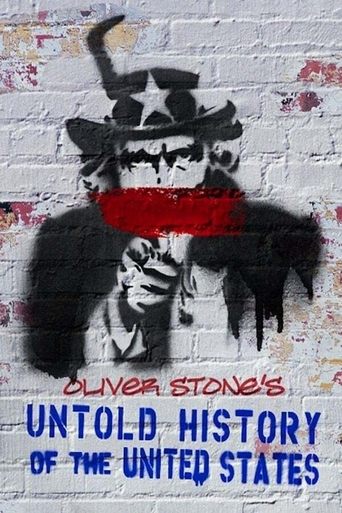
Oliver Stone's re-examination of under-reported events in American history.
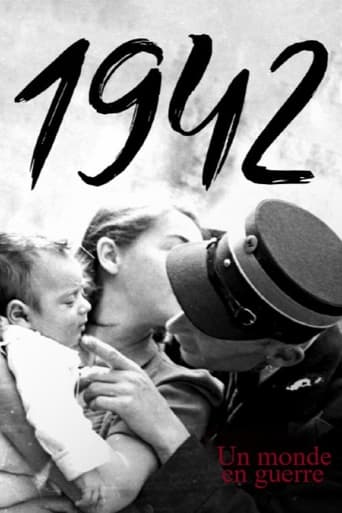
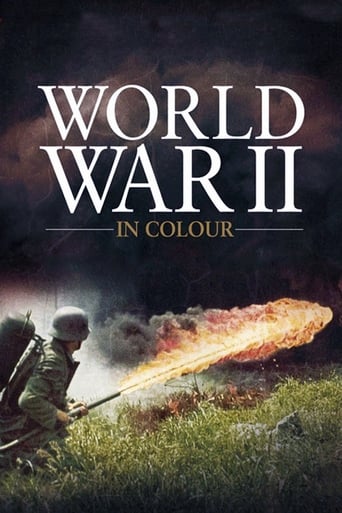
Using highly advanced colourisation techniques, critical moments from World War II, from Stalingrad to The Battle of Britain, are shown in a whole new light.
Modern history can be divided into two time frames: before 9/11 and after 9/11. This five-part docuseries is a cohesive chronicle of the September 11, 2001 attacks on the U.S., offering illuminating perspectives and personal stories of how the catastrophic events of that day changed the course of the nation.
TV's most-watched history series brings to life the compelling stories from our past that inform our understanding of the world today.
World War II In Colour is a 13-episode television documentary miniseries recounting the events of World War II narrated by Robert Powell. The show covers the Western Front, Eastern Front, and the Pacific War. It is on syndication in America on the Military Channel. This series is in full color, combining both original and colorized footage.
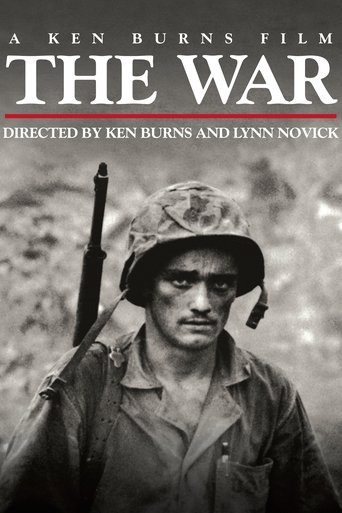
The story of the Second World War through the personal accounts of a handful of men and women from four American towns. The war touched the lives of every family on every street in every town in America and demonstrated that in extraordinary times, there are no ordinary lives.
Through vividly enhanced archival footage and voices from all sides of the conflict, this docuseries brings WWII to life like never before.
Infographics and archival footage deliver bite-size history lessons on scientific breakthroughs, social movements and world-changing discoveries.
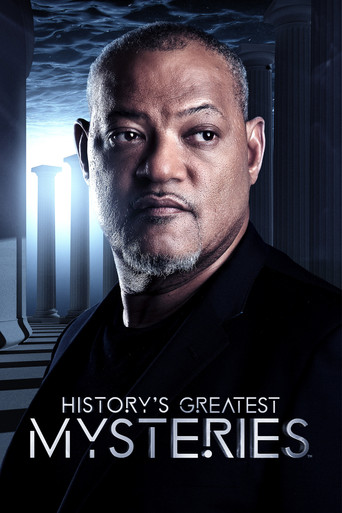
Investigates a wide range of historically compelling topics and the mysteries surrounding each including the Titanic, D.B. Cooper, Roswell, John Wilkes Booth, and more. Fresh, new evidence and perspectives will be showcased, such as never-before-released documents, personal diaries and DNA evidence.
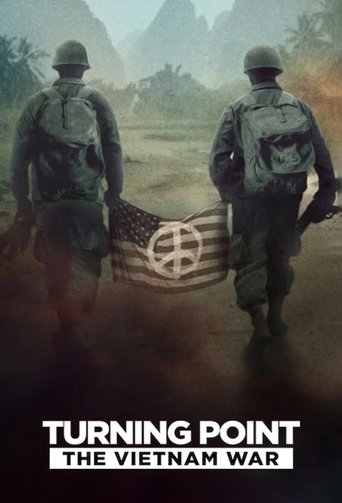
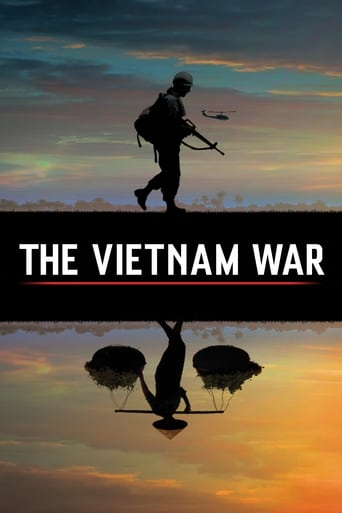
An immersive 360-degree narrative telling the epic story of the Vietnam War as it has never before been told on film. Featuring testimony from nearly 80 witnesses, including many Americans who fought in the war and others who opposed it, as well as Vietnamese combatants and civilians from both the winning and losing sides.
Filmed from the perspectives of dealers, users and the police, this vivid series offers a bracing look at the war on drugs.
A worldwide guided tour of the greatest movies ever made and the story of international cinema through the history of cinematic innovation.
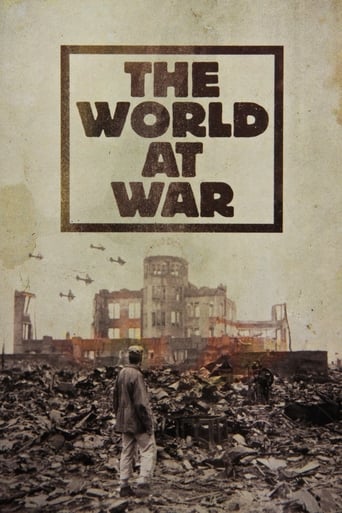
A documentary series that gives a historical account of the events of World War II, from its roots in the 1920s to the aftermath and the lives it profoundly influenced.
Five acclaimed contemporary directors tell the story of five legendary Hollywood filmmakers who enlisted in the armed forces to document World War II.
An in-depth look at the history and pop cultural significance of horror films.
Part detective story, part true-life drama, long-running series explores some of the most iconic moments in history to debunk myths and shed new light on past events. Using the latest investigative techniques, forensic science and historical examination, it shatters accepted wisdom, challenges prevailing ideas, overturns existing hypotheses, spotlights forgotten mysteries, and ultimately rewrites history.
A documentary on the American Civil War narrated by Ken Burns, covering the secession of the Confederacy to the assassination of Abraham Lincoln.