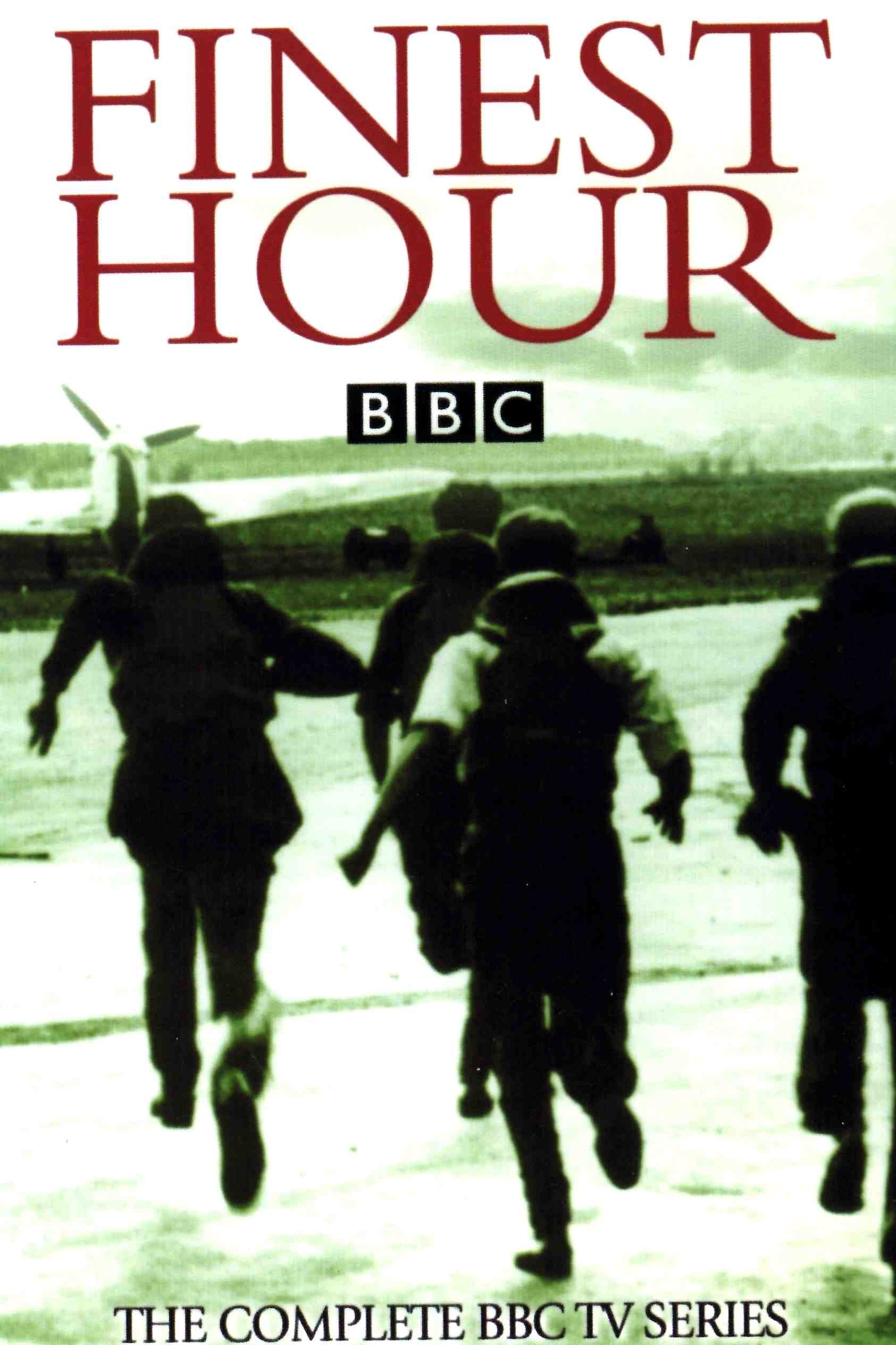
Series tracing the events of 1940, when Britain faced alone the threat of invasion and defeat by Hitler's forces.
Social & External
Commentary
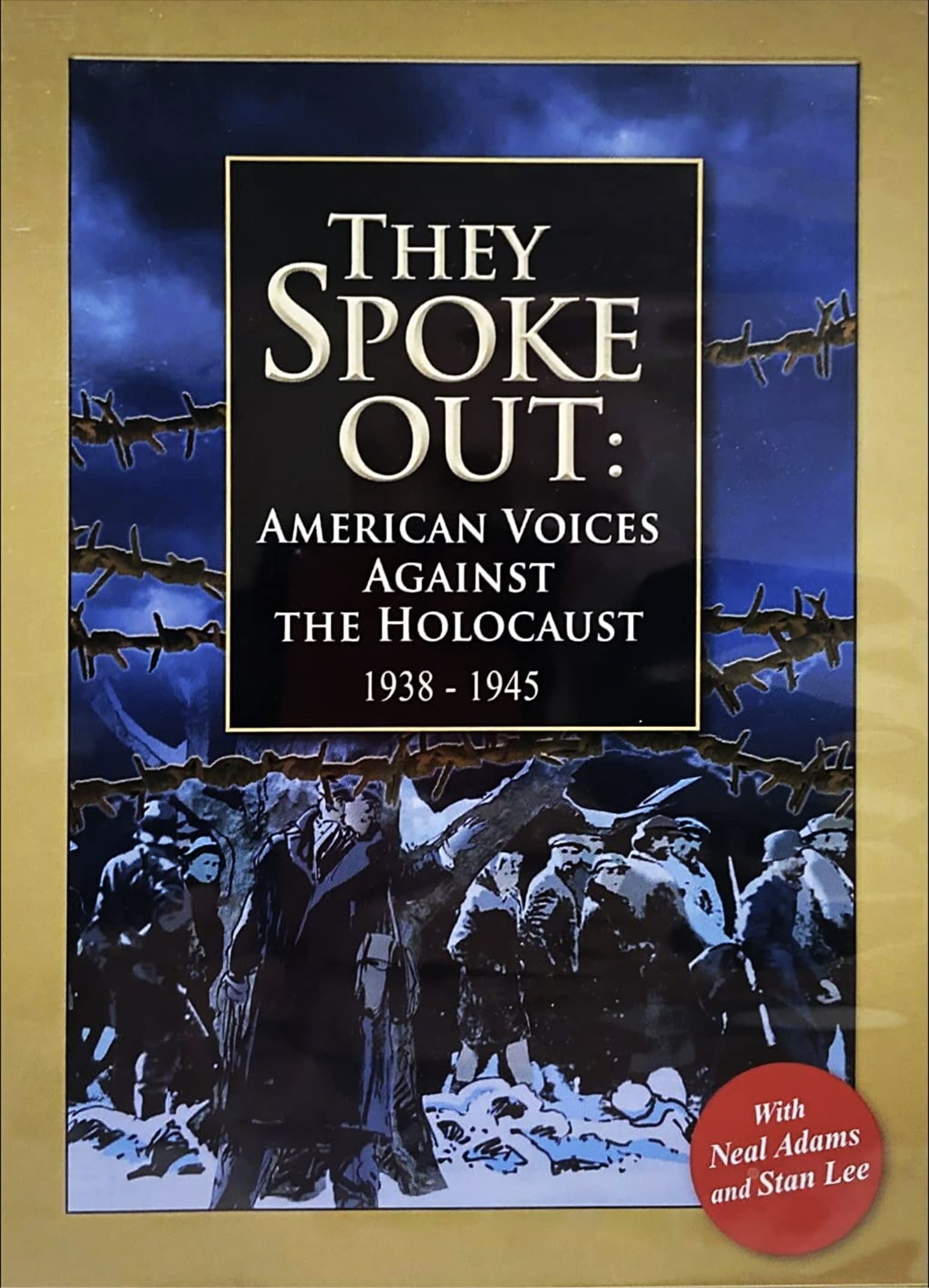
In the tradition of WWII-themed graphic novels such as Maus, six remarkable motion comics tell the dramatic stories of the brave people who raised their voices to advocate for Jewish refugees victimized by the Nazis
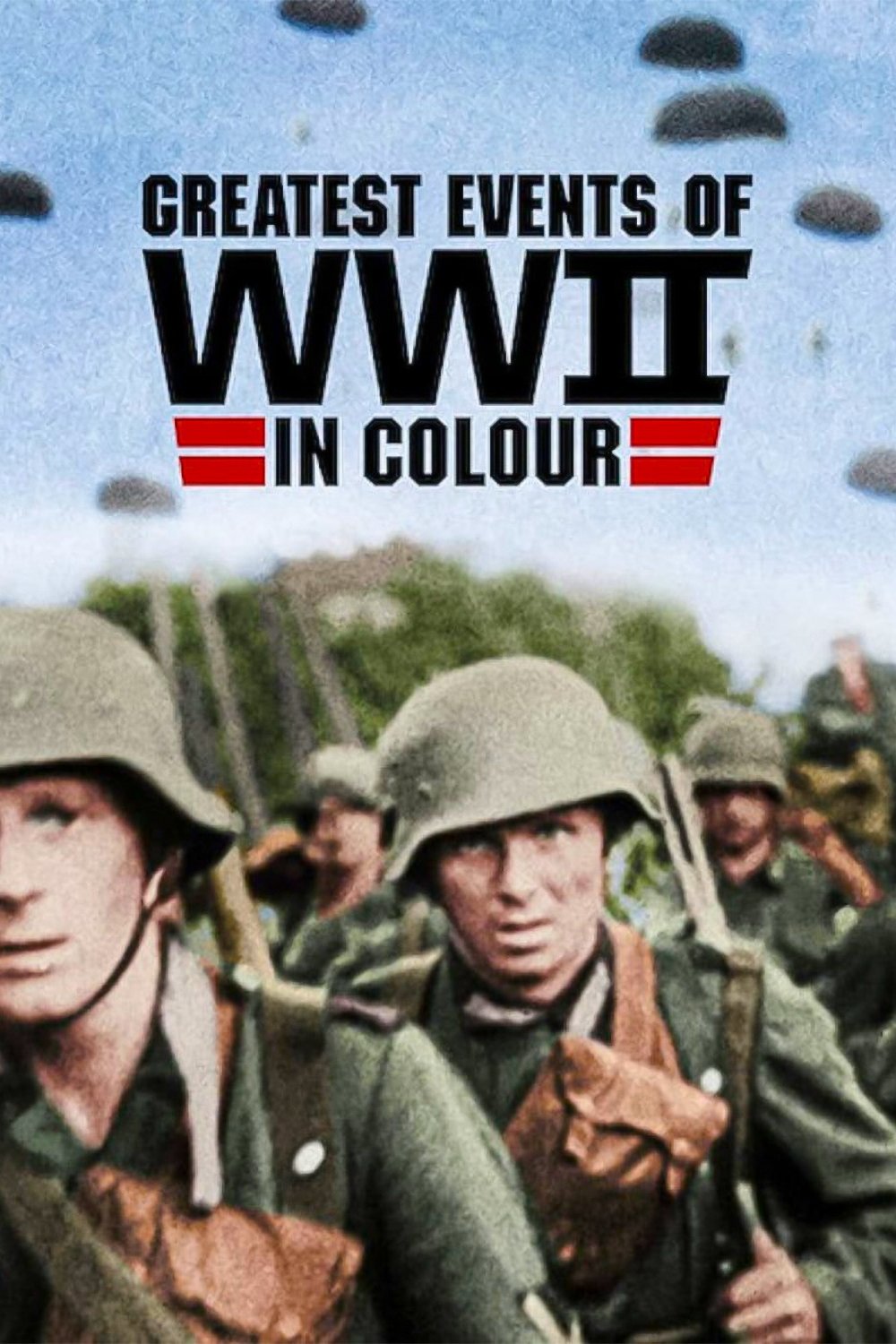
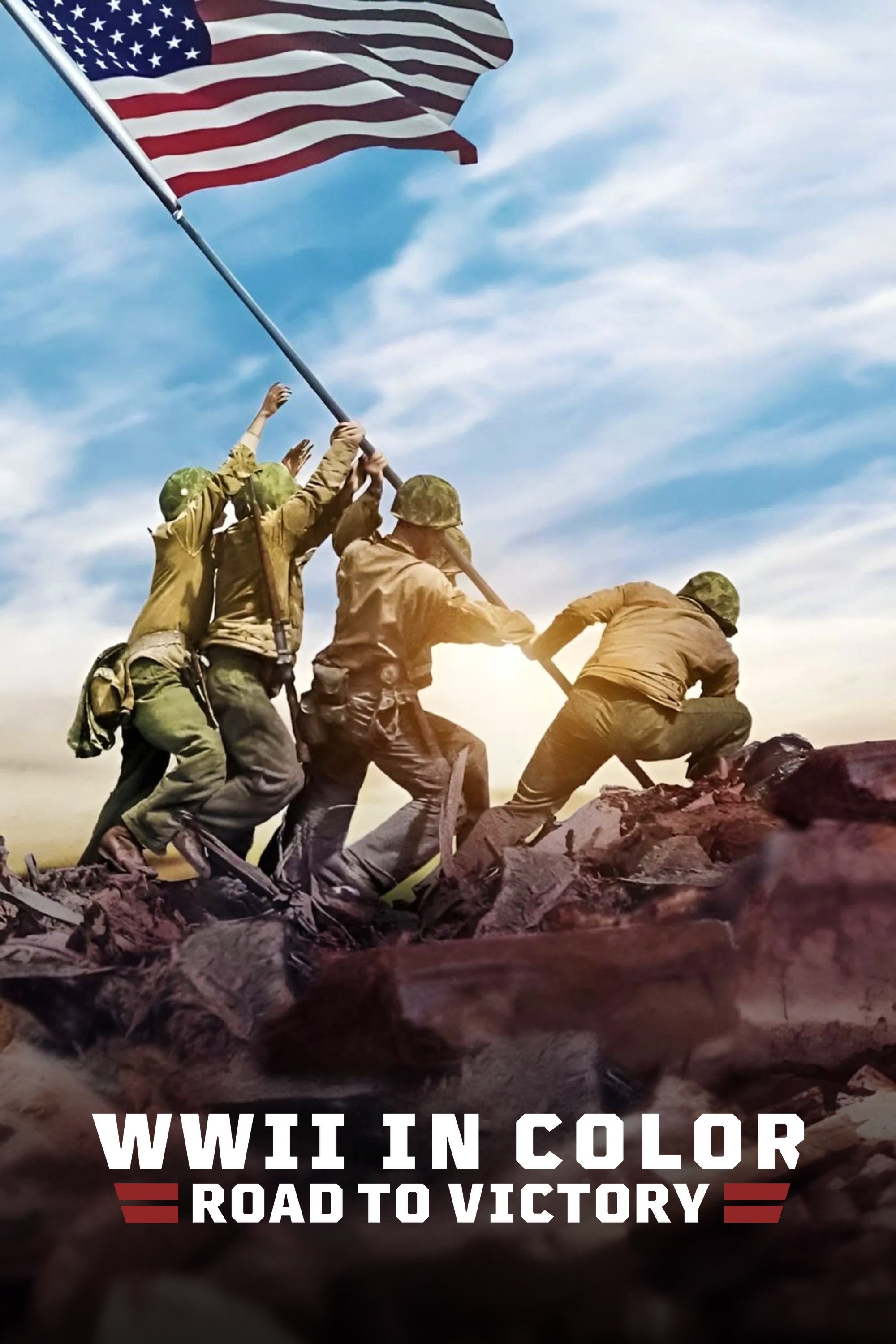
Using highly advanced colourisation techniques, critical moments from World War II, from Stalingrad to The Battle of Britain, are shown in a whole new light.
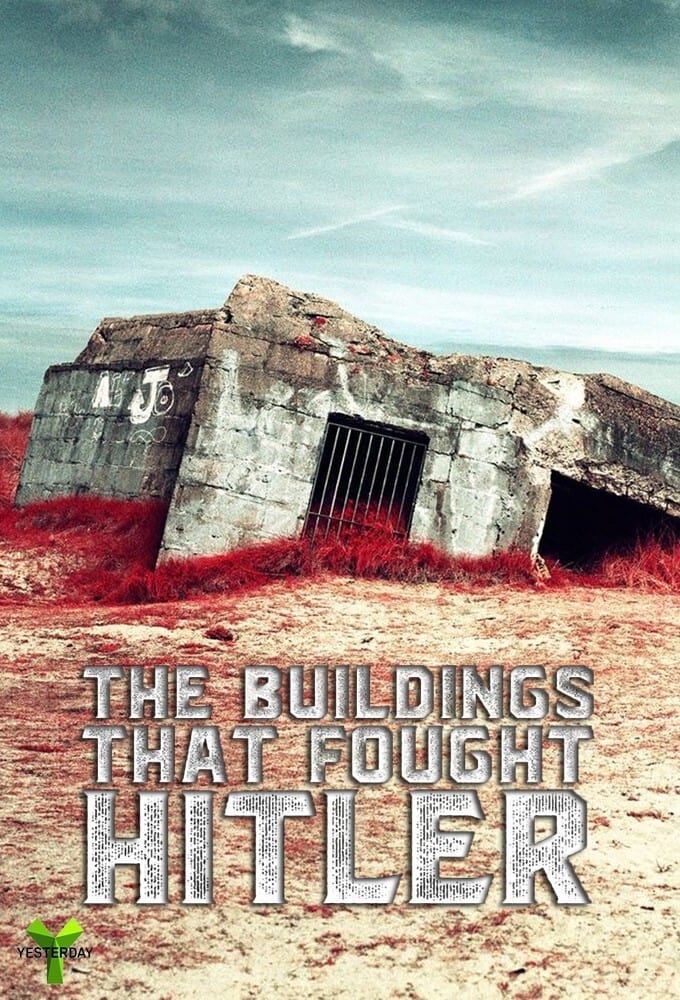
Exploring the buildings that were built to defend Britain from a German invasion during World War II. From coastal defences, to secret bases, travel across Britain looking at the buildings that were built to fight Hitler and his advancing army.
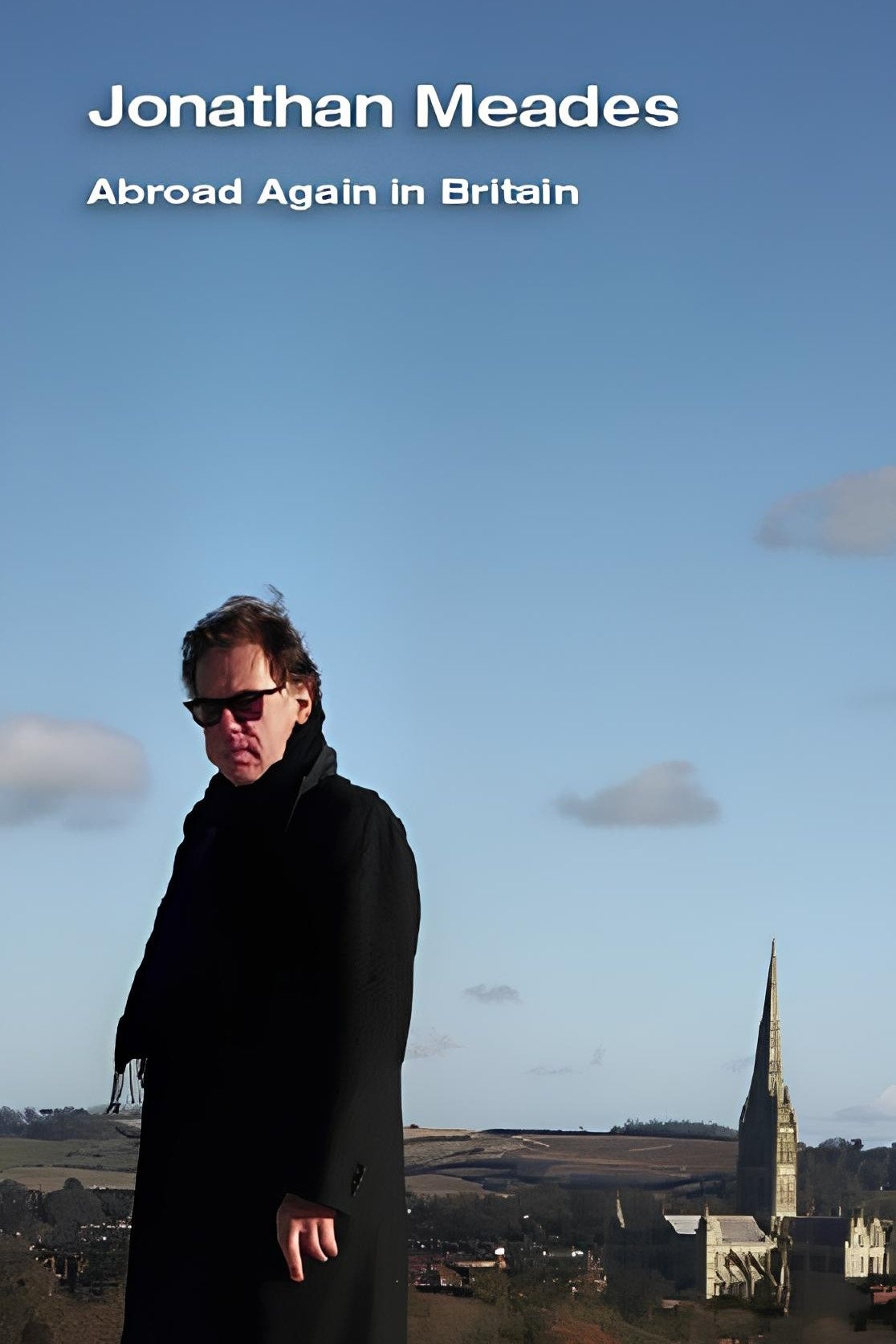
Jonathan Meades gives a personal perspective of British history.
The Secret History Of WWII looks into the remarkable stories behind the key events of the planet's most destructive conflict. Each episode revolves around a different major event - from Dunkirk to D-day - and uses immersive recreation and archive to drive the story, as well as insightful and poignant first-hand accounts.
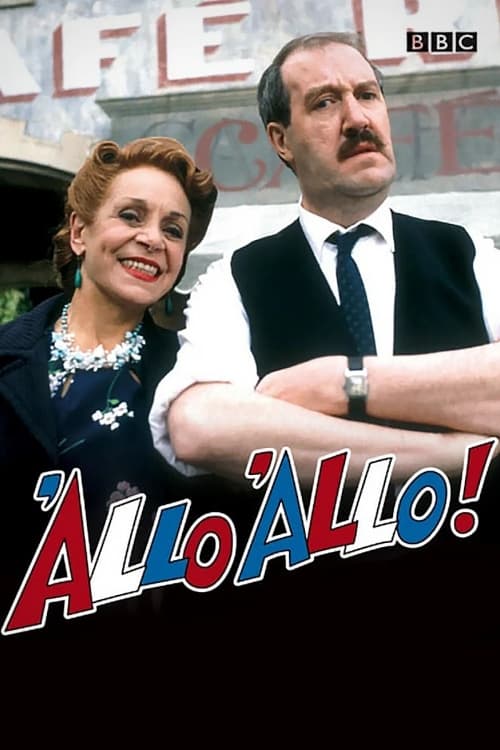
The misadventures of hapless cafe owner René Artois and his escapades with the Resistance in occupied France.
Set against the backdrop of the greatest clandestine race against time in the history of science with the mission to build the world's first atomic bomb in Los Alamos, New Mexico. Flawed scientists and their families attempt to co-exist in a world where secrets and lies infiltrate every aspect of their lives.
As WW2 rages around the world, DCS Foyle fights his own war on the home-front as he investigates crimes on the south coast of England. Foyle's War opens in southern England in the year 1940. Later series sees the retired detective working as an MI5 agent operating in the aftermath of the war.
Andrew Marr's The Making of Modern Britain is a 2009 BBC documentary television series presented by Andrew Marr that covers the period of British history from the death of Queen Victoria to the end of the Second World War. It was a follow-up to his 2007 series Andrew Marr's History of Modern Britain.
The story of three decades of war told through the eyes of various men who were its key players: Roosevelt, Hitler, Patton, Mussolini, Churchill, Tojo, DeGaulle and MacArthur. The series examines the two wars as one contiguous timeline starting in 1914 and concluding in 1945 with these unique individuals coming of age in World War I before ultimately calling the shots in World War II.
Happy birthday! Mary Berry is joined by famous friends to share memories and recipes. Celebrating the joy of food, they'll revisit old favourites and discover new delicious dishes.
The dramatised account of how the world’s greatest Special Forces unit, the SAS, was formed under extraordinary circumstances in the darkest days of World War Two.
WWII’s Greatest Raids is a series that takes you into the heart of an elite band of soldiers in the heat of a key action in their history, and follows them on the mission to show just how these men put their unique combination of skills, training and equipment to the test of combat. We’ll explore just how celebrated outfits such as the U.S. Army Rangers, the British Special Air Service and the Black Devil Brigade have changed the course of a battle, or perhaps even a war, through their courage, daring and commitment.
Explore the greatest machines, most impactful weapons, and groundbreaking innovations of WWII, shining a light on the engineering and technological advances that shaped the course of the conflict and continue to influence our world today.
The story of the Second World War through the personal accounts of a handful of men and women from four American towns. The war touched the lives of every family on every street in every town in America and demonstrated that in extraordinary times, there are no ordinary lives.
The Gallant Men is a 1962–1963 ABC television series which depicted an infantry company of American soldiers fighting their way through Italy in World War II.
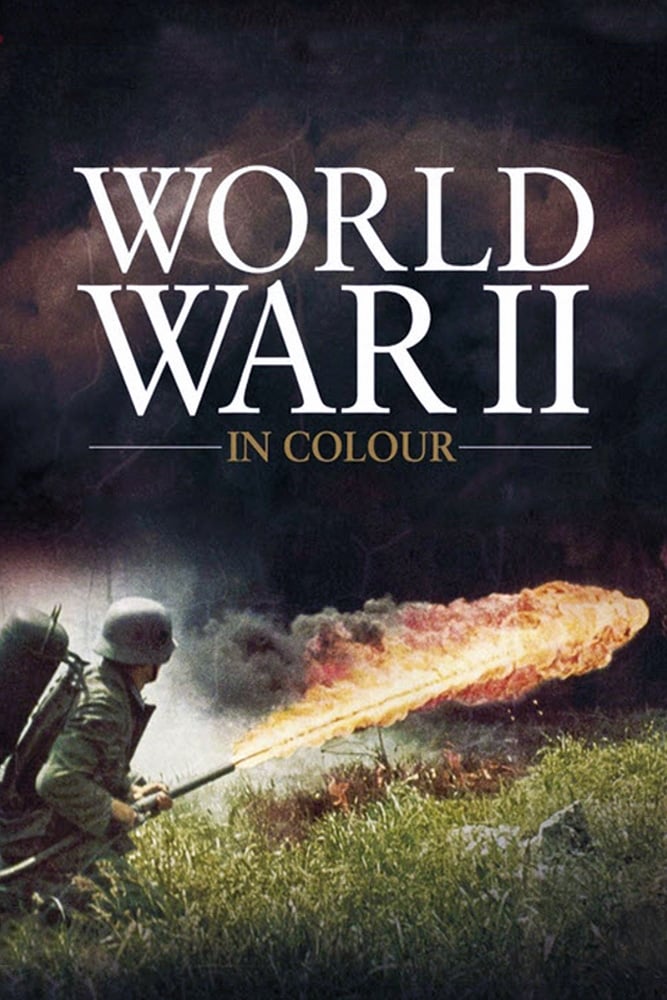
World War II In Colour is a 13-episode television documentary miniseries recounting the events of World War II narrated by Robert Powell. The show covers the Western Front, Eastern Front, and the Pacific War. It is on syndication in America on the Military Channel. This series is in full color, combining both original and colorized footage.
Gripping historical footage and expert commentary give detailed insights into the leading figures and decisive turning points of World War II.
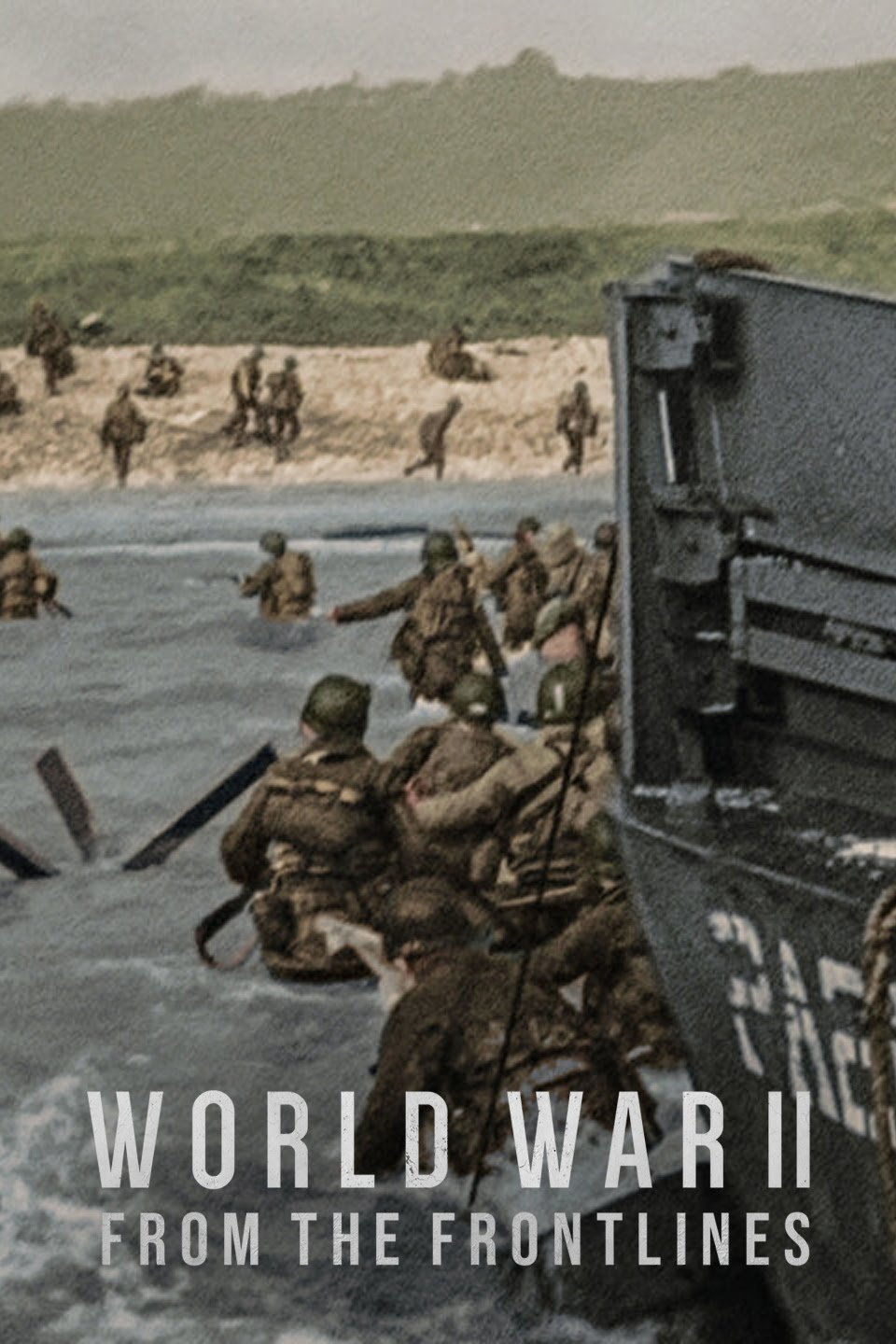
Through vividly enhanced archival footage and voices from all sides of the conflict, this docuseries brings WWII to life like never before.
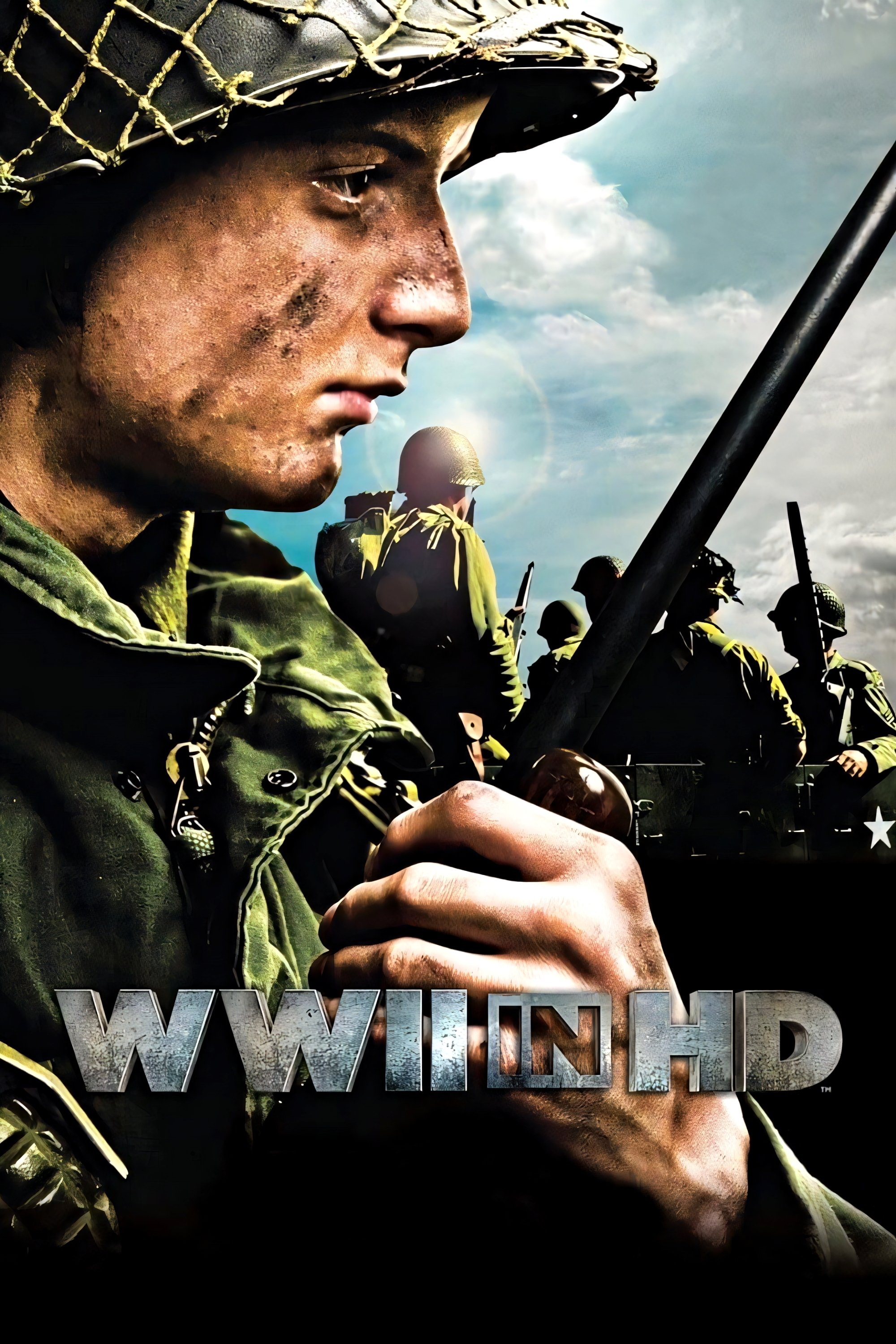
WWII in HD is a 10-part American documentary television miniseries that originally aired from November 15 to November 19, 2009 on the History Channel. The program focuses on the firsthand experiences of twelve American service members during World War II, including an Army nurse, a member of the Tuskegee Airmen, a second generation Japanese American and prisoner of war, and an Austrian Jewish immigrant. The twelve members recorded their time in both theaters and some had later interviews; found footage from the battlefield was paired with the stories of the twelve service members. The episodes premiered on five consecutive days, with two episodes per day. The series is narrated by Gary Sinise and was produced by Lou Reda Productions in Easton, Pennsylvania, United States.
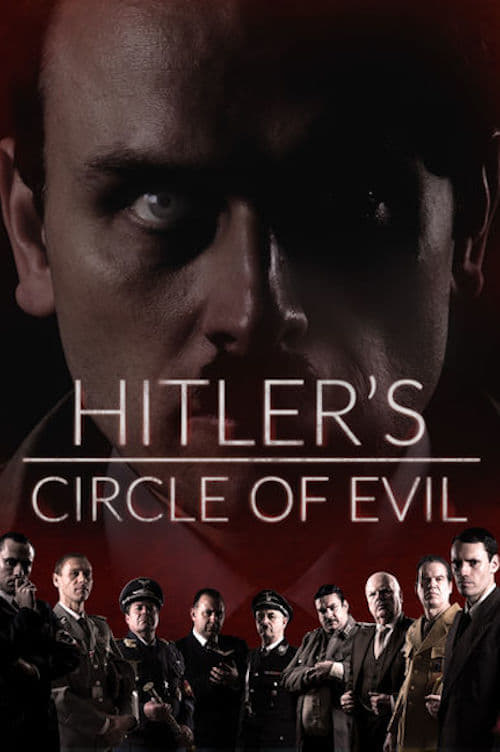
Surviving power struggles, betrayals and plots, Hitler's inner circle of Nazi leaders seizes control of Germany and designs its disastrous future.
A documentary series that gives a historical account of the events of World War II, from its roots in the 1920s to the aftermath and the lives it profoundly influenced.
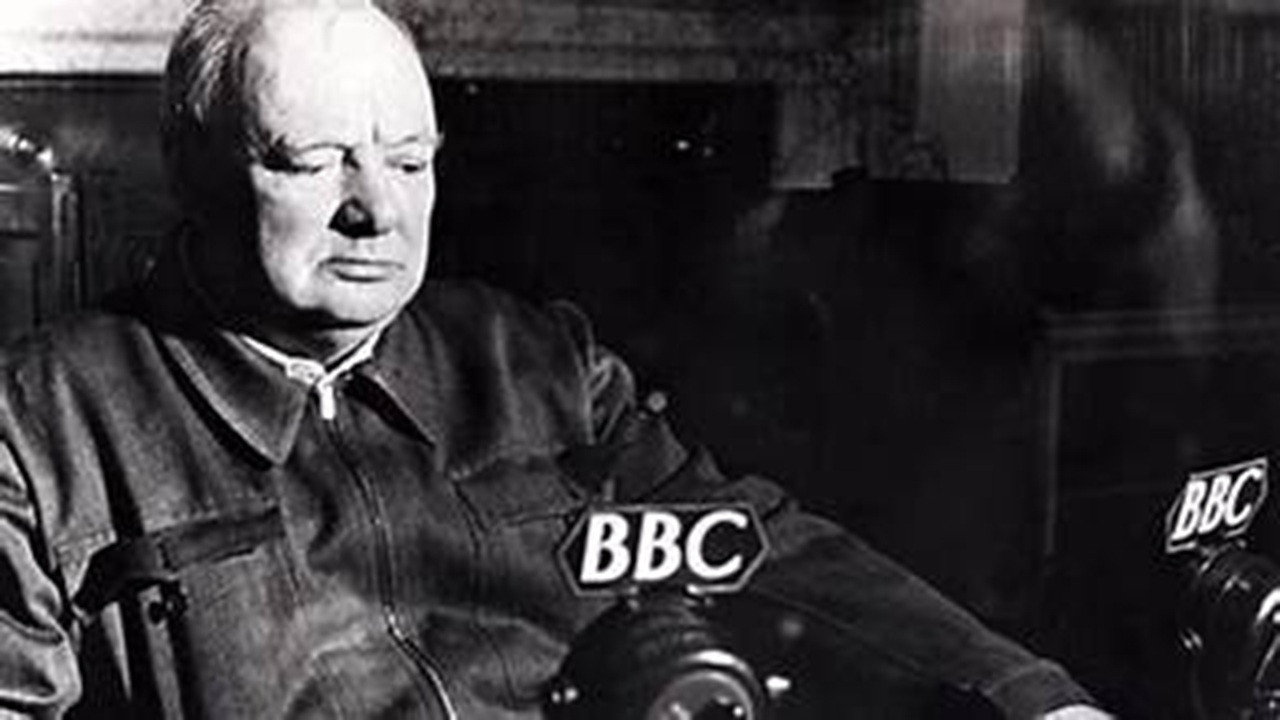
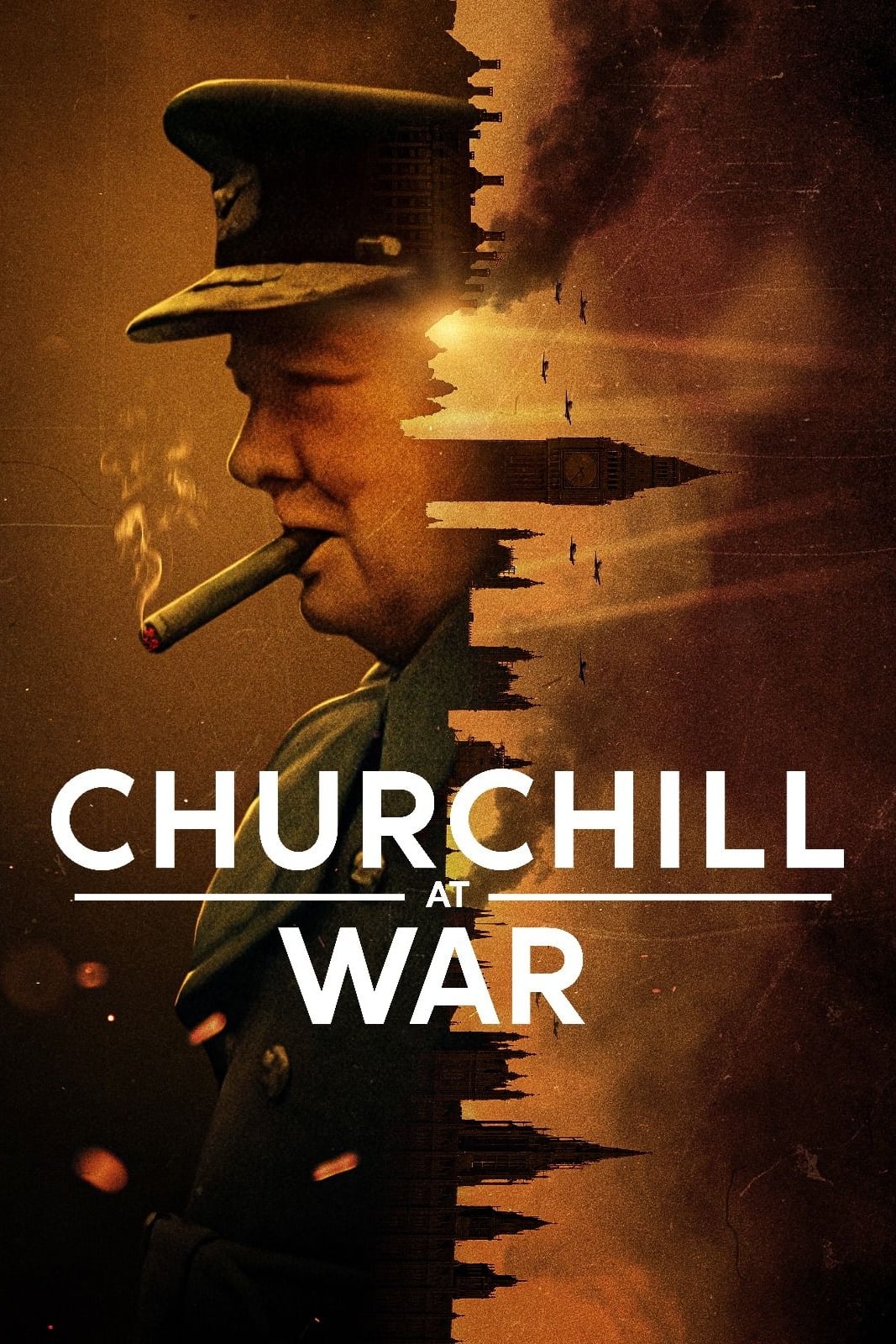
This captivating docuseries examines Winston Churchill's pivotal role in World War II and the formative events that made him an ideal leader for the era.
This ten-part docuseries tells the comprehensive story of the First World War, featuring excerpts written by Winston Churchill, Karen Blixen, Georges Clémenceau, David Lloyd George, Siegfried Sassoon and Rudolf Hess.
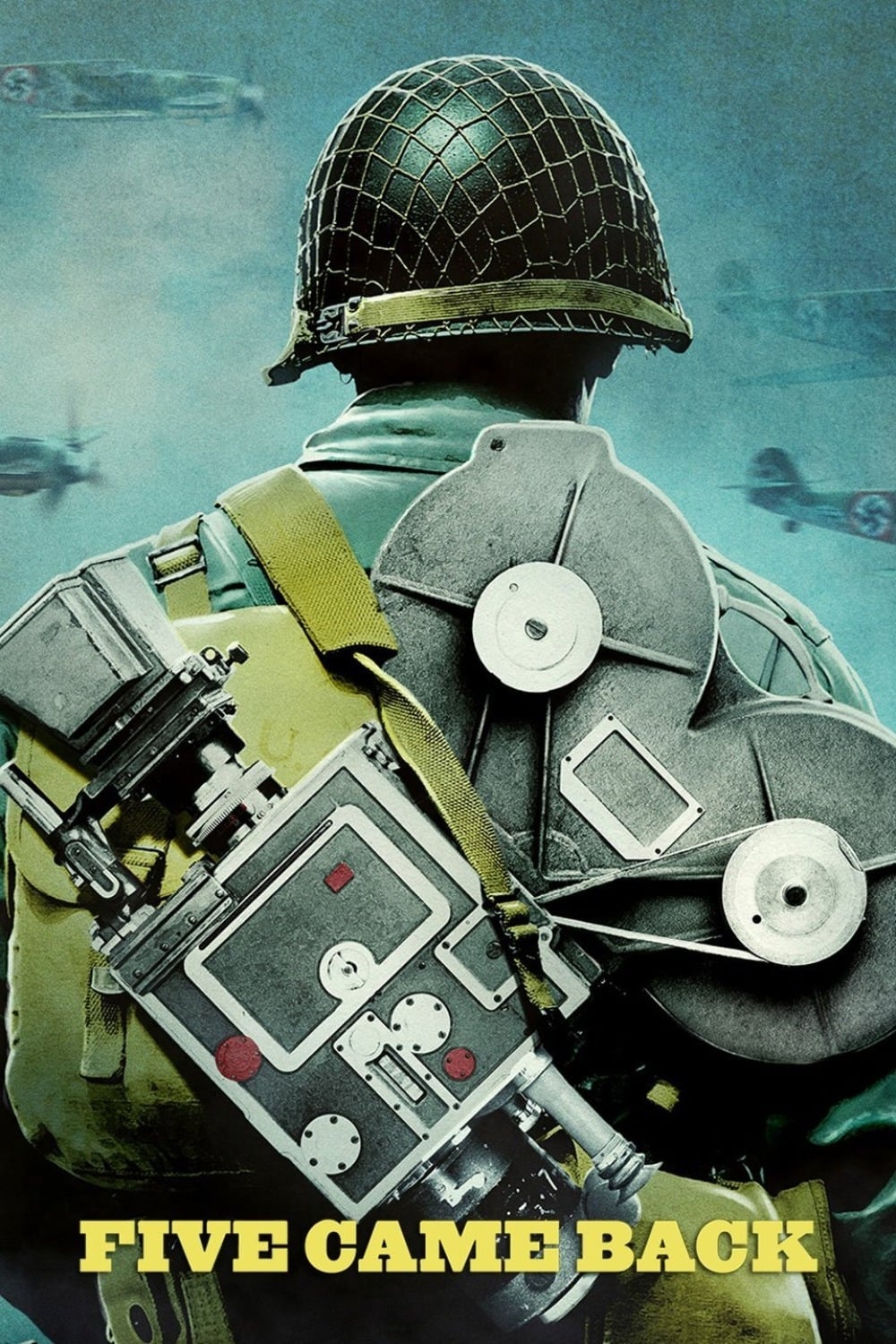
Five acclaimed contemporary directors tell the story of five legendary Hollywood filmmakers who enlisted in the armed forces to document World War II.
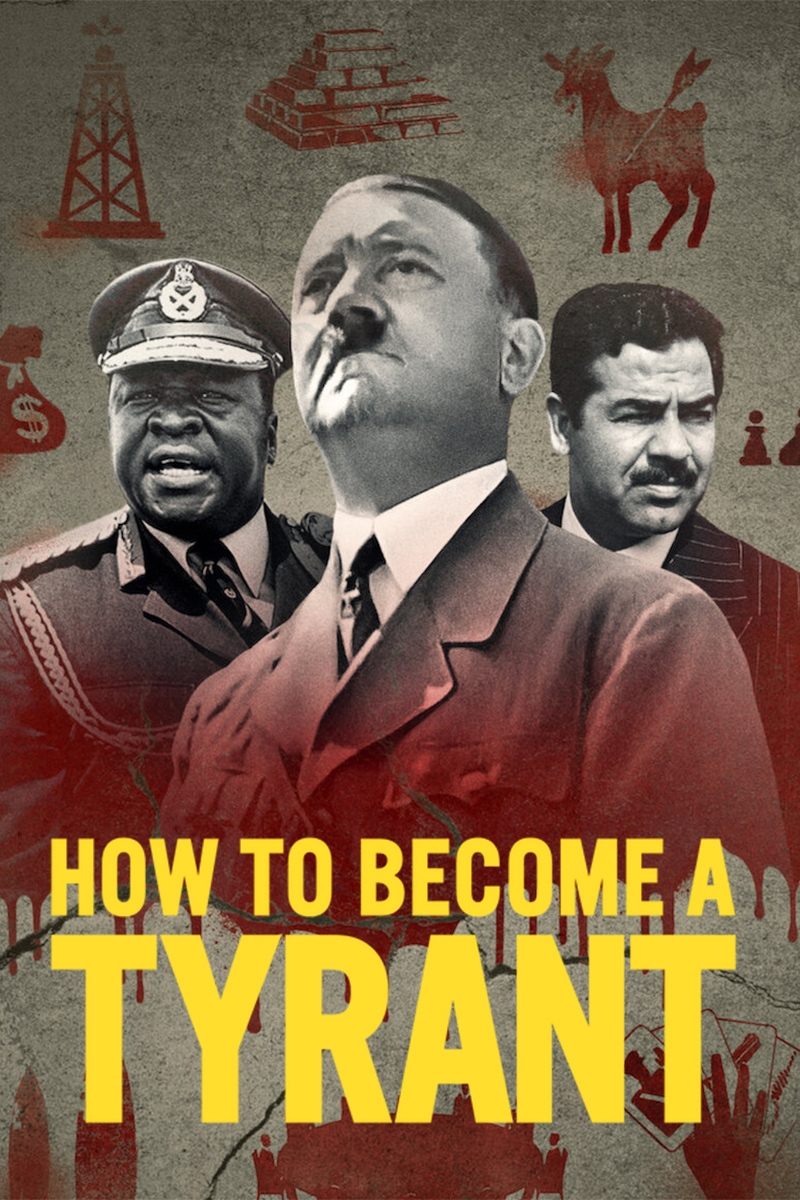
The documentary series explores different political figures throughout history.
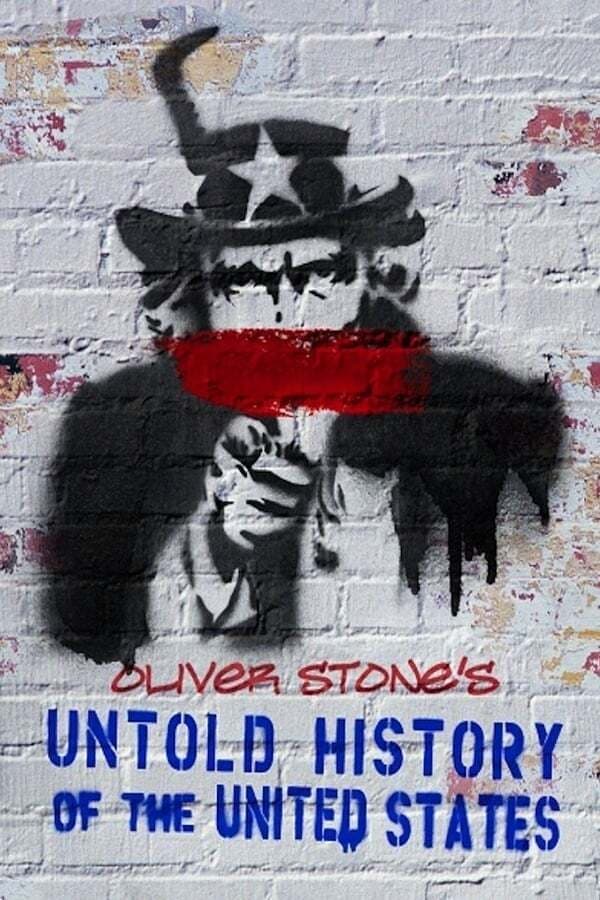
Oliver Stone's re-examination of under-reported events in American history.
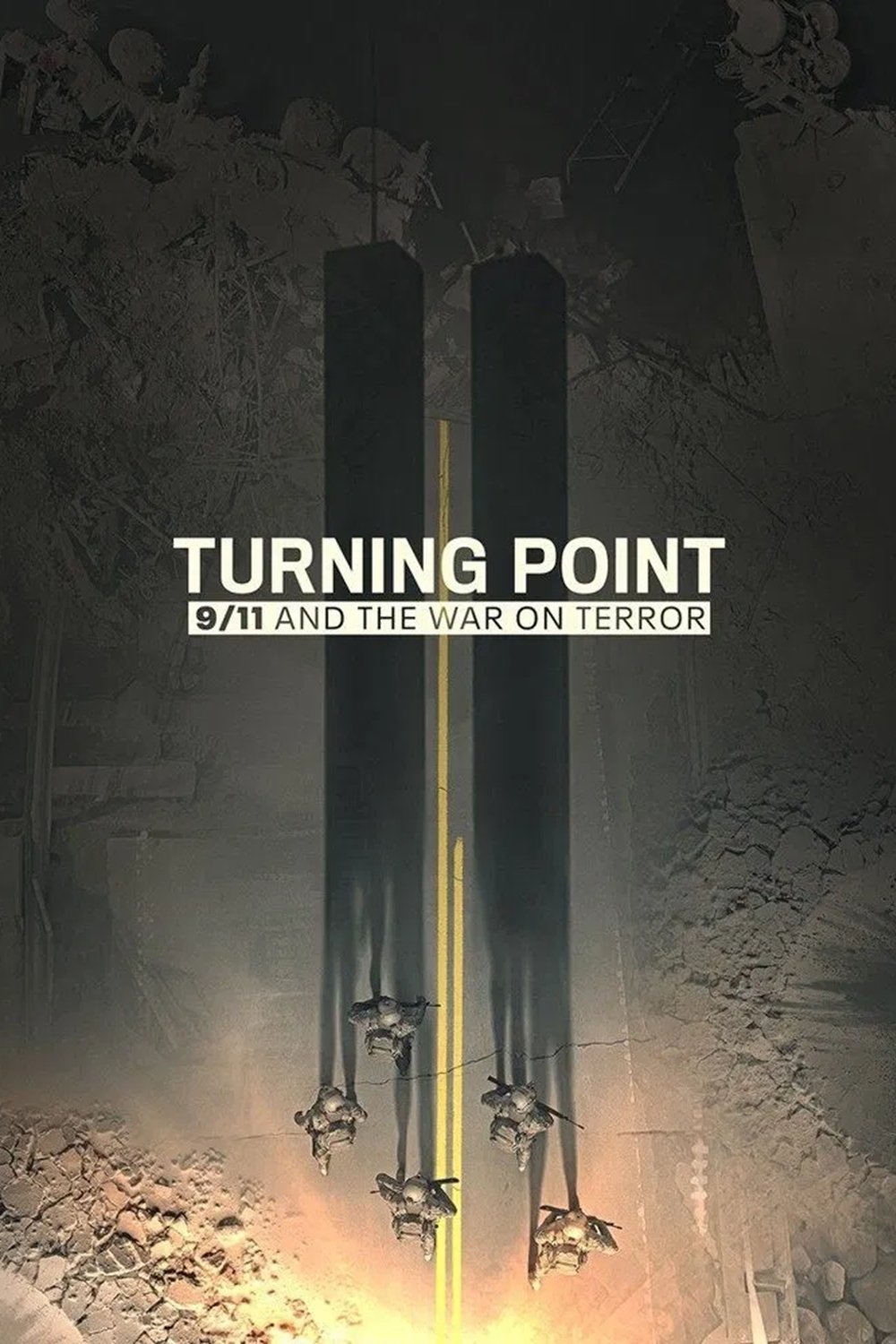
Modern history can be divided into two time frames: before 9/11 and after 9/11. This five-part docuseries is a cohesive chronicle of the September 11, 2001 attacks on the U.S., offering illuminating perspectives and personal stories of how the catastrophic events of that day changed the course of the nation.
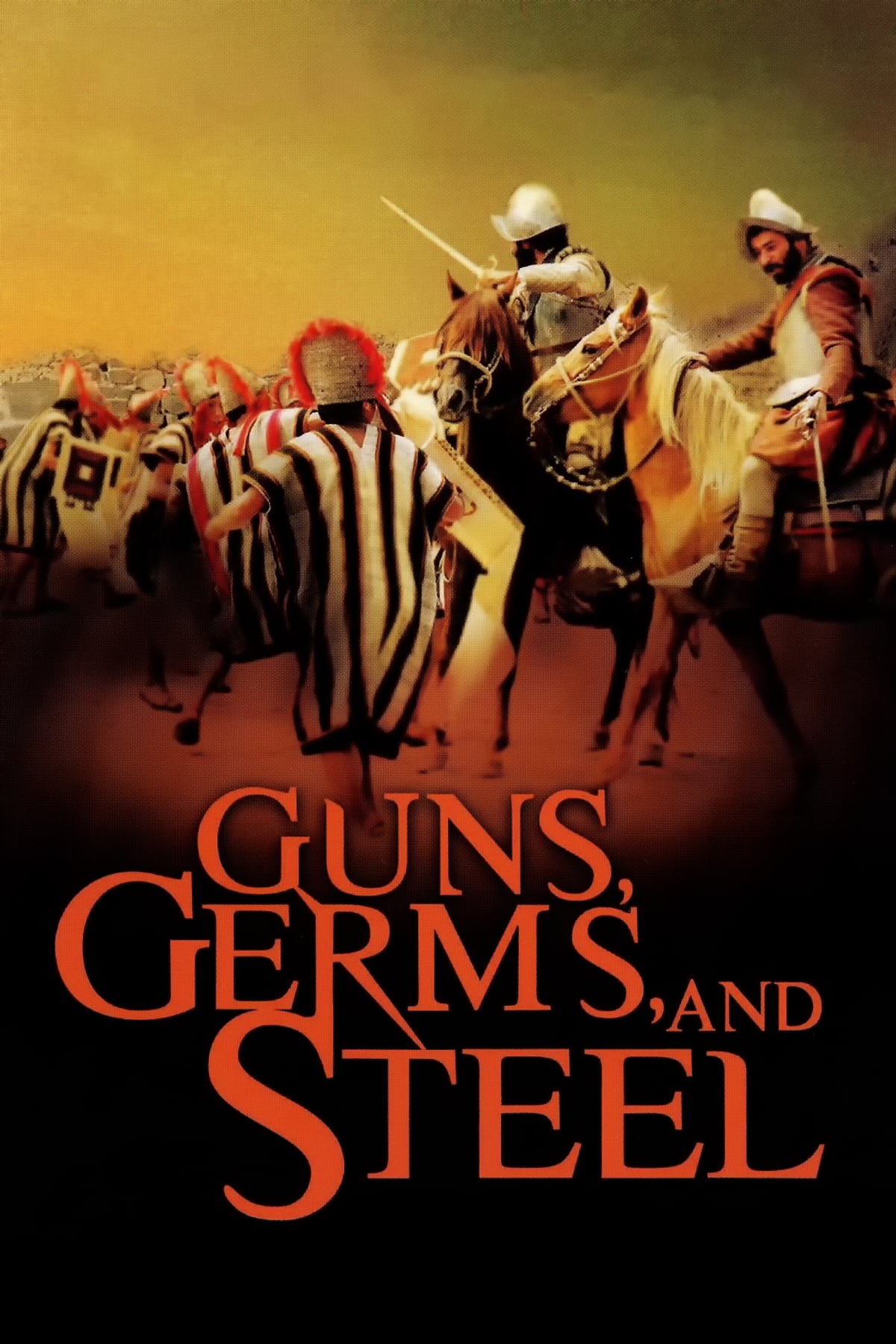
A PBS documentary concerning Jared Diamond's theory on why there is such disparity between those who have advanced technology and those who still live primitively. He argues it is due to the acquisition of guns and steel and the changes brought about by germs.
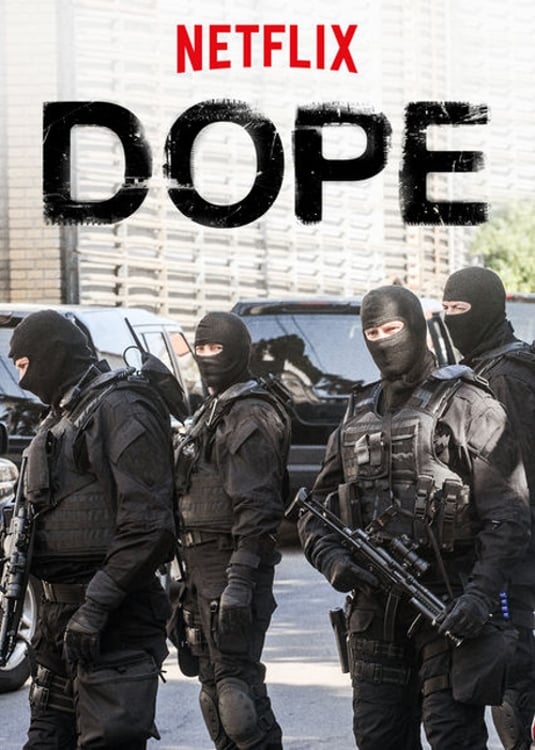
Filmed from the perspectives of dealers, users and the police, this vivid series offers a bracing look at the war on drugs.
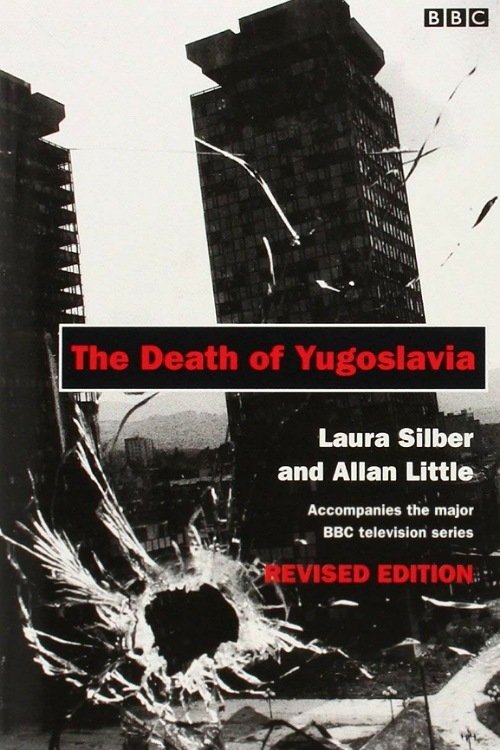
The Death of Yugoslavia is a BAFTA-award winning BBC documentary series first broadcast in 1995. It covers the collapse of the former Yugoslavia. It is notable in its combination of never-before-seen archive footage interspersed with interviews of most of the main players in the conflict, including Slobodan Milošević, the then President of Serbia. Norma Percy won the 1996 BAFTA TV Award for 'Best Factual Series' for the documentary. However, it has been argued that it presents a potentially slightly biased point-of-view; for instance during the trial of Milošević before the ICTY in The Hague, Judge Bonomy called the nature of much of the commentary "tendentious" (partisan).
An intimate, authentic portrait of Hitler's Germany as recorded by the people who lived it. Never-before-seen home movies, Nazi propaganda films and personal recollections culled from German's diaries, journals and letters provide a rare look inside the darker pages of world history.
In six films, Adam Curtis traces the different forces across the world that have led to now. It covers a wide range—including the strange roots of modern conspiracy theories, the history of China, opium and opioids, the history of Artificial Intelligence, melancholy over the loss of empire and, love and power. And explores whether modern culture, despite its radicalism, is really just part of the new system of power.