Social & External
Two monks confront perimenopause -- and uncover the global health crisis every woman needs to know about.
Famed astrophysicist Neil deGrasse Tyson provides clarity for the vision of the cosmos as he voyages across the universe with never-before-told stories that delve into the scientific concepts of the laws of gravity and the origins of space and time.
Sir David discovers a microscopic world that’s invisible to the naked eye, where insects feed and breed, where flowers fluoresce and where plants communicate with each other and with animals using scent and sound.
Geologist Iain Stewart explain in three stages of natural history the crucial interaction of our very planet's physiology and its unique wildlife. Biological evolution is largely driven bu adaptation to conditions such as climate, soil and irrigation, but biotopes were also shaped by wildlife changing earth's surface and climate significantly, even disregarding human activity.
The Body Machine is a landmark special on the human body that shows us just how much, how many, how large, how strong, how fast - just how amazing the body really is. Utilizing impressive large-scale real-life stunts, CGI and strong character stories, the show makes the staggering scale of the inner workings of the body tangible. We will show you how far our blood travels in just one day - an astounding 19, 000 km - from Quebec City to Buenos Aires and back. You will see all the cranial fluid you produce in your lifetime laid out in front of you - all 26,280 pint glasses worth. And in just one day you will take 23,000 breaths - enough air to fill 7,714 helium balloons. You will see all this and much more.
David Attenborough embarks on a remarkable 500 million-year journey revealing the extraordinary group of animals that dominate our world, and how their evolution defines our human bodies.
Ever wonder what's happening inside your head? From dreaming to anxiety disorders, discover how your brain works with this illuminating series.
Attention please! Are you ready for an adventurous tour through the human body? With a lot of humour, our physical appearance is being introduced from head to toe along cells and organs in an educational way. The heart, blood, nerves and kidneys, each single one is a miracle which renders life possible.
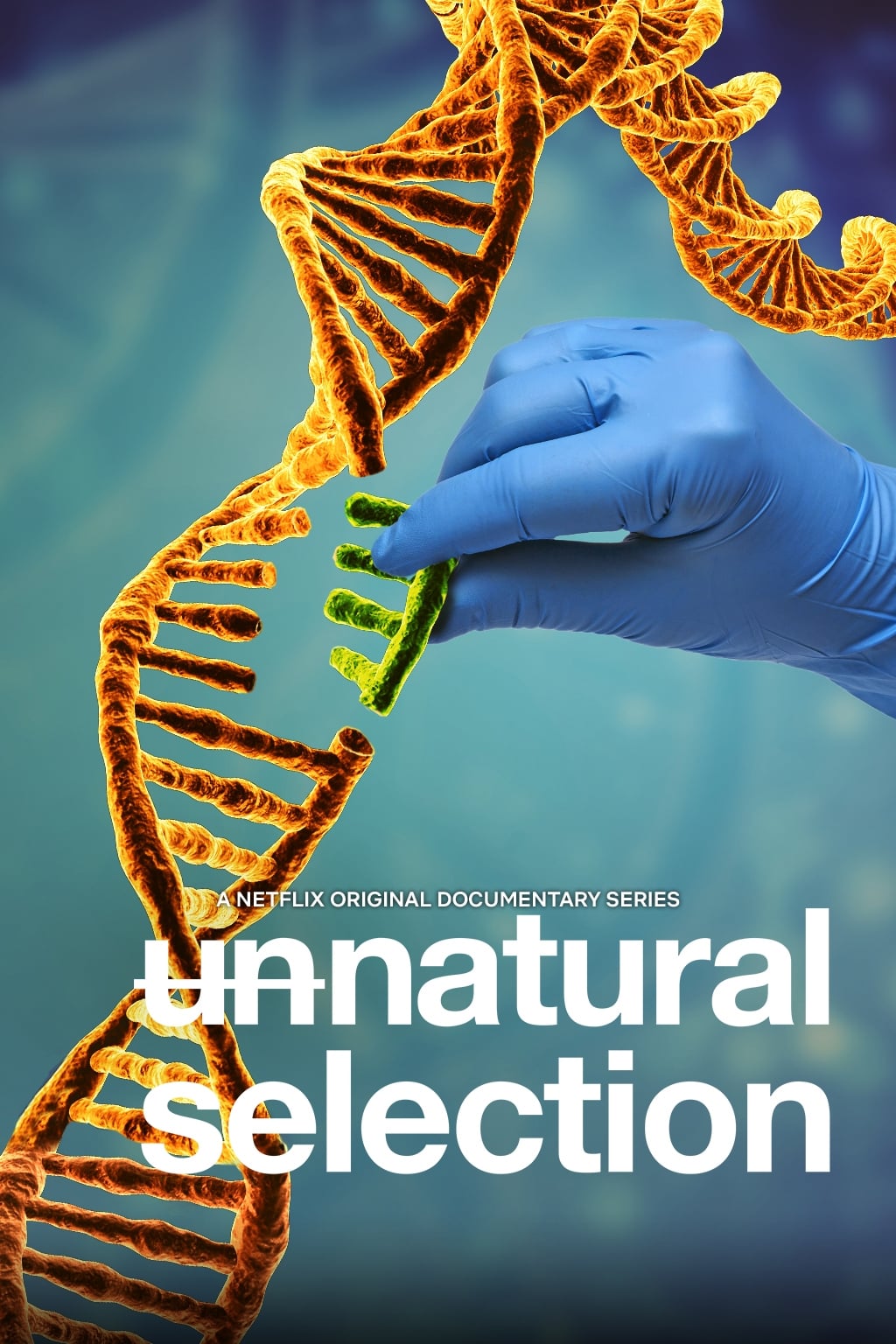
From eradicating disease to selecting a child's traits, gene editing gives humans the chance to hack biology. Meet the real people behind the science.
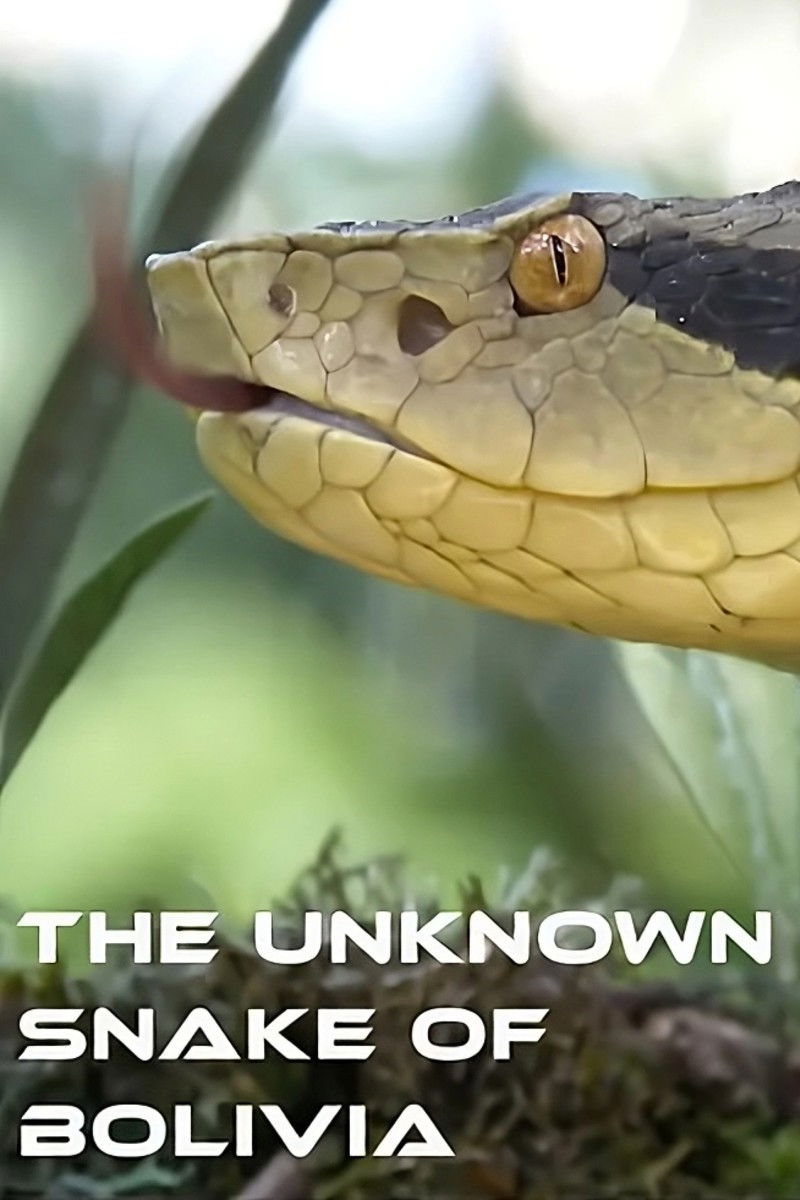
A thrilling expedition across Bolivia in search of the most venomous snakes in this remote country. The main goal is to discover a new species unknown to science: a large pitviper that has not been classified yet. It will be tracked down and filmed alive for the first time. Spanish herpetologists Juan Timms and Jairo Cuevas embark on a perilous expedition across remote Bolivia, determined to capture the country's most venomous snakes. Their ultimate prize? Discovering a new, unclassified species of massive pitviper, known only from a single photograph.
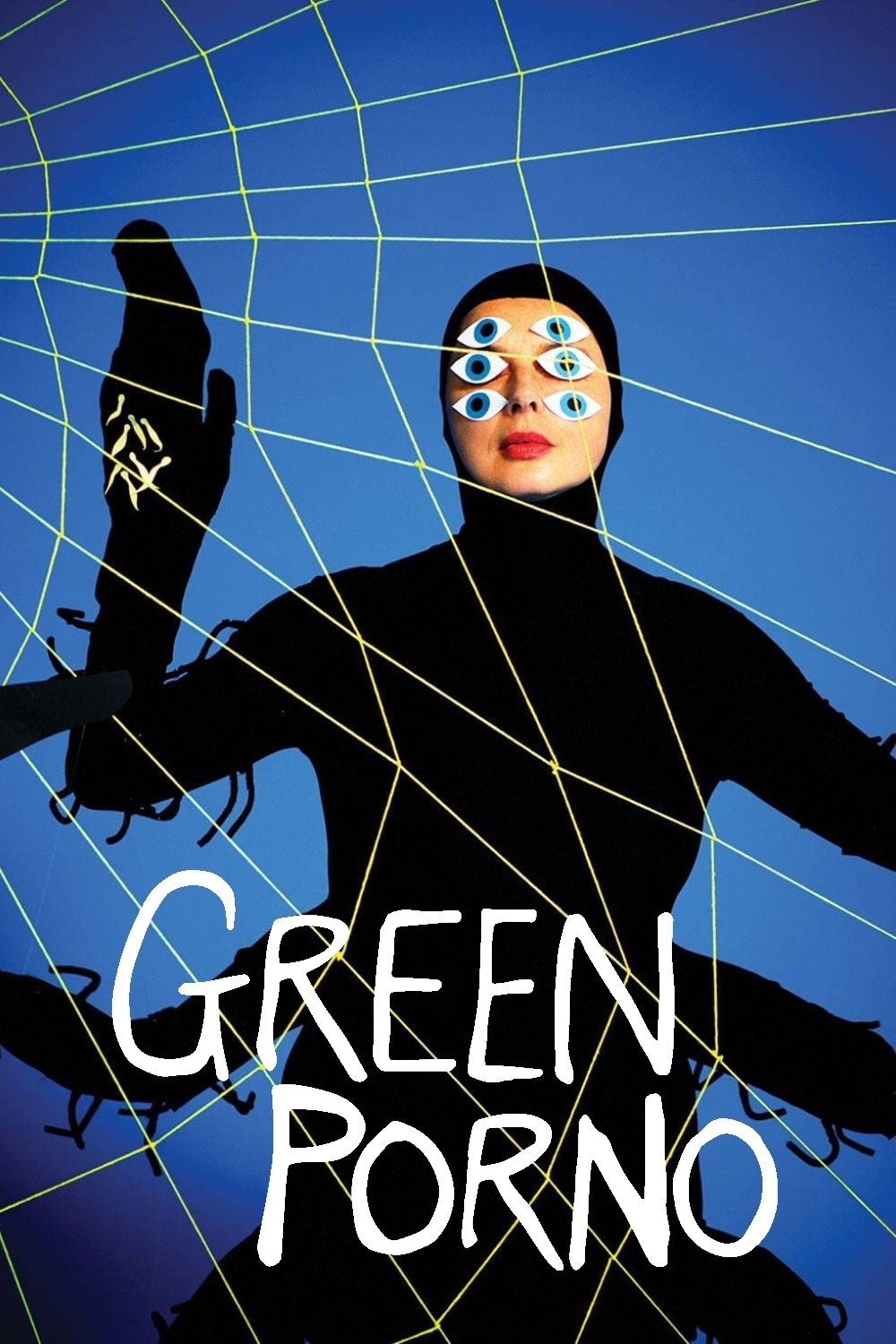
A series of very short films inspired by the amazing and often bizarre sexual practices of insects and other creatures.
Criss-crossing the globe, "Body Bizarre" embarks on a voyage of discovery unlike any other. From India's child snake charmers to the world's hairiest girl, this series uncovers the real human stories behind the headlines. With deeply personal interviews and footage from the most unusual of day-to-day routines, it's an adventure through the truly astonishing.
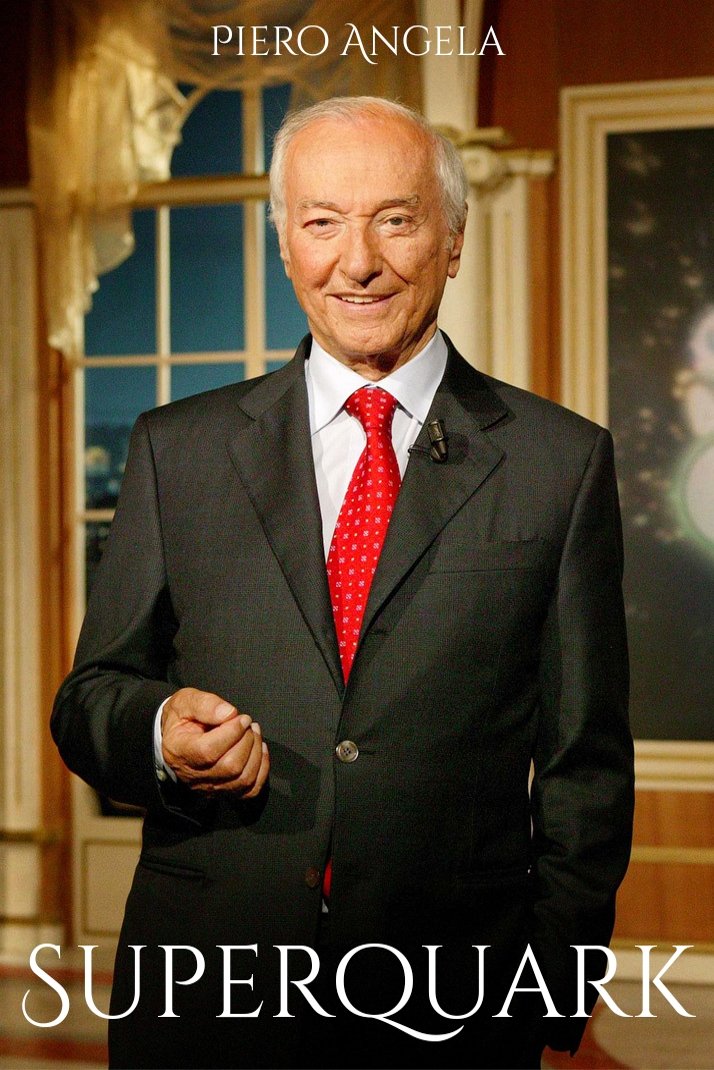
Television program of cultural diffusion, born in September 1995, designed and conducted by Piero Angela, development of transmission appreciated Quark.
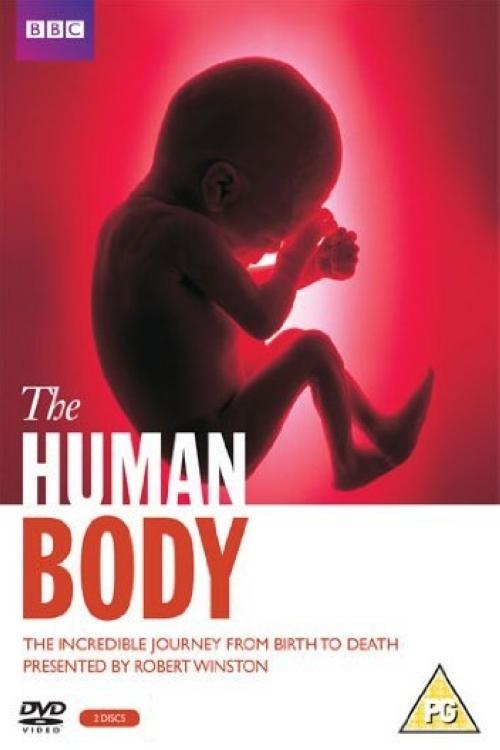
The Human Body is a seven-part documentary series that looks at the mechanics and emotions of the human body from birth to death.
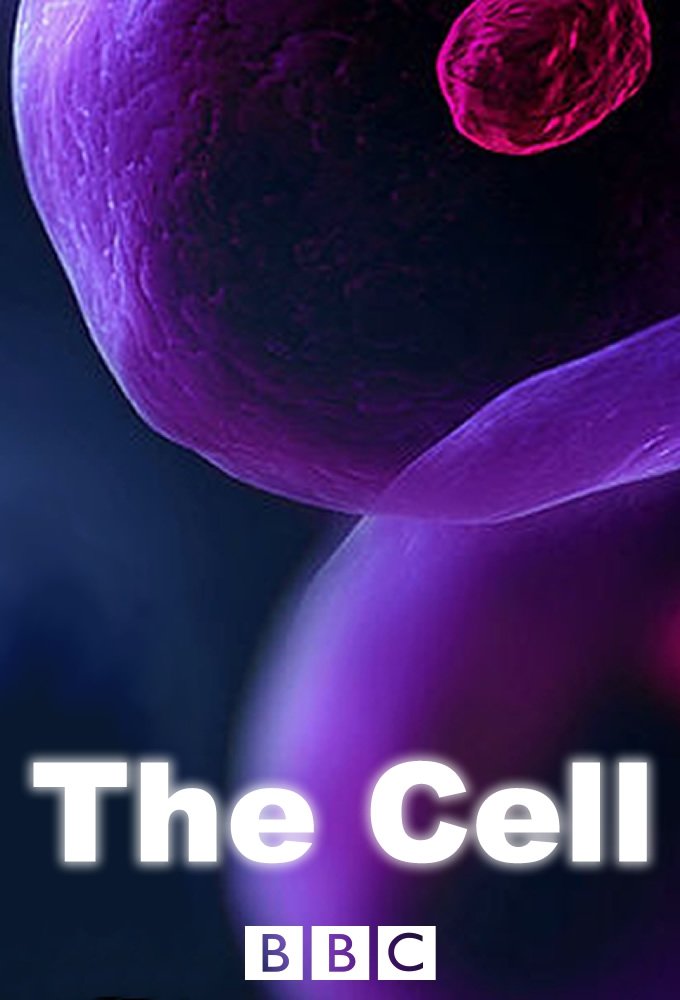
Dr Adam Rutherford tells the extraordinary story of the scientific quest to discover the secrets of the cell and of life itself. Every living thing is made of cells, microscopic building blocks of almost unimaginable power and complexity.
From KQED in San Francisco and the Virus Laboratory of the University of California, Berkeley, comes a distinguished series of eight half-hour programs on the nature of the virus. Prepared using a National Science Foundation grant, the series is designed to explain to the viewer some of the basic facts about viruses, those structures so essential to life and health, facts which for the most part have only been discovered in the past twenty-five years. Drawing on advanced scientific techniques such as microcinematography, electron microscopy and freeze drying, as well as on animation, large-scale models and drawings, the programs combine lectures with demonstrations to give the viewer an extremely vivid picture of this complicated topic. Particularly emphasized are facts about the virus' relation to bacterial disease, to polio, and to cancer, and new information about viruses which may not yet be generally known to students of biology or to the non-scientific public.
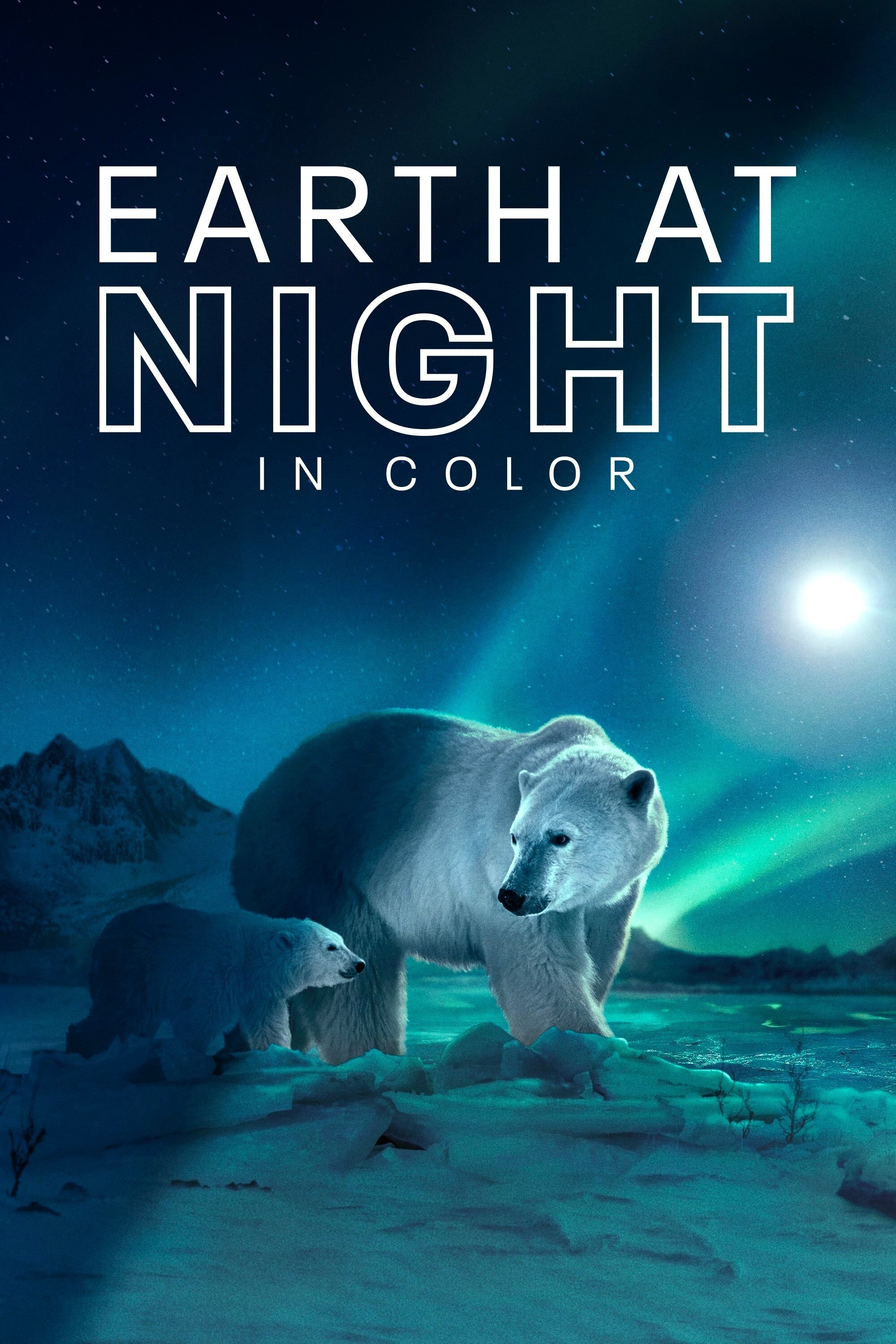
Filmed across six continents, this docuseries uses cutting-edge camera technology to capture animals' nocturnal lives, revealing new behaviours filmed in full color like never before.
Natural World is a nature documentary television series broadcast annually on BBC Two and regarded by the BBC as its flagship natural history brand. It is currently the longest-running series in its genre on British television, with more than 400 episodes broadcast since its inception in 1983. Natural World is produced by the BBC Natural History Unit in Bristol, but individual programmes can be in-house productions, collaborative productions with other broadcasters or films made and distributed by independent production companies and purchased by the BBC. Natural World programmes are often broadcast as PBS Nature episodes in the USA. Since 2008, most Natural World programmes have been shot and broadcast in high definition.
Shot from land and air, in trees and cliff-blinds, on ice floes and underwater, this documentary tells the powerful stories of many of the planet's species and their movements, while revealing new scientific insights with breathtaking high-definition clarity and emotional impact. The beauty of these stories is underscored by a new focus into these species; fragile existence and their life-and-death quest for survival in an ever-changing world.
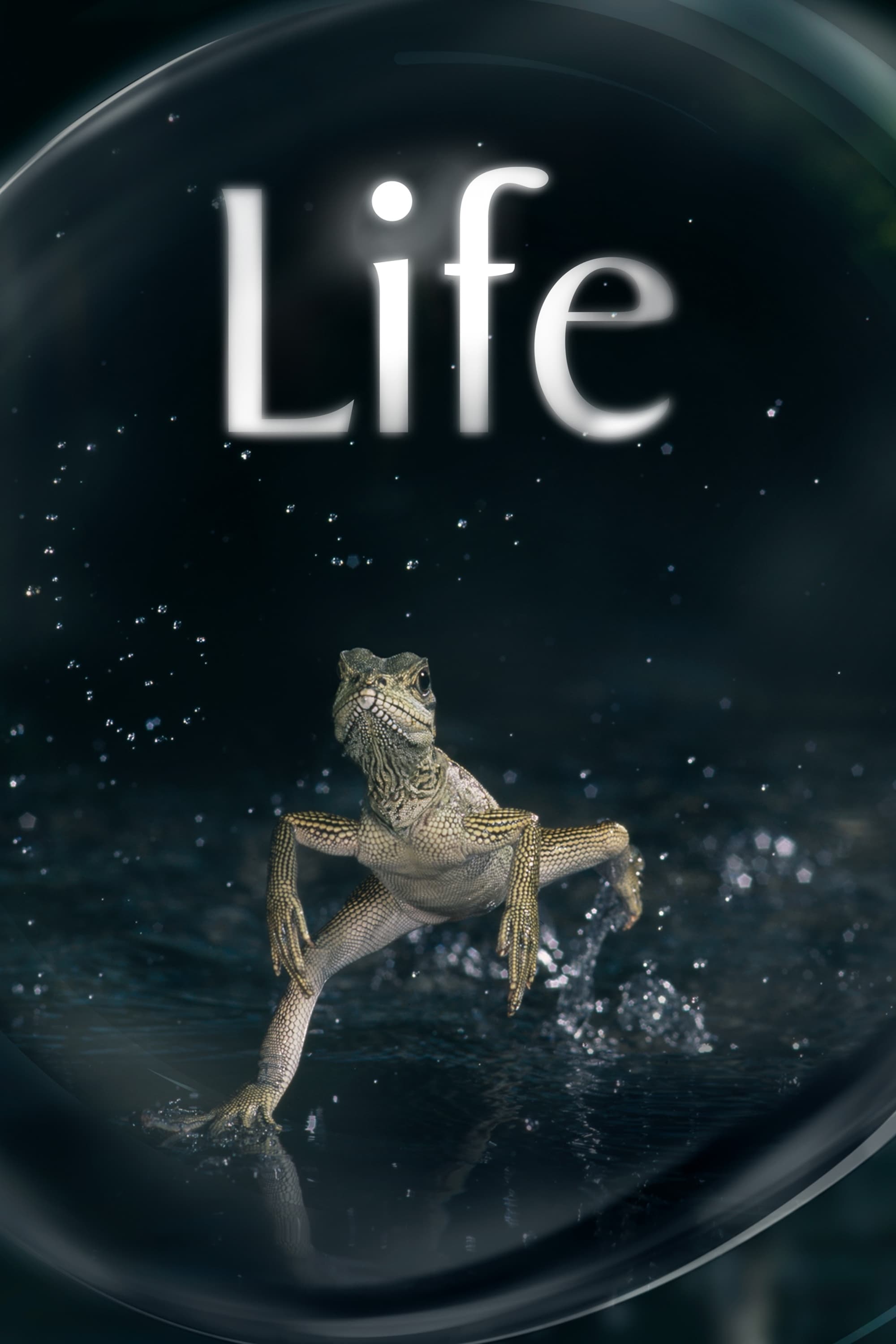
Journeying to the far reaches of our planet, this eight part series follows some of the world's most amazing species, telling extraordinary stories that are dramatic, thrilling, funny and sometimes heart-breaking, but always full of hope.
The documentary takes viewers through Janet Jackson's life and career, contain never-before-seen footage, and feature home videos from the legendary artist. Jackson discusses her controversial 2004 Super Bowl halftime show performance with Justin Timberlake, her father Joe Jackson, the death of her brother Michael Jackson, and more.
Consistently stunning documentaries transport viewers to far-flung locations ranging from the torrid African plains to the chilly splendours of icy Antarctica. The show's primary focus is on animals and ecosystems around the world. A comic book based on the show, meant to be used an as educational tool for kids, was briefly distributed to museums and schools at no cost in the mid-2000s.
A cinematic experience bringing you the most amazing human stories in the world. Humans and wildlife surviving in the most extreme environments on Earth.
Infographics and archival footage deliver bite-size history lessons on scientific breakthroughs, social movements and world-changing discoveries.
Explore the surprising things we know (and don’t know) about why people are the way they are through expert interviews, rare footage from historical experiments, and brand-new, ground-breaking demonstrations of human nature at work.
Millions of years ago, incredible forces ripped apart the Earth’s crust creating seven extraordinary continents. This documentary series reveals how each distinct continent has shaped the unique animal life found there.
Will Smith whose curiosity and wonder is positively infectious—is guided by National Geographic Explorers traveling to different corners of the world to get up close and personal with the weirdest, most unusual, dangerous and thrilling spectacles of the planet.
Through bodycam footage, texts and interviews with loved ones, this documentary investigates the horrifying murder of four University of Idaho students.
David Attenborough looks at the extraordinary ends to which animals and plants go in order to survive. Featuring epic spectacles, amazing TV firsts and examples of new wildlife behaviour.
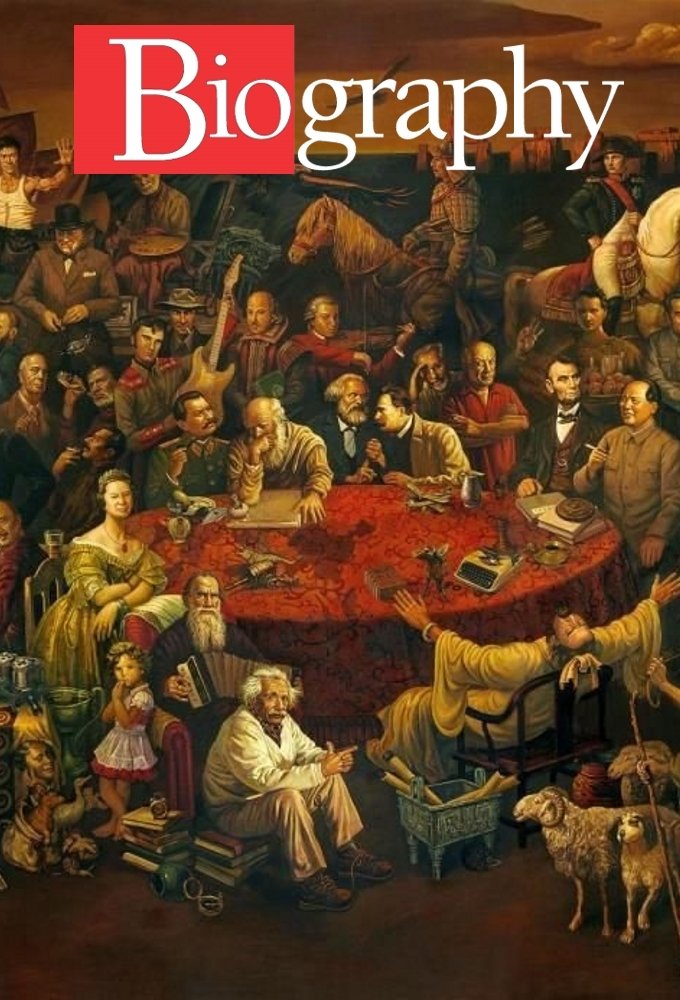
Biography is a documentary television series. It was originally a half-hour filmed series produced for CBS by David Wolper from 1961 to 1964 and hosted by Mike Wallace. The A&E Network later re-ran it and has produced new episodes since 1987. The older version featured historical figures such as Helen Keller and Mark Twain, or long-dead entertainment figures such as Will Rogers or John Barrymore. The A&E series has placed the emphasis on such people as Marilyn Monroe, Elvis Presley, Plácido Domingo, Freddie Mercury, Jacqueline Kennedy Onassis, Eric Clapton, Pope John Paul II, Gene Tierney, Selena, Diego Rivera, Mao Zedong and Queen Elizabeth II, and fictional characters like The Phantom, Superman, Hamlet, Betty Boop, and Santa Claus. The program ended up profiling enough figures that in 1999, A&E spun it off into an entire network, The Biography Channel.
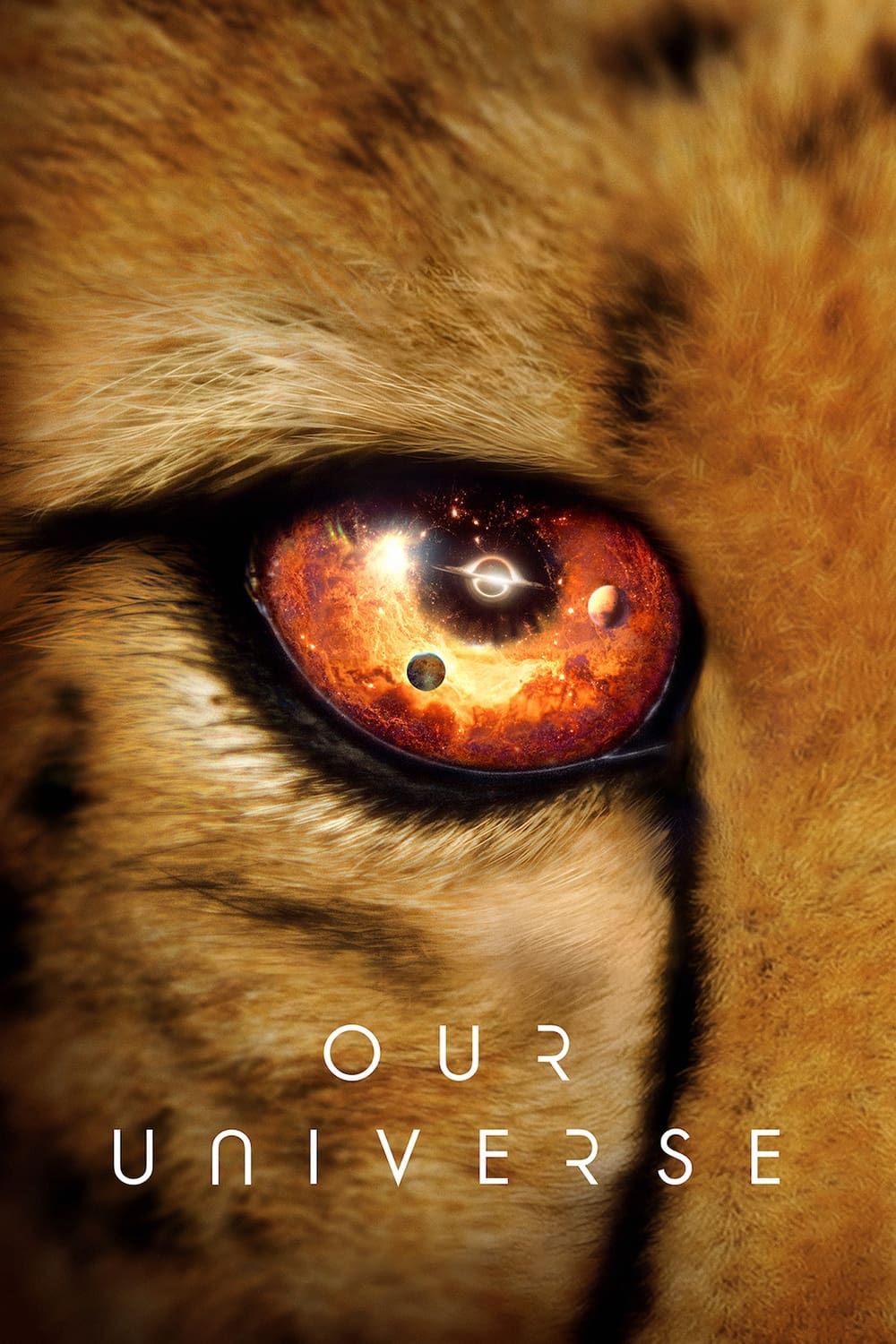
Witness the remarkable story of our universe over billions of years and its inextricable link to life on Earth in this sweeping documentary series.
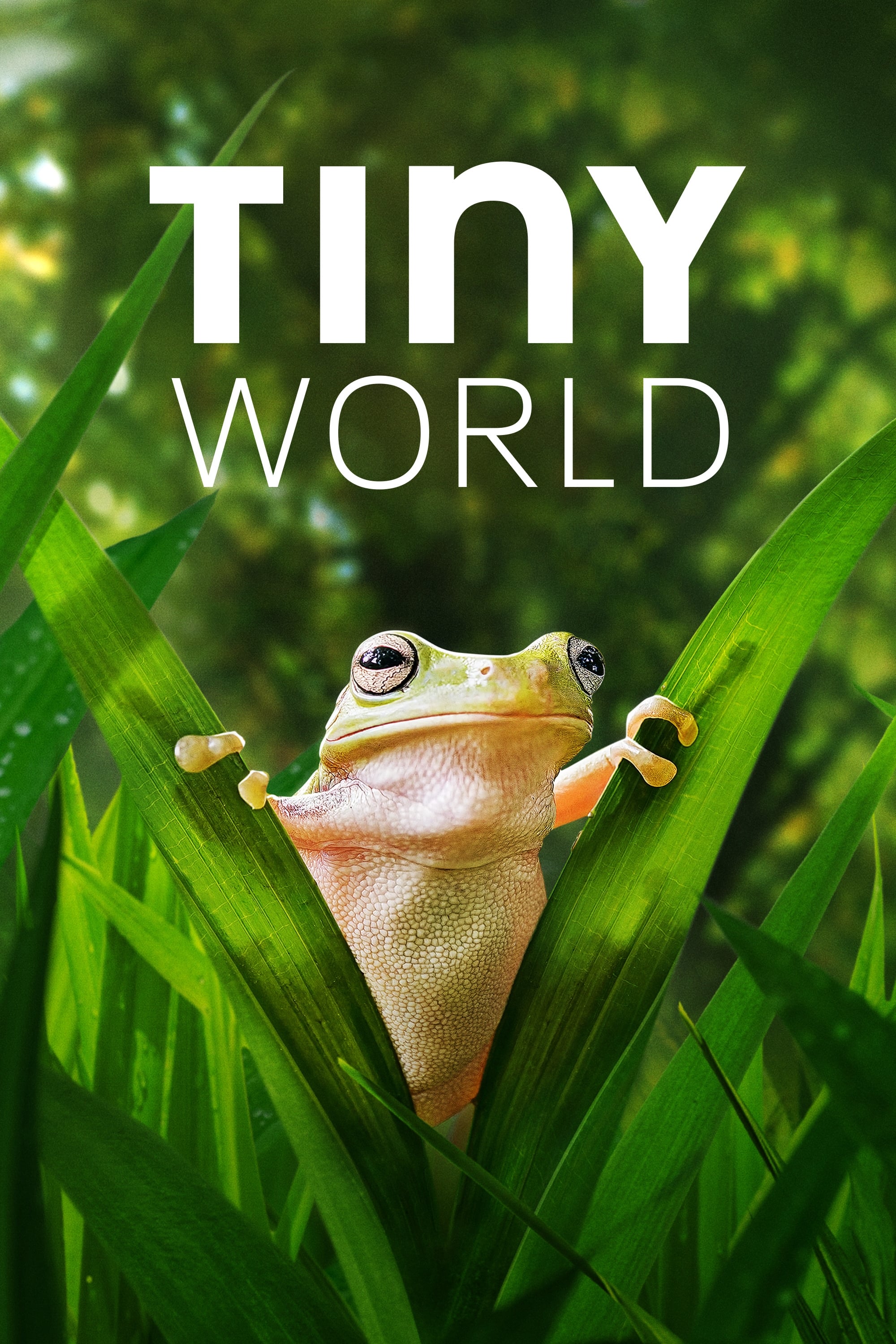
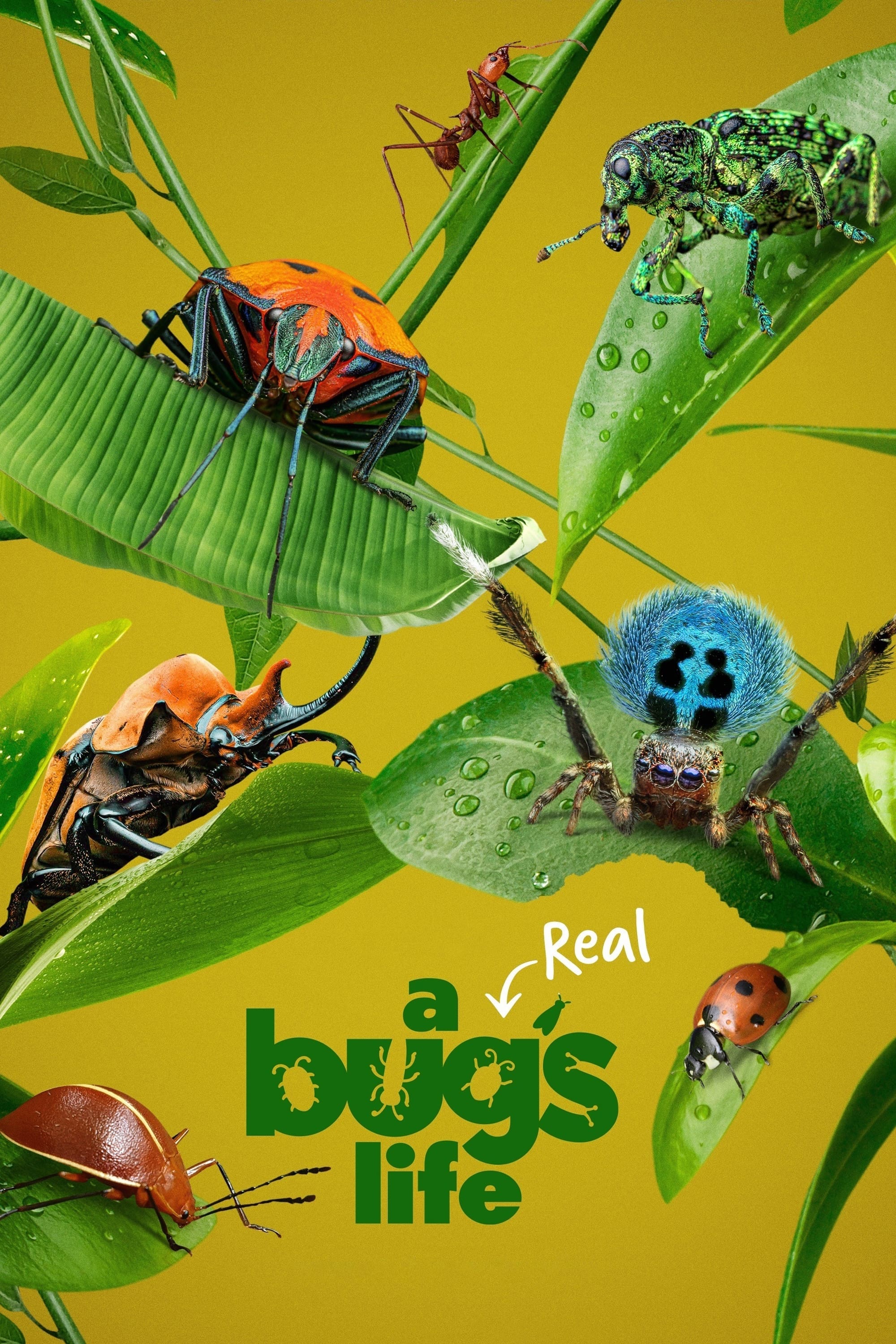
This docuseries showcases nature's lesser-known tiny heroes. Spotlighting small creatures and the extraordinary things they do to survive, each episode is filled with surprising stories and spectacular cinematography.
Enter an unseen micro-verse where miniature heroes use amazing superpowers to survive in a series of spellbinding dramas.
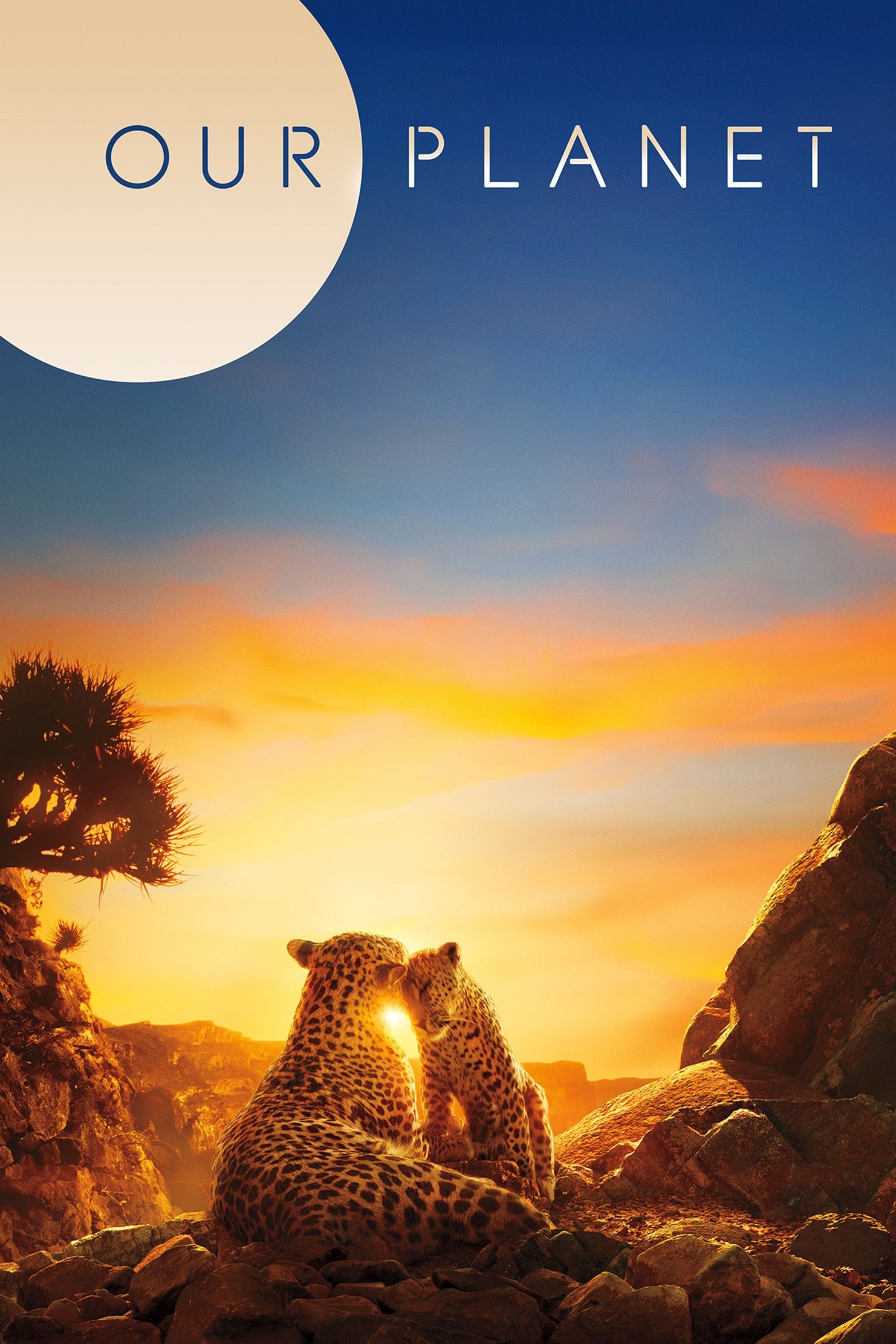
Experience our planet's natural beauty and examine how climate change impacts all living creatures in this ambitious documentary of spectacular scope.
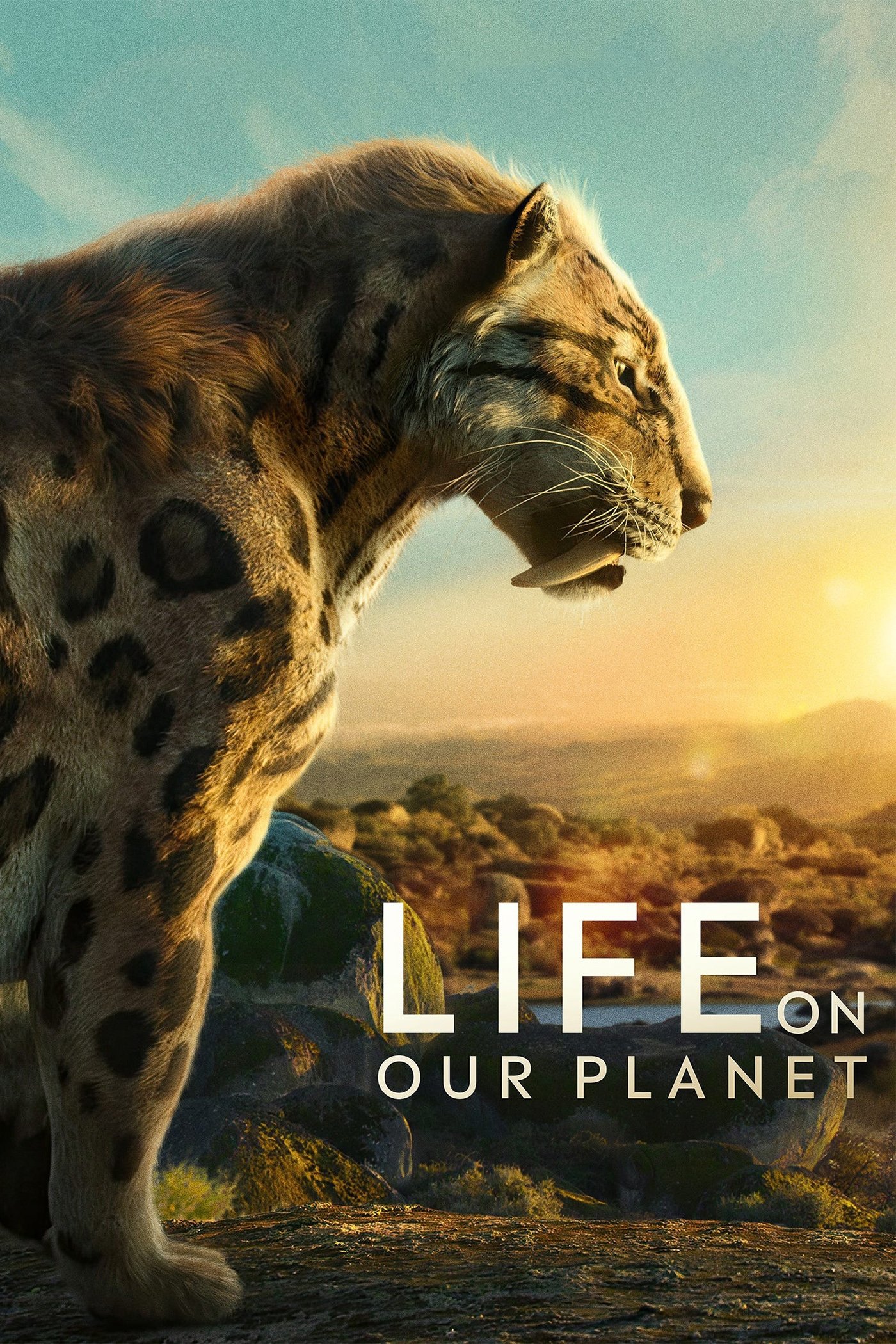
Life's extraordinary journey to conquer, adapt and survive on Earth across billions of years comes alive in this groundbreaking nature docuseries.
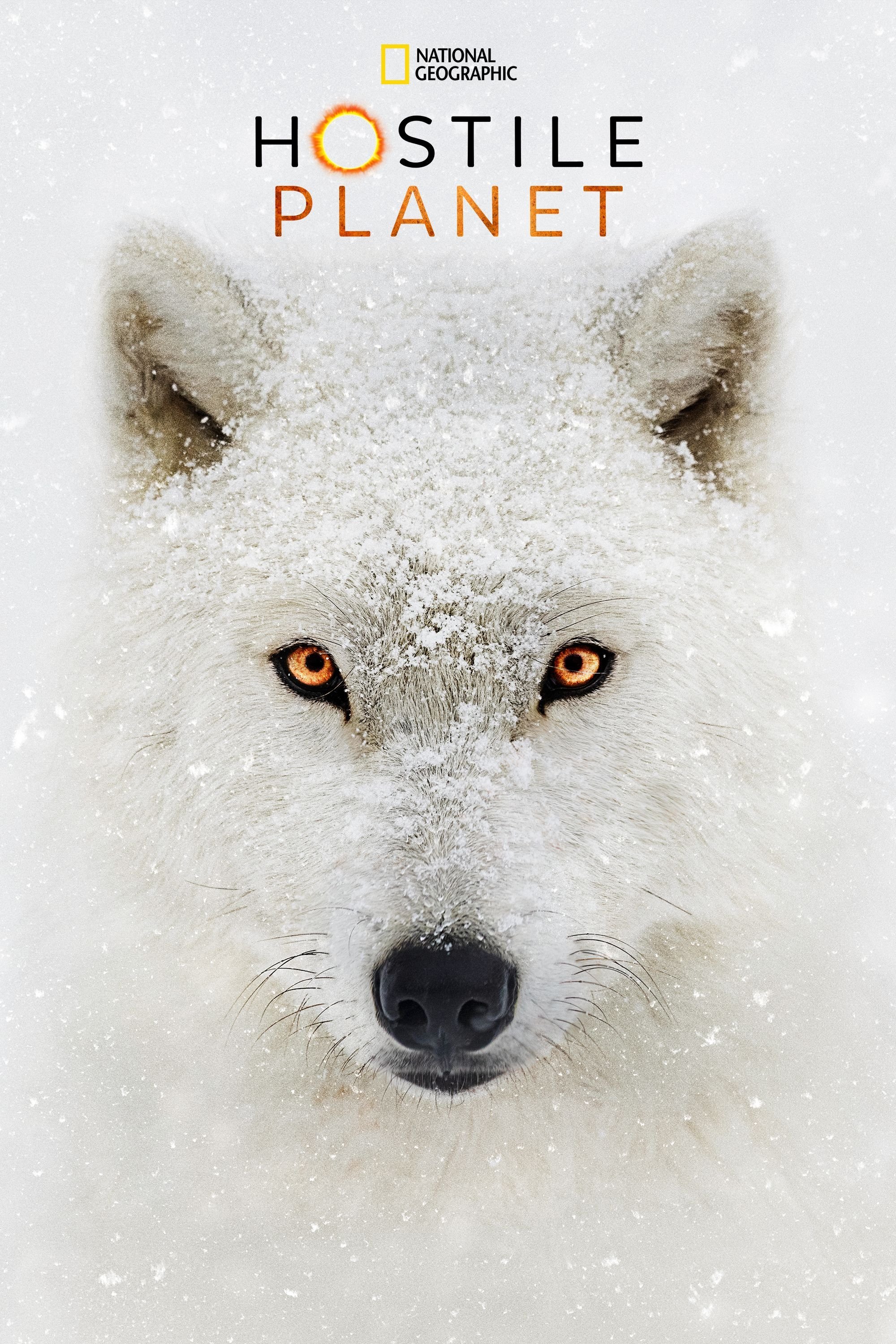
This six part documentary draws attention to the most extraordinary — almost supernatural — accounts of animals that have adapted to the cruelest evolutionary curveballs.