1001 Things You Should Know is a quiz show that has aired on Channel 4 since 12 November 2012, hosted by Sandi Toksvig.
Social & External
The people behind it
Sandi Toksvig
Self - Presenter
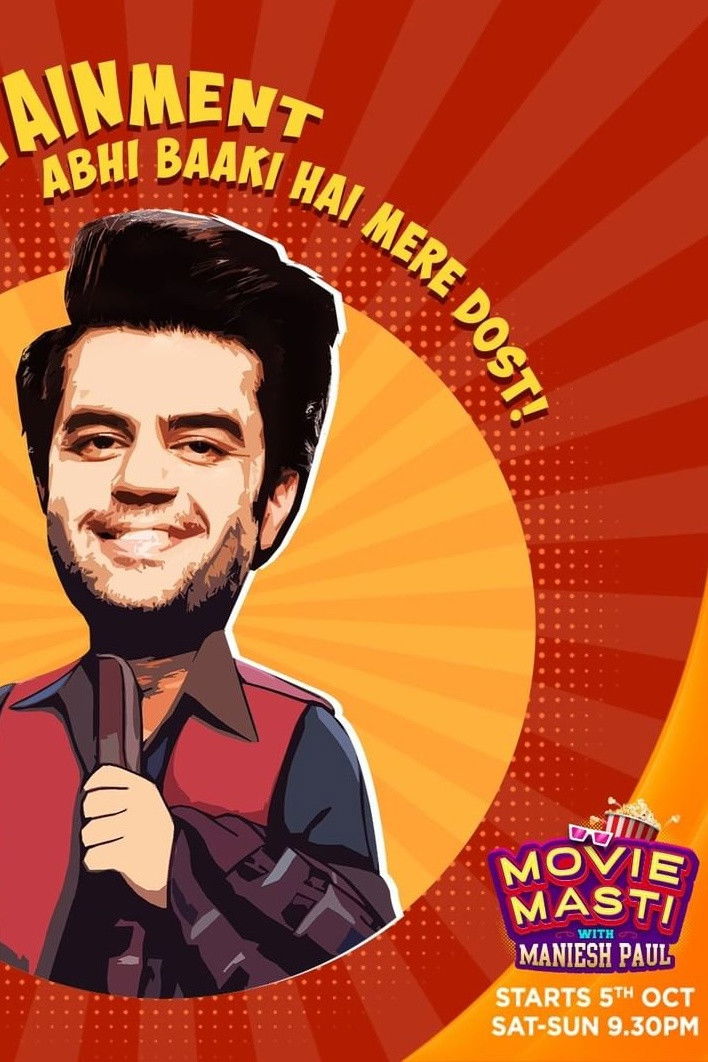
The Famous comedian and host Manish Paul is coming with his New Chat Show “Movie, Masti with Manish Paul”. The “Movie, Masti with Manish” is a game show where Bollywood Celebs come and play many entertaining games.
Rob Brydon hosts a game show in which 81 contestants compete in a high-tension battle of knowledge, nerve and strategy. Standing on a vast floor made up of 81 squares, each of which represents a unique category, players go head-to-head in quick-fire duels.
Prepare for an all-new game show event where the smartest people in the country try to achieve the seemingly impossible task of answering 500 of the most difficult general knowledge questions ever devised. There’s only one simple rule: never get three wrong in a row—or you’re gone. No saves, no helps, no multiple choice, 500 Questions will keep you on the edge of your seat to see if any of these geniuses can do it.
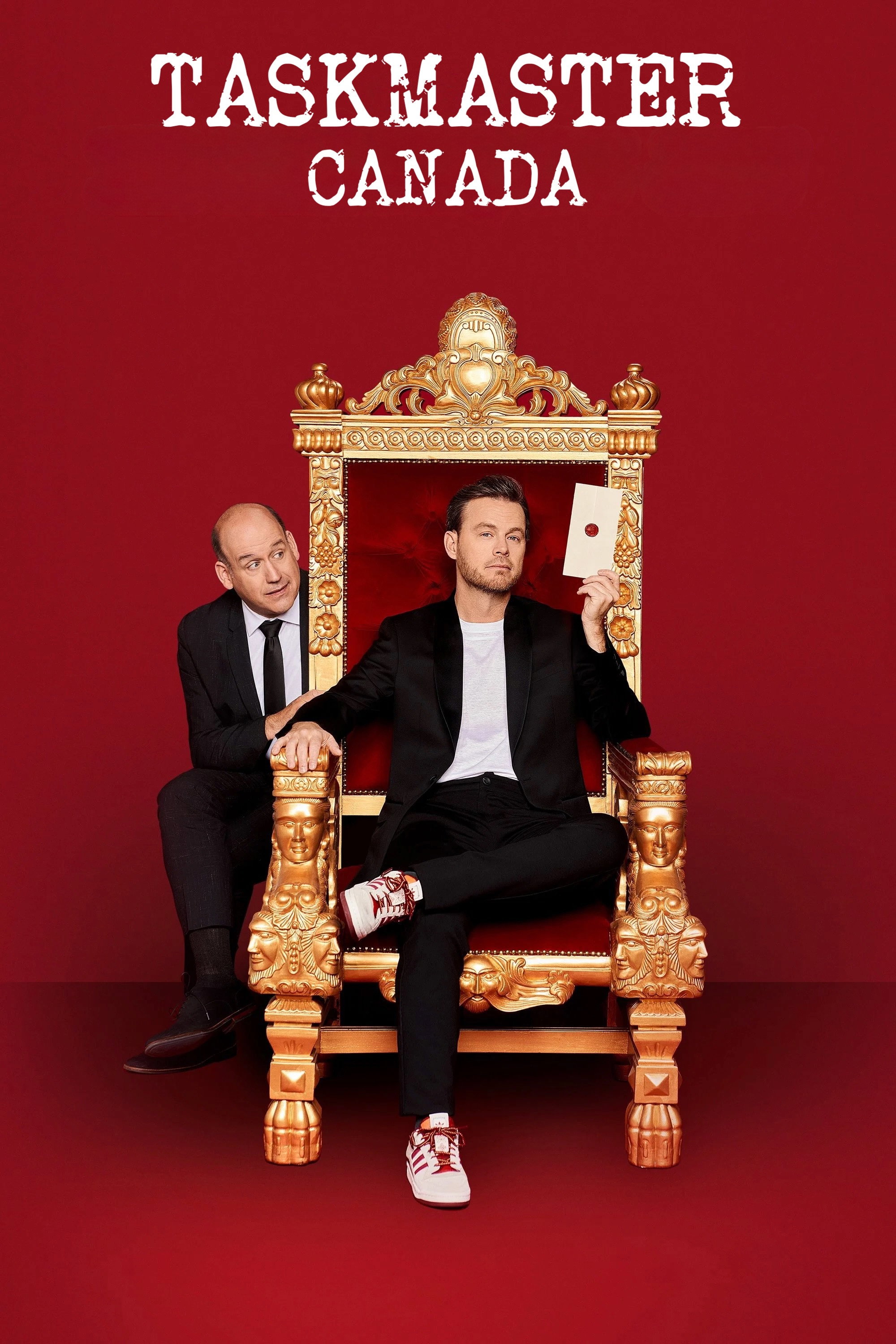
In this French-Canadian adaptation, Taskmaster Louis Morissette and his assistant Antoine Vézina test the wits of five comedians through a series of absurd tasks.
The clock is ticking as contestants compete in games of lexical dexterity and numerical agility.
The Money Drop was the Italian version of The Million Pound Drop Live
The Cube is a 15 square feet of steel-edged plexiglass where simple tasks become challenges. Teams have nine lives to win seven games in order to beat The Cube for a chance to walk away with $250,000.
The top 1% of students from five prestigious universities in Korea (Seoul National University, KAIST, Pohang University of Science and Technology, Yonsei University, Korea University) participate, and only utilize brain power (mental calculations, calculations, reasoning, games, memorization, etc.) without politics, betrayal, alliances, or deception.
Behind elaborate costumes that conceal their faces, voices, and every clue to who they are, celebrities perform while a panel of detectives tries to deduce the identity hidden beneath each mask.
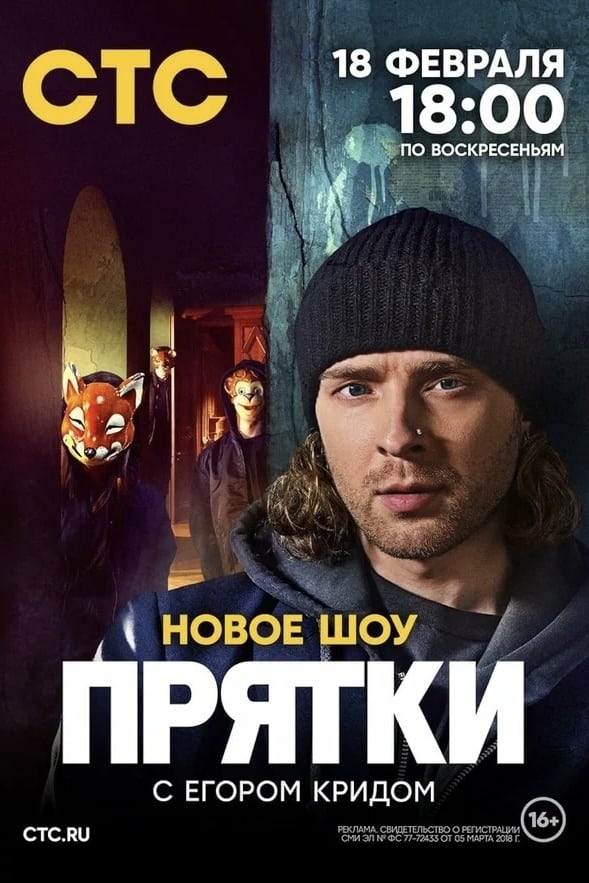
According to the rules of the game, in each episode six participants choose a place to hide within a specific location. After sunset, the presenter appears, who has only an hour to search for the six. The participants themselves are ready to do anything to prevent Kreed from finding them. Even if you have to lock yourself in a room without air, freeze in a cold basement, hang for a long time at a height, make up beyond recognition and learn a dangerous stunt trick.
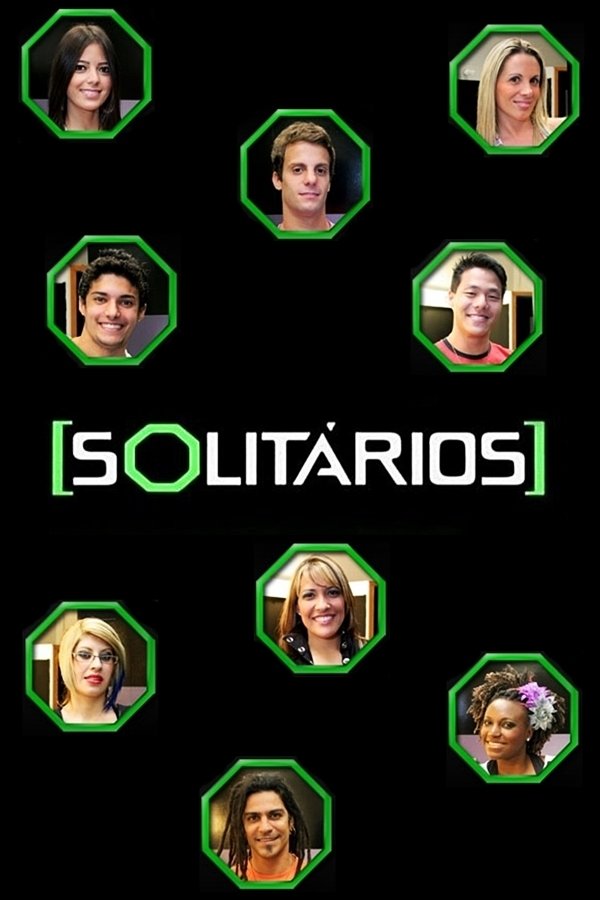
9 participants live in isolation from society in small cubicles resembling a solitary cell.
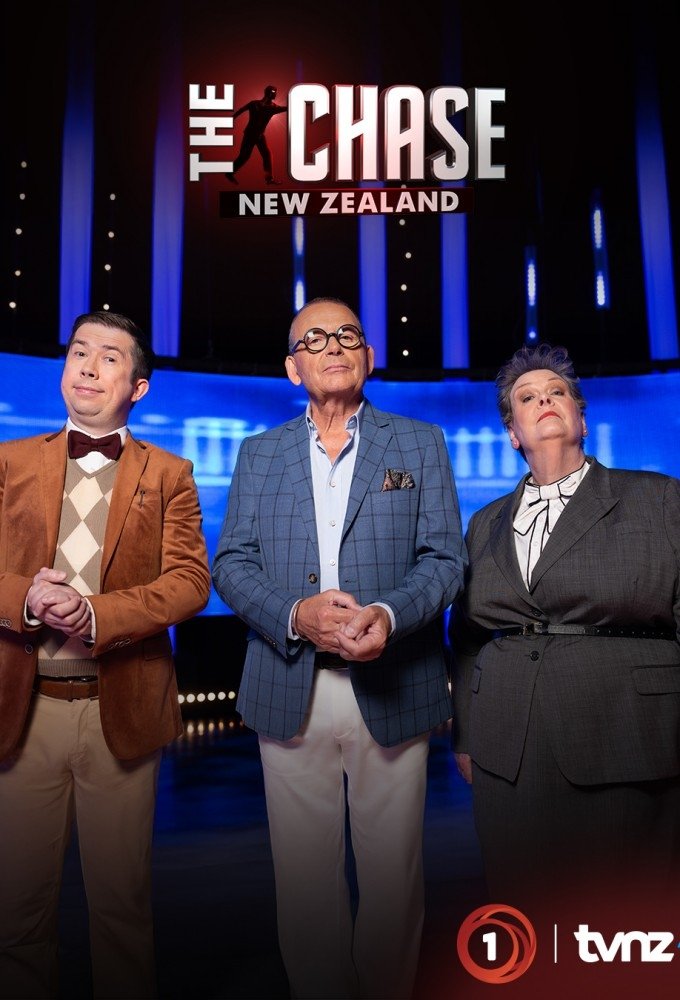
The Chase is on Aotearoa! Four Kiwi contestants must pit their wits against the Chaser, a ruthless quiz genius determined to stop them winning the cash prize. Hosted by Paul Henry.
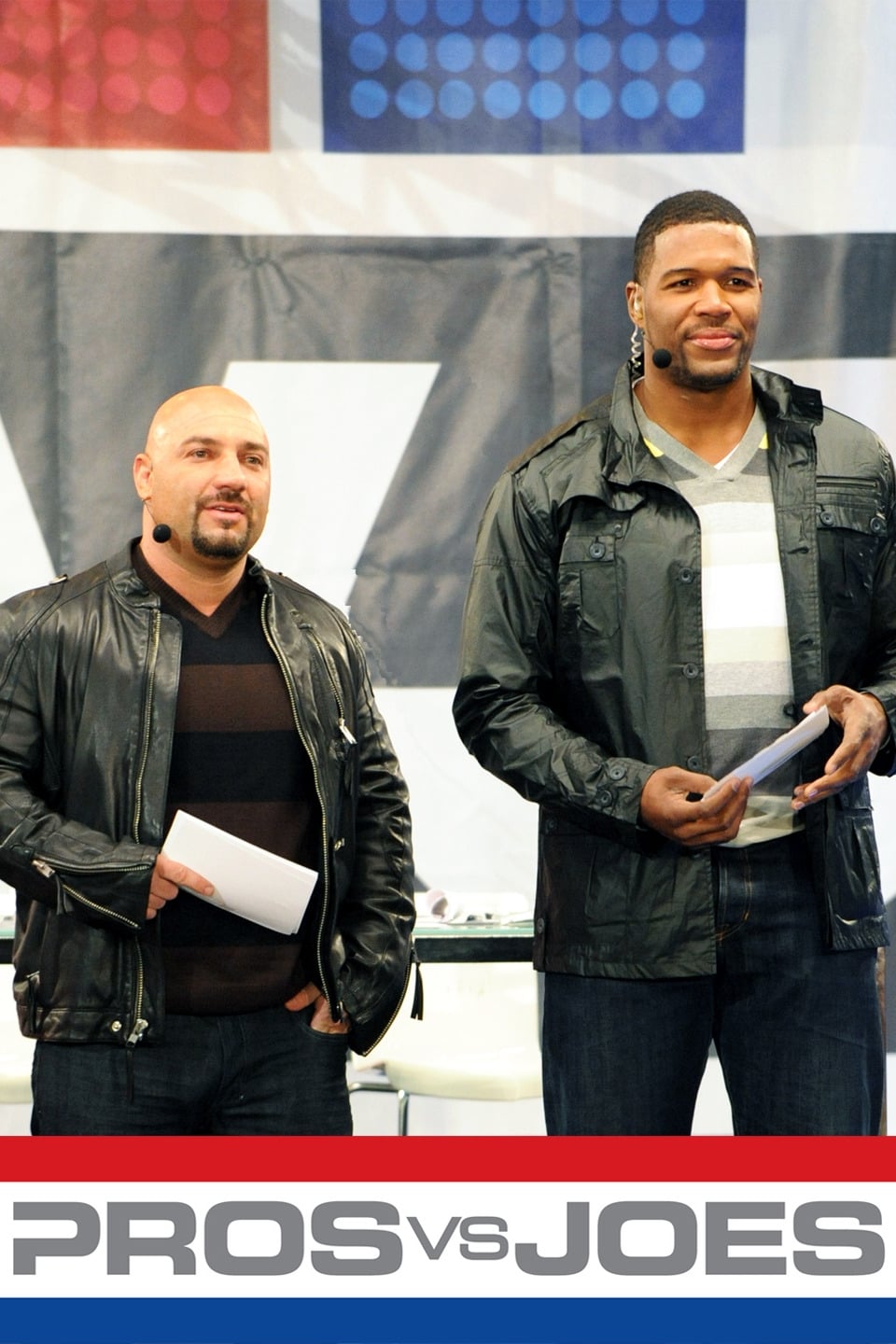
Pros vs. Joes is an American physical reality game show that airs on Spike TV. The show features male amateur contestants matching themselves against professional athletes in a series of athletic feats related to the expertise sport of the Pro they are facing. For its first three seasons, the show was hosted by Petros Papadakis. Since Season Four, it has been co-hosted by Michael Strahan and Jay Glazer. The first two seasons were filmed at Carson, California's Home Depot Center, which was referenced in aerial shots.
"Bilibili Rush Forward" is a water reality program. Each episode gathers at least 12 players to participate in the program and play sports games. Contestants not only have to use their personal abilities to break through many game levels, but they must also compete and cooperate in multiple challenges to reach the high platform at the end. Between the relaxed atmosphere of joy and fun along with the tense and heated atmosphere of the competition, the show will pass on the optimistic, upward, happy and healthy youth style to everyone.
There will be different scenarios for the cast members to go through, but there is a rule that they have to follow without fail: they are not allowed to laugh throughout. For every time a cast member laughs, ₩10,000 will be deducted instantly from his appearance fee, and get wet from his head by water coming out from the water backpack that each cast member will carry throughout. At the end of each scenario, the cast member with the least amount of money deducted will have his appearance fee paid in full.
9 Indonesian actors and comedians, including Tora Sudiro and Nirina Zubir, are kidnapped and stranded on an unfamiliar island. They play unconventional comedy games with changing rules, guided by friendly villagers, and risk elimination while trying to escape. Together, they uncover the strength of their teamwork and resilience.
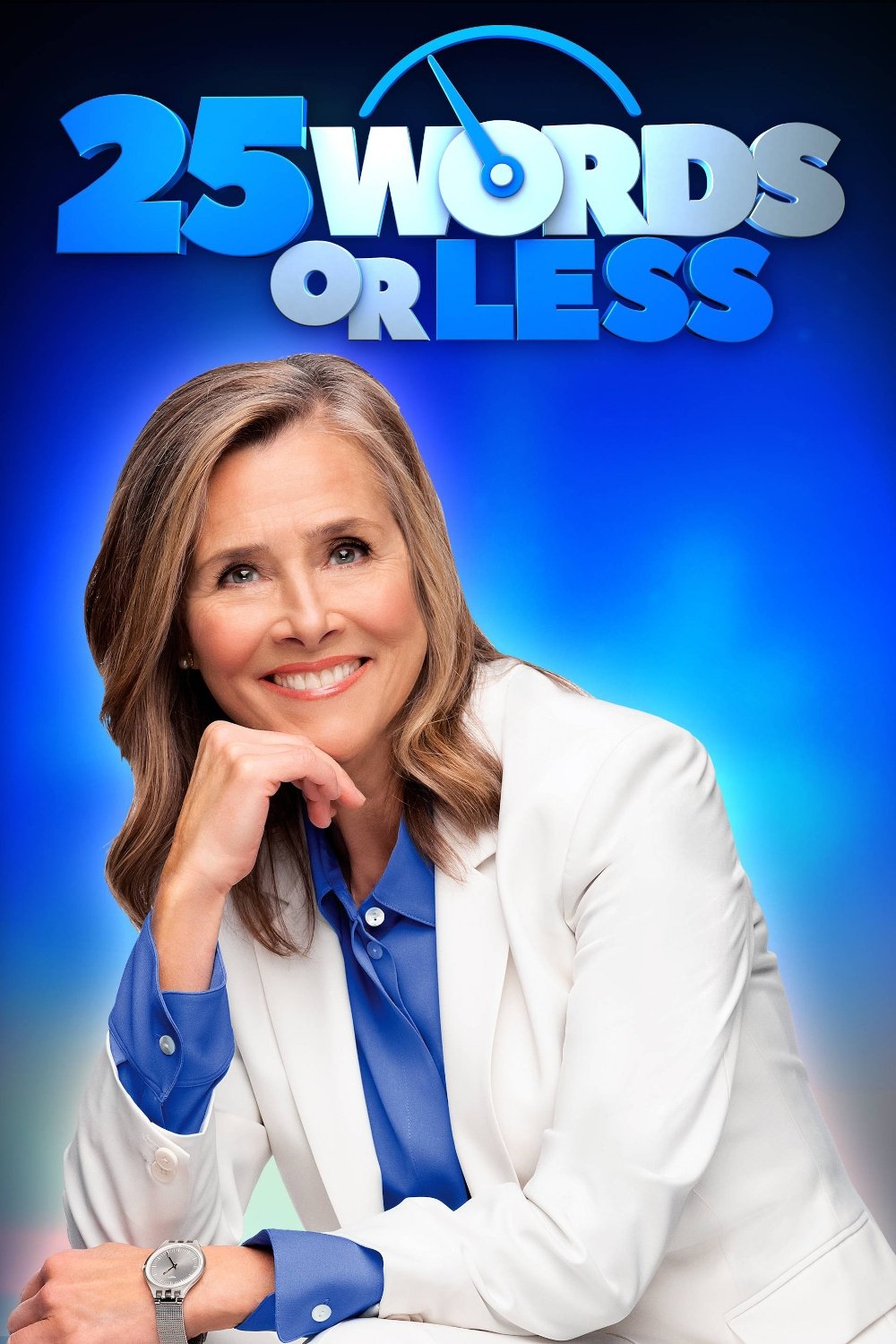
Hosted by Meredith Vieira, two teams of celebrities and civilians face off in a fast paced word game with a top prize of $10,000.
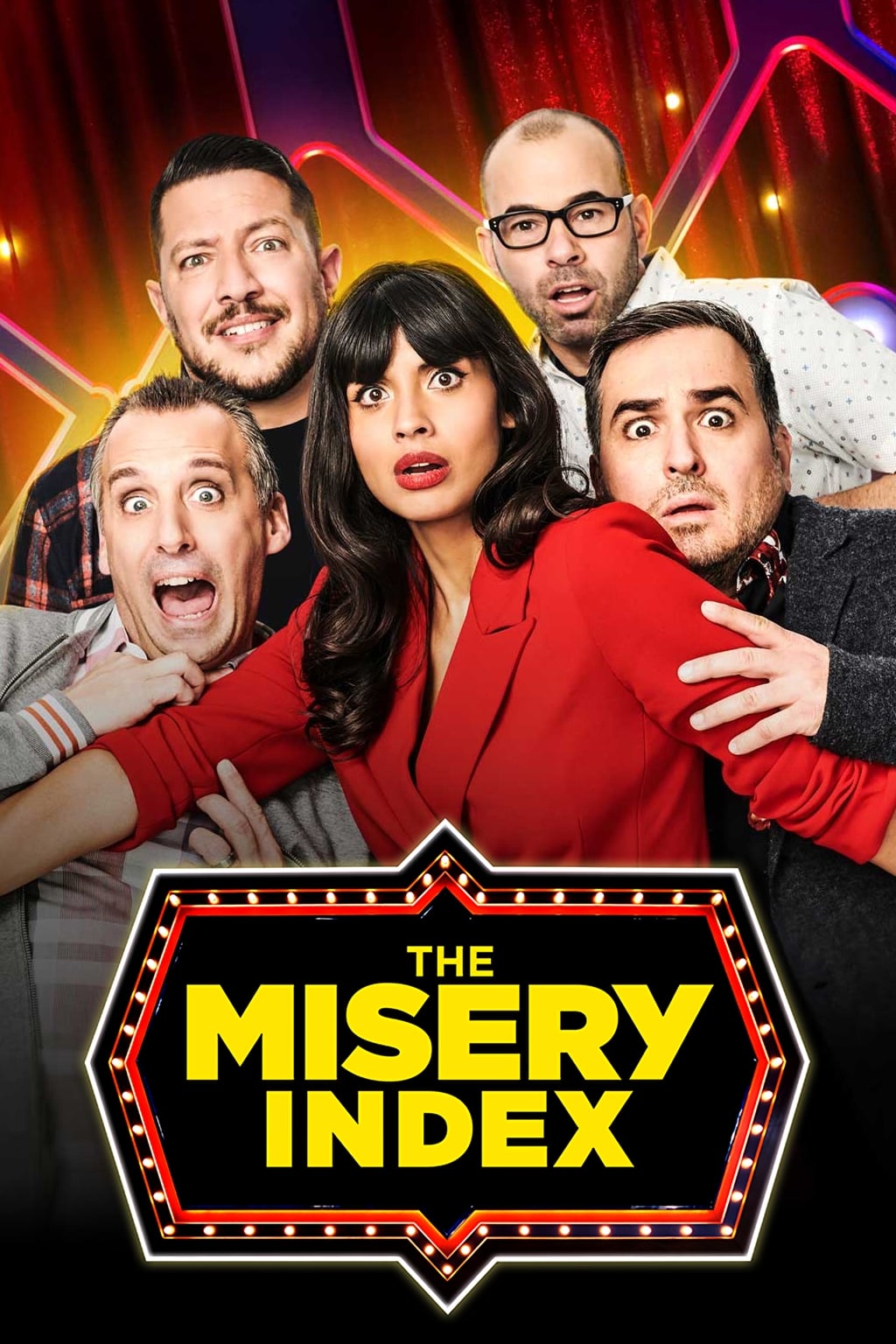
Two teams, each with one contestant and two Impractical Jokers, will compete against each other by attempting to rate hilarious and miserable real-life events on a scale of 1-100 based on the “Misery Index,” a ranking system created by a team of therapists.
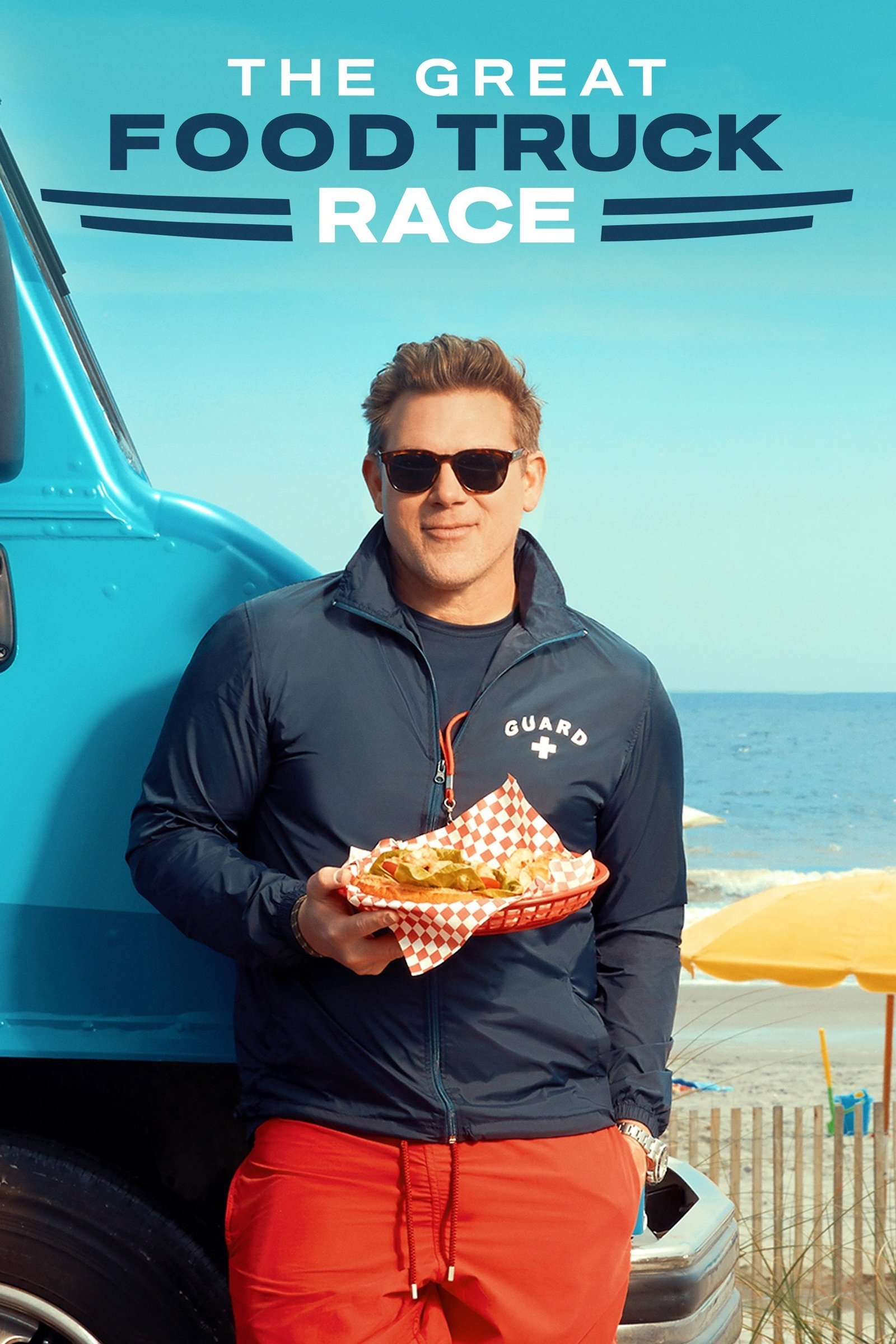
The Great Food Truck Race is a reality television series, that originally aired on August 15, 2010, on Food Network, with Tyler Florence as the host. It features competing food trucks. The fourth season premiered on August 18, 2013.
This game show sees contestants solve word puzzles, similar to those used in Hangman, to win cash and prizes determined by spinning a giant carnival wheel.
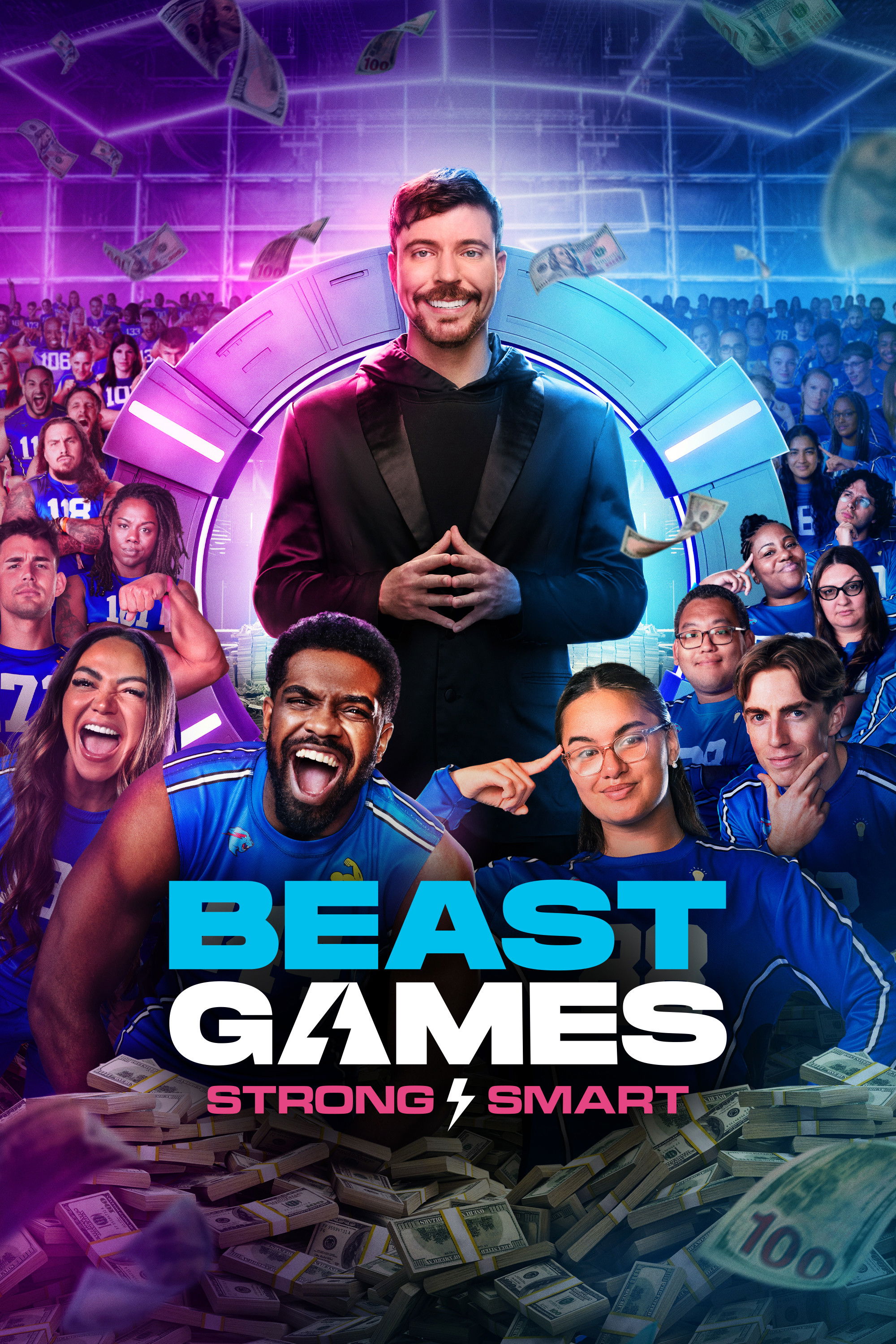
I gathered 1,000 people to fight for $5,000,000, the LARGEST cash prize in TV history! We're also giving away a private island, Lamborghinis, and millions more in cash throughout the competition! Go watch to see the greatest show ever made!
Human cannonballs! Human pinballs! Crashes, smashes and mud splashes! Twenty-four thrill-seekers will compete in the world's largest extreme obstacle course designed to provide the most spills, face plants and wipeouts ever seen on television.
Players from all walks of life will compete to win up to £50,000. All living in one modern block but separately in individual apartments, the players will never come face-to.face, and can only interact with one another through an specially-designed app called The Circle.
The biggest stars, the most iconic performances, the most outrageous outfits – it’s Britain’s number one pop show.
America's favorite quiz show where contestants are presented with general knowledge clues in the form of answers, and must phrase their responses in question form.
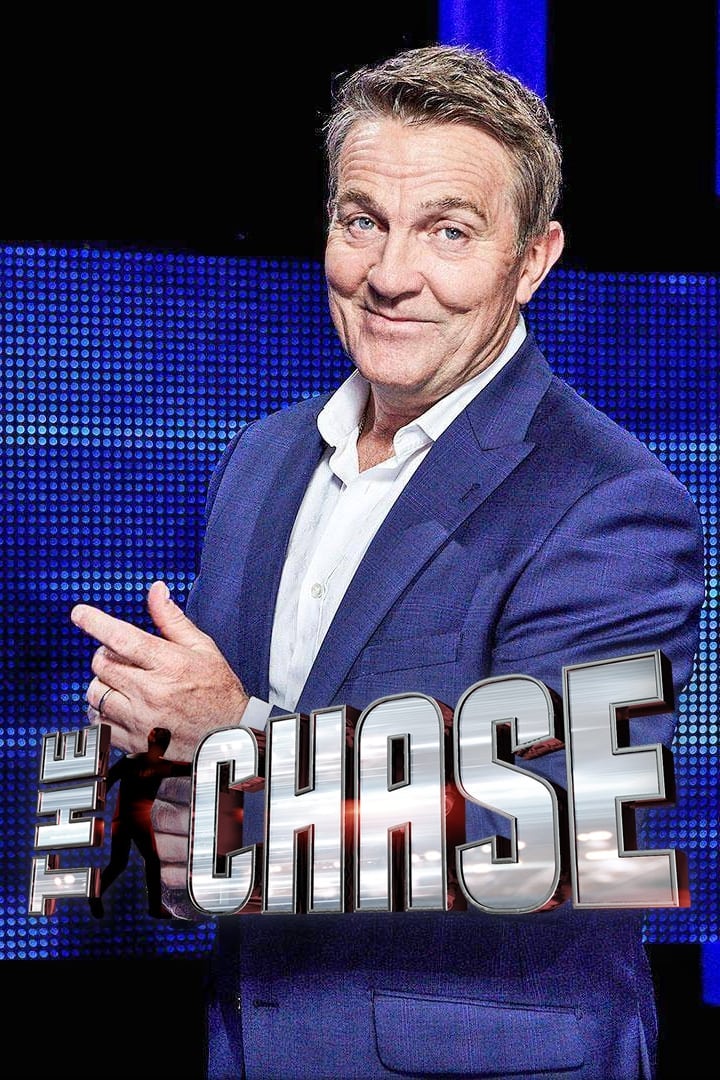
The Chase isn’t just a quiz… it’s a race, where the players must ensure they stay one step ahead of ‘The Chaser’, a ruthless quiz genius determined to stop them winning at all costs.
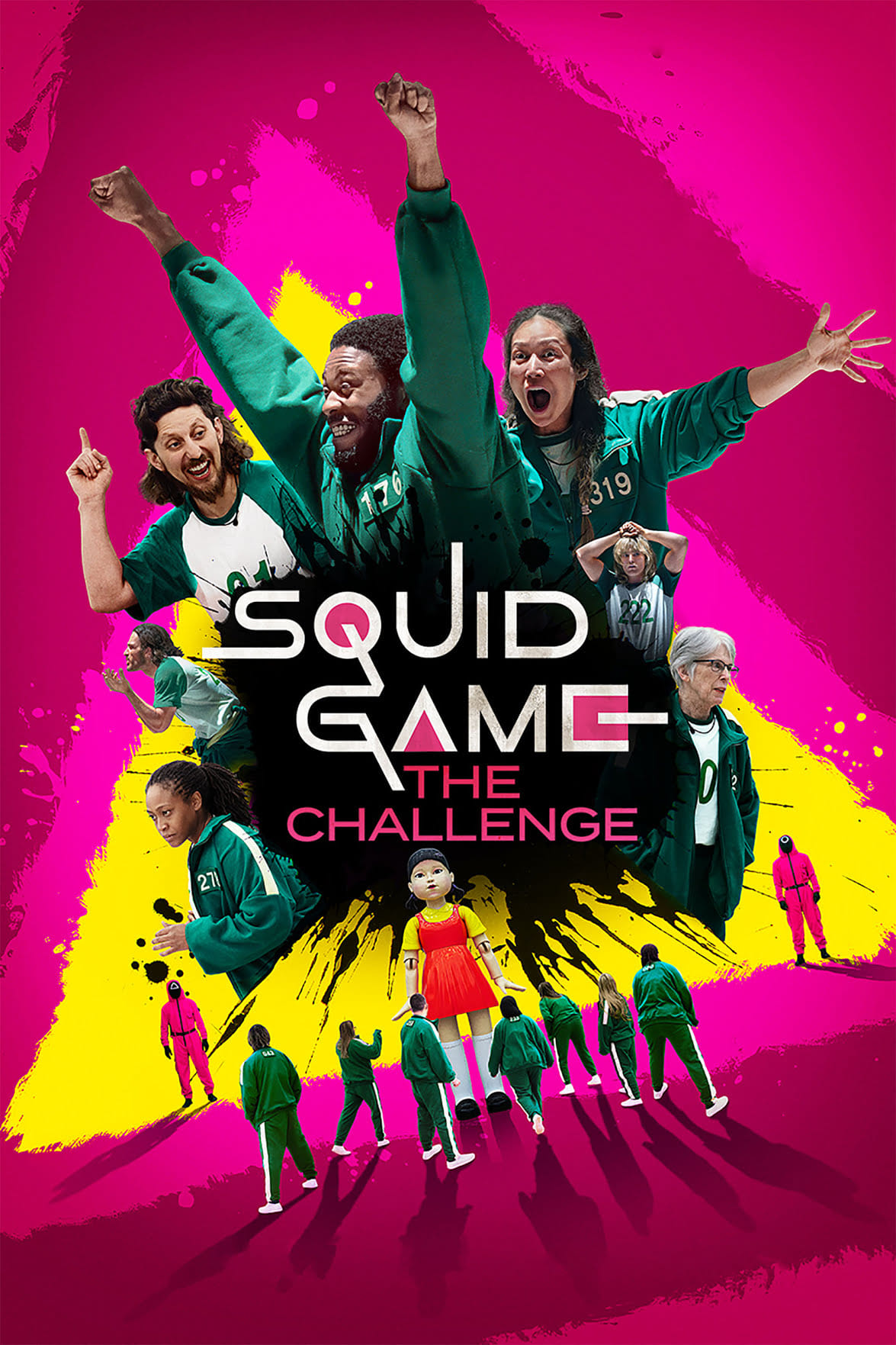
In this reality competition show inspired by "Squid Game," 456 players put their skills to the ultimate test for a life-changing $4.56 million prize.
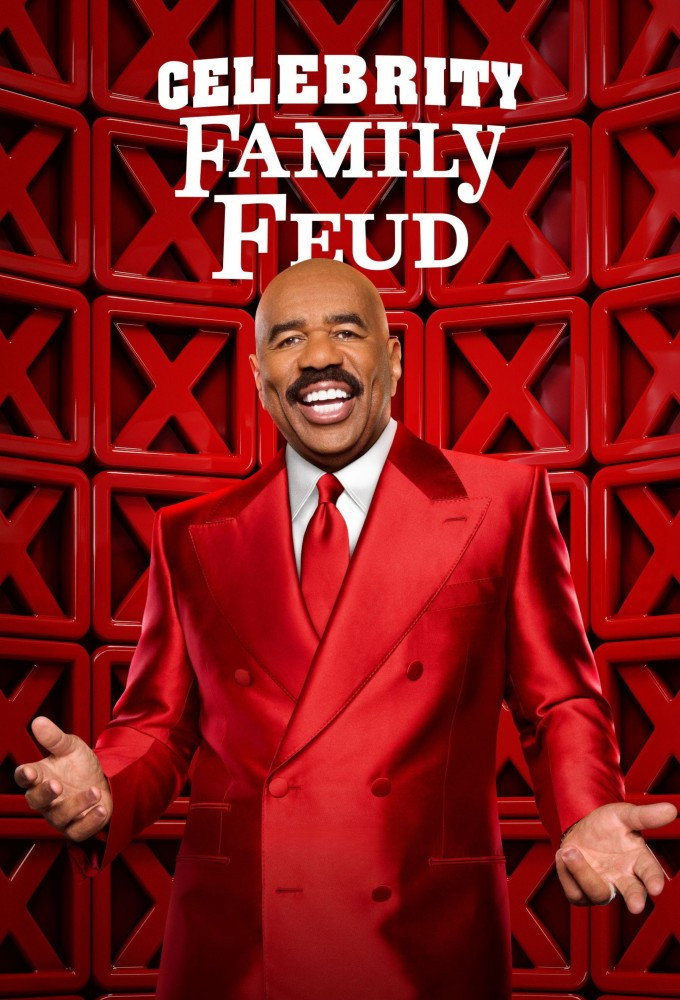
Celebrity Family Feud pits celebrities and their families against each other in a contest to name the most popular responses to survey-type questions posed to 100 people.
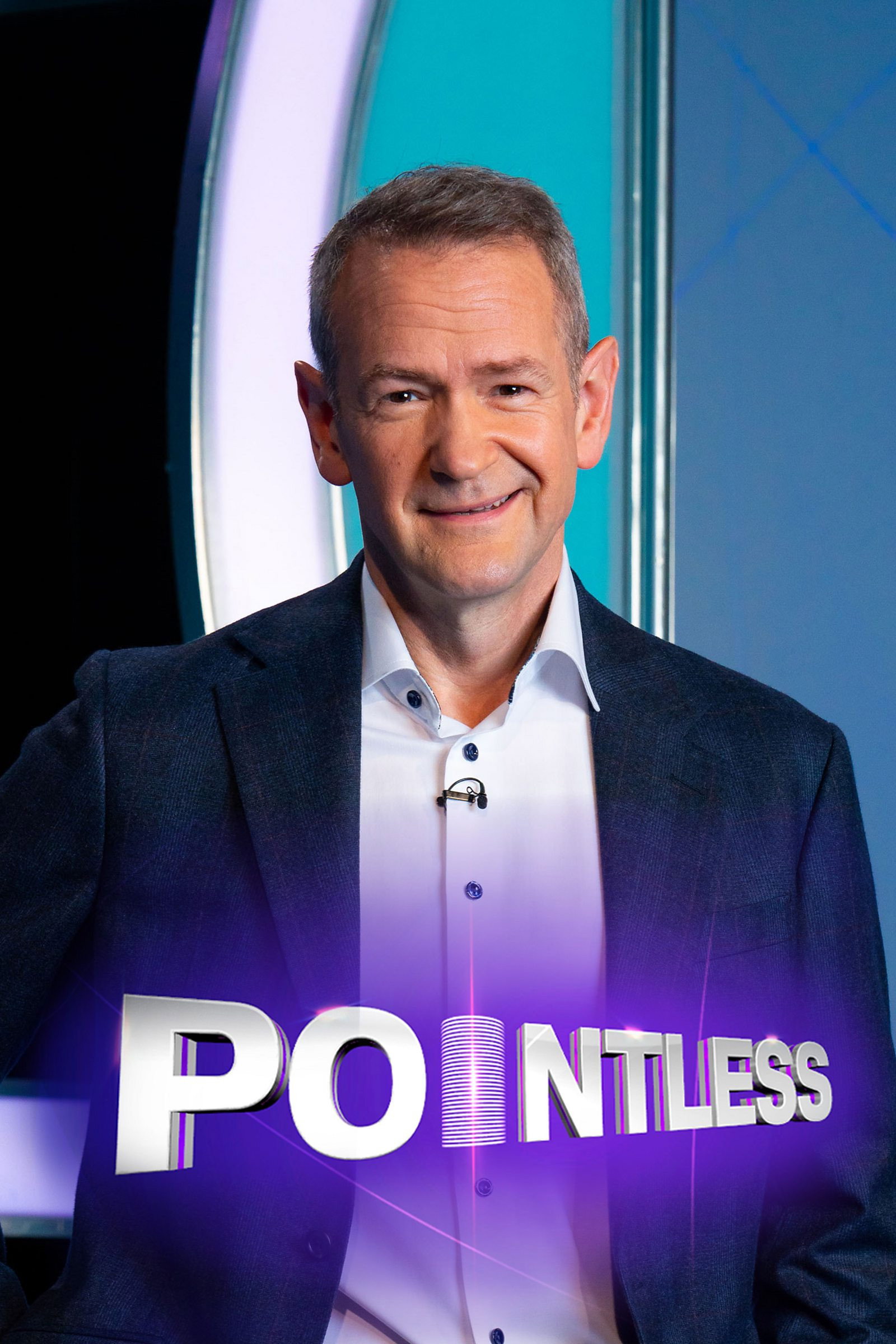
Quiz in which contestants try to score as few points as possible by plumbing the depths of their general knowledge to come up with the answers no-one else can think of.
Each week, 20 contestants compete in a series of challenges in an attempt to win £10,000. These challenges are based in large pools of water or mud and generally involve large assault courses that participants must cross.
"Come on down!" The Price Is Right features a wide variety of games and contests with the same basic challenge: Guess the prices of everyday (or not-quite-everyday) retail items.
Status and strategy collide in this social experiment and competition show where online players flirt, befriend and catfish their way toward $100,000.
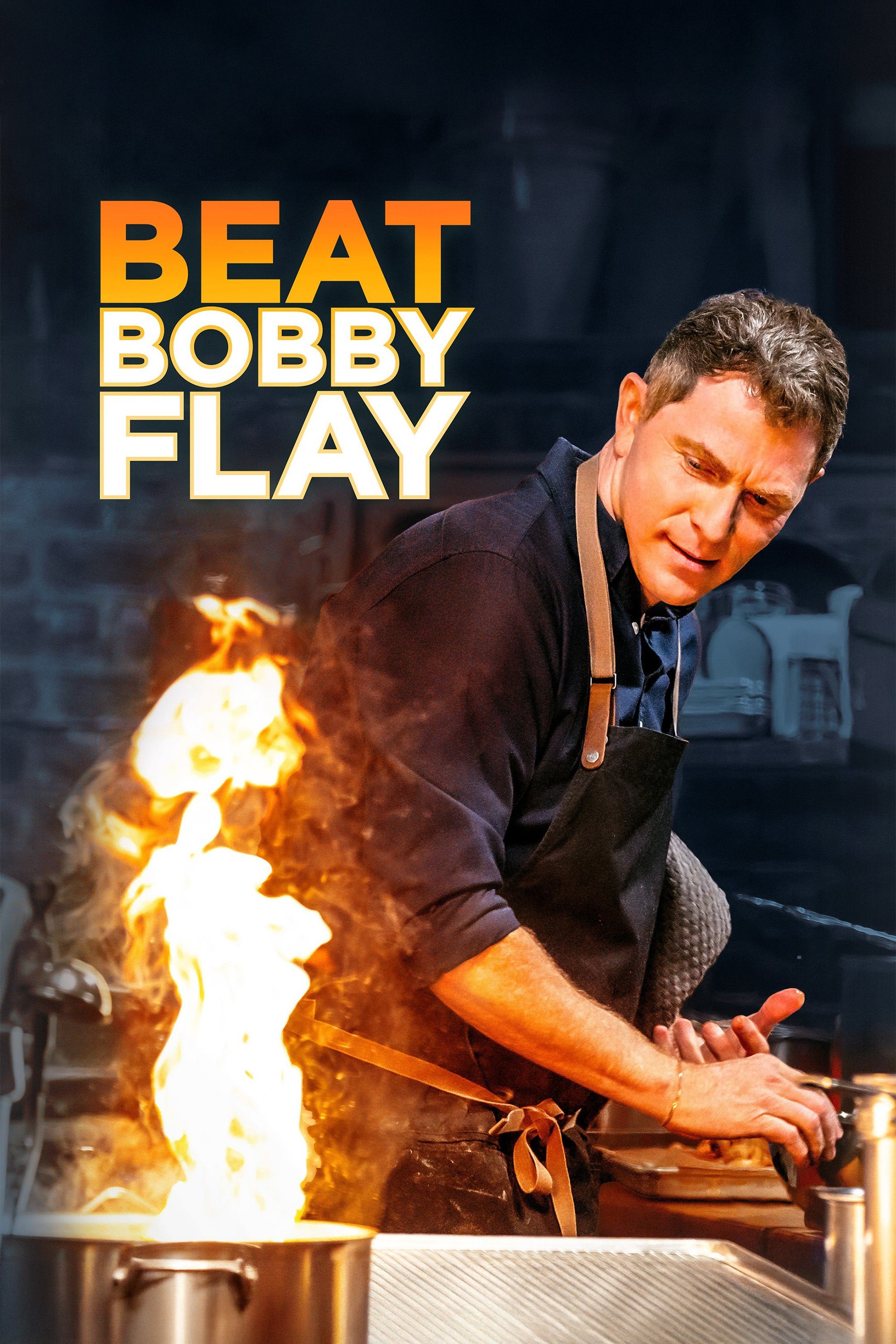
Two talented chefs go head-to-head for the chance to Beat Bobby Flay. To get to Bobby the chefs must first face off against each other, creating a spectacular dish with a secret ingredient of Bobby's choice. Judges Alex Guarnaschelli and Jeff Mauro know Bobby's strengths and his weaknesses. Their goal: Pick the chef who has the skills to take down Bobby Flay in his own arena. The winning chef gets to challenge Bobby with his or her surprise signature dish. If Bobby goes down, the winner can tell the world, "I beat Bobby Flay!"
Wizarding World fans put their Harry Potter knowledge to the test for the ultimate honor to be named House Cup champion.
Couples travel to a tropical paradise where they are forced to decide if they're ready to commit to one another for the rest of their lives. A reboot of the 2001 reality series.
A game show created in the United Kingdom, in which contestants attempt to answer general knowledge questions in an intimidating atmosphere in order to scoop the £1 million top prize. The original series was hosted by Chris Tarrant, and its modern-day revival is hosted by Jeremy Clarkson.
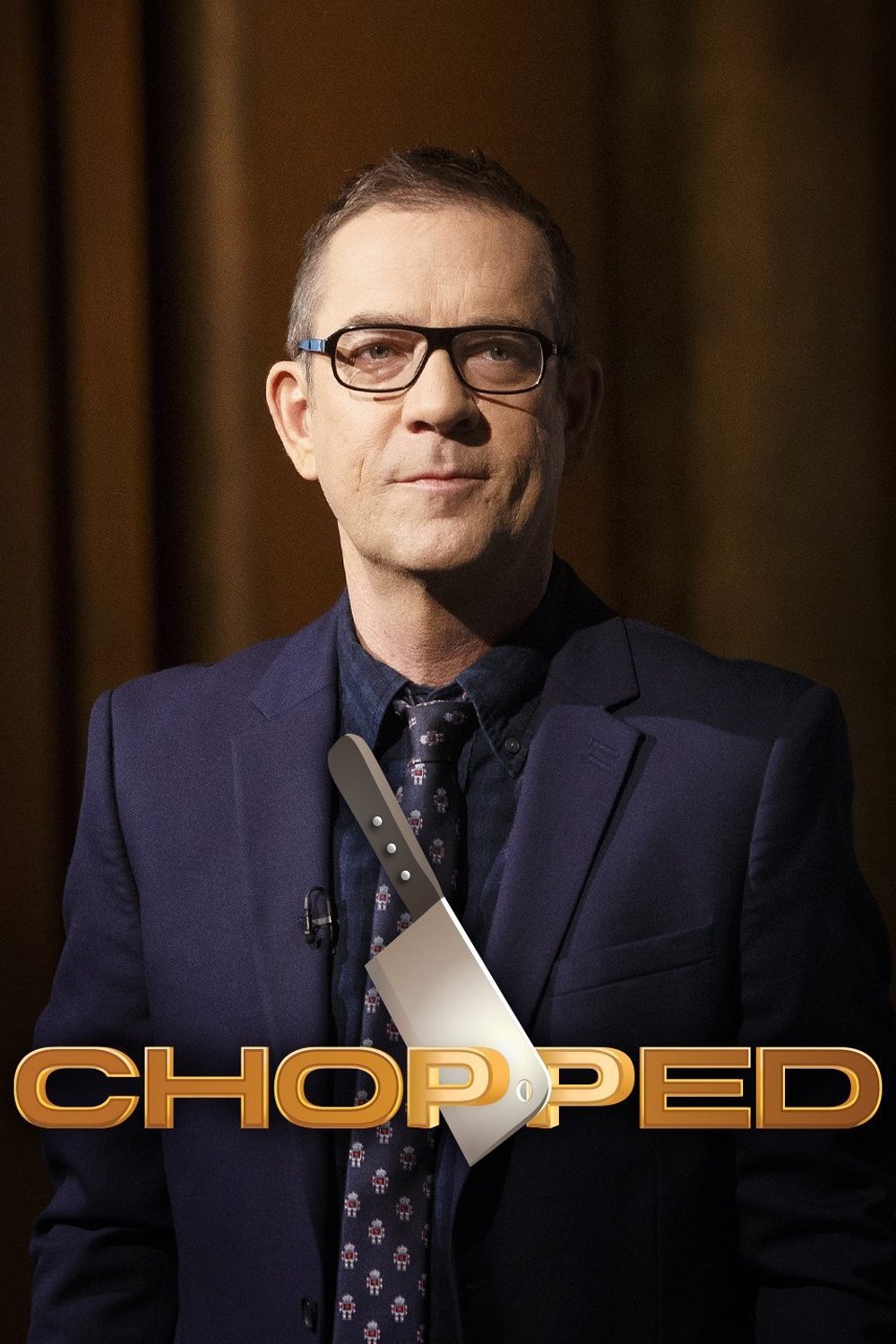
A high energy, fast paced cooking competition that challenges four up-and-coming chefs to turn a selection of everyday ingredients into an extraordinary three-course meal. After each course, a contestant gets “chopped” by our panel of esteemed culinary luminaries until the last man or woman left standing claims victory.