Social & External
Kommissar Faust
Ulrike
Kemal
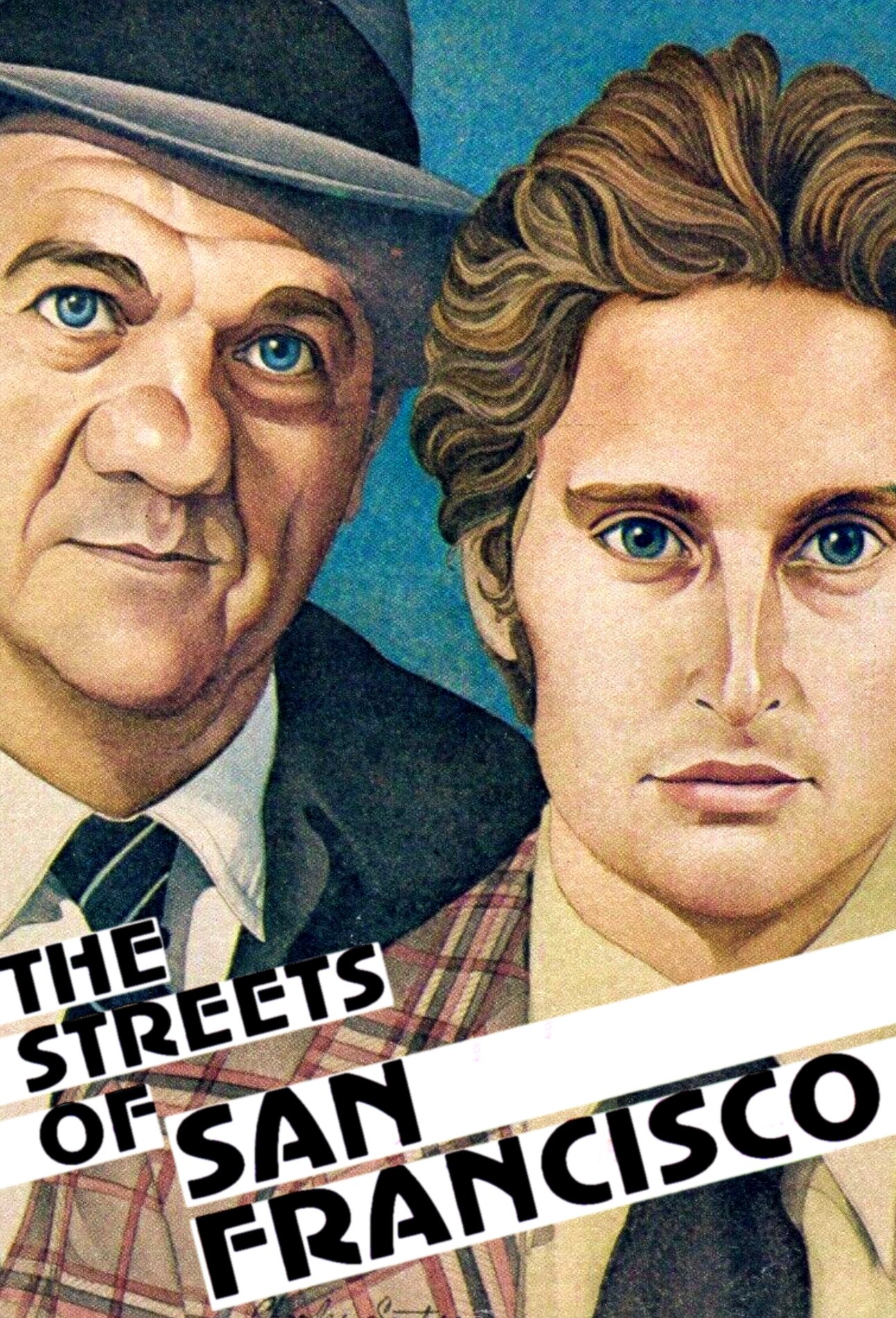
Two police officers, the older Lt. Stone and the young upstart Inspector Keller, investigate murders and other serious crimes in San Francisco. Stone would become a second father to Keller as he learned the rigors and procedures of detective work.
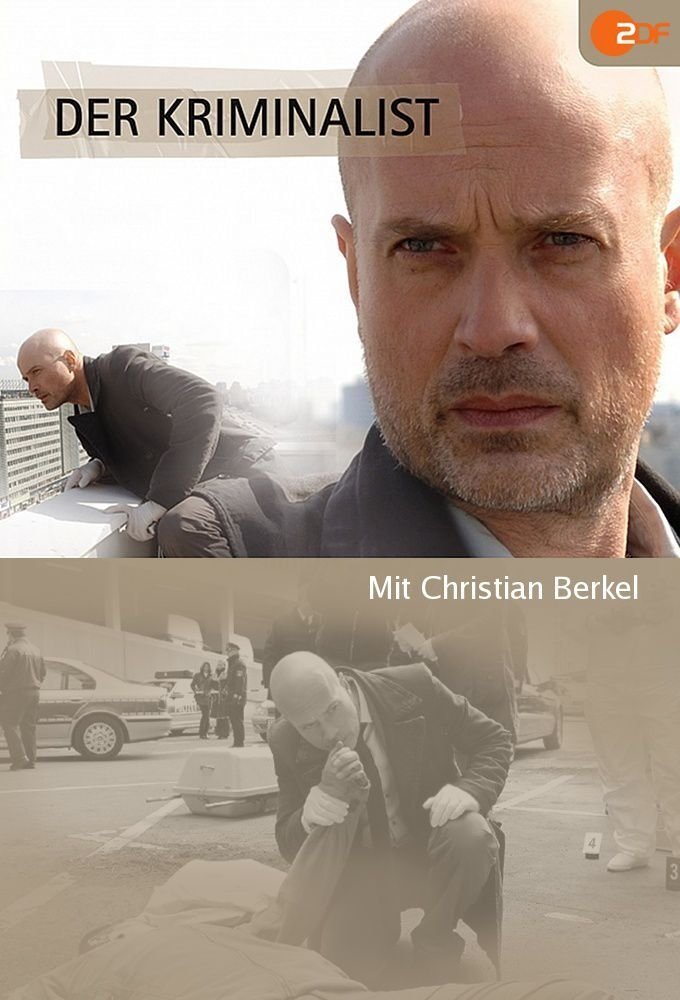
Der Kriminalist is a German television series produced by Monaco Film Hamburg, subsidiary of Odeon Film. Directors during the first season were Sherry Hormann and Torsten C. Fischer, during the second: Thomas Jahn, Jobst Oetzmann and Torsten C. Fischer.
Byomkesh was a 2014 Indian Bengali crime fiction television series based on the Bengali sleuth Byomkesh Bakshi created by Sharadindu Bandyopadhyay
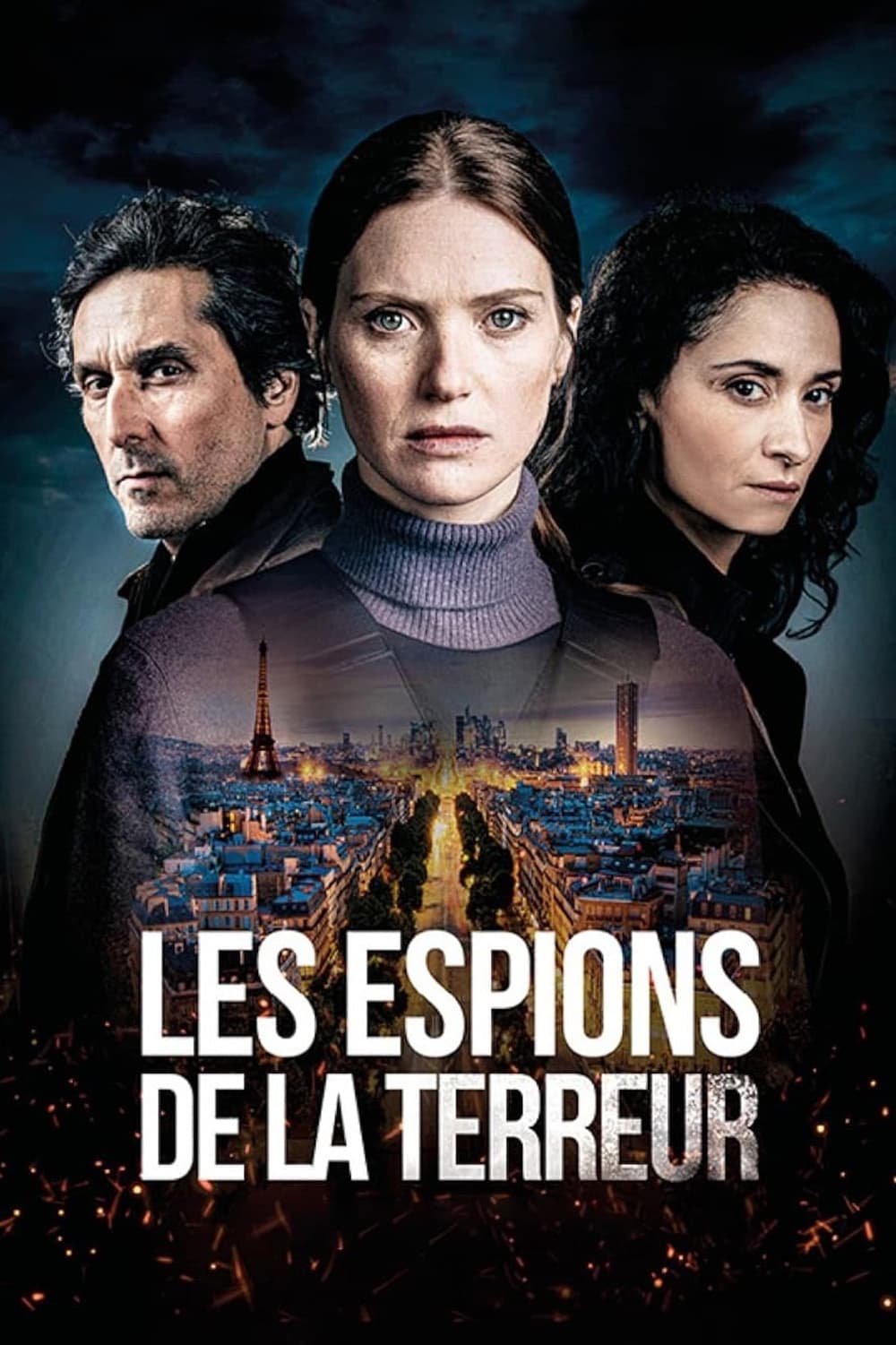
In the aftermath of November 13 in Paris, Lucie, Malika and Vincent find themselves at the heart of the hunt for those responsible for the attacks. They are soon faced with the threat of further attacks.
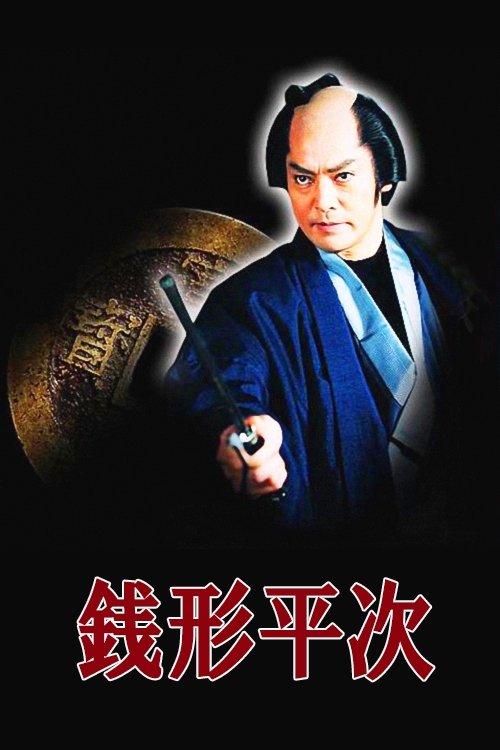
Heiji is an undercover policeman in the city of Edo. He possesses a superior skill of throwing coins. When a criminal is caught, Heiji throws coins at the offender and reveals his true identity. Like “Abarenbo Shogun,” “Mito Komon” and “Toyama no Kinsan,” “Zenigata Heiji” is about an official working undercover to catch criminals. The hero was created by novelist Kodō Nomura in 1931.
Explores horrific murder cases through the various twists and turns and unpacks in detail how the forensic work helped catch a killer. Telling these true crime stories are those closest to the case – from the forensic officers and experts, police officers, journalists, and family and friends.
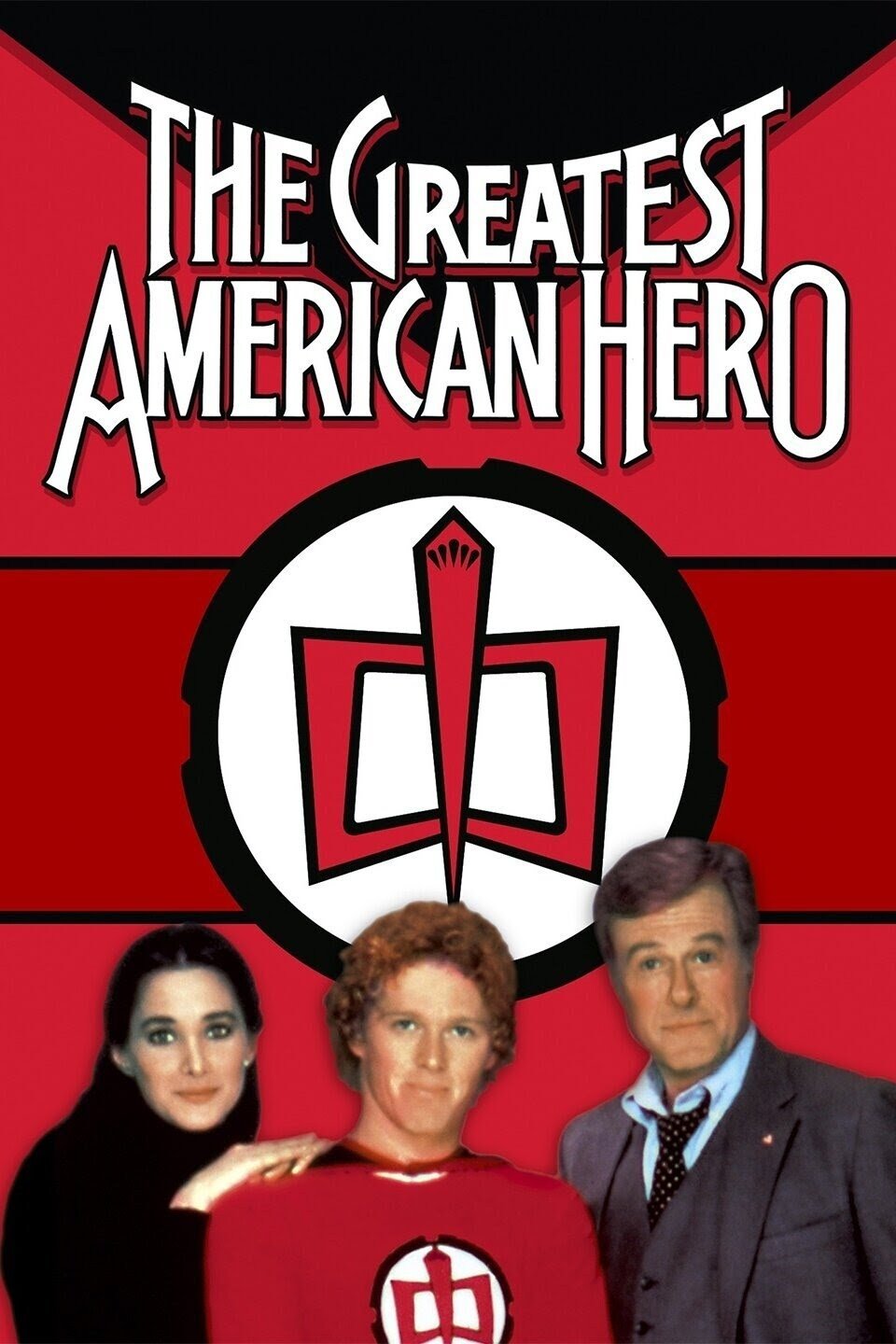
The chronicles of teacher Ralph Hinkley's adventures after a group of aliens gives him a red suit that gives him superhuman abilities. Unfortunately, Ralph, who hates wearing the suit, immediately loses its instruction booklet, and thus has to learn how to use its powers by trial and error, often with comical results.
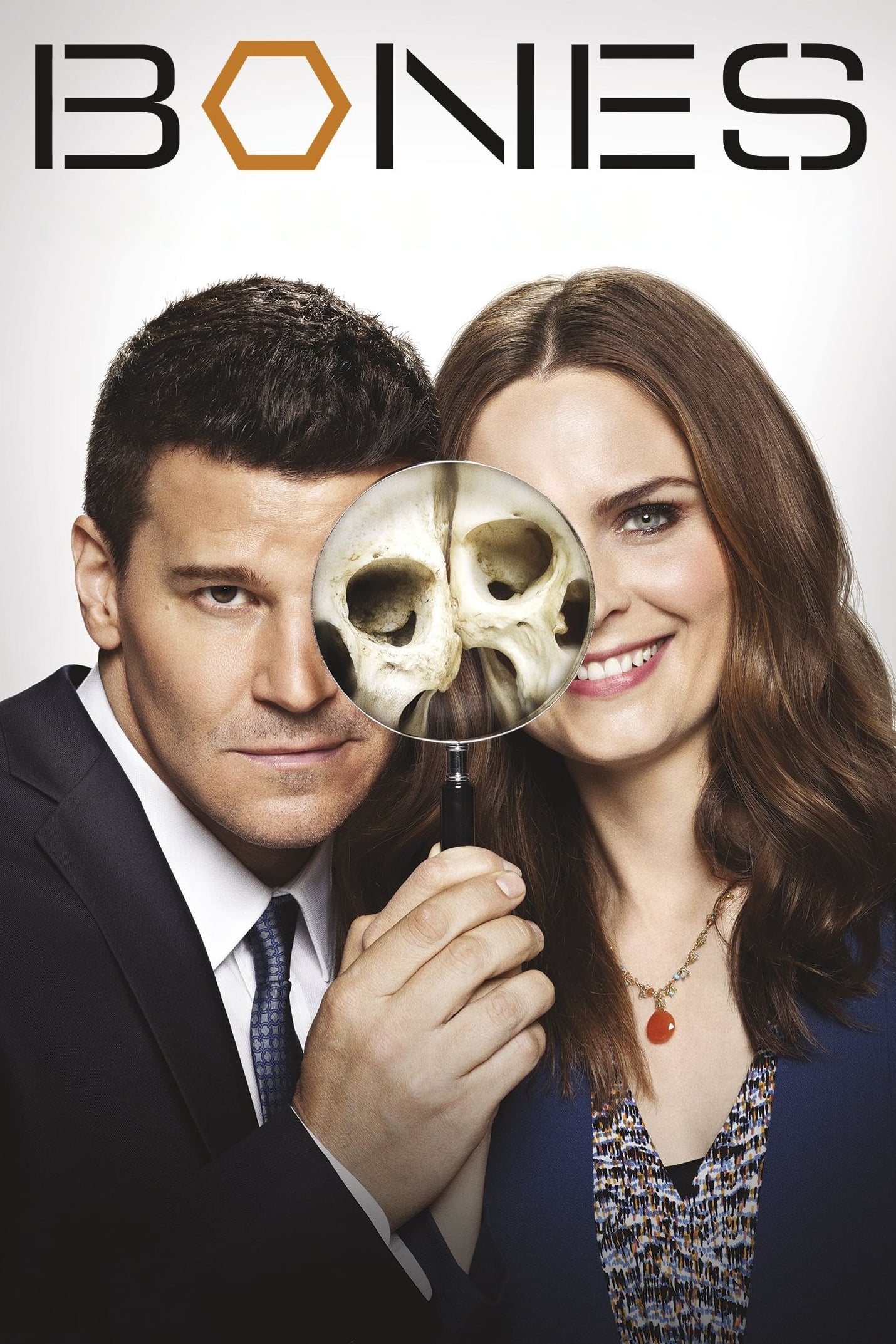
Dr. Temperance Brennan and her colleagues at the Jeffersonian's Medico-Legal Lab assist Special Agent Seeley Booth with murder investigations when the remains are so badly decomposed, burned or destroyed that the standard identification methods are useless.
Checkmate is an American detective television series starring Anthony George, Sebastian Cabot, and Doug McClure. The show aired on CBS Television from 1960 to 1962 for a total of 70 episodes and was produced by Jack Benny's production company, "JaMco Productions" in co-operation with Revue Studios. Guest stars included Charles Laughton, Peter Lorre, and Lee Marvin, among many other commensurately prominent performers.
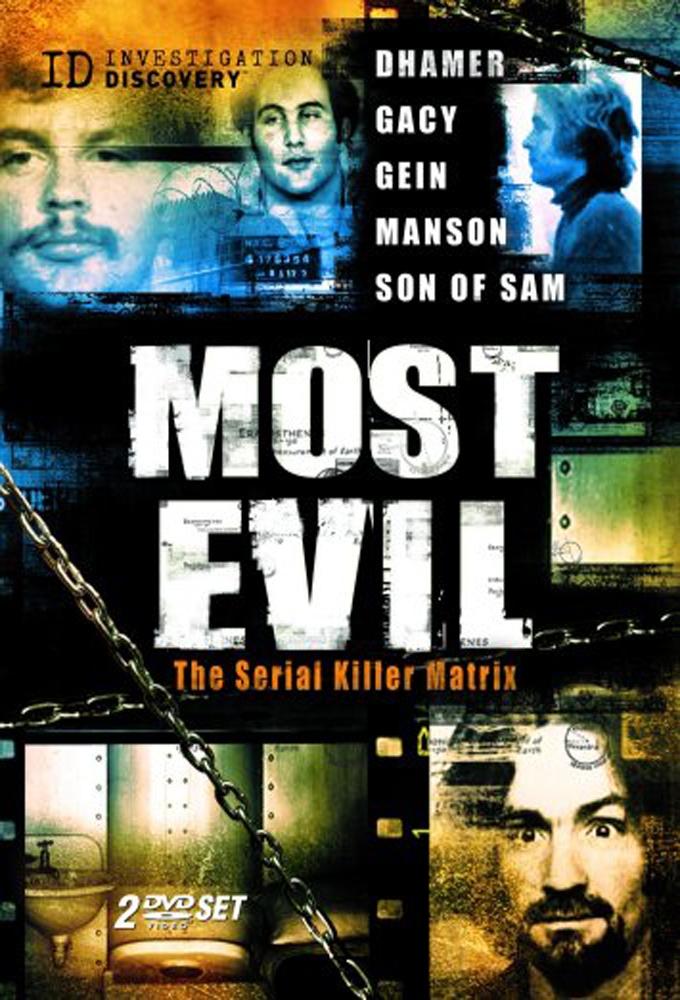
Most Evil is an American forensics television program on Investigation Discovery presented by forensic psychiatrist Michael Stone of Columbia University. On the show, Stone rates murderers on a scale of evil that Stone himself has developed. The show features profiles on various murderers, serial killers, mass murderers and psychopaths.
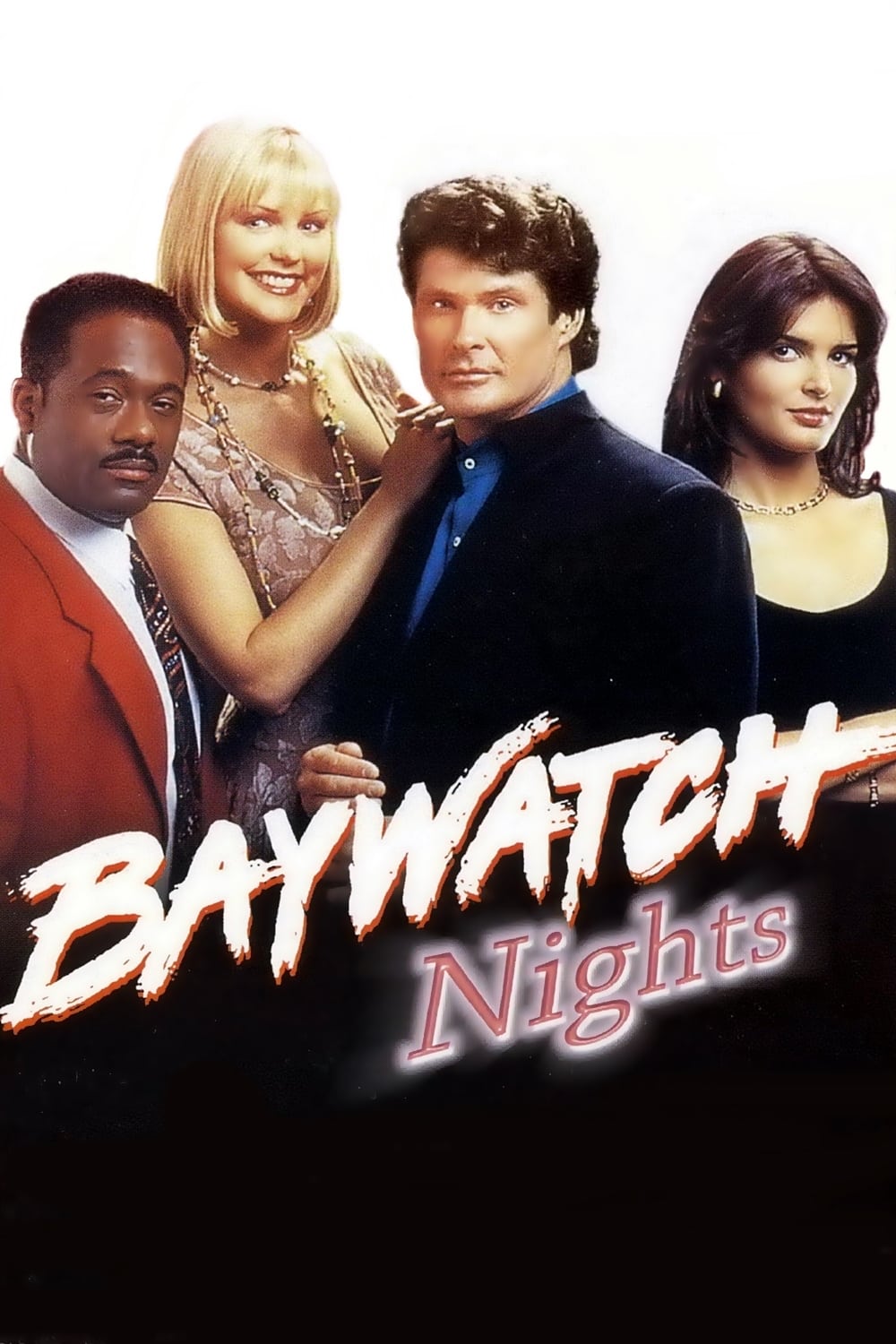
Baywatch Nights is an American police and science fiction drama series that aired in syndication from 1995 to 1997. Created by Douglas Schwartz, David Hasselhoff, and Gregory J. Bonann, the series is a spin-off from the popular television series, Baywatch.
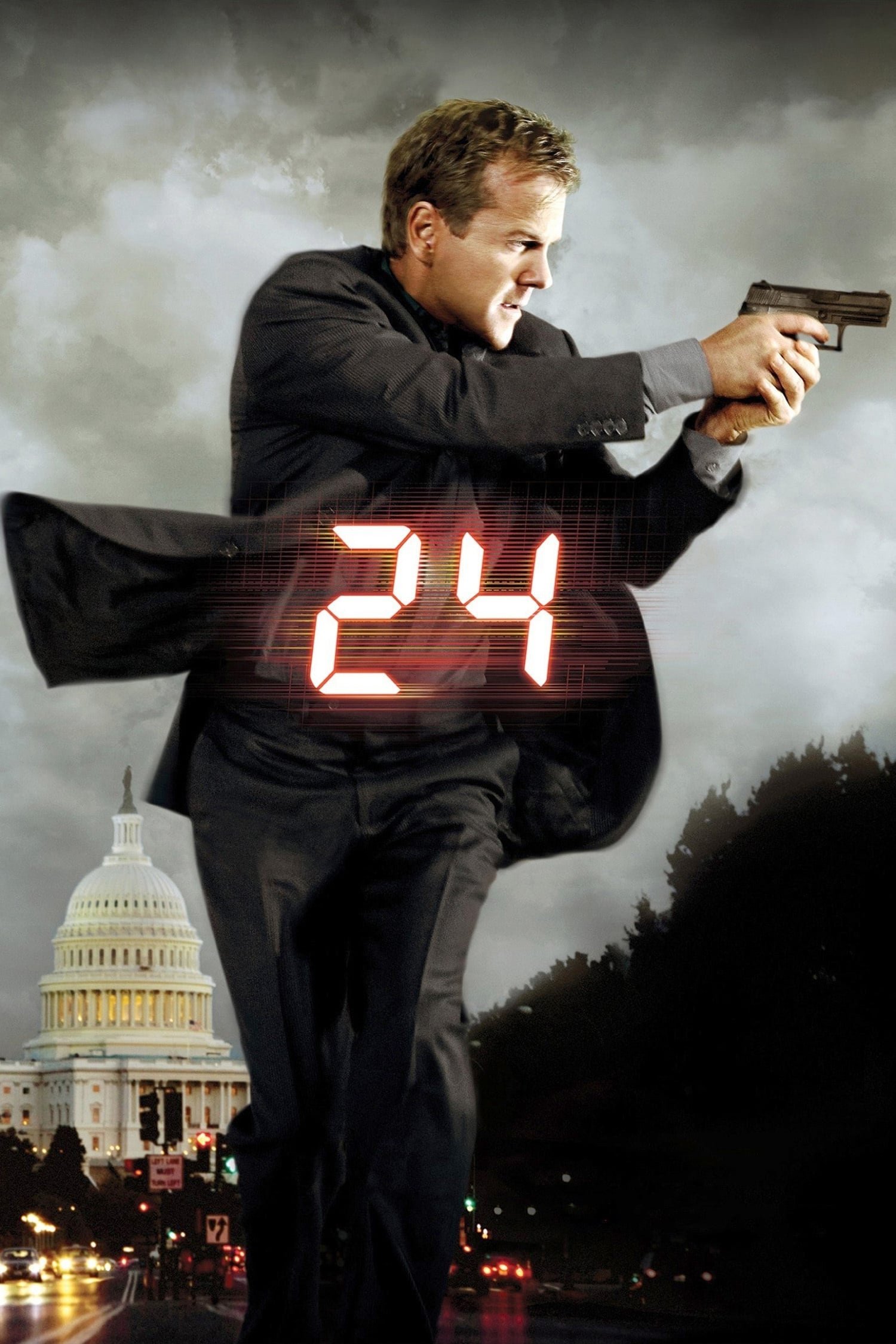
Counterterrorism agent Jack Bauer fights the bad guys of the world, a day at a time. With each week's episode unfolding in real-time, "24" covers a single day in the life of Bauer each season.
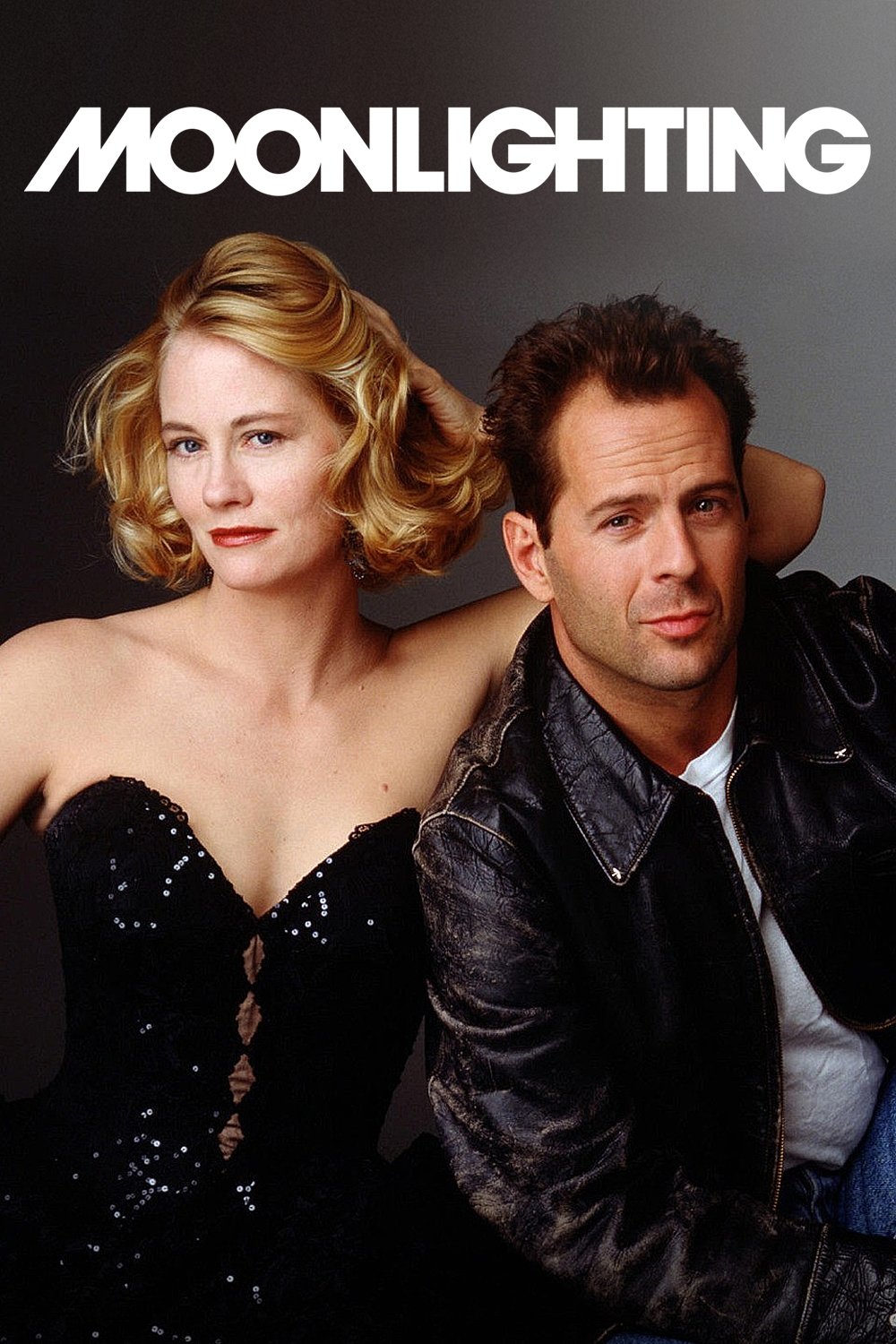
After being duped and going bankrupt, model Maddie is convinced by David to become a partner in a detective agency. Together they solve various cases, while getting comfortable with each other.
The People's Court is an American arbitration-based reality court show currently presided over by retired Florida State Circuit Court Judge Marilyn Milian. Milian, the show's longest-reigning arbiter, handles small claims disputes in a simulated courtroom set. The People's Court is the first court show to use binding arbitration, introducing the format into the genre in 1981. The system has been duplicated by most of the show's successors in the judicial genre. Moreover, The People's Court is the first popular, long-running reality in the judicial genre. It was preceded only by a few short-lived realities in the genre; these short-lived predecessors were only loosely related to judicial proceedings, except for one: Parole took footage from real-life courtrooms holding legal proceedings. Prior to The People's Court, the vast majority of TV courtroom shows used actors, and recreated or fictional cases. Among examples of these types of court shows include Famous Jury Trials and Your Witness. The People's Court has had two contrasting lives. The show's first life was presided over solely by former Los Angeles County Superior Court Judge Joseph Wapner. His tenure lasted from the show's debut on September 14, 1981, until May 21, 1993, when the show was cancelled due to low ratings. This left the show with a total of 2,484 ½-hour episodes and 12 seasons. The show was taped in Los Angeles during its first life. After being cancelled, reruns aired until September 9, 1994.
Strange crimes occur in Thailand as the ranking for the world's best detective sees a shift. New detectives come into the picture to tackle three difficult cases.