Social & External
Unknown Role
The Islamic Revolutionary Guard Corps or IRGC is the protector of the Islamic Republic of Iran and the military arm of the Supreme Leader. Also known as the Pasdaran, this deep-state mafia comprising 120,000 men has extensive powers, ensuring bloody repression of the people. No strangers to smuggling and trafficking, the IRGC’s economic empire is worth hundreds of billions of dollars. The Supreme Leader Khomeini has allowed the organization to infiltrate the state and its members are now mayors, members of parliament and ministers, cultivating their networks at the highest levels. The IRGC is responsible for Iran's nuclear and ballistic missile programs, and cultivates not only the art of deterrence, but also a strategy of asymmetrical warfare via the militias and terrorist organizations they finance, arm, and control across the Middle East.
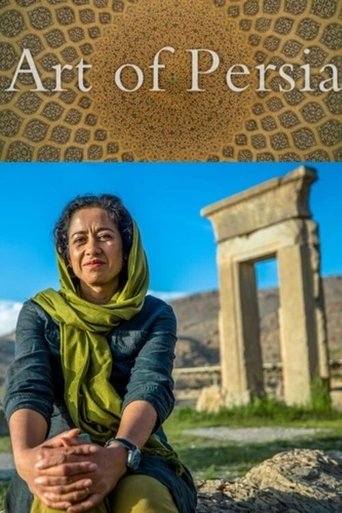
Broadcaster and journalist Samira Ahmed goes on a remarkable journey to places rarely seen, as she travels through Iran, telling the story of a complex and fascinating people, culture and history.
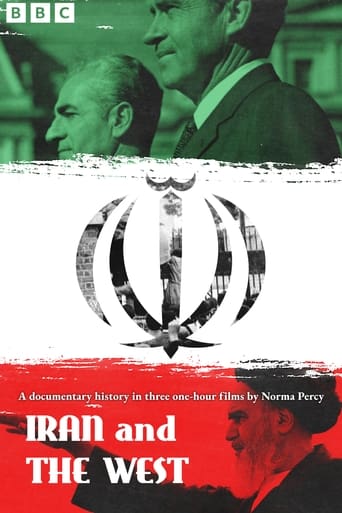
Militant Islam enjoyed its first modern triumph with the arrival in power of Ayatollah Khomeini in Iran in 1979. In this series of three programmes, key figures tell the inside story.
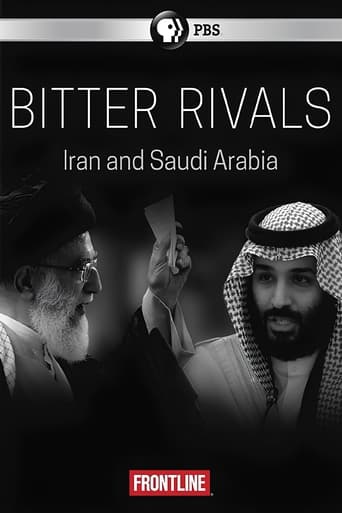
Bitter Rivals illuminates the essential history - and profound ripple effect - of Iran and Saudi Arabia's power struggle. It draws on scores of interviews with political, religious and military leaders, militia commanders, diplomats, and policy experts, painting American television's most comprehensive picture of a feud that has reshaped the Middle East.
Eyewitnesses and survivors reveal the truth about the mass anti-government protests in Iran, from the contested election of 2009 to Bloody November.
Explorer Levison Wood - famous for Walking the Nile, Walking the Himalayas and Walking the Americas - is taking on a new expedition in this four-part series: to cross the mighty Caucusus mountain range that lies between Russia and Iran. And as well as a new region of the world, Levison is taking a new approach to exploring: making his way by any means necessary. Travelling with the locals and living as they do, Levison's epic, 2,600-mile journey takes him through five countries, crossing the wild lands on the tense frontier between Europe and Asia and visiting some of the most fascinating and diverse people's on earth.
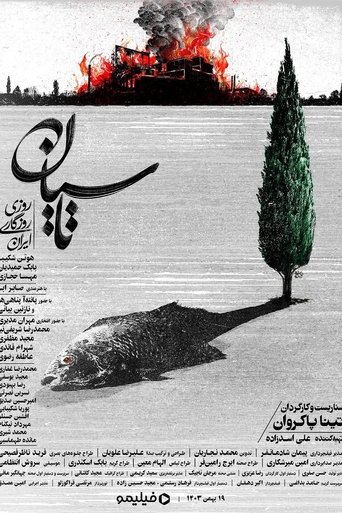
Aisan and Jakan's love bond gets a new life after going through the difficult days of their life together. They go on their honeymoon to water their love tree...a journey that ends in darkness.
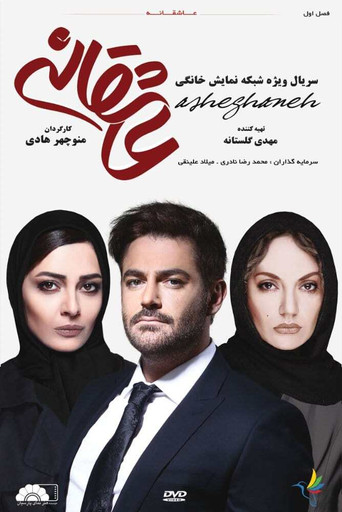
Several young couples' calm marriages are disturbed when a woman enters their lives.
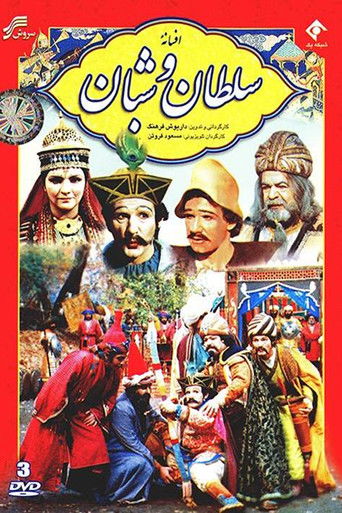
One evening in a grand royal palace, a frivolous and grotesque sultan has a nightmare. The great diviner concludes that on a full moon evening arrows of doom will fall on his head. Frightened, the sultan feels discomfort and falls ill in bed...
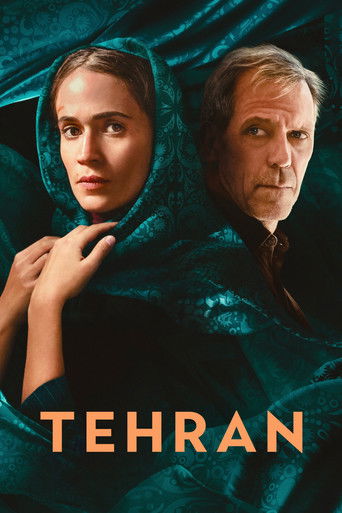
Tamar is a Mossad hacker-agent who infiltrates Tehran under a false identity to help destroy Iran's nuclear reactor. But when her mission fails, Tamar must plan an operation that will place everyone dear to her in jeopardy.
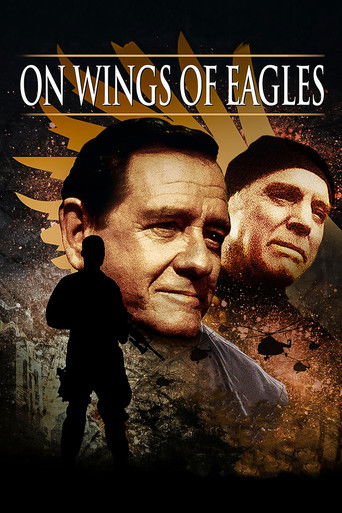
On Wings of Eagles is a NBC TV mini-series, starring Burt Lancaster - Richard Crenna and directed by Andrew V. McLaglen. The TV series was adapted from Ken Follet's novel of the same name. The plot is set during the Iranian revolution. During the takeover of Iran, the king is overthrown, and two executives of Electronic Data Systems are imprisoned on false charges. The head of the company, Mr. Perot, travels to Tehran to negotiate for their release. Meanwhile, a retired US Army Special Forces Colonel, Arthur Simons, is hired to develop a rescue plan at any cost.
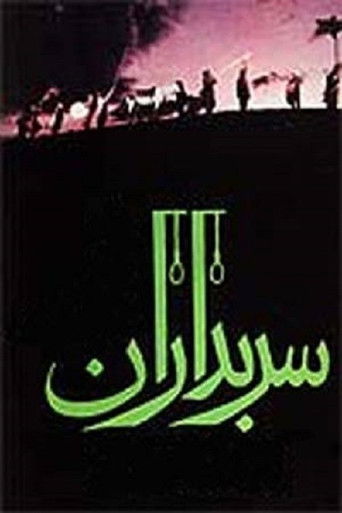
Sarbedaran is a historic series based on the revolt of the 'Sarbedar's of Khorasan, led by Sheykh Hasan Jowri against the Mongol Conquest of Iran. The director of this series is Mohammad Ali Najafi and it is written co-directed by Keyhan Rahgozar. Parts of this series also refer to the previous leader and the pioneer of the movement, Sheykh Khalifa of Mazandaran.
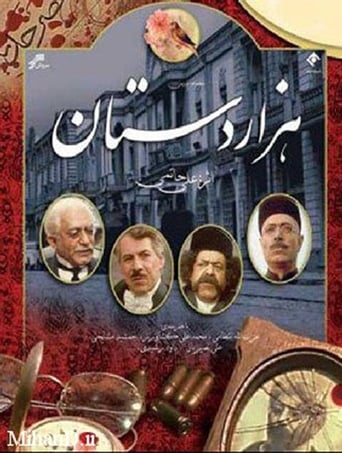
Hezar-Dastan was an Iranian epic historical drama television series from 1987, developed and directed by Ali Hatami. Hezar Dastan is considered one of the most important and most influential works of art in the history of Islamic Republic of Iran Broadcasting. The production of the show took almost 8 years, starting in 1979 and ending in 1987, during which Hatami established a large set to represent Tehran in both Qajar dynasty and World War II, retroactively creating Iran's first movie studio and backlot (named Ghazali Cinema Town). The show tells the story of Reza Khoshnevis (also known as Reza Tofangchi), and his life and entanglement with corruption in government, and trying to correct it using not conventional means. The story is split into two section and it features Iran during the turbulent times of the latter days of Qajar Dynasty and during the events of World War II and Anglo-Soviet invasion of Iran.
Koroush Afsharjam (Behnam Tashakor) is an unpopular Iranian scientist that invents a new powder that can turn dirty liquid into drinkable water. He gets a call from Paris indicating that he could come to Paris and announce his new invention to the world. After he gets in a car crash, laying on the ground, Gholam (Amin Hayaei) decides to still his samsonite bag without any idea of what it holds. After Gholam becomes wanted by the police, he decides to use Koroosh's passport to go to Paris. After finding out what the powder does, he decides to sell it and get the money at any cost. His stupid brain and not knowing anything about English or Europe make this Hilarious character even better.
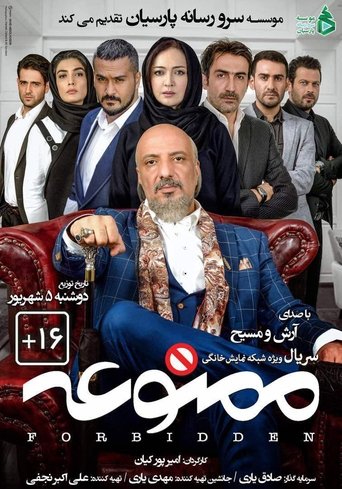
"Forbidden" narrates the story of three generations simultaneously and continuously, from the concerns of youth today to the damage to family and social issues.
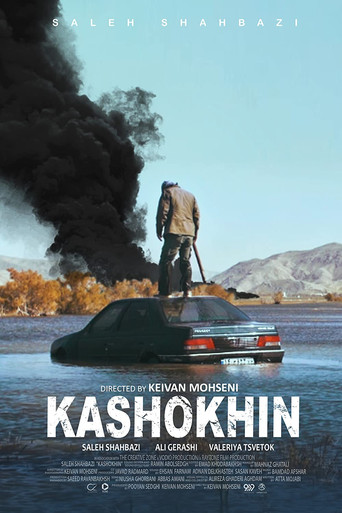
A fuel smuggler in southern Iran, who has been reprimanded and criticized by the others after the death of his comrade in a car accident, embarks on a one-man journey to seek revenge after finding clues to his comrade's murder. Ghasem Chakal is a young fuel smuggler in in southern Iran, who has been reprimanded and criticized by the others after the death of his comrade (Hamzeh) in a car accident. He also feels guilty and can not forgive himself, but when he finds clues that indicate his friend has been killed he embarks on a one-man journey to seek revenge. He makes a list of people who may have been motivated to kill Hamzeh and he goes to visit them with all violence, one by one.
Homa Haghi and her love are preparing with the Haghi family to surprise Homayoun, the father of her family on his birthday night. But when the father arrives, the whole family is surprised.
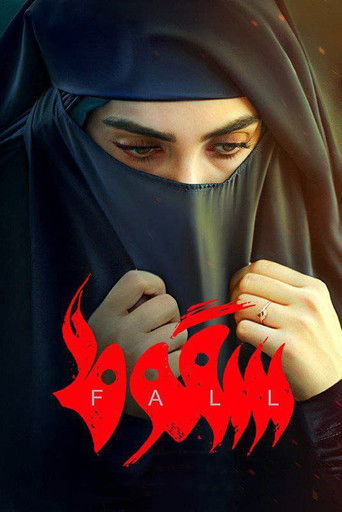
Set in October 1977, on the brink of the Iranian Revolution, a forbidden love story unfolds between Khosrow, a SAVAK officer, and Shirin, a young woman accused of political activism. Amidst growing political unrest, their passion blooms in secrecy, forcing them to confront dangerous choices. Torn between loyalty to their homeland and their love, they must navigate a path of betrayal, survival, and defiance as the revolution looms. A powerful tale of love, freedom, and sacrifice in a time of turmoil.
Driven was a motoring television programme launched by Channel 4 in 1998 as a rival to the successful and long-running BBC series Top Gear. The style was similar to its rival, but with additional features such as the "Driven 100", a road test of three cars in the same class, where each car would be given marks for qualities such as practicality, desirability and cost of ownership. The car with the highest total score would be the winner. The programme launched with the concept that the presenters should interact with each other rather than present items on their own, as was then the case on Top Gear. The first series also featured a "headquarters", a racing team truck, set on a former air force base at which cars were put through their paces. These concepts resurfaced in the reborn Top Gear soon after.
Major real-life air disasters are depicted in this series. Each episode features a detailed dramatized reconstruction of the incident based on cockpit voice recorders and air traffic control transcripts, as well as eyewitnesses recounts and interviews with aviation experts.