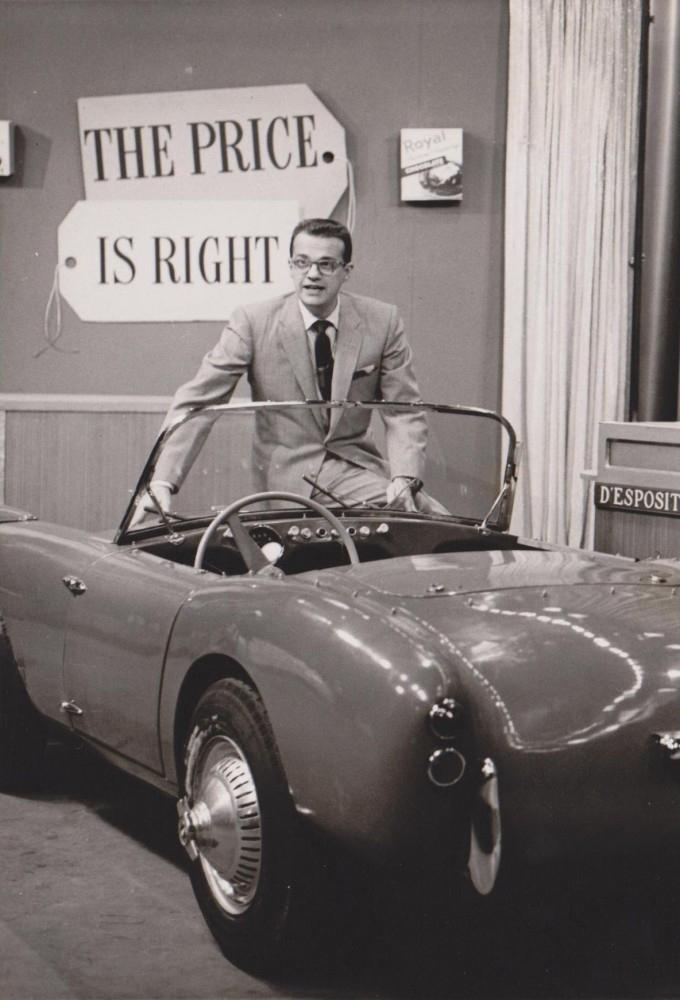
The Price Is Right is an American game show hosted by Bill Cullen that premiered on NBC on November 26, 1956.
Social & External
The people behind it
Bill Cullen
Host
Win, Lose or Draw is an American television game show that aired from 1987 to 1990 in syndication and on NBC. It was taped at CBS Television City, often in Studios 31, 33, and 43 at various times. It was co-produced by Burt & Bert Productions and Kline & Friends for Disney's Buena Vista Television. The set for "Win, Lose or Draw" was modeled after Burt Reynolds' living room.
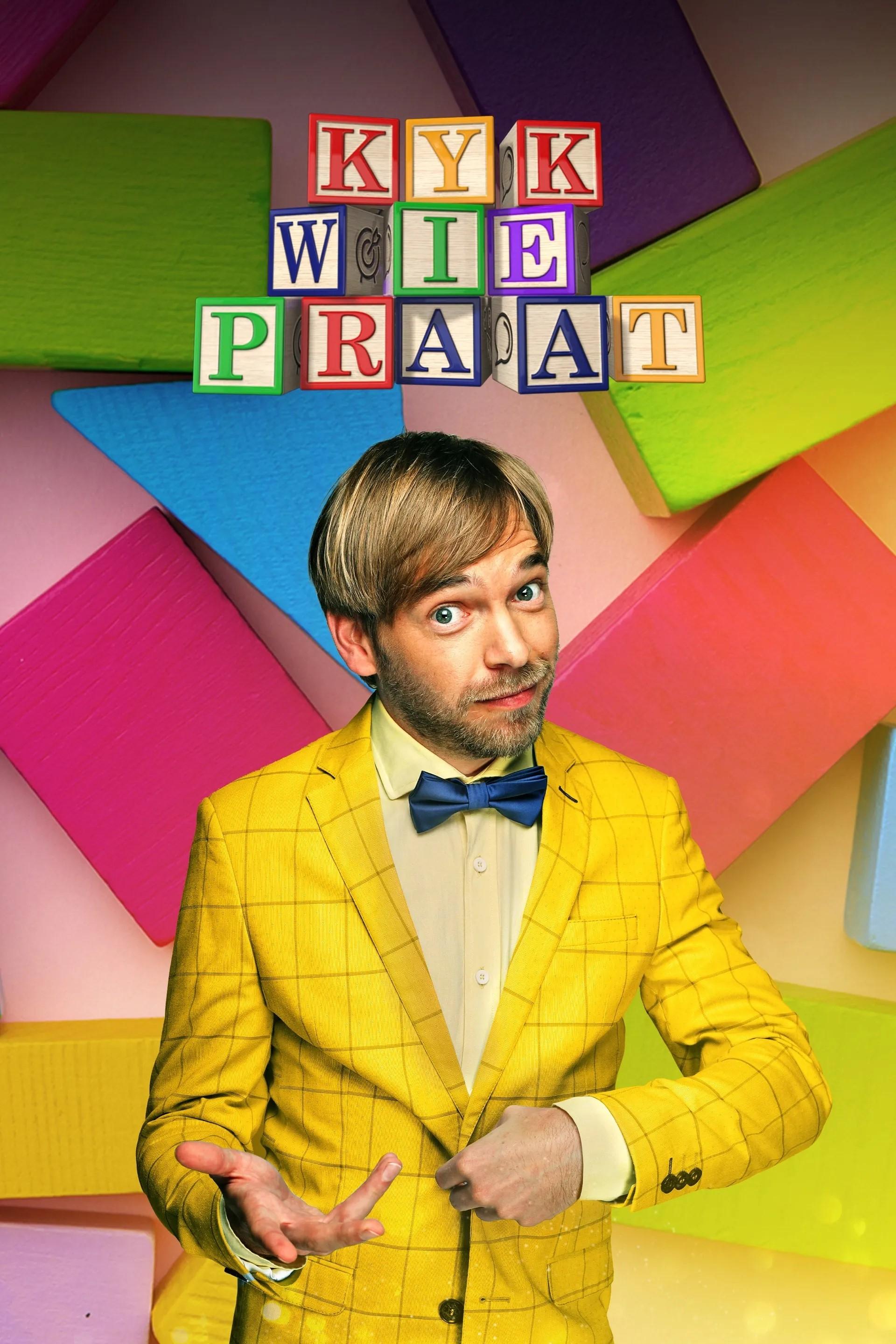
There is a group of mouthy children between the ages of six and nine who are asked questions. The four adult participants in the program must then guess what the little ones' answers to the questions were. Sounds easy, right? It's not that easy! As everyone knows, how a child thinks is not as predictable as one would like it to be.
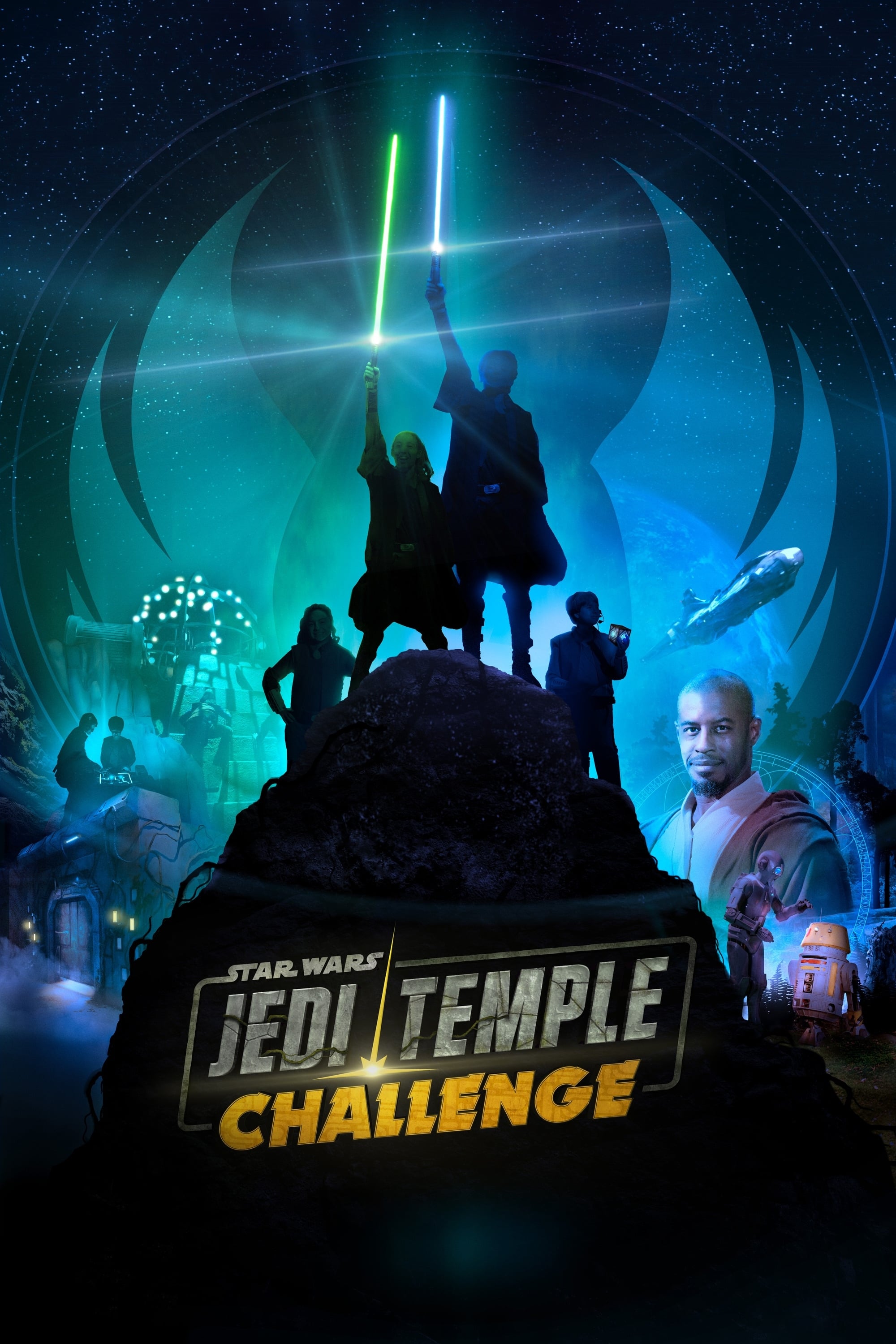
A game show set in a galaxy far, far away, which tests young contestants’ abilities in the core Jedi principles of strength, knowledge, and bravery as they face thrilling and fun obstacles in an attempt to achieve the rank of Jedi Knight
50/50 was a British children's game show that was broadcast on BBC1. It was broadcast from 7 April 1997 to 12 July 2005. Two schools in the UK put forward 50 students, each child given a number from 1–50 which they wear during the show, before each round a random number generator picks which students will take part in the next game. The t-shirt colours were originally green and orange but this was changed to blue and yellow. They sit opposite each other in raised seating while the game takes place in between them. Most of the children will not get an opportunity to play in a game, but there are question rounds and observation rounds where points are won by the number of correct answers. The games usually consist of inflatable obstacle courses similar to those found in Get Your Own Back, Fun House and Run the Risk.
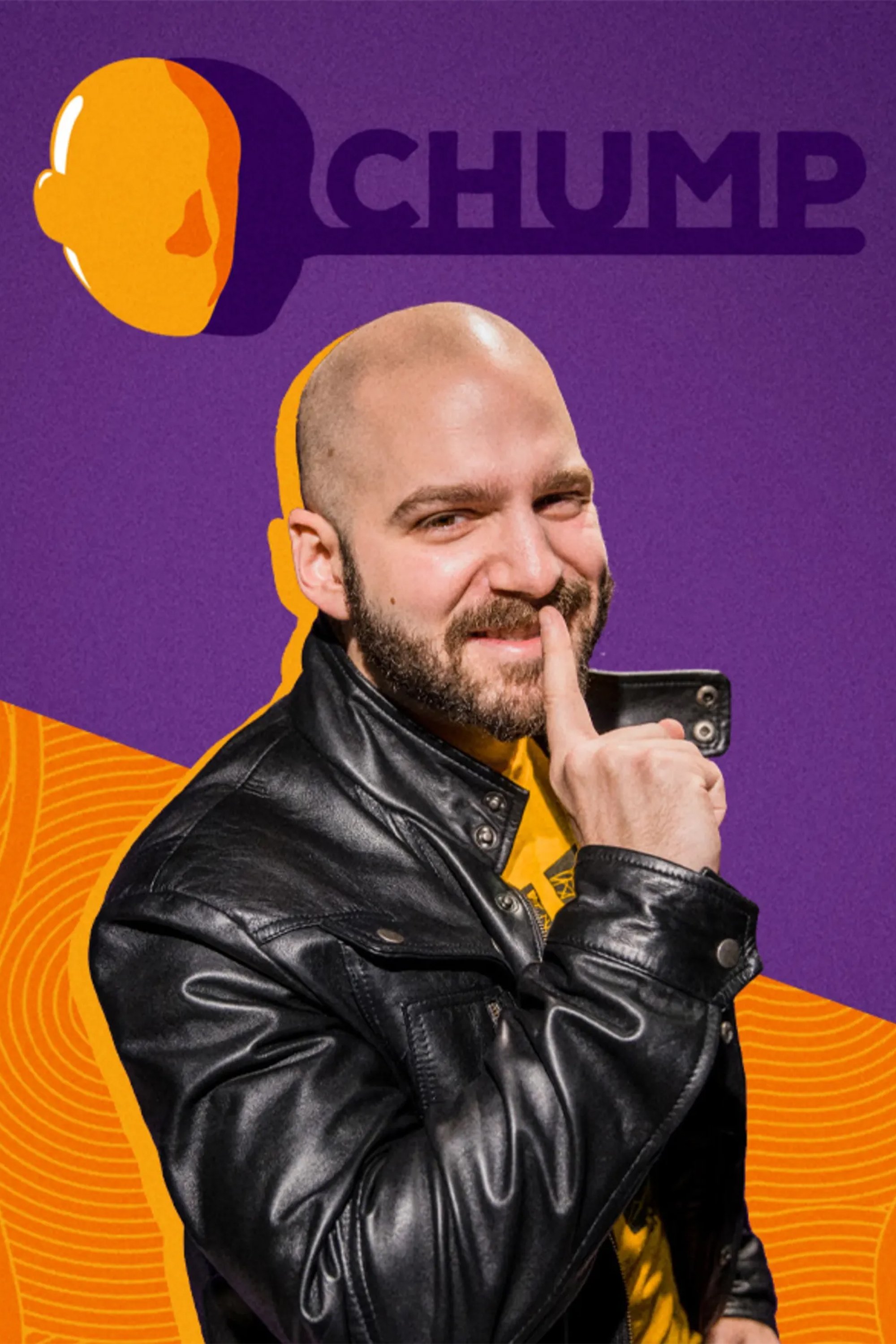
Host Jeremy Dooley pits a contestant against a panel of deceivers. It's up to them, and you–the audience–to figure out who's lying, who's telling the truth, and who's a CHUMP.
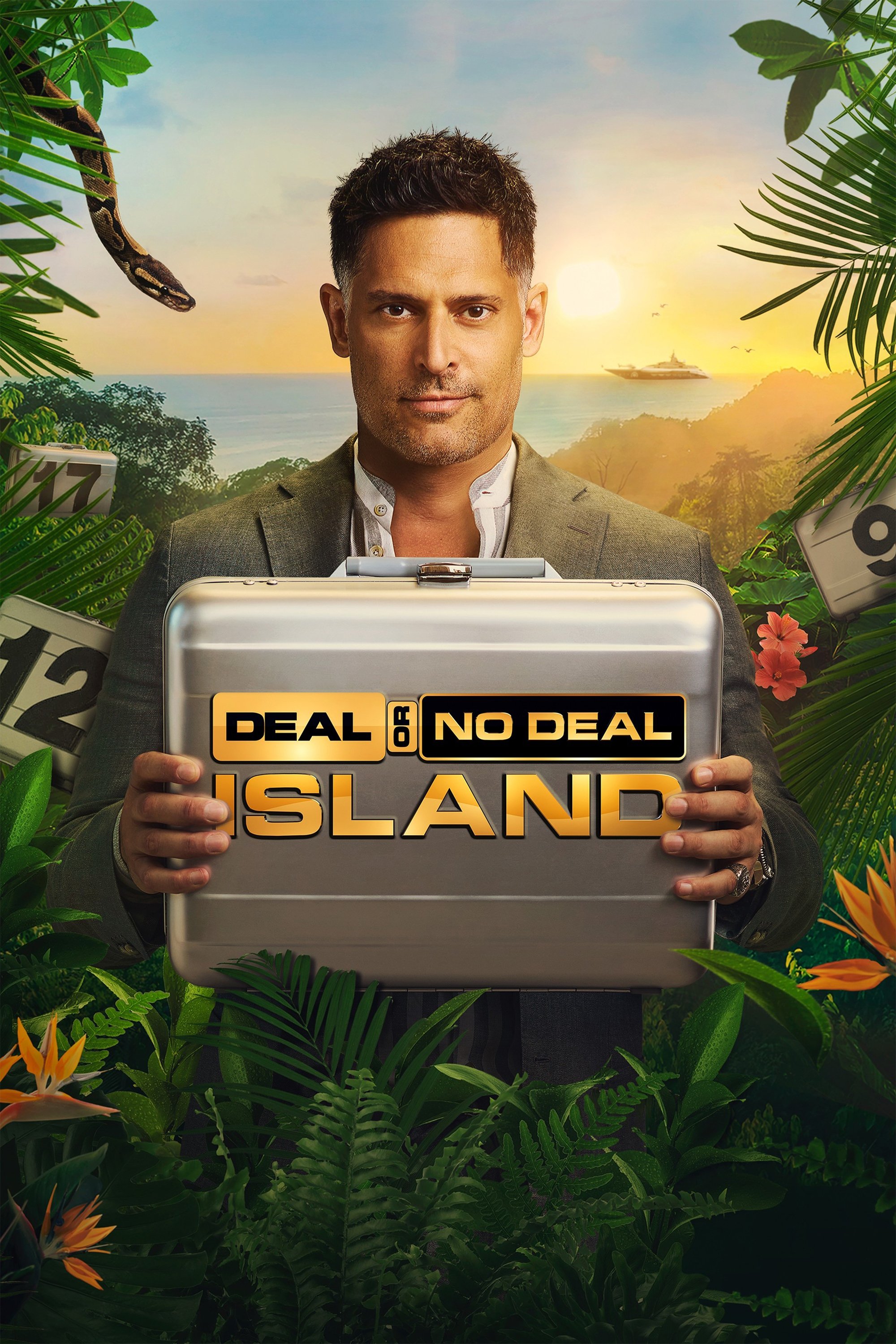
A new twist on the classic game that follows contestants to the banker’s private island, where they must compete in tough challenges to find hidden briefcases worth over $200 million -- then try to beat the banker in “Deal or No Deal.”
Games World was an entertainment video games show that was broadcast on Sky One each weekday from 1 March 1993–2 October 1998. The overall concept of Games World was similar to GamesMaster.
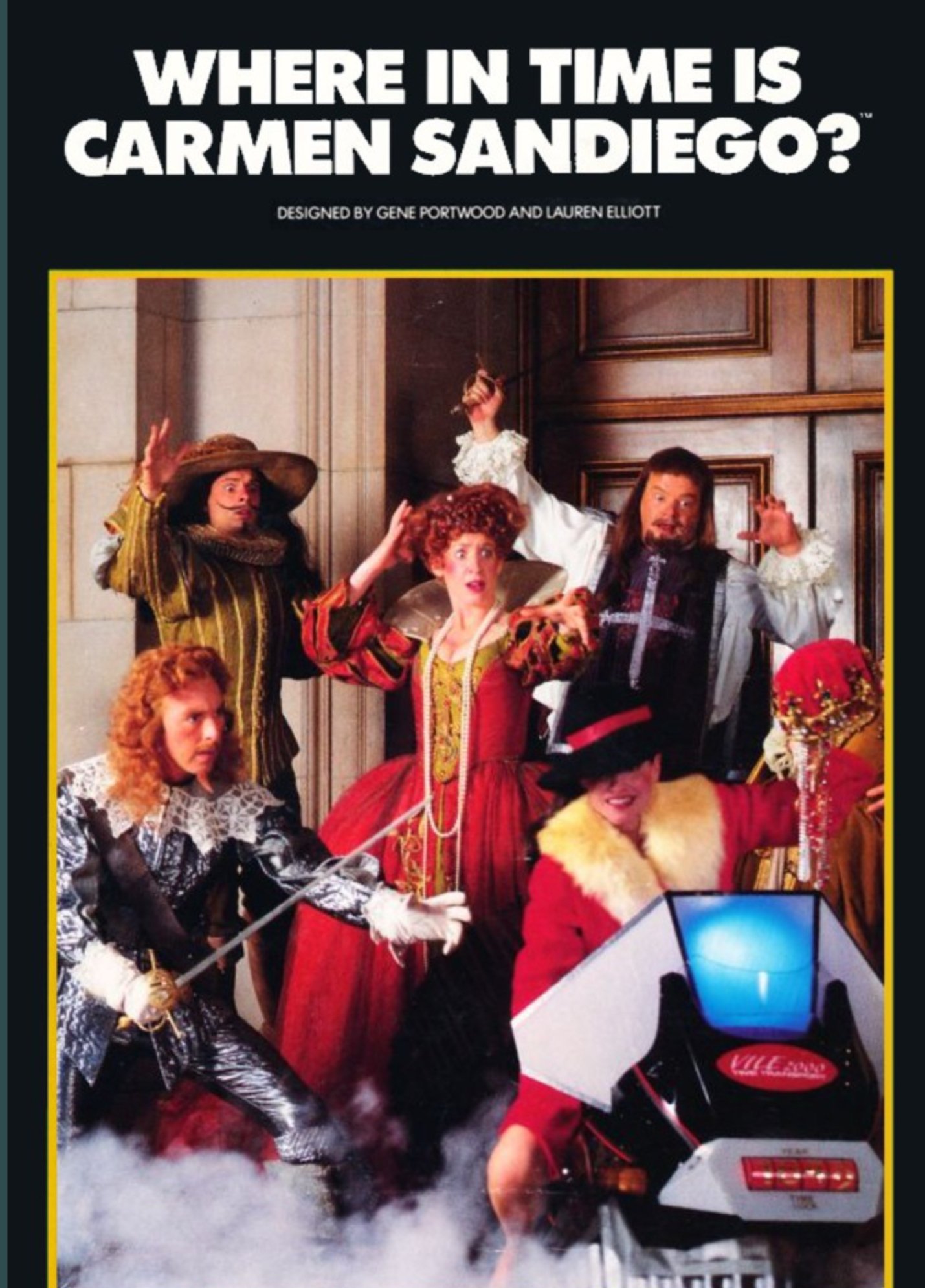
A game show based on the Carmen Sandiego computer game series created by Brøderbund Software.
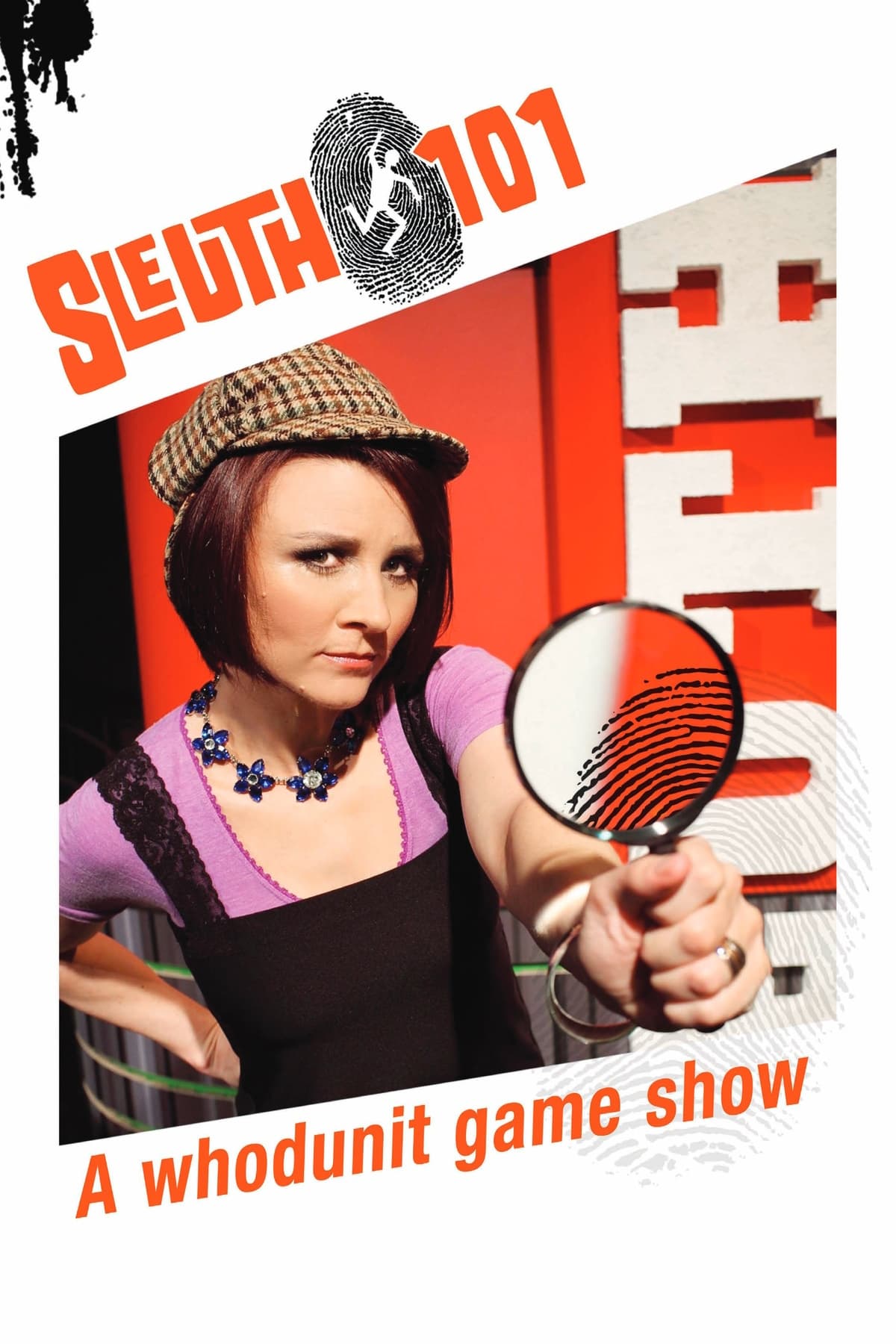
Welcome to Sleuth 101 – the whodunit game show with a comedic twist, hosted by the effervescent Cal Wilson. As elementary as Watson, Cal's job is to guide the guest detective, keep forensics on their feet and occasionally drop the odd cryptic clue. Each week Cal is joined by a special guest comedian, who is given a crash course in criminology.
The year is 2016. TV sucks. Ratings - at least at one major network - are at an all-time low. Desperate to save their jobs, the executives make an unprecedented decision: It's time to pull the plug. On everything. All programming must go. But what will replace it? Enter "The Vault," the greatest reality television competition in history... Or at least that's how they're selling it. A 24/7 game show that offers more questions than answers. The contestants, college students chosen from all over the country, will have 7 days to uncover its secrets and win a multi-million dollar prize. But once they're locked inside, they'll discover a game that's bigger and stranger than they could have ever imagined.
A best friend needs to solve a task, so that the other best friend wins a prize.
A weekly, topical panel show based around a huge series of opinion poll surveys carried out around Britain.
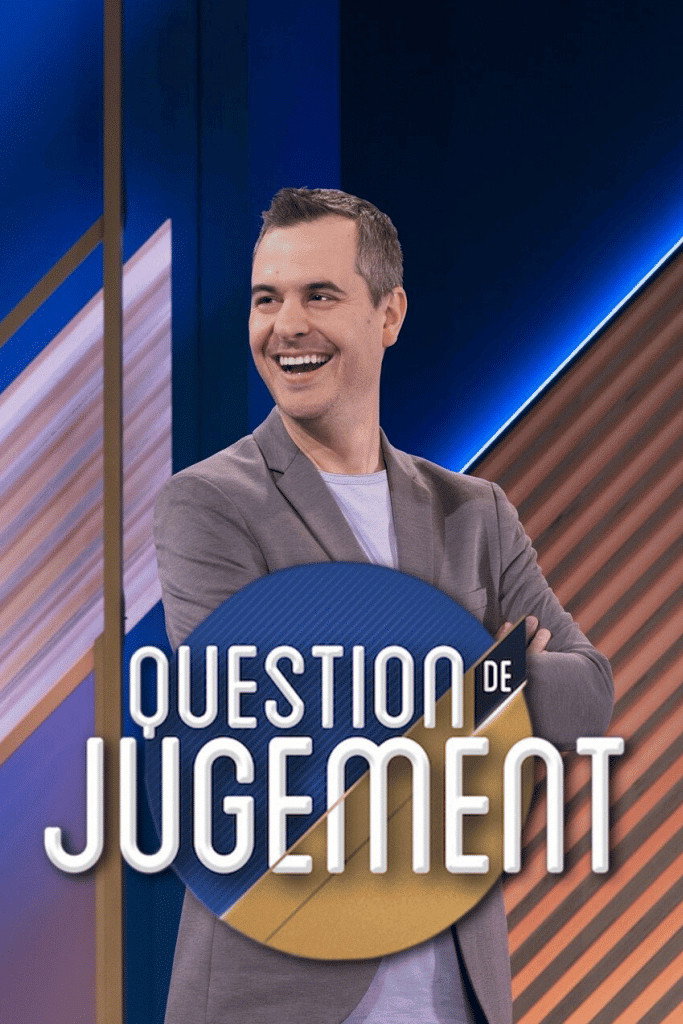
In this daily game show hosted Pierre Hébert, two contestants and the studio audience are asked to answer offbeat questions that play on people’s preconceived ideas and perceptions about four guest stars on the set.
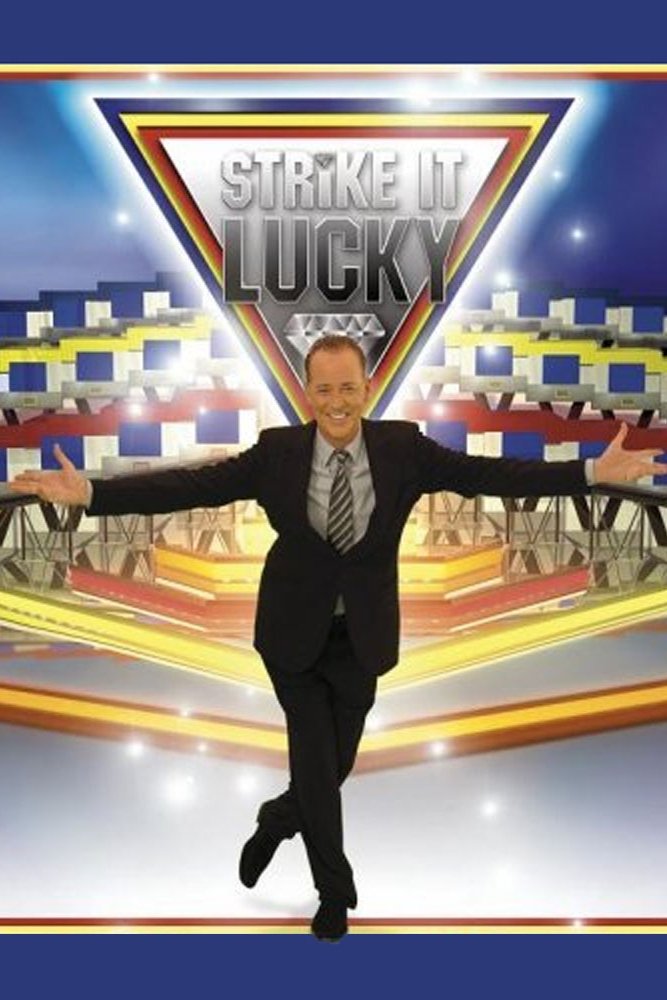
Strike it Lucky was a popular British television game show from 29 October 1986 to 23 August 1999, originally produced by Thames Television for ITV, and presented by the British comedian Michael Barrymore. It was based on the American show of the same name that aired in 1986. In its formative years, it became well known for the outlandish and often highly eccentric contestants it featured - Barrymore would often spend over 5 minutes talking to them. The introductory footage of the prizes on offer were also noteworthy, often filmed in black-and-white with a slapstick style. In 1987, it was the fifth most watched programme on UK television. The Thames Television version of the show was recorded at Teddington Studios, and later Pinewood Studios. From 1996, the new version aired under the title Strike it Rich!; this being the title of the short-lived American game show Strike it Rich! on which it was based, and it moved to The London Studios. The reason for the name change was that the show was now being co-produced by LWT with Fremantle, so despite now being owned by the same company as Fremantle, Thames were unwilling to allow LWT use of the original title. There is also the factor that when the show was first exported to the UK, the Independent Broadcasting Authority's prize limits were still in place, and "Rich" was probably dropped from the title because of the relatively low value of prizes on offer; by the time it returned as Strike it Rich! the limits had been lifted and it was giving away a substantially higher value of prizes.
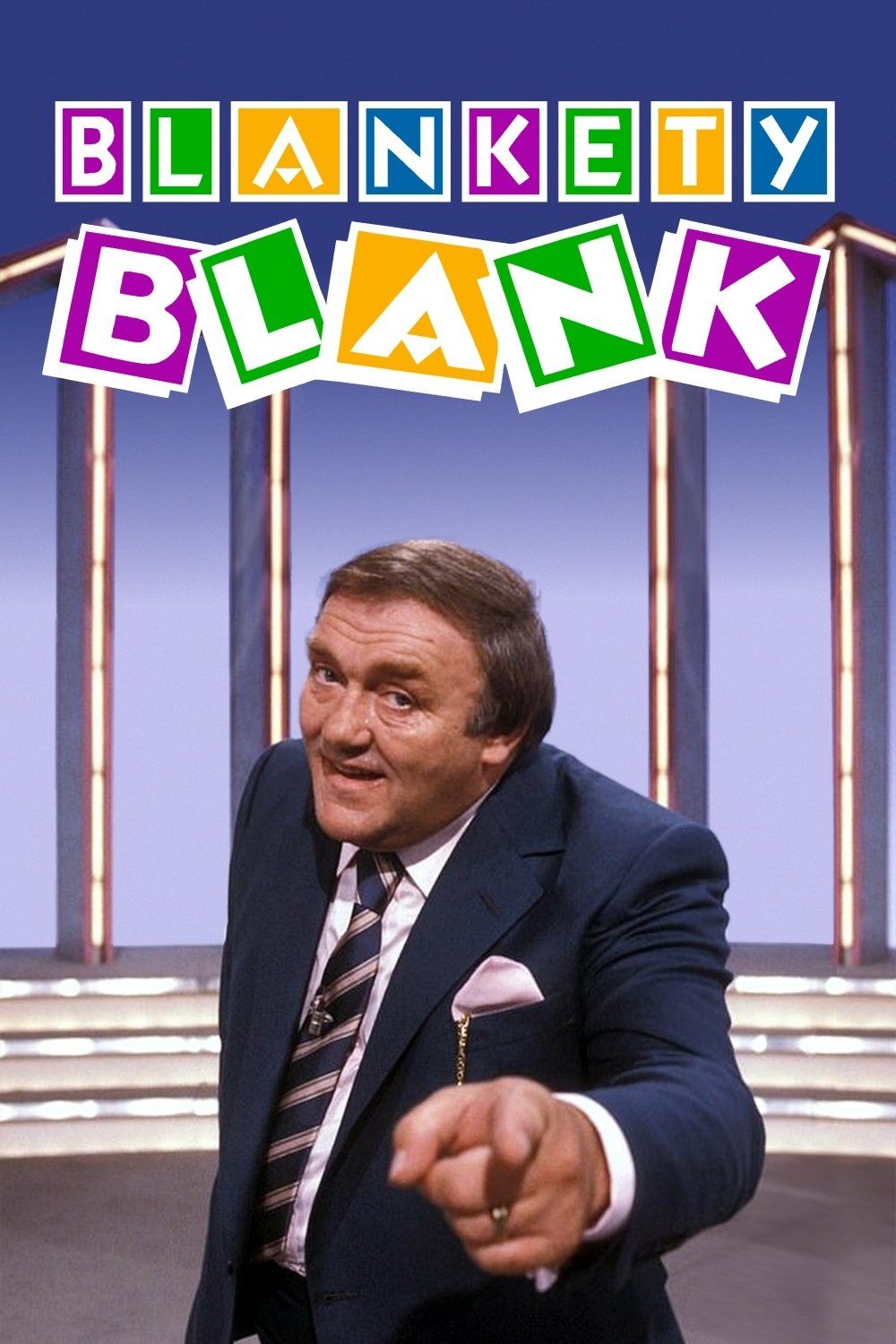
Blankety Blank is a British comedy game show based on the 1977–1979 Australian game show Blankety Blanks. The British version ran from 18 January 1979 to 12 March 1990 on BBC One, hosted first by Terry Wogan and later by Les Dawson. Regular members of the celebrity panel on this version included Kenny Everett, Lorraine Chase, Gareth Hunt, Gary Davies, and Cheryl Baker. A revival fronted by Lily Savage was produced by the BBC from 26 December 1997 to 28 December 1999, followed by ITV from 7 January 2001 to 10 August 2002. This version was produced by Grundy, then Thames.
Wheel of Fortune is an Australian television game show produced by Grundy Television. The program aired on the Seven Network from 1981 to 2004 and November 2005 to July 2006 and is mostly based on the same general format as the original American version of the program. After Wheel of Fortune ended, the format was revived by the Nine Network in 2008 as Million Dollar Wheel of Fortune, until it was cancelled in June 2008 due to low ratings following arguments from long-time host John Burgess concerning why he did not like the show. An earlier unrelated show also titled Wheel of Fortune had been broadcast on the Nine Network. That version had been developed by Reg Grundy as a radio game show before it transferred to television in 1959.
"Come on down!" The Price Is Right features a wide variety of games and contests with the same basic challenge: Guess the prices of everyday (or not-quite-everyday) retail items.
I gathered 1,000 people to fight for $5,000,000, the LARGEST cash prize in TV history! We're also giving away a private island, Lamborghinis, and millions more in cash throughout the competition! Go watch to see the greatest show ever made!
American version of the tense gameshow where contestants tackle a series of multiple-choice questions to win large cash prizes.
America's favorite quiz show where contestants are presented with general knowledge clues in the form of answers, and must phrase their responses in question form.
Quiz in which contestants try to score as few points as possible by plumbing the depths of their general knowledge to come up with the answers no-one else can think of.
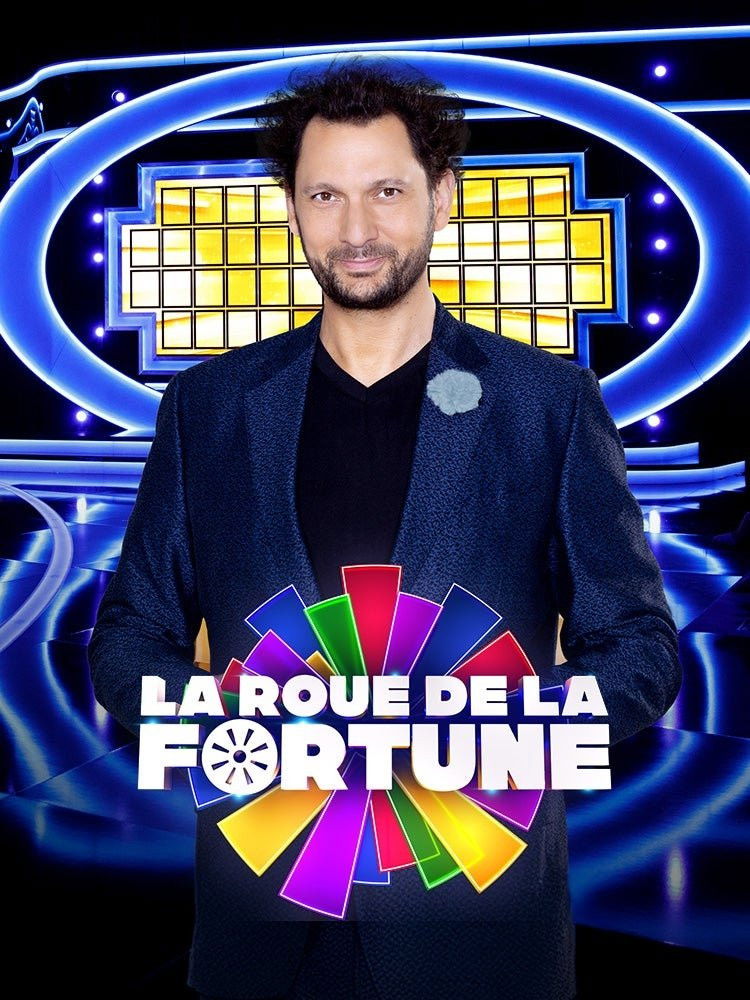
This game show sees contestants solve word puzzles, similar to those used in Hangman, to win cash and prizes determined by spinning a giant carnival wheel.
Comedy quiz show full of quirky facts, in which contestants are rewarded more if their answers are 'quite interesting'.
Footage from the popular game show, Takeshi's Castle has been re-edited, re-written and re-voiced into a hilarious, intentionally over-produced, modern "action/X-treme" sports show.
Each week, 20 contestants compete in a series of challenges in an attempt to win £10,000. These challenges are based in large pools of water or mud and generally involve large assault courses that participants must cross.
Four panelists must determine guests' occupations - and, in the case of famous guests, while blindfolded, their identity - by asking only "yes" or "no" questions.
A contestant must choose from 26 sealed briefcases containing a marker for various amounts of cash from one penny to $1 million. The player then eliminates the remaining 25 cases one by one. The chosen ones are opened and the amount of money inside revealed. After several cases are opened, the player is tempted by the Banker to accept an offer of cash in exchange for not continuing the game and possibly winning a larger sum of money.
Two families compete against each other in a contest to name the most popular responses to a survey question posed to 100 people.
Celebrity Family Feud pits celebrities and their families against each other in a contest to name the most popular responses to survey-type questions posed to 100 people.
In this reality competition show inspired by "Squid Game," 456 players put their skills to the ultimate test for a life-changing $4.56 million prize.
Wizarding World fans put their Harry Potter knowledge to the test for the ultimate honor to be named House Cup champion.
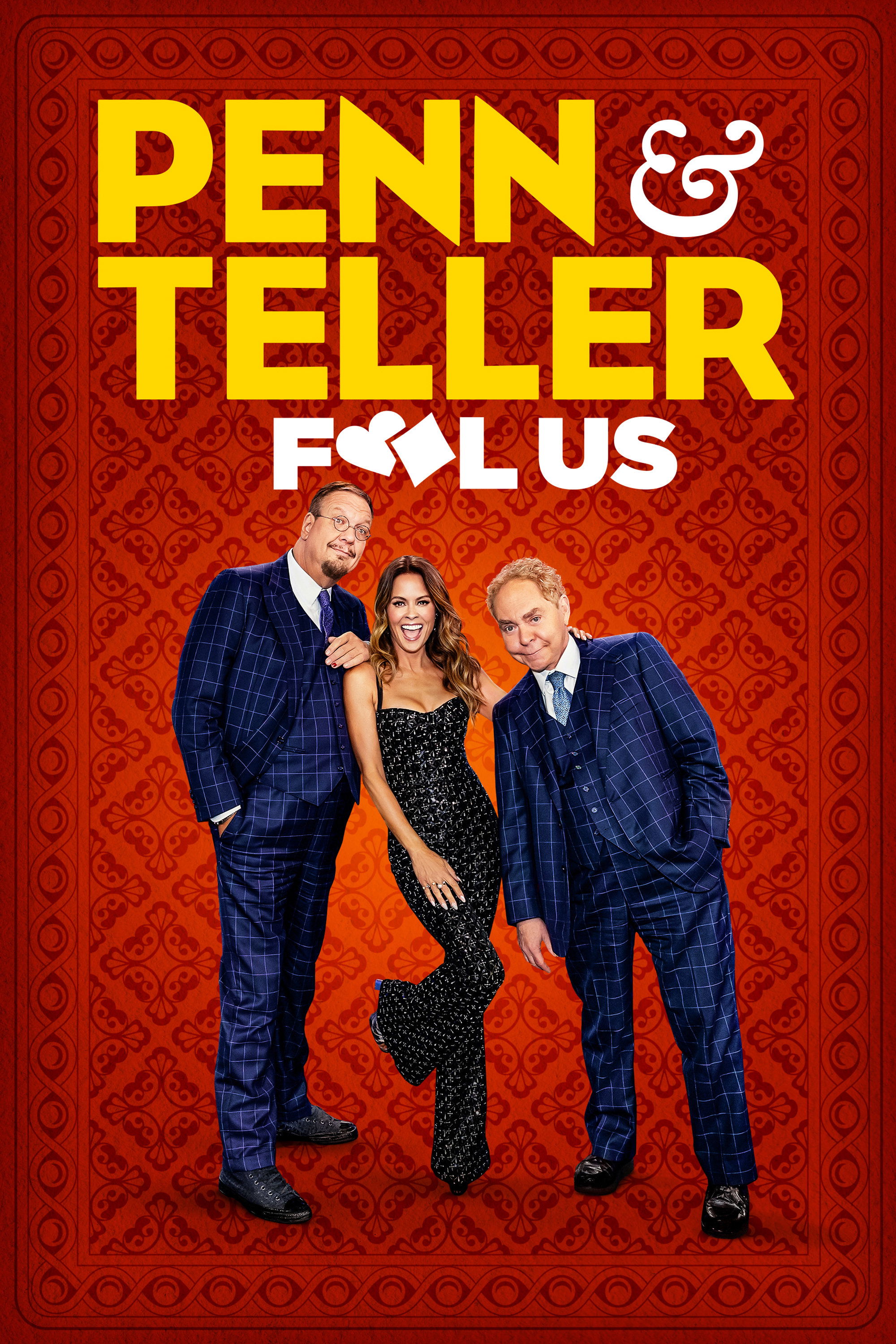
Illusionists Penn & Teller throw down the gauntlet to aspiring magicians to perform their most mystifying trick - and fool Penn and Teller. Penn & Teller have no prior knowledge of either the performers or the planned trick. They sit in the audience just like everyone else, watching every move the guest magicians make. If any illusionist fools the professionals, they win a five star trip to Las Vegas to perform as the opening act in Penn & Teller's world famous show at the Rio Hotel & Casino.
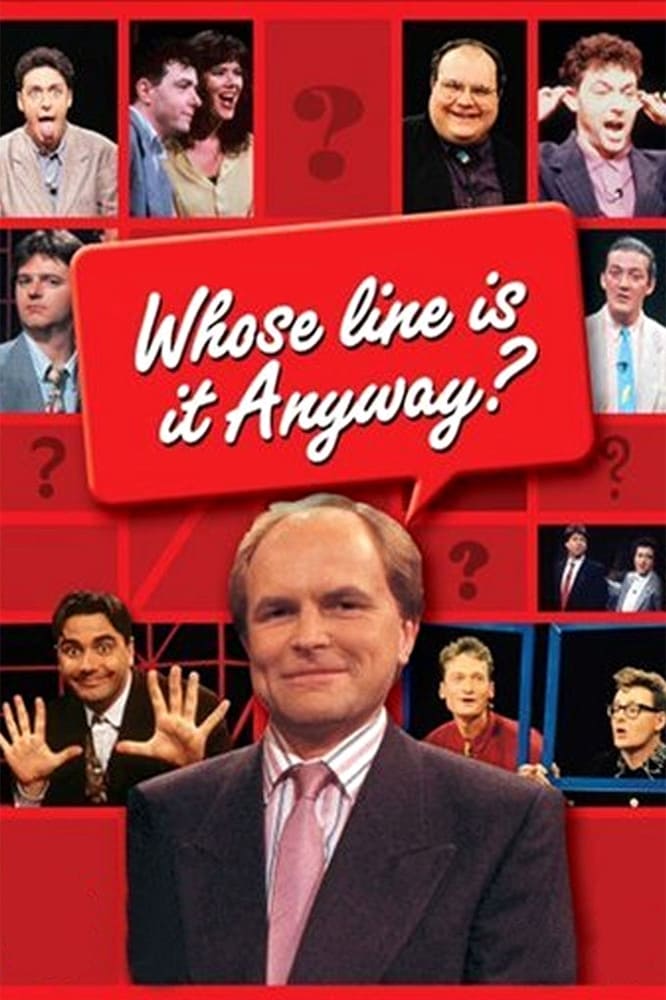
An un-scripted comedy show in which four guest performers improvise their way through a series of games, many of which rely on audience suggestions.
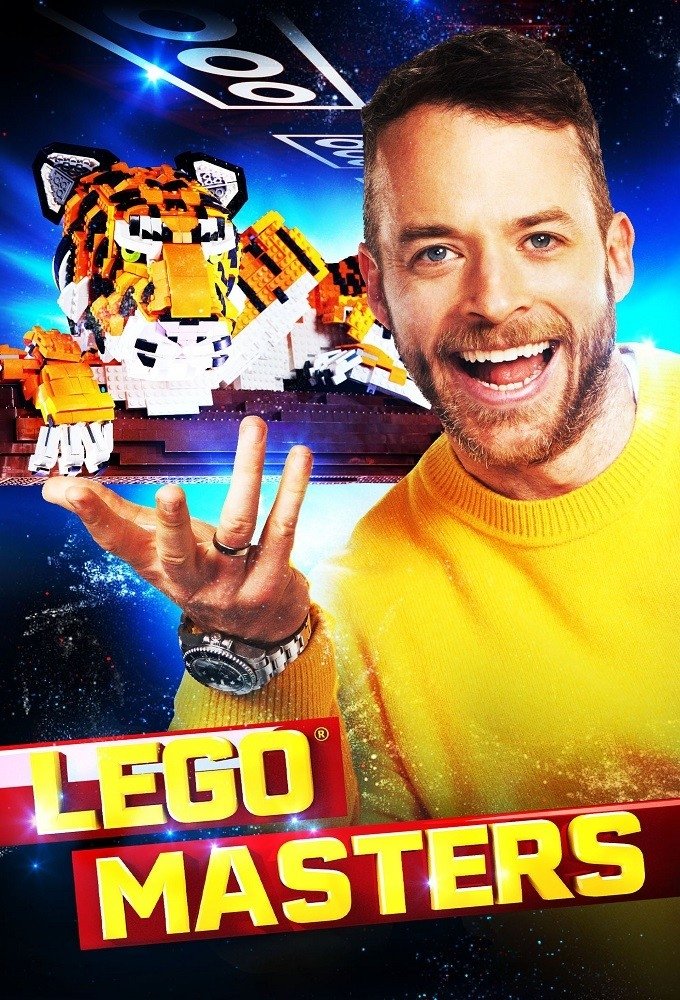
Eight pairs of Brick heads are pitted against each other in a quest to impress with their creativity, design and flair, driven by their unparalleled passion for the possibilities that will start with a single LEGO brick.
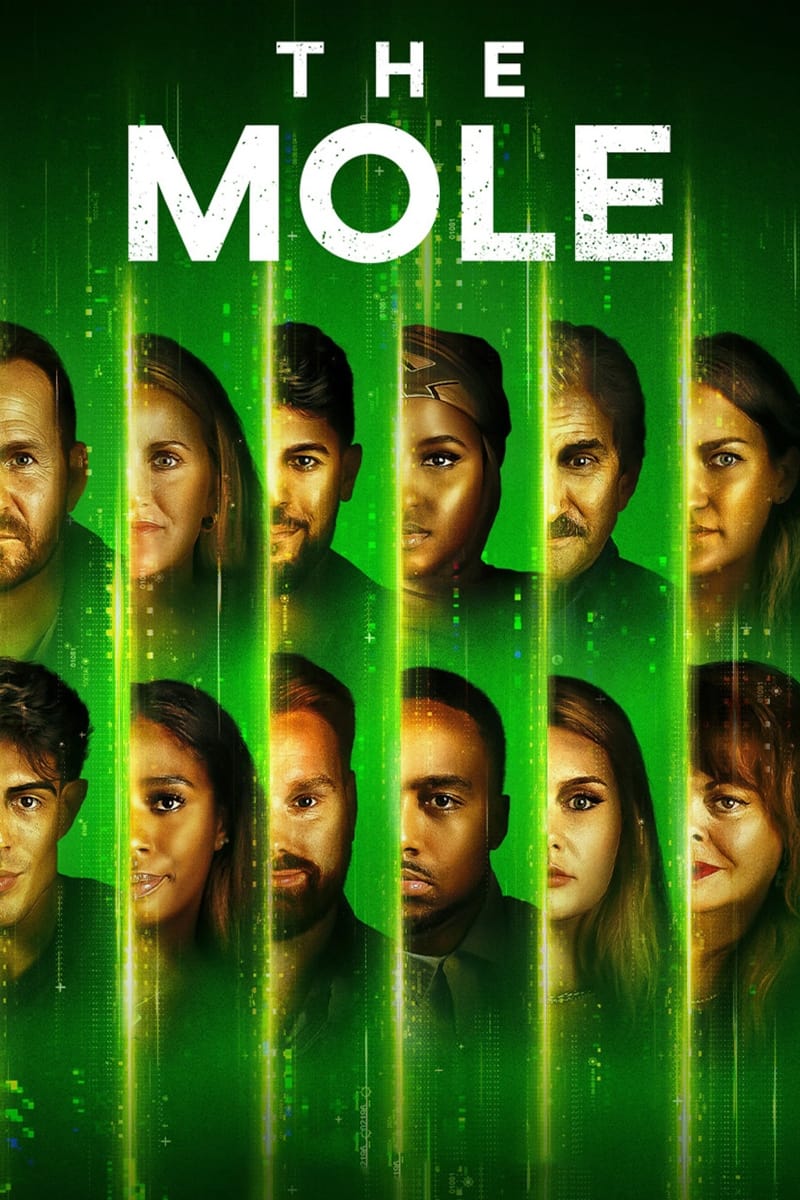
A high-stakes competition series where twelve players work together in challenges to add money to a pot that only one of them will win at the end. Among the players is one person who has secretly been designated "the Mole" and tasked with sabotaging the group's money-making efforts. In the end, one player will outlast their competition and expose the Mole to win the prize pot.