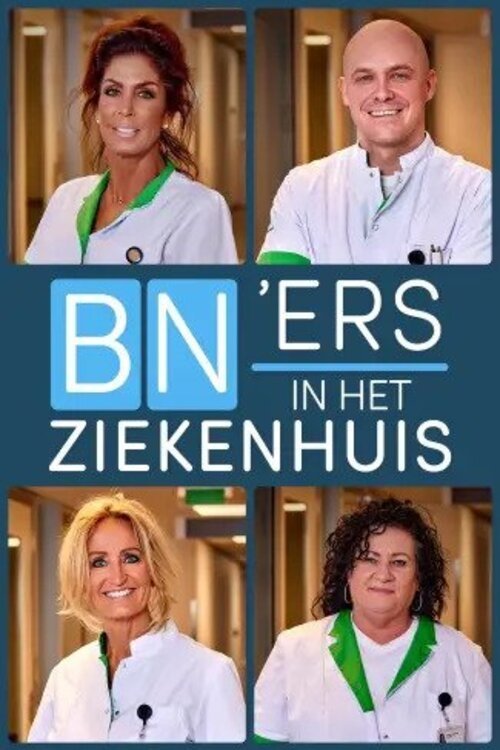
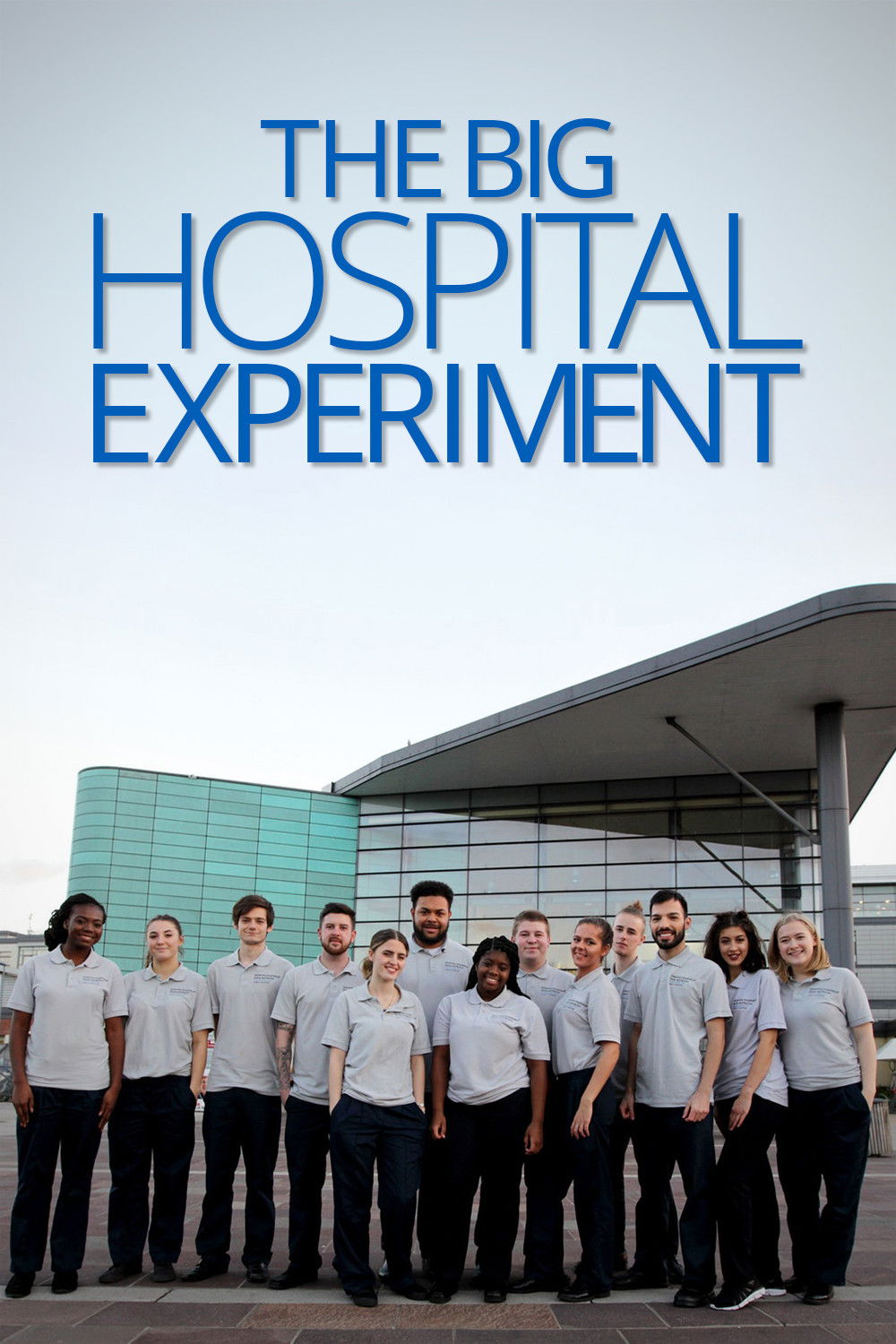
The stories of patients at the Royal Victoria Infirmary and the Great North Children's Hospital in Newcastle, Queen's Hospital in Romford, east London, and Queen Elizabeth Hospital Birmingham.
Social & External
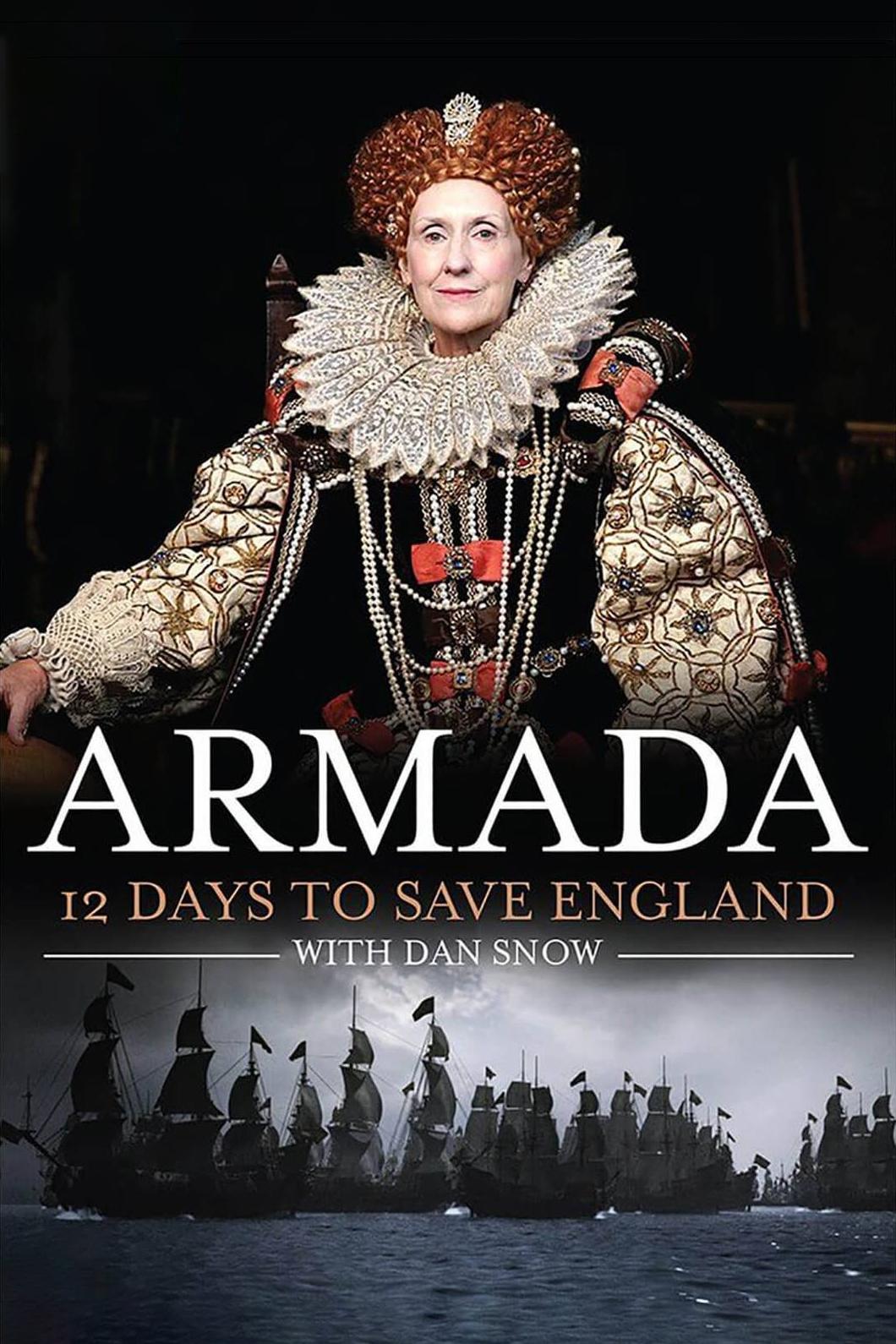
Three-part documentary about the sinking of the Spanish Armada, featuring dramatic reconstructions and information gleaned from recently recovered documents. Dan Snow takes to the sea to tell the story of how England came within a whisker of disaster in summer 1588.
The beloved and, to be fair, revered broadcaster returns to Britain after a year in Saudi Arabia to ask some important questions.
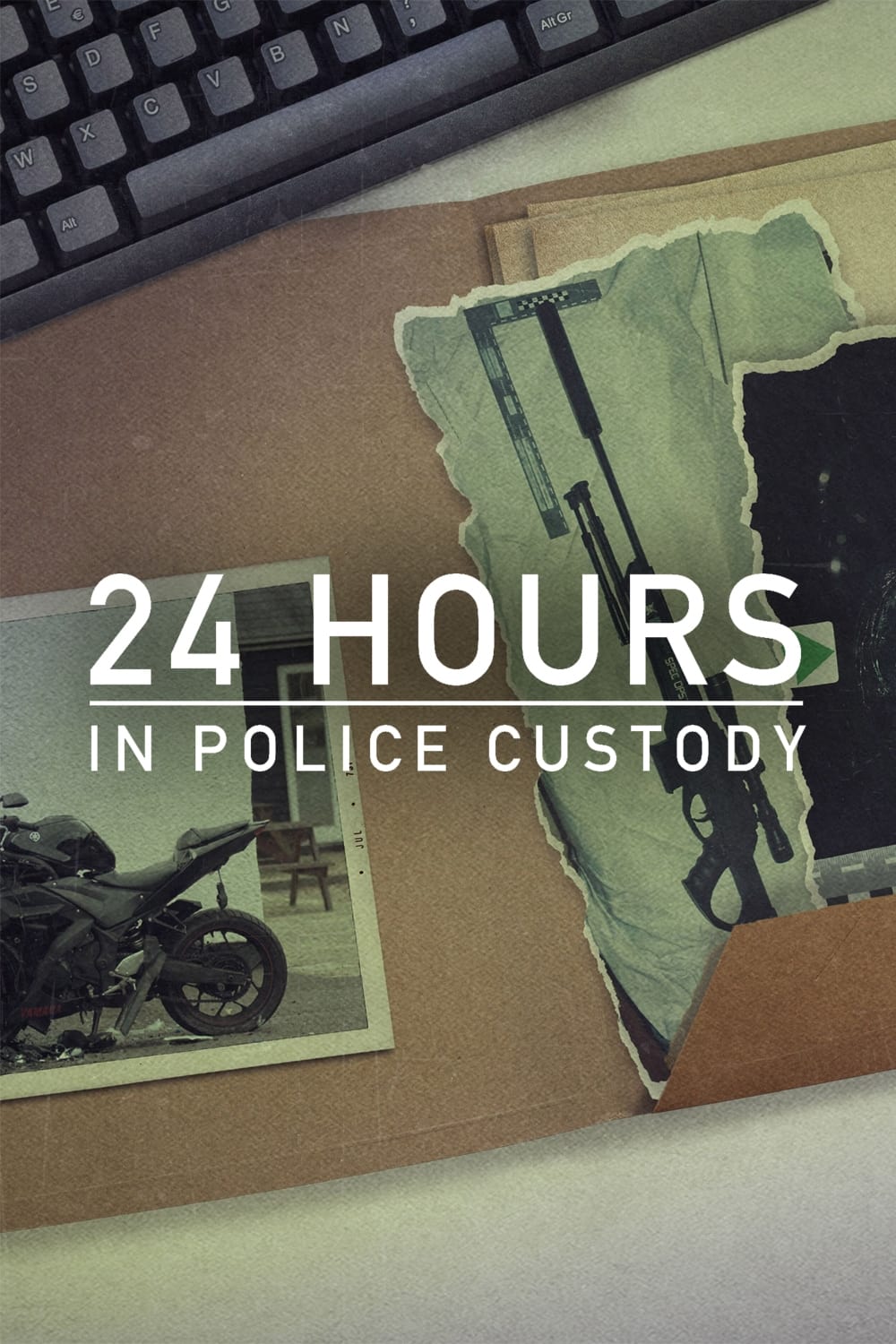
The landmark documentary series that captures real life drama at its most intense, following police detectives around the clock as they investigate major crimes.
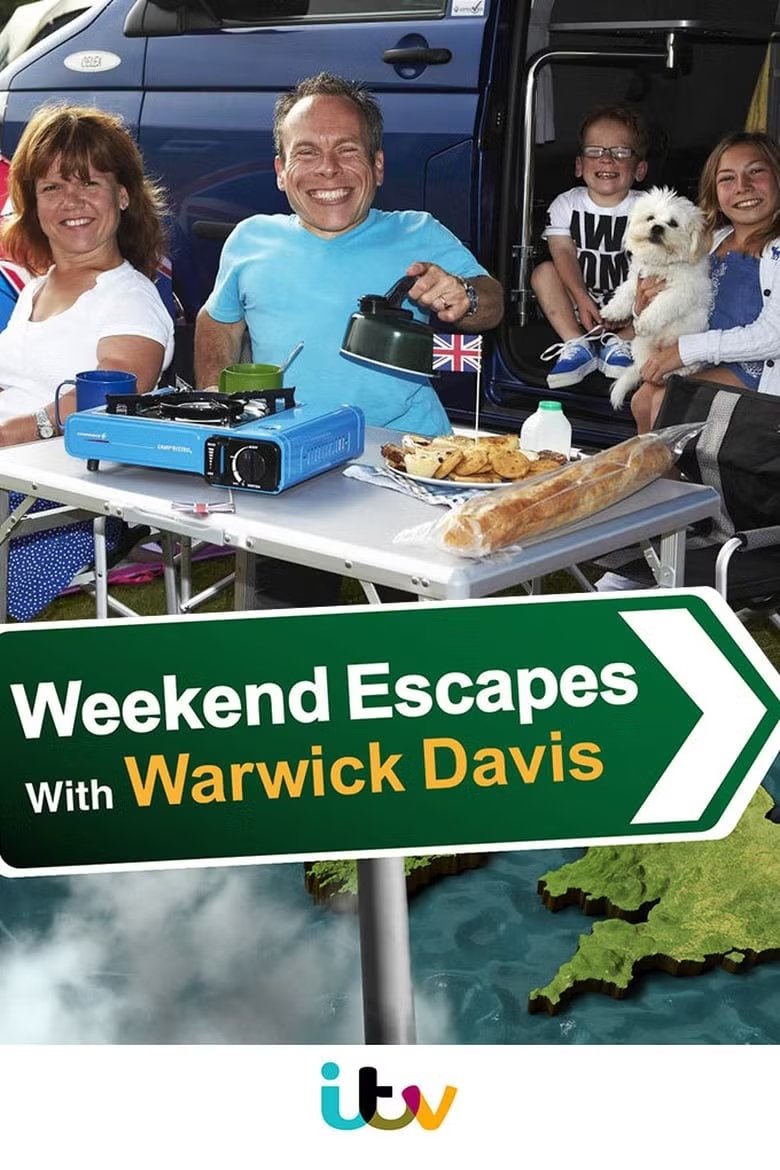
Warwick Davis is joined by his family for this new series about holidaying in Great Britain. As a keen ‘staycationer’, Warwick loves nothing more than spending time in Britain rather than travelling abroad, however his family don’t feel quite the same way. Over six episodes, Warwick and his wife Sam, kids Annabelle and Harrison and dog Sherlock explore the British Isles investigating what makes a quintessential British holiday. Warwick also tries to convince them of the benefits of holidaying near home. The Davis family visit some of Britain’s most famous holiday spots, camping, caravanning or staying in their campervan. As well as showing some of the great destinations the UK has to offer, the series is also an amusing insight into how families behave on holiday.
Diagnosis: Unknown is an American medical drama that aired on CBS from July 5 to September 20, 1960. Produced by Bob Banner, the series aired as a summer replacement for The Garry Moore Show, a variety program.
Behind the scenes of one of the most arduous basic military training programmes in the world. Each episode focuses on a cross-section of trainees that are either struggling or excelling at the physical and mental challenges the training presents.
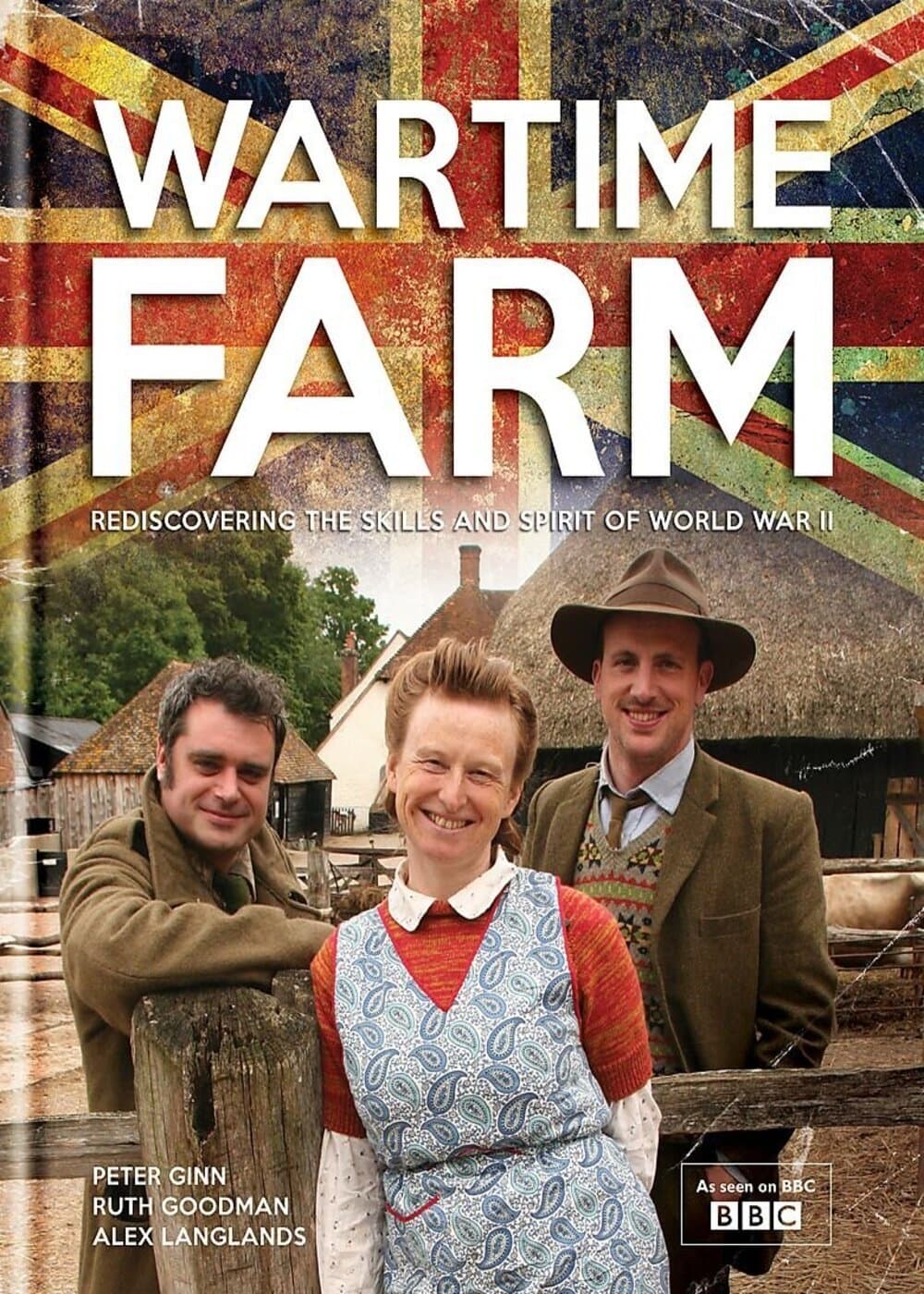
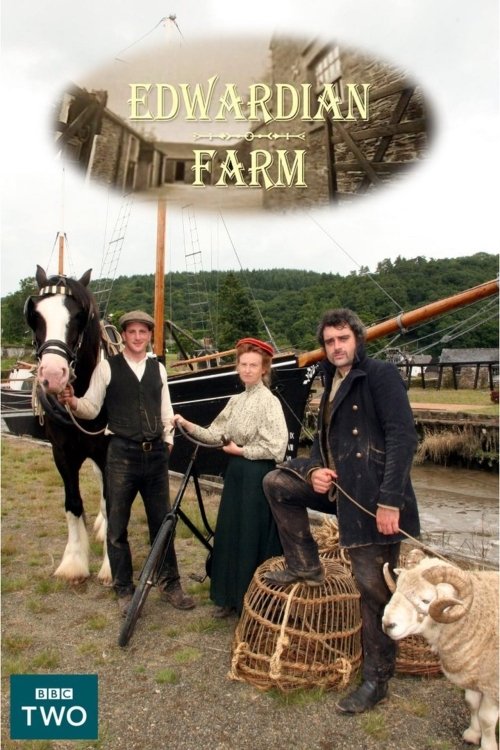
Edwardian Farm is an historical documentary TV series in twelve parts, first shown on BBC Two from November 2010 to January 2011. It depicts a group of historians trying to run a farm like it was done during the Edwardian era. It was made for the BBC by independent production company Lion Television and filmed at Morwellham Quay, an historic quay in Devon. The farming team was historian Ruth Goodman and archaeologists Alex Langlands and Peter Ginn. The series was devised and produced by David Upshal and directed by Stuart Elliott. The series is a development from two previous series Victorian Farm and Victorian Pharmacy which were among BBC Two's biggest hits of 2009 and 2010, garnering audiences of up to 3.8 million per episode. The series was followed by Wartime Farm in September 2012, featuring the same team but this time in Hampshire on Manor Farm, living a full calendar year as wartime farmers. An associated book by Goodman, Langlands, and Ginn, also titled Edwardian Farm, was published in 2010 by BBC Books. The series was also published on DVD, available in various regional formats.

Insight into the London, West Midlands and North West of England ambulance services, from the highly-pressurised control room to the crews on the streets. Ambulance provides an honest 360-degree snapshot of the daily dilemmas and pressures.
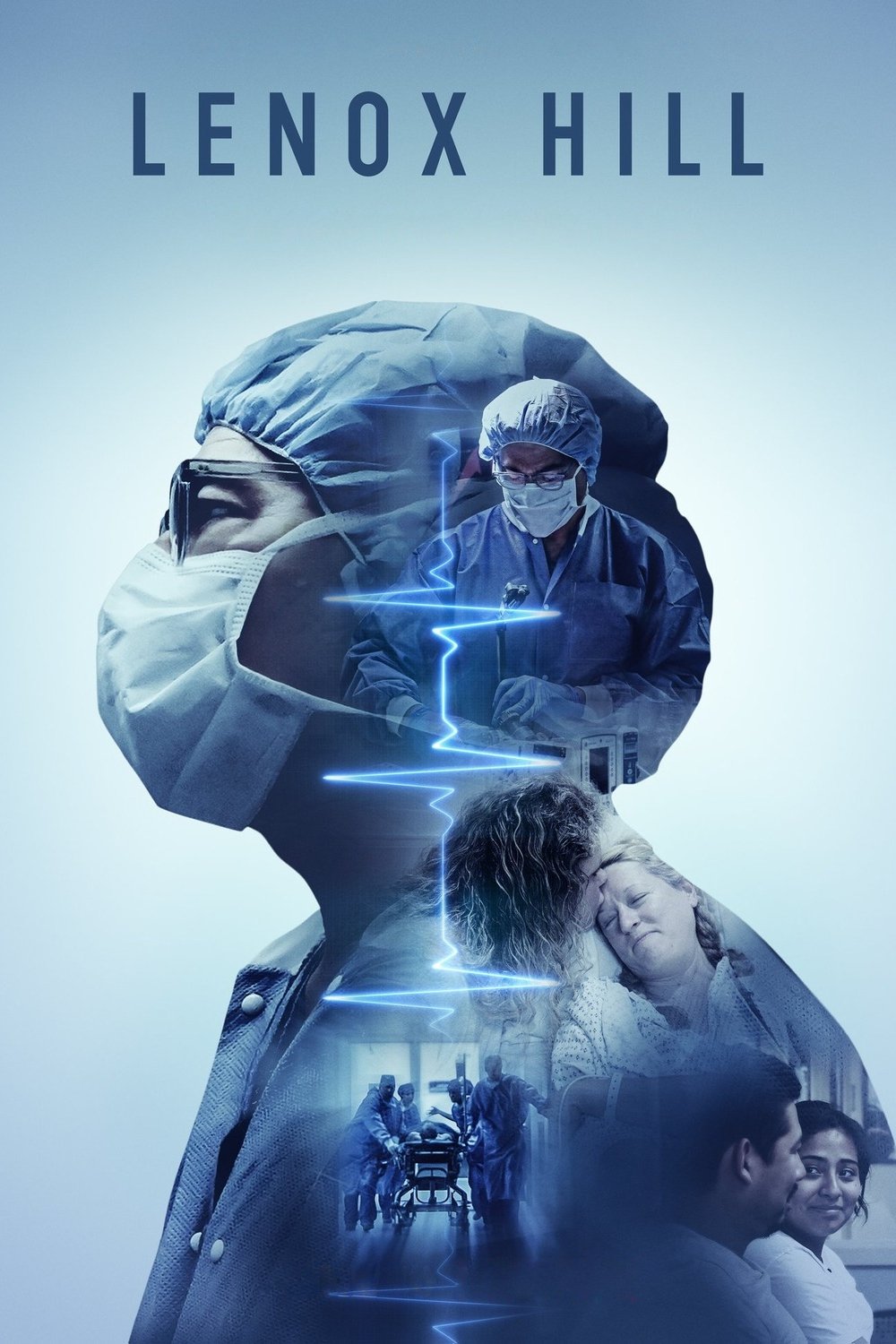
From birth to brain surgery: This docuseries provides an intimate look at the lifesaving work of four doctors at Lenox Hill Hospital in NYC.
Historian Ruth Goodman and archaeologists Peter Ginn and Tom Pinfold turn the clock back 500 years to the early Tudor period to become tenant farmers on monastery land.
Series that explores national museum collections at a time of enforced closure.
Recently discovered police recordings and first-person accounts tell the story of Fred and Rose West, two of the UK's most prolific murderers.
An incursion into the lives of emergency physicians from the trauma unit of Montreal’s Sacré Coeur hospital. Throughout the series, doctors, nurses and attendants will provide a look inside their unique work world and share their personal reflections on their very uncommon reality.
Exploring modern-day parenting though the patient visits to Birmingham Children's Hospital
A Passion for Churches is a 1974 BBC television documentary written and presented by the then Poet Laureate Sir John Betjeman and produced and directed by Edward Mirzoeff. Commissioned as a follow-up to the critically acclaimed 1973 documentary Metro-land, the film offers Betjeman's personal poetic record of the goings-on taking place throughout the Anglican Diocese of Norwich and its churches in the run-up to Easter Sunday using the framing device of the Holy sacraments. Created with the approval of the Bishop of Norwich, Maurice Wood, the 49-minute film was shot on location in Norfolk and parts of Suffolk throughout the spring of 1974 on 16 mm colour film by cameraman John McGlashan. For the film, John Betjeman wrote an original poetic commentary consisting of blank verse, free verse, and prose and he appeared on-screen in several segments to describe features of ecclesiastical buildings and to reminisce about his lifelong "passion for churches". The programme was praised by critics upon its original BBC 2 screening in December 1974 and gained high audience appreciation figures. It has since been repeated on BBC Four in 2006. It was released on a limited-edition DVD in 2007.
Presented by criminologist Professor David Wilson, this series focuses on the cases of seven notorious, cold-blooded psychopathic killers. Professor Wilson walks in their footsteps, living and breathing their movements and speaking to those closest to them as he tries to get inside their twisted minds.
At the Royal Blackburn Hospital, the critical list team juggle urgent life or death cases. Who will go into the operating room next? Who gets bumped? It's up to the staff to decide.
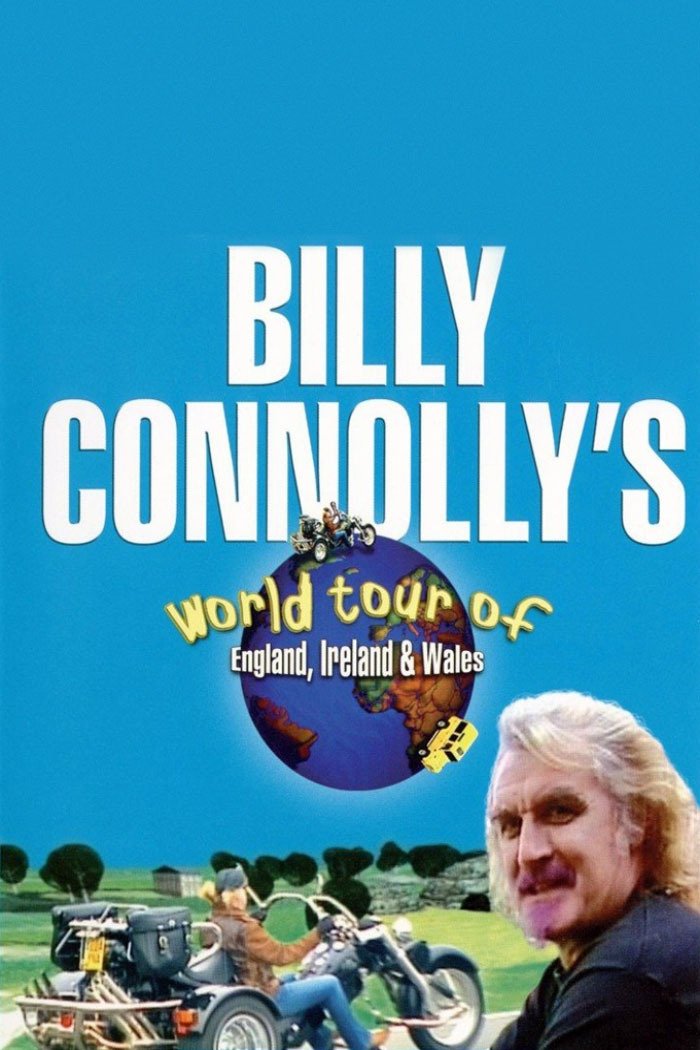
Travelogue of England, Ireland and Wales, presented by Billy Connolly, including clips from his stand-up performances.
From operating rooms to end-of-life meetings, the documentary series explores the culture of doctors and nurses and the conversations that happen outside the patient's earshot.