Social & External
The three-part story of Manuela Freitag, the longest-serving dominatrix on Herbertstraße, and her life between abysses, dependencies, and the struggle for self-determination.
The Greco-Persian War was pivotal in the creation of the modern world - yet all that is generally remembered are the 300 Spartans at Thermopylae. This documentary examines the whole history, from the Ionian Revolt (497BC) to the Peace of Callias (449BC), and also covers the legacies of the war - including Democracy.
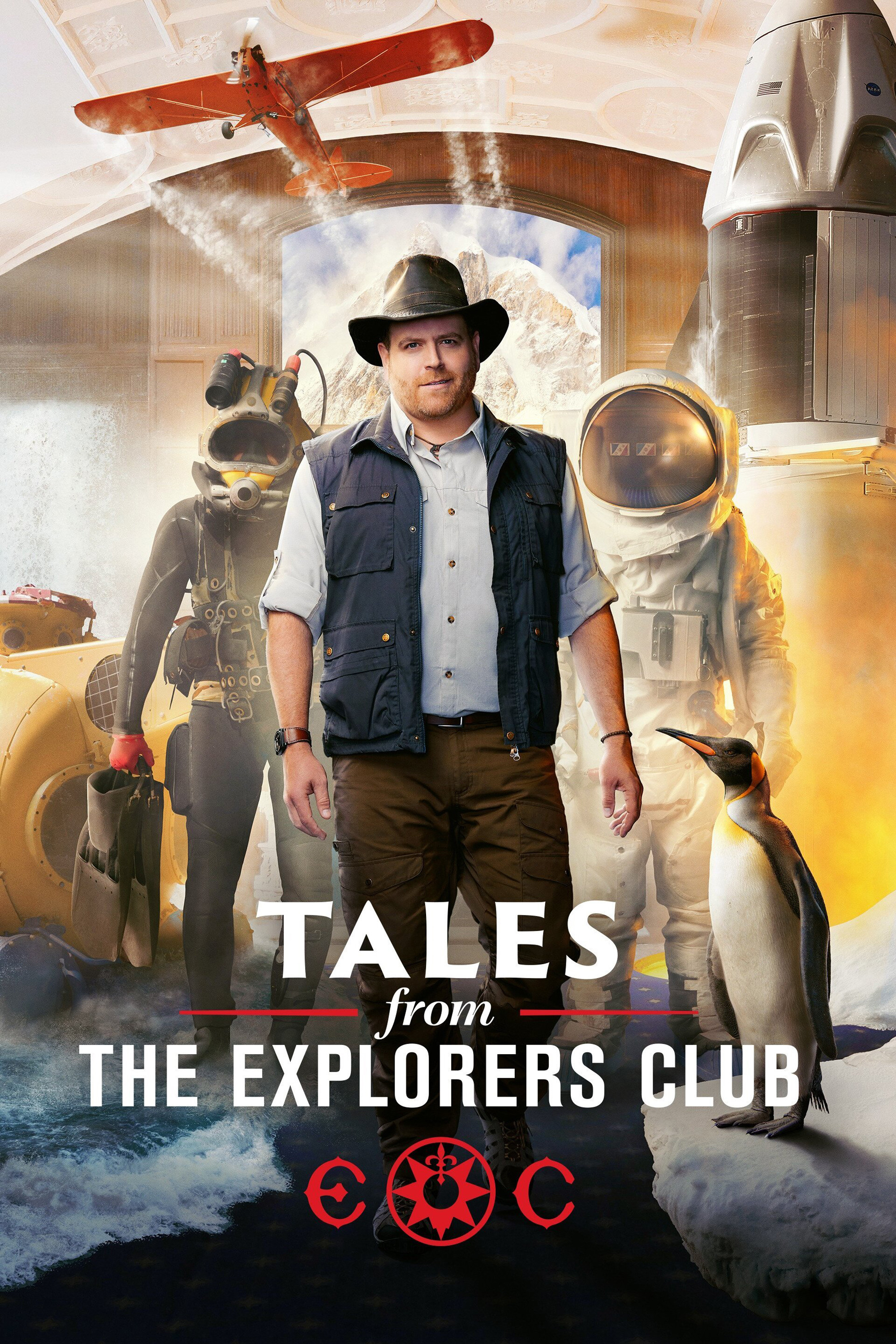
At the world-famous Explorers Club, a gathering place for trailblazers, club member Josh Gates recounts the greatest adventures of all time.
The British actress goes on a 2,000 mile journey across the four main islands of Japan, travelling from North to South meeting local people and absorbing the culture.
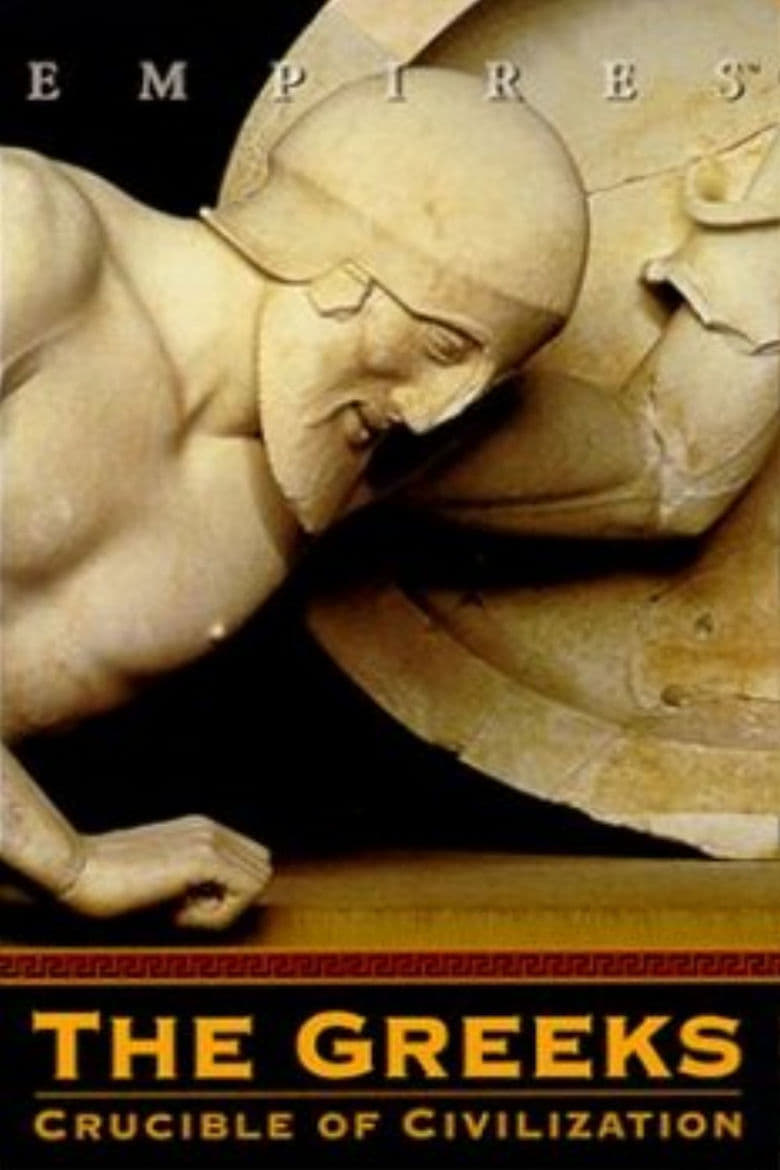
In the fourth and fifth centuries, B.C., the Greeks built an empire that stretched across the Mediterranean from Asia to Spain. They laid the foundation of modern science, politics, warfare and philosophy, and produced some of the most breathtaking art and architecture the world has ever seen. It was perhaps the most spectacular flourishing of imagination and achievement in recorded history.
An eight-part chronicle of armed conflict from the beginning of recorded history to modern times, exploring the political and cultural motivations for---and consequences of---warfare.
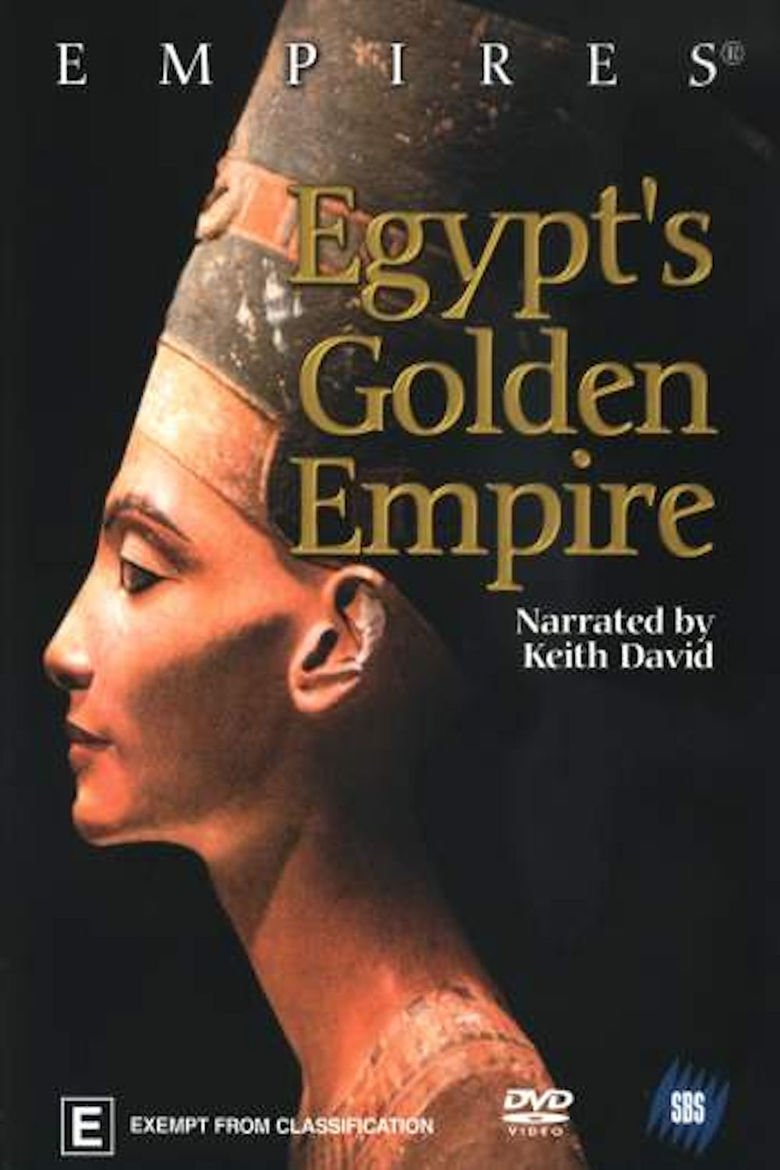
This three-part special tells the story of the Egyptian empire from its beginning in 1560 B.C. to its collapse in 1080 B.C. Interviews with scholars and dramatic re-creations bring the story to life.
Glittering facades, vibrant life, and people facing the daily struggle for survival. ZDF correspondents each profile a megacity within their reporting area. How do people celebrate, laugh, and love in such a city? How are problems like housing shortages, food supply, transportation, and climate change solved – in metropolises with over ten million inhabitants?
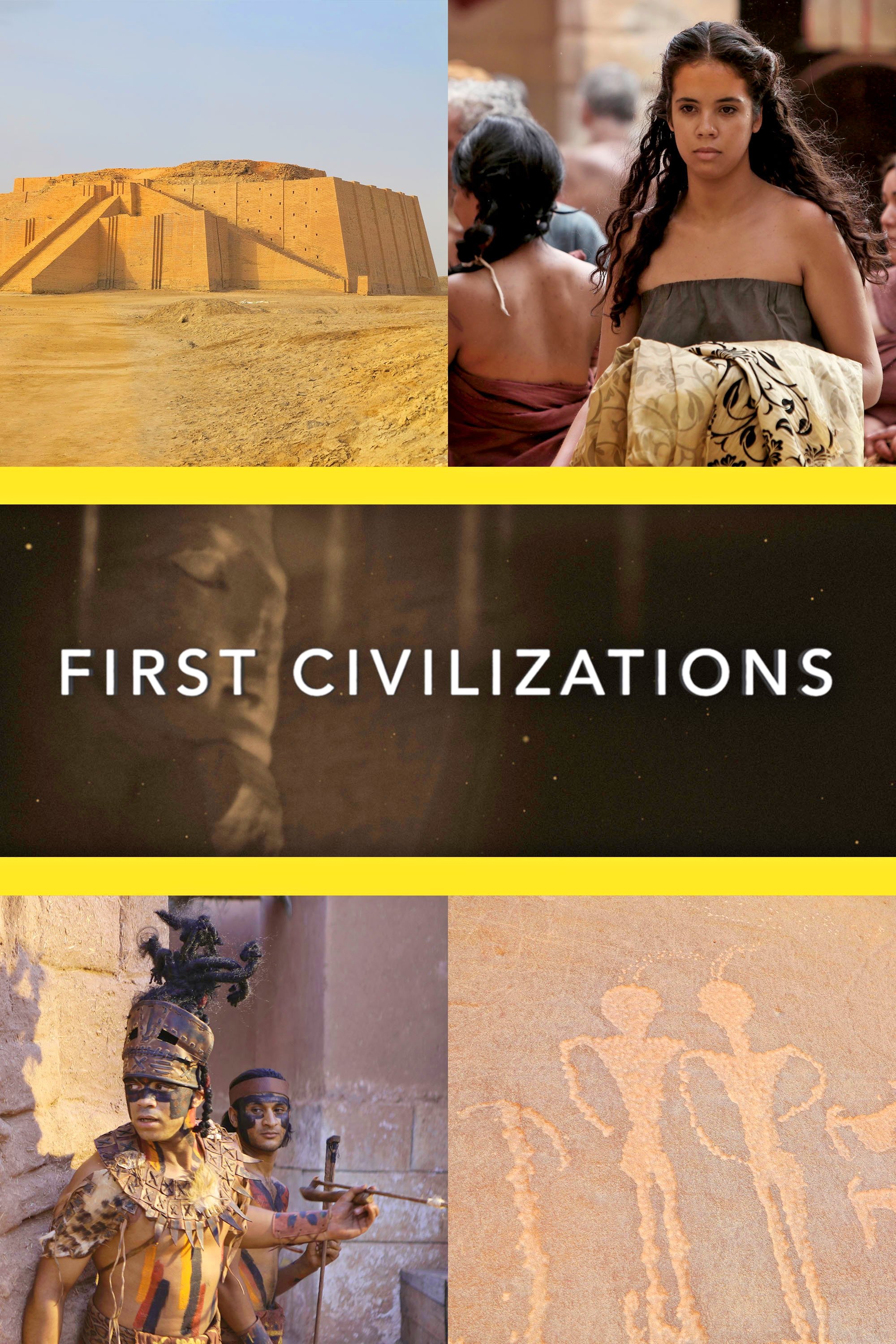
Using the latest in archaeology, anthropology and genetics, this series tells the story of where the modern world began. Incorporating studies of artifacts, renowned sites of archaeological interest and interviews with leading experts, it moves around the geographic zones of the world, exploring how and why civilization first sparked into life.
The history of our modern Indo-Arabic numeral system begins in Mesopotamia, leads through India to the Arab world – and from there around the globe. This three-part series explores how the "Arabic numerals" began their triumphant march and the special role that zero played in this process. From its beginnings to modern computer science – today, numbers are the universal language of the world.
Crash Course World History is a video course hosted by John Green that teaches world history from growing the first crops in the First Agricultural Revolution to global textile production in the 2010s. Across the series, it builds skills in identifying and explaining historical developments, analyzing events in broader context, and tracing patterns and connections across time and place—aiming to help viewers become more informed citizens of the world. Season 1 follows the 2012 AP World History curriculum in a 42-episode chronological survey, while Season 2 continues in 30 episodes with a more thematic approach that focuses on systems and encourages viewers to question how “history” is written and what biases shape it.
Did democracy actually originate in Greece? Was the plague the worst epidemic of all time? And did we really work harder in the past than we do today? Is it true that ...? questions what we think we know and takes another look at history.
A 360 ° journey across the planet around five iconic stones which have shaped our planet and have inspired Human civilizations. An ambitious 4K series to reveal the secret life that hides within the mineral world and the way these source rocks connect cultures together and still impacts our landscapes and environment today.
In beautifully crafted episodes, presenter Ben Fogle embarks on a once-in-a-lifetime journey to understand China - to see its most staggering sights, go beyond the stereotypes and discover its true identity. Ben delves into an epic 3000-year tale of how China has got to where it is today - how centuries of Imperial rule gave way to Communist revolution under Chairman Mao and the breakneck economic transformation as the state capitalist China of recent years has emerged. Mixing both the experiences from the people themselves, and a tour of this magnificent region Ben takes the temperature of a country now at the very centre of humanity in the 21st century. So why and how has contemporary China become so important to all our lives?
A monument that may explain why the people of a thriving ancient city vanished from Earth. A tablet that reveals a towering truth about one of the Bible's strangest stories. Evidence that the 10 plagues of Egypt were real natural phenomena. Join us as we follow a team of investigators around the globe, using modern science and technology to uncover ancient mysteries surrounding these and other puzzles from our past. By examining these relics and legends, we hope to gain insights into who we are, where we come from, and where we are going.
Mankind Decoded is the intriguing story of how 12 timeless forces have shaped human history in extraordinary ways. Find out how the implacable forces of nature have compelled us to adapt or die; how new technologies have transformed our existence; how our need for food brought forth civilization; and the desire for luxuries changed our world.
This series reimagines Thailand in a dystopian future where technology scrapes at the surface of old customs, exposing rips in the fabric of culture.
Five centuries ago, Demon Lord Veltol reigned over an immortal nation. Now, the time has come for him to awaken once again. The year is 2099, and civilization has reached peak evolution, leading to a high-tech landscape with towering skyscrapers—nothing like he’s conquered before. Veltol may be a relic of the past, but make no mistake, this new world will be his for the taking!
In the year 20XX, civilization has collapsed under a rampant zombie virus. A man in a white coat appears in a survivor community and announces, "We've discovered an antibody that will prevent zombification! He is found murdered. Attacks by "zombie believers" are on the rise all over the place. Rumors of a mysterious crazed strangler. Survivors disappear one after another, and a strange singing voice can be heard from underground every night.
The history of the sport of baseball in America, told through archival photos, film footage, and the words of those who contributed to the game in each era. Writers, historians, players, baseball personnel, and fans review key events and the significance of the game in America's history.
TV's most-watched history series brings to life the compelling stories from our past that inform our understanding of the world today.
American Masters is a PBS television series which produces biographies on enduring writers, musicians, visual and performing artists, dramatists, filmmakers, and others who have left an indelible impression on the cultural landscape of the United States.
Award-winning actor and nervous explorer Eugene Levy steps out of his comfort zone for a whirlwind tour of the world's most beautiful and intriguing destinations.
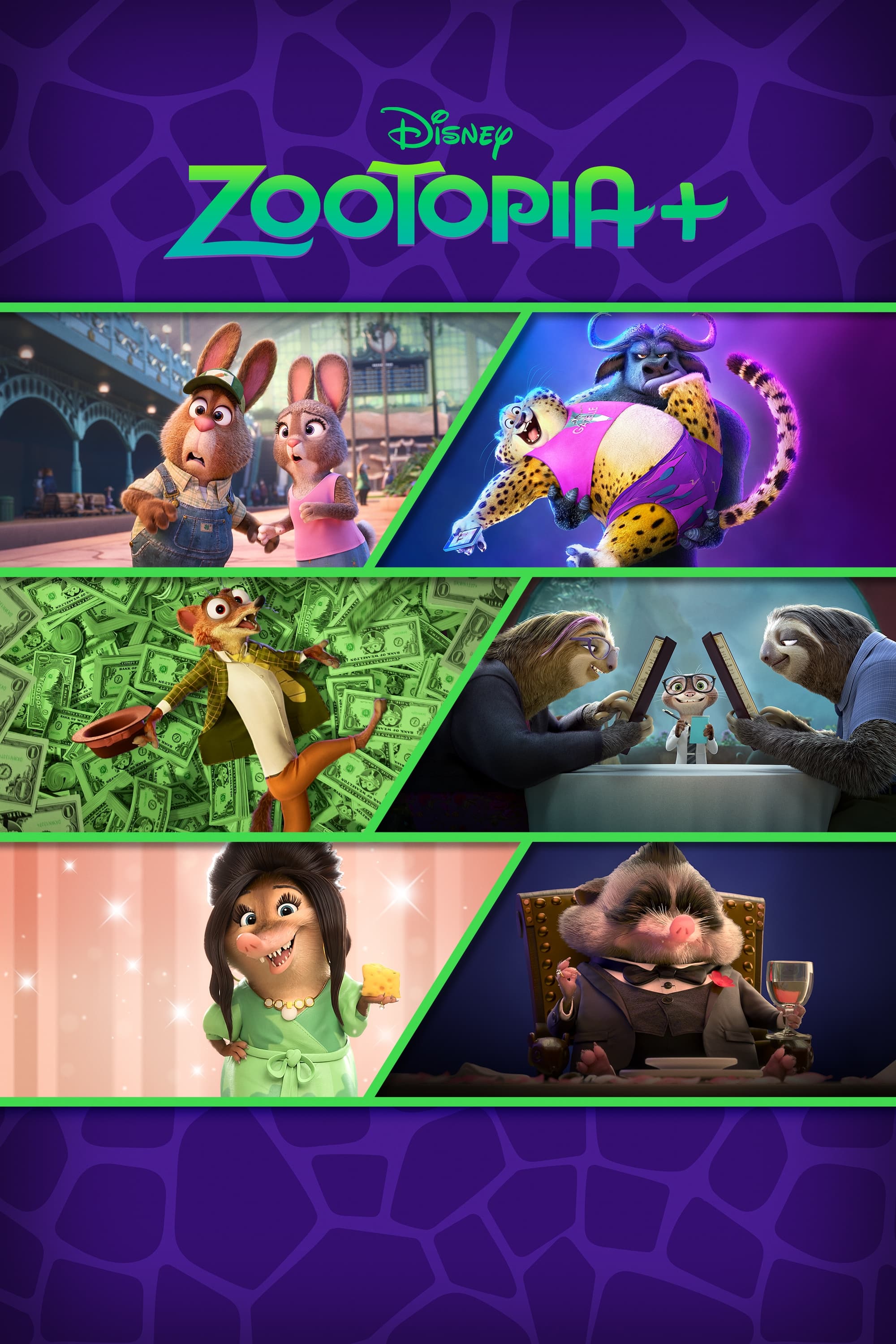
Head back to the mammal metropolis to dive deeper into the lives of a slew of intriguing residents.
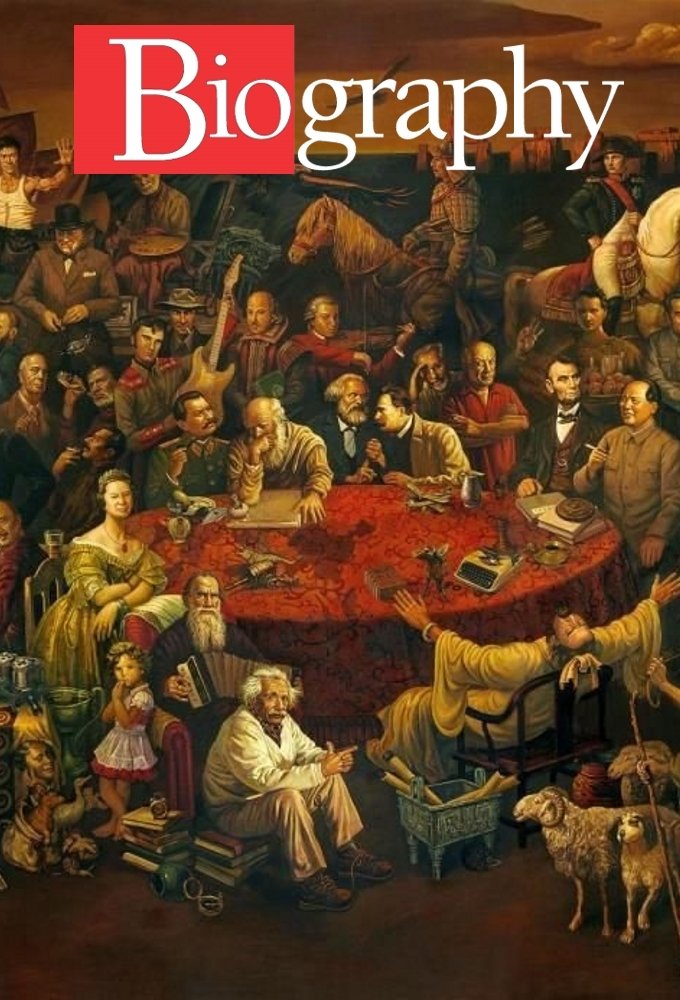
Biography is a documentary television series. It was originally a half-hour filmed series produced for CBS by David Wolper from 1961 to 1964 and hosted by Mike Wallace. The A&E Network later re-ran it and has produced new episodes since 1987. The older version featured historical figures such as Helen Keller and Mark Twain, or long-dead entertainment figures such as Will Rogers or John Barrymore. The A&E series has placed the emphasis on such people as Marilyn Monroe, Elvis Presley, Plácido Domingo, Freddie Mercury, Jacqueline Kennedy Onassis, Eric Clapton, Pope John Paul II, Gene Tierney, Selena, Diego Rivera, Mao Zedong and Queen Elizabeth II, and fictional characters like The Phantom, Superman, Hamlet, Betty Boop, and Santa Claus. The program ended up profiling enough figures that in 1999, A&E spun it off into an entire network, The Biography Channel.
An insider's look at the engineering and scientific miracles behind the things that form the modern world.
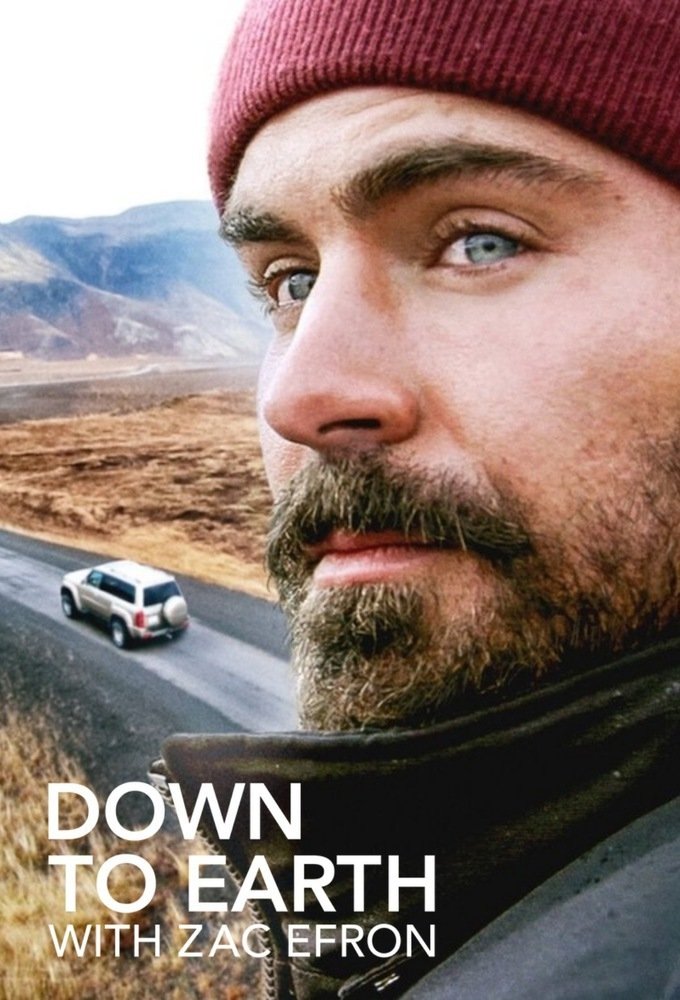
Actor Zac Efron journeys around the world with wellness expert Darin Olien in a travel show that explores healthy, sustainable ways to live.
Through the prism of Jeff Goldblum's always inquisitive and highly entertaining mind, nothing is as it seems. Each episode is centered around something we all love — like sneakers or ice cream — as Jeff pulls the thread on these deceptively familiar objects and unravels a wonderful world of astonishing connections, fascinating science and history, amazing people, and a whole lot of surprising big ideas and insights.
British television series which features unusual and often elaborate architectural homebuilding projects.
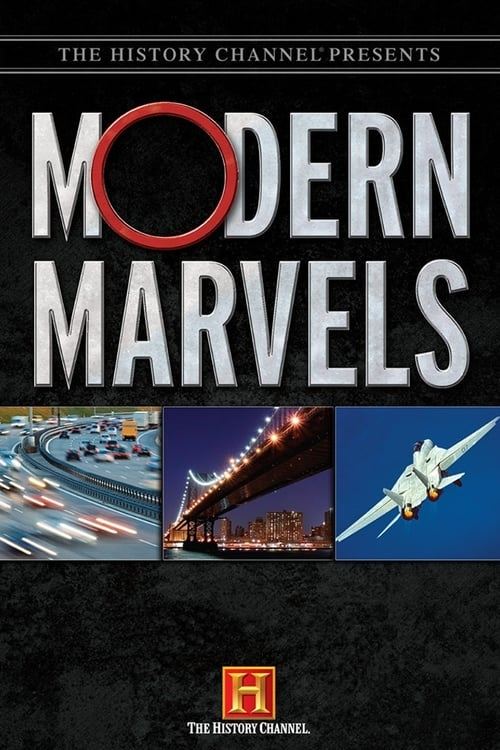
HISTORY’s longest-running series moves to H2. Modern Marvels celebrates the ingenuity, invention and imagination found in the world around us. From commonplace items like ink and coffee to architectural masterpieces and engineering disasters, the hit series goes beyond the basics to provide insight and history into things we wonder about and that impact our lives. This series tells fascinating stories of the doers, the dreamers and sometime-schemers that create everyday items, technological breakthroughs and manmade wonders. The hit series goes deep to explore the leading edge of human inspiration and ambition.
MegaStructures is a documentary television series appearing on the National Geographic Channel in the United States and the United Kingdom, Channel 5 in the United Kingdom, France 5 in France, and 7mate in Australia. Each episode is an educational look of varying depth into the construction, operation, and staffing of various structures or construction projects, but not ordinary construction products. Generally containing interviews with designers and project managers, it presents the problems of construction and the methodology or techniques used to overcome obstacles. In some cases this involved the development of new materials or products that are now in general use within the construction industry. MegaStructures focuses on constructions that are extreme; in the sense that they are the biggest, tallest, longest, or deepest in the world. Alternatively, a project may appear if it had an element of novelty or are a world first. This type of project is known as a Megaproject.
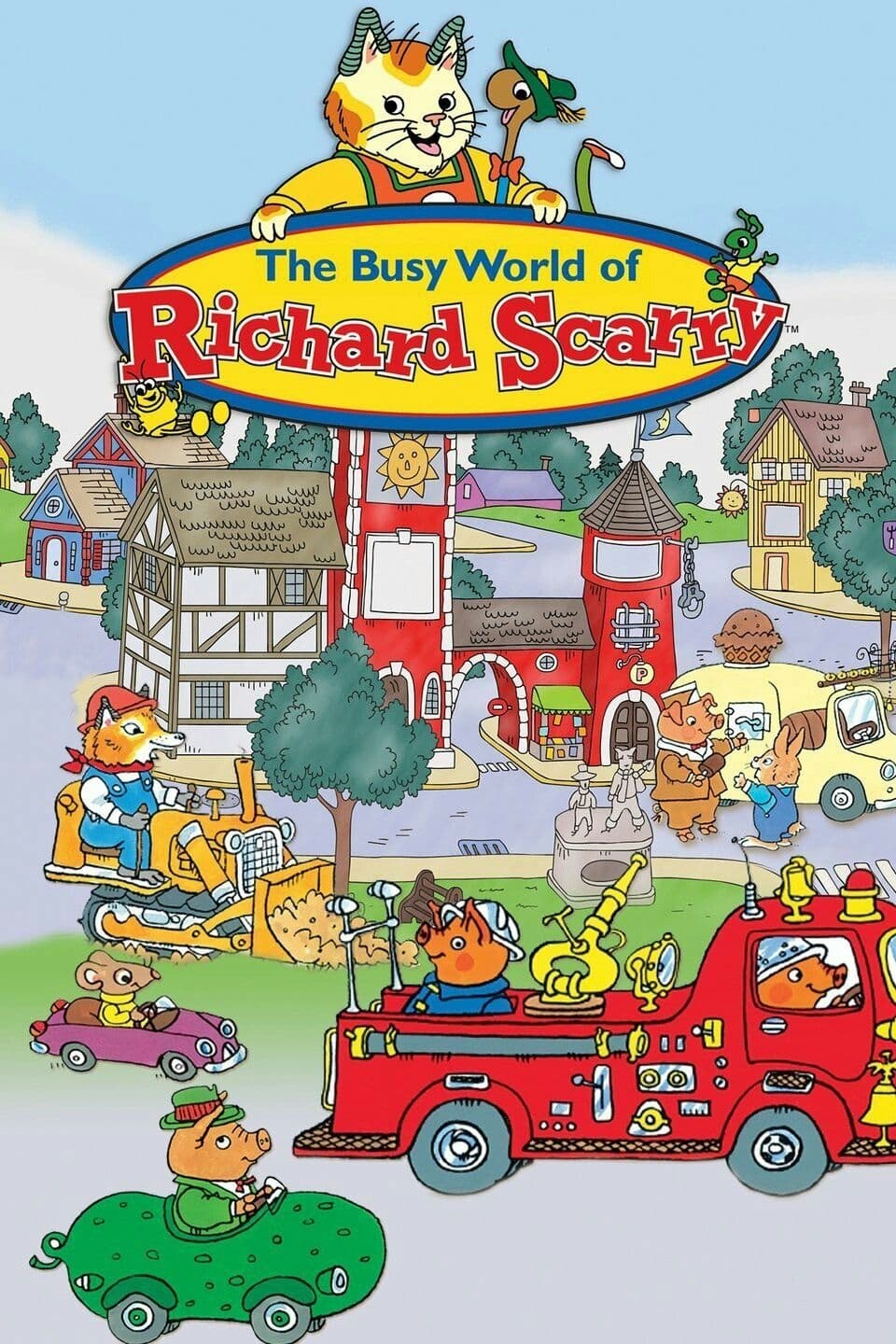
Busytown is an enchanting place that's abuzz with energy and life. Young audiences are invited to sing and laugh along as Huckle Cat, Lowly Worm, and other beloved characters from acclaimed author Richard Scarry make their way through the day exploring their happy and lively world.
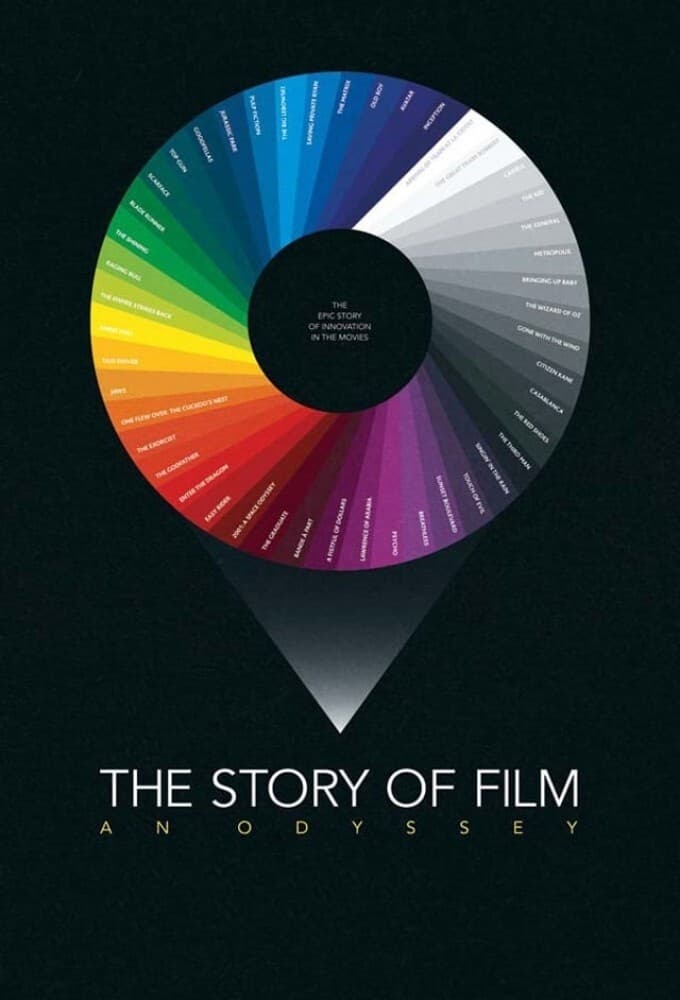
A worldwide guided tour of the greatest movies ever made and the story of international cinema through the history of cinematic innovation.
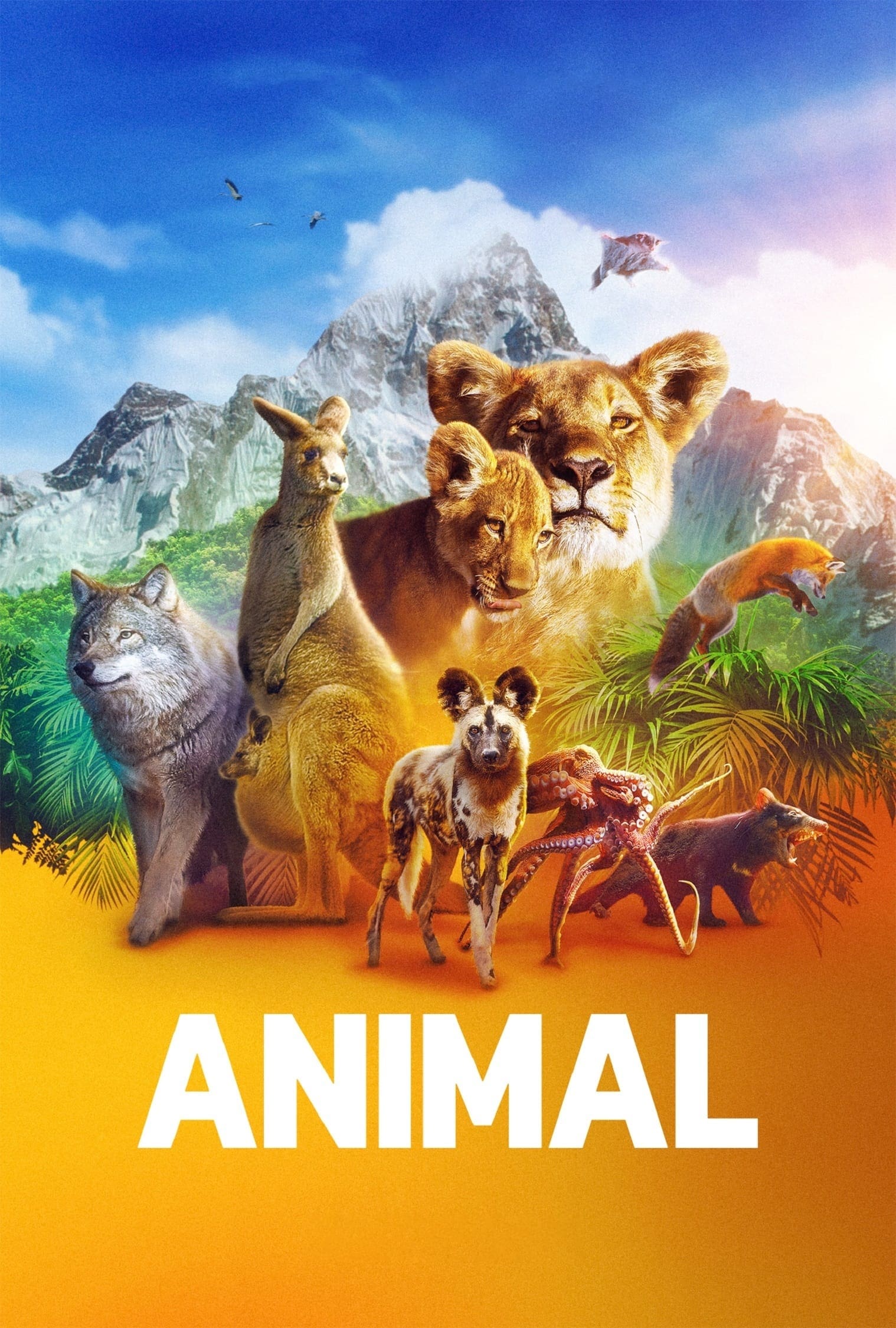
This immersive series follows the world's most magnificent creatures, capturing never-before-seen moments from the heartwarming to the outrageous.
Horizon tells amazing science stories, unravels mysteries and reveals worlds you've never seen before.
With the help of his friend “The Man in the Yellow Hat,” a curious little monkey named George sets out on adventures to learn about the world around him.
Martha, a beloved family dog, is accidentally fed alphabet soup — this gives her the power of speech and the chance to speak her mind to anyone that will listen.
Will Smith whose curiosity and wonder is positively infectious—is guided by National Geographic Explorers traveling to different corners of the world to get up close and personal with the weirdest, most unusual, dangerous and thrilling spectacles of the planet.
This docuseries takes an unprecedented look at the enduring and influential legacy of DC, allowing fans to rediscover the universe of characters, as well as the iconic comic book company’s origins, its evolution and its nearly nine-decade cultural impact across every artistic medium.