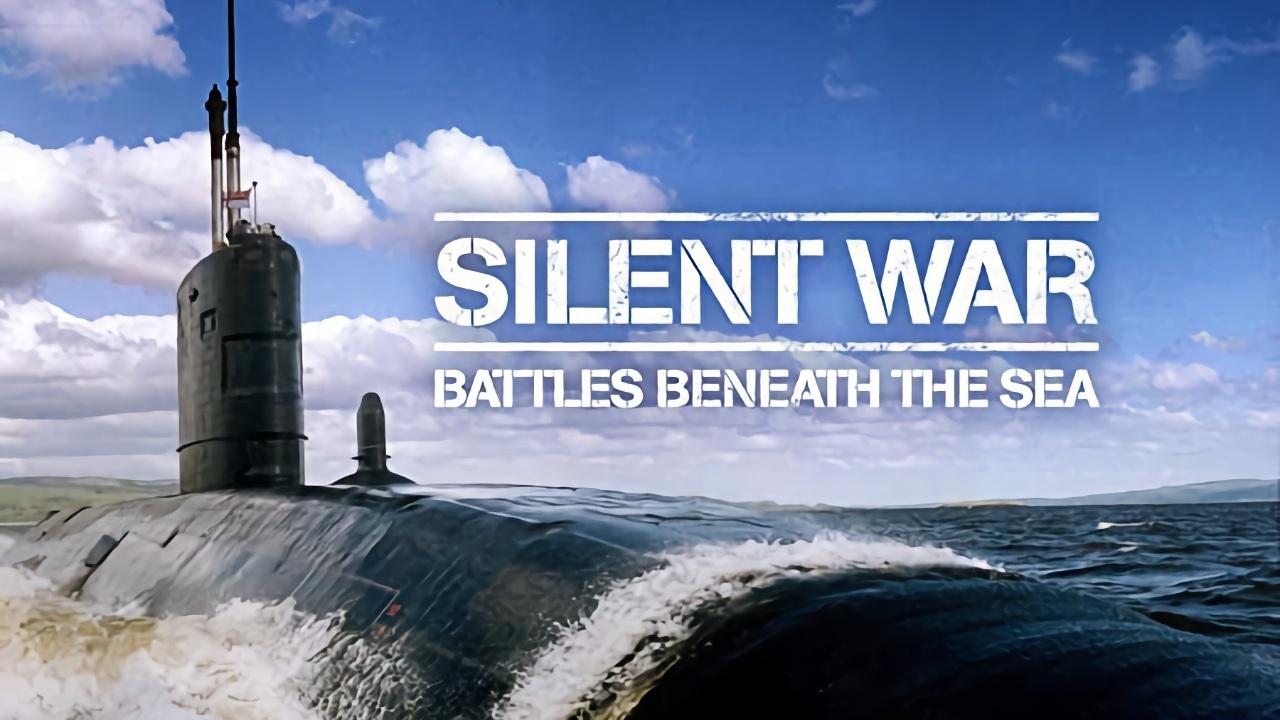
The story of the underwater war between US, UK and Soviet submarines in the second half of the 20th century.
Social & External
The people behind it
Haydn Gwynne
Narrator (Voice)
The only major fleet engagement of World War I, the Battle of Jutland has been surrounded by controversy ever since. The British public felt Admiral Jellicoe had failed – a reaction rooted in a hundred years of the 'Nelson cult', a conviction that anything short of a Trafalgar-style annihilation was letting the side down. On the 31st of May 1916 – 251 British and German battleships set out to annihilate one another in the North Sea. In a vicious engagement that lasted over 12 hours – 25 ships were sunk and 8,600 lives were lost. The German Fleet had sunk more ships and suffered fewer casualties, but the British had forced them to disengage and run for port. This two-hour special tells the true story of the battle. An international team of marine divers and historians set out to explore the wrecks of the great Dreadnoughts that lie 100 miles from shore and up to 60 metres deep. The dives will at last reveal why the British navy failed to score a decisive victory.
One of the Royal Navy's most modern aircraft carriers when the Second World War began, HMS Ark Royal was eventually sunk by a German torpedo. Now her wreck has been found in the Mediterranean, and veterans are among the first to see it. With Dan Snow.
In the aftermath of the Second World War, relations between the former allied eastern and western powers deteriorated fast. Suddenly, the small island nation found itself in the midst of the ensuing “cold-war”, which it used to its full benefit to catapult into the modern world. A founding member of the NATO alliance, Iceland provided an important base for forward operations in protection of NATO’s northern flank and Scandinavia and the approaches to North America by U.S. and allied forces.
Dashing authors, the first porn sites and the last bastards. How the Russian Internet appeared and how it changed: from complete freedom to the appearance of censorship and the law on isolation.
The untold true story behind the Cold War race to put man into space.
For two weeks, the aircraft carrier strike group Carrier Strike Group 8 is conducting one of the toughest exercises in the US Navy. The tactical cooperation of several crews from three different nations is paramount in this training exercise. The 7,000 sailors on board are repeatedly subjected to gunfire and attacks. Fires are extinguished and evacuations are practiced.
Mount Kologet, Goldsboro, Palomares, Thule… Four nuclear accidents, four stains on the history of the Cold War. Four names that are now forgotten. These events lay undiscovered for years having been classified as official secrets. Now published, the files show how the relentless standoff between the two superpowers spiraled out of control and led us to the brink of obliteration.
The rise of Stalin, from his early beginning as a bankrobber to the cold-blooded leader of the Soviet Union.
Featuring revealing interviews with survivors speaking publicly for the first time, alongside rare insight into the CIA and Soviet responses, this series exposes a web of secrecy, miscalculation, and human cost. Astonishing new footage from inside the nuclear exclusion zone reveals how this scarred landscape is once again under siege as war encroaches on one of the most dangerous places on Earth.
The story of an empire: From its founding in 1922 to its dissolution in 1991, the Soviet Union was shaped by revolutionary idealism, but also by oppression and decay. The USSR evolved from Stalinist terror through the Thaw under Khrushchev to political processes such as glasnost and perestroika under Gorbachev. Finally, in 1991, it collapsed.
Communism spread to all of the continents of the word, lasting through four generations and over seven decades. Hundreds of millions of men and women were affected by this political system, one of the most unjust and bloodiest in history. Using newly discovered propaganda films and archival photos, these four episodes explore the mysteries of this totalitarian political machine that lured its share of important followers into the fold. Known as the red church, communism seduced its ardent followers like some earthly religion.
The story of this fantastic period of history between 1945 and 1991, which was defined by the confrontation of two worlds and two systems. The capitalist West, dominated by the ever-powerful United States, is pitted against the Communist East, the Soviet Empire.
What it felt like to live through the collapse of communism and democracy. A series of films by Adam Curtis.
Following his visit to the Great Barrier Reef in 1957, naturalist and broadcaster David Attenborough returns and uses the latest filming techniques to unlock the secrets of the natural wonder.
The Great Purge orchastrated in the Soviet Union during 1937-38 cost almost 700 000 lives. Especially ethnic minorities were targeted. Four-part documentary tells the story of what happened to the people living the Soviet Union, and how the terror was built in the red dictatorship.
Hell Below is an event-based series charting the stealth game of sub sea warfare, tracking the dramatic narrative from contact to attack of the greatest submarine patrols of World War II. From the rise of the Wolfpack to the drive for victory in the Pacific, we profile the strategic masterminds and the rapid evolution of technology and tactics, as the threat of undersea warfare brings every sailor's worst nightmare to life. Expert analysis and stock footage are woven with narrative driven re-enactments filmed on authentic Second World War era submarines to place the characters at the heart of the action.
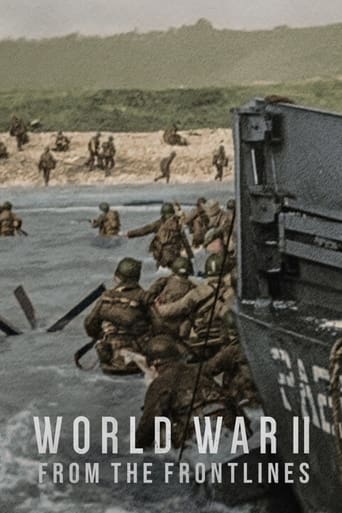
Explores WWII from Germany's invasion of Poland through the atomic age, examining pivotal battles, wartime leaders like Churchill and Roosevelt, and the human cost of total war.
Maritime mysteries—old and new—come to life in this series, combining scientific data and digital re-creations to reveal shipwrecks, treasures, and sunken cities on the bottom of lakes, seas and oceans around the world.
With firsthand accounts and access to prominent figures around the world, this comprehensive docuseries explores the Cold War and its aftermath.
Have you ever wondered how the products you use every day are made? How It's Made leads you through the process of how everyday products, such as apple juice, skateboards, engines, contact lenses, and many more objects are manufactured.
Don Wildman unearths relics from the world's greatest institutions to reveal secrets from the past. He examines each artifact to illuminate history's most incredible triumphs, sensational crimes and bizarre encounters.
Sir David Attenborough narrates this critically acclaimed series that dives deep into the marine environment of Planet Earth. Although two-thirds of the world's surface is covered with water, scientists know less about the oceans than they do about the surface of the moon. This limited series travels from various coasts to the poles to examine watery denizens ranging from the gigantic blue whale to microscopic coral polyps.
There is nowhere more powerful and unforgiving yet more beautiful and compelling than the ocean. Join us and explore the greatest yet least known parts of our planet.
Consistently stunning documentaries transport viewers to far-flung locations ranging from the torrid African plains to the chilly splendours of icy Antarctica. The show's primary focus is on animals and ecosystems around the world. A comic book based on the show, meant to be used an as educational tool for kids, was briefly distributed to museums and schools at no cost in the mid-2000s.
The story of the Second World War through the personal accounts of a handful of men and women from four American towns. The war touched the lives of every family on every street in every town in America and demonstrated that in extraordinary times, there are no ordinary lives.
In this true-crime documentary, a cult expert and filmmaker infiltrate a polygamist sect to expose a self-proclaimed prophet and bring him to justice.
Steve Martin is one of the most beloved and enigmatic figures in entertainment. Dive into his extraordinary story from two distinct points of view—past and present—as Martin reflects on how his beginnings led to his unexpectedly fulfilling life today.
Satellites orbit Earth at 17,000 miles an hour, capturing images of our world that are breathtaking, but some are bizarre. This unique perspective reveals objects that seem to make no sense & phenomena that defy explanation. Such images force the question, what on Earth is that?
Travel around the world with author Dan Buettner to discover five unique communities where people live extraordinarily long and vibrant lives.
30 for 30 is the title for a series of documentary films airing on ESPN, its sister networks, and online highlighting interesting people and events in sports history. This currently includes four "volumes" of 30 episodes each, a 13-episode series under the ESPN Films Presents title in 2011–2012, and a series of 30 for 30 Shorts shown through the ESPN.com website. The series has also expanded to include Soccer Stories, which aired in advance of the 2014 FIFA World Cup, and audio podcasts. This entry refers to the main Volumes of the series presented by ESPN
Using highly advanced colourisation techniques, critical moments from World War II, from Stalingrad to The Battle of Britain, are shown in a whole new light.
World War II In Colour is a 13-episode television documentary miniseries recounting the events of World War II narrated by Robert Powell. The show covers the Western Front, Eastern Front, and the Pacific War. It is on syndication in America on the Military Channel. This series is in full color, combining both original and colorized footage.
Motoring programme featuring reviews of and reports about cars of all types.
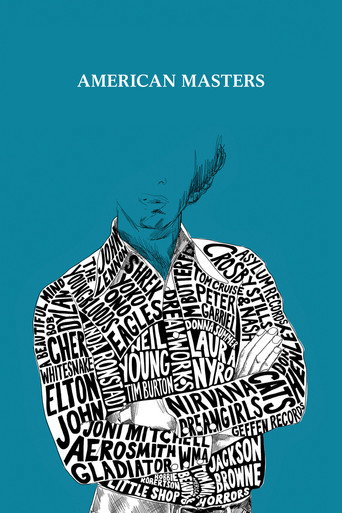
American Masters is a PBS television series which produces biographies on enduring writers, musicians, visual and performing artists, dramatists, filmmakers, and others who have left an indelible impression on the cultural landscape of the United States.
Natural World is a nature documentary television series broadcast annually on BBC Two and regarded by the BBC as its flagship natural history brand. It is currently the longest-running series in its genre on British television, with more than 400 episodes broadcast since its inception in 1983. Natural World is produced by the BBC Natural History Unit in Bristol, but individual programmes can be in-house productions, collaborative productions with other broadcasters or films made and distributed by independent production companies and purchased by the BBC. Natural World programmes are often broadcast as PBS Nature episodes in the USA. Since 2008, most Natural World programmes have been shot and broadcast in high definition.
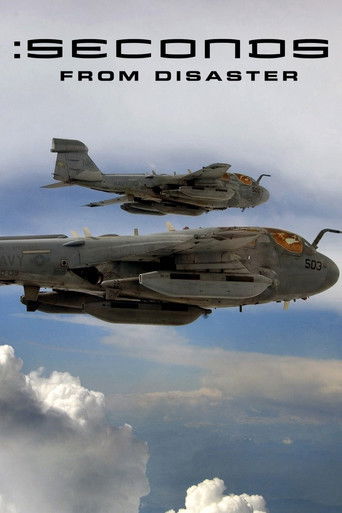
Seconds from Disaster is a US/UK-produced documentary television programme that investigates historically relevant man-made and natural disasters of the 20th century. Each episode aims to explain a single incidental by analyzing the causes and circumstances that ultimately effected the disaster. The program uses re-enactments, interviews, testimonies, and CGI to analyze the sequence of events second-by-second for the audience. Narrators for the show are Ashton Smith, Richard Vaughan and Peter Guinness.