Nature documentary series.
Social & External
There are over 8000 islands of Australia to choose from and in this three part series, Martin visits 16 of the best. They are a cross section of what island life is all about - islands that express the diversity, the history and the challenges of life on islands Down Under.
Discover the clever and creative ways animals navigate life’s most extraordinary challenges, from leaving home to finding a partner.
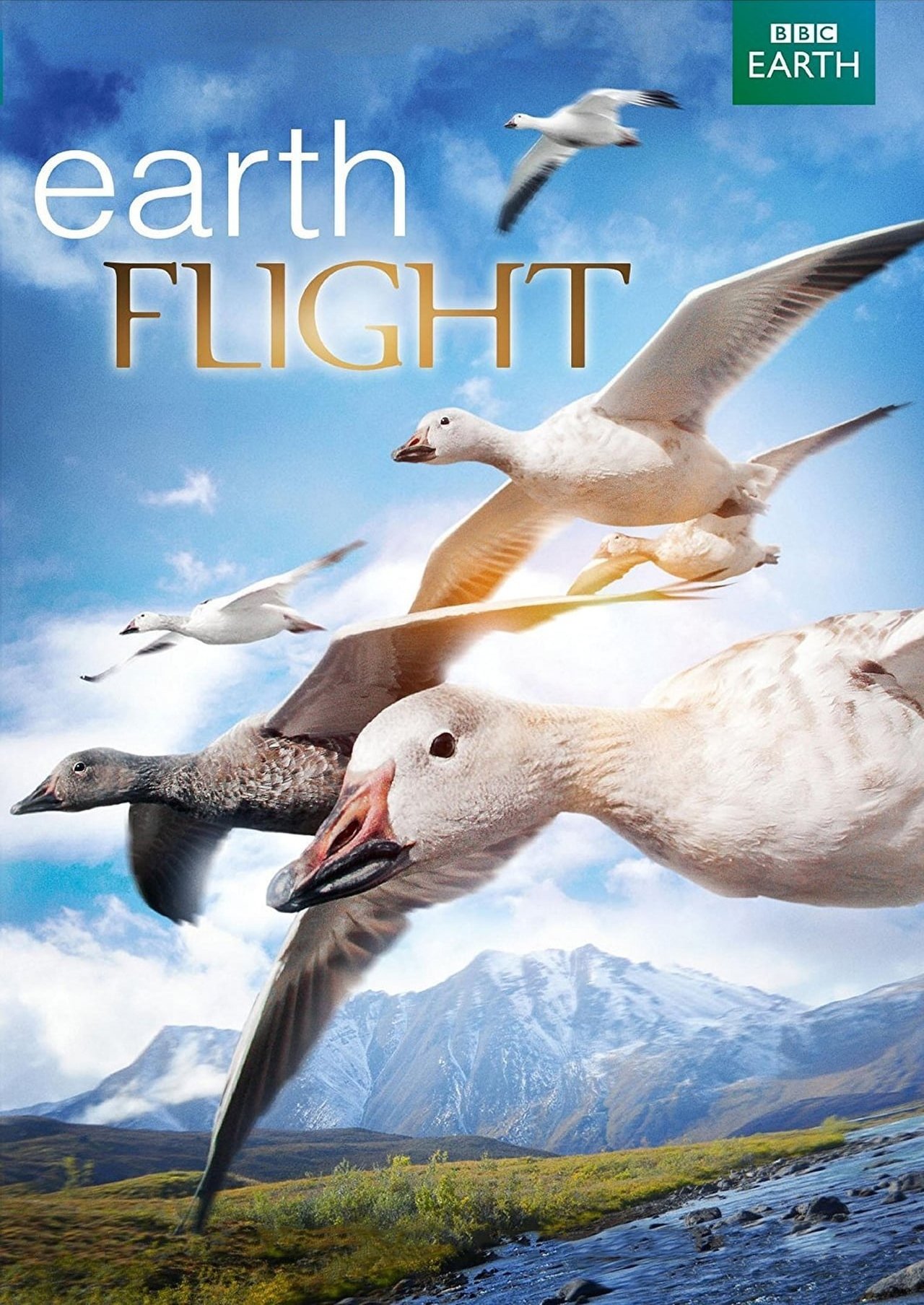
Earthflight is a British nature documentary that shows a flight from the view of the wings of birds across six continents, showing some of the world's greatest natural spectacles from a bird's-eye view. it was created by the BBC and the first episode, narrated by David Tennant, aired on BBC One on 29 December 2011. A two-hour subset of Earthflight was aired in October 2012 by the Discovery Channel in the US as Winged Planet. The entire first series aired on PBS, beginning in September 2013, under the title Earthflight, A Nature Special Presentation.
The stories of iconic Australian animals and the biological and evolutionary factors that link them.
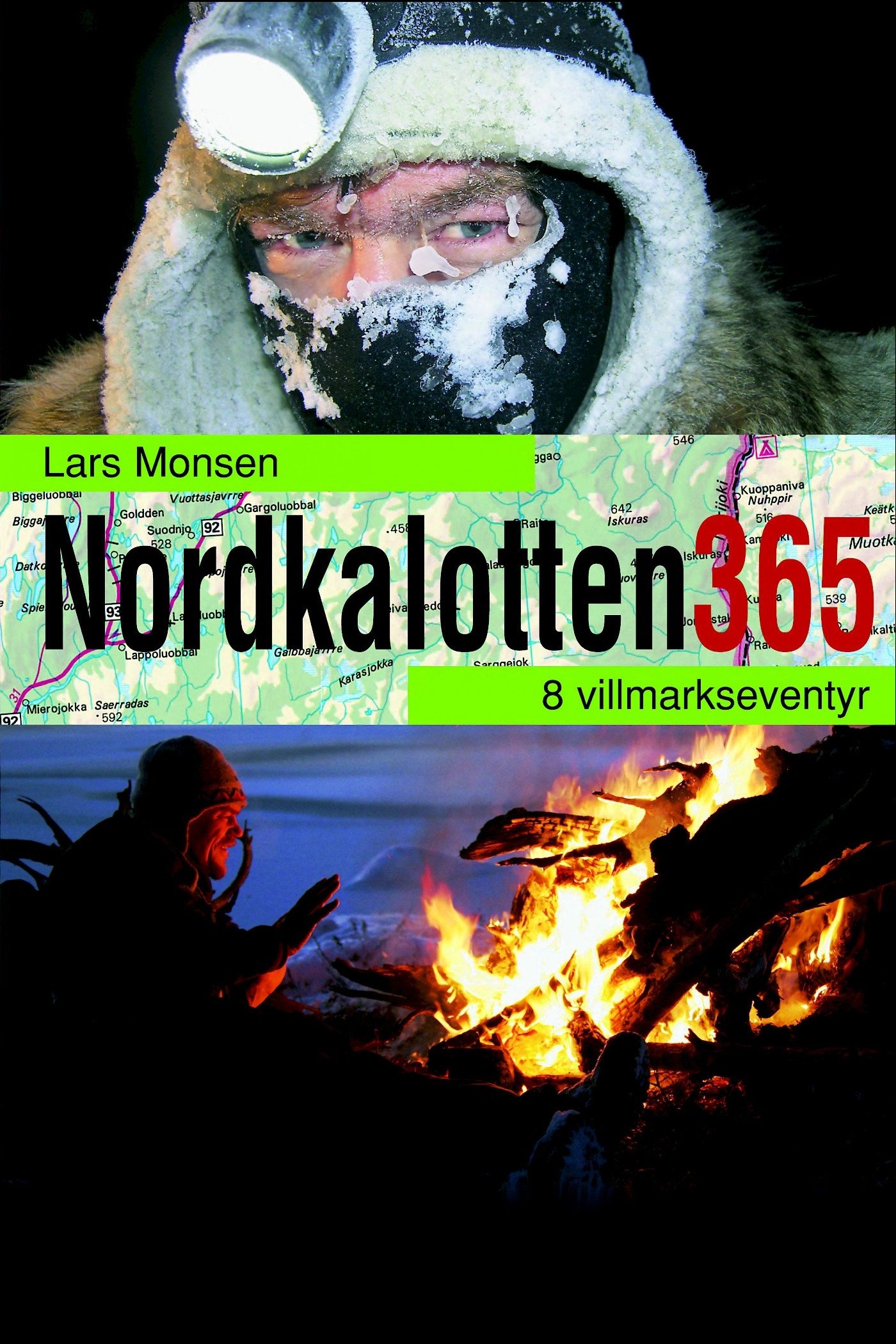
Lars Monsen travels to the Cap of the North to spend one full year in the arctic wilderness of Norway, Sweden and Finland.
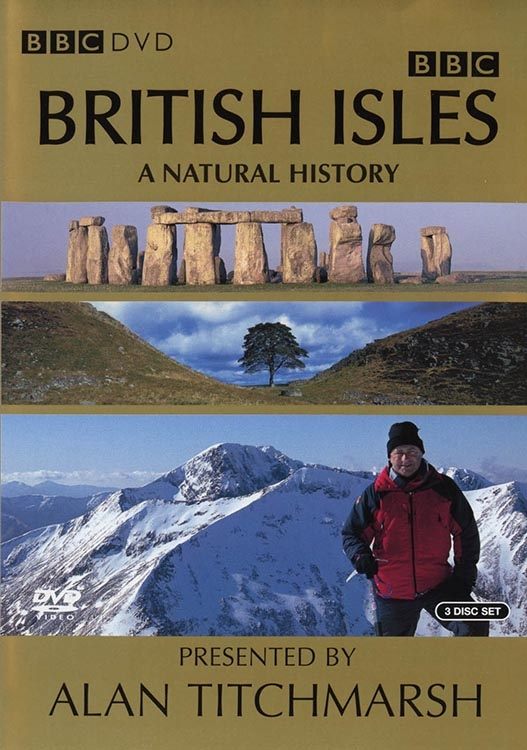
British Isles: A Natural History is an eight-part documentary series produced by the BBC Natural History Unit and presented by Alan Titchmarsh. Originally broadcast in the UK on BBC1 from September to November 2004, it took viewers on a journey from the formation of what is now the British Isles some 3 billion years ago to the present day, revealing how natural and human forces have shaped the landscape. Each of the 50-minute episodes was followed by a 10-minute short specific to each region of the British Isles. In 2007, the BBC made a companion series about British wildlife called The Nature of Britain, also presented by Titchmarsh. A 3-disc Region 2 and 4 DVD set featuring all eight episodes was released on 29 November 2004. Titchmarsh wrote an accompanying book, also called British Isles: A Natural History, and released by BBC Books on 1 October 2004.
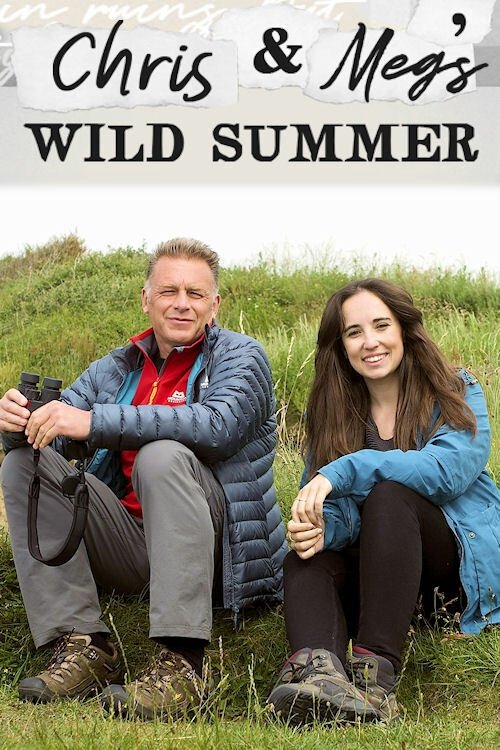
Wildlife presenters Chris Packham and stepdaughter Megan McCubbin go on a road trip with amazing animal encounters, stunning landscapes and time to reflect on their relationship.
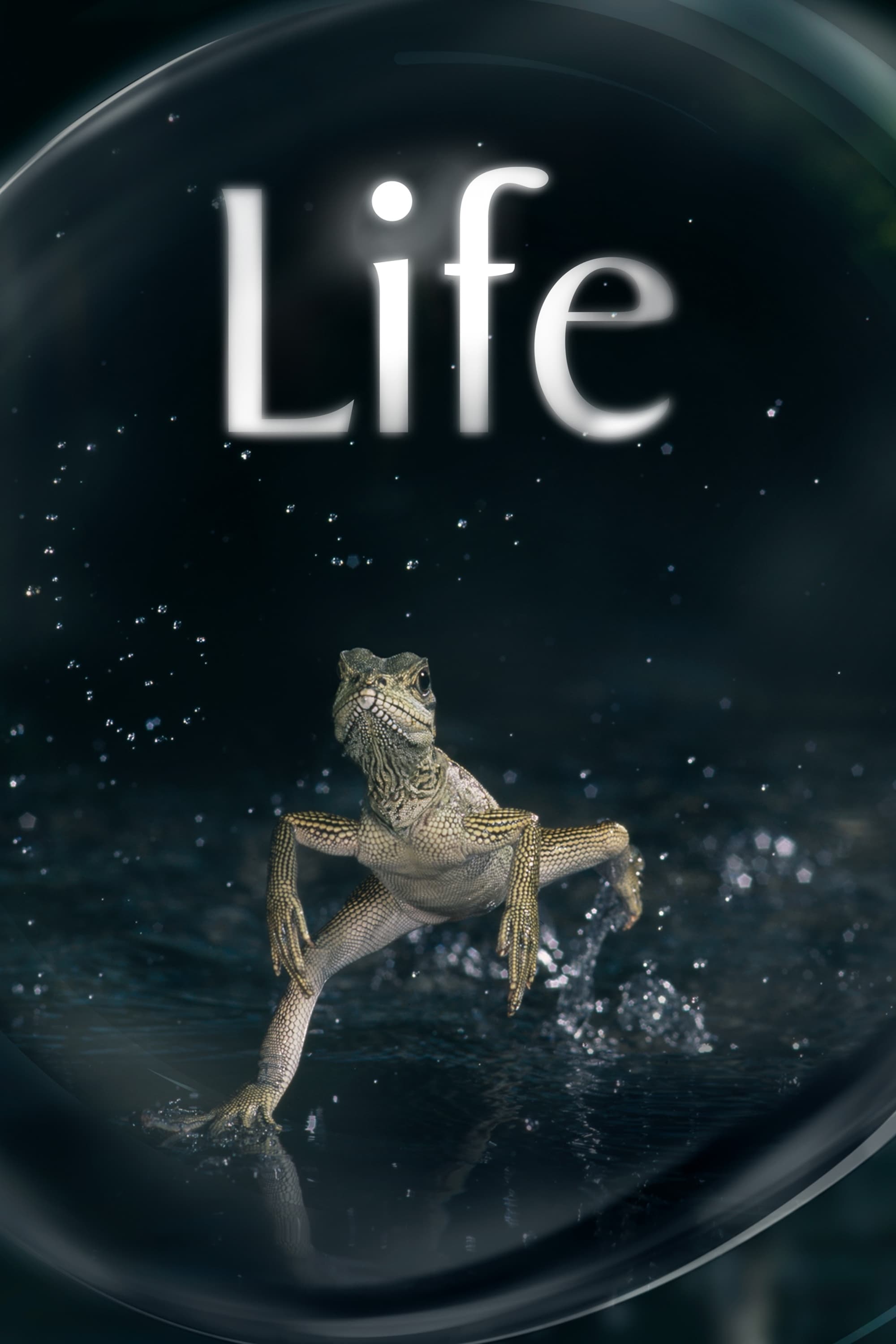
David Attenborough looks at the extraordinary ends to which animals and plants go in order to survive. Featuring epic spectacles, amazing TV firsts and examples of new wildlife behaviour.
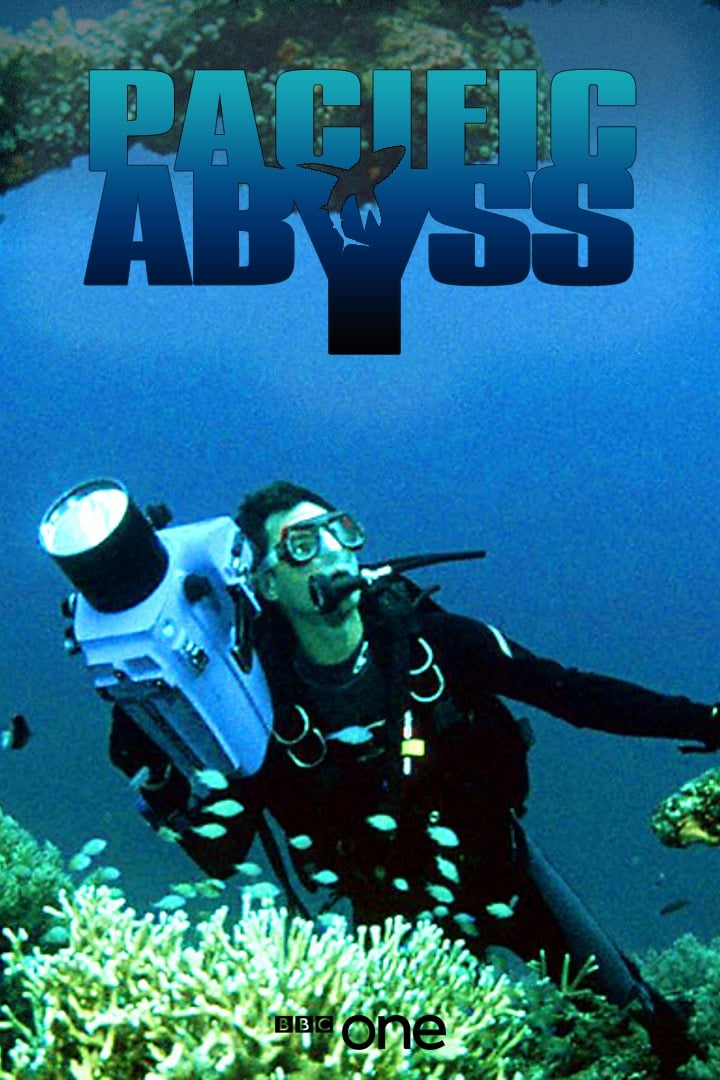
Underwater wildlife series. Kate Humble sets sail on a 2000-mile adventure across the Pacific with a team of top natural history filmmakers and deep water marine biologists.
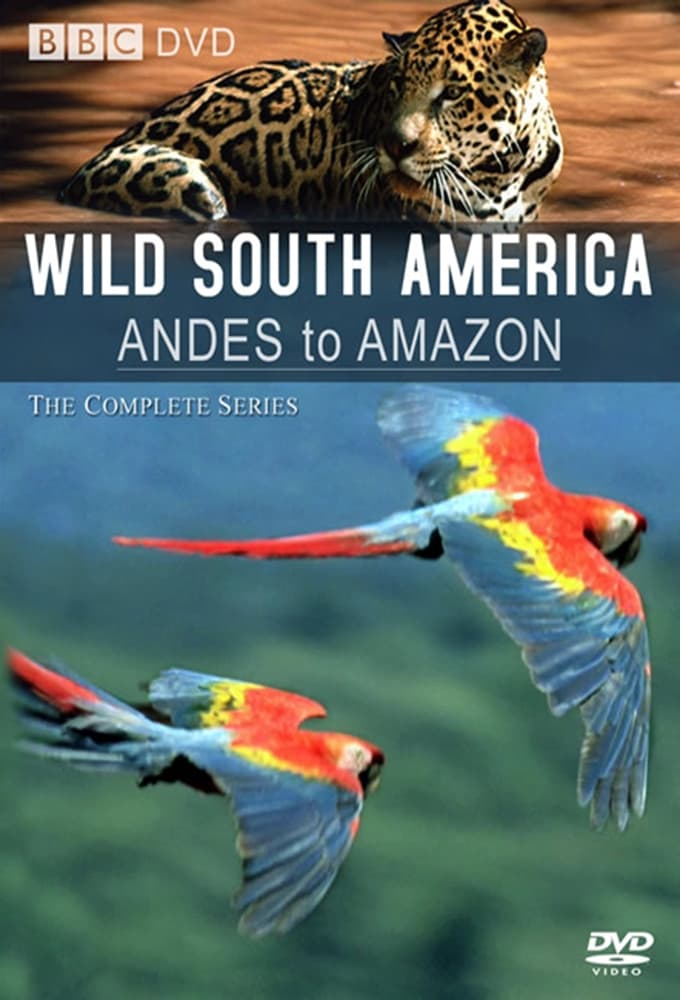
Documentary series delving into a rarely seen South American wilderness, home to surprising creatures who survive from the mighty Andes Mountains to Cape Horn.
This show addresses issues related to the Brazilian way of life, highlighting matters such as health, education, work and nature.
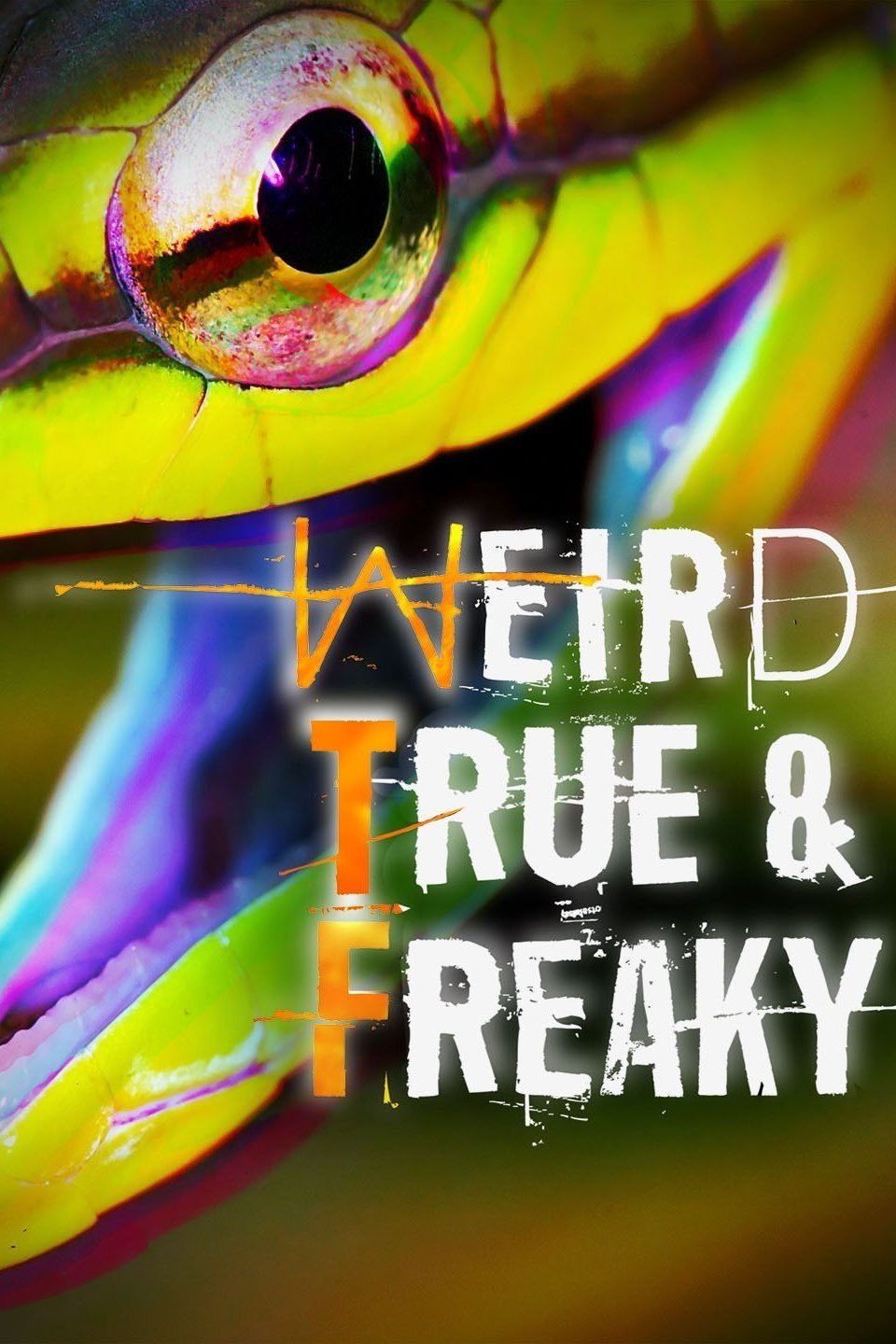
Weird, True & Freaky Join a fast-paced rundown of the strangest, craziest real-life stories on four legs. Freakish swarms, mutant survivors, mysterious mating rituals, and totally bizarre breeds. Amazing animals caught on tape. Shocking footage that will make your jaw drop. From klepto creatures caught on tape to unbelievable pet plastic surgery, check out animal antics that became tabloid news... Only on Weird, True and Freaky.
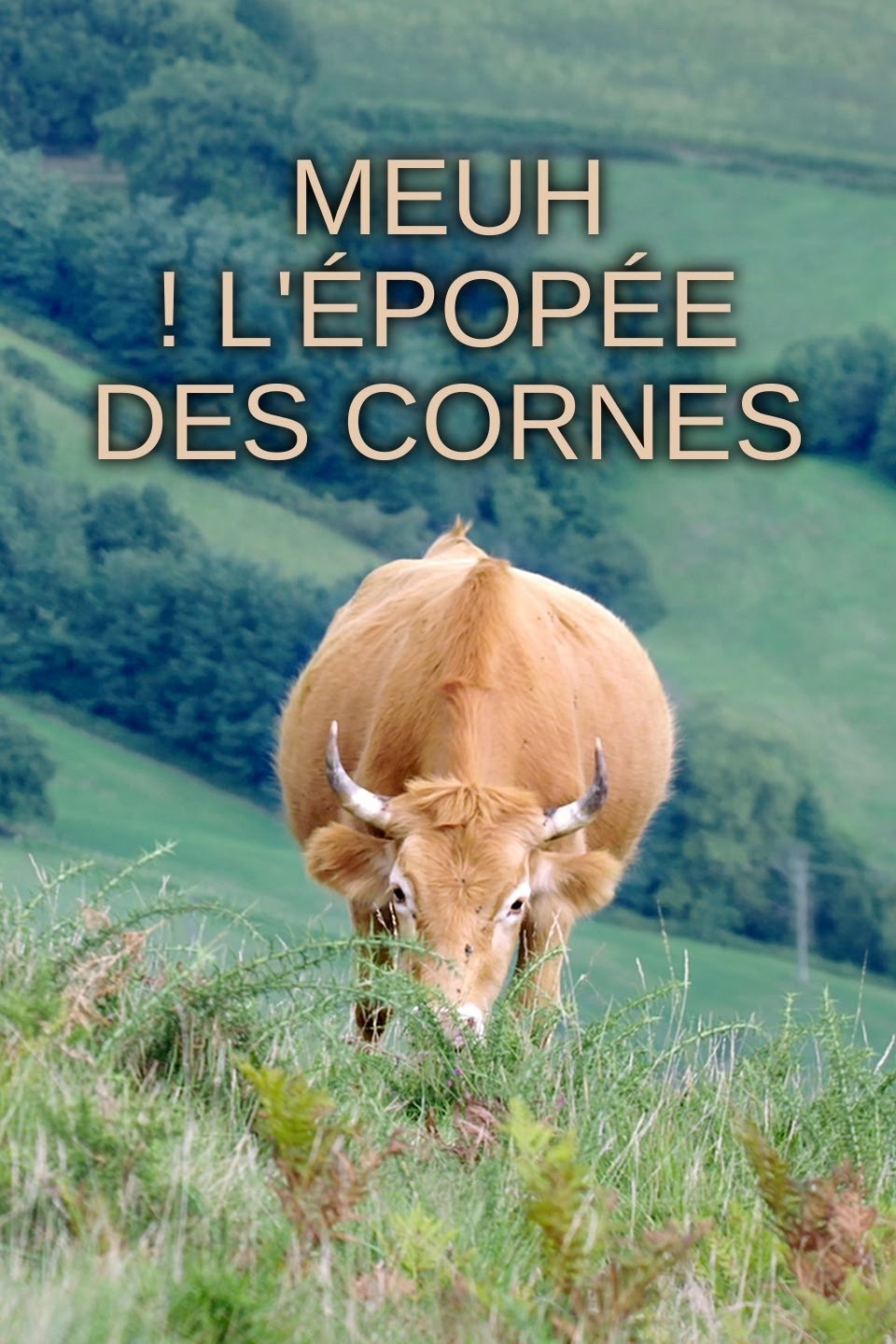
Cattle - with horns - are the focus of this documentary series by the French filmmakers, who decided to bring us closer to the most famous horned domesticated creatures on the planet. Their ancestors lived on Earth 18 million years ago. It was a small, forest-dwelling mammal - and in the course of evolution, this little antelope became the direct ancestor of the now-extinct turo. The human hunter who pursued these ungulates became the herder - and eventually evolved the ox, zebu, buffalo or whatever... Follow in the footsteps of the horned ungulates without which man could not exist today.
Natural World is a nature documentary television series broadcast annually on BBC Two and regarded by the BBC as its flagship natural history brand. It is currently the longest-running series in its genre on British television, with more than 400 episodes broadcast since its inception in 1983. Natural World is produced by the BBC Natural History Unit in Bristol, but individual programmes can be in-house productions, collaborative productions with other broadcasters or films made and distributed by independent production companies and purchased by the BBC. Natural World programmes are often broadcast as PBS Nature episodes in the USA. Since 2008, most Natural World programmes have been shot and broadcast in high definition.
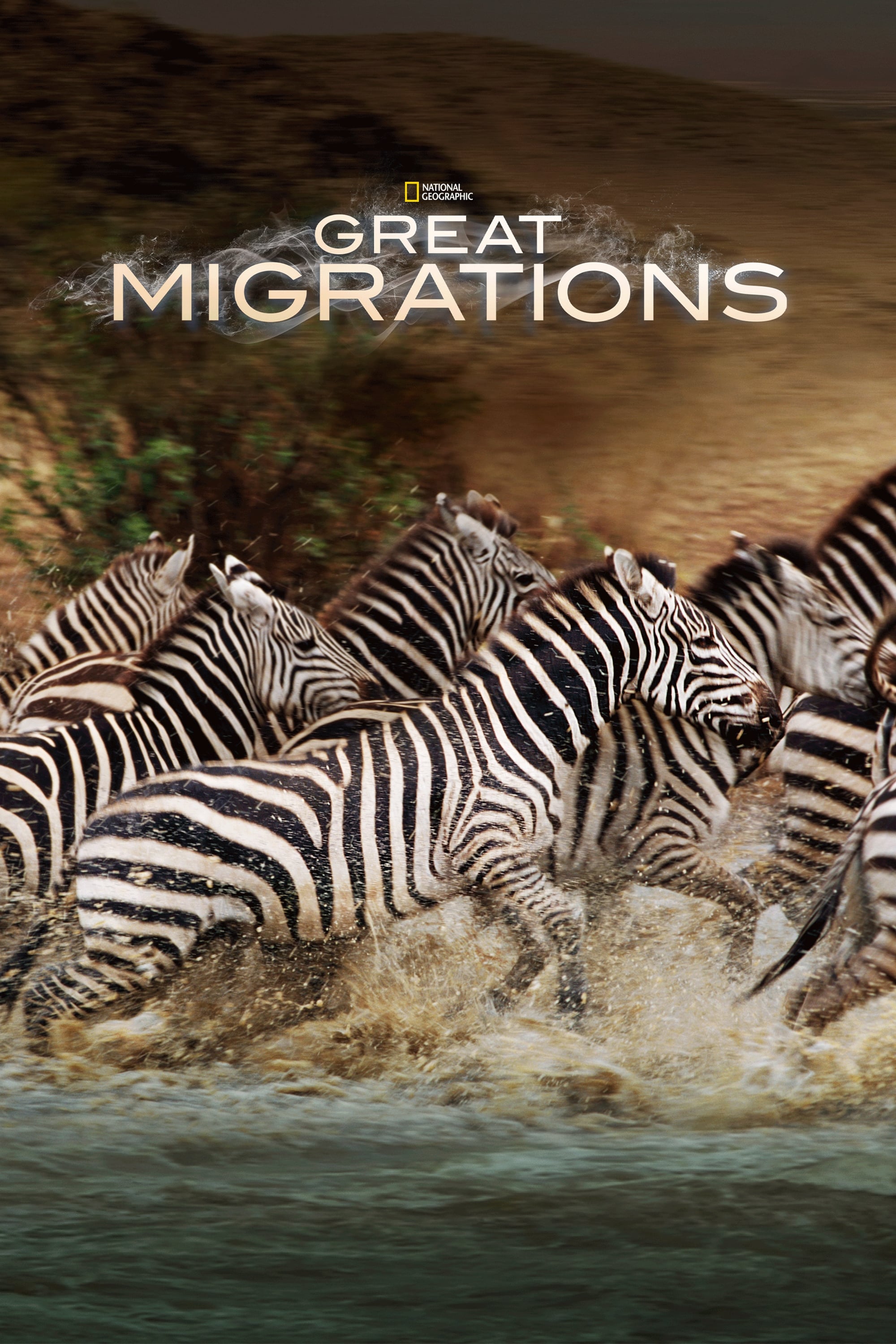
Shot from land and air, in trees and cliff-blinds, on ice floes and underwater, this documentary tells the powerful stories of many of the planet's species and their movements, while revealing new scientific insights with breathtaking high-definition clarity and emotional impact. The beauty of these stories is underscored by a new focus into these species; fragile existence and their life-and-death quest for survival in an ever-changing world.
This immersive series follows the world's most magnificent creatures, capturing never-before-seen moments from the heartwarming to the outrageous.
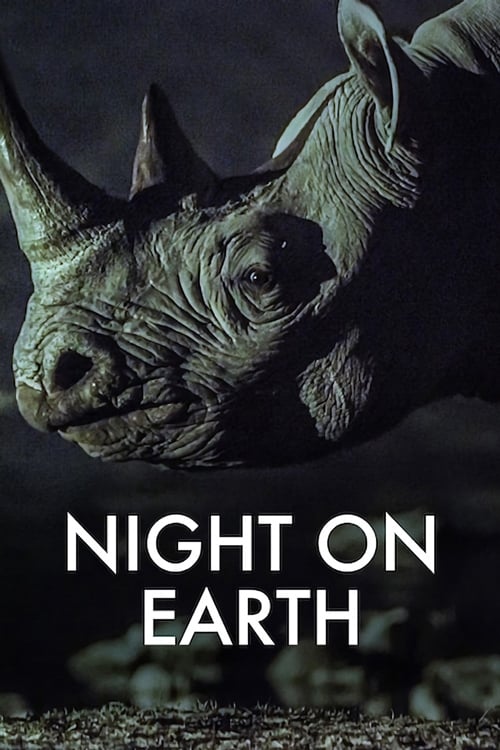
Filmed across six continents, this docuseries uses cutting-edge camera technology to capture animals' nocturnal lives, revealing new behaviours filmed in full color like never before.
David Attenborough celebrates the amazing variety of the natural world in this epic documentary series, filmed over four years across 64 different countries.
Consistently stunning documentaries transport viewers to far-flung locations ranging from the torrid African plains to the chilly splendours of icy Antarctica. The show's primary focus is on animals and ecosystems around the world. A comic book based on the show, meant to be used an as educational tool for kids, was briefly distributed to museums and schools at no cost in the mid-2000s.
Will Smith whose curiosity and wonder is positively infectious—is guided by National Geographic Explorers traveling to different corners of the world to get up close and personal with the weirdest, most unusual, dangerous and thrilling spectacles of the planet.
Experience our planet's natural beauty and examine how climate change impacts all living creatures in this ambitious documentary of spectacular scope.
PBS' premier science series helps viewers of all ages explore the science behind the headlines. Along the way, NOVA demystifies science and technology, and highlights the people involved in scientific pursuits.
Experience the wonders of our world like never before in this epic series from Jon Favreau and the producers of Planet Earth. Travel back 66 million years to when majestic dinosaurs and extraordinary creatures roamed the lands, seas, and skies.
David Attenborough presents a documentary series exploring how animals meet the challenges of surviving in the most iconic habitats on earth.
This nature documentary introduces viewers to the fauna and flora of Britain and Ireland across four main areas: woodlands, grasslands, freshwater and marine.
Biography is a documentary television series. It was originally a half-hour filmed series produced for CBS by David Wolper from 1961 to 1964 and hosted by Mike Wallace. The A&E Network later re-ran it and has produced new episodes since 1987. The older version featured historical figures such as Helen Keller and Mark Twain, or long-dead entertainment figures such as Will Rogers or John Barrymore. The A&E series has placed the emphasis on such people as Marilyn Monroe, Elvis Presley, Plácido Domingo, Freddie Mercury, Jacqueline Kennedy Onassis, Eric Clapton, Pope John Paul II, Gene Tierney, Selena, Diego Rivera, Mao Zedong and Queen Elizabeth II, and fictional characters like The Phantom, Superman, Hamlet, Betty Boop, and Santa Claus. The program ended up profiling enough figures that in 1999, A&E spun it off into an entire network, The Biography Channel.
This stunning nature series narrated by Cate Blanchett explores the intelligence, resourcefulness and interconnectedness of life on our planet.
David Attenborough presents a nature documentary series looking at why mammals are the most successful creatures on the planet.
This nature series’ new technology lifts night’s veil to reveal the hidden lives of the world’s creatures, from lions on the hunt to bats on the wing.
In the documentary series produced by the BBC, The Life of Birds, Sir David Attenborough unveils a new investigation into the behaviour of birds, perfectly adapted animals that conquer the air. This ten-part series reveals the secret of the birds' great success, their remarkable strategies for finding food, their complex social systems, and their ingenious and often bizarre ways of mating and breeding. From the high speed of large airborne hunters to long distance migrations or the bright colors of nectar feeding hummingbirds, this is the ultimate bird series that every ornithologist should not miss.
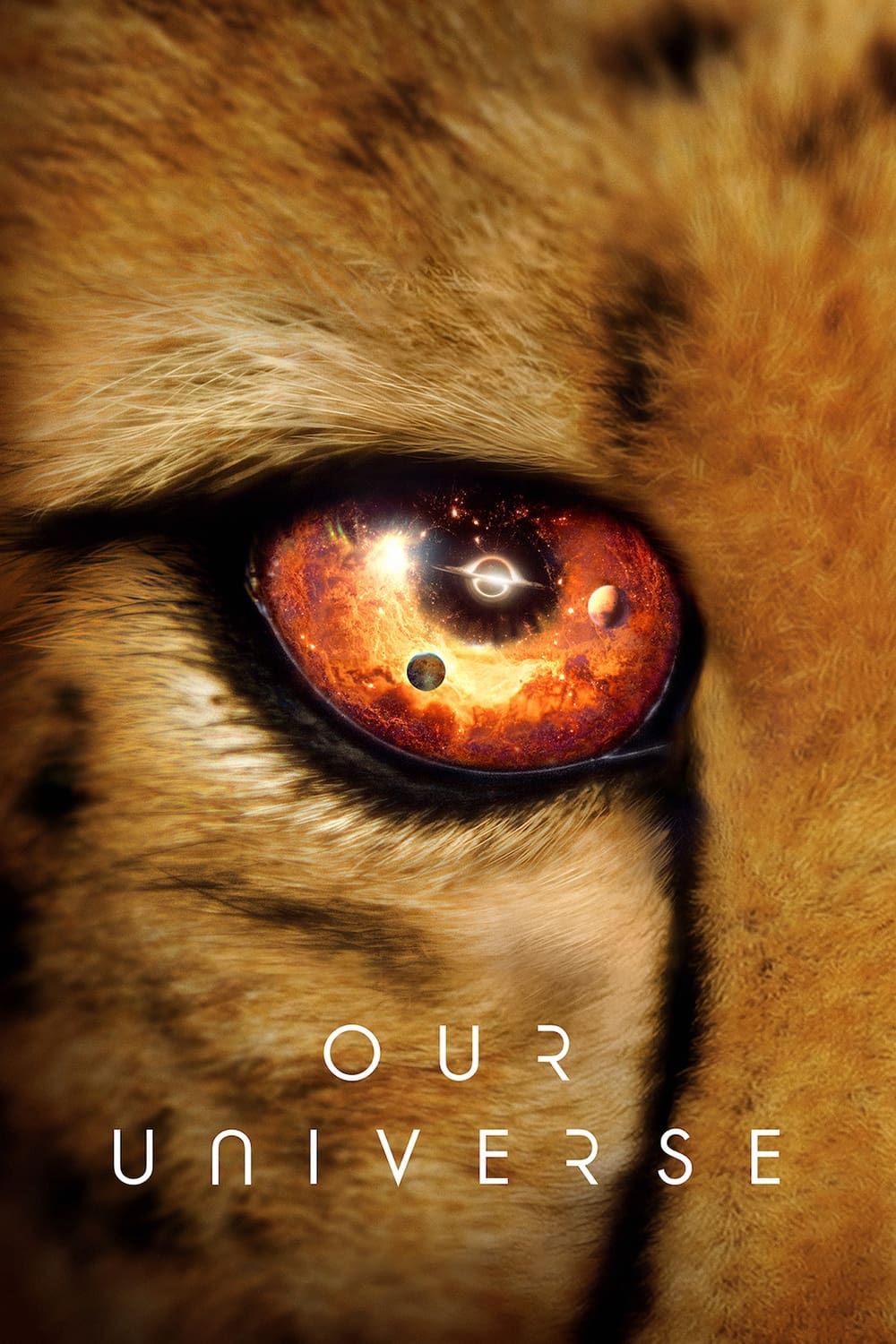
Witness the remarkable story of our universe over billions of years and its inextricable link to life on Earth in this sweeping documentary series.
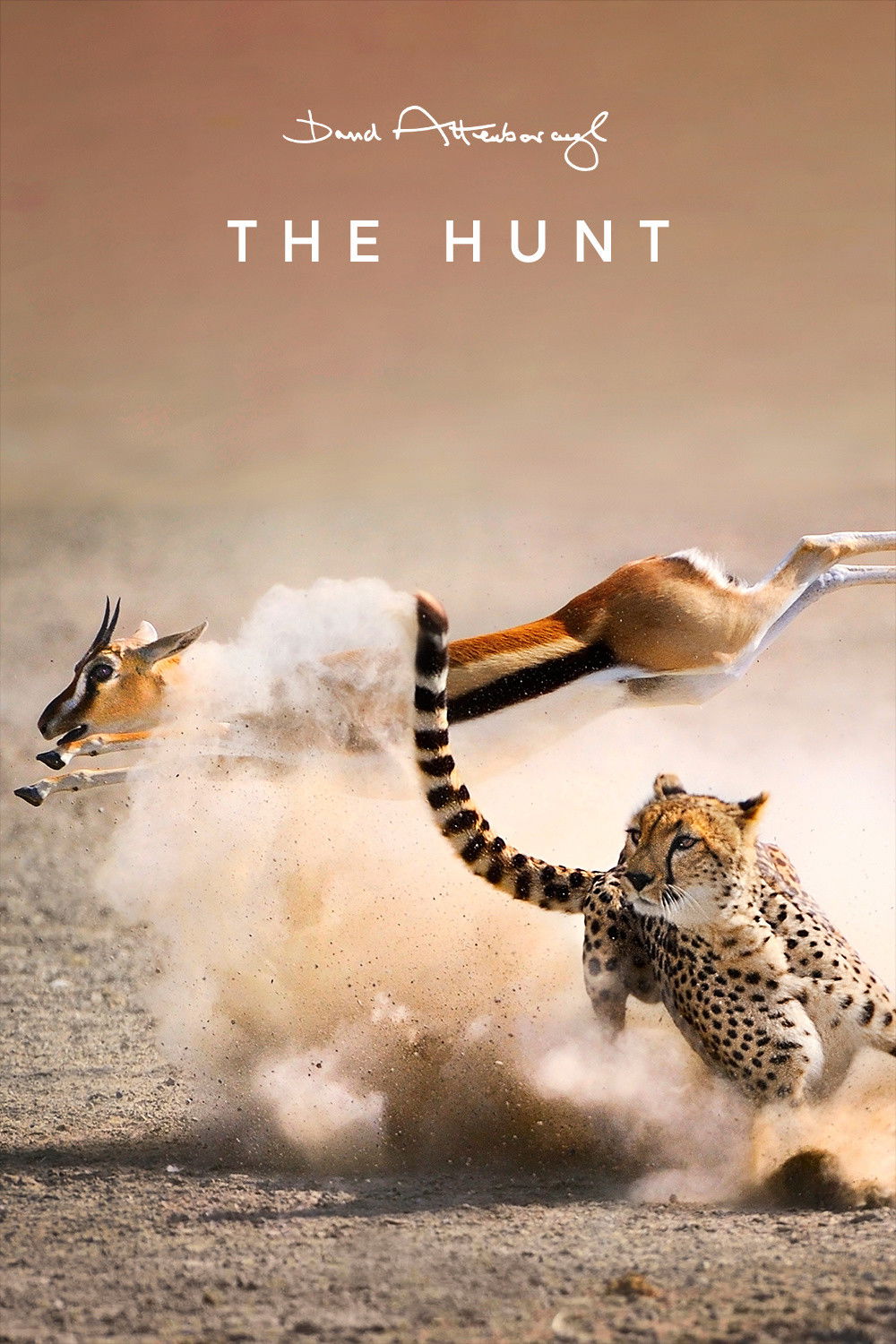
This major landmark series looks in detail at the fascinating relationship between predators and their prey. Rather than concentrating on ‘the blood and guts’ of predation, the series looks in unprecedented detail at the strategies predators use to catch their food and prey use to escape death. Sir David Attenborough narrates.