Social & External
The people behind it
When the beloved 200-year-old Sycamore Gap tree on Hadrian’s Wall is mysteriously felled overnight, public outrage erupts worldwide. This gripping two-part true-crime documentary follows Northumbria Police’s unprecedented investigation, with exclusive access to detectives, witnesses and never-before-seen evidence. As officers untangle a bizarre case with no CCTV and no witnesses, the series explores the cultural impact of the tree’s loss and the global fight for justice in one of the UK’s most unusual environmental crimes.
Award-winning filmmaker Reggie Yates travels around the world tackling big issues such as gun violence, racism, gay rights and addiction.
Documentary series which ranges widely over Britain's social and cultural history, its narrative-led storytelling offering a richly immersive and varied window onto the past.
A politically charged mini-series researched and written by Duncan Campbell which saw dramatic Special Branch raids on BBC Scotland. An entire production office was loaded into transit vans and confiscated by the police. + One: 'The Secret Constitution' about secret Cabinet committees that amount to a secret decision making system at the highest levels of power in the United Kingdom. + Two: 'In Time of Crisis' about secret preparations for war that began in 1982 within every NATO country. This programme revealed what Britain would do. + Three: 'A Gap In Our Defences' about bungling defence manufacturers and incompetent military planners who have botched every new radar system that Britain has installed since World War II. + Four: 'We're All Data Now' about the Data Protection Act. + Five: 'Association of Chief Police Officers' and how Government policy and actions are determined in the fields of law and order. + Six: 'Communications' with particular reference to Zircon spy satellites ...
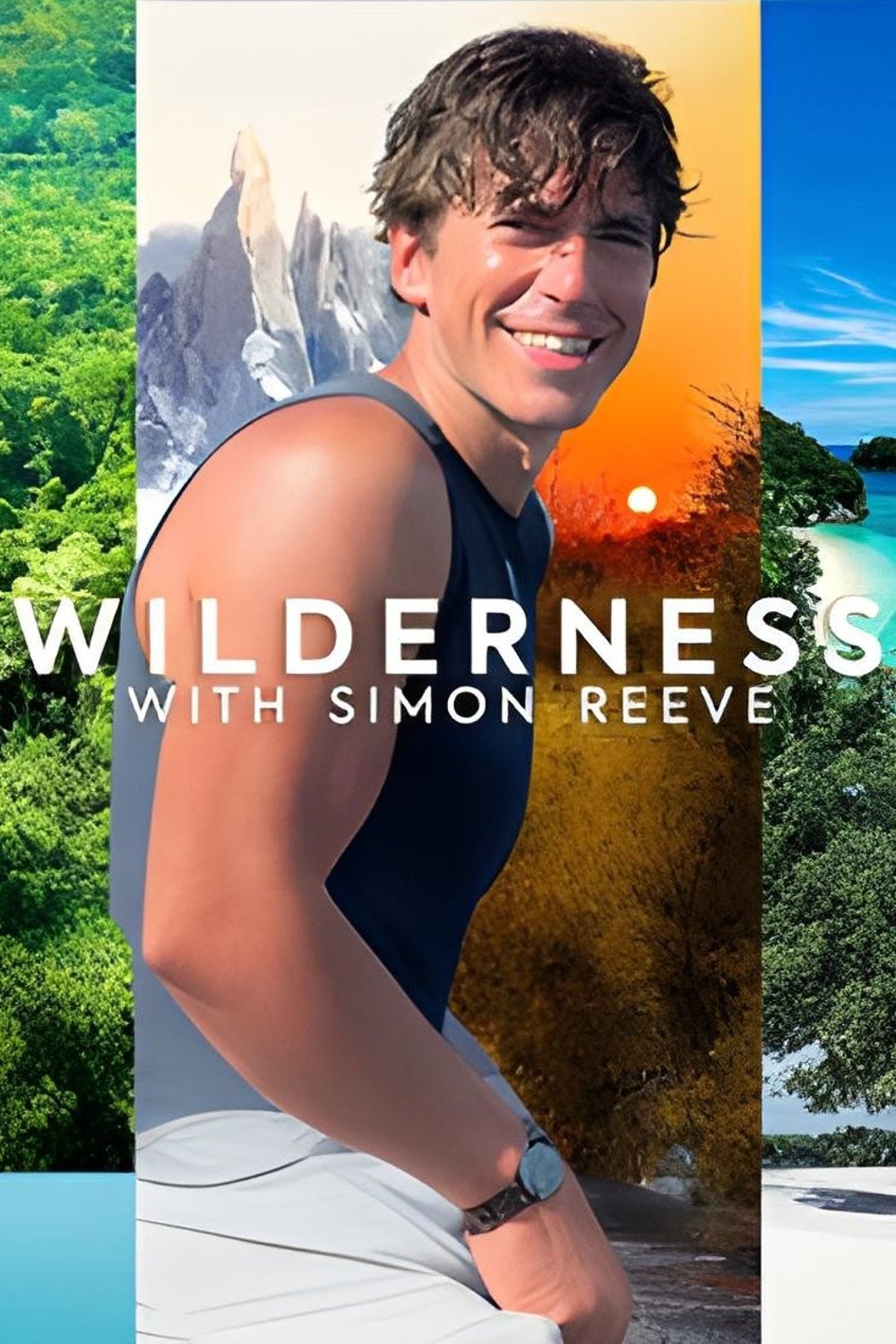
On his toughest journeys yet, Simon Reeve travels through some of the most remote landscapes on Earth in search of the people and the wildlife of the planet’s greatest wildernesses.
In ten of the world’s largest cities on five continents, host Frédéric Choinière showcases the greenest, most cutting-edge, and most effective intitiatives for controling waste.
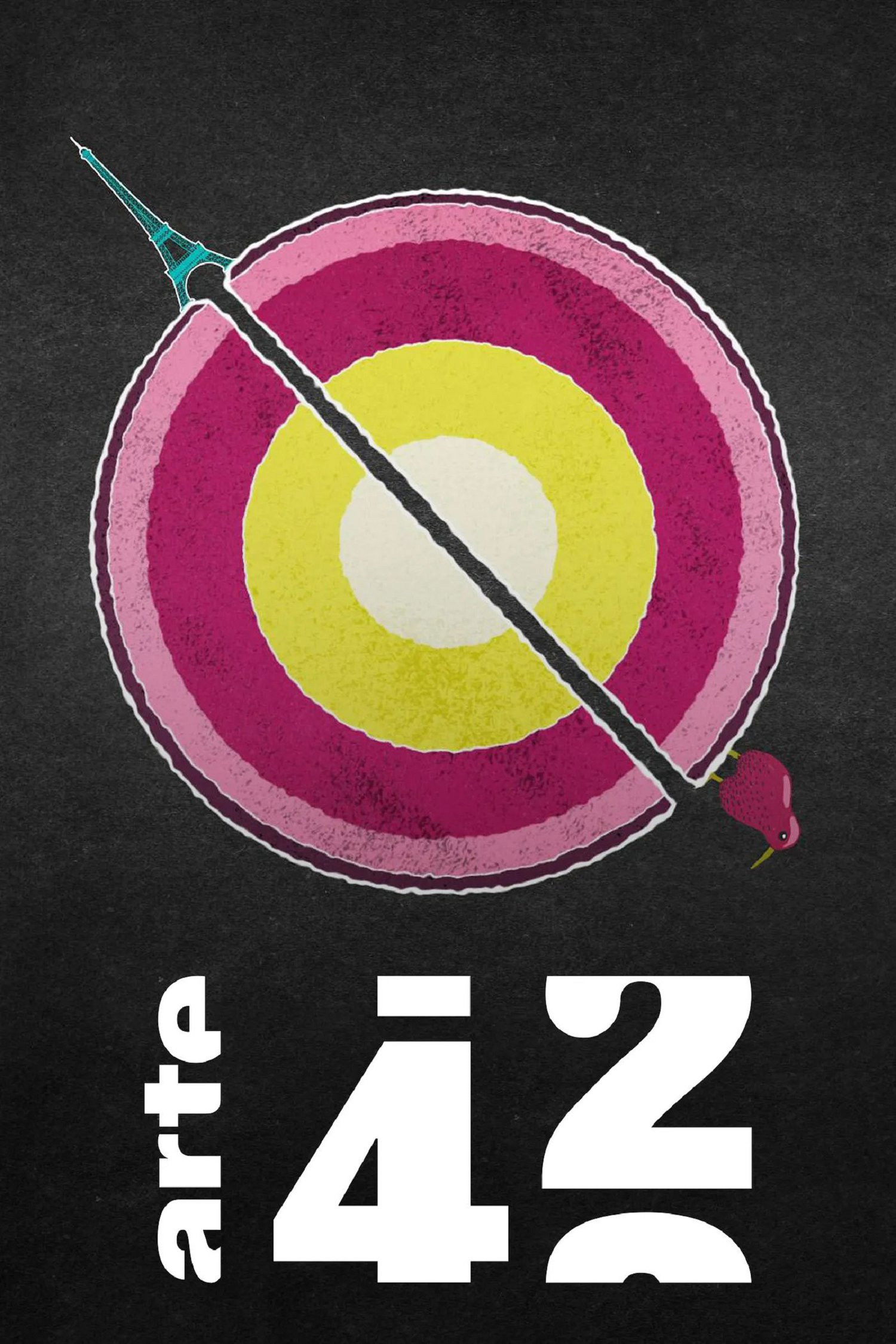
What would we be without mucus? Can we live on water? How much does life weigh? Finding out the answers is the aim of ARTE's new science show. In a nod to Douglas Adams's "Hitchhiker's Guide to the Galaxy", where the figure 42 is the ultimate answer to all questions, 42 tries to provide the answers.
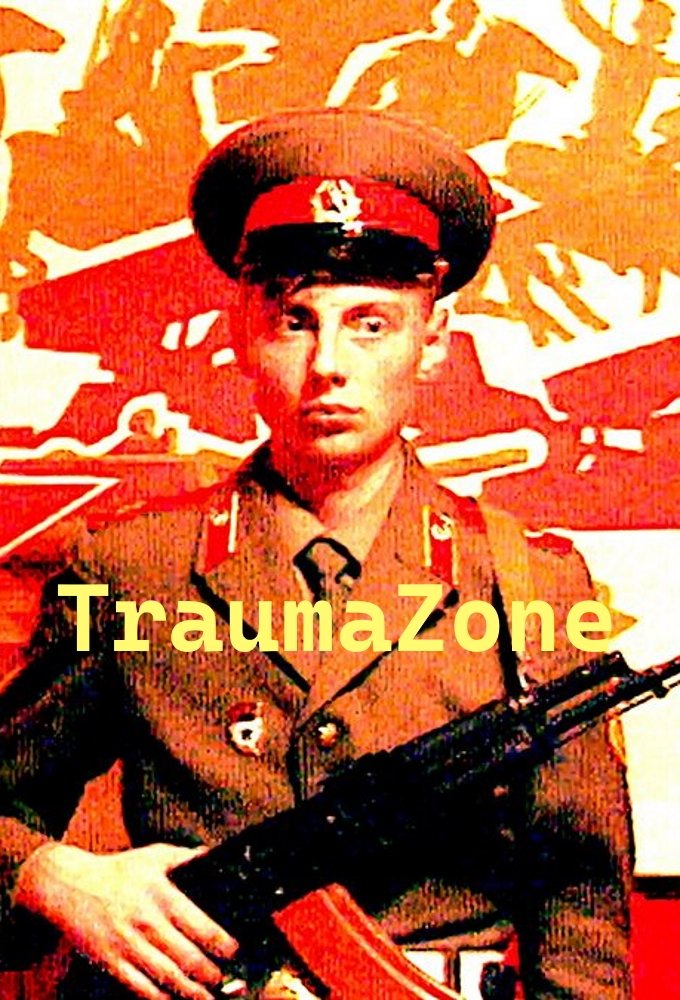
What it felt like to live through the collapse of communism and democracy. A series of films by Adam Curtis.
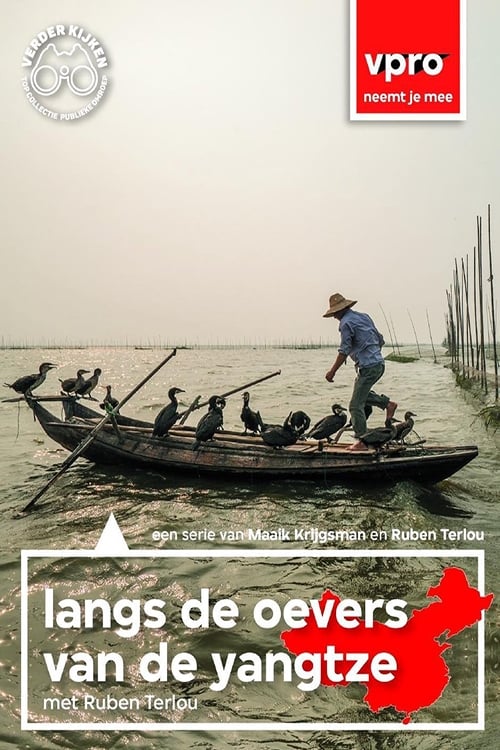
A six-part series in which photographer Ruben Terlou travels from Shanghai, the most westernized part of China, to the much more traditional Tibetan city of Shangri-La. Through the stories of people he meets along the 6,300-kilometre river, Ruben discovers the real China, forty years after Mao’s death.
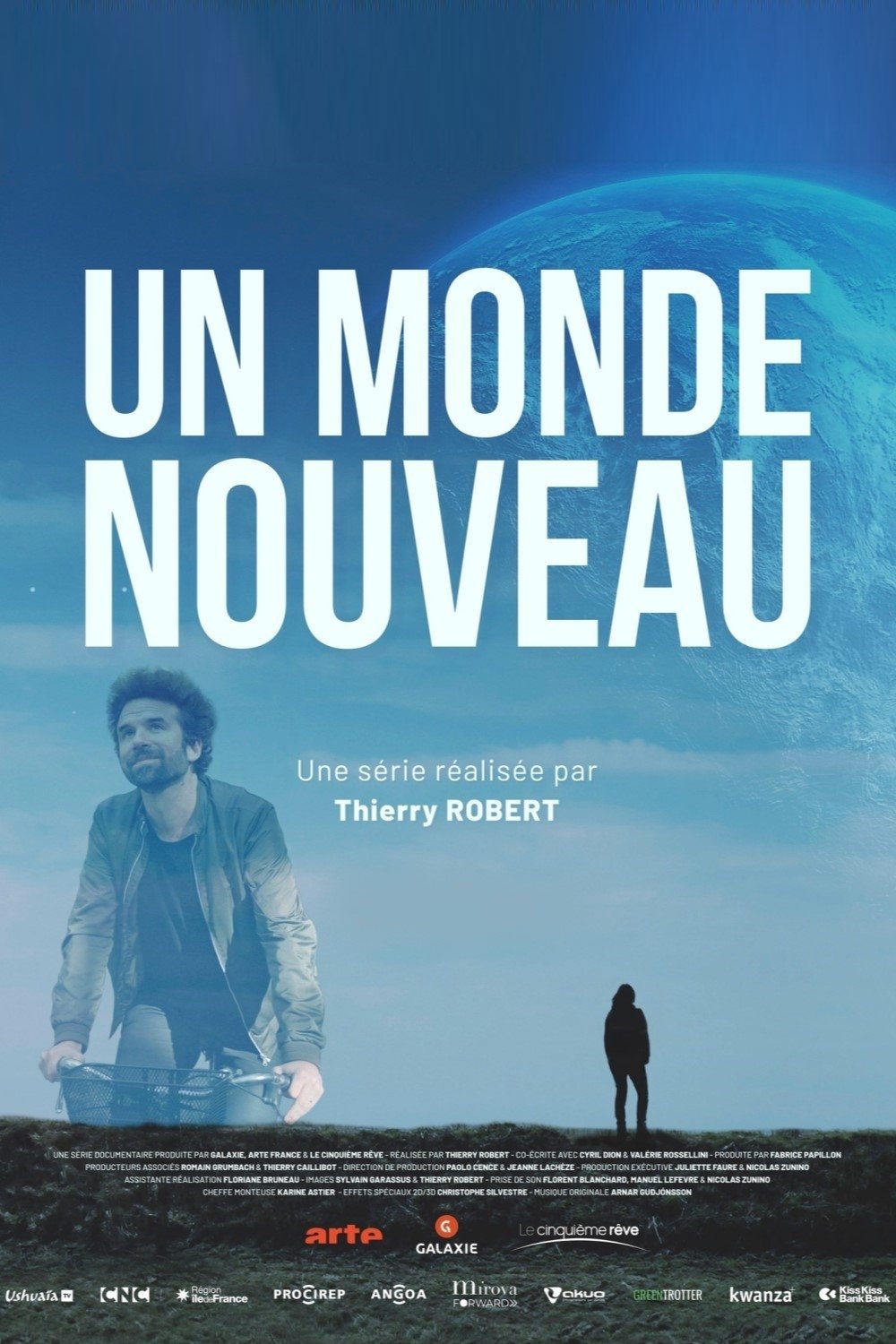
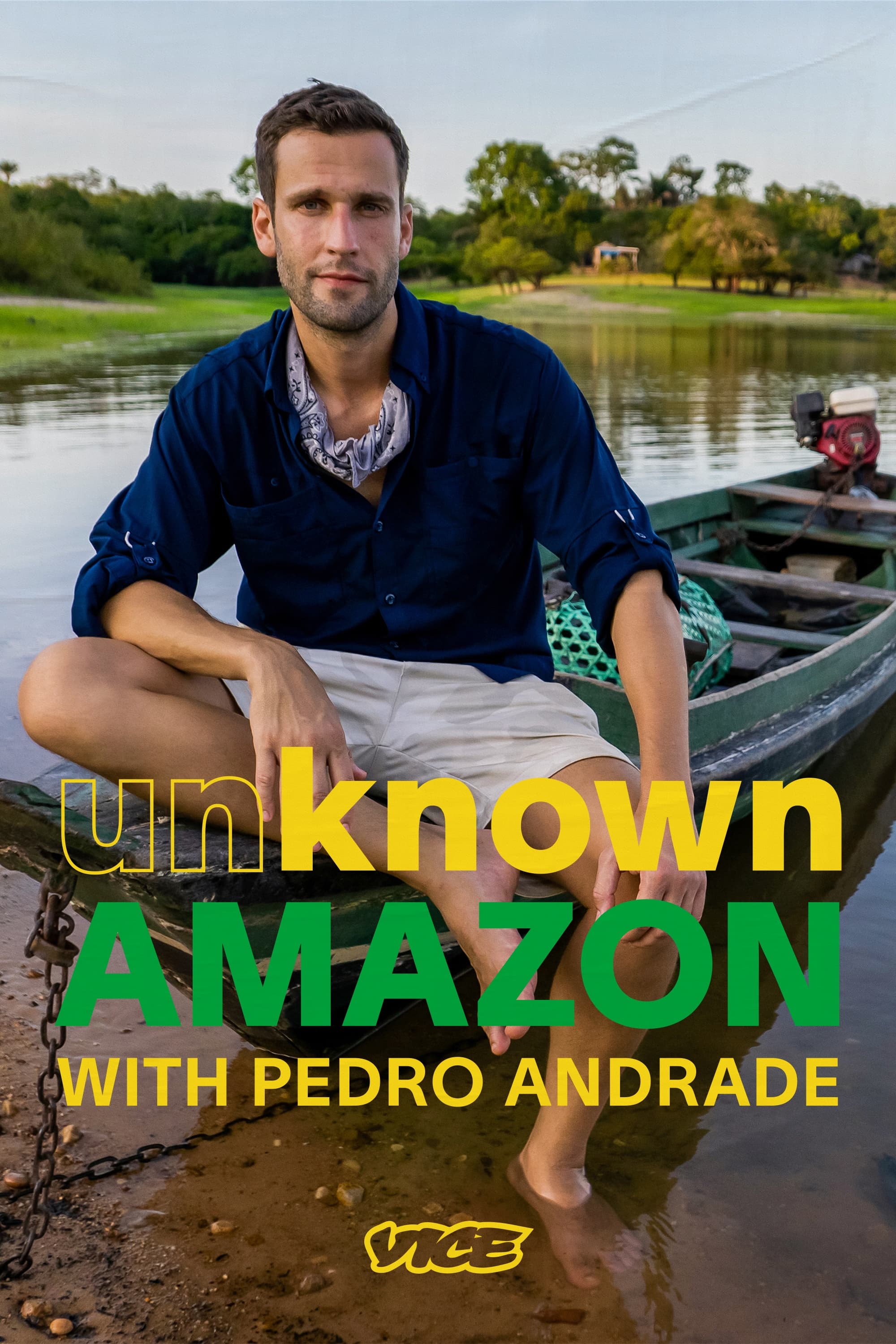
See the real modern-day Amazonia through an exploration of the Amazon Basin, meeting a different group of people who live there in each episode.
A century ago, the world experienced a revolution in mobility. Cities like Berlin grew rapidly, with the Graf Zeppelin soaring over the city in 1928, sparking excitement for airship travel. These majestic airships made ocean crossings faster and more luxurious, and even enabled polar expeditions. At the same time, automobiles and motorcycles became staples for many, although streets became congested. Women like Amelia Earhart and Elly Beinhorn broke barriers in aviation, inspiring new possibilities for both genders in the field of technology. While air travel grew in popularity, trains remained the main long-distance transport. The era also saw an explosion of new mobility options, with faster, cheaper ways to travel across the globe, making the world seem smaller and more connected. However, this golden age of mobility would be cut short by the outbreak of World War II.
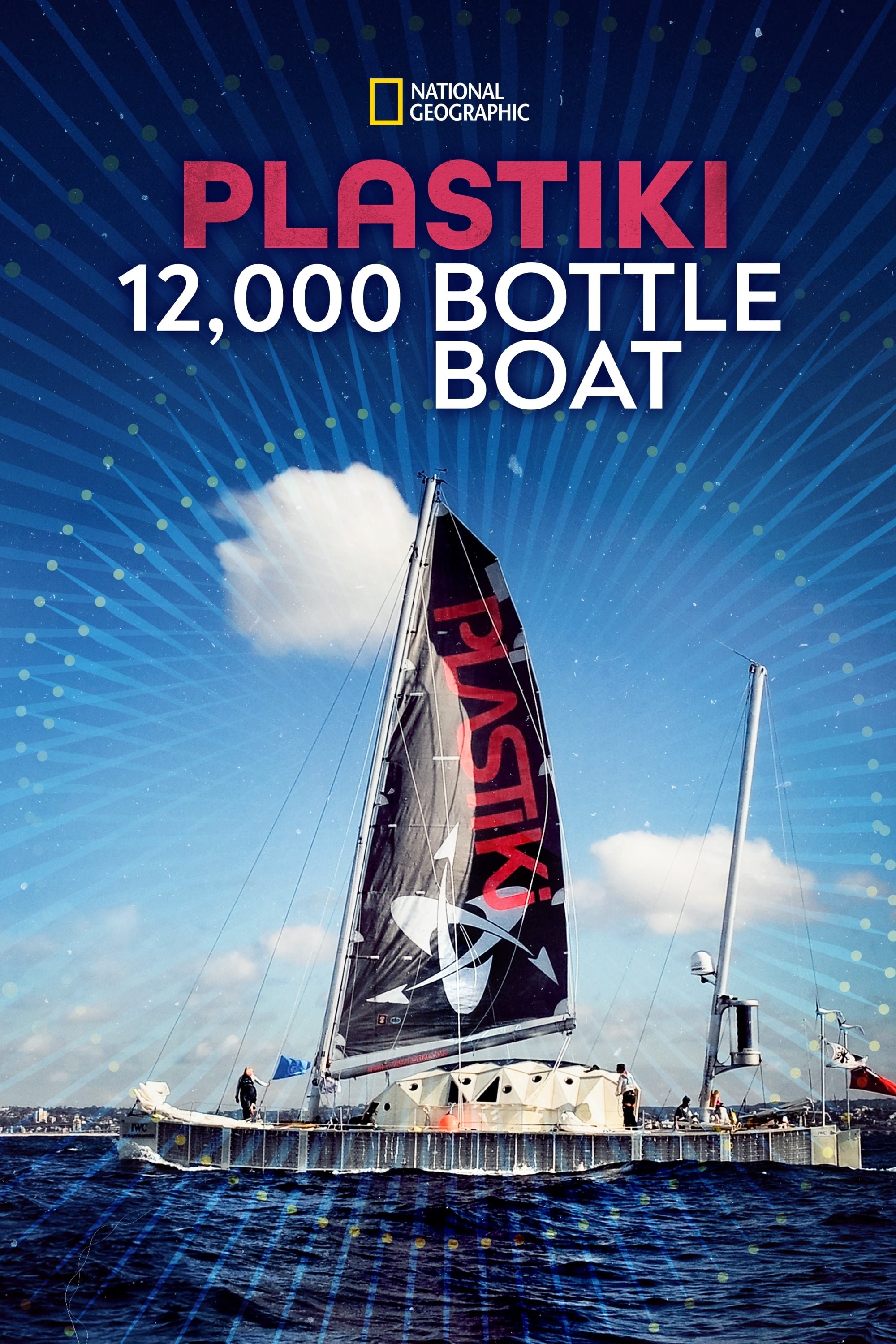
Follow the extraordinary journey of the Plastiki, a boat built from over 12,000 recycled plastic drinking bottles, as Adventurer David De Rothschild attempts to sail the boat across the Pacific from San Francisco to Sydney.
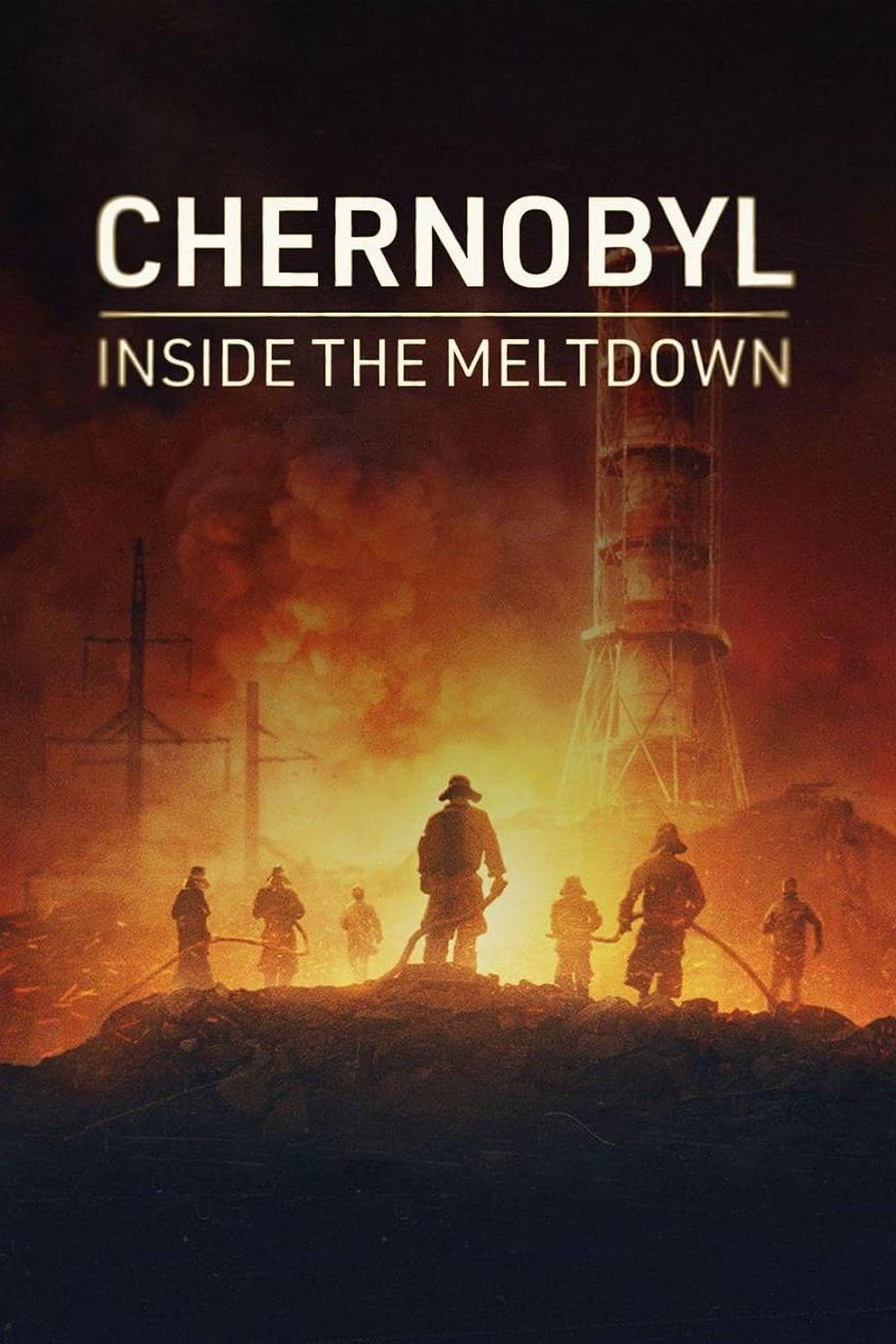
Featuring revealing interviews with survivors speaking publicly for the first time, alongside rare insight into the CIA and Soviet responses, this series exposes a web of secrecy, miscalculation, and human cost. Astonishing new footage from inside the nuclear exclusion zone reveals how this scarred landscape is once again under siege as war encroaches on one of the most dangerous places on Earth.
Follow groups of three young people per episode as they are taken out of their existing lives and plunged into a week-long, 24/7 experience inside one of four extraordinary and revealing worlds – worlds with clear expectations of behaviour, exacting standards and a way of life radically different from their own.
PBS' premier science series helps viewers of all ages explore the science behind the headlines. Along the way, NOVA demystifies science and technology, and highlights the people involved in scientific pursuits.
Journeying to the far reaches of our planet, this eight part series follows some of the world's most amazing species, telling extraordinary stories that are dramatic, thrilling, funny and sometimes heart-breaking, but always full of hope.
Horizon tells amazing science stories, unravels mysteries and reveals worlds you've never seen before.
HISTORY’s longest-running series moves to H2. Modern Marvels celebrates the ingenuity, invention and imagination found in the world around us. From commonplace items like ink and coffee to architectural masterpieces and engineering disasters, the hit series goes beyond the basics to provide insight and history into things we wonder about and that impact our lives. This series tells fascinating stories of the doers, the dreamers and sometime-schemers that create everyday items, technological breakthroughs and manmade wonders. The hit series goes deep to explore the leading edge of human inspiration and ambition.
Infographics and archival footage deliver bite-size history lessons on scientific breakthroughs, social movements and world-changing discoveries.
An insider's look at the engineering and scientific miracles behind the things that form the modern world.
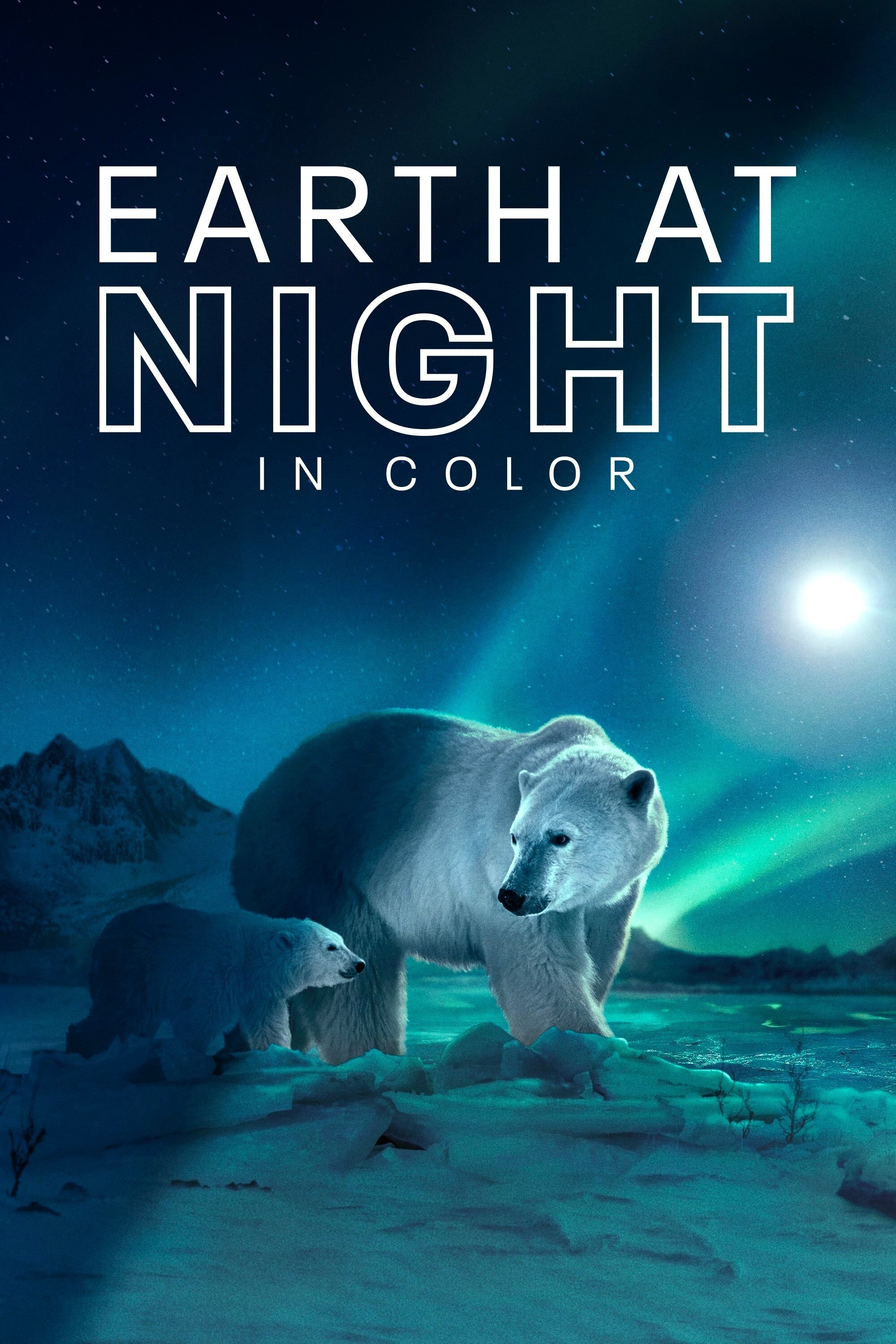
Filmed across six continents, this docuseries uses cutting-edge camera technology to capture animals' nocturnal lives, revealing new behaviours filmed in full color like never before.
30 for 30 is the title for a series of documentary films airing on ESPN, its sister networks, and online highlighting interesting people and events in sports history. This currently includes four "volumes" of 30 episodes each, a 13-episode series under the ESPN Films Presents title in 2011–2012, and a series of 30 for 30 Shorts shown through the ESPN.com website. The series has also expanded to include Soccer Stories, which aired in advance of the 2014 FIFA World Cup, and audio podcasts. This entry refers to the main Volumes of the series presented by ESPN
TV's most-watched history series brings to life the compelling stories from our past that inform our understanding of the world today.
This enlightening series from Vox digs into a wide range of topics such as the rise of cryptocurrency, why diets fail, and the wild world of K-pop.
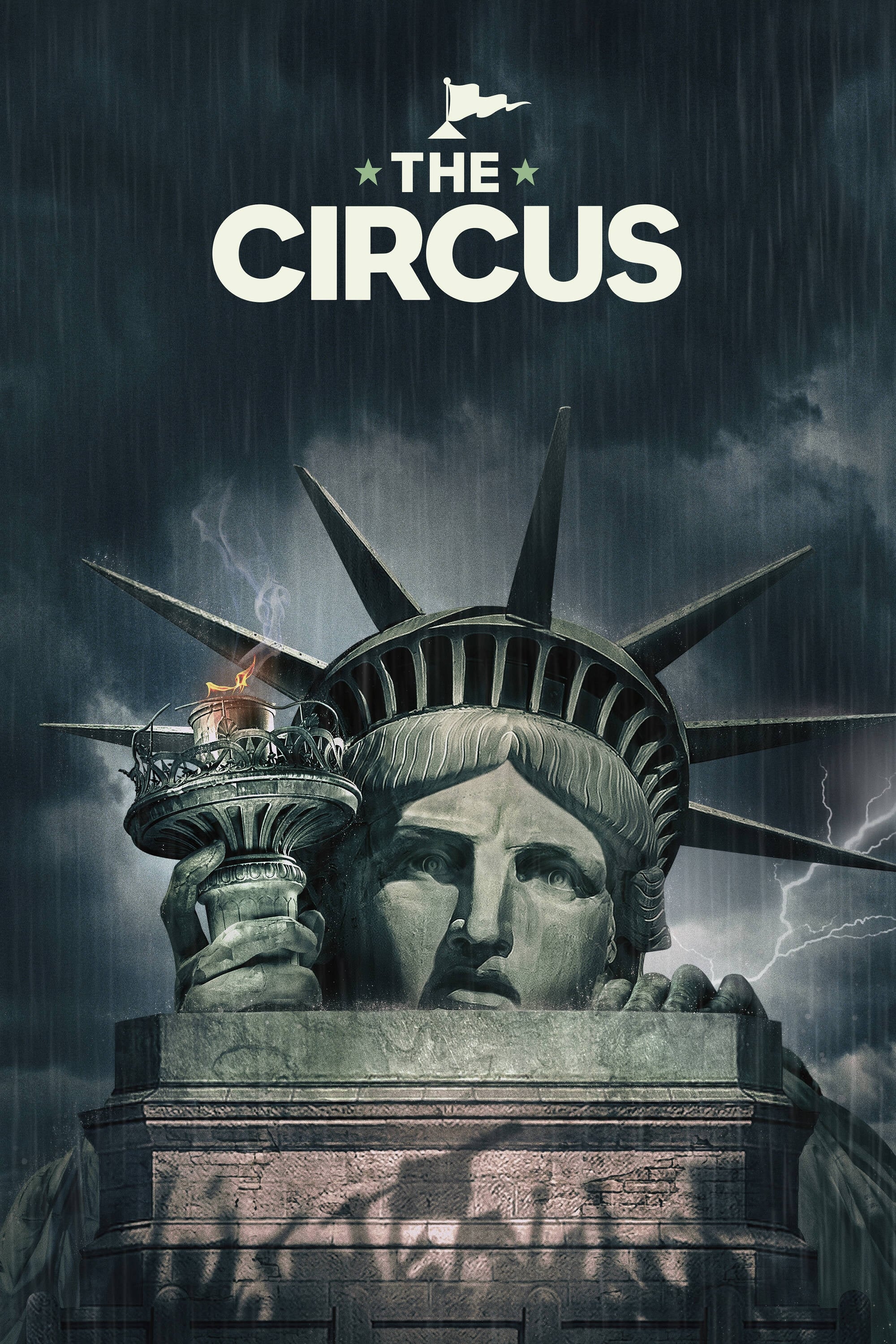
Come one, come all to The Circus. This real-time documentary series pulls back the curtain on the current political stories, revealing the intense, inspiring and infuriating stories behind the headlines. Key characters and events are presented in real time, as they are happening.
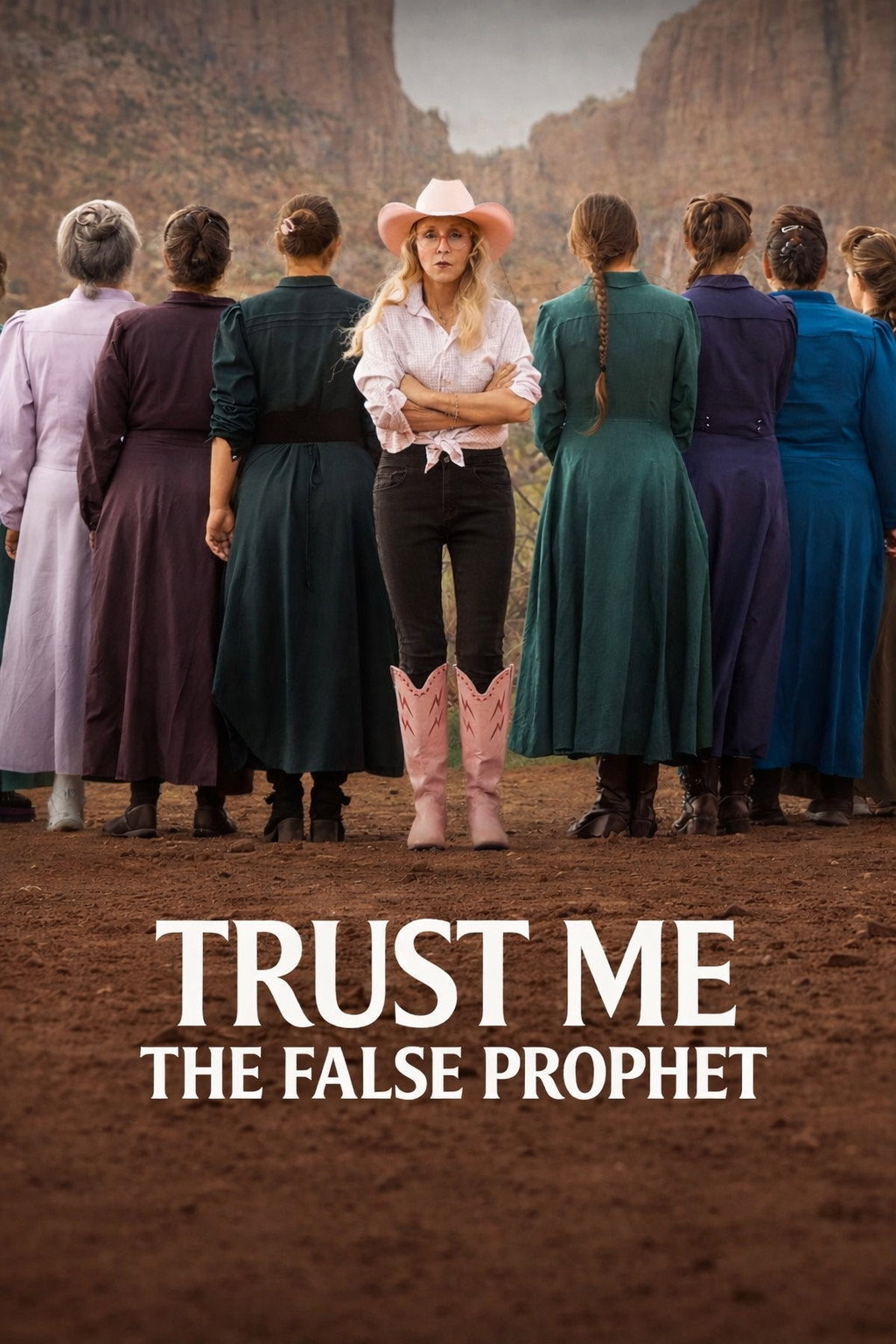
In this true-crime documentary, a cult expert and filmmaker infiltrate a polygamist sect to expose a self-proclaimed prophet and bring him to justice.
Natural World is a nature documentary television series broadcast annually on BBC Two and regarded by the BBC as its flagship natural history brand. It is currently the longest-running series in its genre on British television, with more than 400 episodes broadcast since its inception in 1983. Natural World is produced by the BBC Natural History Unit in Bristol, but individual programmes can be in-house productions, collaborative productions with other broadcasters or films made and distributed by independent production companies and purchased by the BBC. Natural World programmes are often broadcast as PBS Nature episodes in the USA. Since 2008, most Natural World programmes have been shot and broadcast in high definition.
Have you ever wondered how the products you use every day are made? How It's Made leads you through the process of how everyday products, such as apple juice, skateboards, engines, contact lenses, and many more objects are manufactured.
Doctor Who Confidential is a documentary to complement the revival of the long-running British science fiction television series Doctor Who. Each episode was broadcast on BBC Three on Saturdays, immediately after the broadcast of the weekly television episode on BBC One. The running time of the first two series was 30 minutes, being extended to 45 minutes in the third. BBC Three also broadcast a cut-down edition of the programme, lasting 15 minutes, shown after the repeats on Sundays and Fridays and after the weekday evening repeats of earlier seasons.
Deadliest Warrior was a television program in which information on historical or modern warriors and their weapons are used to determine which of them is the "deadliest" based upon tests performed during each episode. The show was characterized by its use of data compiled in creating a dramatization of the warriors' battle to the death. The show ran for three seasons.
Follow the bruised bodies, soul-crushing fumbles, agonizing losses, and pure joy of three NFL quarterbacks during one season.
Consistently stunning documentaries transport viewers to far-flung locations ranging from the torrid African plains to the chilly splendours of icy Antarctica. The show's primary focus is on animals and ecosystems around the world. A comic book based on the show, meant to be used an as educational tool for kids, was briefly distributed to museums and schools at no cost in the mid-2000s.
Finding truth at the intersection of fantasy and reality in the veiled world of professional wrestling.
The epic motorcycle adventure continues in this third chapter of the Long Way series, as Ewan McGregor and Charley Boorman journey to glorious landscapes across South and Central America—on the backs of prototype electric Harley-Davidsons.