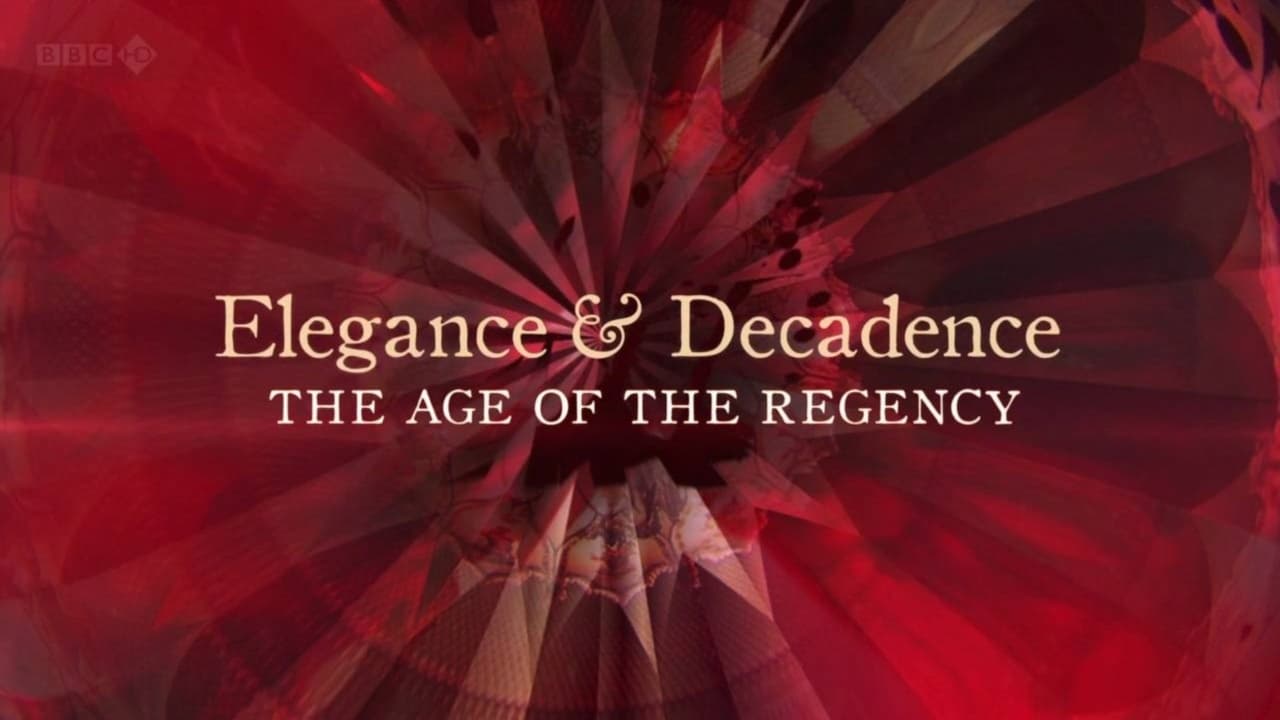
Historian Lucy Worsley presents a series marking the 200th anniversary of one of the most explosive and creative decades in British history, the Regency.
Social & External
Self - Presenter
This two-part series profiles Princess Margaret, whose life and loves reflected the social and sexual revolution that transformed Britain during the 20th century.
Series looking at the British genius for woodwork over the centuries.
History series telling the glorious and gory story of the city's rise to power.
The Hundred Years’ war between England and France gave us the victories of Crecy and Agincourt, and made the reputations of Edward III and Henry V. It gave France a national heroine in Joan of Arc. But, even now, the jury is out as to its causes and outcome. Was it the final swansong of a redundant knightly class whose only reason for being was to fight? Was it a battle over ever more important territory to the emerging economies of England and France? Or was it the painful birth of two distinct national identities, forged through their long and violent divorce? Dr Janina Ramirez guides us through the stories of kings, great knights, bloody battles and cultural triumphs of this momentous conflict.
Jonathan Meades gives a personal perspective of British history.
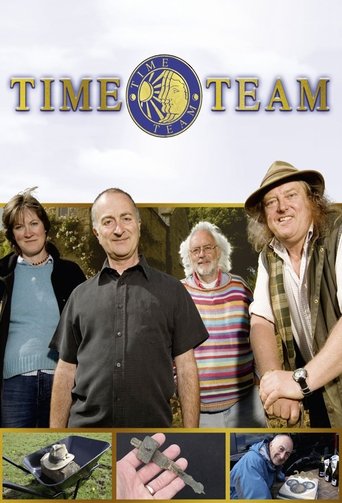
Time Team is a British television series which has been aired on British Channel 4 from 1994. Created by television producer Tim Taylor and presented by actor Tony Robinson, each episode featured a team of specialists carrying out an archaeological dig over a period of three days, with Robinson explaining the process in layman's terms. This team of specialists changed throughout the series' run, although has consistently included professional archaeologists such as Mick Aston, Carenza Lewis, Francis Pryor and Phil Harding. The sites excavated over the show's run have ranged in date from the Palaeolithic right through to the Second World War.
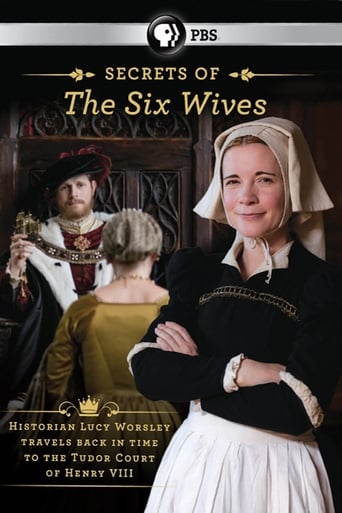
Lucy Worsley re-investigates some of the most dramatic chapters in British history. She uncovers forgotten witnesses, re-examines old evidence and follows new clues.
Michael Wood argues that the most important and influential British kings were a father, son and grandson who lived over a thousand years ago during the age of the Vikings.
Documentary series which ranges widely over Britain's social and cultural history, its narrative-led storytelling offering a richly immersive and varied window onto the past.
In four chapters, largely based on and illustrated with archaeological finds and sites, Neil Oliver explains how, as far as is known, the Iron Age Celtic tribes known as the Ancient Britains evolved and entered European civilization. Their internecine tribal phase was warlike and partitioned. Overseas contacts, especially metal trade, brought wealth and progress. Ultimately, it attracted the superior Roman empire, which would conquer and pacify Britain into a province, like Gaul shortly before, but Caesar's invasion wasn't the definitive annexation yet, that was left to emperor Claudius; even afterward some Celtic traits and even rebellions remained.
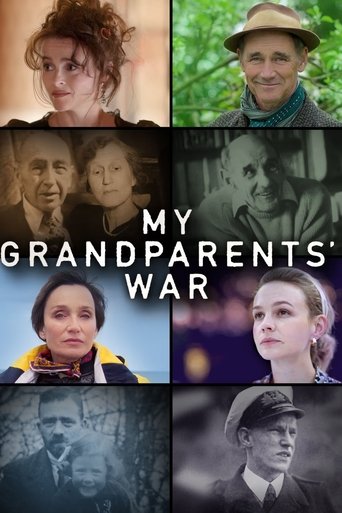
In this four-part documentary series, leading Hollywood actors undertake a fascinating journey into their family's past by re-tracing the footsteps of their grandparents during World War Two. We follow the moving, personal stories of Helena Bonham Carter, Mark Rylance, Kristin Scott Thomas, and Carey Mulligan as they travel to historic locations, from the beaches of Dunkirk to prisoner of war camps in Asia, to learn about the war their grandparents experienced. All of the actors have unanswered questions about the scars war left on their grandparents, and in each episode one of the actors explore how six years changed the lives of their family and the world forever while learning about the life and death decisions that their grandparents faced.
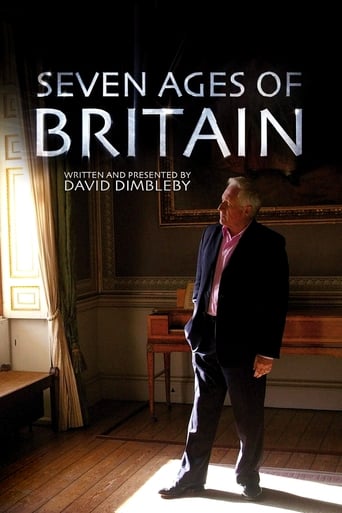
Seven Ages of Britain is a BBC television documentary series which is written and presented by David Dimbleby. The seven part series was first aired on Sunday nights at 9:00pm on BBC One starting on 31 January 2010. The series covers the history of Britain's greatest art and artefacts over the past 2000 years. Each episode covers a different period in British history. In Australia, all seven episodes aired on ABC1 each Tuesday at 8:30pm from 7 September 2010.
This 2-part documentary series reveals the truth about King Edward VIII's affair with American divorcée Wallis Simpson, and the espionage operation that accompanied the investigation.
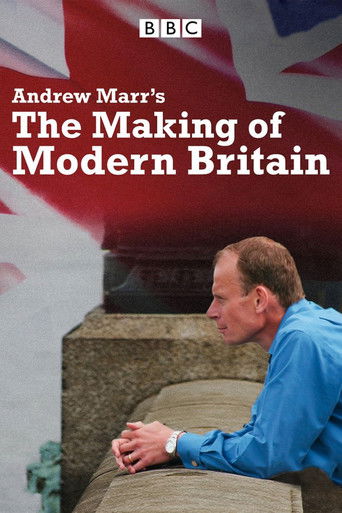
Andrew Marr's The Making of Modern Britain is a 2009 BBC documentary television series presented by Andrew Marr that covers the period of British history from the death of Queen Victoria to the end of the Second World War. It was a follow-up to his 2007 series Andrew Marr's History of Modern Britain.
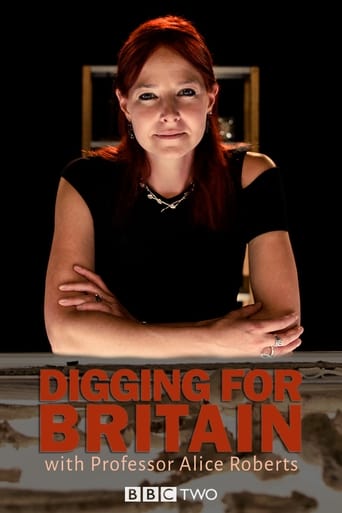
Dr Alice Roberts follows a year of British archaeology, joining up the results of digs and investigations the length of the country.
Michael Portillo celebrates the modern railway’s 200th birthday, revealing the journey that changed the world.
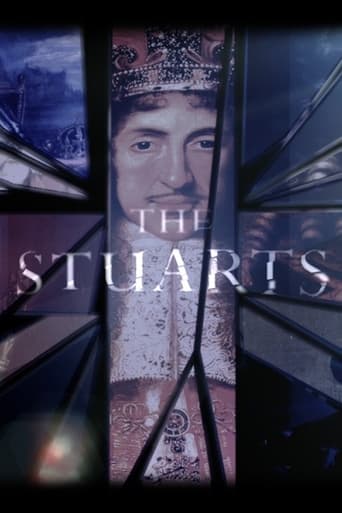
Presented by Dr Clare Jackson of Cambridge University, this new three-part series argues that the Stuarts, more than any other, were Britain's defining royal family.
Dr Clare Jackson tells the story of The Stuarts in Exile and sheds new light on the political, military and cultural threat the Jacobite's posed to the embryonic British state. Although the '15' ultimately failed, it crystallised the stark choice facing those living in early 18th-century Britain. Are you for the Stuarts or are you for Hanoverian's?
Lucy Worsley, chief curator at Historic Royal Palaces, explores how the physical and mental health of our past monarchs has shaped the history of the nation.
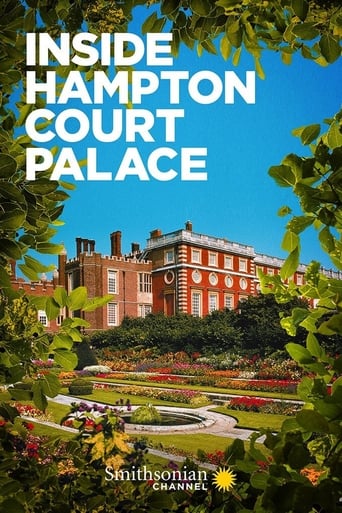
On the edge of London stands Hampton Court, one of Britain's biggest palaces and most popular tourist spots, attracting almost a million visitors every year. Spanning 750 acres of grounds, it boasts 1,300 rooms and 23 courtyards...along with a host of secrets and historic stories. This two-part special provides an exclusive and intimate look at life inside the court today for the people keeping Henry VIII's world alive in the modern age, and also explores what life was like in the palace where the private world of the Tudors began.
TV's most-watched history series brings to life the compelling stories from our past that inform our understanding of the world today.
Motoring programme featuring reviews of and reports about cars of all types.
Horizon tells amazing science stories, unravels mysteries and reveals worlds you've never seen before.
Maritime mysteries—old and new—come to life in this series, combining scientific data and digital re-creations to reveal shipwrecks, treasures, and sunken cities on the bottom of lakes, seas and oceans around the world.
Infographics and archival footage deliver bite-size history lessons on scientific breakthroughs, social movements and world-changing discoveries.
An in-depth look at the history and pop cultural significance of horror films.
American Masters is a PBS television series which produces biographies on enduring writers, musicians, visual and performing artists, dramatists, filmmakers, and others who have left an indelible impression on the cultural landscape of the United States.
Doctor Who Confidential is a documentary to complement the revival of the long-running British science fiction television series Doctor Who. Each episode was broadcast on BBC Three on Saturdays, immediately after the broadcast of the weekly television episode on BBC One. The running time of the first two series was 30 minutes, being extended to 45 minutes in the third. BBC Three also broadcast a cut-down edition of the programme, lasting 15 minutes, shown after the repeats on Sundays and Fridays and after the weekday evening repeats of earlier seasons.
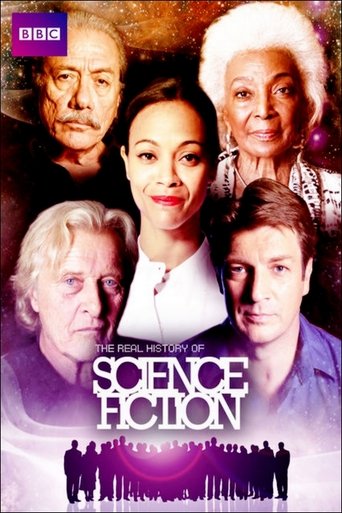
The series heads to the very frontiers of space and science to produce the definitive television history of science fiction, told through its impact on cinema, television and literature, with the help of filmmakers, writers, actors, and graphic artists. Each episode will explore one of the enduring themes of science fiction: time travel; the exploration of space; robots and artificial intelligence; and aliens.
Award-winning actor and nervous explorer Eugene Levy steps out of his comfort zone for a whirlwind tour of the world's most beautiful and intriguing destinations.
The F Word is a British food magazine and cookery programme featuring chef Gordon Ramsay. The programme covers a wide range of topics, from recipes to food preparation and celebrity food fads. The programme is made by Optomen Television and aired weekly on Channel 4. The theme tune for the series is "The F-Word" from the Babybird album Bugged.
The adventures of Josh Gates as he investigates unsolved iconic stories across the globe.
Have you ever wondered how the products you use every day are made? How It's Made leads you through the process of how everyday products, such as apple juice, skateboards, engines, contact lenses, and many more objects are manufactured.
The history of the sport of baseball in America, told through archival photos, film footage, and the words of those who contributed to the game in each era. Writers, historians, players, baseball personnel, and fans review key events and the significance of the game in America's history.
A worldwide guided tour of the greatest movies ever made and the story of international cinema through the history of cinematic innovation.
Gadget Man shows the world's collection of handy gadgets throughout the ages, from today's smart devices to decades old electronics to even older mechanical devices.
Since it began in 1983, Frontline has been airing public-affairs documentaries that explore a wide scope of the complex human experience. Frontline's goal is to extend the impact of the documentary beyond its initial broadcast by serving as a catalyst for change.
Real people sit down with friends and family to share terrifying true stories from their past, re-created through chilling re-enactments.
Host Guy Fieri takes a cross-country road trip to visit some of America's classic "greasy spoon" restaurants — diners, drive-ins and dives — that have been doing it right for decades.
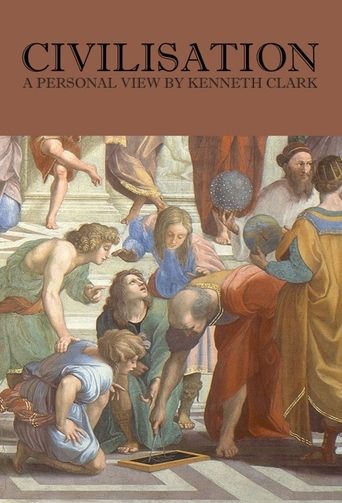
Sir Kenneth Clark guides us through the ages exploring the glorious rise of civilisation in western man. Beginning with the bleakness of the dark ages to the present day, we consider civilisation's articulations and expressions in some of man's finest works of art.