
"Is image everything?"
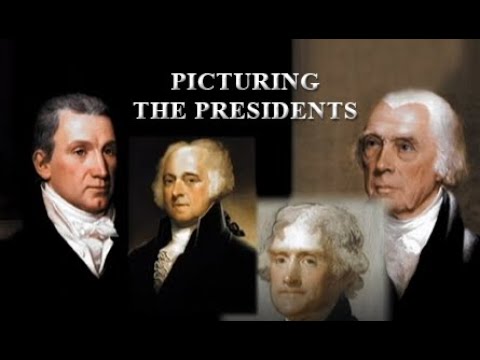
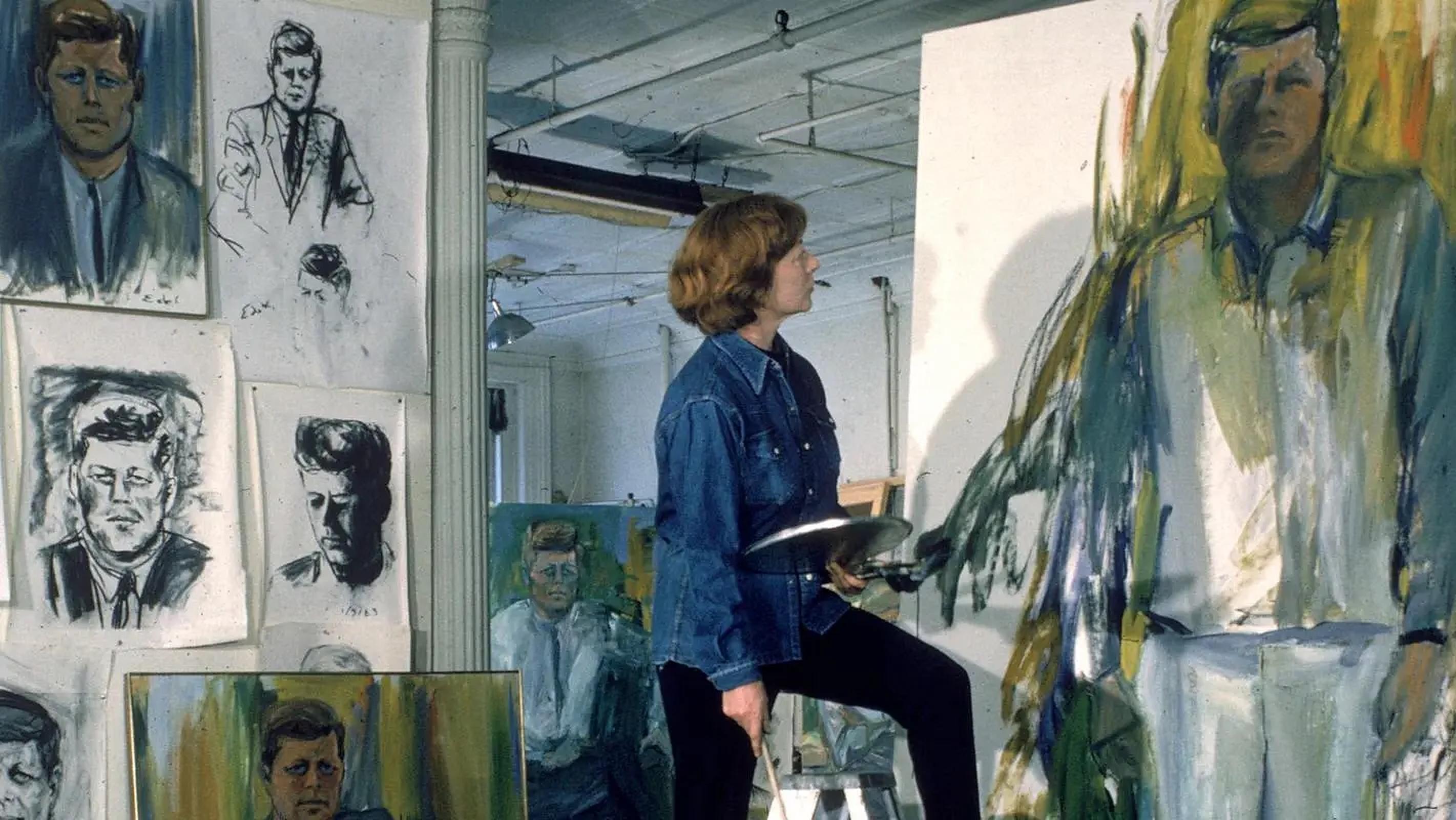
We go behind the scenes and into the minds of artists as they capture, commemorate, and, at times, condemn our presidents.
Social & External
Narrator
Self (archive footage)
Self
French writer Jean-Claude Carrière (1931-2021) traces the life and work of Spanish painter Francisco de Goya (1746-1828).
An unconventional portrait of painter Frida Kahlo and photographer Tina Modotti. Simple in style but complex in its analysis, it explores the divergent themes and styles of two contemporary and radical women artists working in the upheaval of the aftermath of the Mexican Revolution.
Ahead of the U.S. Presidential Elections, Angela Scanlon travels across America to meet some of Donald Trump's most unlikely supporters - including a second-generation Mexican American who wants Trump to build that wall.
This is the legendary meeting between a young filmmaker and one of the masters of surrealism: the spanish painter Óscar Domínguez, born in La Laguna, Tenerife, in 1906, died in Paris in 1957. In the "Visite," the artist -admirer of Picasso, rebellious disciple of Breton- is presented in solitude, far from the tumult of the exhibitions and parisian circles. An austere approach, almost “povera”, with no audio, nor flashy camera movements, but rarely attractive. Why Resnais could not finish his movie? Hope one of our experts help us to solve the mystery.
A full on examination of the two presidential terms of Carlos Andres Perez in which he led the venezuelan fates: 1974-1979 and 1989-1993, known respectively as "La Gran Venezuela" and "El Gran Viraje". Two models of government that, separated by ten years, were very different but produced a change in the history of the country.
An intimate portrait of a peasant-turned oil painter transitioning from making copies of iconic Western paintings to creating his own authentic works of art.
Both a visit to a very peculiar exhibition at the Bundeswehr Military History Museum in Dresden, Germany, as well as an unprejudiced look at the artistic depiction of violence throughout history and the ways in which that depiction has been gendered.
The Grand Canal project was one of the key pledges of the former President Lee. He first said that he was carrying out a project to save the four rivers but it was a lie. He eventually proceeded the project which was a hotbed of all kinds of irregularities. After ten years, now the river is dying. Some people collaborated to the past regime, and some resisted it. On whom will we stand?
Follows the investigation into the assassination of President John F. Kennedy led by New Orleans district attorney Jim Garrison.
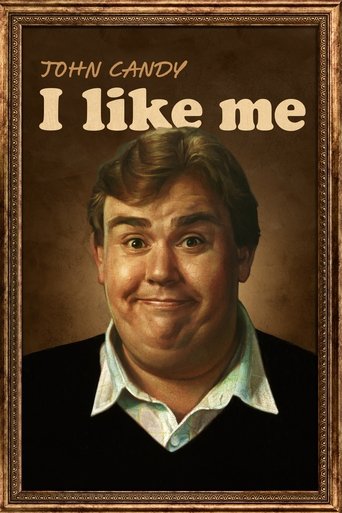
A daughter is constantly overshadowed by her famous father, but she is determined to make her own mark in the world.
In suburban Buenos Aires, thirty unemployed ceramics workers walk into their idle factory, roll out sleeping mats and refuse to leave. All they want is to re-start the silent machines. But this simple act - the take - has the power to turn the globalization debate on its head. Armed only with slingshots and an abiding faith in shop-floor democracy, the workers face off against the bosses, bankers and a whole system that sees their beloved factories as nothing more than scrap metal for sale.
"The Most Dangerous Man in America" is the story of what happens when a former Pentagon insider, armed only with his conscience, steadfast determination, and a file cabinet full of classified documents, decides to challenge an "imperial" presidency – answerable to neither Congress, the press, nor the people – in order to help end the Vietnam War.
In Edo-era Japan, a ukiyo-e artist languishes in his master’s shadow. Creatively stifled, he finds consolation in the company of a prostitute, and becomes entangled in a love triangle. A mystery emerges involving two portraits and the sudden disappearance of the artist Sharaku. Helmed by Cannes-selected director Tatsuji Yamazaki, the film employs kabuki-inspired sequences and stylised sets.
In Alex Jones' 11th feature documentary, made in 2004, Alex documents the major candidates in the staged 2004 United States presidential election.
For more than a decade, Reichsmarschall Hermann Goering, Adolf Hitler's right-hand man during the infamous Third Reich, assembled a collection of thousands of works of art that were meticulously catalogued.
From the cabinets of curiosities created in Italy during the 16th century to the prestigious cultural institutions of today, a history of museums that analyzes the social and political changes that have taken place over the centuries.
This feature documentary portrays one of the most important museums in the world, the Kunsthistorisches Museum Wien. It presents a unique look behind the scenes of this fascinating institution and encounters a number of charismatic protagonists and their working fields unfolding the museum’s special world – as an art institution as well a vehicle for state representation.
From award-winning director Phil Grabsky comes this fresh new look at arguably the world’s favourite artist – through his own words. Using letters and other private writings I, Claude Monet reveals new insight into the man who not only painted the picture that gave birth to impressionism but who was perhaps the most influential and successful painter of the 19th and early 20th centuries. Despite this, and perhaps because of it, Monet’s life is a gripping tale about a man who, behind his sun-dazzled canvases, suffered from feelings of depression, loneliness, even suicide. Then, as his art developed and his love of gardening led to the glories of his garden at Giverney, his humour, insight and love of life is revealed. Shot on location in Paris, London, Normandy and Venice I, Claude Monet is a cinematic immersion into some of the most loved and iconic scenes in Western Art.
"Was it the President who ordered the rivers to be six meters deep?" In 2008, under President Lee Myung-bak's administration, South Korea's Four Major Rivers Restoration Project turned the country's beautiful rivers into scenes of devastation. What were once pristine first-grade waters became lifeless rivers, choked with toxic green algae emitting foul odors. Crops irrigated with this contaminated water are now served on the table of Korean people. The government disguised a grand canal project as river restoration, and the media turned a blind eye — together enabling one of the greatest environmental destructions in Korean history. The consequences of this deception will be borne by future generations. To ensure that future generations can once again run freely along the rivers, we must act—now. We must make Korea's rivers flow again.
Contemplate the "anti-art" spirit of Dadaism, its nihilistic yet humorous indictment of civilization and bizarre use of unconventional media. In the sensibility of Surrealism, observe its compelling focus on the subconscious and two substyles - dream imagery, with its juxtaposition of objects and settings, and "automatic drawing," eliciting unplanned images from the unconscious.
Oliver Stone charts the history of the United States from the Second World War to the present.
An impressionistic portrait of the iconic actor Harry Dean Stanton comprised of intimate moments, film clips from some of his 250 films and his renditions of American folk songs.
Eccentric British painter J.M.W. Turner lives his last 25 years with gusto and secretly becomes involved with a seaside landlady, while his faithful housekeeper bears an unrequited love for him.
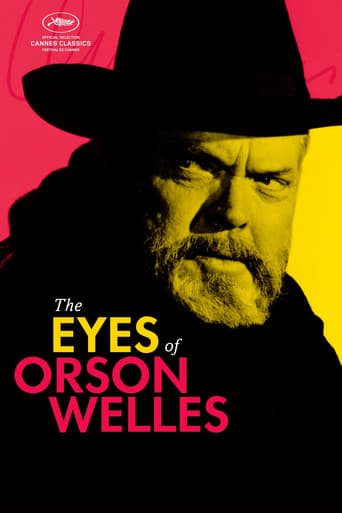
A poetic journey into the visual world of the legendary filmmaker and actor Orson Welles (1915-85) that reveals a new portrait of a unique genius, both of his life and of his monumental work: through his own eyes, drawn by his own hand, painted with his own brush.
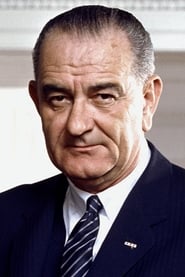
Lyndon B. Johnson's amazing 11-month journey from taking office after JFK's assassination, through the fight to pass the 1964 Civil Rights Act and his own presidential campaign, culminating on the night LBJ is actually elected to the office – no longer the 'accidental President.'
A behind-the-scenes documentary about the Clinton for President campaign, focusing on the adventures of spin doctors James Carville and George Stephanopoulos.
Paris, 1964. The Swiss sculptor and painter Alberto Giacometti, one of the most accomplished and respected artists of his generation, asks his friend, the American writer James Lord, to sit for a portrait, assuring him that it will take no longer than two or three hours, an afternoon at the most.
Former United States Secretary of Defense, Donald Rumsfeld, discusses his career in Washington D.C. from his days as a congressman in the early 1960s to planning the invasion of Iraq in 2003.
Various MGM stars from yesterday present their favorite musical moments from the studio's 50 year history.
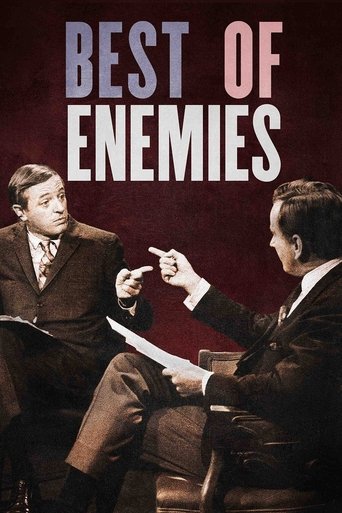
A documentary about the legendary series of nationally televised debates in 1968 between two great public intellectuals, the liberal Gore Vidal and the conservative William F. Buckley Jr. Intended as commentary on the issues of their day, these vitriolic and explosive encounters came to define the modern era of public discourse in the media, marking the big bang moment of our contemporary media landscape when spectacle trumped content and argument replaced substance. Best of Enemies delves into the entangled biographies of these two great thinkers, and luxuriates in the language and the theater of their debates, begging the question, "What has television done to the way we discuss politics in our democracy today?"
A backstage and on-stage look at Justin Bieber during his rise to super stardom.
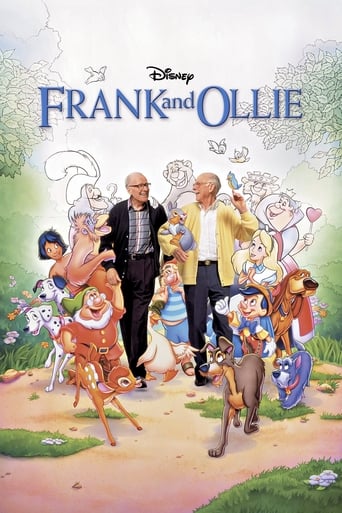
Before computer graphics, special effects wizardry, and out-of-this world technology, the magic of animation flowed from the pencils of two of the greatest animators The Walt Disney Company ever produced -- Frank Thomas and Ollie Johnston. Frank and Ollie, the talent behind BAMBI, PINOCCHIO, LADY AND THE TRAMP, THE JUNGLE BOOK, and others, set the standard for such modern-day hits as THE LION KING. It was their creative genius that helped make Disney synonymous with brilliant animation, magnificent music, and emotional storytelling. Take a journey with these extraordinary artists as they share secrets, insights, and the inspiration behind some of the greatest animated movies the world has ever known!
The life and career of an actor, artist, and icon. His own journey through his own camera.
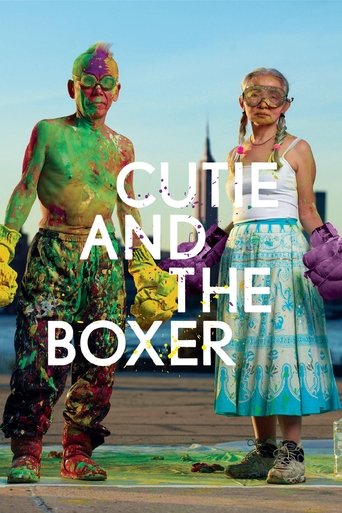
This candid New York love story explores the chaotic 40-year marriage of famed boxing painter Ushio Shinohara and his wife, Noriko. Anxious to shed her role as her overbearing husband's assistant, Noriko finds an identity of her own.
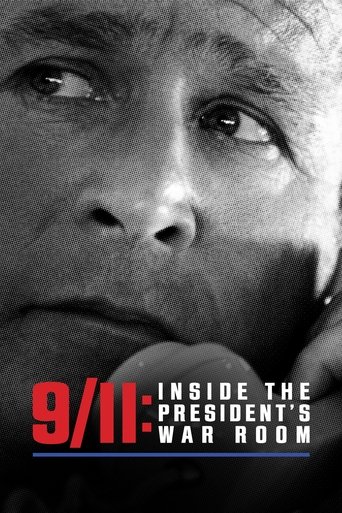
Experience the events of September 11, 2001 through the eyes of President Bush and his closest advisors as they personally detail the crucial hours and key decisions from that historic day.
Forty years after the release of Michael Jackson’s ‘Thriller,’ the best-selling album of all-time, director Nelson George takes fans back in time to the making of a pop masterpiece, featuring never-before-seen footage and candid interviews.
A visual montage portrait of our contemporary world dominated by globalized technology and violence.
The history of cinematic sound, told by legendary sound designers and visionary filmmakers.
Told through the voice of former KGB agent Viktor Petrovich, whose life becomes inextricably linked with Ronald Reagan's when Reagan first caught the Soviets’ attention as an actor in Hollywood, Reagan overcomes the odds to become the 40th president of the United States.
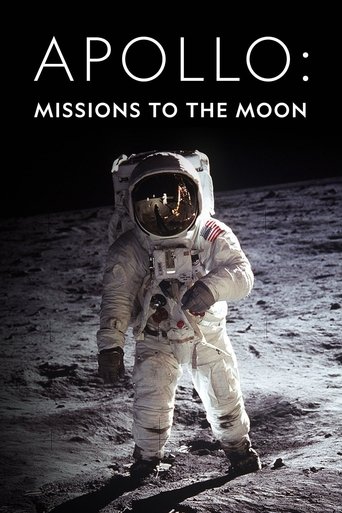
National Geographic's riveting effort recounts all 12 crewed missions using only archival footage, photos and audio.