Social & External
The people behind it
August, 1936. At the beginning of the Spanish Civil War, two soldiers are ordered to take and execute a prisoner, without knowing his identity. During the long journey, the doubt makes both soldiers confront their ideals, which will provoke a change of plans.
Manuela is left behind when her husband Justo fights for his ideals against Franco's Nationalists during the Spanish Civil War. He is deported to a concentration camp, and upon his release, continues the fight against nationalism in the French resistance. Years pass without a word from him, but his wife never gives up hope of seeing him again.
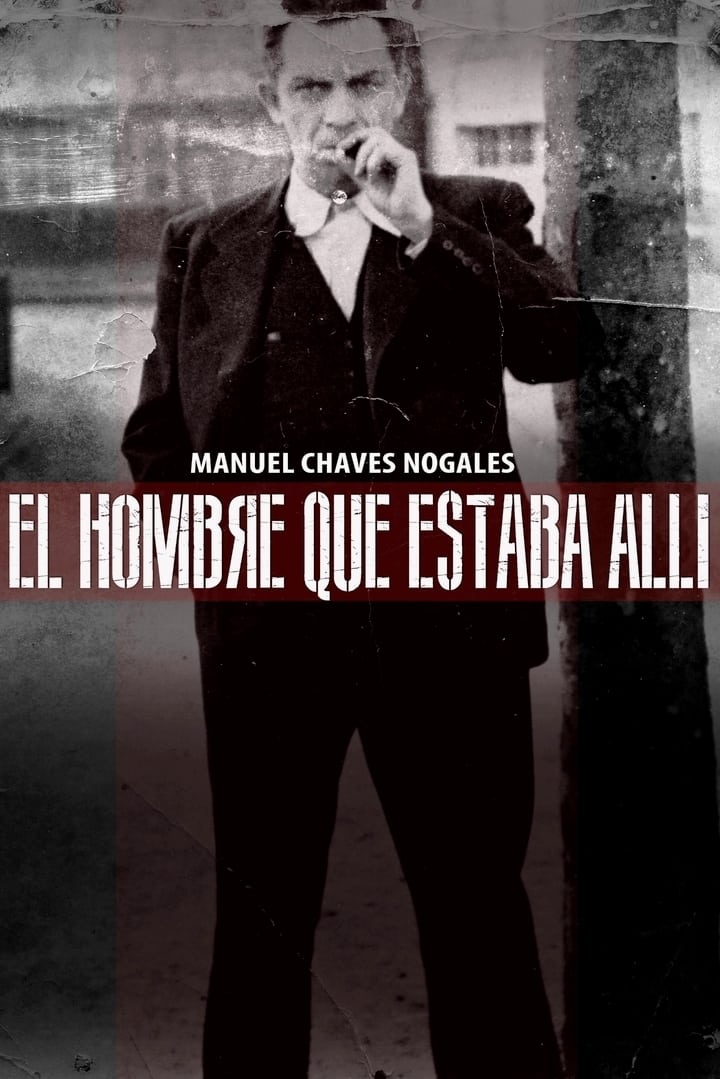
The Spanish journalist Manuel Chaves Nogales (1897-1944) was always there where the news broke out: in the fratricidal Spain of 1936, in Bolshevik Russia, in Fascist Italy, in Nazi Germany, in occupied Paris or in the bombed London of World War II; because his job was to walk, see and tell stories, and thus fight against tyrants, at a time when it was necessary to take sides in order not to be left alone; but he, a man of integrity to the bitter end, never did so.
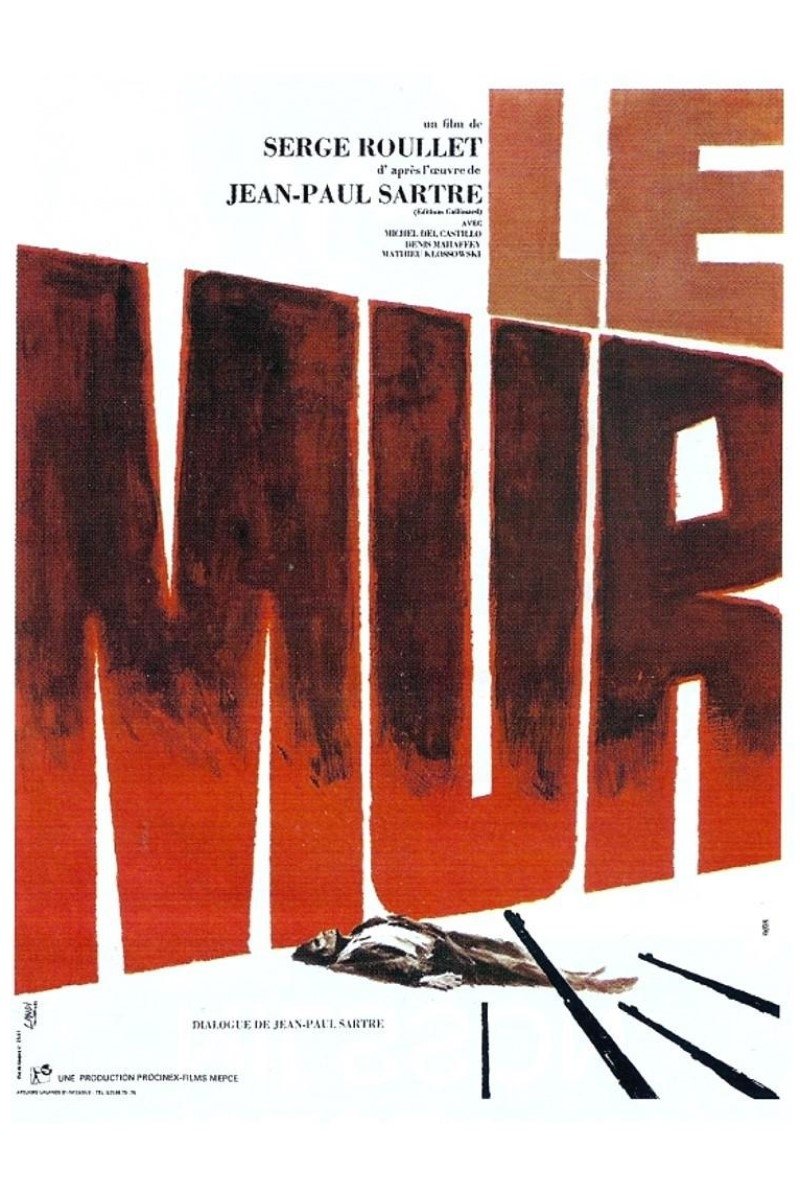
Prisoners await execution by firing squad when they are captured during the Spanish Civil War in this drama taken from the novella by Jean-Paul Sarte. Pablo is a loyalist jailed after he searches for his brother. An Irish mercenary and a Belgian physician are his cellmates. Flashbacks recall their lives before the war as they spend their last moments on Earth waiting for their date with death.
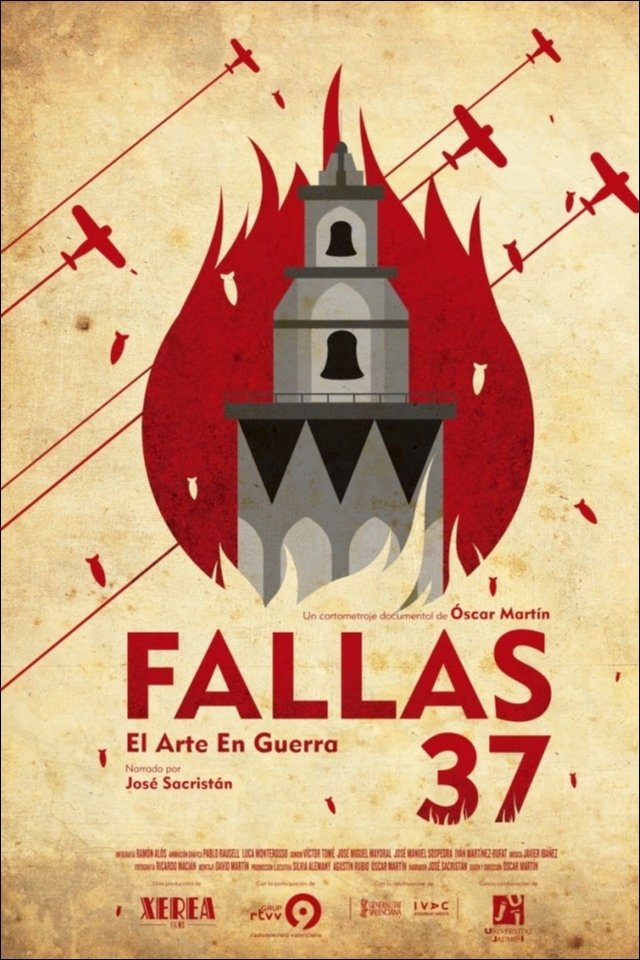
In November 1936, a few months since the beginning of the Spanish Civil War, the government of the Second Republic moves to Valencia. In this situation, several Valencian artists and intellectuals decide to build four fallas — satirical plasterboard sculptures created to be burnt — to mock fascism.
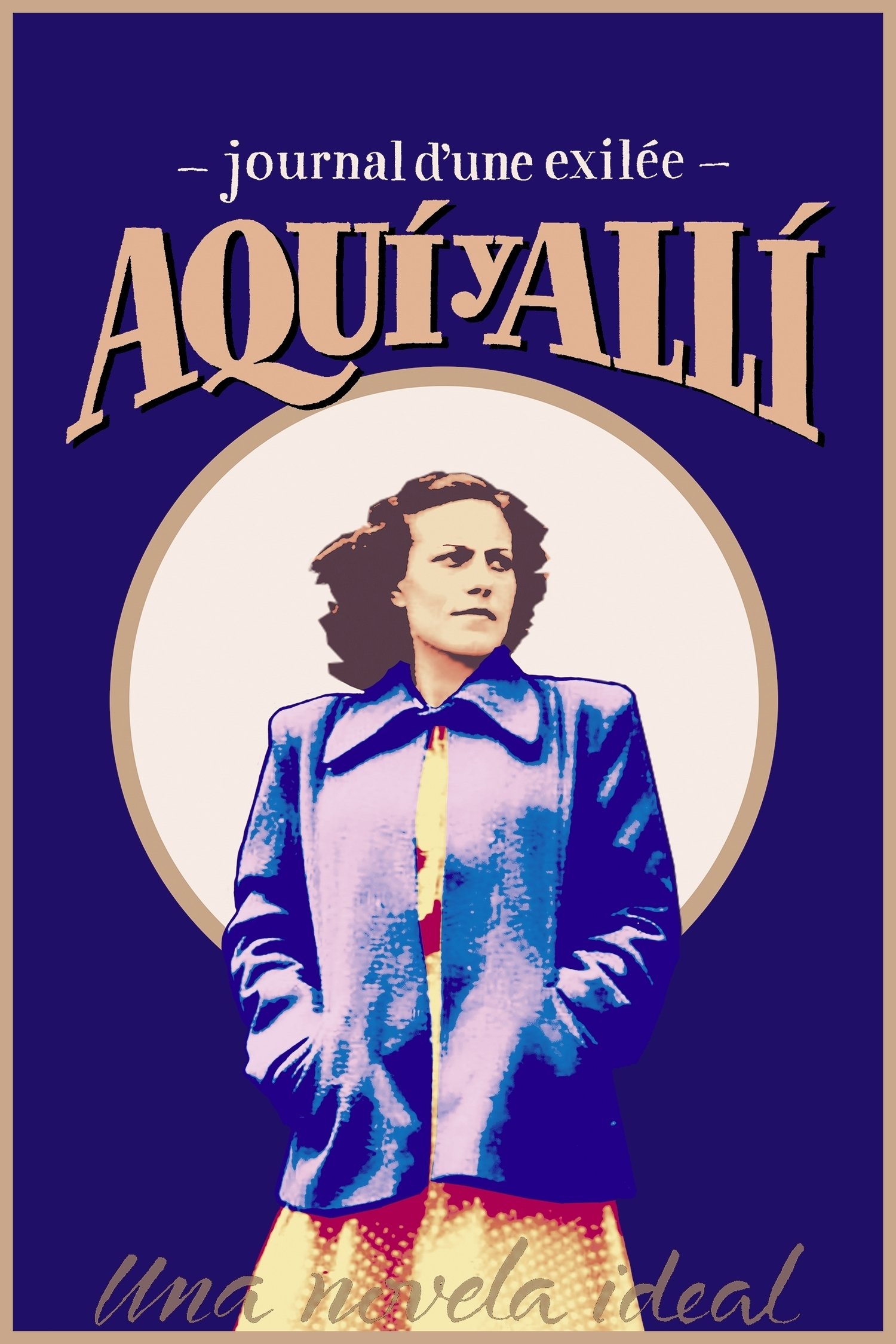
While cleaning the apartment of Lucía, her deceased grandmother, Anna finds a notebook where she discovers the story of a secretly kept love, lived during the turbulent years of the Second Republic and the Spanish Civil War.
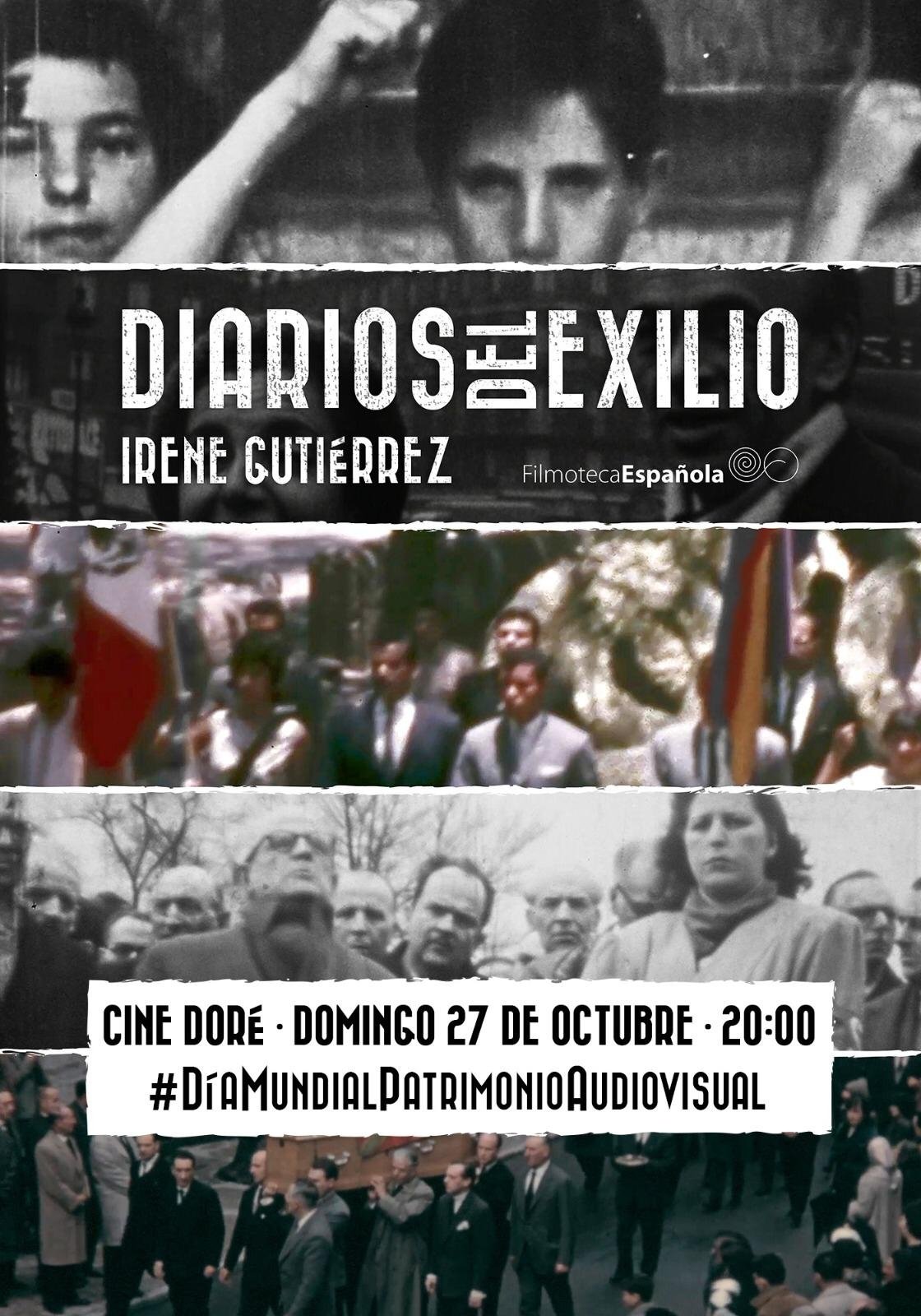
A documentary made with homemade videos of the spanish exiled due to the dictatorship in Spain from 1939 to 1977.
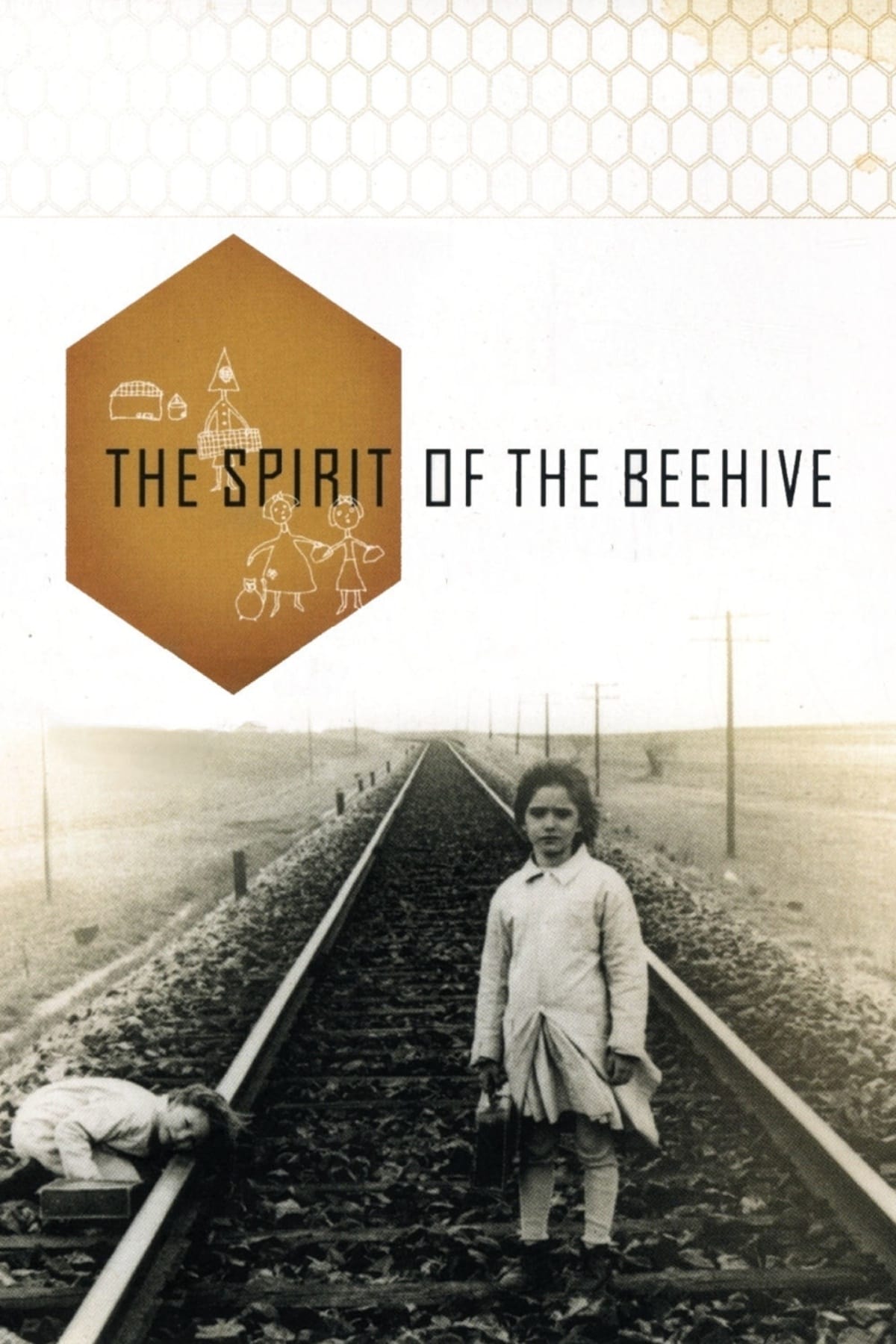
In 1940, in the immediate aftermath of the Spanish Civil War, a young girl living on the Castilian plain is haunted after attending a screening of James Whale's 1931 film Frankenstein and hearing from her sister that the monster is not dead, instead existing as a spirit inhabiting a nearby barn.
A story to honor actor-singer-activist Paul Robeson and his contributions to today's social climate and inspire new generations to engage in the ongoing fight for justice and equality.
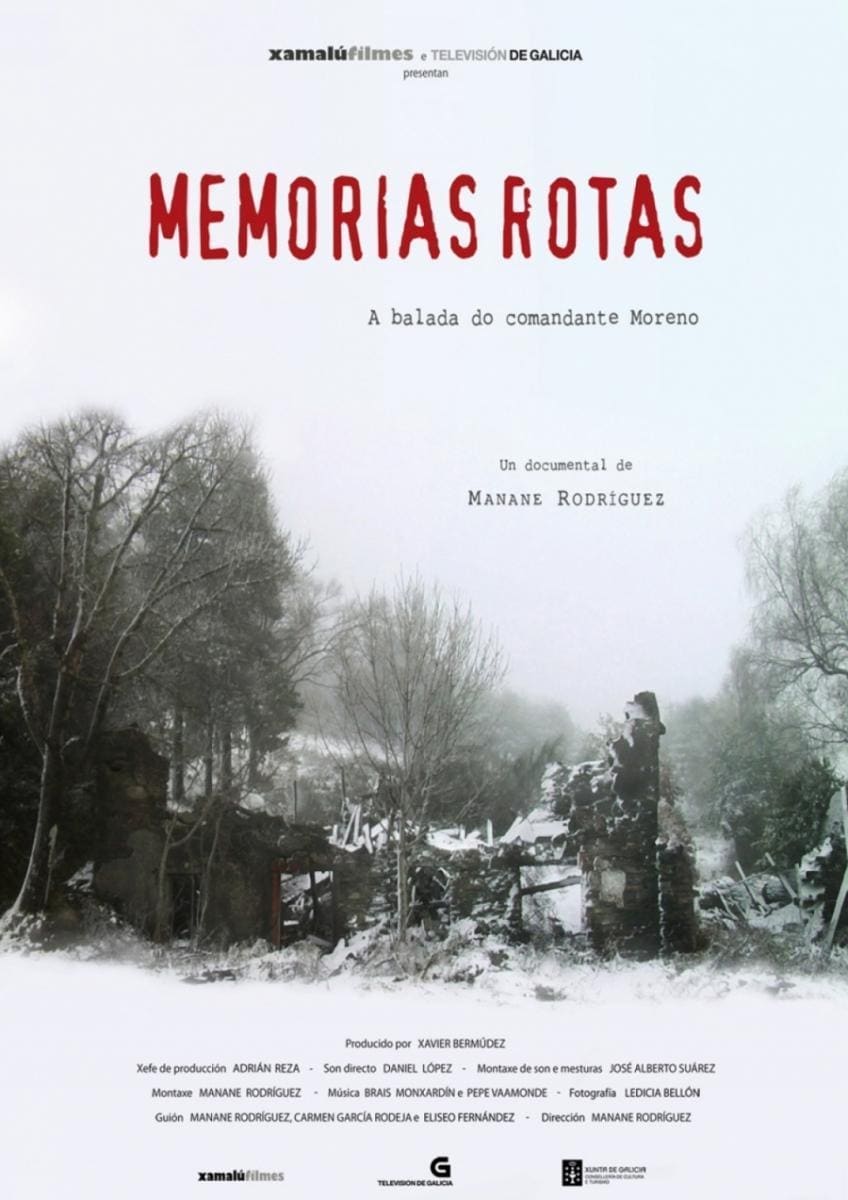
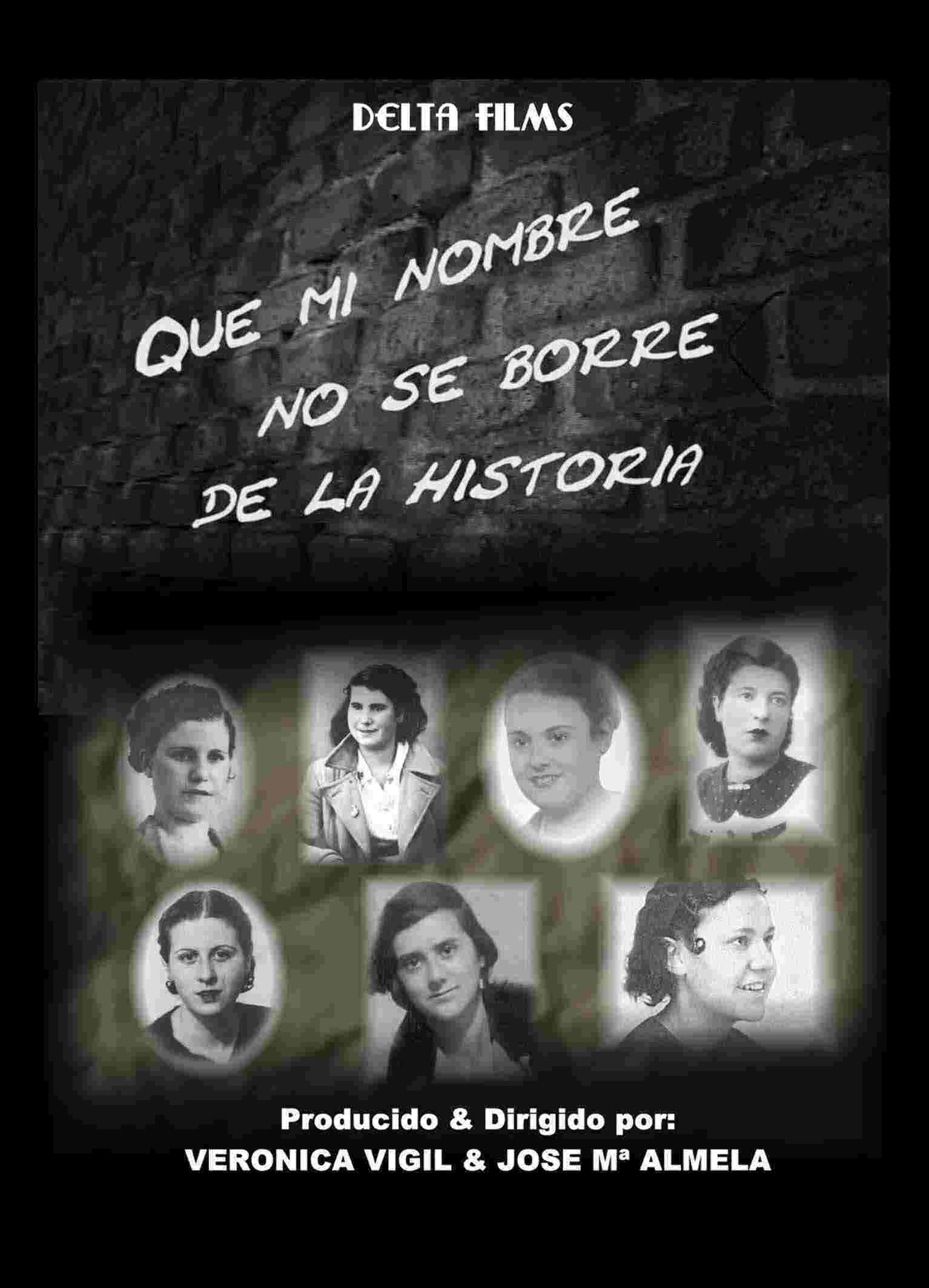
An audiovisual chronicle of the Spanish Civil War in Galicia. Memorias Rotas centers on a group of republican fighters leaded by Commander José Moreno. The group disappears as they fail trying to escape by sea in the border between Galicia and Asturias and nobody ever knows about them.
A documentary about how Republican forces lost to Franco in the Spanish Civil War.
Bajo el signo libertario is a propaganda documentary, with the script and direction of Les (known for his articles in Solidaridad Obrera and the magazine Espectáculo) whose central theme is the reconstruction of the development of life in a libertarian community in the Aragonese town of Pina de Ebro.
A string of threatening emails escalates into a revenge plot involving a newly married US marshal and his ex-girlfriend.
Alexander McQueen's rags-to-riches story is a modern-day fairy tale, laced with the gothic. Mirroring the savage beauty, boldness and vivacity of his design, this documentary is an intimate revelation of McQueen's own world, both tortured and inspired, which celebrates a radical and mesmerizing genius of profound influence.
A documentary on the expletive's origin, why it offends some people so deeply, and what can be gained from its use.
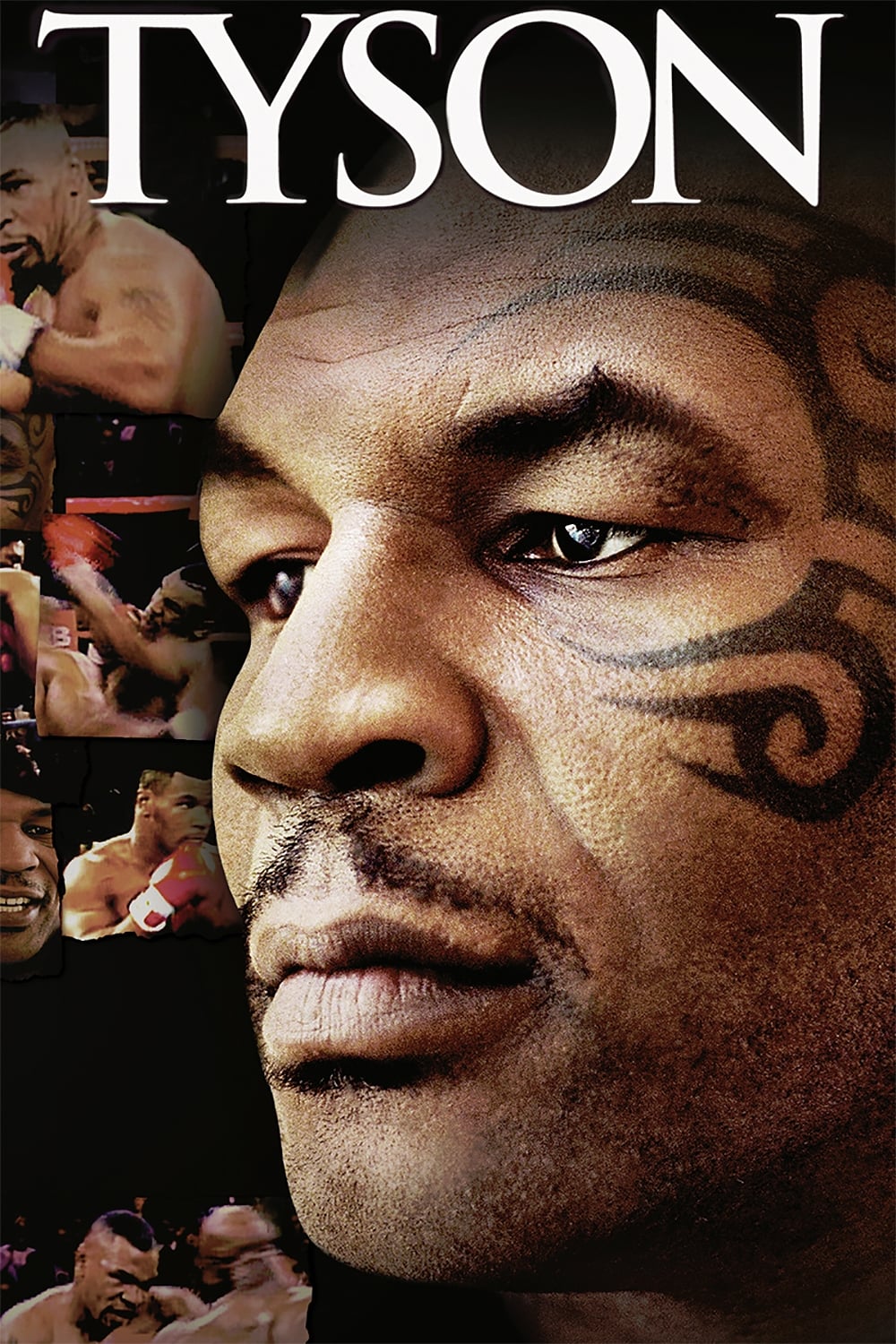
Director James Toback takes an unflinching, uncompromising look at the life of Mike Tyson--almost solely from the perspective of the man himself. TYSON alternates between the controversial boxer addressing the camera and shots of the champion's fights to create an arresting picture of the man.
In an intimate and joyful story of love in the face of loss, celebrated poets Andrea Gibson and Megan Falley find strength—and unexpected hilarity—in what might be their final year together.
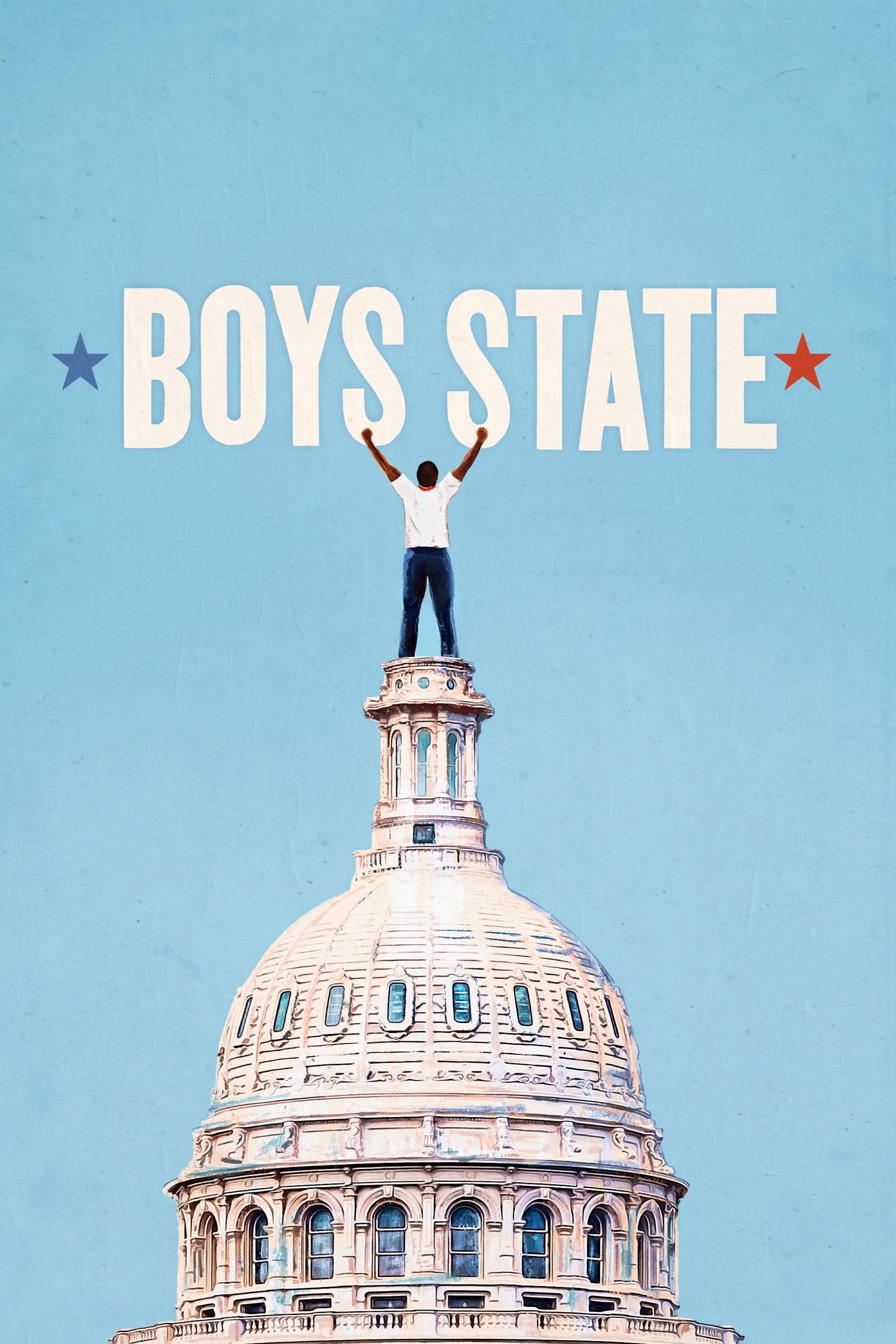
This raucous journey into the heart of democracy captures an unusual rite of passage: 1,100 teenage boys from across Texas coming together to build a representative government from the ground up.
Unravel the case of Utah therapist Jodi Hildebrandt, whose child abuse arrest with parenting YouTuber Ruby Franke exposed a twisted tale of manipulation.
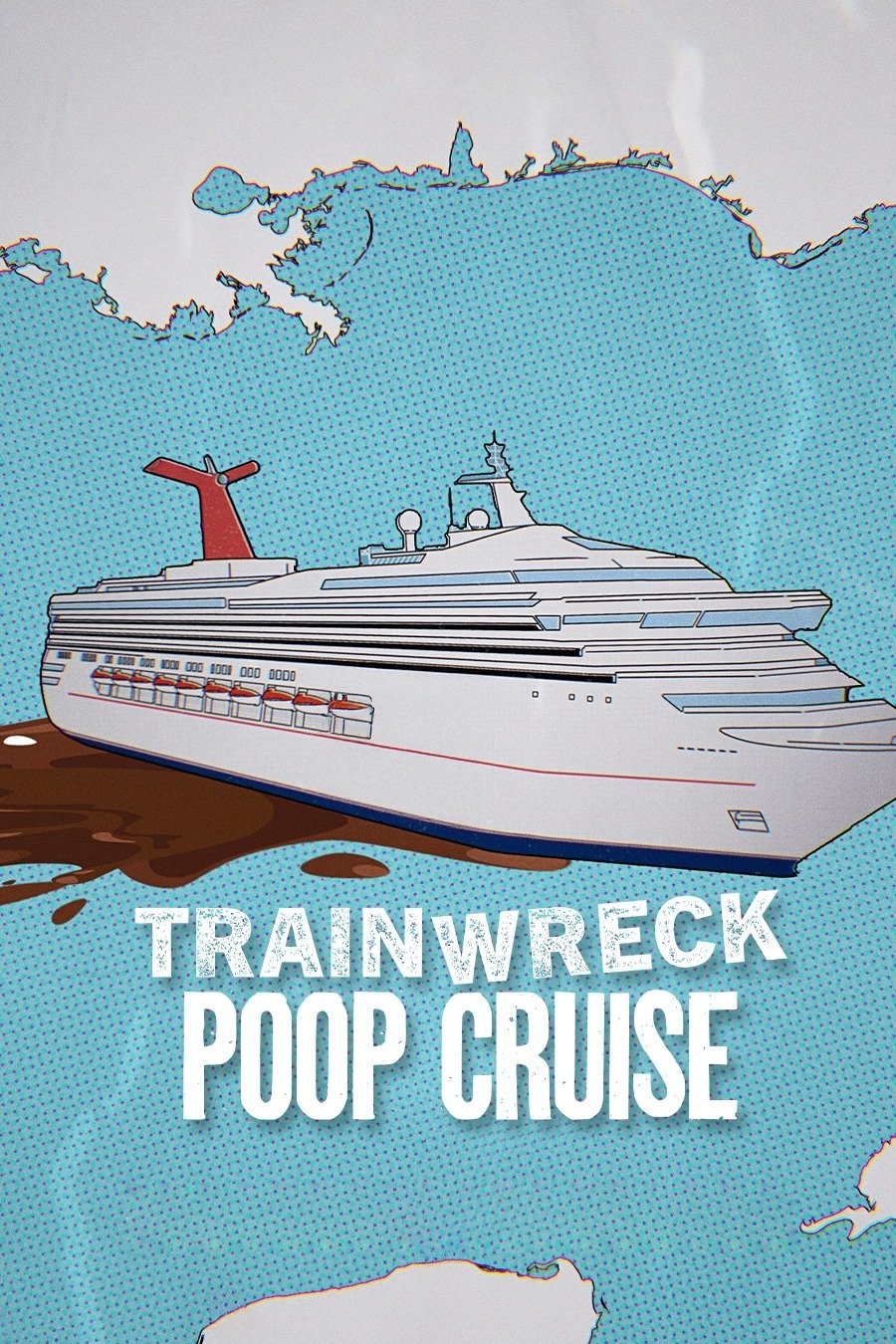
An engine fire leaves 4,000 passengers stranded at sea without power and plumbing in this wild documentary about the infamous "poop cruise" of 2013.
Ranjit, a farmer in India, takes on the fight of his life when he demands justice for his 13-year-old daughter, the victim of a brutal gang rape. His decision to support his daughter is virtually unheard of, and his journey unprecedented.
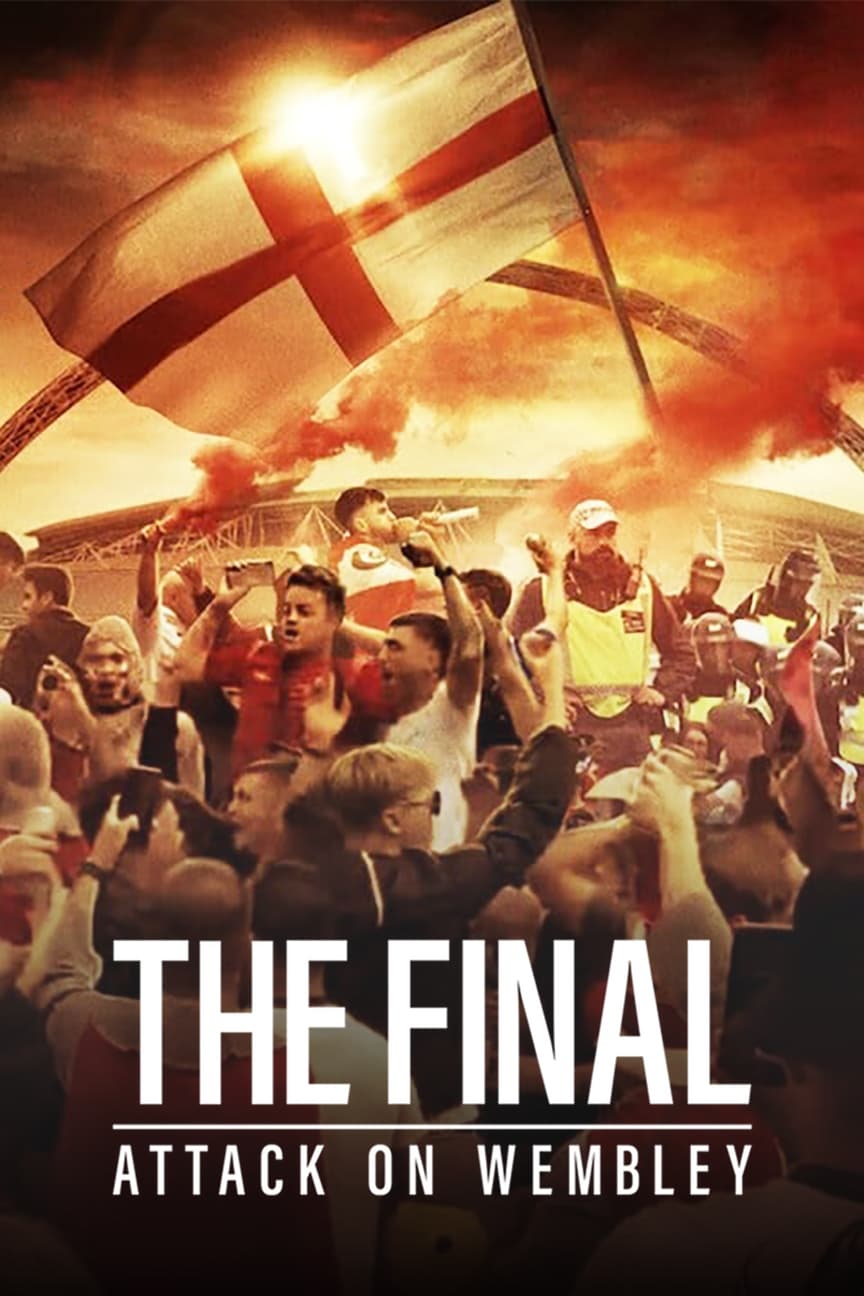
As England reach the final of the Euros at last, 6,000 ticketless football fans storm Wembley stadium, leaving destruction in their wake.
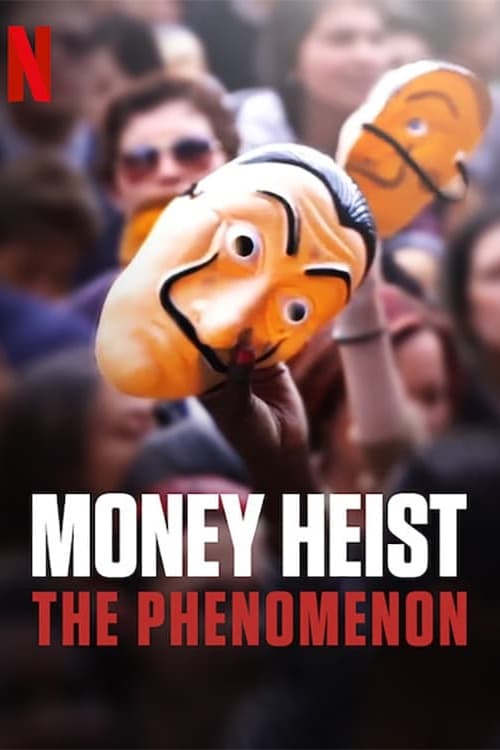
A documentary on why 'Money Heist' sparked a wave of enthusiasm around the world for a lovable group of thieves and their professor.
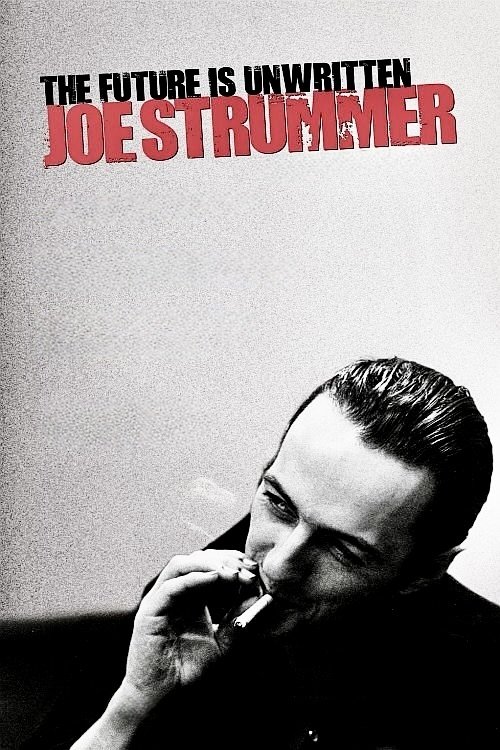
As the front man of the Clash from 1977 onwards, Joe Strummer changed people's lives forever. Four years after his death, his influence reaches out around the world, more strongly now than ever before. In "The Future Is Unwritten", from British film director Julien Temple, Joe Strummer is revealed not just as a legend or musician, but as a true communicator of our times. Drawing on both a shared punk history and the close personal friendship which developed over the last years of Joe's life, Julien Temple's film is a celebration of Joe Strummer - before, during and after the Clash.
Police pull over a woman who claims she just gave birth. But the baby — and the blood — aren't hers. Twisted lies unravel in this true-crime documentary.
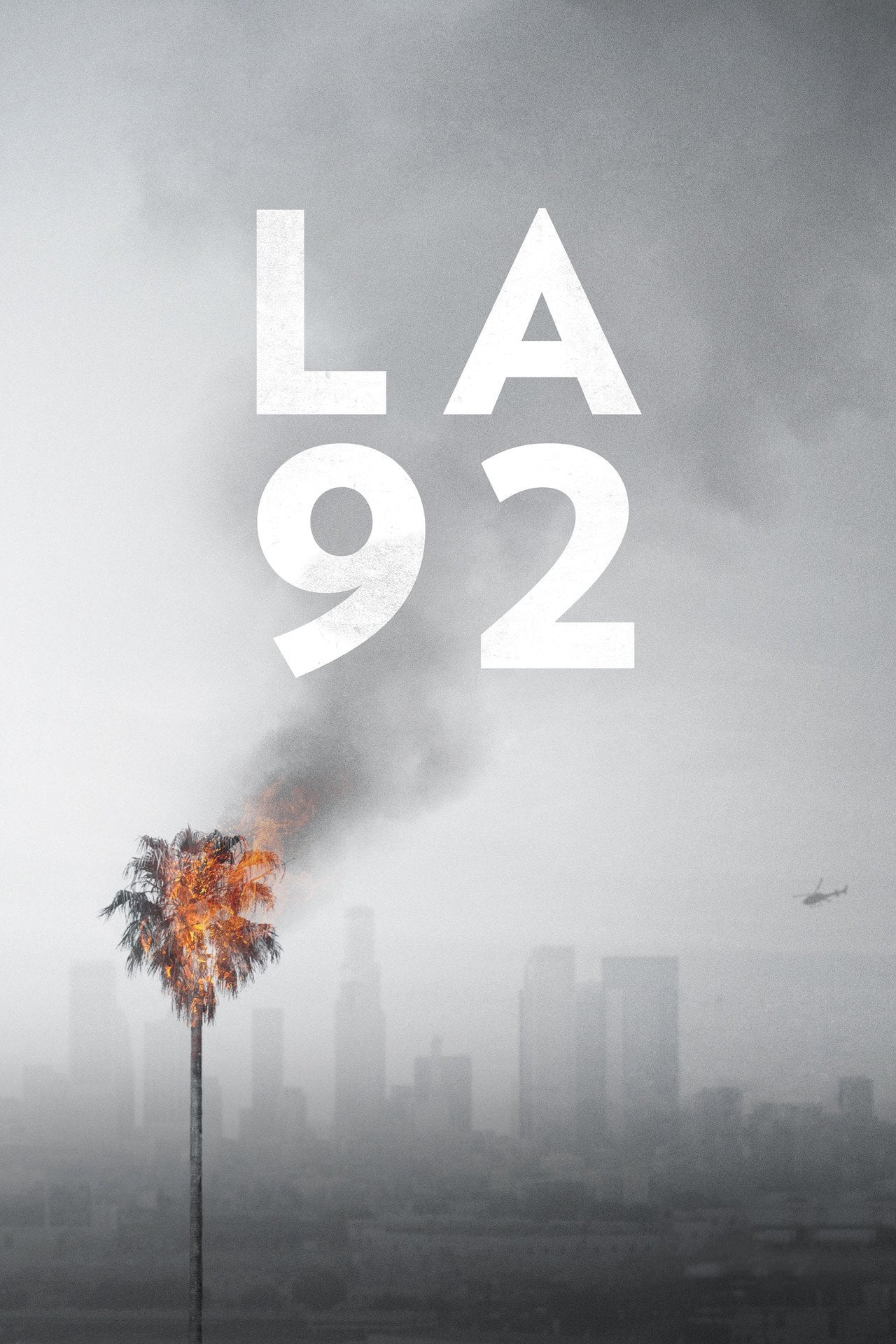
Twenty-five years after the verdict in the Rodney King trial sparked several days of protests, violence and looting in Los Angeles, LA 92 immerses viewers in that tumultuous period through stunning and rarely seen archival footage.
After years in the limelight, Selena Gomez achieves unimaginable stardom. But just as she reaches a new peak, an unexpected turn pulls her into darkness. This uniquely raw and intimate documentary spans her six-year journey into a new light.
The life and career of one of comedy's most inimitable modern voices, Mr. Gilbert Gottfried.
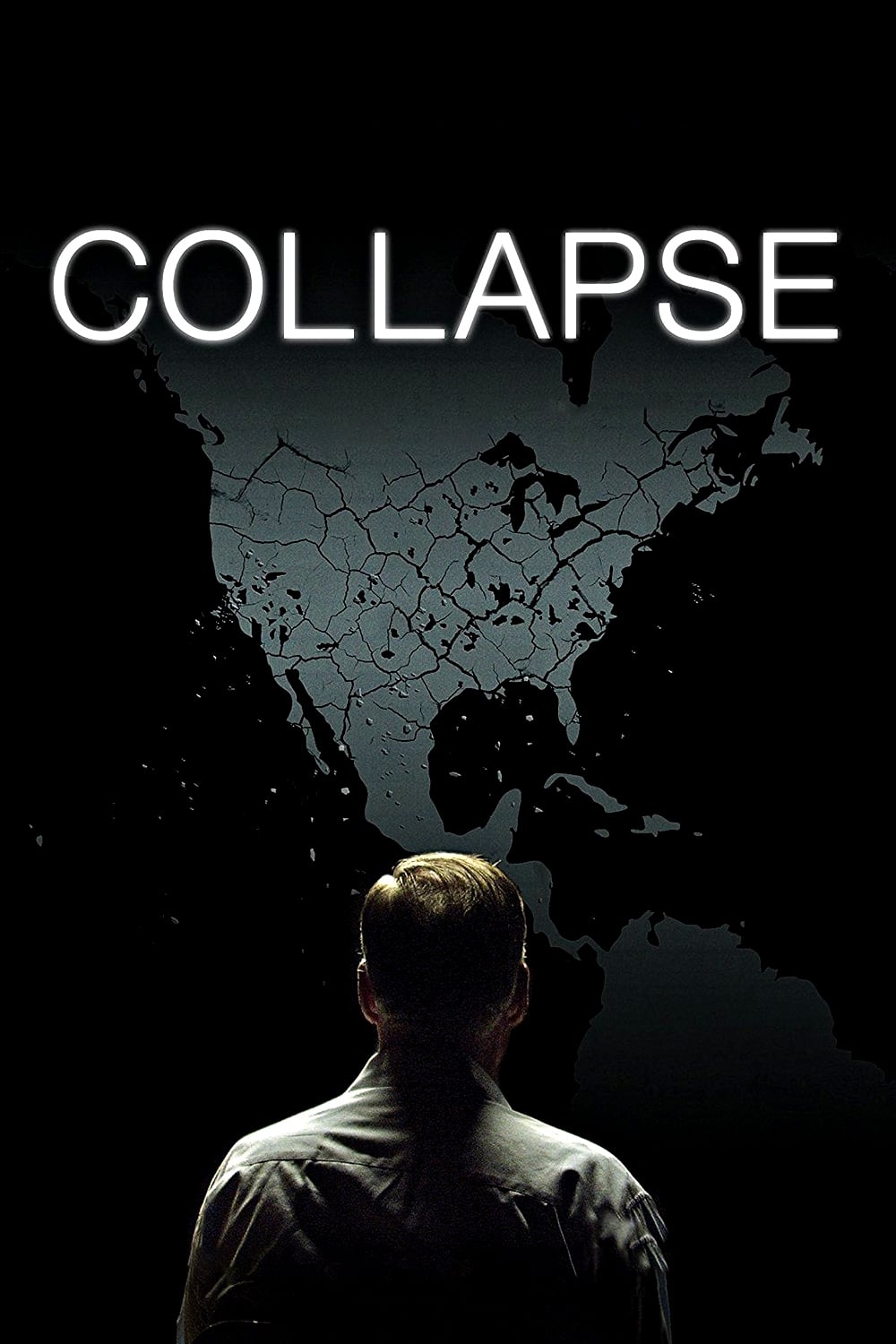
From the acclaimed director of American Movie, the documentary follows former Los Angeles police officer turned independent reporter Michael Ruppert. He recounts his career as a radical thinker and spells out his apocalyptic vision of the future, spanning the crises in economics, energy, environment and more.
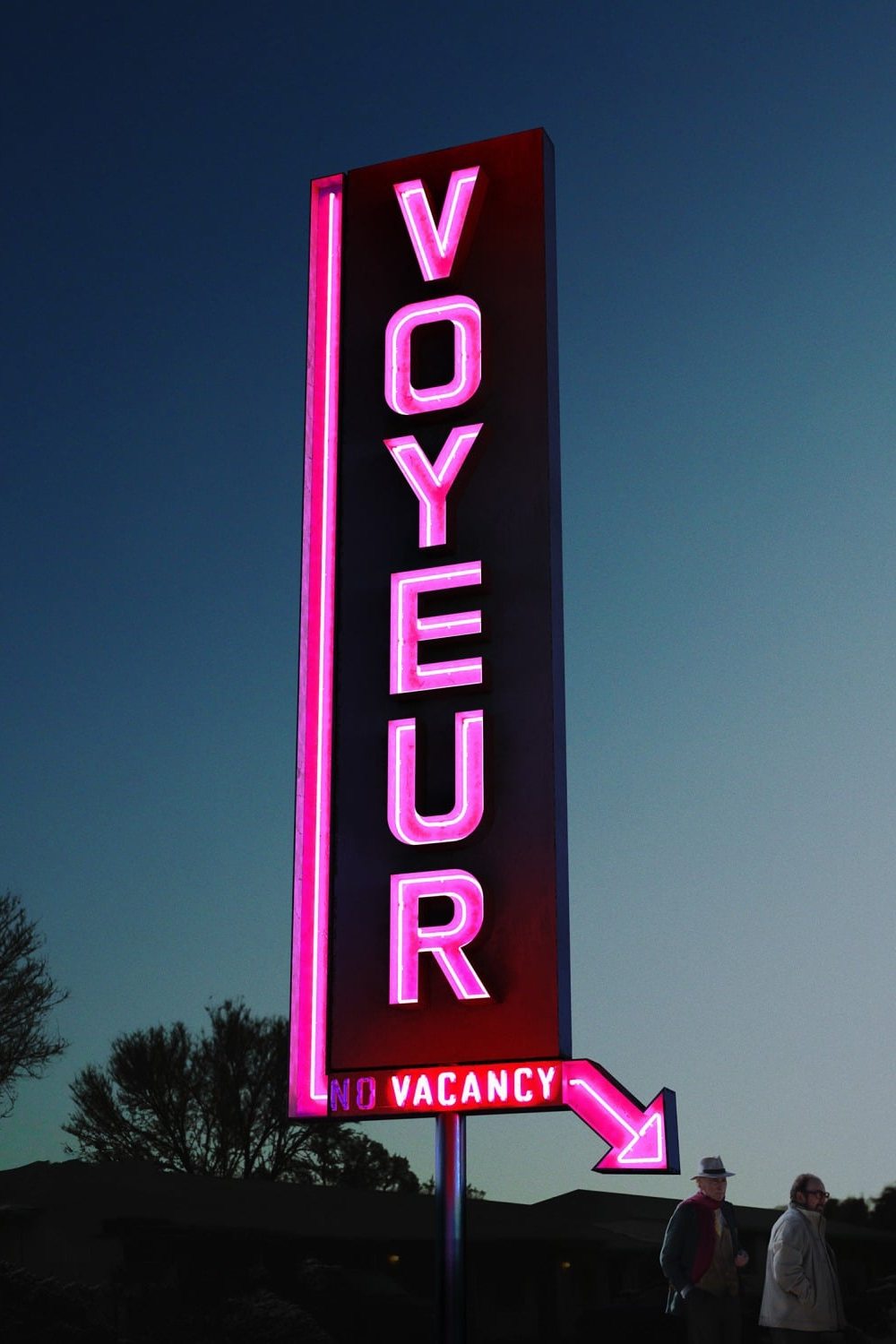
Legendary journalist Gay Talese unmasks a motel owner who spied on his guests for decades. But his bombshell story soon becomes a scandal of its own.
Part documentary, part concert film, part fever dream, this film captures the troubled spirit of America in 1975 and the joyous music that Dylan performed during the fall of that year.
A love letter from a young mother to her daughter, the film tells the story of Waad al-Kateab’s life through five years of the uprising in Aleppo, Syria as she falls in love, gets married and gives birth to Sama, all while cataclysmic conflict rises around her. Her camera captures incredible stories of loss, laughter and survival as Waad wrestles with an impossible choice– whether or not to flee the city to protect her daughter’s life, when leaving means abandoning the struggle for freedom for which she has already sacrificed so much.