Social & External
The people behind it
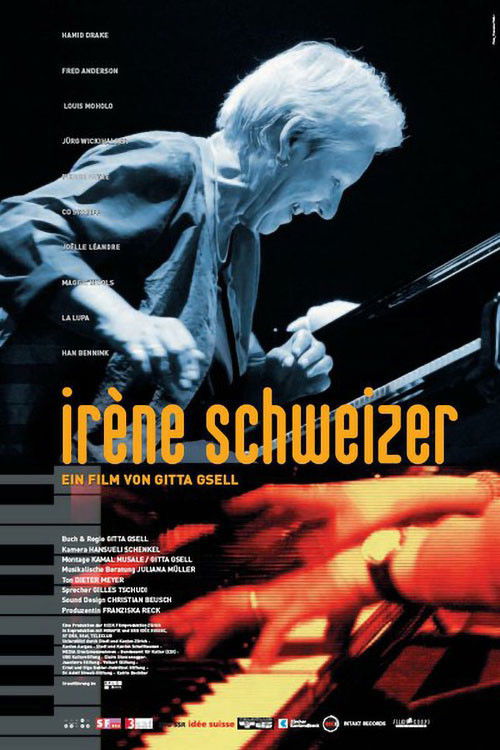
It's there, it's been Irène Schweizer's faithful companion for over 40 years, sharing her joys and sorrows, inspiring her and allowing her to live her dreams: her piano.
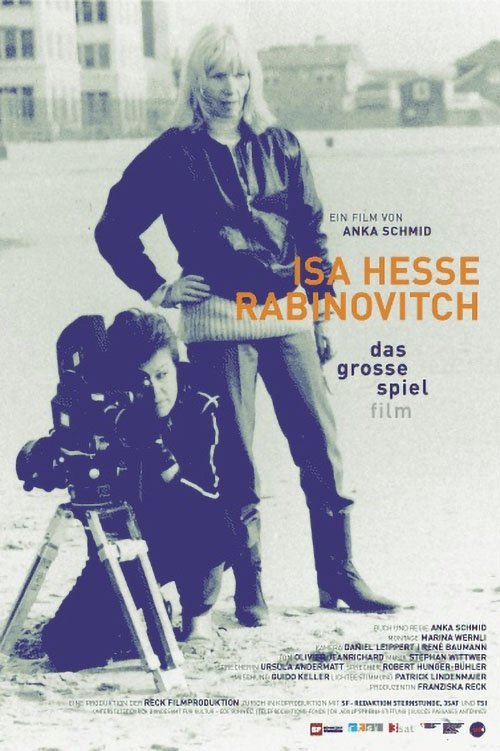
A true pioneer of Swiss cinema, Isa Hesse-Rabinovitch (1917-2003) followed an unusual path throughout her life. The daughter of Judeo-Russian immigrants, she grew up in Zurich. She married a son of Hermann Hesse, with whom she had three children. Influenced by the artistic work of her parents, she worked as an illustrator, then as a reporter and photographer, always mindful of her independence. At the age of fifty, she began making films. Her first experimental shorts immediately earned her invitations to various film festivals and a resounding response abroad.
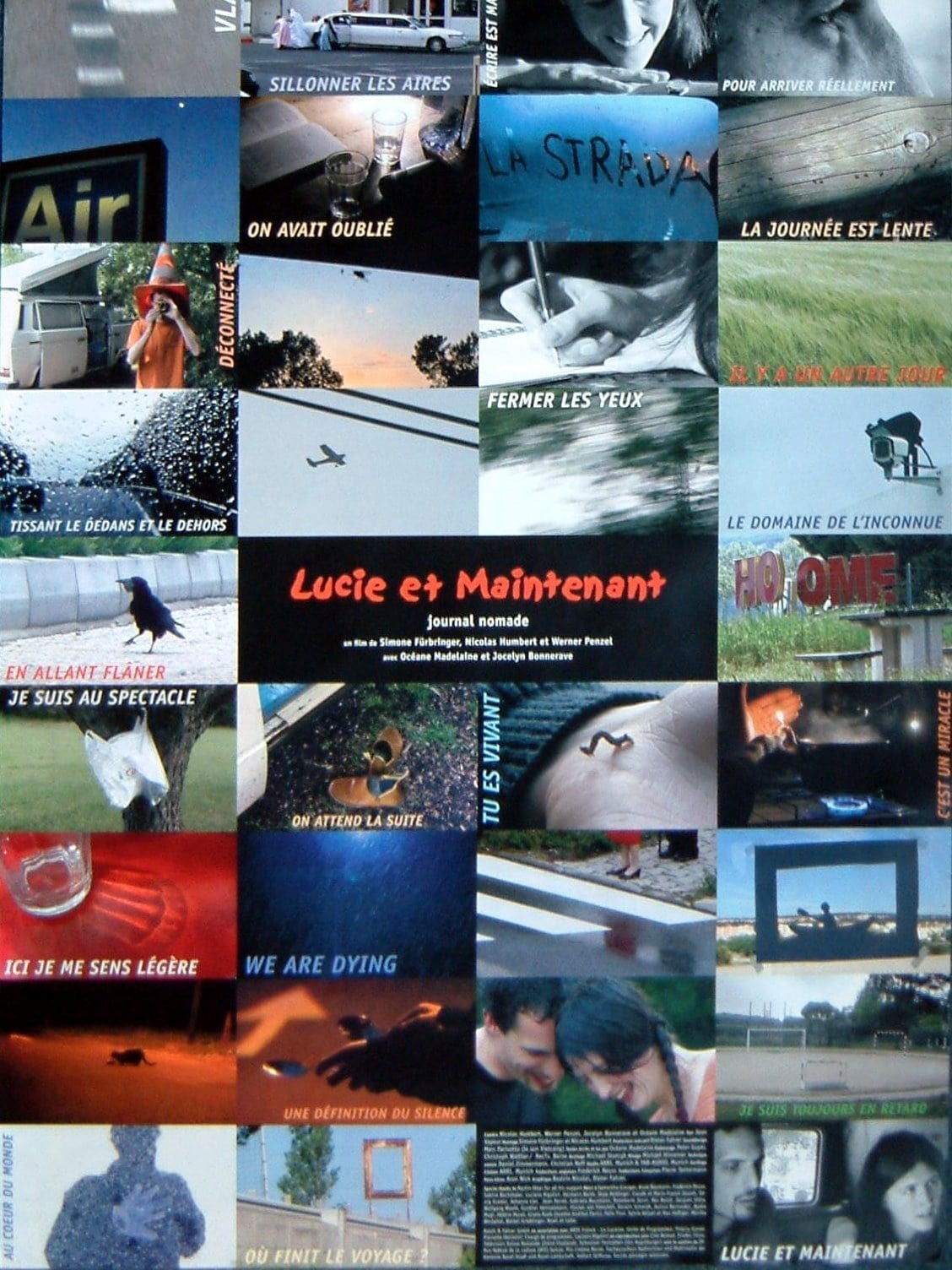
In May of 1982 Julio Cortázar, the Argentinean writer and his companion in life, Carol Dunlop set out in their VW bus on a journey along the highway from Paris to Marseille that, for each of them, was to be their final one. Twenty-five years later, Océane Madelaine and Jocelyn Bonnerave set out to undertake the journey again.
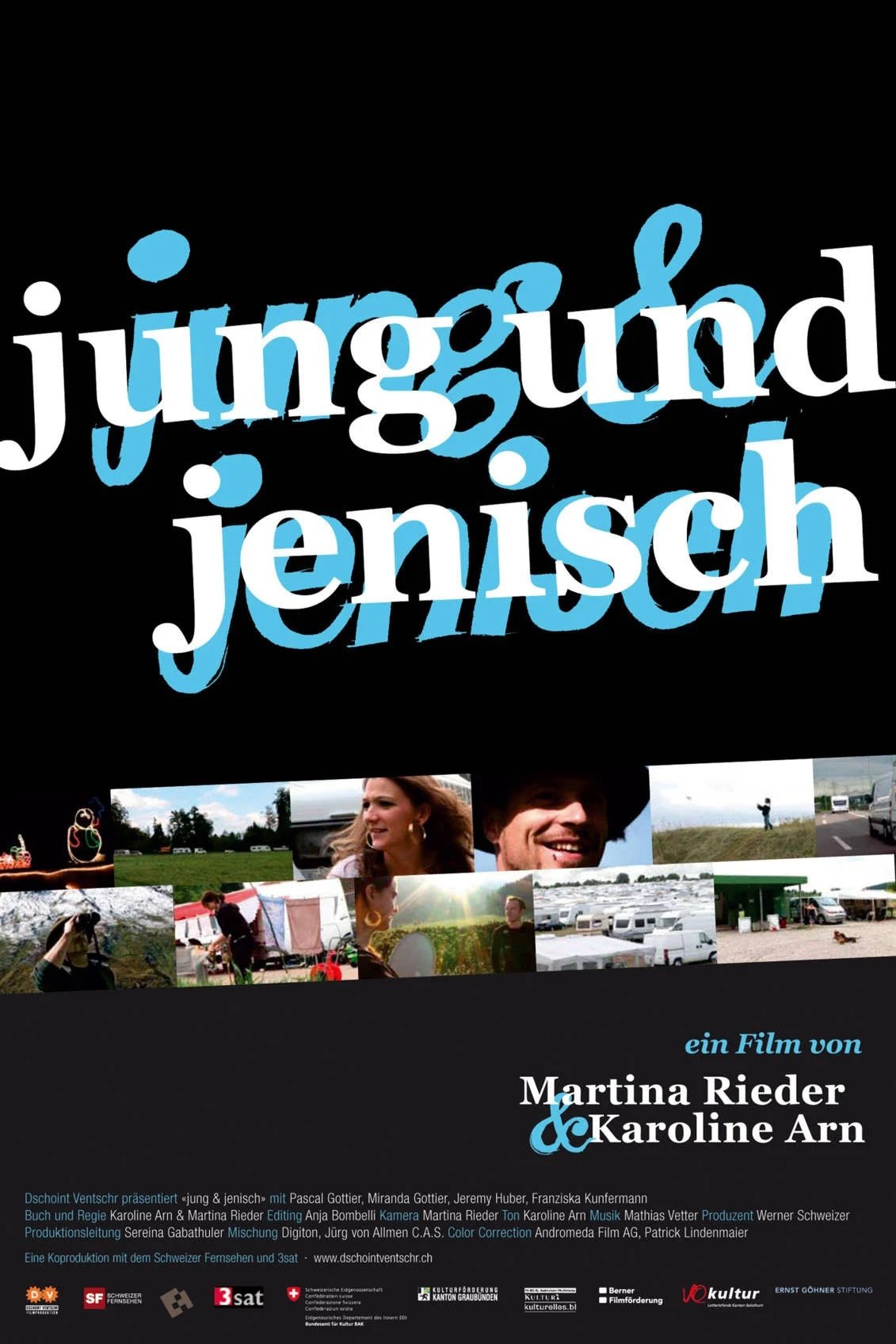
Pascal, Miranda, Jeremy and Franziska are real gypsies. They're between 17 and 25, love big powerful cars and have decided to live on the move. Like many other young Yenish people. They need freedom and fight for it. They show a world closed to the sedentary. A different but very Swiss life. Today's Romanis: disenchanted, close to reality.
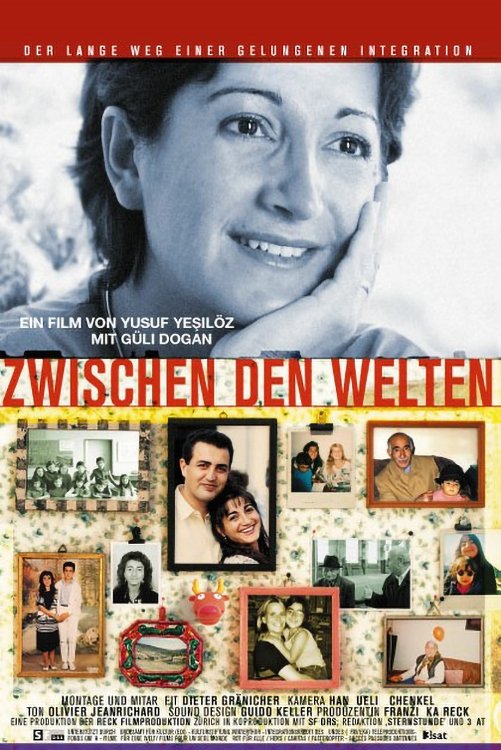
The revealing life story of Güli Dogan conveys impressively and in exemplary pictures the long and difficult path of a successful integration. Between the Worlds is the portrait of a woman who is very well integrated professionally and socially in Switzerland, but who is emotionally strongly connected to her village, which hardly exists anymore.
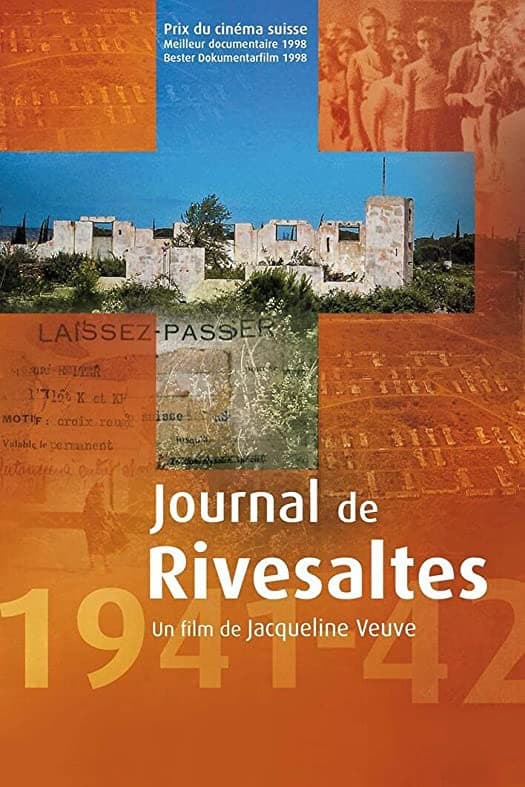
From August to October 1942, over 2250 Jews were deported from the internment camp of Rivesaltes to Auschwitz by way of Drancy. Among them were 110 children. Friedel Bohny-Reiter, a nurse with the Swiss Aid to Children, worked in this camp in the South of France. Like many others in the formerly unoccupied zone, it was run by the French. Once a military camp, it had been converted in 1941 into a transit camp regrouping Jewish, Gypsy and Spanish people living in the area or who had fled to the free zone as refugees. Thanks to the young nurse from Basel, many children were probably saved from certain death. The film follows the nurse on a visit to that still intact site as well as through the pages of the journal she wrote in those dark days, published by Editions Zoë, Geneva in 1993.
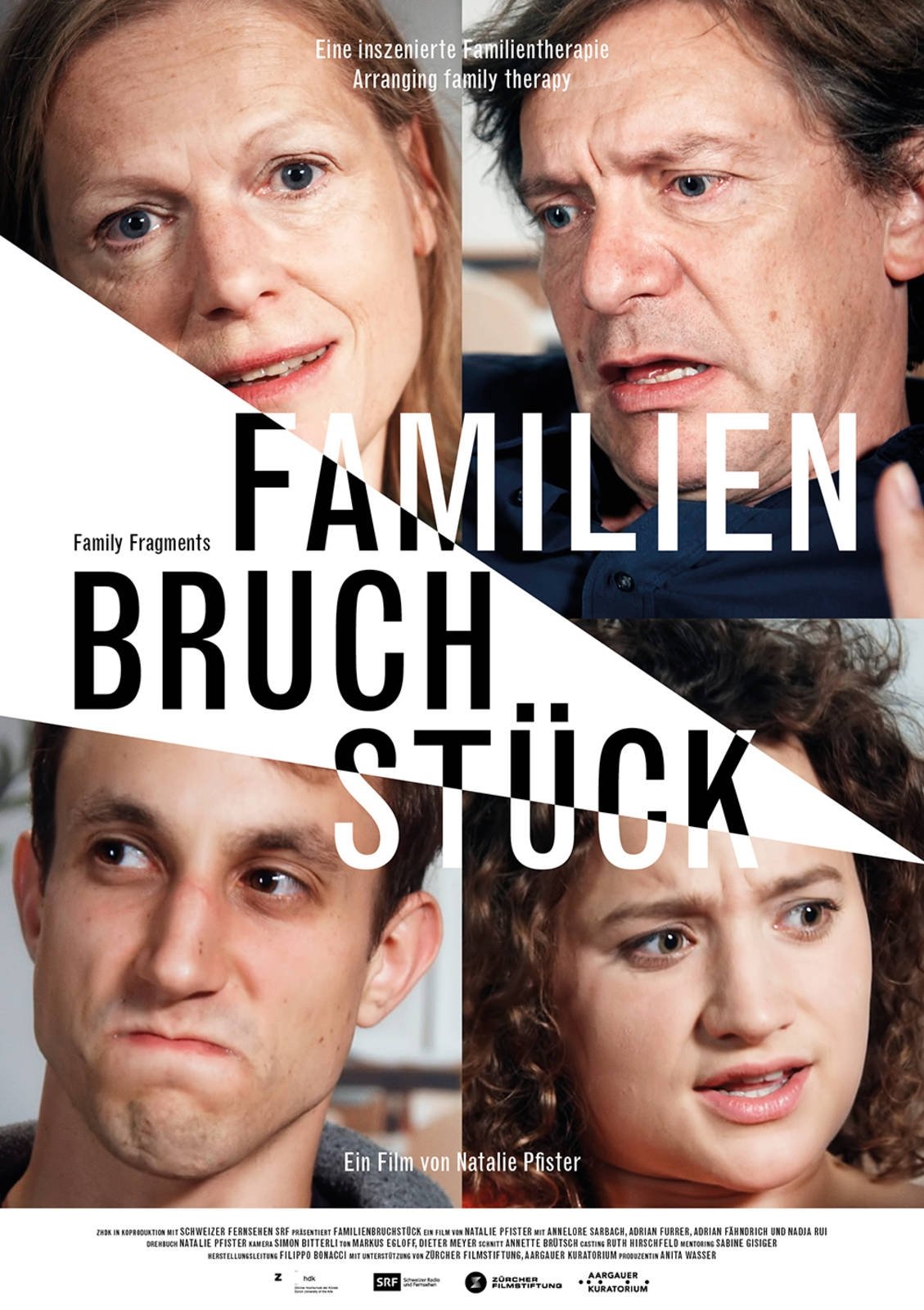
The film reconstructs the memories of a divorced family with empathy yet merciless precision. An intimate family story emerges during the investigation into the reasons for the separation. Hinging on the subtle and touching testimonies of the family members, the film delves into complex interrelationships. Actors bring the family's memories alive as if they were their own. The result is a chronicle of a family drama, which the real protagonists complement and comment on – a reflection on the mechanisms and dynamics shaping and directing their family life over the years.
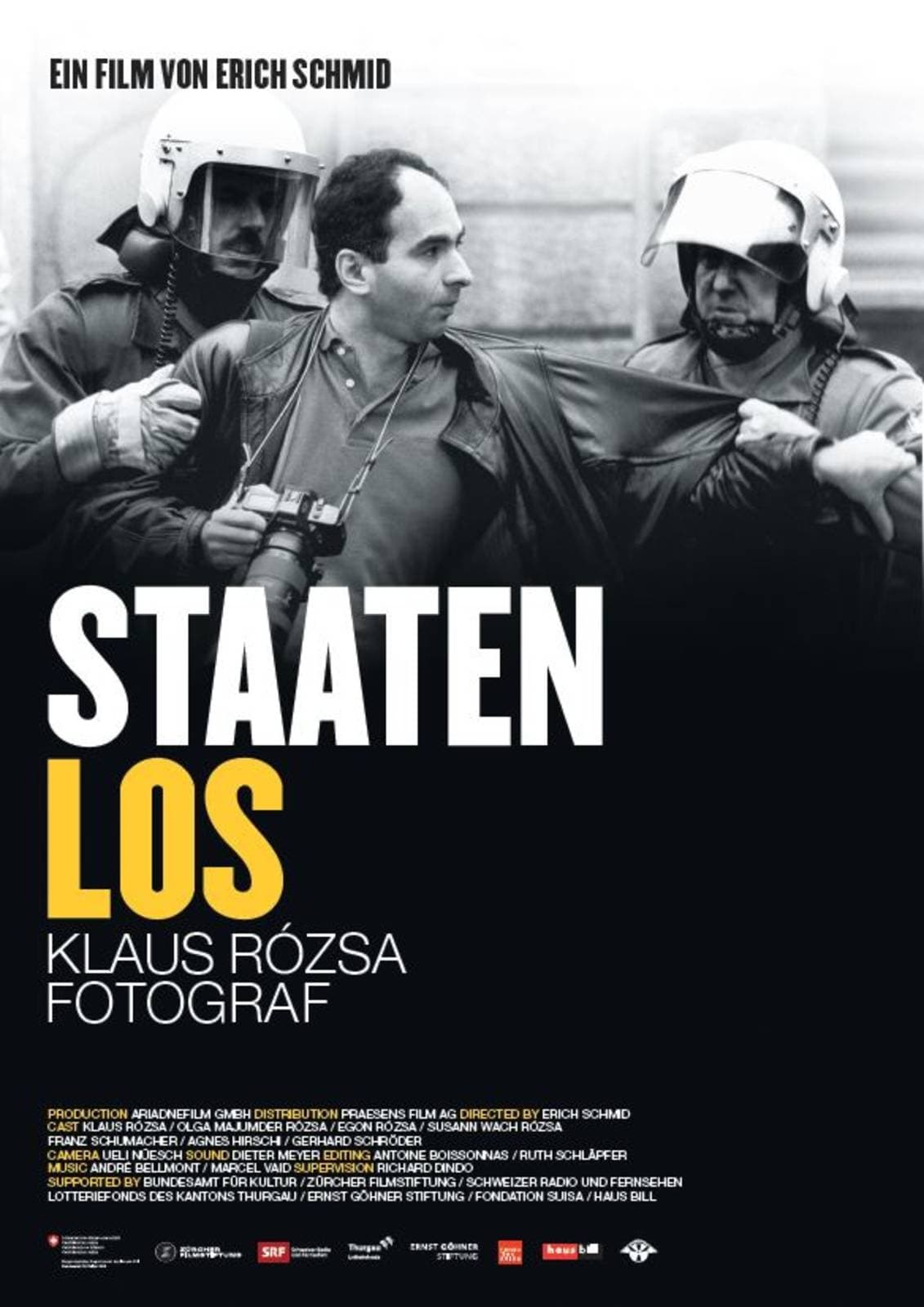
Klaus Rozsa, a well-known and politically active photographer, lived in Zurich for decades as a stateless individual. All of his applications for naturalisation were refused on political grounds. In 1956 he fled Hungary, growing up in Switzerland with a Jewish father who had survived Auschwitz and Dachau. Due to the extreme proximity of such a fate, the camera led him repeatedly to places where injustice was done. It was this particular quality of his camerawork that proved fateful for him.
In an intimate and joyful story of love in the face of loss, celebrated poets Andrea Gibson and Megan Falley find strength—and unexpected hilarity—in what might be their final year together.
Featuring interviews with filmmakers and industry legends, discover the origins and evolution of The Joker, and learn why The Clown Prince of Crime is universally hailed as the greatest comic-book supervillain of all time.
The Making-of James Cameron's Avatar. It shows interesting parts of the work on the set.
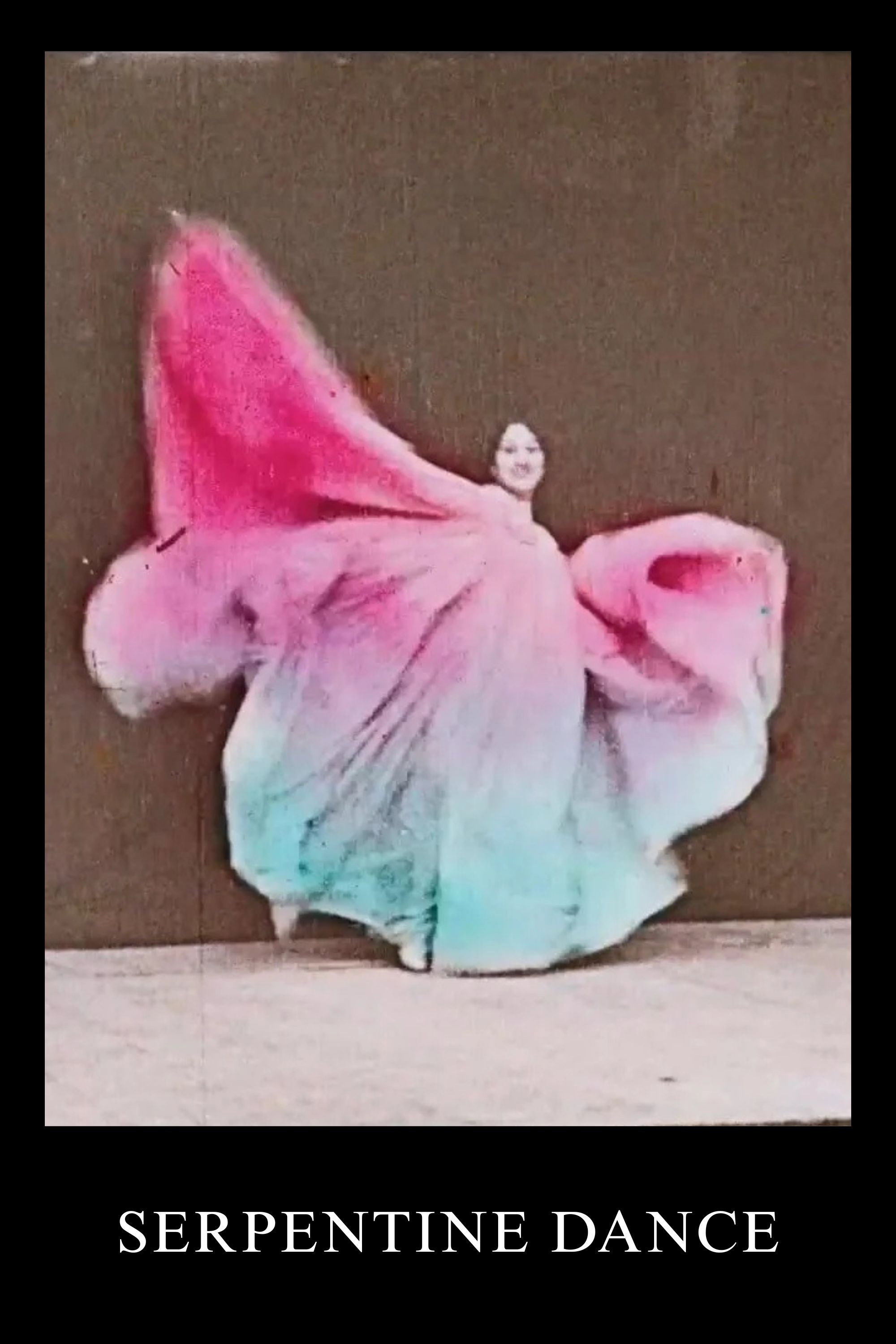
Angelic and demonic serpentine dance from dawn of cinema. Hand-colored frame by frame. Lumière no. 765 or 765.1 (colorized, different dancer?).
An inside look at one of the most anticipated movie sequels ever with James Cameron and cast.
A feature length documentary about the all-women team at the helm of Pixar's original feature, Turning Red. With unprecedented behind-the-scenes access to Director Domee Shi and her core leadership crew, this story shines a light on the powerful professional and personal journeys that brought this incredibly comical, utterly relatable, and deeply heartfelt story to the screen.
SEDUCED AND ABANDONED combines acting legend Alec Baldwin with director James Toback as they lead us on a troublesome and often hilarious journey of raising financing for their next feature film. Moving from director to financier to star actor, the two players provide us with a unique look behind the curtain at the world's biggest and most glamourous film festival, shining a light on the bitter-sweet relationship filmmakers have with Cannes and the film business. Featuring insights from directors Martin Scorsese, 'Bernando Bertolucci' and Roman Polanski; actors Ryan Gosling and Jessica Chastain and a host of film distribution luminaries.
A string of threatening emails escalates into a revenge plot involving a newly married US marshal and his ex-girlfriend.
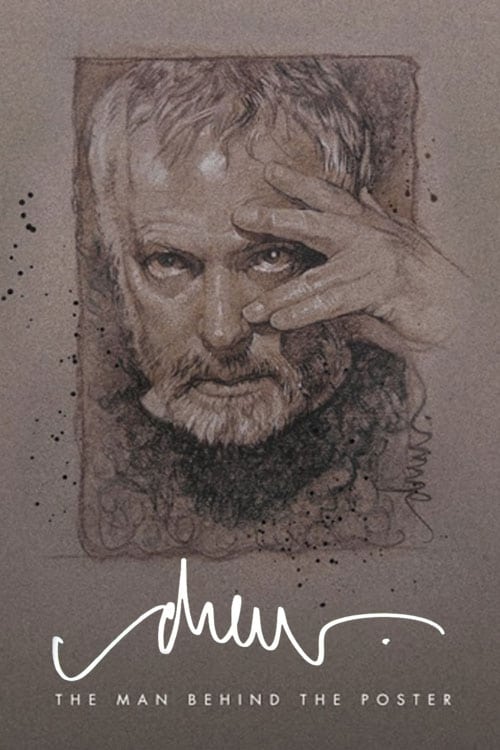
A documentary on legendary movie-poster artist Drew Struzan.
A visual montage portrait of our contemporary world dominated by globalized technology and violence.
A compilation of over 30 years of private home movie footage shot by Lithuanian-American avant-garde director Jonas Mekas, assembled by Mekas "purely by chance", without concern for chronological order.
A documentary about how a dominant cultural and demographic institution both sustains their traditional activities and adapts to the digital revolution.
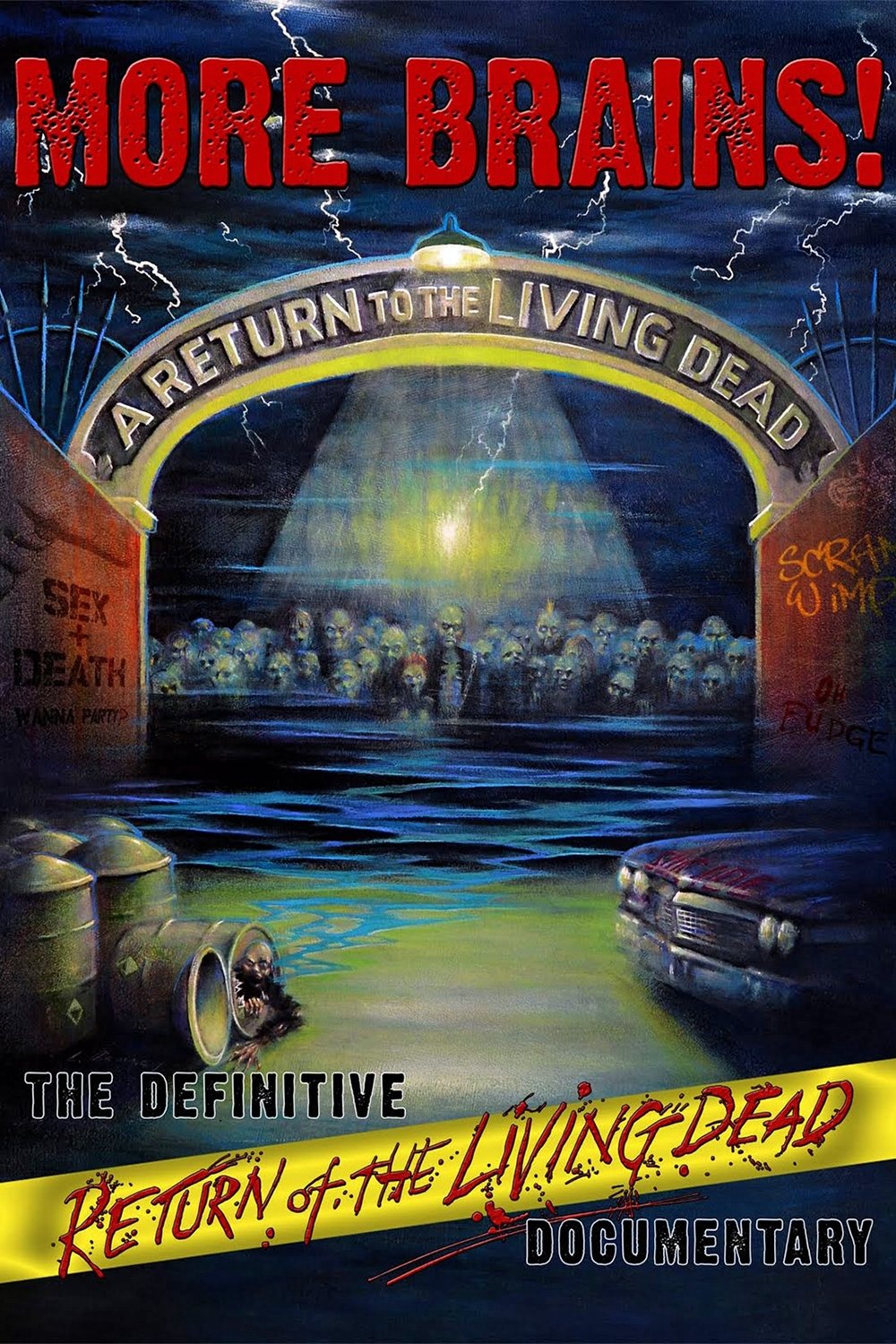
Retrospective documentary about the making of the horror cult classic "The Return of the Living Dead."
A documentary about the life and films of director John Ford.
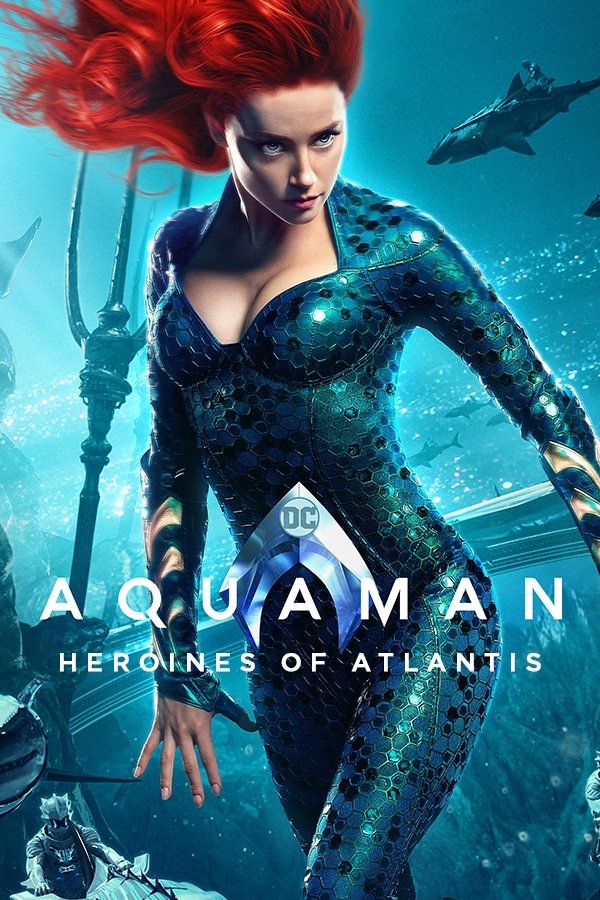
Amber Heard and Nicole Kidman discuss their characters Mera and Atlanna.
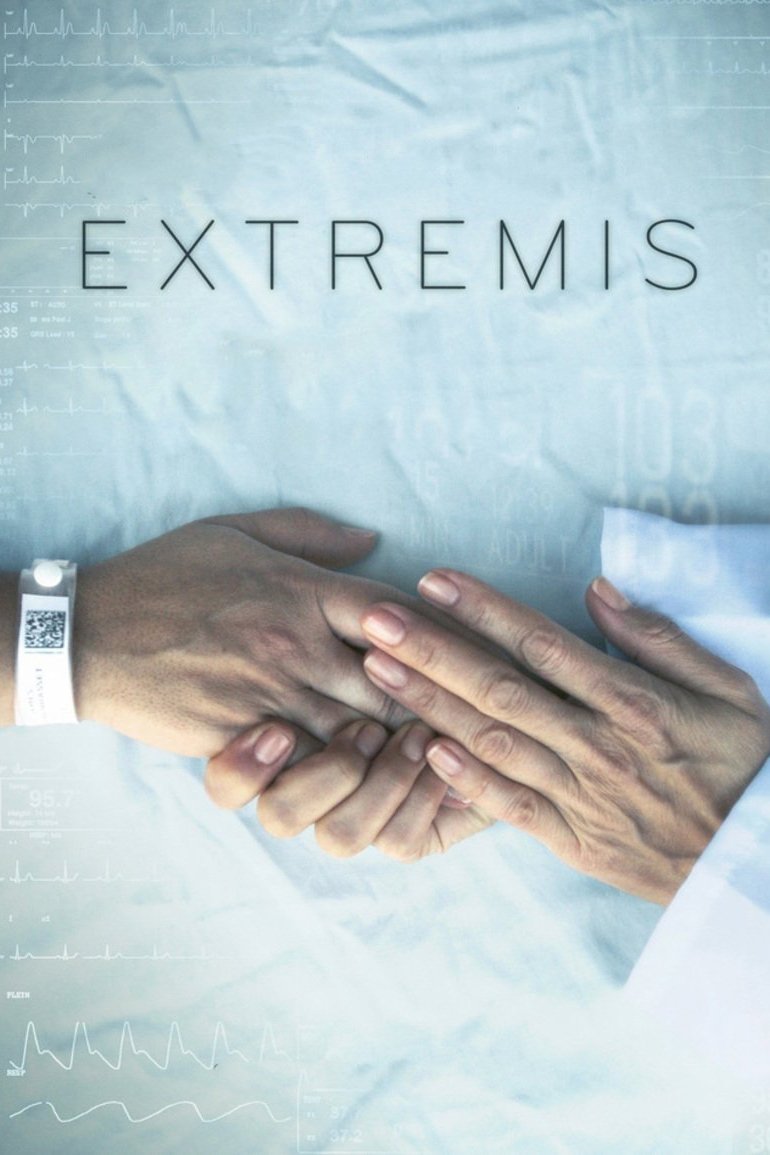
A purely observational non-fiction film that takes viewers into the ethically murky world of end-of-life decision making in a public hospital.
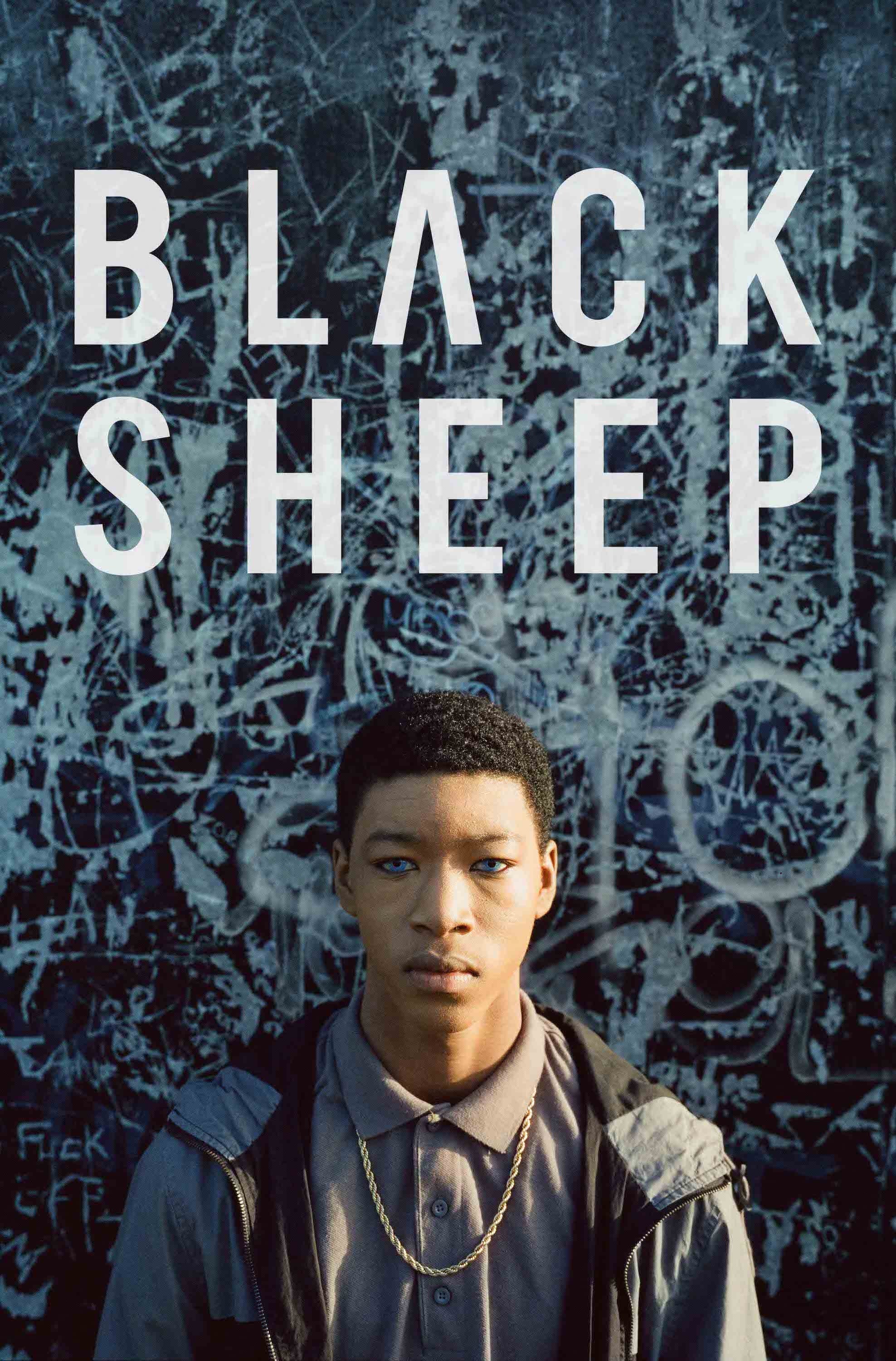
After the high-profile killing of Damilola Taylor, Cornelius' family move out of London. But when they discover their new town is run by racists, Cornelius takes a drastic step to survive.
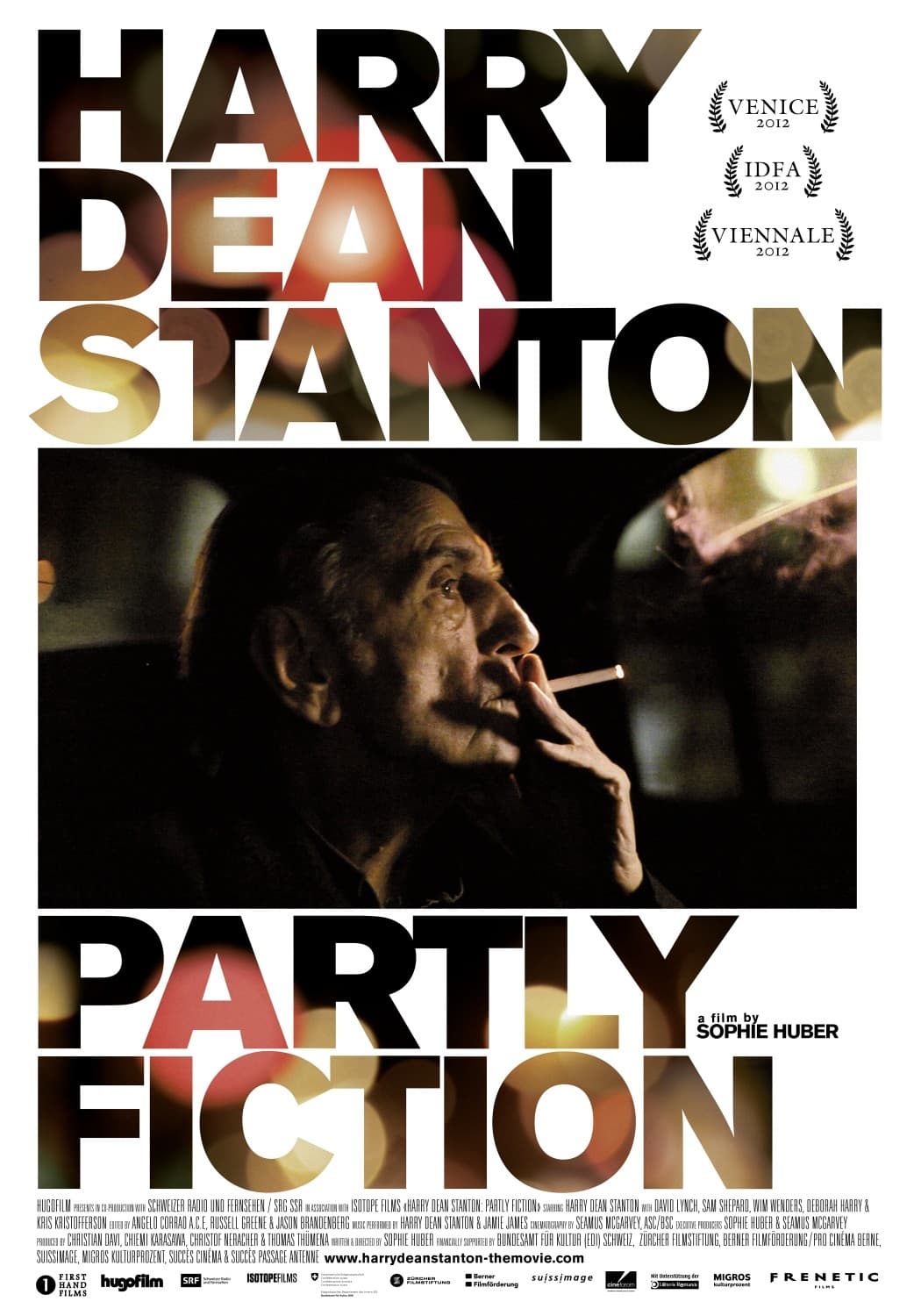
An impressionistic portrait of the iconic actor Harry Dean Stanton comprised of intimate moments, film clips from some of his 250 films and his renditions of American folk songs.
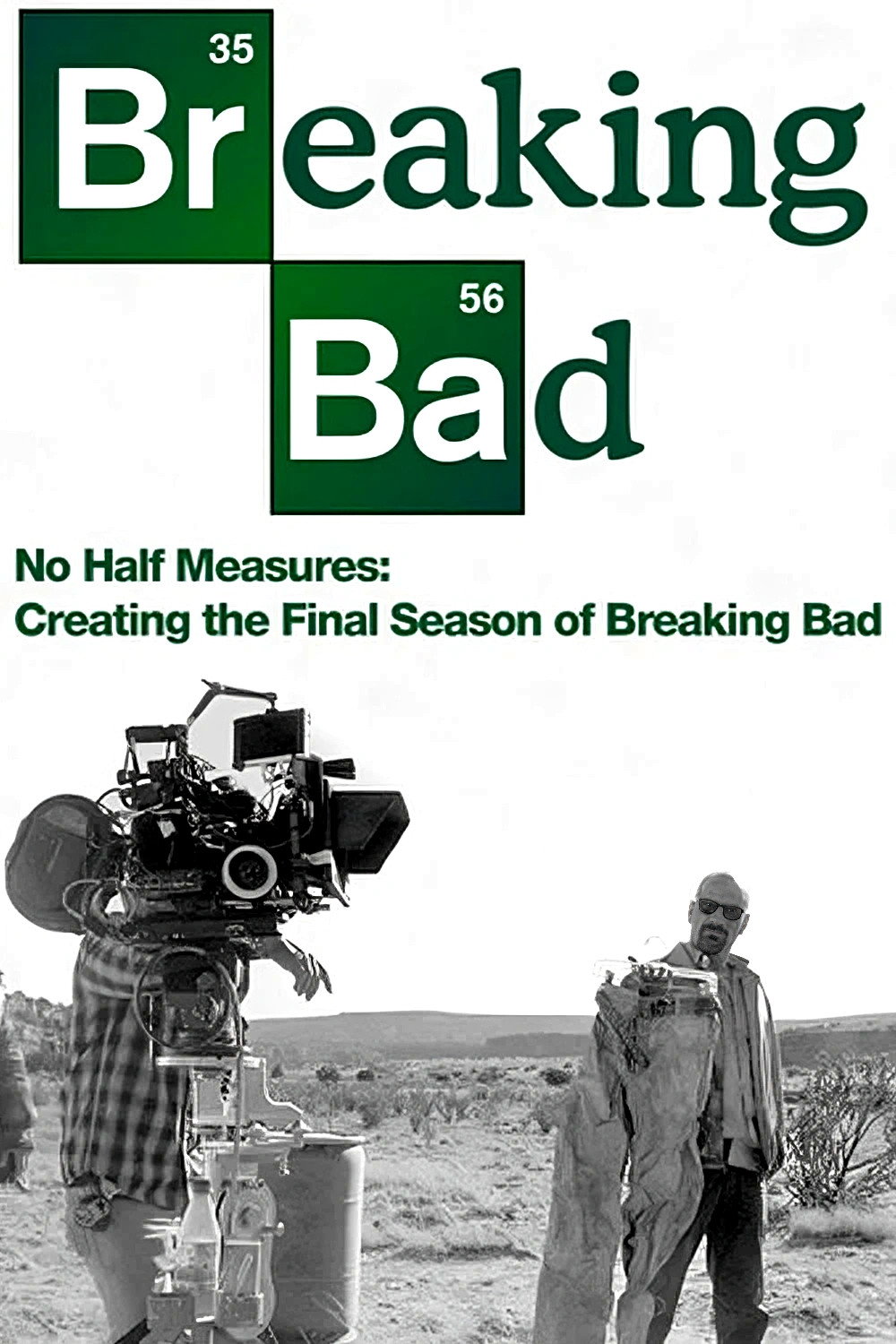
A documentary about the making of season five of the acclaimed AMC series Breaking Bad.
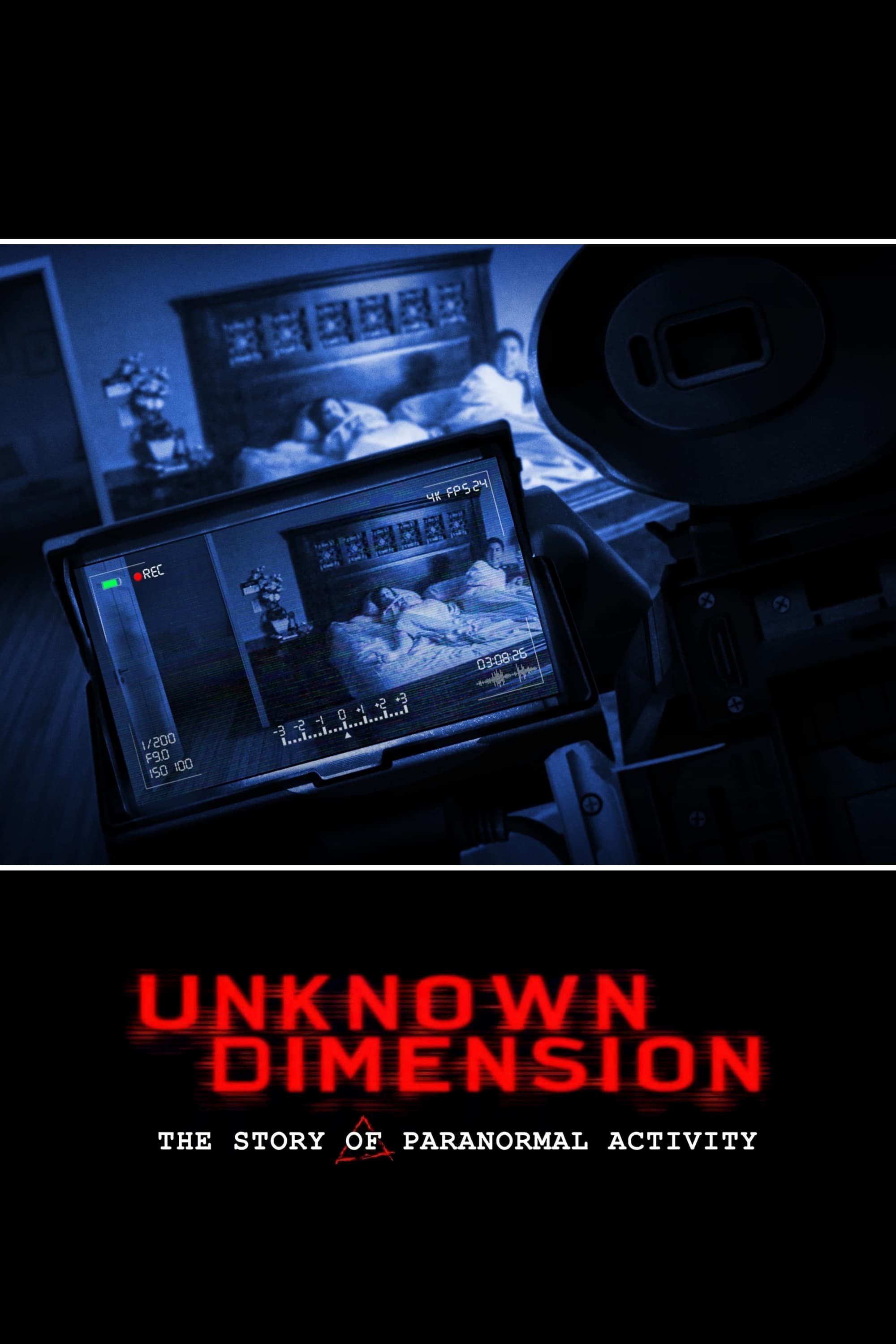
A deep dive into the making of the Paranormal Activity films with first time ever interviews with cast and crew, never-before-seen footage from the movies, and a preview of the seventh installment in the franchise.