Social & External
The people behind it
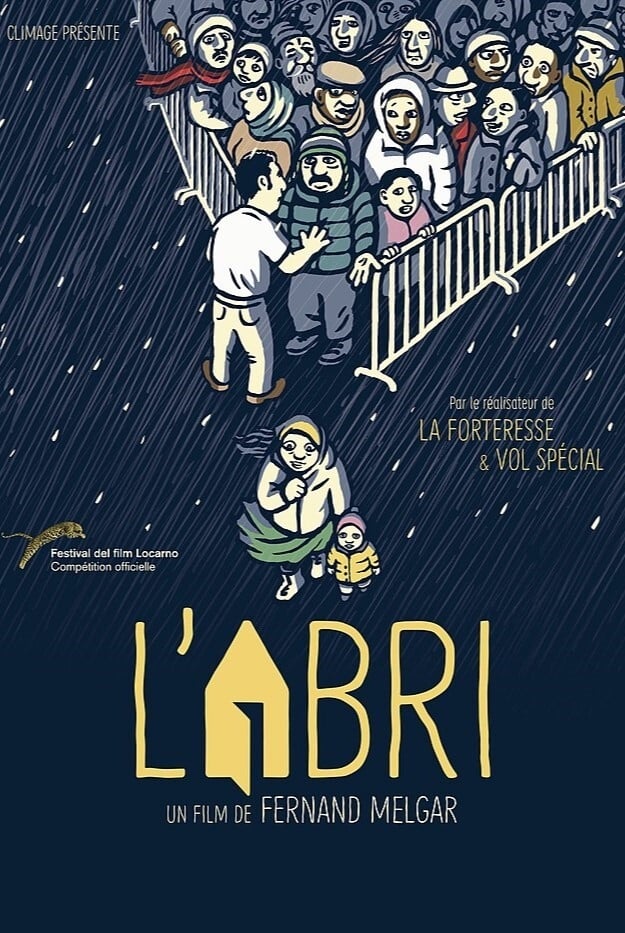
It is winter at an emergency shelter for the homeless in Lausanne. Every night at the door of this little-known basement facility the same entry ritual takes place, resulting in confrontations which can sometimes turn violent. Those on duty at the shelter have the difficult task of “triaging the poor”: the women and children first, then the men. Although the total capacity at the shelter is 100, only 50 “chosen ones” will be admitted inside and granted a warm meal and a bed. The others know it will be a long night.
Synopsis - For god's sake Isabella and Nando are two militant atheists. They live in Italy, a country where the Church still plays a strong political role. T hey are among the 4000 members of UAAR (Union Atheists Agnostics Rationalists), an association that keenly defends the fundamentals of the secular state, giving trouble even to the Vatican. Among the various actions of the association: the campaign for the de-baptize and the "atheist bus", ads that should have spread the slogan: “The bad news is that God doesn't exist. The good one is that you don't need him”
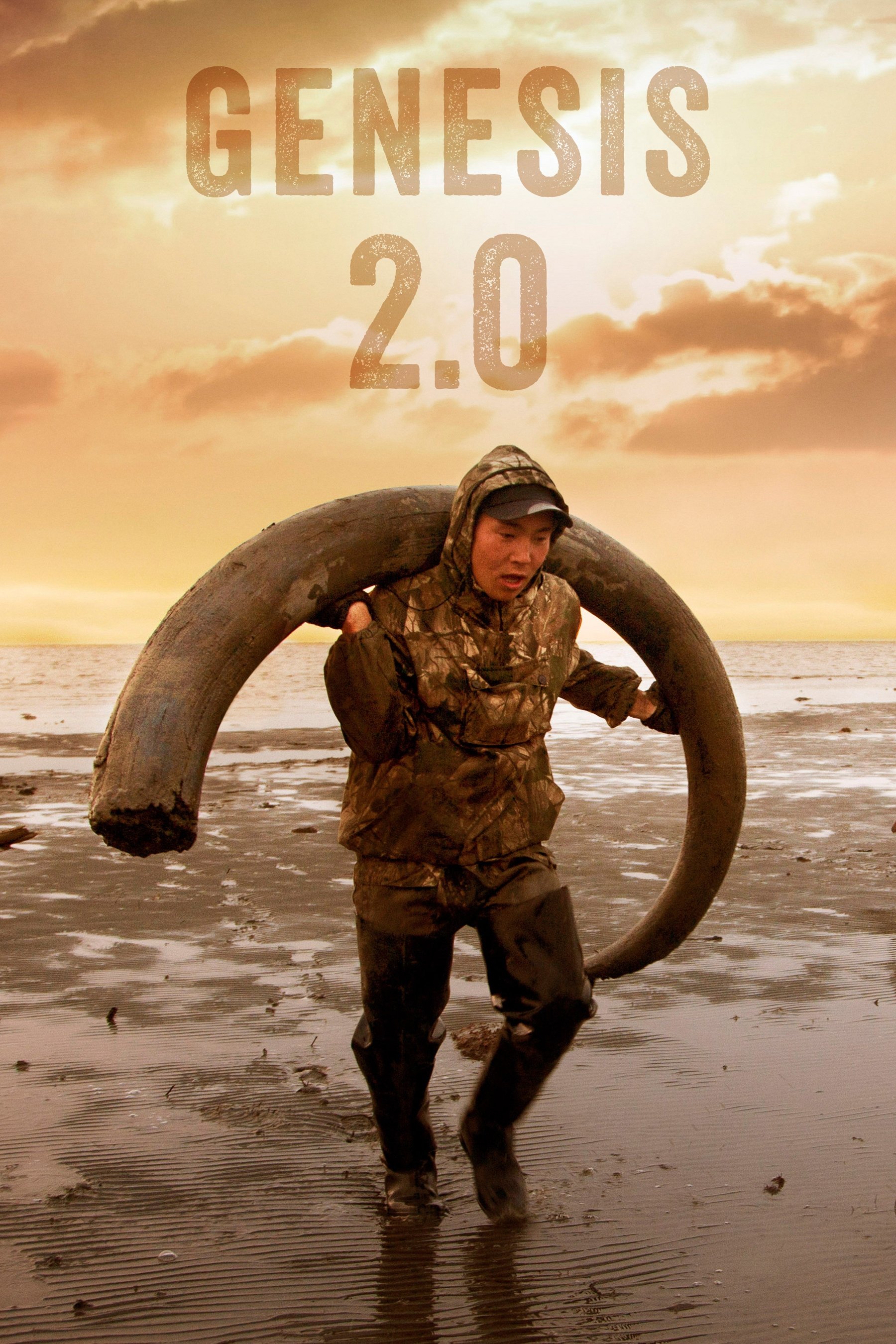
A well-preserved mammoth carcass is found in the remote New Siberian Islands in the Arctic Ocean, opening up the possibility of a world-changing “Jurassic Park” moment in genetics.
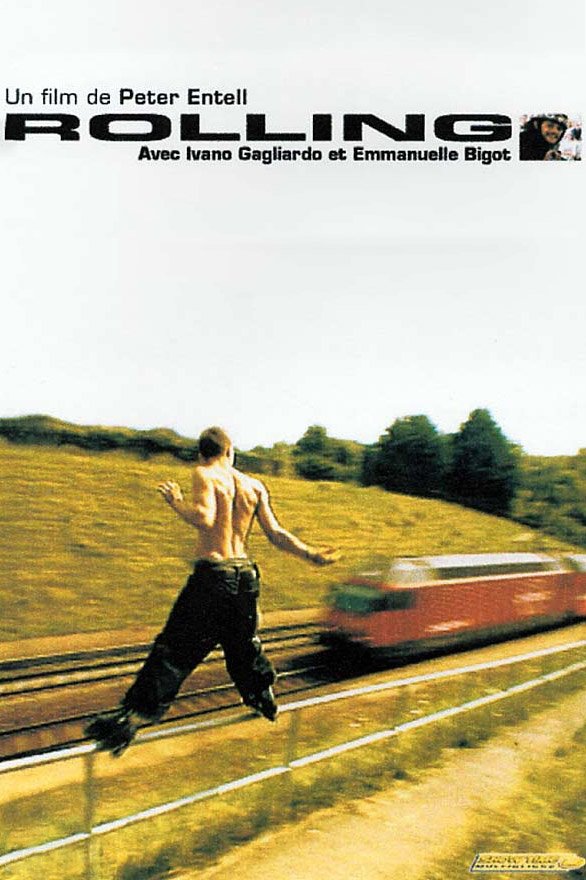
The hills of Lausanne, Switzerland, have become a Mecca for roller-skaters and Ivano has become a prince among them. Ivano rises above the ordinary and often dead-end choices that most young people face today.
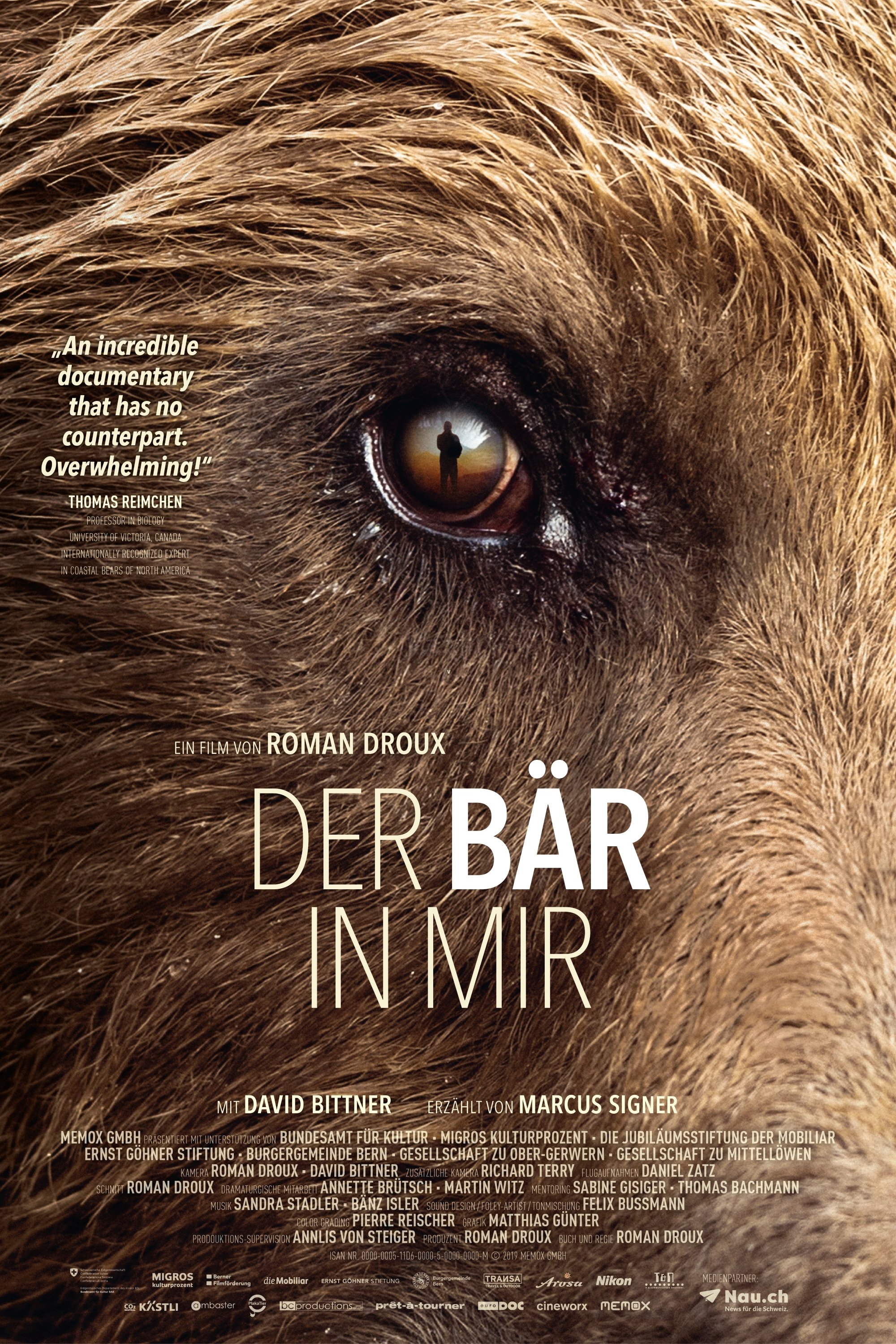
At the far end of the Alaskan peninsula, for filmmaker Roman Droux a childhood dream comes true. He discovers together with the bear researcher David Bittner the universe of wild grizzlies. The two adventurists face bears at smelling-distance, experience the struggle for survival of a bear family and witness dramatic fighting scenes. Driven by a desire to explore the unknown the film tells a personal story of wilderness, framed in breathtaking pictures of unique creatures.
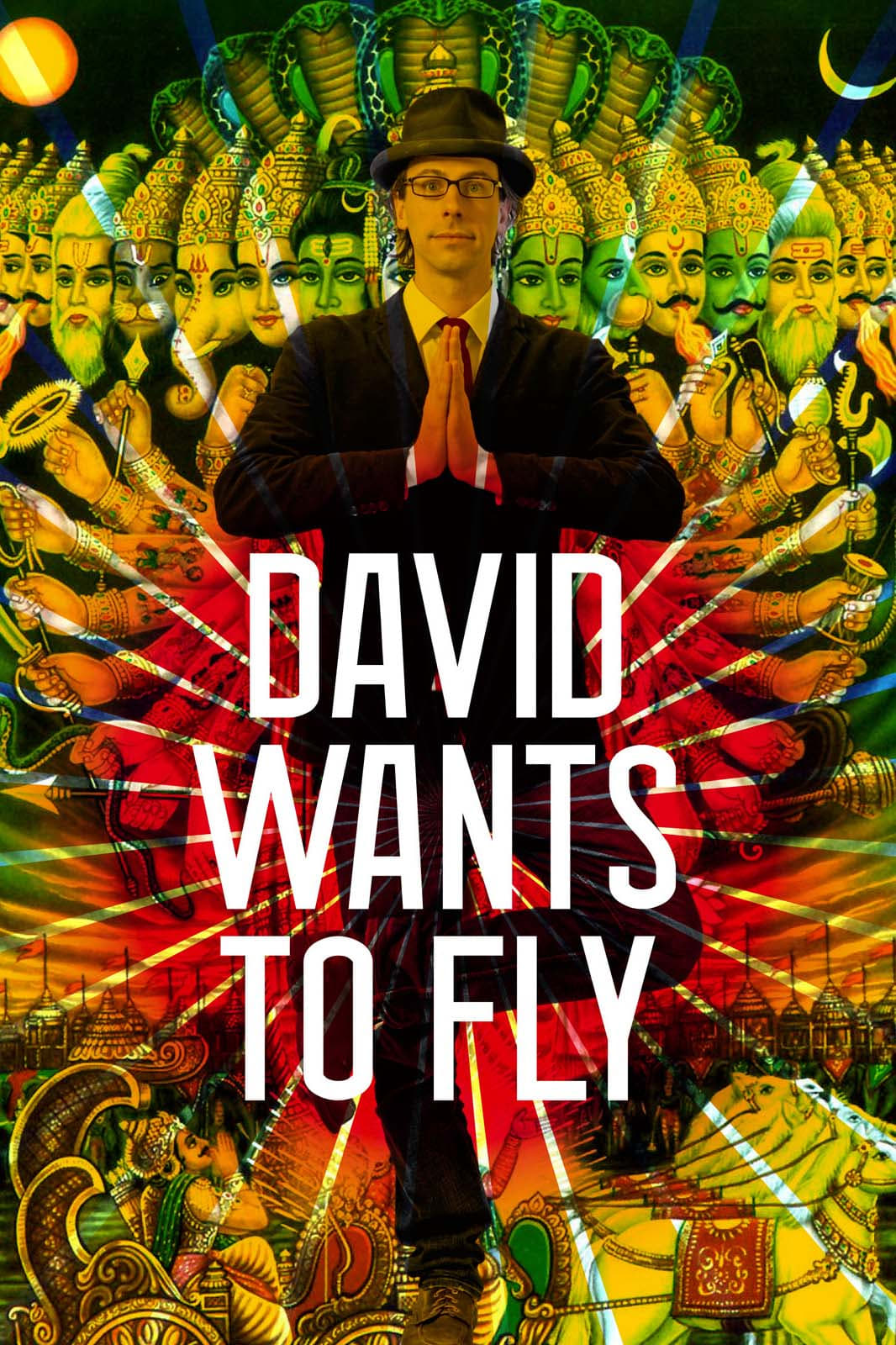
A documentary. David Sieveking takes the advice of his idol, David Lynch and tries out Maharishi Mahesh Yogi's transcendental meditation technique.
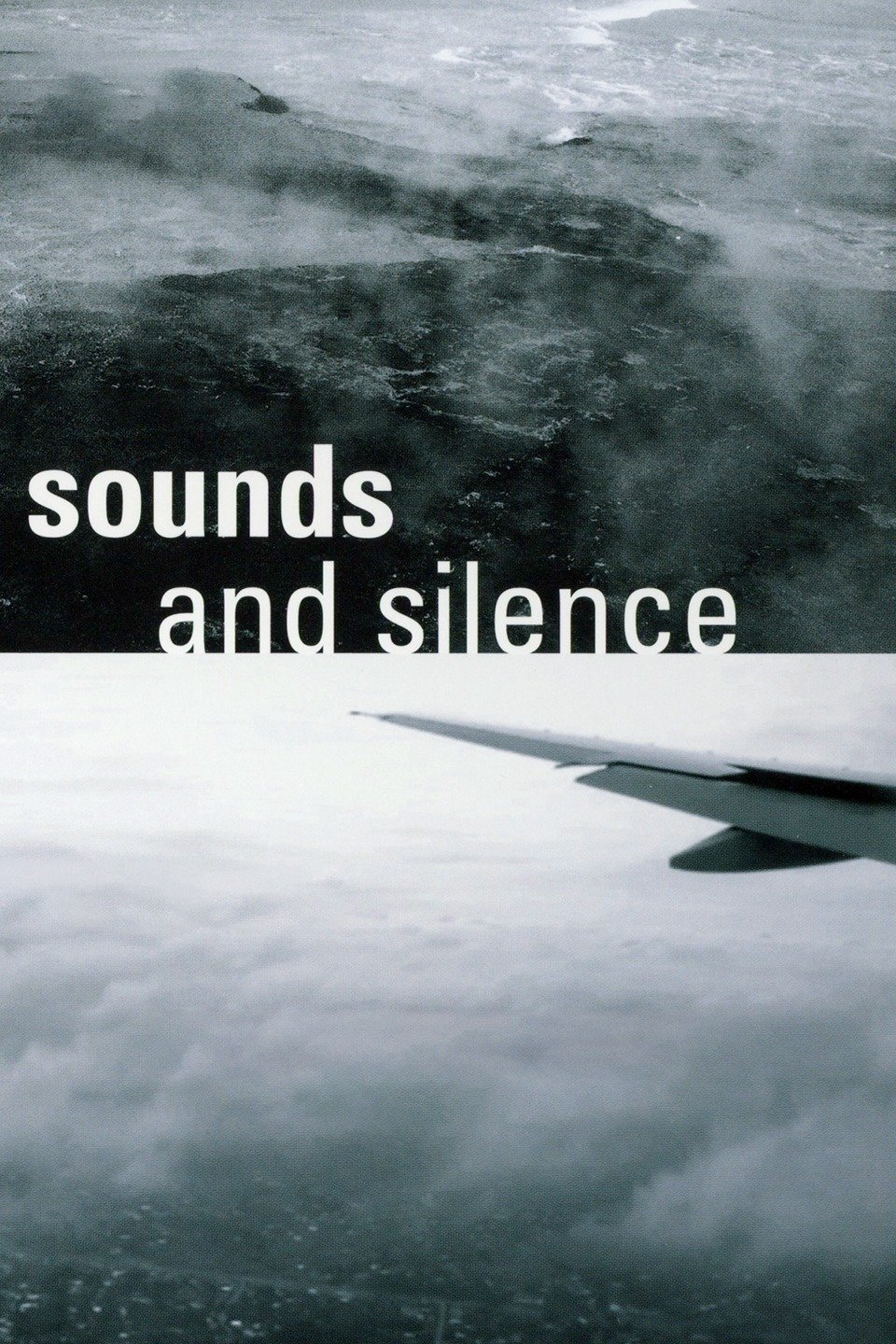
On the way through a world of sounds and noise – with Manfred Eicher, the oustanding discoverer and mediator of contemporary music and founder of the music label ECM. On this journey we are meeting musicians and composers, but also people and places which are connected with him and with each other. We are encountering stories, landscapes, cities, disputes and hugs, tranquillity, hectic pace, work, self-doubt, joy, passion.
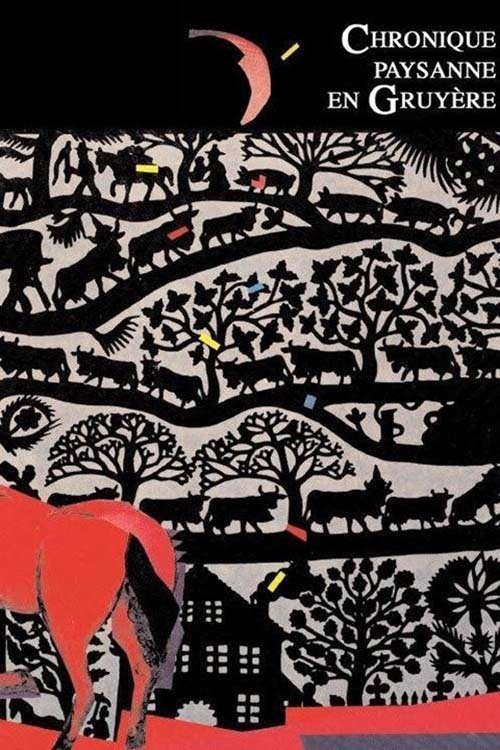
The shooting of this peasant chronicle in the Gruyère region of Switzerland lasted a whole year, from July 1989 to July 1990.
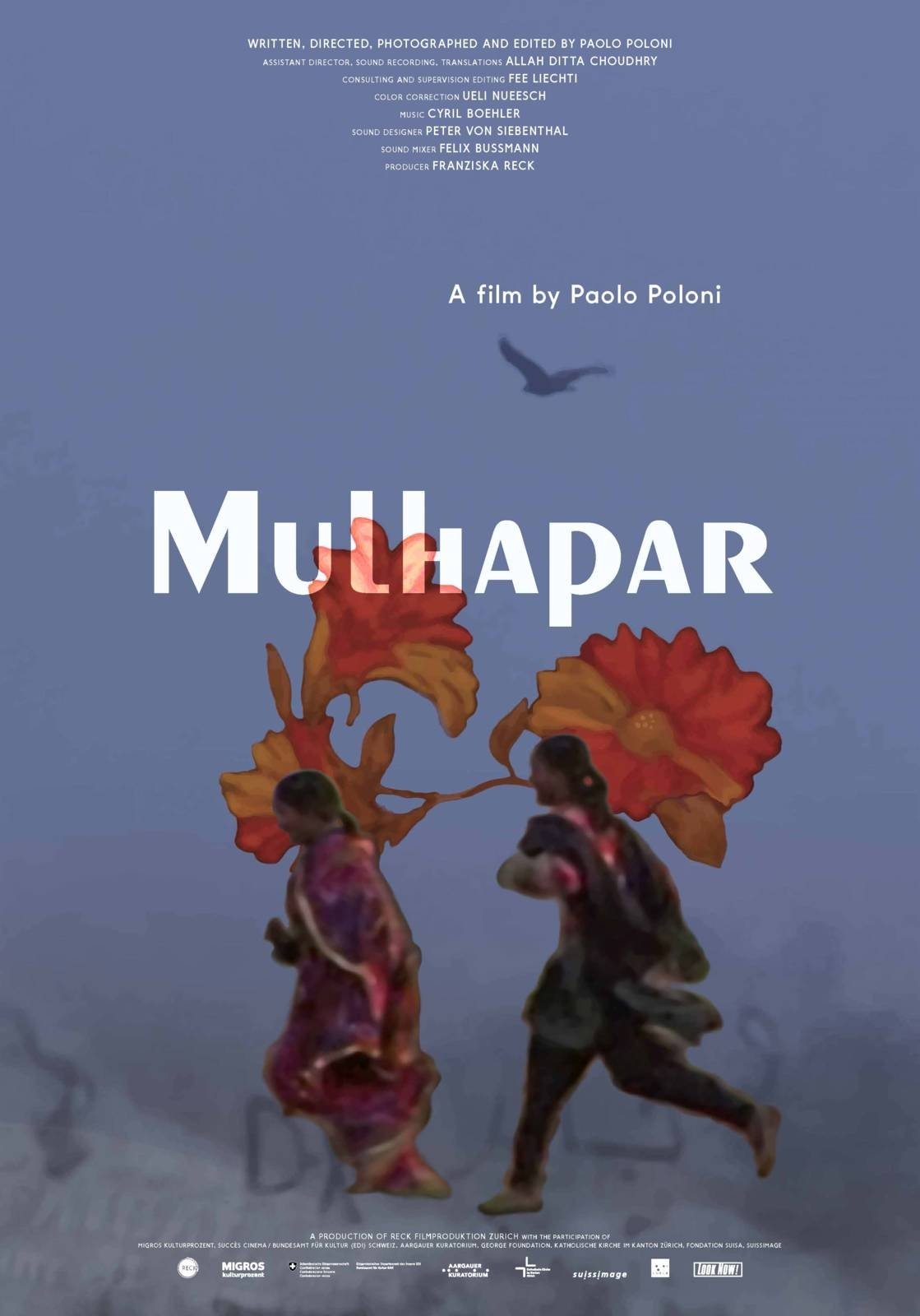
Mulhapar is a village in the wide expanses of the Punjab in Pakistan. A country associated with violence and intolerance. Beyond this sombre prejudice, the film plunges into the brimming life of a community of poor and rich people, Muslims and Christians, the young and the old, women and men. In Mulhapar, their family and individual destinies, as well as their stories and anecdotes are condensed into a vivid mosaic.
MUHAI TANG – IN THE OCEAN OF MUSIC is a portrait of Chinese conductor Muhai Tang’s extraordinary life. Born in 1949, the founding year of the People’s Republic of China, and raised during the Cultural Revolution, it seemed as if he would have to abandon his dream of a career in music. However, his talent, perseverance and the support of Herbert von Karajan ultimately brought him to the world’s concert halls. Today, Muhai Tang is a global nomad. A wanderer between the worlds which he unites with music. His personal history, interspersed with historical caesurae, is typical for Chinese of his generation. He gained access to western culture early on through music. Muhai Tang’s life and work are exemplary of a changing China and the enrichment of the world by an artist between East and West.
This film deals with the issue of mandatory military service in Switzerland. For four months, from February to May 1990, filmmaker Jacqueline Veuve and her team filmed a platoon engaged in basic training at Colombier, Switzerland.
This documentary offers a complex portrait of Hollman Morris, the Colombian war journalist whose multiple award-winning news show Contravía is one of the few local current-affairs programs that refuses to pander to President Alvaro Uribe's staunchly authoritative government. While most television viewers in Columbia opt for variety shows and soap operas, citizens in search of suppressed truths tune in to Contravía to hear the latest news about forced disappearances, secret mass graves, and various other atrocities taking place all across the countryside. But when you live and work in the country that Reporters Without Borders claims is one of the most dangerous places in Latin America for a journalist to work, denouncing human rights abuses can be a dangerous game. Yet despite the danger to both himself and his family, Morris remains convinced that the situation in Columbia will never been improved if outspoken media figures like himself simply disappear into exile.
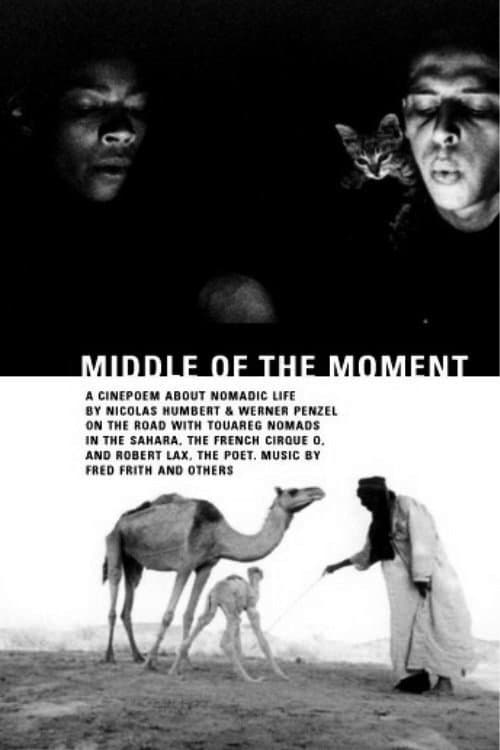
Filmmakers Nicolaus Humbert and Werner Penzel examine the nature of nomadic existence in this documentary, from the literal nomads of North Africa to the more metaphorical kind of wanderer, such as American poet and ex-pat Robert Lax. Humbert and Penzel focus especially on the nomad's paradoxical ability to fully inhabit every moment while remaining coolly detached from specific locales and anxious thoughts about the past or future.
Odyssey of the fortune-teller Daniele von Arb who, aged sixteen, joined the revolutionary underground and made the headlines as a top Swiss terrorist.
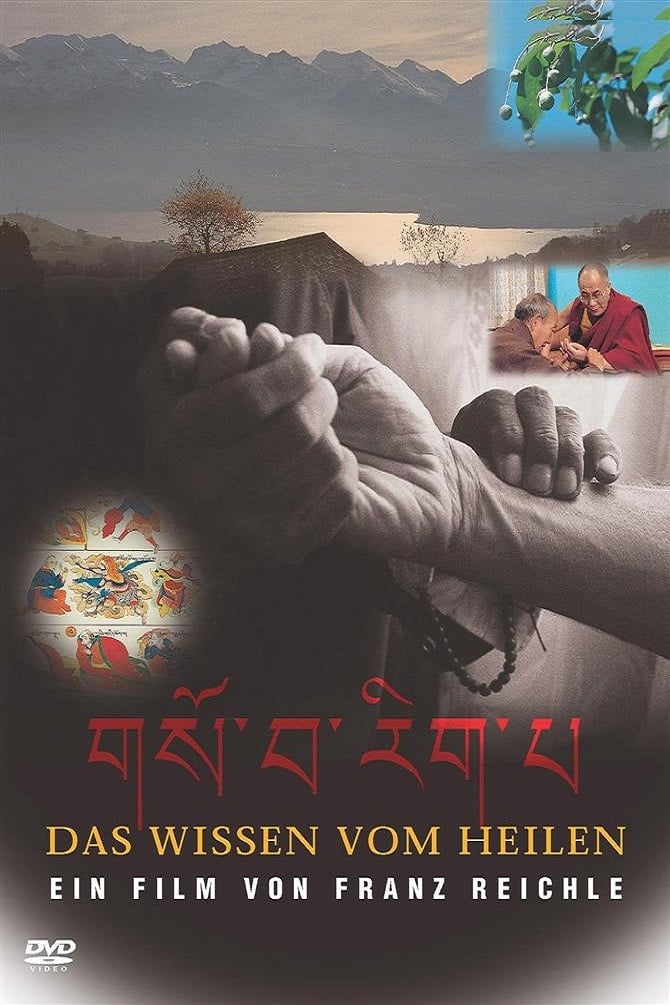
A documentary film about Tibetan traditional medicine.
The story of three Turkish men. They all grew up in Switzerland and all got deported after various criminal offenses.
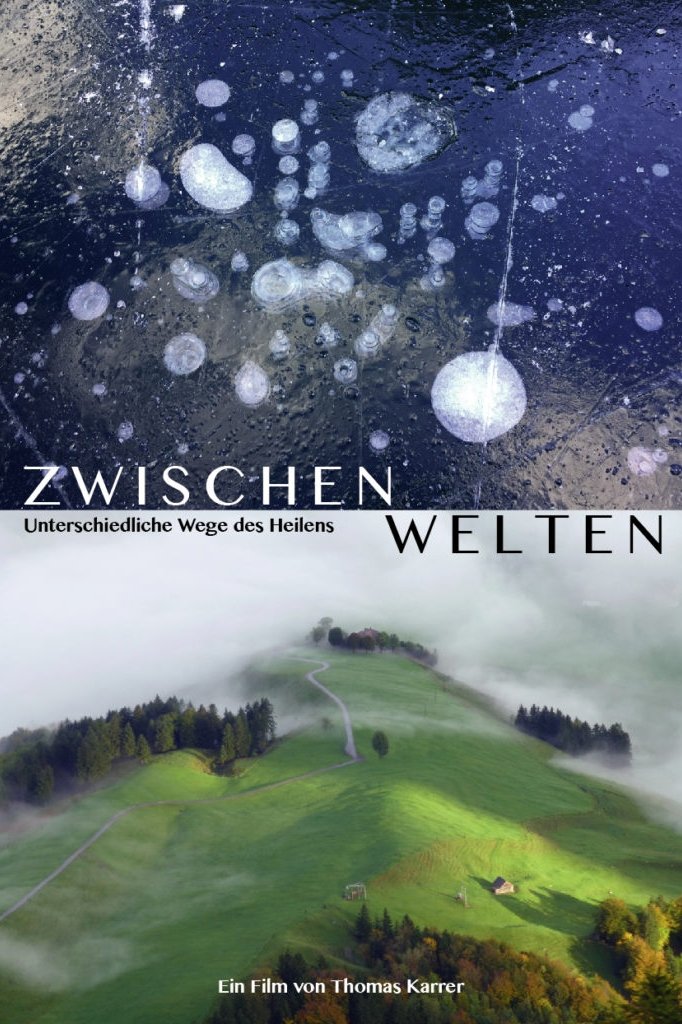
A documentary about healers from the Swiss canton of Appenzell.
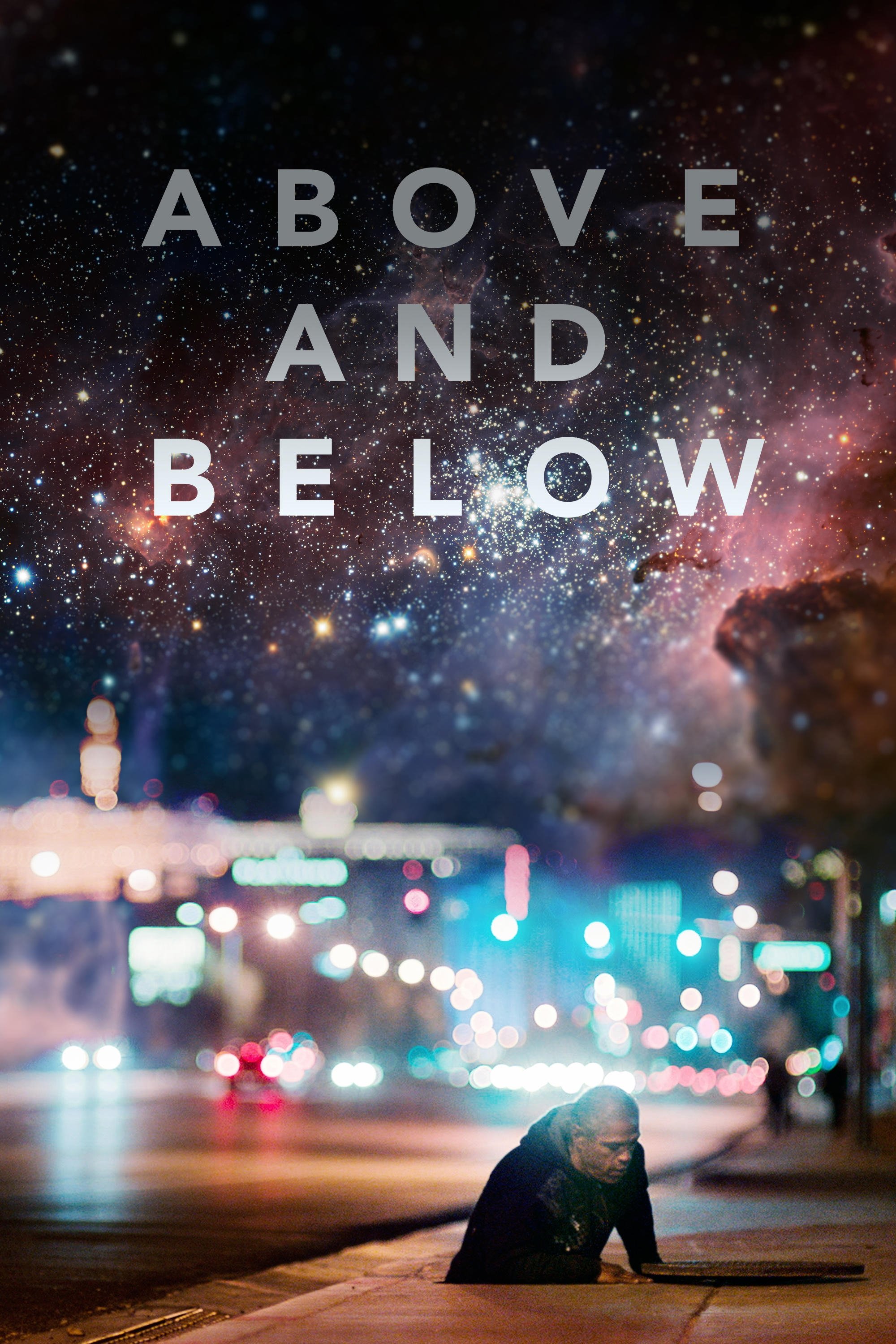
Above and Below is a rough and rhythmic roller coaster ride seating five survivors in their daily hustle through an apocalyptic world. A journey of challenges and beauty in uncomfortable places: Rick & Cindy, Godfather Lalo in the flood channels deep down under the shiny strip of Sin City. Dave in the dry and lonesome Californian desert and April in simulation for a Mars mission in the Utah desert. Through the hustle, the pain and the laughs, we are whisked away to an unfamiliar world, yet quickly discover the souls we encounter are perhaps not that different from our own.
Women bring children into the world. But when, as in the case of Sandra, Jasmine and Jennifer, you're not yet eighteen and your belly is starting to round out, that's when people look at you sideways. And once the baby's here, life with a child is a far greater challenge than we ever imagined in our rosy teenage dreams. A long-term study of three very young mothers, their children and their fathers. A film about their first great love, their professional futures and their dreams for the future.
In an intimate and joyful story of love in the face of loss, celebrated poets Andrea Gibson and Megan Falley find strength—and unexpected hilarity—in what might be their final year together.
An inside look at one of the most anticipated movie sequels ever with James Cameron and cast.
A string of threatening emails escalates into a revenge plot involving a newly married US marshal and his ex-girlfriend.
Alex Gibney explores the charged issue of pedophilia in the Catholic Church, following a trail from the first known protest against clerical sexual abuse in the United States and all way to the Vatican.
Featuring interviews with filmmakers and industry legends, discover the origins and evolution of The Joker, and learn why The Clown Prince of Crime is universally hailed as the greatest comic-book supervillain of all time.
A feature length documentary about the all-women team at the helm of Pixar's original feature, Turning Red. With unprecedented behind-the-scenes access to Director Domee Shi and her core leadership crew, this story shines a light on the powerful professional and personal journeys that brought this incredibly comical, utterly relatable, and deeply heartfelt story to the screen.
A documentary on the expletive's origin, why it offends some people so deeply, and what can be gained from its use.
SEDUCED AND ABANDONED combines acting legend Alec Baldwin with director James Toback as they lead us on a troublesome and often hilarious journey of raising financing for their next feature film. Moving from director to financier to star actor, the two players provide us with a unique look behind the curtain at the world's biggest and most glamourous film festival, shining a light on the bitter-sweet relationship filmmakers have with Cannes and the film business. Featuring insights from directors Martin Scorsese, 'Bernando Bertolucci' and Roman Polanski; actors Ryan Gosling and Jessica Chastain and a host of film distribution luminaries.
A documentary about the life and films of director John Ford.
Al Pacino's deeply-felt rumination on Shakespeare's significance and relevance to the modern world through interviews and an in-depth analysis of "Richard III."
A visual montage portrait of our contemporary world dominated by globalized technology and violence.
While in San Francisco for the promotion of her last film in October 1967, Agnès Varda, tipped by her friend Tom Luddy, gets to know a relative she had never heard of before, Jean Varda, nicknamed "Yanco". This hitherto unknown uncle lives on a boat in Sausalito, is a painter, has adopted a hippie lifestyle and loves life. The meeting is a very happy one.
Join director Clint Eastwood and his creative team, along with Bradley Cooper and Sienna Miller, as they overcome enormous creative and logistic obstacles to make a film that brings the truth of Navy SEAL Chris Kyle's story to the screen.
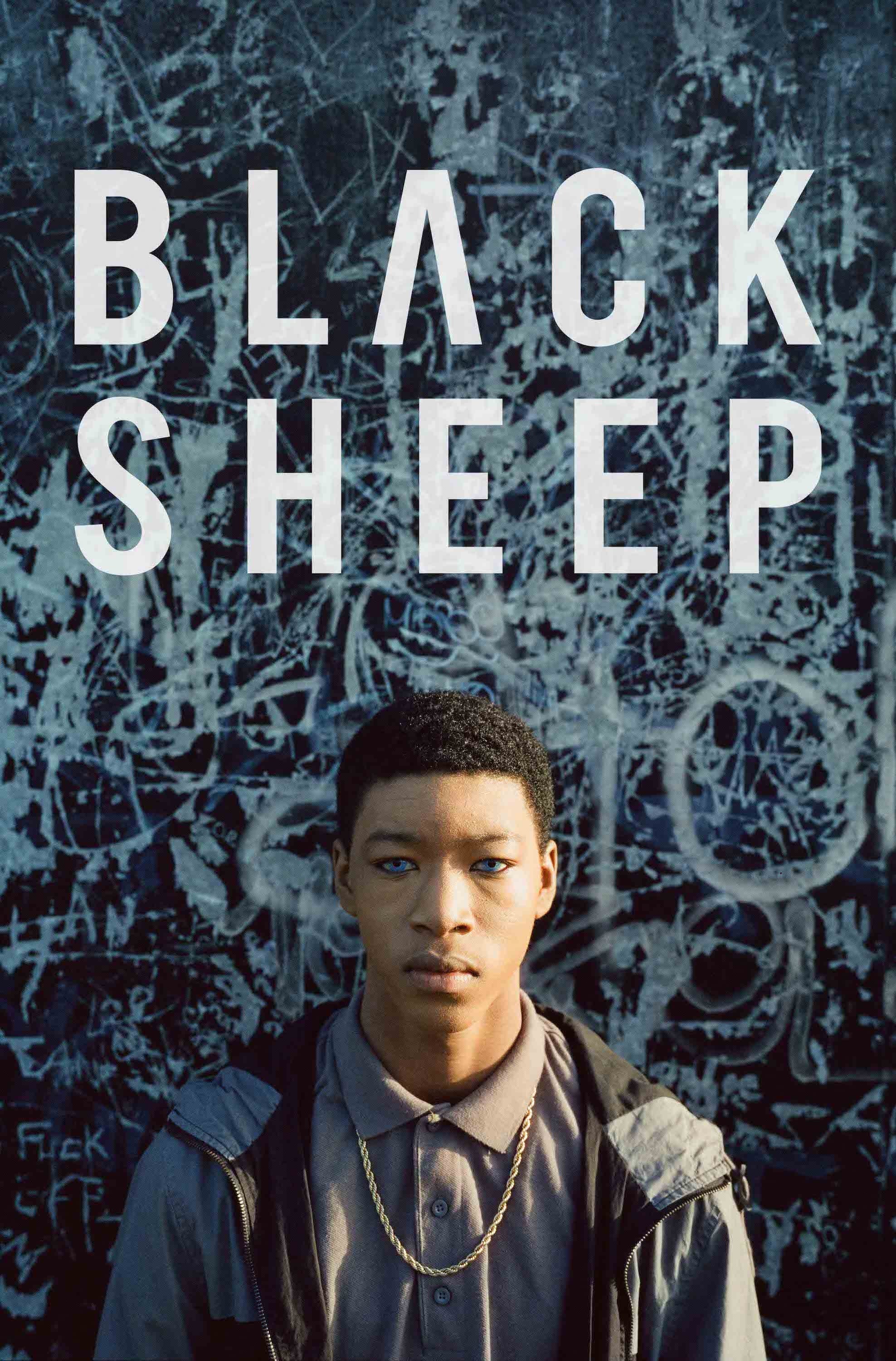
After the high-profile killing of Damilola Taylor, Cornelius' family move out of London. But when they discover their new town is run by racists, Cornelius takes a drastic step to survive.
The film is based on interviews with 2,000 women from 50 countries, and covers the status of women all over the world. The topics covered include forced marriages, sexual assault, female genital mutilation, acid attacks, motherhood, sexuality, menstruation, education and the professional success of women.
Alexander McQueen's rags-to-riches story is a modern-day fairy tale, laced with the gothic. Mirroring the savage beauty, boldness and vivacity of his design, this documentary is an intimate revelation of McQueen's own world, both tortured and inspired, which celebrates a radical and mesmerizing genius of profound influence.
This revealing documentary honors the legendary Sidney Poitier—iconic actor, filmmaker, and civil rights activist. Featuring interviews with Denzel Washington, Spike Lee, Halle Berry, and more.
Daniel Craig candidly reflects on his 15 year adventure as James Bond. Including never-before-seen archival footage from Casino Royale to the upcoming 25th film No Time To Die, Craig shares his personal memories in conversation with 007 producers, Michael G Wilson and Barbara Broccoli.
The Making-of James Cameron's Avatar. It shows interesting parts of the work on the set.
A deep dive into the making of the Paranormal Activity films with first time ever interviews with cast and crew, never-before-seen footage from the movies, and a preview of the seventh installment in the franchise.