Social & External
The people behind it
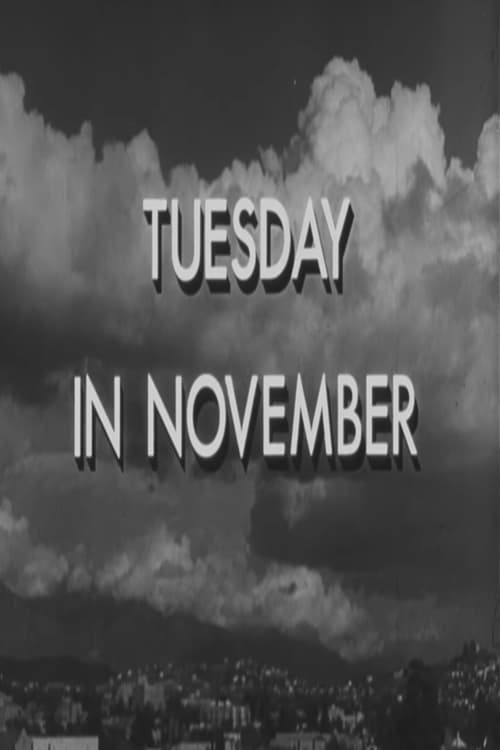
A propaganda short about the 1944 United States presidential election, produced by the Office of War information, for overseas distribution. It is meant to explain how the democratic process in America works. Preserved by the Academy Film Archive in 2007.
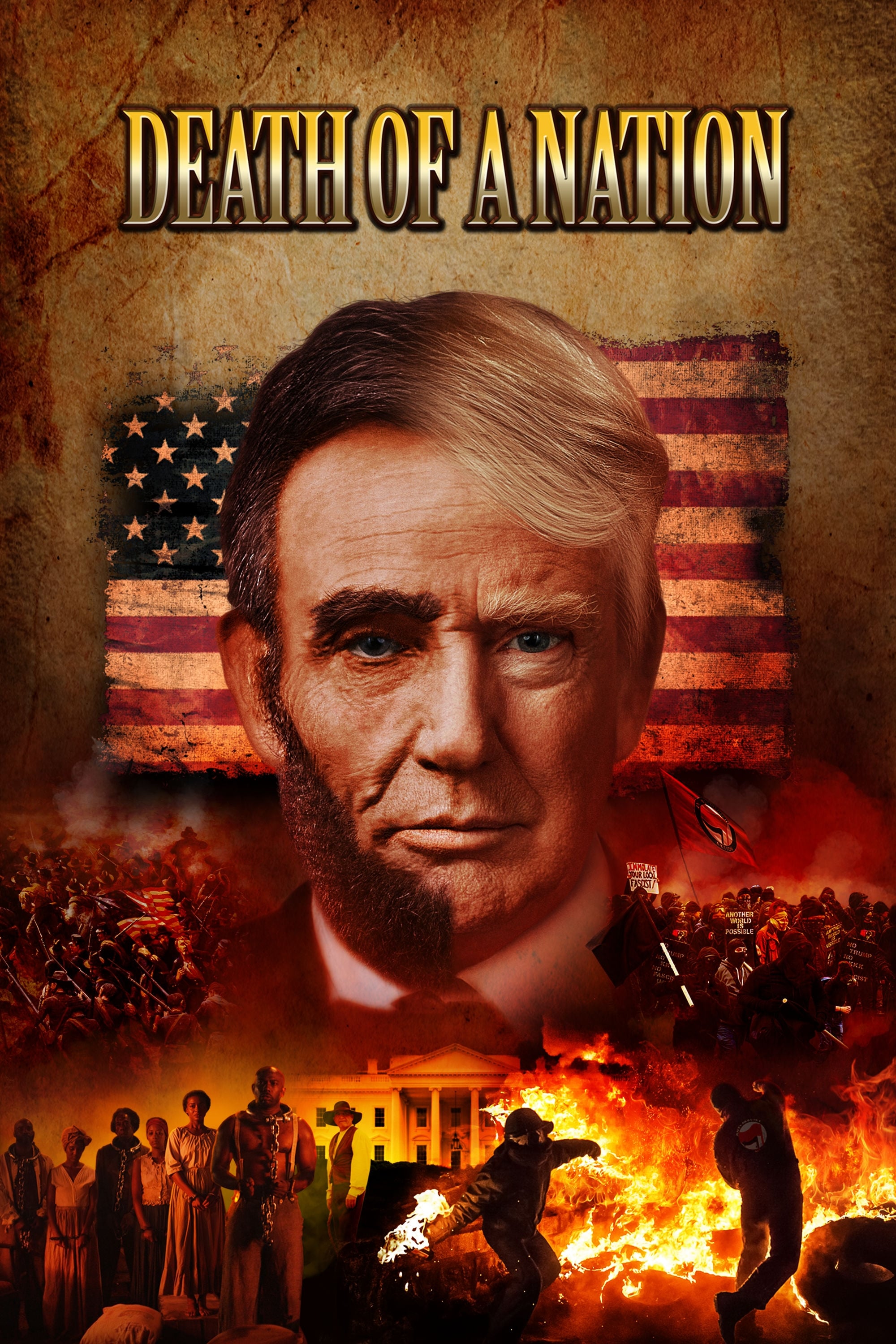
Parallels are drawn between Abraham Lincoln's presidency and the presidency of Donald Trump. Not since 1860 have the Democrats so fanatically refused to accept the result of a free election. That year, their target was Lincoln. They smeared him. They went to war to defeat him. In the end, they assassinated him.
As America chooses its next president in the midst of a historic pandemic, FRONTLINE investigates whose vote counts — and whose might not.side the reality of labor trafficking in America. In this documentary with Columbia Journalism Investigations and USA Today, New Yorker writer Jelani Cobb reports on allegations of voter disenfranchisement, how unfounded claims of extensive voter fraud entered the political mainstream, rhetoric and realities around mail-in ballots, and how the pandemic could impact turnout.
Following the artist Phil Collins' search for a decommissioned statue of German philosopher Friedrich Engels in eastern Ukraine, and documenting its journey and arrival to a homecoming party in Manchester.
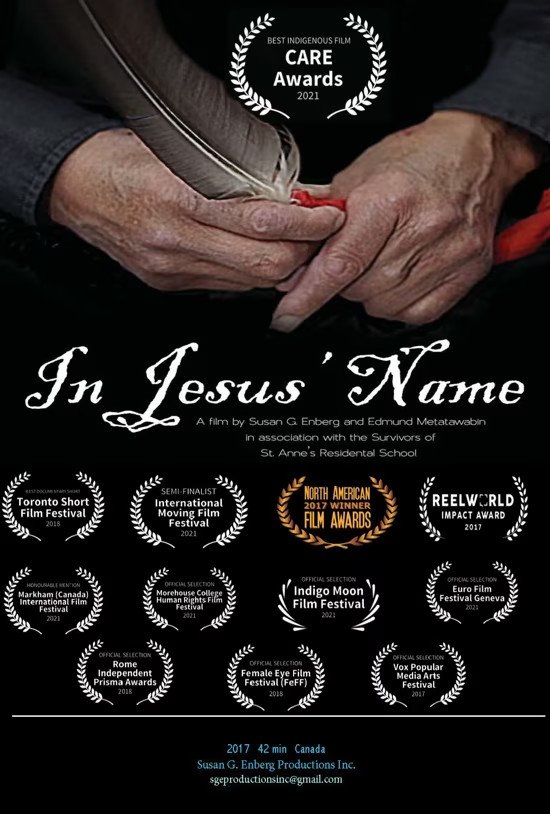
A poignant all-Indigenous English and Cree-English collaborative documentary that breaks long-held silences imposed upon indigenous children who were interned at the notoriously violent St. Anne’s Residential School in Fort Albany First Nation, Ontario. Use of a homemade electric chair at St. Anne's and the incorporation of testimony about student-on-student abuse makes this documentary stand apart from other films about Canadian residential school experiences. This film will serve as an Indigenous historical document wholly authored by Indigenous bodies and voices, those of the Survivors themselves.
Seeking to understand 'why they hate us', the US military adopts a new strategy of cultural awareness to win over the hearts and minds of the Iraqi and Afghan people. Controversy erupts when academics embed with combat troops and the war comes home to the university.
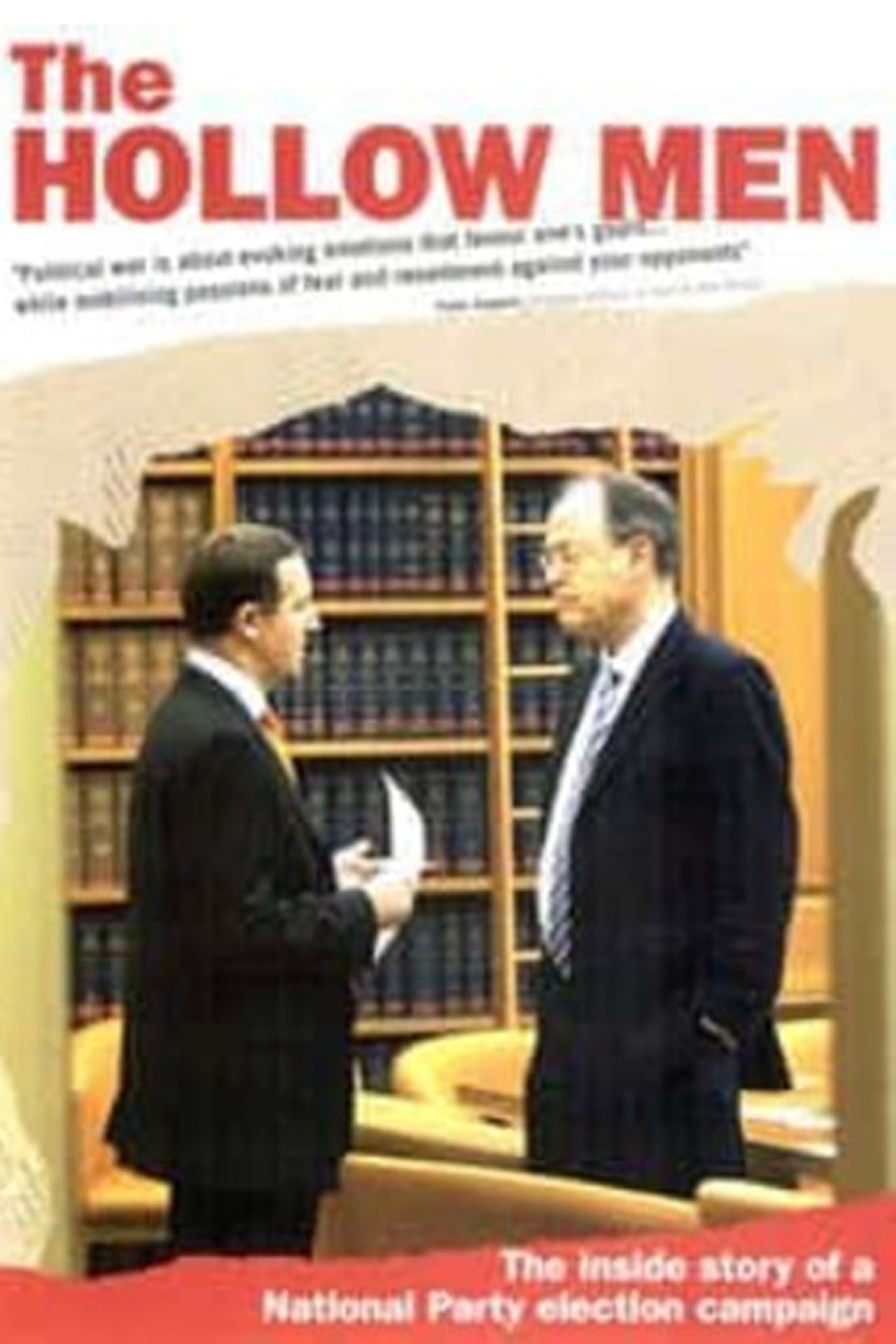
The 'stolen' insider emails that informed Nicky Hager's best-selling account of National's 2005 election campaign return in Alister Barry's (Someone Else's Country) new film - just in time to caution us against campaigning politicians in 2008. Addressing each other like schoolboy Machiavellis, party leader Don Brash and his advisors spelled out how they'd copy the big boys in Australia and the US in order to win the votes of people who'd never support the kind of policies such men are widely presumed to represent. The dividing and conquering began at Orewa.
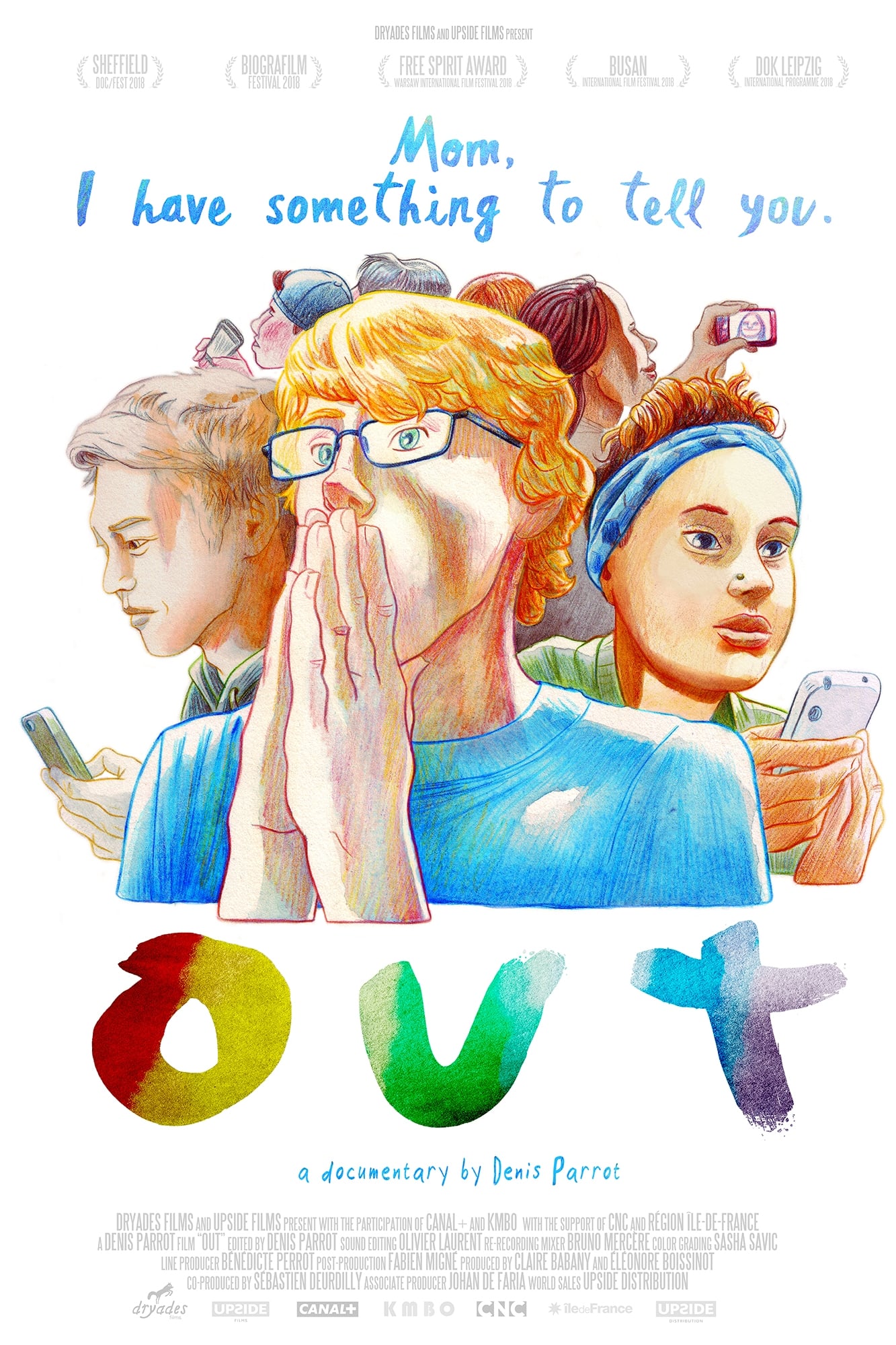
Through a montage of compelling videos posted on the Internet by young gays, bis, lesbians or transsexuals, «Out» makes us experience from within the groundbreaking moment of their coming out – after which their intimate and social life shall be forever changed.
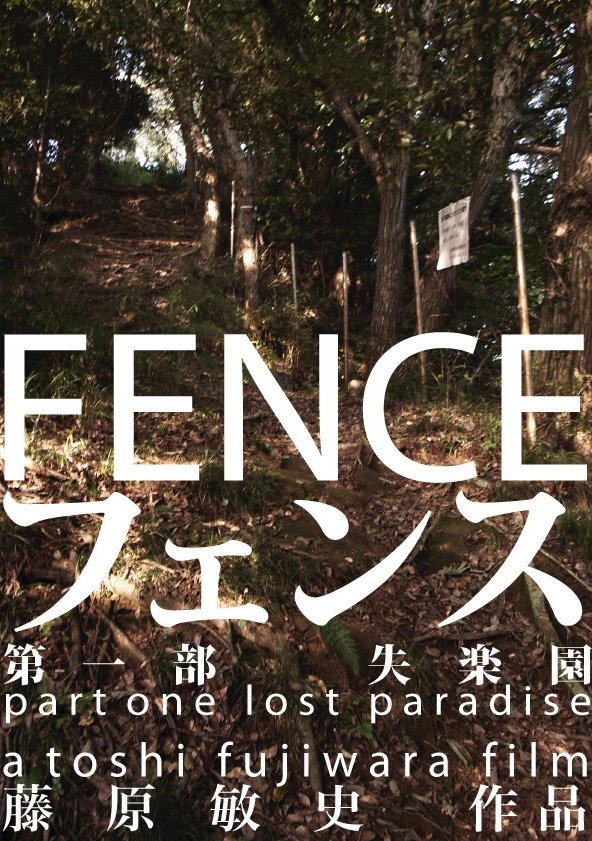
Before World War II, Ikego village was an idyllic agriculture community. The Imperial Navy took over the village and the hills to build the largest ammunition preserve in Asia. When Japan lost, these facilities were taken over by the US Navy, and are now housing for the American soldiers.
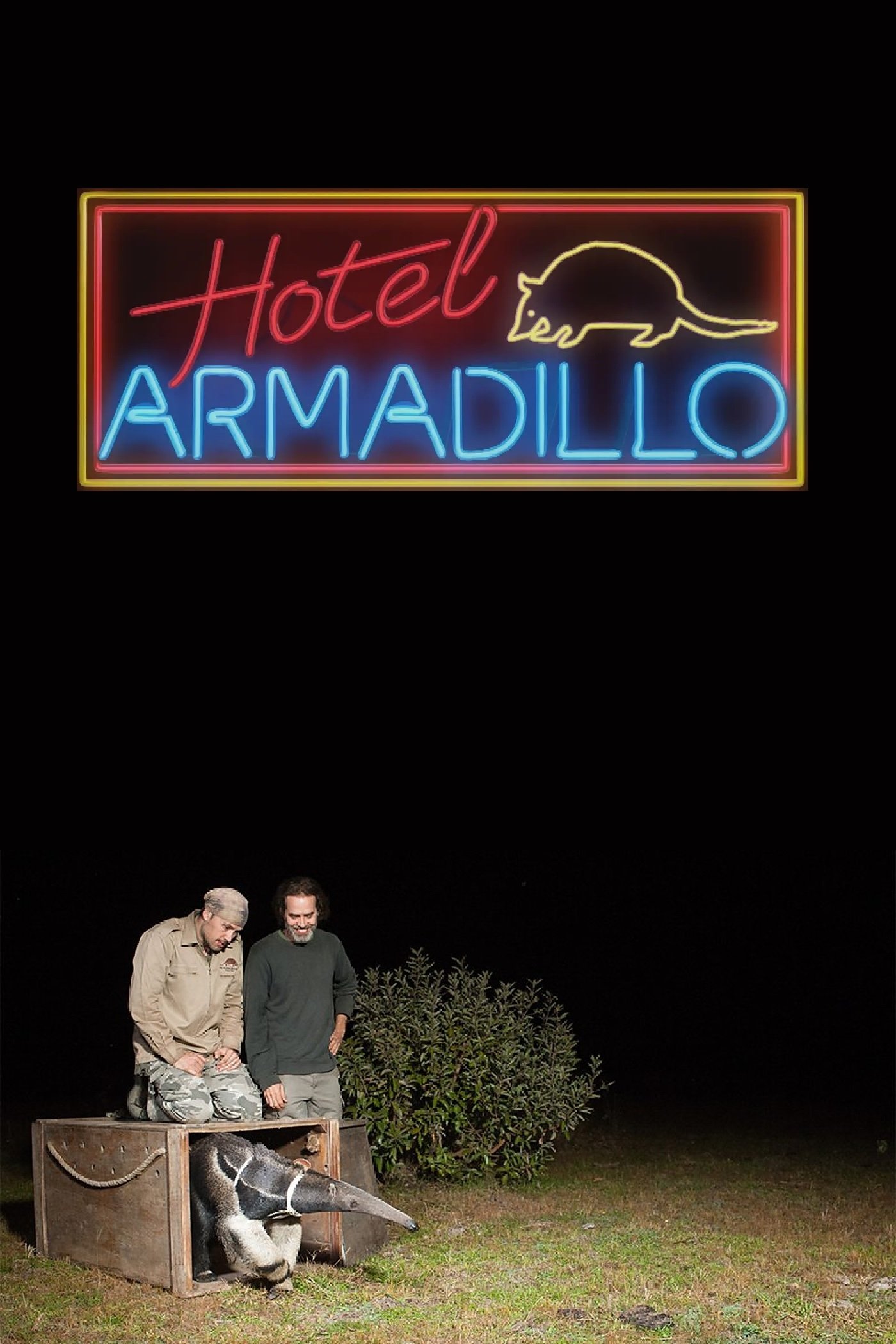
David Attenborough looks at the giant armadillo and examines how this seldom-seen animal provides scores of other creatures with the hotel and restaurant services they need to thrive in earth's biggest natural wetland - the Pantanal of Brazil.
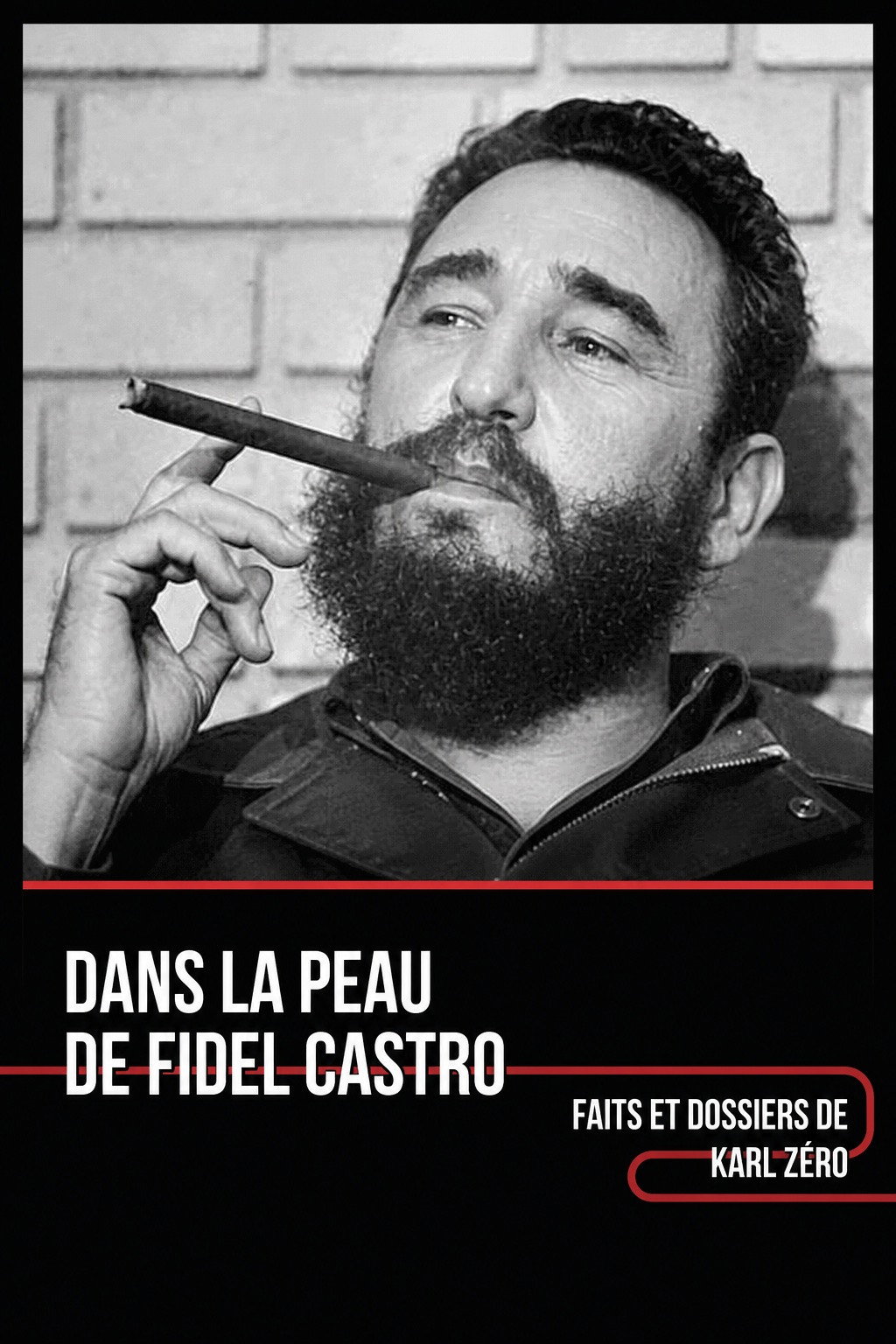
Through the voice of an impersonator, the cuban hero will recount with us his political career. This tender, caustic yet authentic portrait will take us through his life from euphoria to revolt, from hollow laugh to genuine cheerfulness. Here comes... "En la Piel de Fidel".
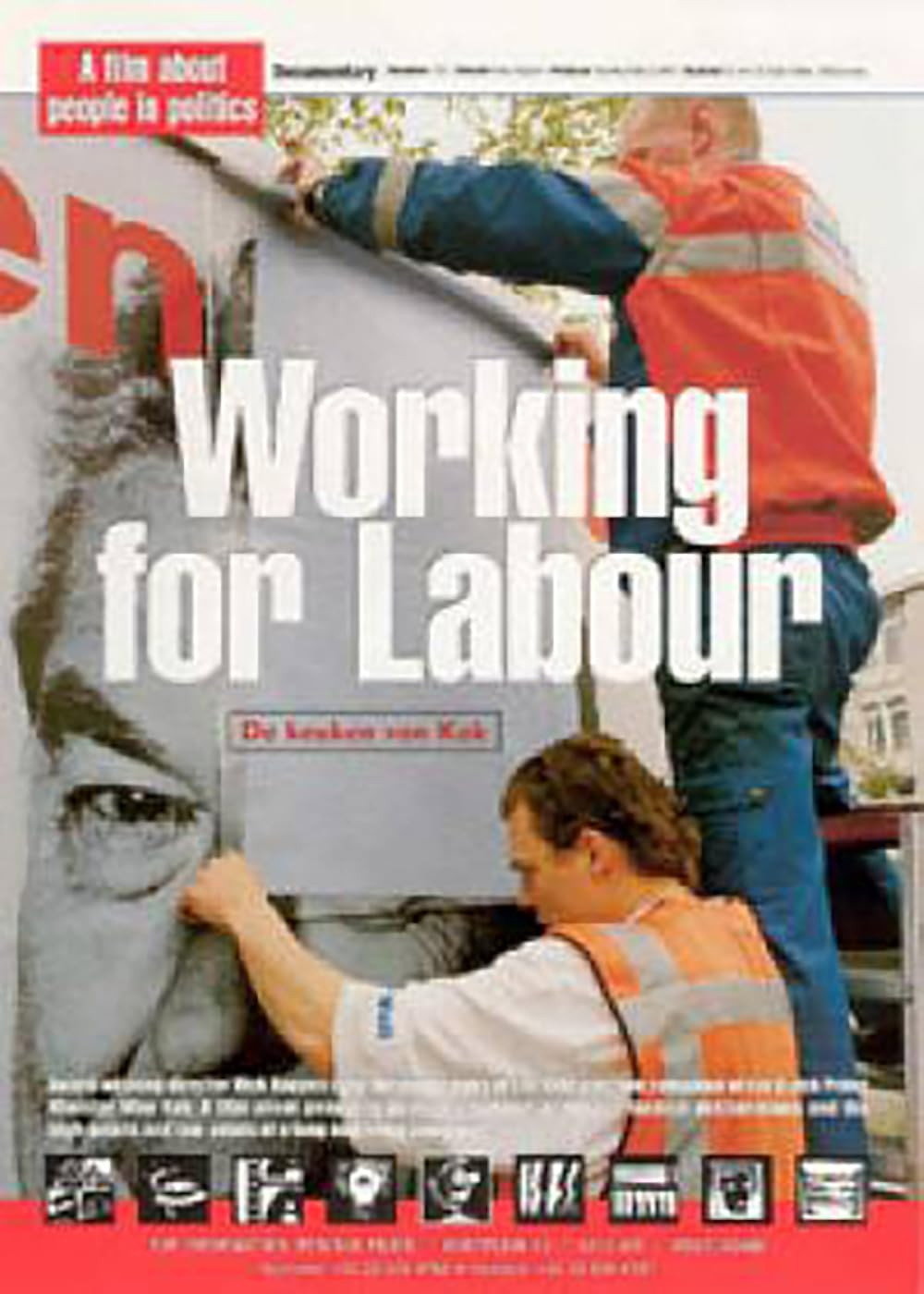
No film-maker has ever before been given permission to follow a Dutch election campaign with the camera. On the basis of a few contractual conditions, film-maker Niek Koppen was given a glimpse into the 'kitchen' of the Labour Party election campaign in 1998. From the making of the publicity photos by Anton Corbijn to the celebration of the election victory on 6 May 1998. In the Prime Minister's residence, Koppen recorded how decisions were taken during intimate discussions, phone calls and meals. The film focuses on the arduous cooperation between the veterans Wim Kok and Jacques Wallage and the much younger campaign director Karin Adelmund. De keuken van Kok (Working for Labour) provides a picture of the emotions, ambitions, tactics and the ups and downs of a long and tiring process. (filmcommission.nl)
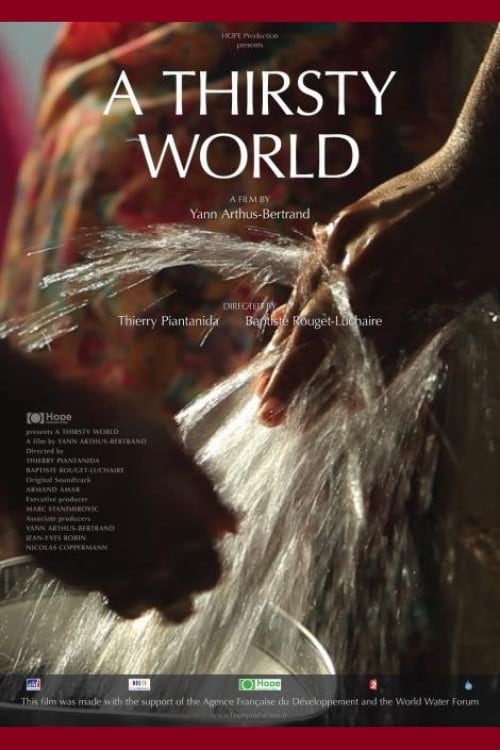
Today, against a backdrop of sharply increasing demand, growth in the world population and the growing impact of an unsettled climate, water has become one of the most precious natural resources of our planet.
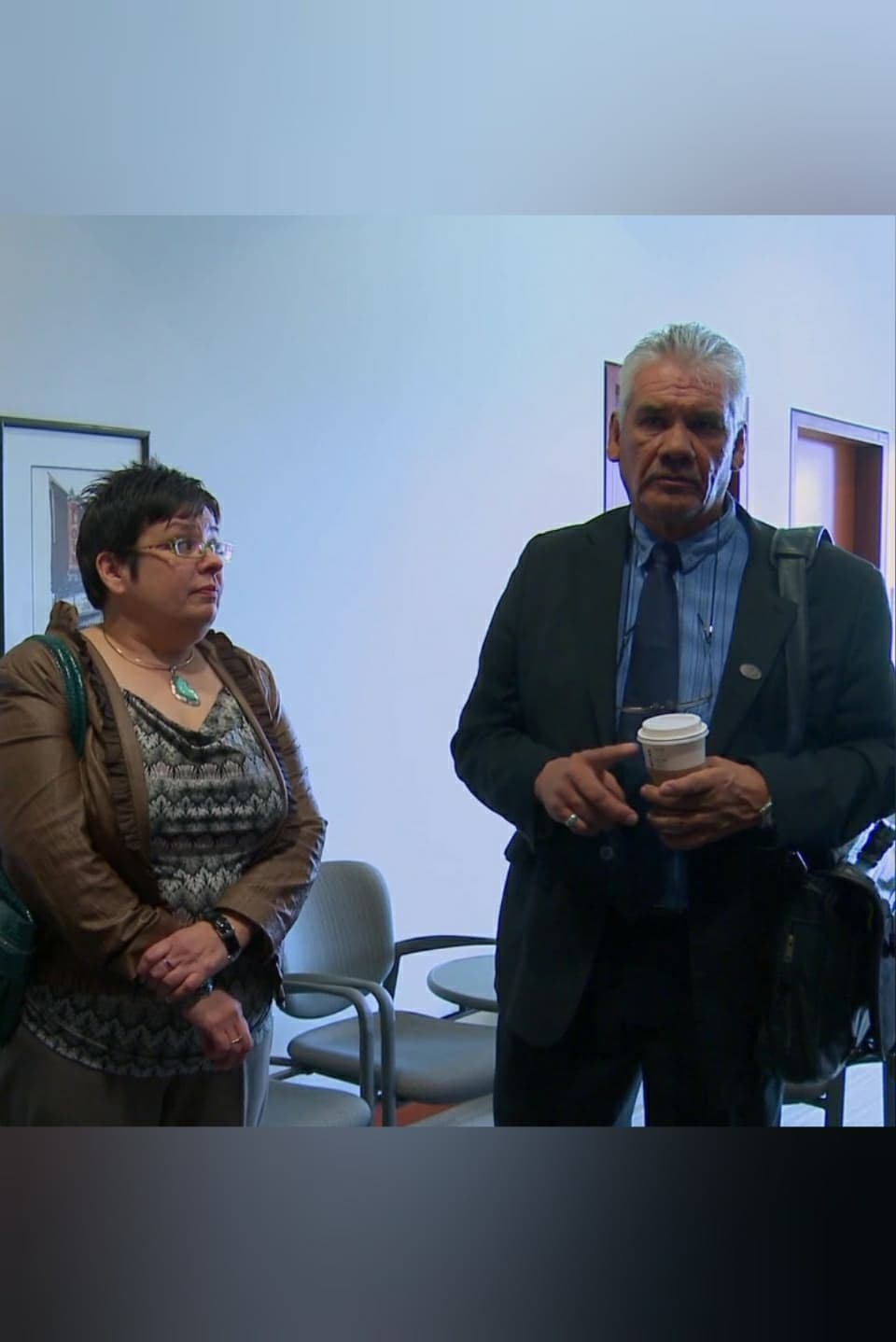
Amid a severe housing crisis that made international headlines in 2011, the federal government imposed third-party management on the Attawapiskat First Nation. In response, the First Nation’s leadership filed a challenge in federal court, claiming the appointment was unreasonable, contrary to law and harmful to community members. Alanis Obomsawin documents the remarkable judicial review that ensued in April 2012 in this companion work to her feature documentary The People of the Kattawapiskak River.
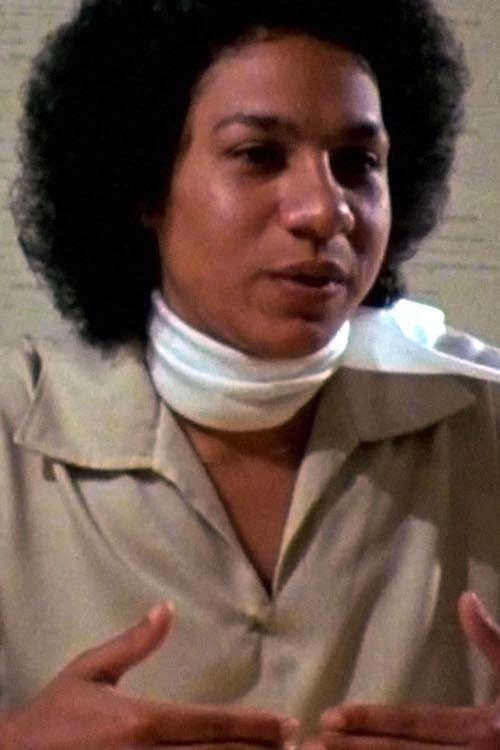
This short documentary records Anne Cools’ 1978 run for the Liberal Party nomination in Rosedale, one of Toronto's largest and socially most diverse federal ridings. The film records her bid for political power, and explains the nomination contest, a basic step in the Canadian electoral process. Because she was competing against the Liberal Party's preferred candidate, the nomination battle in Rosedale turned into one of the most innovative and fascinating in the history of Canadian politics.
Scenes of daily life in the Indian communities of Ecuador.
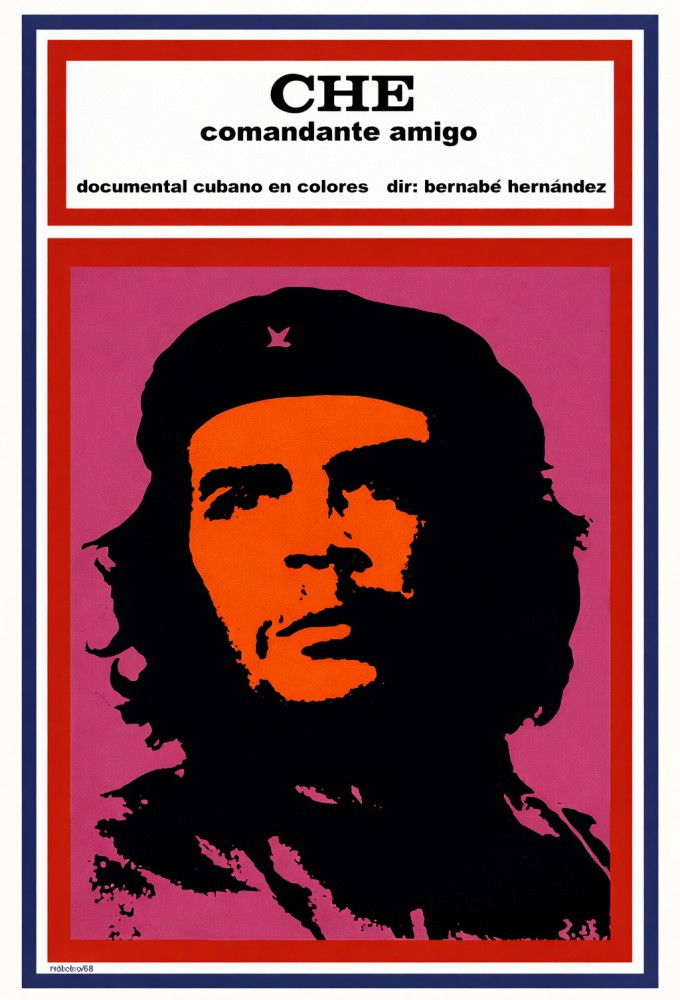
Biographical sketch of the heroic guerrilla on the tenth anniversary of his death, made from the evocations of the homonymous poem written by Nicolás Guillén.
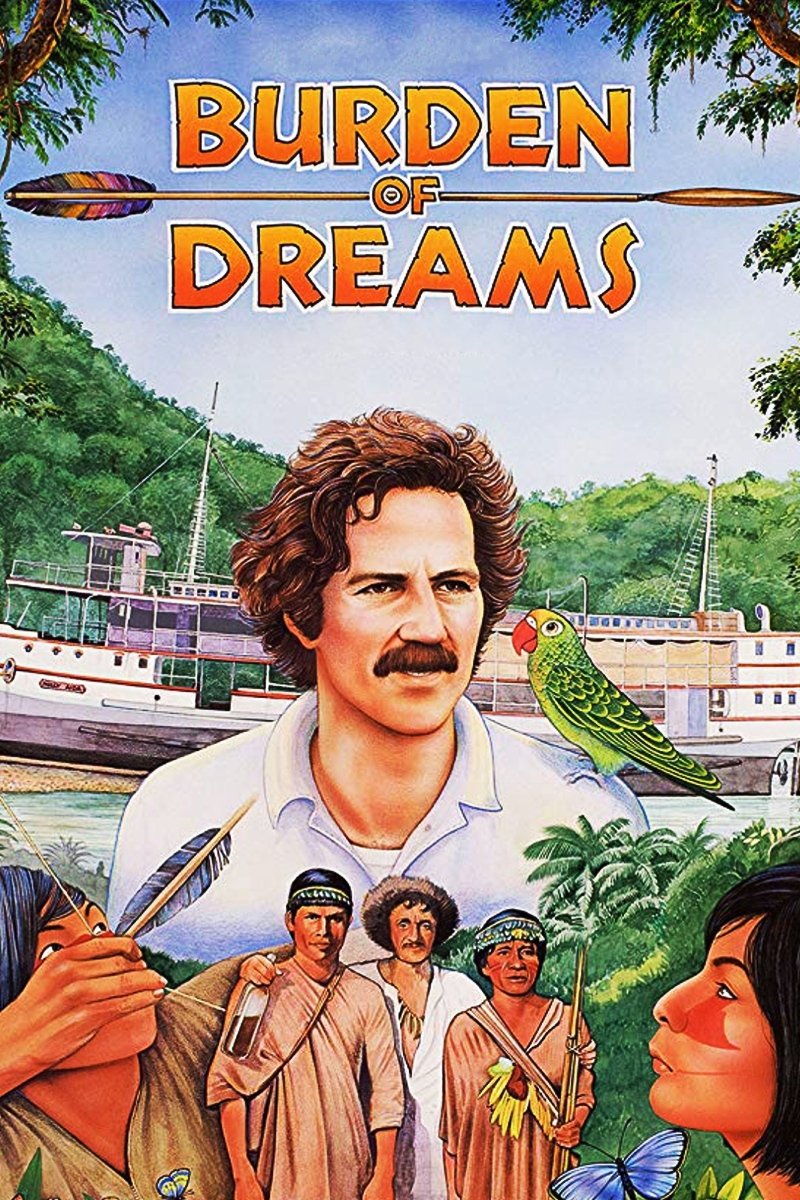
The Amazon rain forest, 1979. The crew of Fitzcarraldo (1982), a film directed by German director Werner Herzog, soon finds itself with problems related to casting, tribal struggles and accidents, among many other setbacks; but nothing compared to dragging a huge steamboat up a mountain, while Herzog embraces the path of a certain madness to make his vision come true.
Takes us to locations all around the US and shows us the heavy toll that modern technology is having on humans and the earth. The visual tone poem contains neither dialogue nor a vocalized narration: its tone is set by the juxtaposition of images and the exceptional music by Philip Glass.
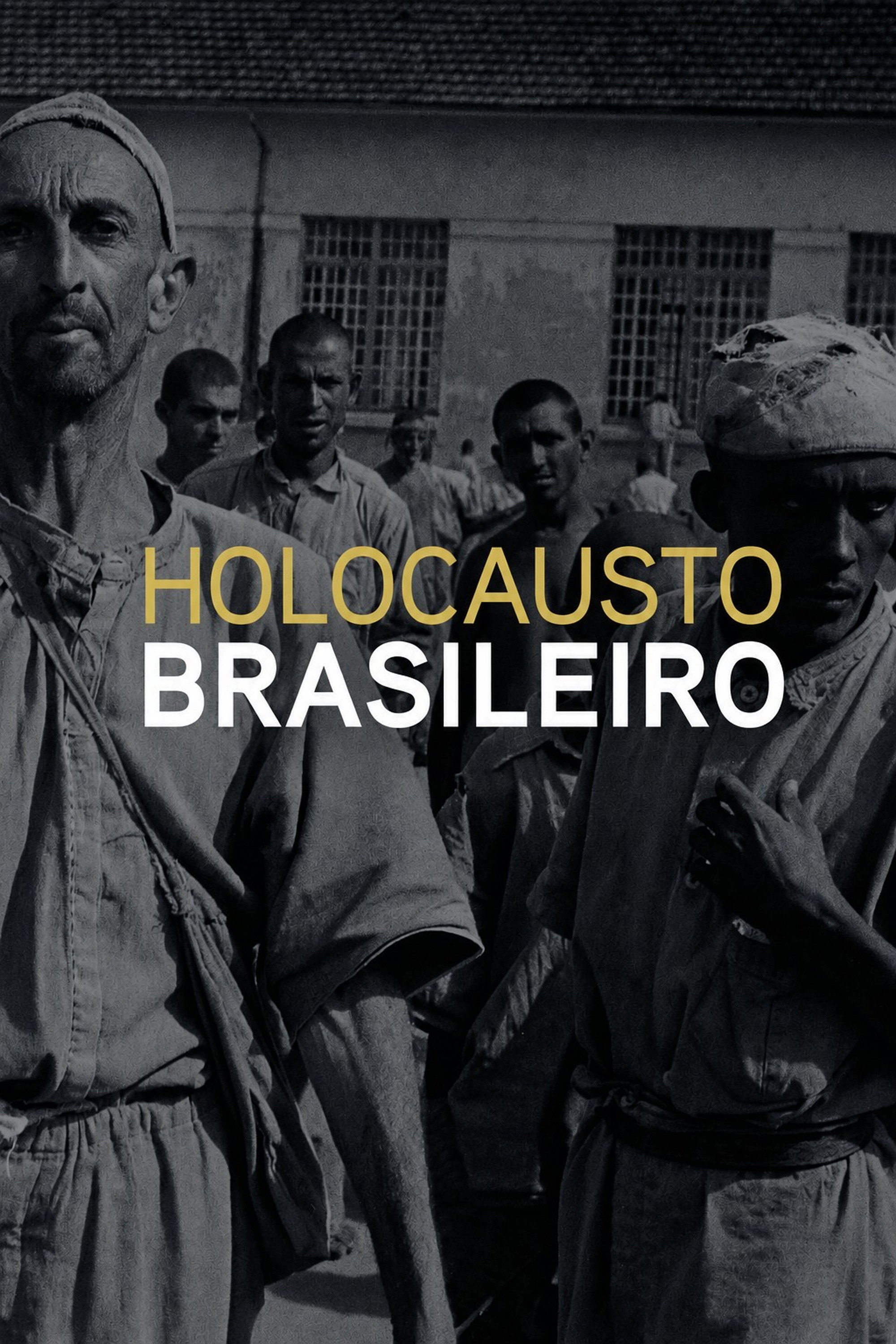
Award-winning journalist Daniela Arbex examines the horrors of the Colônia psychiatric hospital, where more than 60,000 people were killed over decades.
A string of threatening emails escalates into a revenge plot involving a newly married US marshal and his ex-girlfriend.
The Cove tells the amazing true story of how an elite team of individuals, films makers and free divers embarked on a covert mission to penetrate the hidden cove in Japan, shining light on a dark and deadly secret. The shocking discoveries were only the tip of the iceberg.
Passionate about ocean life, a filmmaker sets out to document the harm that humans do to marine species — and uncovers an alarming global conspiracy.
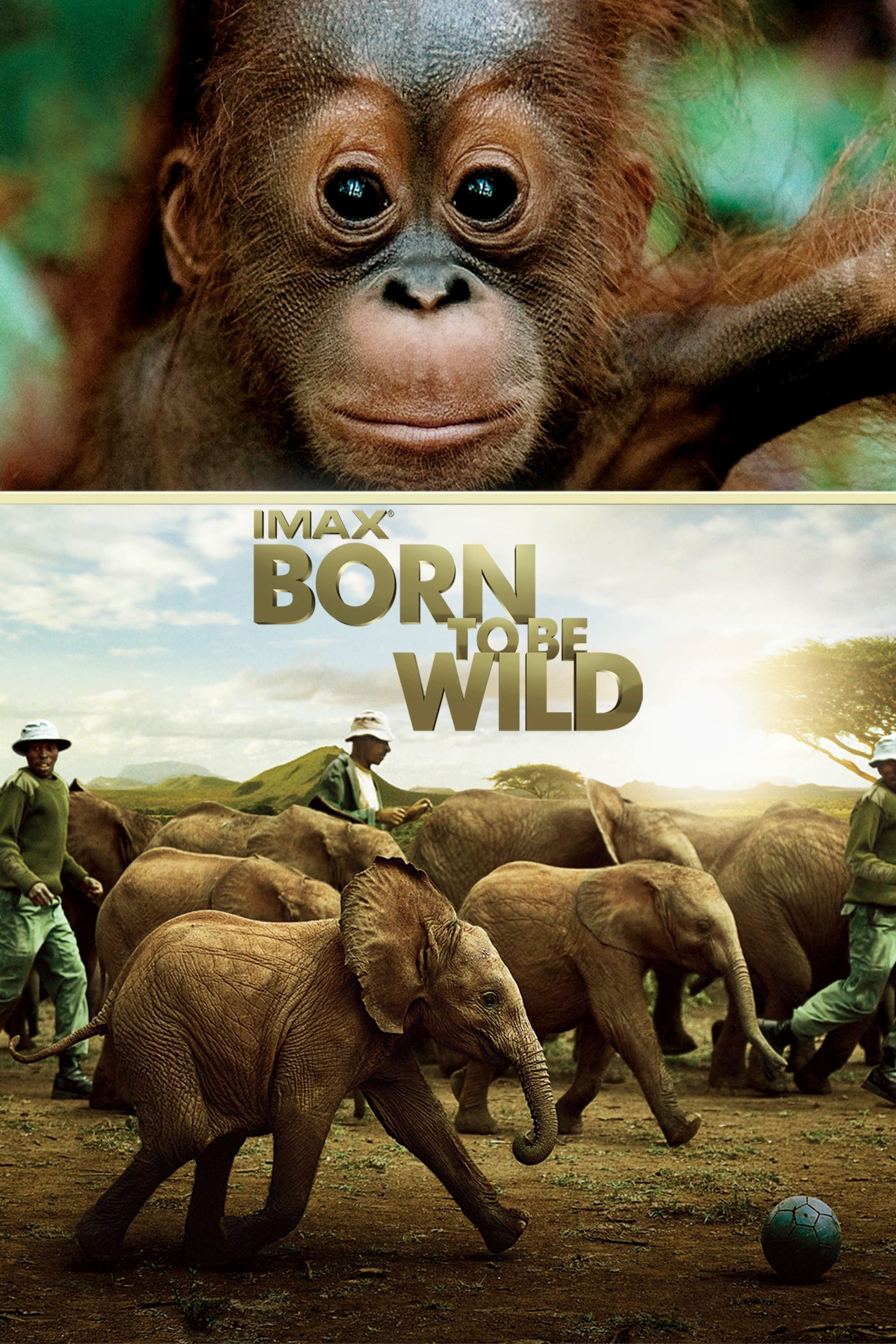
Born to Be Wild observes various orphaned jungle animals and their day-to-day behavioural interactions with the individuals who rescue them and raise them to adulthood. The film unfurls in two separate geographic spheres. Half of it takes place in the rain forests of Borneo, where celebrated primatologist Dr. Birute Galdikas assists baby orangutans; the other half takes place on the arid savannahs of Kenya, where zoologist Dame Daphne Sheldrick works with baby elephant calves.
This revealing documentary honors the legendary Sidney Poitier—iconic actor, filmmaker, and civil rights activist. Featuring interviews with Denzel Washington, Spike Lee, Halle Berry, and more.
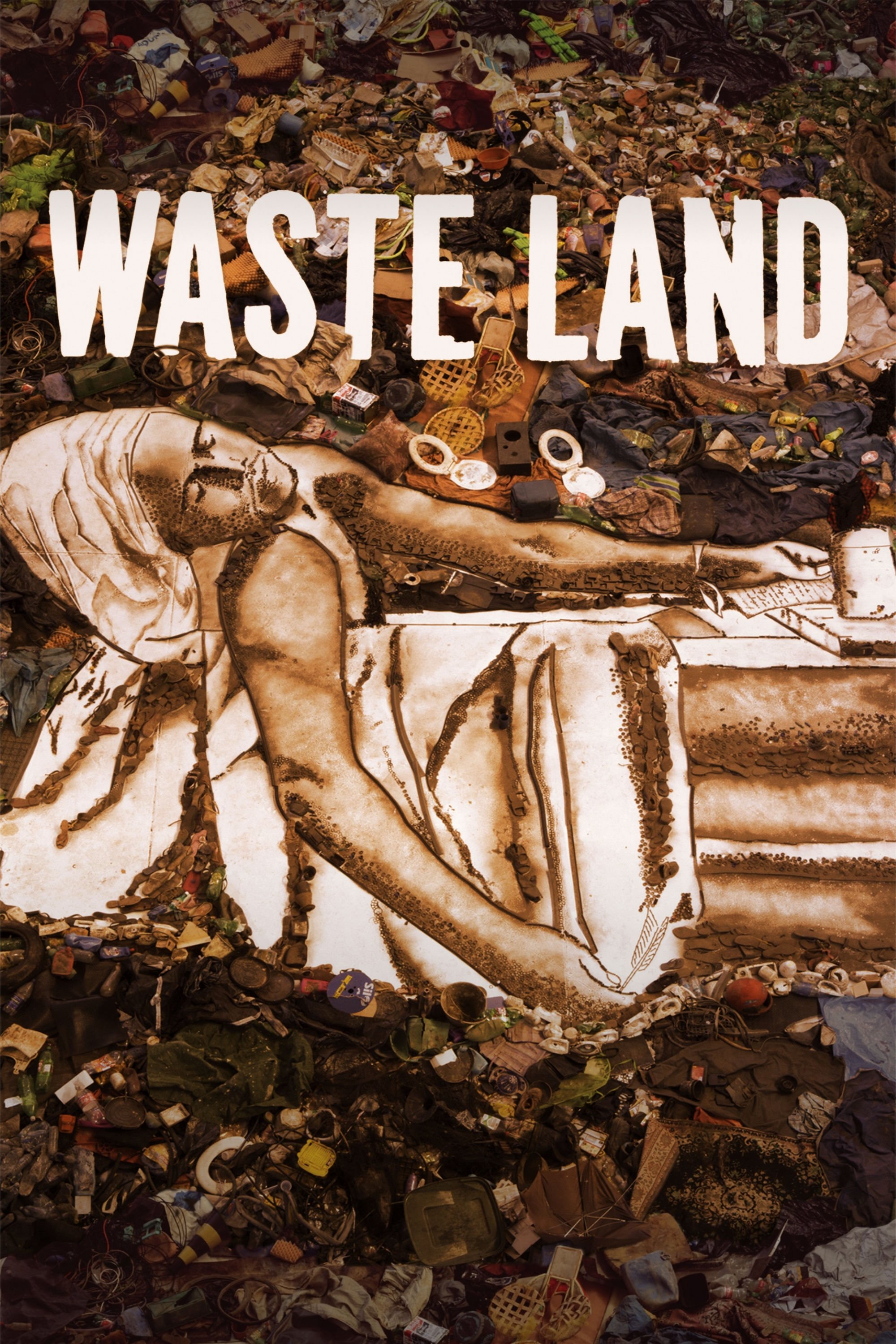
An uplifting feature documentary highlighting the transformative power of art and the beauty of the human spirit. Top-selling contemporary artist Vik Muniz takes us on an emotional journey from Jardim Gramacho, the world's largest landfill on the outskirts of Rio de Janeiro, to the heights of international art stardom. Vik collaborates with the brilliant catadores, pickers of recyclable materials, true Shakespearean characters who live and work in the garbage quoting Machiavelli and showing us how to recycle ourselves.
Unravel the case of Utah therapist Jodi Hildebrandt, whose child abuse arrest with parenting YouTuber Ruby Franke exposed a twisted tale of manipulation.
Over 35 years after Bob Lazar's revelations, this documentary exposes secrets of a facility the government still denies. Featuring Lazar's testimony, recreations, and new evidence, it reopens a case that continues to spark global curiosity
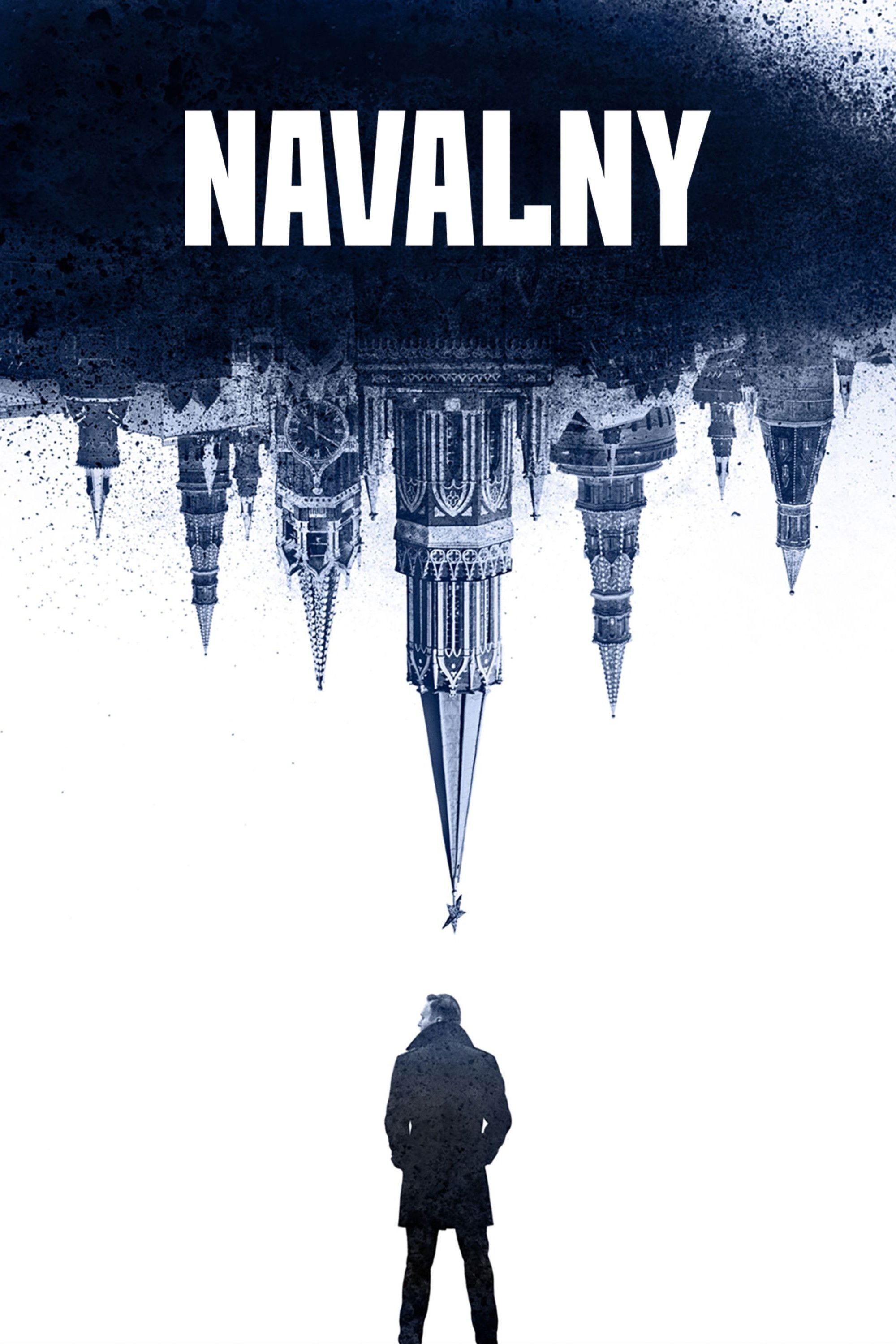
Follows the man who survived an assassination attempt by poisoning with a lethal nerve agent in August 2020. During his months-long recovery, he makes shocking discoveries about the attempt on his life and decides to return home.
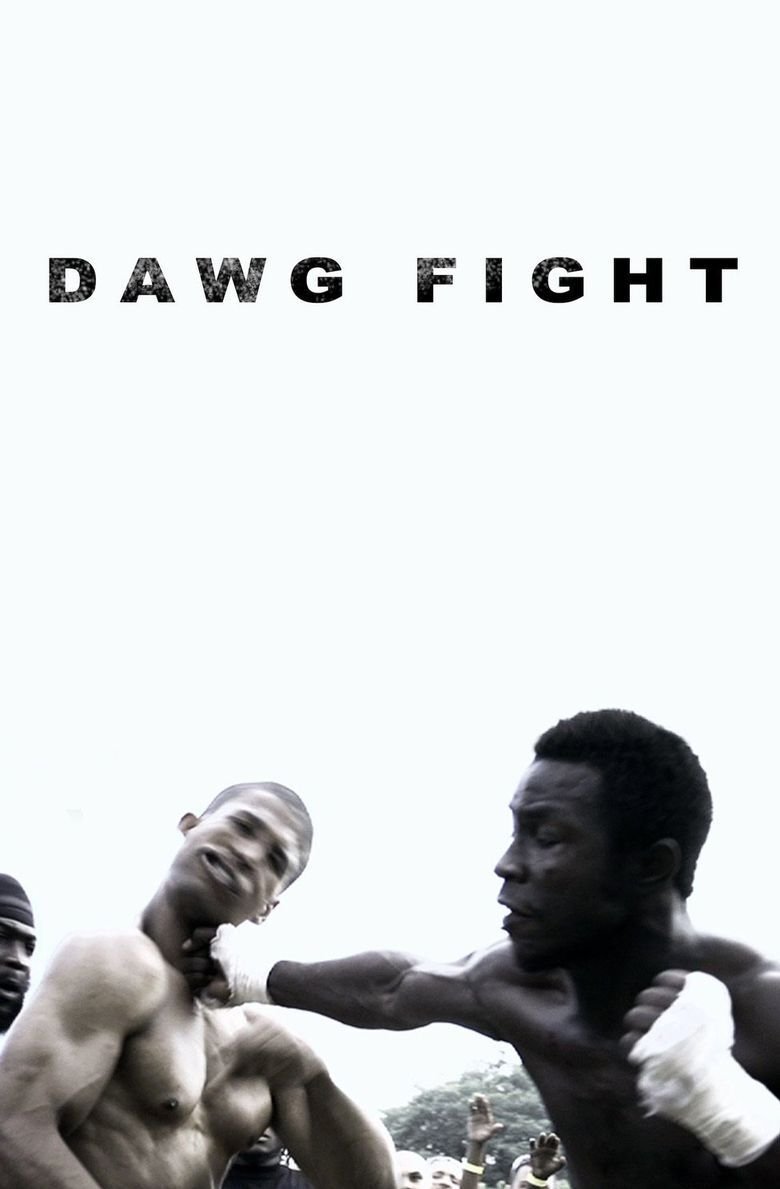
In a crime-plagued neighborhood near Miami, brutal, bare-knuckled backyard fights give young men a chance to earn money -- and self-respect.
While investigating the furtive world of illegal doping in sports, director Bryan Fogel connects with renegade Russian scientist Dr. Grigory Rodchenkov—a pillar of his country’s “anti-doping” program. Over dozens of Skype calls, urine samples, and badly administered hormone injections, Fogel and Rodchenkov grow closer despite shocking allegations that place Rodchenkov at the center of Russia’s state-sponsored Olympic doping program.
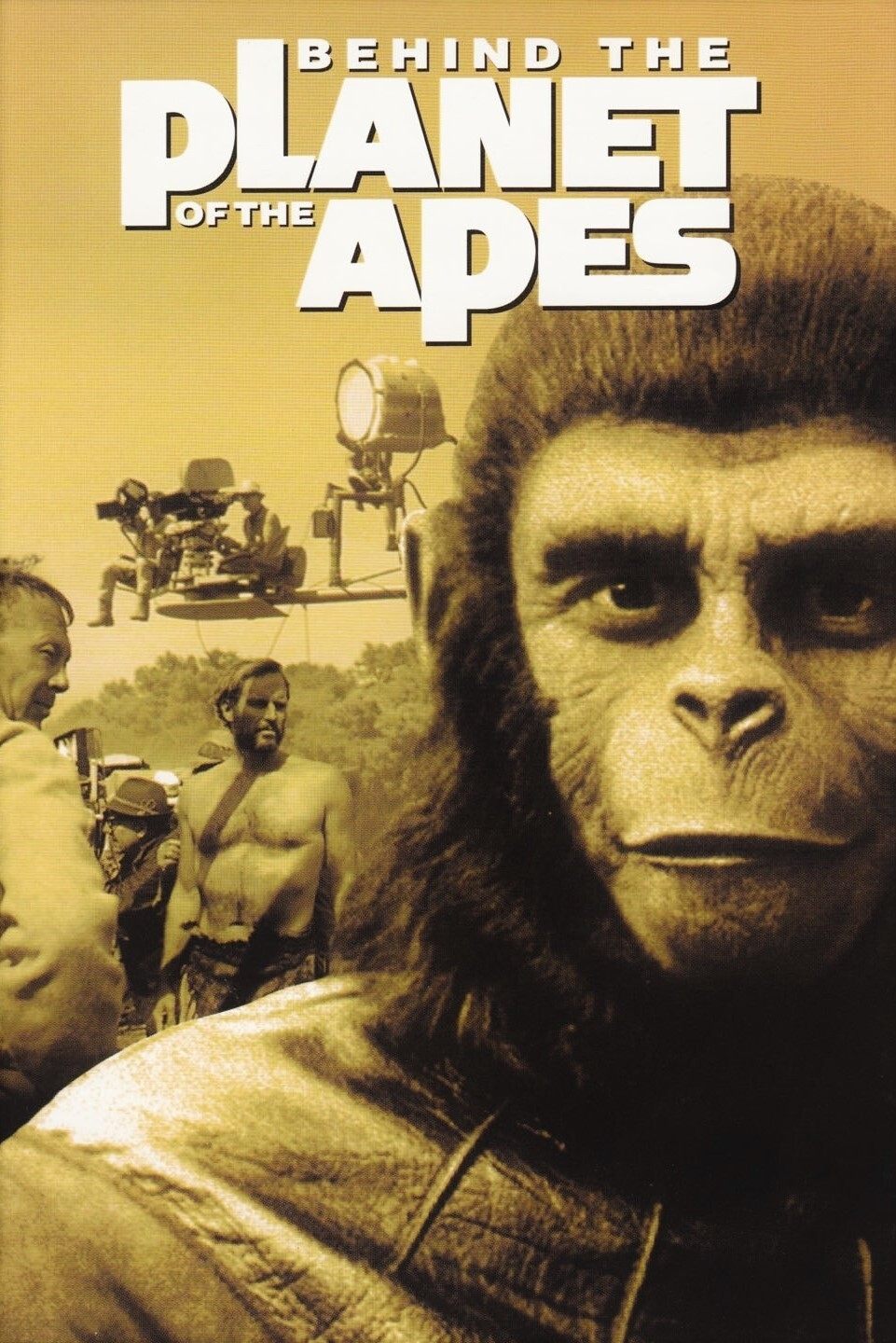
Roddy McDowall takes you, film by film, from production meetings to make-up sessions, then right onto the movie set to see the actual filming of the science fiction masterpiece. The most comprehensive history of Planet of the Apes ever created, this fascinating 127-minute documentary explores one of the most imaginative and influential series in movie history.
David Attenborough and scientist Johan Rockström examine Earth's biodiversity collapse and how this crisis can still be averted.
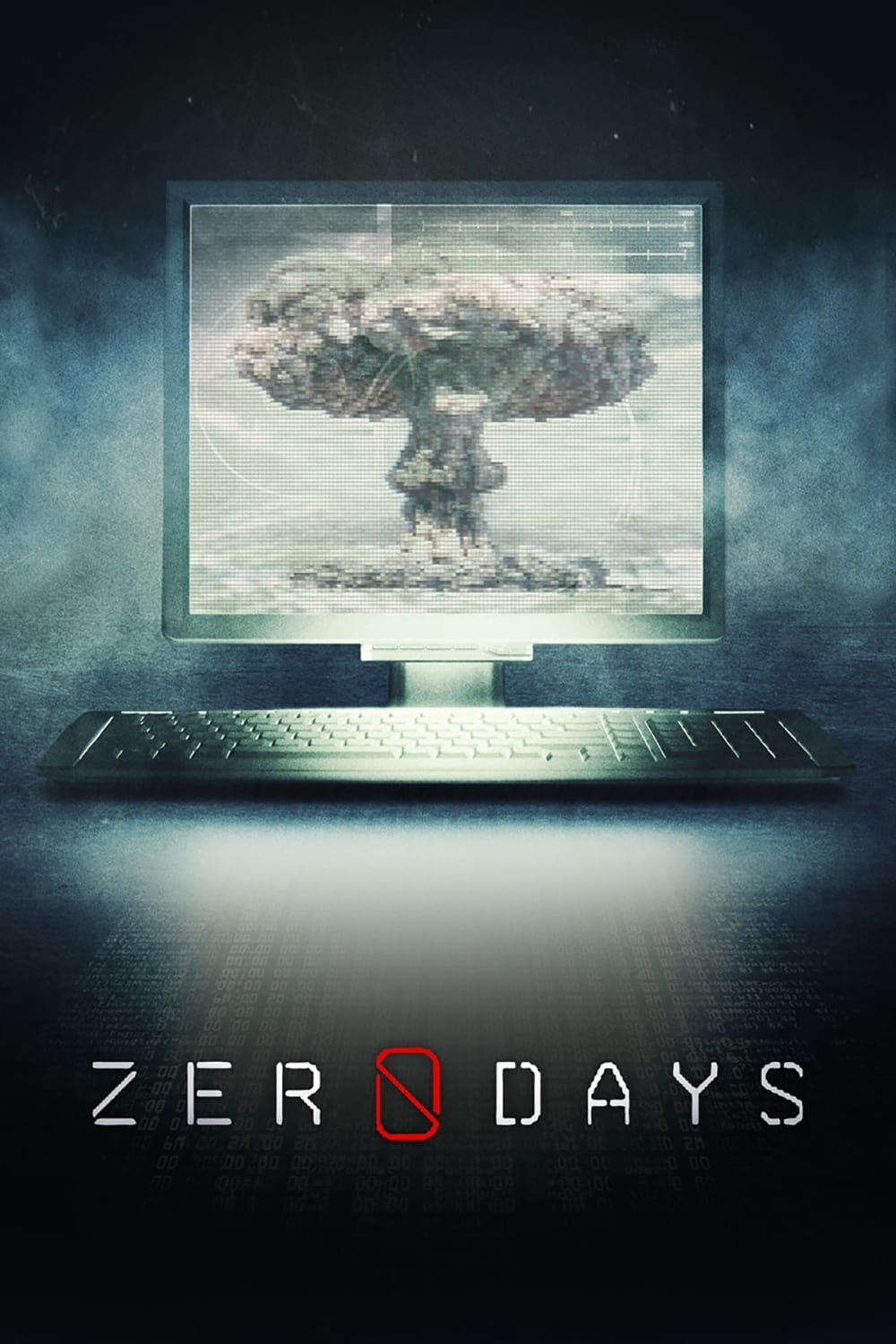
Alex Gibney explores the phenomenon of Stuxnet, a self-replicating computer virus discovered in 2010 by international IT experts. Evidently commissioned by the US and Israeli governments, this malware was designed to specifically sabotage Iran’s nuclear programme. However, the complex computer worm ended up not only infecting its intended target but also spreading uncontrollably.
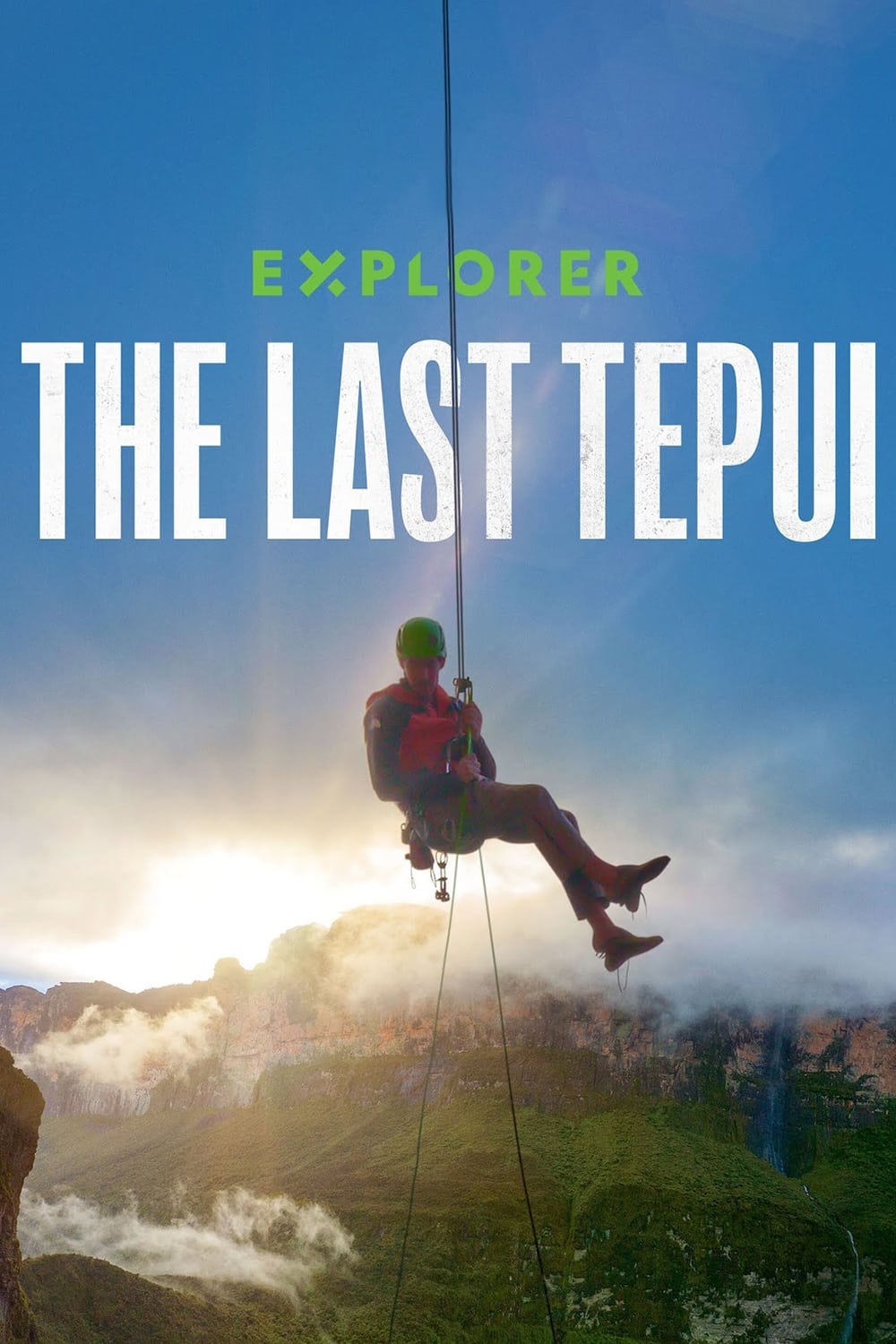
This documentary starring climber Alex Honnold and famous biologist Bruce Means document their expedition to the South American sky islands in search of new species and discoveries. Follows elite climber Alex Honnold and a world-class climbing team led by National Geographic Explorer and climber Mark Synnott on a grueling mission deep in the Amazon jungle as they attempt a first-ascent climb up a 1000 foot sheer cliff.
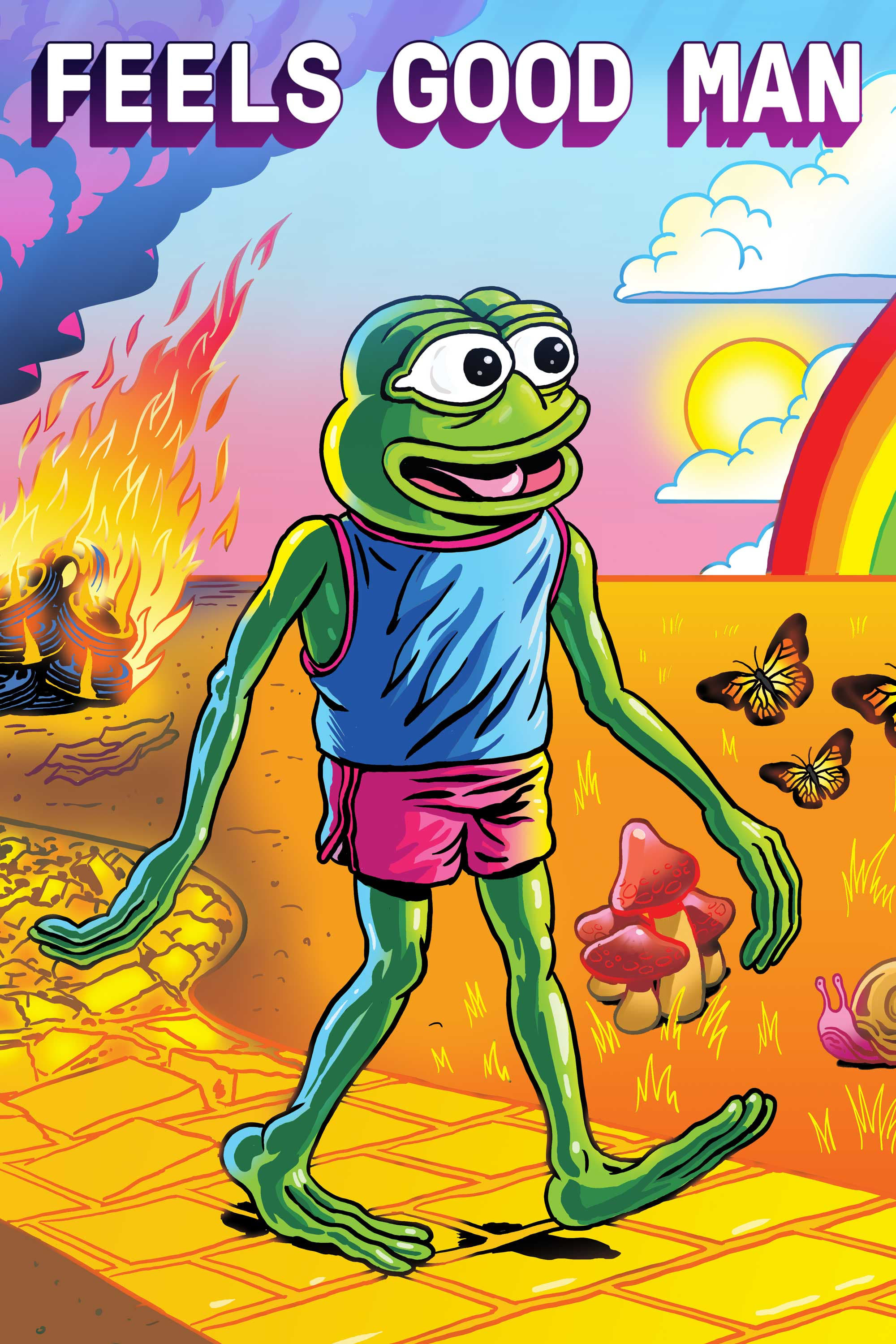
When indie comic character Pepe the Frog becomes an unwitting icon of hate, his creator, artist Matt Furie, fights to bring Pepe back from the darkness and navigate America's cultural divide.
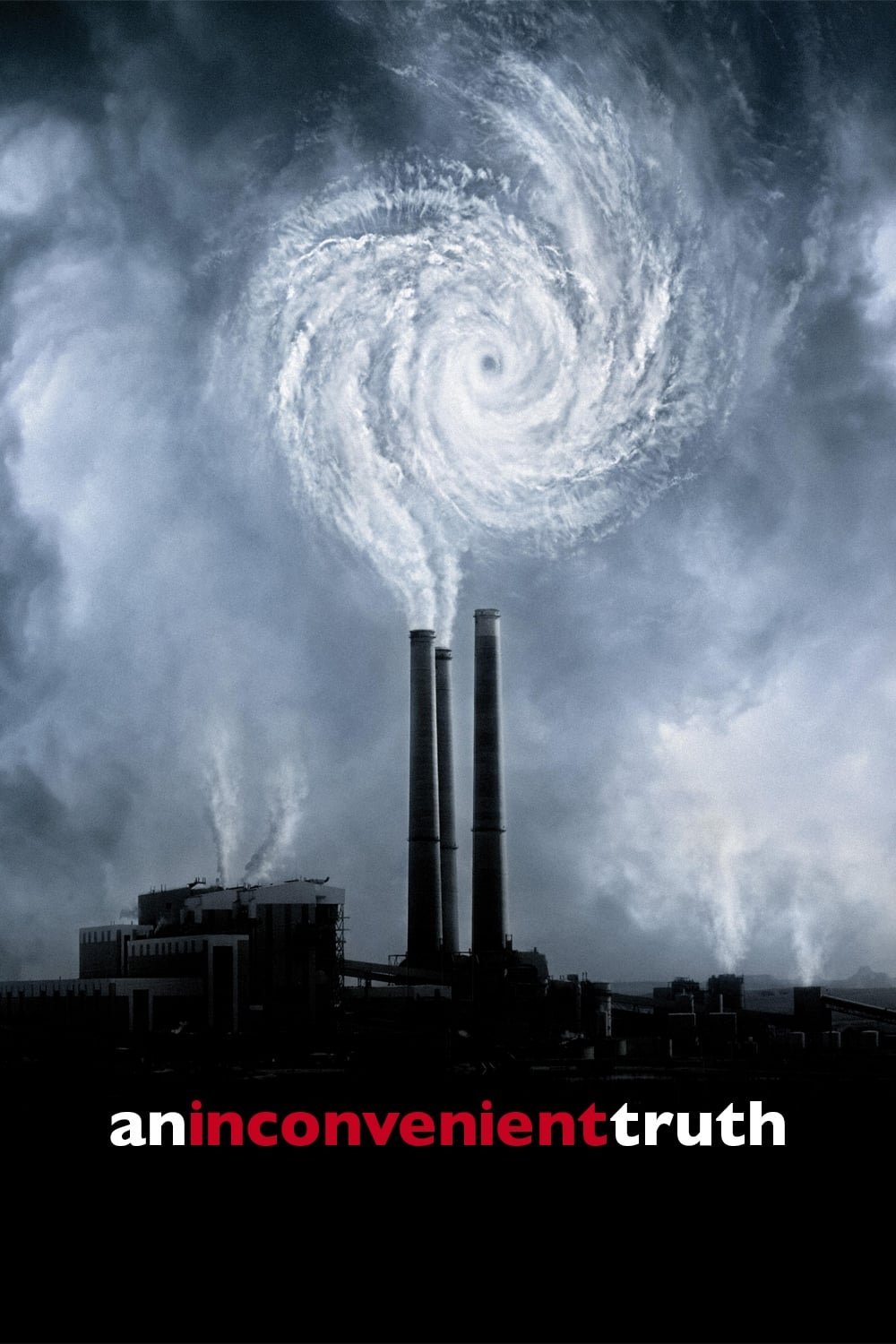
A documentary on Al Gore's campaign to make the issue of global warming a recognized problem worldwide.