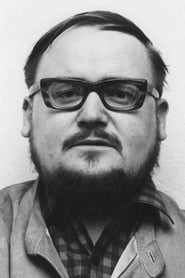
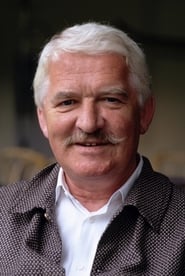
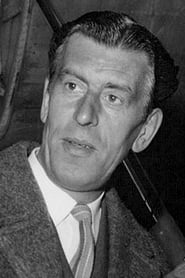
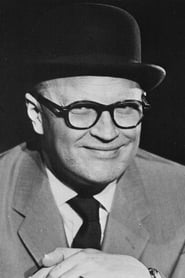
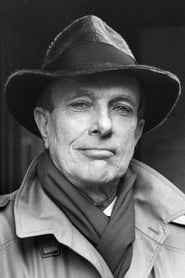
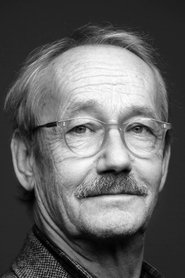
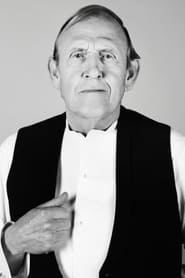
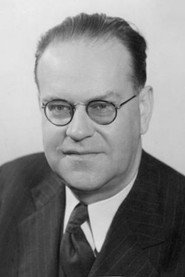
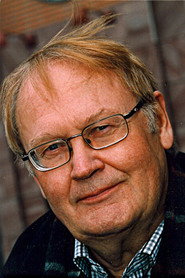
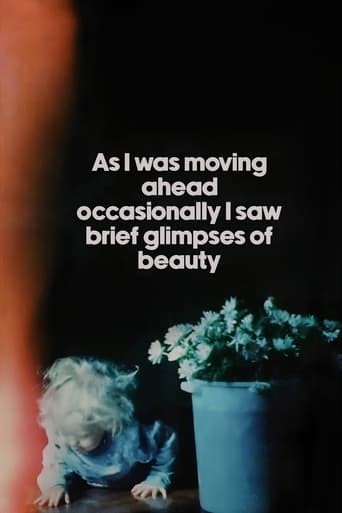
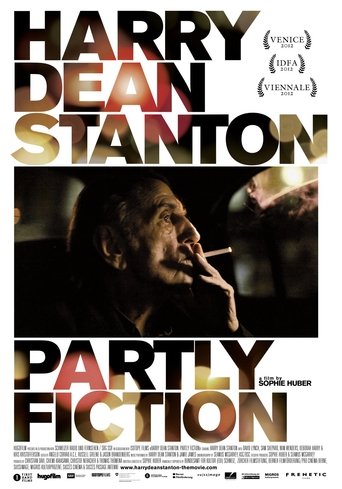
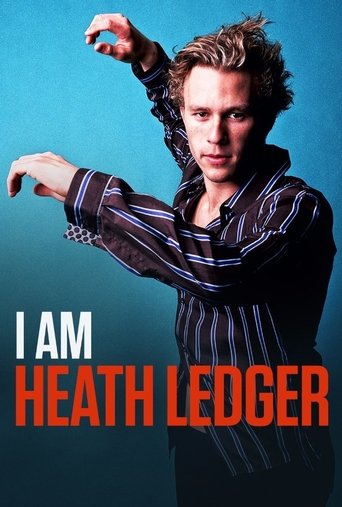
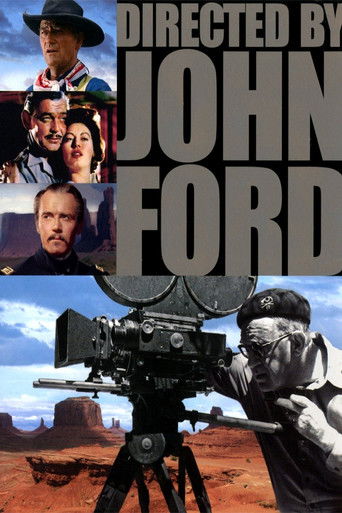
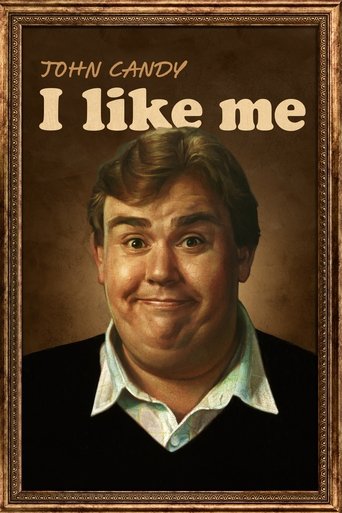
Documentary about the Swedish humorist, film maker and artist Yngve Gamlin
Social & External
Self
Self (archive footage)
Robert Altman's life and career contained multitudes. This father of American independent cinema left an indelible mark, not merely on the evolution of his art form, but also on the western zeitgeist. With its use of rare interviews, representative film clips, archival images, and musings from his family and most recognizable collaborators, Altman is a dynamic and heartfelt mediation on an artist whose expression, passion and appetite knew few bounds.
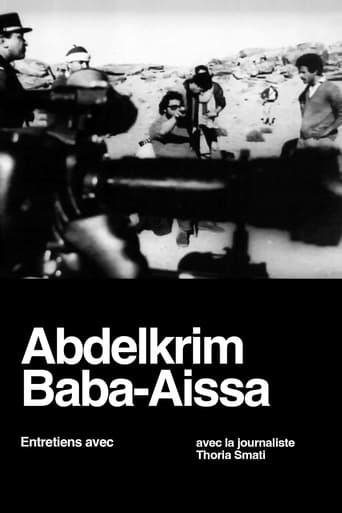
In 2024, Abdelkrim Baba Aissa, aged 75, engages in a series of filmed interviews with Algerian journalist Thoria Smati. They address the chronology of the rich and committed career of this self-taught Algerian actor, director, producer and screenwriter, who made his debut on Algerian television as an assistant director then at ONCIC as a director in the years 70.
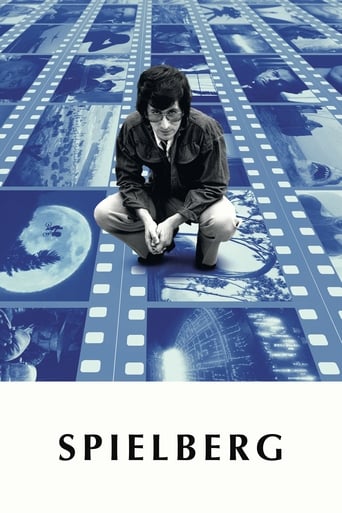
A documentary on the life and career of one of the most influential film directors of all time, Steven Spielberg.
Iranian film director Amir Naderi talks to Zar Amir Ebrahimi about his career in this documentary directed and produced by Ebrahimi and broadcast by BBC World Service and BBC Persian. Amir Naderi is one of the most influential figures of Iranian modern cinema. He was born in 1945 in the Persian Gulf port of Abadan. Orphaned at an early age and living the life of a street urchin, Naderi had to survive by selling ice, working as a shoeshine boy and recycling empty beer bottles. He developed his knowledge of cinema by watching films in the theaters where he worked at a very young age. He began his career by taking pictures for some notable Iranian features. In the 1970’s, he started directing his own films, and made some of the most important movies of the New Iranian Cinema. After moving to New York in the early 90’s, Amir Naderi continued to make films. They have premiered at the Venice, Cannes, Tribeca, and Sundance Film Festivals.
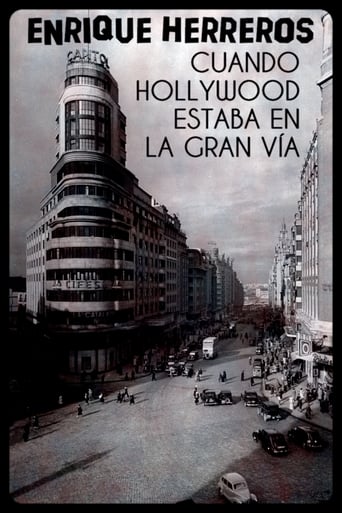
The story of Enrique Herreros (1903-1977), cartoonist, advertiser, poster designer, talent manager, actor, producer and filmmaker, and the most daring of mountaineers; the man who, along with his companions from the so-called “other Generation of '27,” brought Hollywood to Madrid's Gran Vía, turning a grey and sinister post-war city into the capital of an incipient and ambitious cultural industry.
A tribute to Italian filmmaker Sergio Corbucci (1926-90), presented by American filmmaker Quentin Tarantino.
Tati Express dives into Jacques Tati's films and how they look at a changing world throughout the 20th century. It shows how modernity impacts human-beings and goes through that amazing body of work at 100 mph.
Franco-American film pioneer Maurice Tourneur is a forgotten name in cinema history. This film traces the incredible journey of this crucial innovator from Paris to Hollywood. He inspired many of his peers and was also a mentor to some great filmmakers, including his son Jacques. Using previously unseen home movies, this film reveals the private man as well as the inspired artist whose career spanned four decades and two world wars.
A retrospective look at the global impact of Alien, the science fiction and horror masterpiece directed by British filmmaker Ridley Scott in 1979, exploring the origins of its unique aesthetic and the audacity of its screenplay.
A journey into the mind of French actor and director Jean-Pierre Mocky (1929-2019), author of films both playful and profound, of an impressive richness.
A journey through the professional life of innovative film director Richard Linklater: 21 years creating films, carving his signature in pop culture; an analysis of his style and motivations, through the funny and moving testimonies of close friends and collaborators, actors and other filmmakers.
Rare glimpse into the fascinating mind of one of cinema's greatest directors. Footage was gathered over a two year period and documents David Lynch's many creative interests as well as his passion for filmmaking. It’s “abstract trip” which reveals new aspects of the personality and the cinematographic vision of one of the exceptional authors of contemporary cinema. Personal portrait of David Lynch and his creative universe.
The Amazon rain forest, 1979. The crew of Fitzcarraldo (1982), a film directed by German director Werner Herzog, soon finds itself with problems related to casting, tribal struggles and accidents, among many other setbacks; but nothing compared to dragging a huge steamboat up a mountain, while Herzog embraces the path of a certain madness to make his vision come true.
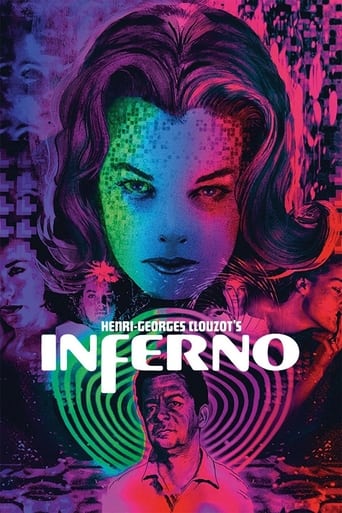
In 1964, Henri-Georges Clouzot's production of L'Enfer came to a halt. Despite huge expectations, major studio backing and an unlimited budget, after three weeks the production collapsed. This documentary presents Inferno's incredible expressionistic original rushes, screen tests, and on-location footage, whilst also reconstructing Clouzot's original vision, and shedding light on the ill-fated endeavor through interviews, dramatizations of unfilmed scenes, and Clouzot's own notes.
A funny walk through the life story of Billy Wilder (1906-2002), a cinematic genius; a portrait of a filmmaker who never was a boring man, a superb mind who had ten commandments, of which the first nine were: “Thou shalt not bore.”
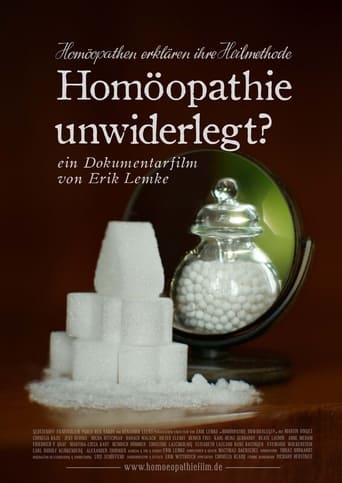
Despite the homeopathic doctors studying medicine, they treat their patients against the basis of scientific knowledge. Allegations of fraud surround the topic. In the film, homeopaths embark on adventurous explanations of their popular belief system.
At the end of his life, gravely ill, François Truffaut took refuge with his ex-wife Madeleine Morgenstern. She tried to keep him occupied during his long agony. The filmmaker confided in his friend Claude de Givray, with the intention of writing his autobiography. Too weakened, he abandoned the project. The film reveals part of this final story.
Jacques Demy’s ability to enchant audiences was rooted in his personal struggles and doubts as a showman, establishing him as one of French cinema’s greatest artists.
In 1936, the sound film had already been around for a decade. Nevertheless, Charlie Chaplin (1889-1977) made another silent film, "Modern Times", which only used sound effects as a dramaturgical device. Speaking is reserved for the apparatus alone. The film became a monument in the history of cinema for this very reason.