Documentary telling the inside story of Communist hardliners' failed attempts to seize power from Soviet president Mikhail Gorbachev, which resulted in the rapid collapse of the Soviet Union.
Social & External
Self - Narrator
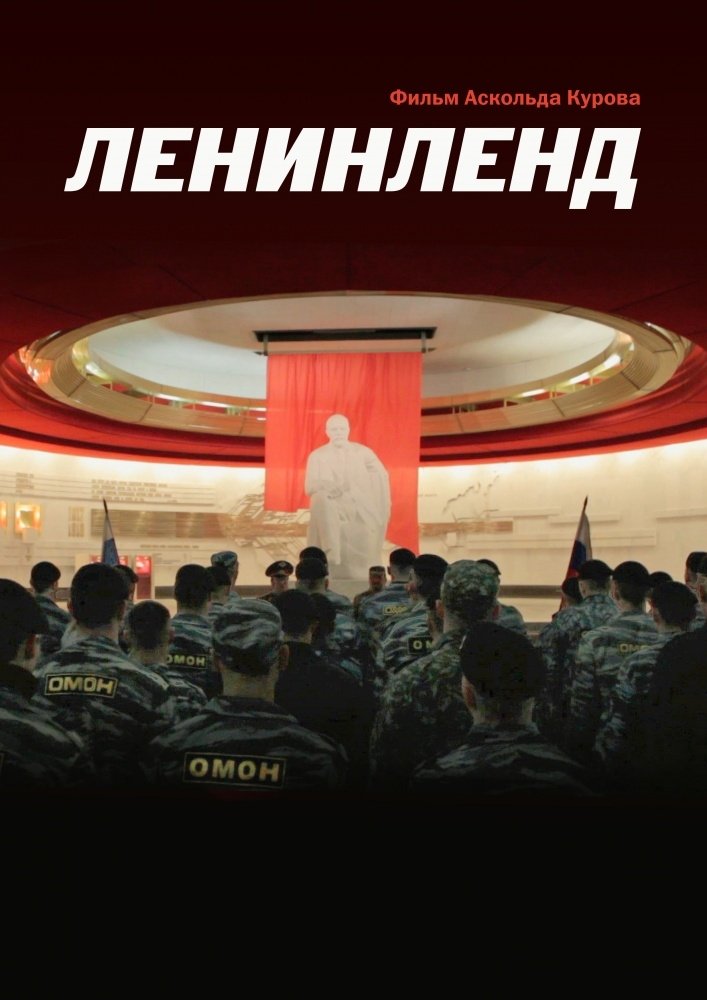
At the peak of Perestroika, in 1987, in the village of Gorki, where Lenin spent his last years, after a long construction, the last and most grandiose museum of the Leader was opened. Soon after the opening, the ideology changed, and the flow of pilgrims gradually dried up. Despite this, the museum still works and the management is looking for ways to attract visitors. Faithful to the Lenin keepers of the museum as they can resist the onset of commercialization. The film tells about the modern life of this amazing museum-reserve and its employees.
2019 marks the 30th year since the fall of the Berlin Wall and the end of the Cold War. Rich Hall examines the relationship between the West and the USSR in his inimitable fashion.
Documentary - This 1982 film explains the KGB infiltration of America. Who they are, what they are doing, and how well they have infiltrated North America. - Harold Brown, Nikita Khrushchev, V.I. Lenin
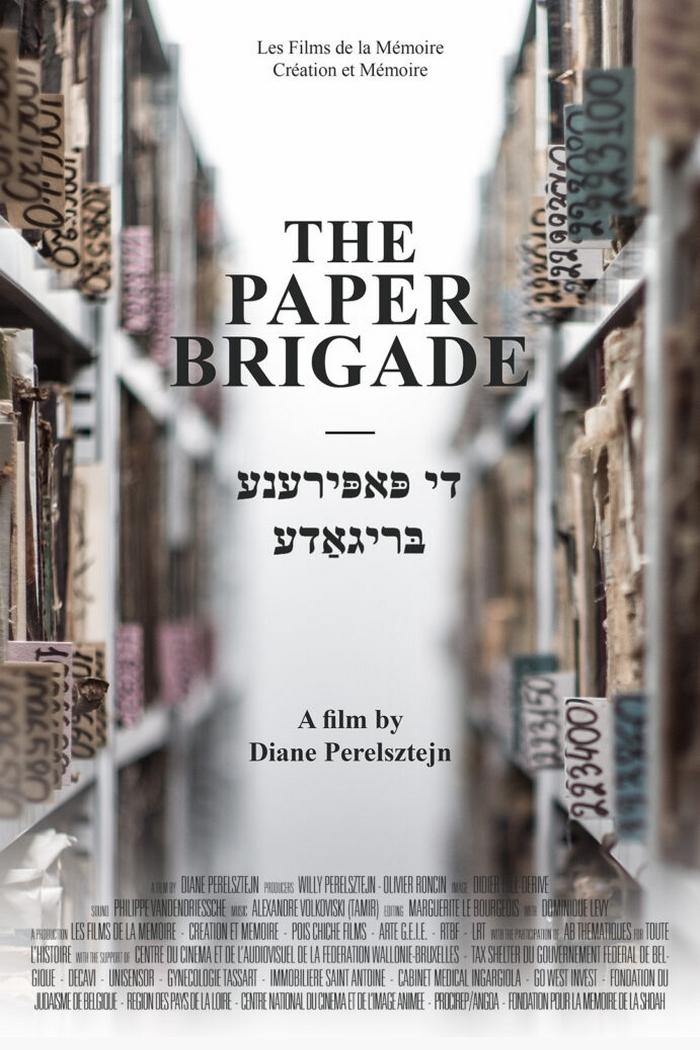
Lithuania, 1941, during World War II. Hundreds of thousands of texts on Jewish culture, stolen by the Germans, are gathered in Vilnius to be classified, either to be stored or to be destroyed. A group of Jewish scholars and writers, commissioned by the invaders to carry out the sorting operations, but reluctant to collaborate and determined to save their legacy, hide many books in the ghetto where they are confined. This is the epic story of the Paper Brigade.
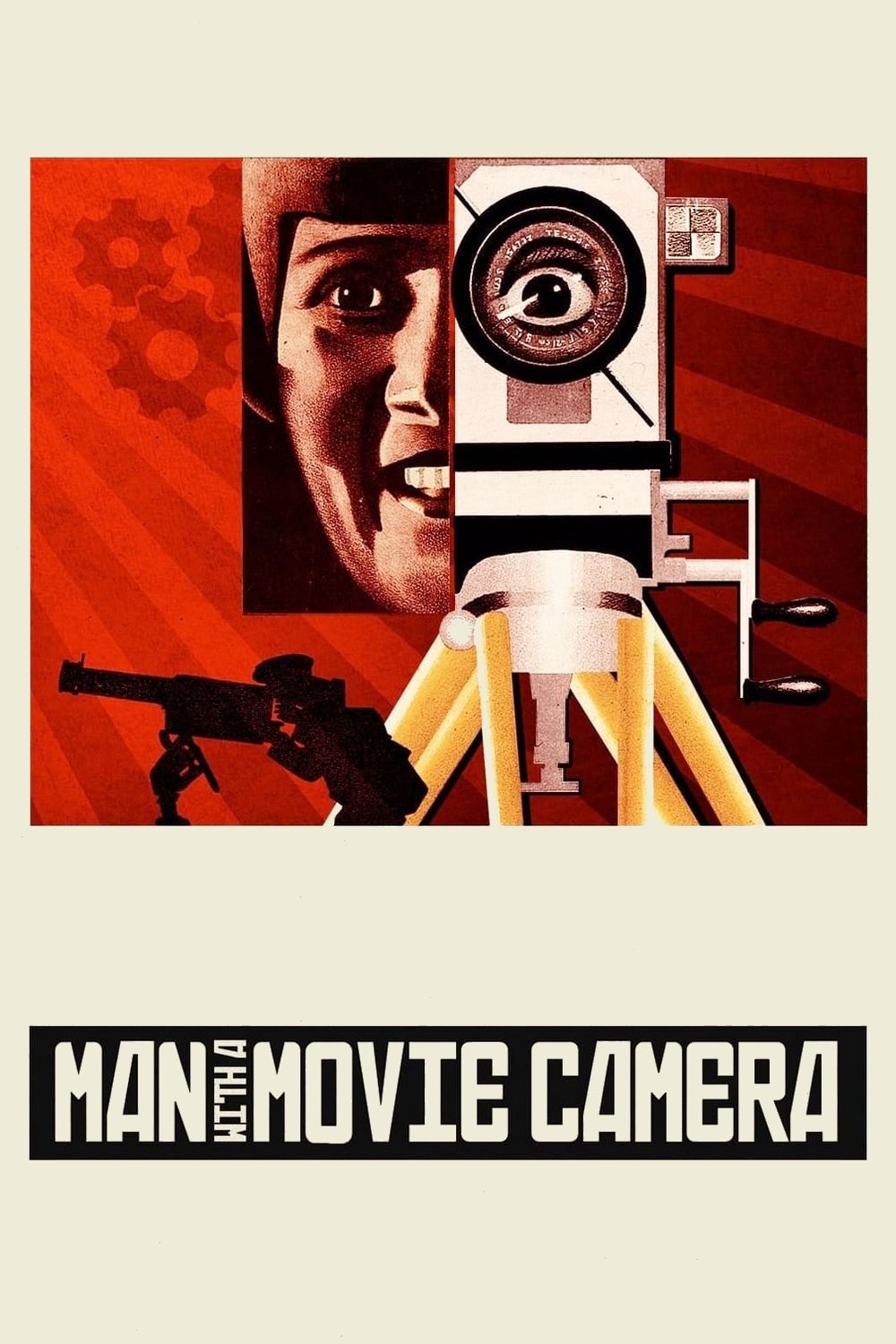
A cameraman wanders around with a camera slung over his shoulder, documenting urban life with dazzling inventiveness.
Wes Hurley's autobiographical tale of growing up gay in Soviet Union Russia, only to escape with his mother, a mail order bride, to Seattle to face a whole new oppression in his new Christian fundamentalist American dad.
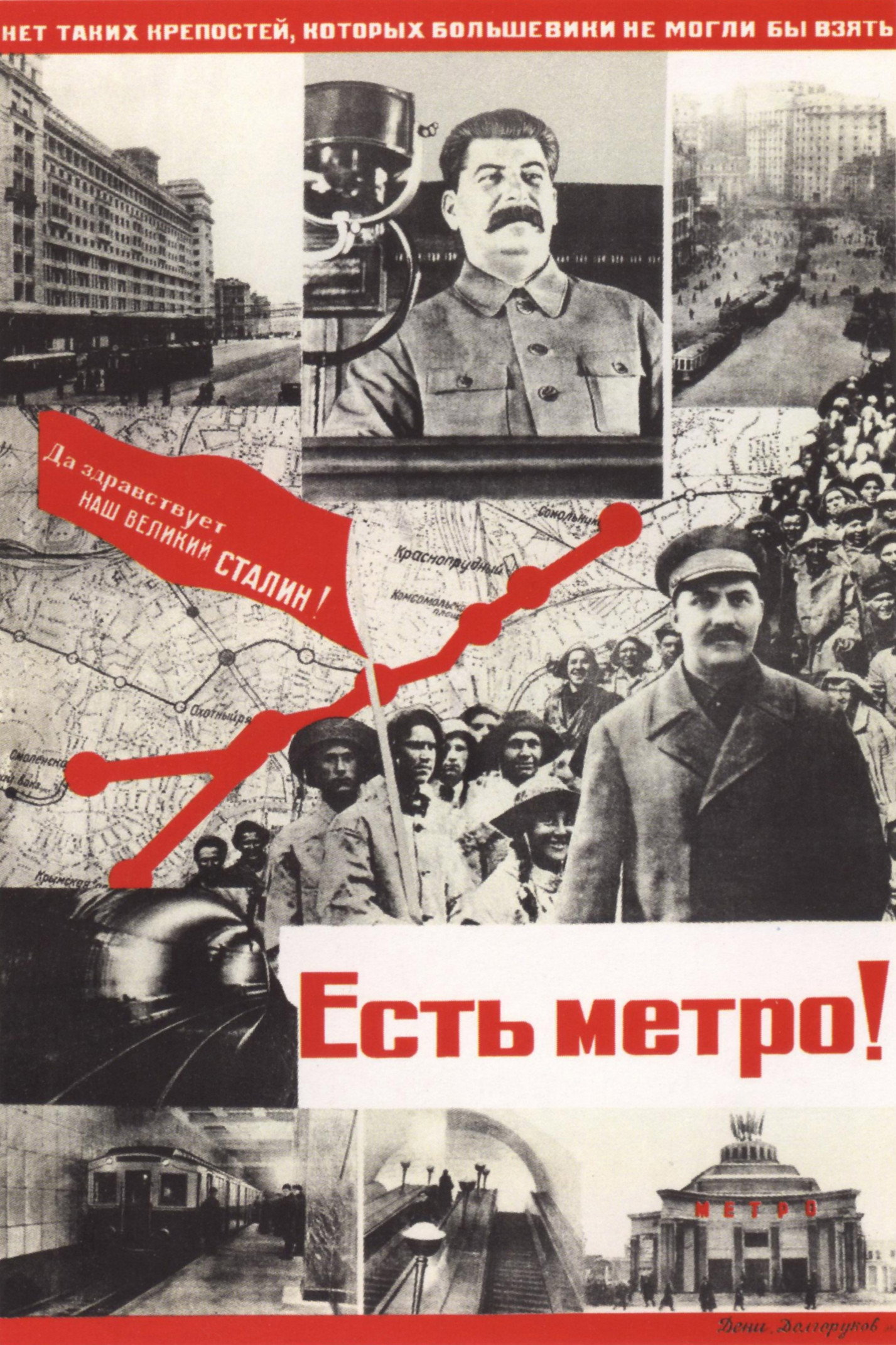
Early documentary about the Moscow metro: the early project, the development and the people working on it.
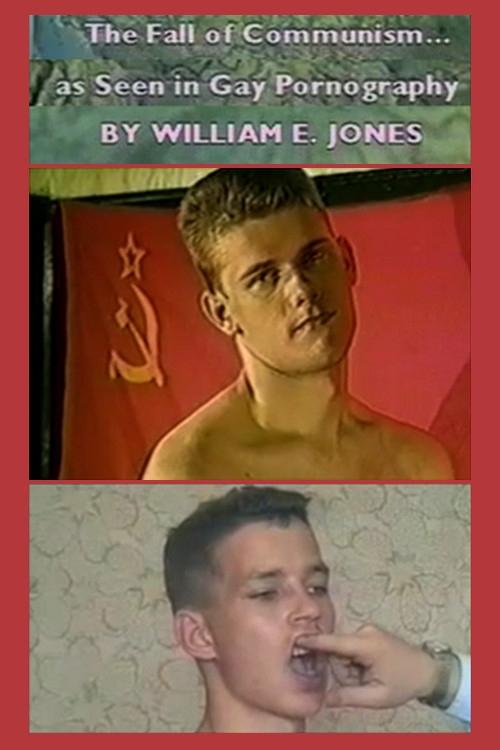
Every image in The Fall of Communism as Seen in Gay Pornography comes from gay erotic videos produced in Eastern Europe since the introduction of capitalism. The video provides a glimpse of young men responding to the pressures of an unfamiliar world, one in which money, power and sex are now connected.
Russia is grappling with a critical issue: they have become the country with the most at large serial killers in the world particularly concentrated in Rostov, the same city that witnessed Andrei Chikatilo's infamous killing spree. In response, law enforcement has turned to Dr. Alexander Bukhanovsky, a prominent psychiatrist and criminal profiler, who is implementing radical measures to understand the root causes of this phenomenon and develop effective solutions. Within Dr. Bukhanovsky's clinic, we encounter three of his young patients: Edward and Igor, whose families express deep concerns about their disturbing fantasies, and 'Mischa', who has perpetrated acts of torture and sexual assault. Dr. Bukhanovsky's approach is groundbreaking, offering treatment to potential serial offenders. However, critics argue that by keeping individuals like 'Mischa' anonymous, he may inadvertently shield them from public awareness and accountability, prompting debate over the ethics of his methods.
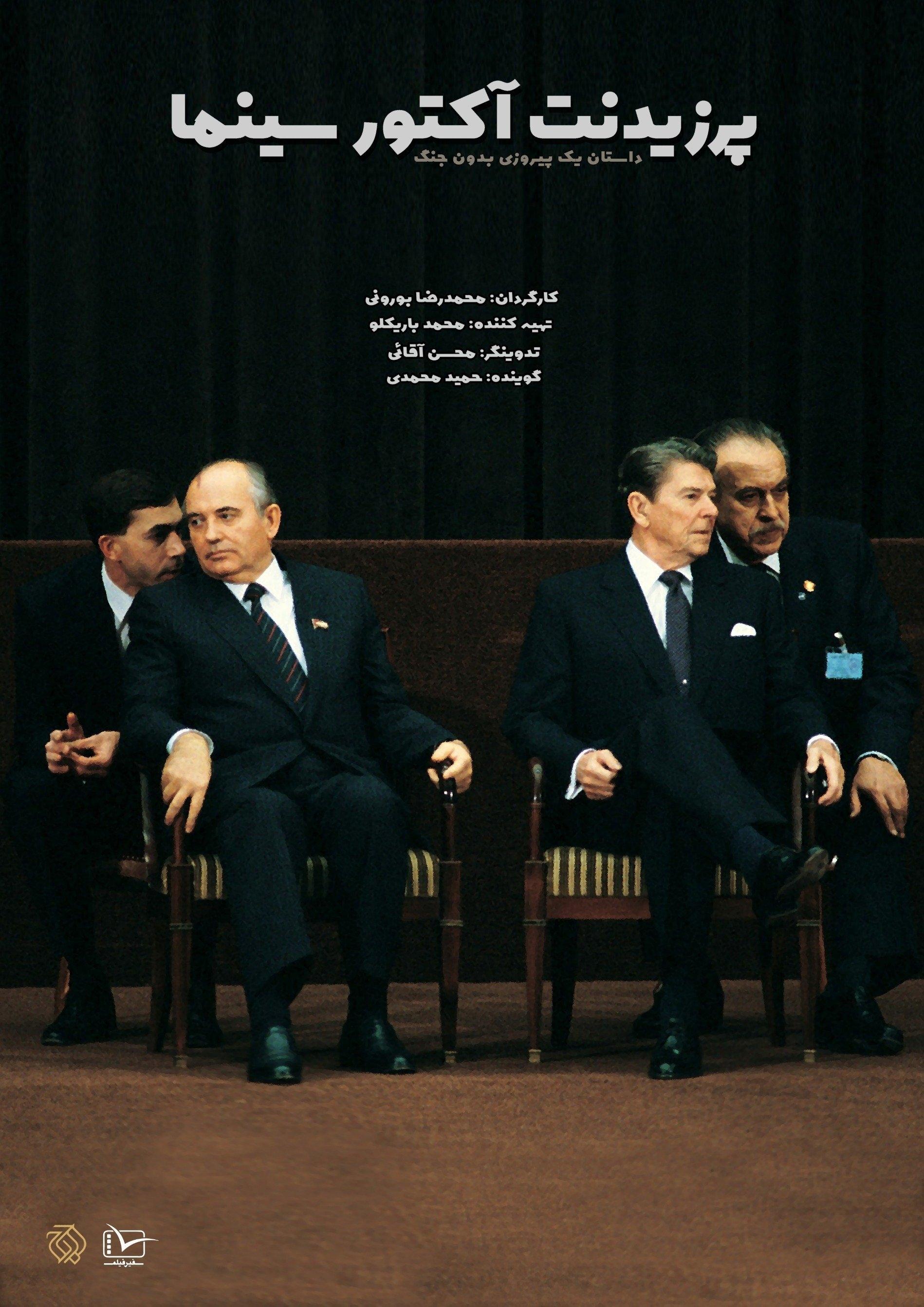
Gorbachev believed that it was impossible to achieve a successful economy until the tensions of the Soviet Union continued with the Western countries, and especially the US, so that their high priority was to tame down, establish relations and negotiate with the Americans.
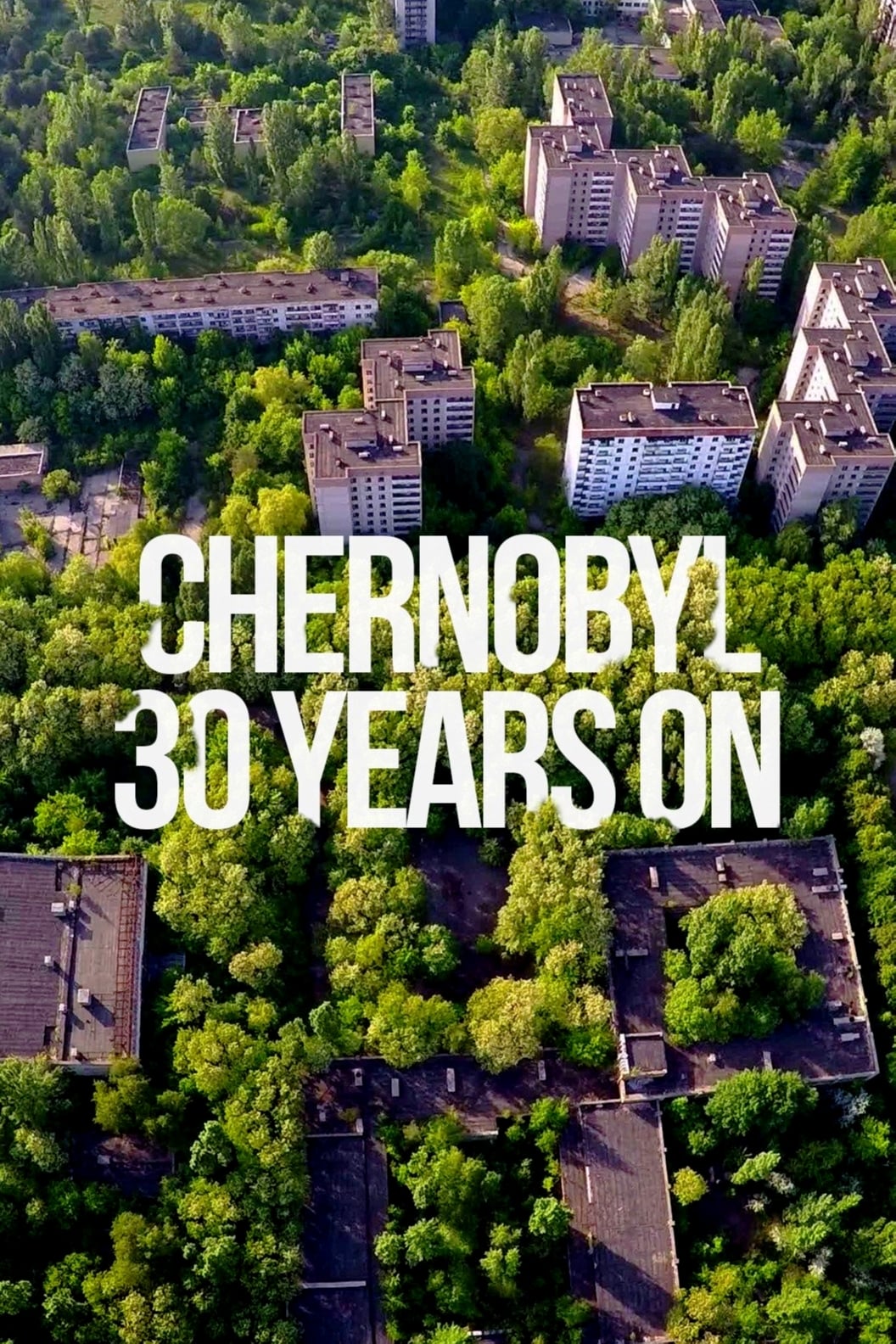
Thirty years after the Chernobyl disaster, which occurred on the night of April 26, 1986, its causes and consequences are examined. In addition, a report on efforts to strengthen the structures covering the core of the nuclear plant in order to better protect the population and the environment is offered.
The documentary tells two very different human fates in the 1920s Soviet Union. Nikolai Vavilov was a botanical genius, Trofim Lyssenko was an agronomist who made great promises and fake inventions. Each of them tried to solve the country's nutritional problem, but only one succeeded.
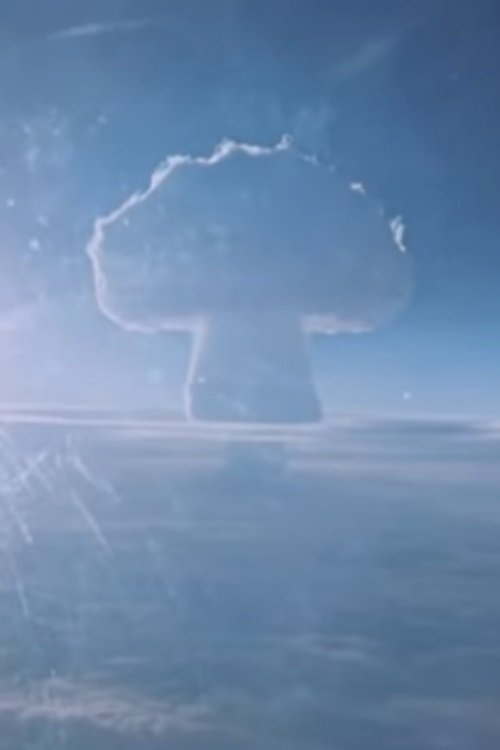
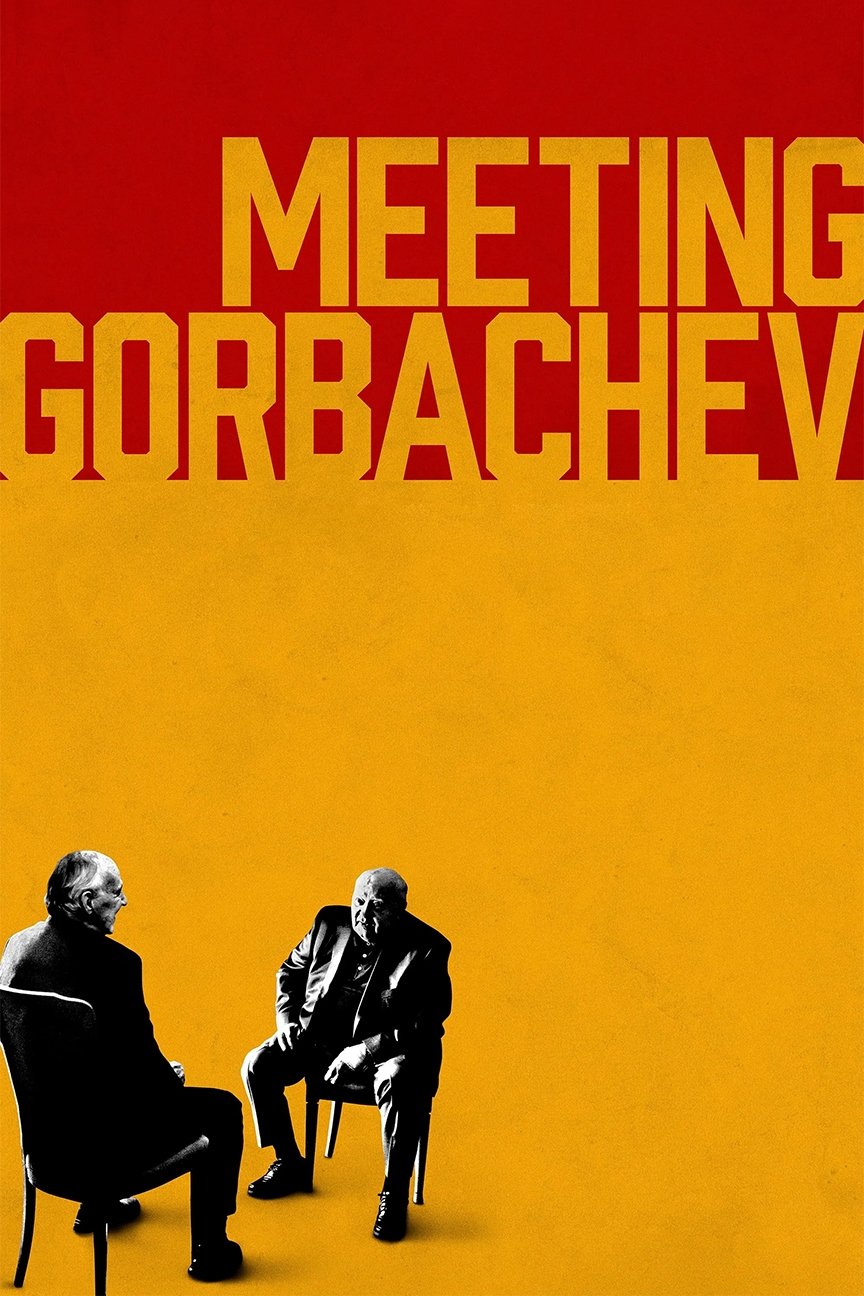
President Mikhail Gorbachev recounts the end of the Cold War and the reduction of nuclear arms.
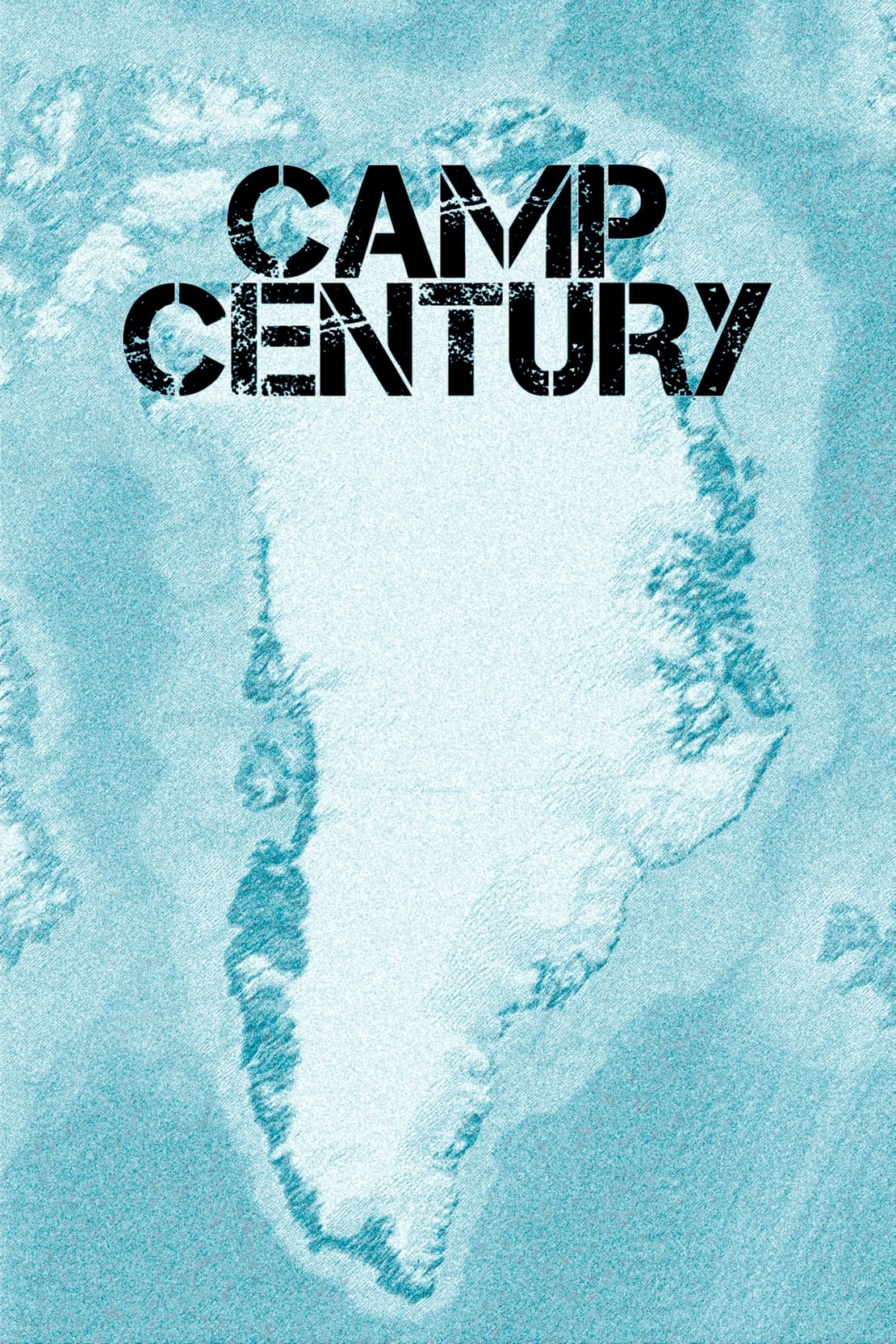
How in 1959, during the heat of the Cold War, the government of the United States decided to create a secret military base located in the far north of Greenland: Camp Century, almost a real town with roads and houses, a nuclear plant to provide power and silos to house missiles aimed at the Soviet Union.

The story of Russian writer and Soviet dissident Aleksandr Solzhenitsyn (1918-2008) and his masterpiece, The Gulag Archipelago, published in Paris in 1973, which forever shook the very foundations of communist ideology.
In the 1930’s, the workers of the underground, headed by brigades of writers, are in charge to write in real time "the history of the Moscow Metro". Based on their narratives, partially unpublished, the film recounts the first lines construction of the most beautifiul underground in the world, in the light of this "big literary Utopia", stoped by the purges of 1937-38.
The Moscow Case is a 52 minute documentary with never-before-seen footage of Michael Jackson in Moscow during the "Dangerous" tour. This film tells the behind the scenes story of Jackson's ill fated concert in September 1993. It includes unique archival footage showing Michael close up and personal while meeting fans and playing with orphan children.
The story of the unconditional, no-holds-barred tour of America by Soviet Premier Nikita Khrushchev, leader of World Communism and America's arch nemesis, during 13 sun-filled days in the fall of 1959.
A different history of the Cold War: how Estonians under Soviet tyranny began to feel the breeze of freedom when a group of anonymous dreamers successfully used improbable methods to capture the Finnish television signal, a window into Western popular culture, brave but harmless warriors who helped change the fate of an entire nation.