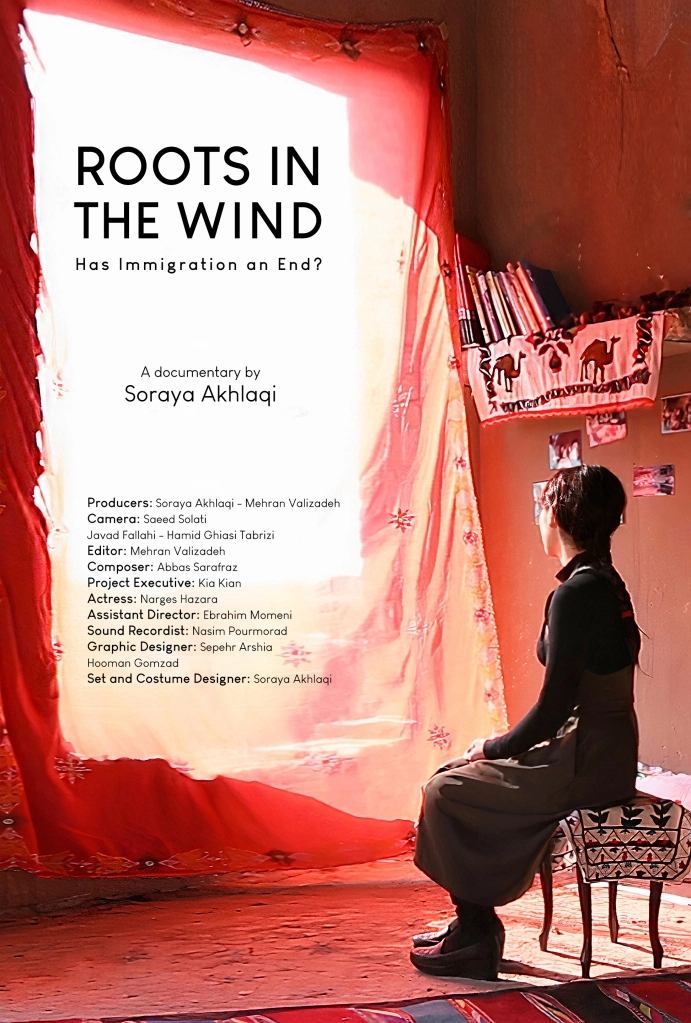
"Has immigration an end?"
In 1979, after the Soviet Union attacked Afghanistan, millions of Afghans were forced to leave their homeland to save their lives, and in the meantime, a huge wave of them immigrated to Iran.
Social & External

The Girl
Planned by Britain’s MI6 and then executed by America’s C.I.A., the coup d’état which follows will destroy Iran’s last democracy, and relations between Iran and the West until the present day. Most shocking of all, the truth about Her Majesty’s role will be hidden from the Queen herself, and even the all-powerful Shah who will be used by Britain and American to replace Iran’s last democratic Prime Minister. The coup will lead to political upheaval all over the Middle East for decades to come, eventually resulting in the Islamic Revolution of 1979 which will end the reign of the Shah, and British and American influence in Iran, inspiring countless other Islamist revolutions around the world.
Fidelis Cloer is a self-confessed war profiteer who found The Perfect War when the US invaded Iraq. It wasn't about selling a dozen cars, or even a hundred, it was a thousand-car war where security would become the ultimate product.
In 1972, Bahman Maghsoudlou made a short film about Iranian artist Ardeshir Mohasses. For 36 years, this remained the only film about this internationally acclaimed artist. In 2008, spurred by a New York retrospective of Mohasses's work and the artist's passing, Maghsoudlou finally began work on the extended film he knew its subject deserved. Thus was born, Ardeshir Mohasses: The Rebellious Artist.
Pauline, Norah, Kristina and others wait for hours, sitting under a hut deep in the Bois de Vincennes. In front of the administrative detention center (CRA) in Paris, they have all come to see their loved ones locked up. Lives on hold, awaiting deportation or release. On this stage, these women tell their stories, talk to each other, share their experience, their revolt and their dreams with new visitors. They are the mirror of migrant detention, its reverse view.
HOMME-RELAIS spotlights Juan Manuel, a doctor turned community leader who, amid migration grief and integration challenges, guides immigrant men through a life-changing program: forging resilience, belonging, solidarity, and hope.
This Russian documentary offered tantalizing glimpses of Afghanistan, which in 1929 was still one of the few heavily-populated areas in the world where the residents continued to live as they did in the Middle Ages. A progressive new leader named Amnullah tries to "Westernize" the country, meeting plenty of resistance from native reactionaries.
Through the personal memory of the view of the director who in first person re-lives, after fifty years, the journey of his family towards Argentina, where he was born, on the inside of the last emmigration groups of people from Piedmont in 1948. This journey of memory and emotions gradually becomes an outline for the analysis of the situation of the emmigrants from Piedmont and of their presence from after the war until today in Argentina from the time of Peron until the economical crises through the blood thirsty and dark period of the military dictatorship.


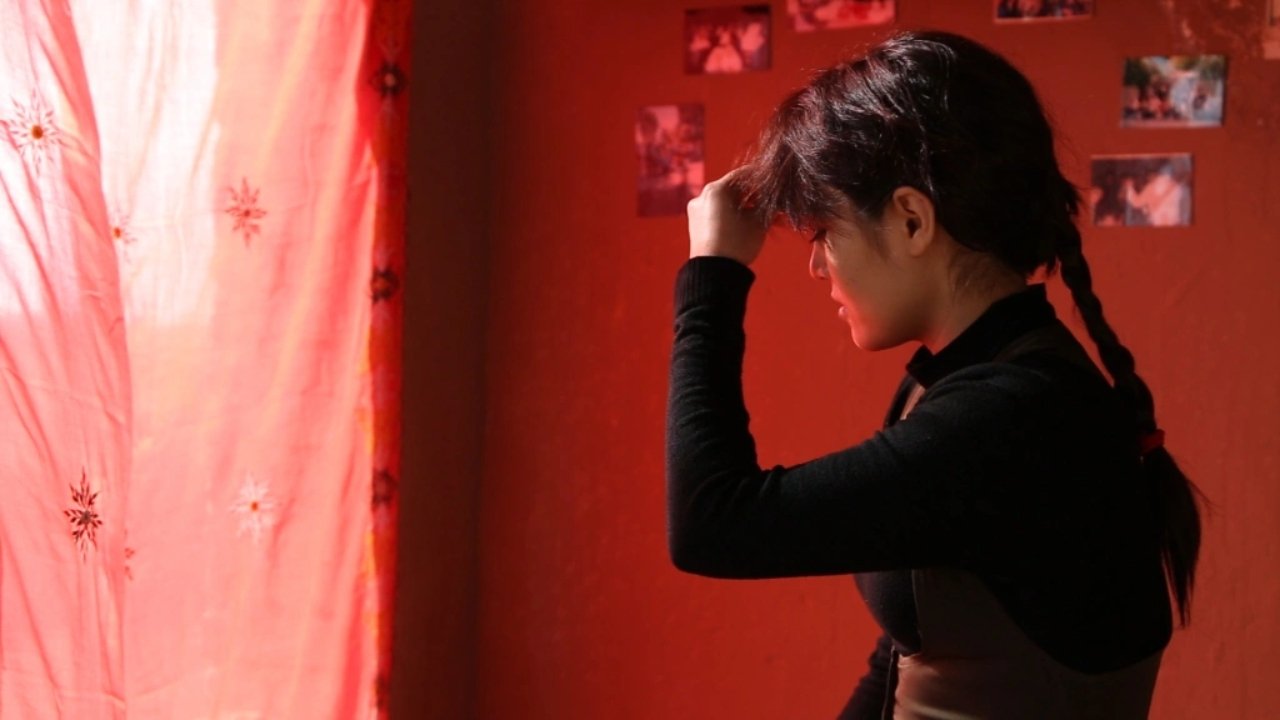
Leyla and her six-year-old daughter Nila live in the holy city of Mashhad in Iran. Nila is the result of a temporary marriage, which allows a man to marry a woman even if he is already married. Children born from such a relationship are legally non-existent. As long as the father does not recognize the child, no birth certificate can be issued and Nila cannot attend school. The documentary depicts Leyla's tireless efforts to clarify Nila's legal status in order to offer her a perspective for her future. In a never-ending bureaucratic battle, Leyla fights not only against the legal system, but also against a judgmental society.

Fearing for their lives, Afshin, Alain and Patricia fled their country, without their parents, when they were only children. They had to start all over here in Canada in the hope of a better life. Combining real shooting and animated cinema, "Alone" bears the imprint of hope: how does a child manage to rebuild himself in a new country, when he has left everything behind?
An in-depth look at the torture practices of the United States in Afghanistan, Iraq and Guantanamo Bay, focusing on an innocent taxi driver in Afghanistan who was tortured and killed in 2002.
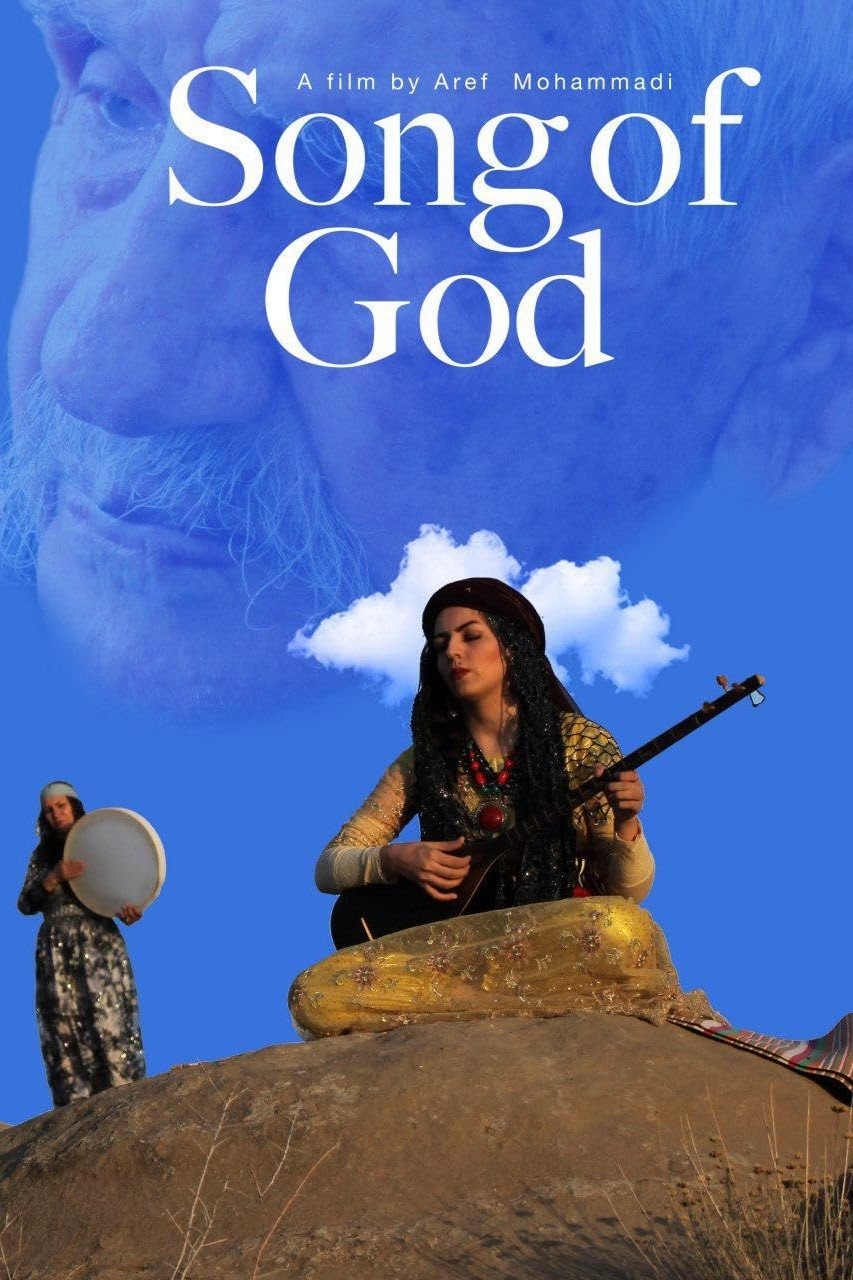
When an Iranian-Canadian filmmaker hears the story of Master Ghadamyar- a Kurdish 120-year-old Tanbur player, he takes off on a mission to discover more about this spiritual master's musical and enchanting life. The film follows his journey to Western Iran, where he unearths the ancient traditions and teachings of Ghadamyar's faith known as Yarsanism, and its relationship to the mysterious Tanbur as a meditative instrument. The film takes audiences on a musical and visual quest among rugged landscapes of Western Iran to experience undiscovered voices and spiritual awakening. We witness the collective prayer of Yarsani Tanburists, as a practice to maintain their spiritual identity and search for inner beauty.
This film is a glimpse of the traditional life of the Afghan people, their culture and their music, just before the Russian intervention in 1979.
A computer screen, images from the four corners of the world. We cross borders in one-click while another trip’s story reach us in bits, through text messages, chats, phone conversations, and an immigration office’s questionnaire. It’s the journey of Shahin, a 20-year-old Iranian boy who, fleeing his country alone, lands in Greece, then winds his way to England where he claims asylum.
The creation of Iannis Xenakis’ « Persephassa » at the Shiraz-Persepolis Art Festival. There are only a few archives left of this piece, for its ring-like disposition around the audience made it difficult for people to record it or take pictures of it. When it was created in Persepolis, each percussionist was settled on the stump of a column of the Palace of Darius. The distance between them could go as far as 164 feet (50 metres).
A Palestinian poet and an Italian journalist meet five Palestinians and Syrians in Milan who entered Europe via the Italian island of Lampedusa after fleeing the war in Syria. They decide to help them complete their journey to Sweden, and hopefully avoid getting themselves arrested as traffickers, by faking a wedding. With a Palestinian friend dressed up as the bride and a dozen or so Italian and Syrian friends as wedding guests, they cross halfway over Europe on a four-day journey of three thousand kilometres.
On September 9, 2001, Commander Massoud, a hero of the Afghan resistance, was assassinated by two members of al-Qaeda posing as journalists. Two days later, the terrorist organization struck the United States. However, a few months earlier, during a visit to France, Commander Massoud had come to warn the West about the disastrous plans of al-Qaeda and the rise of the Taliban. He asked the West to exert pressure on Pakistan, a country that supplied arms, supported and sheltered the Taliban, but which was also a major buyer of French arms. He was not listened to.
It's a satirical comedy that chronicles 3 young Canadian film makers from Yellowknife as they travel from northern Canada to the middle east just as the Iraq war is erupting. As well as being very funny, it is also quite thought provoking. The trio travels through Canada, Turkey, Israel, Jordan and finally Washington DC interviewing "regular people" for their comments on the impending war. This film won best documentary at the 2003 Whistler Film Festival in Canada.
The mission: Capture US and NATO forces on camera giving food, water, clothing, blankets, and medical supplies to widows and orphans in refugee camps and villages of Afghanistan.
90's era home videos of a Mexican father starting a new life in the United States
A young immigrant arrives in Canada from France, and brings his Citroën 2CV with him. The iconic post-war car stands out on the streets of Vancouver, and before long he meets up with a group of like-minded car buffs.