Social & External
The people behind it
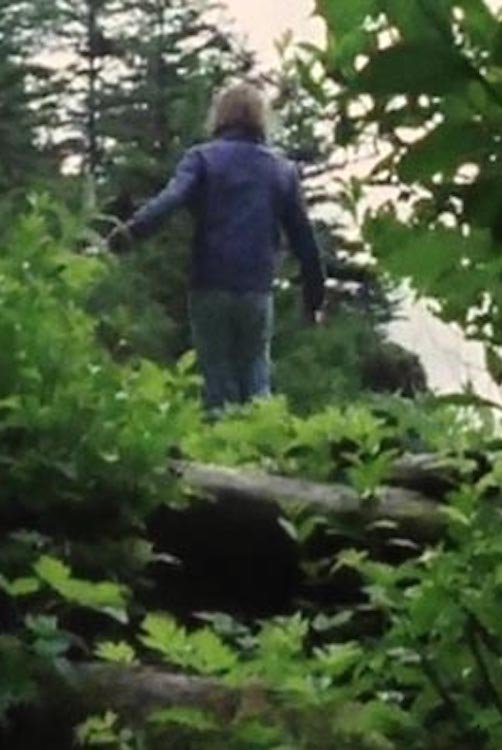
Set against the stunning backdrop of northern British Columbia’s wilderness, Wədzįh Nəne’ (Caribou Country) takes viewers on a contemplative journey through a rugged and remote landscape. Along the way, we meet those who live and work on the land – First Nations guardians, government biologists, and guide outfitters – each confronting the stark reality of declining caribou populations. This meditative film explores the profound connection between people and nature, and the enduring impacts of modernity on an ancient species.
In May 2005, after 30 years of Moroccan occupation, Saharawi students initiated a series of peaceful demonstrations demanding their right to the United Nations-mandated referendum on Western Saharan independence. The Moroccan authorities responded with a brutal campaign of repression, detaining and torturing human rights activists as well as Saharawi students and children as young as eight years old.
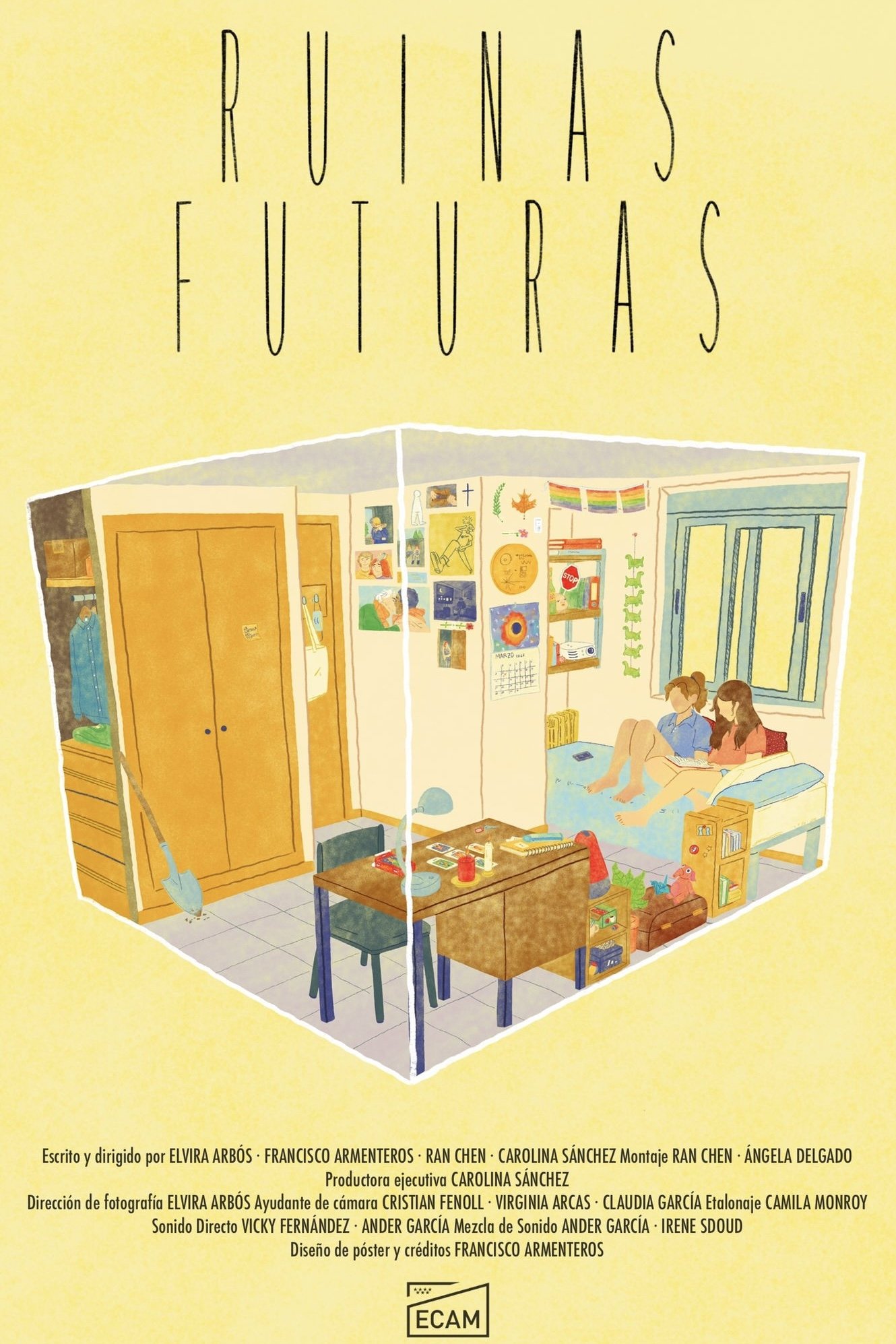
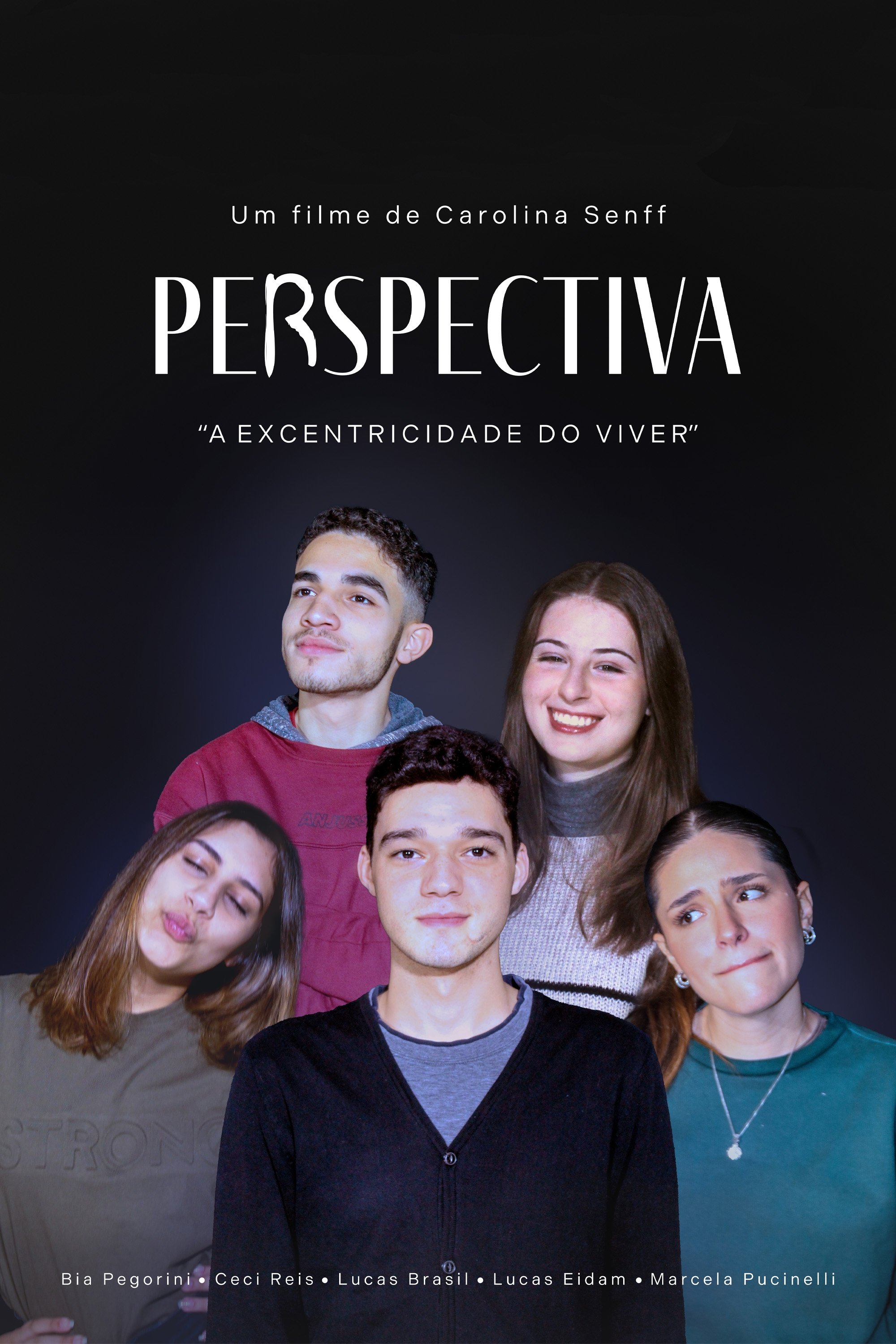
In a boarding school, legend has it that a time capsule has been hidden in the walls. They say it could change the world. Today, the new students fall in love, play cards, dream and laugh in their rooms, which in turn become their own time capsules, like snapshots of a generation at 20 years old.
Sainte-Marie-aux-Mines, in rural Alsace. A vocational high school. A class of year 12 ASSP (Assistance, Care and Service to Person) pupils experience contemporary dancing based on improvised contacts for the first time.
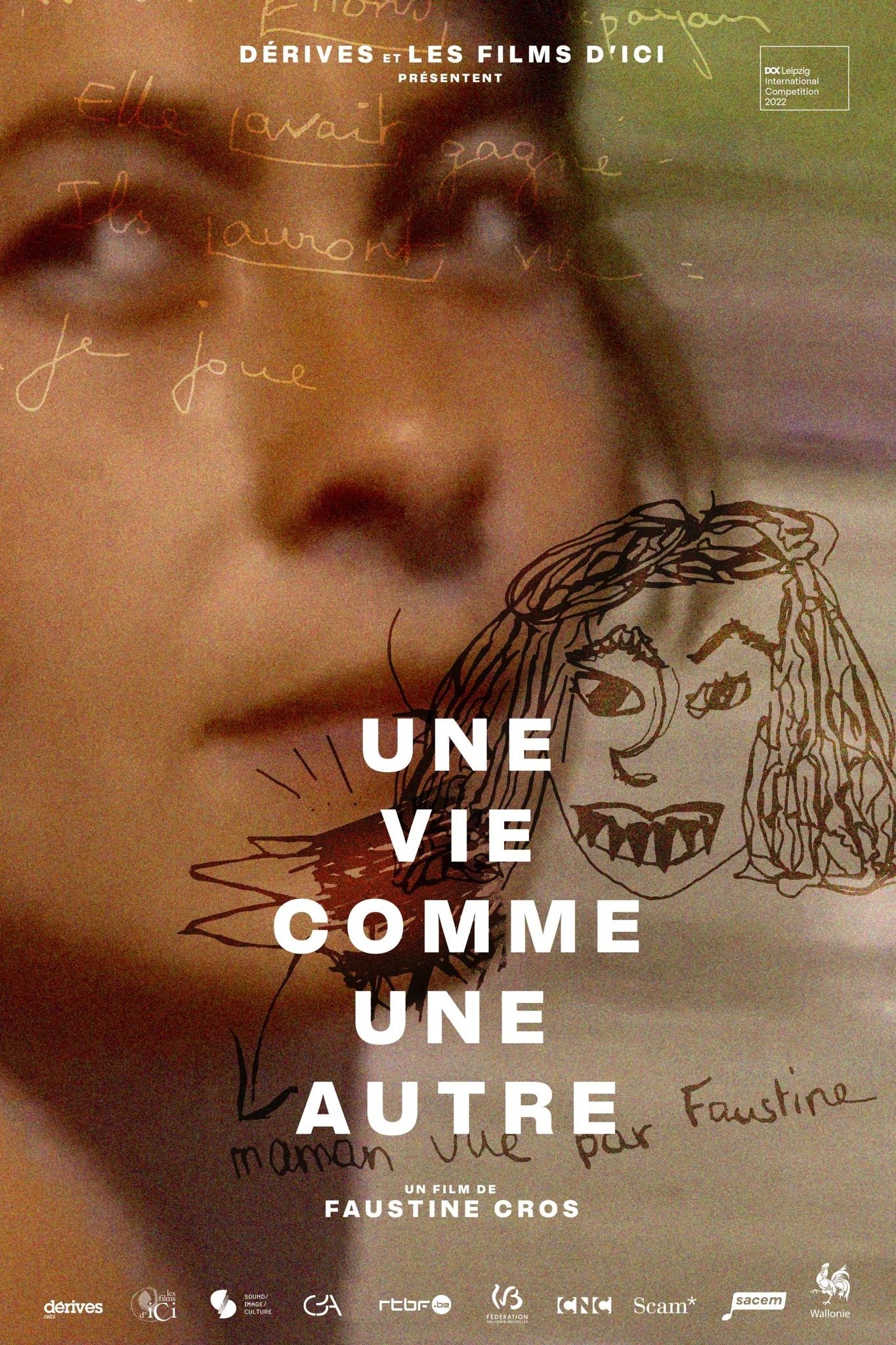
Over many years, the director’s father filmed his family life almost obsessively. His daughter’s birth, his son’s first steps, and always Valérie, the young mother. An impressive fund of material which their now grown-up daughter Faustine appropriates to tell quite a different story: that of a woman who sees her role as a mother and its demands take away her freedom step by step.
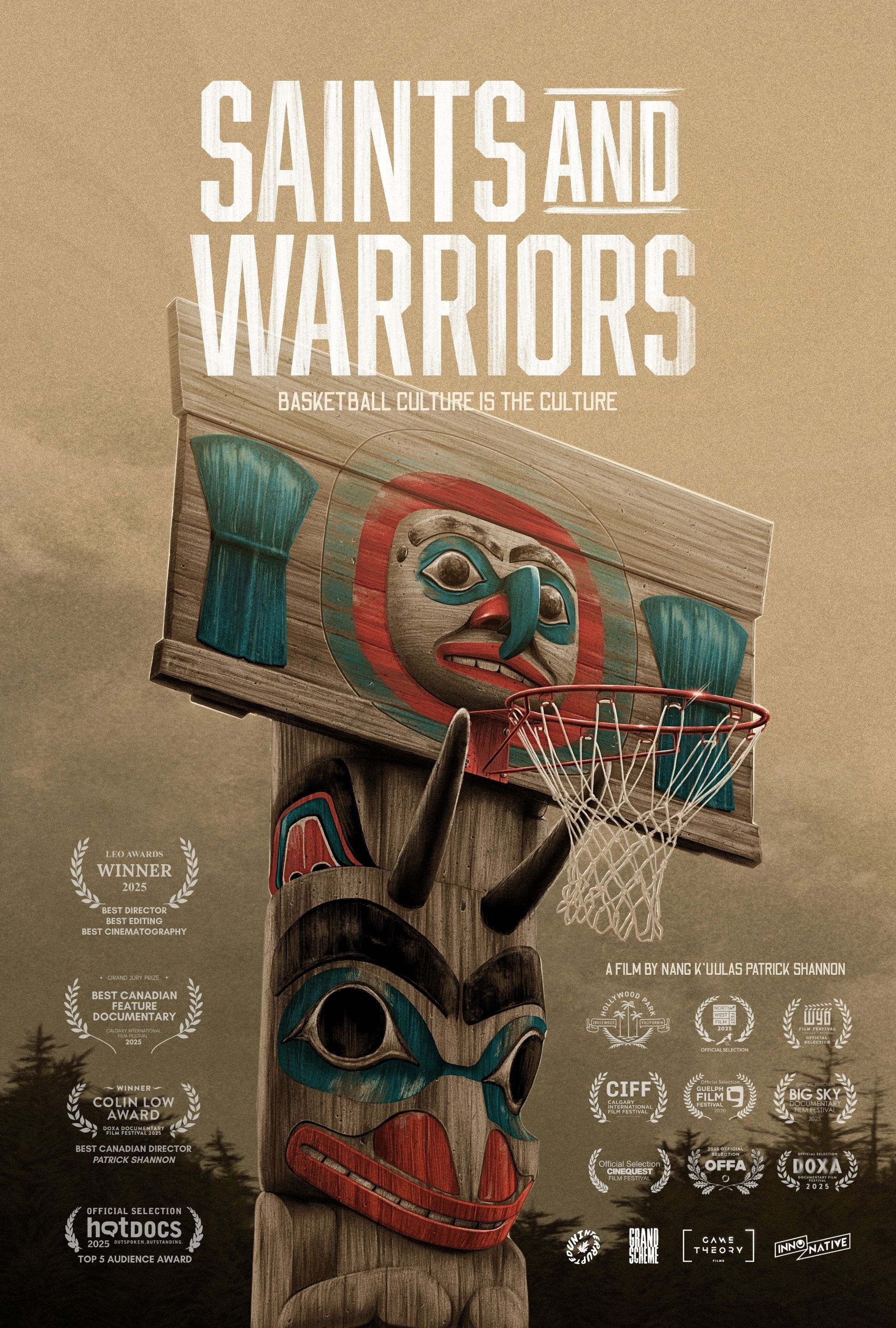
Throughout the course of the Haida basketball season, leaders of iconic rez ball team the Skidegate Saints compete for two titles - defending their All Native Basketball Championship, while also battling for title to their land and waters with the government that stole it from them with the Indian Act.
This short documentary introduces us to a town where no one pays rent: Simoom Sound in central British Columbia, where loggers live on sturdy river craft. Every week there are visitors: the general storekeeper, the flying postman and most importantly, the forest ranger, who is ever alert to the threat of fire.
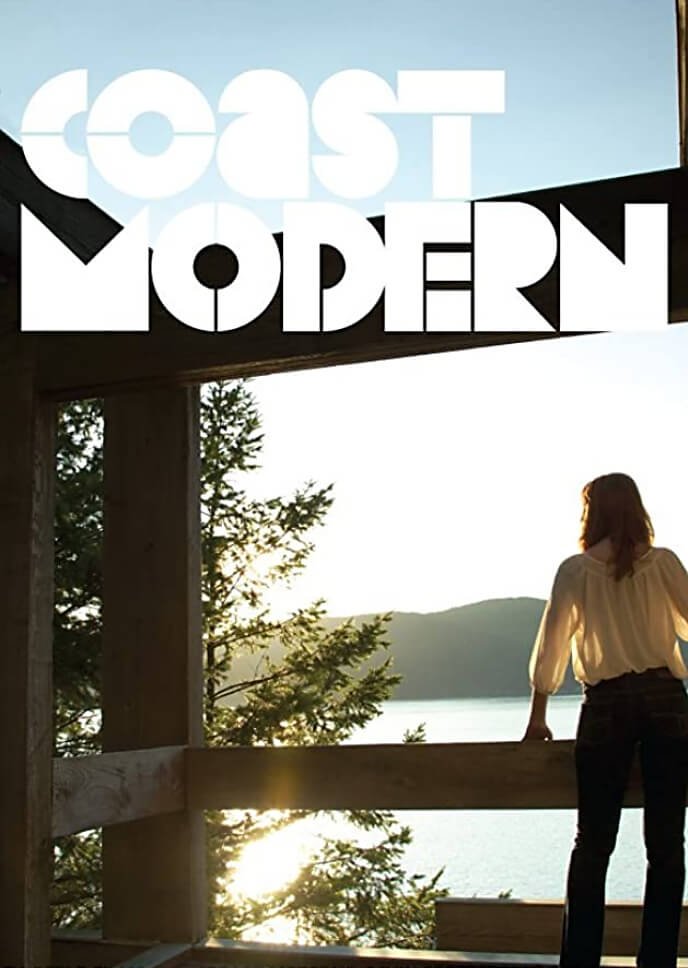
A core group of architects embraced the West Coast from Vancouver to LA with its particular geography and values and left behind a legacy of inspired dwellings. Today, architects celebrate the influence established by their predecessors.
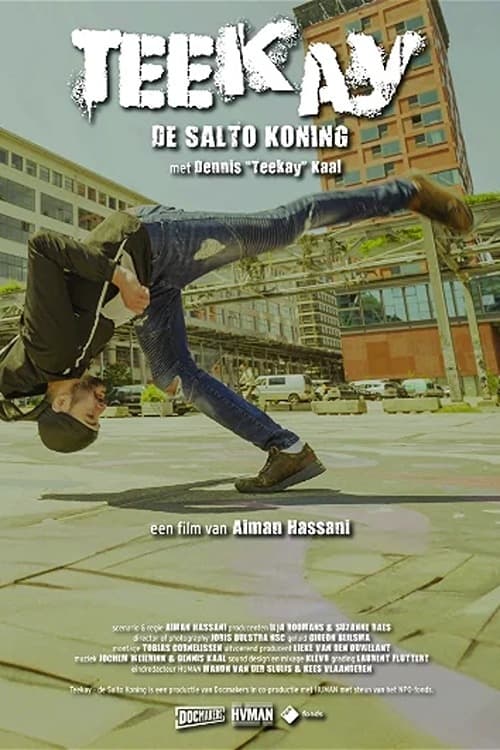
Rapper and breakdancer Teekay from Eindhoven is known for his somersaults and vlogs that are causing a stir. During the corona riots in 2021, he not only gained national fame as a vlog reporter, but also ended up briefly in jail. After his junior year, Teekay wants to change course and, above all, be an example for other young people. In the film he takes us into his life and talks about his childhood in foster homes, the mistakes he made and about his dreams. What is Teekay looking for?
Set against the unforgettable beauty of Haida Gwaii (formerly known as the Queen Charlotte Islands), Memories of Earth takes viewers on a journey guided by traces of the past. The film records the meeting of two artistic worlds: that of the Haida, an indigenous people whose cultural life and mythology bespeak their belief in a tangible link between the real and the imaginary, and that of Frédéric Back, a master of animated film and committed humanist, whose works is an appeal to respect all things created. Through the magic of animation, the documentary casts fresh light on the legends and spirituality of the Haida.
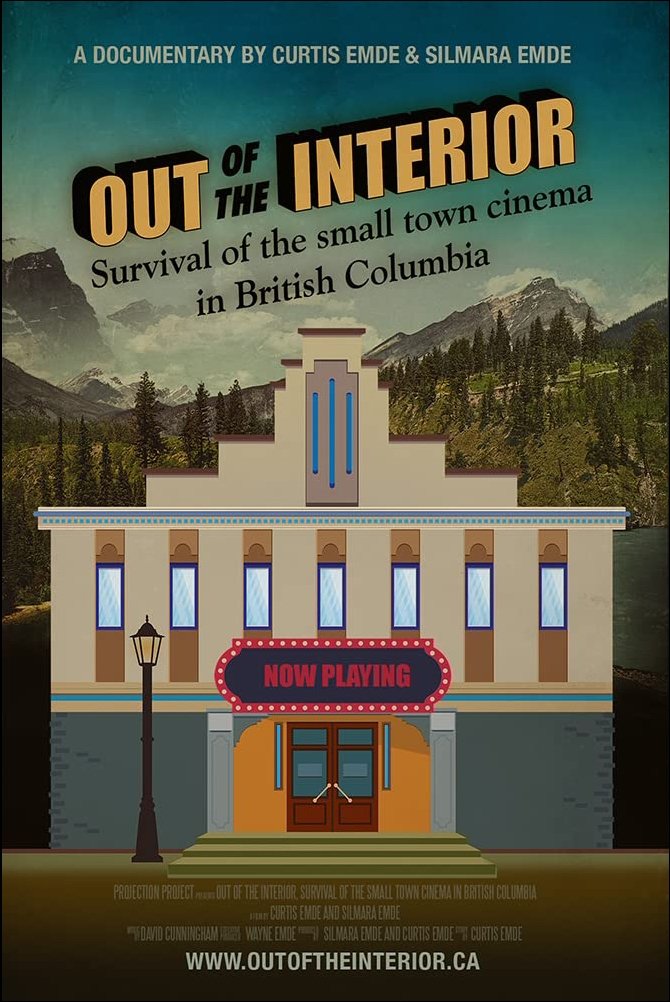
The hard-working cinema owners and operators of the small towns found in BC's southern interior are doing more than showing movies and selling popcorn––they are bringing their communities together.
Gurdeep is a thirteen-year-old Canadian Sikh whose family runs a dairy farm near Chilliwack, British Columbia. They have retained their language and religion. Attendance at the Sikh temple, playing soccer with his schoolmates, and working on the farm are all part of Gurdeep's well-integrated life, but sometimes he feels a little different from the other children because he wears a turban. This film is part of the Children of Canada series.
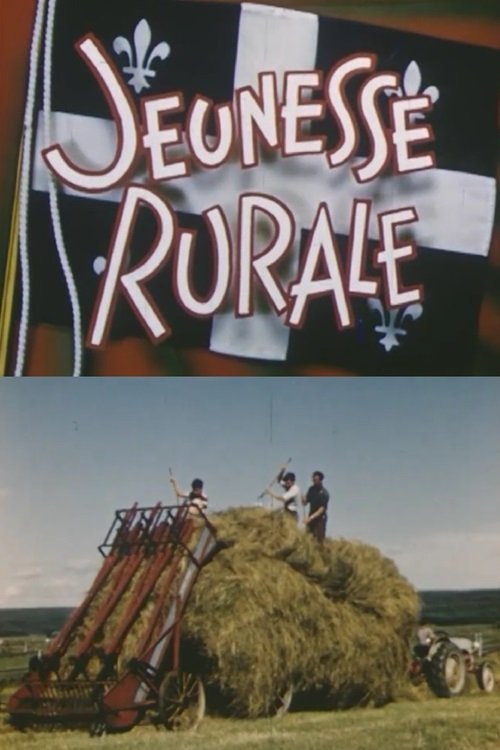
This film, with an autobiographical flavor, was shot in part on the very premises where Father Proulx grew up and highlights the importance of agriculture and the very special attention given to rural youth in the from the Government of Quebec. The farm and its little world are presented during the four seasons: the introduction of children to agricultural work, the holidays, the return to school. From November to the end of April, the older ones take courses in the various agricultural schools scattered across Quebec. In addition to studying the methods of cultivation and breeding, they receive notions of carpentry, blacksmithing and other lessons likely to be useful in their future work as farmers. In the spring, the young girls go to secondary schools of agriculture to learn domestic art, beekeeping, weaving, sewing, etc.
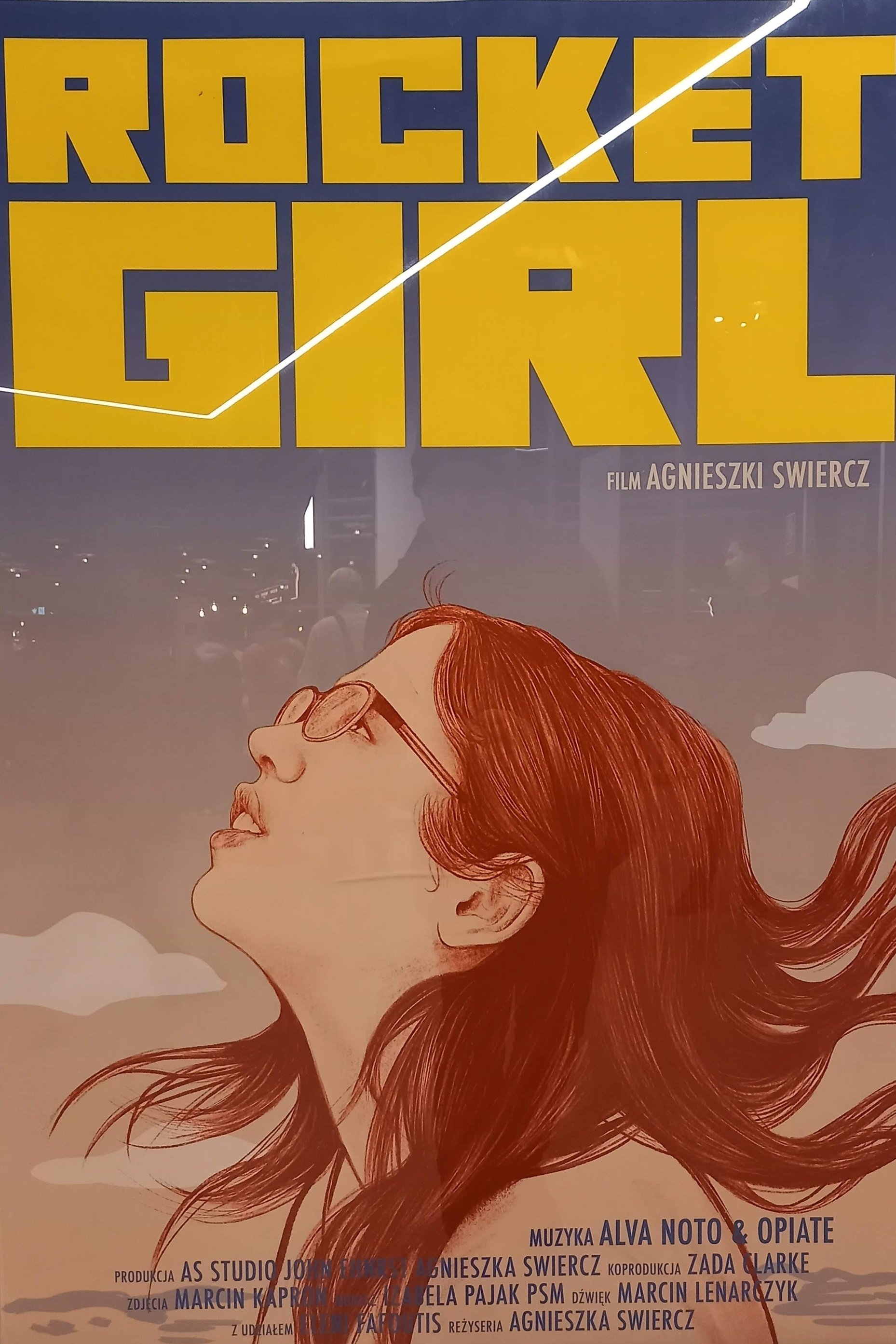
Eleni is 16 and has just moved from California to Virginia, where she must adapt to a new school. This comes easily to her thanks to her intense passion, which she instills in her peers. She becomes president of the school's rocket club and aims to build the perfect model for a competition attended by hundreds of teams from across the United States.
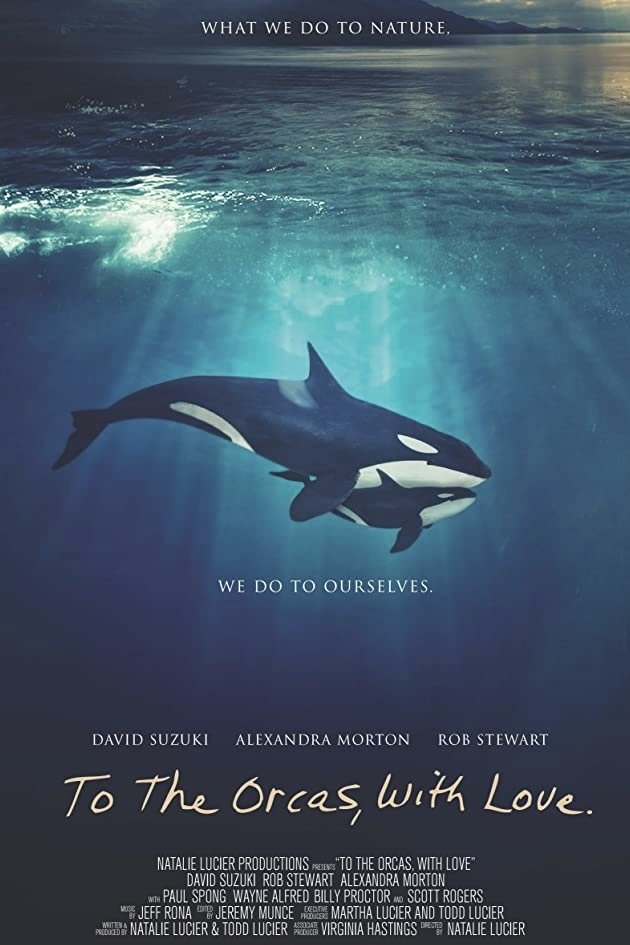
Stories of personal connections with orcas, beautiful cinematography featuring B.C’s resident orcas, and an evocative soundscape composed by Jeff Rona and Ben MacDougall provide an uplifting contrast to the environmental challenges we face. Inspired by elders including environmentalist and CBC Broadcaster, David Suzuki, whale researchers Alexandra Morton and Paul Spong, totem carver Wayne Alfred, and lifelong resident of the Broughton archipelago Billy Proctor, this film is anchored by Rob Stewart’s invitation to rise up and create the world we dream for ourselves. Viewers will come to understand the importance of the personal choices we make; it becomes clear that what we do to nature, we do to ourselves.
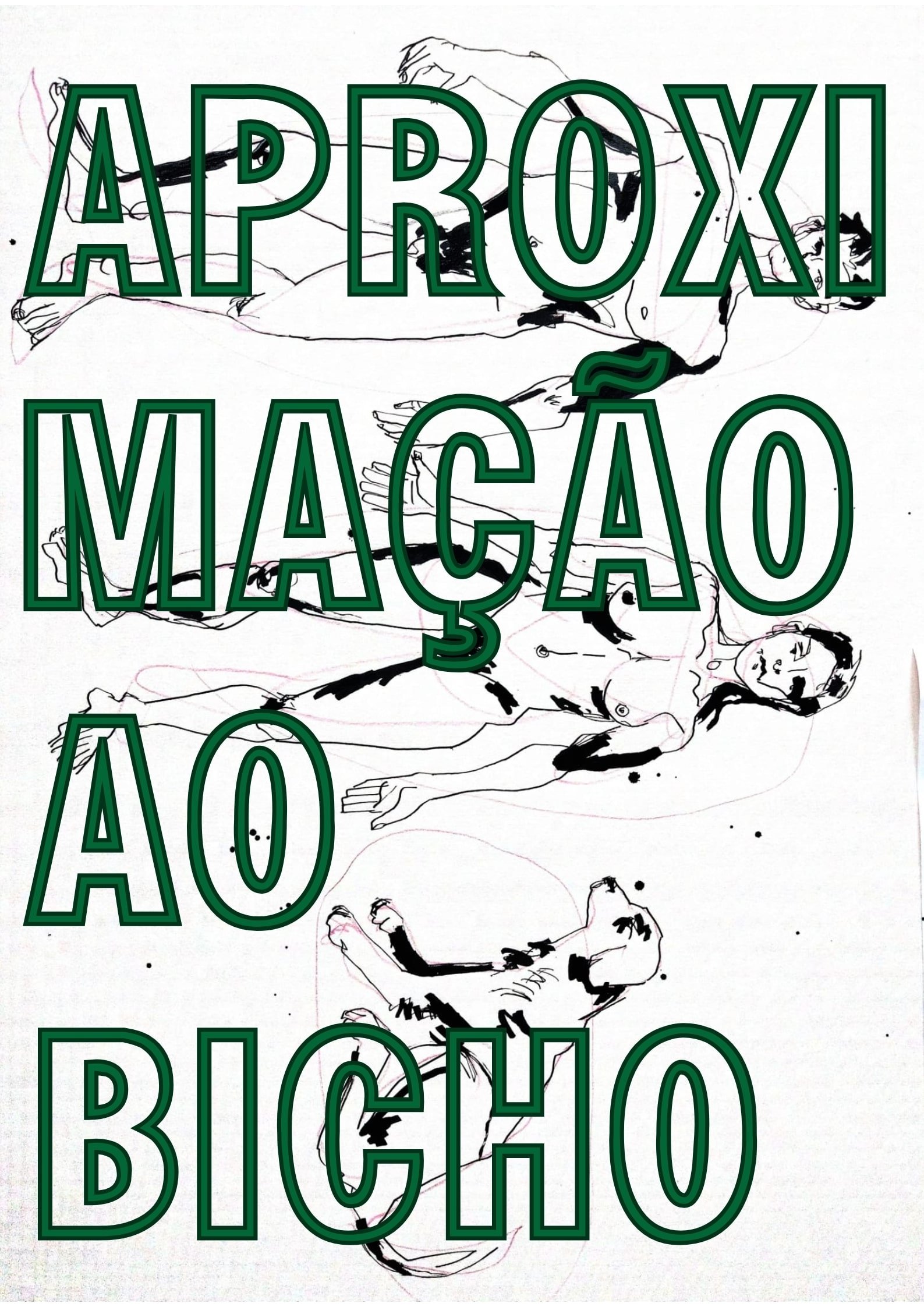
Marta Cardoso, a young dancer from northern Portugal, moves through Lisbon with restless energy, between precarious routines, affections, and a daily life in constant imbalance. Dance becomes her refuge and her cry: a space where the body finds freedom and instinct, and where gesture replaces words. When dancing, she feels close to her inner animal.
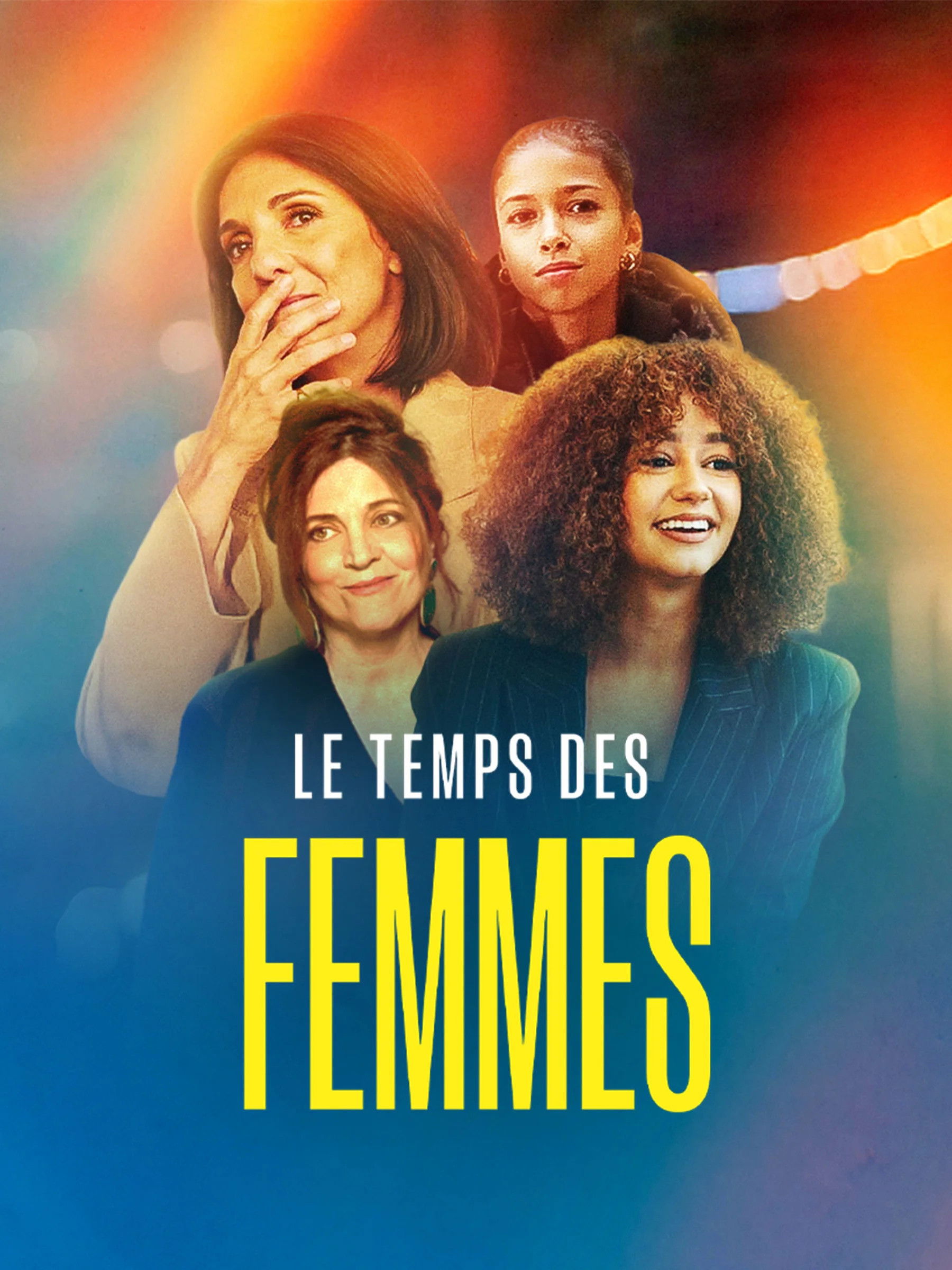
Has the time of women finally come? Have their everyday lives truly changed over the past sixty years? Guided by Agnès Jaoui, women—famous and unknown—share their stories across generations. From childhood to retirement, the documentary traces shared experiences shaped by prejudice, but also by hope, strength, and humor. Blending personal archives, historic moments, and social media footage, the film places women at the center of their own story. Welcome to the Time of Women.
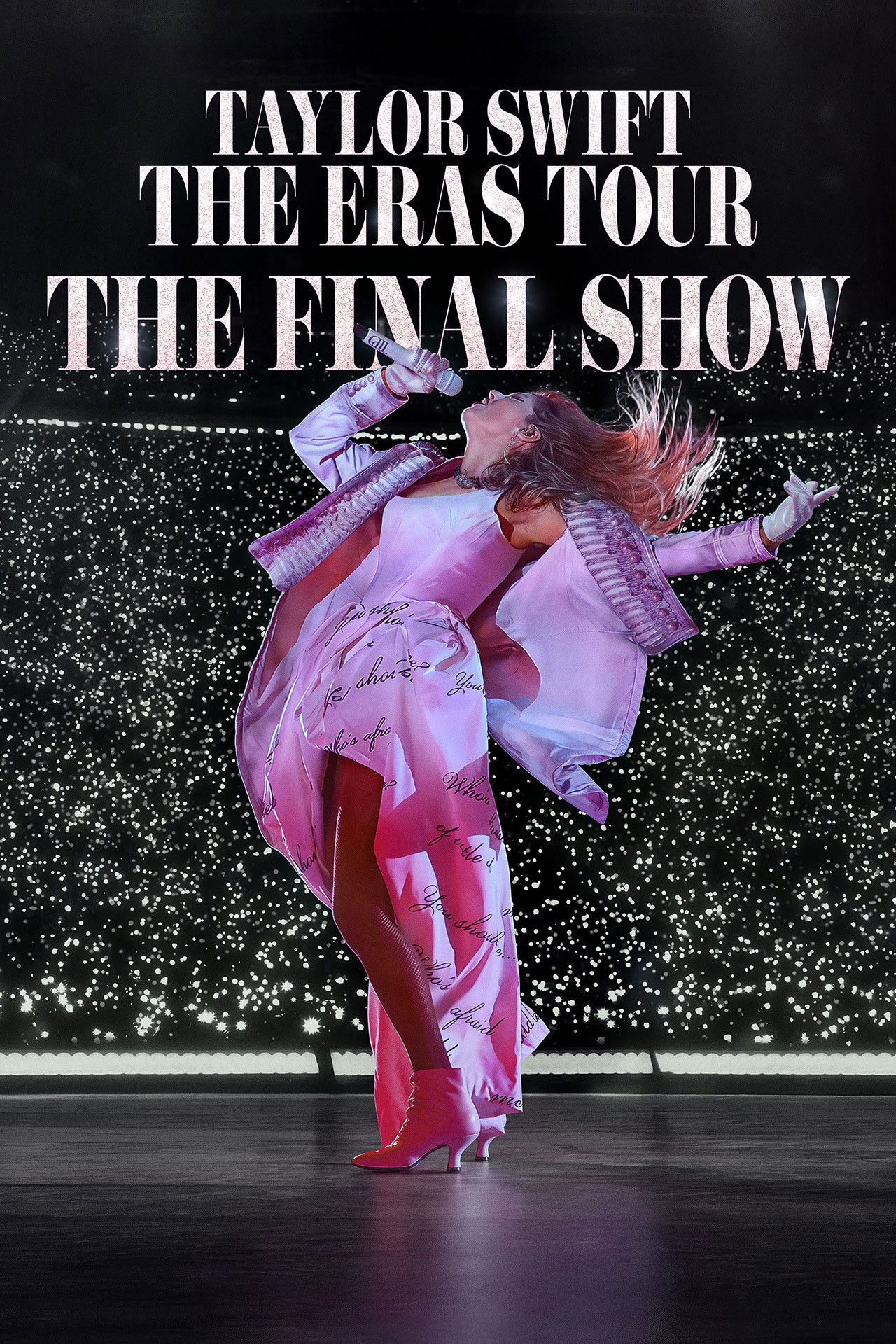
Filmed at the end of Taylor Swift's record-breaking Eras Tour in Vancouver, B.C., this complete, in-depth 45-song concert includes the complete 'The Tortured Poets Department' set and special mashups.
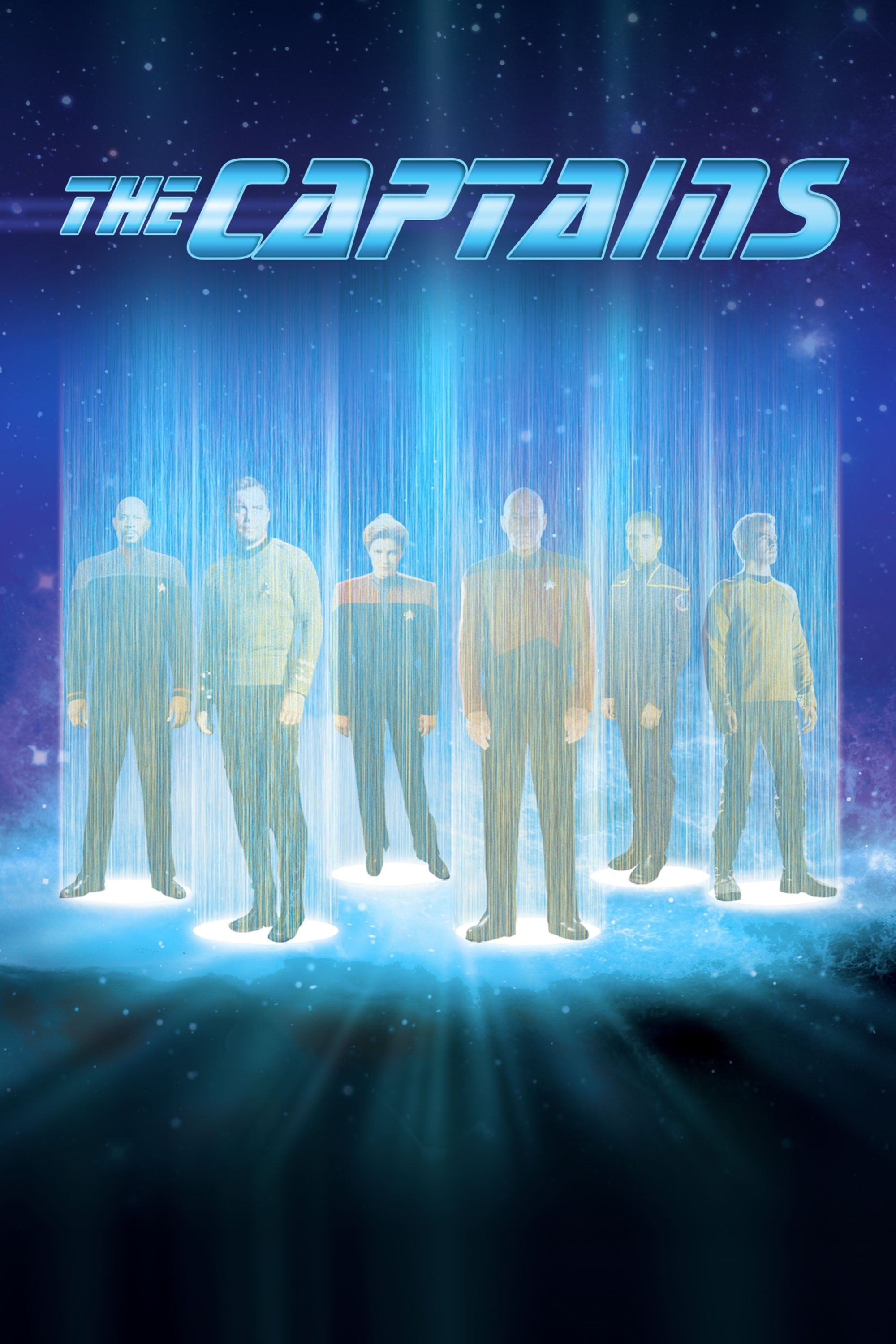
The Captains is a feature-length documentary film written and directed by William Shatner. The film follows Shatner as he interviews the other actors who have portrayed starship captains in the Star Trek franchise.
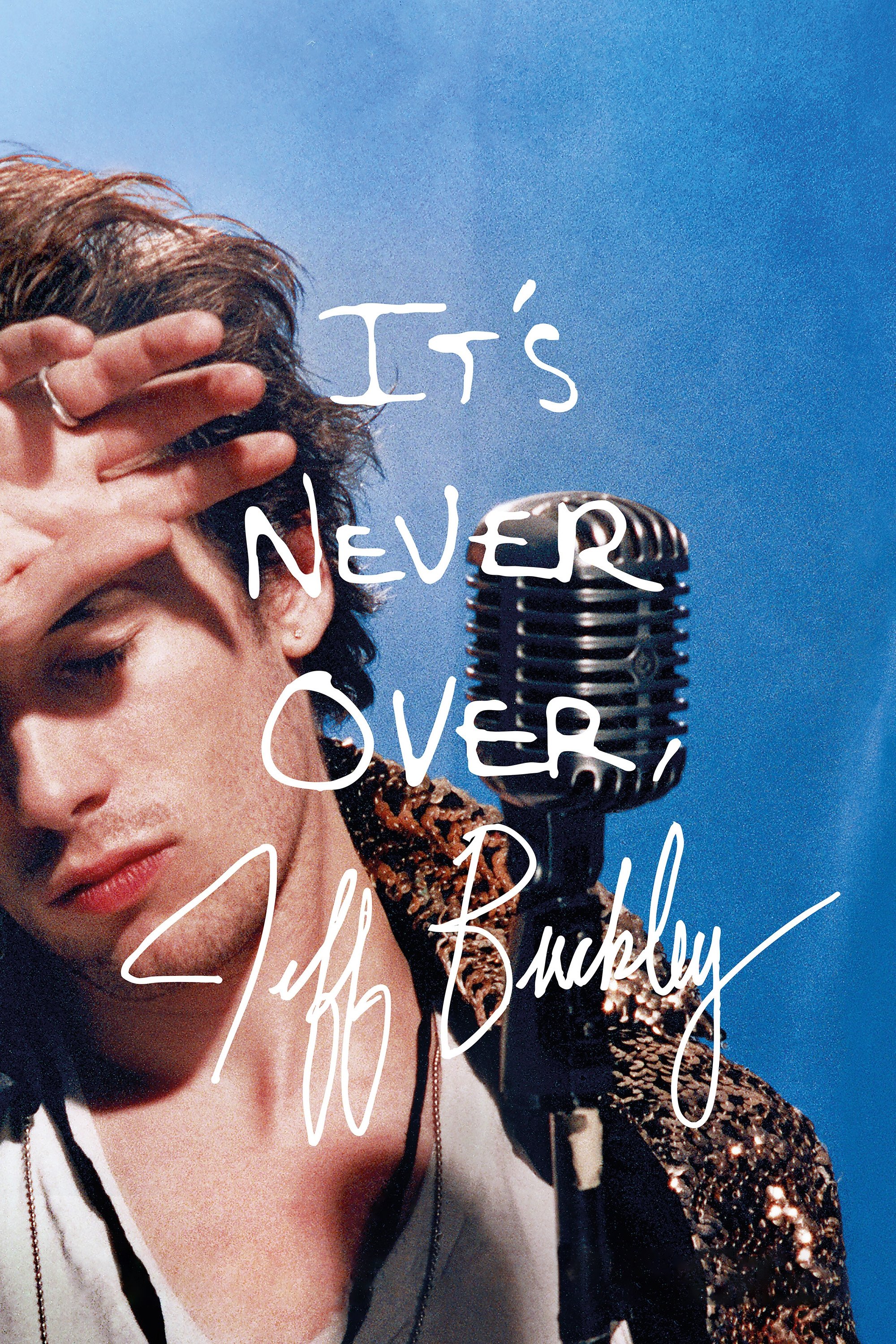
Rising musician Jeff Buckley had only released one album when he died suddenly in 1997. Now, never-before-seen footage, exclusive voice messages, and accounts from those closest to him offer a portrait of the captivating singer.
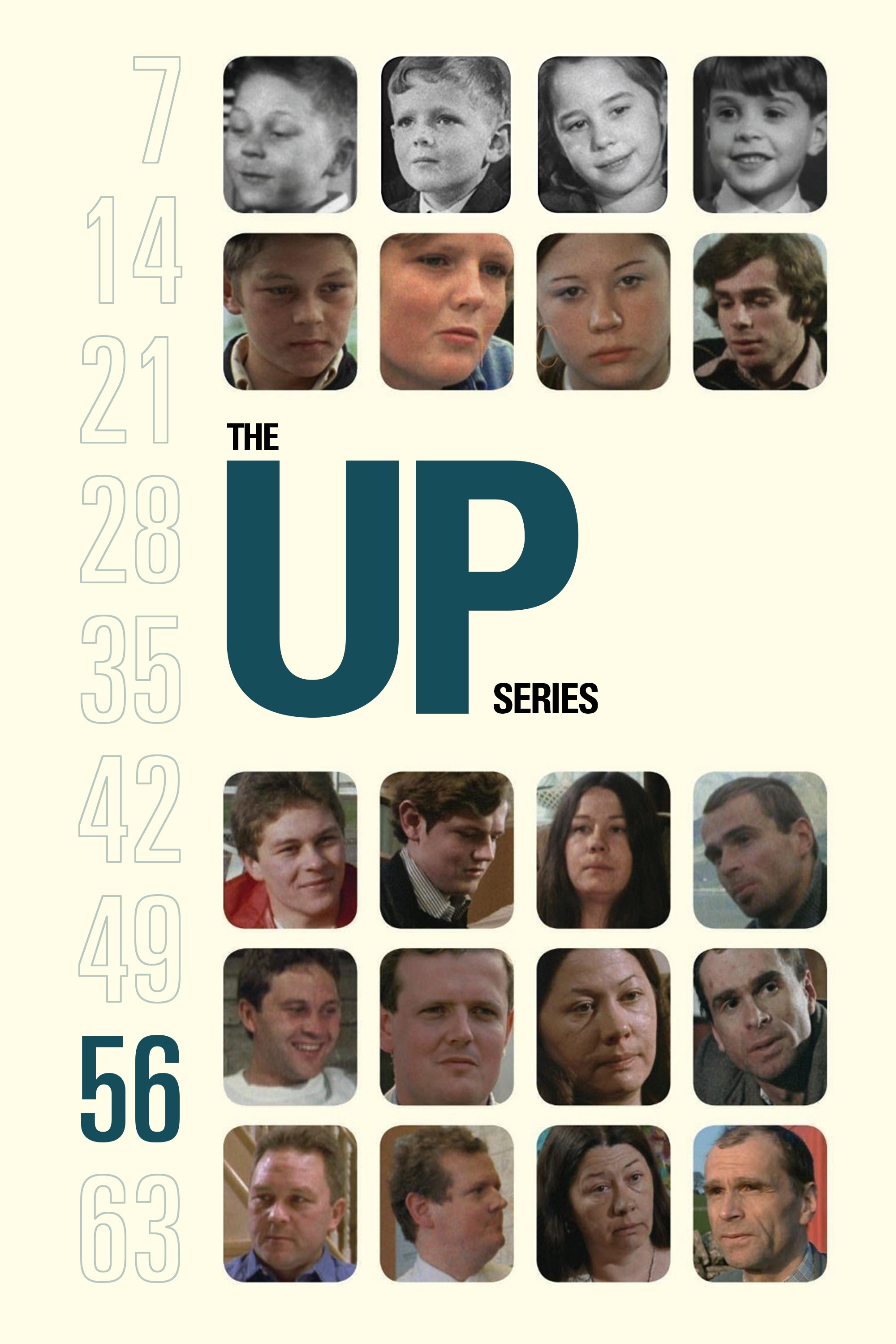
When a cross-section of seven-year-olds were interviewed for 7 Up in 1964 it was immediately evident that their social backgrounds influenced their attitudes towards life. While the upper class children were confident and self-assured, those from middle and working class backgrounds were resigned to a challenging life of hard work. This premise was put to the test every seven years when the same group were interviewed about the progression of their lives. 49 years in the making, the changes that occurred to the original 14 make for fascinating television and are in many ways the stories of all our lives. From success and disappointment, marriage and childbirth, to poverty and illness, nearly every facet of life has been captured on film. Now, at the age of 56, the group are once more brought together and, with the benefit of hindsight, assess whether their lives have been ruled by circumstance or self-determination.
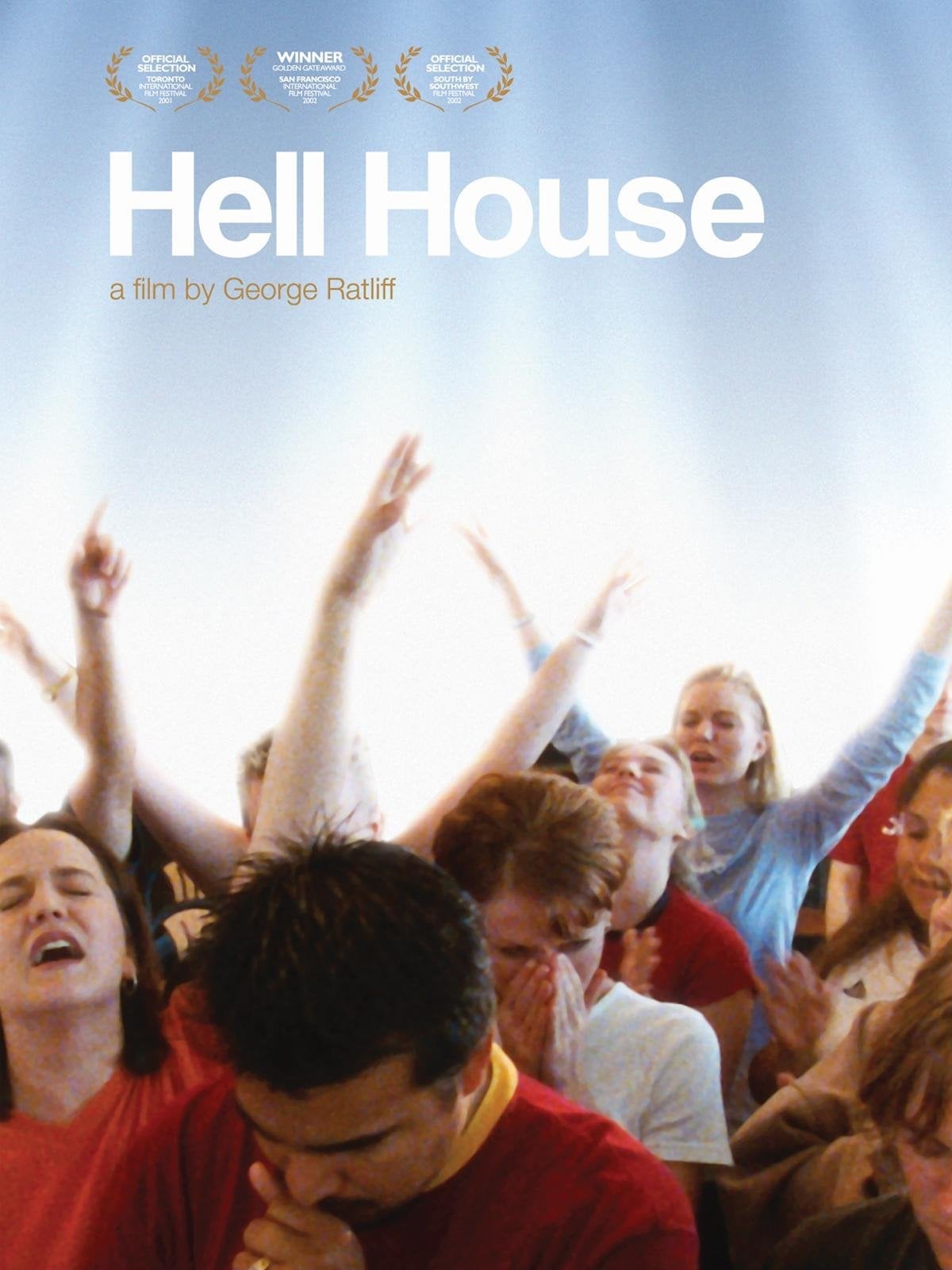
A look at the "Hell House" performed annually in October by the youth members of Trinity Church (Assemblies of God) in Cedar Hill, Texas (a Dallas suburb) — seen by over 10,000 visitors each year.
A backstage and on-stage look at Justin Bieber during his rise to super stardom.
THE SPIRIT MOLECULE weaves an account of Dr. Rick Strassman's groundbreaking DMT research through a multifaceted approach to this intriguing hallucinogen found in the human brain and hundreds of plants, including the sacred Amazonian brew, ayahuasca. Utilizing interviews with a variety of experts to explain their thoughts and experiences with DMT, and ayahuasca, within their respective fields, and discussions with Strassman’s research volunteers, brings to life the awesome effects of this compound, and introduces us to far-reaching theories regarding its role in human consciousness.
The film follows adventurer Jeff Johnson as he retraces the epic 1968 journey of his heroes Yvon Chouinard and Doug Tompkins to Patagonia.
Captured during Billie Eilish's sold-out world tour, a concert experience from one of the most celebrated and successful artists of her generation, presented in immersive 3D.
A concert film documenting Talking Heads at the height of their popularity, on tour for their 1983 album "Speaking in Tongues." The band takes the stage one by one and is joined by a cadre of guest musicians for a career-spanning and cinematic performance that features creative choreography and visuals.
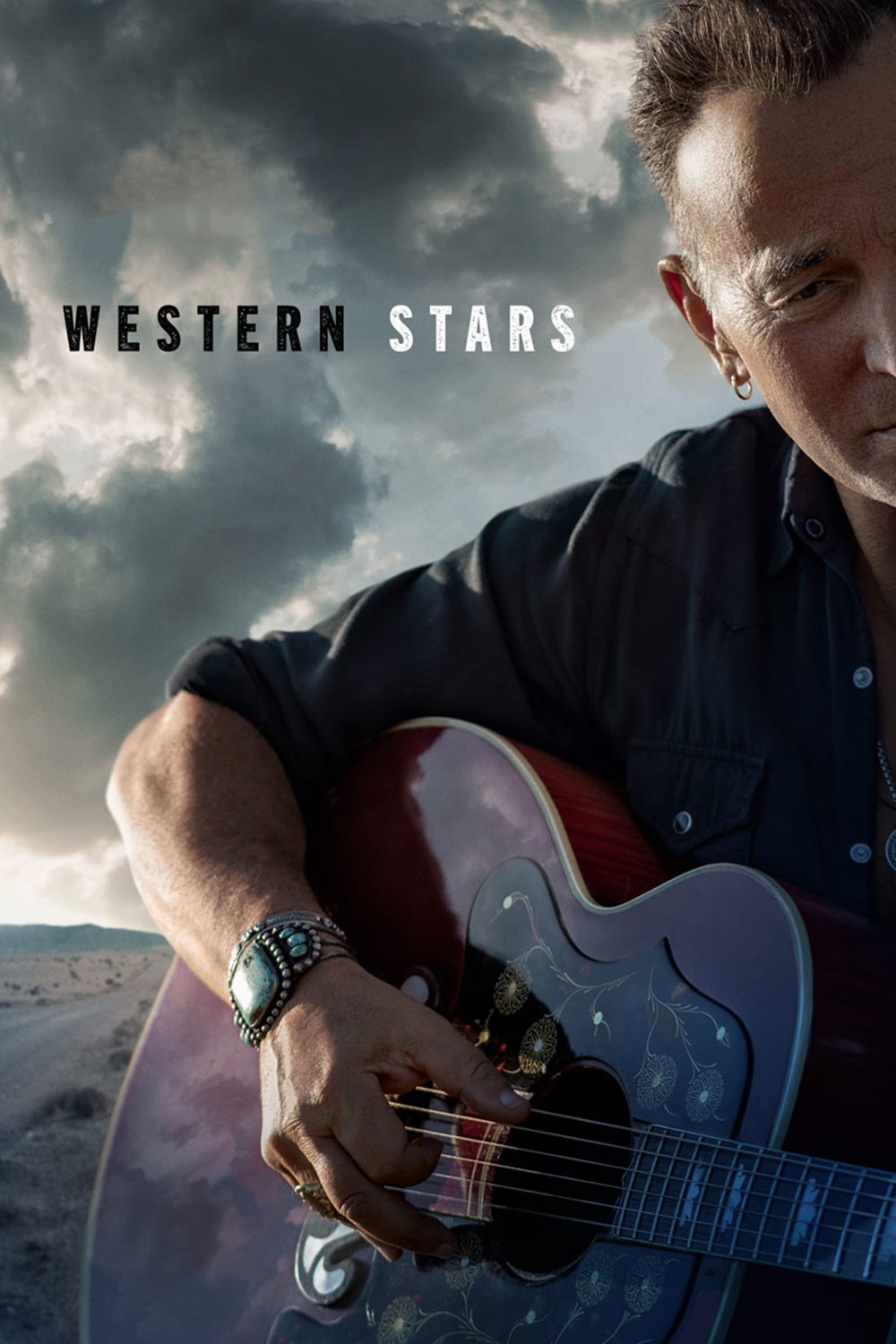
The incomparable Bruce Springsteen performs his critically acclaimed latest album and muses on life, rock, and the American dream, in this intimate and personal concert film co-directed by Thom Zimny and Springsteen himself.
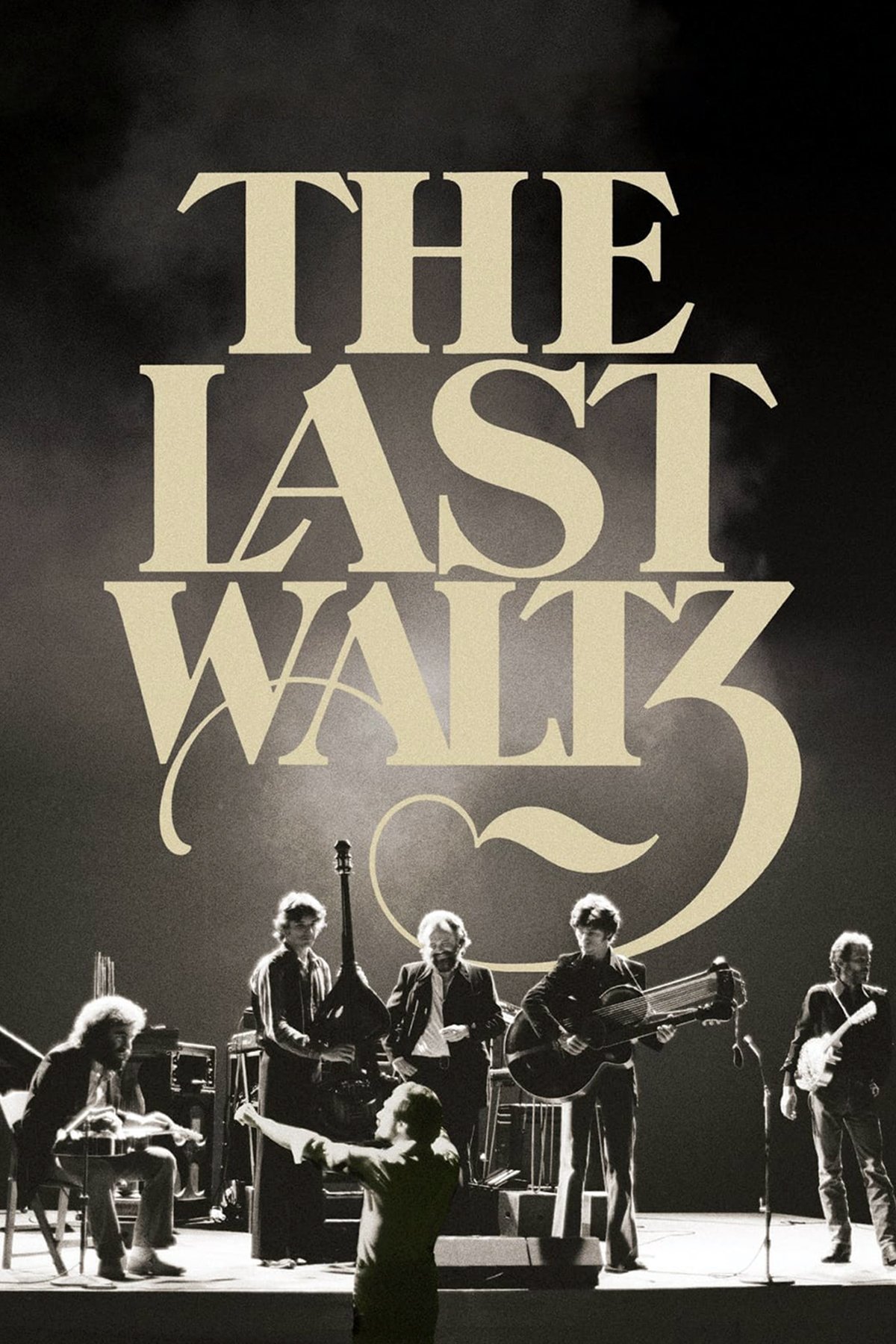
Martin Scorsese's documentary intertwines footage from The Band's incredible farewell tour with probing backstage interviews and featured performances by Eric Clapton, Bob Dylan, Joni Mitchell, Van Morrison, and other rock legends.
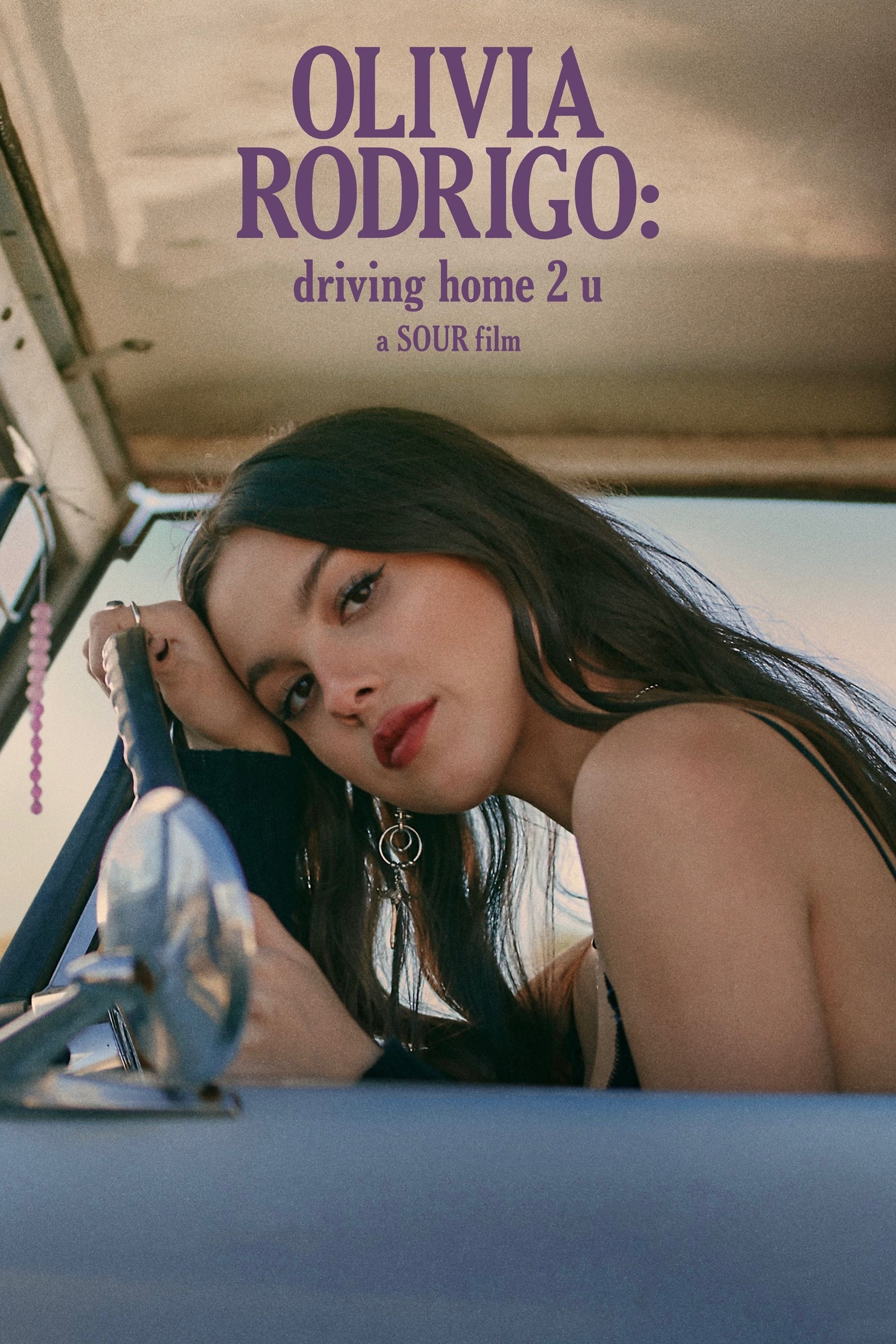
Grammy® winner singer-songwriter Olivia Rodrigo takes a familiar road trip from Salt Lake City, where she began writing her debut album “SOUR,” to Los Angeles. Along the way, Rodrigo recounts the memories of writing and creating her record-breaking debut album and shares her feelings as a young woman navigating a specific time in her life. Through new live arrangements of her songs, intimate interviews and never-before-seen footage from the making of the album, audiences will follow Olivia along on a cinematic journey exploring the story of “SOUR.”
Al Pacino's deeply-felt rumination on Shakespeare's significance and relevance to the modern world through interviews and an in-depth analysis of "Richard III."
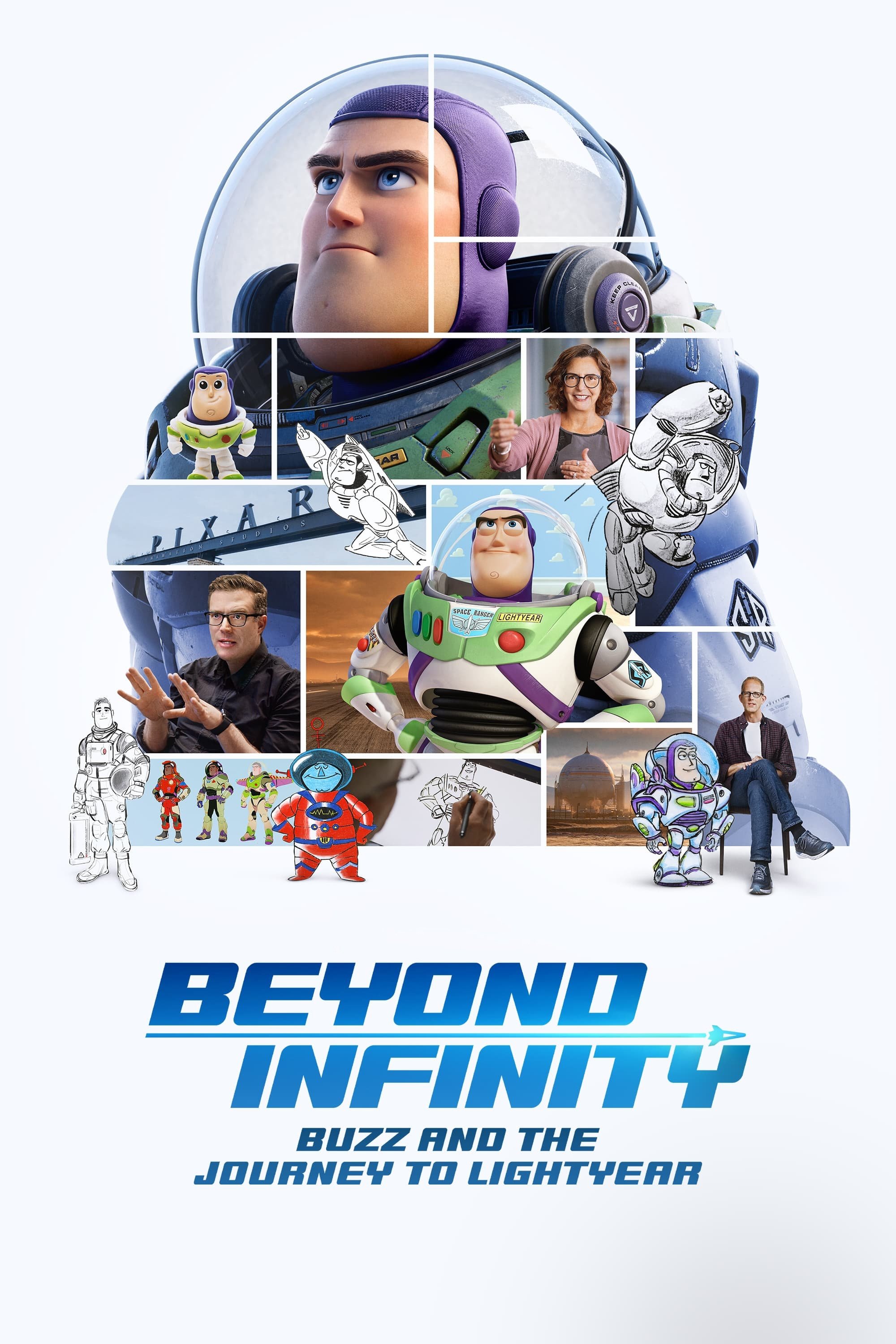
Explore the evolution of Buzz Lightyear from toy to human in the making of Pixar’s Lightyear. Dive into the origin and cultural impact of everyone’s favorite Space Ranger, the art of designing a new “human Buzz,” and the challenges faced by the Lightyear crew along the way.
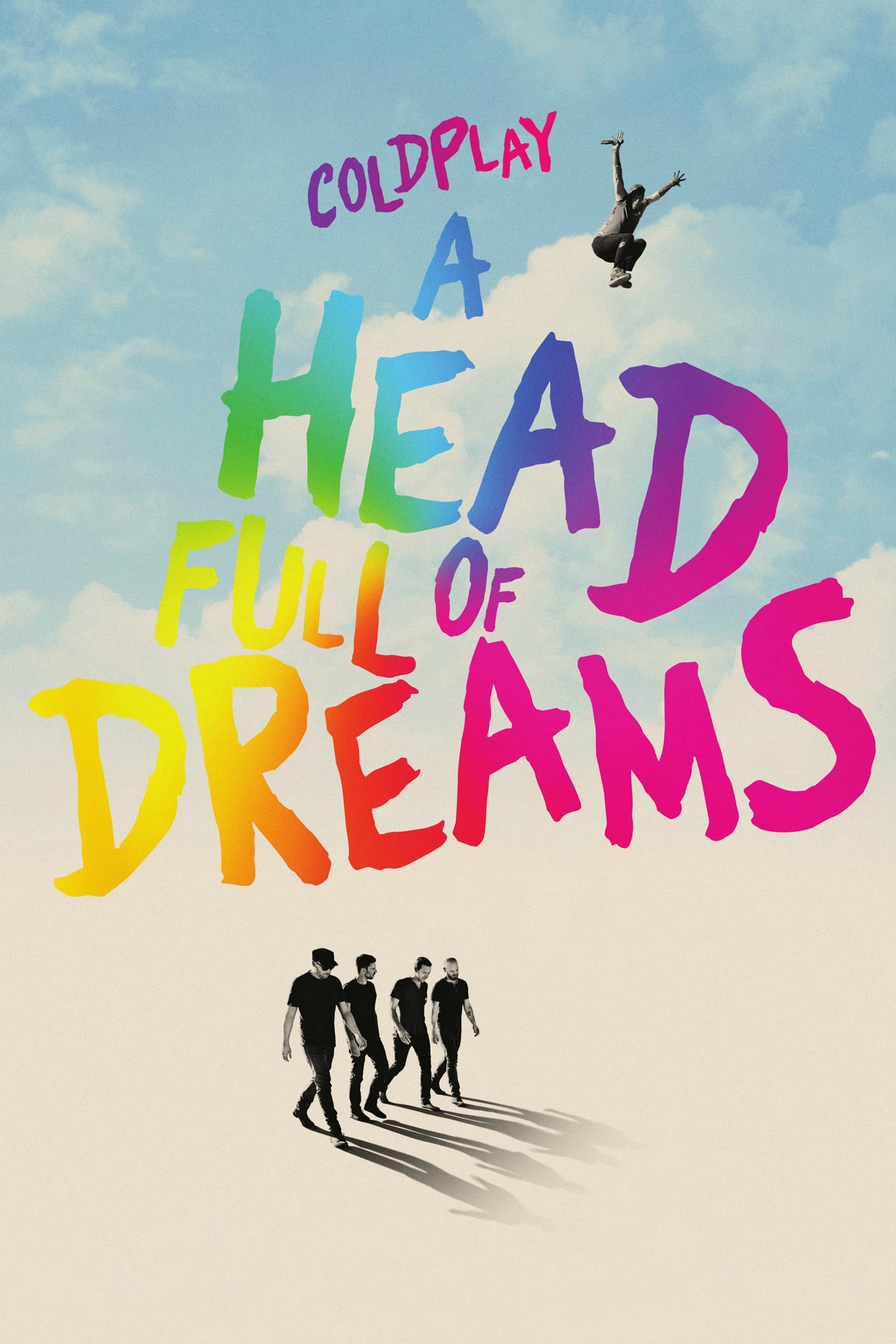
An in-depth and intimate portrait of Coldplay's spectacular rise from the backrooms of Camden pubs to selling out stadiums across the planet. At the heart of the story is the band's unshakeable brotherhood which has endured through many highs and lows.
Take a virtual vacation to some of the Star Wars films' most iconic and beloved locations like Hoth, Tatooine, and Sorgan, as this charming series whisks you off for fly-through tours of the Galaxy Far, Far Away.
Daniel Craig candidly reflects on his 15 year adventure as James Bond. Including never-before-seen archival footage from Casino Royale to the upcoming 25th film No Time To Die, Craig shares his personal memories in conversation with 007 producers, Michael G Wilson and Barbara Broccoli.
Filmed in front of a live studio audience and hosted by Alex Cooper of 'Call Her Daddy' fame, Miley Cyrus reflects on the creation and impact of the series with never-before-seen archival footage, all the while interacting and reminiscing on some of the show's most memorable sets 'brought back to life' — including the Stewart family living room and the legendary Hannah Montana closet.
Meet the real Paris Hilton for the very first time as she embarks on a journey of healing and reflection, reclaiming her true identity along the way.