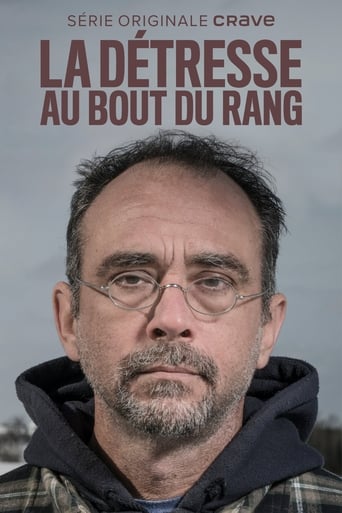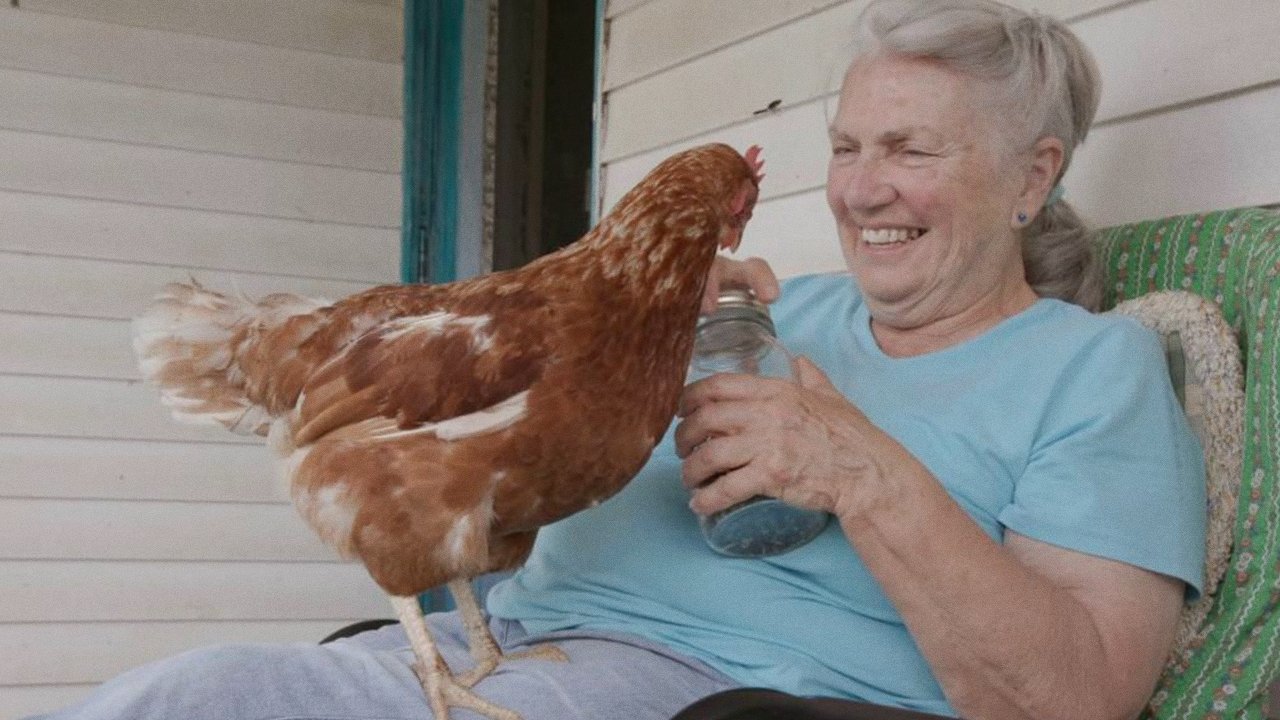
Former flight attendant Émilienne, 76, lives on a small farm in Centre-du-Québec. As the seasons go by, she helps us discover a way of life in symbiosis with the living and the passing of time.
Social & External
Unknown Role
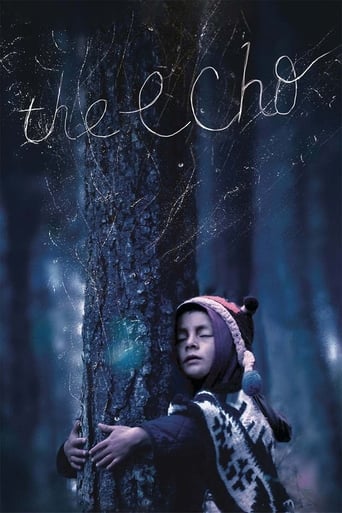
In the remote village of El Echo that exists outside of time, the children care for the sheep and their elders. While the frost and drought punish the land, they learn to understand death, illness and love with each act, word and silence of their parents. A story about the echo of what clings to the soul, about the certainty of shelter provided by those around us, about rebellion and vertigo in the face of life. About growing up.
A representation of queer and feminist imagery that was mainly shot in the Qinghai-Tibetan Plateau, remote and developing areas in southwest China, and metropolitan cities like Beijing from 2000 to 2004 to document the social changes in contemporary China. The director sympathetically and erotically represents a variety of women, including women as laborers, women as prayers, women in the ground, women in marriage, and women who lie on the funeral pyre with their dead husbands. Her camera juxtaposes the mountains and rivers in old times, the commercialized handicrafts as exposition, the capital exploitation of the elders’ living space, and the erotic freedom of the young people in a changing city.
Exploring the reports of a spectral mansion on the outskirts of Rougham, a village in the Eastern county of Suffolk. The film delves into local folklore surrounding these sightings as villagers recount their haunting experiences against the desolate backdrop of rural Britain. It reflects on themes of memory, place, and the fading tradition of oral storytelling, evoking the eerie atmosphere of a fractured England and our growing disconnect from the natural environment.
William Wells defends the viability of Fogo Island and expresses his apprehension about the exodus of young people.
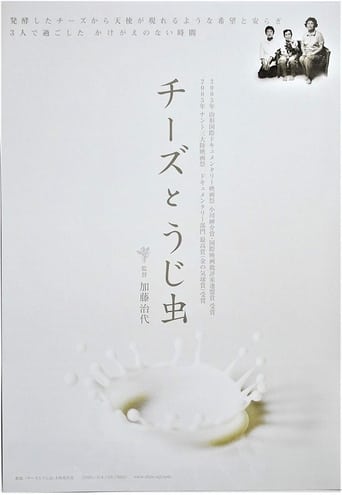
A documentary that records the daily life of a mother with a limited life expectancy and a grandmother, directed by the daughter, Haruyo Kato.
In a small town in the countryside of Paraná, its pioneers recall the early days there, while sharing a common love: coffee.
Leandre, 20, dreams of having a child with Juliette, with whom he has been in a relationship for several months. This summer will be an opportunity for him to question his ability to become a father and to reflect on himself.
Traces a family’s journey toward freedom, nurturing their bees and their young sons amid Georgia’s shifting seasons while they learn to care for the land that sustains them.
A song is heard in the distance. It comes from the Hekeng village, famous for its ancient earthen buildings, also called tulou. It is where the last original Hakka families live amidst the exodus of those looking for a more modern environment. Among them there is Zhang Zhouyin, an elderly man concerned about the state of the village's temple; or her daughter-in-law, Wei Yi, who spends her entire day guiding tourists through these awe-inspiring houses. And then there’s young Zhang Weibo, her son, who manages to find joy even in the simplest of things... Hekeng: a place frozen in time whose songs have endured for centuries.
A real-time portrait of 2020 unfolds as an Asian-American family in Trump’s rural America fights to keep their restaurant and American dream alive in the face of a pandemic, Neo-Nazis, and generational scars from the Cambodian Killing Fields.
Meet Brian Boland—the beloved, eccentric hot air balloonist and artist from the rural Upper Valley of Vermont.
The village commune is struggling with huge debt incurred by it's overambitious mayor, who once suffered a personal tragedy. Did this affect his overly ambitious actions? A warm and humorous observation of the life of a village near Krakow.
Farrebique, the first feature-length effort of French documentary filmmaker Georges Rouqier, is widely regarded as his finest film. Rouqier concentrates on a single French farm family, following them through the four seasons. As in the works of Robert Flaherty, the human characters and the land surrounding them are "one", and Rouqier never misses an opportunity to parallel their lives with the eons-old phases of nature. The final symbolic images of Spring, achieved through time-lapse photography, are almost unbearably beautiful. The winner of several festival awards, Farrebique nonetheless did not immediately result in an outpouring of financing for Rouqier's follow-up films (this was a common problem in the financially strapped French film industry of the 1940s). Perhaps as a result, Rouqier did not make his sequel, Biquefarre (filmed in the same region, with some of the same "actors"), until 1983.