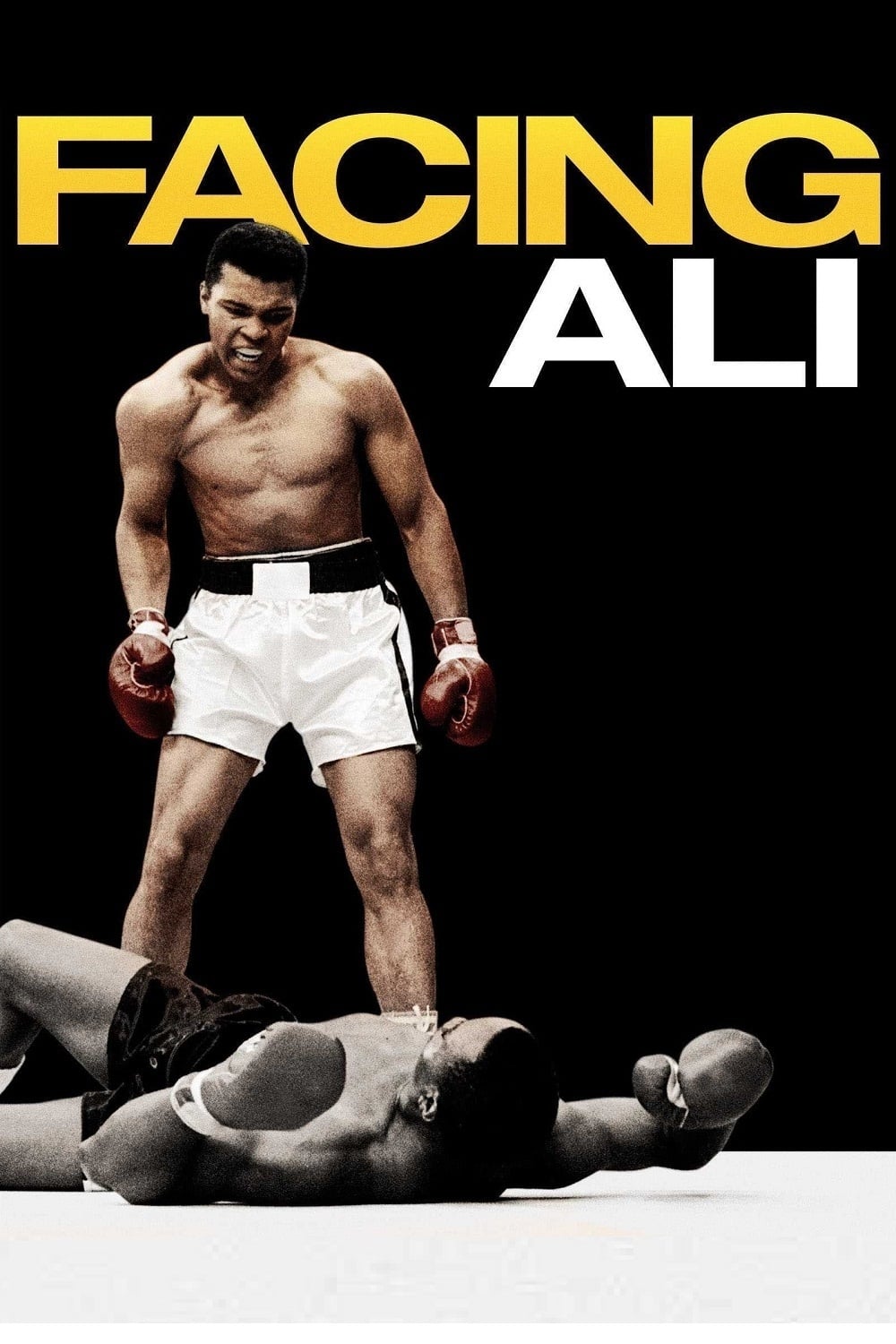
Executioners from the Security Office stand trial. Members of a secret scouting organization seek justice and compensation for persecution in 1950. In the new Polish reality, the trial "fades into the fog"...
Social & External
Turkey's history has been shaped by two major political figures: Mustafa Kemal (1881-1934), known as Atatürk, the Father of the Turks, founder of the modern state, and the current president Recep Tayyıp Erdoğan, who apparently wants Turkey to regain the political and military pre-eminence it had as an empire under the Ottoman dynasty.
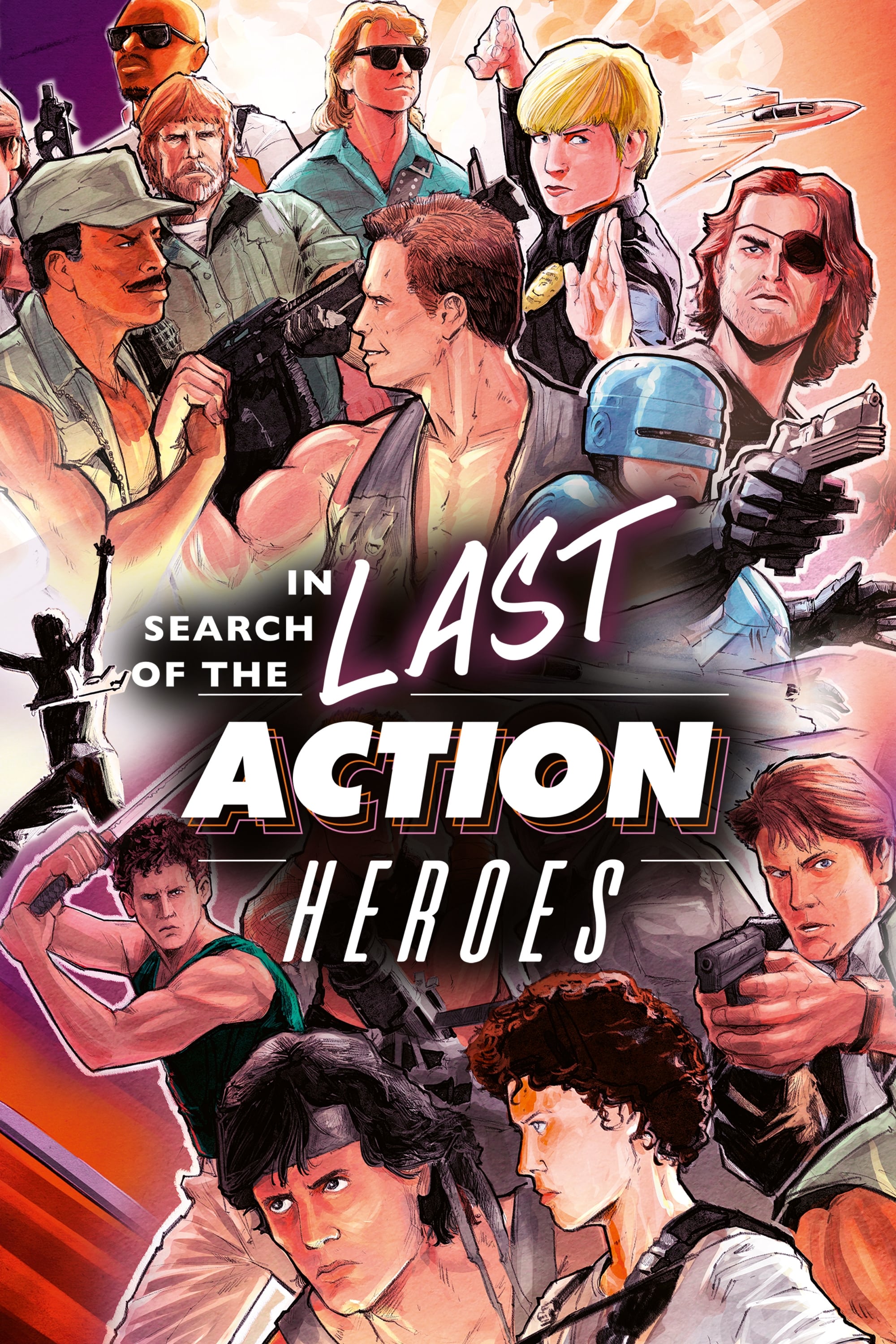
A student is held up in the library while a riot rages outside. As SDS protesters head to burn the library down, he has to fend them off with his baseball bat. This film opens with actual footage of civil disturbances in the 1960s, and moves on to images of historical American figures.
“The Soviet Story” is a story of an Allied power, which helped the Nazis to fight Jews and which slaughtered its own people on an industrial scale. Assisted by the West, this power triumphed on May 9th, 1945. Its crimes were made taboo, and the complete story of Europe’s most murderous regime has never been told. Until now...
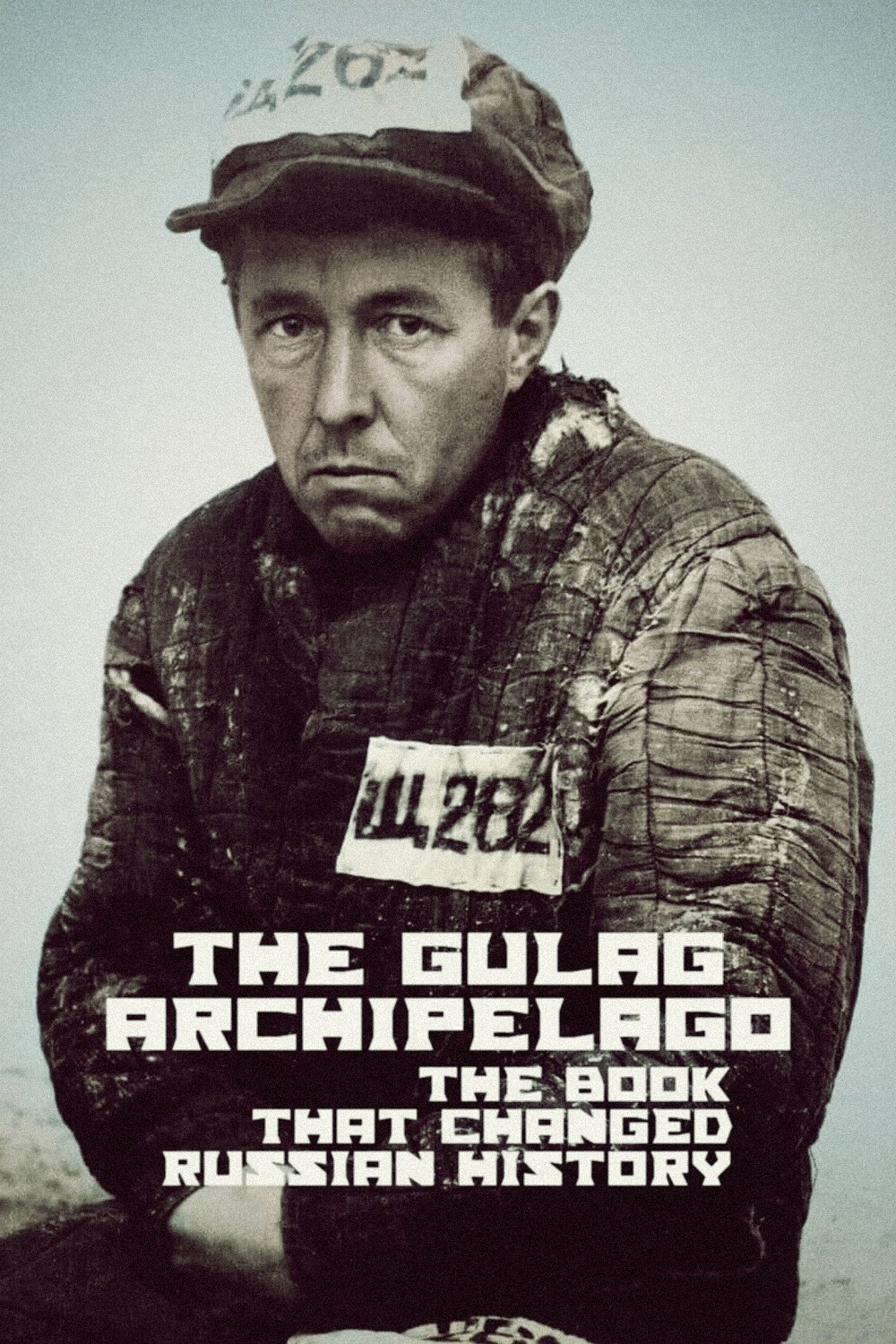
The story of Russian writer and Soviet dissident Aleksandr Solzhenitsyn (1918-2008) and his masterpiece, The Gulag Archipelago, published in Paris in 1973, which forever shook the very foundations of communist ideology.
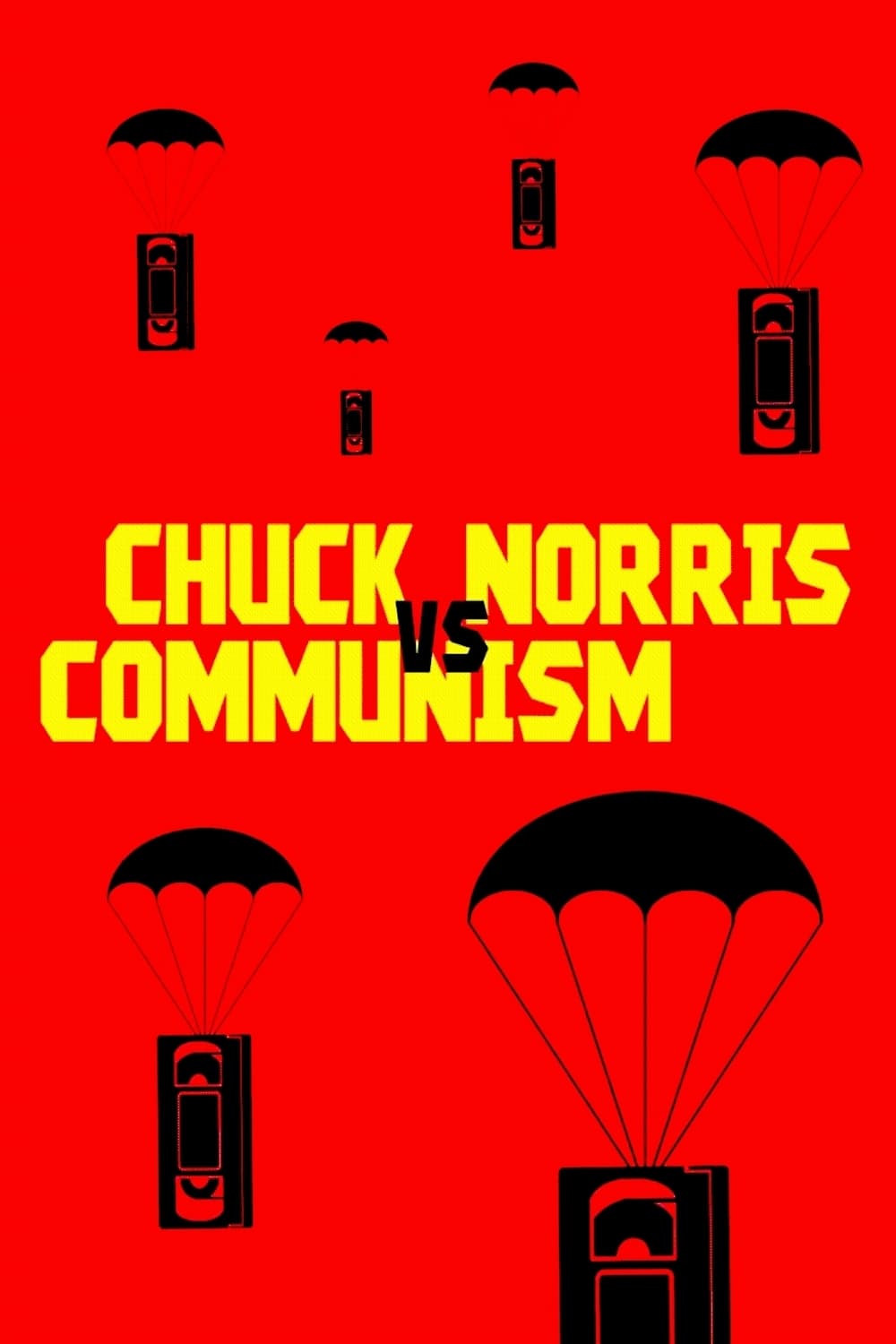
In late eighties, in Ceausescu's Romania, a black market VHS bootlegger and a courageous female translator brought the magic of Western films to the Romanian people and sowed the seeds of a revolution.
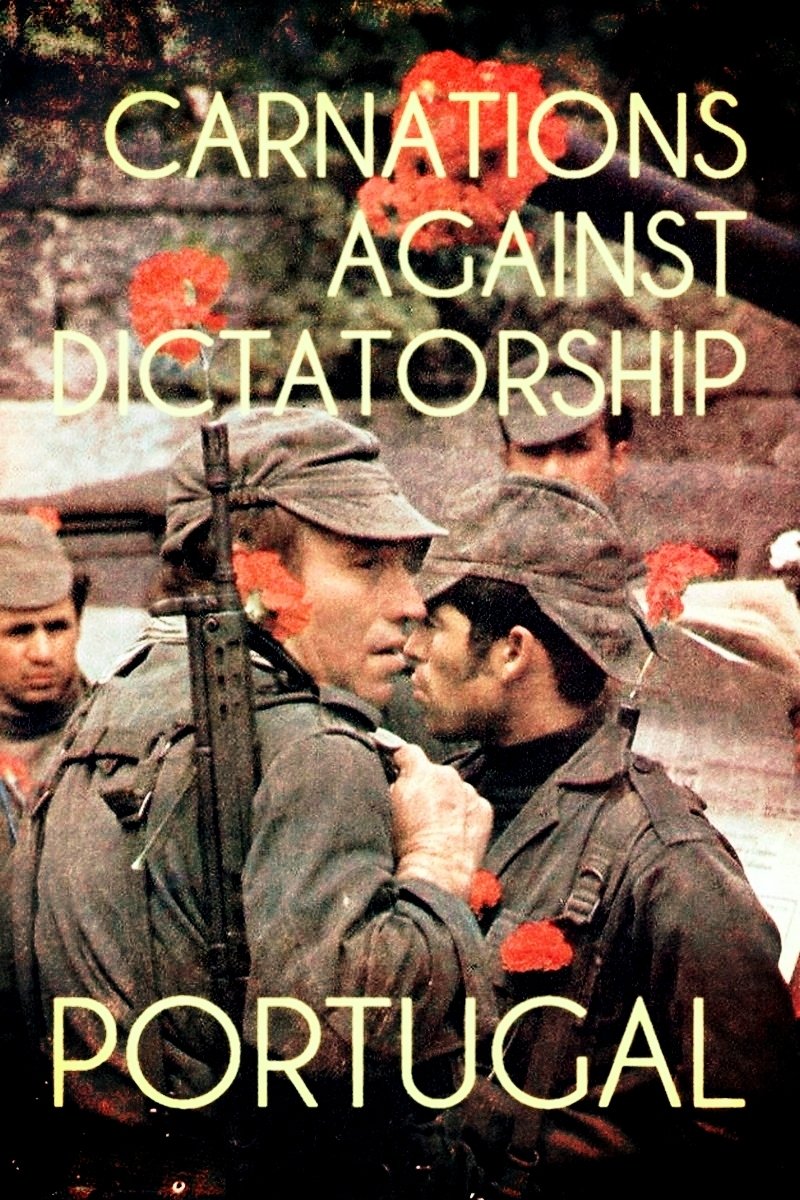
In Portugal, during the night of April 24-25, 1974, a peaceful uprising put an end to the last government of the Estado Novo, the authoritarian regime established in 1933 by dictator António de Oliveira Salazar (1889-1970), paving the way for full democracy: a chronicle of the Carnation Revolution.
A different history of the Cold War: how Estonians under Soviet tyranny began to feel the breeze of freedom when a group of anonymous dreamers successfully used improbable methods to capture the Finnish television signal, a window into Western popular culture, brave but harmless warriors who helped change the fate of an entire nation.
The epic story of the Russian Civil War (1918-21): the White Terror, the counterrevolutionary uprisings, the guerrilla war, the Kolchak front, the Wrangel front and the Kronstadt rebellion. Chaos and violence, devastation and death.
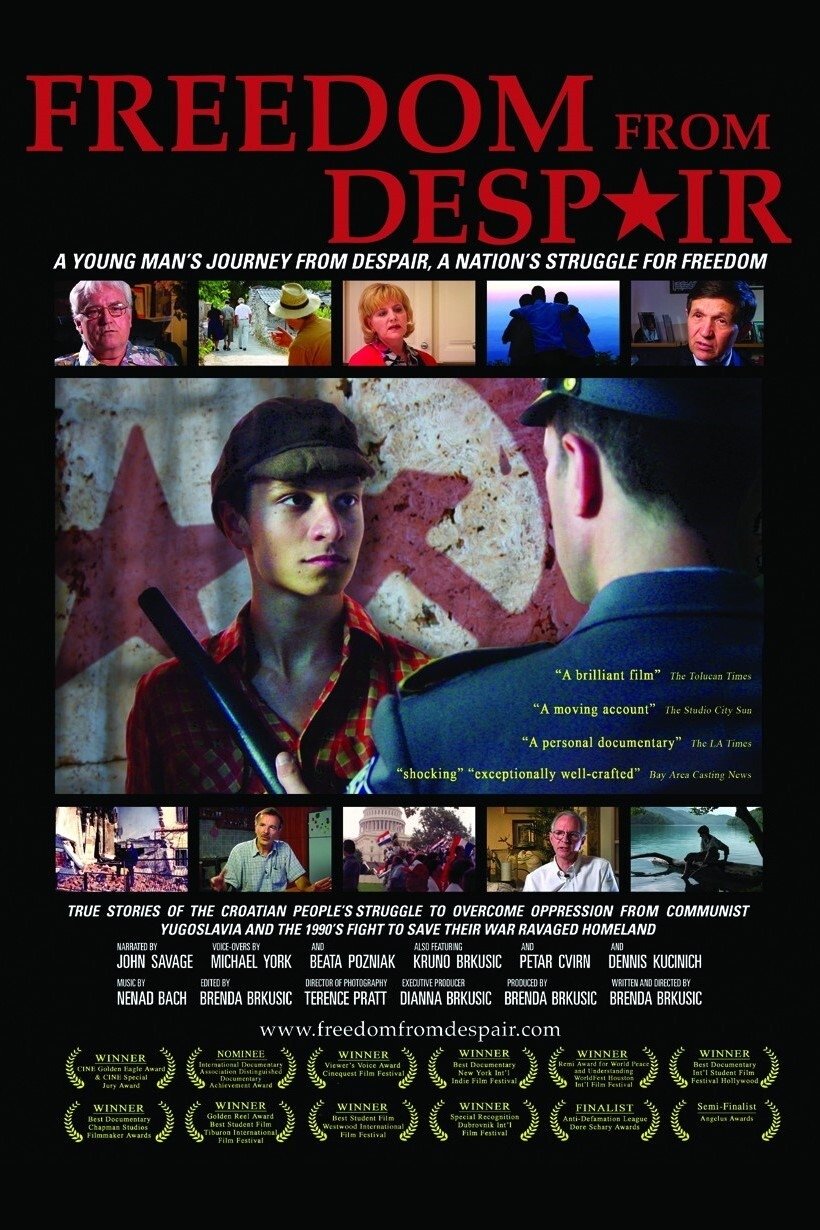
True stories of the Croatian People's struggle to overcome oppression from communist Yugoslavia and the 1990's fight to save their war ravaged homeland.
The social and independence ferment triggered in the fall of 1980 by Solidarity created an opportunity for dialogue between the nation and the ruling communists. Dialogue, not force. As always, students quickly joined the "rebellion and pressure." They wanted autonomy for Polish universities and their own independent representation, as well as sovereignty, without the "leading role of the party." When these dreams were not fulfilled, at the beginning of 1981, students at the University of Łódź went on their first long strike, which ended in success, and when martial law was declared in December 1981, the same students rushed to protest in the form of an occupation strike, which ended in pacification. The film consists of statements by the protagonists and witnesses of those events, archival footage, and staged sequences.
Ronald Reagan hosts and narrates this documentary about the Communist threat to the free world. Alexander Kerensky, the first premier of the provisional Russian Government in 1917, formally introduces the film. This documentary traces the development of the Communist movement from birth, the Lenin years, its struggle for direction, the Stalin years (featuring a response by Leon Trotsky attacking the Stalin purges) and the ascendancy of Nikita Krushchev.
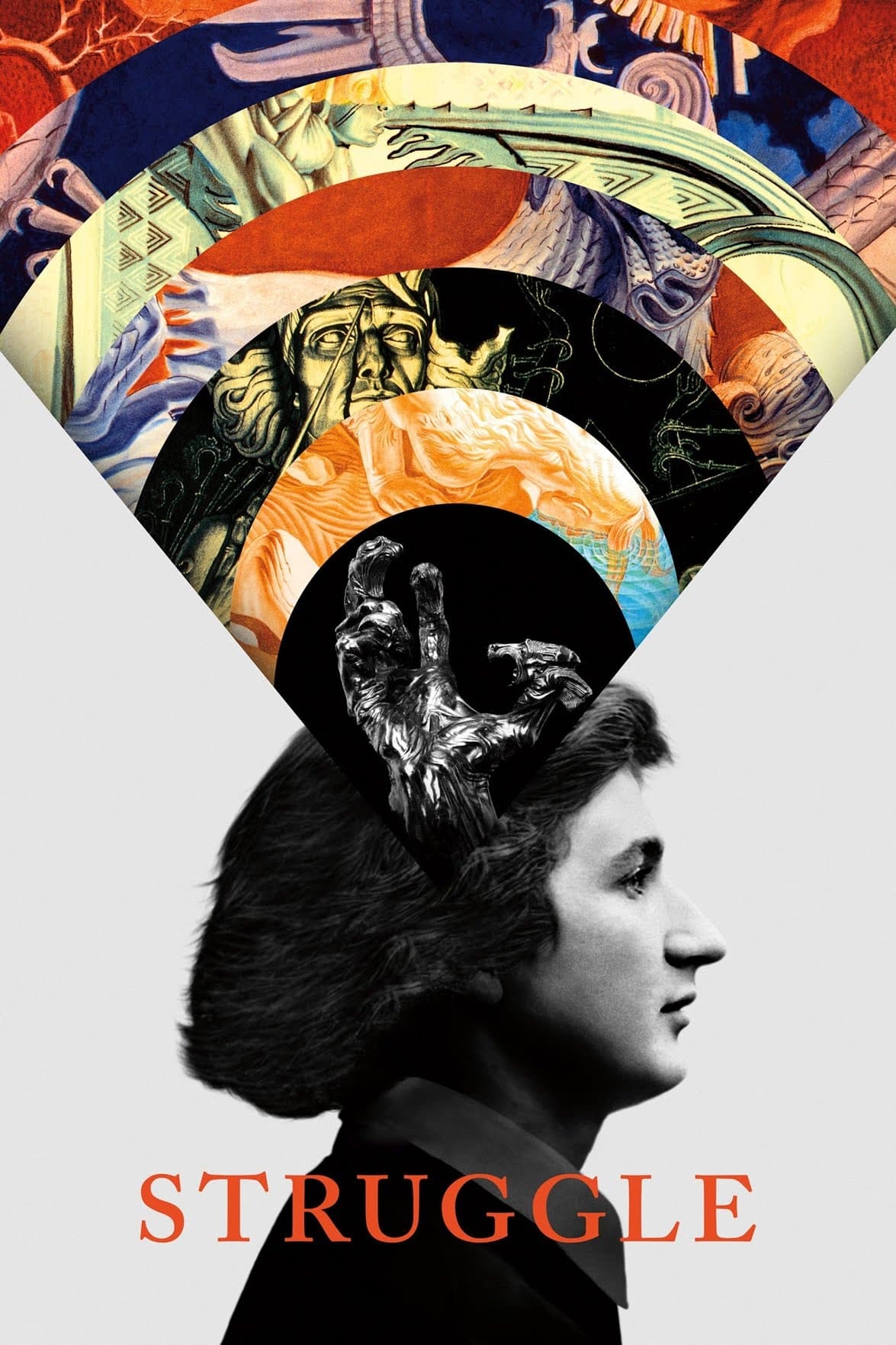
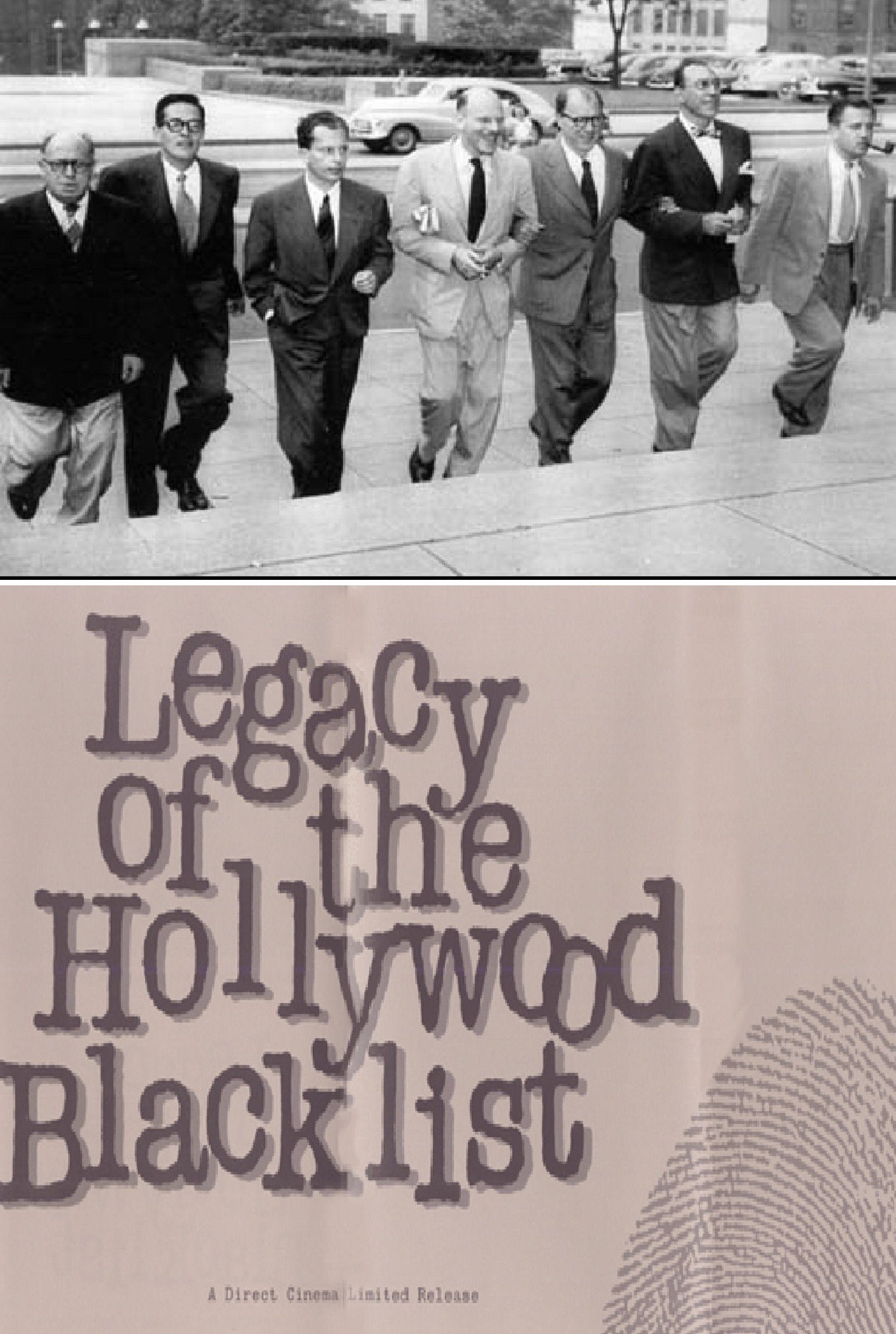
This one-hour film, narrated by Actor BURT LANCASTER, explores the lingering effects of The Hollywood Blacklist, which occurred in the late forties and early fifties as part of the Anti-Communist witch-hunts that terrorized the nation. This film is seen through the eyes of the wives and children of the now deceased Hollywood figures whose careers were destroyed when studio bosses, along with guild and union officials capitulated to the demands of the House Un-American Activities Committee.
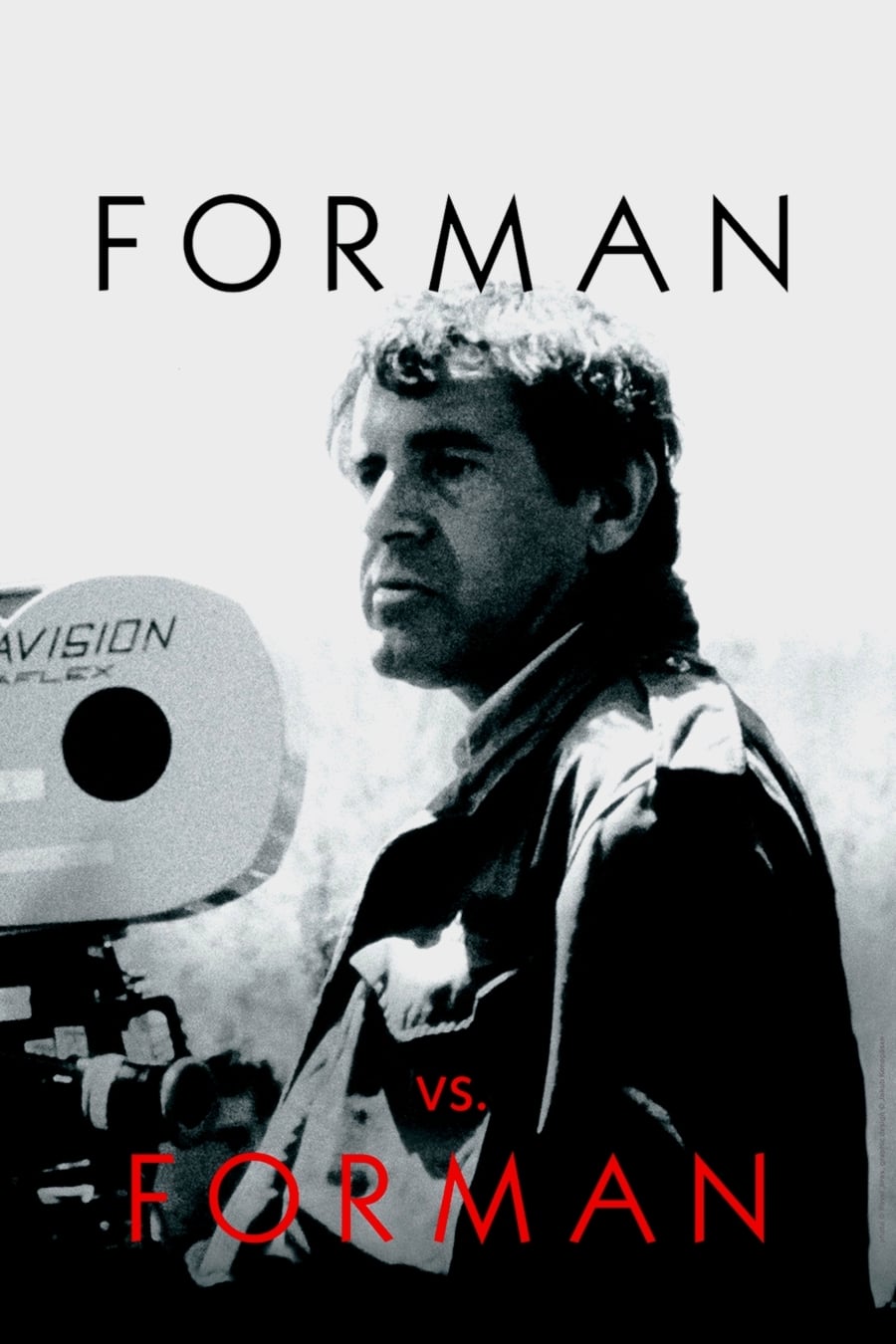
A moving account, in his own words, of the personal life and work of the brilliant Czech filmmaker Miloš Forman (1932-2018): his tragic childhood, his major contribution to the cultural movement known as the Czech New Wave, his exile in Paris, his troubled days in New York, his rise to stardom in Hollywood; a complete existence in the service of cinema.
Documentary by lifelong friend that supports the innocence of Alger Hiss (convicted in January 1950 on two counts of espionage-related perjury)
An inventive remembrance of the impact of the Hollywood blacklist on two American classics, rendered as a visually mesmerizing dialogue between Carl Foreman and Elia Kazan.
Gdańsk, Poland, September 1980. Lech Wałęsa and other Lenin shipyard workers found Solidarność (Solidarity), the first independent trade union behind the Iron Curtain. The long and hard battle to bring down communist dictatorship has begun.
Argentina, 1968. In the midst of the Cold War, the dictatorship of Juan Carlos Onganía (1966-70) organizes the 9th Mar del Plata Film Festival in order to show the world its friendly face, while exercising censorship and repressing dissidence.
The documentary film uncovers the story of Mašín brothers, which is of the greatest stories of the Cold War. A group of five young men decided to leave the then-communist Czechoslovakia with guns in hand to join the fighting in the then expected war between the West and the East. The year was 1953, and today, through the last witnesses, we follow the 30-day dramatic journey to West Berlin and the subsequent fateful events that happened to her loved ones at home.
A propaganda short commissioned by the United Fruit Company on the benefits they bring to Central America, such as creating jobs and delivering educational opportunities, which is something the Soviet Union could never understand.