Social & External
The people behind it
A man paves his own way to his own soul through an intellectual quest, tragedies of nations and personal drama. The road moving through the cosmic distances is a flight into one's internal world. This flight and this drama are revealed in this philosophical film-poem.
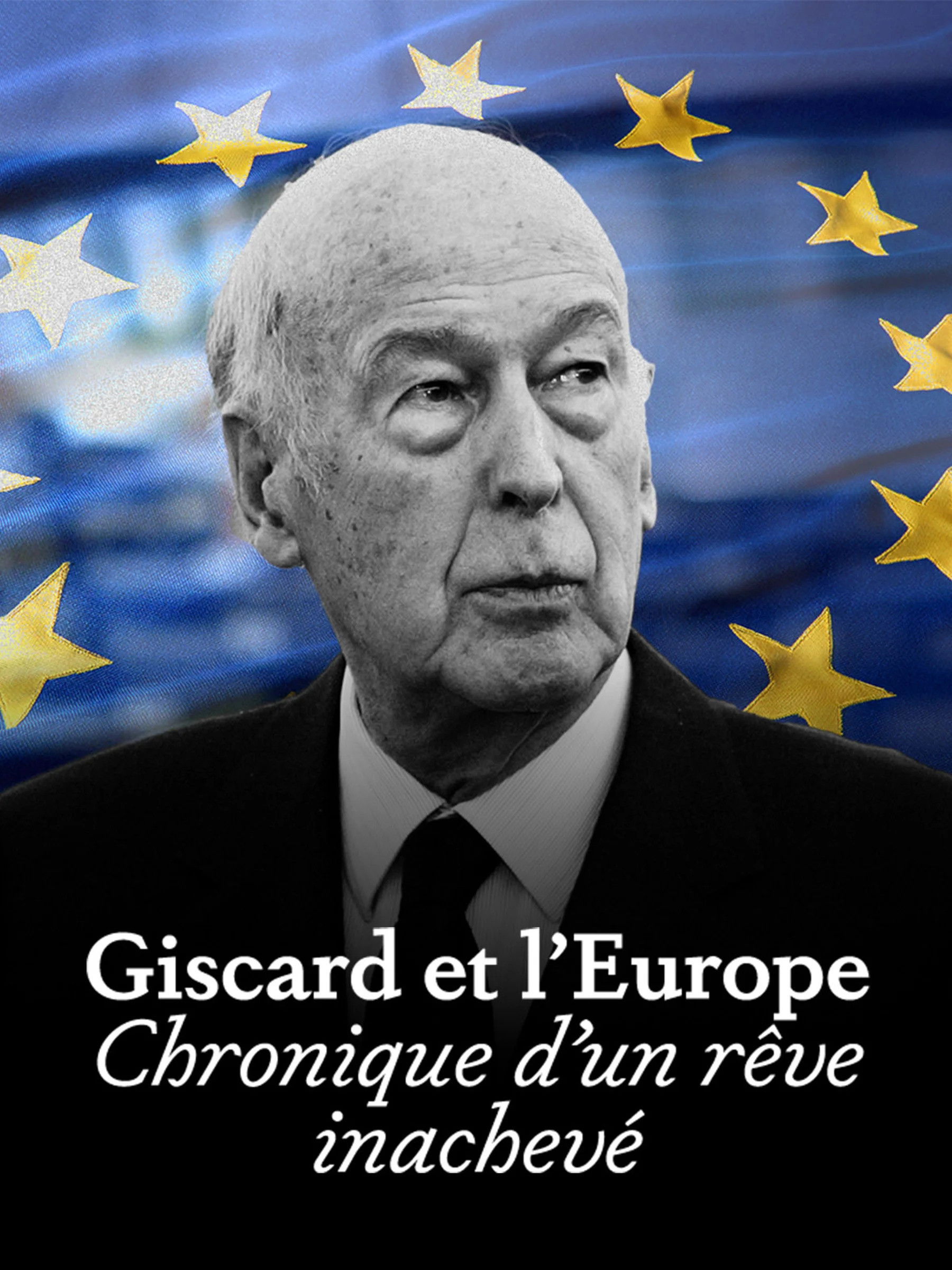
Over half a century of public service, Valéry Giscard d'Estaing embodied the dream of a united and strong Europe. From the youthful enthusiasm of the 1950s to the disillusionment of the 2005 referendum, his career chronicles an ideal confronted with the realities of power, national resistance, and populist winds. He tirelessly attempted to realize his youthful dream: a United States of Europe.
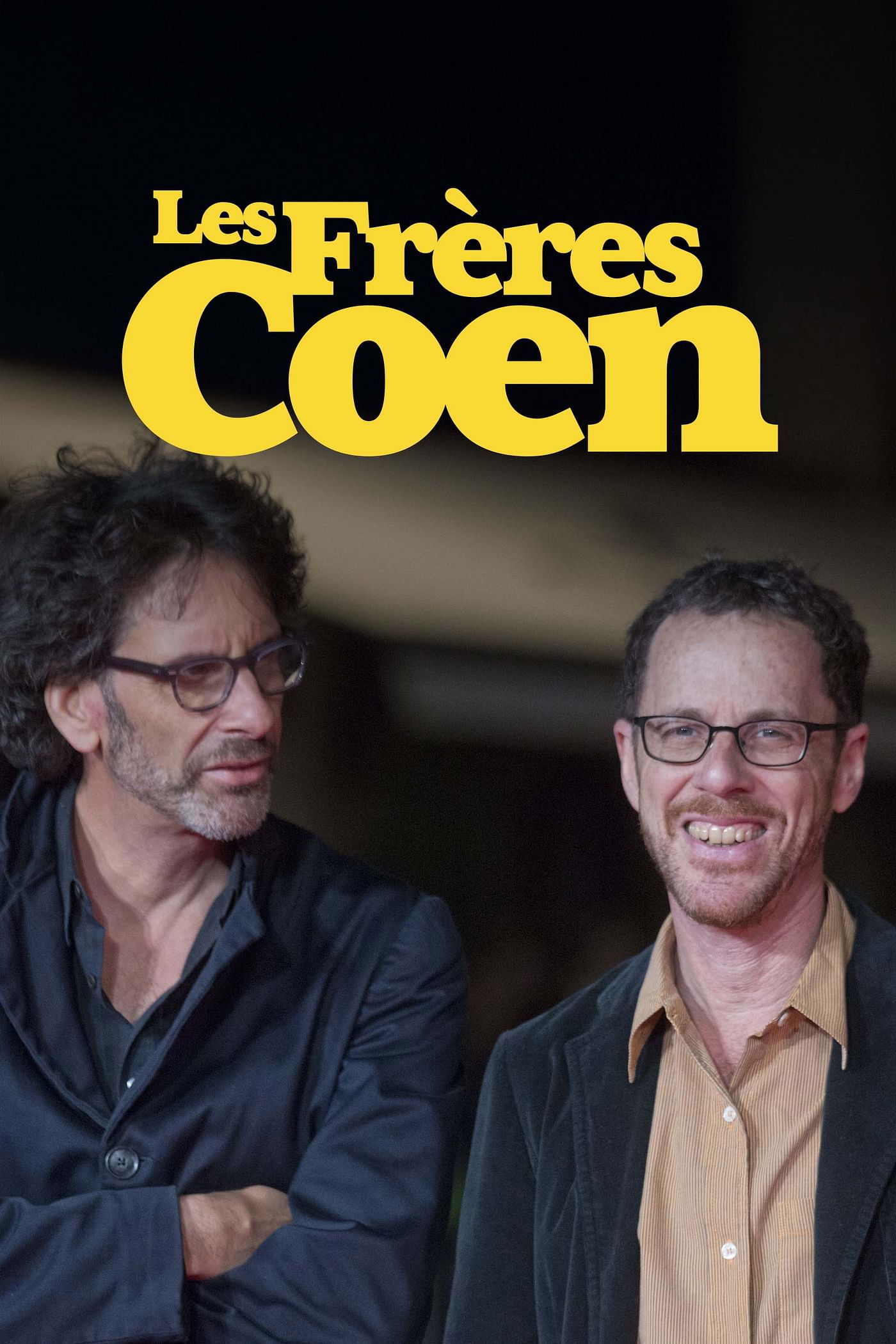
Tracing the careers of these two cinema enthusiasts, this documentary reveals the secrets behind the work of Ethan and Joel Coen, screenwriters and directors who are interchangeable within the same two-headed entity. It features fascinating, previously unseen interviews with some of the most iconic actors from their filmography.
This highly controversial documentary, aired as part of the CBS Reports series, ostensibly covers the growing influence of the LGBT community in San Francisco circa 1979. Critics have rebuked the program for its characterization of the sexual practices of gay men, while organizations such as the Moral Majority referenced it in campaigns against gay rights ordinances.
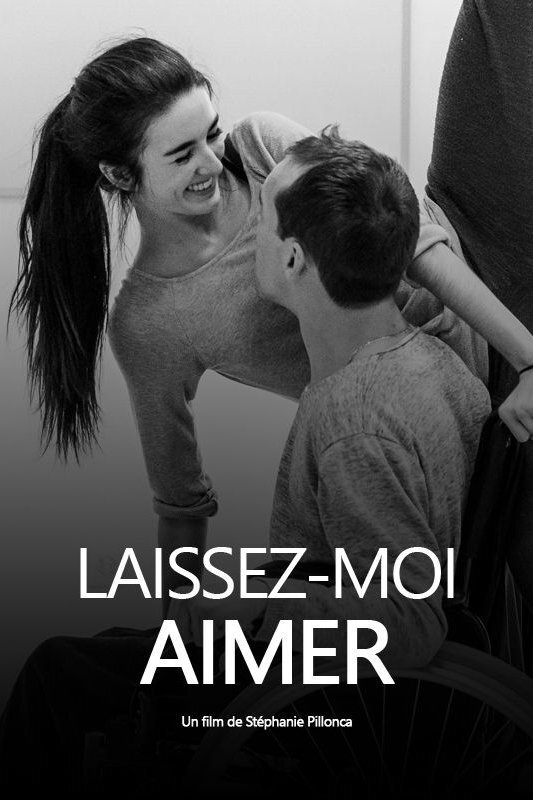
In a subtly handled documentary, filmmaker Stéphanie Pillonca shows the lives of disabled and able-bodied people who come together for a special dance class. Participants lives are transformed by the power of dancing together, and of falling in love
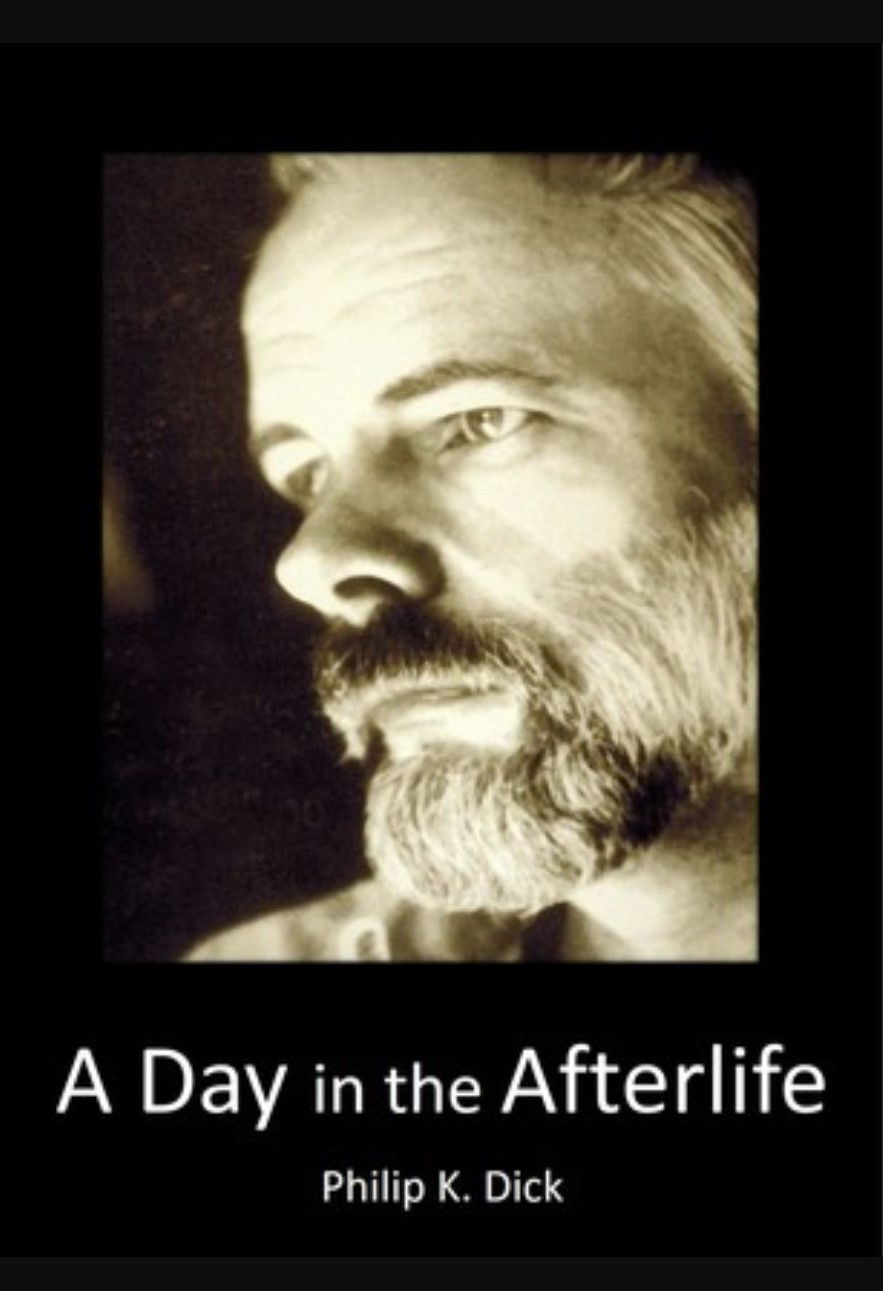
A poetic look at the life and legacy of legendary author Philip K. Dick (1928-1982), who wrote over a hundred short stories and 44 novels of mind-bending sci-fi, exploring themes of authority, drugs, theology, mental illness and much more.
This refreshingly frank and impartial study of the discovery and development of the notorious hallucinogenic drug is notably free of moral judgmental, and features contributions from such legendary heroes of psychedelia as Albert Hoffman - the Swiss scientist who discovered the drug - Aldous Huxley - author of 'The Doors of Perception' - Ken Kesey - author of 'One Flew Over the Cuckoo's Nest.
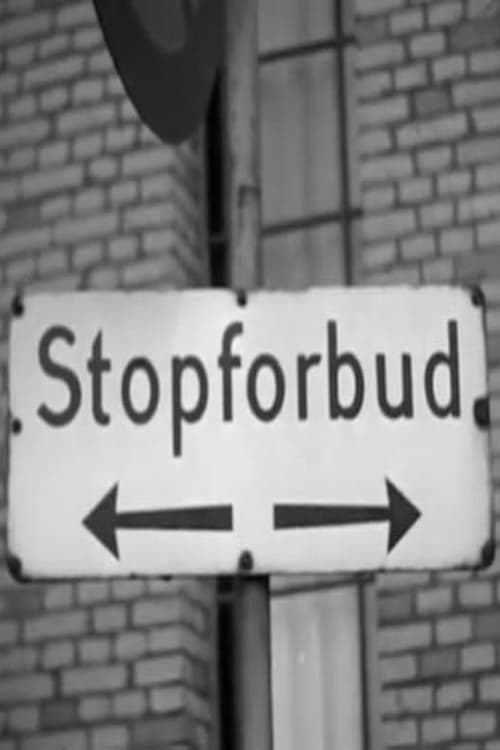
Stop for Bud is Jørgen Leth's first film and the first in his long collaboration with Ole John. […] they wanted to "blow up cinematic conventions and invent cinematic language from scratch". The jazz pianist Bud Powell moves around Copenhagen -- through King's Garden, along the quay at Kalkbrænderihavnen, across a waste dump. […] Bud is alone, accompanied only by his music. […] Image and sound are two different things -- that's Leth's and John's principle. Dexter Gordon, the narrator, tells stories about Powell's famous left hand. In an obituary for Powell, dated 3 August 1966, Leth wrote: "He quite willingly, or better still, unresistingly, mechanically, let himself be directed. The film attempts to depict his strange duality about his surroundings. His touch on the keys was like he was burning his fingers -- that's what it looked like, and that's how it sounded. But outside his playing, and often right in the middle of it, too, he was simply gone, not there."
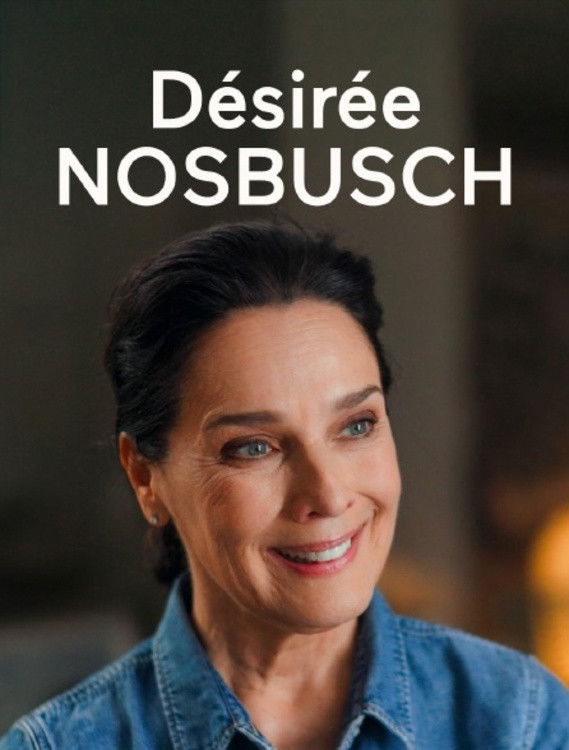
Luxembourgish presenter, director, producer, and actress Désirée Nosbusch, born in 1965, is a woman of many talents. After starting out in radio at the age of 12, she landed her first role on the big screen four years later, then presented the Eurovision Song Contest in five languages at the age of just 19. Over the years, she has hosted popular TV shows and starred in more than 30 films and TV dramas, establishing herself as a major figure in European cinema.
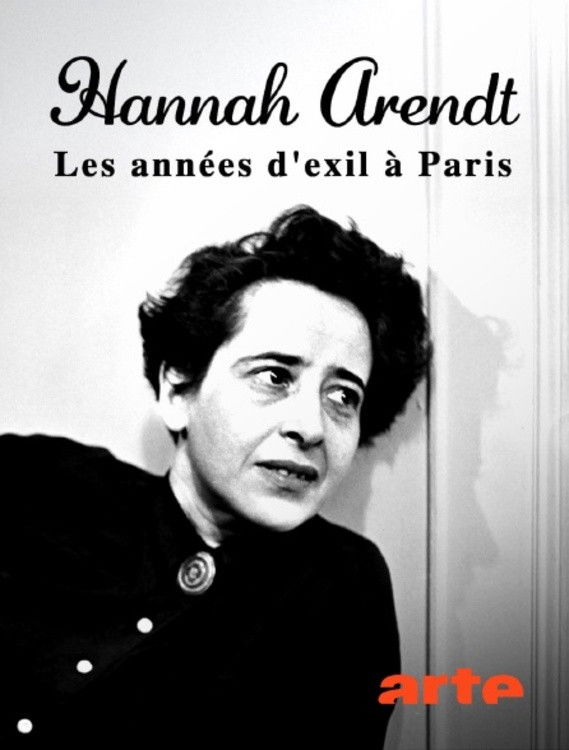
Hannah Arendt's views on Jewish identity, the Israel-Palestine conflict, and authoritarian-totalitarian systems seem more relevant than ever. Together with biographer Thomas Meyer, this documentary takes us back to the time of her exile in Paris. It was there, on the banks of the Seine, that she laid the foundations for her later works, which would bring her international renown.
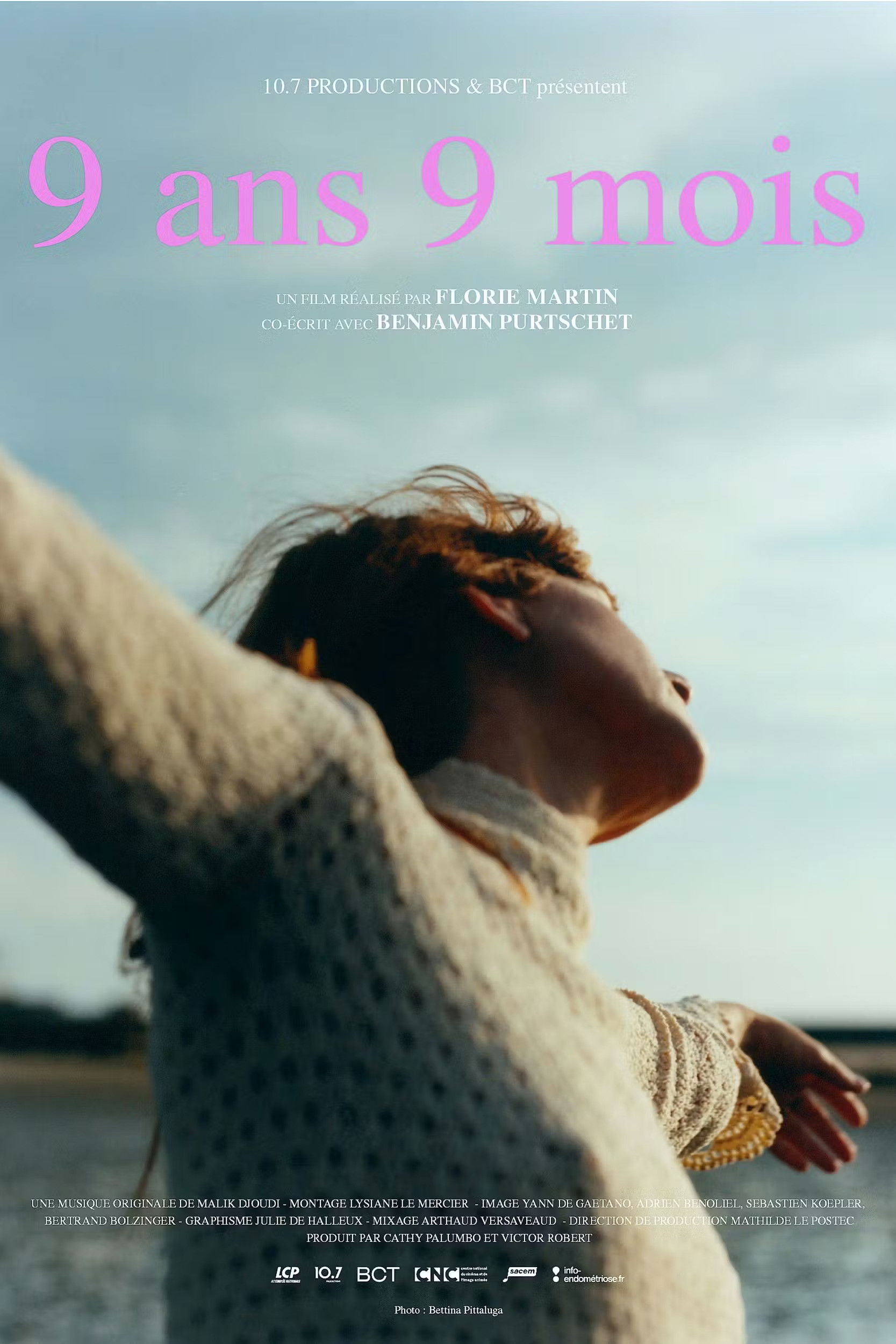
Nine years and nine months: that's how long it took Cécile Togni and her partner Benjamin to finally fulfill their dream of having a child. During all those years, she endured intense physical suffering, put up with medical abuse, fought against the ineffectiveness of misdiagnoses about her infertility, collapsed and got back up again and again in the face of repeated failures, without ever losing her determination.
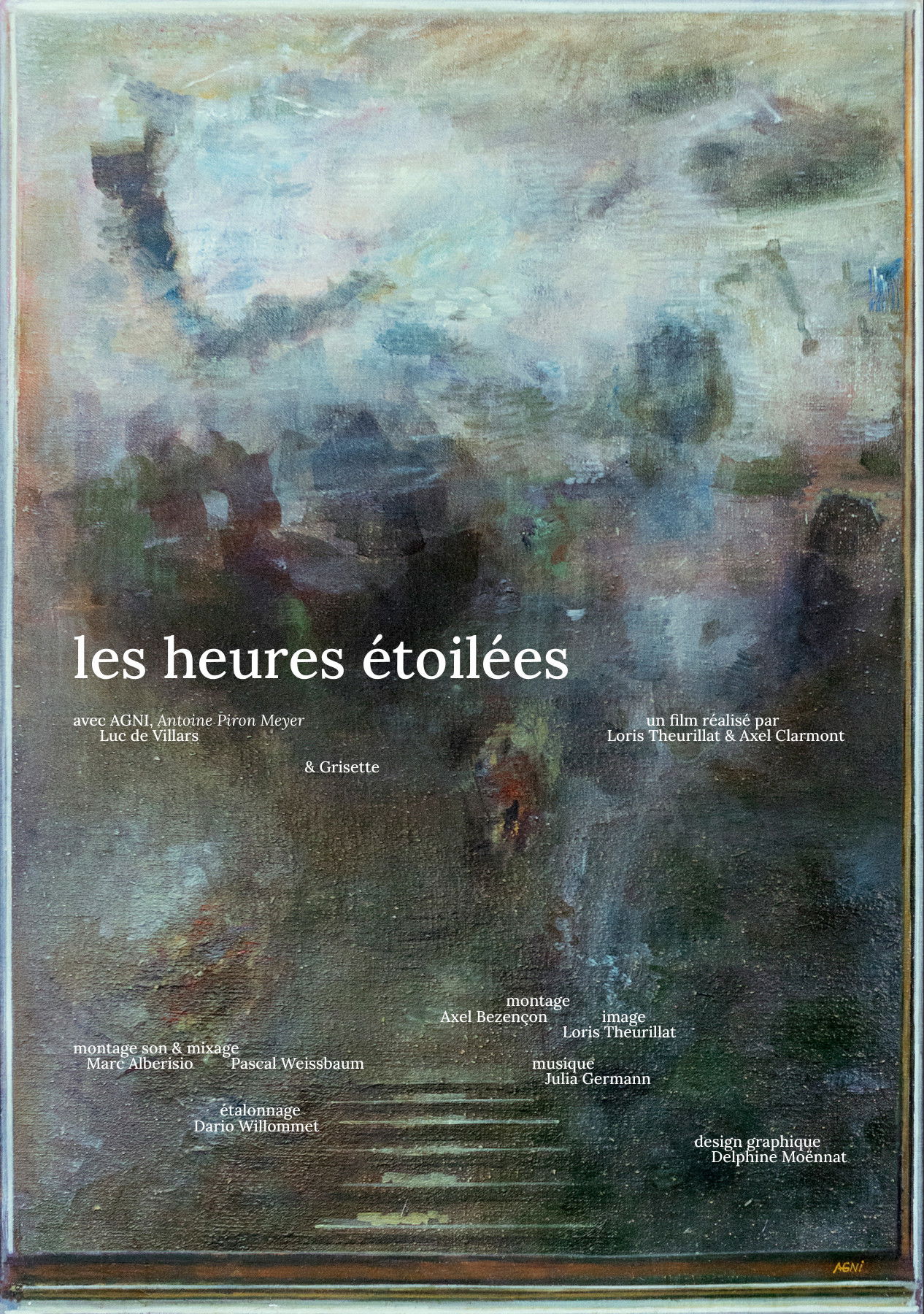
AGNI, a visual artist in the twilight of his life, is rushing to complete his monumental work. Caught up in a frantic creative routine despite his declining health, he transforms every gesture, every moment into a final trace of his passage. Soon, he knows, he will join the stars.
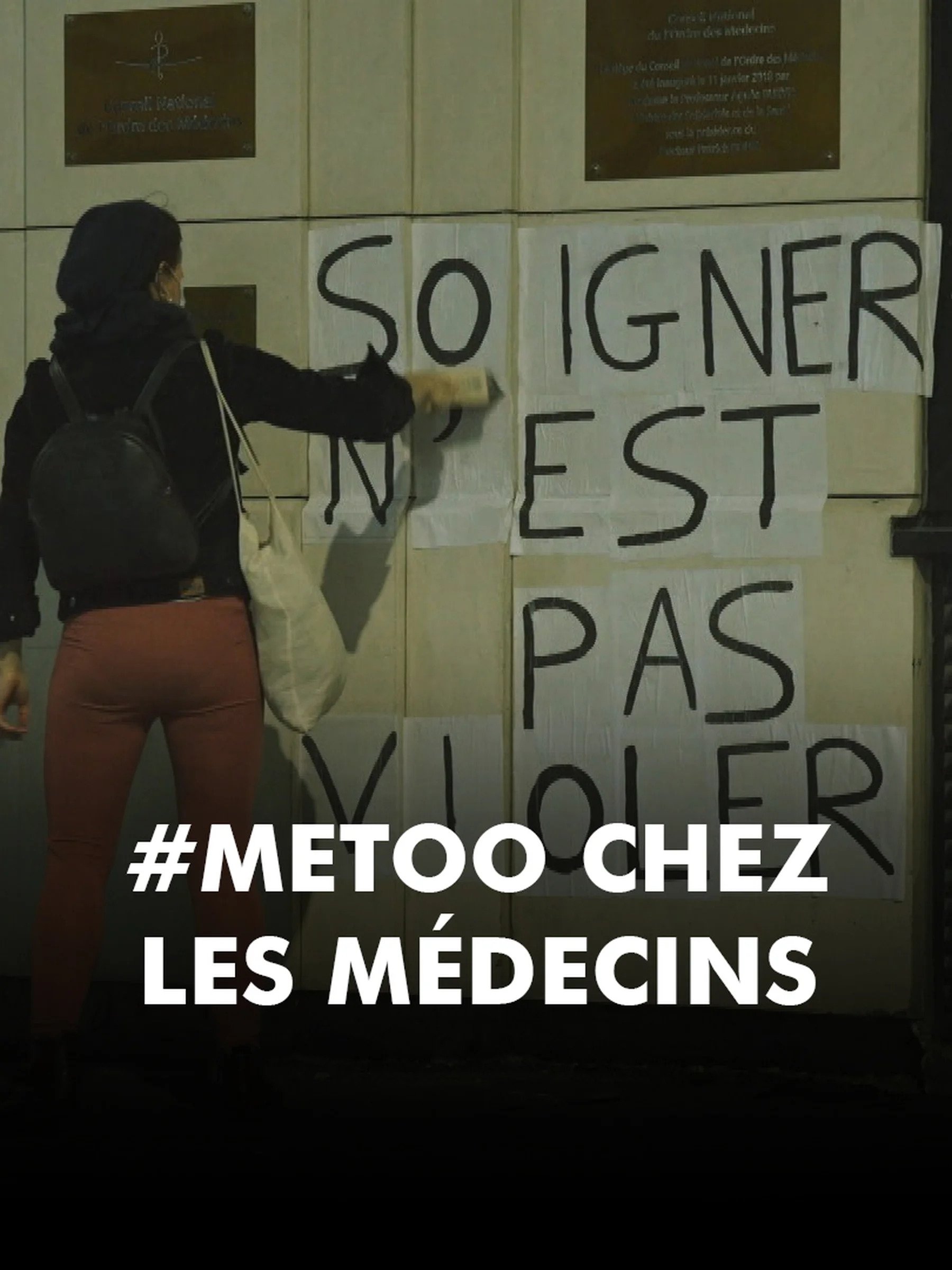
In turn, the medical community has been affected by the post #metoo movement denouncing sexual violence against women. It was about time. Assaults and rapes perpetrated behind closed doors in doctors' offices have gone unpunished for too long. For a victim, reporting them is almost as difficult as recounting incidents of incest. And the medical councils, which are mainly made up of men, have long turned a deaf ear to patients' complaints. When cases are brought before the courts, the justice system also struggles to prosecute these rapists. Recently, practices and names have been made public, complaints are multiplying, and women are daring to speak out. Could this be the end of complacency towards these criminals in white coats?
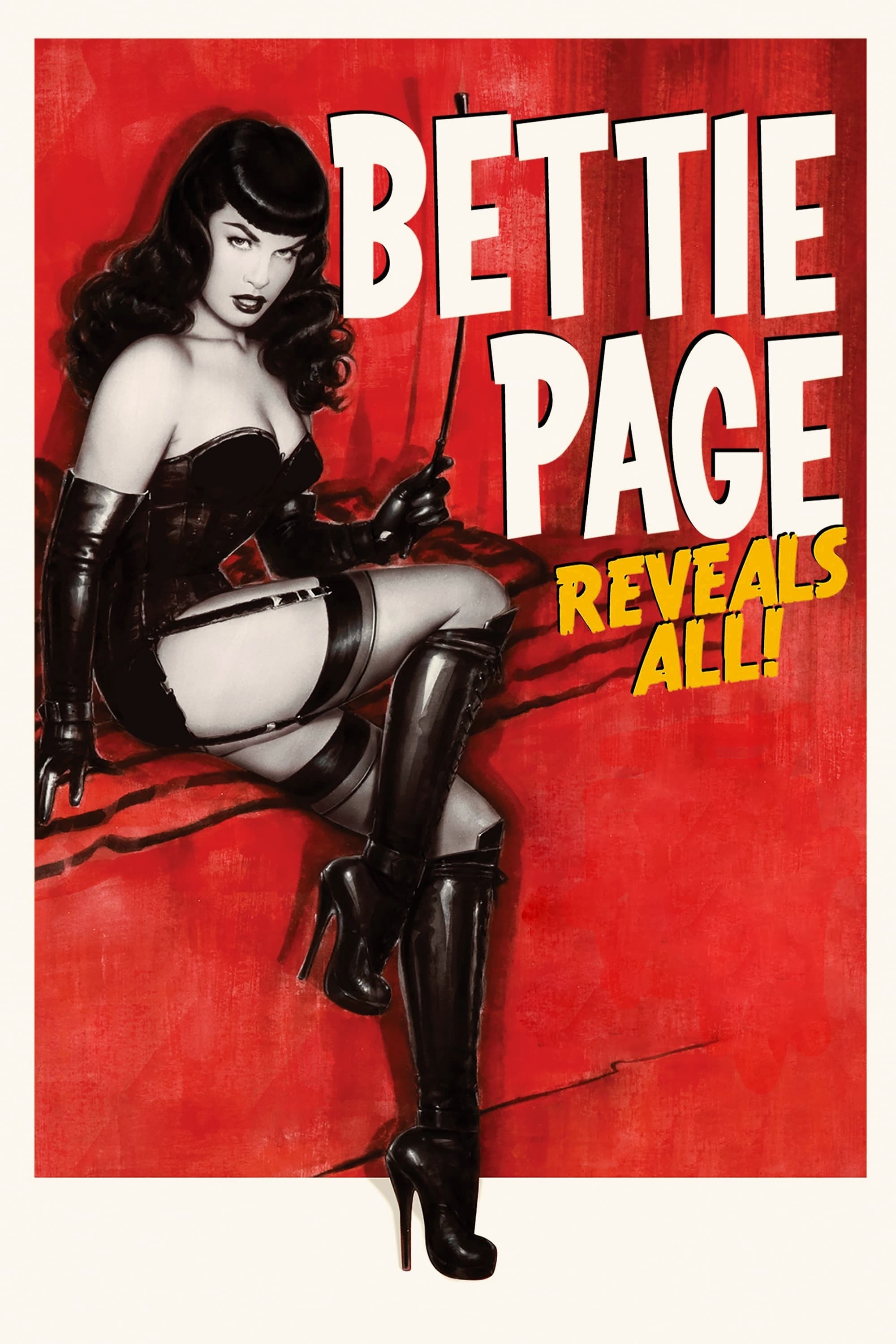
The world's greatest pin-up model and cult icon, Bettie Page, recounts the true story of how her free expression overcame government witch-hunts to help launch America's sexual revolution. When she saw the film The Notorious Bettie Page, produced by HBO in 2006, the main person concerned reacted unequivocally: “Lies! Lies!” In a long interview recorded shortly before her death, the woman who entered the collective unconscious as the ultimate pin-up gave her version of events to director Mark Mori. In a gravelly voice, Bettie Page tells her own story and lifts the veil on areas often hidden by images that have made so many men and women fantasize since the 1950s: her abused childhood, an eclipse that lasted forty years, her mental illness. Through testimonies and unpublished archives, this documentary brings back to life a body and a face endlessly declined before our eyes, just as Bettie wanted: “I would like people to remember me as I was in the photos.”
In an intimate and joyful story of love in the face of loss, celebrated poets Andrea Gibson and Megan Falley find strength—and unexpected hilarity—in what might be their final year together.
Through deeply personal interviews with her siblings and an examination of the photographs, letters, and belongings left behind, Mariska assembles a new portrait of her mother Jayne Mansfield, an extraordinary and complex woman.
From a prolific career in film and television, Anton Yelchin left an indelible legacy as an actor. Through his journals and other writings, his photography, the original music he wrote, and interviews with his family, friends, and colleagues, this film looks not just at Anton's impressive career, but at a broader portrait of the man.
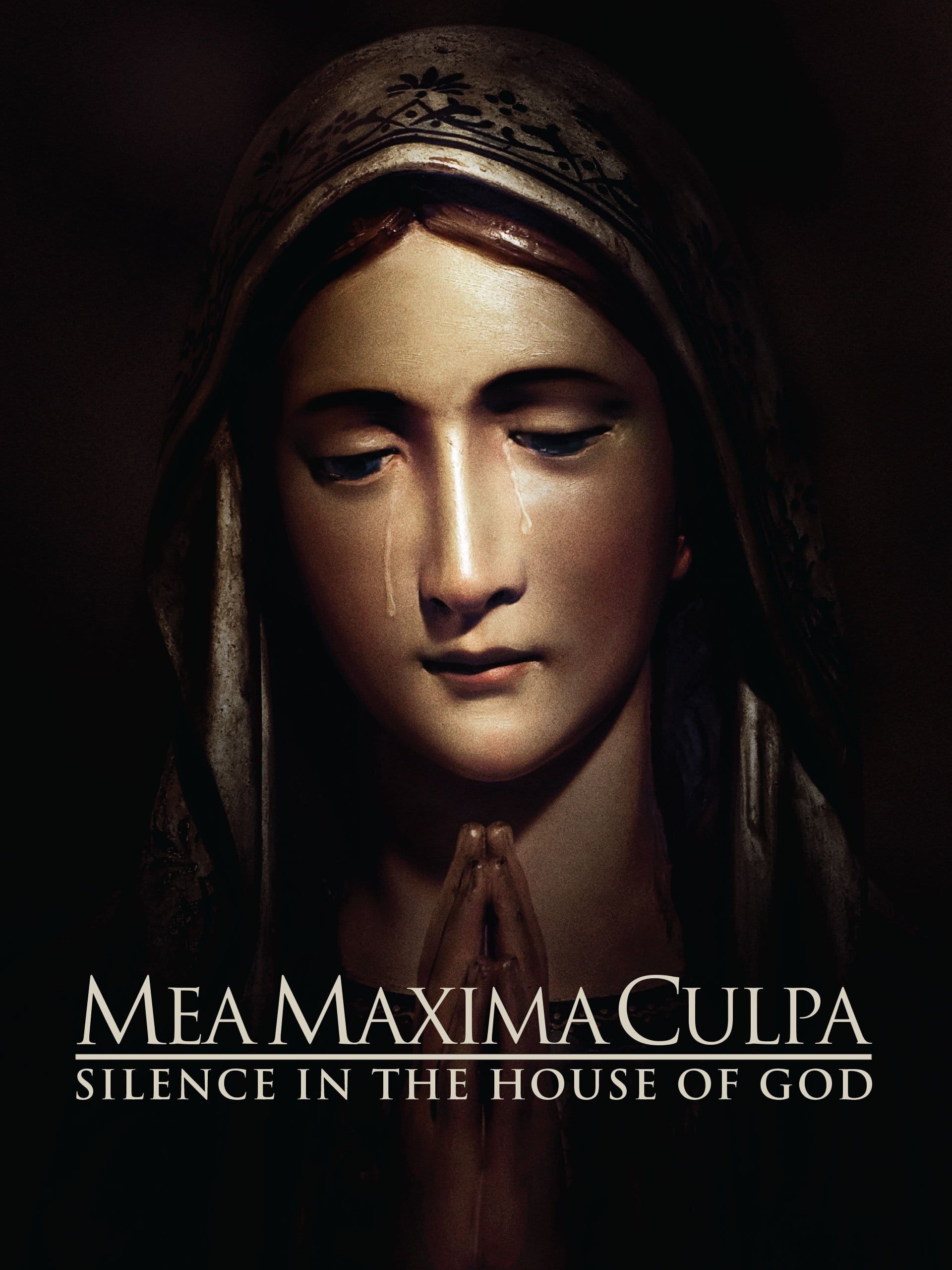
Alex Gibney explores the charged issue of pedophilia in the Catholic Church, following a trail from the first known protest against clerical sexual abuse in the United States and all way to the Vatican.
Matt Walsh's controversial doc challenges radical gender ideology through provocative interviews and humor.
Martin Scorsese’s portrait of writer and social commentator Fran Lebowitz, celebrated for her sharp wit and observations on modern life. Filmed at New York’s Waverly Inn and intercut with archival footage and interviews, the documentary captures Lebowitz’s distinctive worldview through her spontaneous monologues and public appearances.
Daniel Craig candidly reflects on his 15 year adventure as James Bond. Including never-before-seen archival footage from Casino Royale to the upcoming 25th film No Time To Die, Craig shares his personal memories in conversation with 007 producers, Michael G Wilson and Barbara Broccoli.
Alexander McQueen's rags-to-riches story is a modern-day fairy tale, laced with the gothic. Mirroring the savage beauty, boldness and vivacity of his design, this documentary is an intimate revelation of McQueen's own world, both tortured and inspired, which celebrates a radical and mesmerizing genius of profound influence.
While in San Francisco for the promotion of her last film in October 1967, Agnès Varda, tipped by her friend Tom Luddy, gets to know a relative she had never heard of before, Jean Varda, nicknamed "Yanco". This hitherto unknown uncle lives on a boat in Sausalito, is a painter, has adopted a hippie lifestyle and loves life. The meeting is a very happy one.
The life and career of one of comedy's most inimitable modern voices, Mr. Gilbert Gottfried.
Those who knew iconic funnyman John Candy best share his story, in their own words, through never-before-seen archival footage, imagery, and interviews.
The life of internationally renowned artist and activist Nan Goldin is told through her slideshows, intimate interviews, ground-breaking photography, and rare footage of her personal fight to hold the Sackler family accountable for the overdose crisis.
The film is based on interviews with 2,000 women from 50 countries, and covers the status of women all over the world. The topics covered include forced marriages, sexual assault, female genital mutilation, acid attacks, motherhood, sexuality, menstruation, education and the professional success of women.
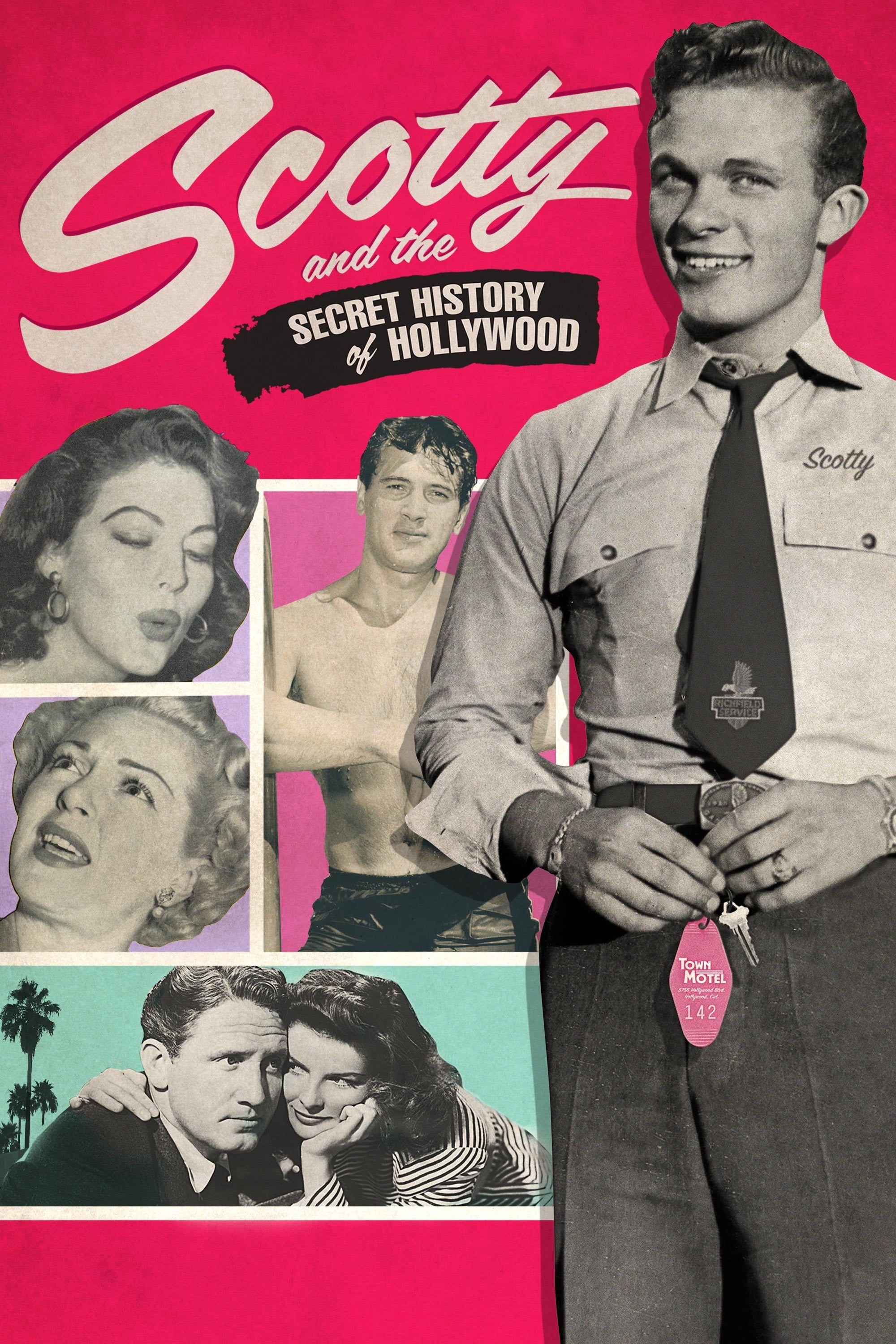
A deliciously scandalous portrait of unsung Hollywood legend Scotty Bowers, whose bestselling memoir chronicled his decades spent as sexual procurer to the stars.
Amid shifting times, two women kept their decades-long love a secret. But coming out later in life comes with its own set of challenges.
Just two years away from turning 30, participants in Michael Apted's documentary series are facing serious questions of identity and purpose, wondering whether they've found their place in the world.
An intense portrait of the iconic filmmaker, writer, actor, comedian and musician Woody Allen: his life, family and friends; his writing and directing habits, and his relationship with performers.
Director Michael Apted revisits the same group of British-born adults after a 7 year wait. The subjects are interviewed as to the changes that have occurred in their lives during the last seven years.
BBC Arena's documentary on the Dames of British Theatre and film featuring Maggie Smith, Eileen Atkins, Judi Dench and Joan Plowright on screen together for the first time as they reminisce over a long summer weekend in a house Joan once shared with Sir Laurence Olivier.