Social & External
Narrator
Unknown Role

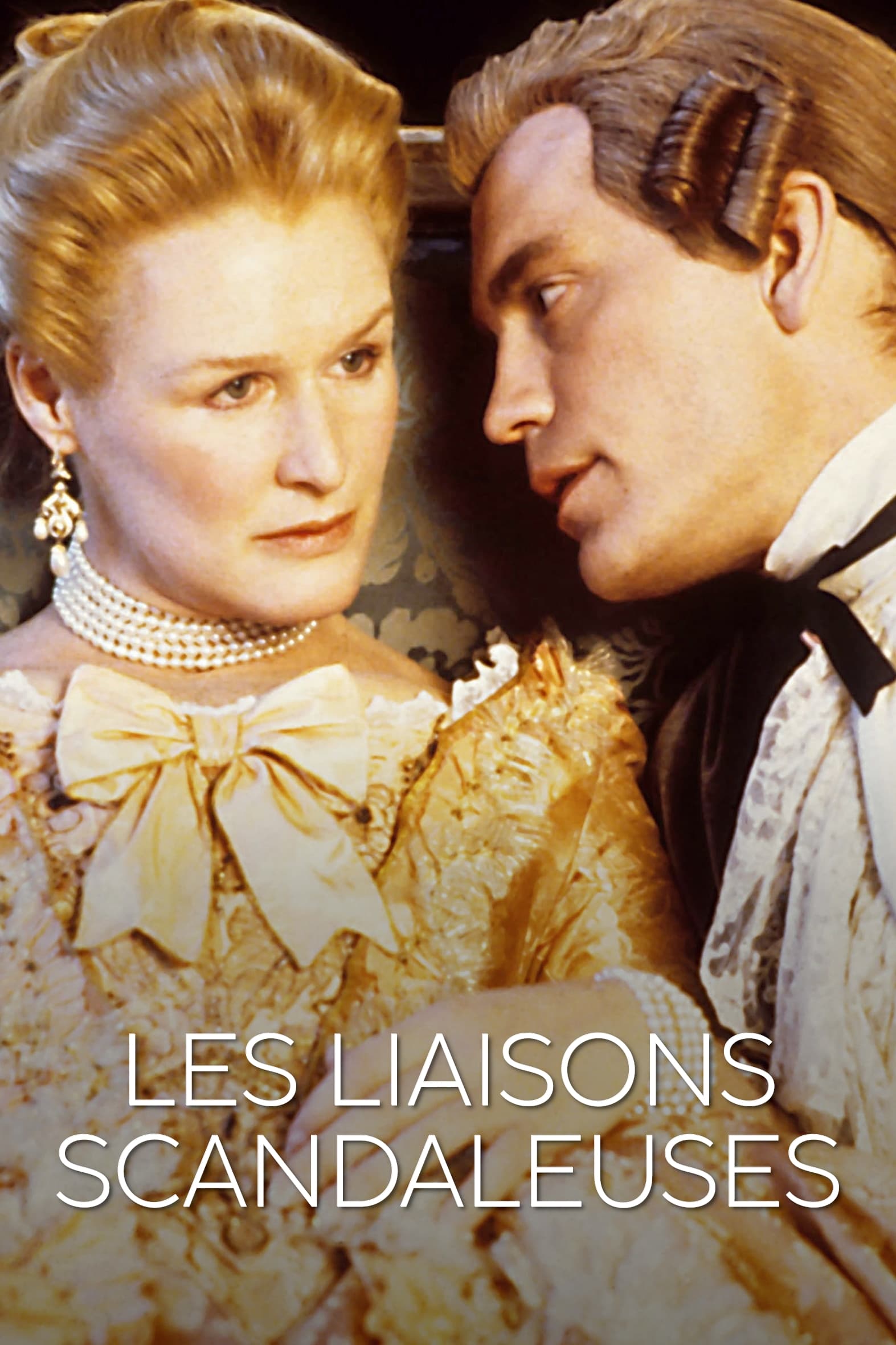
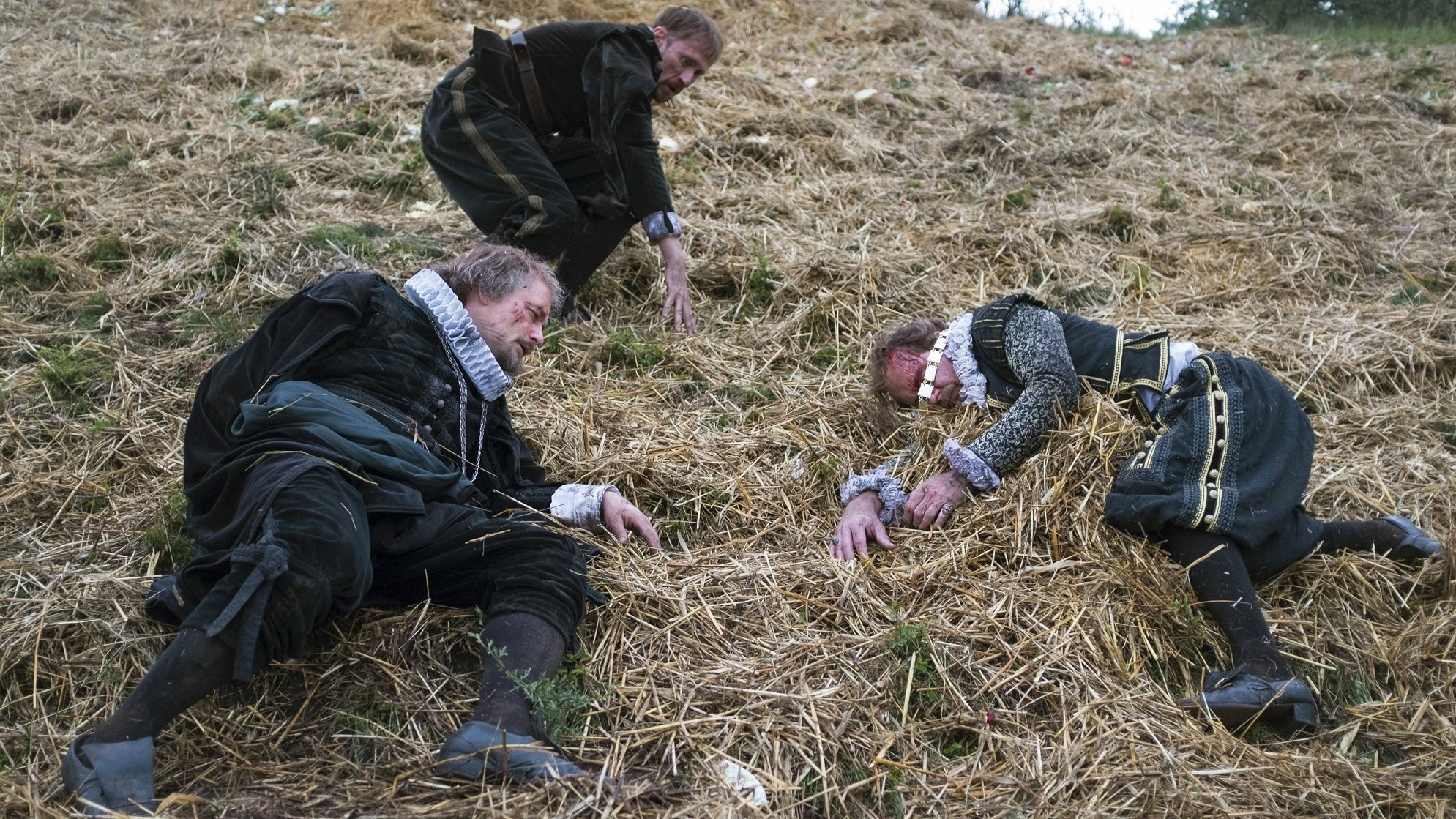
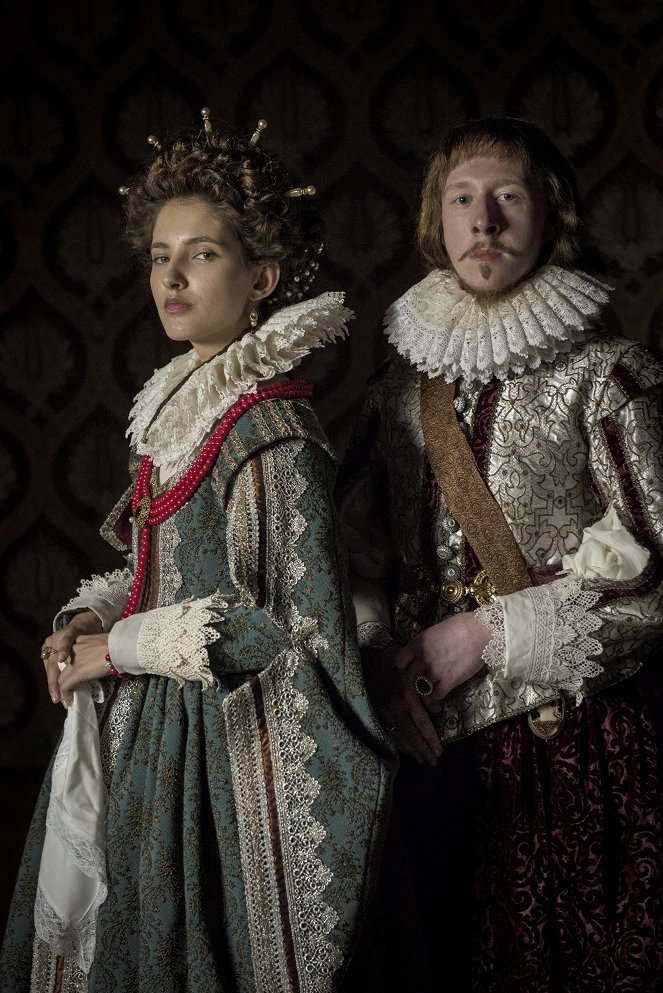
Well known for its exploration of seduction and revenge, the “Dangerous Liaisons” by Choderlos de Laclos caused a scandal from its first publication in 1782. Despite – or because of the scandal – the book was a top-seller. Since then, it stood the test of time. Combining eras, continents and people, the novel is adapted around the world. Marvelous tool for reflection on the female condition, social satire announcing the Revolution, remarkable work on the conflicting nature of love but also of the gender war, consecration of the power of the words, a libertine manual… “Dangerous Liaisons” is all of these at once.
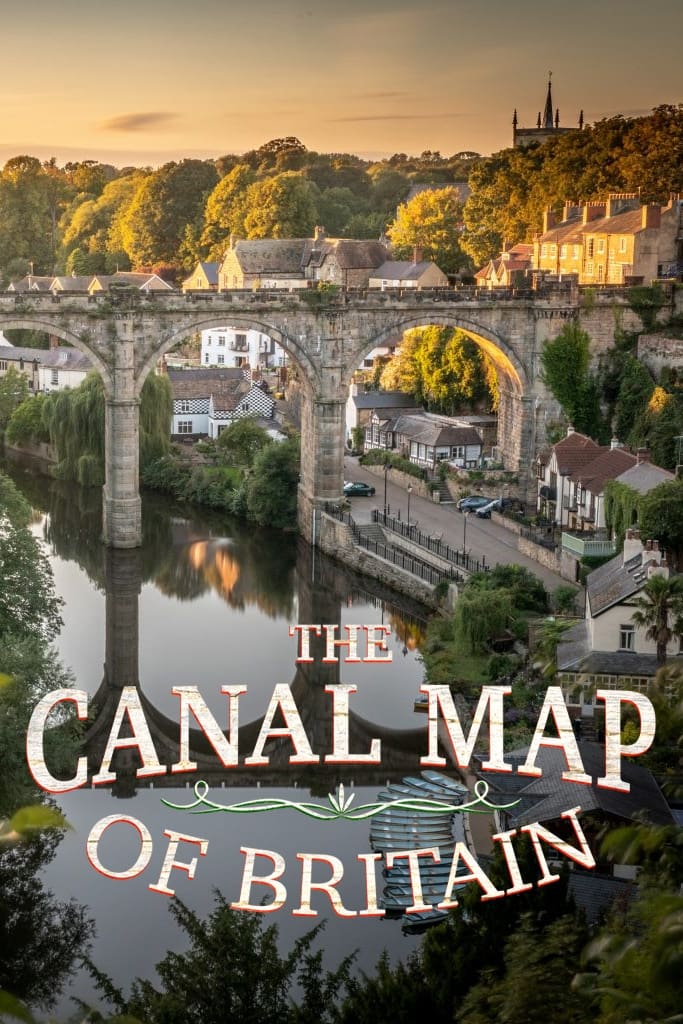
A look at Britain's beloved canal network via a fact-filled cruise along the first superhighways of the Industrial Revolution. In the age before mechanisation, a frenzy of canal-building saw a new army of workers carve out the British landscape, digging out hundreds of miles of waterways using picks, shovels and muscle.
The story of an unruly class of bright, funny history students at a Yorkshire grammar school in pursuit of an undergraduate place at Oxford or Cambridge. Bounced between their maverick English master, a young and shrewd teacher hired to up their test scores, a grossly out-numbered history teacher, and a headmaster obsessed with results, the boys attempt to pass.
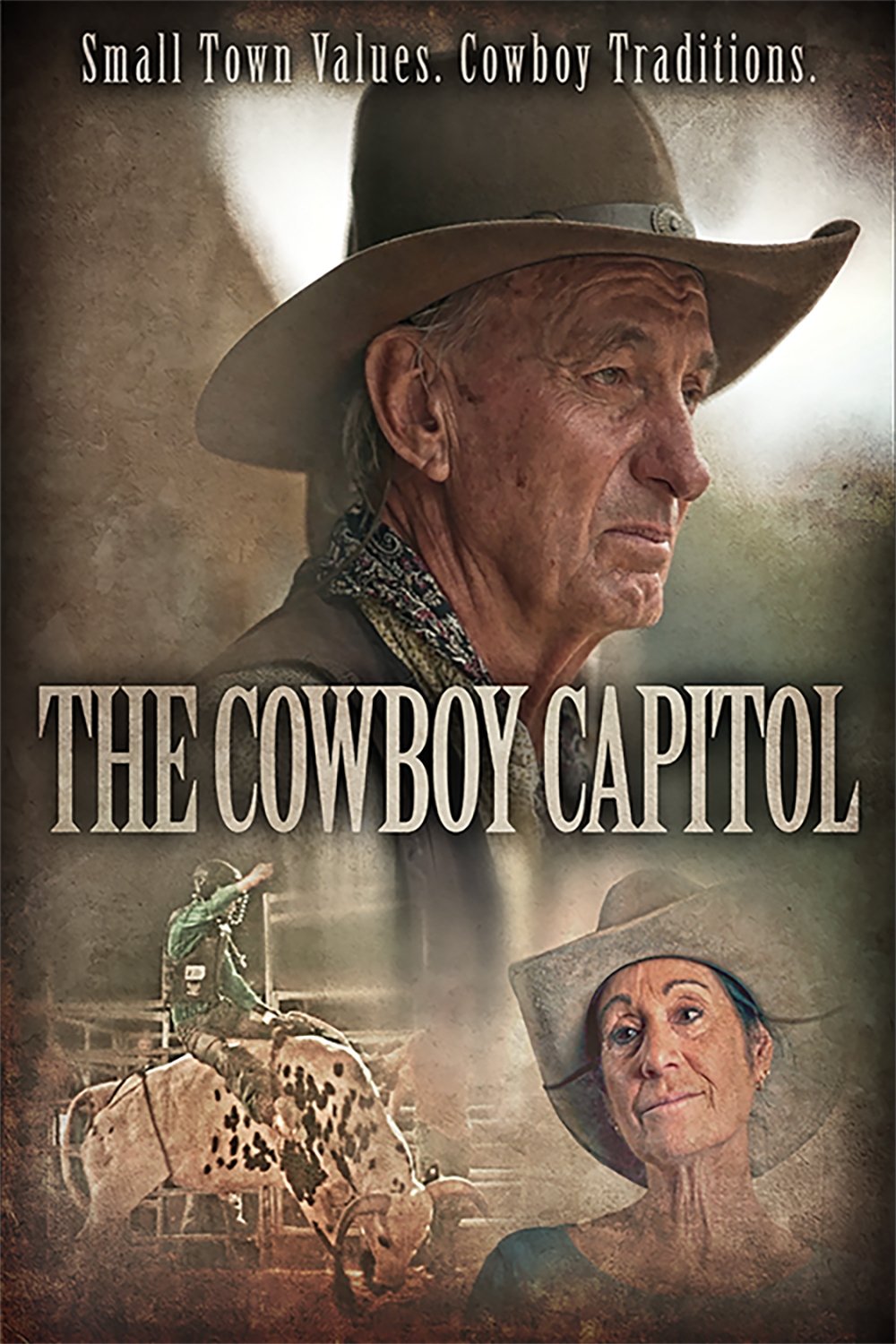
Bandera, Texas (THE COWBOY CAPITAL OF THE WORLD) is a captivating documentary that explores the vibrant history, unique culture, and enduring values of the small town of Bandera, Texas.
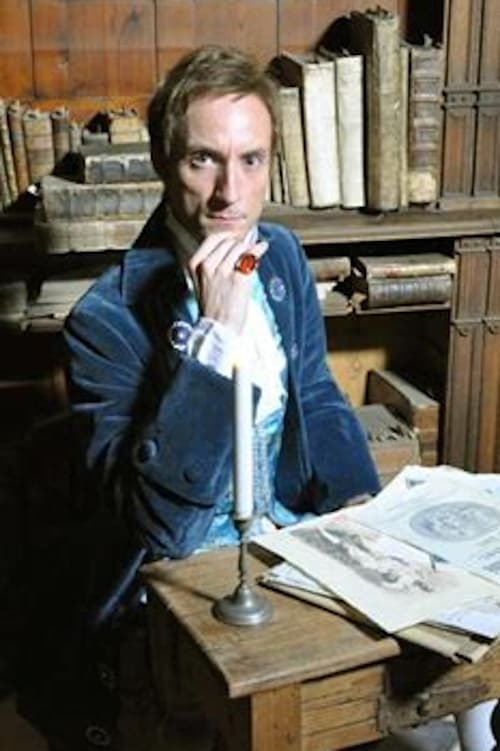
He described his love of art as his greatest inclination from his youth: Johann Joachim Winckelmann as a representative and rediscoverer of Greek and Roman antiquity. He was the father of European art history and was the victim of a robbery-murder in 1768. The documentary tells of his life, his work and his early death.
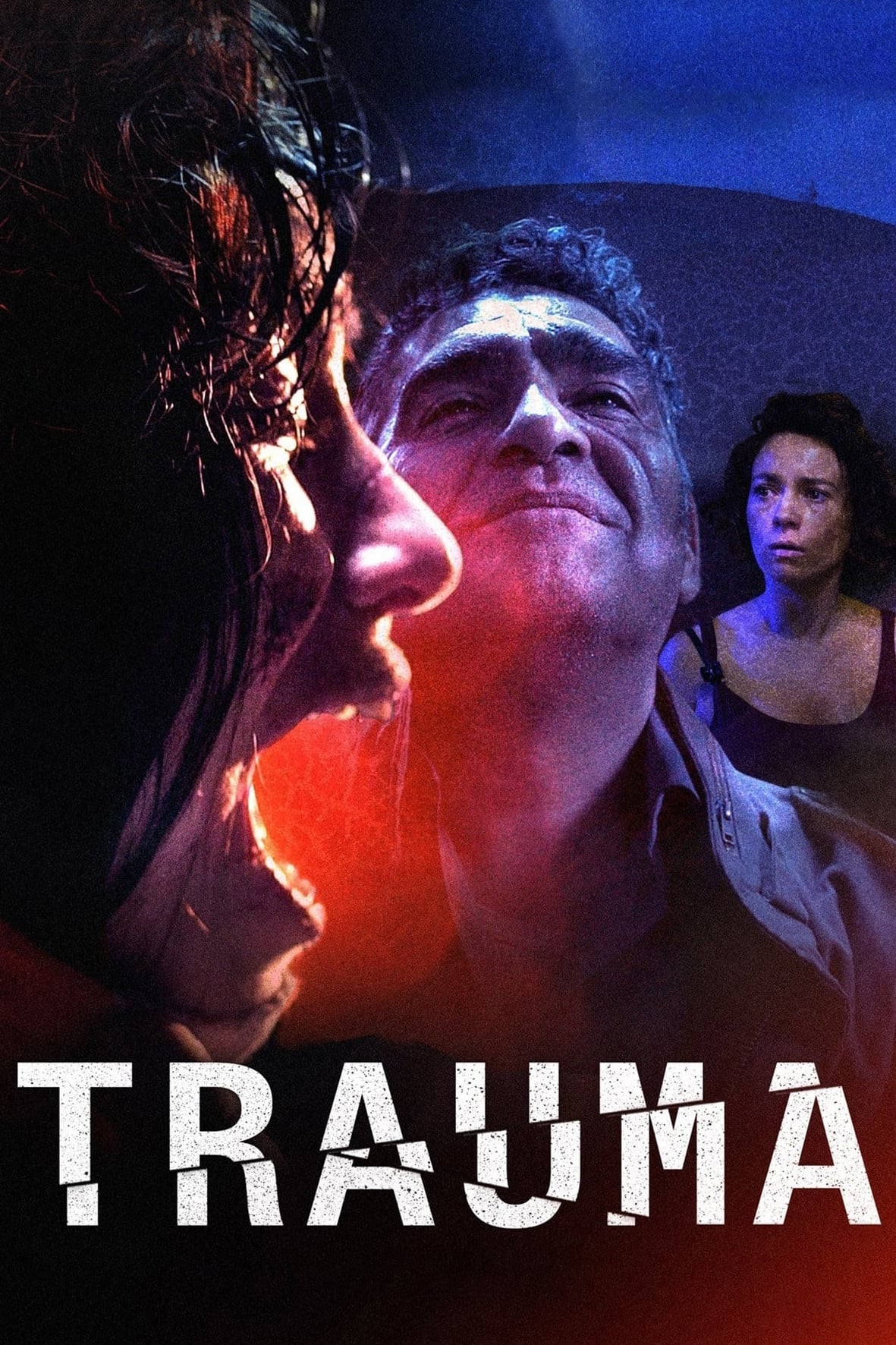
Four friends visit a rural locality of Chile, are brutally attacked by a man and his son. After not finding help in the town, they decide to confront these men with the help of a pair of policemen. But in this way, they will discover that their attackers have in their blood the direct legacy of the darkest period of Chilean history and will have to face the most brutal enemy.
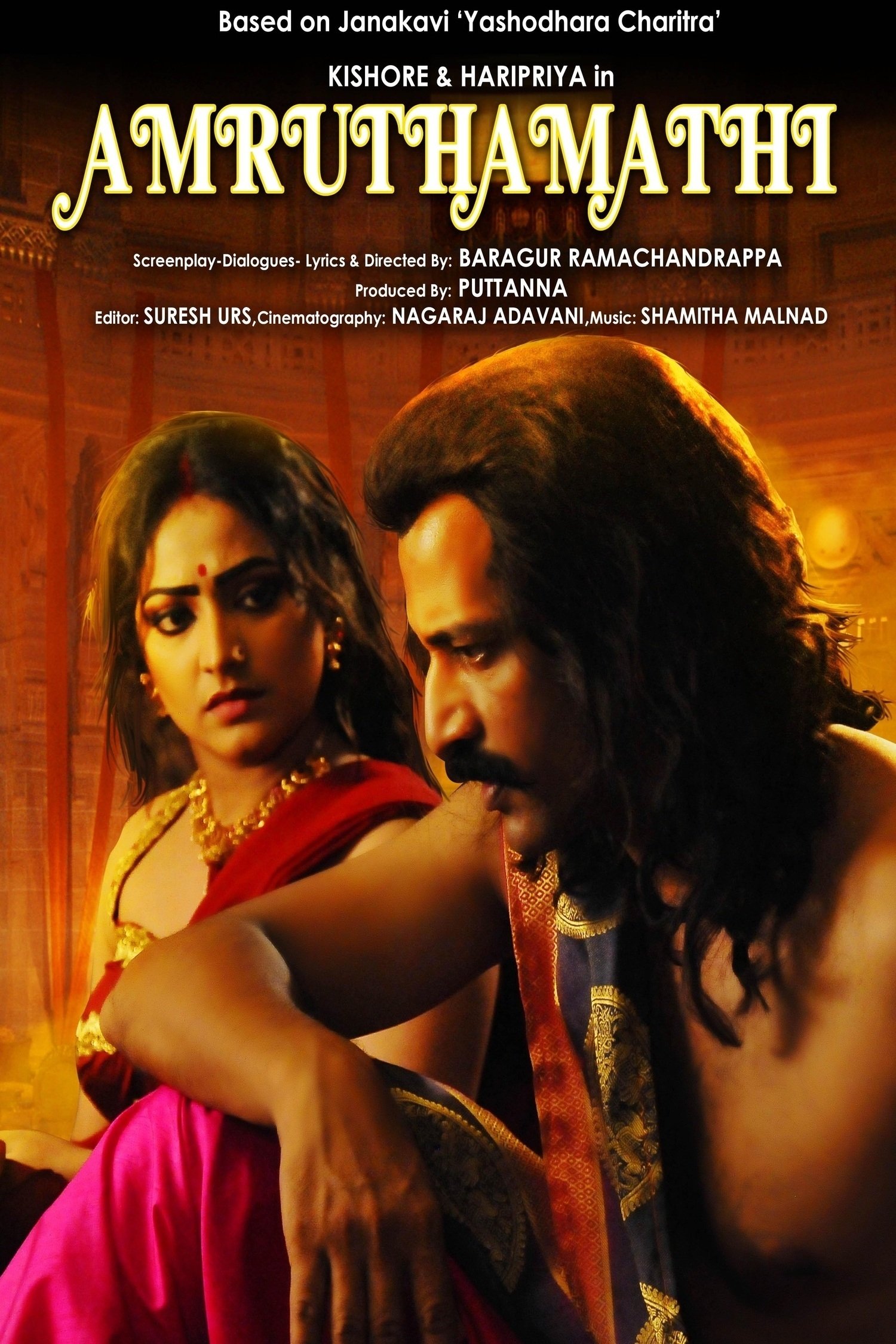
Amruthamathi a kannada film is based on the story of Yashodhara Charite' an epic poem written by Janna, a famous 13th century A.D. Kannada poet. This Janna's epic poem is recreated and reinterpreted in this film with appropriate changes without diviating original essence of the story.
Produced in 1988, this feature documentary presents a living history of Quebec's last 40 years as seen through the eyes of one couple. Pauline Julien and Gérald Godin, two Quebec artists, share their perspectives on the events that have marked Quebec's evolution. Julien, a singer, and Godin, a poet, express their love and passion for the province (and each other) while providing a unique take on the Quebec nationalist movement.
At the end of the Qing Dynasty, Lin Zexu, an imperial envoy, braved the hardships of destructed opium in Humen, and actively and forcefully faced foreign invaders to arouse the patriotism of the Chinese nation.
"There are things in this world that are yet to be named" centers around Solanum plastisexum - an Australian tomato whose sexual expression is unpredictable and unstable, challenging even the fluid norms of the plant kingdom. Footage of the team of botanists who recently used their Solanum research to explode notions of sexual normativity in any plant or animal is combined with a voiceover of letters sent between science writer Rachel Carson and her lover Dorothy Freeman. "There are things in this world that are yet to be named" is a meditation on erasure, indefinability, and the intersection of queer and environmental histories.
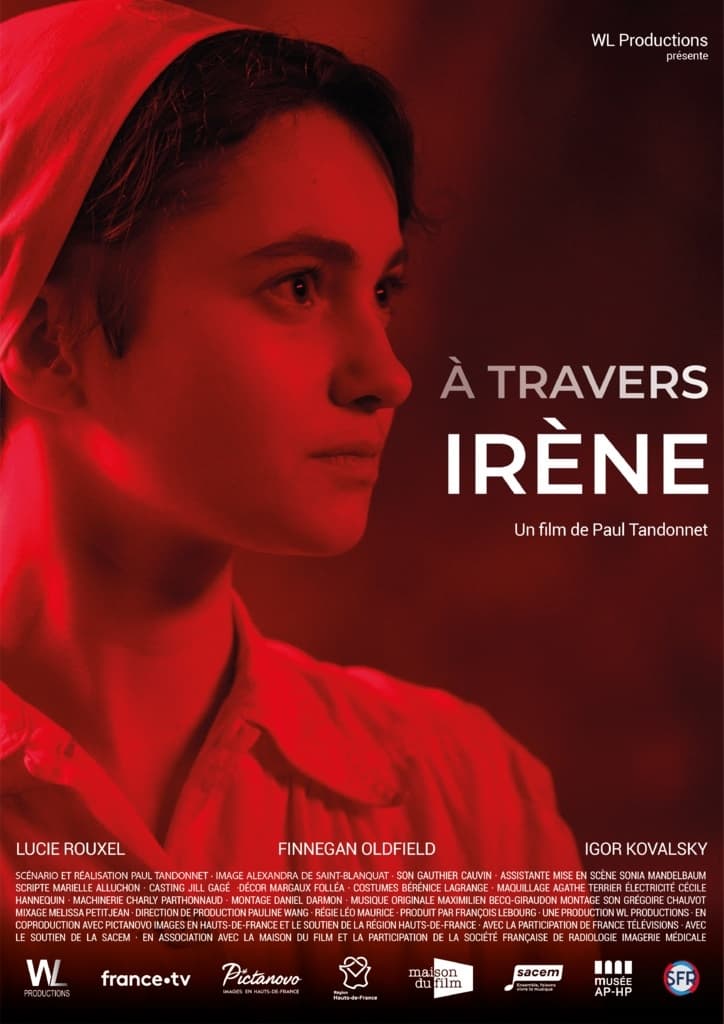
Irène is a young radiographer. She is eager to be useful on the front line and to apply her scientific methods for the service of her country.
In the chaotic, highly emotional period after the First World War in 1918, the foreign ministers Gustav Stresemann (1878-1929) and Aristide Briand (1862-1932) put all their energies into trying to lead their countries, Germany and France, which were at enmity with each other, into a peaceful future and a united Europe. After their deaths, Europe has to go through a second hell before the plan of these two visionaries succeeds. The cinematic mix of archive footage and re-enactments shows two statesmen, full of facts and emotion, who give each other nothing in difficult negotiations, but at the same time hold on to their shared vision. Even if these two human lives were not enough to reap the fruits of their labor, they sowed the seeds for the next generation. In 1926, Aristide Briand and Gustav Stresemann were awarded the Nobel Peace Prize. It is a sign that the peoples of the world believe in a Europe at peace.
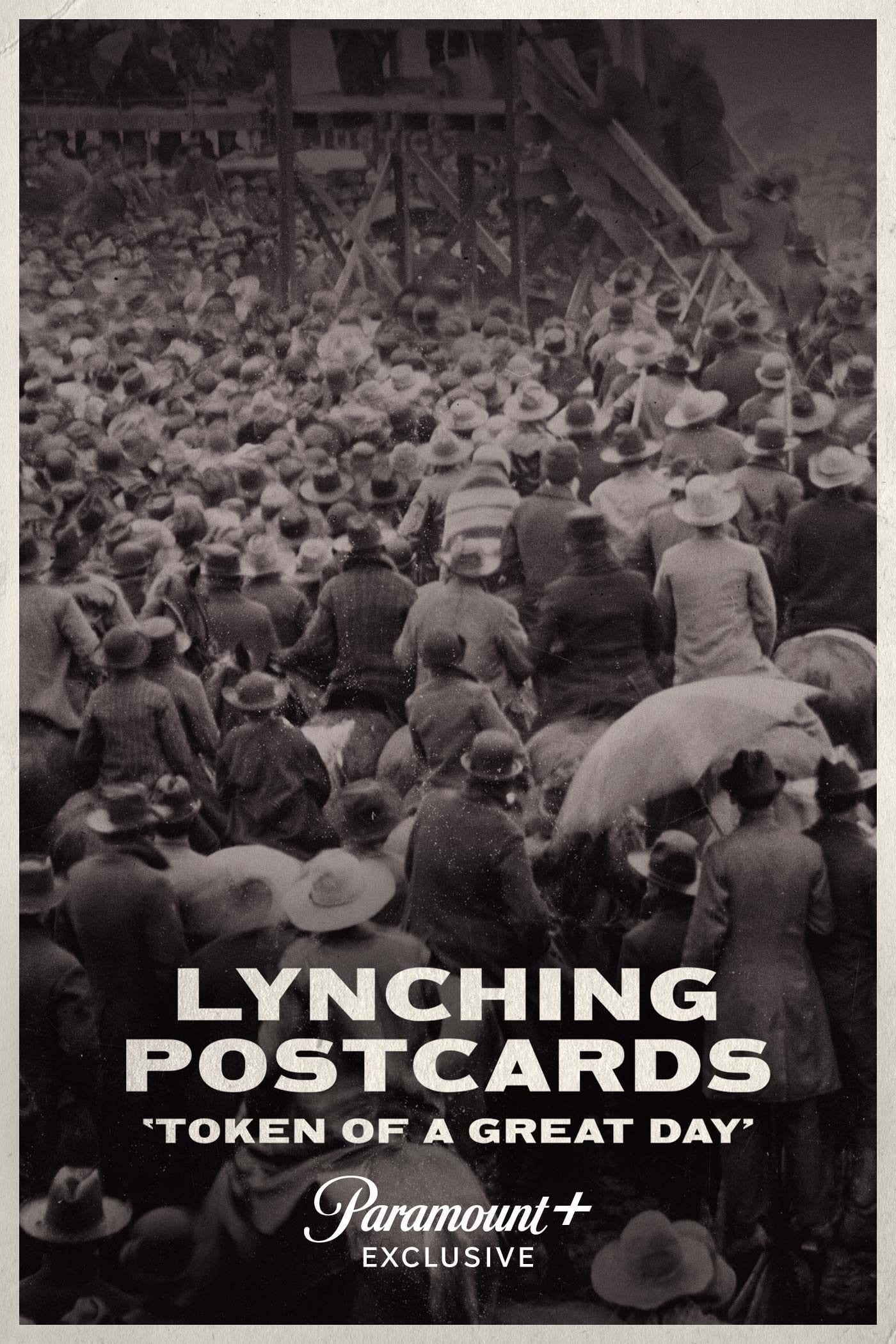
This chilling reflection examines the horrific history of lynchings as cultural events and celebrations that included souvenirs and postcards.
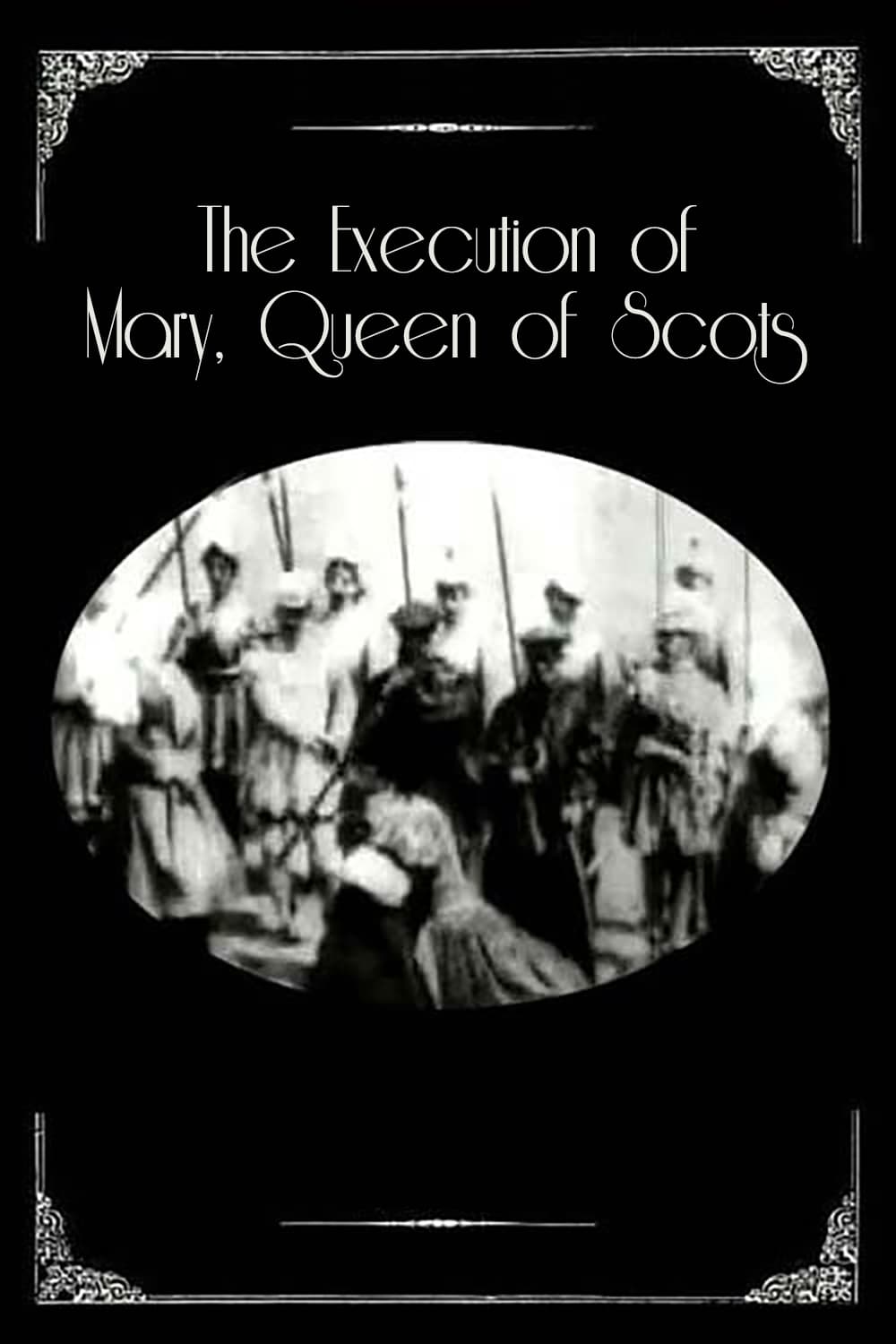
A short film depicting the execution of Mary, Queen of the Scots. Mary is brought to the execution block and made to kneel down with her neck over it. The executioner lifts his axe ready to bring it down. After that frame Mary has been replaced by a dummy. The axe comes down and severs the head of the dummy from the body. The executioner picks up the head and shows it around for everyone else to see. One of the first camera tricks to be used in a movie.
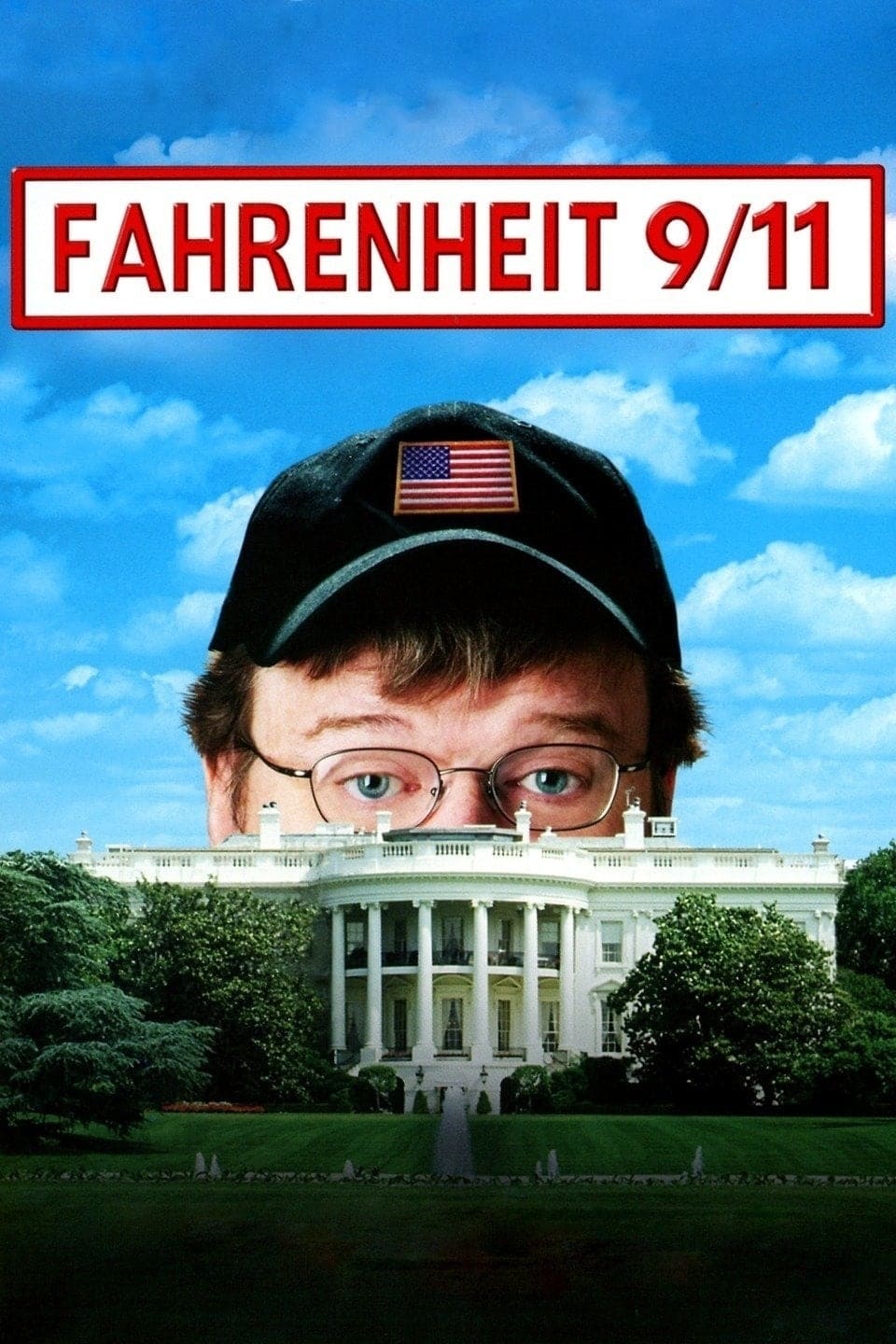
Michael Moore's view on how the Bush administration allegedly used the tragic events on 9/11 to push forward its agenda for unjust wars in Afghanistan and Iraq.
FRONTLINE and Forbidden Films investigate Pegasus, a powerful spyware sold to governments around the world by the Israeli company NSO Group.
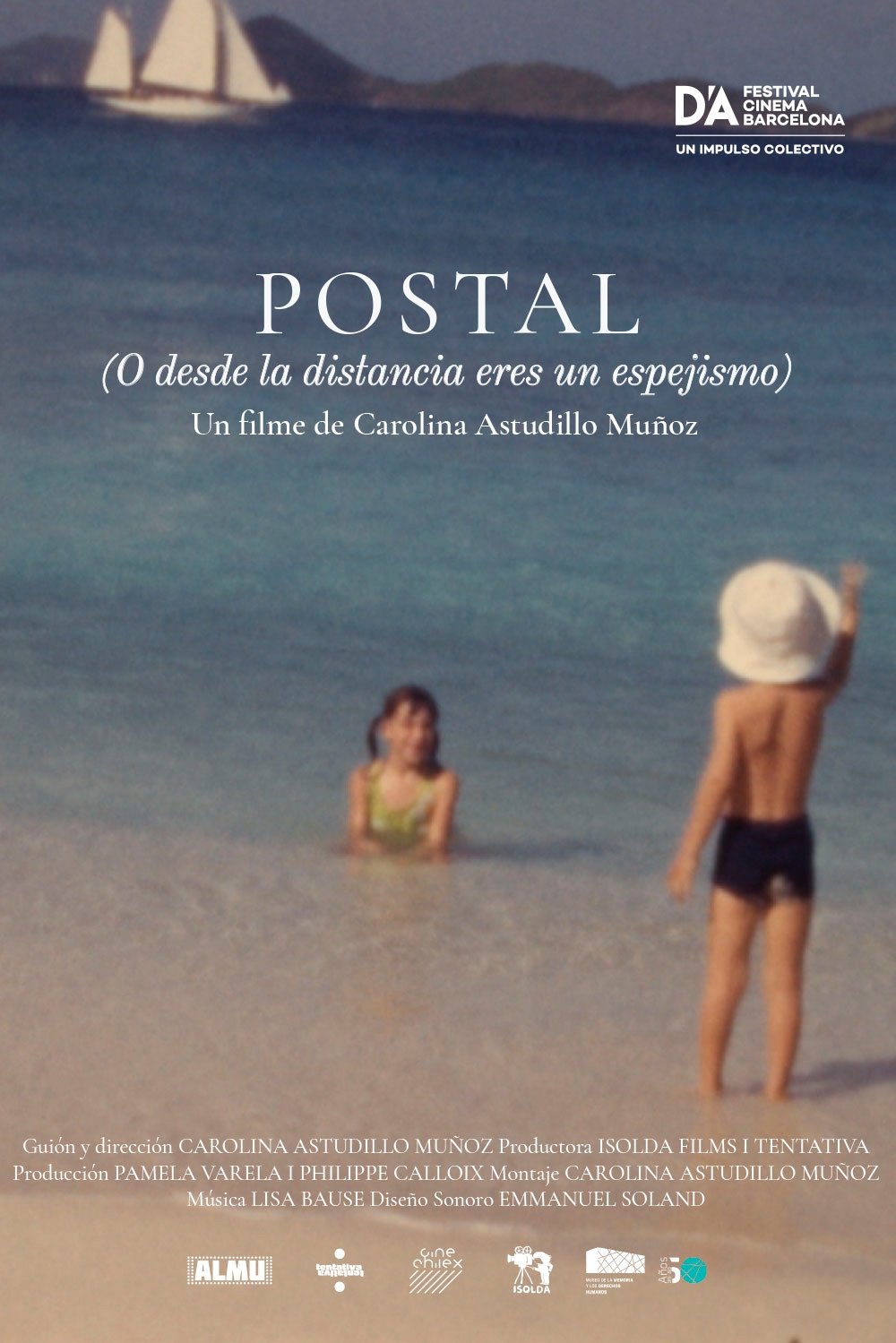
"The palm trees on the reverse are a delusion; so is the pink sand". This line, taken from a poem by Margaret Atwood, lights the path traced in "Postcard". As the years go by, landscapes transform, take on new meanings, and hold onto joys that will never be regained. The sea and the beach, once stages of happy summers, romances, and encounters, will turn into concentration camps or centers of detention and torture. This occurs across different times and places. In this piece, I embark on a journey through some of my works that explore the relationship between testimony, spaces, and time, engaging in dialogue with the beautiful film directed by Alejandro Segovia in 1972.
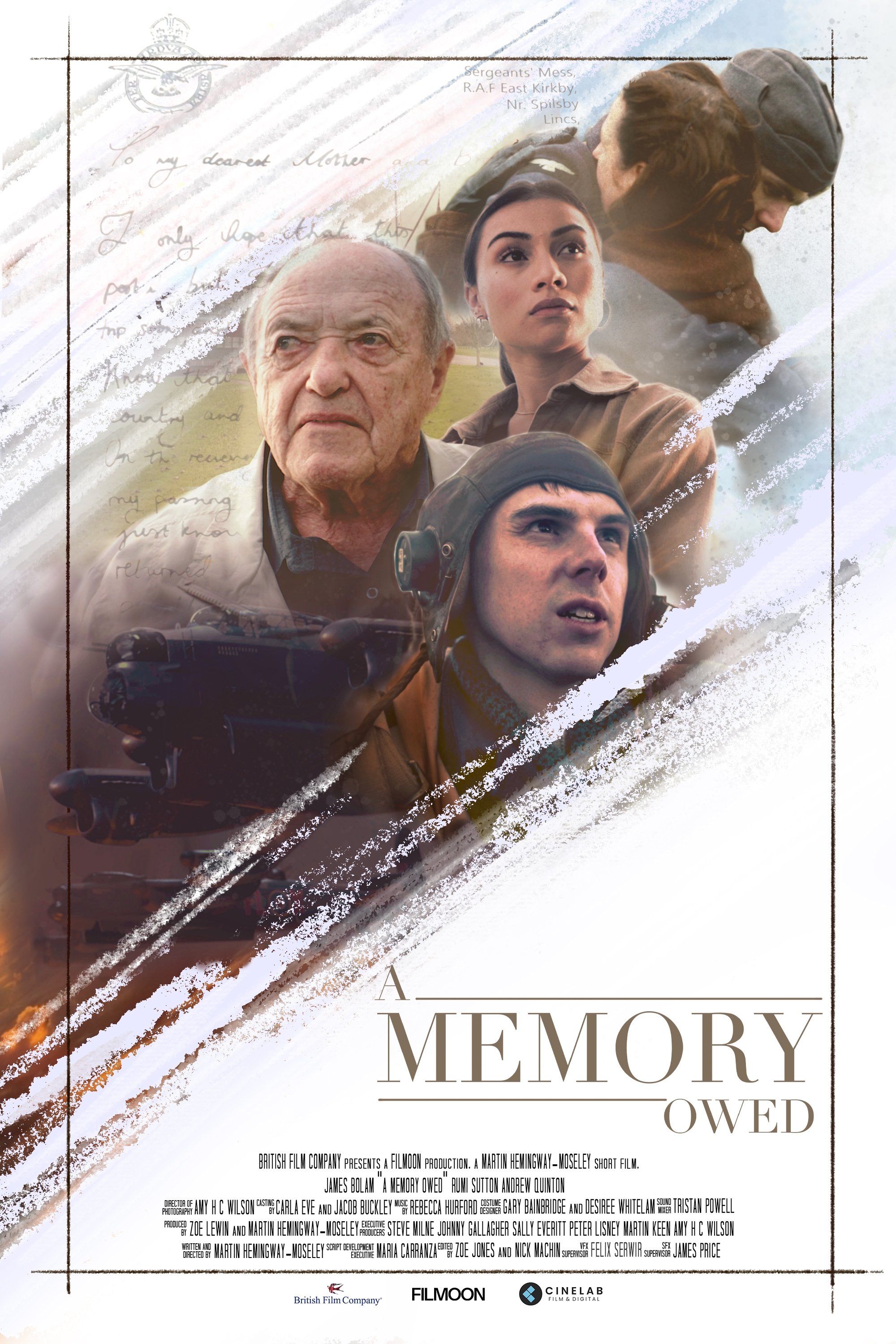
Bound by unspoken grief, reclusive 91-year-old Stan and his young carer find unexpected solace on the windswept plains of a once-bustling WWII airfield, where memory still lingers.
With the departure of the Bush Administration and the arrival of an “era of transparency,” opportunities are arising for the disclosure of new information that may shed more light on the events that took place before and after 9/11/2001. Loaded with powerful, new footage and in-depth interviews this documentary presents a wide array of evidence both known and unknown…until now.
In this genre-bending tale, Errol Morris explores the mysterious death of a U.S. scientist entangled in a secret Cold War program known as MK-Ultra.
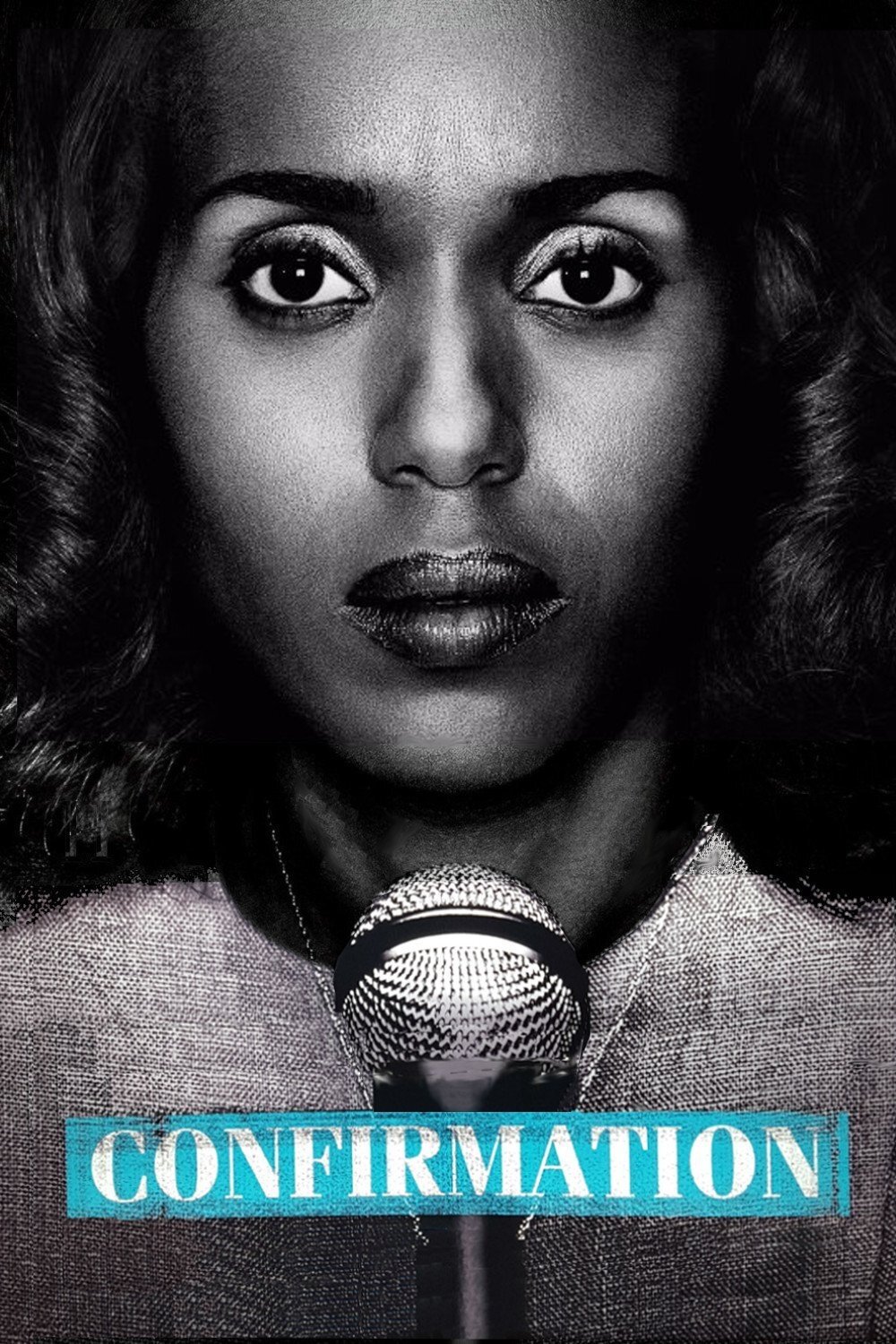
Judge Clarence Thomas' nomination to the United States' Supreme Court is called into question when former colleague, Anita Hill, testifies that he had sexually harassed her.
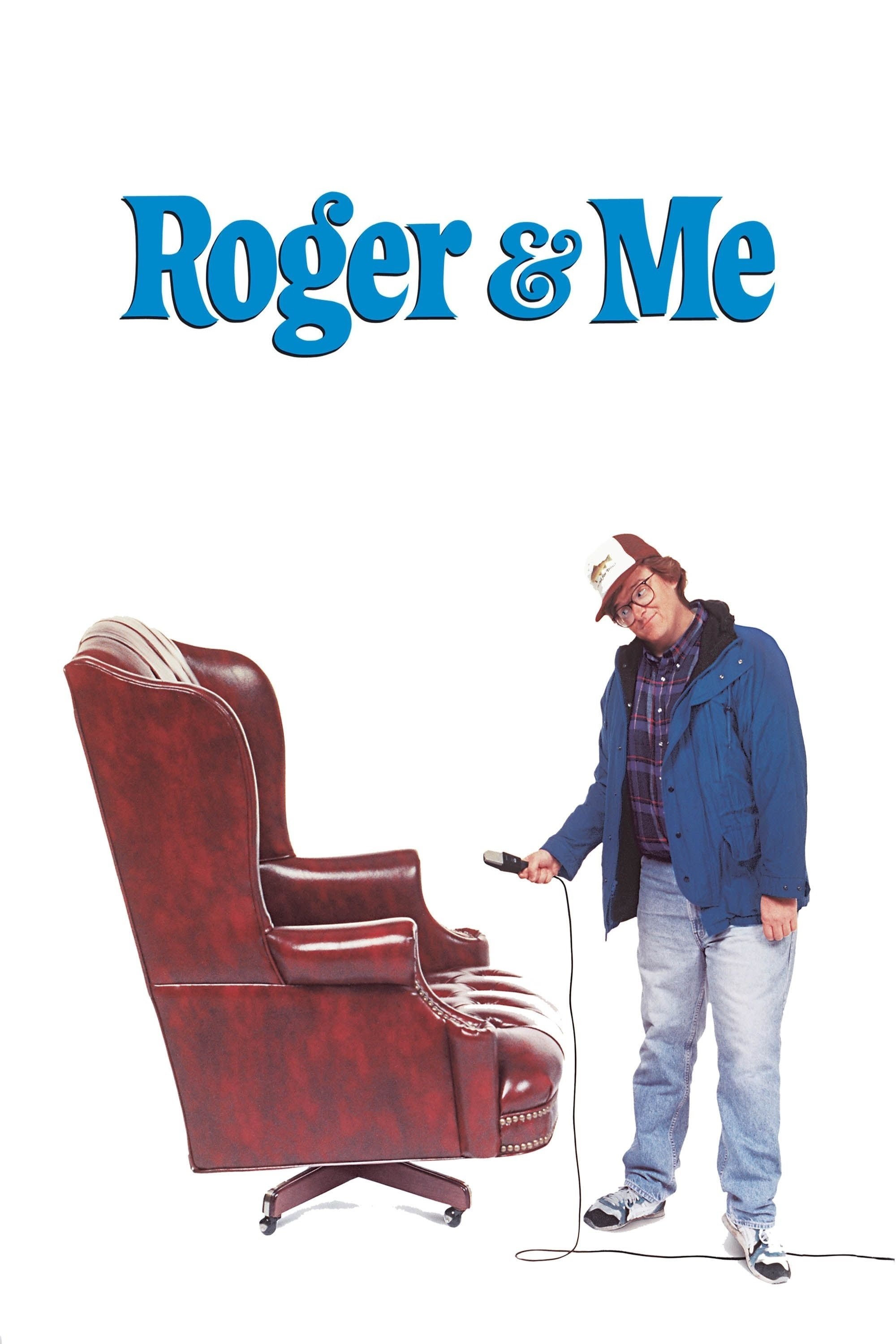
A documentary about the closure of General Motors' plant at Flint, Michigan, which resulted in the loss of 30,000 jobs. Details the attempts of filmmaker Michael Moore to get an interview with GM CEO Roger Smith.
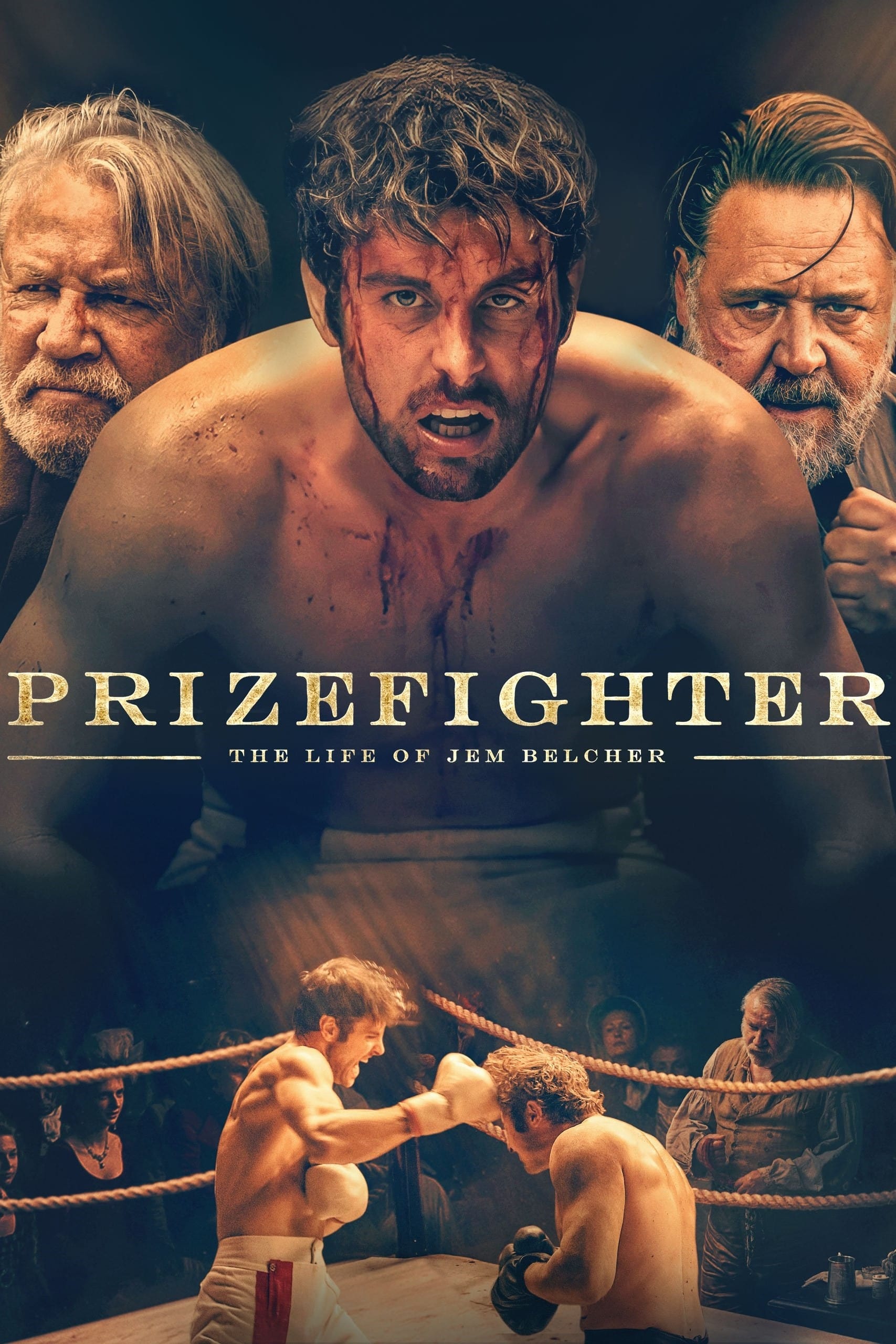
At the turn of the 19th century, Pugilism was the sport of kings and a gifted young boxer fought his way to becoming champion of England.
The history of cinematic sound, told by legendary sound designers and visionary filmmakers.
A documentary chronicling the shared experiences of prominent former child stars and the personal and professional price of fame and failure on a child.
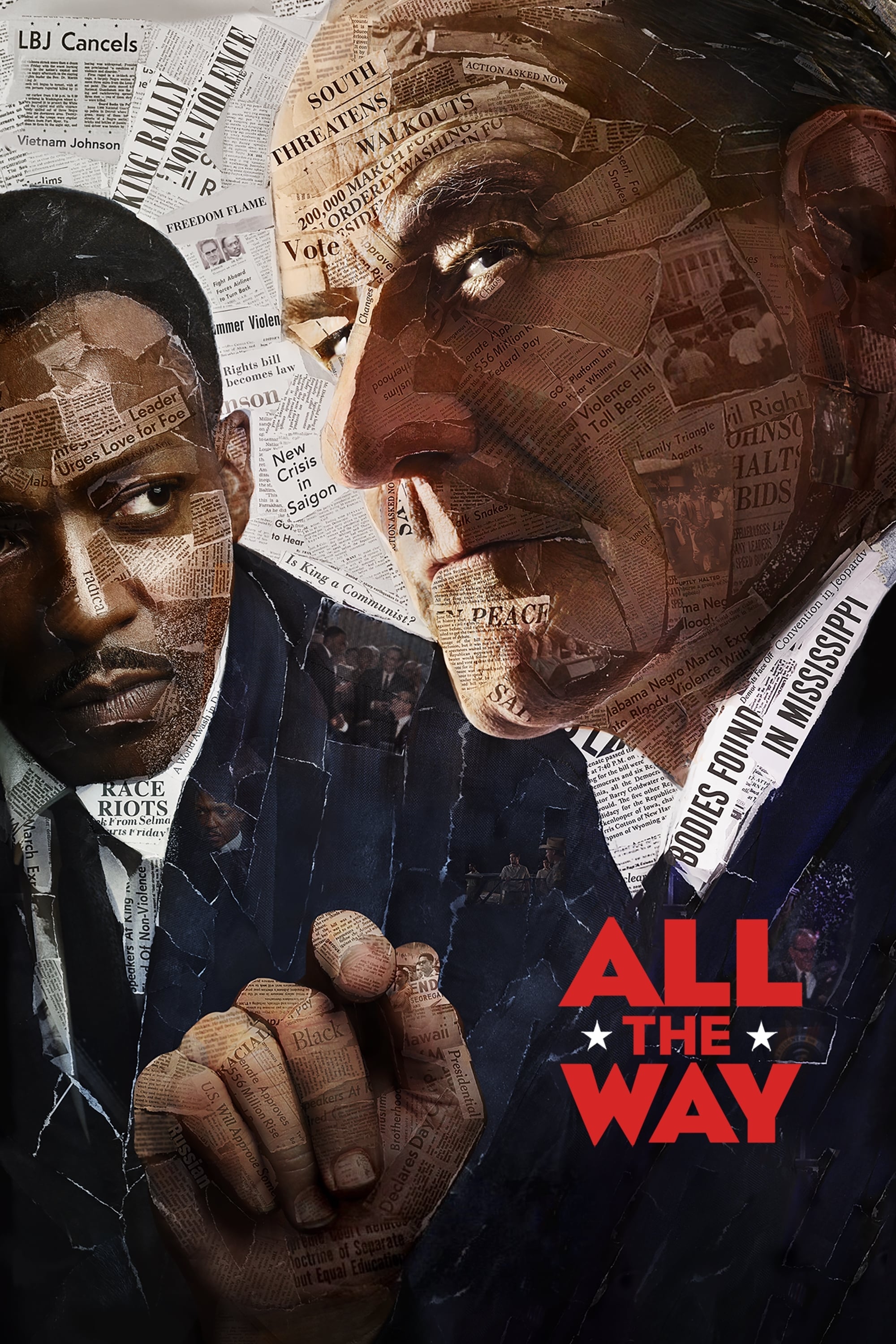
Lyndon B. Johnson's amazing 11-month journey from taking office after JFK's assassination, through the fight to pass the 1964 Civil Rights Act and his own presidential campaign, culminating on the night LBJ is actually elected to the office – no longer the 'accidental President.'
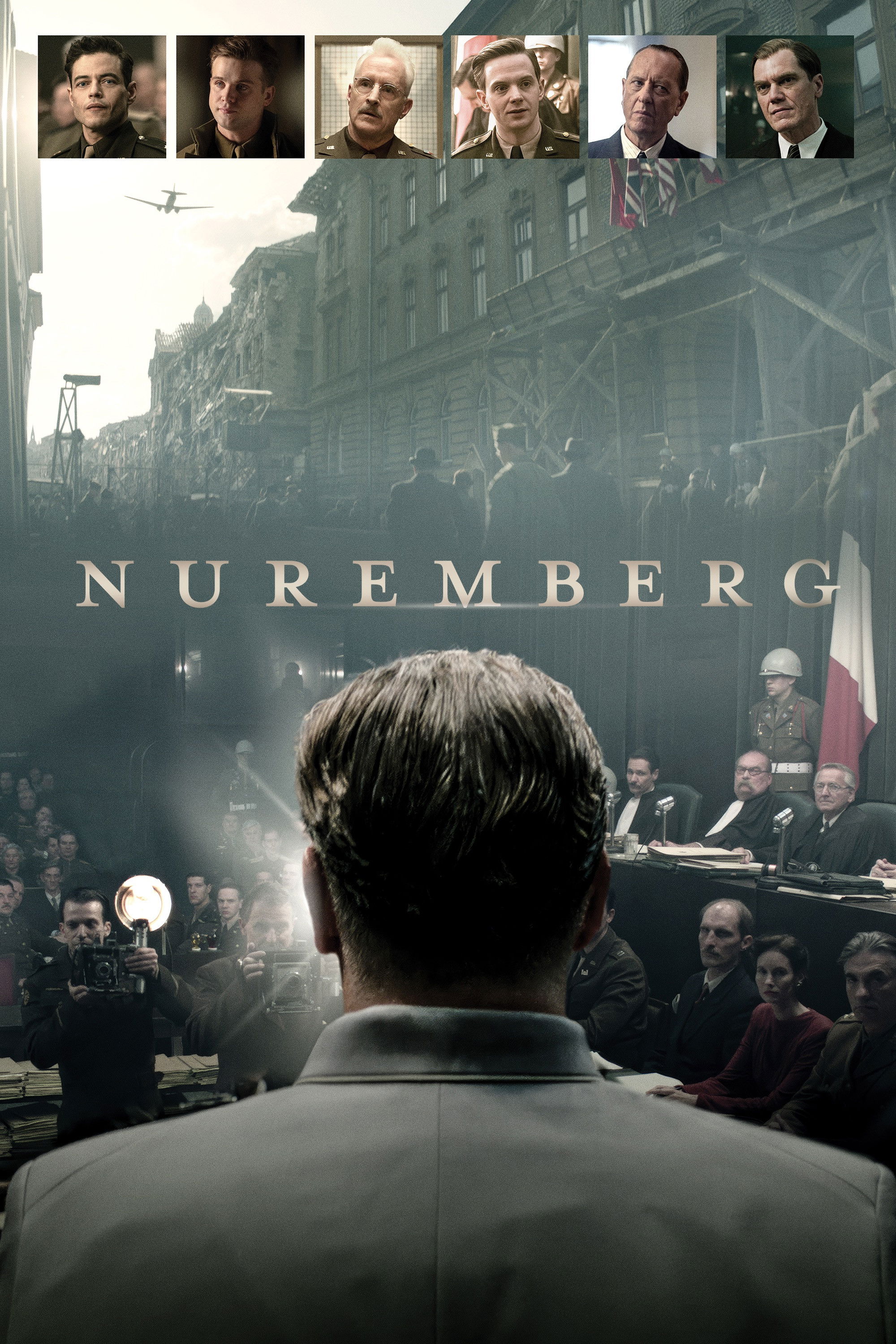
In postwar Germany, an American psychiatrist must determine whether Nazi prisoners are fit to go on trial for war crimes, and finds himself in a complex battle of intellect and ethics with Hermann Göring, Hitler's right-hand man.
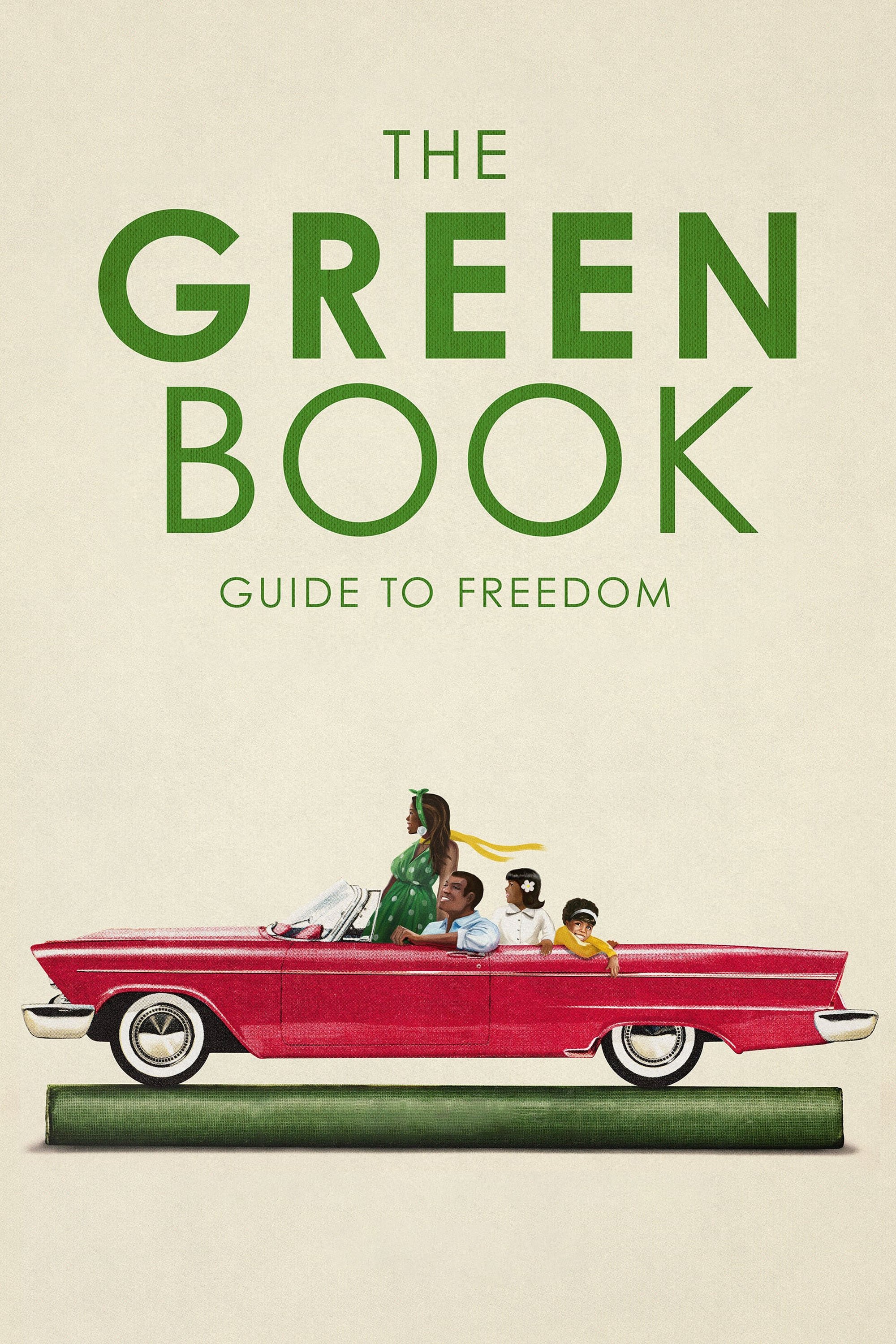
In 1936, Victor H. Green (1892-1960) published The Negro Motorist Green Book, a book that was both a travel guide and a survival manual, to help African-Americans navigate safe those regions of the United States where segregation and Jim Crow laws were disgracefully applied.
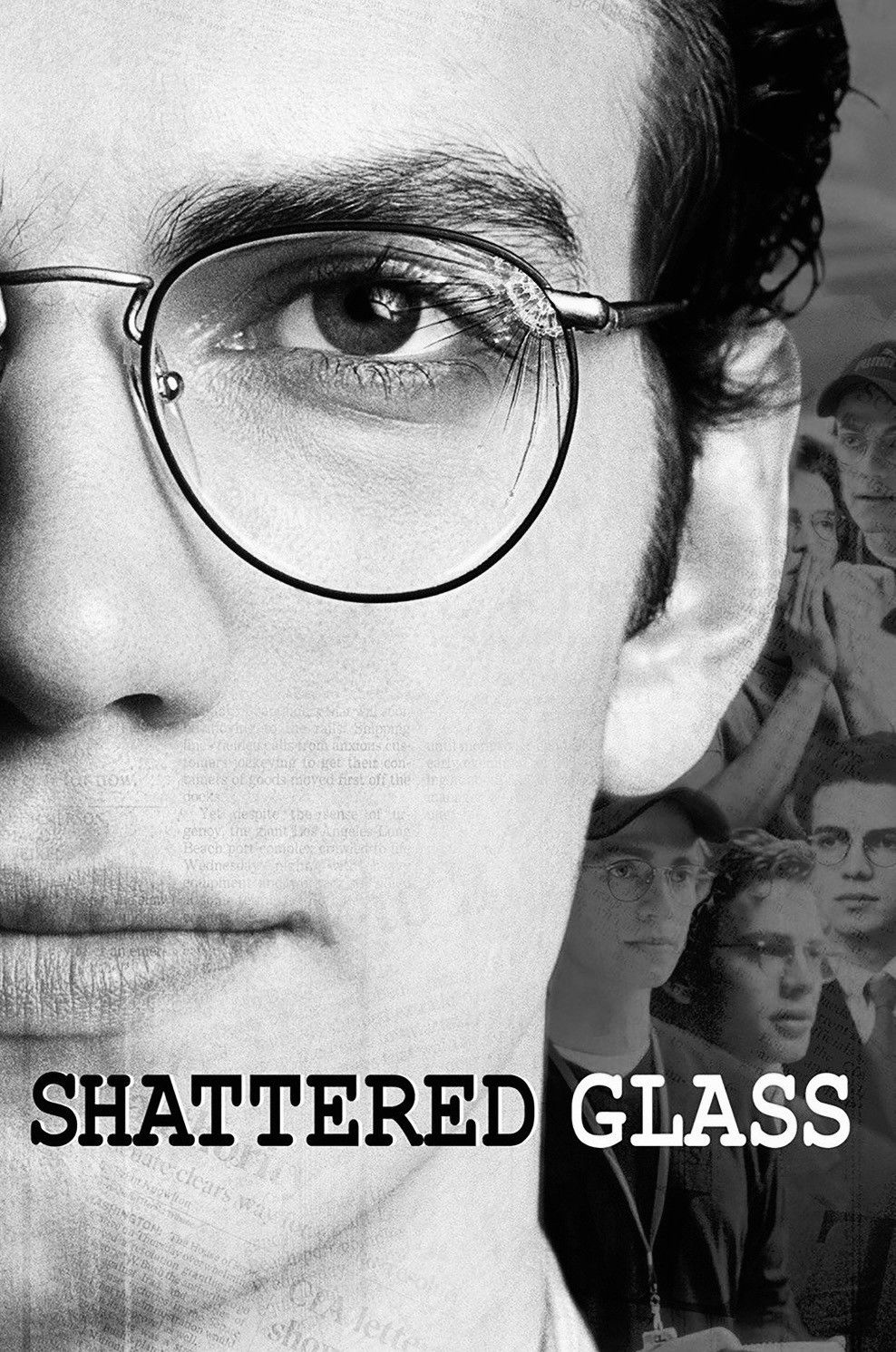
The true story of fraudulent Washington, D.C. journalist Stephen Glass, who rose to meteoric heights as a young writer in his 20s, becoming a staff writer at The New Republic for three years. Looking for a short cut to fame, Glass concocted sources, quotes and even entire stories, but his deception did not go unnoticed forever, and eventually, his world came crumbling down.
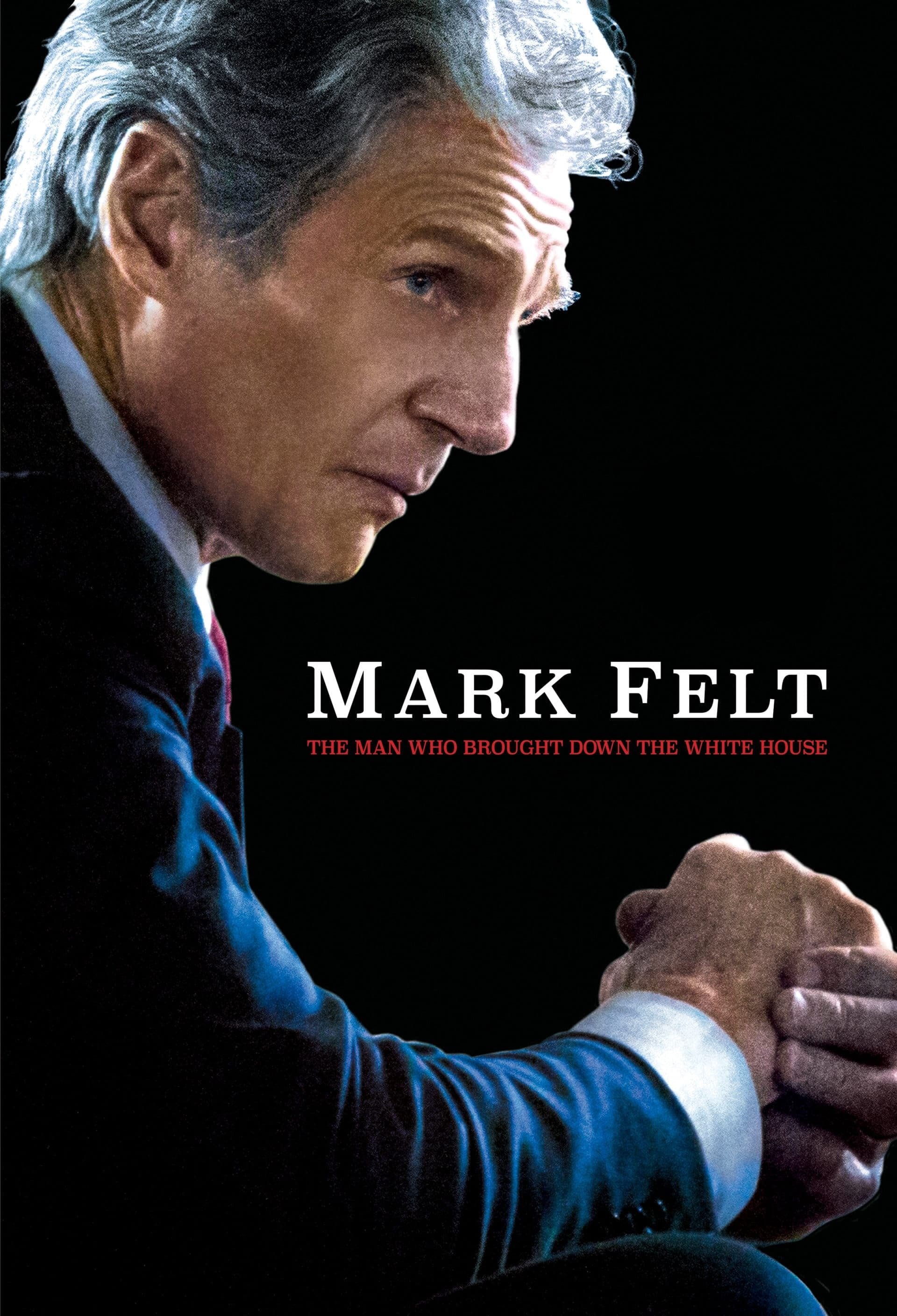
The story of Mark Felt, who under the name "Deep Throat" helped journalists Bob Woodward and Carl Bernstein uncover the Watergate scandal in 1974.
Those who knew iconic funnyman John Candy best share his story, in their own words, through never-before-seen archival footage, imagery, and interviews.
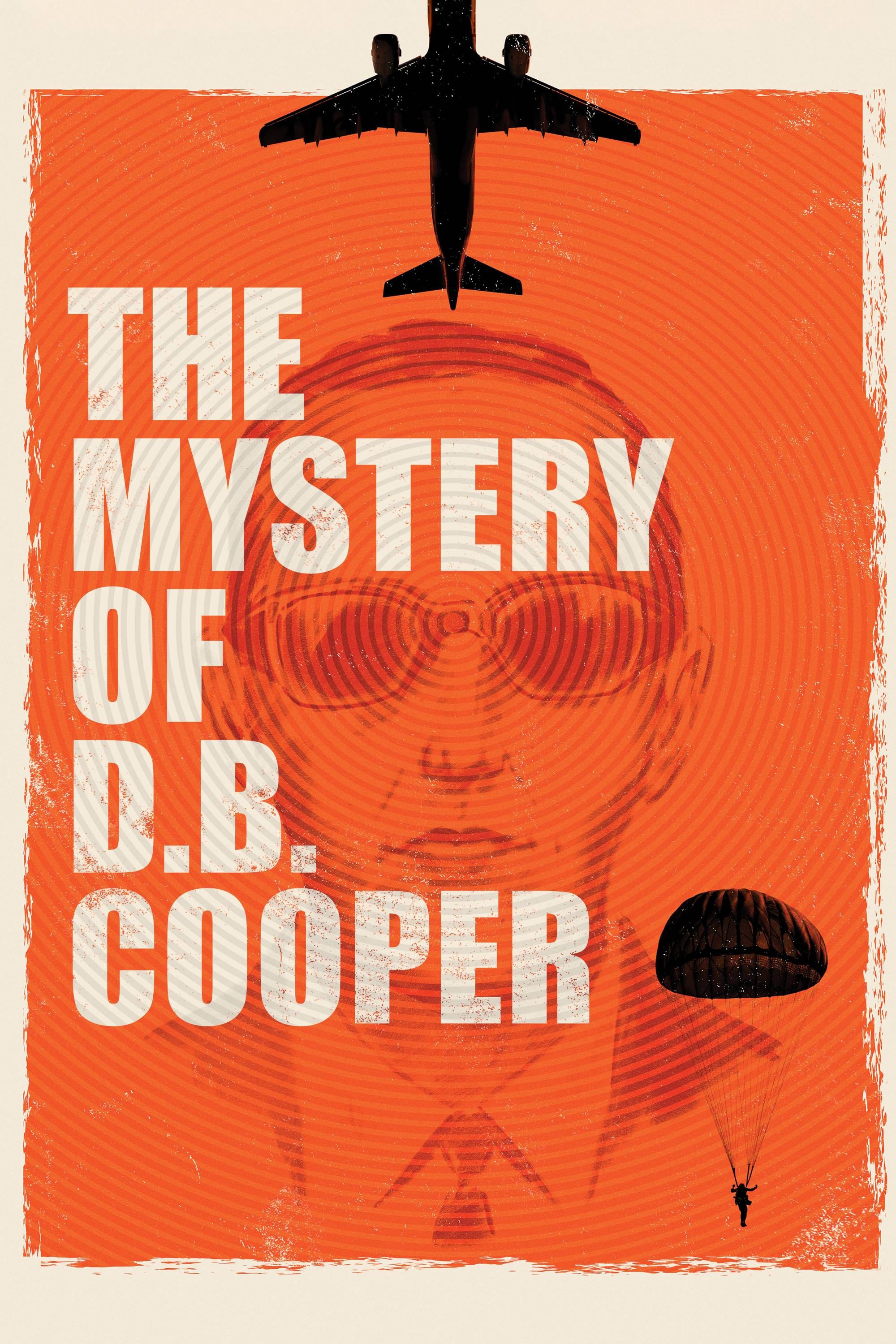
This documentary brings to life the stories of four people believed by their family and friends to be “DB Cooper,” a man who hijacked a 727 flying out of Seattle and jumped from the plane over the wilds of Washington State with a parachute and $200,000, never to be heard from again.
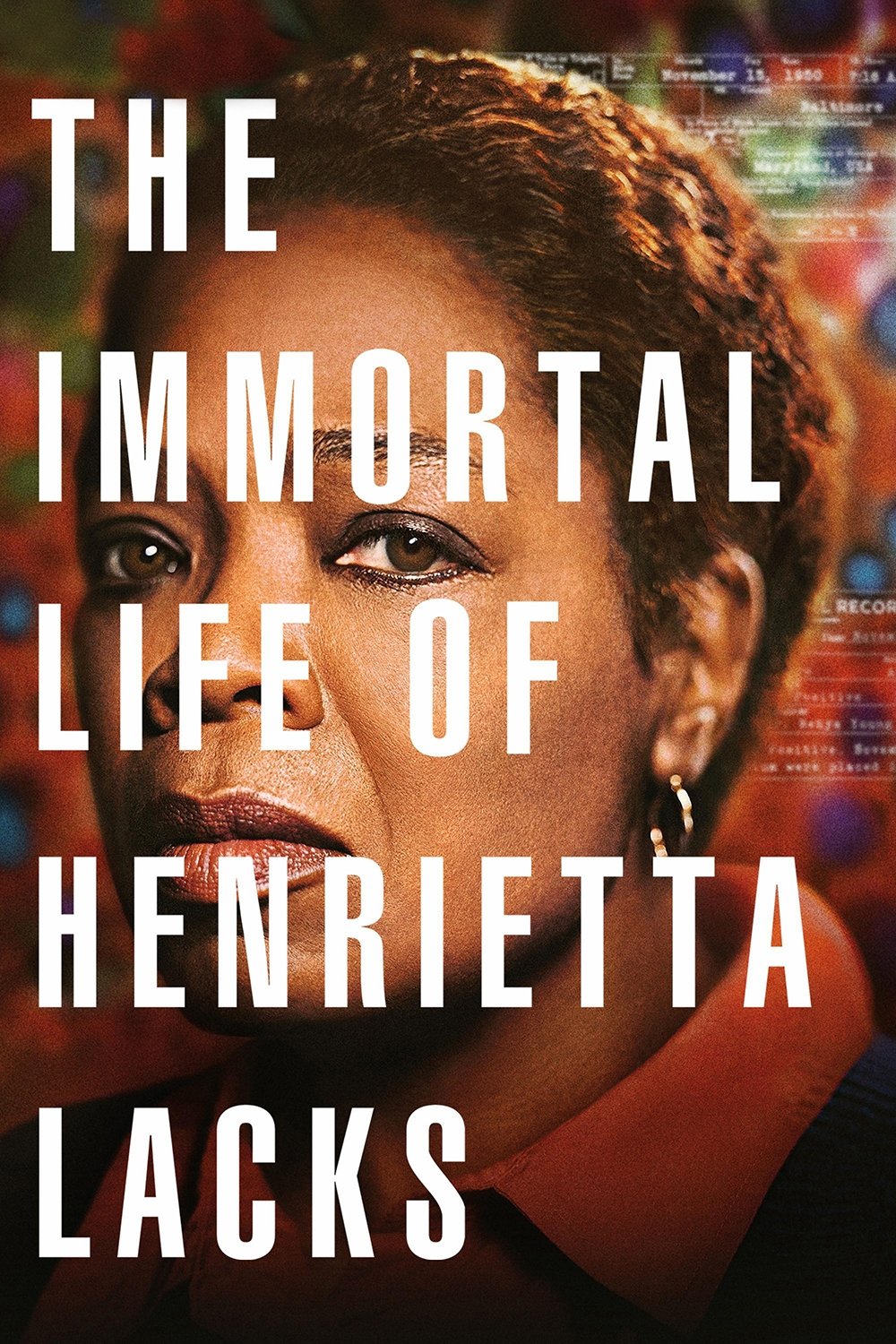
An African-American woman becomes an unwitting pioneer for medical breakthroughs when her cells are used to create the first immortal human cell line in the early 1950s.
A compilation of over 30 years of private home movie footage shot by Lithuanian-American avant-garde director Jonas Mekas, assembled by Mekas "purely by chance", without concern for chronological order.
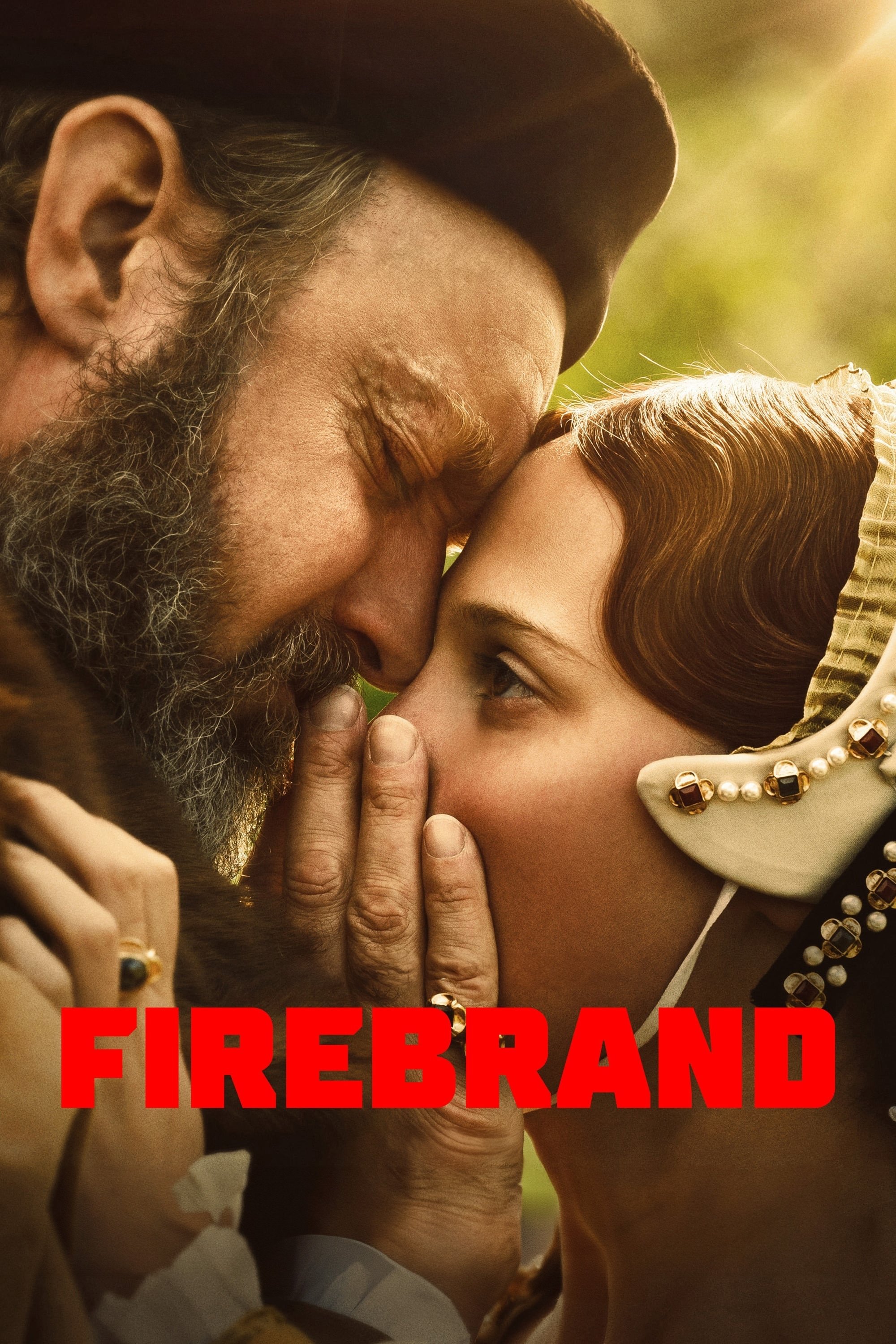
Katherine Parr, the sixth wife of King Henry VIII, is named regent while the tyrant battles abroad. When the king returns, increasingly ill and paranoid, Katherine finds herself fighting for her own survival.
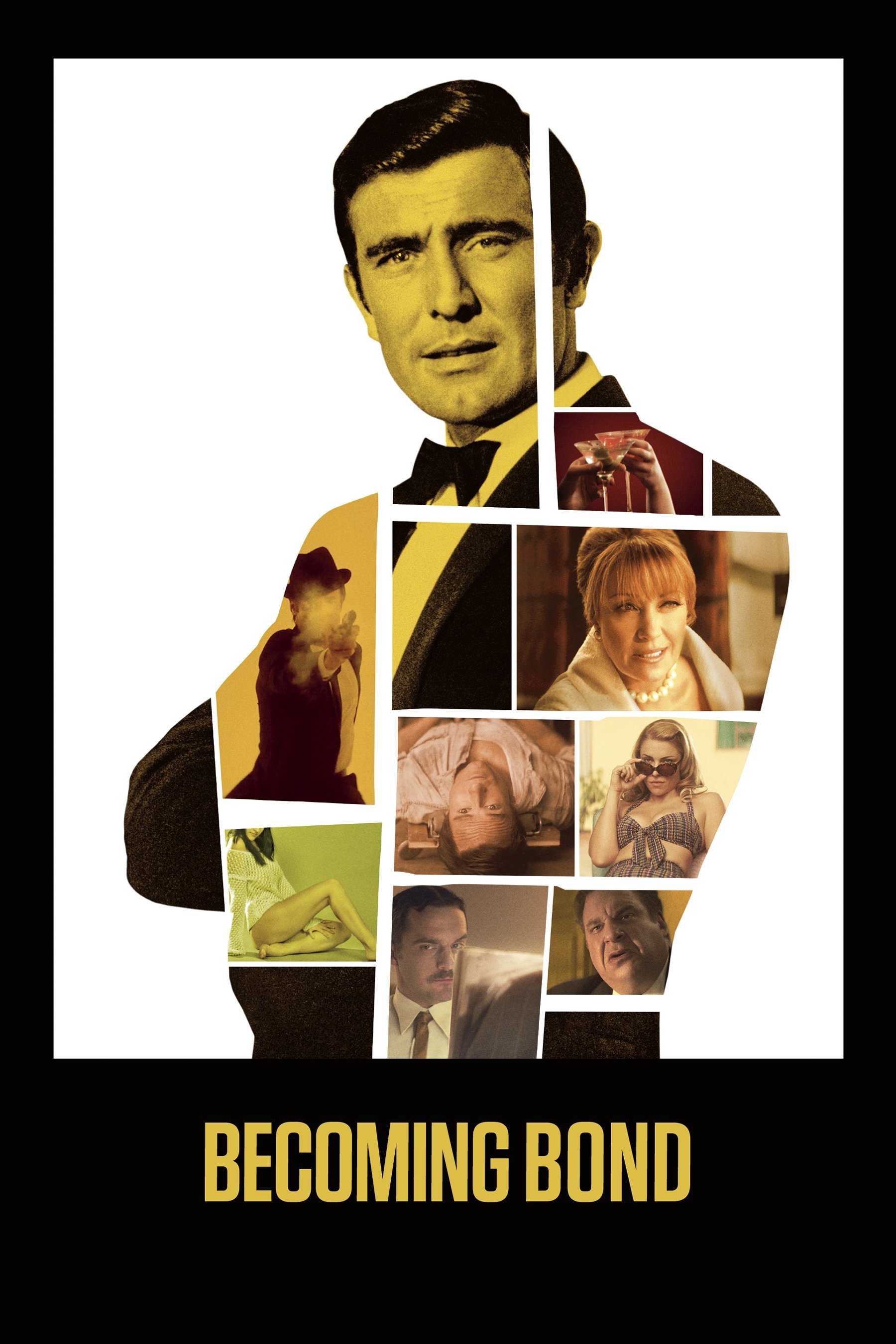
The stranger-than-fiction true story of George Lazenby, a poor Australian car mechanic who, through an unbelievable set of circumstances, landed the role of James Bond despite having never acted a day in his life.
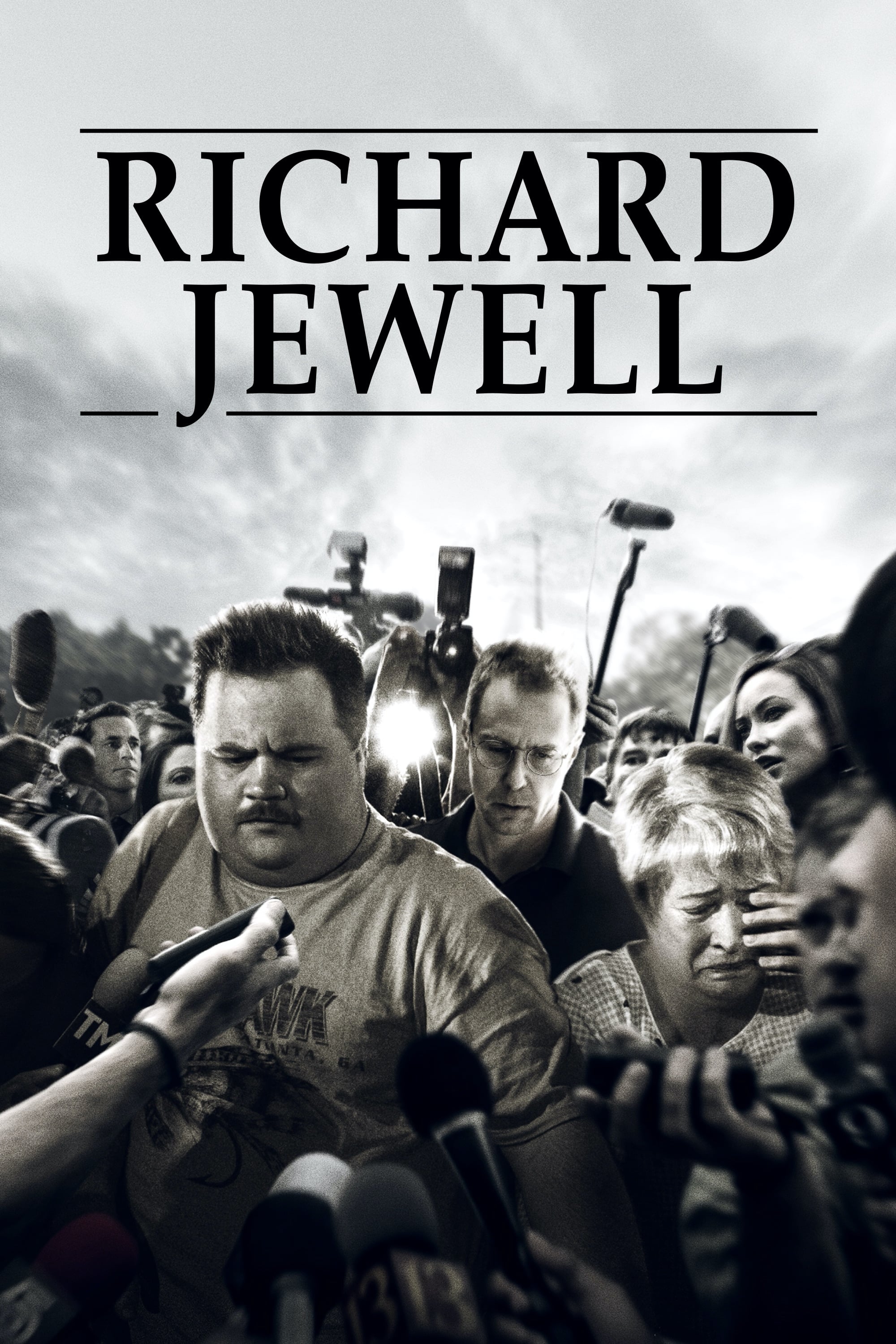
Richard Jewell thinks quick, works fast, and saves hundreds, perhaps thousands, of lives after a domestic terrorist plants several pipe bombs and they explode during a concert, only to be falsely suspected of the crime by sloppy FBI work and sensational media coverage.
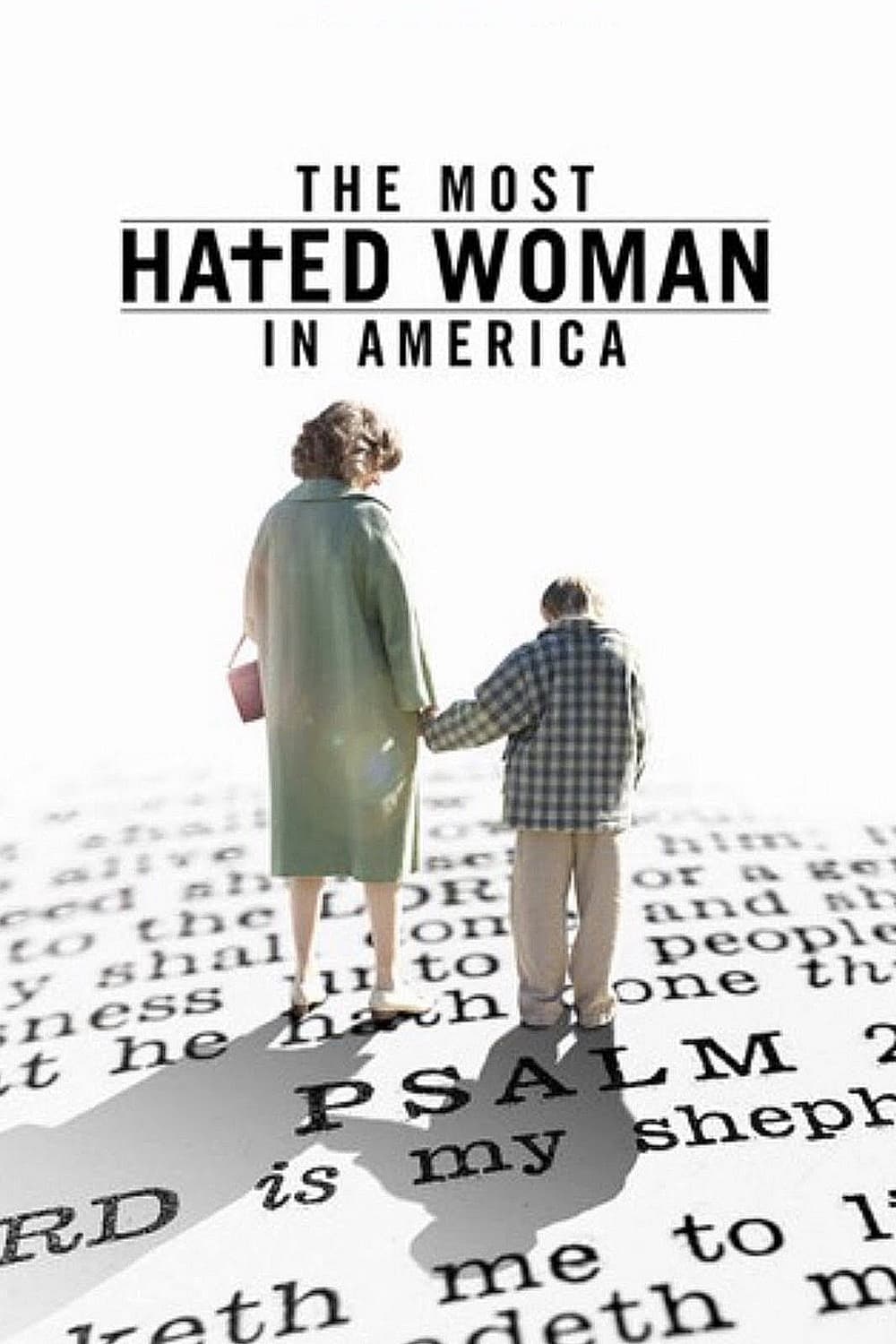
The true story of Madalyn Murray O'Hair -- iconoclast, opportunist, and outspoken atheist -- from her controversial rise to her untimely demise.