
An exciting video tour of Amsterdam.
Social & External
Narrator
UNESCO Memory of the World: Explore the Bibliotheca Philosophica Hermetica’s new home with 25,000+ rare books on alchemy, hermetica & mysticism at the Embassy of the Free Mind museum, set in Amsterdam’s historic canal mansion, the House with the Heads.
The Platoschool was founded in Amsterdam in 1983, a primary school for parents who wanted more than just math and language for their children. The founders of the Platoschool had great ideals, ideals that the parents of documentary maker Yara Hannema fell in love with. The children would grow into special people with a high level of consciousness, but the teachers ran wild in their strictness and discipline. There was beating and abuse of authority. The school was discredited and had to close its doors in 2002.
We get up, go to work, eat and go to bed. Is our life about daily rituals or is there a deeper, more inscrutable meaning of life? Kjeld lives surrounded by nature in his small house and soon becomes a father. He seeks satisfaction in the simplicity of life in nature. Anna is a young artist looking for answers in her poetry and music. A philosophical documentary essay in which the search for the core of life is central. How should we live if there are no answers anywhere?
Kim and Bob have been inseparable since childhood. Does puberty end their friendship?
After a $30K film project went south, Isaiah had to make a risky decision to flip the idea upside down, and turn the train-wreck of a film into his own disaster-piece.
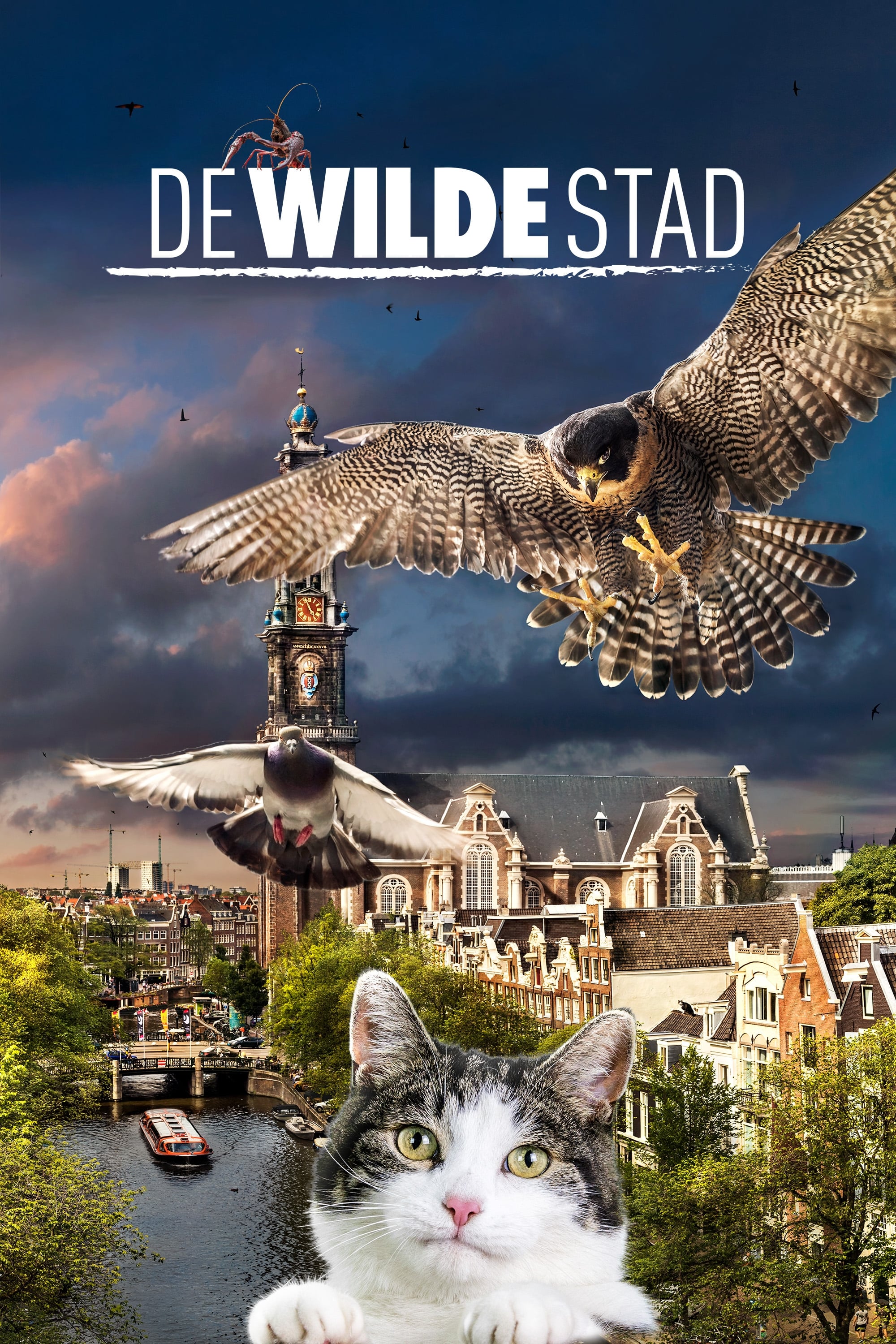
The city from the unique perspective of the many wild animals and plants that inhabit it. Seen through the eyes of the adventurous urban cat, Abatutu.
In 1917, French artist Marcel Duchamp declared everyday objects as art. A provocative act that sparked a heated, still topical discussion around the question: what is art? Since then, that question has been asked time and time again. To the artist and to the viewer. If everything is possible and everything is allowed, how do you remember what art is? Director Ditteke Mensink spent two years at De Ateliers: the breeding ground for top talent in the visual arts. Her stay ended in a harsh confrontation with herself, the young artists and modern visual arts.
A backstage and on-stage look at Nicki Minaj's career during the Pink Friday Tour, festivals, and more.
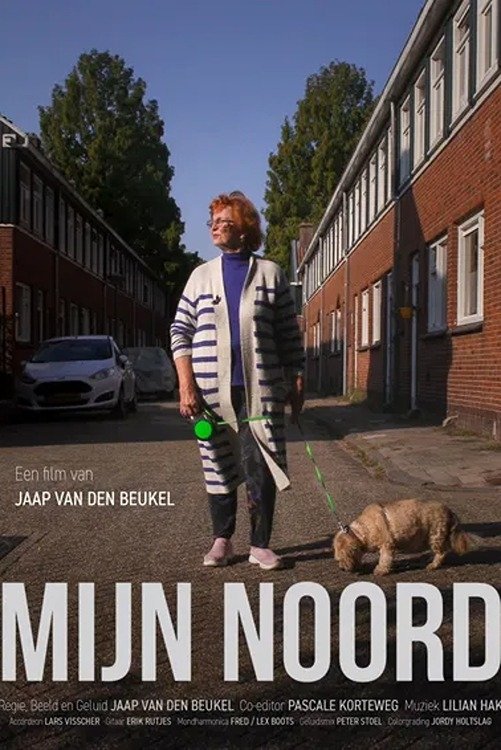
The working-class Tuindorp Nieuwendam neighborhood in Amsterdam-Noord is like a village within the city. Many natives of the Northern Netherlands still live in the characteristically built houses, a unique variation on the Amsterdam School. With humor and Amsterdam directness, they share their stories about what's happening in their lives and in the neighborhood. Recently, a new generation of residents has also discovered the Noord district. How do residents view these changes and the neighborhood's transformation? Was everything better in the past, or are new connections emerging between residents, old and new?
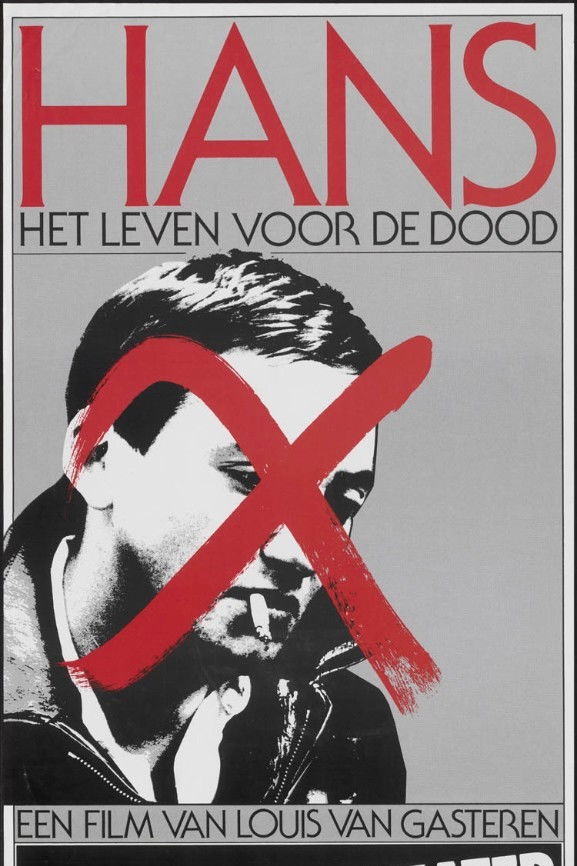
Hans: Het Leven voor de dood (Hans, Life Before Death) is a documentary feature film about the life of the young composer Hans van Sweeden (1939-1963) and those who knew him intimately. The film is about the harrowing life of the musician, poet and actor Hans van Sweeden (1939-1963), who ended his life at the age of 24. Simultaneously, the film offers a poignant portrait of his contemporaries in the turbulent fifties and sixties and the children of the Nazis. It won the Golden Calf for Best Feature Film in 1983. Award of the Dutch film critics, 1983; the Belgian film critics Award, 1984; Best Dutch Documentary 1980-1990. (Wikipedia)
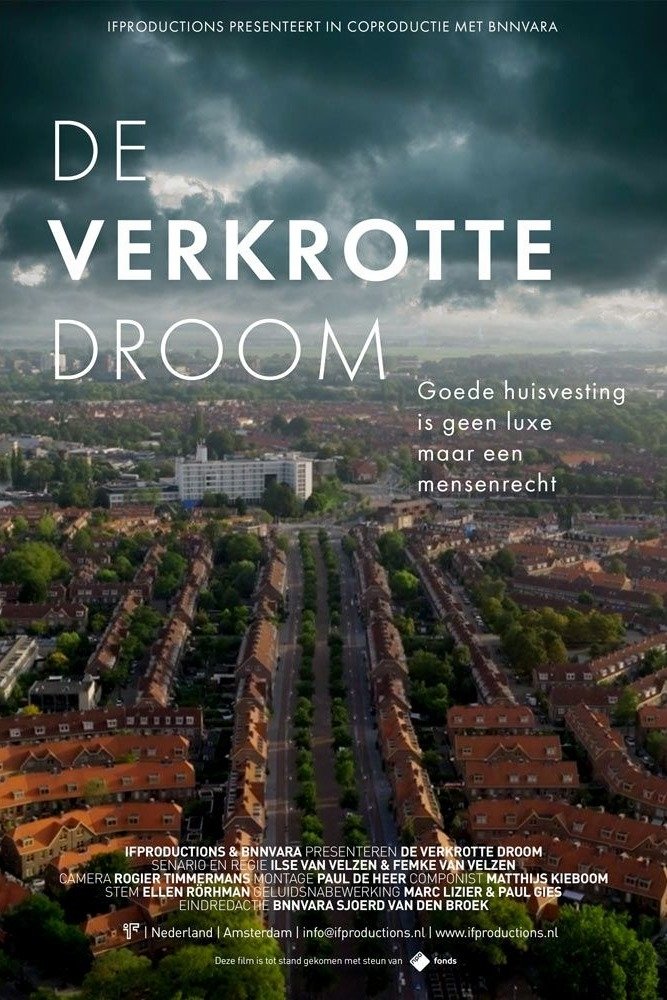
What if your house is no longer a home, but a bureaucratic nightmare? The residents of the Van der Pekbuurt in Amsterdam are fighting for a fair and sustainable renovation of their beloved working-class neighborhood. The houses are creaking and creaking, mold is rampant and it is almost impossible for the residents to get anything done when maintenance is in arrears. Cost savings are given priority, which is why the renovation plans are increasingly being stripped down. Will the Van der Pekkers succeed in enforcing a fair and sustainable renovation?
The dutchified Hungarian Joszef Katús returns, after a months-long absence, to Amsterdam on 29 April 1966. The arrival of the Provos changed a great deal in the Dutch capital. The film follows Katús, mostly roaming the streets, in a loose documentary style. The events are set against the backdrop of four national occasions - The Queen's Birthday, Labour Day, Liberation Day and Remembrance Day.
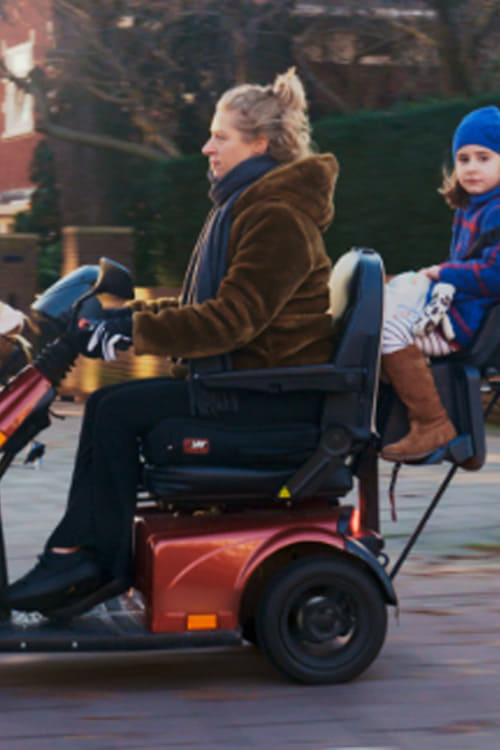
Frans Bromet follows scoot drivers of different ages about their lives. He talks to them about what has changed since they got a mobility scooter, about how their living space has increased, about the limitations of the vehicle and about what is and is no longer possible in private.
Rebellious City is a documentary about the Provo movement and the city of Amsterdam in the sixties.
This film presents scenes in Amsterdam including canals, Rijksmuseum, the harbor and home life of a typical family.
A documentary film crew follows a young Iranian girl, Roya, after her request for asylum was denied and is forced to enter an illegal life on streets of Amsterdam. The film crew follows her from a distance trying not to intervene, no matter what occurs to her.
Nigella returns for a very special Christmas treat when she travels to Amsterdam to enjoy the festive season in the Venice of the North.
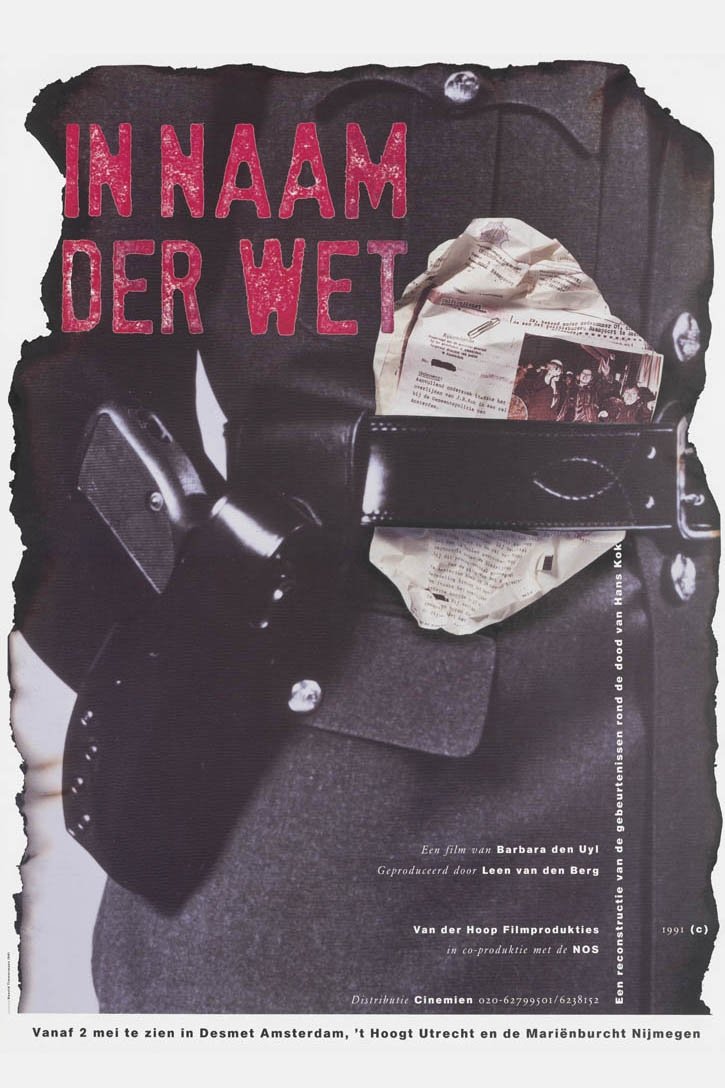
Partially staged documentary by Barbara den Uyl investigates the case of Hans Kok, the squatter who was found dead in an Amsterdam police cell in October 1985.
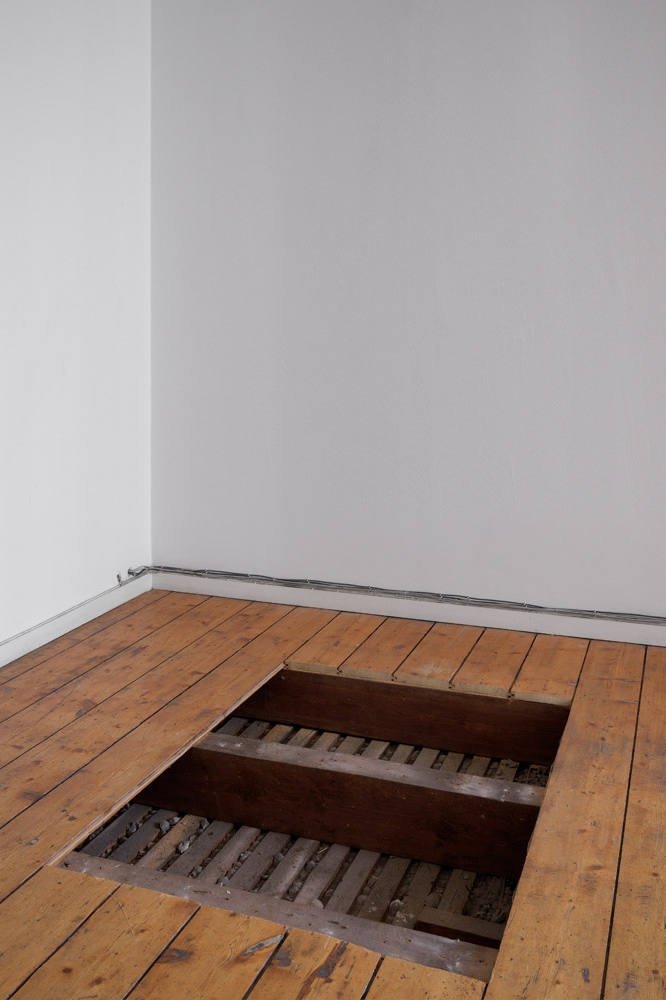
A worn-out floor, the hole underneath, a political activist, and the Ouled Sbita tribe are the protagonists in this political satire. For 23 years, the director’s chair at an international art institute scratched the wooden floor. This 102cm x 120cm floor section is cut out and sent to an expropriated piece of land in Morocco. In The Hole’s Journey, Ghita Skali uses sharp wit, personal stories and playful editing to touch on specific power dynamics and freedom of choice.
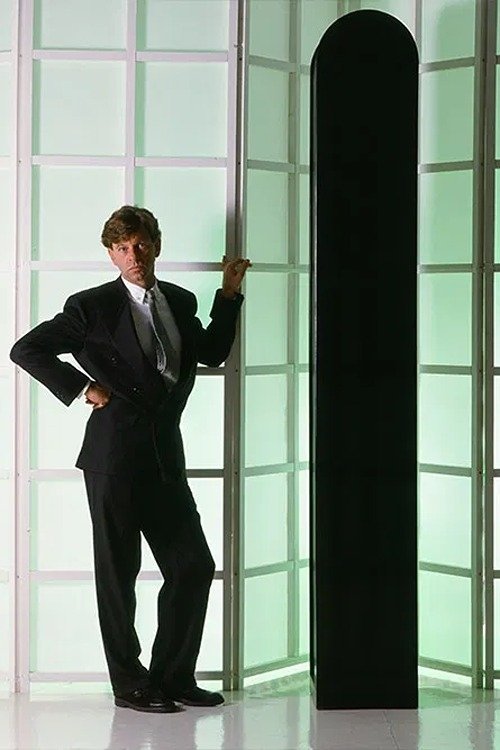
The A’dammer - The Man Behind the Cabinet follows the life of designer Aldo van den Nieuwelaar. He designed the iconic A’dammer cabinet, an international design icon, with over seventy versions sold worldwide. Museums acquired his work, and he became a promising name in the design world. But Aldo was more of an artist than an entrepreneur, and his perfectionism clashed with commercial interests. His tense relationship with director Harm Scheltens of furniture manufacturer Pastoe, in particular, escalated into a years-long legal battle over money, recognition, and control.