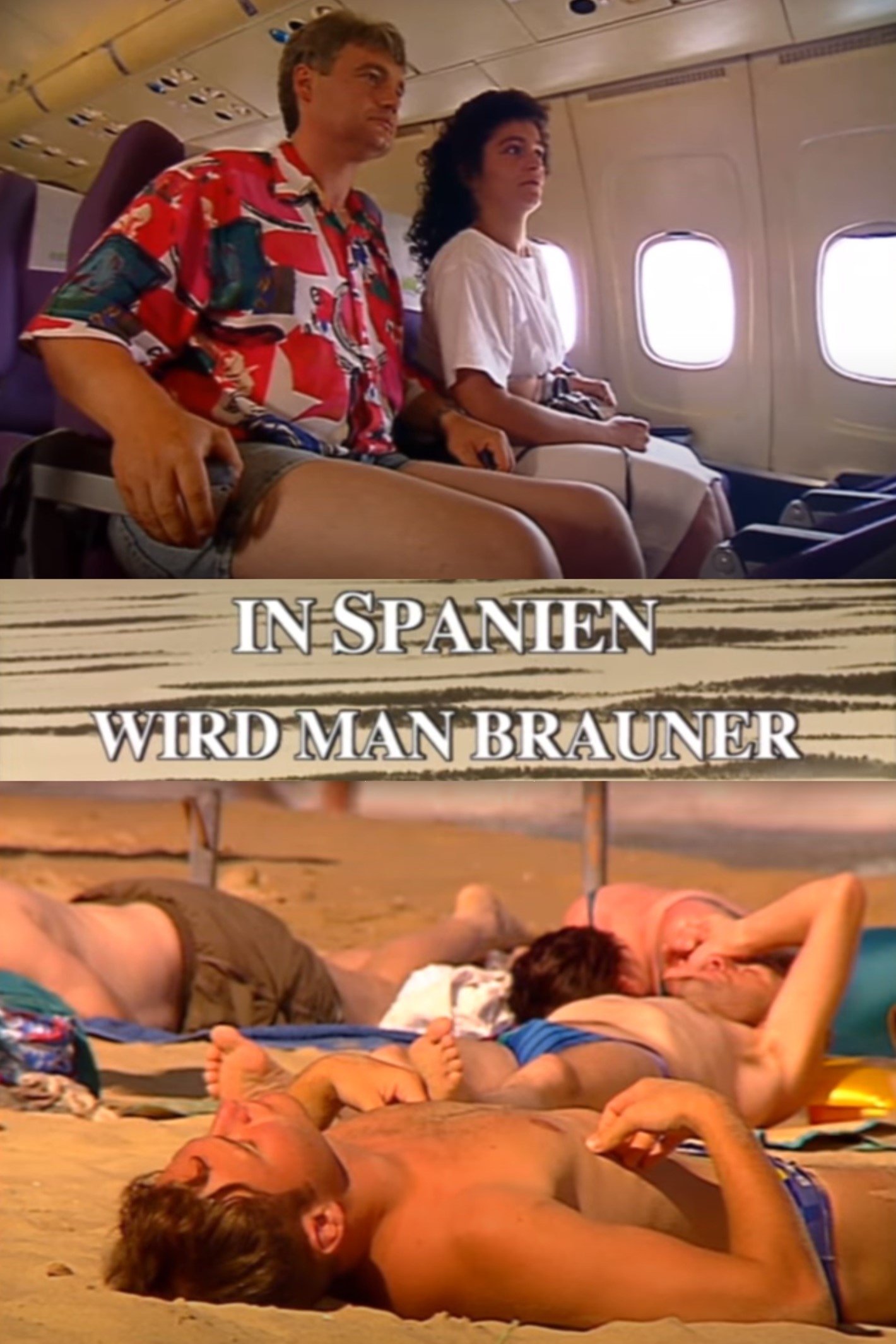
Bettina and Frank are from Saxony, without a job and are on vacation for the first time. They go to the sunny beach, where the unemployed Bulgarians Tenscho and Radka open a boutique to earn money with the Germans.
Social & External
A look at the rampant HIV epidemic rate in Swaziland.
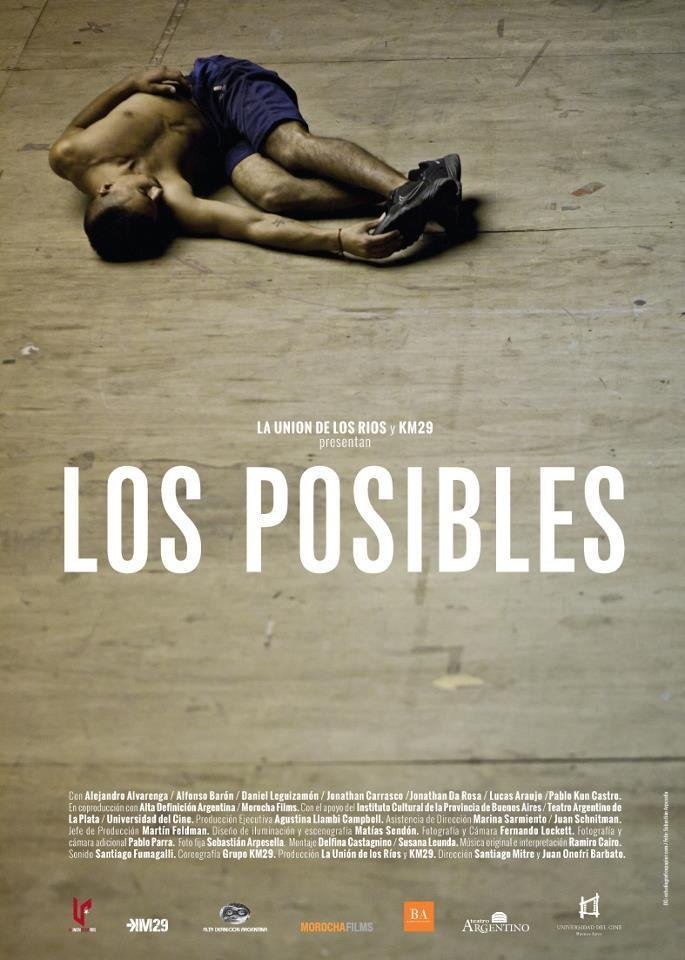
"The prevailing stigmatization of the 'villero' universe is fed back by the images. In order to dismantle this stigmatization, other images must be presented or we need to reveal what the existing ones seek to cover up. The slum is usually represented from a limited and deceitful visual panorama. This representation has an intention. Cinema and television are two image-producing devices that strengthen the stereotypes that we have about the people who inhabit these spaces. And what happens in the field of painting? Do clichés reign there too? This visual essay seeks to confront various works by national painters and sculptors, belonging to the Palais collection, with the kinetic images of current cinema and television, to reflect on both the differences and the similarities in the meanings and discourses that both regimes of images can produce." César González

Explores the lives of Sara, Gigi and Giovanna, three Latino transvestites who for years have lived on the streets of Manhattan supporting their drug addictions through prostitution. They made their temporary home inside broken garbage trucks that the Sanitation Department keeps next to the salt deposits used in the winter to melt the snow. The three friends share the place known as "The Salt Mines".
Paintings, performances, experiments, electronic music sounding in the spaces of two old houses in a small Italian town, heated conversations about contemporary art, touching meetings with the closest people and places in Bulgaria after 50 years of separation. "Flying with Fins" is a film about the constant search for meaning in art and life. Alzek Misheff, artist - rebel and experimenter, leads us in this philosophical and aesthetic journey through time, space and ideas.
The film explores the hurdles facing organ transplant recipients in Bulgaria, once among Eastern Europe’s leaders in the medical procedure, but now ranking last on the continent for the number of transplants performed.
J and Jacky are good friends who attend the same school. J is from a single-parent family, and will be taken care by Jacky’s family whenever his mother has to return to Mainland to renew her visa; such kind of story is not an isolated case. These families have been uprooted for a “better future” in Hong Kong, but is this “future” that the children really long to have? A Chinese saying: “How does one understand the joy of fish, if one is not a fish?” Will the adults really understand what the children want?
Chennu committed his first crime when he was 15 years old: being a street kid. And he entered hell: Pademba Road. The adult prison in Freetown. In hell, Mr. Sillah is in charge, and there is no hope. Chennu got out after four years. Now he wants to go back.
A documentary about lamentation songs of Bulgarian funeral rites.
An exploration —manipulated and staged— of life in Las Hurdes, in the province of Cáceres, in Extremadura, Spain, as it was in 1932. Insalubrity, misery and lack of opportunities provoke the emigration of young people and the solitude of those who remain in the desolation of one of the poorest and least developed Spanish regions at that time.
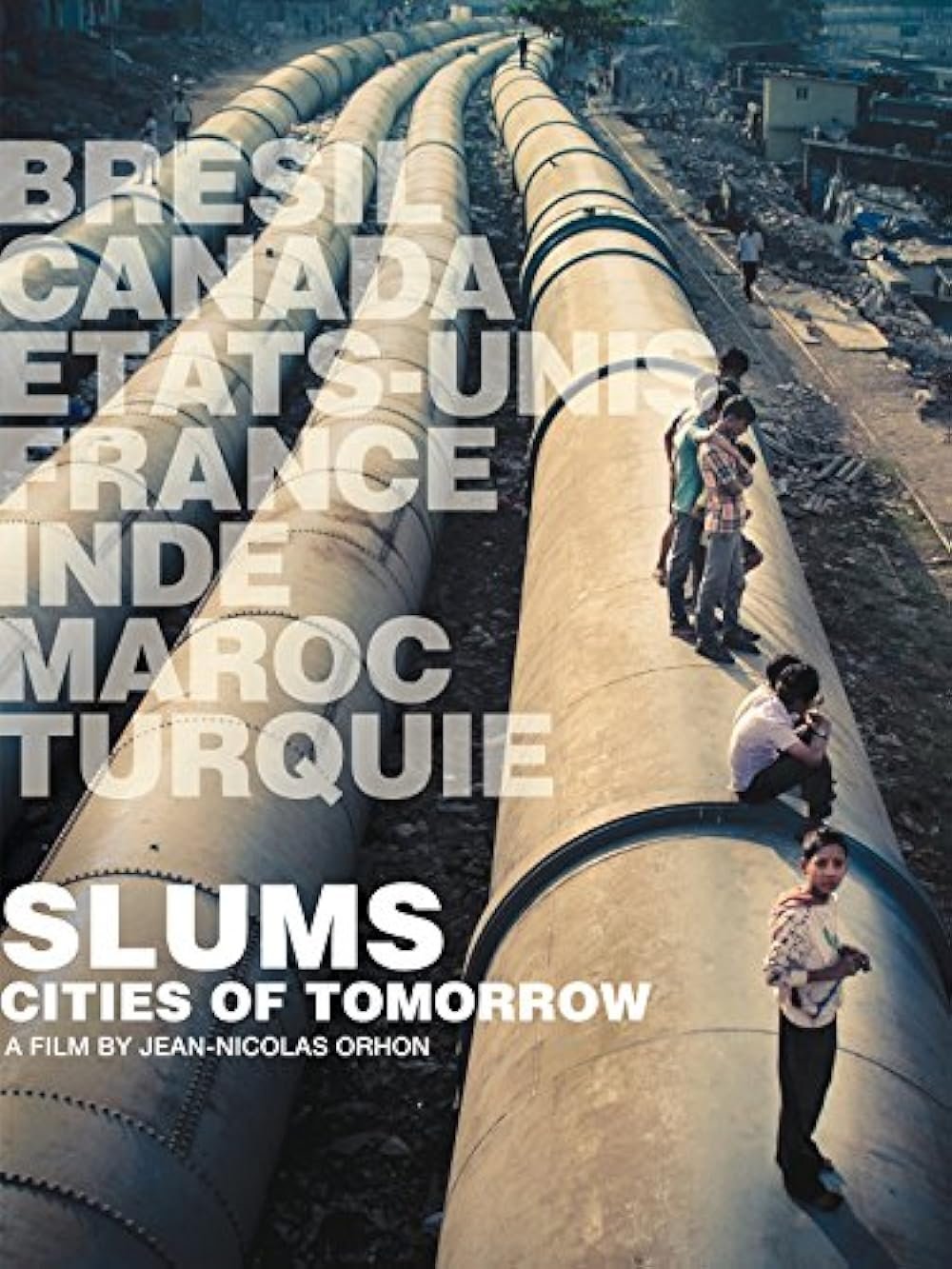
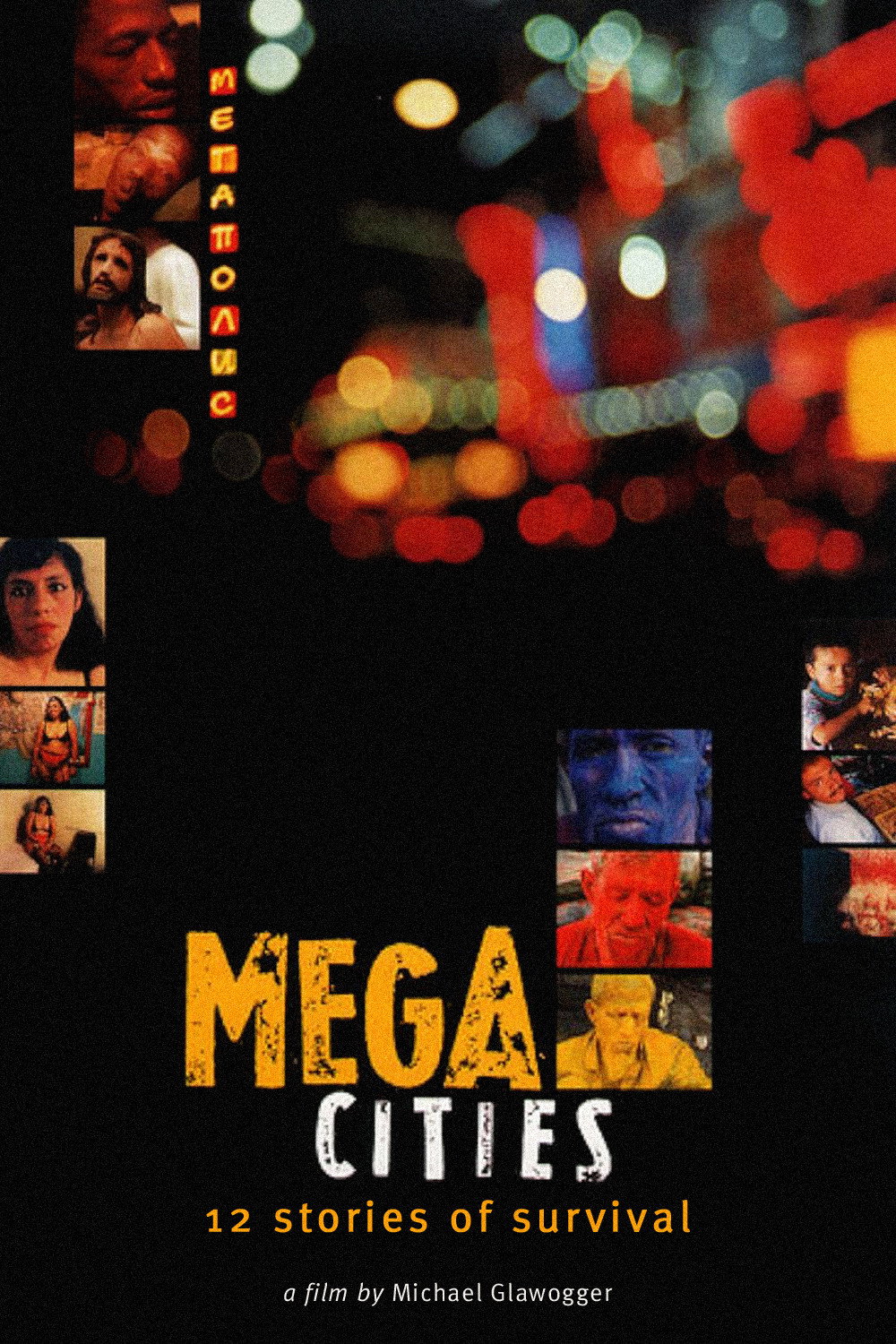
Megacities is a documentary about the slums of five different metropolitan cities.
Shot over the course of 18 months in New York City's Lower East Side, METHADONIA sheds light on the inherent flaws of legal methadone treatments for heroin addiction by profiling eight addicts, in various stages of recovery and relapse, who attend the New York Center for Addiction Treatment Services (NYCATS).
DEBT is the story of a frantic pursuit: the search for the responsible for the televised cry of hunger of Barbara Flores, an eight-year-old Argentinean girl. Buenos Aires, Washington, the IMF, the World Bank and Davos; corruption and the international bureaucratic lack of interest.
Werner Herzog takes a film crew to the island of Guadeloupe when he hears that the volcano on the island is going to erupt. Everyone has left, except for one old man who refuses to leave.
A tomato is planted, harvested and sold at a supermarket, but it rots and ends up in the trash. But it doesn’t end there: Isle of Flowers follows it up until its real end, among animals, trash, women and children. And then the difference between tomatoes, pigs and human beings becomes clear.
During World War I, African-Americans worked on the railroad near Corbin, Kentucky. When whites returned from the war, there was conflict. Whites sought their former jobs and positions in the community. In 1919, a race riot occurred. Whites put the African-Americans on railroad cars and ran them out of town. In Trouble Behind, members of the Corbin community speak out on the issue. The filmmakers also interview former members of the Corbin, which at the time of filming had only one black family. Some Corbin residents express confusion as to why African-Americans don't move back. Others openly use racial epithets. Some young adults seem troubled by the racism, past and present. Others don't.
A silent film depicting the ship-breaking yards of Chittagong, Bangladesh, a final destination for ships too old to ply the oceans. Every year, hundreds of ships are sent to these yards. And every year, thousands of people come to these yards in search of jobs. Risking their lives to save themselves from hunger, they breathe in asbestos dust and toxic waste. The ship has to die and man has to help it die, as if man and vessel were united in common bondage. The Last Rites bears testament to the resilience of the human spirit.
A drama-documentary film about the fatal effect of poor living conditions on health – the so-called "social inheritance." The principal characters in the film are two fourteen or fifteen-year-old children, Carl and Hanne. Covering a hundred-year period and drawing on case stories recorded by actual hospital staff, the film illustrates a number of variations of "the same old story."
The capture of Naples, the first great European city to be liberated, revealed the magnitude of the tasks involved in re-creating the means of livelihood and the machinery of government in a devastated, starving and disease-ridden city.
A historical perspective to understand Neoliberalism and to understand why this ideology today so profoundly influences the choices of our governments and our lives.
After twenty-five years spent in France, I return to Bulgaria, camera in hand, with a vertiginous suspicion: what if my family had collaborated with the political police of the communist regime? And what if they were part of the "red trash" that the demonstrators on the street want to see disappear? I decide to investigate and to film, constantly, ready for anything. My adventure transforms itself into a tragic comic odyssey; a film that combines espionage with family.