Two women and two men tell their stories of exile caused by being lesbian, transgender, bisexual and gay.
Social & External
The people behind it
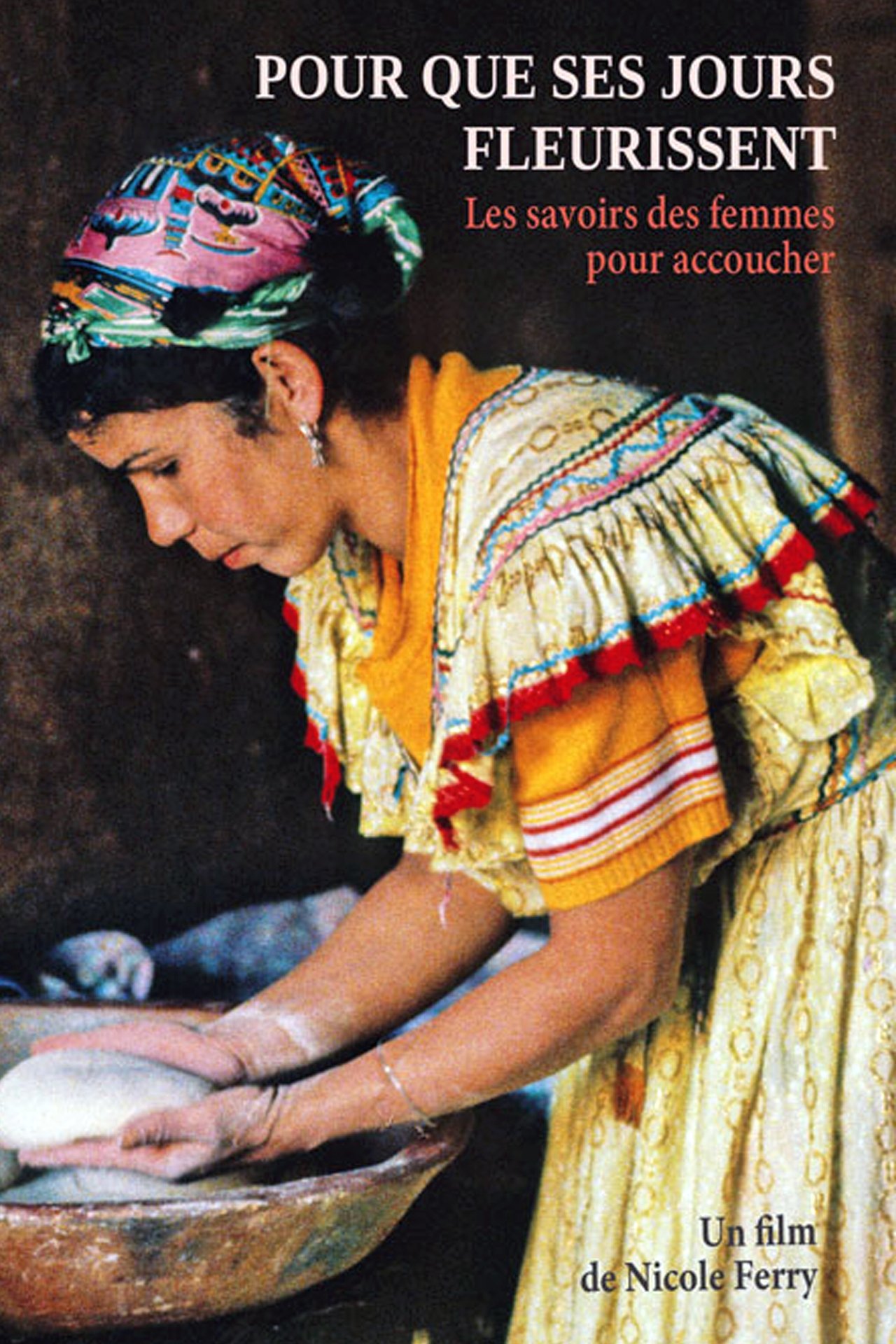
Six o'clock in the morning, the sun rises behind the Djurdjura mountain. With precise gestures, learned since childhood, Ouardia raises the water, crouches down to splash his face with cool water. Soon her baby will be born. Hadjila, the traditional midwife, prepares herself internally to help the mother complete the transition from separation. This film talks about the knowledge surrounding birth that Kabyle women have passed down for centuries; knowledge that European women seek to rediscover in order to reclaim this founding passage of our lives.
The Kabyle people define themselves first and foremost through the spoken word. Every gesture, every moment of their daily lives can give rise to a language of verse, metaphors, and proverbs. After all, isn't it said that in the mountain foothills they call home, verbal dueling was a common pastime? It is a reality difficult to visualize when one looks at the immigrant society where these men and women—often illiterate—are relegated solely to the roles of manual laborers and housewives; one can hardly imagine the eloquent orators they become when they return to their native tongue.
I'm a Porn Star follows the lives of guys in the neighborhood who are likely a lot more famous than you - at least on the Internet. There are an estimated 370 million pornographic websites on-line. Porn is now a thirteen BILLION dollar business. So who's doing all this moonlighting? Turns out -- probably some people you know.
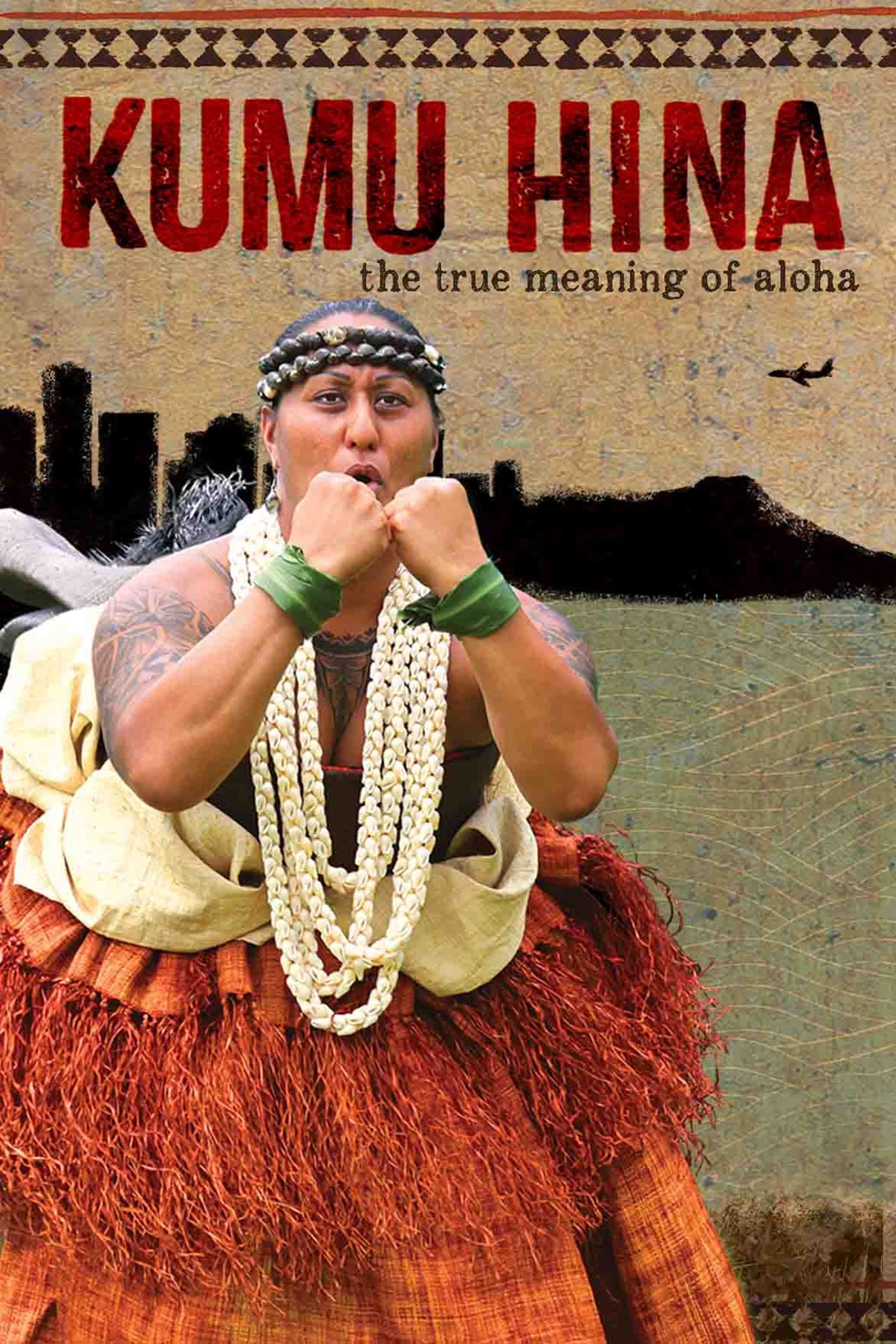
A powerful film about the struggle to maintain Pacific Islander culture and values within the Westernized society of modern day Hawaiʻi. It is told through the lens of an extraordinary Native Hawaiian who is both a proud and confident māhū, or transgender woman, and an honored and respected kumu, or teacher, cultural practitioner, and community leader.
Call Me Malcolm is an amazing story of the human spirit and God's spirit, and the liberating struggle to realize and express with confidence the marvelous gift of one's truest sense of self. As Malcolm shares his own story and through the stories of others we meet, Call Me Malcolm offers us a glimpse into the real lives of real people who are transgender. But it is only a glimpse. There are many stories to be told and Malcolm helps us make connections to our own stories, encouraging us to share them. That can seem daunting in a culture which has done more to heap shame on persons who identify as transgender. The good news of Malcolm's story is the way in which shame and fear are overcome by grace, compassion and knowledge. Viewers cannot help but come to a deeper understanding of faith, love, and gender identity, and by doing so, arrive at a deeper understanding of their own journey.
What happens when your child comes out to you? In this feature documentary, parents of lesbian, gay, bisexual and trans-gender individuals in Turkey intimately share their experiences with the viewer, as they redefine what it means to be parents in this conservative society.
An emblematic figure in the defense of Berber culture, Mouloud Mammeri (1917-1989) experienced numerous confrontations with the authorities in Algeria, including the suspension in 1973 of the teaching of Berber at university and the ban of the conference he was to deliver on March 10, 1980 at the University of Tizi Ouzou on ancient Kabyle poetry... which will be the detonator of the powerful and harshly repressed cultural demands movement of April 1980, also called the Berber Spring. Mouloud Mammeri is one of the "historians" of French-speaking Algerian literature from the middle of the last century who, through his pen, gave back the soul to a country by giving it back its voice.
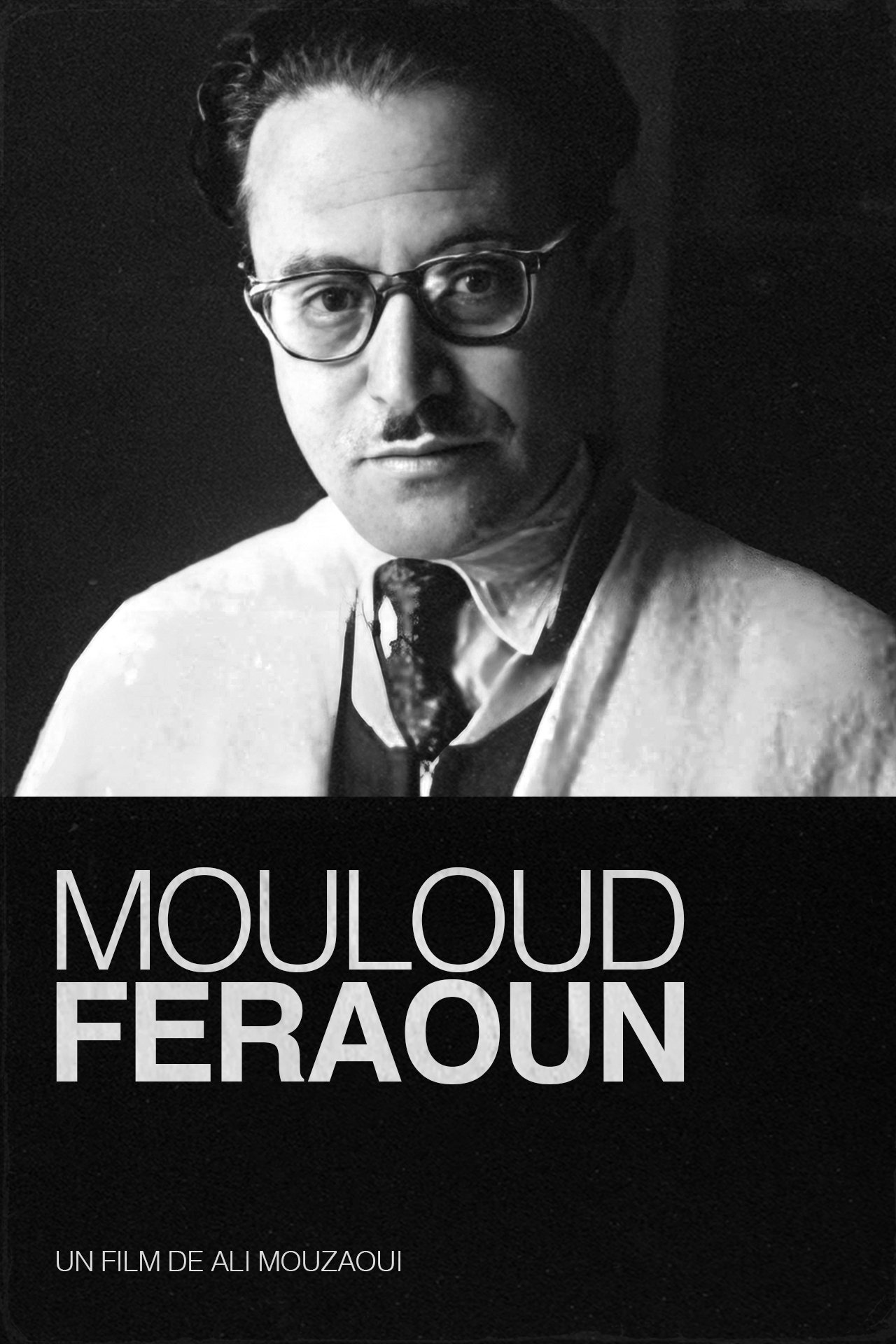
Docufiction about Mouloud Feraoun, an author who upholds the great values of the Universal Man. It is in the name of man that Feraoun stands up against injustice. It is in the name of man that he is tormented by war. Feraoun is a solitary creator who suffers to the point of wishing for liberating madness. It is through his work that the portrait of a humble and discreet author, a talented writer and convictions emerges. Most of the time, I let him talk about himself in simple and fair words. I compile his moments of hope, worry, dreams and fears. During all my research, a generous and good Mouloud Feraoun stood out to me who did not hesitate to expose an inhuman and shameful colonial system. His clear and straightforward voice echoes the cry of a people from whom he has never separated.
The Smurfs were created in 1958 by the Belgian comic author Peyo (Pierre Culliford, 1928-1992) and they are one of Belgium's most recognized exports. From Brussels to Los Angeles, via Dubai, a journey into the tiny world of the famous little blue people, from the story of the creation of the original comic to the account of their huge global commercial exploitation.
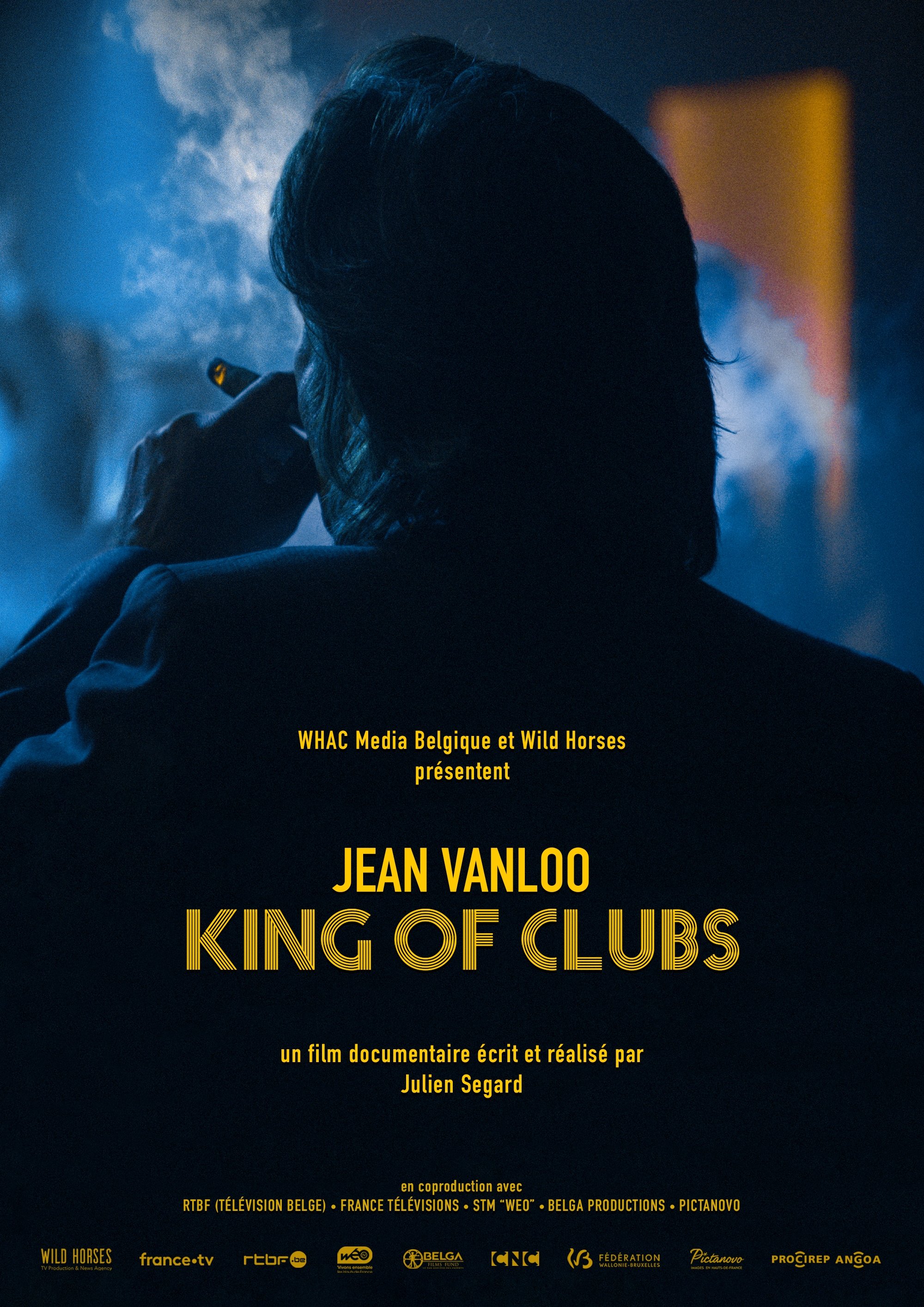
From Jimi Hendrix to Patrick Hernandez and even Madonna, everybody crossed the path of Jean Vanloo. Who is this mysterious character from Moeskroen in Belgium? From the 60’s to the 80’s, this documentary tells the story of this improbable music producer, creator of the unforgettable hit “Born to be Alive”.
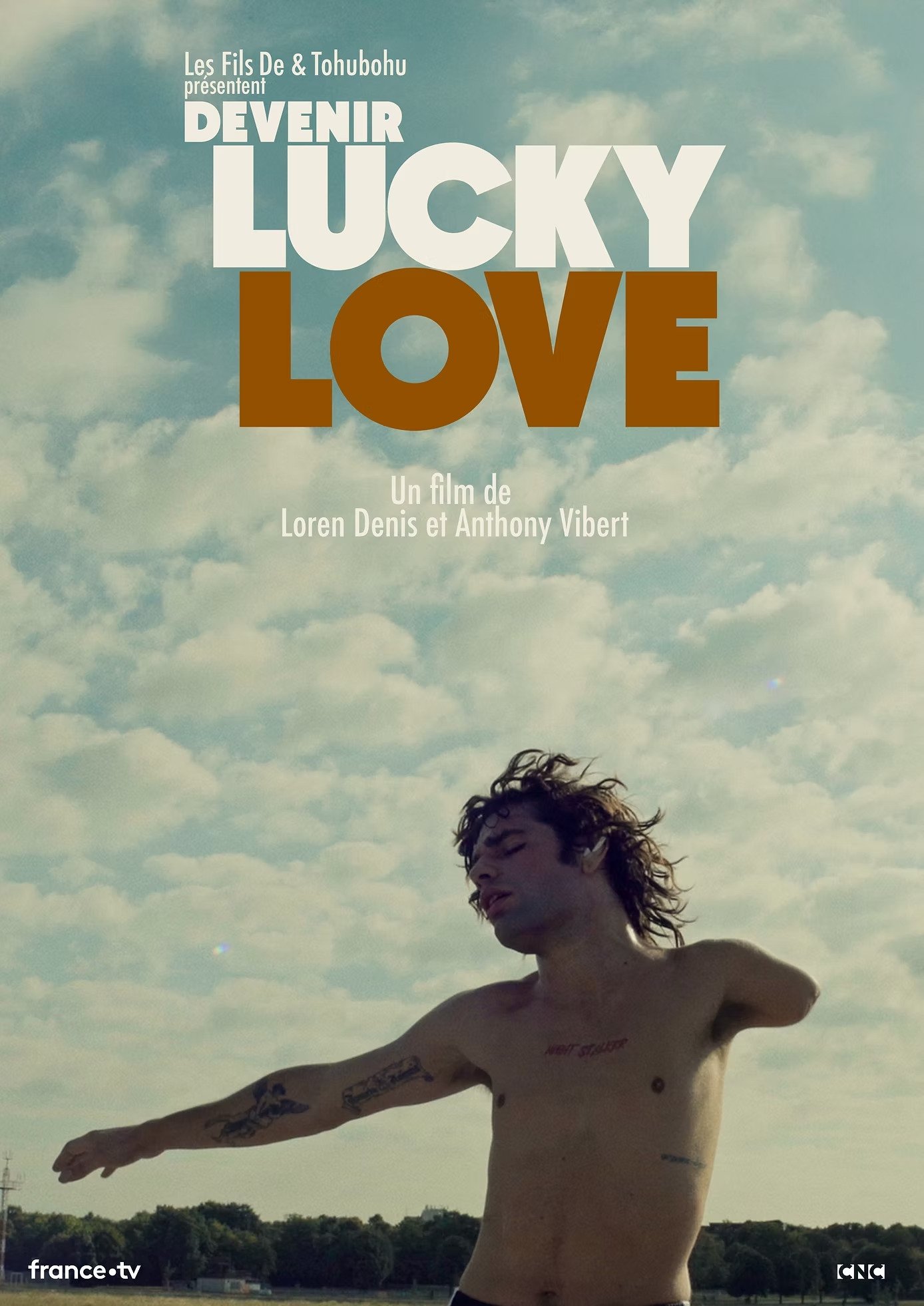
He was born different, and chose to become unique. Becoming Lucky Love follows how Luc Bruyère turned his “flaw” into strength and his life into an act of creation. Born without his left arm, he faced the violence of people’s gaze from childhood, sinking into shame and self-destruction. “I was born homosexual, without a left arm — I didn’t fit what a man was expected to be: a figure without nuance, categorical,” Luc confides. Instead of giving up, he chose to transform himself and become what he had always dreamed of: a singer and performer. With his angelic face and magnetic presence, nothing seems to resist him — yet his blazing loves and excesses marked him deeply. Now, on the verge of turning 30, he looks back without filters. Becoming Lucky Love paints the portrait of an avant-garde, captivating outsider who proves that destiny can be endlessly reinvented through strength, poetry, and self-invention.
This compelling and thought-provoking documentary provides riveting portraits of a diverse group of six men who once were women and chose to change their gender. The award-winning film is an unforgettable story of self-discovery and challenges all of us to re-examine the foundations of our ideas and feelings about gender, sexuality, and identity.
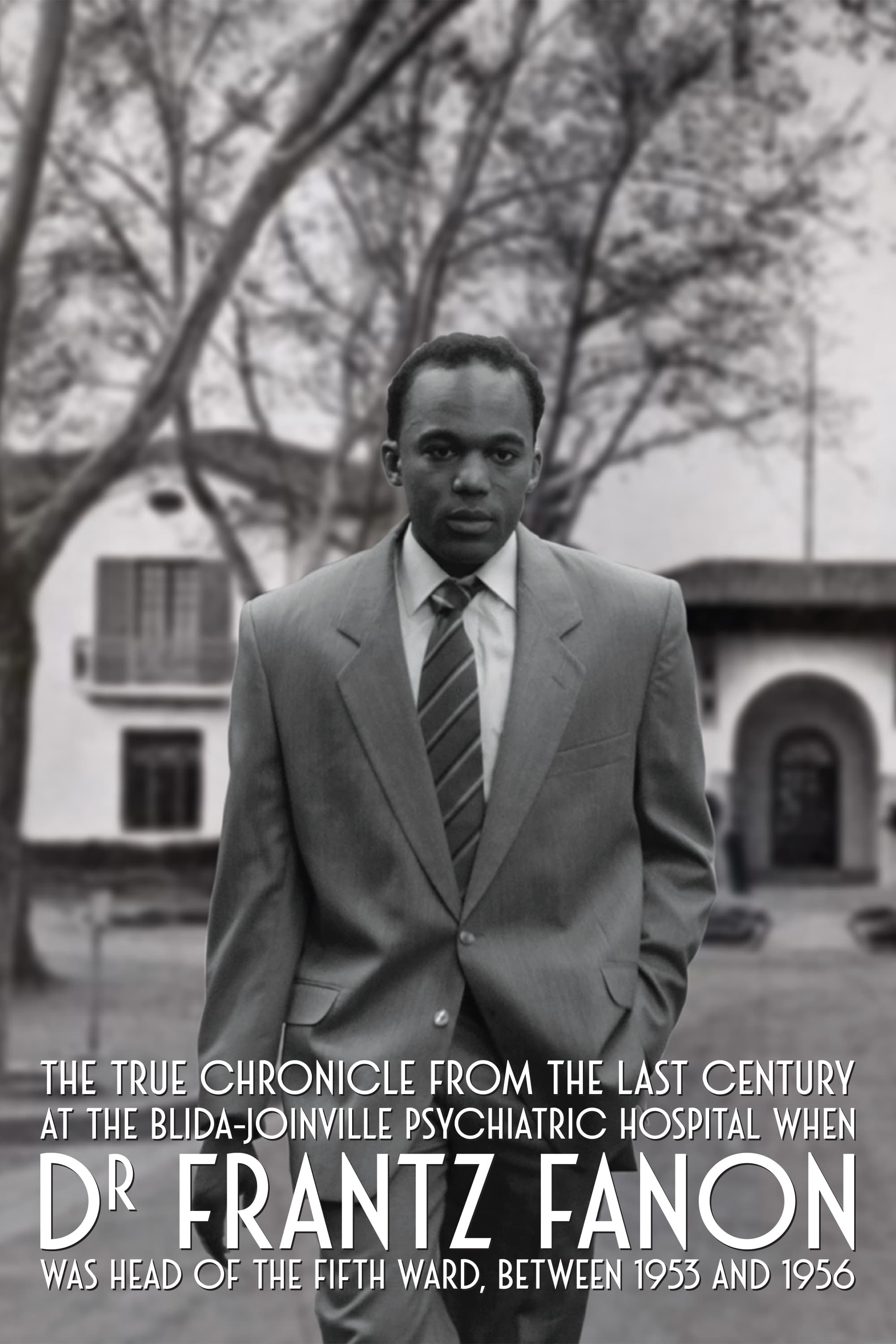
1953, colonized Algeria. Fanon, a young black psychiatrist is appointed head doctor at the Blida-Joinville Hospital. He was putting his theories of ‘Institutional Psychotherapy’ into practice in opposition to the racist theories of the Algies School of Psychiatry, while a war broke out in his own wards.
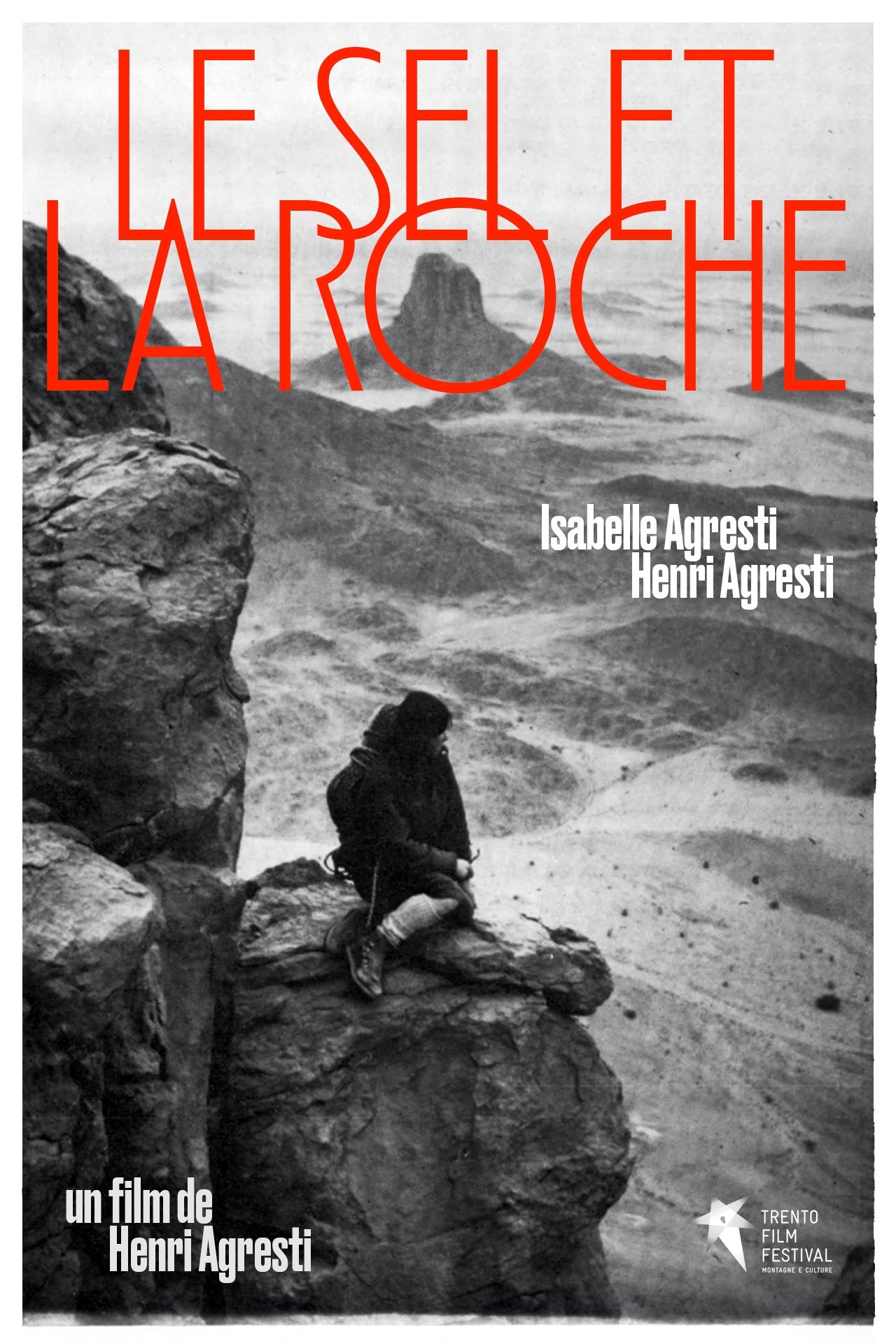
After reading the book "Guide to Hoggar Climbing," guide Pierre Agresti and his wife Isabelle Agresti set off into the Hoggar massif in the Algerian Sahara and tackled the west face of Garet El Djenoun. After a first attempt in 1967, they successfully reached the summit in 1970 and, with an old camera, made a film that remained unused for 25 years. In 1996, they decided to bring the past back to life through the ascent and encounters with the Tuaregs in the rock salt mines of Amadror. The film was shown in competition at the Trento Film Festival in 1997.
Consider Manhattan a sprawling Hollywood set. Amongst the swarms of people that crowd the streets like extras, Fayaaz Bijli is another face relegated to the background of our visual spectrum. Come sundown, however, and the inconspicuous Fayaaz morphs into the iconic personae of ‘Bijli,’ a voluptuous Pakistani drags queen. Yet beneath the flamboyant stage presence lies a courageous individual who has carved out a unique and cherished identity for herself in a world that has been all too quick to label her as an ‘outsider’. Defining herself as a woman stuck in a man’s body, Fayaaz has spent her life struggling between the polar tensions of male/female, East/West and Islamic faith/promiscuity. This film is a glimpse into Fayaaz’s psyche as she navigates her way through a New York City life.
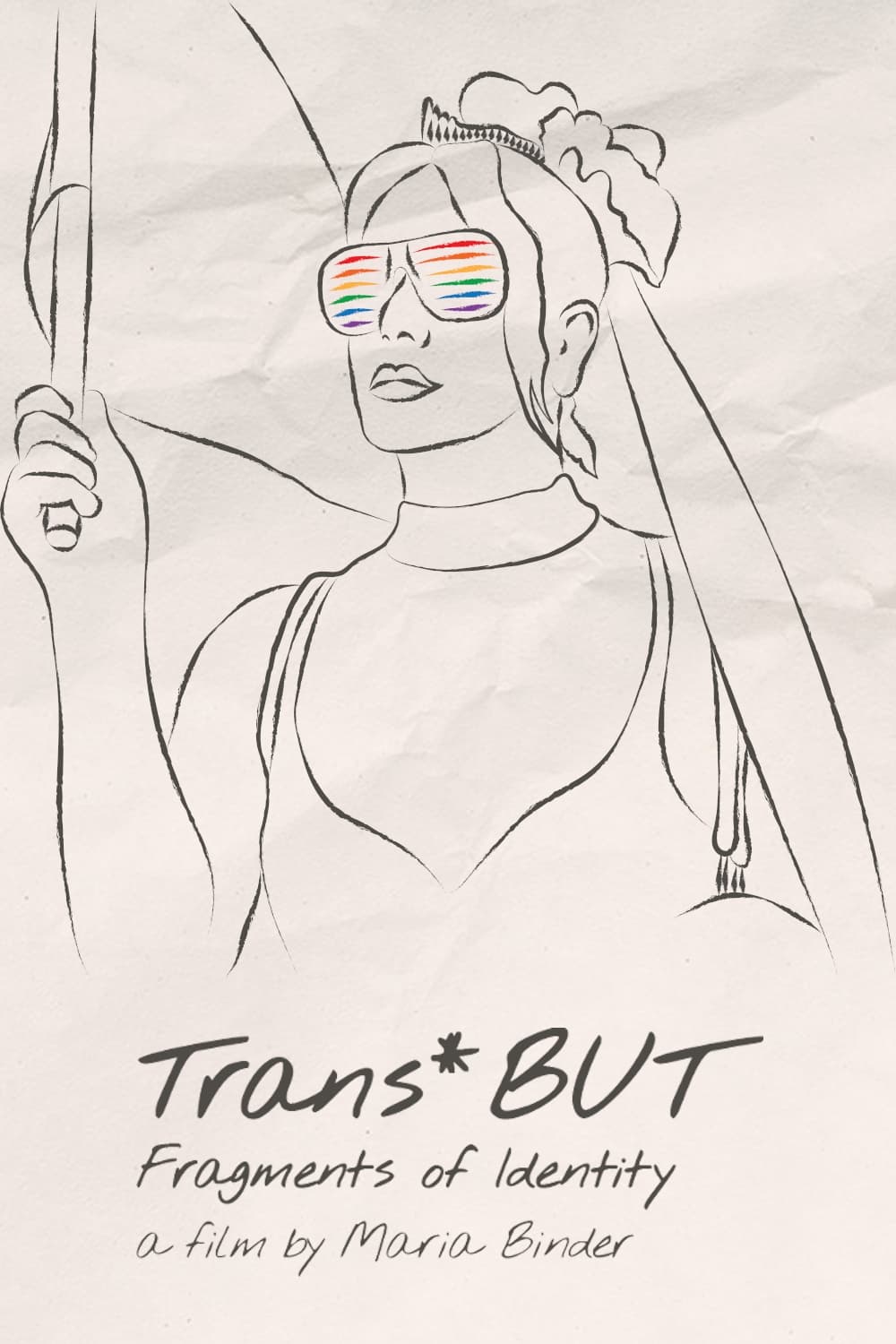
Fragmentary perspectives on Human Rights and transgender (trans*) People in Turkey. What remains at the place where a murder happened? What constitutes trans* life? How to cope with daily violence and hatred? We begin to search for traces. We follow the tracks of resistance and survival. We are collectors of the expelled. We gather fragments of trans* lives inspired by texts of Nazim Hikmet, Foucault, Benjamin and Zeki Müren. Trans*BUT is a documental research study driven by the question: “What keeps you going when all else falls away?”
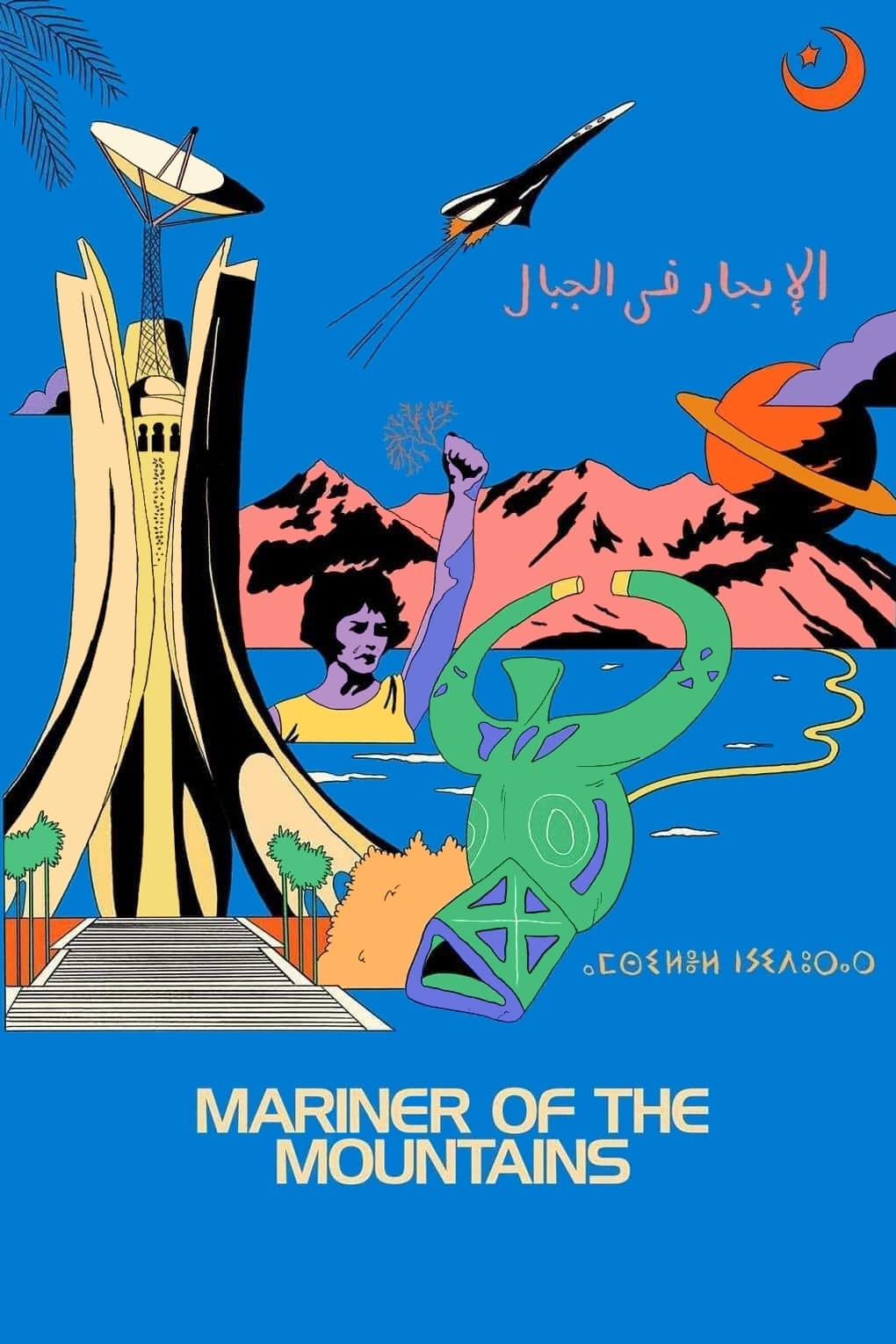
Filmmaker Karim Aïnouz decides to take a boat, cross the Mediterranean, and embark on his first journey to Algeria. Accompanied by the memory of his mother, Iracema, and his camera, Aïnouz gives a detailed account of the journey to his father’s homeland, interweaving present, past, and future.
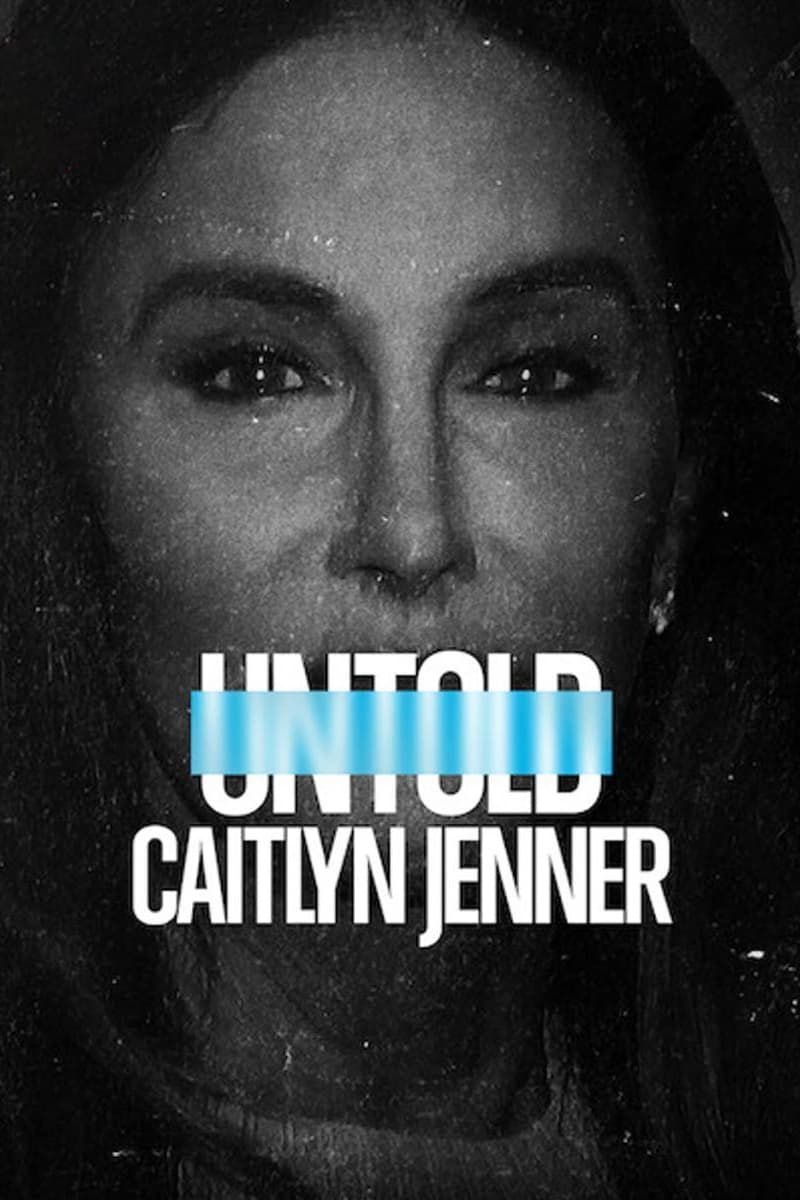
Caitlyn Jenner's unlikely path to Olympic glory was inspirational. But her more challenging road to embracing her true self proved even more meaningful.
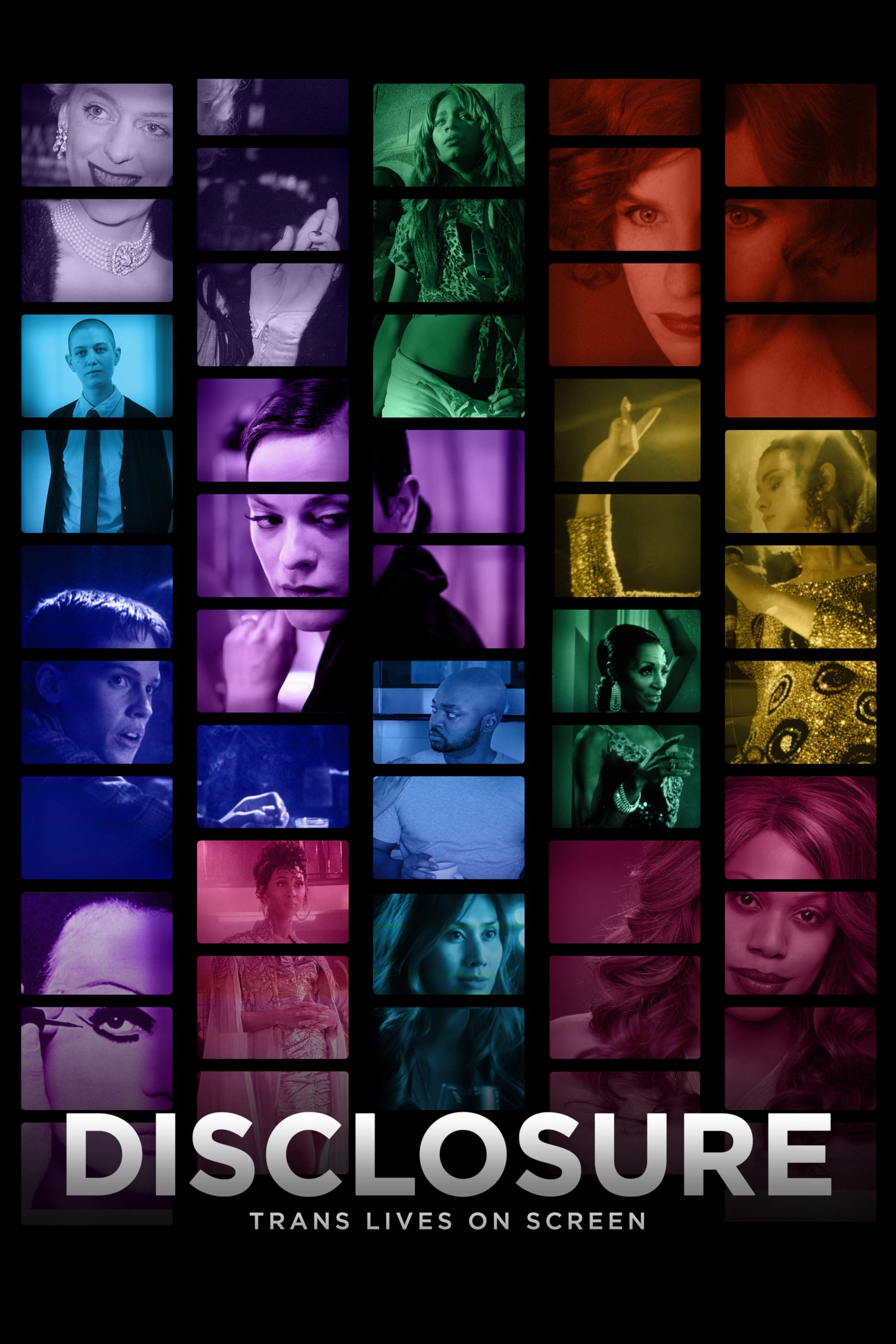
An investigation of how Hollywood's fabled stories have deeply influenced how Americans feel about transgender people, and how transgender people have been taught to feel about themselves.
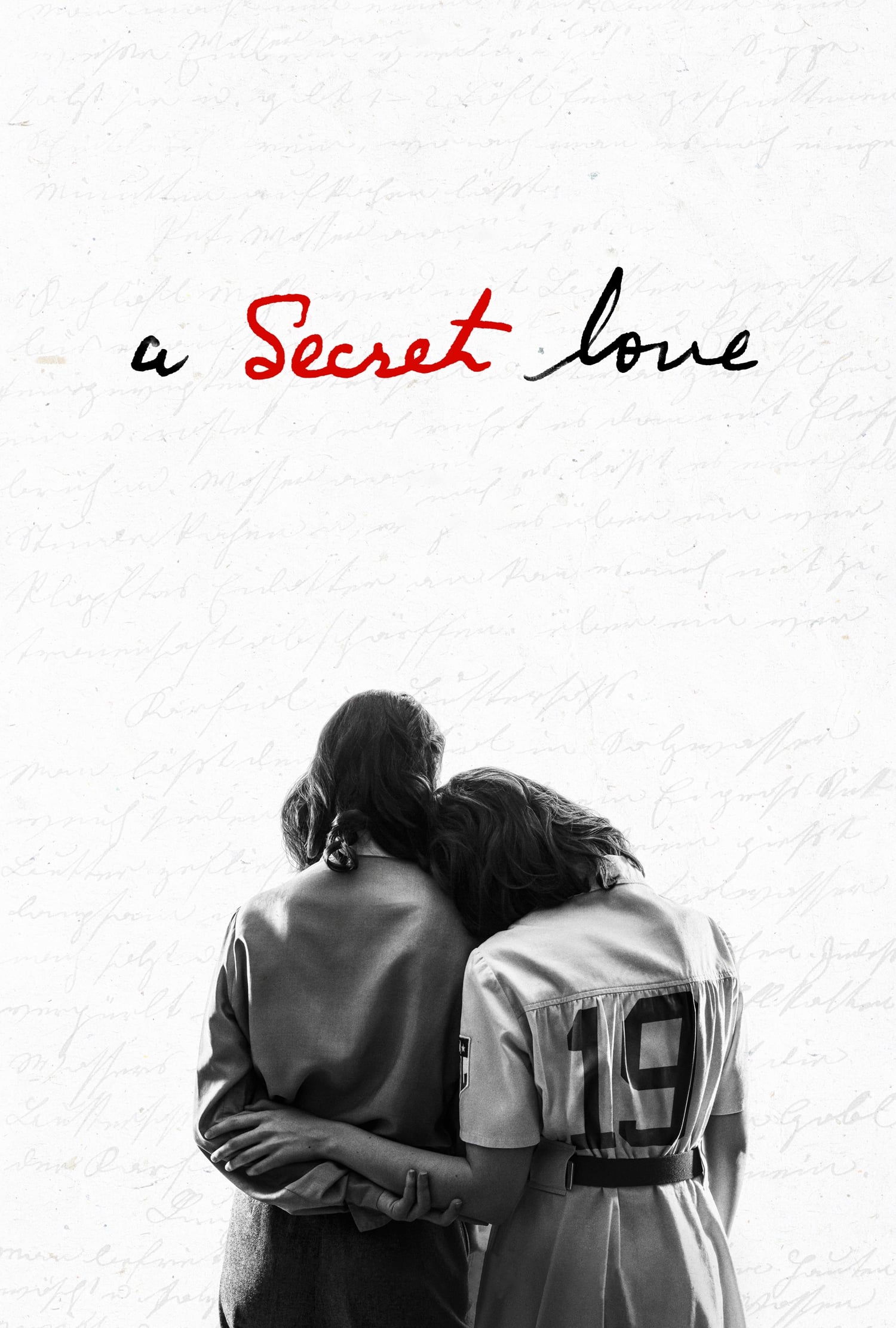
Amid shifting times, two women kept their decades-long love a secret. But coming out later in life comes with its own set of challenges.
In an intimate and joyful story of love in the face of loss, celebrated poets Andrea Gibson and Megan Falley find strength—and unexpected hilarity—in what might be their final year together.
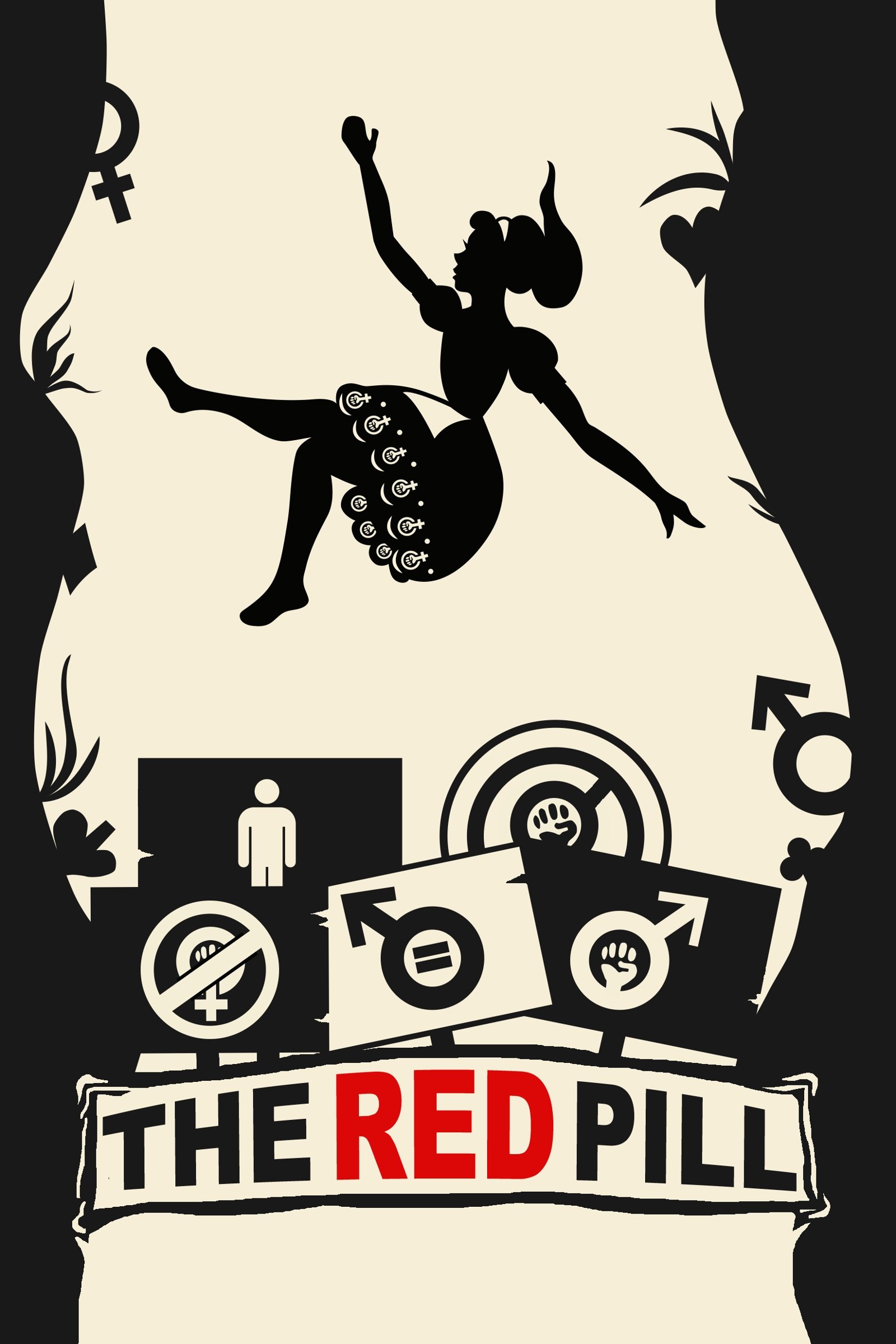
When a feminist filmmaker sets out to document the mysterious and polarizing world of the Men’s Rights Movement, she begins to question her own beliefs. Chronicling Cassie Jaye’s journey exploring an alternate perspective on gender equality, power and privilege.
A documentary about the life and films of director John Ford.
This revealing documentary honors the legendary Sidney Poitier—iconic actor, filmmaker, and civil rights activist. Featuring interviews with Denzel Washington, Spike Lee, Halle Berry, and more.
Marlon Riggs, with assistance from other gay Black men, especially poet Essex Hemphill, celebrates Black men loving Black men as a revolutionary act. The film intercuts footage of Hemphill reciting his poetry, Riggs telling the story of his growing up, scenes of men in social intercourse and dance, and various comic riffs, including a visit to the "Institute of Snap!thology," where men take lessons in how to snap their fingers: the sling snap, the point snap, the diva snap.
Those who knew iconic funnyman John Candy best share his story, in their own words, through never-before-seen archival footage, imagery, and interviews.
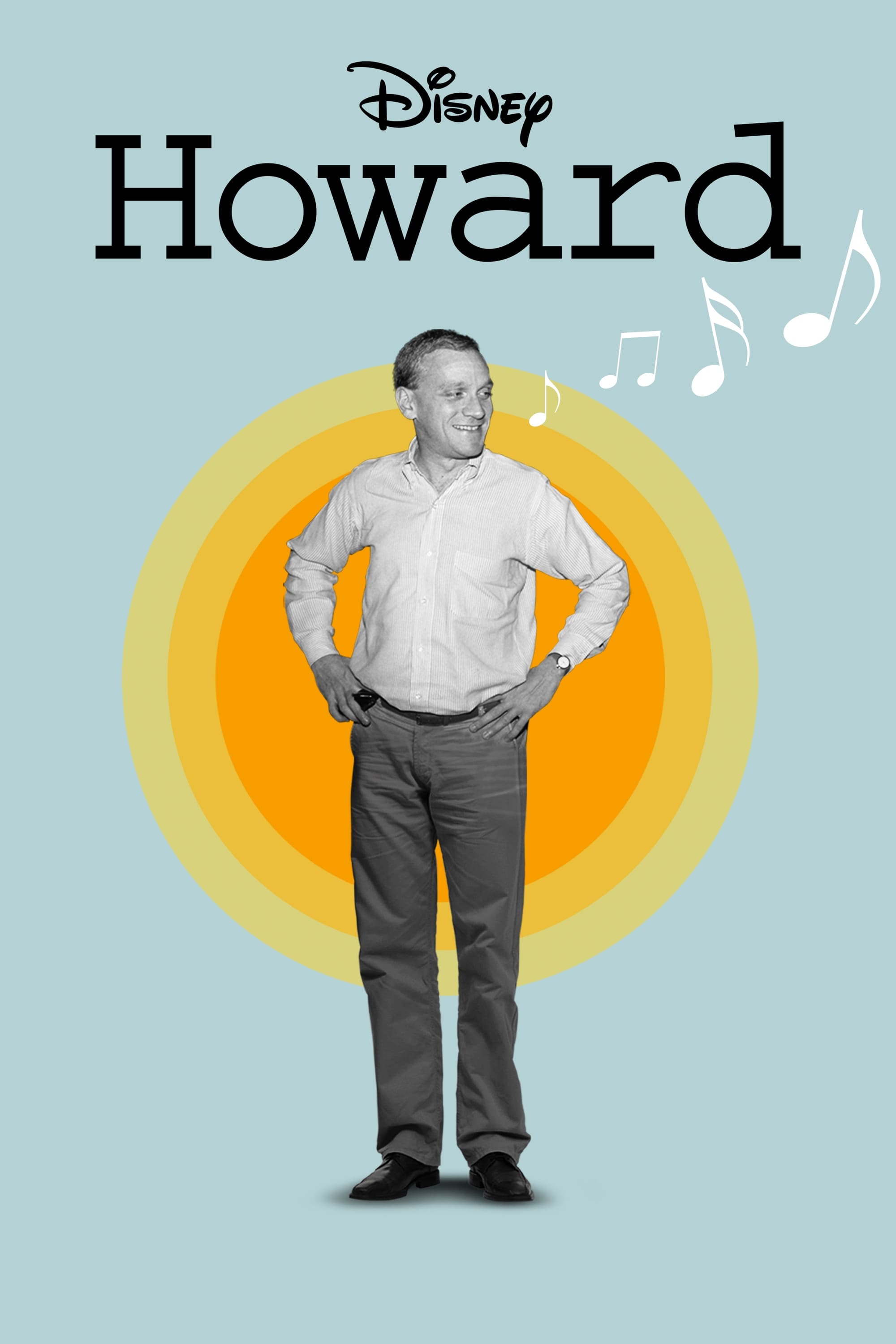
Though legendary lyricist Howard Ashman died far too young, his impact on Broadway, movies, and the culture at large were incalculable. Told entirely through rare archival footage and interviews with Ashman’s family, friends, associates, and longtime partner Bill Lauch, Howard is an intimate tribute to a once-in-a-generation talent and a rousing celebration of musical storytelling itself.
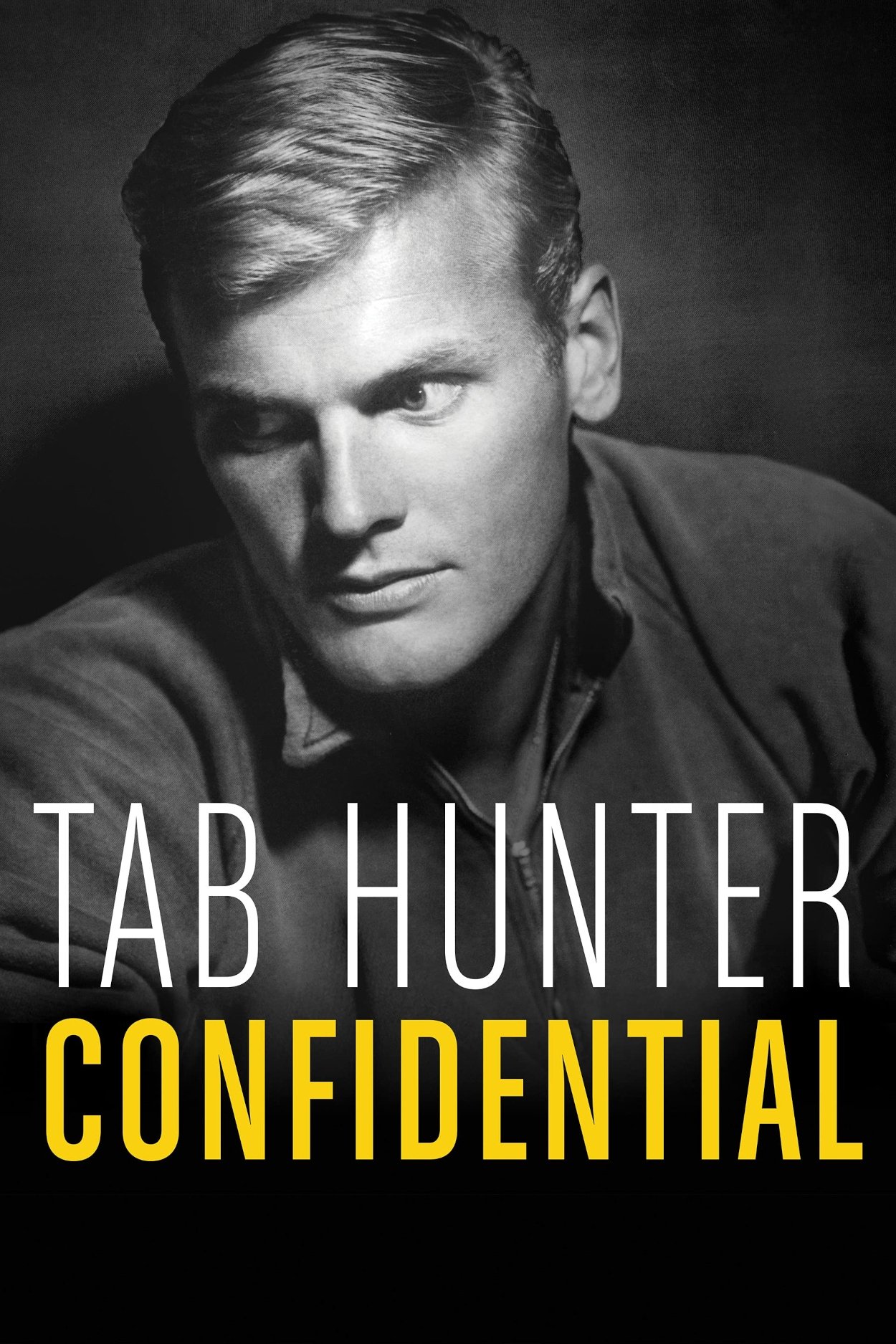
Throughout the 1950s, Tab Hunter reigned as Hollywood’s ultimate male heartthrob. But throughout his years of stardom, Tab had a secret. Tab Hunter was gay, and spent his Hollywood years in a precarious closet that repeatedly threatened to implode and destroy him. Tab Hunter himself shares first hand, for the first time, what it was like to be a studio manufactured movie star during the Golden Age of Hollywood and the consequences of being someone totally different from his studio manufactured image.
Through deeply personal interviews with her siblings and an examination of the photographs, letters, and belongings left behind, Mariska assembles a new portrait of her mother Jayne Mansfield, an extraordinary and complex woman.
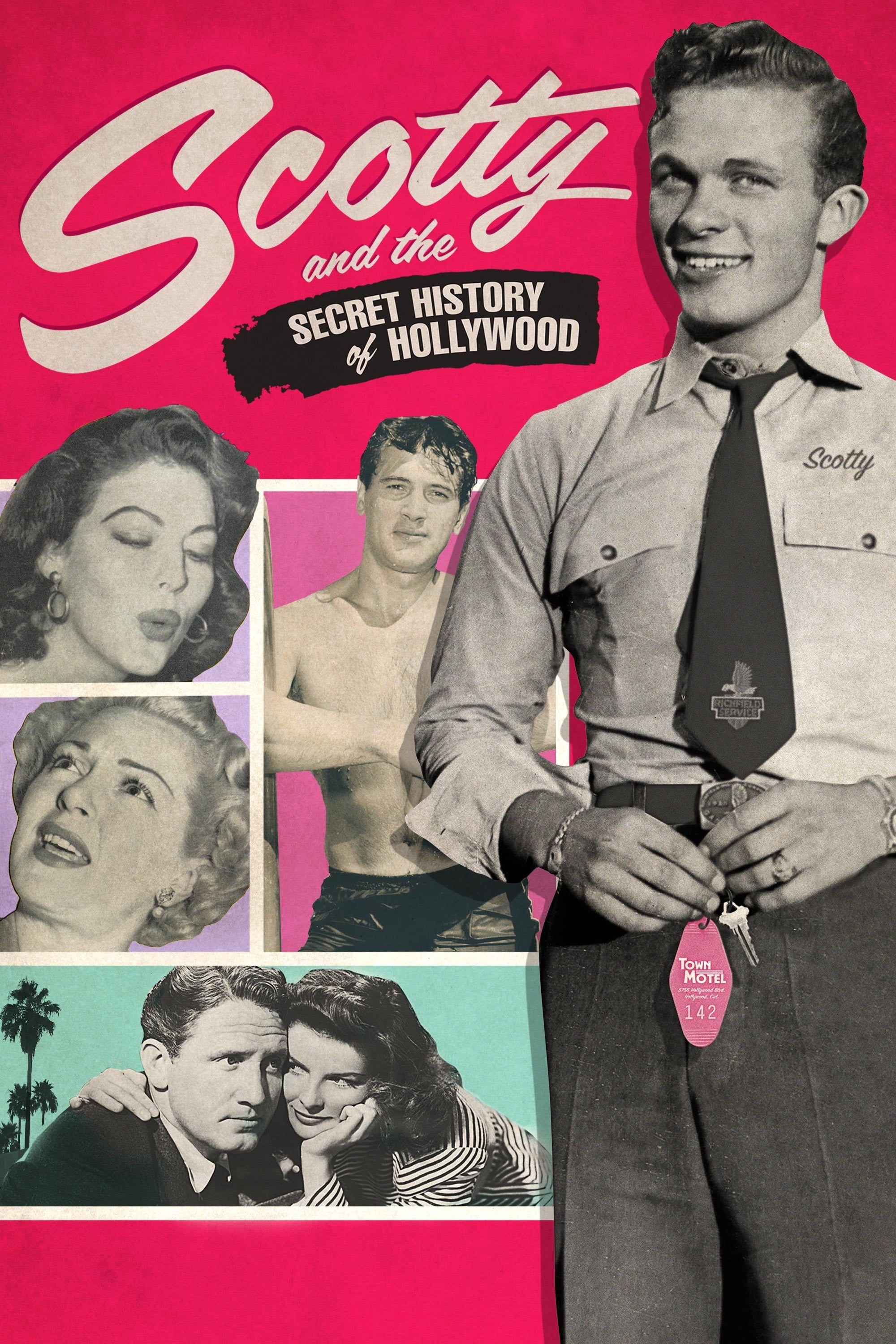
A deliciously scandalous portrait of unsung Hollywood legend Scotty Bowers, whose bestselling memoir chronicled his decades spent as sexual procurer to the stars.
This searing investigative work shadows a group of activists risking unimaginable peril to confront the ongoing anti-LGBTQ program raging in the repressive and closed Russian republic. Unfettered access and a remarkable approach to protecting anonymity exposes this under-reported atrocity–and an extraordinary group of people confronting evil.
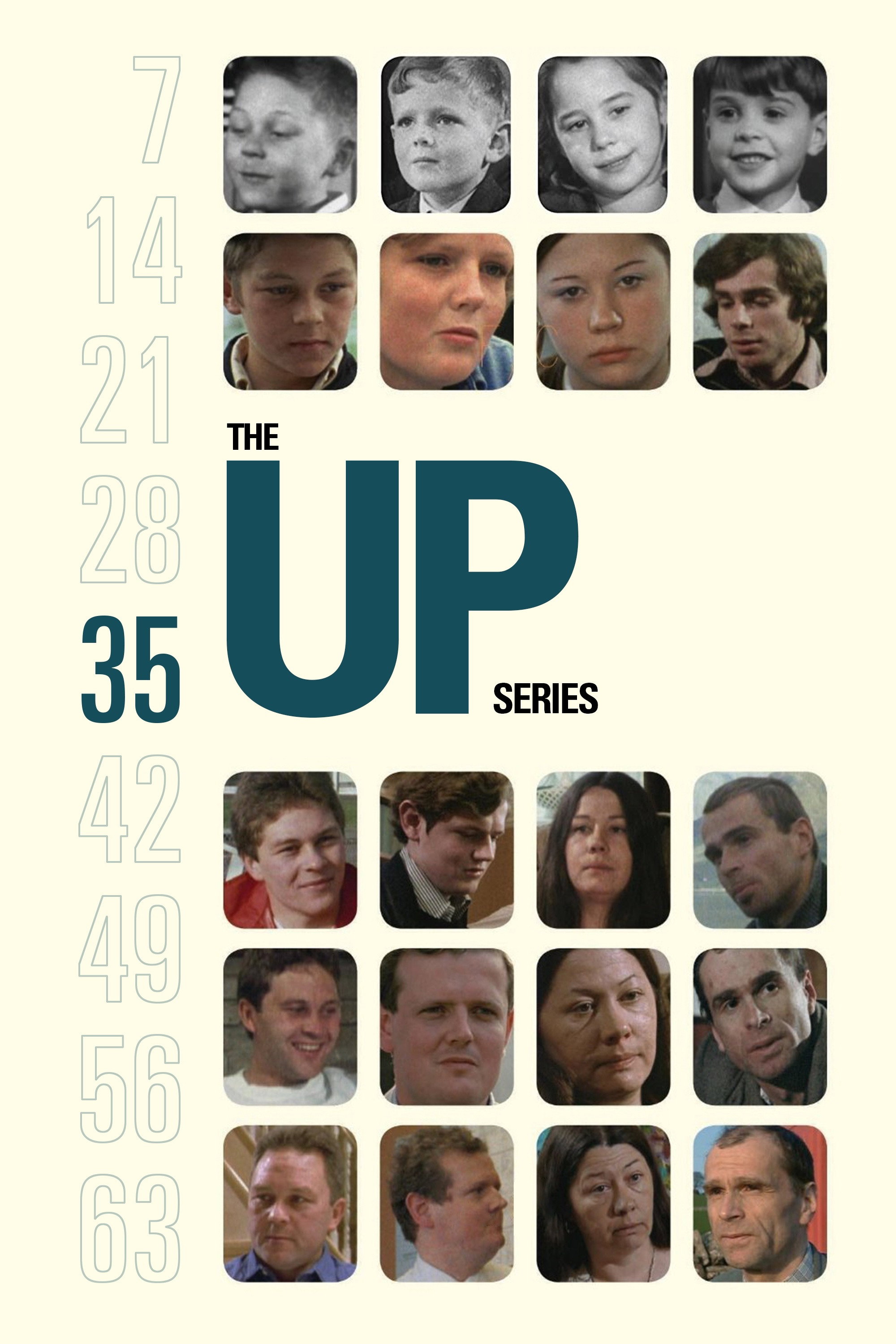
Director Michael Apted revisits the same group of British-born adults after a 7 year wait. The subjects are interviewed as to the changes that have occurred in their lives during the last seven years.
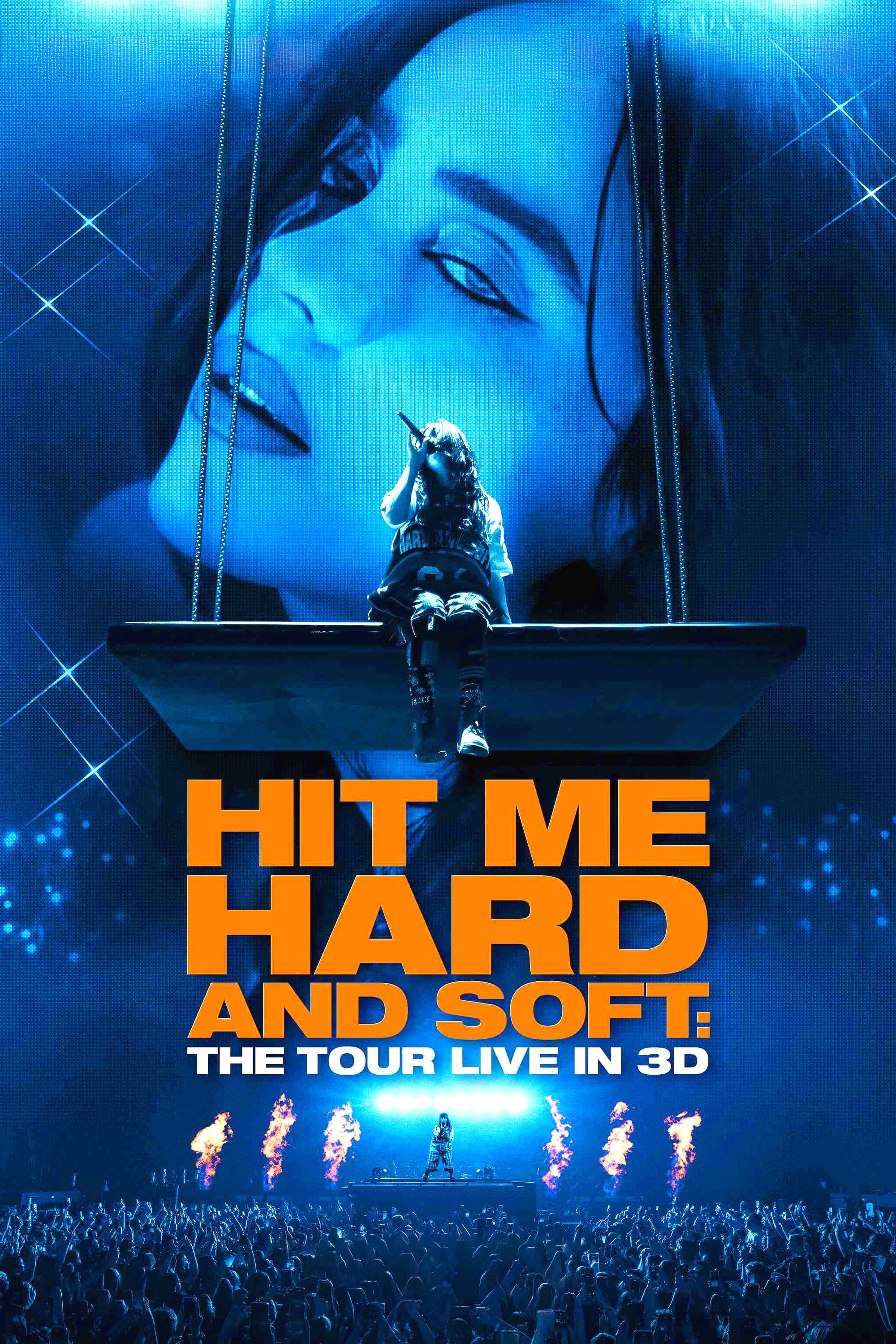
Captured during Billie Eilish's sold-out world tour, a concert experience from one of the most celebrated and successful artists of her generation, presented in immersive 3D.
A documentary on the expletive's origin, why it offends some people so deeply, and what can be gained from its use.
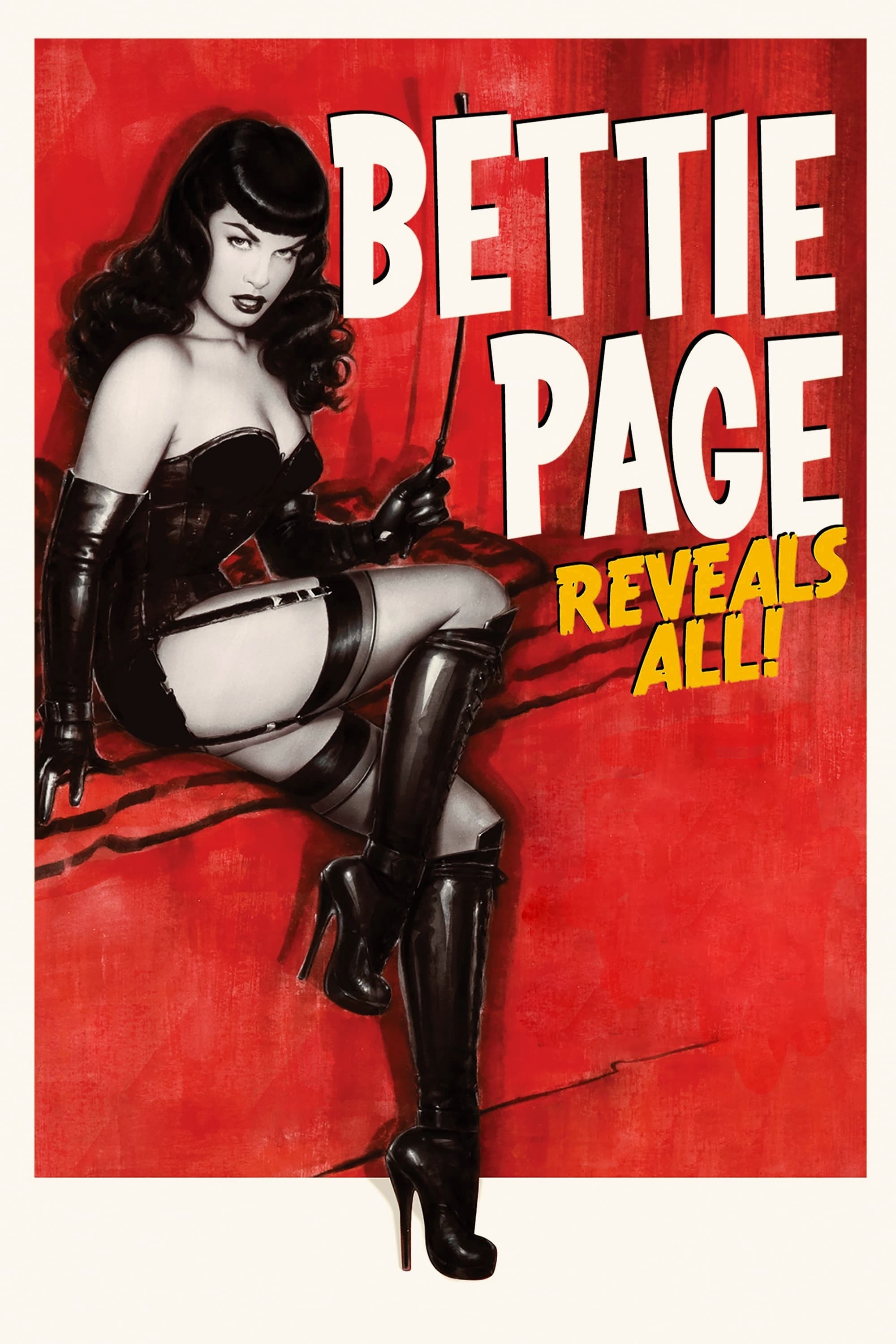
The world's greatest pin-up model and cult icon, Bettie Page, recounts the true story of how her free expression overcame government witch-hunts to help launch America's sexual revolution. When she saw the film The Notorious Bettie Page, produced by HBO in 2006, the main person concerned reacted unequivocally: “Lies! Lies!” In a long interview recorded shortly before her death, the woman who entered the collective unconscious as the ultimate pin-up gave her version of events to director Mark Mori. In a gravelly voice, Bettie Page tells her own story and lifts the veil on areas often hidden by images that have made so many men and women fantasize since the 1950s: her abused childhood, an eclipse that lasted forty years, her mental illness. Through testimonies and unpublished archives, this documentary brings back to life a body and a face endlessly declined before our eyes, just as Bettie wanted: “I would like people to remember me as I was in the photos.”
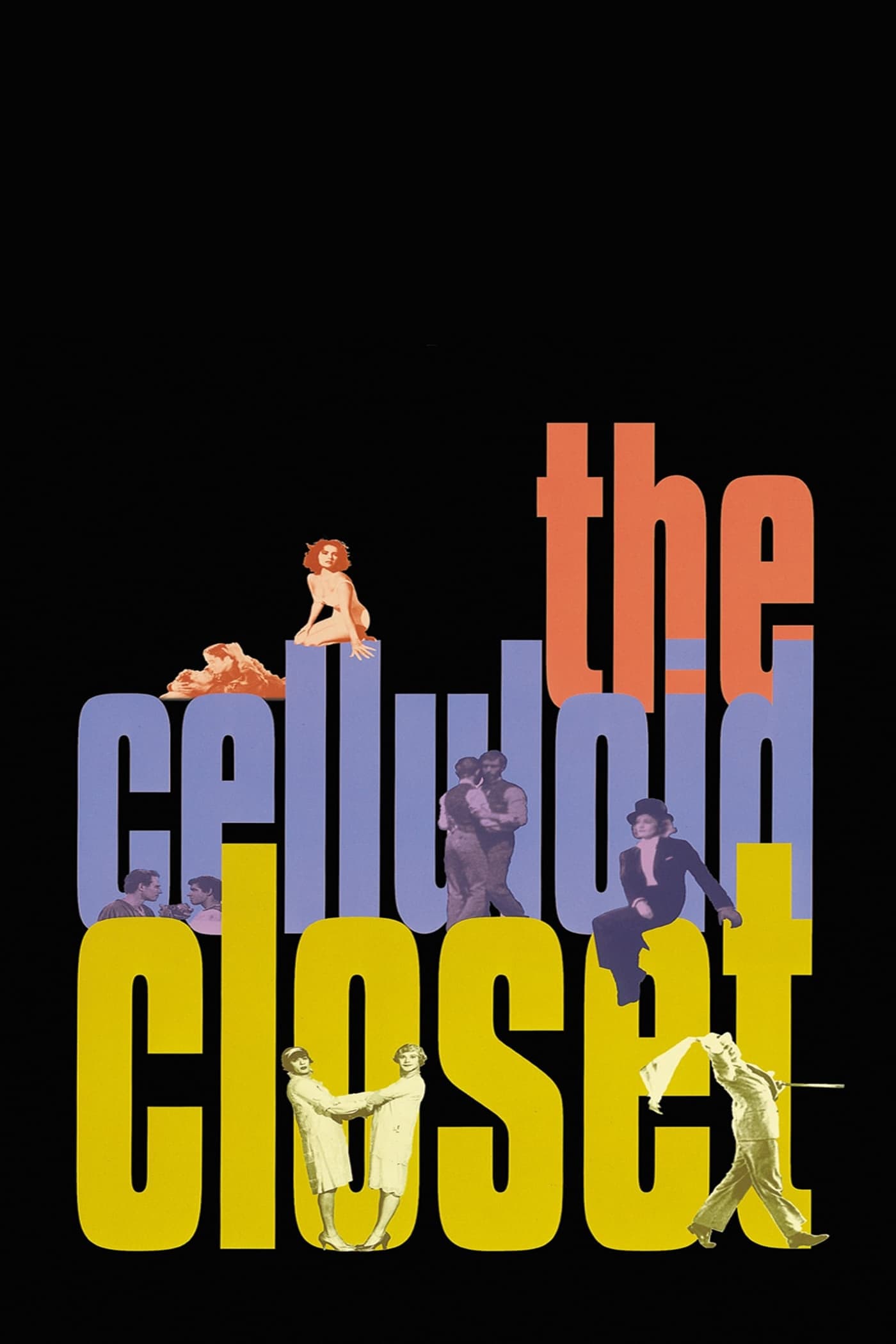
Exuberant, eye-opening movie that serves up a dazzling hundred-year history of the role of gay men and lesbians have had on the silver screen. Film contains fabulous footage from 120 films showing the changing face of cinema sexuality, from cruel stereotypes to covert love to the activist triumphs of the 1990s.
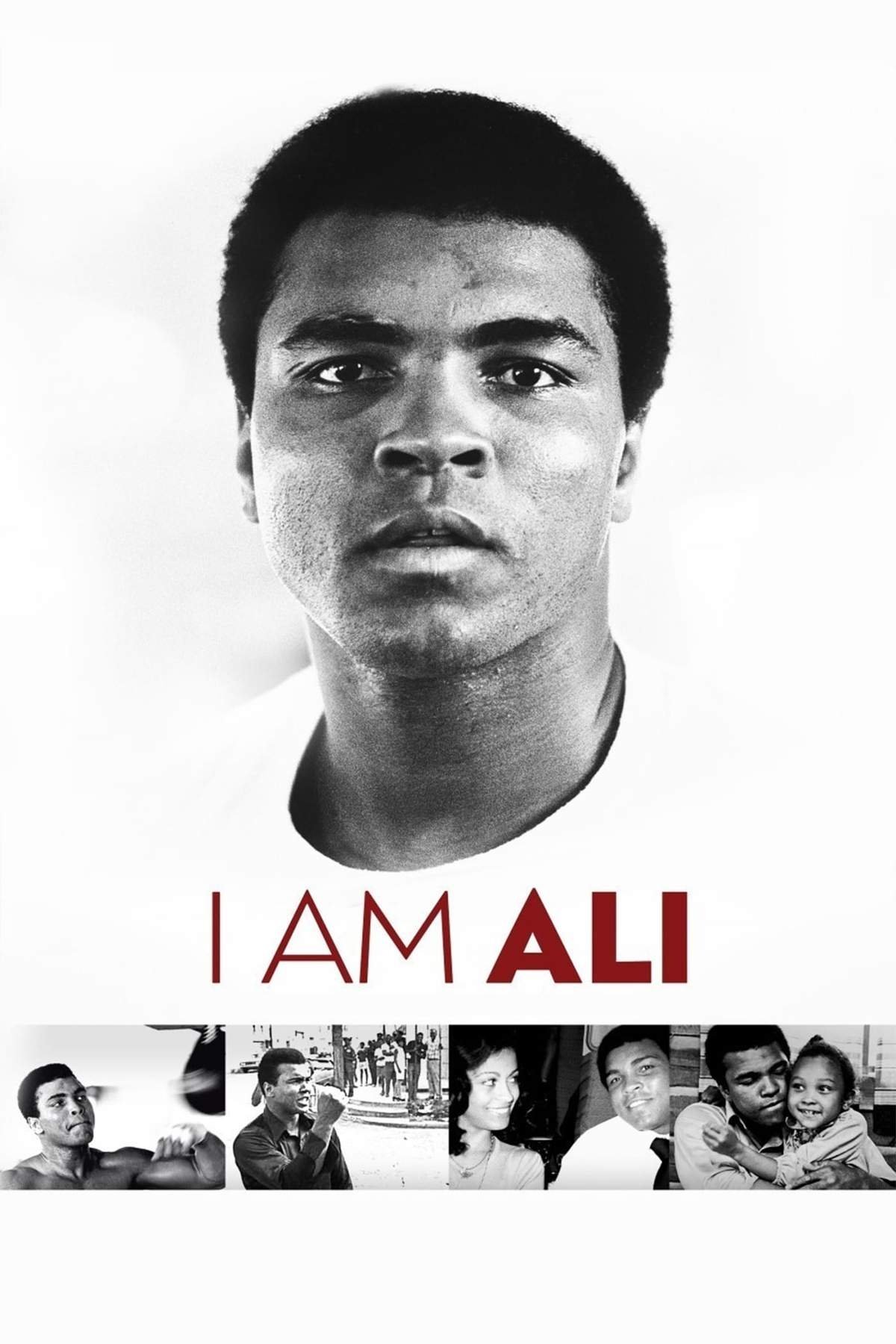
Unprecedented access to Muhammad Ali's personal archive of "audio journals" as well as interviews and testimonials from his inner circle of family and friends are used to tell the legend's life story.
After years in the limelight, Selena Gomez achieves unimaginable stardom. But just as she reaches a new peak, an unexpected turn pulls her into darkness. This uniquely raw and intimate documentary spans her six-year journey into a new light.