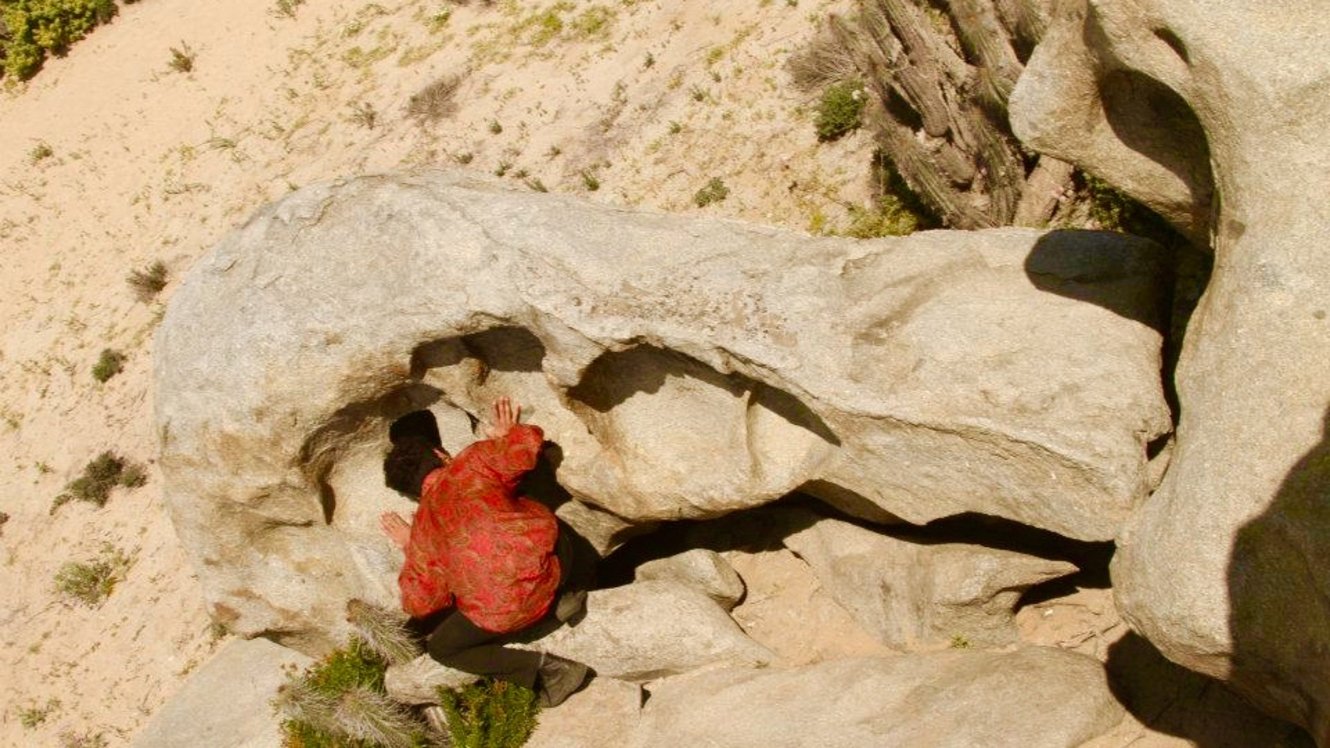
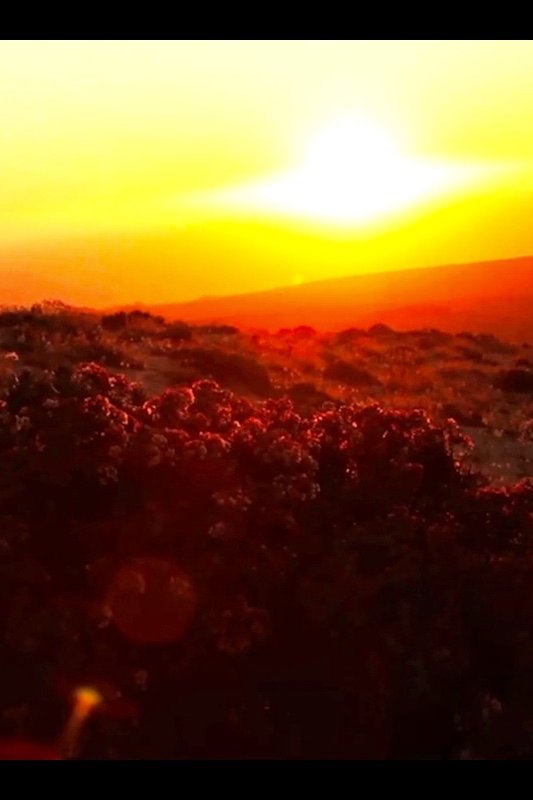
Documentary-essay short film about a inner/outter trip to the flowery desert in the north of Chile. A student film by Gabriel Lizama AKA Liz Taylor.
Social & External
Narrador
This refreshingly frank and impartial study of the discovery and development of the notorious hallucinogenic drug is notably free of moral judgmental, and features contributions from such legendary heroes of psychedelia as Albert Hoffman - the Swiss scientist who discovered the drug - Aldous Huxley - author of 'The Doors of Perception' - Ken Kesey - author of 'One Flew Over the Cuckoo's Nest.
Captures the spirit and essence of the great San Francisco Human Be-In of January 14, 1967. Ten thousand people imbued with peace, love and euphoria. Set to hard rock such as only San Francisco blues can produce. BE-IN contains Allen Ginsberg, Lawrence Ferlinghetti, Timothy Leary, Michael McClure, Lenore Kandel and Buddha. Music by Blue Cheer.
Experimental movie, where a man comes home and experiences LSD. His kaleidoscopic visions follow, with readings inspired by the Tibethan Book of the Dead.
An exploration of technologically developing nations and the effect the transition to Western-style modernization has had on them.
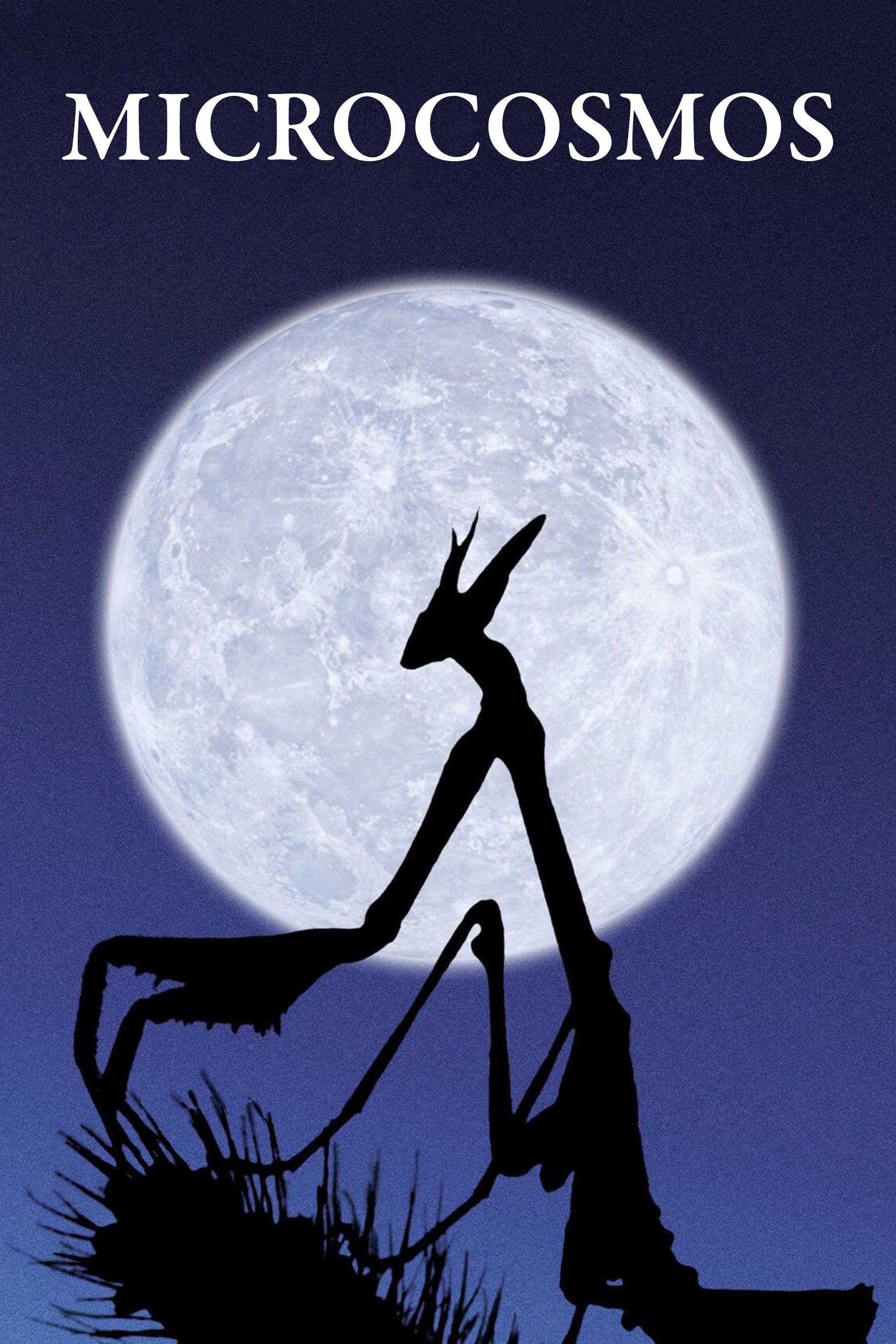
A documentary of insect life in meadows and ponds, using incredible close-ups, slow motion, and time-lapse photography. It includes bees collecting nectar, ladybugs eating mites, snails mating, spiders wrapping their catch, a scarab beetle relentlessly pushing its ball of dung uphill, endless lines of caterpillars, an underwater spider creating an air bubble to live in, and a mosquito hatching.
The horses in Denys Colomb Daunant’s dream poem are the white beasts of the marshlands of the Camargue in South West France. Daunant was haunted by these creatures. His obsession was first visualized when he wrote the autobiographical script for Albert Lamorisse’s award-winning 1953 film White Mane. In this short the beauty of the horses is captured with a variety of film techniques and by Jacques Lasry’s beautiful electronic score.
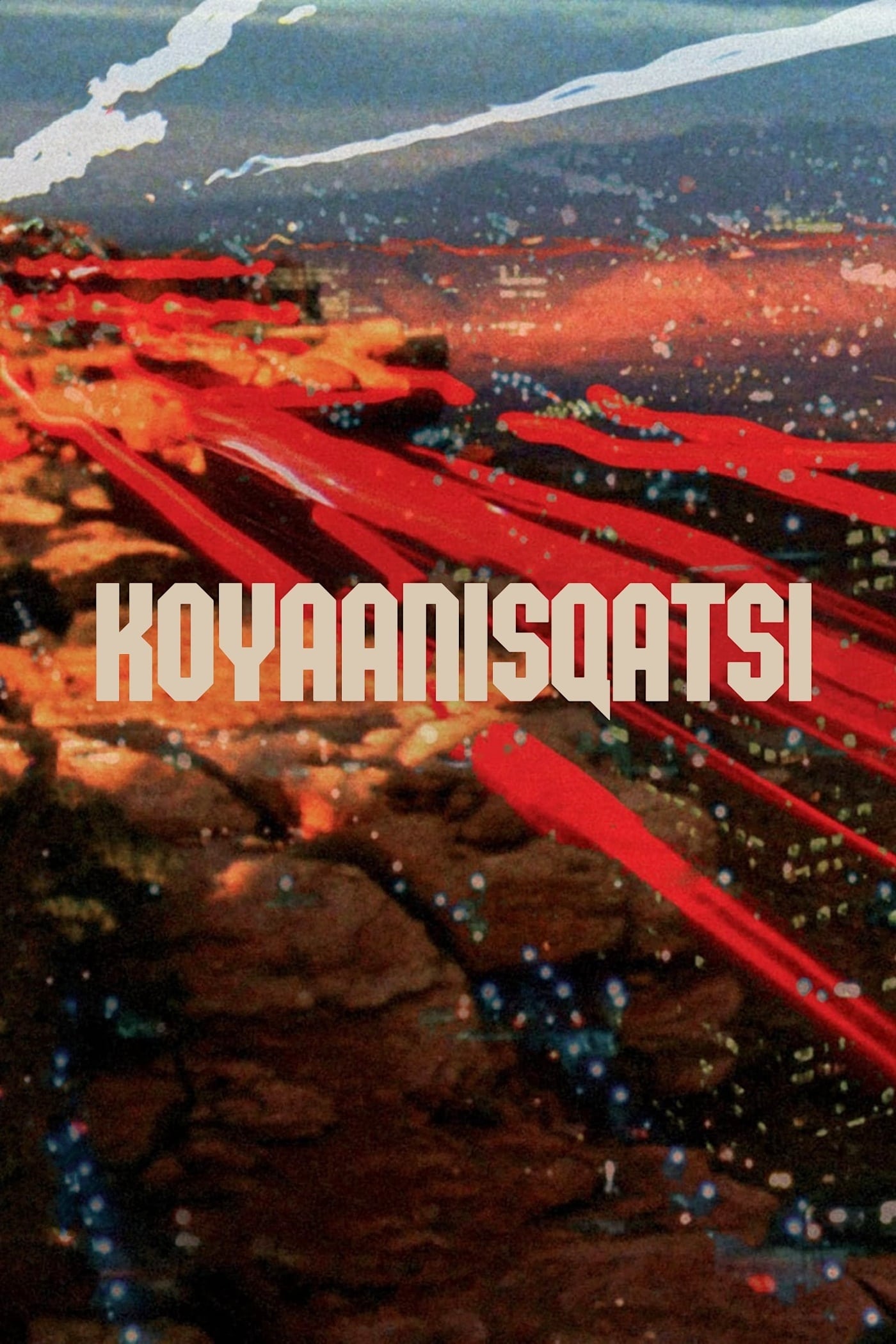
Takes us to locations all around the US and shows us the heavy toll that modern technology is having on humans and the earth. The visual tone poem contains neither dialogue nor a vocalized narration: its tone is set by the juxtaposition of images and the exceptional music by Philip Glass.
In 1950, the explorer Roger Frison-Roche made a crossing of more than a thousand kilometers on the back of a camel with the photographer Georges Tairraz II, in the heart of the Sahara, from Hoggar then Djanet in Algeria to Ghat in Libya. From their journey they brought back a large number of color films and documents. Among thousands of photos, they selected 47 images which reflect the various aspects of these immense spaces which occupy a third of Africa in the book "The Great Desert". “The Great Desert, 1000 kilometers on camelback” is the eponymous 85-minute documentary of this epic, released in 1950.
A day in the city of Berlin, which experienced an industrial boom in the 1920s, and still provides an insight into the living and working conditions at that time. Germany had just recovered a little from the worst consequences of the First World War, the great economic crisis was still a few years away and Hitler was not yet an issue at the time.
Out of State is the unlikely story of native Hawaiians men discovering their native culture as prisoners in the desert of Arizona, 3,000 miles, and across the ocean, from their island home.
A lone passenger is reflected in the windows of a train crawling through layers of textures towards Minsk. During his absence, the city has not changed: all the streets are frozen, long-gone voices can be heard in the empty rooms and around the corner you can find yourself in a video game from your childhood.
Filmed in Melbourne during the first several months of the COVID-19 pandemic, Sleeping Monster explores the prosaic beauty of King Gizzard & the Lizard Wizard’s studio routine. Featuring demos from the album "Changes", plus the track "Change" recorded live in the studio on film.
Take an animated journey into the depths of the human mind, exploring three psychedelic trips that changed Western culture forever. Sixty years later we sit down with twelve leading current thinkers to ask: "What can expanded states of mind teach us about ourselves, the world and our place in it?"
A visual montage portrait of our contemporary world dominated by globalized technology and violence.
To produce speech, a set of mechanisms must be brought together. What is the normal articulation for speech? How to produce the sounds that make it up in the correct way? A physiological analysis of the aspects of speech shows us how: the jaw must move in a certain way; the air must be expelled from the lungs in another. Based on the concepts stated in the film "Normal Speech Articulation" (1965), produced by the University of Iowa (USA), we intend to reflect on the way women have been represented, and consequently educated, over the years, both in film and in the media. Largely composed of archival footage, this film intends to make evident, through a montage inspired by Structuralist movements, the violence of this education.
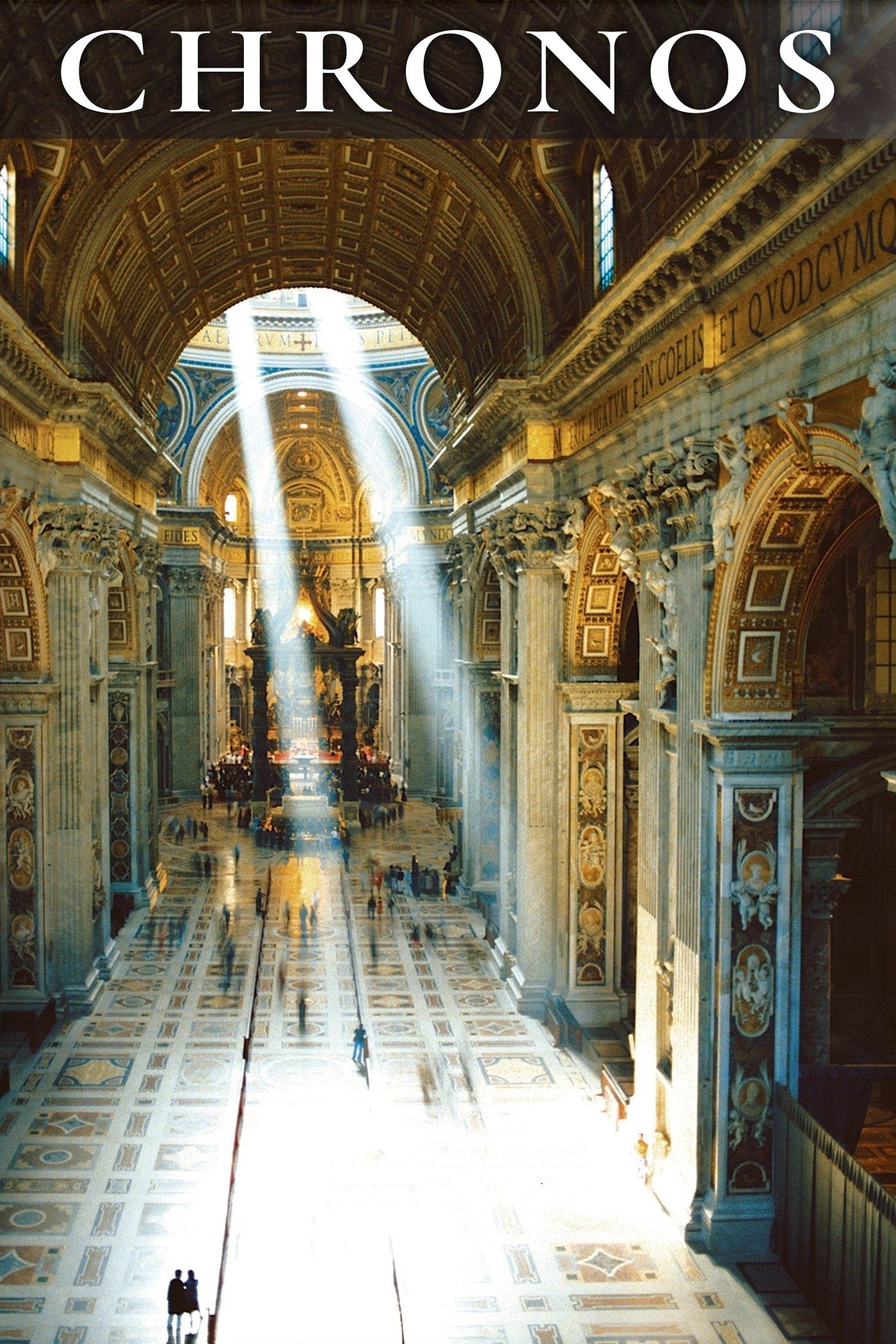
Carefully picked scenes of nature and civilization are viewed at high speed using time-lapse cinematography in an effort to demonstrate the history of various regions.
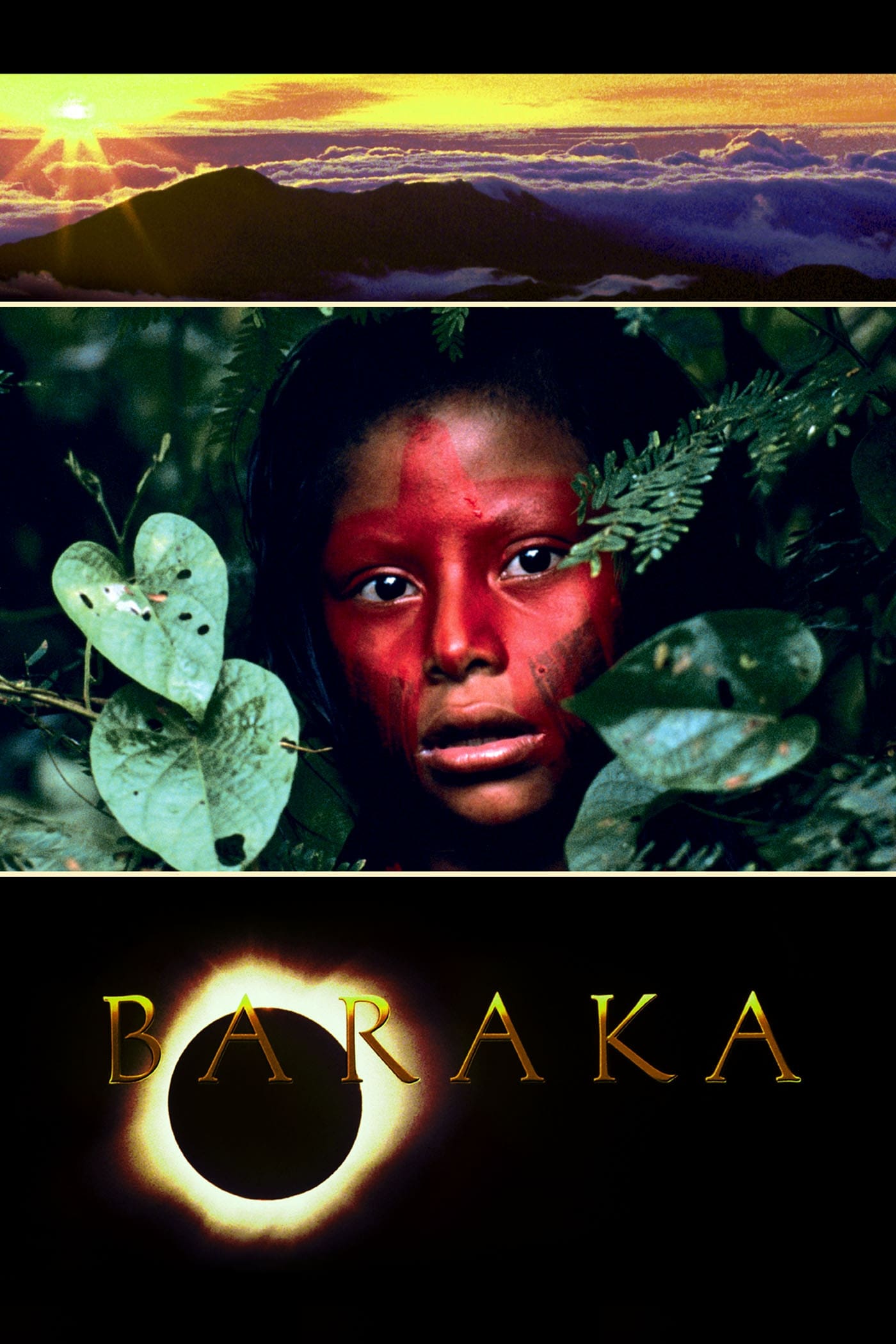
A paralysingly beautiful documentary with a global vision—an odyssey through landscape and time—that attempts to capture the essence of life.
5 psychedelic short films, broadcast on the French/German tv channel "arte" on 2007-07-16 "Be-In" USA 1967, 7 min "Beatles Electronique" USA 1966-69, 3 min "San Francisco" Great Britain 1967/68, 15 min. "Andy Warhol's Exploding Plastic Inevitable" USA/Great Britain 1967, 12 min. "Eyetoon" USA 1967/68, 8 min.
Back in 2012 I had my very first Ayahuasca ceremony and, needless to say, I was terrified. But it ended up entirely changing my life and that of my future family. Which is why I decided to revisit the medicine in 2018, participating in three Ayahuasca ceremonies over the course of one week in Costa Rica, and document the process. In the film, we tackle my personal story of trying to build London Real into a global media and transformation company while also struggling with my own disconnection from friends, family and my own species. We also dive deep into the division and tribalism currently facing all of us around the world.
At age 25, Olivier Rousteing was named the creative director of the French luxury fashion house, Balmain. At the time, Rousteing was a relatively unknown designer, but in the decade since, he’s proven his business prowess and artistic instinct by leading Balmain to new heights. Wonderboy gives the viewer the rare opportunity to experience the inner sanctum of the fashion world, as we stand shoulder-to-shoulder with this extraordinary individual while he works.