Social & External
The people behind it
Athena was abused by her father during her childhood. Years later, without answers and marked by the absence of justice, she decides to take matters into her own hands in similar cases in the city where she lives. With the help of journalist Carlos, she travels to Montevideo where she finds her father and faces her past head-on, seeking revenge.
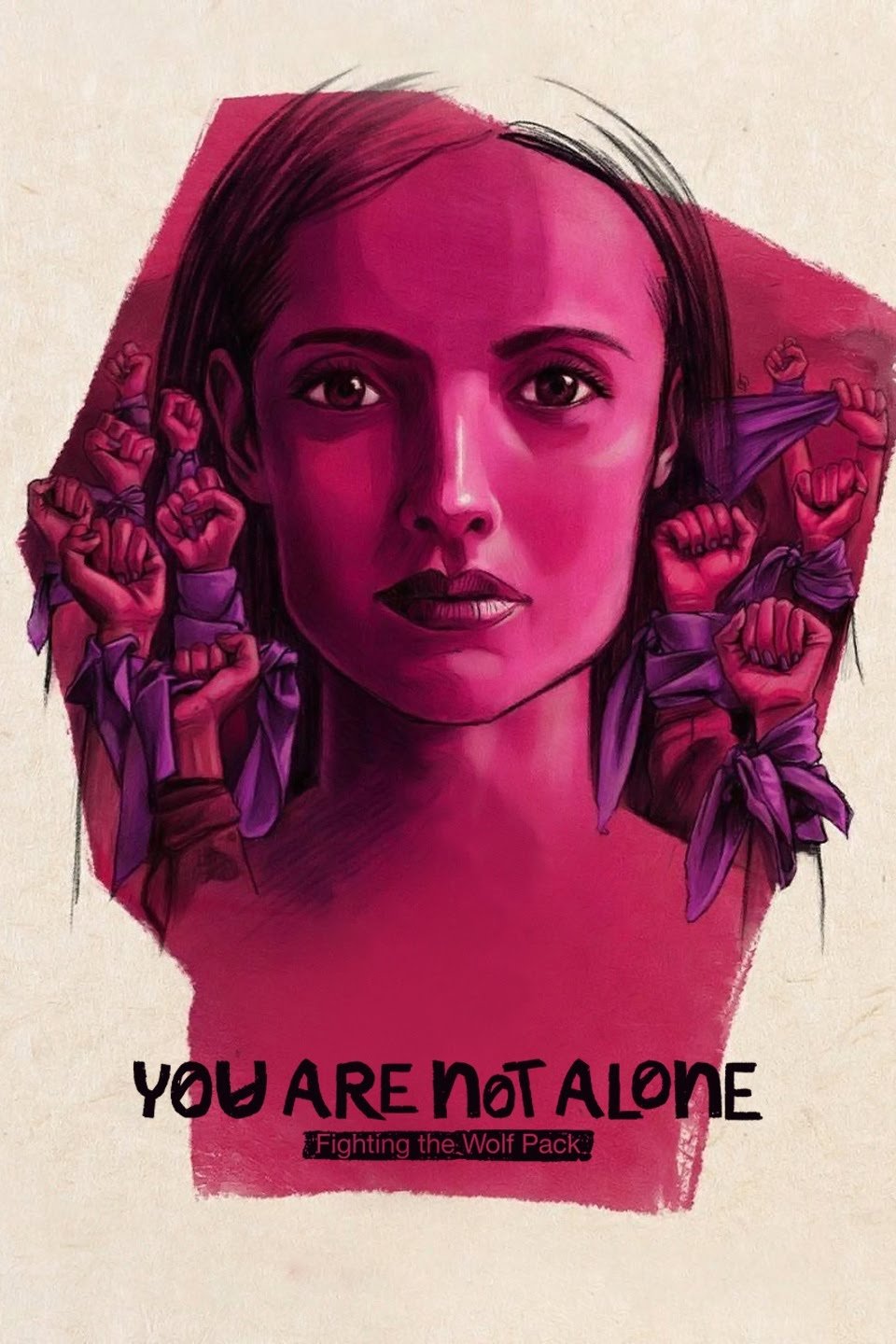
Through key testimonies, this documentary looks at a gang rape that took place during the 2016 San Fermín festival and sparked protests worldwide.
A piece of dance theatre conceived and choreographed by Alain Platel for his company Les Ballets C de la B (Les Ballets Contemporains de la Belgique). Platel was in the process of developing the work when he learnt of the death of the German choreographer and dancer Pina Bausch and was so moved that he offered it as a posthumous gift to Pina.
The story of one of the most hilarious - and unlikely - political scandals of all time.
In an intimate and joyful story of love in the face of loss, celebrated poets Andrea Gibson and Megan Falley find strength—and unexpected hilarity—in what might be their final year together.
A string of threatening emails escalates into a revenge plot involving a newly married US marshal and his ex-girlfriend.
An inside look at one of the most anticipated movie sequels ever with James Cameron and cast.
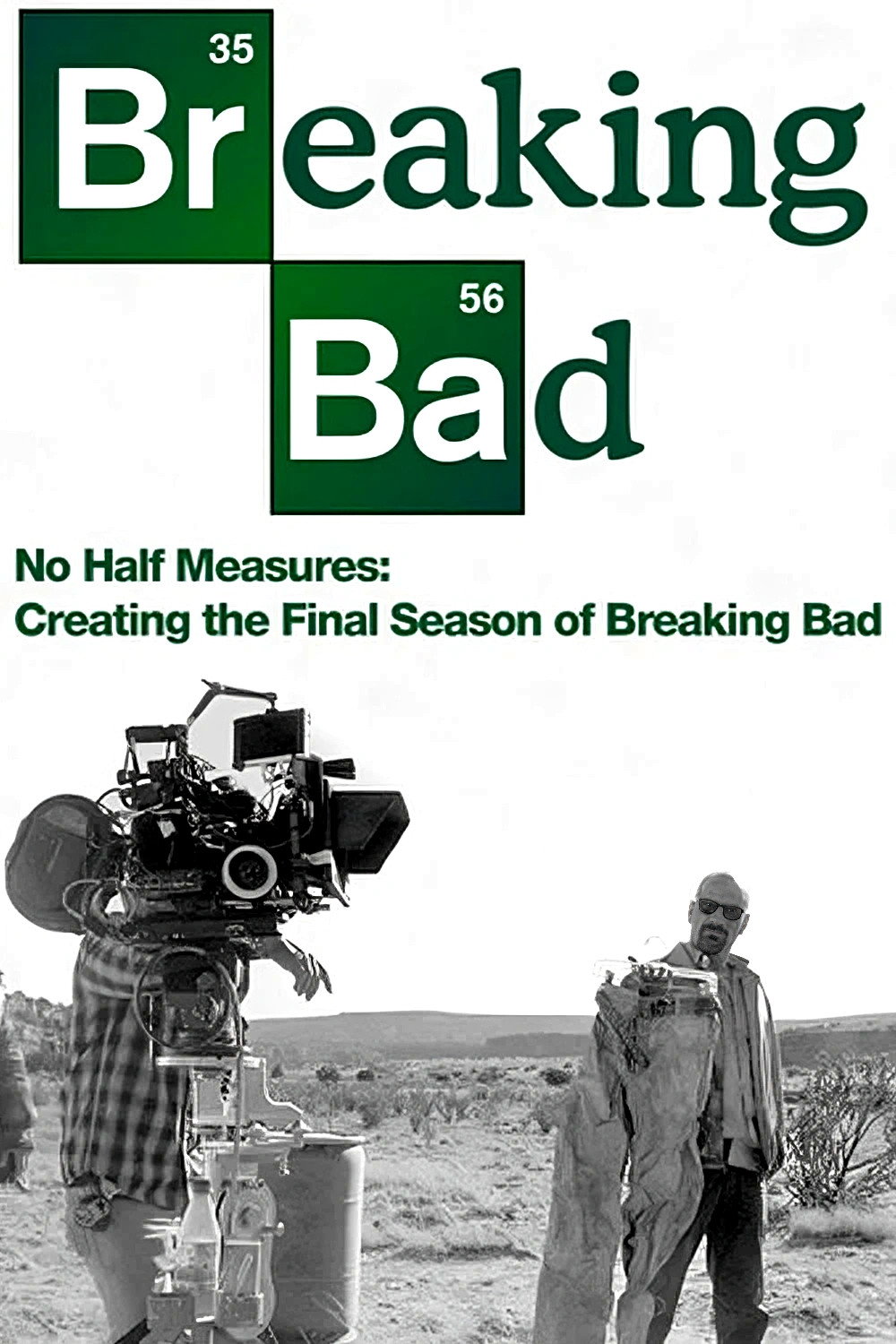
A documentary about the making of season five of the acclaimed AMC series Breaking Bad.
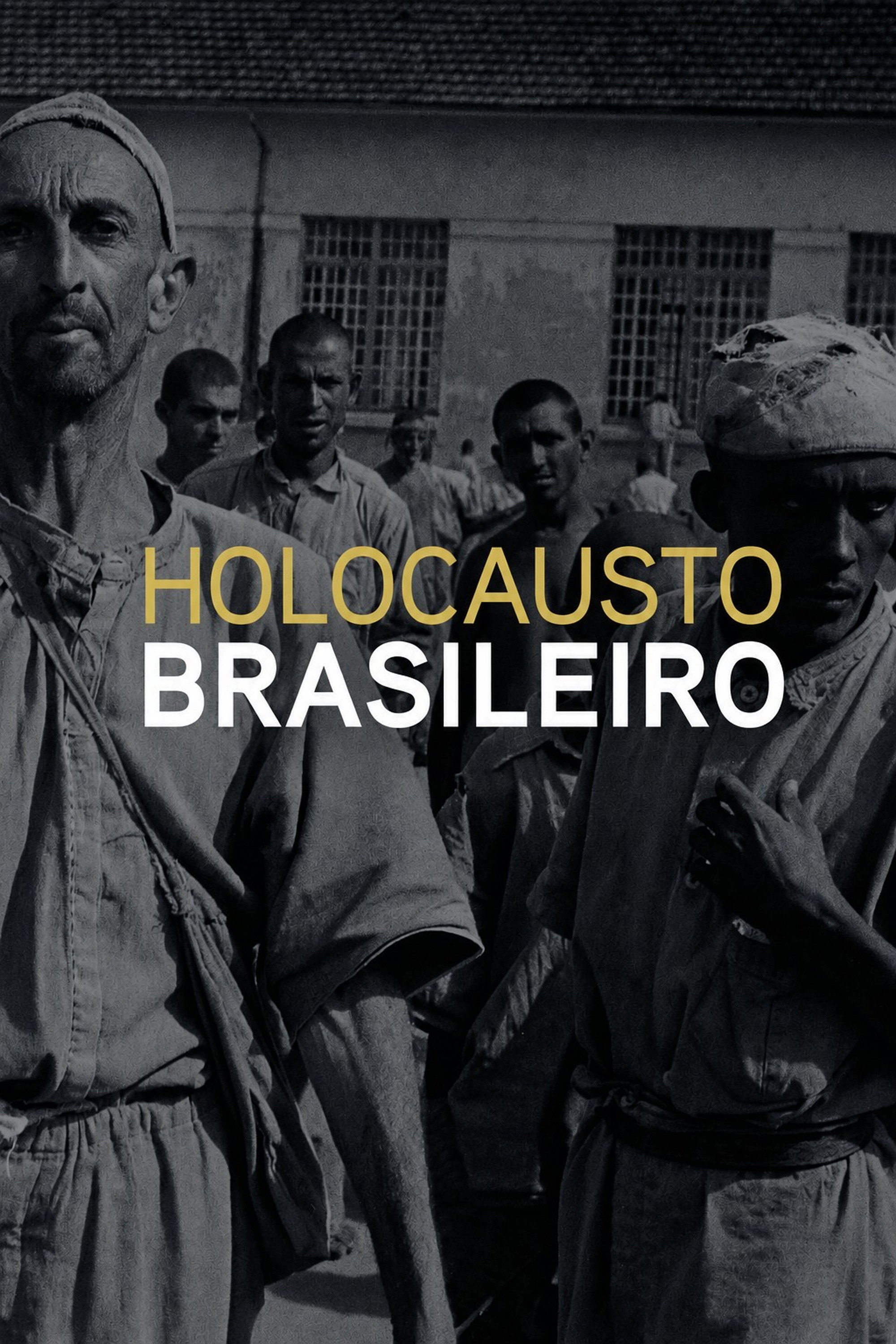
Award-winning journalist Daniela Arbex examines the horrors of the Colônia psychiatric hospital, where more than 60,000 people were killed over decades.
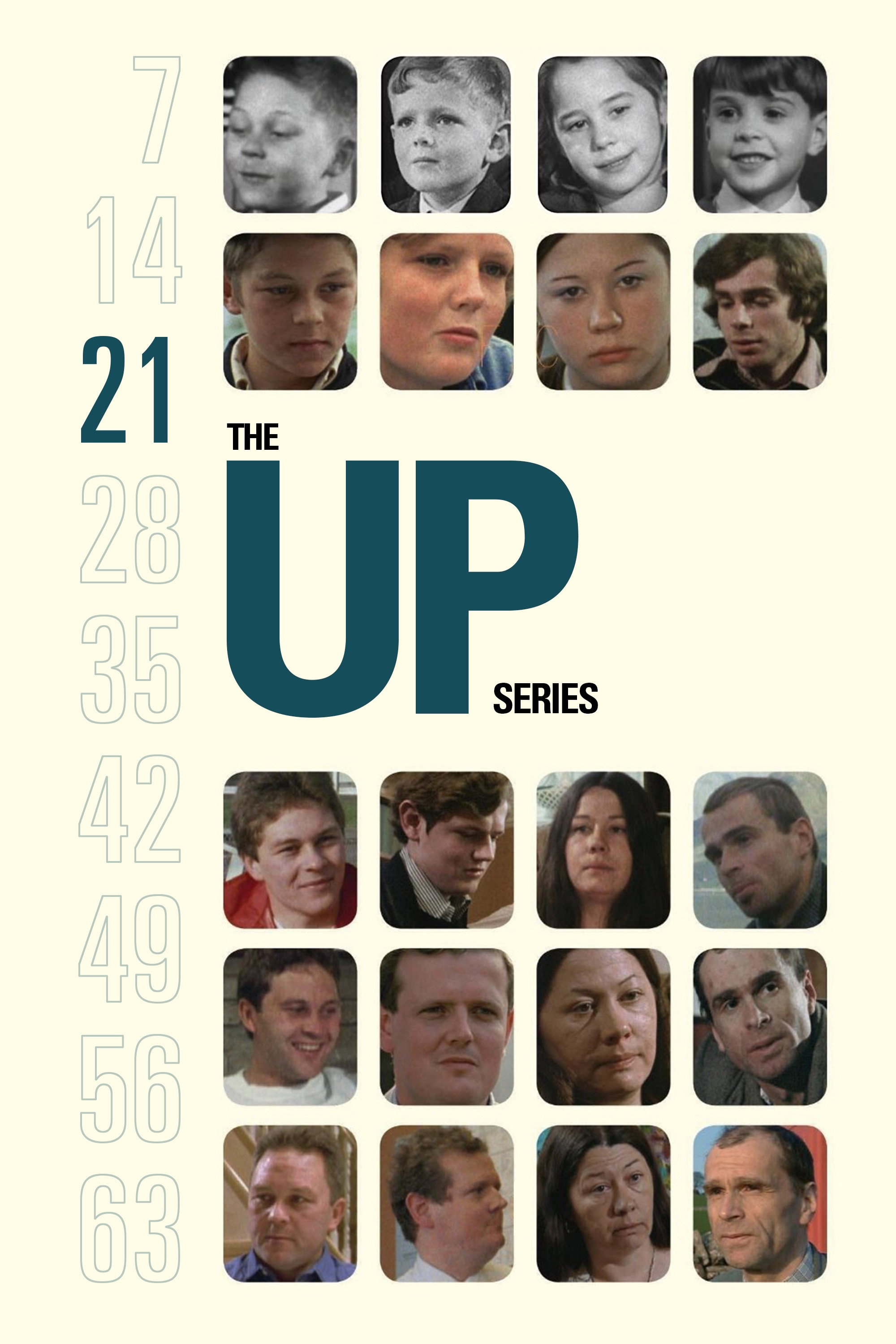
Director Michael Apted revisits the same group of British-born adults after a 7 year wait. The subjects are interviewed as to the changes that have occurred in their lives during the last seven years.
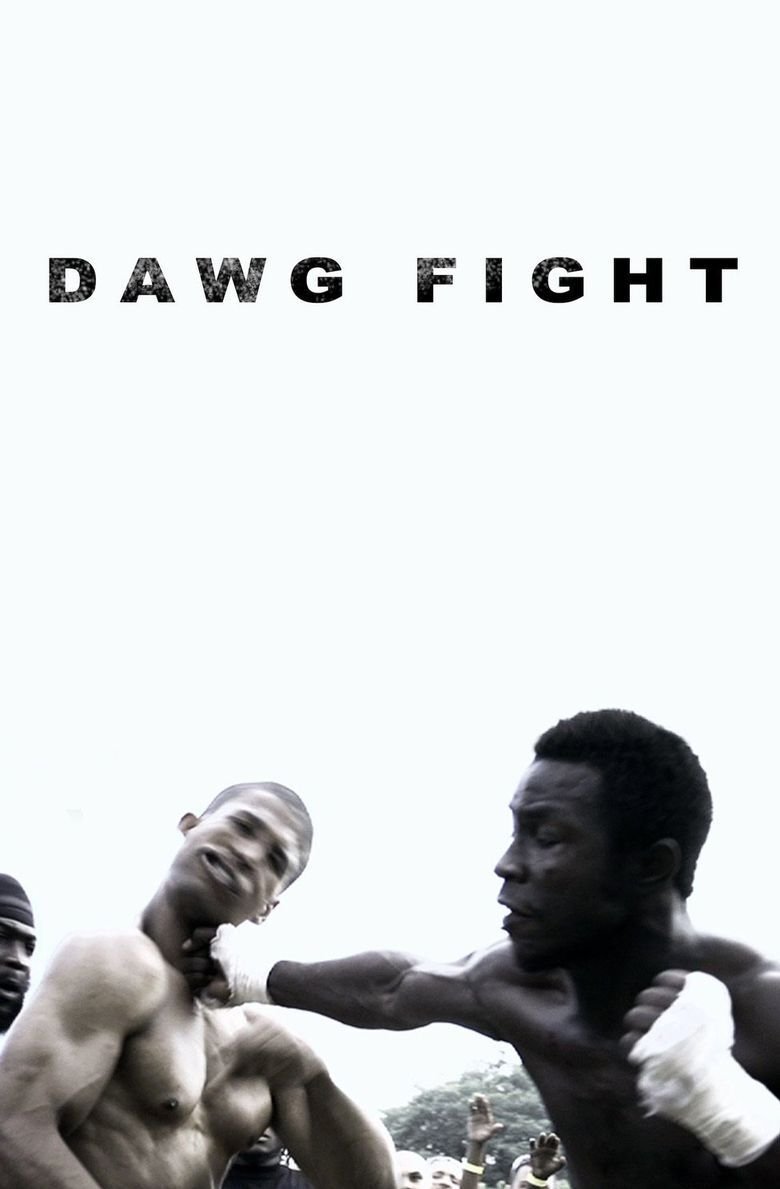
In a crime-plagued neighborhood near Miami, brutal, bare-knuckled backyard fights give young men a chance to earn money -- and self-respect.
Alexander McQueen's rags-to-riches story is a modern-day fairy tale, laced with the gothic. Mirroring the savage beauty, boldness and vivacity of his design, this documentary is an intimate revelation of McQueen's own world, both tortured and inspired, which celebrates a radical and mesmerizing genius of profound influence.
From the heights of her modeling fame to her tragic death, this documentary reveals Anna Nicole Smith through the eyes of the people closest to her.
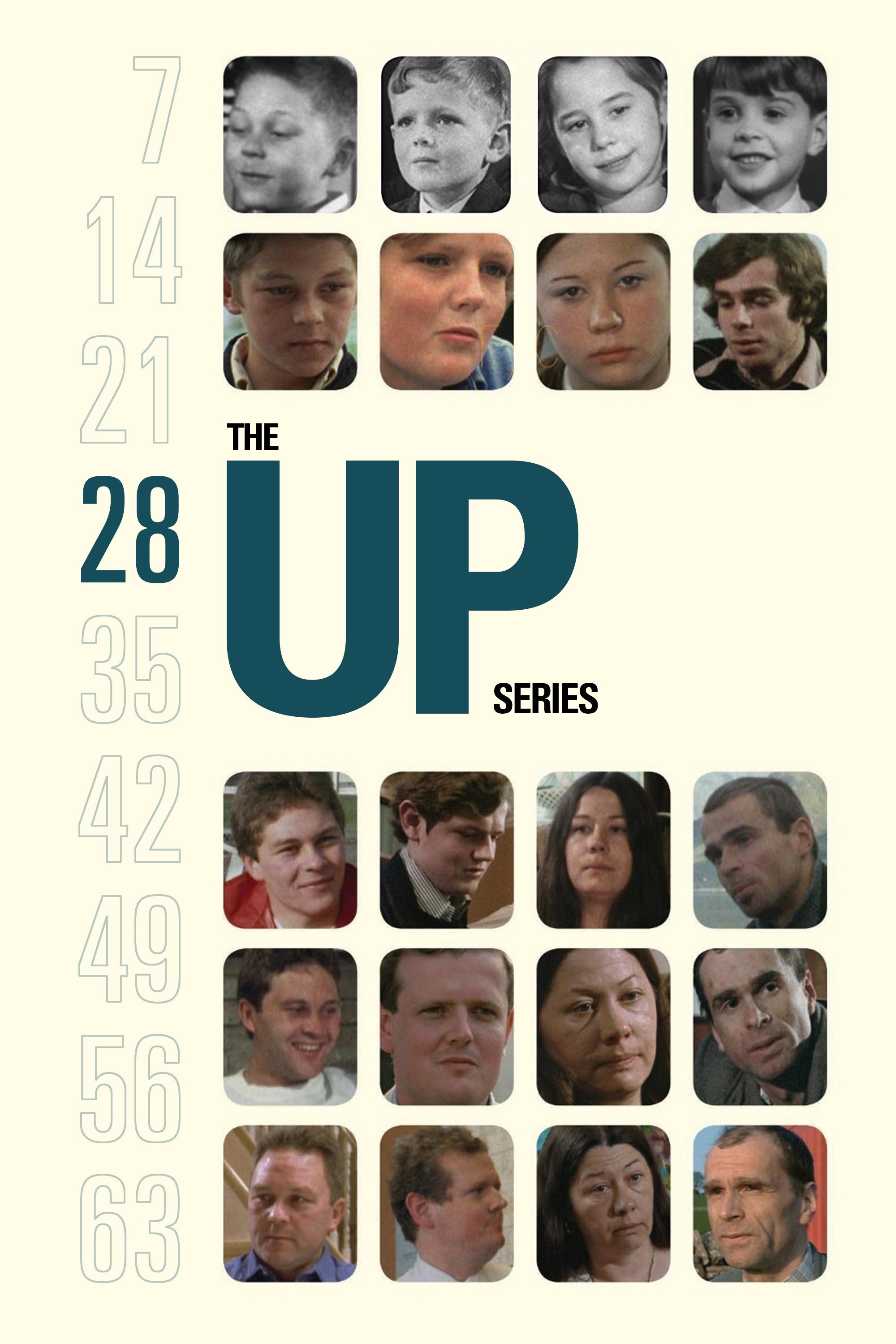
After another 7 year wait, director Michael Apted revisits the same group of British-born children from Seven Up! and 7 Plus Seven. The subjects are interviewed as to the changes that have occurred in their lives during the last seven years.
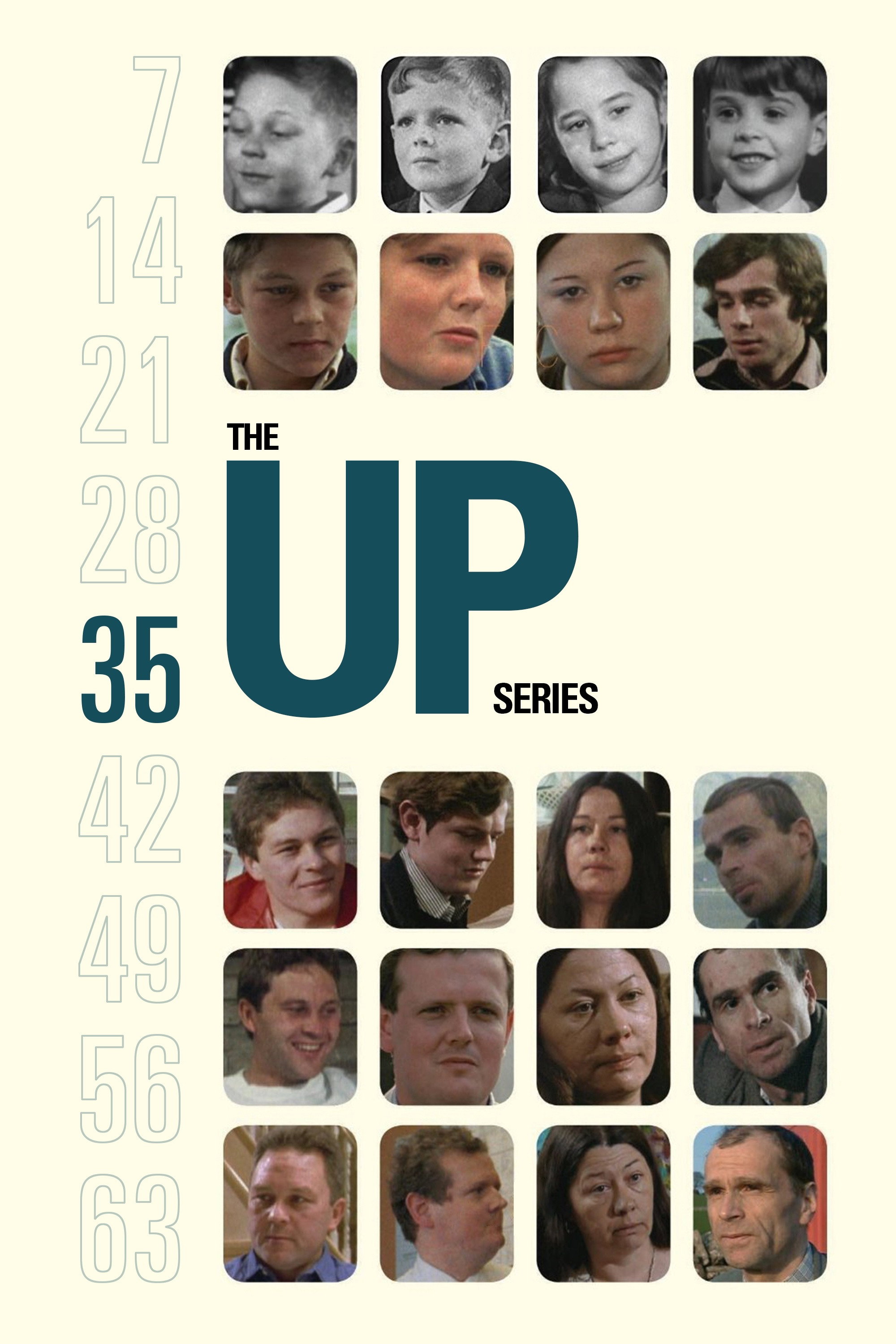
Just two years away from turning 30, participants in Michael Apted's documentary series are facing serious questions of identity and purpose, wondering whether they've found their place in the world.
After the high-profile killing of Damilola Taylor, Cornelius' family move out of London. But when they discover their new town is run by racists, Cornelius takes a drastic step to survive.
Through deeply personal interviews with her siblings and an examination of the photographs, letters, and belongings left behind, Mariska assembles a new portrait of her mother Jayne Mansfield, an extraordinary and complex woman.
Those who knew iconic funnyman John Candy best share his story, in their own words, through never-before-seen archival footage, imagery, and interviews.
Join the likes of Jeremy Renner, Hailee Steinfeld, Florence Pugh, and Vincent D’Onofrio as they reveal how Marvel Studios’ “Hawkeye” was conceived and created. Witness firsthand what it took to pull off the show’s pulse-pounding action set pieces, and discover how iconic characters from the pages of Marvel Comics such as Kate Bishop were adapted and brought to life for the six-episode series.
The life and career of an actor, artist, and icon. His own journey through his own camera.
Over 35 years after Bob Lazar's revelations, this documentary exposes secrets of a facility the government still denies. Featuring Lazar's testimony, recreations, and new evidence, it reopens a case that continues to spark global curiosity
Daniel Craig candidly reflects on his 15 year adventure as James Bond. Including never-before-seen archival footage from Casino Royale to the upcoming 25th film No Time To Die, Craig shares his personal memories in conversation with 007 producers, Michael G Wilson and Barbara Broccoli.
A comedic, brutally honest documentary following self-destructive TV writer Dan Harmon as he takes his live podcast on a national tour.