Social & External
The people behind it
Silvia Moehlecke Copé
Pedro Ignácio Schmitz
Rafael Guedes Milheira
Alberto Tavares Duarte de Oliveira
Klaus Hilbert
Fernanda Bordin Tocchetto
Arno Alvarez Kern
By decoding ancient hieroglyphic texts, Jean-François Champollion gave voice to an enigmatic civilization, but behind his legendary feat is a mysterious brother who made it possible. The recent discovery of correspondence between Jean-François Champollion and his brother Jacques-Joseph now allows us to fully understand how a young, self-taught genius was able to make one of the most important discoveries of the 19th century. Without the ingenuity and unfailing support of his older brother, Jean-François would never have succeeded in solving this enigma, which had international repercussions. With animated sequences of their private correspondence, and with the help of archives and expert analysis, this film revisits this unique scientific, human and intellectual adventure to celebrate the bicentenary of the decoding of hieroglyphics.
Filmed in IMAX, a young Mayan boy who lives close to the ruins becomes acquainted with an archaeologist (Guerra) and asks her to tell him about his ancestors. The crew travelled to over 15 locations in Mexico and Guatemala, including Tulum and Chichén Itzá.
Explore the origins of the Celts, uncovering their culture through preserved salt mines, ancient artifacts, and the mystery of a 2,400-year-old tomb.
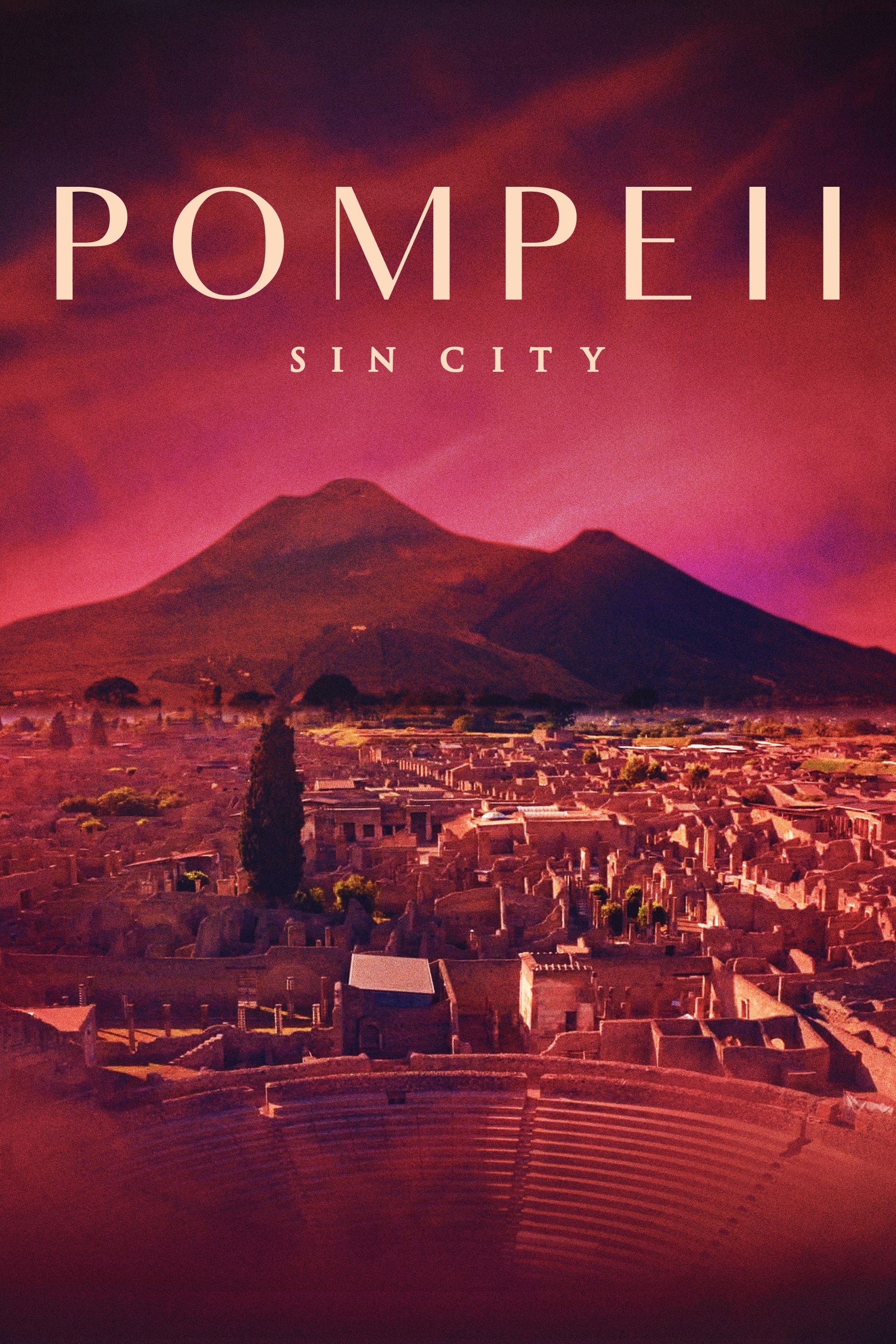
A story about one of the most famous and mysterious archaeological sites in the world.
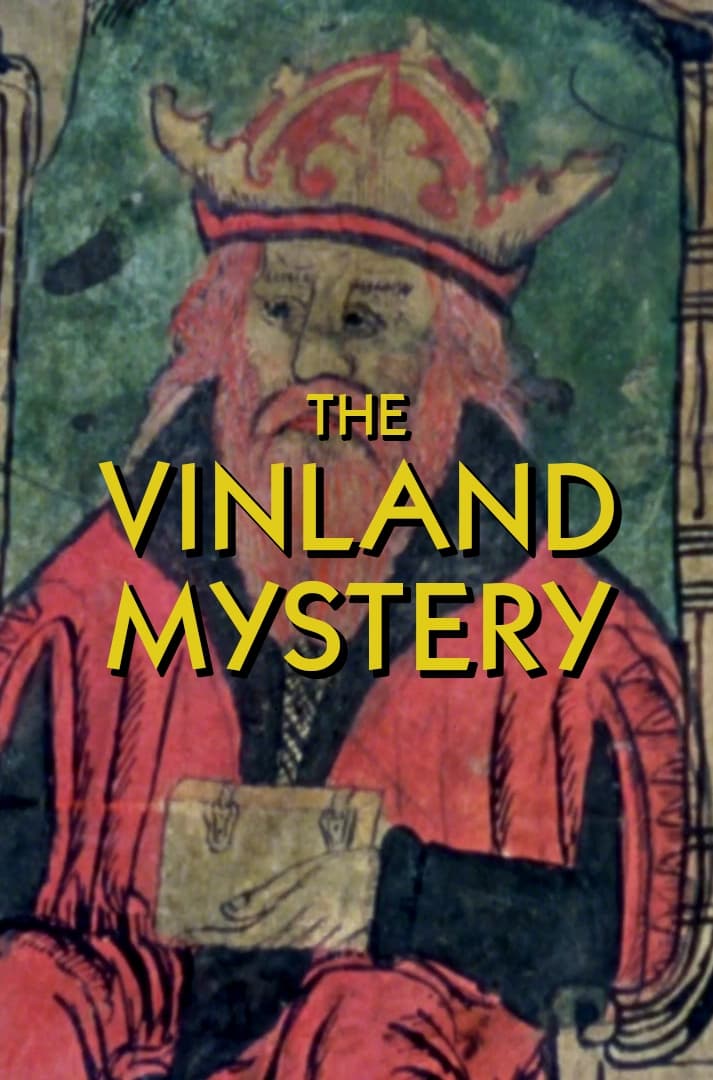
This short documentary depicts the search, discovery and authentication of the only known Norse settlement in North America - Vinland the Good. Mentioned in Icelandic manuscripts and speculated about for over two centuries, Vinland is known as "the place where the wild grapes grow" and was thought to be on the eastern coast between Virginia and Newfoundland. In 1960 a curious group of house mounds was uncovered at l'Anse aux Meadows in northern Newfoundland by Drs. Helge Ingstad and Anne Stine Ingstad of Norway. Added to the United Nations World Heritage List, l'Anse aux Meadows is considered one of the most important archaeological sites in the world.
Archeologists discover a pit filled with terracotta warriors buried to protect the grave of the First Emperor of China.
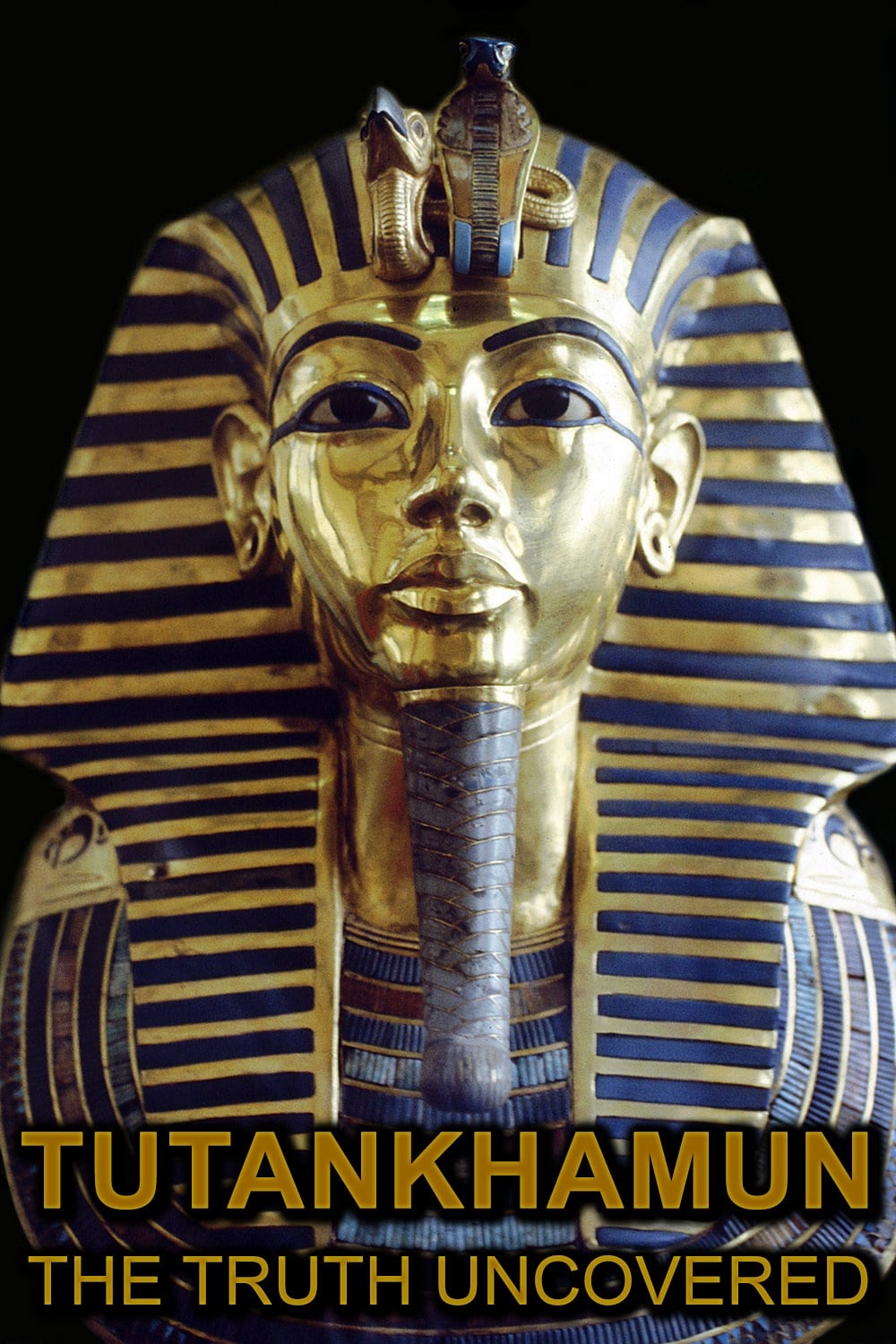
What killed King Tutankhamun? Ever since his spectacular tomb was discovered, the boy king has been the most famous pharaoh of all ancient Egypt. But his mysterious death, at just 19 years old, has never been explained. In this BBC One special, presenter Dallas Campbell reveals new scientific research and carries out unique experiments to get to the truth. For the first time, a virtual autopsy of Tut's mummified body reveals astonishing secrets about the pharaoh. Using CT scan data, the programme creates the first ever full size, scientifically accurate image of the real Tutankhamun. Brand new DNA analysis uncovers a shocking secret about Tut's family background, and the genetic trail of clues leads to a radical and revolutionary new theory to explain Tut's sudden and unexpected death. This is an epic detective story that uncovers the extraordinary truth of the boy behind the golden mask.
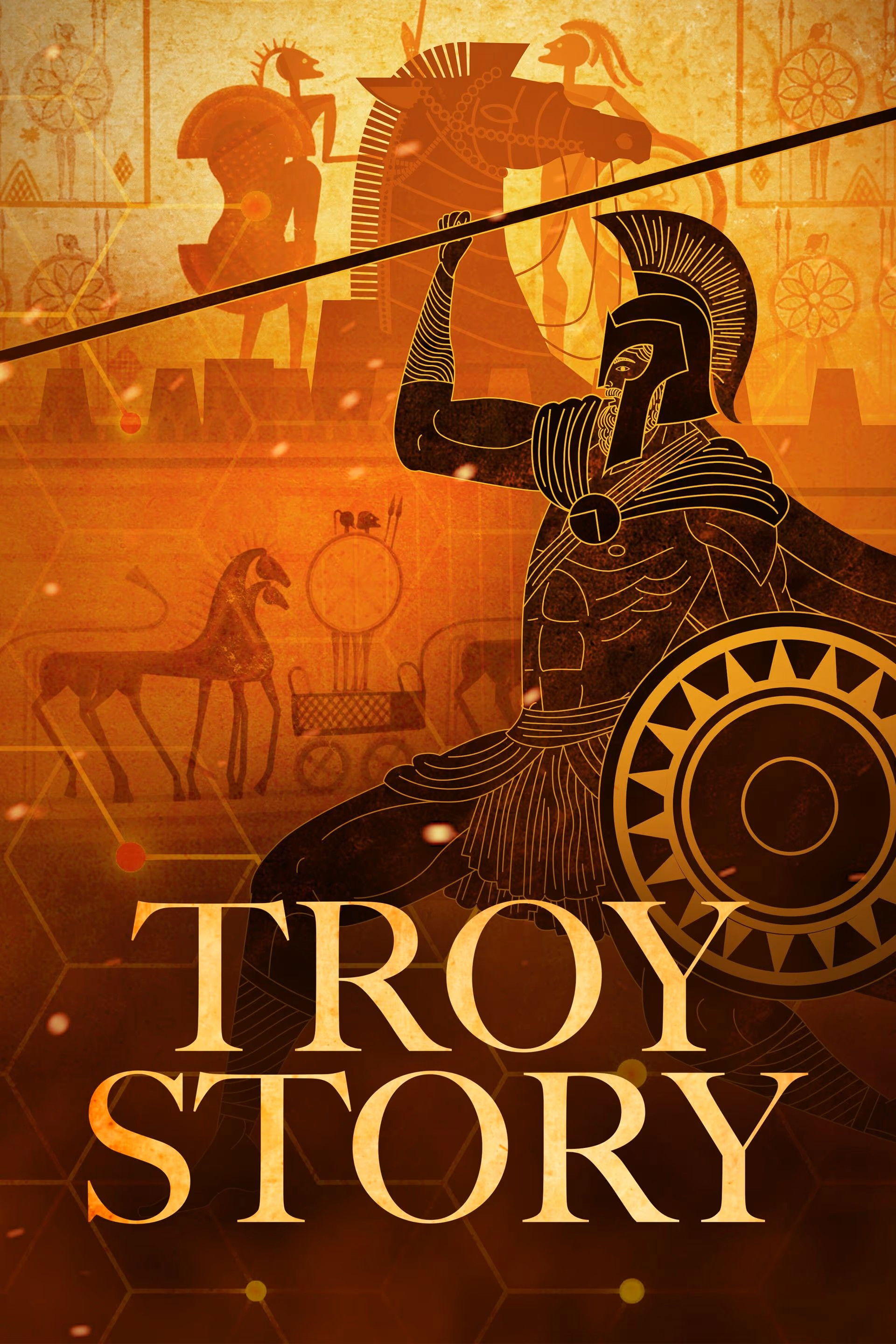
Explores the latest archaeology and science on one of history's most enduring mysteries - did the Trojan War really happen? In 1874 Heinrich Schliemann announced he had found the legendary city of Troy and caused a sensation.
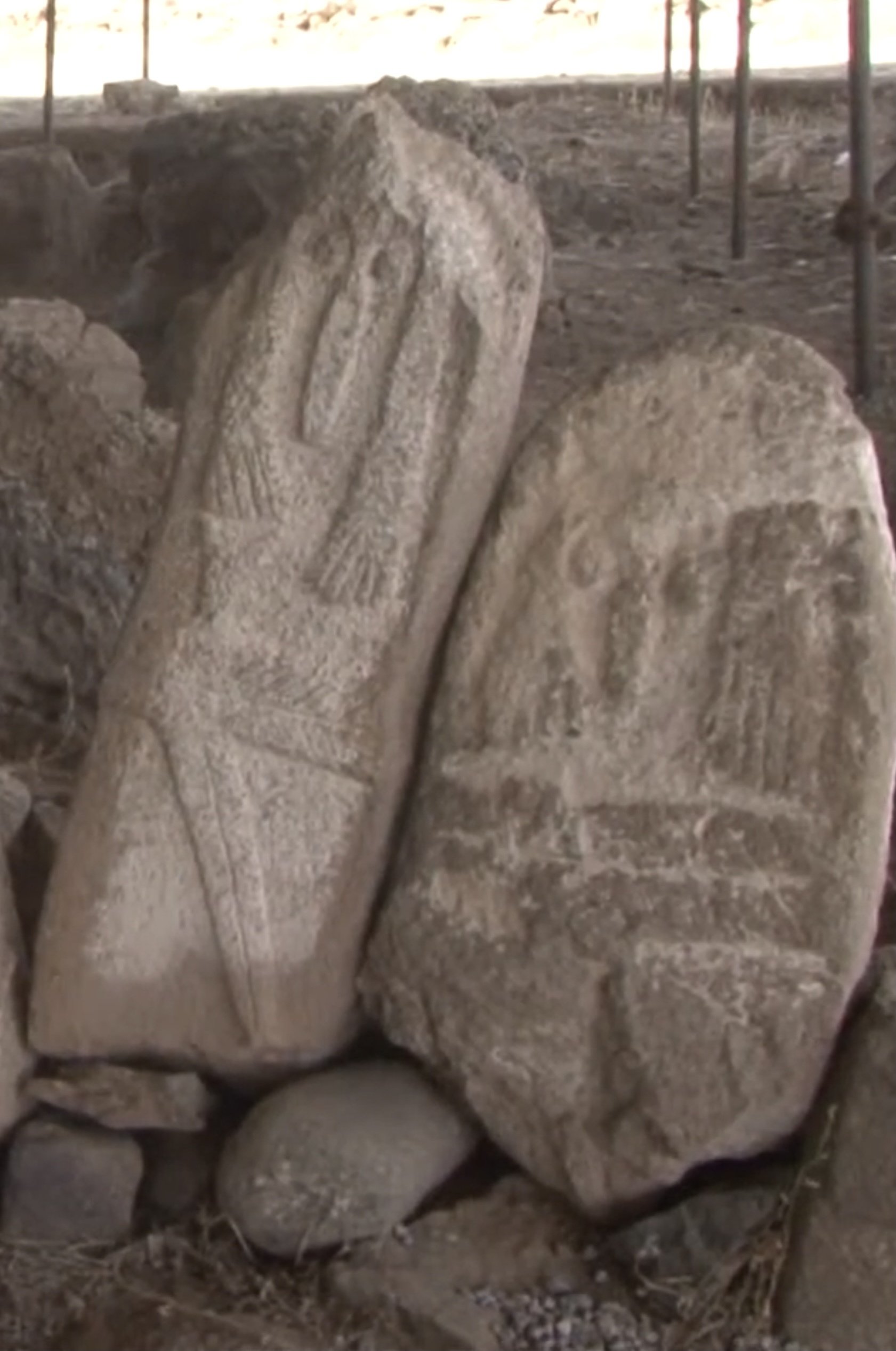
A research on prehistoric Petroglyphs of Arasbaran area in Azerbaijan province of Iran, and the megaliths of Pirazmian area as signs of a lost civilization.
Documentary following a team of technicians in Italy as they reconstruct a number of historic Middle Eastern artifacts that were vandalized at the hands of Islamic State.
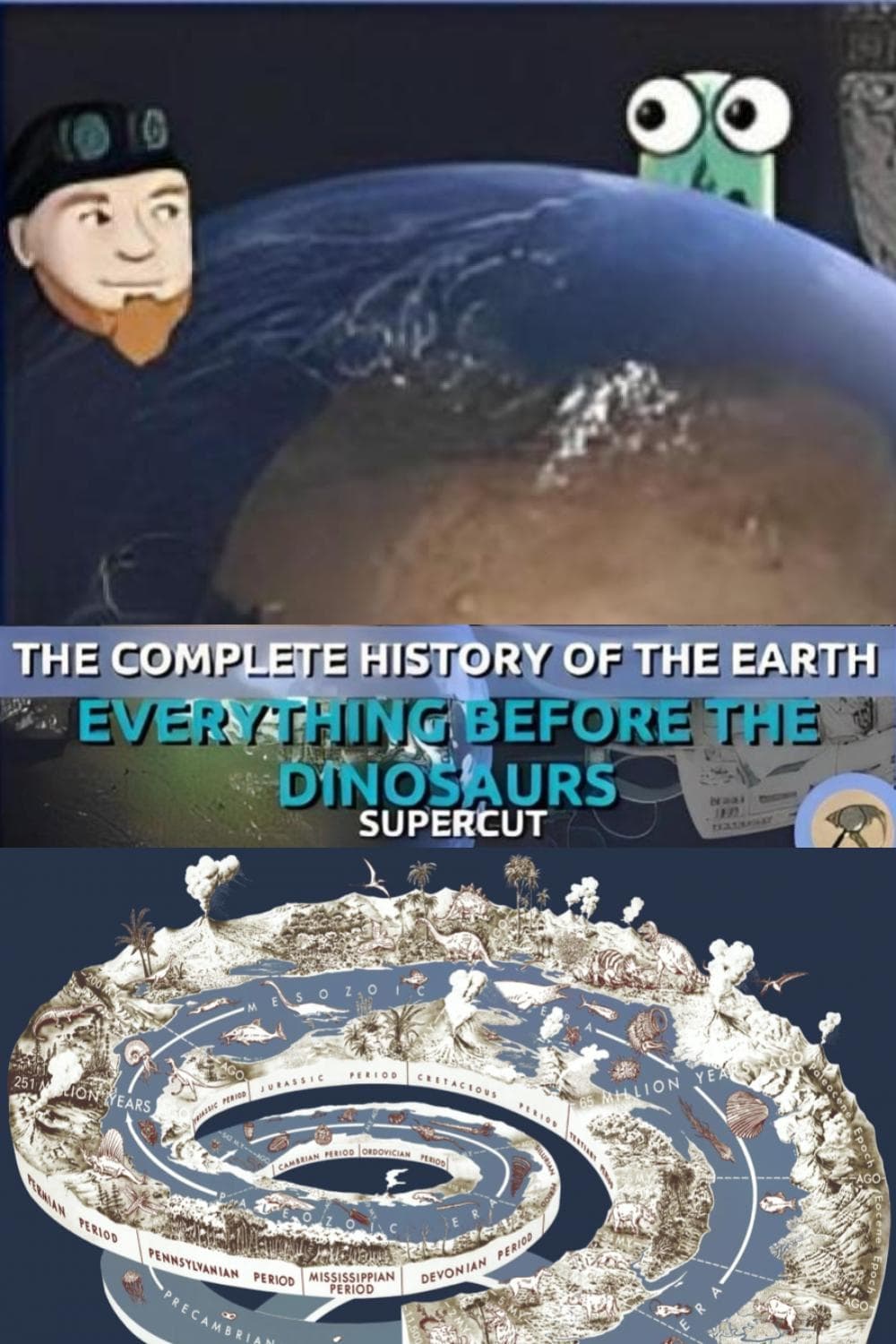
Content creator Paleo Analysis explores the Precambrian and the Paleozoic era on his quest to evolve back into a human.
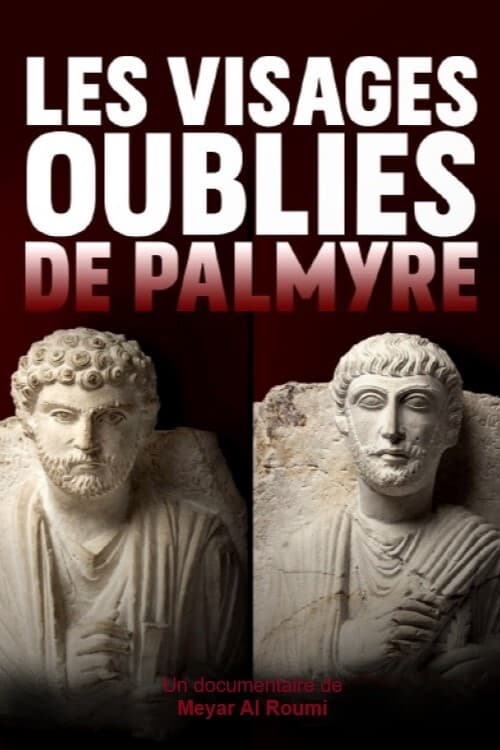
Two thousand years ago, it was a flourishing city in the middle of what is now a Syrian desert. At the crossroads of trade routes, Palmyra attracted caravanners from Mesopotamia, India and China. In what remains of its ruins, rediscovered by Europeans in the 17th century, its numerous necropolises bear witness to a prosperous past. Carved in limestone in the first centuries of our era, the faces of the representatives - men, women and children - of its greatest families adorn the walls of its tombs. Since 2012, Danish archaeologist Rubina Raja has been leading a long-term project to find, document and retrace the family trees and daily life of these Palmyrenians.
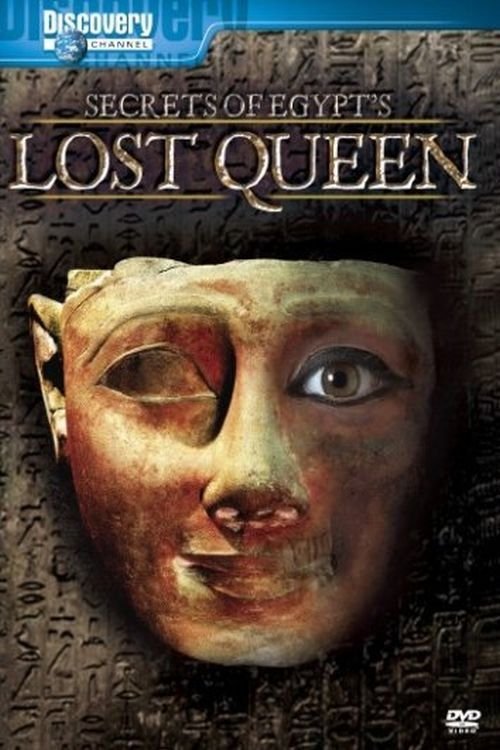
Move over, King Tut: There's a new pharaoh on the scene. A team of top archaeologists and forensics experts revisits the story of Hatshepsut, the woman who snatched the throne dressed as a man and declared herself ruler. Despite her long and prosperous reign, her record was all but eradicated from Egyptian history in a mystery that has long puzzled scholars. But with the latest research effort captured in this program, history is about to change.
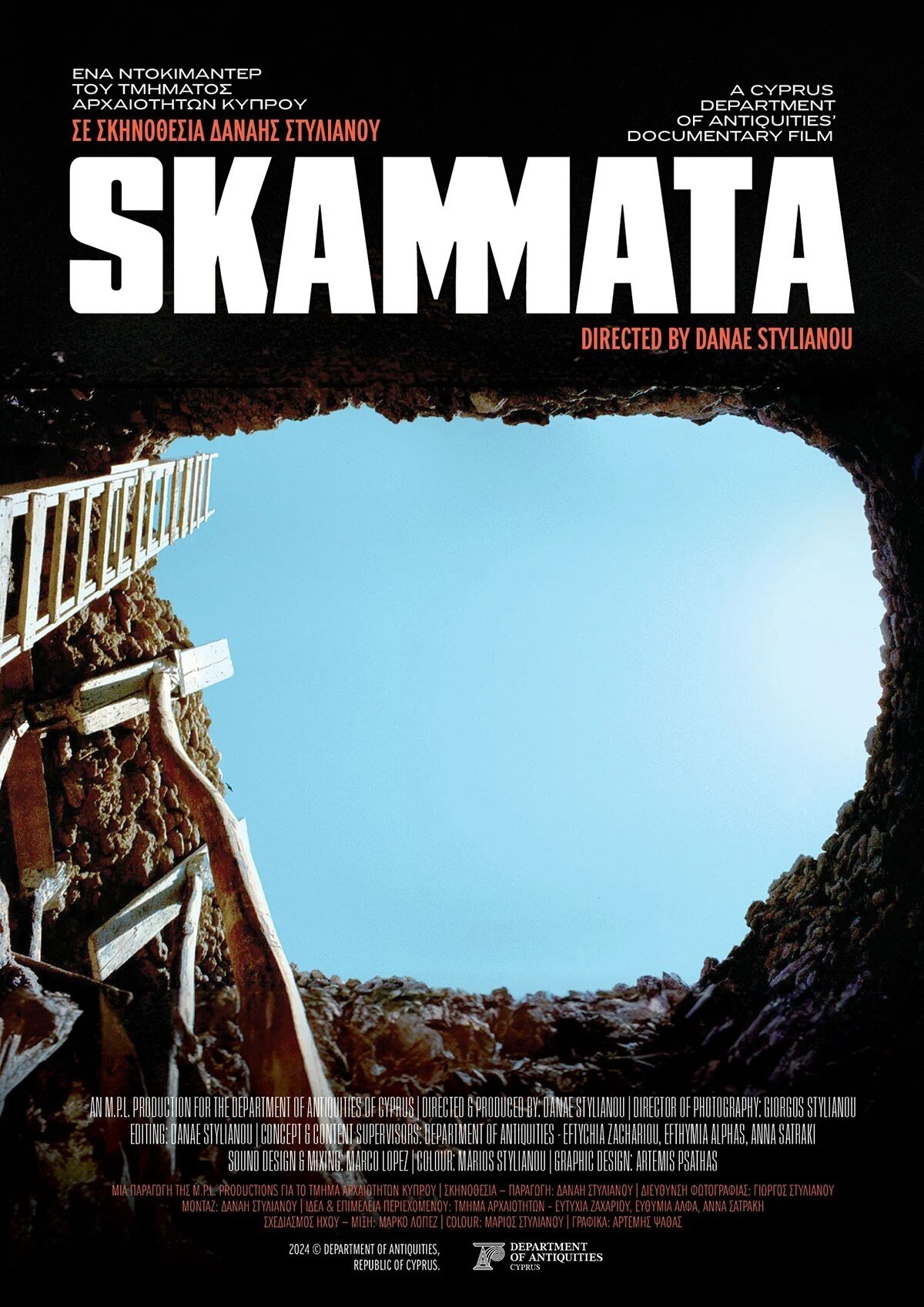
Fifty years after the coup and the Turkish invasion of Cyprus, Cypriot and foreign archaeologists, along with members of the Department of Antiquities' staff from that time, delve into personal memory, examine the collective trauma of war, and outline its impact on Cypriot archaeology. Weaving archival material from excavations with gripping personal testimonies, the documentary *"Skammata"* highlights significant moments in Cypriot archaeology, both before and after the tragic events of 1974.
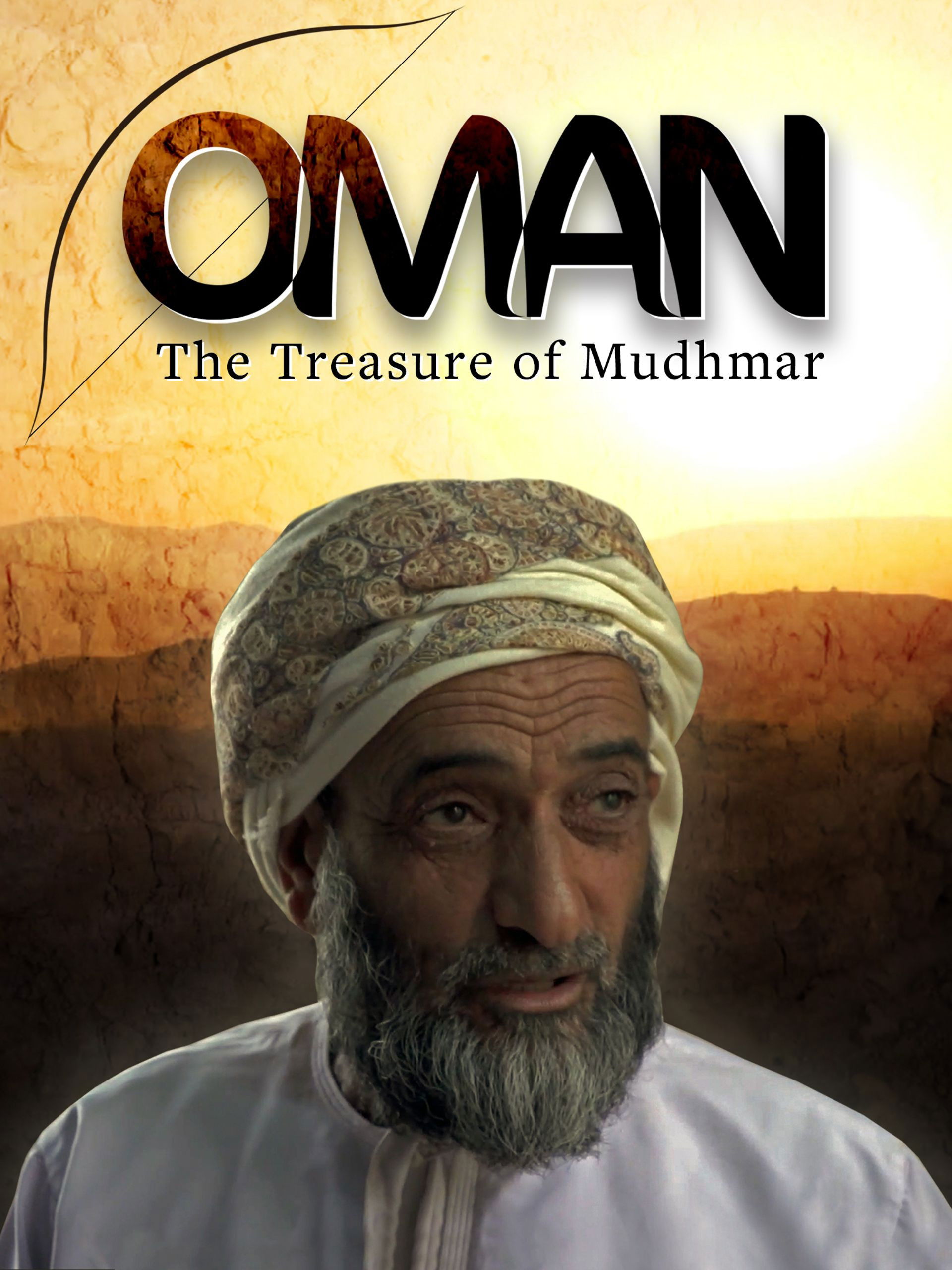
To the east of the Arabian desert, an ancient culture developed; and it attainted the sophistication of its civilized neighbours in Mesopotamia & Iran. The extreme aridity of the spot, combined with the strictness of religious prohibitions, discouraged archaeologists for a long period of time. Only recently, a group of French scientists initiated a large-span excavation. Their aim is to comprehend how this society succeeded to prosper, despite a natural environment so hostile to any conditions of life. The answer seems to be the refinement of a revolutionary, water management technique. Yet beyond such technical prowess, this documentary provides a unique look to discover a unique way of life; but also the pre-Islamic religious beliefs of this milieu.
In this hour-long documentary, Oxford academic Janina Ramirez tours the country in search of Anglo-Saxon art treasures. Her basic thesis - and it is a plausible one - is that we should not look upon their era as a "dark age" as compared, for example, to Roman times, but rather celebrate it as an age in which creativity flowered, especially in terms of artistic design as well as symbolism. She shows plenty of good examples, ranging from the Franks Casket to the Staffordshire Hoard, and the Lindisfarne Gospels.
A documentary about archaeology, which, based on traces and finds hidden underground, creates a picture of the beginnings of the history of the Czech lands, which goes back to the Ice Age 30,000 years ago.
A slide about the importance of accidental archaeological finds for the development of archaeological science and the study of history. The film appeals to farmers and construction workers in particular, urging them to report similar findings immediately.
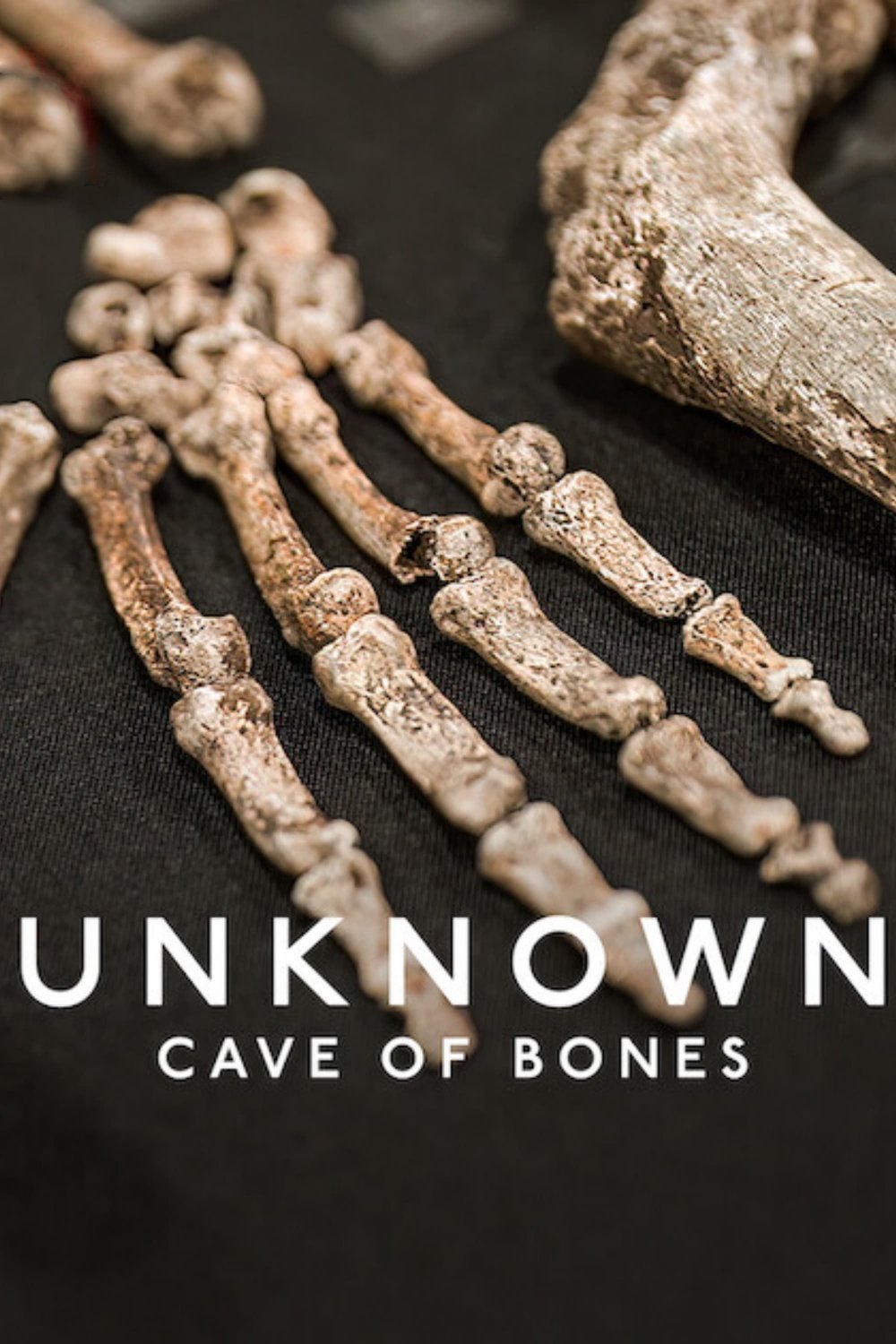
Scientists examine underground clues from over 250,000 years ago that raise questions about our early relatives — and what it truly means to be human.
Grammy® winner singer-songwriter Olivia Rodrigo takes a familiar road trip from Salt Lake City, where she began writing her debut album “SOUR,” to Los Angeles. Along the way, Rodrigo recounts the memories of writing and creating her record-breaking debut album and shares her feelings as a young woman navigating a specific time in her life. Through new live arrangements of her songs, intimate interviews and never-before-seen footage from the making of the album, audiences will follow Olivia along on a cinematic journey exploring the story of “SOUR.”
The film follows adventurer Jeff Johnson as he retraces the epic 1968 journey of his heroes Yvon Chouinard and Doug Tompkins to Patagonia.
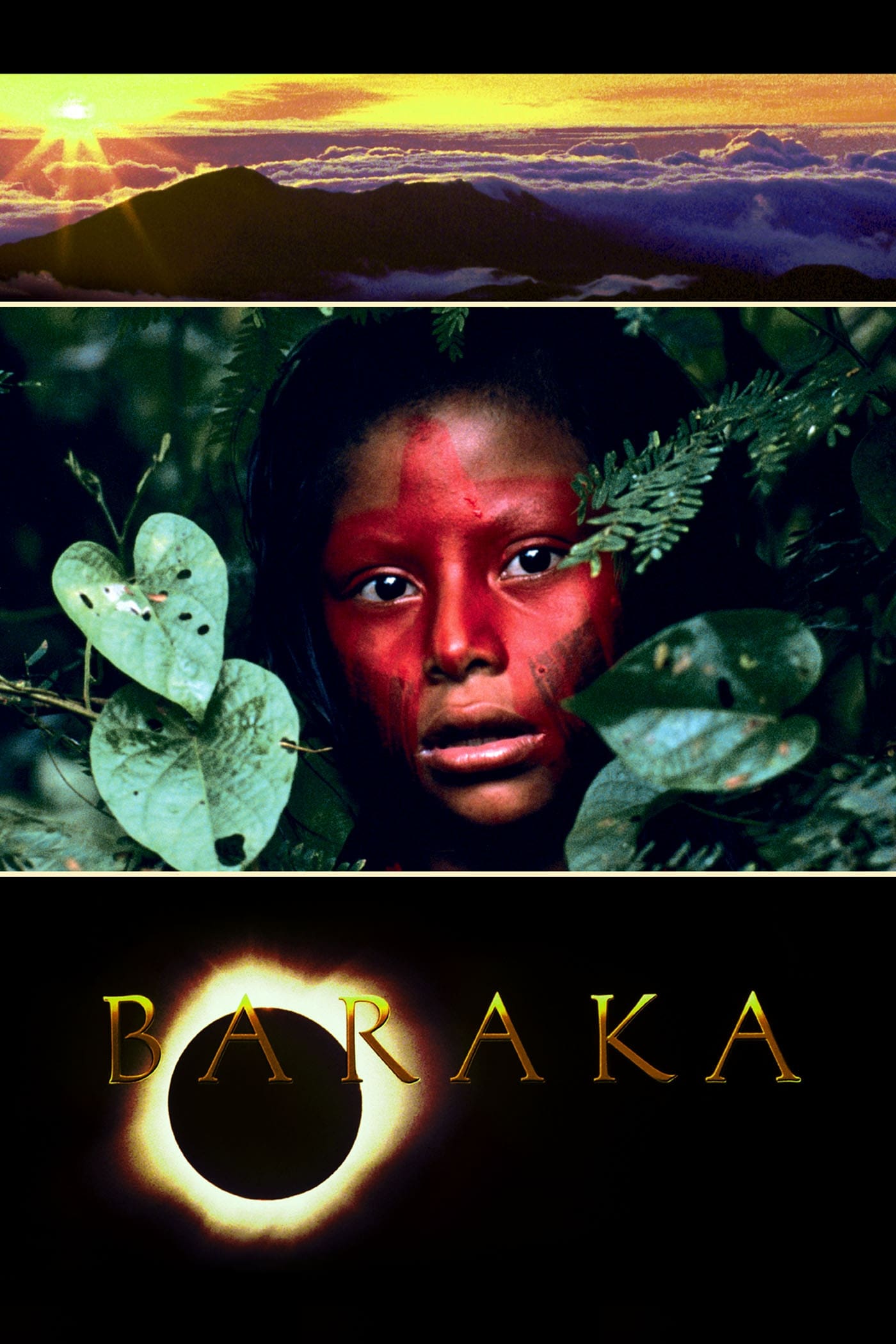
A paralysingly beautiful documentary with a global vision—an odyssey through landscape and time—that attempts to capture the essence of life.
An atmospheric essay, which is an alternative version of Count Dracula, a film directed by Jess Franco in 1970; a ghostly narration between fiction and reality.
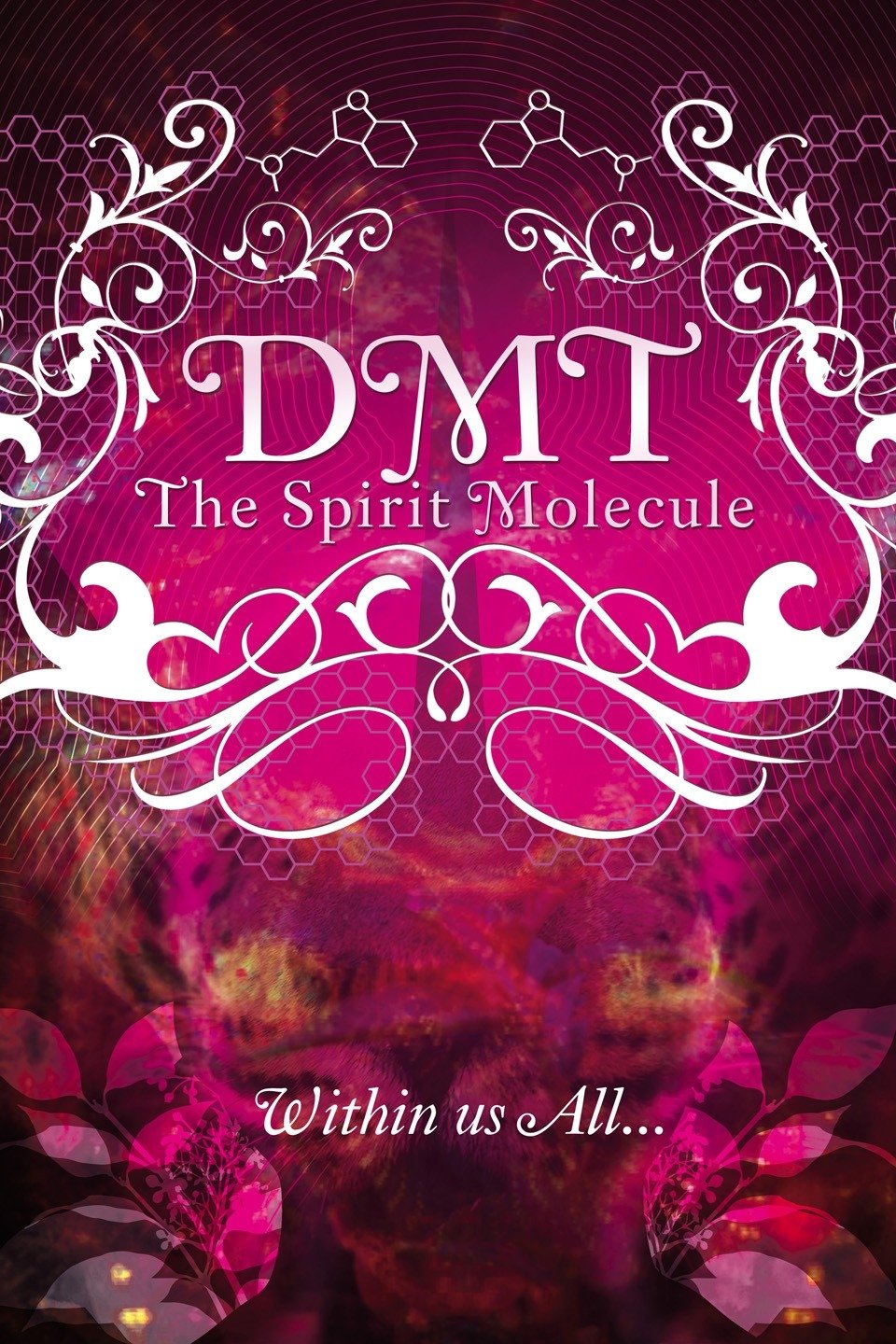
THE SPIRIT MOLECULE weaves an account of Dr. Rick Strassman's groundbreaking DMT research through a multifaceted approach to this intriguing hallucinogen found in the human brain and hundreds of plants, including the sacred Amazonian brew, ayahuasca. Utilizing interviews with a variety of experts to explain their thoughts and experiences with DMT, and ayahuasca, within their respective fields, and discussions with Strassman’s research volunteers, brings to life the awesome effects of this compound, and introduces us to far-reaching theories regarding its role in human consciousness.
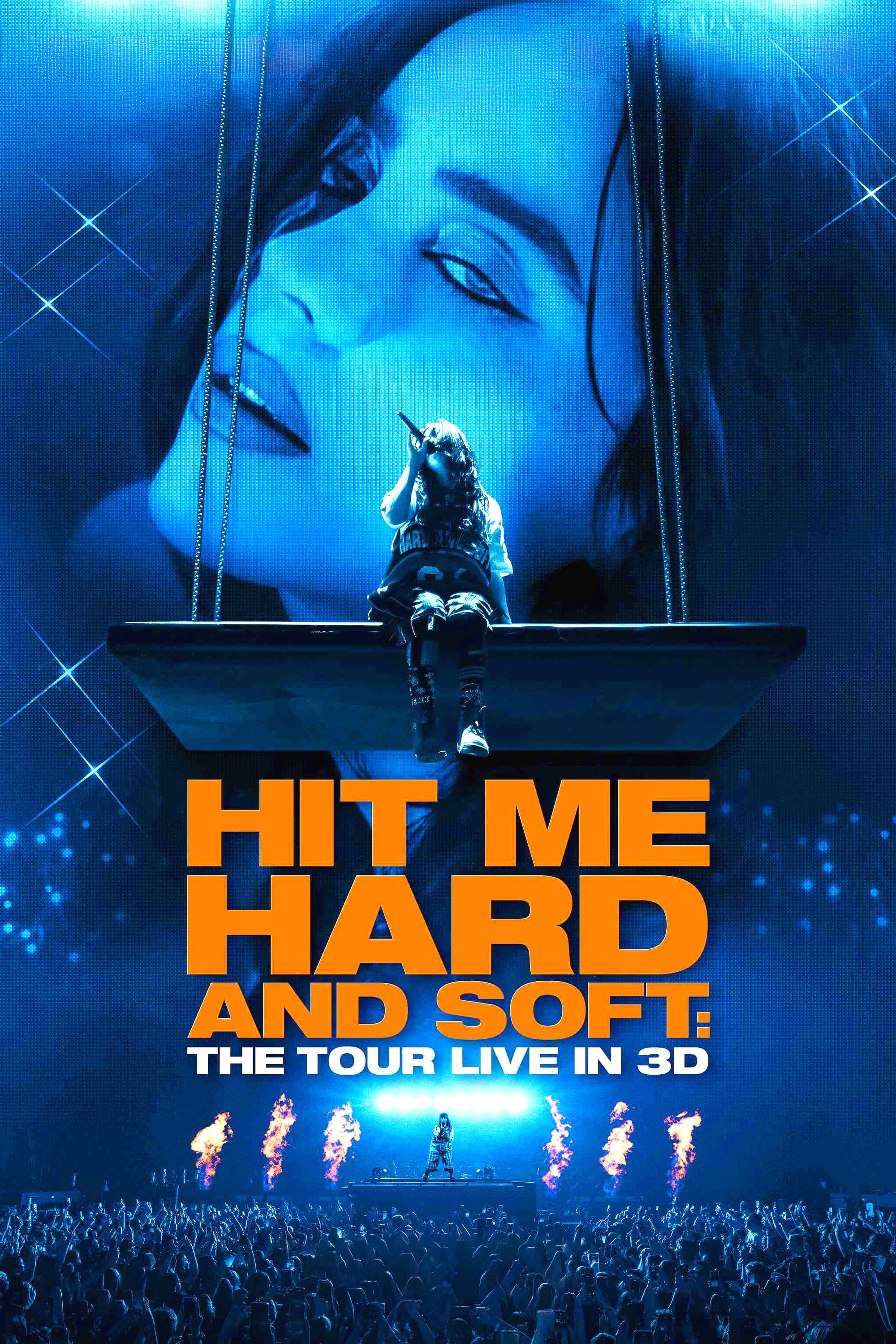
Captured during Billie Eilish's sold-out world tour, a concert experience from one of the most celebrated and successful artists of her generation, presented in immersive 3D.
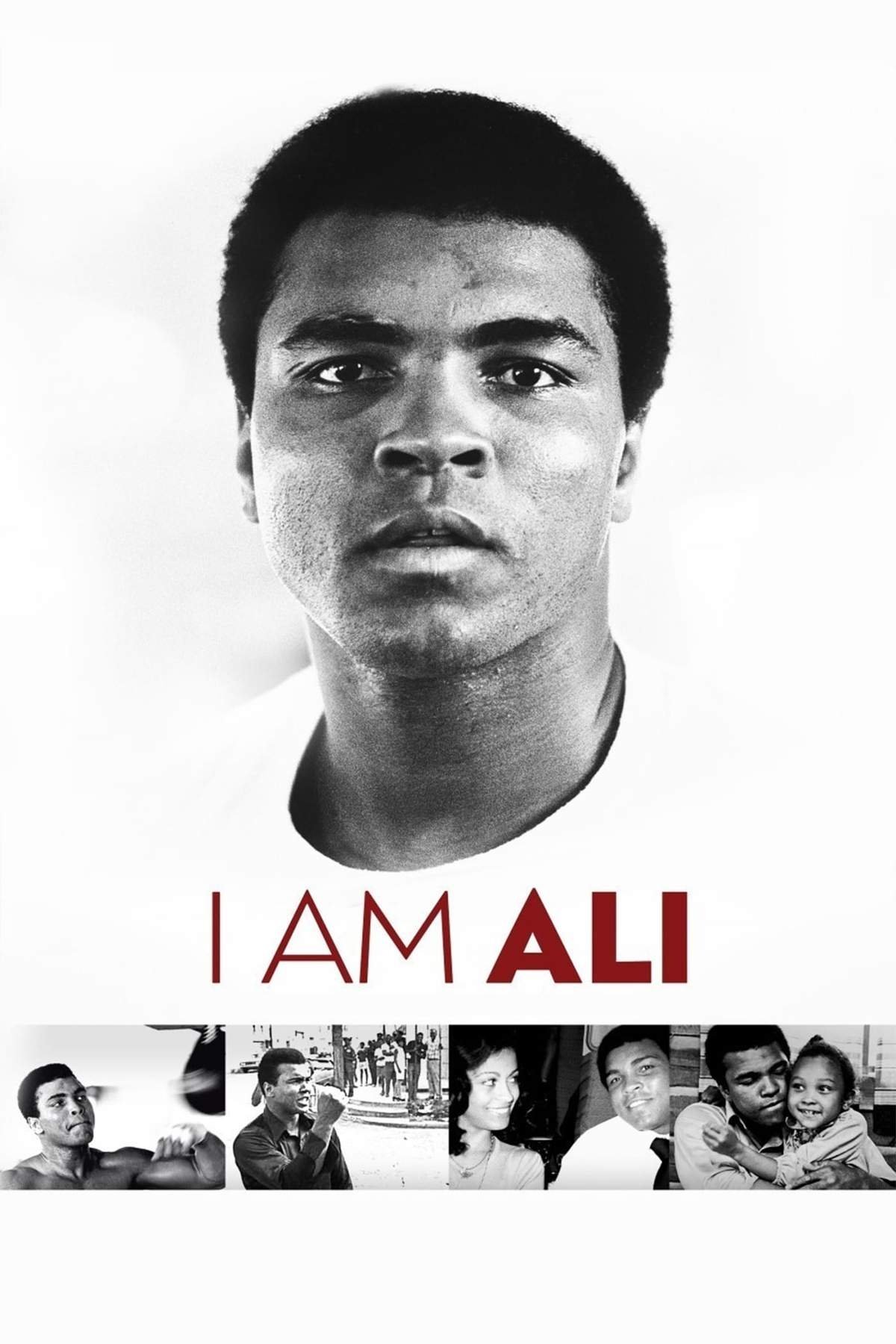
Unprecedented access to Muhammad Ali's personal archive of "audio journals" as well as interviews and testimonials from his inner circle of family and friends are used to tell the legend's life story.
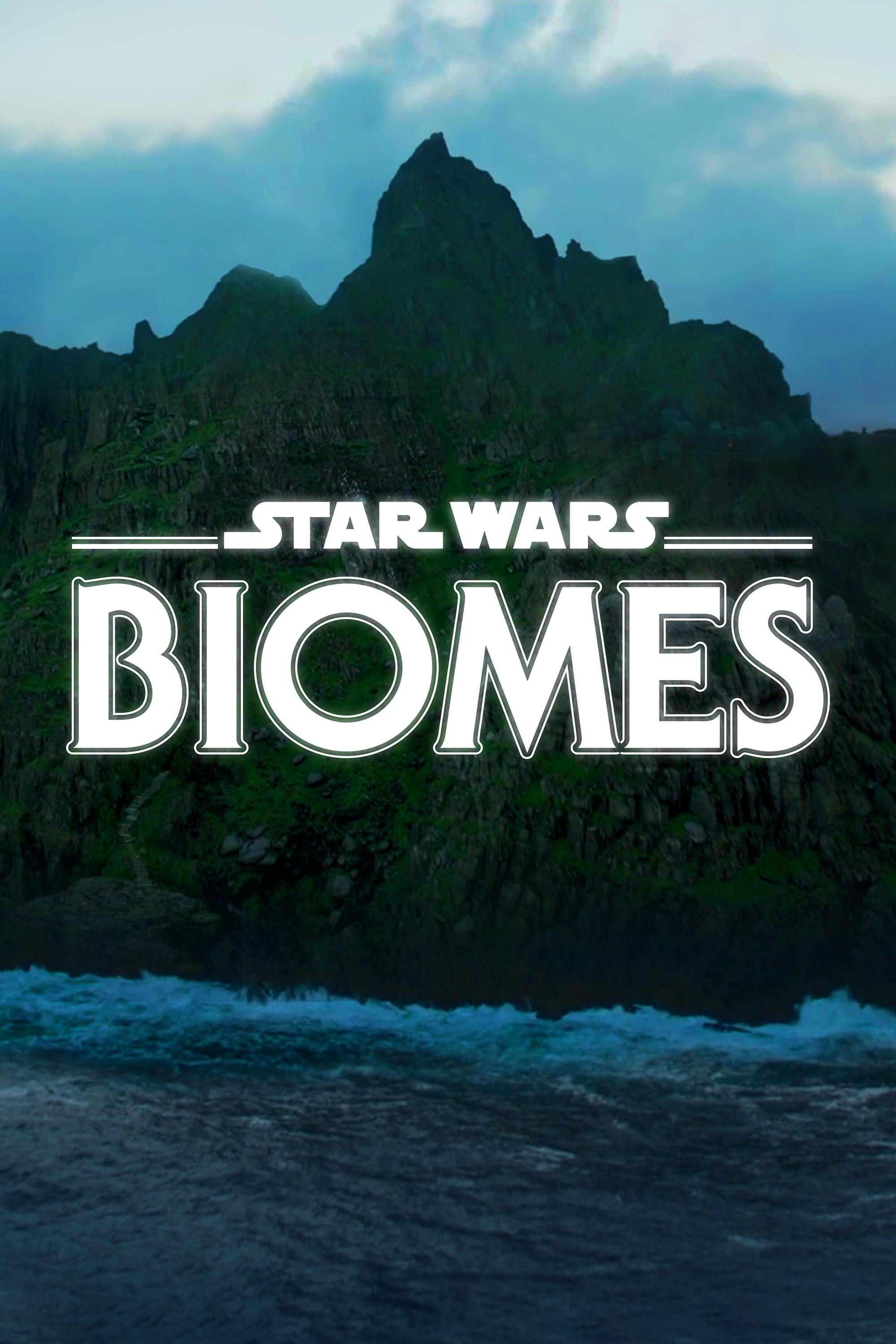
Take a virtual vacation to some of the Star Wars films' most iconic and beloved locations like Hoth, Tatooine, and Sorgan, as this charming series whisks you off for fly-through tours of the Galaxy Far, Far Away.
A look at the "Hell House" performed annually in October by the youth members of Trinity Church (Assemblies of God) in Cedar Hill, Texas (a Dallas suburb) — seen by over 10,000 visitors each year.
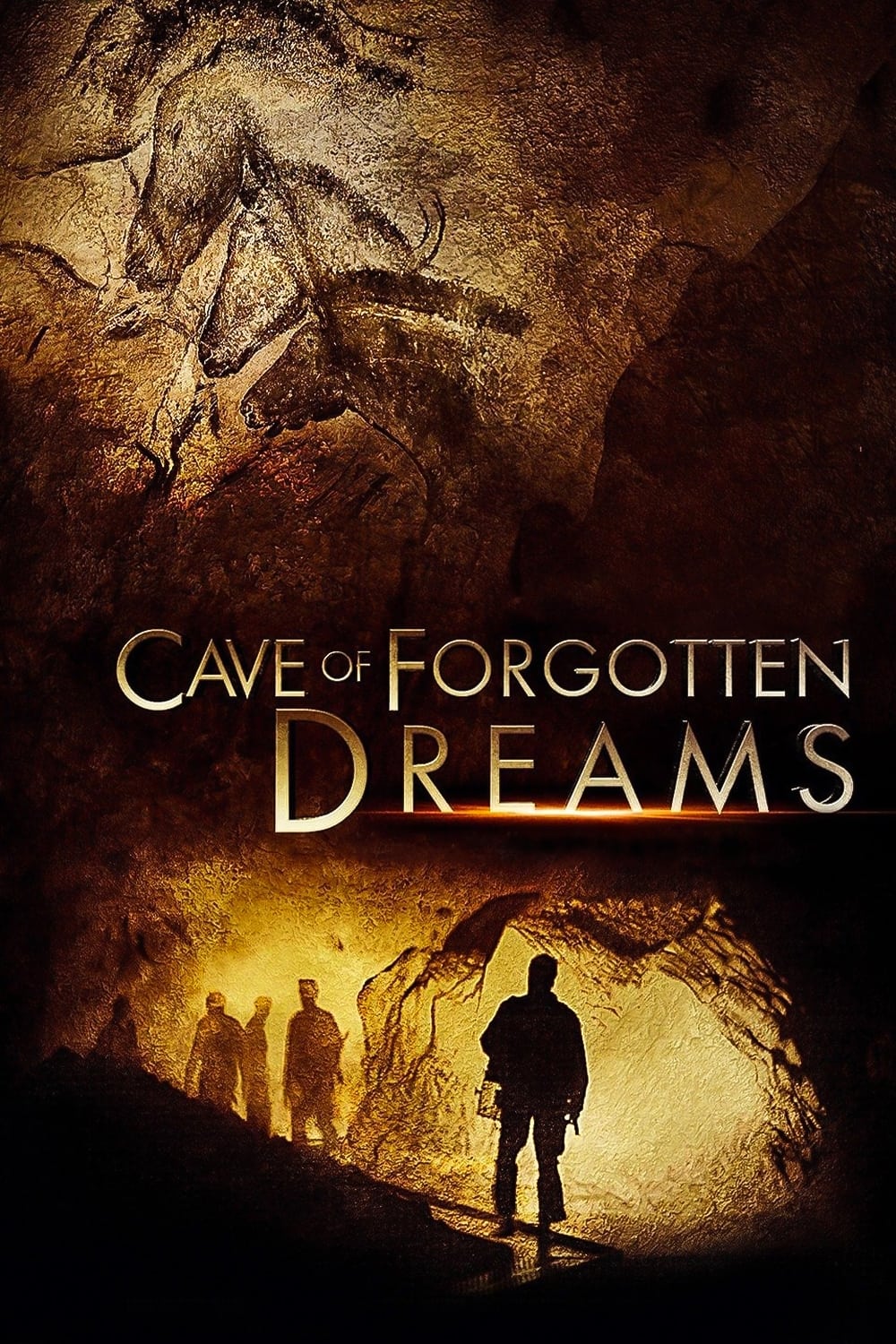
Werner Herzog gains exclusive access to film inside the Chauvet caves of Southern France, capturing the oldest known pictorial creations of humankind in their astonishing natural setting.
A unique cinematic experience that invites audiences on a vibrant journey through the life of cultural icon Pharrell Williams. Told through the lens of LEGO® animation, turn up the volume on your imagination and witness the evolution of one of music's most innovative minds.
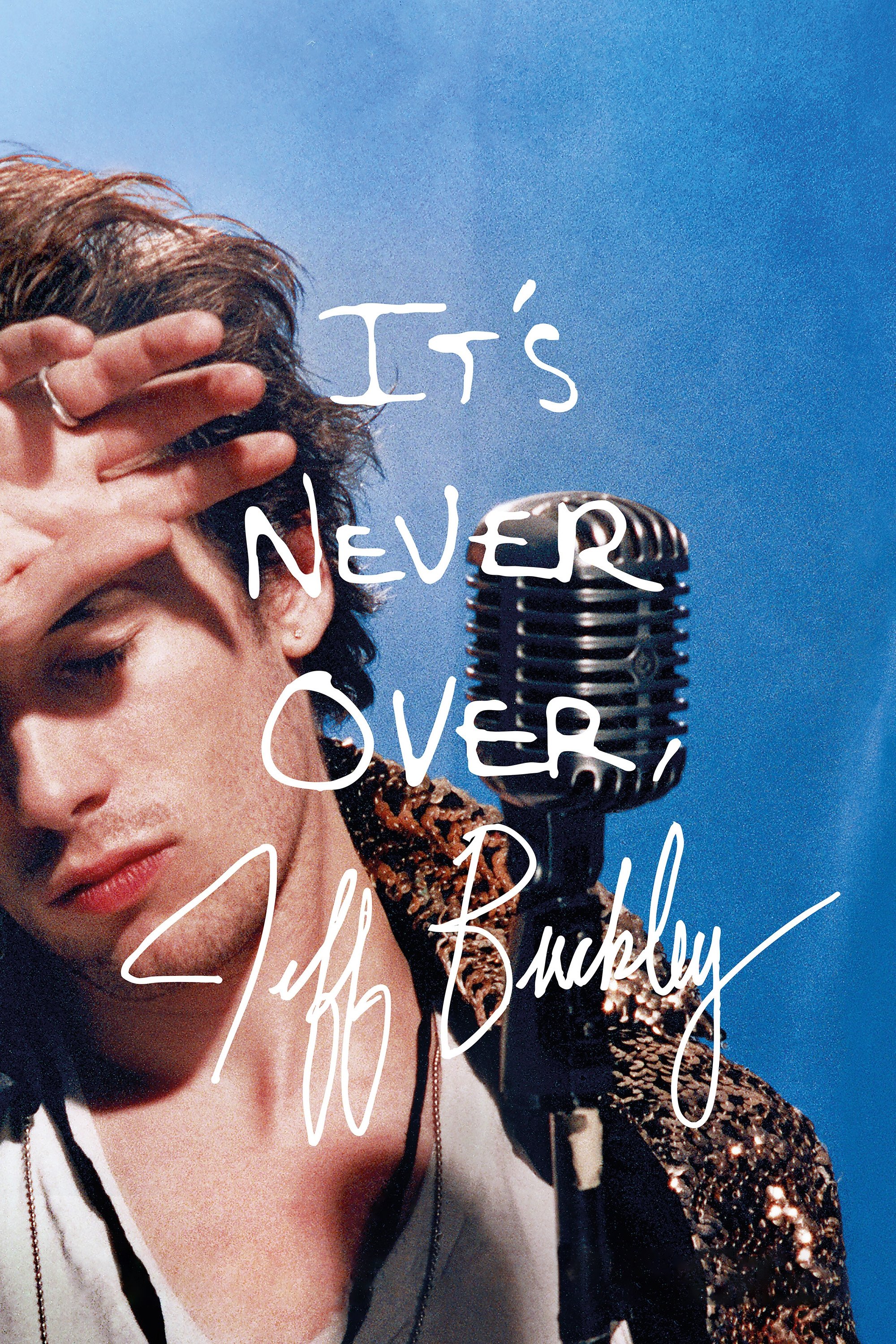
Rising musician Jeff Buckley had only released one album when he died suddenly in 1997. Now, never-before-seen footage, exclusive voice messages, and accounts from those closest to him offer a portrait of the captivating singer.
A look at the origins, history and conspiracies behind the "Majestic 12", a clandestine group of military and corporate figureheads charged with reverse-engineering extraterrestrial technology.
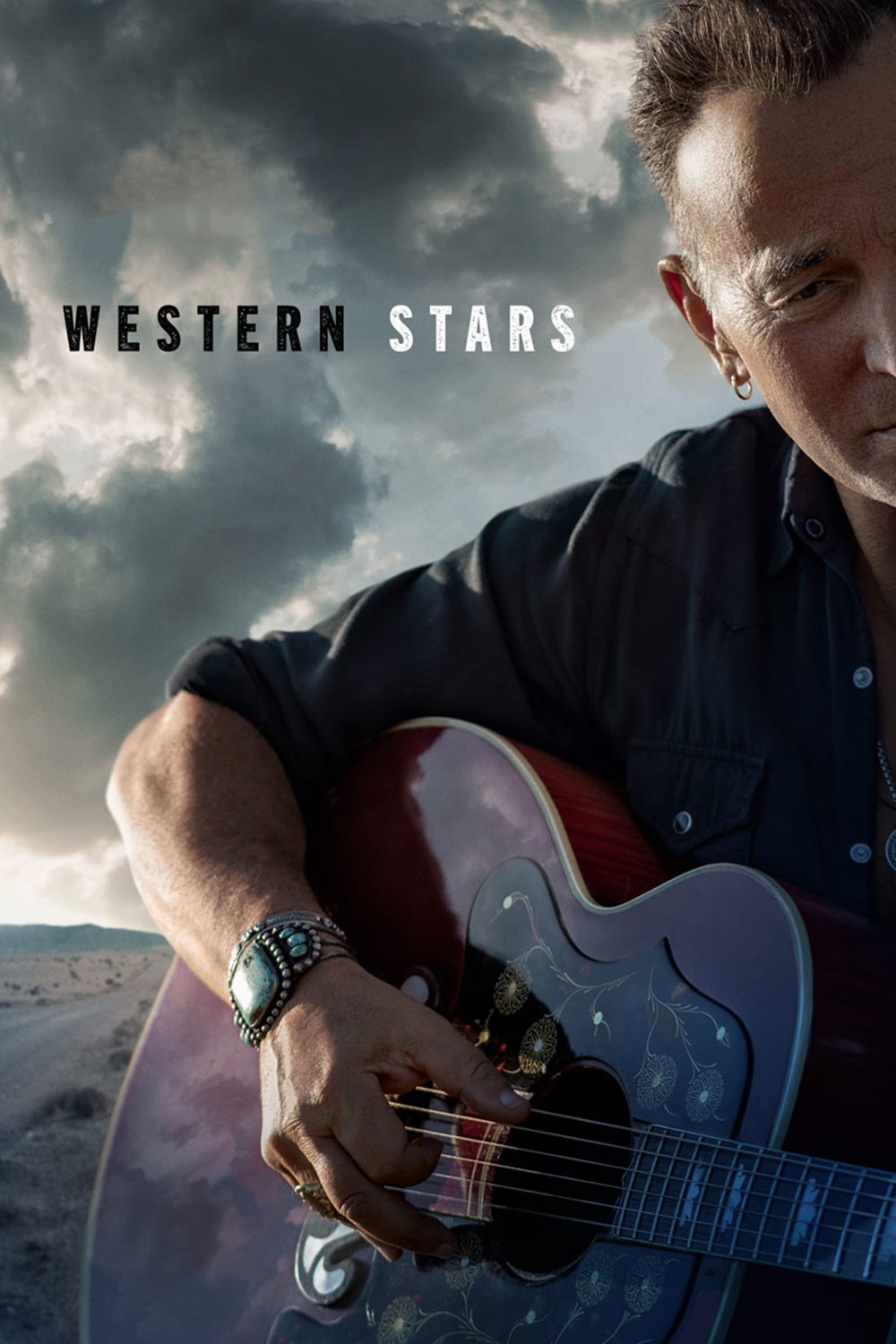
The incomparable Bruce Springsteen performs his critically acclaimed latest album and muses on life, rock, and the American dream, in this intimate and personal concert film co-directed by Thom Zimny and Springsteen himself.
Lupita Nyong'o narrates a documentary about Peanuts and its creator, Charles M. Schulz. Famous fans—including Drew Barrymore, Kevin Smith, and Al Roker—share its influence on them, and a new animated story finds Charlie Brown on a quest.
Daniel Craig candidly reflects on his 15 year adventure as James Bond. Including never-before-seen archival footage from Casino Royale to the upcoming 25th film No Time To Die, Craig shares his personal memories in conversation with 007 producers, Michael G Wilson and Barbara Broccoli.
Al Pacino's deeply-felt rumination on Shakespeare's significance and relevance to the modern world through interviews and an in-depth analysis of "Richard III."
The life and career of an actor, artist, and icon. His own journey through his own camera.
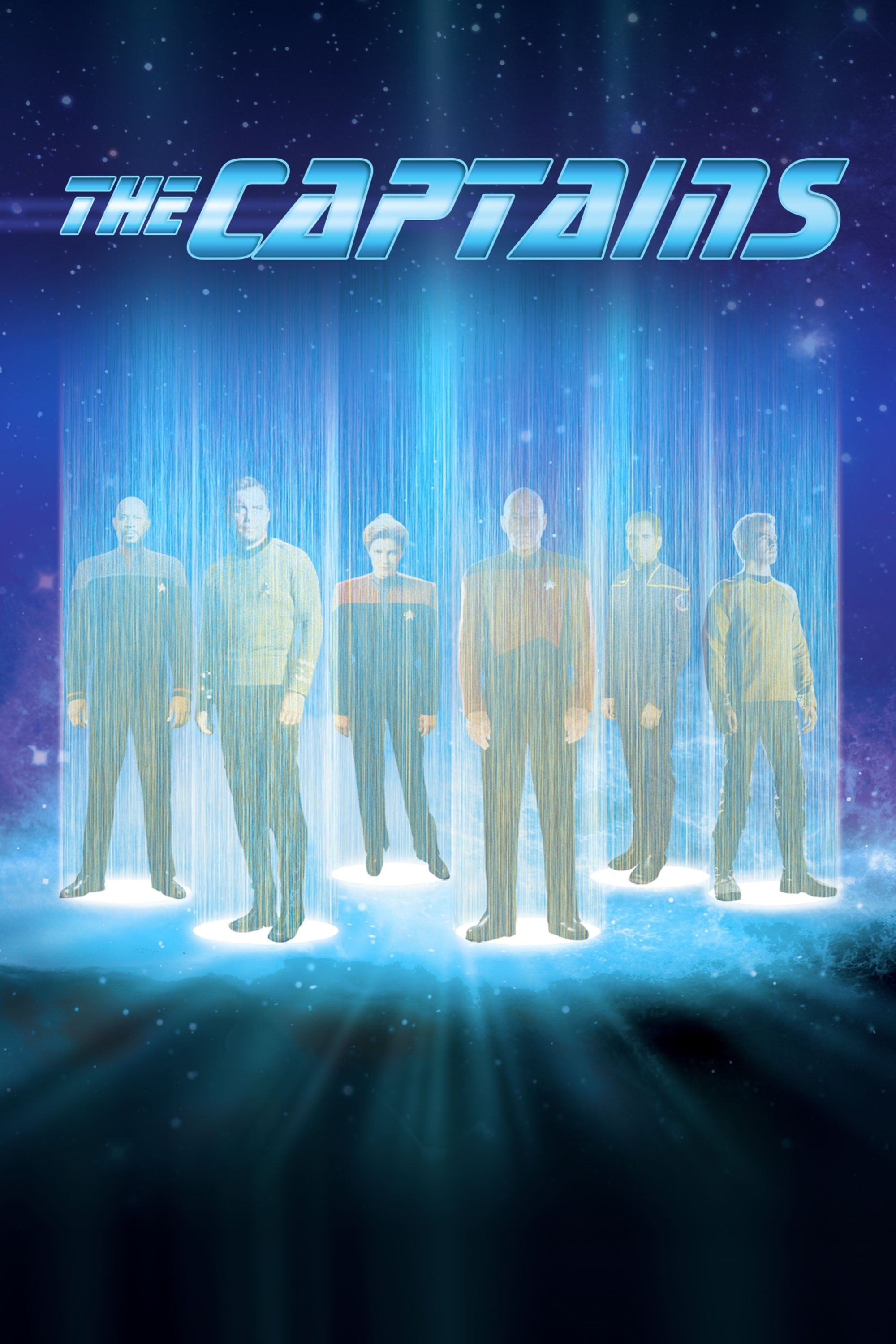
The Captains is a feature-length documentary film written and directed by William Shatner. The film follows Shatner as he interviews the other actors who have portrayed starship captains in the Star Trek franchise.