Social & External
The people behind it
Matej Landl
Commentary (voice)
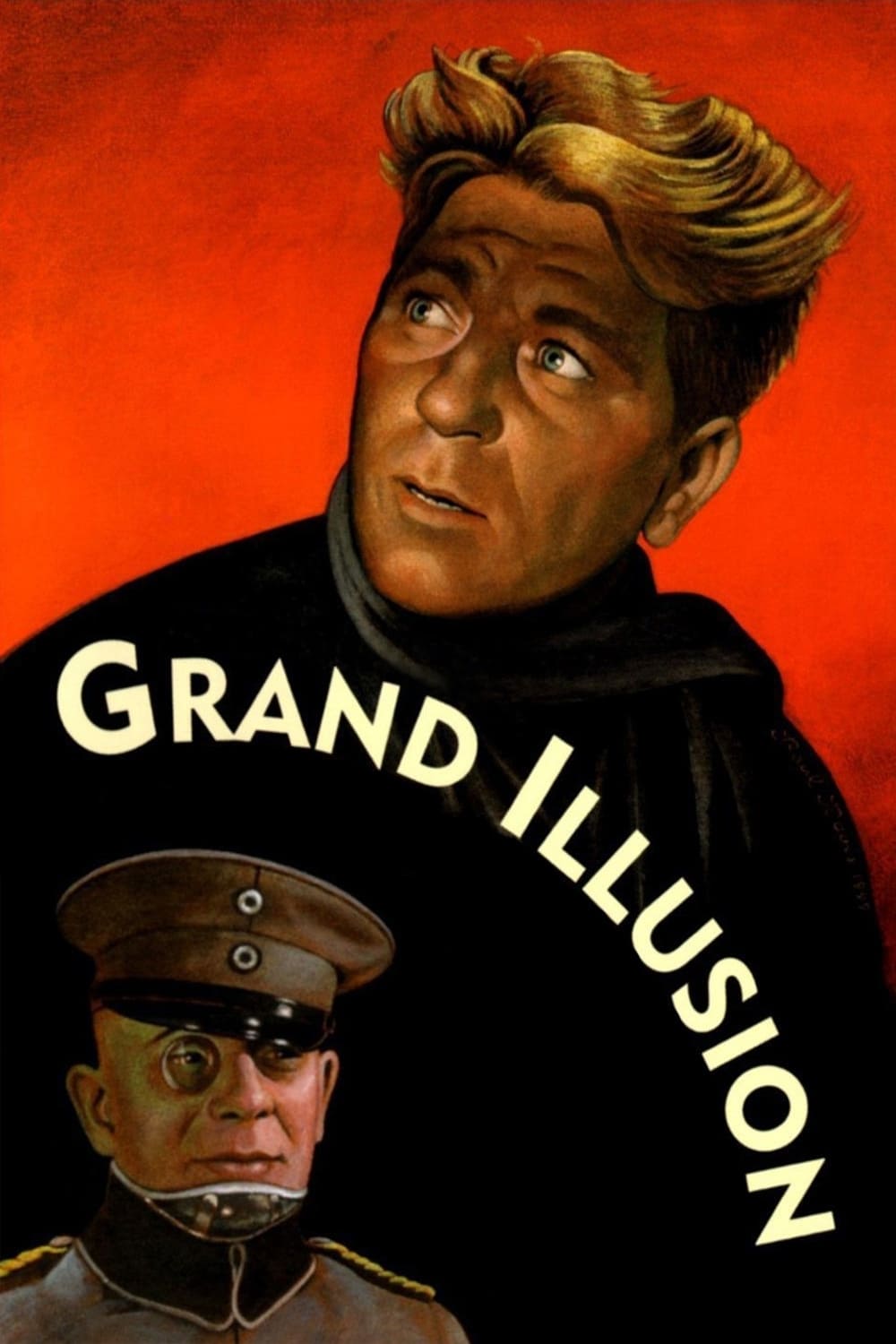
A group of French soldiers, including the patrician Captain de Boeldieu and the working-class Lieutenant Maréchal, grapple with their own class differences after being captured and held in a World War I German prison camp. When the men are transferred to a high-security fortress, they must concoct a plan to escape beneath the watchful eye of aristocratic German officer von Rauffenstein, who has formed an unexpected bond with de Boeldieu.
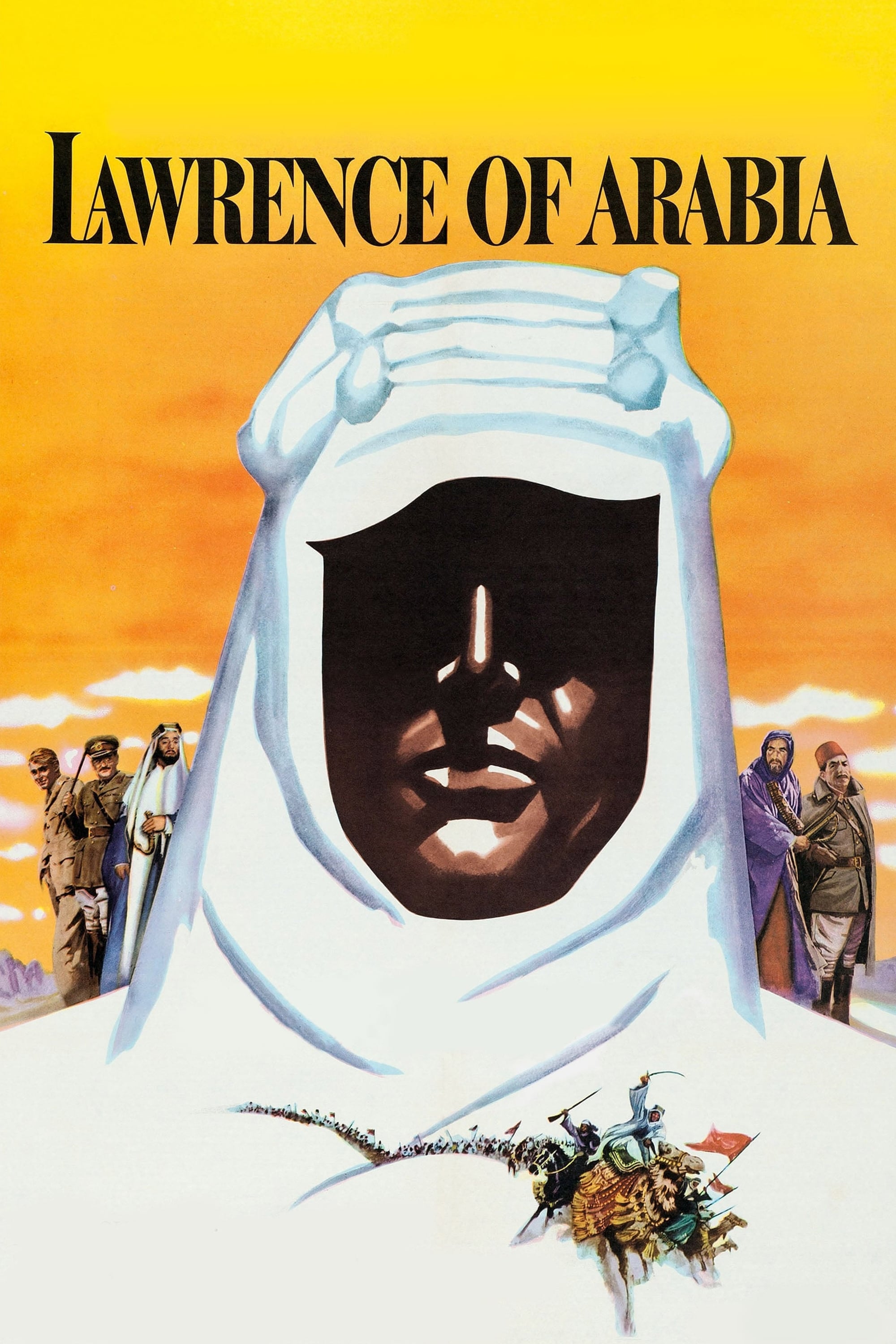
During World War I, English officer Thomas Edward 'T.E.' Lawrence sets out to unite and lead the diverse, often warring, Arab tribes to fight the Turks.
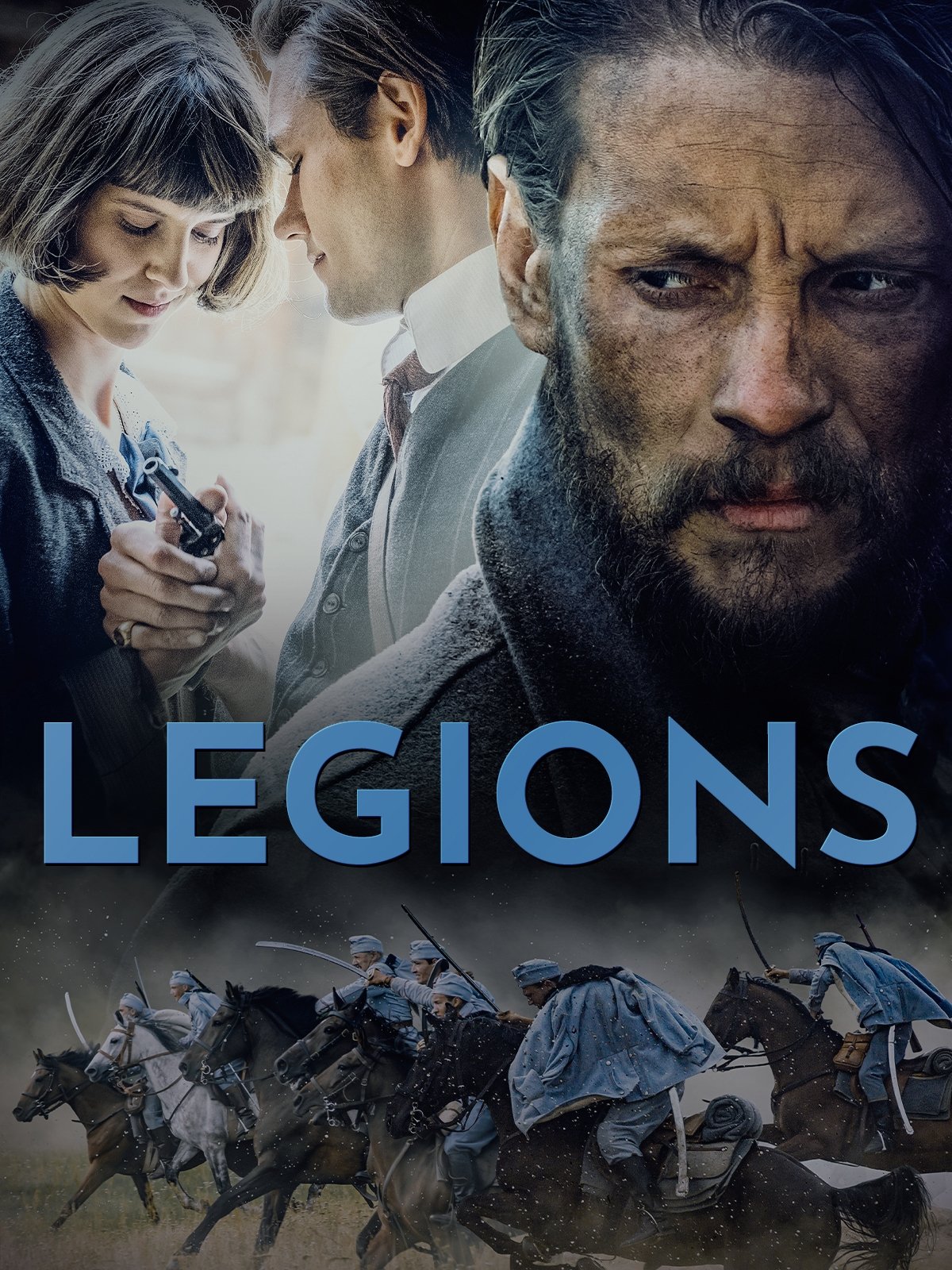
A universal story about entering adulthood in difficult times, growing up to the community. The great history is the background for the love story unfolding in the foreground: Józek, a deserter from the tsarist army who joins the emerging Legions, an intelligence agent for the I Brigade and Women’s Leage member – Ola, and Tadek, her fiancée, a member of Shooting Team.
Jozo and Mujo are mobilized in the Austro-Hungarian Army. Reluctantly drawn into the war they make a bond of unbreakable friendship. To realize the plan to leave hated Army, Jozo are pretending to be deaf and dumb. But his firm determination comes into question when his friend's life comes into mortal peril.
Esther Johnson’s film uses local archive footage to convey the story of Sunderland's involvement in the First World War, from the men who fought in the fields to those who stayed behind to work in the region’s shipyards and munitions factories.
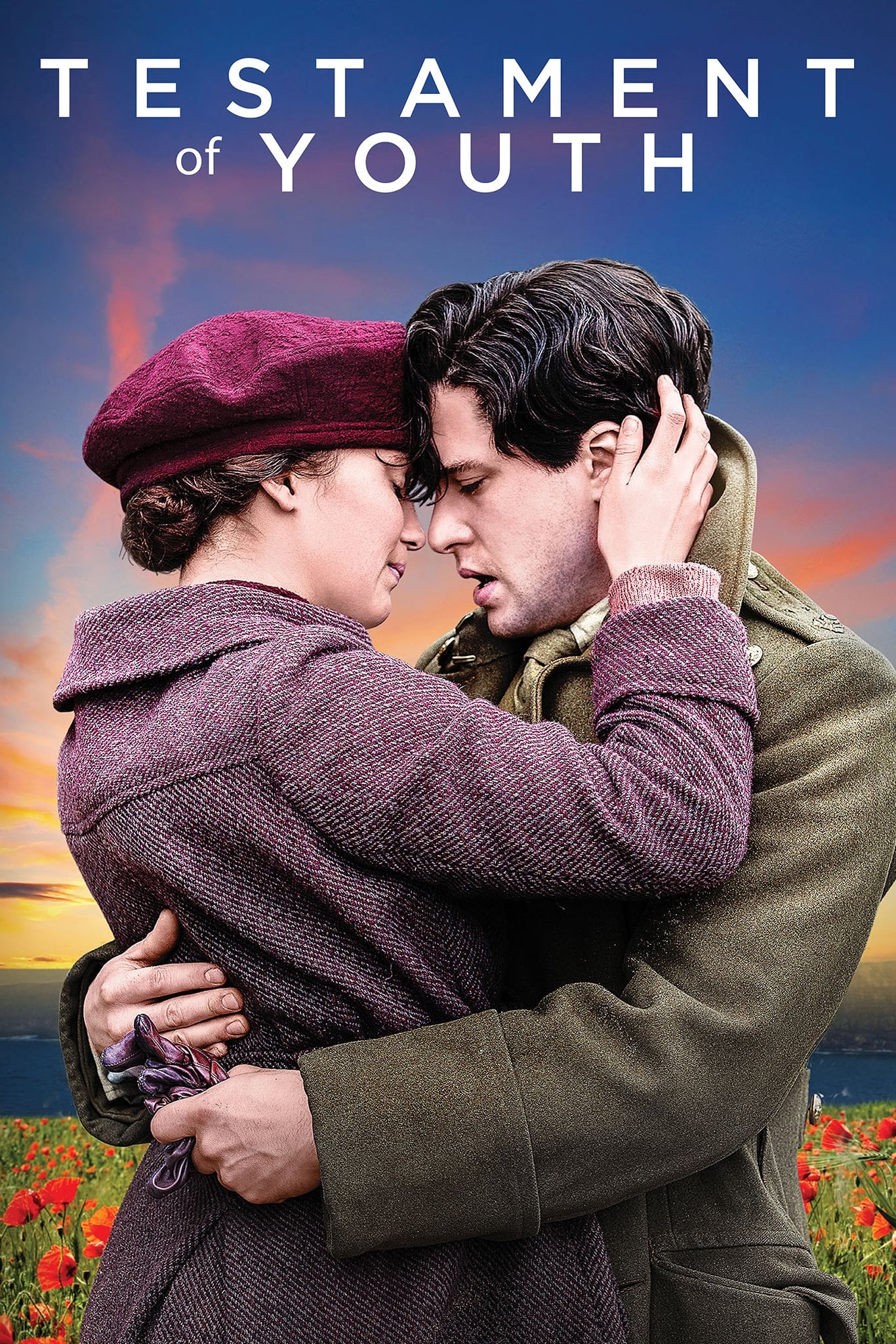
Testament of Youth is a powerful story of love, war and remembrance, based on the First World War memoir by Vera Brittain, which has become the classic testimony of that war from a woman’s point of view. A searing journey from youthful hopes and dreams to the edge of despair and back again, it’s a film about young love, the futility of war and how to make sense of the darkest times.
Documentary on the atrocities the germans committed at the start of WW I in Dinant.
Rudolf Diesel, one of history’s greatest inventors, vanished into thin air on the eve of World War I. His revolutionary invention, the Diesel engine, was highly sought after by global industries and political figures around the world. It had the power to threaten empires and change the fate of nations, turning him and his technology into both a prized asset and a potential threat.
Concerns the First World War. The images are authentic and made by the film service of the French army. Shots showing the proceedings of the war in various places in France and Belgium, such as Reims, Aisne, Verdun, Flanders, Froideterre, Vaux, Fismes, Soissons, Cantign and Lassigny. Mainly of the years 1917 and 1918.
In northern Finland in the fall of 1916, Saima Niva rescues a man drifting in the river, who turns out to be a German lieutenant Braun. Braun and his six comrades have managed to escape the prisoner of war at the Muurmann railway station, but the lieutenant has had to get rid of the lost group. While Braun is recovering, under the good care of Saima, Niva's neighbor and henchman of the gendarmes, the greedy policeman Simpura, gets a tip about the refugees camped in the desert.
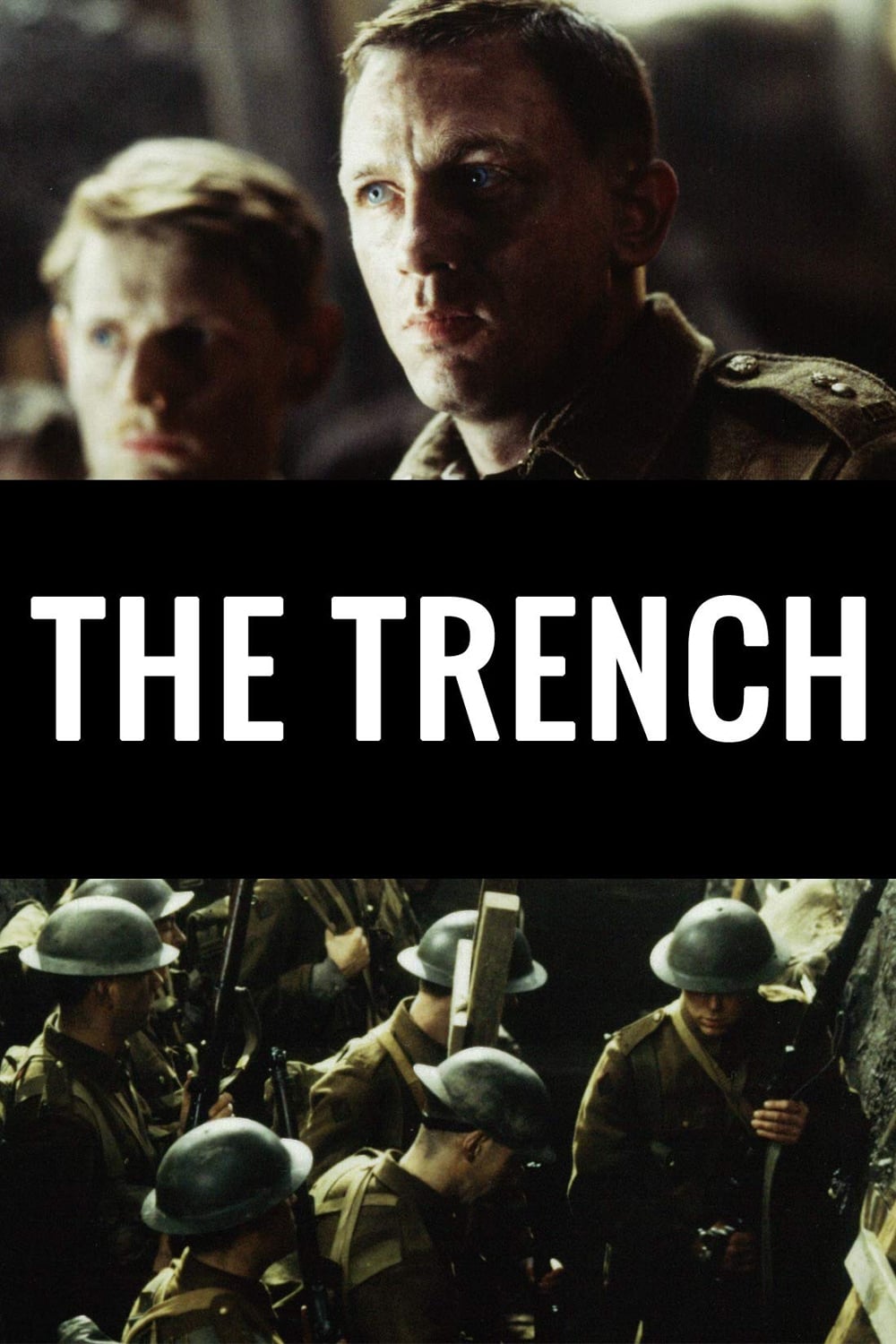
The Trench tells the story of a group of young British soldiers on the eve of the Battle of the Somme in the summer of 1916, the worst defeat in British military history. Against this ill-fated backdrop, the movie depicts the soldiers' experience as a mixture of boredom, fear, panic, and restlessness, confined to a trench on the front lines.
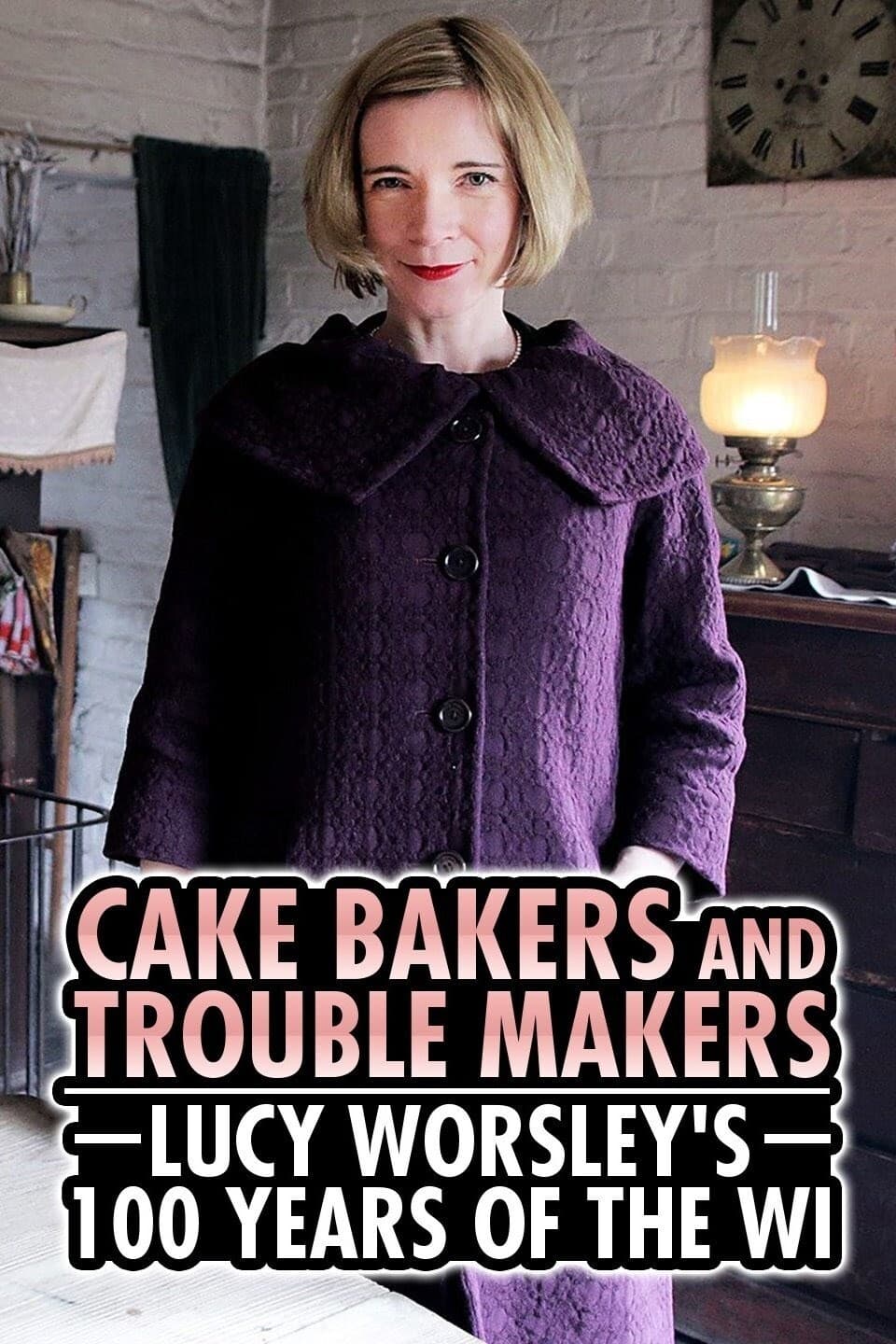
Documentary to mark the WI's centenary. Lucy Worsley goes beyond the stereotypes of jam and Jerusalem to reveal the surprisingly radical side of this Great British institution.
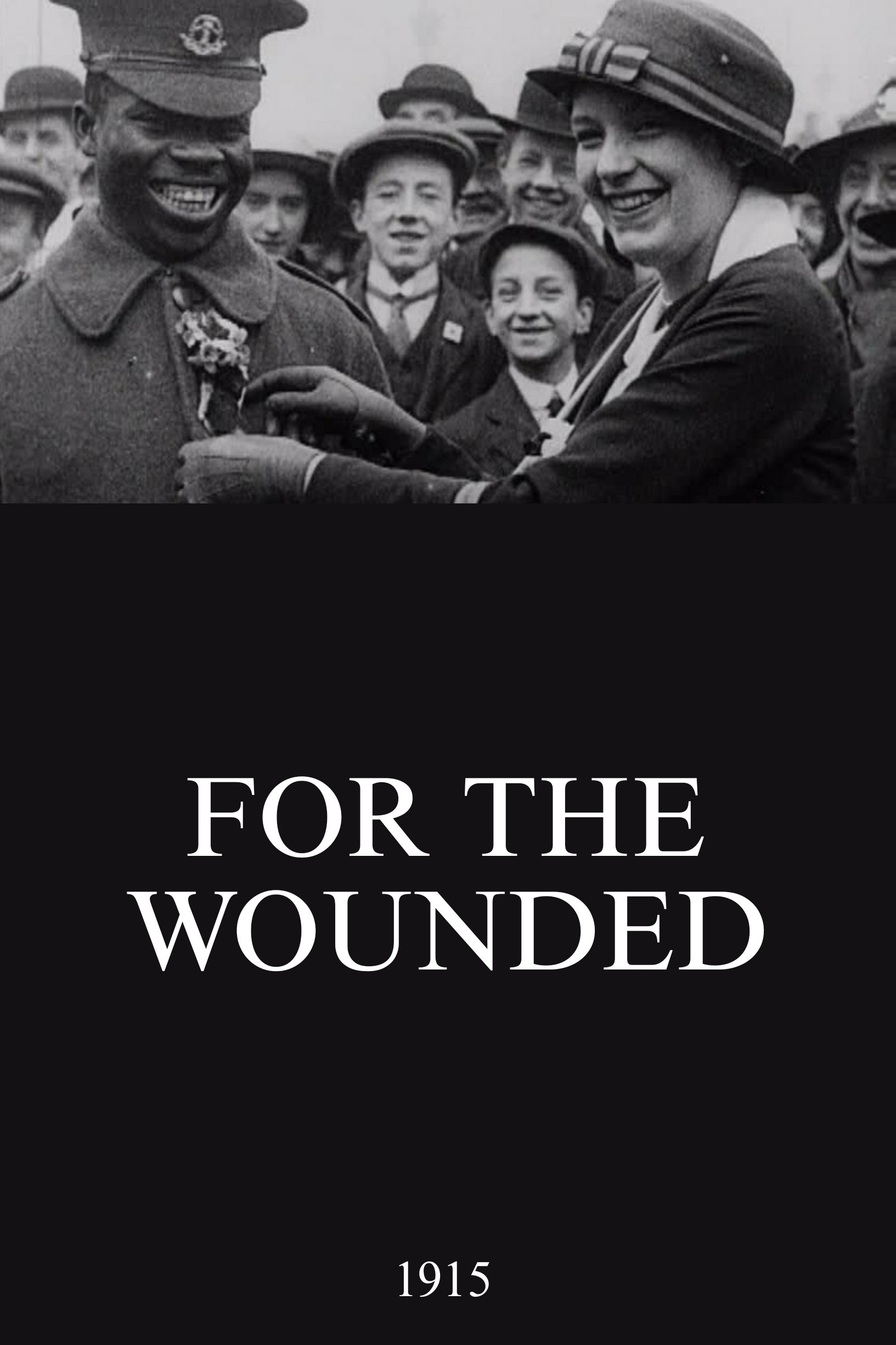
'Our Day' badges and flags being sold in aid of wounded WWI soldiers are shown in this Topical Budget film.
A young woman researches the hidden story of Indian soldiers who came to fight in France and Belgium during the World War I. The presence of these 140,000 soldiers in Europe is a virtually unknown fact of history.
A response in music and film to the conflict that launched a century of war, and a celebration of the power of art to keep us sane and offer us comfort. Beyond Zero: 1914-1918 brings together three of the world's most pioneering artists: the Kronos Quartet, known for decades for their trailblazing performances and collaborations; acclaimed Serbian composer Aleksandra Vrebalov; and filmmaker Bill Morrison, respected for his work with rare and even partially destroyed archive images.
At the end of the Great War, a soldier burdened with informing a mother of her son's death, faces an impossible decision... Tell her a noble lie, or the horrible truth?
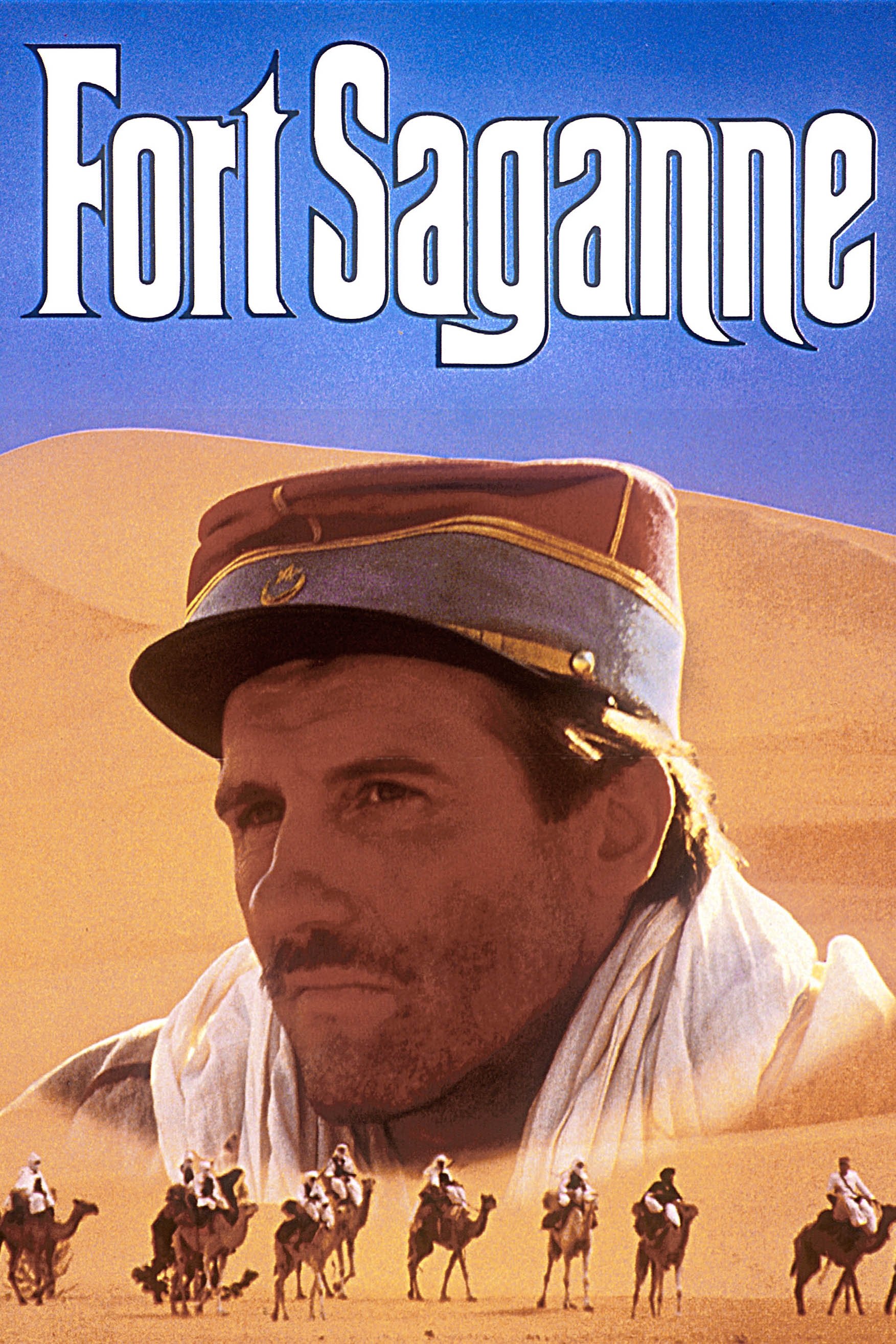
In 1911, a willful and determined man from peasant stock named Charles Saganne enlists in the military and is assigned to the Sahara Desert under the aristocratic Colonel Dubreuilh.
The events in Sarajevo in June 1914 are the backdrop for a thriller directed by Andreas Prochaska and written by Martin Ambrosch, focusing on the examining magistrate Dr. Leo Pfeffer (Florian Teichtmeister) investigating the assassination of Archduke Franz Ferdinand. Trying to do his job in a time of lawlessness and violence, intrigues and betrayal, Leo struggles to maintain his integrity and save his love, Marija, and her father, prominent Serbian merchant. But the events of Sarajevo have set into motion an inescapable course of events that will escalate to become … the Great War.
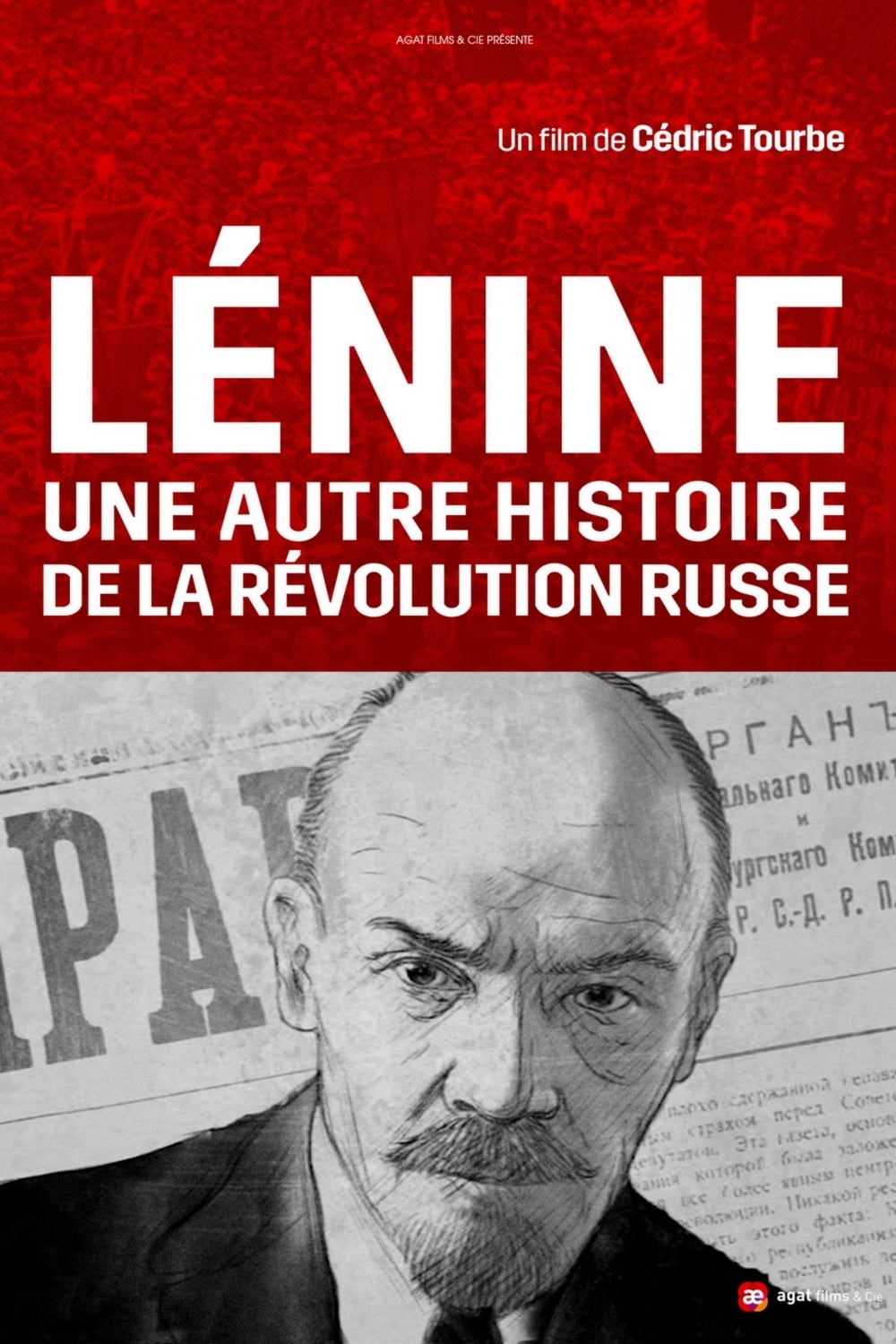
Vladimir Ilyich Ulyanov, better known as Lenin, is remembered as the instigator of the October Revolution of 1917 and, therefore, as one of the men who changed the shape of the world at that time and forever, but perhaps the actual events happened in a way different from that narrated in the history books…
The history of cinematic sound, told by legendary sound designers and visionary filmmakers.
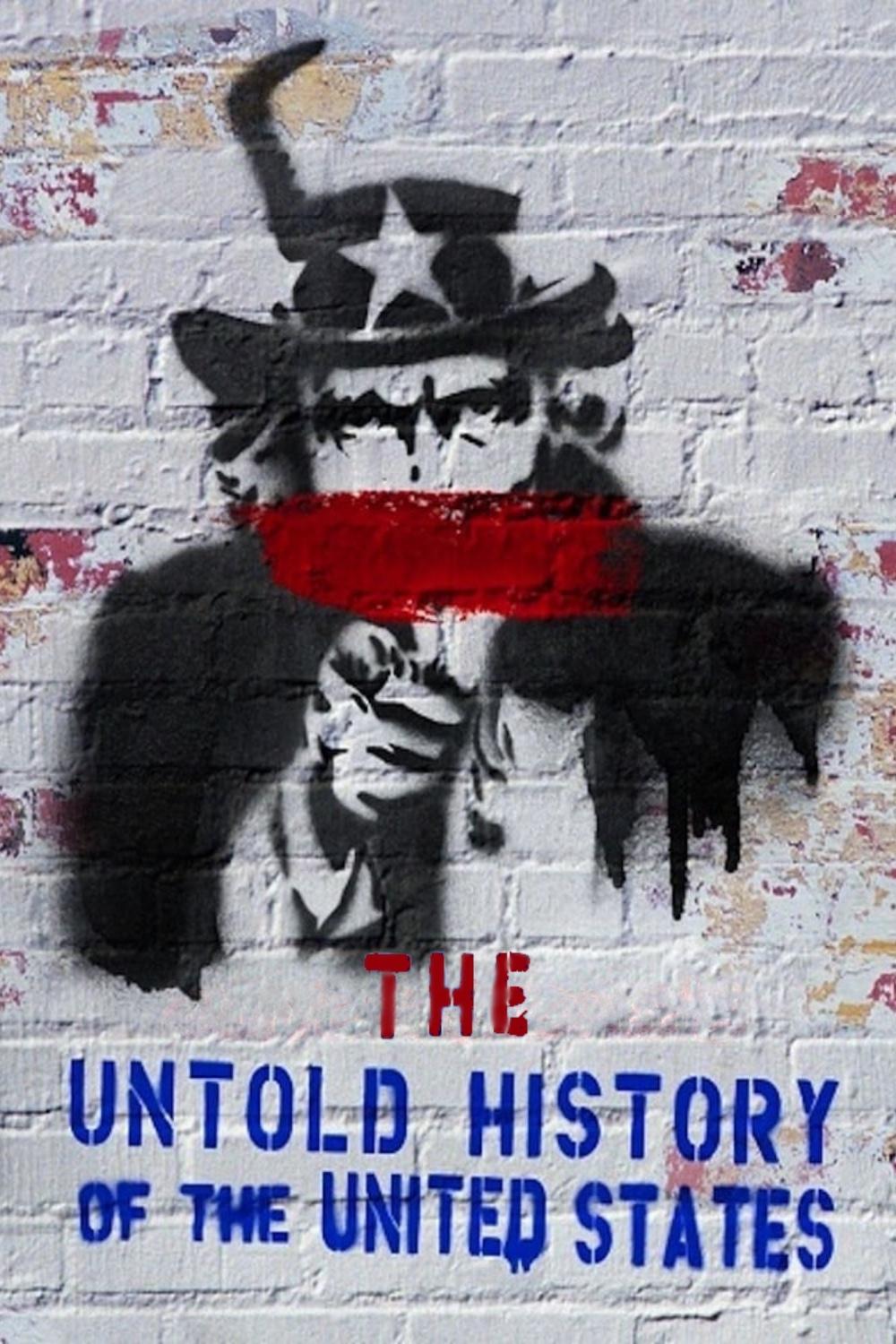
Oliver Stone charts the history of the United States from the Second World War to the present.
A documentary about World War I with never-before-seen footage to commemorate the centennial of Armistice Day, and the end of the war.
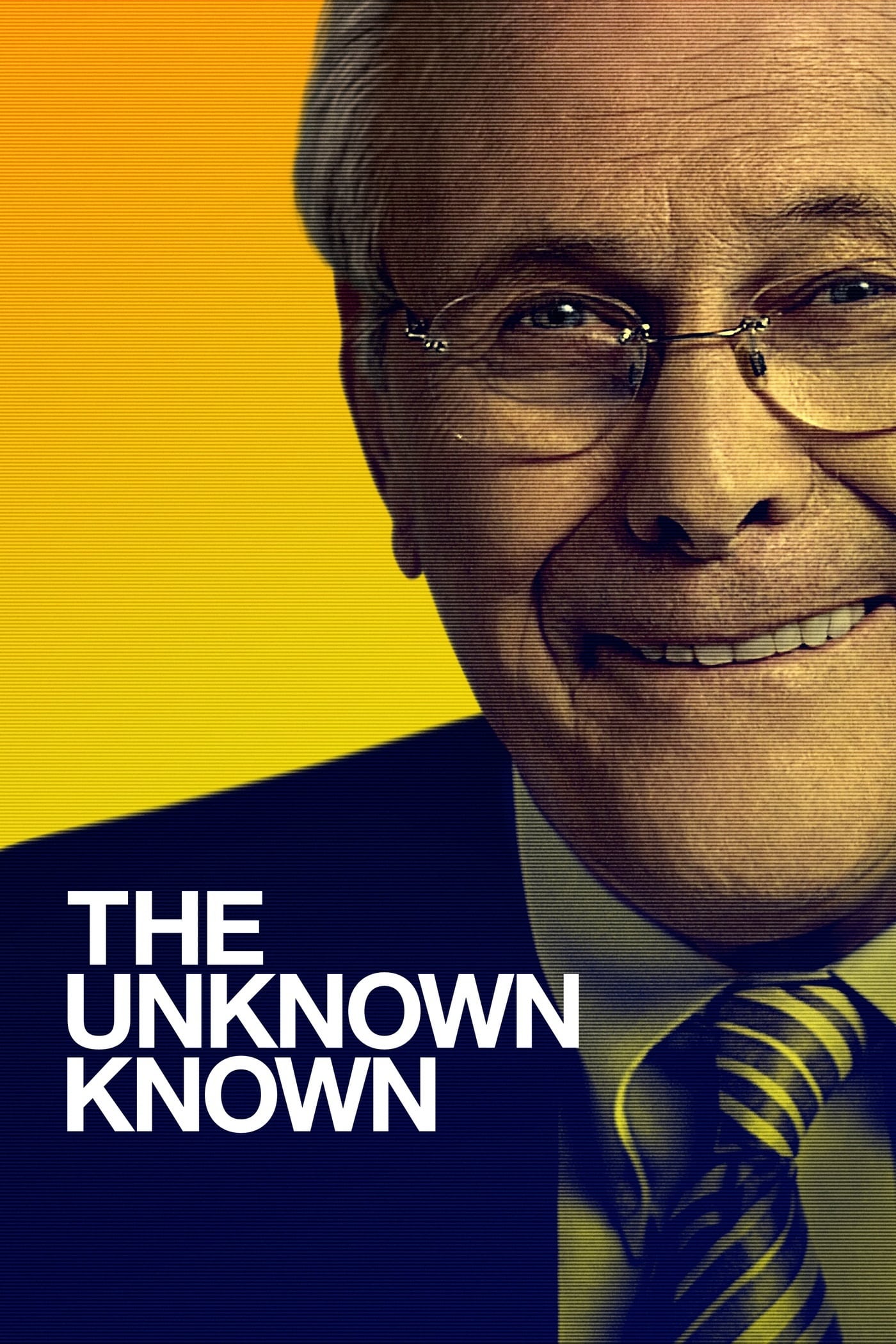
Former United States Secretary of Defense, Donald Rumsfeld, discusses his career in Washington D.C. from his days as a congressman in the early 1960s to planning the invasion of Iraq in 2003.
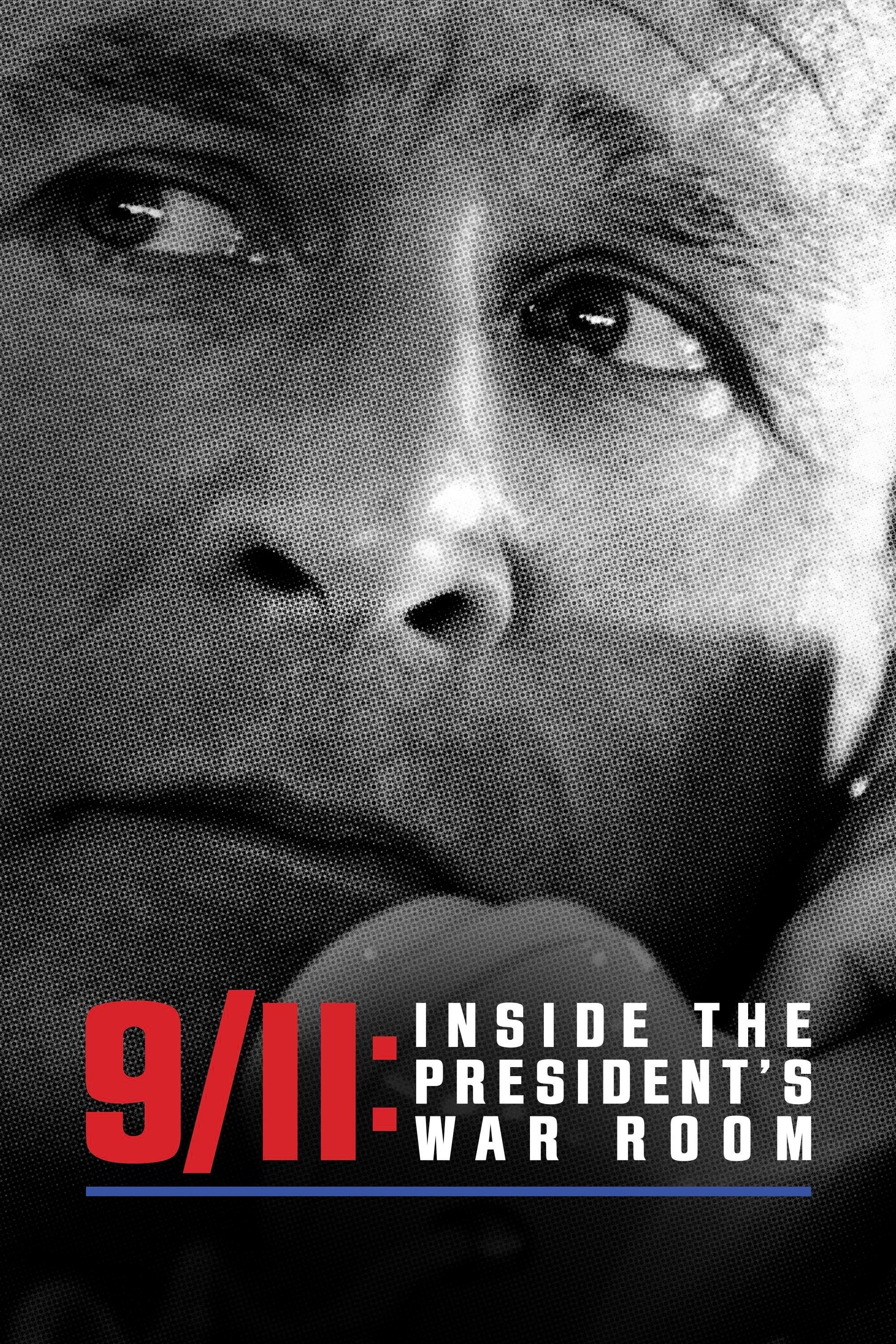
Experience the events of September 11, 2001 through the eyes of President Bush and his closest advisors as they personally detail the crucial hours and key decisions from that historic day.
“The Soviet Story” is a story of an Allied power, which helped the Nazis to fight Jews and which slaughtered its own people on an industrial scale. Assisted by the West, this power triumphed on May 9th, 1945. Its crimes were made taboo, and the complete story of Europe’s most murderous regime has never been told. Until now...
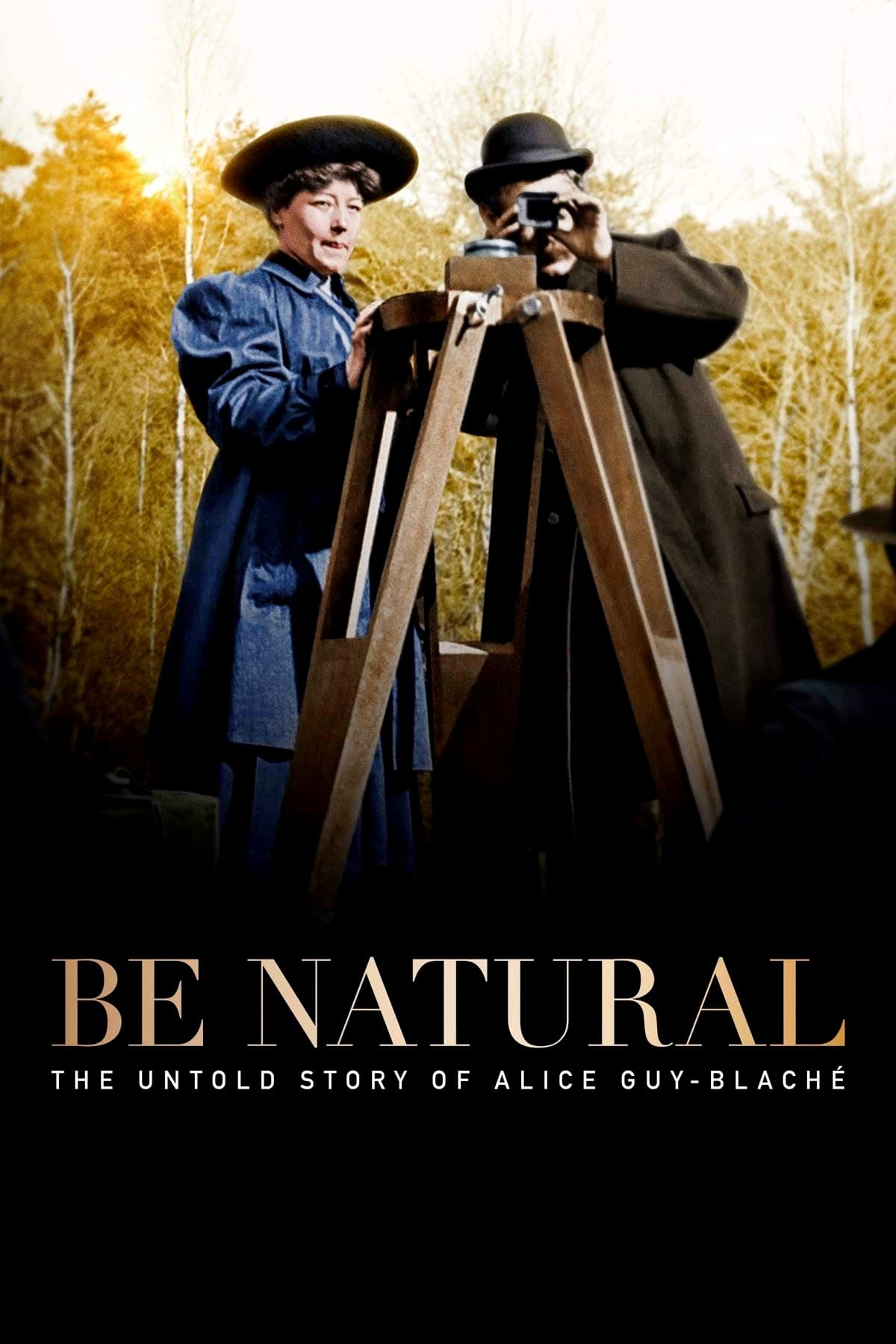
The epic life story of Alice Guy-Blaché (1873–1968), a French screenwriter, director and producer, true pioneer of cinema, the first person who made a narrative fiction film; author of hundreds of movies, but banished from history books. Ignored and forgotten. At last remembered.
This revealing documentary honors the legendary Sidney Poitier—iconic actor, filmmaker, and civil rights activist. Featuring interviews with Denzel Washington, Spike Lee, Halle Berry, and more.
A visual montage portrait of our contemporary world dominated by globalized technology and violence.
A documentary about the life and films of director John Ford.
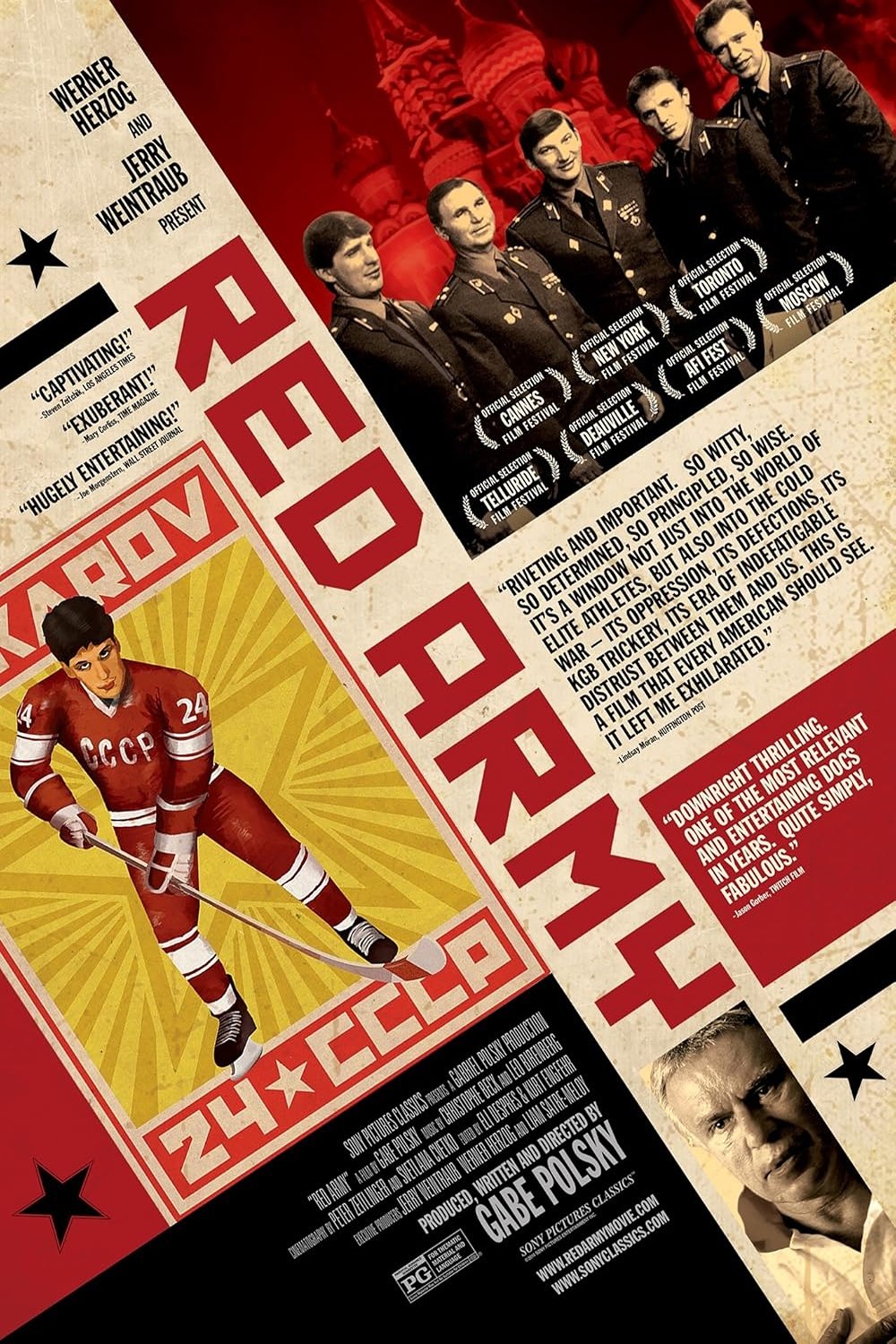
A documentary highlighting the Soviet Union's legendary and enigmatic hockey training culture and world-dominating team through the eyes of the team's Captain Slava Fetisov, following his shift from hockey star and celebrated national hero to political enemy.
In 1972, a seemingly typical shoestring budget pornographic film was made in a Florida hotel: "Deep Throat," starring Linda Lovelace. This film would surpass the wildest expectation of everyone involved to become one of the most successful independent films of all time. It caught the public imagination which met the spirit of the times, even as the self-appointed guardians of public morality struggled to suppress it, and created, for a brief moment, a possible future where sexuality in film had a bold artistic potential. This film covers the story of the making of this controversial film, its stunning success, its hysterical opposition along with its dark side of mob influence and allegations of the on set mistreatment of the film's star.
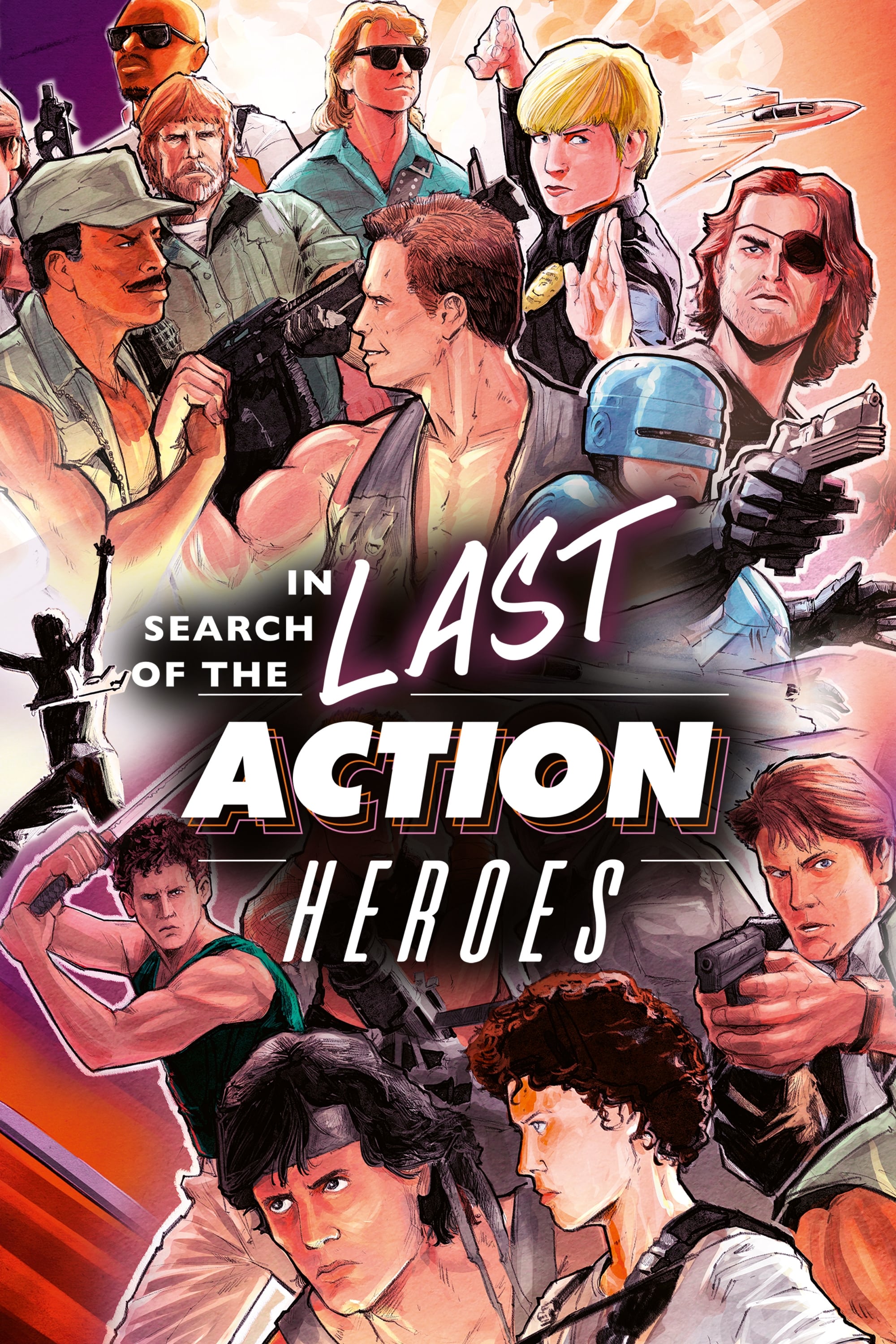
The most comprehensive retrospective of the '80s action film genre ever made.
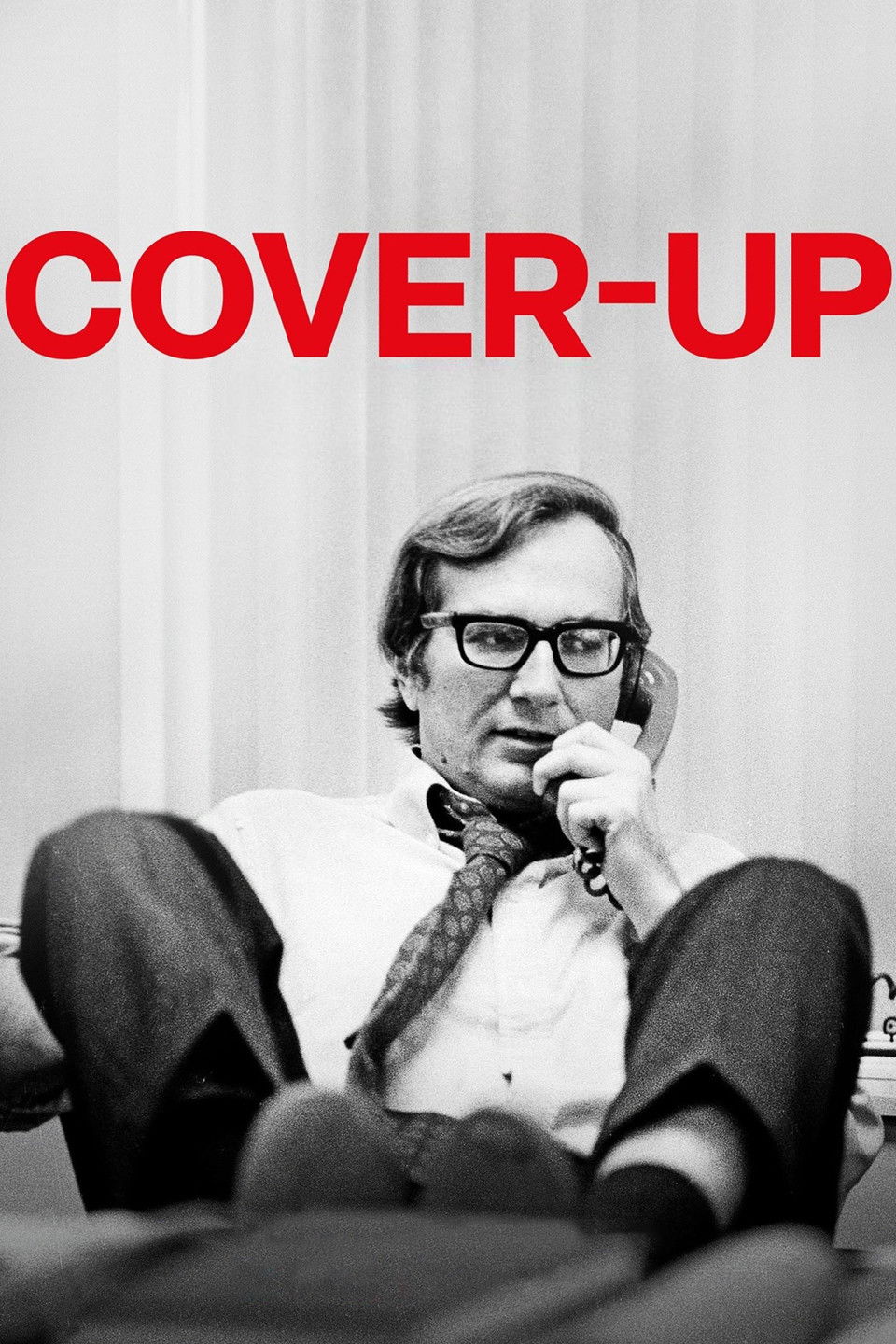
He's devoted his career to uncovering stories the powerful want buried. From My Lai to Abu Ghraib, dig into the life's work of journalist Seymour Hersh.
Through deeply personal interviews with her siblings and an examination of the photographs, letters, and belongings left behind, Mariska assembles a new portrait of her mother Jayne Mansfield, an extraordinary and complex woman.
An inside look at one of the most anticipated movie sequels ever with James Cameron and cast.
Prelude to War was the first film of Frank Capra's Why We Fight propaganda film series, commissioned by the Pentagon and George C. Marshall. It was made to convince American troops of the necessity of combating the Axis Powers during World War II. This film examines the differences between democratic and fascist states.
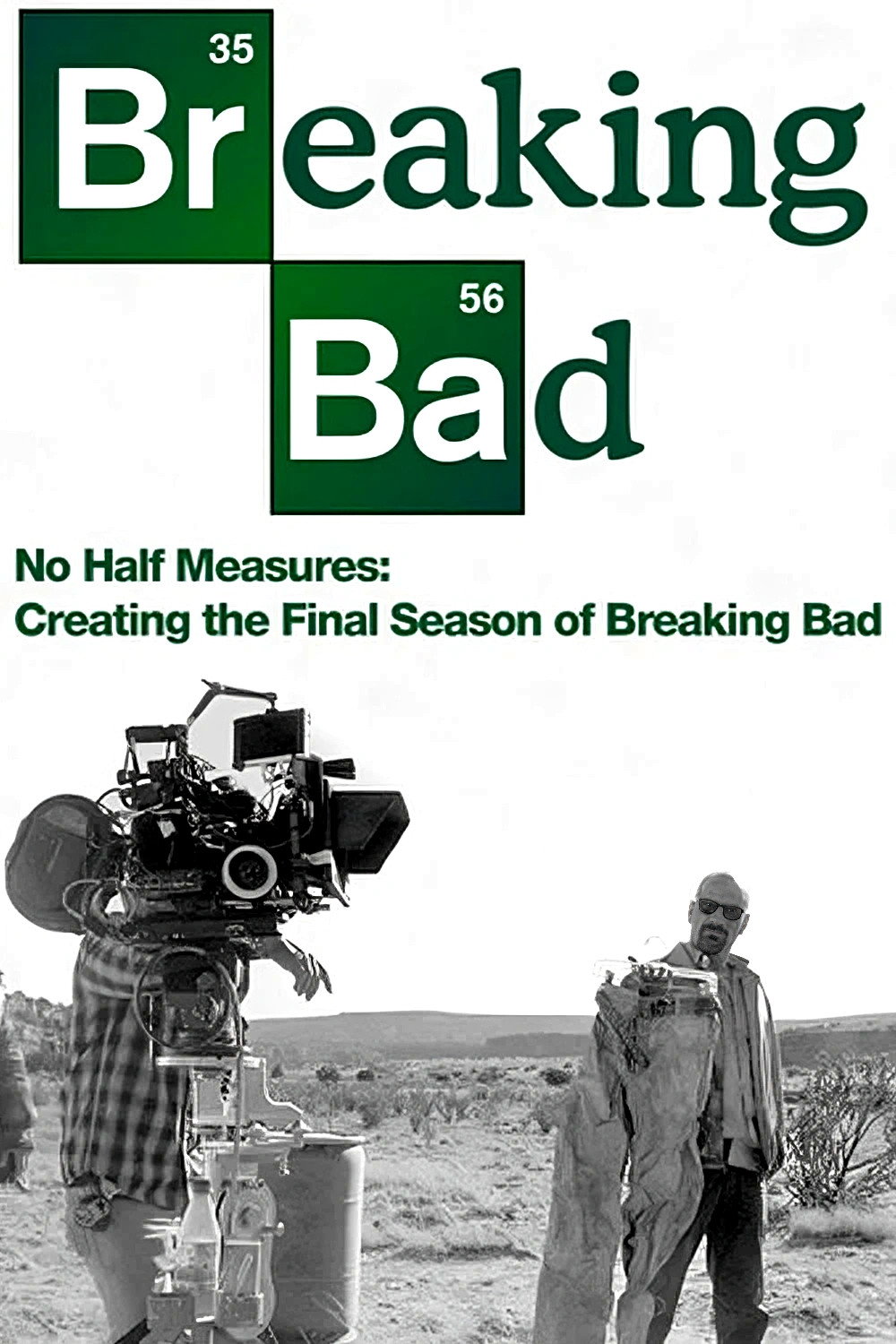
A documentary about the making of season five of the acclaimed AMC series Breaking Bad.
A string of threatening emails escalates into a revenge plot involving a newly married US marshal and his ex-girlfriend.
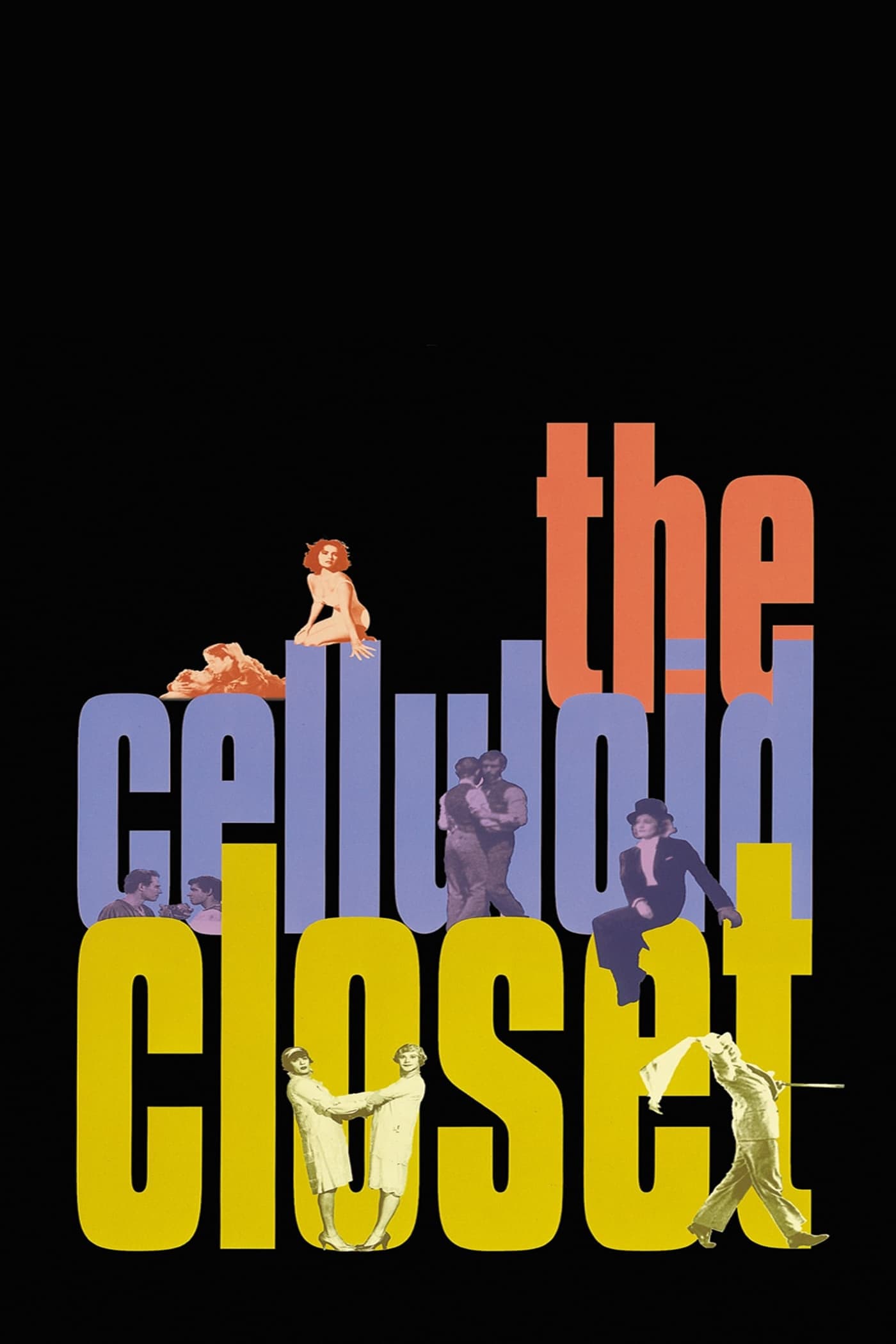
Exuberant, eye-opening movie that serves up a dazzling hundred-year history of the role of gay men and lesbians have had on the silver screen. Film contains fabulous footage from 120 films showing the changing face of cinema sexuality, from cruel stereotypes to covert love to the activist triumphs of the 1990s.