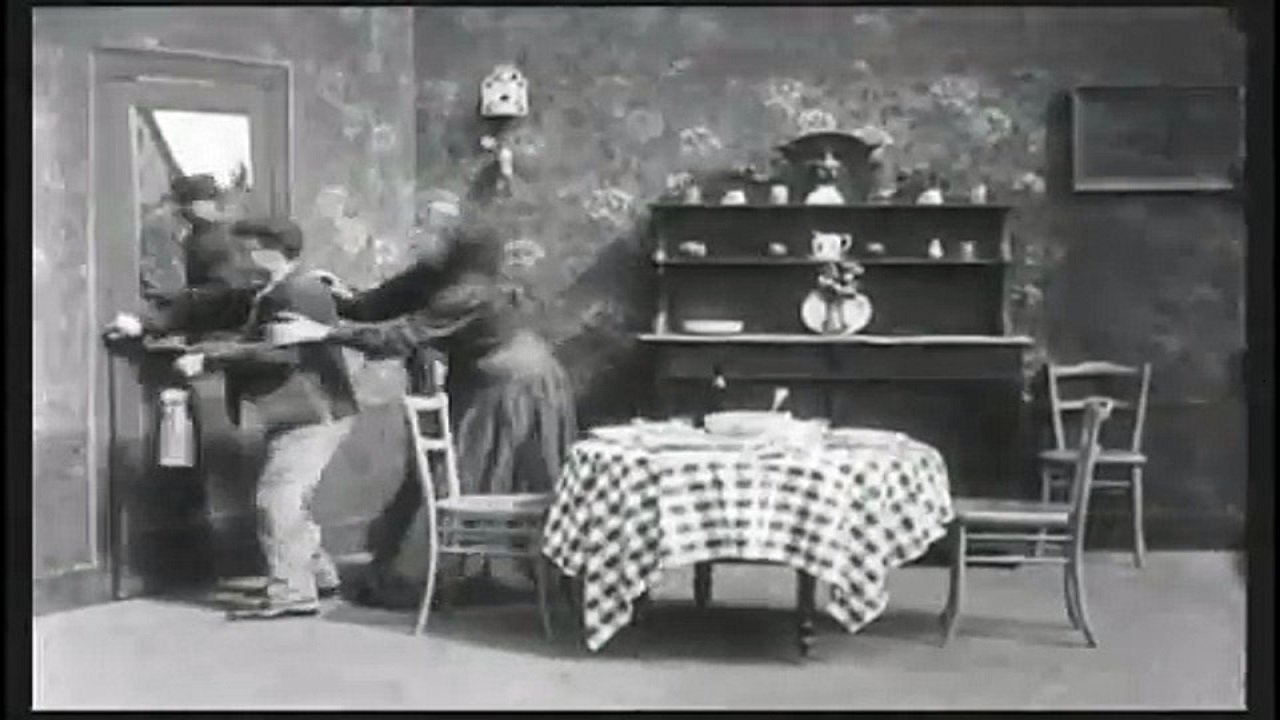
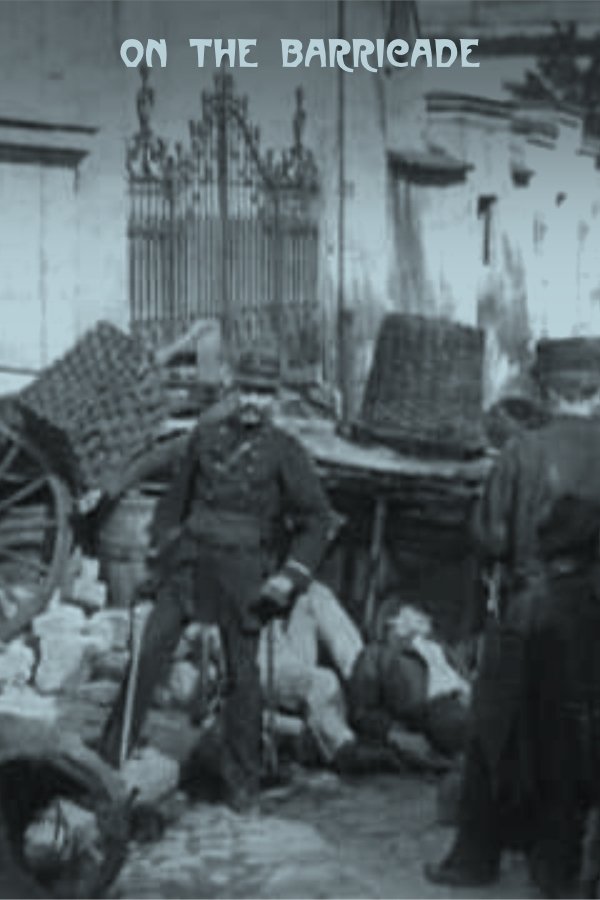
During the Paris Commune, a boy runs across trouble at the barricade. The film is now attributed to Alice Guy-Blaché by the Gaumont company, although there is some debate about whether it was directed by Étienne Arnaud.
Social & External
Peter Olsen, a young social outcast who lives alone on a rundown farm and raises vegetables for a living, finds his only consolation in liquor, though Dorcas Chatham, daughter of the general store owner, begs him to forego this indulgence. Returning from town, he finds a dog by the roadside, apparently injured by a car, and takes it home. Later, on a drunken spree, Peter is attacked by robbers, but the dog comes to his rescue and frightens the assailants away. Stirred by the unselfish devotion of his dog, Peter gradually regains his self-respect, and Dorcas falls in love with him and accepts his proposal, though she fears the dog. When Peter enters the dog in a show, another exhibitor proves to be its owner, and Peter is first parted from, then reunited with, "his" dog. Dorcas overcomes her fear and is united with Peter.
The Vampire is a surviving 1915 silent film drama directed by Alice Guy and starring Olga Petrova. It is one of Petrova's and Guy's few surviving silent films.
Marcia Kane, daughter of an American capitalist, is persuaded by her father to marry the expatriated Russian Grand Duke Sergei, and believing Wally, her real love, to be dead, she consents. Discovering after the ceremony that her father has tricked her, Marcia vows to be the duke's wife in name only, though she refuses Wally's proposal that she go away with him.
Fannie joins Johnny to perform a music-hall act which becomes a success, until two Broadway producers catch the act and offer Fannie a job on their latest show; however, they have no place for Johnny, so Fannie turns down the offer. (Film considered lost.)
When her grandson is kidnapped during the Tour de France, Madame Souza and her beloved pooch Bruno team up with the Belleville Sisters—an aged song-and-dance team from the days of Fred Astaire—to rescue him.
Robin Hood is a 1912 film made by Eclair Studios when it and many other early film studios in America's first motion picture industry were based in Fort Lee, New Jersey at the beginning of the 20th century. The movie's costumes feature enormous versions of the familiar hats of Robin and his merry men, and uses the unusual effect of momentarily superimposing images different animals over each character to emphasize their good or evil qualities. The film was directed by Étienne Arnaud and Herbert Blaché, and written by Eustace Hale Ball. A restored copy of the 30-minute film exists and was exhibited in 2006 at the Museum of Modern Art in New York City.
Dissipated youth Tommy Hilgrade is sent to the lumber lands in the Northwest by his father who hopes that hard living will reform his son. Accompanying Tommy is his sister Marion. Upon their arrival in Canada, lumber foreman Jack Macy is attracted to Marion but, unknown to her, he contributes to Tommy's addiction to drink and gambling. When Marion falls in love with French Canadian Jules Bonnivet after he rescues her from a fall through the ice, Macy schemes to destroy their romance by fabricating the story that Jules is responsible for Tommy's downfall.
A group of people are standing along the platform of a railway station in La Ciotat, waiting for a train. One is seen coming, at some distance, and eventually stops at the platform. Doors of the railway-cars open and attendants help passengers off and on. Popular legend has it that, when this film was shown, the first-night audience fled the café in terror, fearing being run over by the "approaching" train. This legend has since been identified as promotional embellishment, though there is evidence to suggest that people were astounded at the capabilities of the Lumières' cinématographe.
A classic of the silent age, this film tells the story of the doomed but ultimately canonized 15th-century teenage warrior. On trial for claiming she'd spoken to God, Jeanne d'Arc is subjected to inhumane treatment and scare tactics at the hands of church court officials. Initially bullied into changing her story, Jeanne eventually opts for what she sees as the truth. Her punishment, a famously brutal execution, earns her perpetual martyrdom.
Sergei M. Eisenstein's docu-drama about the 1917 October Revolution in Russia. Made ten years after the events and edited in Eisenstein's 'Soviet Montage' style, it re-enacts in celebratory terms several key scenes from the revolution.
Henry and Marion have a lover's quarrel and part in anger. They do not reconcile, and ten years pass without contact. Marion becomes a society girl and spends her time at parties with her friends. Henry has become very ill and wishes to see Marion one more time. He writes asking her to visit. When she recieves the note, she laughs and tosses it on the floor, but, later, on a whim, decides to take all her drunken friends with her to visit him. When they arrive, Marion finds Henry dead, clutching her portrait in his hand. She sends her friends away and falls to her knees in remorse. Mary Pickford's debut!
A dramatized account of a great Russian naval mutiny and a resultant public demonstration, showing support, which brought on a police massacre.
This pioneering documentary film depicts the lives of the indigenous Inuit people of Canada's northern Quebec region. Although the production contains some fictional elements, it vividly shows how its resourceful subjects survive in such a harsh climate, revealing how they construct their igloo homes and find food by hunting and fishing. The film also captures the beautiful, if unforgiving, frozen landscape of the Great White North, far removed from conventional civilization.
Mark Reid, a young prospector, discovers gold in the Sierra foothills. He meets an old man known as "The Good Samaritan," who counsels him and welcomes him into his home. While he is away registering his claim, another prospector, Mike O'Hara, comes along, and, seeing no one around, takes possession of the gold mine. When Reid returns, the two engage in a struggle. As Reid is about to be overcome, an Indian slips a dagger into his hand. Reid is about to stab O'Hara when The Good Samaritan appears and stops the fight. Reid and the O'Hara set aside their differences and decide to become partners.
A sheep farmer brings his new wife to his father's ranch and the old man takes an instant dislike to her.
God and Satan wager on the soul of a learned and prayerful alchemist as part of their eternal war over Earth.
In early 19th-century France, the Marquis de Sade is confined to an asylum where his forbidden writings continue to circulate beyond its walls. As the authorities tighten control, a clash unfolds between the Marquis’ unyielding imagination, the reformist ideals of the Abbé in charge, and the repressive measures of a doctor sent to silence him. Desire, power, and censorship collide in a battle over freedom of expression.
Set in the Edo period, the film deals with two brothers falling in love with the same girl. Sadly, only 12 minutes of footage survive.
After a harsh argument between her and her father, a young girl with artistic talent leaves home for a new life.
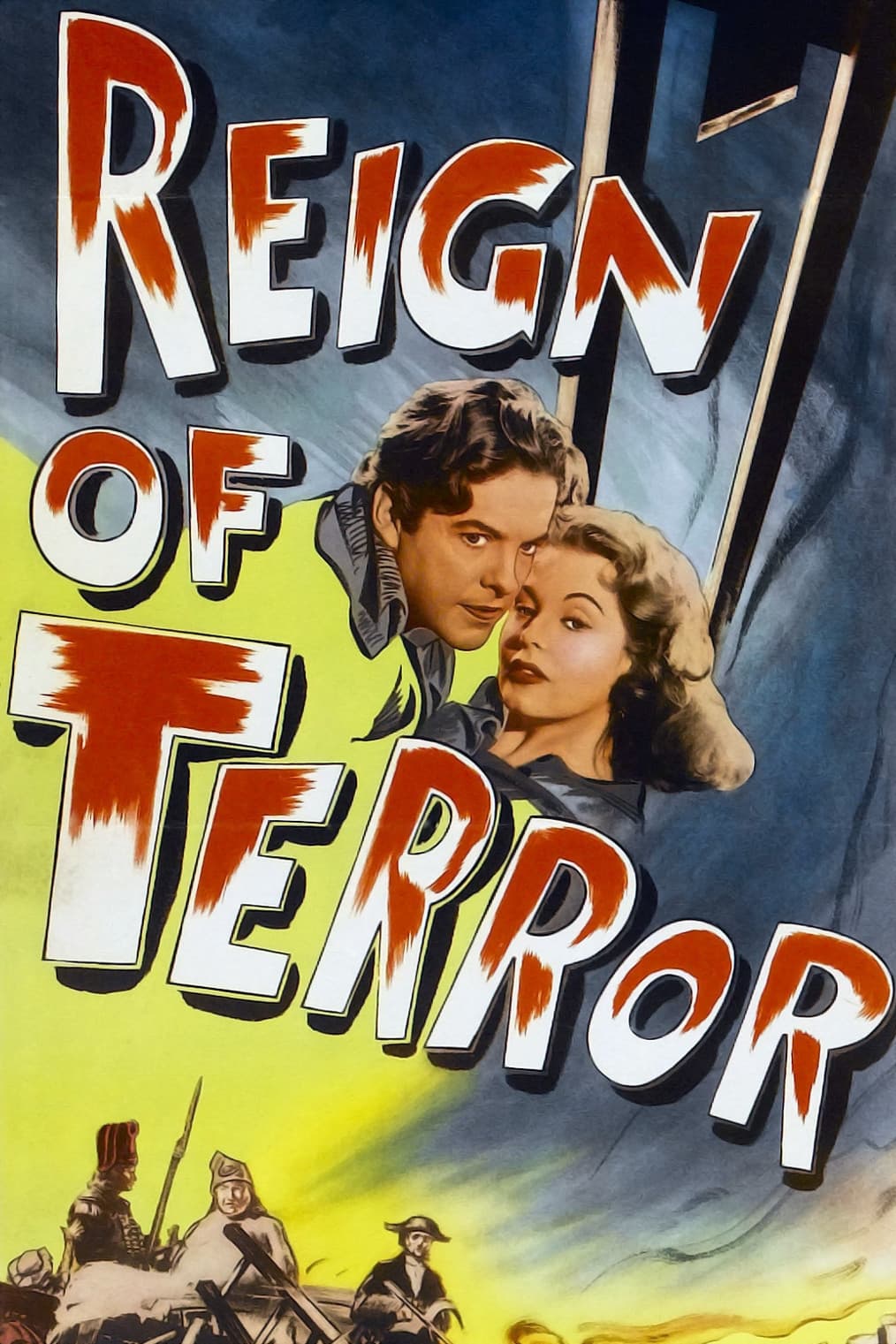
The French Revolution, 1794. The Marquis de Lafayette asks Charles D'Aubigny to infiltrate the Jacobin Party to overthrow Maximilian Robespierre, who, after gaining supreme power and establishing a reign of terror ruled by death, now intends to become the dictator of France.
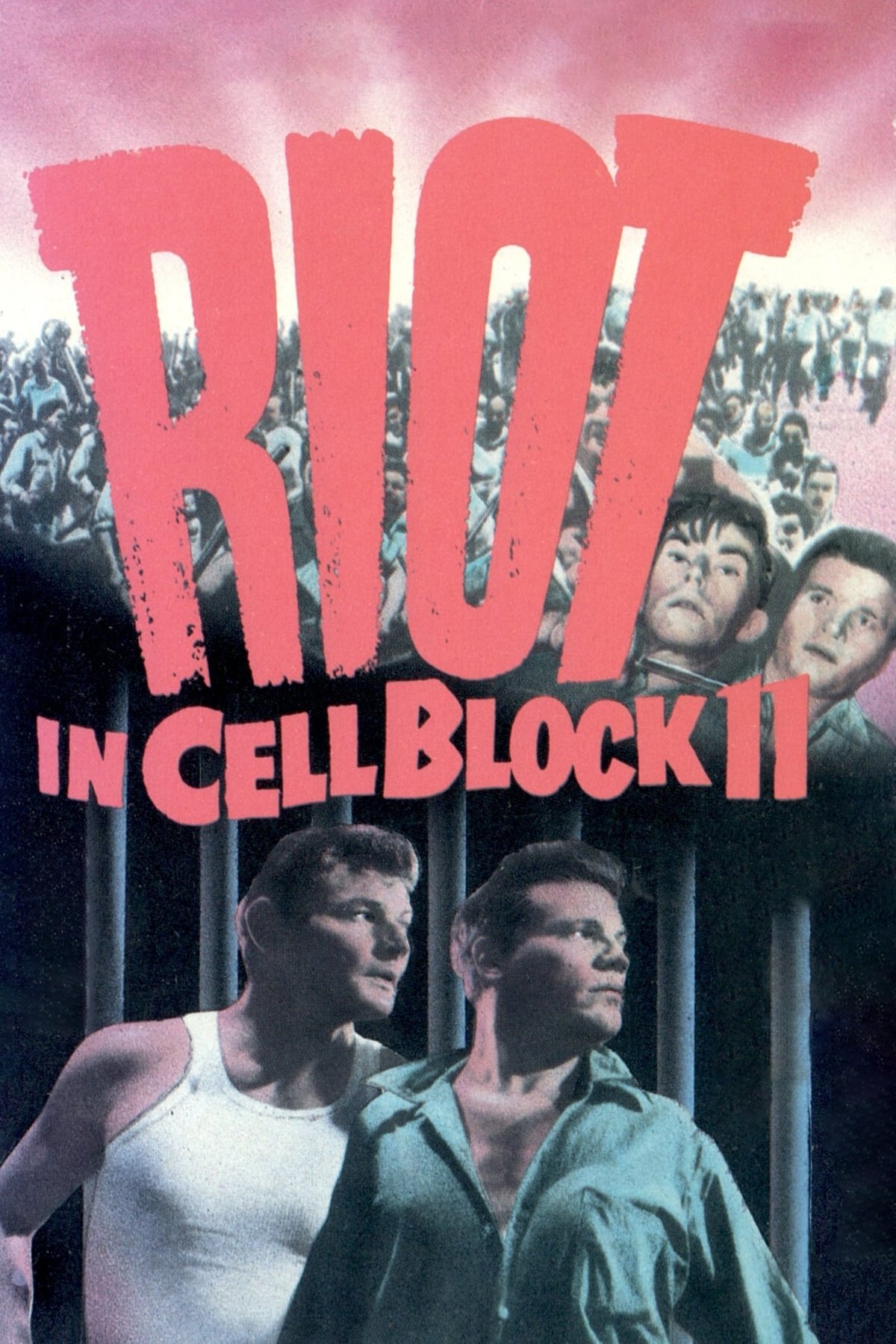
A prisoner leads his counterparts in a protest for better living conditions which turns violent and ugly.
An international assassin known as ‘The Jackal’ is employed by disgruntled French generals to kill President Charles de Gaulle, with a dedicated gendarme on the assassin’s trail.
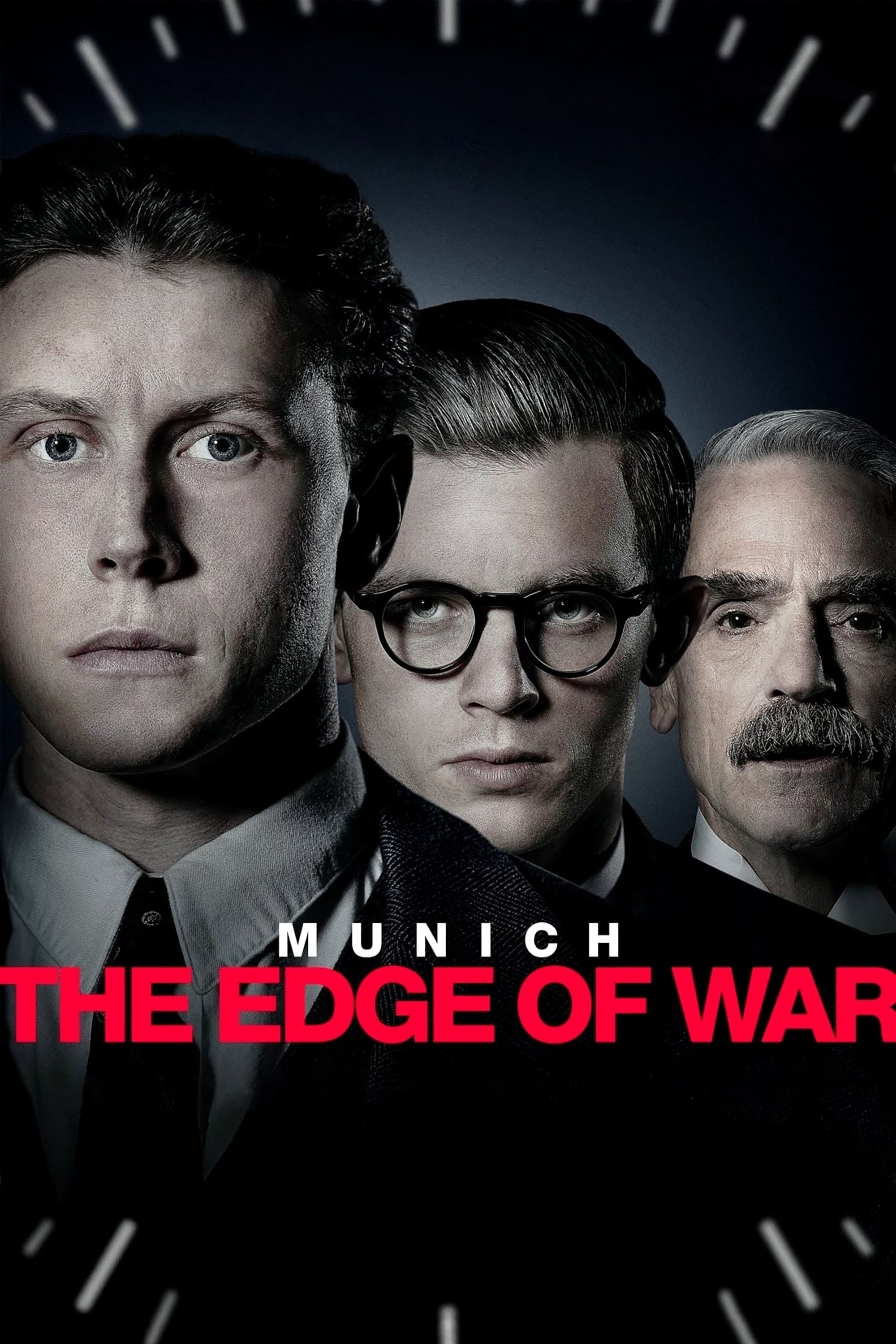
At the tense 1938 Munich Conference, former friends who now work for opposing governments become reluctant spies racing to expose a Nazi secret.
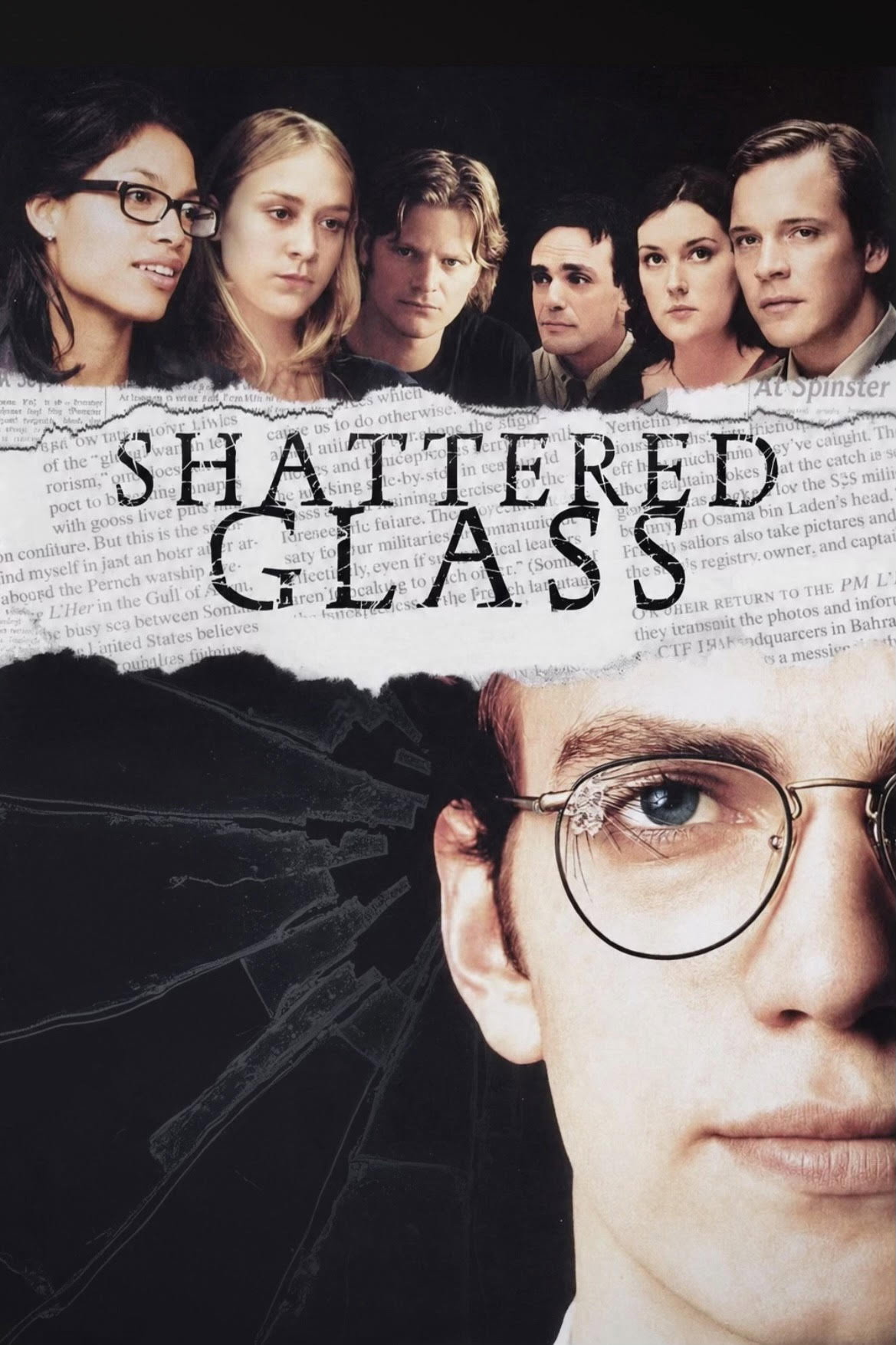
Stephen Glass is a staff writer for the respected current events and policy magazine The New Republic and a freelance feature writer for publications such as Rolling Stone, Harper's and George. By the mid-90s, Glass' articles had turned him into one of the most sought-after young journalists in Washington, but a bizarre chain of events - chronicled in Buzz Bissinger's September 1998 Vanity Fair article - suddenly stopped his career in its tracks.
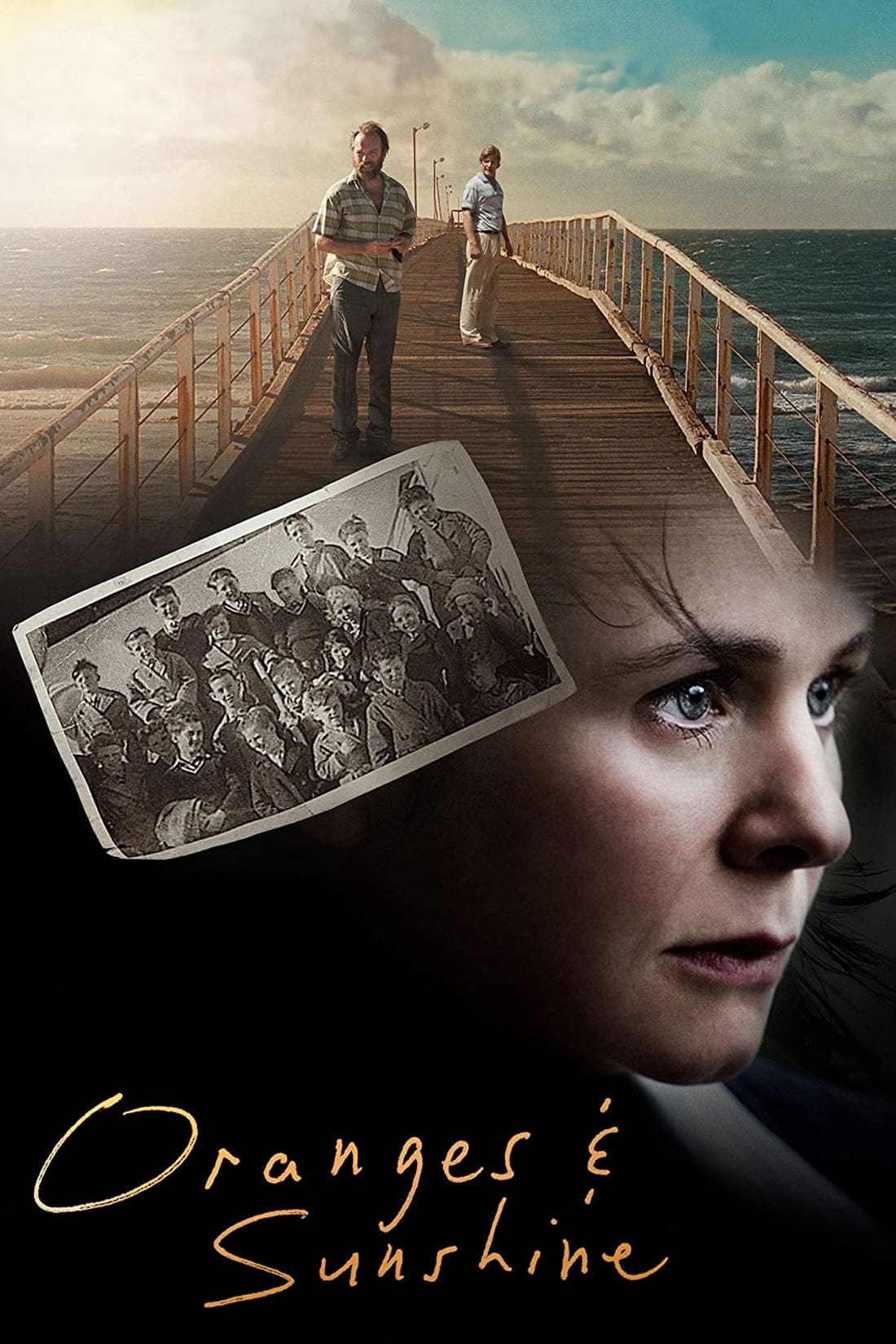
The story of Margaret Humphreys, a social worker from Nottingham, who uncovers one of the most significant social scandals in recent times – the forced migration of children from the United Kingdom to Australia and other Commonwealth countries. Almost singlehandedly, Margaret reunited thousands of families, brought authorities to account and worldwide attention to an extraordinary miscarriage of justice.
A seamstress recalls events leading to her act of peaceful defiance that prompted the 1955 bus boycott in Montgomery, Alabama.
After greedy men have Edmound Dantes unjustly imprisoned for 20 years for innocently delivering a letter entrusted to him, he escapes to revenge himself on them.
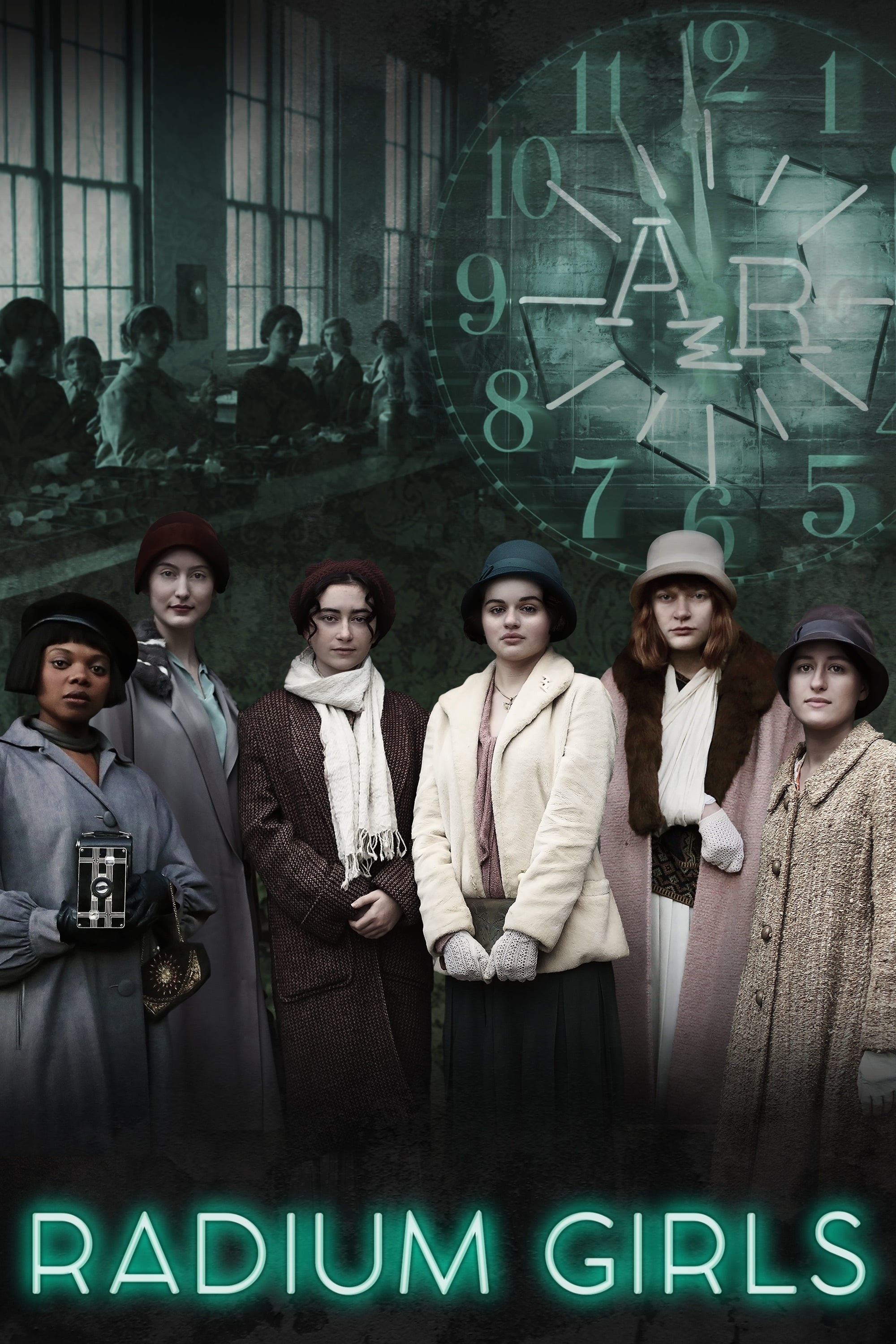
Young women toiling in a factory are exposed to hazardous material which takes a disastrous toll on their health.
Following in his father's footsteps, Albert Pierrepoint becomes one of Britain's most prolific executioners, hiding his identity as a grocery deliveryman. But when his ambition to be the best inadvertently exposes his gruesome secret, he becomes a minor celebrity & faces a public outcry against the practice of hanging. Based on true events.
In the Warsaw ghetto in 1943, Jews rise against the Nazis.
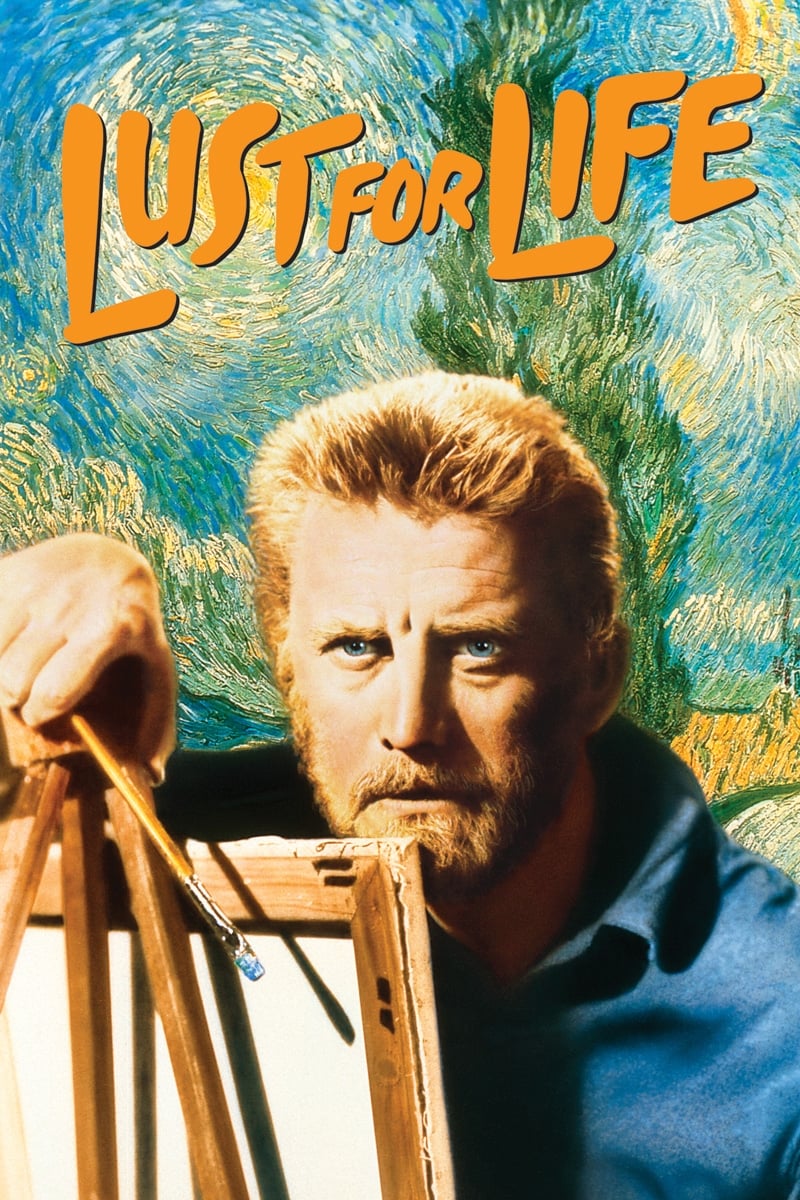
An intense and imaginative artist, revered Dutch painter Vincent van Gogh possesses undeniable talent, but he is plagued by mental problems and frustrations with failure. Supported by his brother, Theo, the tormented Van Gogh eventually leaves Holland for France, where he meets volatile fellow painter Paul Gauguin and struggles to find greater inspiration.
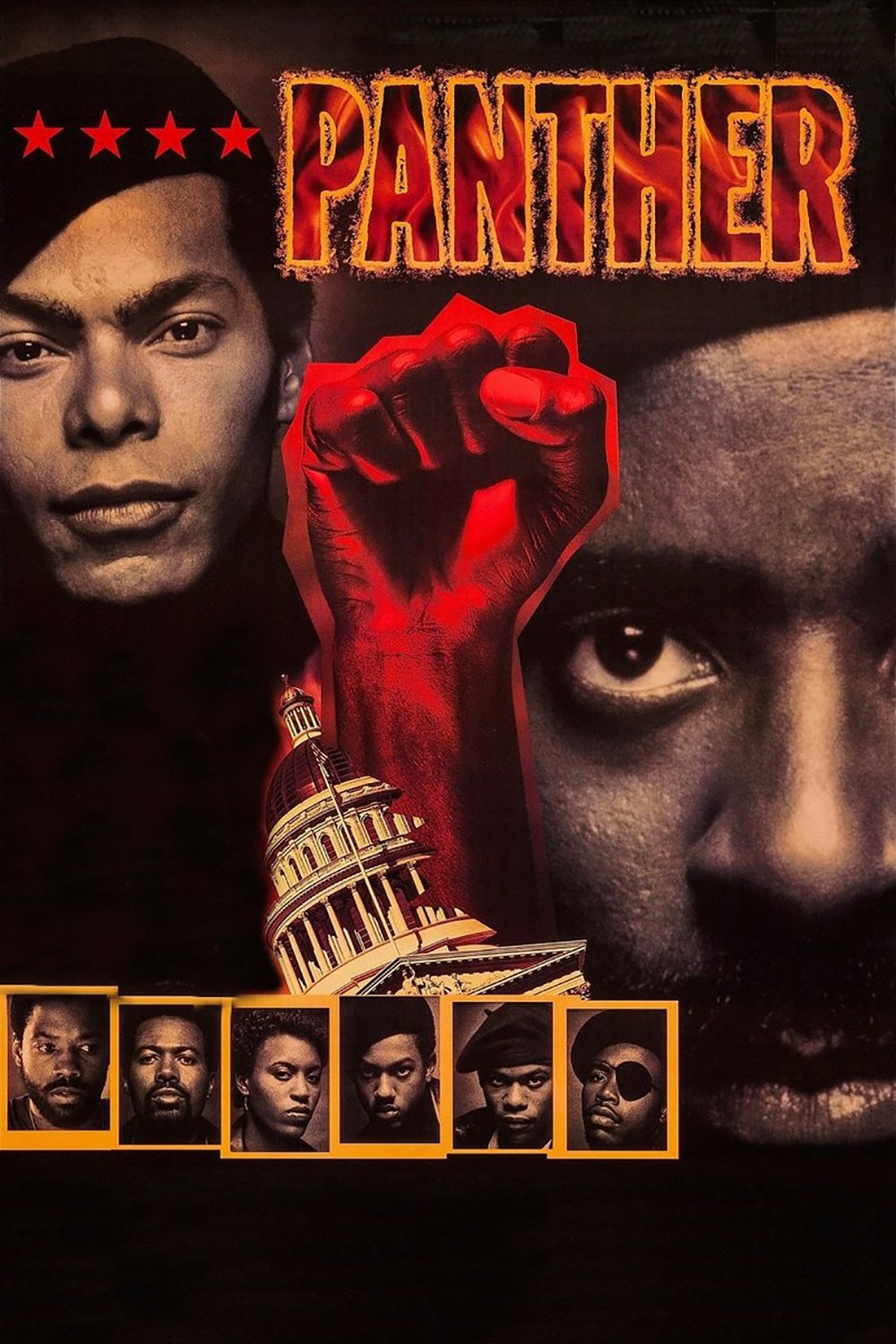
In this sprawling, fictionalized history of the Black Panthers, 1960s Oakland becomes a war zone as the Panthers battle for the right to exist.
Who is Jesus, and why does he impact all he meets? He is respected and reviled, emulated and accused, beloved, betrayed, and finally crucified. Yet that terrible fate would not be the end of the story.
Romero is a compelling and deeply moving look at the life of Archbishop Oscar Romero of El Salvador, who made the ultimate sacrifice in a passionate stand against social injustice and oppression in his county. This film chronicles the transformation of Romero from an apolitical, complacent priest to a committed leader of the Salvadoran people.
After the suspicious suicide of a fellow cop, tough homicide detective Dave Bannion takes the law into his own hands when he sets out to smash a vicious crime syndicate.
During the 1976 Soweto uprising, a white school teacher's life and values are threatened when he asks questions about the death of a young black boy who died in police custody.
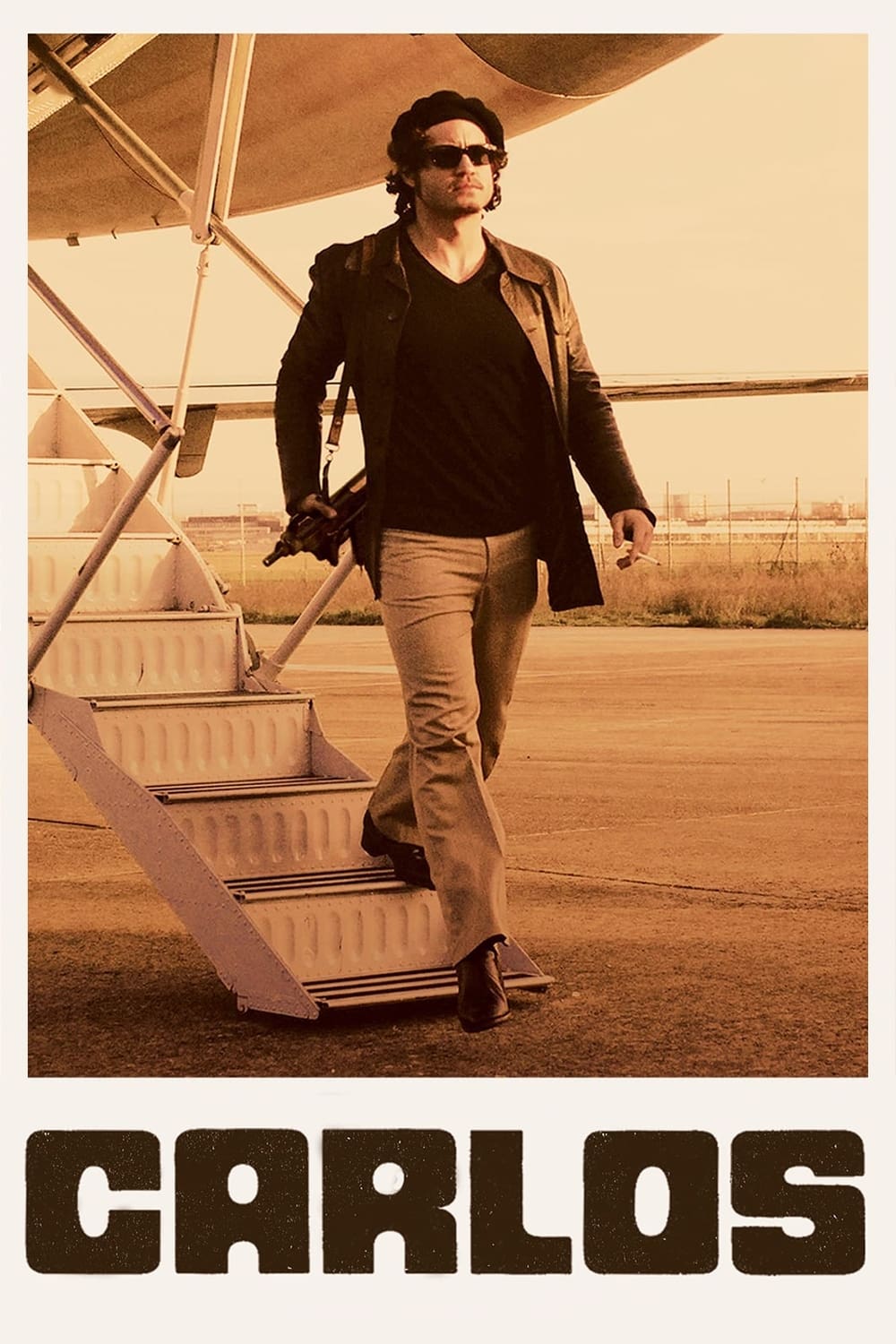
The story of Venezuelan revolutionary, Ilich Ramirez Sanchez, who founded a worldwide terrorist organization and raided the OPEC headquarters in 1975 before being caught by the French police.
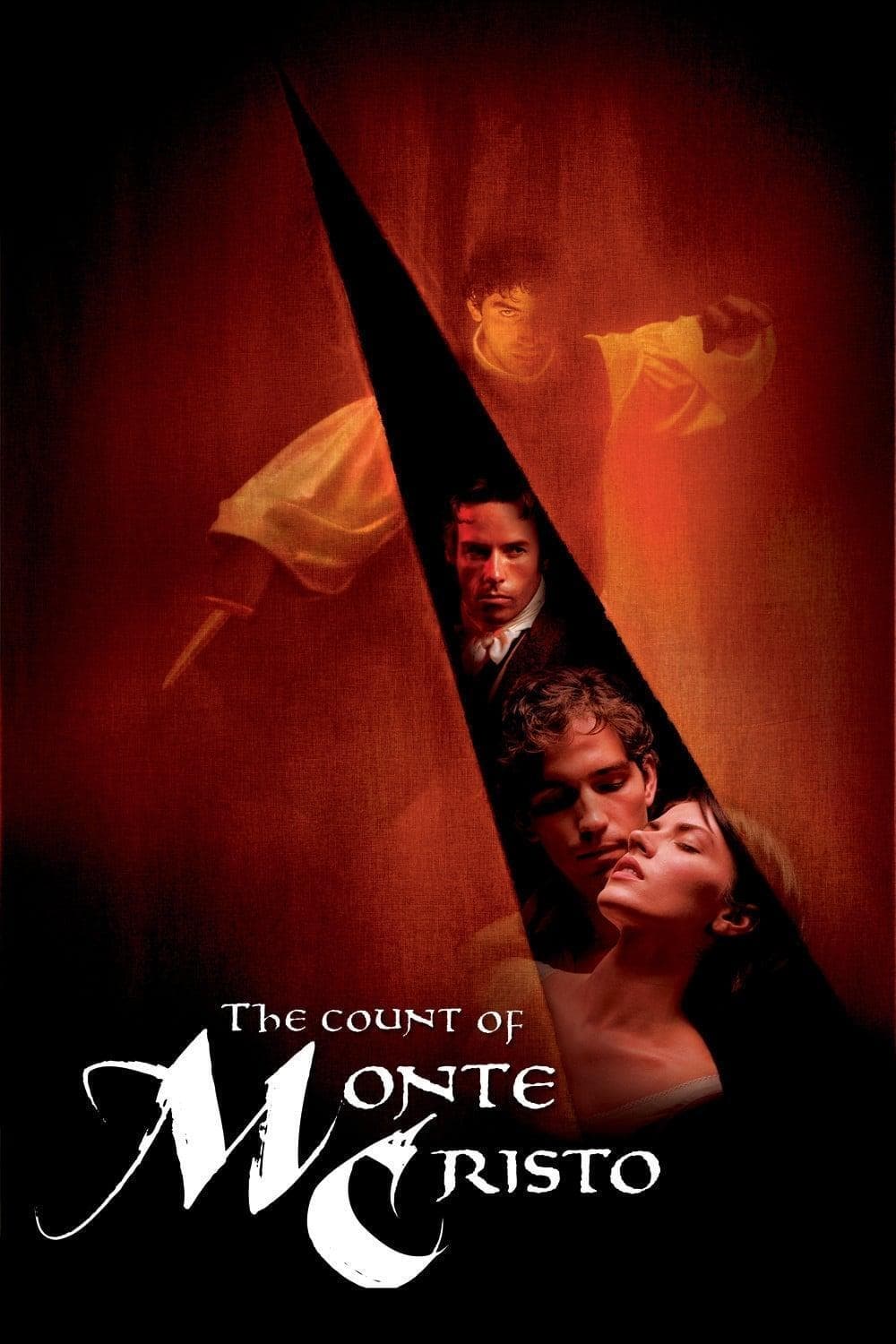
Edmond Dantés's life and plans to marry the beautiful Mercedes are shattered when his best friend, Fernand, deceives him. After spending 13 miserable years in prison, Dantés escapes with the help of a fellow inmate and plots his revenge, cleverly insinuating himself into the French nobility.
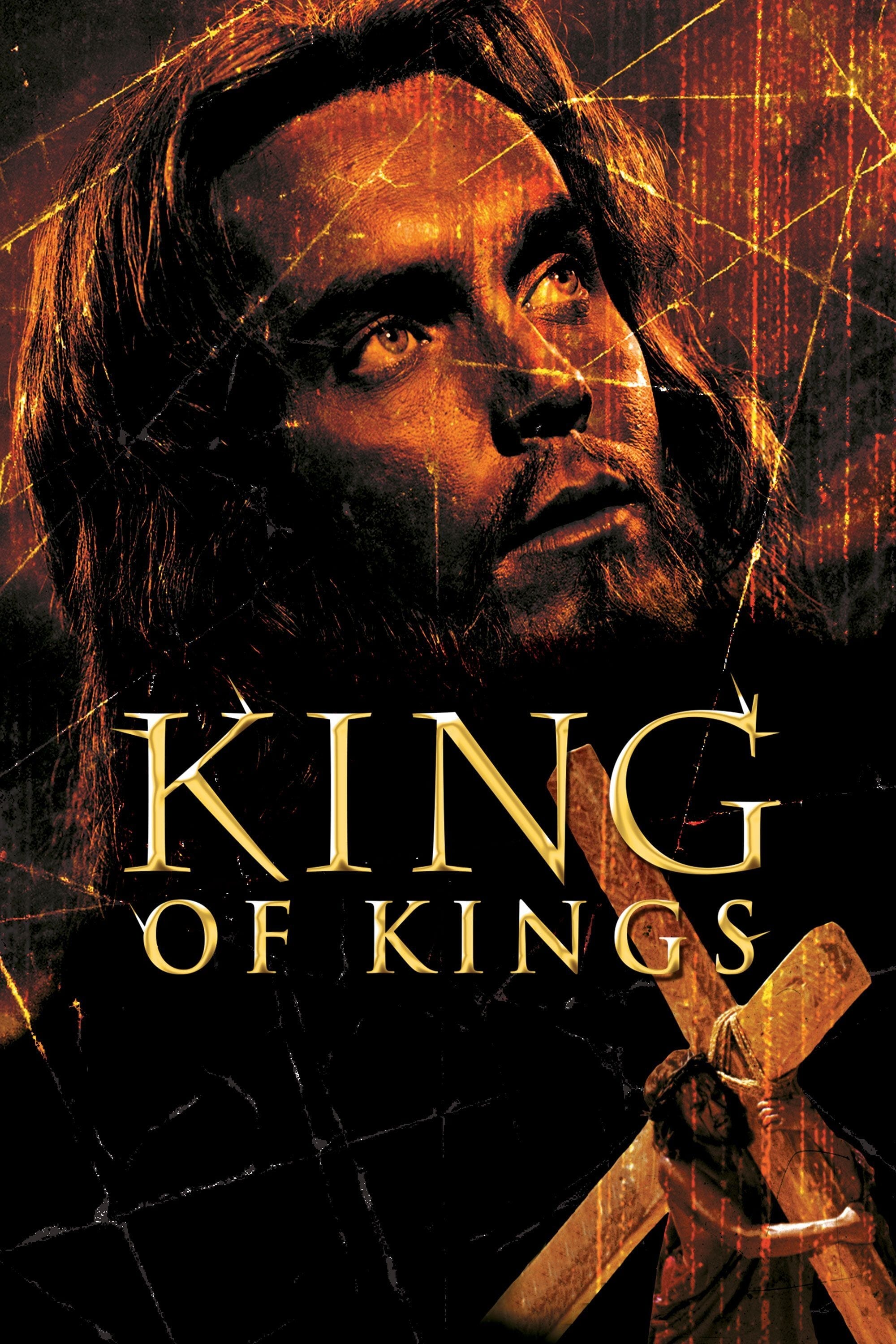
The King of Kings is the Greatest Story Ever Told as only Cecil B. DeMille could tell it. In 1927, working with one of the biggest budgets in Hollywood history, DeMille spun the life and Passion of Christ into a silent-era blockbuster. Featuring text drawn directly from the Bible, a cast of thousands, and the great showman’s singular cinematic bag of tricks, The King of Kings is at once spectacular and deeply reverent—part Gospel, part Technicolor epic.