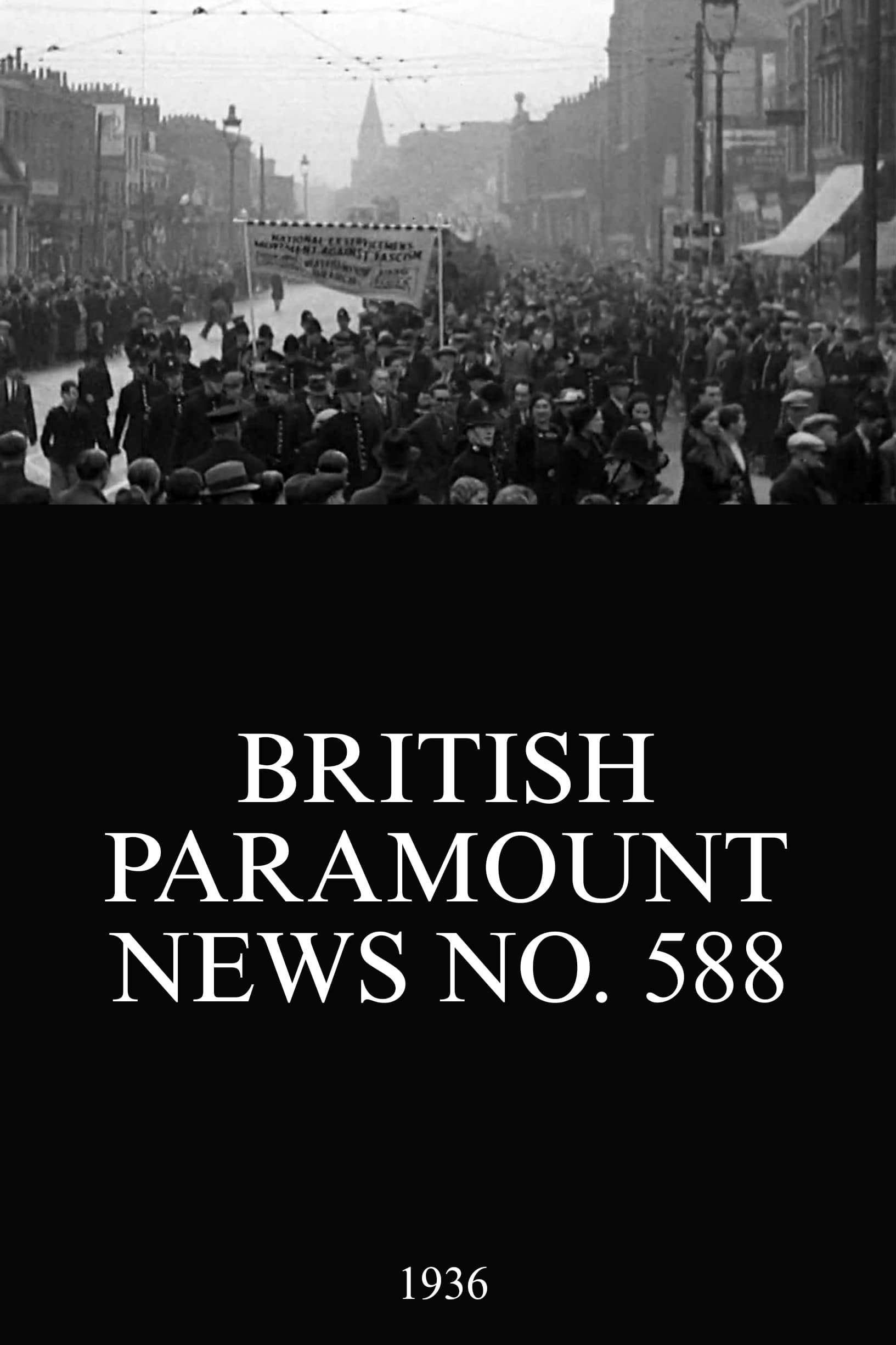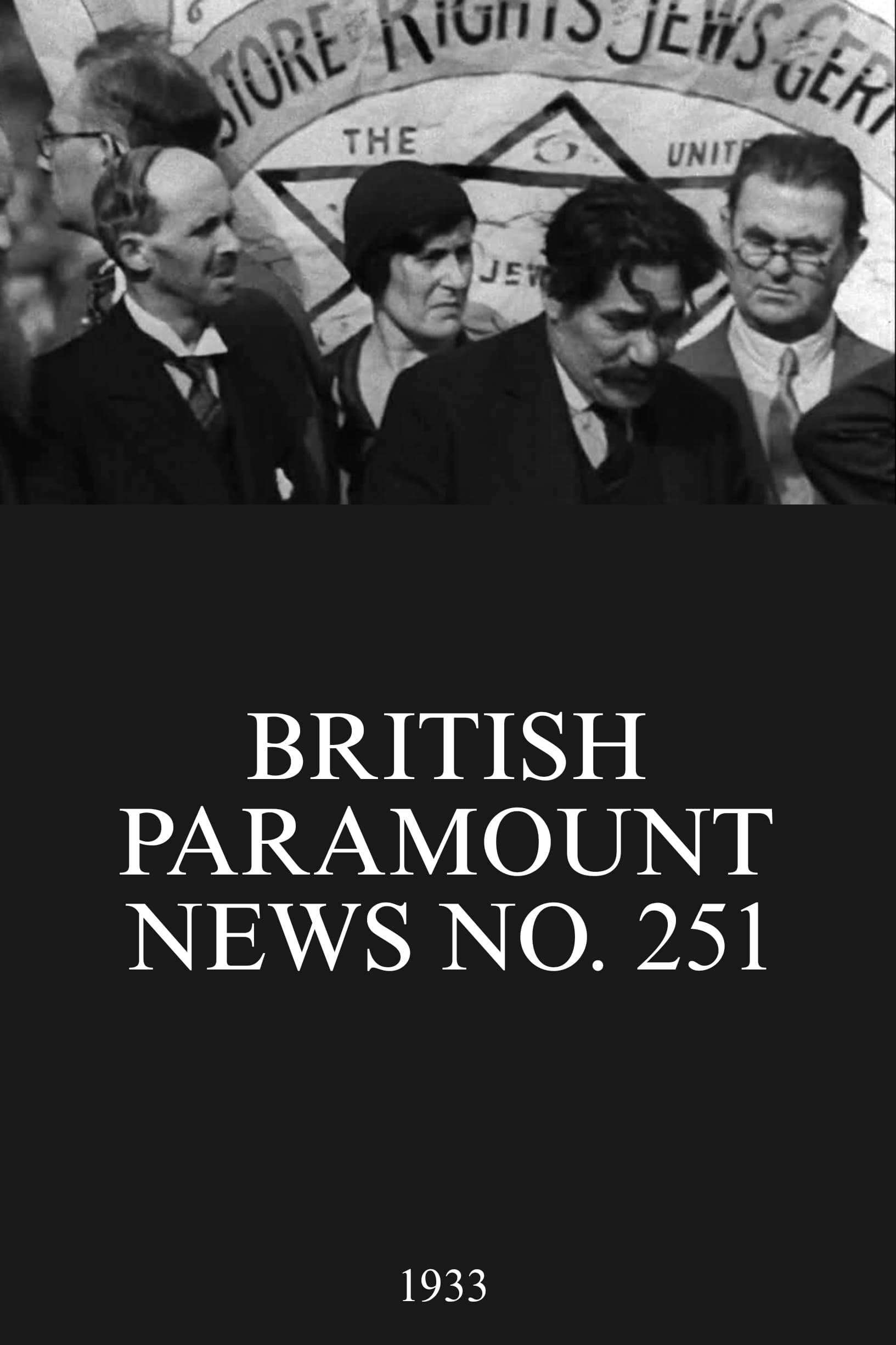
We Protest: 80,000 descend on Hyde Park to demonstrate against Hitler’s antisemitism.
Social & External
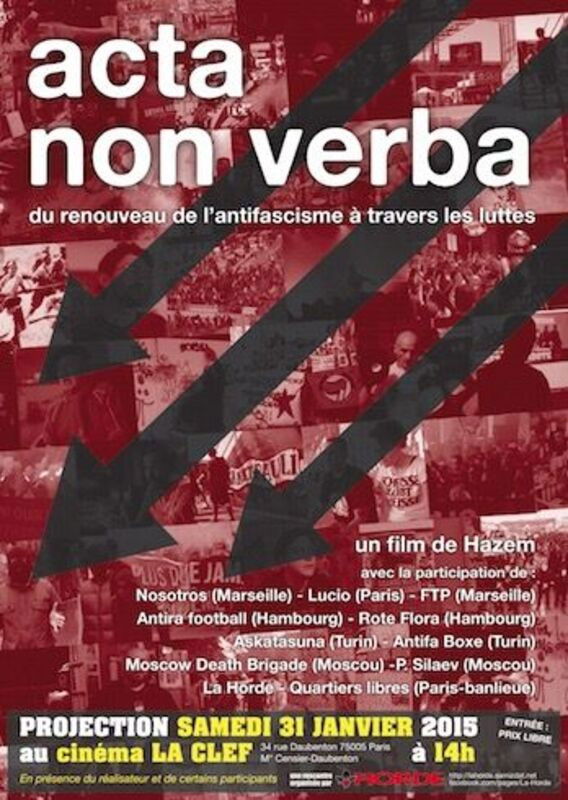
A low-intensity war is being fought on the streets of Europe and the aim is on fascism. This critically acclaimed documentary takes us behind the masks of the militants called antifascists. In 2013 a group of armed nazis attacks a peaceful demonstration in Stockholm where several people are injured. In Greece the neo-nazi party Golden Dawn becomes the third largest in the election and in Malmö the activist Showan Shattak and his friends are attacked by a group of nazis with knives and he ends up in a coma. In this portrait of the antifascists in Greece and Sweden we get to meet key figures that explain their view on their radical politics but also to question the level their own violence and militancy.

The concept for the film was developed based on sociological research conducted as part of the Youth Subcultures conference in collaboration with the Institute of Sociology of the Slovak Academy of Sciences. The film’s core value lies in its ability to provide an inside look at selected subcultures, achieving an exceptional level of engagement with their members. The filmmakers managed to break through the participants' initial reluctance to openly discuss their experiences. The documentary directly addresses key aspects of these subcultures, including drugs, faith, and personal beliefs. It focuses on six specific groups: the techno scene, graffiti artists, antifascists, religiously oriented youth, skinheads, and young people inspired by Eastern spirituality. The film includes footage from illegal rave parties, graffiti sessions, and other underground activities. Overall, the documentary serves as an insightful map of Bratislava’s contemporary alternative scene.
A group of young politicians campaigning against an authoritarian constitution speak up, spark hope and ignite a once-in-a-generation movement in this energetic exploration of the recent elections in Thailand.
In the Briançonnais mountains, in France, men and women on the roads of exile find the courage to cross the passes on foot, risking their lives. Arrived at the end of a long journey, exhausted, they do not know if they could settle down somewhere to start their life over. It is this transitional time that "The Adventure" tells. Ossoul, the Sudanese poet, Mamadou, survivor of an icy night at the Col de l'Échelle, Charlotte, Mother Courage and others are gradually getting back on their feet and settling to embark on a new life. Filmed over three years, "L'Aventure" is a story of resilience, friendships and revealed emotions. The portraits are drawn and deepened until everyone can recognize themselves in the other, put themselves in their place and understand them.
100th Anniversary overview of the Labin Republic - the world's first anti-fascist uprising.
'Stand together!', a film on the "mass day of solidarity" on 11 July 1977, was made in 1977 for the Grunwick Strike Committee by the Newsreel Collective, of which Chris Thomas was a member, and members of the Association of Cinematograph, Television and Allied Technicians (ACTT) and the Transport and General Workers' Union.
Ewa Hołuszko is a remarkable figure. In the 1980s she bore the male name of Marek Hołuszko, an active Solidarity movement activist. After 1989 she could not fully enjoy the regained freedom as the place of communism was taken by another enemy, more difficult to defeat, intolerance and exclusion. Gender change made her realize how far away Polish society is from full freedom. Nevertheless, she still believes that it is possible to live in a different Poland, free from stigmatization, persecution and prejudice against others.
A showcase of German chancellor and Nazi Party leader Adolf Hitler at the 1934 Nuremberg Rally.
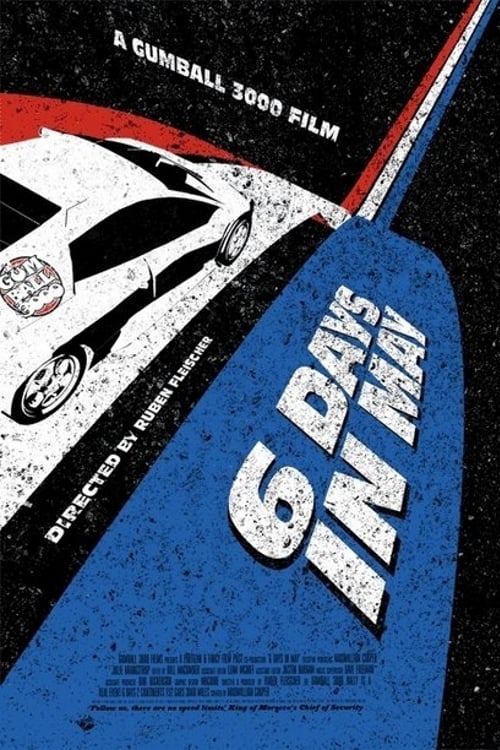
Some of the most amazing cars ever built race across Spain and head south into Africa in the 6th Annual Gumball 3000 Rally. This film captures the 2004 race, which featured Ferrari Enzos, Hummers, Caterhams, Aston Martins and other rare autos driven by an eccentric mix of skateboard pros, supermodels, Saudi royals and billionaires. The thrills abound as racers evade the law to be the first to cross the finish line at the Cannes Film Festival.
A documentary made by Cuban journalists about the Portuguese revolution in 1974 that overthrew the dictatorship of Salazar
The neon sign ‘Circus’ illuminates the wide street of Naples’ suburbs: four circus families were abandoned by the institutions, and now they’re awaiting the pandemic will disappear, like a magic show. The circus has stopped, but their lives go on.
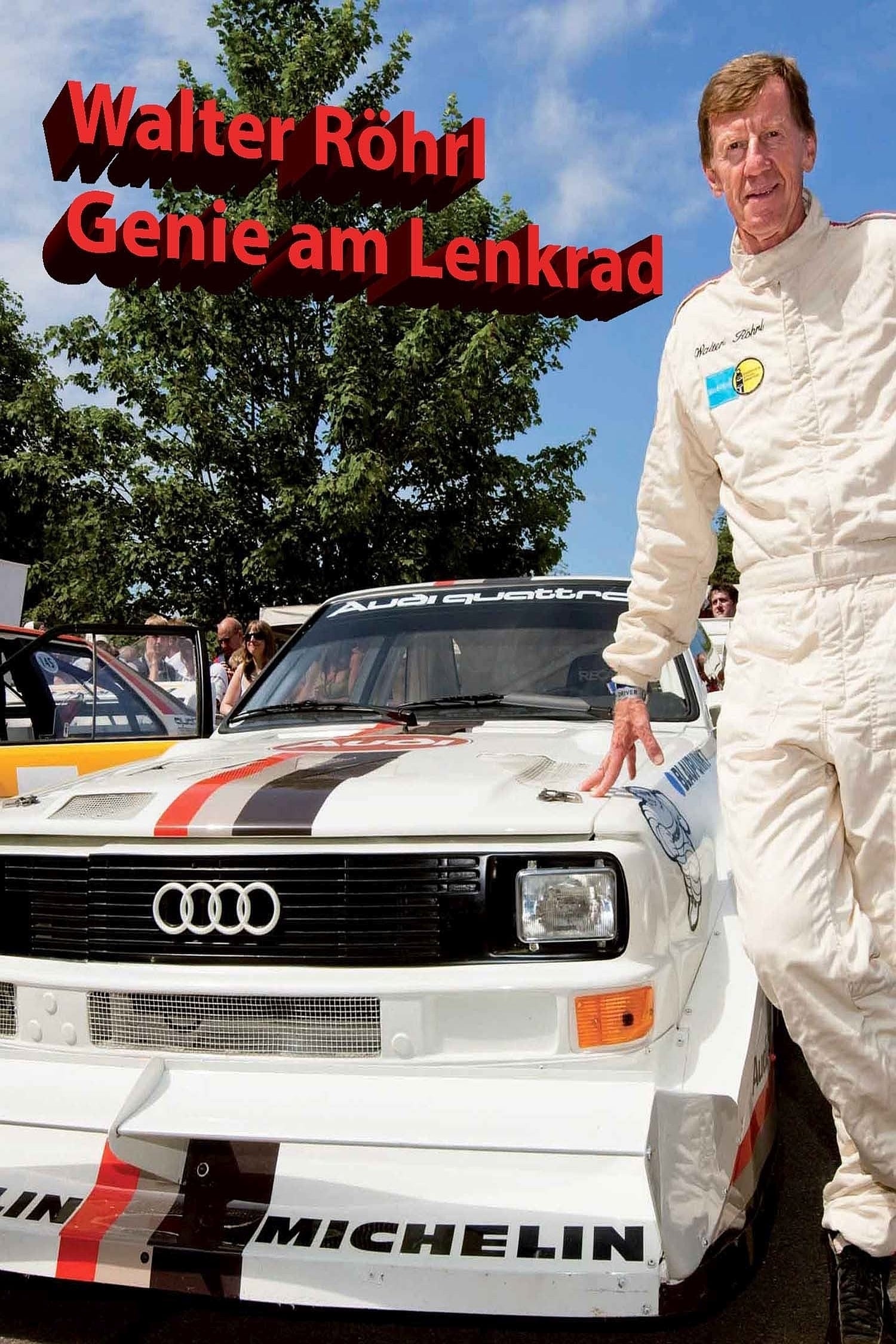
50 Years of Rallying Five decades of rallying, from the early endurance and regularity tests of well-to-do but slightly bored aristocrats in the mid-fifties, via the first sprints on cordoned-off Scandinavian gravel roads with stars like Tom Trana or Erik Carlsson, to monstrous long distance races and today’s high-tech events in the dust. This movie tells it all over 90 gripping minutes, compiled largely from the archives of Austria’s legendary rally filmmaker, Helmut Deimel. The milestones of this spectacular journey through time are the groundbreaking cars, the great personalities, magnificent places, and the most wonderful moments of the sport. Using special features, Deimel spotlights the dynamism, the magic, the uniqueness of rallying. Interviews with the most important drivers and team bosses add colour and authenticity to the story – from enthusiasts’ intrepid adventures to the merciless sprints of today’s professionals. The movie was conceived and directed by Helmut Deimel.
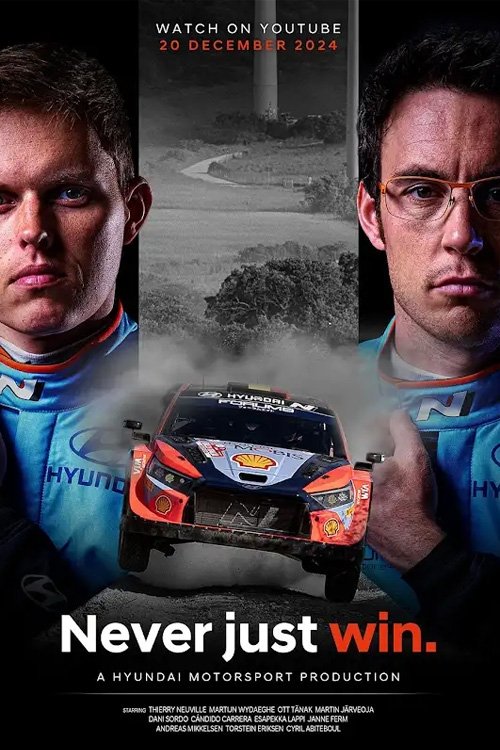
For the World Rally Championship, the 1980s was a decade of drama, controversy, triumph, tragedy and, most importantly, Champions. In this action-packed DVD we meet every World Rally Champion from a turbulent time, as well as the cars they drove.
A documentary on the life of rally driver Michèle Mouton.
Bobbing around on Mediterranean waters aboard the Ocean Viking, aid workers from the French relief service SOS Méditerranée gaze at the horizon. Is that a rubber dinghy in the distance, or is it garbage? The organization sails up and down the Libyan coast looking to pick up refugees in boats. On board is a 30-strong team ready to offer help and support refugees with their asylum applications.
Annita Malavasi was just 22 when the Germans occupied Italy, their former allies, in 1943. As a partisan in the Italian resistance named “Laila”, she moved throughout the Apennines with and between fighting units, delivering information, transporting weapons, and taking part in battles. She spent over a year in the Apennines, fighting against the German occupation. At the same time, she had to assert herself against the men of the mountain villages. By the end of the war, Laila had risen among the ranks to become one of the few female commanders in the Italian resistance. This film chronicles the story of a lifelong struggle for emancipation that began with the battle for Italy’s liberation from fascism. Laila and her two comrades, Gina “Sonia” Moncigoli and Pierina “Iva” Bonilauri talk about their time in the Resistenza and what it meant to them and many other women.
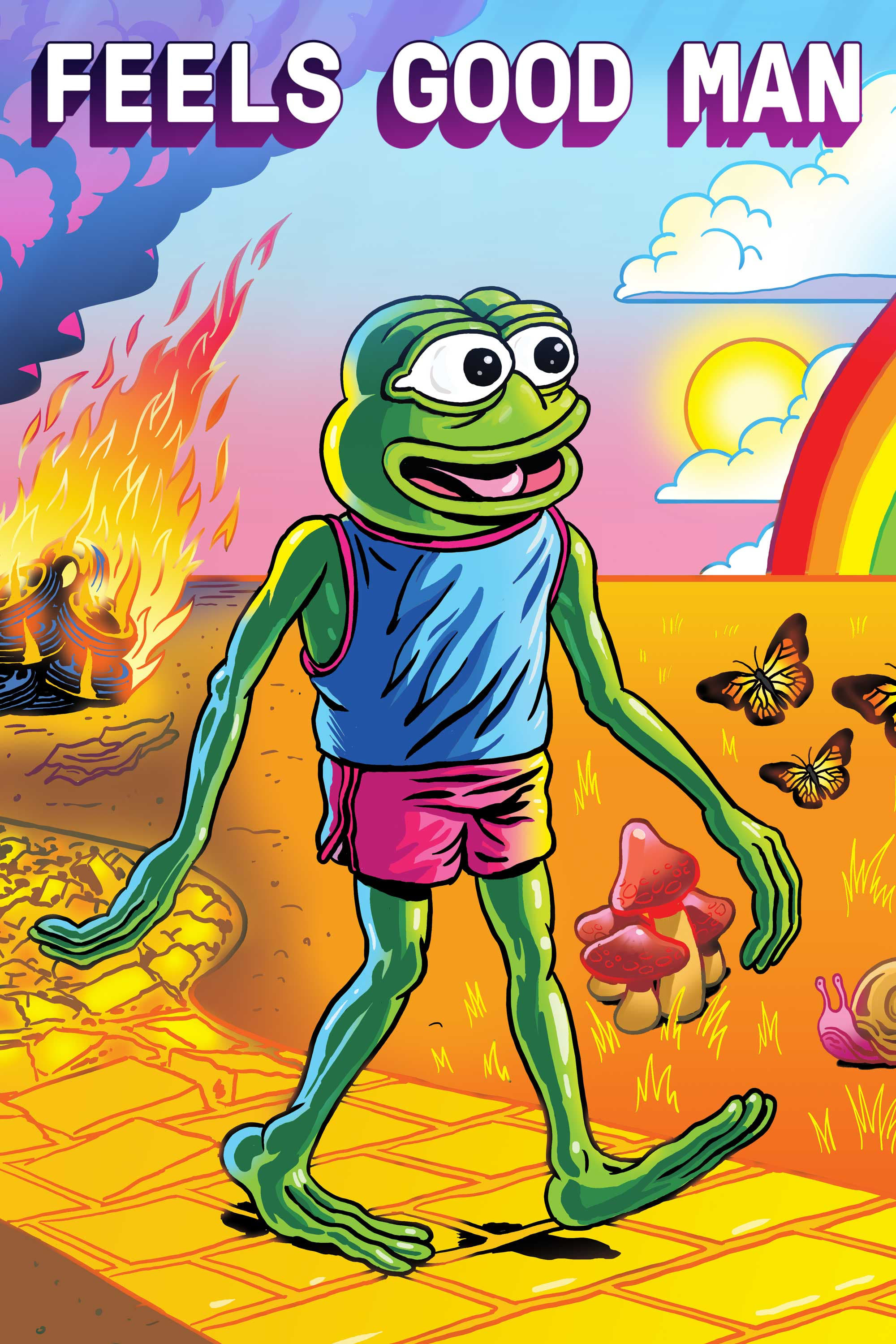

A reflective look at the arrival and impact of AIDS in San Francisco and how individuals rose to the occasion during the first years of the crisis.
July, 1936. The terrible Spanish Civil War begins. When the streets are taken by the working class, the social revolution begins as well. The public shows are socialized, a model of production and exhibition of films, never seen before in the history of cinema, is created, where the workers are the owners and managers of the industry, through the unions.